
Ensuring Warehouse Safety: Your Guide To Shelving Standards
By Tom Seest
At RackingWorld, we help guide you through selecting warehouse storage systems and racking.
Be sure to read our other related stories at RackingWorld to learn more about warehouse storage systems.
Where to Find Warehouse Shelving Safety Standards?
When it comes to running a warehouse, safety should be at the forefront of every operation. Not only is it essential to protect your employees, but adhering to safety standards can also save your business from costly lawsuits and insurance claims. So, where do you find the concrete safety standards for warehouse shelving? The answer lies in a mix of regulatory organizations, online resources, and industry guidelines.
First and foremost, the Occupational Safety and Health Administration (OSHA) serves as a cornerstone for warehouse safety regulations in the U.S. They provide a plethora of resources outlining the necessary safety measures for warehouse shelving and storage systems. Their website offers detailed guidelines on load capacities, aisle width, and general best practices. For example, did you know that OSHA recommends conducting regular inspections of shelving units to address potential hazards before they escalate? Having a systematic inspection routine not only falls in line with OSHA recommendations but also encourages a culture of safety within your organization.
Another great resource is the American National Standards Institute (ANSI), which oversees the development of voluntary standards for various industries, including warehousing. ANSI’s guidelines cover shelving types, load specifications, and even employee training requirements. Be sure to check out ANSI/ASIS R14.0, which focuses on the safe design and performance of industrial storage racks. This document outlines critical practices you should implement to mitigate risks in your warehouse.
If you’re looking for a more community-driven approach, consider resources like the Material Handling Industry (MHI), which frequently publishes white papers, case studies, and research on best practices for warehouse operations. Their “2019 MHI Annual Industry Report” touches on trending issues such as automation in logistics, which is particularly relevant in today’s fast-paced distribution landscape.
Let’s not forget about trade associations such as the Rack Manufacturers Institute (RMI), which focuses specifically on storage rack safety standards. They provide an array of resources, including the ANSI MH16.1 standard, which covers structural integrity and testing requirements for industrial storage racks. Keeping abreast of these standards can significantly improve your safety compliance and operational efficiency.
Finally, leveraging online platforms like LinkedIn or industry-specific forums can connect you with experts in warehouse safety. Engaging in discussions and webinars can keep you updated on the latest trends and regulation changes, ensuring your business remains ahead of the curve.
In today’s ever-evolving warehouse environment, it’s essential to stay informed about safety standards. From OSHA to ANSI, the resources are abundant—you just need to know where to look!
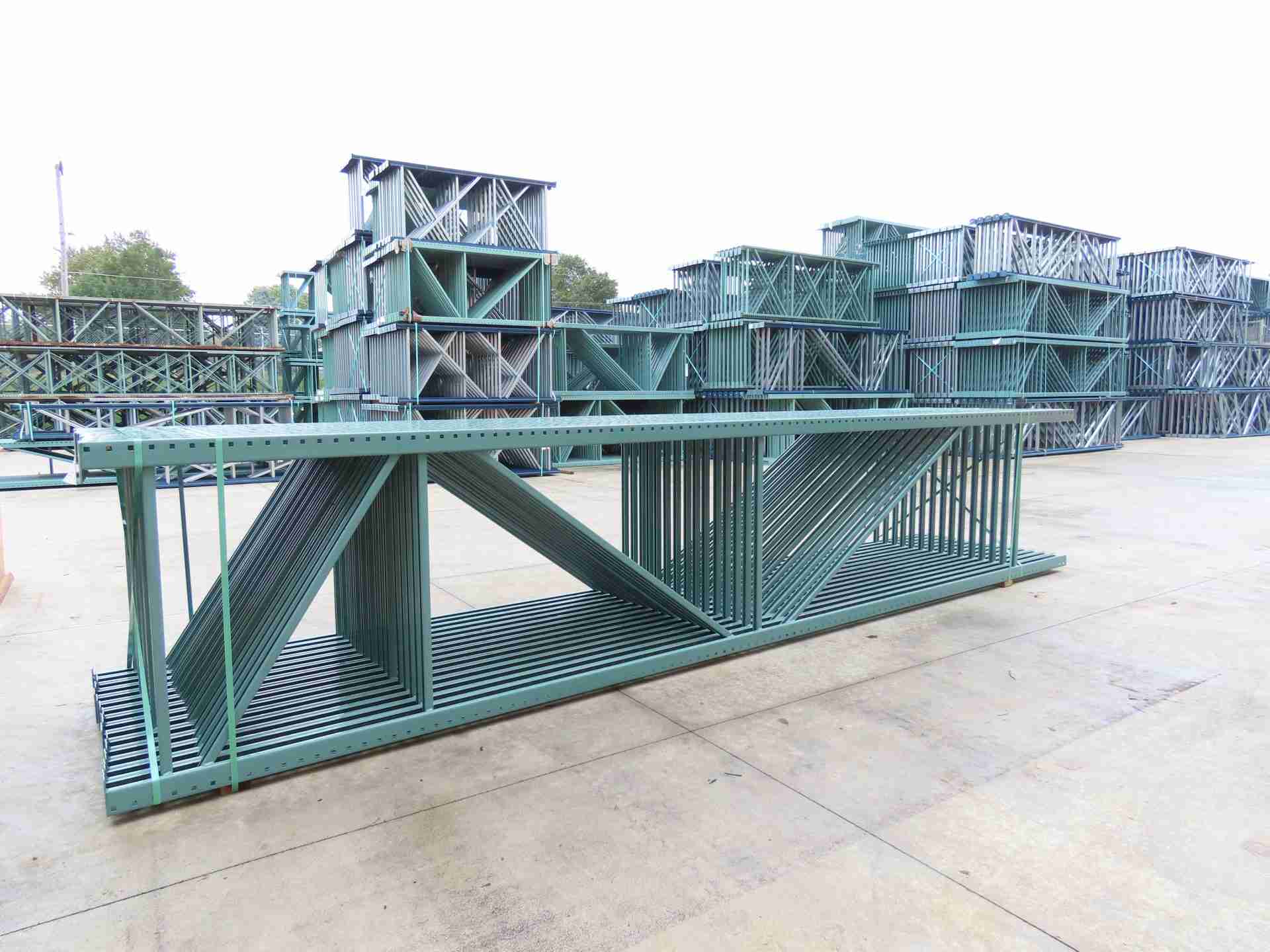
Where to Find Warehouse Shelving Safety Standards?
Where to Find Warehouse Shelving Safety Standards?
- Warehouse safety is crucial for employee protection and legal compliance.
- Occupational Safety and Health Administration (OSHA) provides extensive safety guidelines for warehouse shelving.
- OSHA recommends regular inspections to identify and mitigate potential hazards.
- American National Standards Institute (ANSI) develops voluntary standards for warehouse operations, including shelving and load specifications.
- The Material Handling Industry (MHI) offers community-driven resources, such as reports on trends in warehousing and logistics.
- Trade associations like the Rack Manufacturers Institute (RMI) focus on storage rack safety standards and compliance.
- Online platforms and forums can connect you with safety experts and keep you updated on industry trends and regulations.
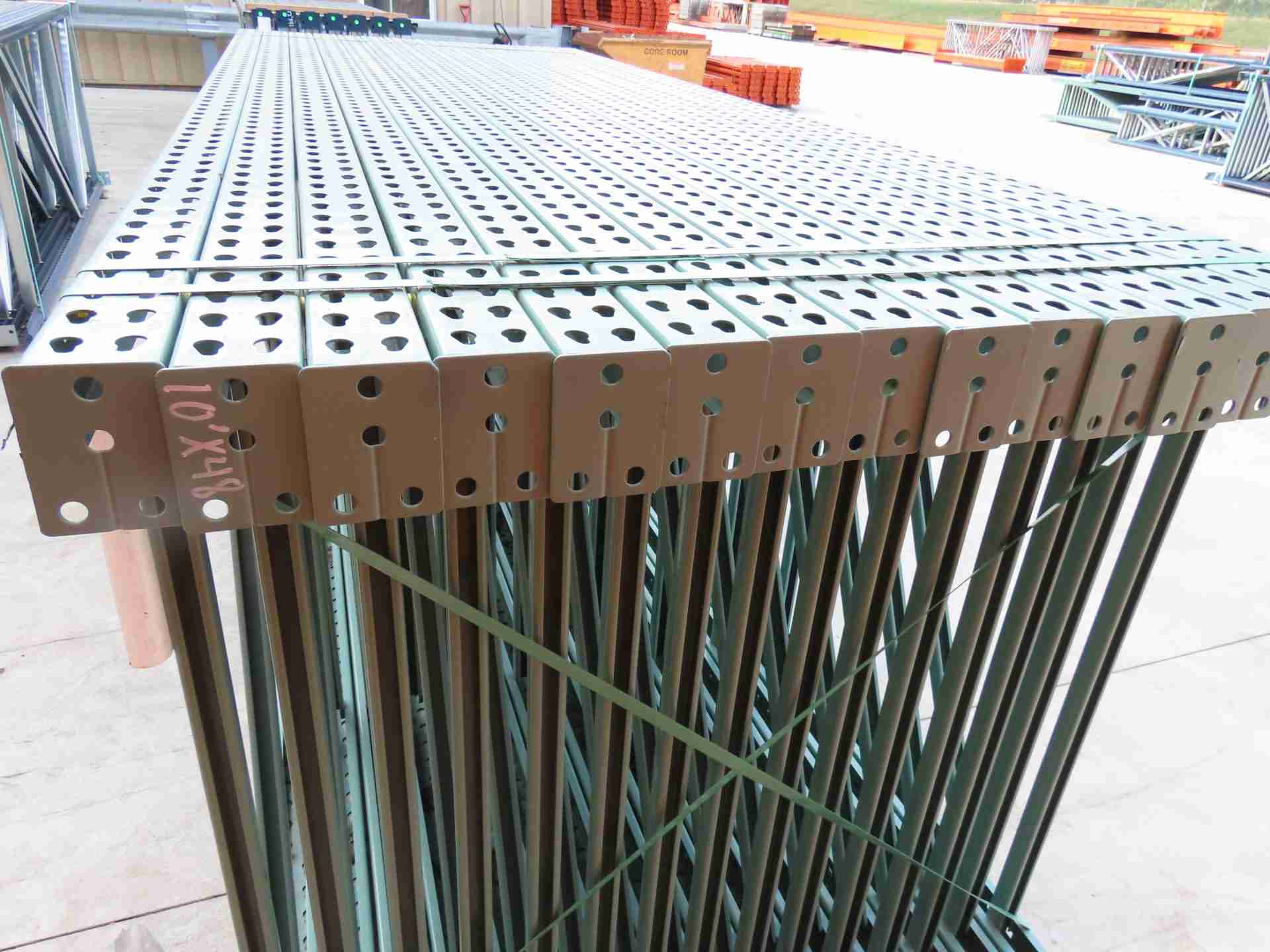
Where to Find Warehouse Shelving Safety Standards?
Table Of Contents
- Where to Find Warehouse Shelving Safety Standards?
- How Can I Ensure My Warehouse Shelving Meets Safety Regulations?
- What Organizations Set Warehouse Shelving Safety Standards?
- Are There Specific Weight Limits For Warehouse Shelving?
- How Often Should I Inspect My Warehouse Shelving For Safety?
- What Are The Consequences Of Ignoring Shelving Safety Standards?
- How Can I Assess The Stability Of My Warehouse Shelving?
- What Type Of Training Do Employees Need For Shelving Safety?
- How Do I Choose The Right Shelving Materials For Safety?
- What Equipment Is Necessary For Safe Warehouse Shelving?
- Are There Industry-Specific Shelving Safety Guidelines?
- What Resources Are Available For Shelving Safety Compliance?
- How Can I Address Common Shelving Safety Risks?
- What Is The Role Of Safety Audits In Shelving Management?
- How To Report A Safety Issue Related To Warehouse Shelving?
- Conclusion
- Other Resources
- Glossary Of Terms
- Other Questions
- Checklist
How Can I Ensure My Warehouse Shelving Meets Safety Regulations?
Ensuring your warehouse shelving meets safety regulations isn’t just about compliance; it’s about safeguarding your team and your bottom line. In today’s fast-paced environment, where supply chain disruptions and workplace safety incidents can significantly impact operations, it’s crucial to invest time and resources into your shelving systems.
Start by familiarizing yourself with OSHA standards and local regulations related to warehousing. For example, OSHA mandates that shelves must be stable enough to support the weight of the products stored, and height limitations are enforced to prevent tipping. Conducting a thorough audit of your current shelving can help identify potential pitfalls. Are your shelves wobbling or sagging under the weight? Consider the infamous incident from last year when a massive warehouse collapse highlighted the consequences of neglecting safety standards, sending ripples through the industry and prompting a wave of regulatory scrutiny.
Next, consider applying the principles of the 5S methodology—Sort, Set in order, Shine, Standardize, and Sustain. This approach streamlines your operations while ensuring that safety is at the forefront. For instance, after sorting and organizing your stock, properly labeling shelves can reduce the risk of employees attempting to overstack items or climb improperly to reach products at height. Real-world examples show that companies adhering to 5S principles not only witness enhanced warehouse efficiency but also report fewer accidents. You can’t afford to overlook this symbiotic relationship between efficiency and safety.
Additionally, training your employees in safe practices concerning shelving use is vital. Regular training sessions can help instill a culture of safety. Highlight best practices, such as utilizing proper lifting techniques and the importance of following load limits. Imagine a scenario where your workforce feels empowered to speak up about safety concerns and proactively addresses potential risks—this is a culture worth cultivating.
Lastly, choose up-to-date shelving solutions that comply with the latest innovations and standards. Manufacturers are constantly improving shelving designs for strength, stability, and ease of use. For example, modular shelving systems that allow for scalability while maintaining safety could be an investment that pays dividends in the long run.
By adhering to regulatory standards, implementing effective organizational practices, and fostering a culture of safety, you can ensure that your warehouse shelving not only meets regulations but also actively promotes a safer, more productive work environment. Don’t wait for an incident to remind you—take action today, protect your team, and drive your profitability.

How Can I Ensure My Warehouse Shelving Meets Safety Regulations?
How Can I Ensure My Warehouse Shelving Meets Safety Regulations?
- Warehouse shelving compliance is crucial for team safety and operational efficiency.
- Familiarize yourself with OSHA standards and local regulations regarding shelving stability and weight limits.
- Conduct thorough audits to identify potential shelving issues, like wobbling or sagging.
- Implement the 5S methodology (Sort, Set in order, Shine, Standardize, Sustain) to enhance safety and efficiency.
- Train employees on safe shelving practices, including proper lifting techniques and load limits.
- Invest in modern shelving solutions that follow the latest safety standards and innovations.
- Proactively ensure safety standards to create a culture of safety and improve productivity.
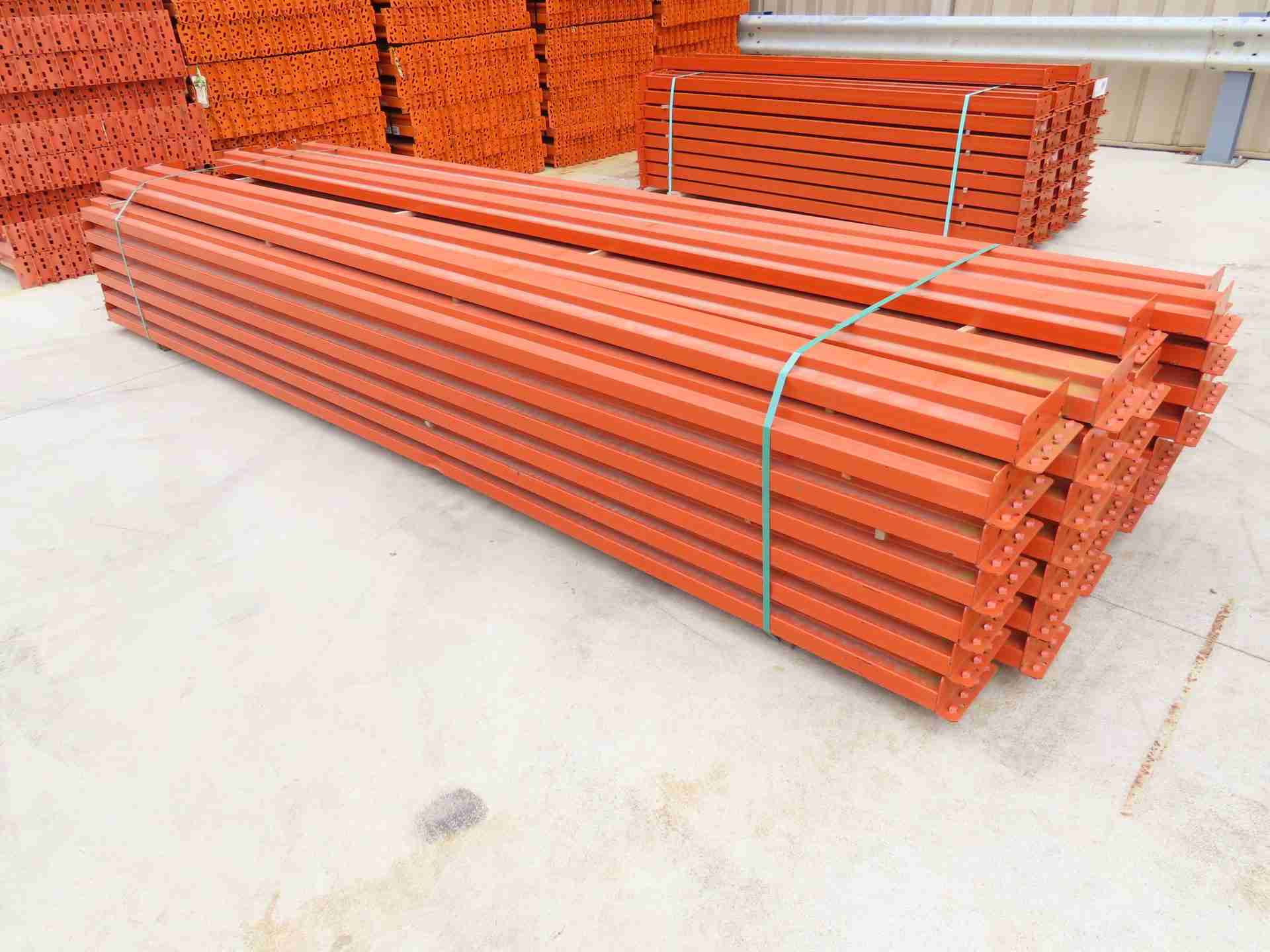
How Can I Ensure My Warehouse Shelving Meets Safety Regulations?
What Organizations Set Warehouse Shelving Safety Standards?
In the fast-paced world of warehousing and logistics, safety and efficiency are paramount. Organizations setting warehouse shelving safety standards play a massive role in ensuring that operations run smoothly and injuries are minimized. It’s not just about maximizing space; it’s about protecting lives and investments.
The Occupational Safety and Health Administration (OSHA) is perhaps the most prominent authority in the realm of workplace safety in the United States. OSHA establishes regulations that directly impact shelving safety, insisting that businesses maintain a safe working environment. With reports indicating that warehouse injuries have risen in recent years—partly due to the explosion of e-commerce and increased demand—OSHA has increased its focus on inspecting storage methods and employee training. For instance, if a warehouse fails to follow the correct protocols when installing heavy-duty shelving, it risks not only employee safety but also substantial fines.
Beyond OSHA, the American National Standards Institute (ANSI) plays a critical role by developing consensus standards for shelving and racking systems. ANSI’s guidelines help warehouses select the appropriate equipment and design layouts conducive to both safety and efficiency. ANSI/NAPIA (National Association of Purchasing & Inventory Affairs) standards specifically detail the load capacities of various shelving types, aiding companies in avoiding catastrophic failures that can occur when shelves are overloaded.
The Institute of Occupational Safety and Health (IOSH) also contributes to safety standards, providing resources and guidelines to ensure that warehouse operations prioritize employee well-being. With approximately 200,000 warehouse workers injured in the U.S. each year, implementing IOSH recommendations—such as regular assessments of warehouse shelving—has never been more critical.
In light of recent events, such as the COVID-19 pandemic, where employees had to adapt to mass logistics shifts, understanding and implementing these standards has taken on new urgency. Think of companies like Amazon, which not only revolutionized warehousing but also faced increased scrutiny over their shelving systems. With rapid expansions, they had to ensure their facilities adhered to safety standards, not just for compliance but for maintaining their reputation amidst growing public scrutiny.
Ultimately, a commitment to adhering to established safety standards is more than an obligation; it’s a savvy investment in a company’s future. Maintaining a stellar safety record enhances brand reputation, boosts employee morale, and significantly reduces potential legal liabilities. Ignoring these guidelines can leave your warehouse vulnerable—a risk that no modern organization can afford to take.
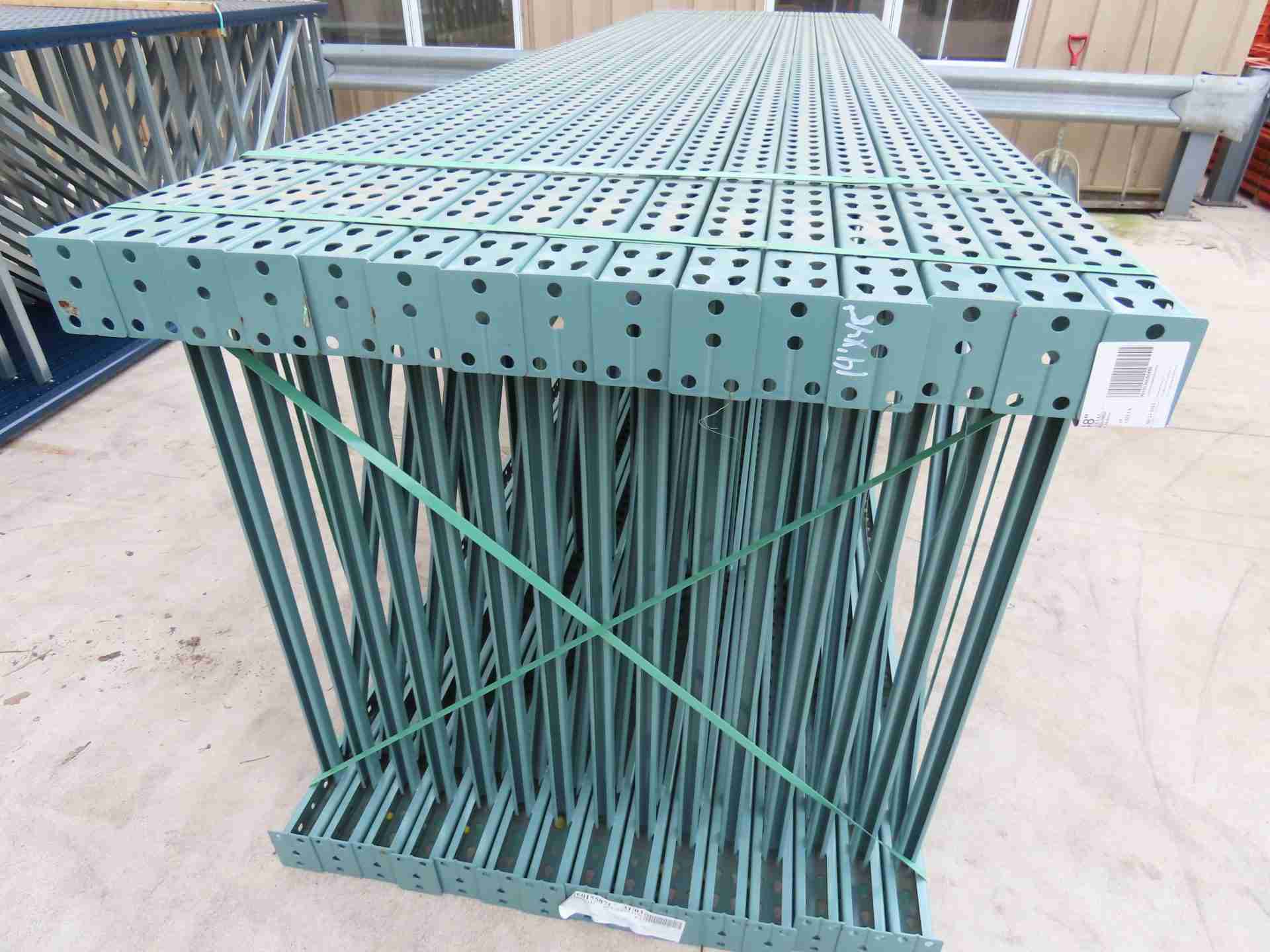
What Organizations Set Warehouse Shelving Safety Standards?
What Organizations Set Warehouse Shelving Safety Standards?
- Safety and efficiency are crucial in warehousing and logistics; organizations establish shelving safety standards to minimize injuries.
- The Occupational Safety and Health Administration (OSHA) sets workplace safety regulations that affect shelving safety and require a safe working environment.
- Warehouse injuries have increased, partly due to e-commerce demand, prompting OSHA to enhance inspections and employee training.
- The American National Standards Institute (ANSI) develops safety standards to help warehouses choose appropriate equipment and layouts.
- ANSI/NAPIA standards outline the load capacities of shelving types, preventing failures from overloaded shelves.
- The Institute of Occupational Safety and Health (IOSH) offers guidelines for prioritizing employee well-being, crucial with 200,000 annual warehouse injuries in the U.S.
- Adhering to safety standards is vital for brand reputation, employee morale, and reducing legal liabilities; ignoring them poses significant risks.
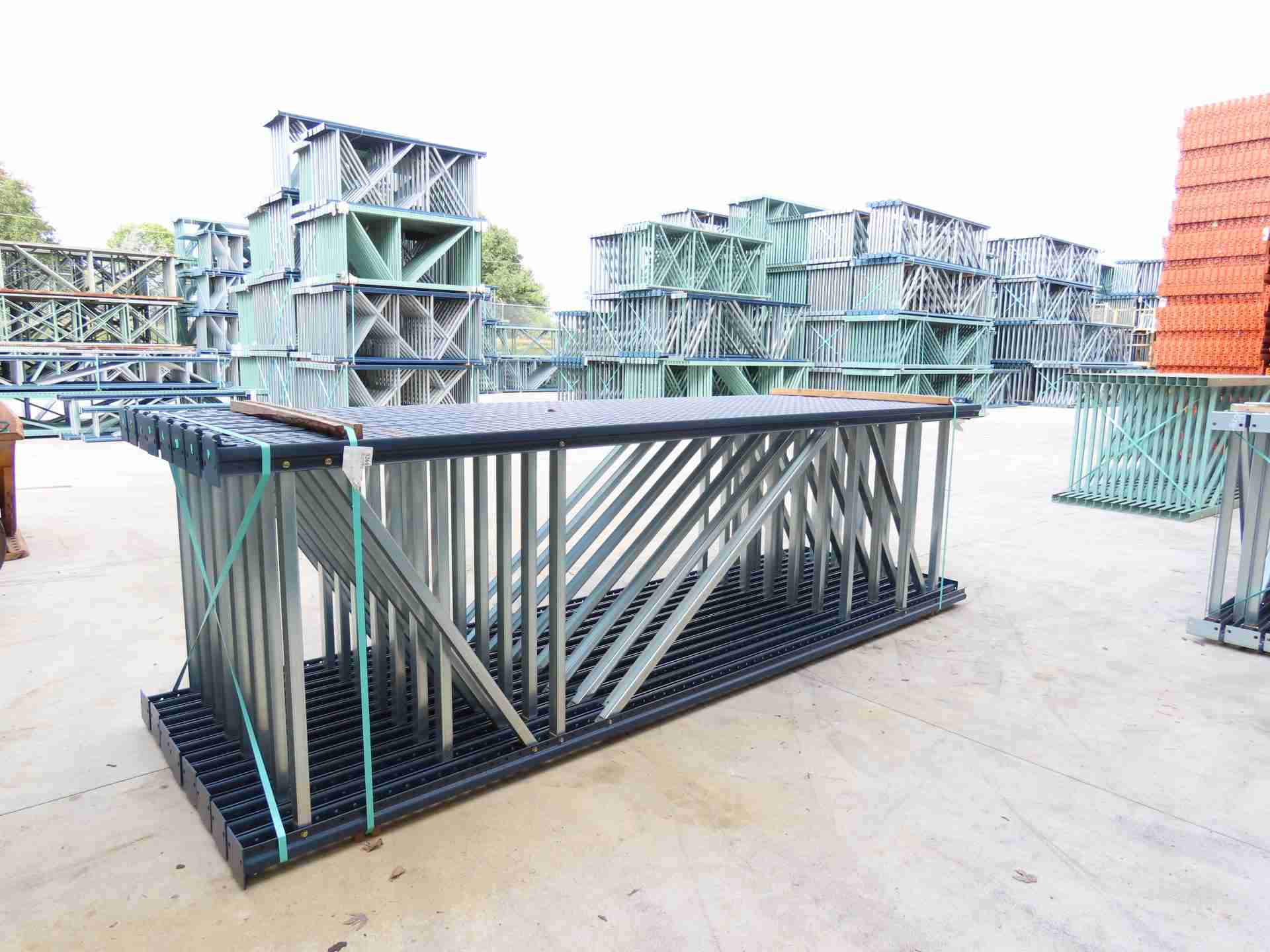
What Organizations Set Warehouse Shelving Safety Standards?
Are There Specific Weight Limits For Warehouse Shelving?
In the commercial and industrial world, the importance of proper warehousing cannot be overstated. As businesses grow, the efficiency, safety, and organization of storage systems within warehouses become critical factors in sustaining that growth. One often overlooked yet vital element of this process is understanding the weight limits of warehouse shelving systems. Ensuring compliance with these limits is not just a matter of operational efficiency; it can mean the difference between a thriving business and an unfolding disaster.
Let’s break it down. Various shelving systems have specific weight limits that depend on their design, materials, and intended use. For example, standard boltless shelving may accommodate anywhere from 1,000 to 4,000 pounds per shelf, while heavy-duty racking systems can handle upwards of 10,000 pounds per shelf. Imagine using a standard shelving unit to store your business’s valuable equipment only to find out it was not rated for the weight you loaded. The result can be catastrophic—injuries, damaged goods, and costly downtime are just the beginning.
Consider the events surrounding supply chain disruptions that have recently plagued many industries. With a heightened focus on efficiency, organizations have scaled up their inventory levels. However, without a thorough understanding of the weight limits of their shelving, they may risk overloads, leading to costly compliance violations or, worse yet, accidents. High-profile incidents, like the collapse of a warehouse shelf reported by the Occupational Safety and Health Administration (OSHA), serve as glaring reminders of the necessity for compliance with weight restrictions.
Let’s put it into action. When choosing shelving, always consult the manufacturer’s specifications to grasp the weight limits fully. Ensure that your inventory matches the shelving’s capacity. For crucial items that require enhanced support, consider adjustable shelving systems that offer flexibility for heavier loads. Alternatively, employ a mixed approach—combine various shelving solutions tailored to different inventory needs, allowing you to maximize both space and safety.
In this age of strategic resource management, the profitability of your warehouse hinges increasingly on organization and safety protocols. Don’t let ignorance become your downfall. Regularly review your shelving systems, audit your inventory, and prioritize compliance. By staying informed about weight limits and operational standards, you’ll secure not only the safety of your employees but also the longevity and success of your business. Making the right choices today can yield substantial dividends tomorrow.
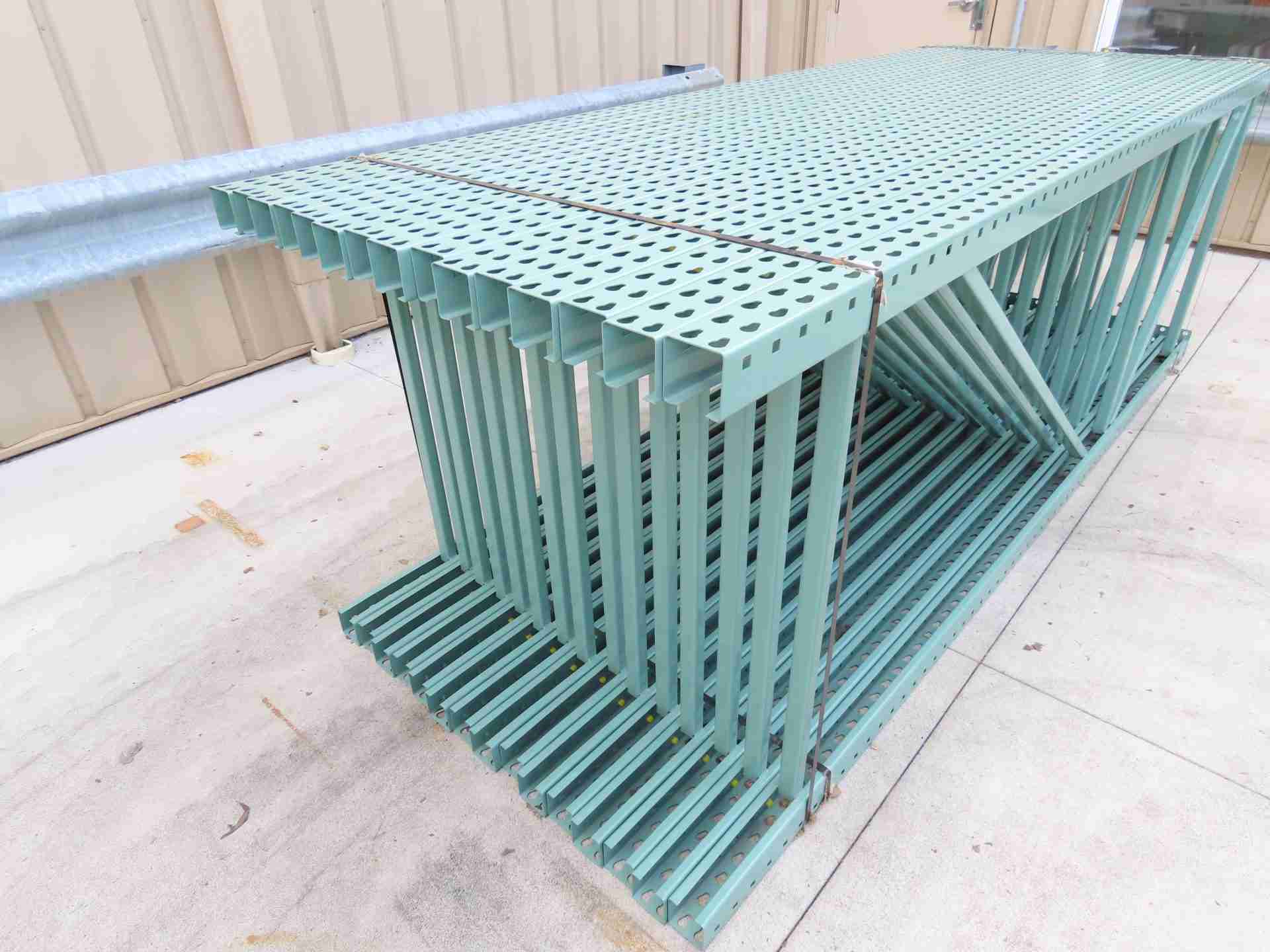
Are There Specific Weight Limits For Warehouse Shelving?
Are There Specific Weight Limits For Warehouse Shelving?
- Proper warehousing is critical for sustaining business growth in the commercial and industrial world.
- Understanding the weight limits of shelving systems is vital for operational efficiency and safety.
- Different shelving systems have specific weight limits based on their design and materials; standard shelving typically accommodates 1,000 to 4,000 pounds, while heavy-duty racks can support up to 10,000 pounds.
- Overloading shelving can result in catastrophic outcomes, including injuries, damaged goods, and costly downtime.
- Supply chain disruptions have led companies to increase inventory levels; a lack of awareness about weight limits can result in compliance violations and accidents.
- When selecting shelving, always consult manufacturer specifications and consider adjustable shelving for heavier items to ensure safety and space efficiency.
- Regularly reviewing shelving systems and inventory, while prioritizing compliance, can enhance employee safety and contribute to long-term business success.
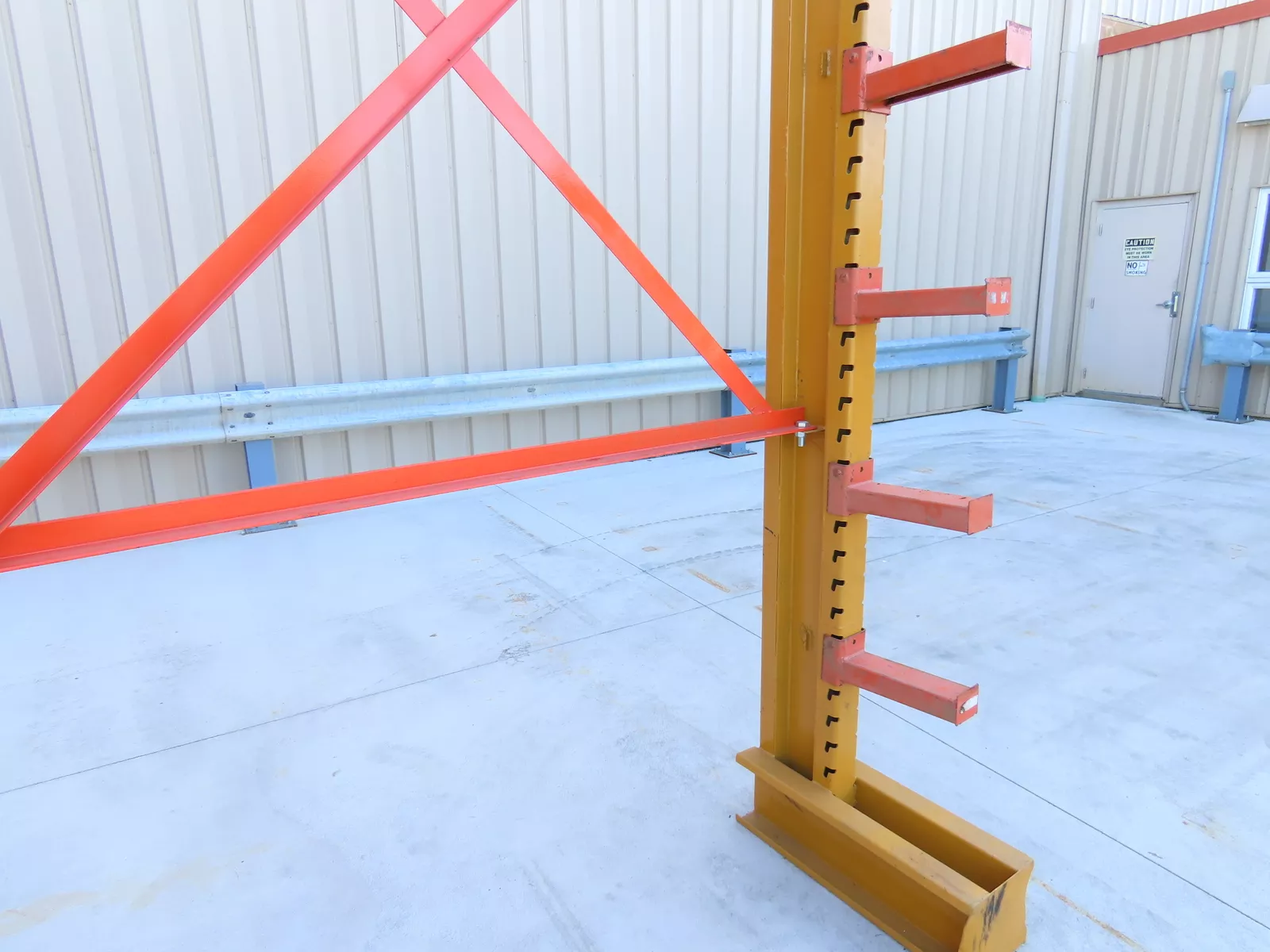
Are There Specific Weight Limits For Warehouse Shelving?
How Often Should I Inspect My Warehouse Shelving For Safety?
When it comes to warehouse operations, safety is not just a guideline—it’s a necessity. Ensuring that your shelving units are stable and secure can mean the difference between pushing profits and dealing with costly accidents, which could sideline your operations for days. But how often should you conduct inspections? The answer may surprise you.
At a minimum, you should perform a comprehensive safety inspection of your warehouse shelving every six months. However, the nature of your operations and inventory can dictate more frequent checks. If your warehouse deals with heavy, bulky items—think automotive parts or large appliances—these shelves can experience rigorous wear and tear. In such cases, a quarterly inspection might be the smart path to take.
Consider the recent surge in e-commerce. With online shopping booming, warehouses have been working overtime to keep up with demand. While you’re focused on efficiency and meeting deadlines, don’t overlook your shelving. High turnover rates can lead to an increased risk of accidents. Just last year, an incident at a major distribution center led to injuries from collapsed shelving; the root cause was a lack of regular maintenance checks. You wouldn’t want to be the next headline that sends shivers down the spines of warehouse managers everywhere.
Inspecting your shelving isn’t about checking off a list. It’s about being proactive. Look for signs of wear: rust, sagging, or cracks. Even a minor issue can escalate into a significant problem. Make sure that your shelving is not only structurally sound but also that it is being utilized correctly. Overloading shelves is a common mistake; always adhere to the load limits specified by the manufacturer. Having a regular schedule for staff training on safe shelving practices can amplify your efforts.
In addition to scheduled inspections, it’s crucial to conduct informal checks regularly. Encourage your team to remain vigilant during their daily routines. Have them report any irregularities they notice. This isn’t just about safety—it’s also about creating a culture of accountability and awareness within your work environment.
Finally, keep an eye on regulations surrounding warehouse safety, which are continually evolving. In recent months, OSHA has increased focus on enforcing stringent safety protocols. Maintaining your shelving will not only protect your employees but also align your operation with these legal standards, minimizing potential fines and legal complications.
So, remember: regular and attentive inspections of your warehouse shelving can safeguard your business, protect your employees, and enhance overall efficiency. Don’t wait for the fallout—make safety a consistent priority!
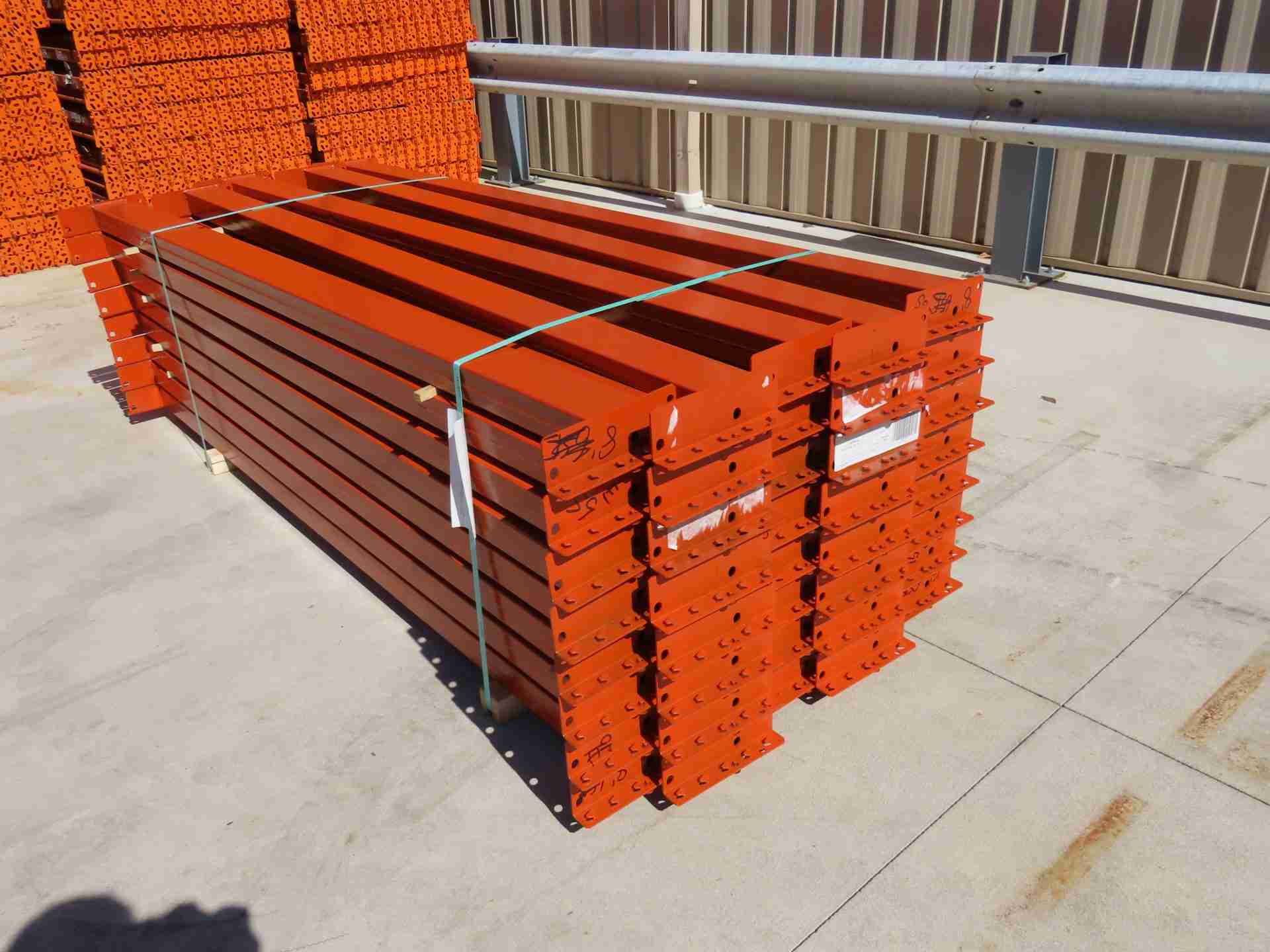
How Often Should I Inspect My Warehouse Shelving For Safety?
How Often Should I Inspect My Warehouse Shelving For Safety?
- Warehouse safety is essential for preventing costly accidents that could disrupt operations.
- Comprehensive safety inspections of shelving units should occur at least every six months.
- Heavy and bulky items may require more frequent quarterly inspections due to increased wear and tear.
- High turnover rates in e-commerce can lead to more accidents if shelving is not properly maintained.
- Regular checks for wear such as rust and sagging, as well as adherence to load limits, are vital.
- Encouraging informal inspections and reporting irregularities fosters a culture of safety and accountability.
- Stay updated on evolving regulations like those from OSHA to ensure compliance and avoid legal issues.
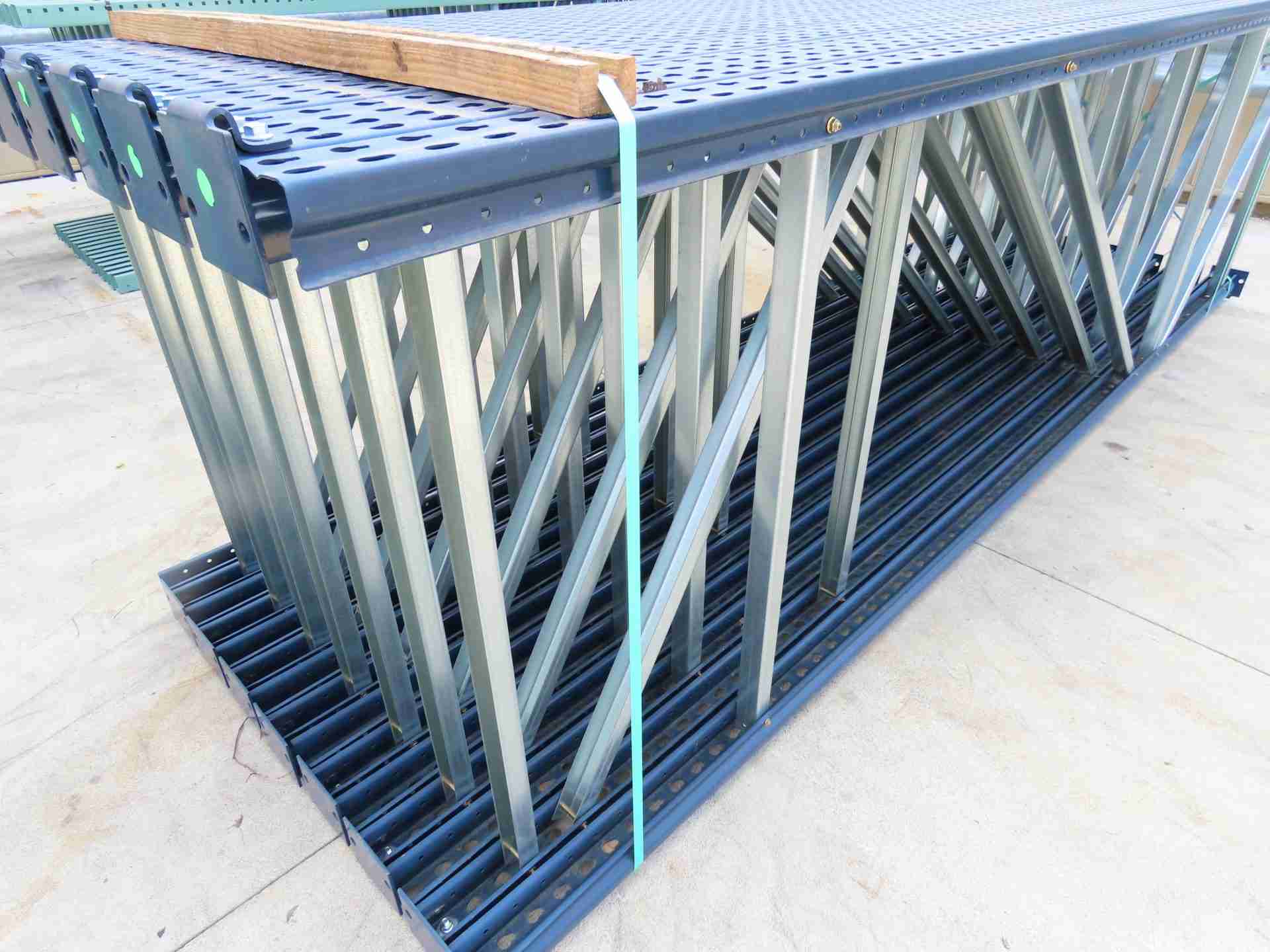
How Often Should I Inspect My Warehouse Shelving For Safety?
What Are The Consequences Of Ignoring Shelving Safety Standards?
In today’s fast-paced business environment, the temptation to cut corners on shelving safety standards can be significant. However, ignoring these standards can have dire consequences that reverberate beyond just compliance and safety fees; it can impact your brand reputation, employee morale, and ultimately your bottom line.
Let’s consider the chilling example of a major warehouse retailer that experienced a catastrophic failure due to improper shelving installations. In this case, poorly secured shelves collapsed during a busy shopping season, injuring several employees and causing substantial property damage. This incident not only prompted immediate legal repercussions, which led to costly settlements, but it also triggered a public relations nightmare. The brand’s reputation took a hit, leading to decreased consumer trust and an immediate plunge in sales. A single oversight led to a ripple effect that impacted their market share for years.
The financial implications of ignoring shelving safety aren’t just theoretical. According to a study by the National Institute for Occupational Safety and Health (NIOSH), businesses face potential liabilities that can soar to millions of dollars when safety regulations are disregarded. Insurance premiums surge, and the fines associated with non-compliance can drastically affect cash flow. In the age of social media, a single negative customer experience can spread like wildfire; bad reviews, fueled by accidents or injuries from unsafe shelving, can obliterate a loyal customer base overnight.
Moreover, neglecting shelving safety standards affects your workforce morale. Employees want to work in a safe environment—when they see their employers sidestep foundational safety protocols, their trust erodes, leading to decreased productivity and higher turnover rates. A workplace culture that prioritizes safety enhances job satisfaction and reduces absenteeism. When employees feel secure, they are more likely to invest in their roles, leading to a more productive and engaged workforce.
Finally, let’s not forget the regulatory landscape. In recent years, agencies have ramped up inspections and enforcement of safety standards. Ignoring these regulations can lead to increased scrutiny from regulatory bodies, potentially causing interruptions in operations as investigations unfold.
In the business realm, every detail counts. When it comes to shelving safety standards, it’s clear: the consequences of ignoring them can lead not only to financial losses but to lasting damage to your brand and workplace culture. Invest in safety today; your reputation, your employees, and your profit margins depend on it.
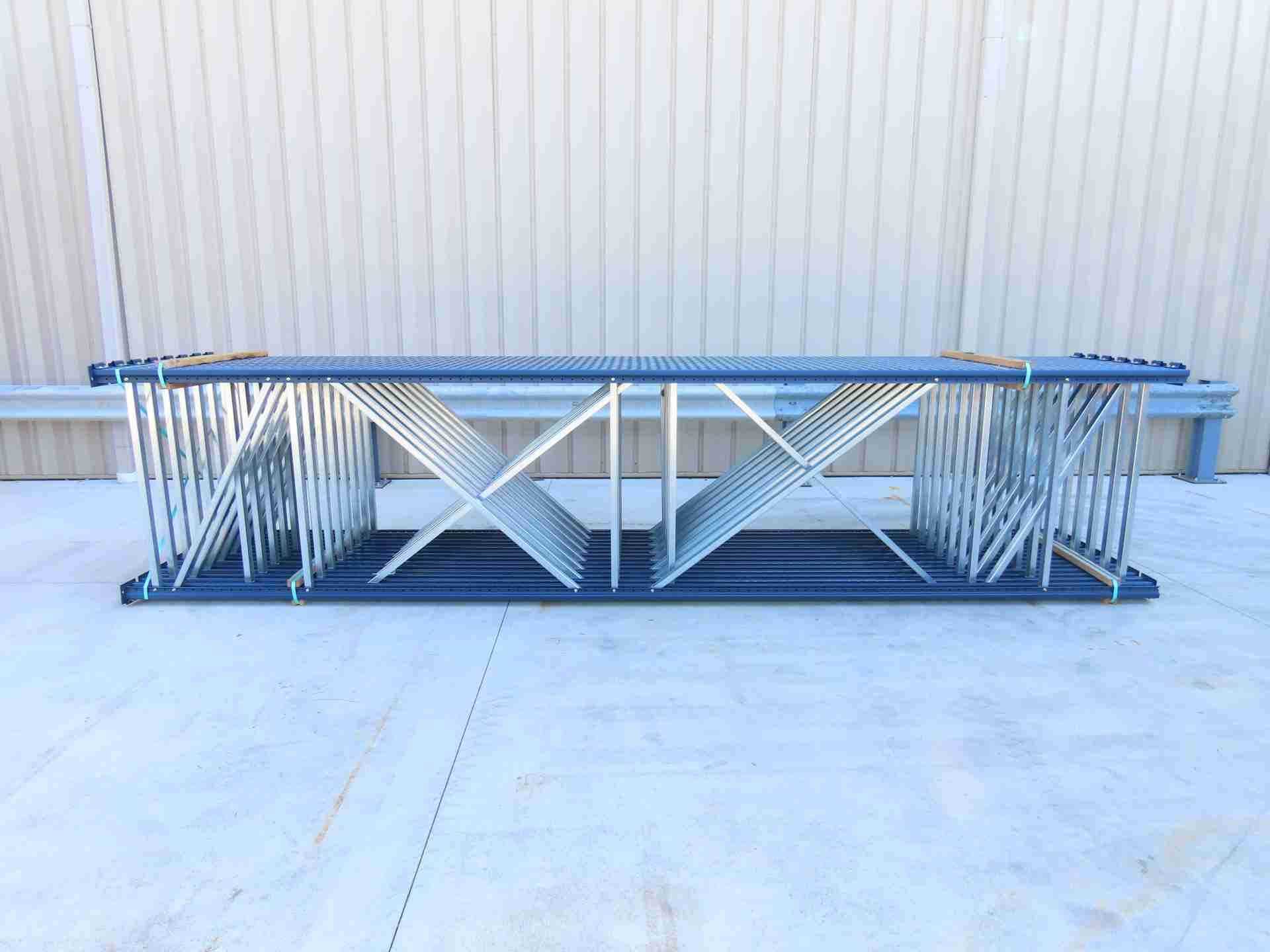
What Are The Consequences Of Ignoring Shelving Safety Standards?
What Are The Consequences Of Ignoring Shelving Safety Standards?
- Cutting corners on shelving safety can have severe repercussions beyond compliance costs.
- A major warehouse retailer faced a collapse due to improper shelving, causing injuries and significant property damage.
- This incident resulted in legal repercussions, decreased consumer trust, and a decline in market share.
- Ignoring shelving safety can lead to potential liabilities in the millions, increased insurance premiums, and fines.
- A negative customer experience from safety failures can rapidly damage a brand’s reputation on social media.
- Neglecting safety standards impacts employee morale, leading to decreased productivity and higher turnover rates.
- Regulatory agencies have increased inspections, and non-compliance can result in operational interruptions.

What Are The Consequences Of Ignoring Shelving Safety Standards?
How Can I Assess The Stability Of My Warehouse Shelving?
When it comes to maximizing efficiency in your warehouse, you must prioritize safety alongside productivity. Poorly assessed shelving can lead to disastrous results – from product damage to hazardous workplace injuries. Let’s cut through the fluff and get down to business: the stability of your shelving is non-negotiable. Here’s how you can assess it effectively.
1. Conduct a Rigorous Inspection
Start by conducting a thorough visual inspection of your shelving system. Look for any signs of wear and tear, such as rust, bent frames, or broken brackets. In fact, after the recent supply chain disruptions, many warehouses are using older shelving units longer than intended, so a keen eye for detail is more crucial than ever.
2. Check Load Capacity and Distribution
Every shelving unit has a specified load capacity. Exceeding this limit is like walking a tightrope – one misstep, and you’re faced with a catastrophic failure. Utilize load testing solutions to ascertain that your shelves can handle the weight of your inventory. For example, if you’re storing heavy machinery parts, ensure that each shelf is rated appropriately and evenly distribute loads to prevent tipping or sagging.
3. Evaluate Anchoring and Installation
Many shelving units require proper anchoring to the floor or wall to enhance stability. If your shelves are freestanding, check that they’re secure and consider adding cross braces if necessary. Recent warehouse accidents reveal that a staggering amount of injuries stem from unsecured shelving. In one notable case, a lack of proper installation led to a shelving collapse, resulting in both injuries and hefty financial repercussions for the company involved.
4. Implement Regular Maintenance Protocols
Stability doesn’t just happen; it needs to be nurtured. Create a maintenance schedule to routinely assess your shelving. This can include tightening bolts, replacing worn-out parts, and ensuring all safety measures are in place. Think about it like regular health check-ups – preventive measures can ultimately save you from costly repairs or potential lawsuits down the line.
5. Utilize Technology for Monitoring
In our digital age, leverage technology to monitor the condition and load of your shelving in real-time. Smart sensors can alert you to weaknesses or excessive loads before they escalate into a disaster. With the rise of IoT in logistics, staying ahead of the curve might just give you the competitive advantage while ensuring safety.
Conclusion: Your shelving system is not merely a storage solution; it’s the backbone of your operations. By assessing its stability regularly and proactively, you can enhance workplace safety, protect your assets, and ultimately scale your business with confidence. Invest the time today – because when it comes to warehousing, safety and stability are your best partners in success.
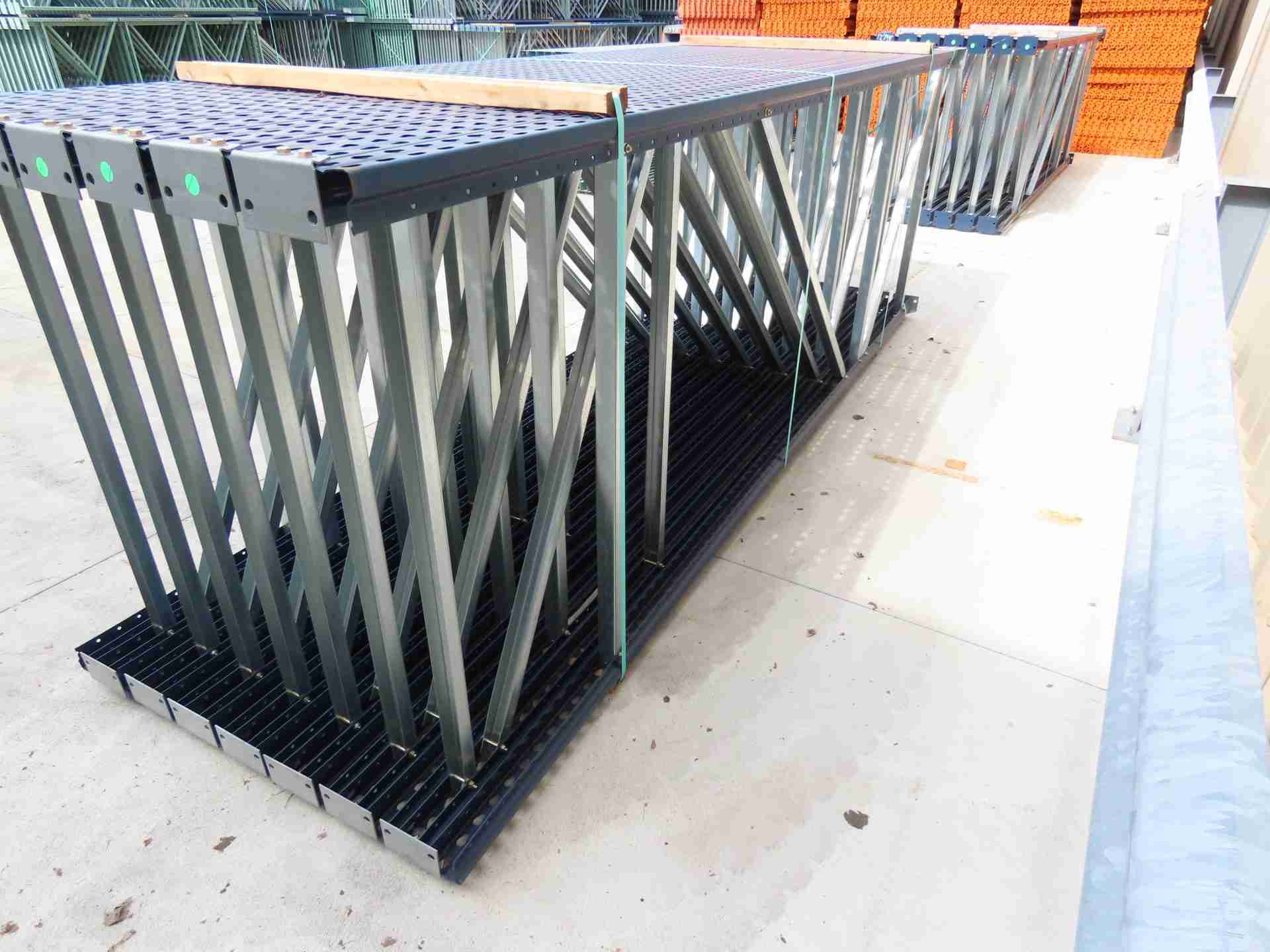
How Can I Assess The Stability Of My Warehouse Shelving?
How Can I Assess The Stability Of My Warehouse Shelving?
- Prioritize safety alongside productivity to maximize warehouse efficiency.
- Conduct thorough visual inspections for signs of wear and tear, especially on older shelving units.
- Check load capacity and distribution to prevent catastrophic failures; utilize load testing solutions.
- Ensure proper anchoring and installation of shelving units to enhance stability and reduce injury risks.
- Create regular maintenance protocols to assess shelving stability and perform necessary repairs.
- Leverage technology, such as smart sensors, for real-time monitoring of shelving conditions and loads.
- Regular assessments of shelving systems enhance safety, protect assets, and support business growth.
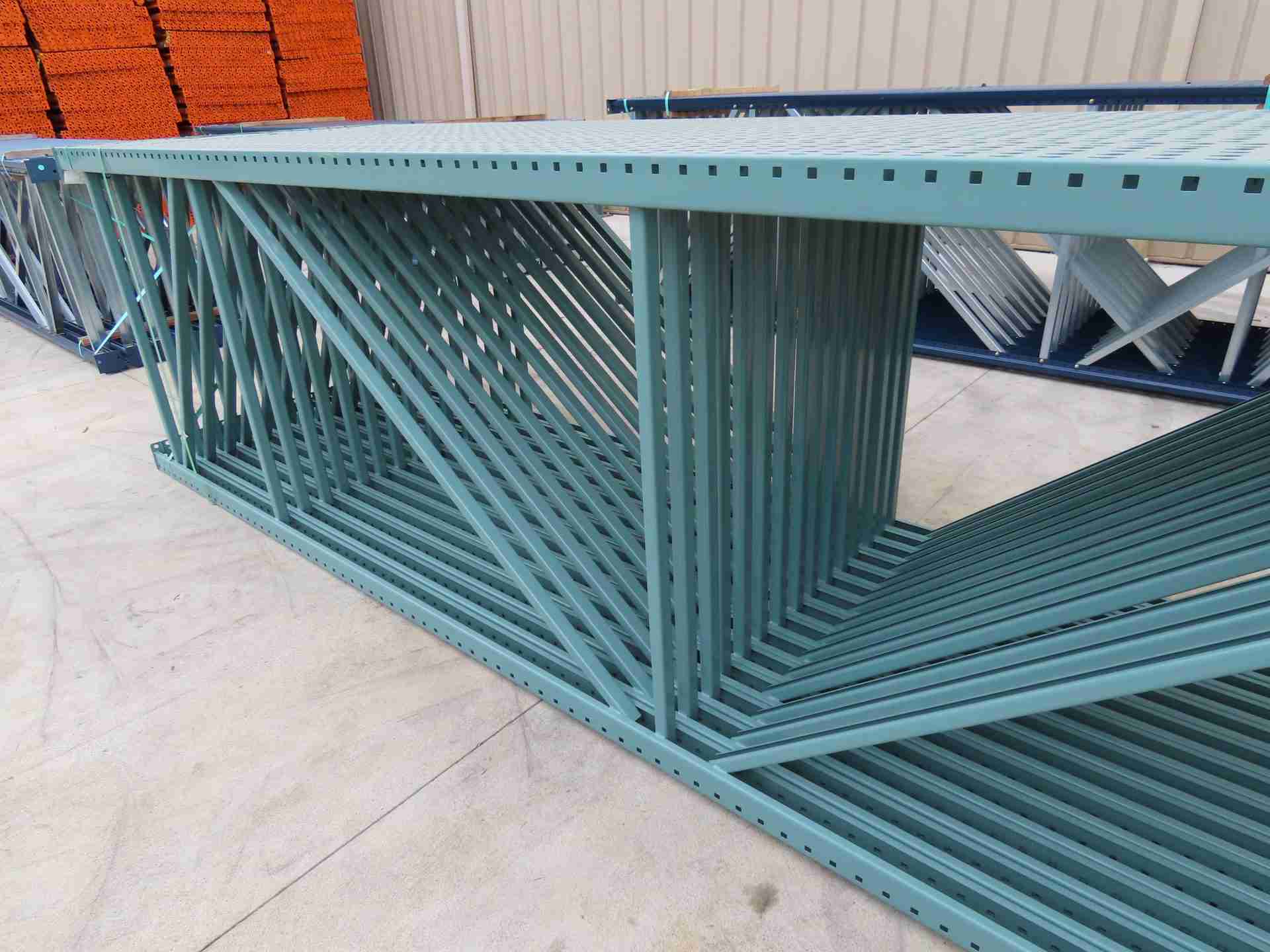
How Can I Assess The Stability Of My Warehouse Shelving?
What Type Of Training Do Employees Need For Shelving Safety?
Shelving safety is not just a critical aspect of workplace strategy; it’s a cornerstone of operational efficiency and employee well-being. With the rise in e-commerce and the ongoing boom in logistics, businesses must prioritize comprehensive training programs that tackle the nuances of shelving safety. Here’s how to structure that vital training and why it matters now more than ever.
Firstly, it’s essential to have foundational training that covers the basics of shelving safety. Employees need to understand the significance of proper weight distribution and load limits on shelves. For example, during the pandemic, many retailers faced increased demand and hastily stocked their shelves, leading to overloading issues—resulting in numerous workplace injuries. Training should educate employees on the ‘three-point contact’ rule when accessing shelves, ensuring they maintain balance and avoid unnecessary accidents.
Next, incorporate hands-on training sessions that emphasize the correct use of equipment. This includes how to use ladders and lifts safely, as improper use can lead to catastrophic injuries. A recent news report from a major warehouse highlighted how neglecting ladder safety protocols resulted in significant accidents, prompting widespread reviews of training procedures in the industry. Interactive sessions where employees role-play scenarios can help solidify these practices, making them more likely to remember and apply them in real-life situations.
Additionally, training should address the identification of hazards. Employees should be trained to recognize potential dangers, such as unsecured items, inadequate lighting, or damaged shelving. This proactive approach can prevent accidents before they occur. Consider creating a visual hazard recognition checklist that employees can easily refer to while working. This tactic mirrors successful strategies employed in many current safety campaigns, making safety protocols a part of the everyday workplace culture.
Finally, regular refresher courses are essential. Just as you wouldn’t drive a car without periodically reviewing road rules, employees need to keep safety at the forefront of their minds. Tie this training to current events, such as the heightened safety regulations being introduced in warehouses across the country. Encourage participation by offering incentives for employees who complete the training and can demonstrate safe shelving practices.
Investing in comprehensive shelving safety training not only protects employees but also boosts morale and productivity. As your workforce becomes more adept at navigating shelving safety challenges, you’ll create a culture of safety that resonates throughout your organization—a win-win scenario. Don’t wait for an accident to prompt change; be proactive, and turn shelving safety into a competitive advantage.
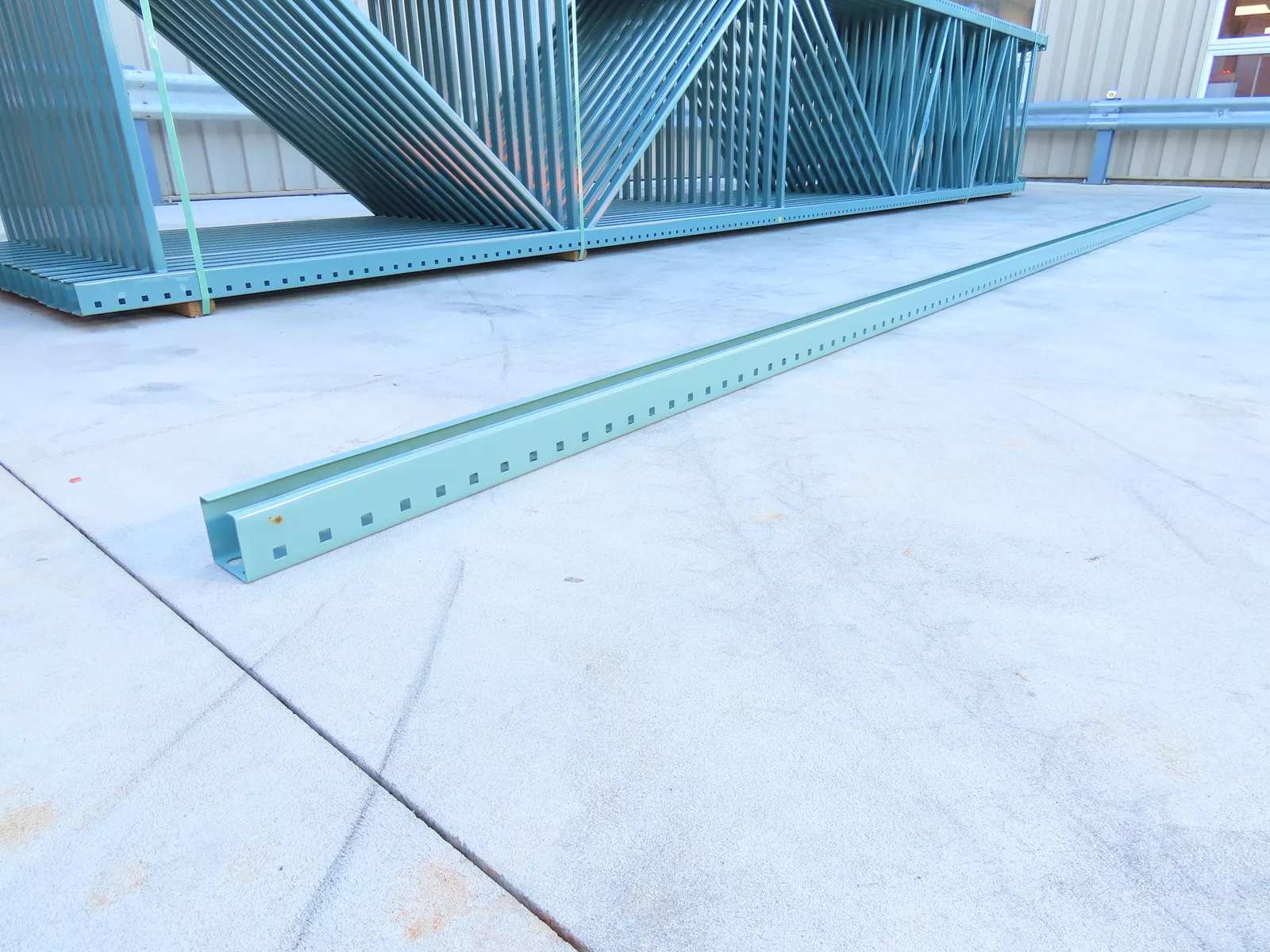
What Type Of Training Do Employees Need For Shelving Safety?
What Type Of Training Do Employees Need For Shelving Safety?
- Shelving safety is essential for workplace efficiency and employee well-being.
- Foundational training should cover weight distribution, load limits, and the importance of the ‘three-point contact’ rule.
- Hands-on training sessions should focus on the safe use of ladders and lifts to prevent injuries.
- Employees need to be trained to identify hazards like unsecured items and inadequate lighting.
- Regular refresher courses are necessary to keep safety in focus and align with current regulations.
- Incentives can encourage employee participation in safety training programs.
- Investing in shelving safety training enhances employee morale and productivity, creating a culture of safety.
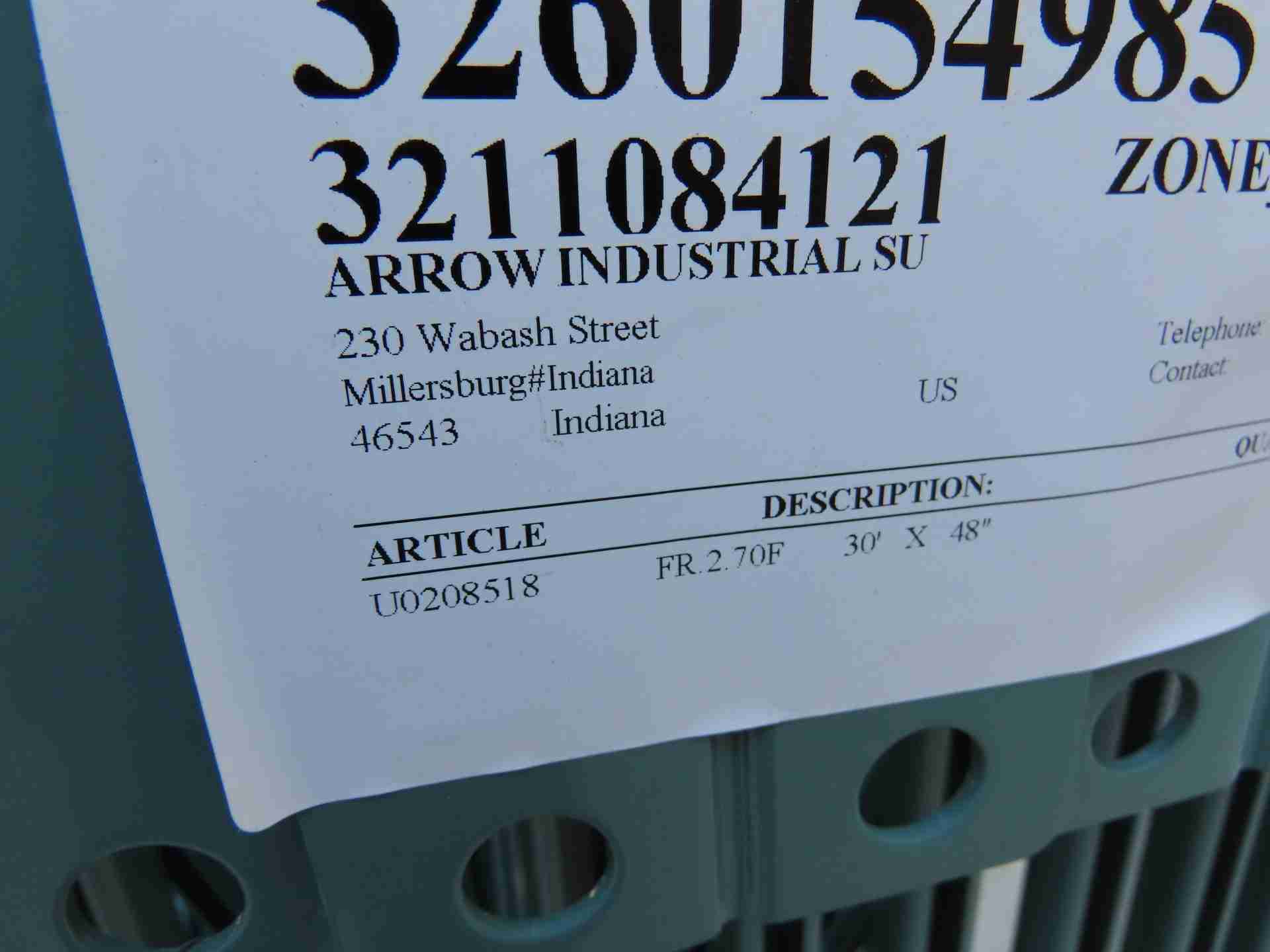
What Type Of Training Do Employees Need For Shelving Safety?
How Do I Choose The Right Shelving Materials For Safety?
When it comes to safety in storage solutions, choosing the right shelving materials is crucial. Your shelving isn’t just a backdrop for your products; it’s a foundational element of your business’s safety and efficiency. The right materials can protect your investments, ensure compliance, and foster a culture of safety that resonates with both customers and employees.
First and foremost, assess the specific needs of your environment. For instance, if you’re in the food industry, you’ll want materials that meet health and safety regulations, such as stainless steel shelves that resist corrosion and are easy to clean. Meanwhile, a retail store best served by attractive and durable shelving might consider wood or heavy-duty plastic. Each material has unique benefits that cater to different safety standards and aesthetic needs.
Consider load capacity as another critical factor. Shelving must not only support your products but also withstand potential shocks or impacts. Heavy-duty metal shelving that can carry thousands of pounds may be necessary for warehouses storing dense industrial goods. In contrast, lighter-duty options like wood or particleboard may suffice for offices or storage rooms with less traffic. Remember, overloading shelves can lead to catastrophic failures; a study published in Safety Science illustrated that proper load management can prevent accidents and injuries.
In light of recent events, such as the global supply chain disruptions, it’s also essential to consider the durability and availability of your chosen materials. In a rapidly changing world, opting for locally sourced materials could not only provide immediate solutions but also reduce the risks associated with transport delays. Businesses that prioritize local suppliers not only enhance their disaster resilience but showcase their commitment to community support—an image that builds customer loyalty.
Another aspect to evaluate is fire safety. In many commercial settings, specific shelving materials are required to be flame retardant or non-combustible. Metal shelving naturally stands out in this regard. Reinforced steel shelves are not only strong but can also withstand higher temperatures compared to plastic, which can melt or warp during a fire.
Finally, don’t overlook the aesthetic value. Attractive shelving not only enhances safety through improved organization—making it easier for employees to locate items quickly—but also plays a role in the overall customer experience. In the age of social media, well-organized and visually appealing shelving can attract attention and drive customer engagement.
In summary, selecting the right shelving materials is not just about practicality. It’s an investment in safety, compliance, and brand enhancement. Evaluate your needs, consider current industry trends, and make informed choices that position your business for success today and in the future.
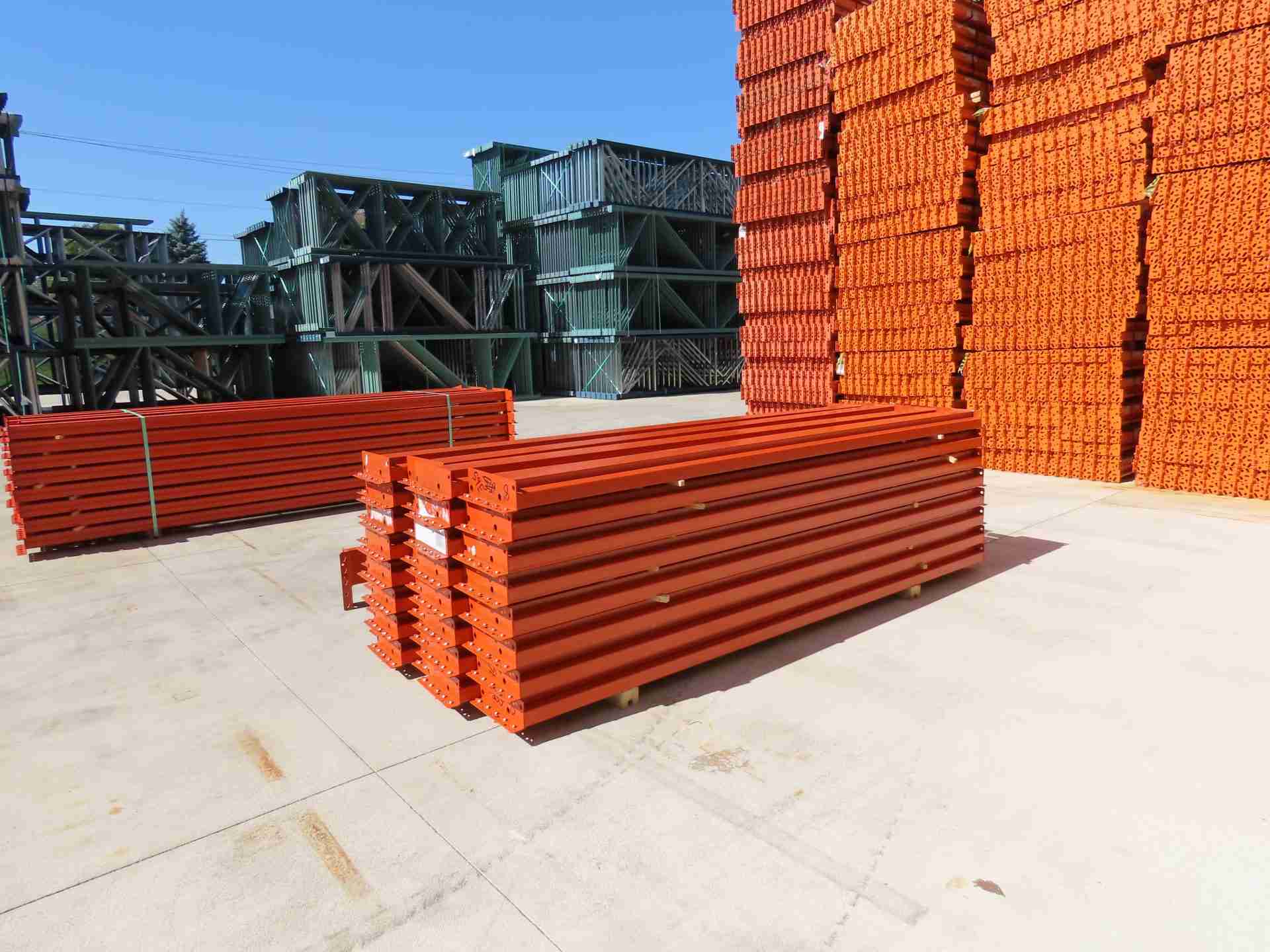
How Do I Choose The Right Shelving Materials For Safety?
How Do I Choose The Right Shelving Materials For Safety?
- Choosing the right shelving materials is vital for safety and efficiency in storage solutions.
- Assess specific needs based on industry; e.g., stainless steel for food safety or wood/plastic for retail aesthetics.
- Load capacity is crucial; shelving must support products and withstand shocks to prevent accidents.
- Opt for locally sourced materials to enhance durability and reduce supply chain risks.
- Consider fire safety; flame retardant materials like metal shelving are preferable in commercial settings.
- Aesthetic value impacts safety and customer experience; well-organized and appealing shelves can drive engagement.
- Selecting appropriate shelving is an investment in safety, compliance, and brand enhancement.
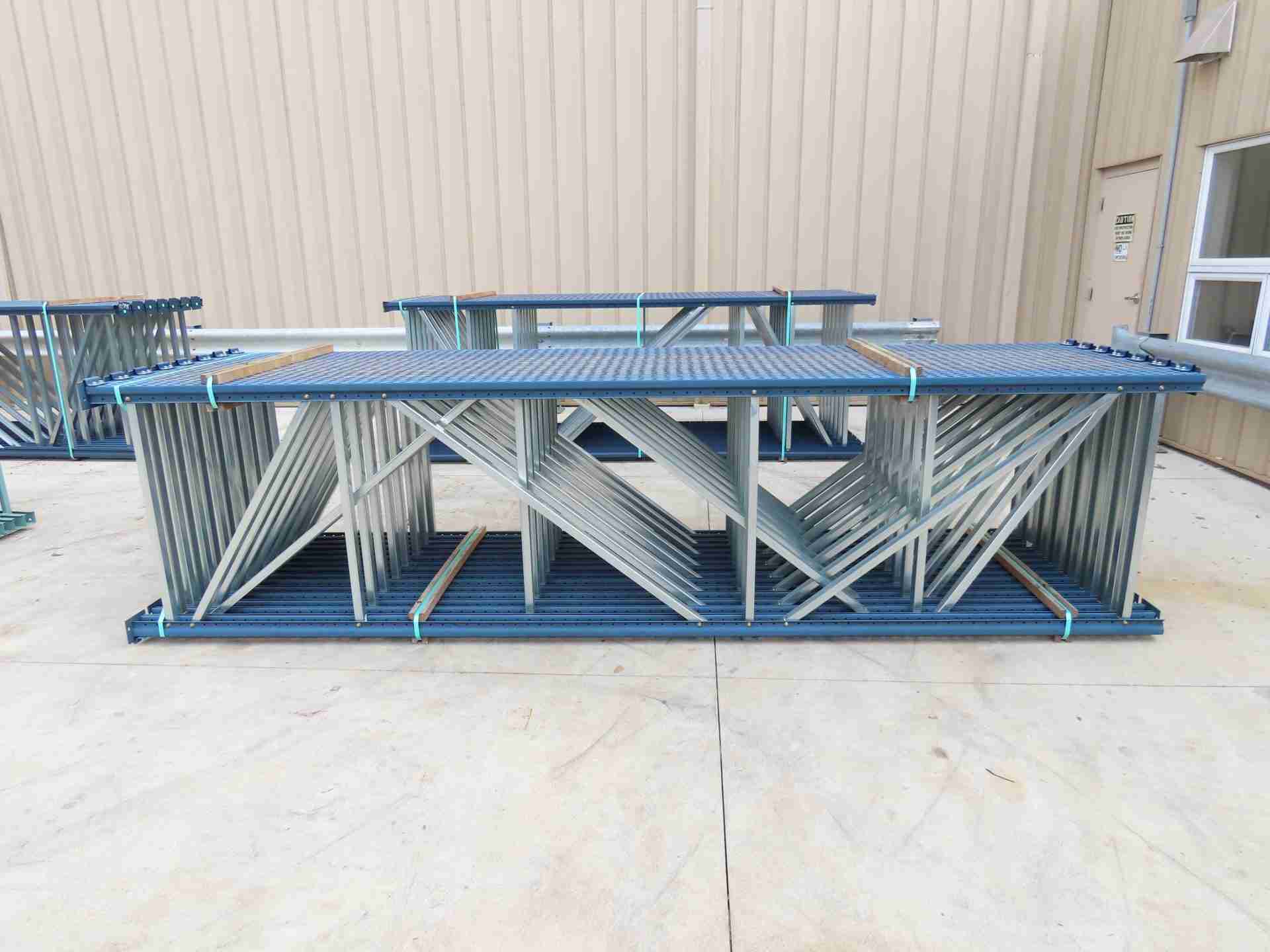
How Do I Choose The Right Shelving Materials For Safety?
What Equipment Is Necessary For Safe Warehouse Shelving?
When it comes to maximizing efficiency and ensuring safety in your warehouse, the right shelving equipment is crucial. Proper warehouse shelving not only streamlines your operations but also protects your workforce and inventory. As the logistics industry faces ongoing challenges—from increased demand due to e-commerce booms to recovering from supply chain disruptions—investing in reliable shelving systems is more important than ever. Here’s a breakdown of the essential equipment that will help you maintain optimal safety and productivity:
1. Heavy-Duty Shelving Units: The backbone of any warehouse is its shelving. Heavy-duty shelving units can accommodate large loads while providing stability. These units often come with adjustable beams, enabling you to customize the height and structure according to your inventory’s needs. For example, if you’re stocking oversized items, these versatile systems can adapt without sacrificing safety.
2. Forklifts and Pallet Jacks: Effective material handling equipment, like forklifts and pallet jacks, is essential for moving goods safely around your warehouse. Choose forklifts with appropriate load capacities that align with your shelving unit specifications. As recent news shows, supply chain volatility has resulted in a sharp rise in demand for warehouse space, making it imperative to equip your team with efficient handling tools. A reliable pallet jack will allow your staff to navigate narrow aisles and maximize access to high storage areas.
3. Safety Barriers and Netting: To prevent accidents, safety barriers should be a priority. These barriers will protect workers from potential hazards when accessing or storing items on high shelves. Additionally, mesh netting can help secure inventory by preventing items from falling, which is especially important in high-traffic areas of the warehouse.
4. Labeling and Signage: A well-organized warehouse incorporates clear labeling and signage to guide employees in locating products quickly and safely. Use durable, water-resistant labels for both shelves and bins. In light of recent increased scrutiny on workplace safety standards, proper labeling not only aids in organization but also demonstrates a commitment to maintaining a safe work environment.
5. Personal Protective Equipment (PPE): No discussion of warehouse safety is complete without highlighting the importance of personal protective equipment. Essential gear includes hard hats, safety gloves, and steel-toed boots. Investing in high-quality PPE is a necessity to mitigate risks, especially in warehouses equipped with complex shelving systems and heavy equipment.
By ensuring your warehouse is outfitted with the right shelving equipment, you’re not just investing in your inventory, but also in the safety and efficiency of your workforce. As trends shift and new challenges emerge, adapting and upgrading your shelving systems will keep you one step ahead in a fast-paced market. After all, a safe warehouse is a successful warehouse!
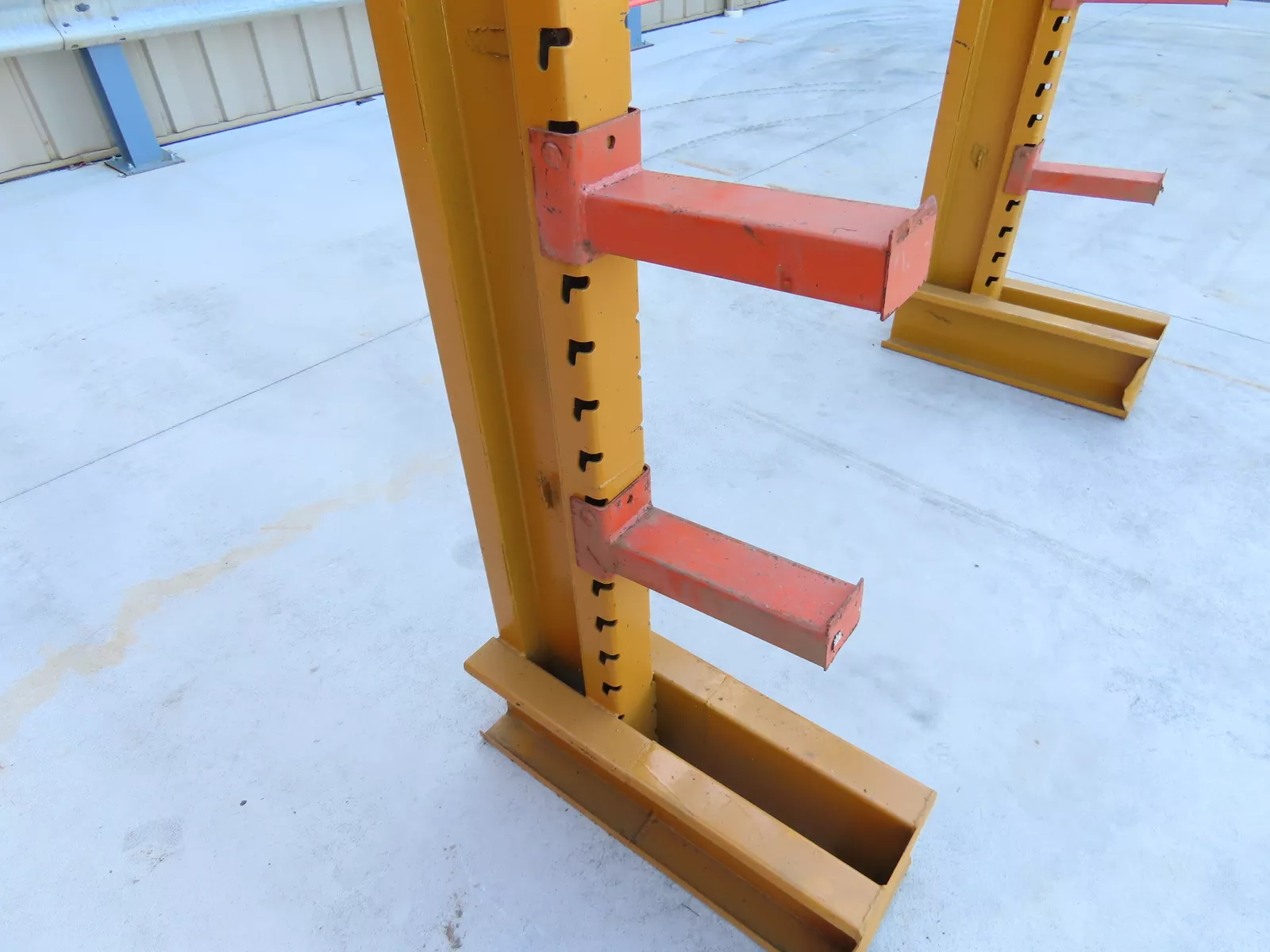
What Equipment Is Necessary For Safe Warehouse Shelving?
What Equipment Is Necessary For Safe Warehouse Shelving?
- Heavy-Duty Shelving Units: Essential for stability and customization to accommodate large loads and oversized items.
- Forklifts and Pallet Jacks: Necessary for safe and efficient movement of goods, with appropriate load capacities for shelving units.
- Safety Barriers and Netting: Important for preventing accidents and securing inventory from falls, particularly in high-traffic areas.
- Labeling and Signage: Enhances organization and safety by guiding employees in product location with durable, water-resistant labels.
- Personal Protective Equipment (PPE): Critical for worker safety, including hard hats, gloves, and steel-toed boots to mitigate risks.
- Investment in Shelving Equipment: Ensures the safety and efficiency of the workforce, protecting inventory and adapting to new challenges.
- Focus on Safety: A safe warehouse contributes to overall success, especially as industry demands and conditions evolve.
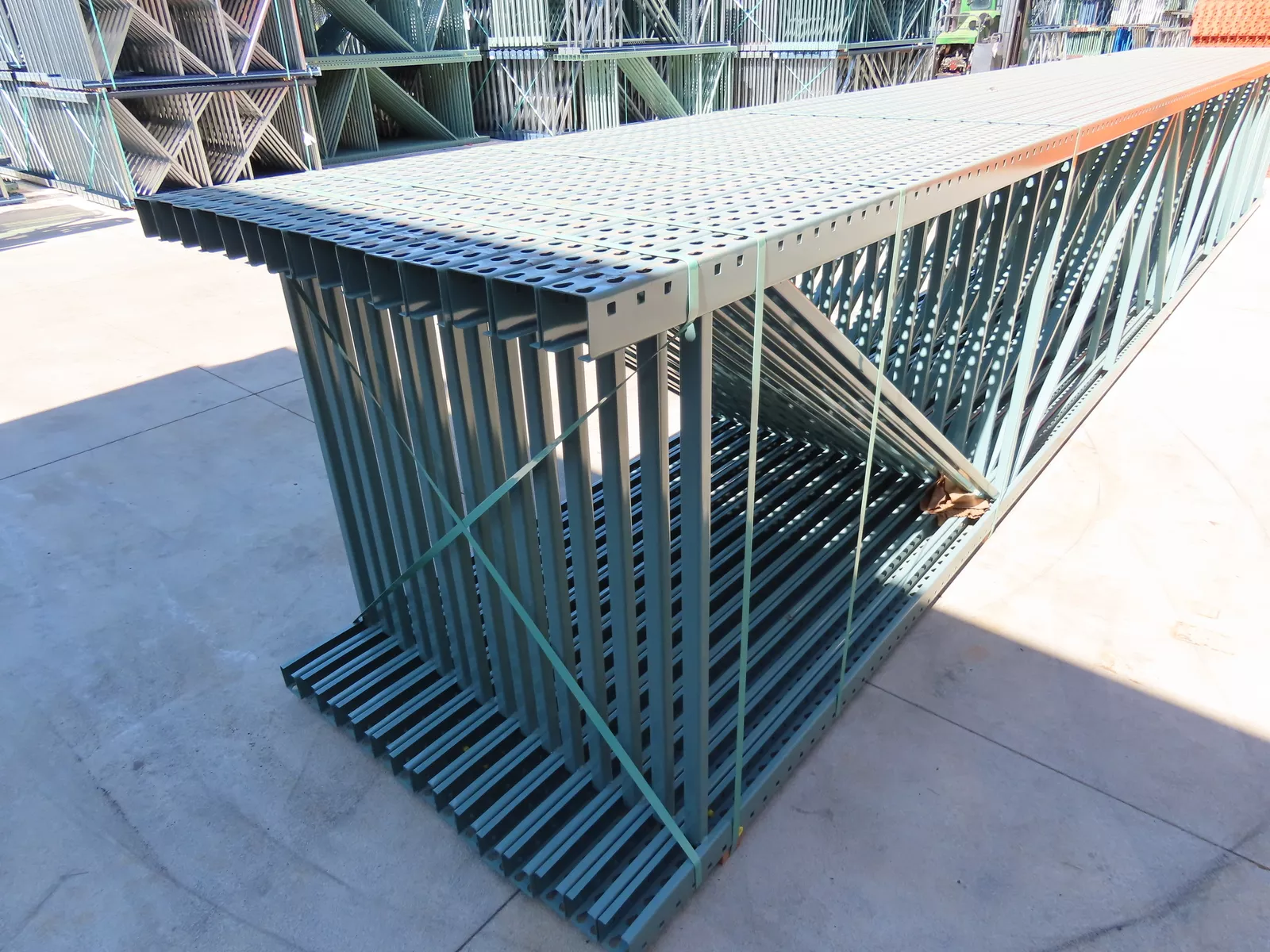
What Equipment Is Necessary For Safe Warehouse Shelving?
Are There Industry-Specific Shelving Safety Guidelines?
When it comes to shelving safety, one size does not fit all. Different industries have unique challenges that necessitate specific safety guidelines to protect workers and assets. Ignoring these tailored requirements can lead to serious accidents, injuries, and costly fines. Understanding and implementing these guidelines can not only enhance safety but also improve operational efficiency and insurance premiums.
For example, the retail sector must prioritize the safety of display shelving. With products frequently being handled and shifted, the risk of instability increases. The Occupational Safety and Health Administration (OSHA) recommends that retailers ensure proper weight distribution and secure heavy items on lower shelves. A recent incident at a major retail chain, where a display collapsed, serves as a wake-up call for the industry. Implementing stricter guidelines on weight limits and shelf spacing could prevent such accidents in the future.
In manufacturing environments, the stakes are even higher. Warehouse shelving must be designed to withstand the rigors of industrial use. Guidelines from the National Institute for Occupational Safety and Health (NIOSH) emphasize the importance of proper rack design and regular inspections. For instance, a high-profile recall of defective shelving in a manufacturing plant last year underscored the need for stringent compliance checks. The damage wasn’t just physical; it also tarnished the company’s reputation and led to significant financial losses.
Healthcare facilities are another domain where shelf safety rules are critical. The handling of medical supplies necessitates precise shelving requirements to avoid contamination and ensure easy access. The Food and Drug Administration (FDA) has outlined packaging and shelving standards that must be adhered to in order to maintain safety and compliance. After various hospital incidents involving the improper storing of pharmaceuticals—some resulting in the wrong dosage being administered—the industry is waking up to the necessity of rigid shelving practices.
The foodservice industry adds another layer of complexity. Health departments enforce strict guidelines on shelving to prevent cross-contamination and allow for effective cleaning. For example, the use of open shelving in kitchens can lead to foodborne illnesses if not constructed with materials that are easy to clean and maintain. A recent inspection failure of a prominent restaurant chain reflects the serious consequences of overlooking these guidelines.
Industry-specific shelving safety guidelines are not merely suggestions—they are essential for operational integrity and the welfare of employees and customers alike. By keeping abreast of the latest standards and investing in quality shelving solutions, businesses can mitigate risks and foster a safer working environment. Investing in compliance is not just about avoiding penalties; it’s about securing a resilient future.
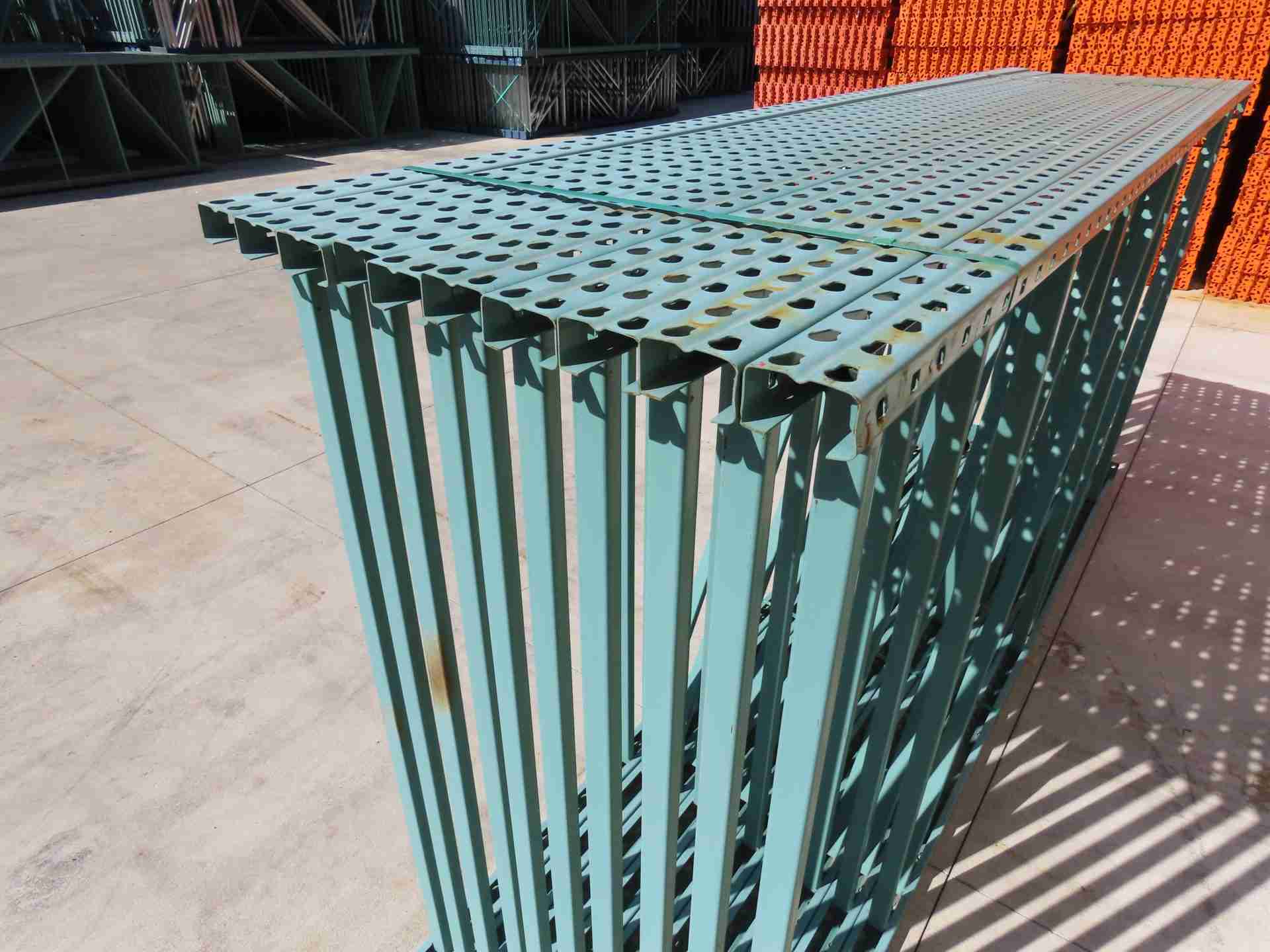
Are There Industry-Specific Shelving Safety Guidelines?
Are There Industry-Specific Shelving Safety Guidelines?
- Different industries have unique safety challenges that require tailored shelving safety guidelines.
- Ignoring industry-specific requirements can lead to serious accidents, injuries, and financial penalties.
- The retail sector faces instability risks in display shelving, necessitating proper weight distribution and secure storage practices.
- Manufacturing environments require shelving designed for industrial use, with a focus on rack design and regular inspections to avoid defects.
- Healthcare facilities must adhere to FDA standards for shelving to prevent contamination and ensure easy access to medical supplies.
- The foodservice industry has strict shelving guidelines to prevent cross-contamination and ensure effective cleaning practices.
- Investing in compliance with shelving safety guidelines is crucial for operational integrity, employee welfare, and long-term resilience.
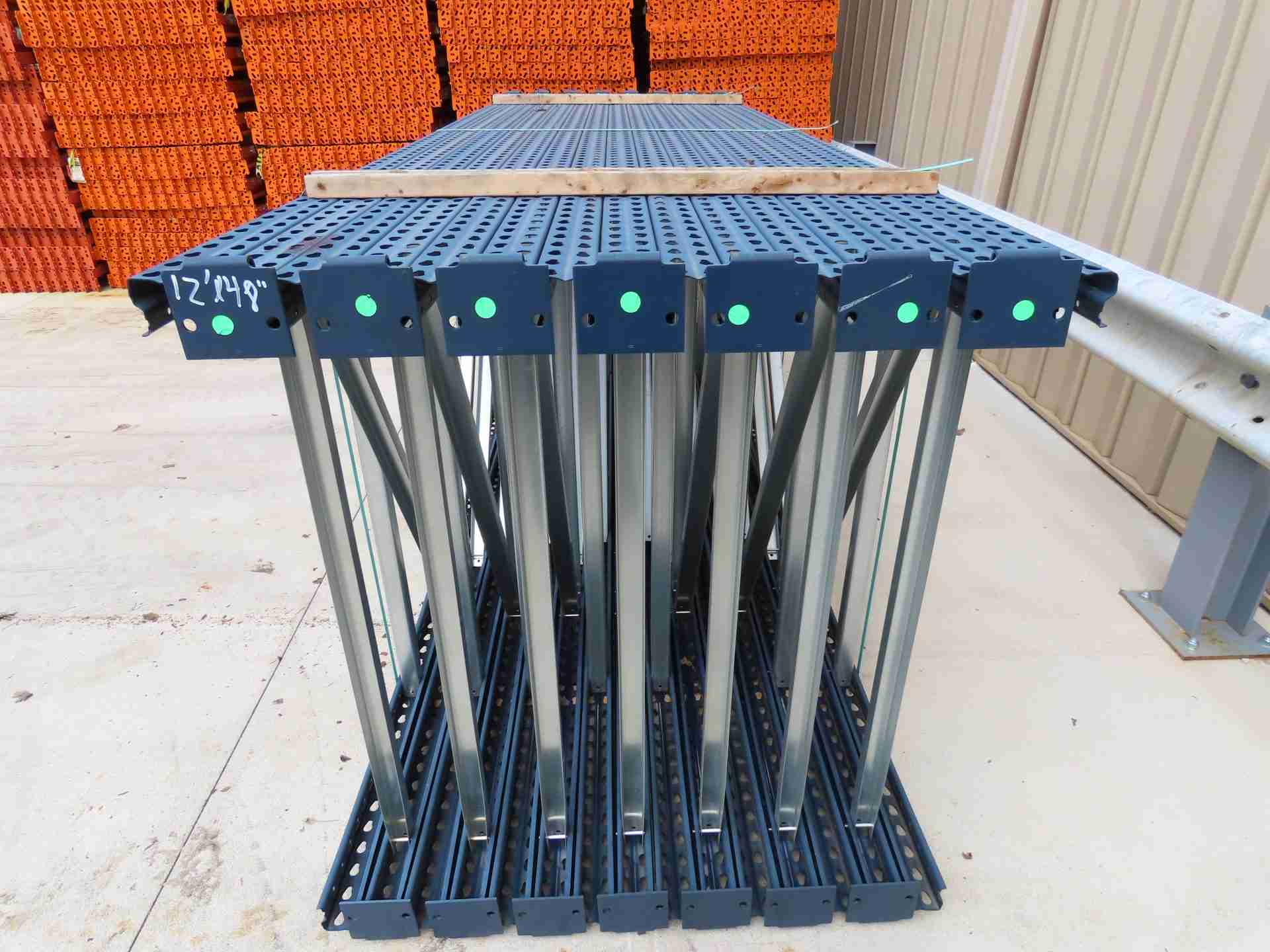
Are There Industry-Specific Shelving Safety Guidelines?
What Resources Are Available For Shelving Safety Compliance?
In the dynamic world of health and safety, compliance is more than just a box to check—it’s a committed practice that bolsters not only your bottom line but also the well-being of your employees and customers. With recent shifts in regulations and an increasing focus on workplace safety, especially in retail and warehouse settings, the question arises: What resources can you leverage for effective shelving safety compliance?
First and foremost, industry standards and guidelines set the foundation for safe shelving practices. Organizations like the Occupational Safety and Health Administration (OSHA) and the American National Standards Institute (ANSI) have published extensive documentation to help businesses stay compliant. These documents outline proper installation techniques, weight limits, and maintenance protocols that are crucial to prevent workplace accidents. For example, OSHA recently updated its guidelines to emphasize the importance of regularly inspecting shelving units, especially in light of recent warehouse incidents that have made headlines.
But who has time to sift through regulations? This is where consultation with safety experts comes into play. Hiring a certified safety consultant can provide tailored assessments of your shelving systems based on your specific operational needs. These professionals will not only evaluate your existing compliance measures but also deliver customized training sessions that engage your team and cultivate a culture of safety. In fact, with the rising costs of workplace accidents, investing in expert consultations can yield significant savings over time.
Another vital resource is technology. Compliance management software can automate your adherence processes, ensuring deadlines are met and inspections logged efficiently. With the advent of cloud-based platforms, companies can track their shelving units’ conditions in real-time, receiving alerts for necessary adjustments or repairs—an essential move to avert unplanned downtimes. Among today’s popular options are software tools like iAuditor and SafetyCulture, which have been adopted widely across various industries.
Networking also plays an essential role in compliance. Joining trade associations, such as the National Association of Wholesaler-Distributors (NAW), opens doors to valuable workshops, training programs, and peer-mentoring opportunities. These communities foster sharing of insights, breakthroughs, and best practices that can enhance your safety compliance journey.
Finally, consider local compliance initiatives often supported by government programs. Many states have developed grants to incentivize businesses to improve safety standards, allowing you to upgrade your shelving solutions without straining your budget.
In this ever-evolving regulatory landscape, utilizing these resources isn’t just advantageous—it’s essential. Commit now, and watch your compliance transform from a liability into a driving force for operational excellence.

What Resources Are Available For Shelving Safety Compliance?
What Resources Are Available For Shelving Safety Compliance?
- Compliance in health and safety enhances employee and customer well-being while benefiting the bottom line.
- Industry standards by OSHA and ANSI provide guidelines for safe shelving practices, including installation and maintenance.
- Regular inspections of shelving units are crucial, especially after recent warehouse incidents highlighted by OSHA updates.
- Consulting certified safety experts can provide tailored assessments and training to foster a safety culture.
- Technology, such as compliance management software, automates adherence processes and tracks shelving conditions in real-time.
- Networking through trade associations offers workshops and peer-mentoring opportunities for better compliance insights.
- Local compliance initiatives and government grants can help improve safety standards without straining budgets.
What Resources Are Available For Shelving Safety Compliance?
How Can I Address Common Shelving Safety Risks?
In an age when workplace accidents can make headlines, the safety of your shelving systems should be at the top of your priority list. Neglecting shelving safety not only puts your employees at risk but also can lead to costly litigation, damaged inventory, and even a tarnished reputation. So how do you effectively address these risks? Let’s delve into effective strategies that can safeguard your environment and protect your bottom line.
First and foremost, conduct a comprehensive risk assessment. Think of your shelving like a strategic marketing campaign—understanding your audience’s pain points is crucial! Engage your team to identify potential hazards within your inventory storage areas. For instance, are shelves overloaded with product? According to the National Safety Council, overloaded shelves are one of the leading causes of shelf collapse. Implement a weight capacity system, clearly labeling each shelf to inform staff about the maximum loads allowed.
Next, invest in high-quality shelving systems. The temptation to save money by opting for inferior products can be overwhelming, especially in a tight economy. However, consider the ramifications of cutting corners. A recent case study in a major retail chain revealed that poor-quality shelving led to numerous accidents, not just injuries, but also a significant loss in customer trust and brand equity. Select shelving made from durable materials designed to withstand wear and tear while ensuring compliance with safety regulations.
Regular training for staff is an indispensable tool in your safety arsenal. Think of it as ongoing customer education in marketing; just as consumers need to understand your offers, your employees must be grounded in proper shelving practices. Schedule regular workshops to cover safe lifting techniques and encourage open discussions on identifying safety hazards. Foster a culture of safety awareness. In a world where OSHA requirements evolve, it’s crucial that your workforce stays sharp and informed.
Finally, implement a maintenance and inspection routine. Much like monitoring shifts in consumer trends, keeping an eye on your shelving systems is critical. Regularly inspect rings, brackets, and all other support structures to ensure they remain in optimal condition. A notorious incident involving a warehouse in the Midwest last summer saw severe injuries due to rusted brackets giving way when required loads were placed. Such outcomes can be completely avoided through diligence.
Addressing common shelving safety risks is not merely a regulatory requirement; it’s an essential component of operational excellence. By conducting risk assessments, investing wisely, training your team, and maintaining a proactive inspection routine, you’re not just ensuring safety—you’re reinforcing your commitment to excellence in every facet of your organization.
How Can I Address Common Shelving Safety Risks?
How Can I Address Common Shelving Safety Risks?
- Workplace shelving safety is crucial to prevent accidents, litigation, and reputation damage.
- Conduct a comprehensive risk assessment with team engagement to identify potential hazards.
- Implement a weight capacity system and clearly label each shelf to inform staff of maximum loads.
- Invest in high-quality shelving systems to avoid accidents and maintain customer trust.
- Schedule regular staff training workshops for safe shelving practices and hazard identification.
- Establish a routine maintenance and inspection protocol to ensure optimal condition of shelving systems.
- Addressing shelving safety risks reinforces commitment to operational excellence.
How Can I Address Common Shelving Safety Risks?
What Is The Role Of Safety Audits In Shelving Management?
In today’s fast-paced retail and warehouse environments, effective shelving management is paramount to both operational efficiency and employee safety. Safety audits serve as the backbone of this management system, providing the necessary assessments and strategies to uphold high standards. Picture the last time you strolled through a retail store or navigated a warehouse—every aisle, every shelf, and every product were strategically placed not just for aesthetics but for safety and functionality. That’s the magic of a well-executed safety audit.
Safety audits in shelving management are comprehensive evaluations that identify potential hazards, compliance with safety regulations, and overall shelving integrity. Imagine you operate a busy warehouse, with towering shelves loaded to the brim with inventory. A safety audit uncovers potential risks like load limits being exceeded or improper shelf bracing, which could lead to catastrophic failures. In August 2023, a major retailer was fined heavily for not adhering to safety protocols regarding shelving, serving as a stark reminder of the costs associated with negligence.
Consider the impact on inventory management as well. A thorough safety audit can illuminate issues that affect not only safety but also operational efficiency. For example, an audit could reveal that reorganizing your stock could reduce retrieval times. In this increasingly competitive market, every second counts. By ensuring that shelves are correctly stocked, labeled, and accessible, you’re not just preventing accidents—you’re optimizing performance.
Then there’s compliance. With OSHA regulations tightening and consumer scrutiny on the rise, adhering to safety standards is not merely optional; it’s crucial. A rigorous safety audit provides documented proof of compliance, safeguarding your enterprise against legal repercussions. Imagine the confidence of knowing that your shelving system meets regulatory requirements, alleviating employee concerns and promoting a culture of safety throughout your organization.
Current events have shown the importance of a proactive approach. Recent supply chain disruptions have led many businesses to reevaluate their logistics and inventory management. A well-structured safety audit can reveal new opportunities for improvement that can have a ripple effect throughout your operations. Businesses that harness this potent tool are finding that they not only mitigate risks but also enhance their bottom line.
Safety audits aren’t just regulatory checkboxes—they’re transformative tools in shelving management that empower you to protect your employees, optimize your space, and ensure compliance while enhancing your operational efficiency. Invest in safety audits and witness the tangible benefits they bring, transforming potential pitfalls into platforms for growth.
What Is The Role Of Safety Audits In Shelving Management?
What Is The Role Of Safety Audits In Shelving Management?
- Effective shelving management is crucial for operational efficiency and employee safety in retail and warehouse settings.
- Safety audits are essential evaluations that identify hazards, ensure compliance with regulations, and assess shelving integrity.
- A safety audit can reveal risks such as exceeding load limits or improper shelf bracing, potentially preventing catastrophic failures.
- Thorough audits can enhance inventory management, reducing retrieval times and optimizing operational performance.
- Adhering to safety standards is vital, especially with tightening OSHA regulations and increased consumer scrutiny.
- Proactive safety audits can uncover improvement opportunities that positively impact overall business operations and bottom line.
- Safety audits serve as transformative tools, fostering a culture of safety while optimizing space and ensuring compliance.
What Is The Role Of Safety Audits In Shelving Management?
How To Report A Safety Issue Related To Warehouse Shelving?
In today’s fast-paced world of logistics and supply chains, warehouse safety isn’t just a regulatory obligation; it’s a crucial aspect of operational efficiency and employee morale. With recent incidents highlighting the importance of workplace safety—from collapses to accidents caused by improper stacking—it’s vital that anyone spotting a potential hazard knows exactly how to report it. Here’s a streamlined process that puts safety first.
1. Identify the Issue Clearly
Before anything else, pinpoint the exact nature of the safety concern. Is it a leaning shelf, damaged beams, or perhaps improper loading techniques? Suppose you notice that certain shelves are not labeled for weight limits, leading to potential overloading. This clarity will help not only in hastening the reporting process but also in ensuring that your concerns are taken seriously.
2. Document the Findings
A picture is worth a thousand words. Capture photos or videos of the issue, including signs of wear and tear or unsafe stacking practices. This documentation serves as incontrovertible evidence that can bolster your case. For example, when warehousing giant Amazon faced safety scrutiny earlier this year due to worker injuries linked to shelving issues, visual evidence from employees aided in expediting safety improvements across multiple fulfillment centers.
3. Use Established Channels
Next, report the issue through the appropriate internal channels. This might involve contacting your supervisor, safety officer, or utilizing an internal reporting system. Ensure that you’re aware of your company’s specific protocols. Most organizations have a safety management system in place; if yours doesn’t, it’s time to advocate for one!
4. Follow Up
Once you’ve submitted your report, don’t just sit back and hope for the best. Follow up to ensure that your concerns are addressed. You might say, “Hey, I submitted a report about the shelving issue last week—how are we progressing on that?” This initiative not only shows your commitment to safety but also encourages a culture of accountability.
5. Advocate for Regular Inspections
Finally, suggesting regular safety inspections can create a proactive approach to warehouse safety. Encourage your management to implement routine checks that would catch potential hazards before they escalate. Recent industry reports show that proactive evaluations reduce workplace accidents by up to 30%, proving that an ounce of prevention truly is worth a pound of cure.
By taking these steps, you can help foster a safer working environment and elevate safety as a collective priority. Remember, when it comes to reporting safety issues, your voice is a powerful tool for change.
How To Report A Safety Issue Related To Warehouse Shelving?
How To Report A Safety Issue Related To Warehouse Shelving?
- Identify the Issue Clearly: Pinpoint the exact safety concern, such as leaning shelves or improper loading techniques.
- Document the Findings: Capture photos or videos of the issue to provide evidence in support of your report.
- Use Established Channels: Report the issue through the appropriate internal channels like a supervisor or safety officer.
- Follow Up: Check on the progress of your report to ensure your concerns are being addressed.
- Advocate for Regular Inspections: Suggest routine safety checks to proactively identify and mitigate hazards.
- Promote a Culture of Safety: Your actions and follow-ups can encourage accountability and collective commitment to safety.
- Empower Change: Remember, reporting safety issues effectively amplifies your voice as a crucial tool for workplace improvement.
How To Report A Safety Issue Related To Warehouse Shelving?
Conclusion
In the ever-evolving landscape of warehouse management, ensuring safety standards for shelving systems is not just a regulatory requirement—it’s a lifeline for your employees, your business reputation, and ultimately, your bottom line. At Arrow Industrial Sales, we understand that safety in warehouse operations is paramount. We’ve taken a deep dive into the critical elements of shelving safety—from OSHA guidelines to industry-specific regulations—outlining a comprehensive roadmap to navigate the potential hazards and compliance challenges that lie ahead.
The reality is stark: neglecting shelving safety can lead to devastating consequences, including injury to workers, fines from regulatory bodies, and tarnished reputations that can take years to rebuild. Think of that recent warehouse incident where improper installation of shelving led to catastrophic failure and significant financial losses. By instead adhering to established guidelines and conducting regular inspections, your organization can avert such risks. Regular audits, proper training, and utilizing the latest in shelving solutions can foster a culture of safety, not only preventing accidents but also enhancing operational efficiency.
Moreover, understanding the types of materials your shelves are made from—whether they are steel for heavy-duty storage or lighter options for less demanding applications—can make all the difference in reducing risks. Combined with a systematic approach to weight limits and load distributions, the right materials can ensure both compliance and the safety of your employees.
We encourage you to take actionable steps today. Familiarize yourself with OSHA and ANSI standards, assess your current shelving systems, and invest in training programs that empower your workforce. Remember, safety isn’t just about compliance—it’s a proactive commitment to fostering a thriving and efficient workplace.
At Arrow Industrial Sales, we are proud to offer a wide range of high-quality shelving solutions that adhere to strict safety standards. Don’t wait to address potential risks; safeguard your team and your assets now. If you have questions or need further information on how to enhance your warehouse shelving safety, we urge you to call us at (574) 349-6575. Time is of the essence—act now to protect your workforce and secure the liability protection that robust shelving solutions provide. Your commitment to safety can define your operational success; let’s navigate the path together.

Conclusion
Conclusion:
- Warehouse safety is essential for employee well-being, business reputation, and profitability.
- Compliance with OSHA guidelines and industry regulations is crucial to mitigate hazards.
- Neglecting shelving safety can result in worker injuries, fines, and reputational damage.
- Regular inspections, audits, and training can create a safety-oriented culture.
- Understanding material types and weight limits is important for compliance and employee safety.
- Actionable steps include familiarizing with standards, assessing shelving systems, and investing in training.
- Arrow Industrial Sales offers high-quality shelving solutions that meet strict safety standards.
Conclusion
Other Resources
Other Resources
Here is a list of other resources you can review online to learn more:
- “Rack Manufacturers Institute”
- “ANSI MH16.1-2023: Industrial Steel Storage Racks”
- “RMI – Rack Manufacturers Institute”
- “Citation 1040449.015/01001 | Occupational Safety and …”
- “Guidelines for the Assessment and Repair or Replacement …”
- “1910.178 – Powered industrial trucks.”
- “ANSI MH16.1: Updated Load Capacity Calculation …”
Use This Prompt To Get More Resources With Your Favorite Online AI Tool: Please provide me with a list of online articles with their URLS in a bulleted list that I can read regarding Where to Find Warehouse Shelving Safety Standards?
Other Resources
Glossary Terms
Where to Find Warehouse Shelving Safety Standards? – Glossary Of Terms
1. ANSI (American National Standards Institute): A private, non-profit organization that oversees the development of voluntary consensus standards for products, services, processes, and systems in the U. S.:
2. OSHA (Occupational Safety and Health Administration): A federal agency responsible for ensuring safe and healthy working conditions by setting and enforcing standards.
3. Rack Inspection: The process of evaluating and assessing shelving and racking systems for structural integrity and safety compliance.
4. Load Capacity: The maximum weight that a shelving unit can safely support, crucial for preventing overloading.
5. Beam: A horizontal component of a racking system that supports the load and connects vertical uprights.
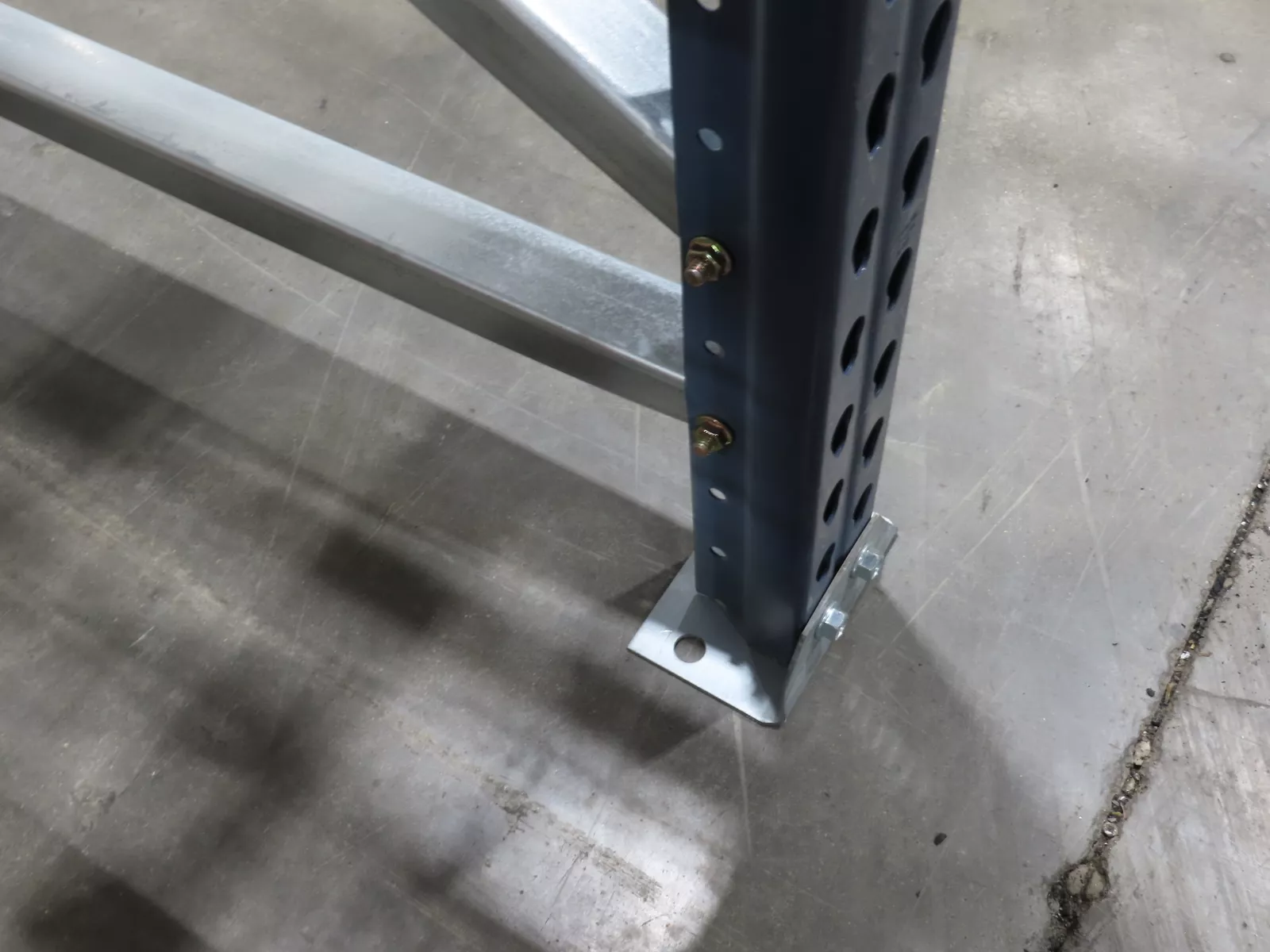
6. Upright: A vertical post in a shelving or racking system that provides stability and support for beams and shelves.
7. Pallet Racking: A system designed for the storage of goods on pallets, including various configurations to maximize space and efficiency.
8. Safety Factor: A measure of the load-carrying capacity of a shelving system beyond the expected loads, ensuring extra strength.
9. Forklift Safety: The protocols and guidelines for using forklifts around shelving systems to minimize accidents and damage.
10. Back Safety Stops: Vertical components that prevent pallets or loads from tipping or falling off the back of a shelving unit.
11. End-of-Aisle Protection: Safety features such as guardrails or barriers at the ends of aisles to prevent damage from equipment or personnel.
12. Deflection: The amount a shelf or beam bends under load; excessive deflection can lead to instability and failure.
13. Guard Rails: Protective barriers installed on shelving ends or aisles to prevent accidents and protect workers.
14. Labeling Compliance: The requirement for proper labeling of shelving weights, and safety instructions as per safety standards.
15. Weight Distribution: The manner in which weight is stored on shelving to maintain stability and efficiency.
16. Rack Collapse: The failure of a shelving or racking system due to overload, improper installation, or lack of maintenance.
17. Inspection Frequency: The recommended intervals at which shelving and racking systems should be inspected for safety compliance.
18. Load Configuration: The specific arrangement in which items are placed on shelves, critical for maximizing safety and efficiency.
19. Maintenance Schedule: A planned program to ensure regular upkeep and inspections of shelving units for safety.
20. Safety Training: Instruction provided to employees on proper handling and storage practices regarding shelving safety.
21. Permissible Load: The maximum weight that is allowed on a shelving unit according to safety standards and manufacturer’s guidelines.
22. Manufacturing Standards: Industry-specific benchmarks that shelving manufacturers must adhere to for safety and quality.
23. Dynamic Load: The load that can change rapidly, affecting the stability of shelving systems (e. g. , when items are added or removed).
24. Static Load: A load that remains constant, providing a steady weight on the shelving without temporary weight shifts.
25. Forklift Aisle Width: The required space between shelving units to allow for safe passage and operation of forklifts.
26. Risk Assessment: The process of evaluating potential hazards related to shelving systems and implementing measures to mitigate them.
27. Regulatory Compliance: Adherence to laws, regulations, and safety standards relevant to warehouse operations and shelving systems.
28. Breach of Safety Protocols: Any violation of established safety measures that can lead to accidents or injuries in the warehouse.
29. Shelving Design Standards: Specifications that guide the creation and installation of shelving units to promote safety and efficiency.
30. Warehouse Safety Audits: Comprehensive evaluations of safety procedures and equipment to ensure compliance with safety standards and best practices.
Glossary Of Terms
Other Questions
Where to Find Warehouse Shelving Safety Standards? – Other Questions
If you wish to explore and discover more, consider looking for answers to these questions:
- What are the consequences of non-compliance with shelving safety standards?
- How do I train my employees on shelving safety best practices?
- What types of shelving systems are considered safest for heavy-duty use?
- How can I effectively communicate shelving safety protocols to my team?
- Are there industry-specific certifications related to shelving safety?
- What technology can assist in monitoring shelving safety and compliance?
- How can I ensure proper weight distribution on my shelving units?
- What are the most common shelving safety hazards, and how can they be mitigated?
- How do seasonal changes impact shelving safety in warehouses?
- What resources can help me stay updated on shelving safety regulations?
- What is the process for recalling defective shelving products?
Other Questions
Checklist
Where to Find Warehouse Shelving Safety Standards? – A Checklist
Safety Compliance Checklist for Warehouse Shelving
1. Familiarize Yourself with Safety Standards
_____ Review OSHA regulations related to warehouse shelving.
_____ Obtain and understand ANSI guidelines, specifically ANSI/ASIS R14. 0 and ANSI MH16. 1.
_____ Check additional guidelines from industry-specific organizations (e. g. , RMI, MHI).
2. Conduct Regular Inspections
_____ Schedule comprehensive shelving inspections every six months.
_____ For heavy or high-use areas, conduct quarterly inspections.
_____ Look for signs of wear and tear: rust, sagging, and structural integrity.
3. Evaluate Load Capacities
_____ Verify that shelving units meet the necessary load capacity requirements.
_____ Clearly label weight limits on shelves.
_____ Ensure proper weight distribution across shelves to prevent overloading.
4. Training Employees
_____ Conduct foundational training on shelving safety, covering load limits and weight distribution.
_____ Provide hands-on training for the correct use of ladders and lifts.
_____ Regularly update and refresh training sessions as safety practices evolve.
5. Emergency Preparedness
_____ Establish a reporting system for safety issues related to shelving.
_____ Create a protocol for addressing safety concerns raised by employees.
_____ Encourage a culture of accountability and safety awareness.
6. Maintain Shelving Systems
_____ Develop a maintenance schedule for regular checks of shelving systems.
_____ Tighten bolts and replace any worn-out parts as necessary.
_____ Monitor and document the condition of shelving systems over time.
7. Choose Appropriate Shelving Materials
_____ Select materials suited to your warehouse’s specific needs (e. g. , heavy-duty metal for industrial use).
_____ Ensure materials meet fire safety standards if applicable.
_____ Consider the environment (food safety, medical supplies) when selecting materials.
8. Equip for Safety
_____ Ensure all necessary equipment, such as forklifts and pallet jacks, is maintained and used properly.
_____ Install safety barriers and netting where necessary.
_____ Use adequate personal protective equipment (PPE) for all warehouse employees.
9. Monitor Trends and Updates
_____ Stay updated on new OSHA regulations and industry trends that could impact shelving safety.
_____ Engage in industry forums or webinars to stay informed on best practices.
10. Conduct Safety Audits Regularly
_____ Implement a schedule for in-depth safety audits of shelving.
_____ Assess compliance with safety regulations during audits.
_____ Ensure that audits provide actionable recommendations for safety improvements.
11. Document Everything
_____ Keep records of all inspections, training sessions, and maintenance performed.
_____ Document any safety issues reported and the steps taken to address them.
_____ Use documentation to review compliance with safety standards.
By following this checklist, you can create a safer warehouse environment that not only protects your employees but also enhances operational efficiency and compliance with safety regulations.
Checklist
At RackingWorld, we help guide you through selecting warehouse storage systems and racking.
Be sure to read our other related stories at RackingWorld to learn more about warehouse storage systems.
0 Comments