
Maximizing Warehouse Efficiency: The Secret To Reducing Damage
By Tom Seest
At RackingWorld, we help guide you through selecting warehouse storage systems and racking.
Be sure to read our other related stories at RackingWorld to learn more about warehouse storage systems.
How Can You Reduce Damage with Proper Warehouse Shelving Practices?
In the bustling world of logistics and warehousing, keeping your goods intact is paramount. Improper shelving practices not only lead to damaged merchandise but also can cripple your bottom line. One area where businesses often overlook opportunity is in the choice and arrangement of their pallet racking systems.
Imagine a winter storm that cripples highways. Deliveries falter, and before you know it, your warehouse is inundated with backlogged product. Now, picture that same scenario, but with a robust pallet racking system optimized for efficiency and damage prevention. By ensuring taller, well-structured rack systems, you free up critical floor space while improving accessibility. This enhances inventory rotation, reducing the chances of products being mishandled during retrieval.
Let’s delve into specifics. Assume you’re utilizing a selective rack system where each item sits on a dedicated shelf. If a large box is placed at the top, it can topple down during retrieval if not secured correctly, damaging the contents below. However, with a thoughtful design incorporating a mix of pallet racking styles like push-back or drive-in, you reduce the risk of misplacement and potential injury.
Moreover, training your staff in proper handling techniques cannot be overstated. Regular training sessions that focus on best practices for using loading equipment like forklifts can dramatically reduce damage incidents. For example, current news in the warehousing industry highlights various companies implementing robust training protocols to mitigate damages, leading to a significant drop in claims.
Lastly, periodic inspections of your pallet racking system are essential. Just like any piece of machinery, wear and tear can spell disaster. A proactive approach allows you to catch issues before they escalate. For instance, a minor dent in a beam could lead to catastrophic failure during high-load operations—an incident best avoided with regular checks.
You have the power to safeguard your inventory and enhance operational efficiency through strategic pallet racking practices. Embrace these methods not merely as policies, but as core values of your business. Remember, it’s not just about stacking boxes; it’s about empowering your operation to thrive amid adversities, thereby positioning yourself ahead of competitors who may overlook these essential practices. Implement these strategies, and watch your damage rates plummet, while productivity soars. Your warehouse deserves it.
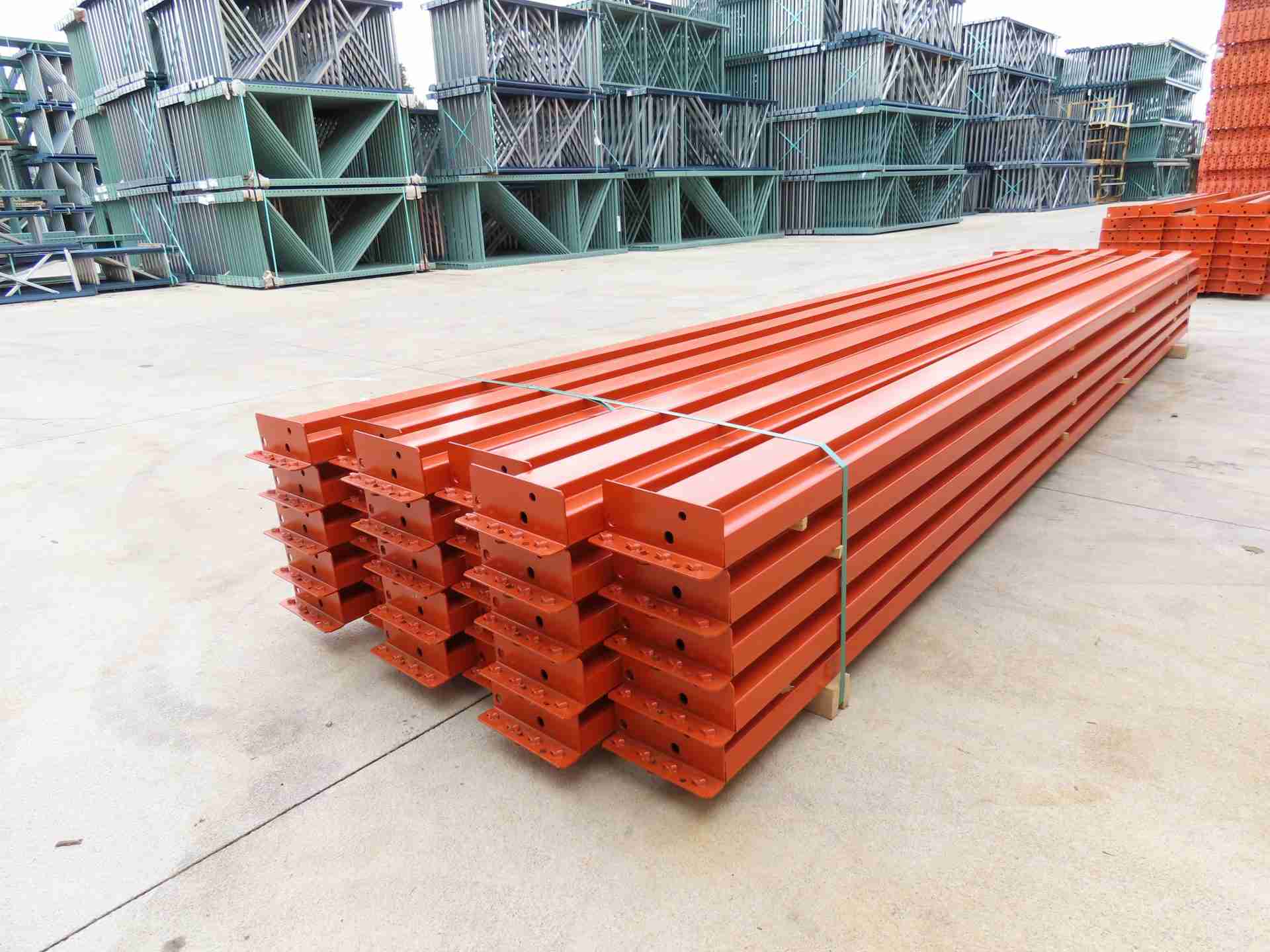
How Can You Reduce Damage with Proper Warehouse Shelving Practices?
How Can You Reduce Damage with Proper Warehouse Shelving Practices?
- Proper shelving practices are crucial for preserving goods and protecting the bottom line in logistics and warehousing.
- Optimized pallet racking systems can significantly enhance efficiency and reduce damage during adverse conditions.
- A well-structured, taller rack system frees up floor space and improves inventory accessibility and rotation.
- Incorporating diverse pallet racking styles reduces the risk of product misplacement and damage during retrieval.
- Regular staff training on proper handling and use of loading equipment can significantly lower damage incidents.
- Periodic inspections of pallet racking systems are essential to catch potential issues and prevent catastrophic failures.
- Implementing strategic pallet racking practices can enhance operational efficiency and give businesses a competitive edge.
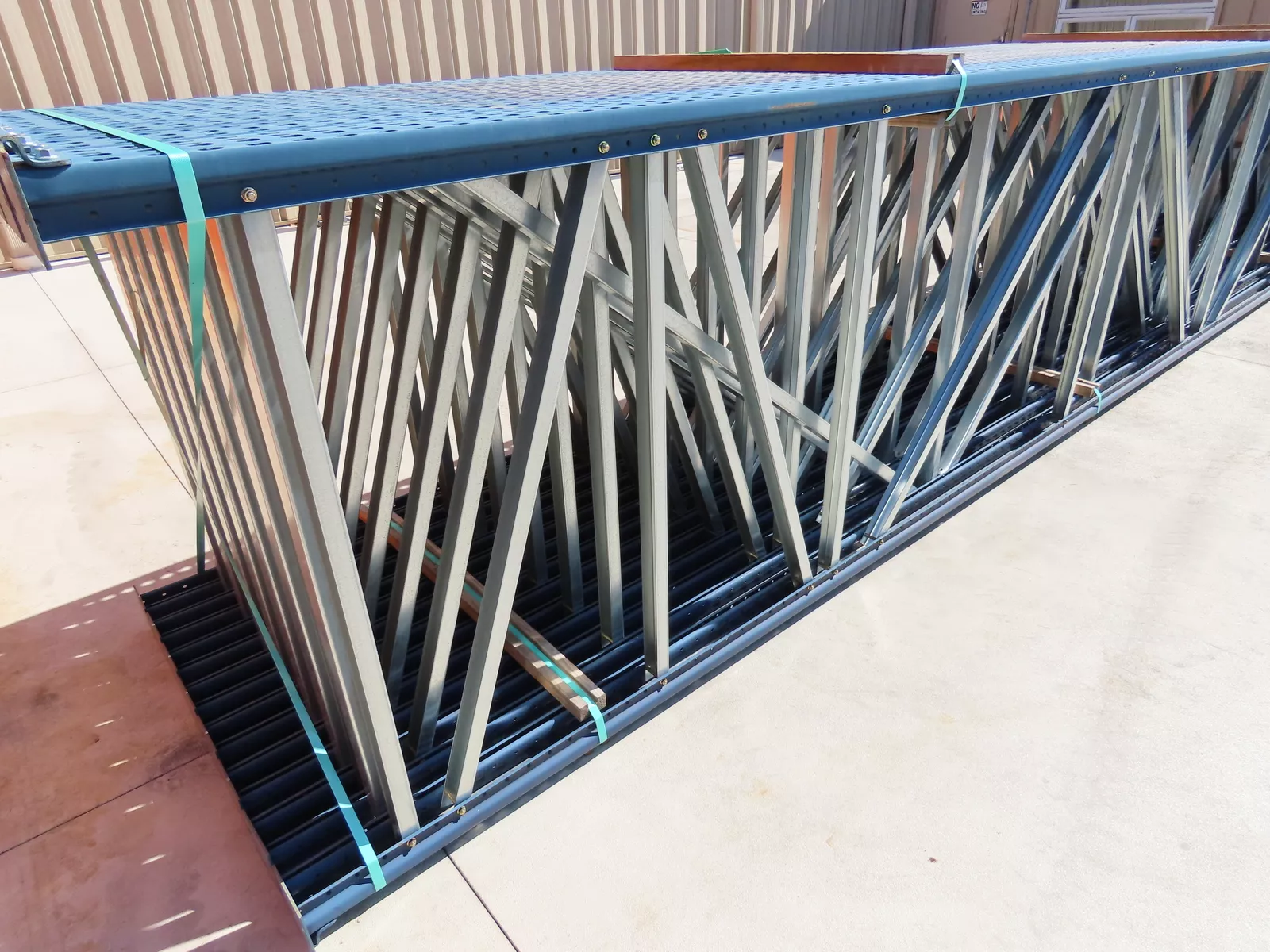
How Can You Reduce Damage with Proper Warehouse Shelving Practices?
Table Of Contents
- How Can You Reduce Damage with Proper Warehouse Shelving Practices?
- What Types Of Shelving Are Best For Minimizing Product Damage?
- How Can Proper Shelving Height Impact Storage Safety?
- What Is The Role Of Load Capacity In Shelving To Prevent Damage?
- How Can We Implement Effective Shelf Organization Strategies?
- What Are The Best Practices For Stacking Products On Shelves?
- How Can Regular Shelving Maintenance Reduce Potential Risks?
- Conclusion
- Other Resources
- Glossary Of Terms
- Other Questions
- Checklist
What Types Of Shelving Are Best For Minimizing Product Damage?
When it comes to storage solutions that protect your valuable inventory, not all shelving is created equal. In today’s fast-paced market, ensuring your products remain undamaged can significantly impact profit margins and customer satisfaction. The right shelving can make all the difference, especially in industries like logistics, retail, and manufacturing. So, what types of shelving should you consider?
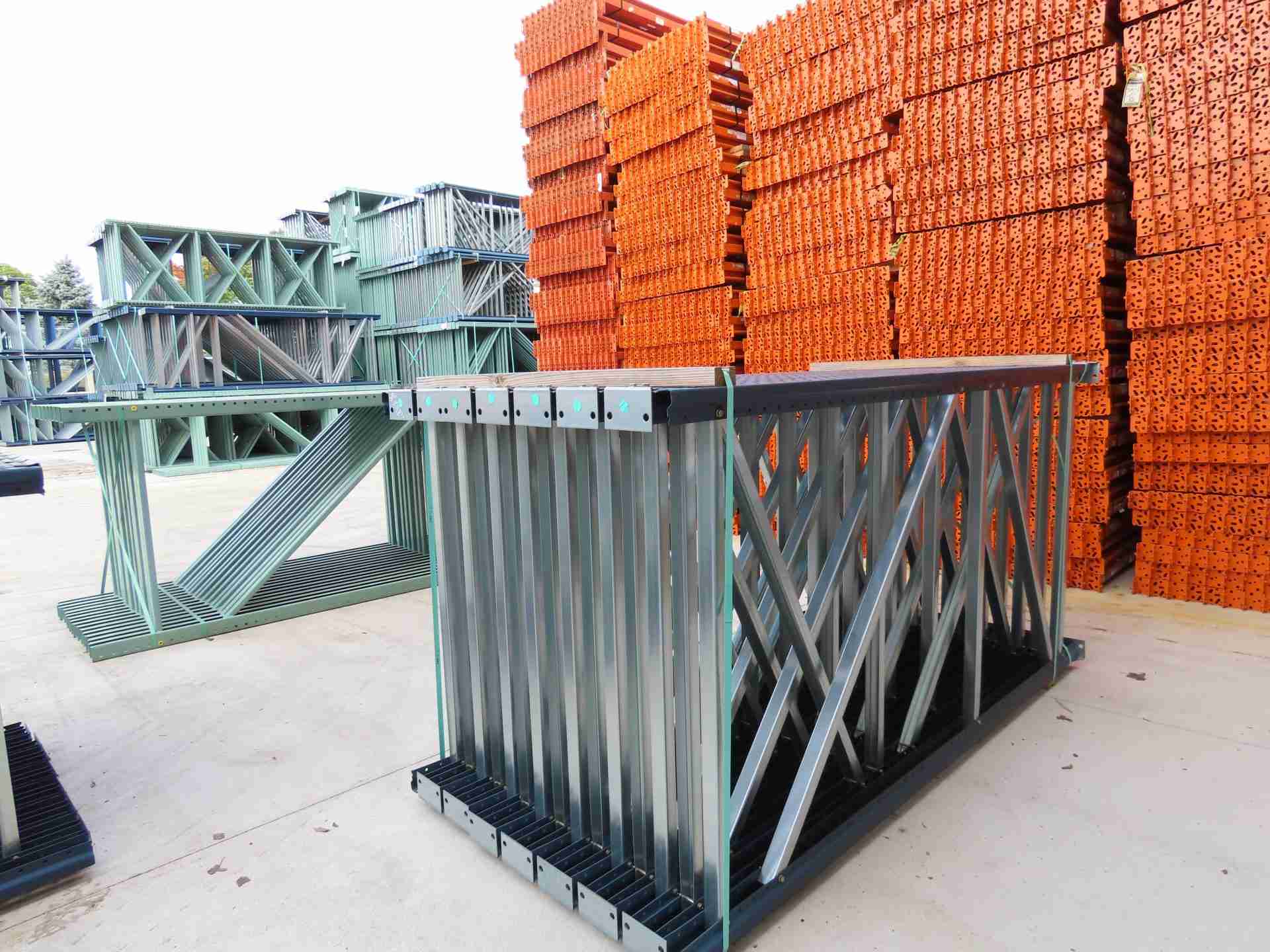
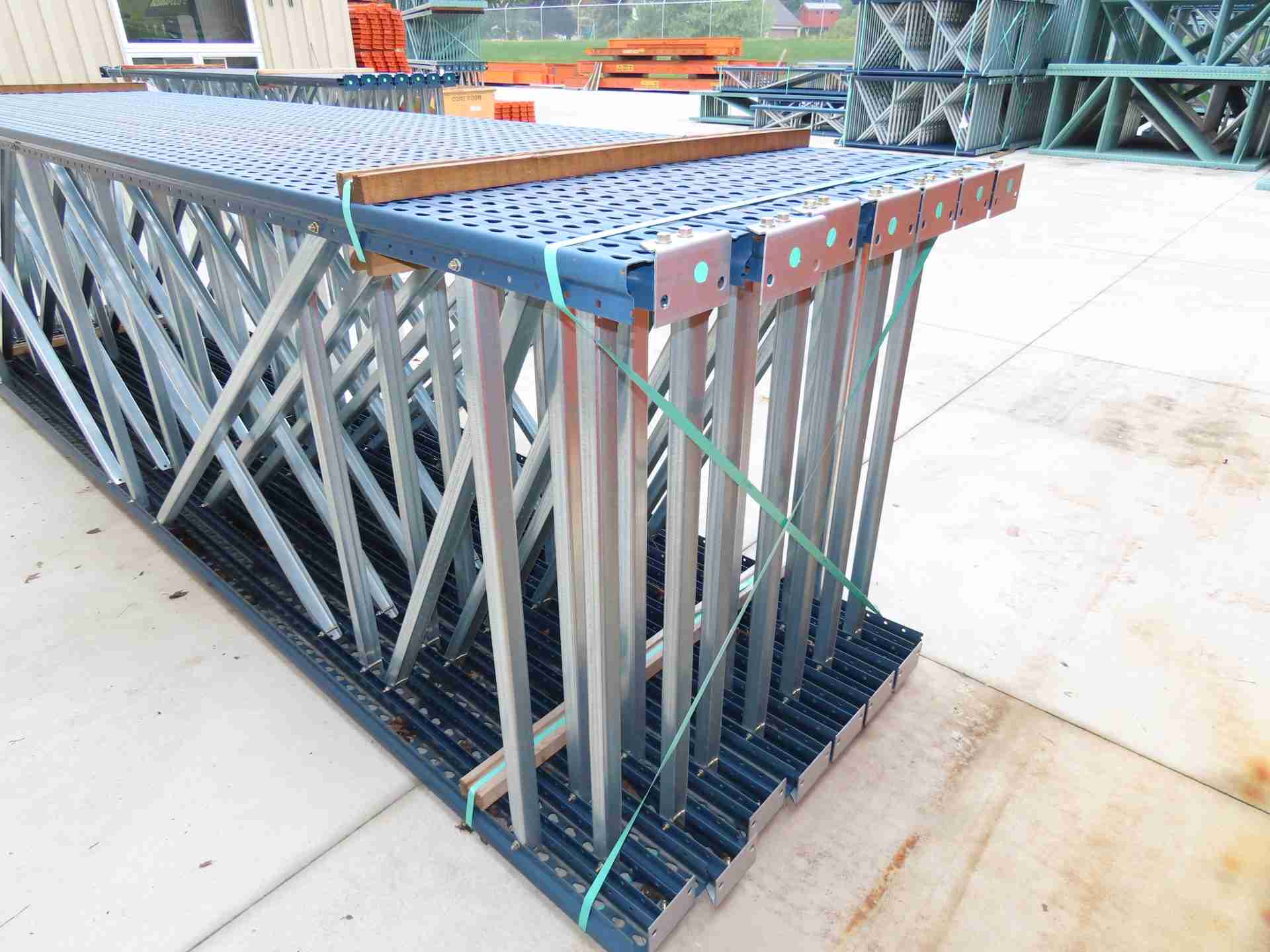
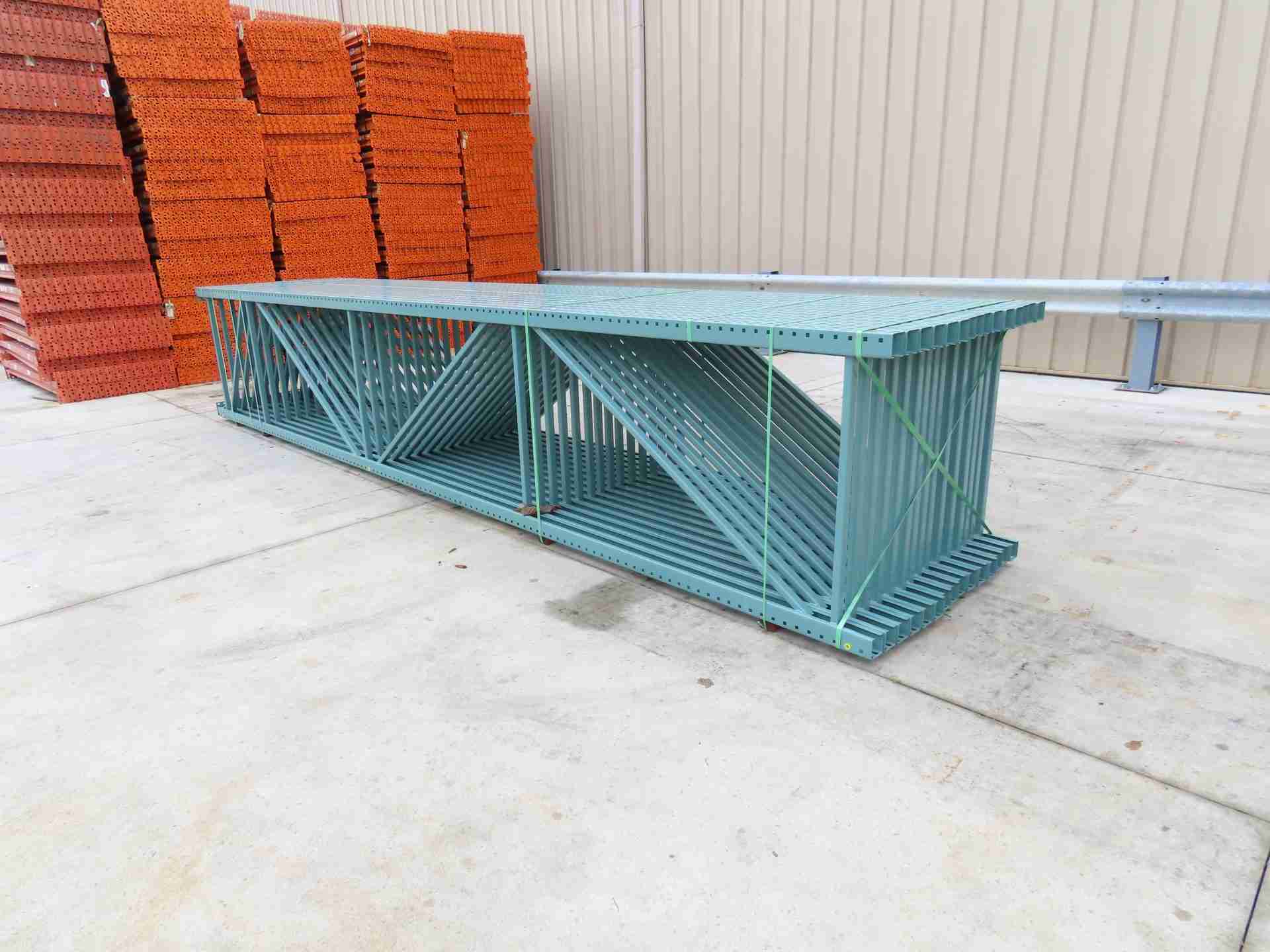
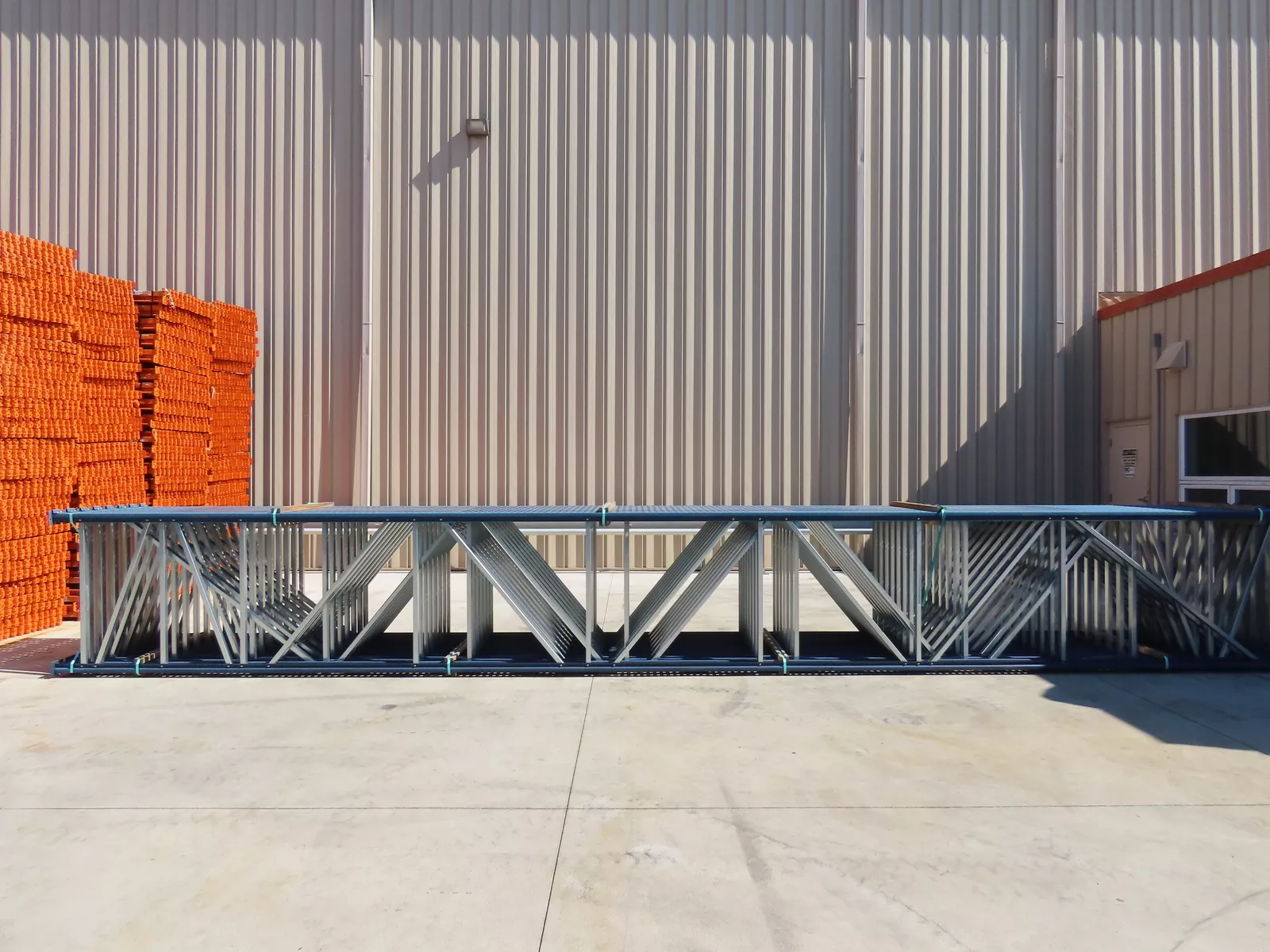
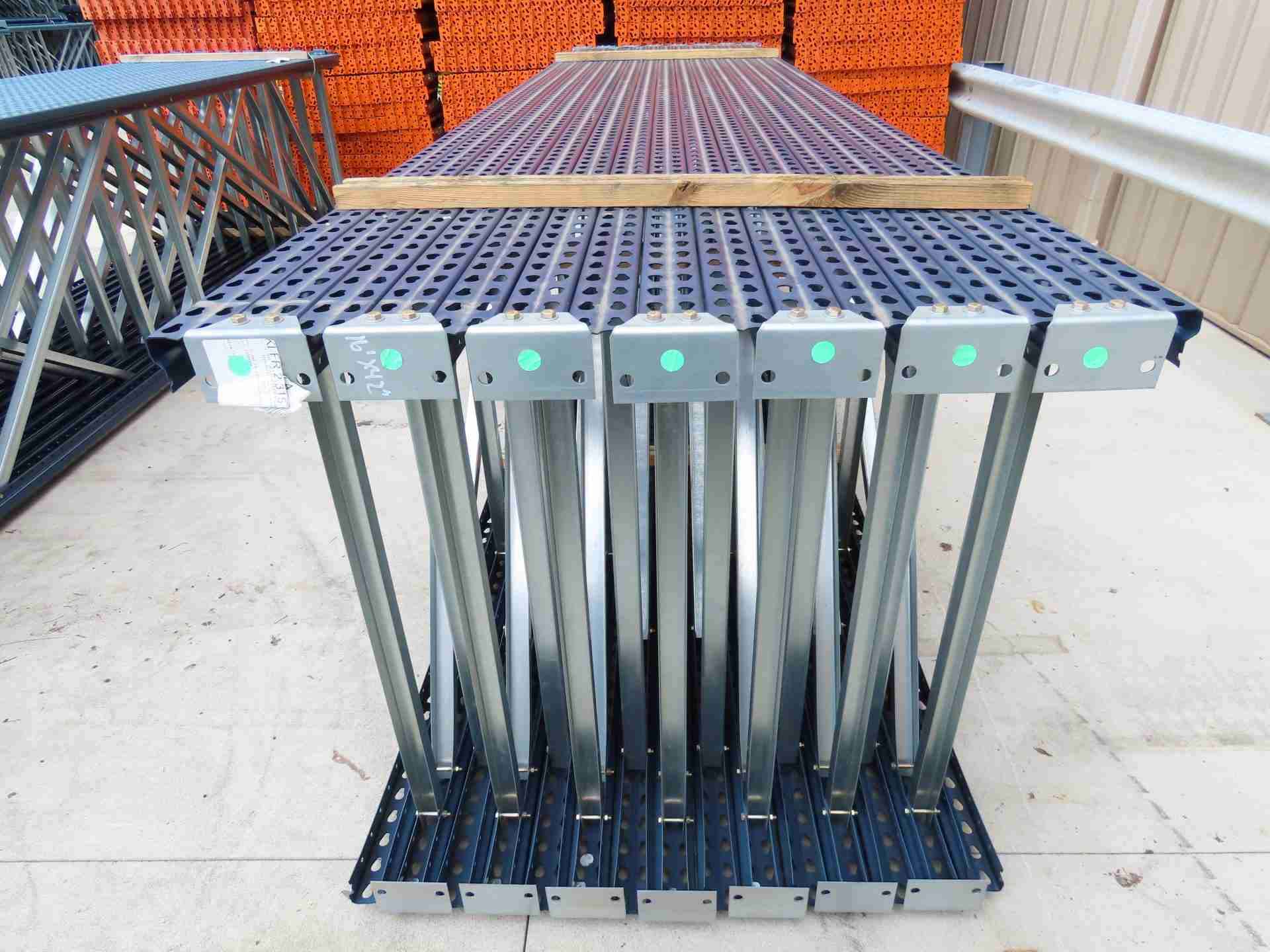
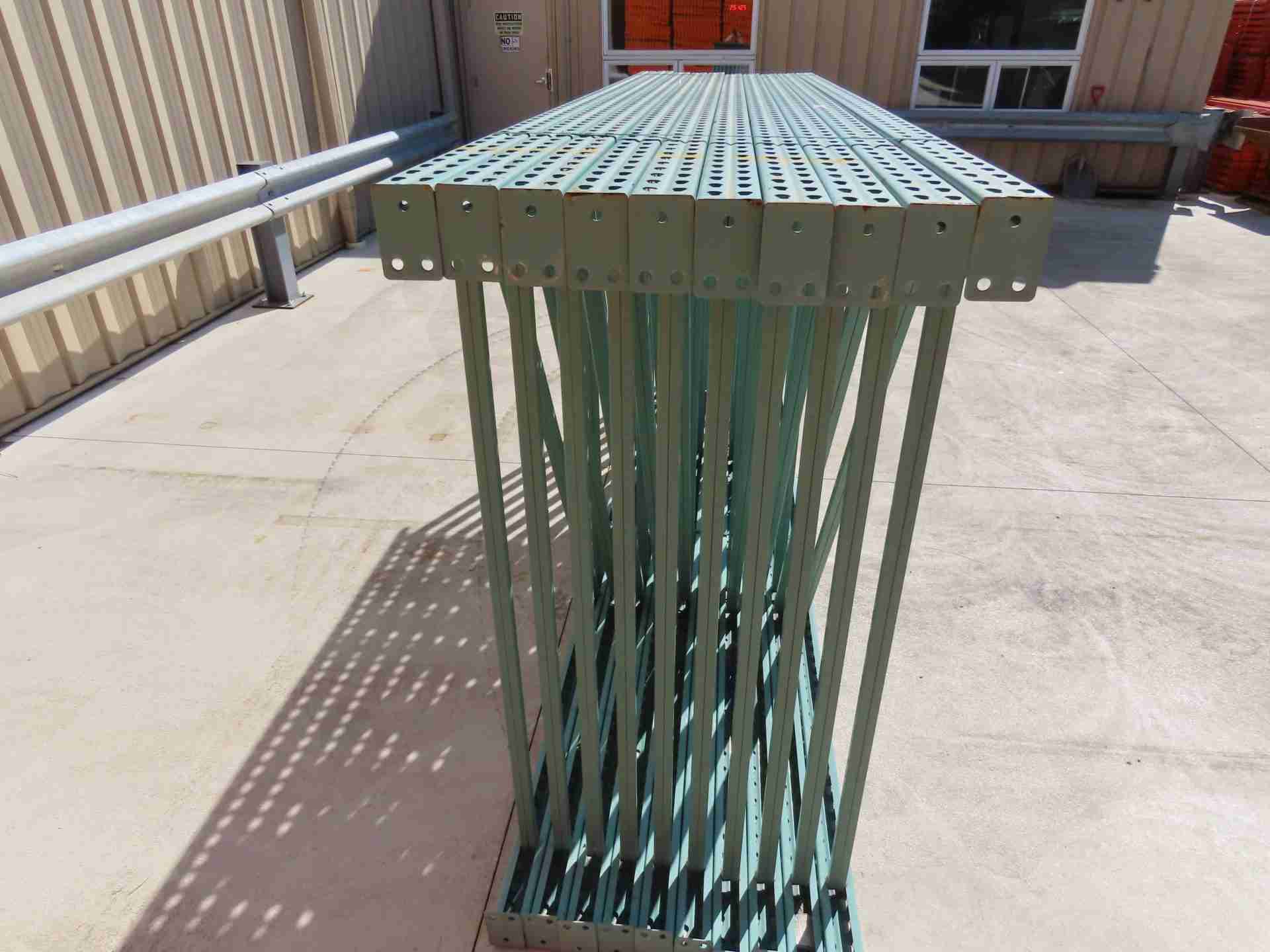
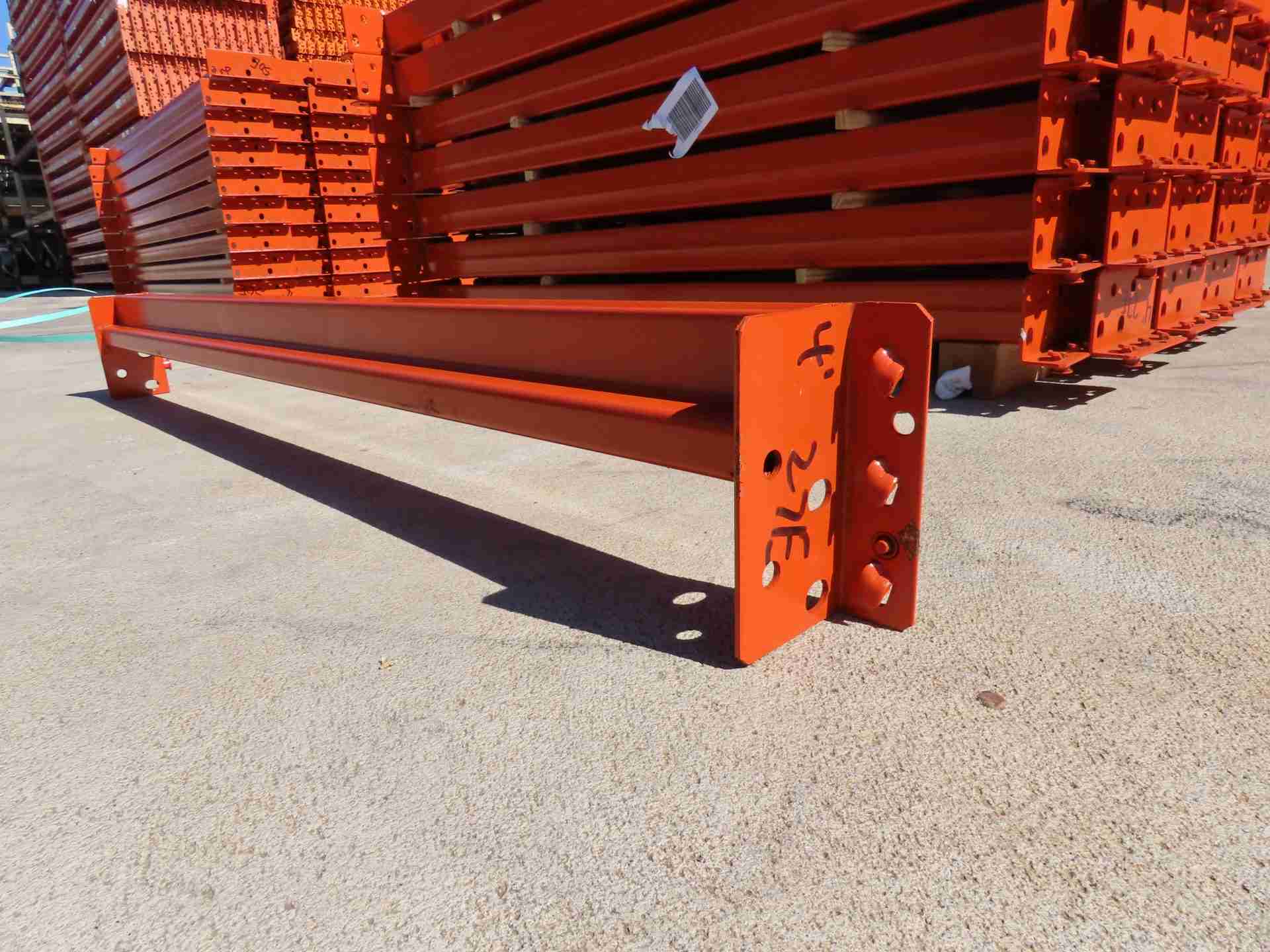
Pallet Racking is arguably one of the most effective solutions for minimizing product damage. This versatile system organizes pallets vertically, allowing for easy access while maintaining the integrity of the goods stored. Think of a warehouse filled with neatly stacked pallets. When using high-quality pallet racking, you create a buffer against damage caused by manual handling or accidental falls. Moreover, the adjustable nature of pallet racking systems means you can accommodate products of various sizes without cramming or overcrowding.
For example, imagine a beverage distribution center where cans are stacked in hundreds of pallets. Without proper racking, the chaos of storing and retrieving those products could lead to a cascading disaster that results in thousands of dollars in losses. Companies employing pallet racking systems face significantly fewer incidences of damage, keeping their goods in pristine condition and their bottom lines healthy.
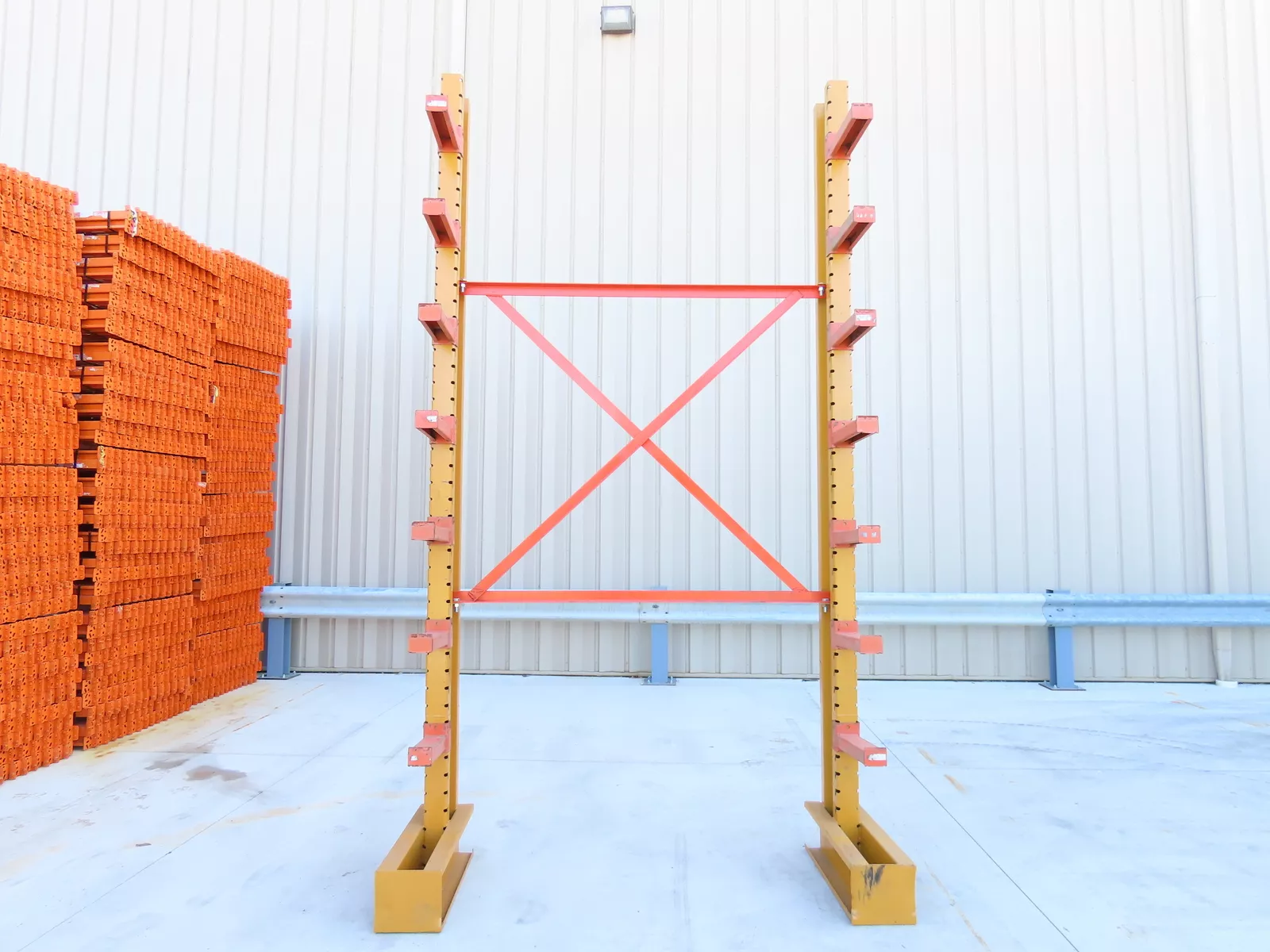
Another excellent option is Cantilever Shelving. This shelving type is particularly beneficial for long or bulky products, such as pipes, lumber, or furniture pieces. With its design allowing for easy access from the front and adjustable arms, cantilever shelving prevents products from being jarred or jostled as they are retrieved. A recent trend has emerged in furniture retail, where companies are utilizing cantilever shelving to store large items safely, thereby ensuring that consumers find their purchases in perfect condition.
Wire Shelving also deserves mention. These units are ideal for dry storage areas since their open design allows for air circulation, minimizing moisture buildup that could lead to damage. In the current climate, where e-commerce is thriving, companies that utilize wire shelving for inventory storage can quickly identify and remove damaged goods, minimizing losses and ensuring timely delivery for customers anticipating their online orders.
Effective shelving not only safeguards your products but also creates an efficient storage environment. By embracing options like pallet racking, cantilever shelving, and wire shelving, businesses can minimize product damage while enhancing the flow of operations. Protect your investment today, and watch your profits soar. Your inventory deserves it, and so do you!

What Types Of Shelving Are Best For Minimizing Product Damage?
What Types Of Shelving Are Best For Minimizing Product Damage?
- Not all shelving solutions provide the same level of protection for inventory.
- Proper shelving impacts profit margins and customer satisfaction in logistics, retail, and manufacturing.
- Pallet Racking minimizes product damage by organizing pallets vertically and allowing easy access.
- High-quality pallet racking systems create a buffer against damage from manual handling or falls.
- Cantilever Shelving is ideal for long or bulky items, preventing jostling during retrieval.
- Wire Shelving suits dry storage areas, promoting air circulation and minimizing moisture damage.
- Choosing the right shelving enhances operational efficiency and protects business investments.

What Types Of Shelving Are Best For Minimizing Product Damage?
How Can Proper Shelving Height Impact Storage Safety?
In the bustling environment of warehouses and retail spaces, the fine-tuning of every detail is paramount—especially when it comes to shelving height. Proper shelving height is not merely a matter of convenience; it profoundly impacts storage safety and operational efficiency. Let’s dive into how getting this right can create a safer work environment and boost productivity.
Consider the common practice of using pallet racking to maximize vertical space in warehouses. When pallets are stored too high or too low, employees are not only put at risk but also hindered in their ability to work efficiently. Imagine a scenario where heavy boxes are stacked precariously on a higher shelf. A single careless moment can lead to catastrophic results: product damage, employee injuries, and even costly litigation. On the other hand, shelving that is too low may create unnecessary bending and lifting, leading to long-term strain injuries.
In recent months, the market has seen an increase in safety regulations regarding storage practices. OSHA has been cracking down on workplaces that fail to adhere to safety guidelines, making it clear that proper shelving height is not a suggestion but an obligation. For instance, if your pallet racking setup does not adhere to recommended heights—typically where items can be reached easily without assistance—both employee morale and safety ratings may plummet. An organization grounded in safety first will almost always see better retention rates, reducing the turnover costs that plague many industries.
Furthermore, effective use of shelving height can also impact inventory management. Having pallets at appropriate heights allows for better visibility and accessibility. It encourages a more streamlined picking process, reducing the time employees spend locating items. In an age where every second counts, particularly in e-commerce and just-in-time logistics, this can make or break operational efficiency.
In 2023, as businesses continue to adapt to changing consumer demands, operating without proper attention to shelving height can lead to missed opportunities and increased risks. Just as transport logistics is evolving, so too should your approach to storage solutions. By focusing on optimal shelving height, you not only ensure safety but also cultivate a climate of productivity and employee satisfaction that can set your business apart.
In summary, proper shelving height isn’t just about thinking inside the box; it’s about elevating your operational standards, enhancing safety, and optimizing your bottom line. With the right setup, the true power of your pallet racking system can shine. This is an investment worth considering for any business aiming for longevity in today’s competitive landscape.
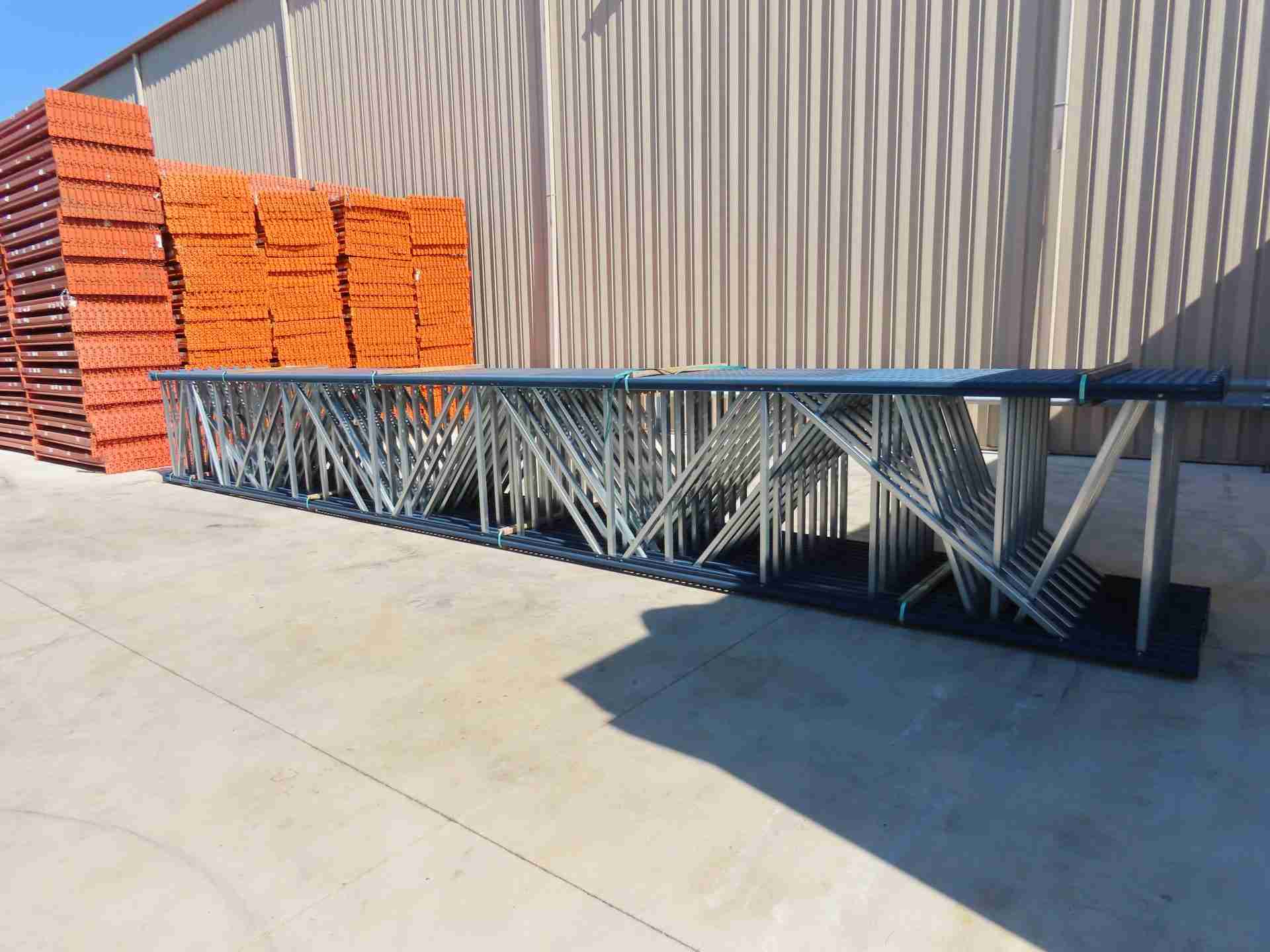
How Can Proper Shelving Height Impact Storage Safety?
How Can Proper Shelving Height Impact Storage Safety?
- Proper shelving height is crucial for safety and operational efficiency in warehouses and retail spaces.
- Pallet racking must be correctly utilized to prevent risks related to stacking items too high or low.
- Improper shelving height can lead to product damage, employee injuries, and potential litigation costs.
- Recent safety regulations enforced by OSHA emphasize the importance of adhering to recommended shelving heights.
- Optimal shelving height improves visibility and accessibility, enhancing inventory management and picking processes.
- A focus on proper shelving height fosters a safe workplace and can improve employee morale and retention rates.
- Investing in the right shelving setup can significantly enhance operational standards and a business’s competitiveness.
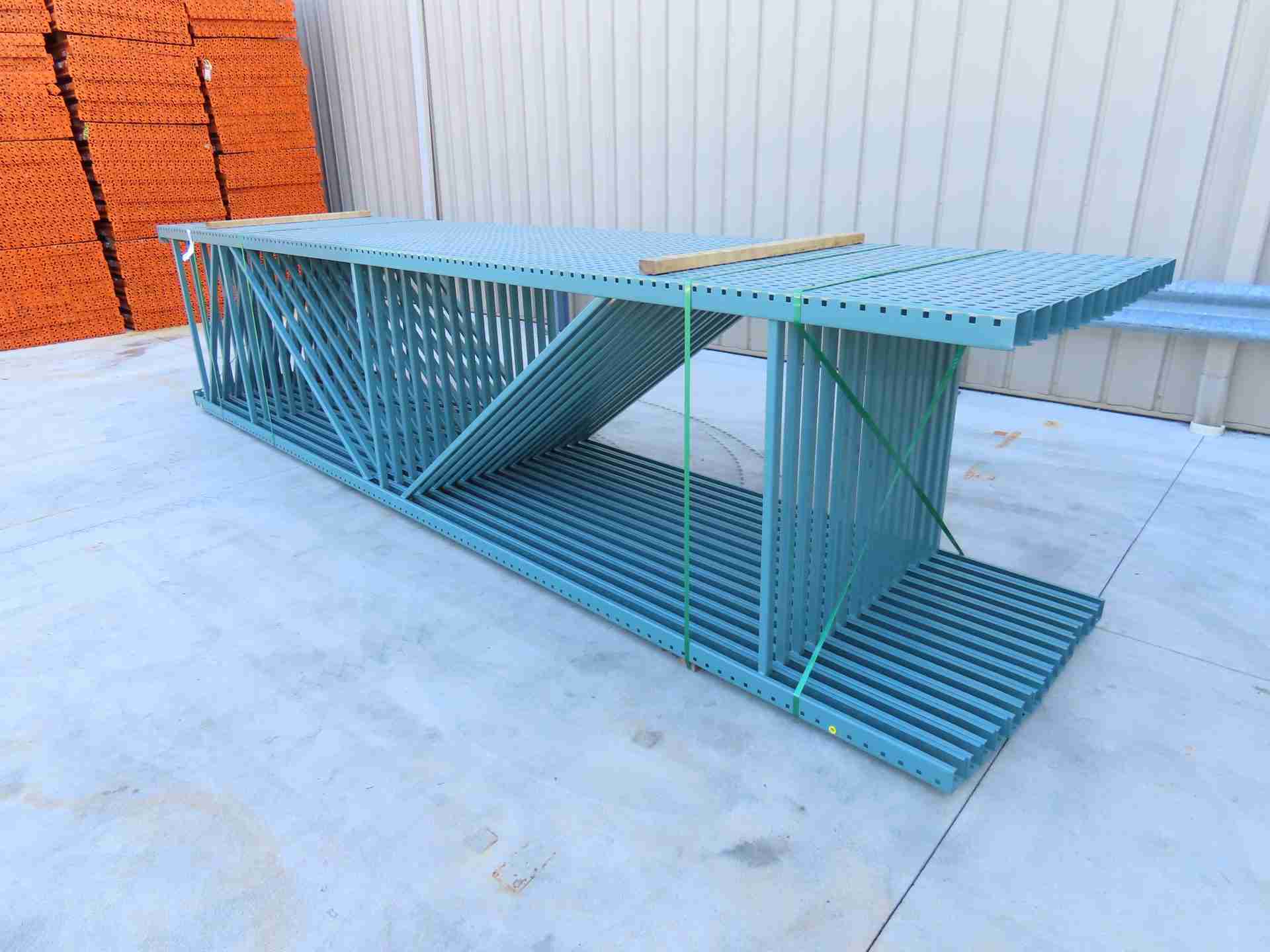
How Can Proper Shelving Height Impact Storage Safety?
What Is The Role Of Load Capacity In Shelving To Prevent Damage?
When it comes to configuring your warehouse or retail space, understanding load capacity is paramount. It’s not just about aesthetics; it’s about safeguarding your investment and ensuring efficient operations. Load capacity defines how much weight your shelving systems can support without risk of collapse or damage. Ignoring this vital aspect can lead to financial losses and even workplace accidents that could have been easily prevented.
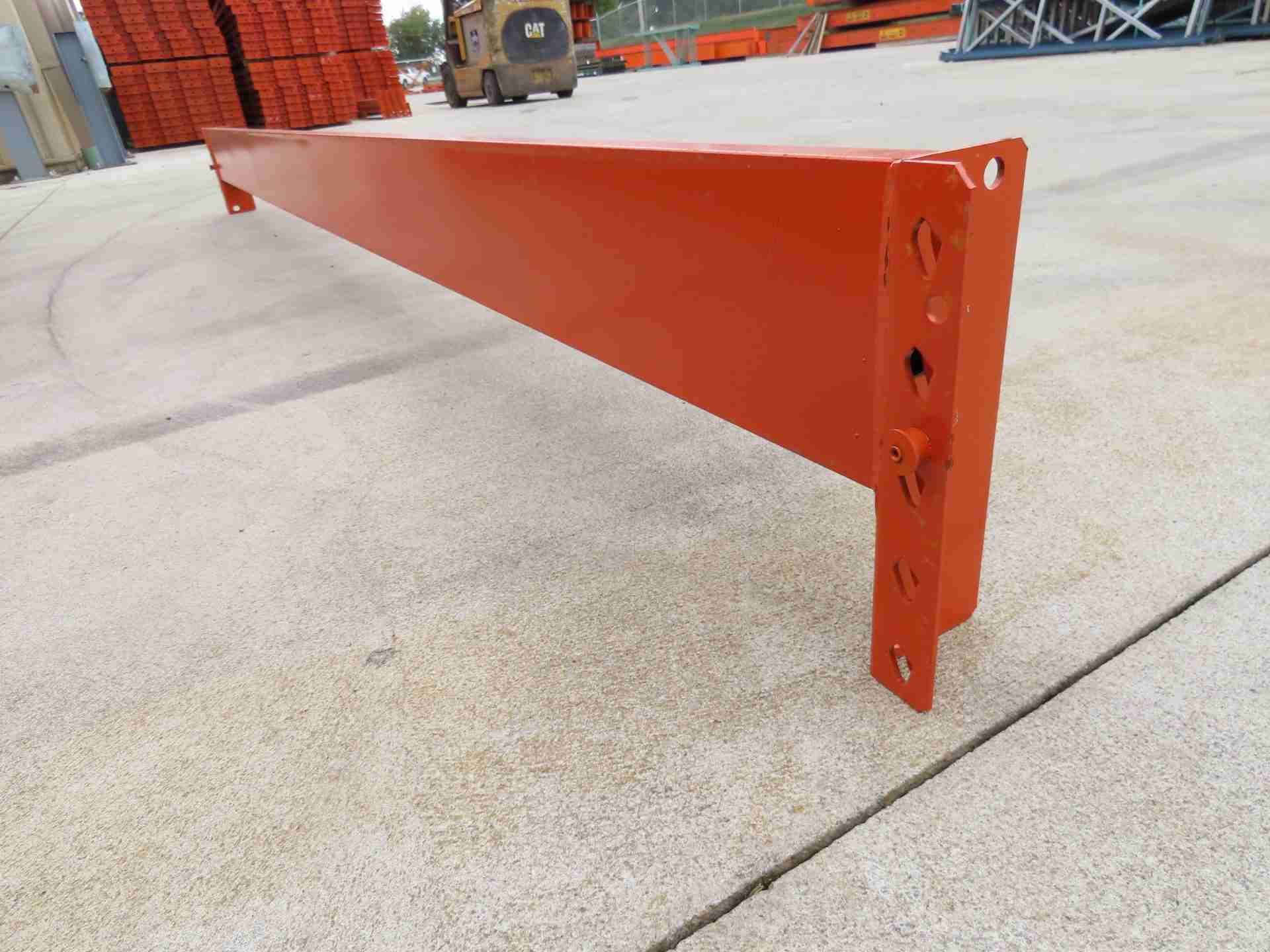
Take pallet racking, for example. These systems are specifically designed to handle heavy loads, but every design has its limits. Imagine a warehouse during the holiday season, where products are stocked heavily to meet surging consumer demand. If your pallet racking is overloaded, not only does it increase the risk of structural damage, but it can cause serious safety hazards for your employees. A 2023 report highlighted several incidents where overloading led to injuries, drastically affecting company productivity and morale. Investing in the right shelving with an appropriate load capacity can save you from such predicaments.
Additionally, different industries have unique needs for load capacity that you simply cannot ignore. For instance, the food and beverage sector often relies on cooler shelving that must withstand both weight and temperature challenges. A well-calculated load capacity here ensures that your perishables remain safe while providing the necessary access for employees to stock or retrieve items quickly. Conversely, retail spaces might utilize lighter-duty shelves to display products without overwhelming the customer experience.
Understanding load capacities can help you plan your shelving layout more effectively. For businesses looking to optimize their storage, precision is key. Knowing the weight limits allows you to decide the configuration of your racks—whether you should install horizontal beams, vertical supports, or even integrate adjustable shelving systems. This strategic planning minimizes the risk of overloading and maximizes your operational space.
Moreover, companies fraudulently cutting corners by overlooking load capacities can face severe repercussions, including damaged inventory and costly repairs. In 2023, several organizations received citations for safety violations stemming specifically from overloaded shelving. These violations not only hurt the bottom line but also tarnish reputations.
Understanding and respecting load capacity in shelving is no trivial matter; it is foundational to the prevention of damage and the promotion of workplace safety. Whether utilizing pallet racking or other shelving systems, meticulous adherence to load specifications will create an efficient, safe, and profitable environment. Prioritize load capacity today, and protect your assets tomorrow!
What Is The Role Of Load Capacity In Shelving To Prevent Damage?
What Is The Role Of Load Capacity In Shelving To Prevent Damage?
- Understanding load capacity is crucial for warehouse and retail space configuration.
- Load capacity ensures shelving systems can support weight without risk of collapse, safeguarding investments.
- Overloading pallet racking can lead to structural damage and serious safety hazards for employees.
- Different industries have unique load capacity needs; for instance, the food sector requires cooler shelving that can handle weight and temperature.
- Knowledge of load limits helps businesses optimize their shelving layout and minimize the risk of overloading.
- Ignoring load capacities can result in severe consequences, including safety violations and damaged inventory.
- Adhering to load specifications promotes workplace safety and creates an efficient, profitable environment.
What Is The Role Of Load Capacity In Shelving To Prevent Damage?
How Can We Implement Effective Shelf Organization Strategies?
In the fast-paced world of retail and warehousing, effective shelf organization strategies can dramatically enhance operational efficiency and customer satisfaction. Imagine walking into a warehouse that feels chaotic; customers are frustrated, employees are overwhelmed, and sales are stagnant. Now picture the opposite—a well-organized environment where products are neatly displayed, making it easy for customers to locate what they need. This transformation often begins with smart shelf organization and the judicious use of pallet racking.
Pallet racking systems are a game-changer in optimizing storage space and improving accessibility. By carefully planning your pallet racking configuration, you can maximize vertical space in your warehouse, leading to not just a cleaner workspace, but quicker inventory turnover. For example, using selective pallet racking allows fast-moving items to be easily accessible, while slower-moving stock can be stored further back—an efficient method that enhances productivity.
Consider the recent rise in e-commerce packaging demands. With the holiday season rapidly approaching, retailers must utilize their shelving and pallet racking to respond to increased order volume. An effective strategy might include using a first-in-first-out (FIFO) approach to ensure that older stock is sold before newer arrivals, preventing waste and markdowns. This not only maintains inventory freshness but also keeps your customers happy, as they receive products within their expected timeframes.
Let’s also touch on the psychological aspect of shelf organization. People are naturally drawn to neatness and symmetry. When organizing your shelves, employ techniques such as vertical product stacking that emphasizes high-margin items—think eye-catching displays that captivate customers’ attention. A recent study indicated that consumers are 75% more likely to purchase a product they can see clearly displayed. Therefore, make your selections visible and appealing on your shelves and racking systems.
Moreover, frequent review and reorganization based on sales data should be routine. Use digital tools to analyze which items fly off the shelves and which linger. By conducting seasonal clean-outs and employing a just-in-time inventory system, you can adapt to trends swiftly, keeping your operations lean and enjoyable for customers.
Ultimately, effective shelf organization strategies combined with thoughtful pallet racking implementation not only streamline processes but catalyze sales growth. In today’s competitive environment, it’s not just about having products available; it’s about presenting them in a way that compels your customers to buy. Don’t wait; start revolutionizing your shelf space today.

How Can We Implement Effective Shelf Organization Strategies?
How Can We Implement Effective Shelf Organization Strategies?
- Effective shelf organization enhances operational efficiency and customer satisfaction in retail and warehousing.
- Pallet racking systems optimize storage space and improve accessibility, maximizing vertical space and speeding up inventory turnover.
- Selective pallet racking allows easy access to fast-moving items, increasing productivity by placing slower stock further back.
- Implementing a first-in-first-out (FIFO) strategy helps manage increased e-commerce demands and maintains inventory freshness.
- Organizing shelves with neatness and symmetry, along with eye-catching displays, can significantly boost product visibility and sales.
- Regularly reviewing sales data and reorganizing stock helps adapt to trends, keeping operations efficient and customer-focused.
- Combining effective shelf organization with smart pallet racking can lead to streamlined processes and increased sales growth.
How Can We Implement Effective Shelf Organization Strategies?
What Are The Best Practices For Stacking Products On Shelves?
Effective product stacking is a cornerstone of retail success, and it starts with understanding the fundamentals of how consumers interact with shelves. An organized, visually appealing display doesn’t just look good; it translates directly into increased sales. Here are some best practices to consider when arranging products, specifically through effective pallet racking strategies.
First and foremost, begin with a solid foundation in your pallet racking system. This involves using appropriately rated racks that meet your needs in terms of size and weight capacity. You wouldn’t want to compromise safety for aesthetics; ensure that your racking can support the products without succumbing to strain. For example, during recent shifts toward e-commerce, retailers have needed to adapt their physical spaces for both online and in-store customers. Utilizing pallet racking systems allows for maximized vertical space while maintaining easy access.
Next, consider product visibility. Place your best sellers at eye level–that’s where your customers naturally look first. For instance, a grocery store might stack its most popular snack items at prime viewing spots, immediately drawing attention and driving impulse purchases. Use the rule of three—items stacked in groups of three or five tend to be more visually appealing and can create a sense of abundance.
Incorporating seasonal themes can also enhance product appeal. If summer is approaching, store owners might stack barbecue tools, sauces, and outdoor items together, creating a destination display that resonates with the season. This not only boosts visibility but also encourages the customer to consider complementary purchases.
Moreover, ensure that your stacking is not just about quantity but also about approachability. Don’t overcrowd shelves; this can overwhelm potential buyers. Instead, practice the concept of white space—leave gaps that make it easier for customers to navigate and choose. Recent studies show that shoppers can feel overwhelmed when faced with too many choices, leading to decision fatigue.
Lastly, maintain flexibility in your layout. Retail environments are continuously evolving, especially as consumer preferences shift. Monitor your sales data and be ready to rearrange your products on the pallet racks based on trends. For example, if you notice an uptick in healthy eating, introduce and prominently display health-focused snacks front and center.
Effective product stacking on shelves is about more than just efficiency; it’s a strategic marketing tool. By leveraging best practices such as utilizing pallet racking to its fullest, understanding product placement, and staying adaptable, retailers can create compelling shopping experiences that do more than attract eyes—they drive sales.
What Are The Best Practices For Stacking Products On Shelves?
What Are The Best Practices For Stacking Products On Shelves?
- Effective product stacking enhances retail success by improving consumer interaction with shelves.
- Start with a solid pallet racking system that meets size and weight capacity for safety.
- Place best sellers at eye level to attract customer attention and drive impulse purchases.
- Use the rule of three for stacking items to create visual appeal and a sense of abundance.
- Incorporate seasonal themes in displays to encourage complementary purchases.
- Practice the concept of white space to avoid overwhelming customers and aid navigation.
- Maintain flexibility in layout and adjust product placement based on sales trends and consumer preferences.
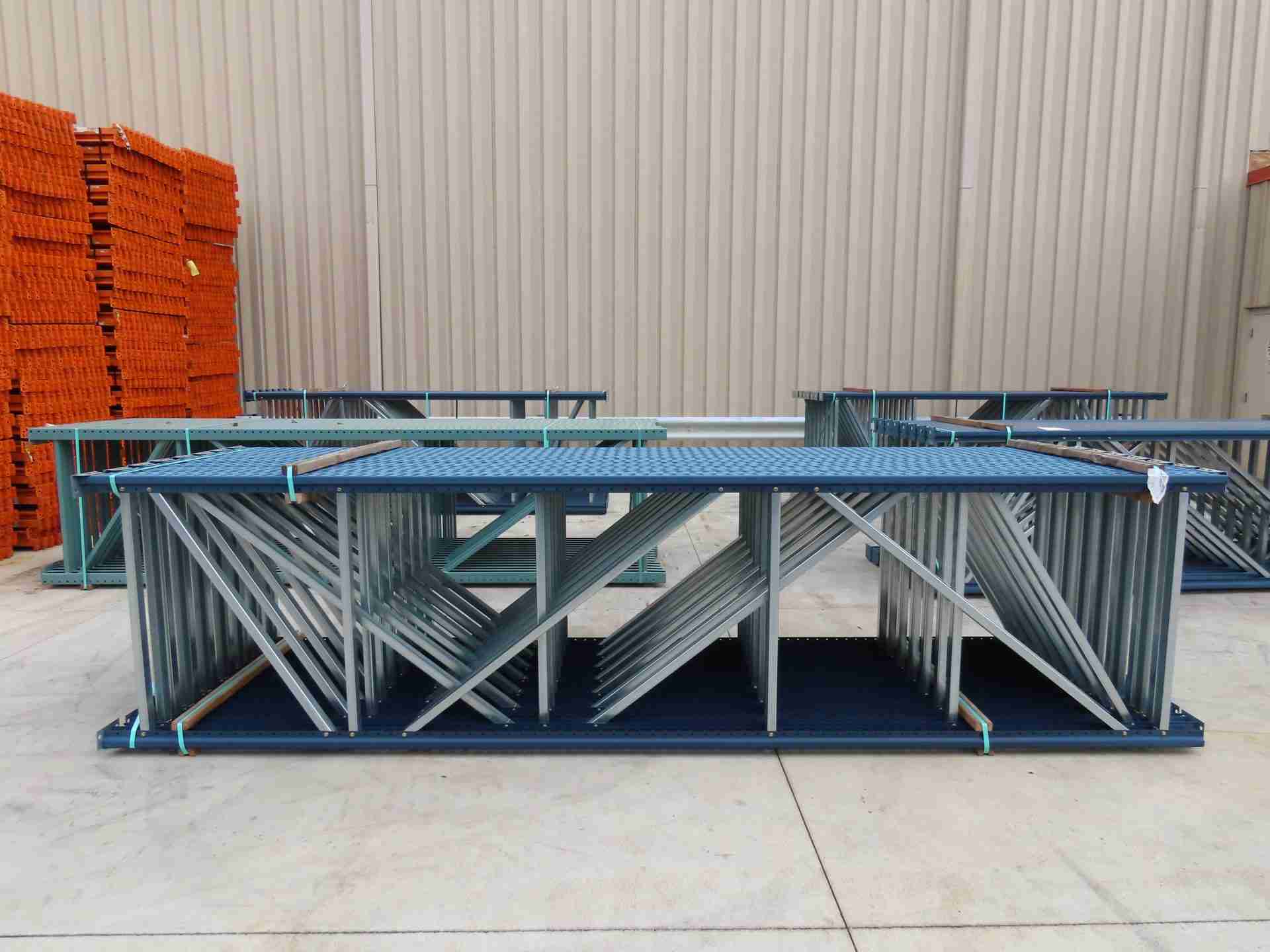
What Are The Best Practices For Stacking Products On Shelves?
How Can Regular Shelving Maintenance Reduce Potential Risks?
In today’s fast-paced business environment, the efficiency of your storage solutions directly impacts your bottom line. One of the most crucial yet often overlooked aspects of operational efficiency is the maintenance of your pallet racking systems. Neglecting this aspect can lead to a plethora of potential risks that could jeopardize your business. Let’s delve into the immense value that regular shelving maintenance provides in safeguarding your assets and enhancing operational efficiency.
Imagine a bustling warehouse where every square foot counts. Your pallet racking not only maximizes space but also enables the swift organization of goods. However, without routine inspections and maintenance, that seemingly robust structure can quickly turn problematic. A recent incident involving a warehouse collapse in a major distribution center highlighted the critical need for maintenance. The investigation revealed that improper installation and a lack of routine checks were significant contributing factors to the disaster. The fallout? The company faced hefty fines and loss of reputation.
Regular maintenance of pallet racking mitigates these risks. First and foremost, it ensures stability and structural integrity. By identifying and addressing wear and tear — such as rust, bent frames, or compromised beams — you can prevent catastrophic failures. A proactive approach involves scheduling inspections at regular intervals and promptly addressing any identified issues. This kind of diligence can save you from the much higher costs associated with emergency repairs, liability claims, or, worse yet, workplace injuries.
Moreover, conducting maintenance fosters a culture of safety and responsibility among your staff. Regular checks and updates can serve as an educational opportunity to ensure that employees understand the significance of proper load distribution and safe handling practices. For example, if your team is trained to spot potential issues with pallet racking during their daily routines, you create an environment where everyone is vigilant about safety, which could result in a notable decline in injuries and accidents.
In an era where supply chain disruptions are becoming common — as has been seen in the wake of recent global events — having well-maintained storage systems can provide the agility needed to withstand challenges. Uninterrupted operations translate to better customer satisfaction and stronger market positioning. With the risk of stockouts or damaged products looming, your commitment to regular shelving maintenance can be a deciding factor in your ability to fulfill orders efficiently.
In summary, neglecting pallet racking maintenance is a risk that no business can afford. Regular maintenance not only protects your physical assets but also reinforces your company’s reputation for safety and reliability. Implement a robust maintenance schedule today, and watch as it transforms risks into opportunities for success.
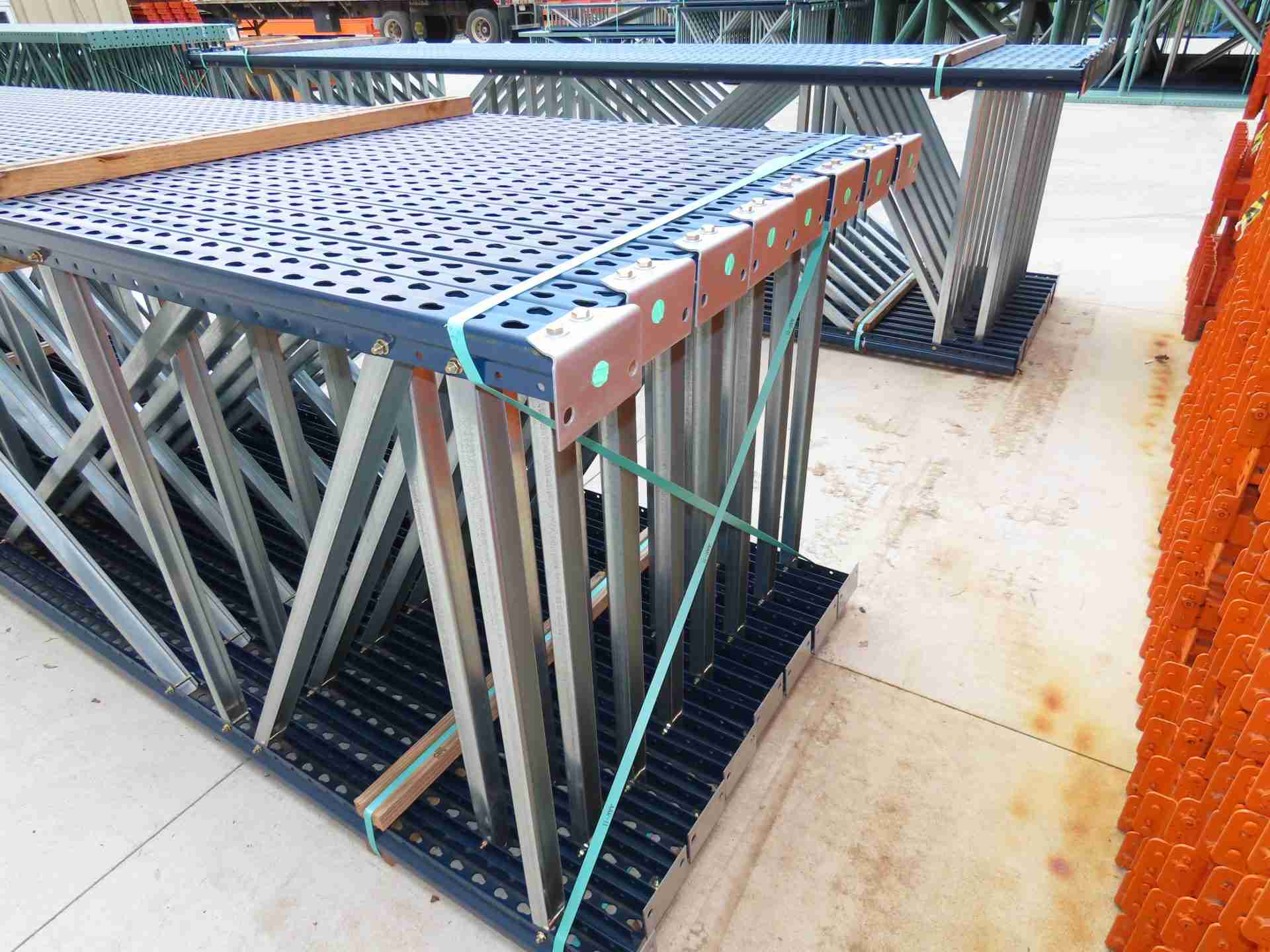
How Can Regular Shelving Maintenance Reduce Potential Risks?
How Can Regular Shelving Maintenance Reduce Potential Risks?
- Efficiency of storage solutions impacts the business bottom line significantly.
- Pallet racking system maintenance is often overlooked but crucial for operational efficiency.
- Lack of maintenance can lead to risks, exemplified by a recent warehouse collapse incident.
- Regular maintenance ensures stability and structural integrity by addressing wear and tear.
- Proactive inspections help avoid costly emergency repairs and enhance workplace safety.
- Conducting maintenance fosters a culture of safety and responsibility among staff.
- Regular shelving maintenance is essential for agility in supply chain management and operational success.
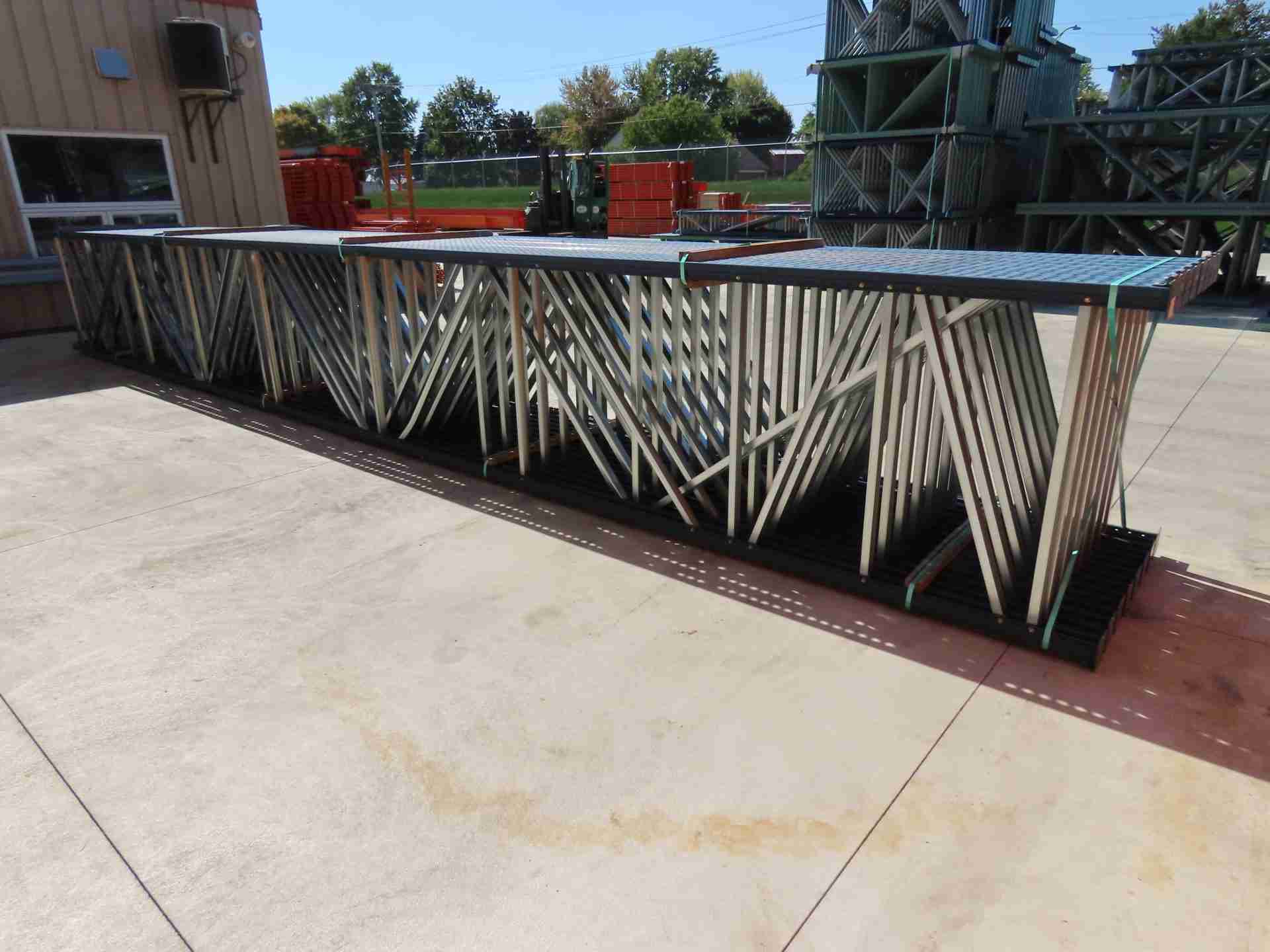
How Can Regular Shelving Maintenance Reduce Potential Risks?
Conclusion
In the ever-evolving landscape of warehousing and logistics, the importance of effective storage solutions cannot be overstated. As outlined in this guide, the right shelving practices extend far beyond mere organization—they directly influence your operational efficiency, employee safety, and, above all, your bottom line. Your warehouse is not just a space to store products; it’s a pivotal component of your business strategy that deserves careful attention.
By employing robust pallet racking systems, implementing proper shelving heights, and understanding load capacities, you can eliminate the potential for product damage that afflicts so many operations. Imagine transforming a chaotic workspace into a well-oiled machine that allows for quick retrieval and safer handling of inventory. This is not just wishful thinking; it’s a reality that businesses are realizing every day as they invest in advanced shelving solutions from industry leaders like Arrow Industrial Sales.
Education and training are equally vital. Regular training sessions instill a culture of safety and mindfulness, leading to fewer incidents and reduced costs. By fostering an environment where employees understand the ramifications of their actions—whether it’s overloading a shelf or handling products carelessly—you mitigate risks and bolster productivity.
But don’t forget about maintenance. A proactive maintenance plan is essential in avoiding unforeseen calamities. Regular inspections ensure your shelving systems retain their structural integrity. Imagine the potential losses incurred from a collapse or accident due to neglected upkeep! The smart move is to prioritize maintenance, keeping your assets secure and your operations running smoothly.
As we confront the challenges of supply chain disruptions and escalating consumer demands, the need for a reliable, efficient warehouse becomes more critical than ever. Don’t fall behind your competitors; take the steps necessary to secure your operational efficiency today.
Act now! For tailored advice on optimizing your warehouse with cutting-edge shelving solutions, call Arrow Industrial Sales at (574) 349-6575. This can be your opportunity to safeguard your inventory while elevating your business to new heights. Remember, every moment counts—take action before your competitors do! Your warehouse—and your profits—deserve the best.
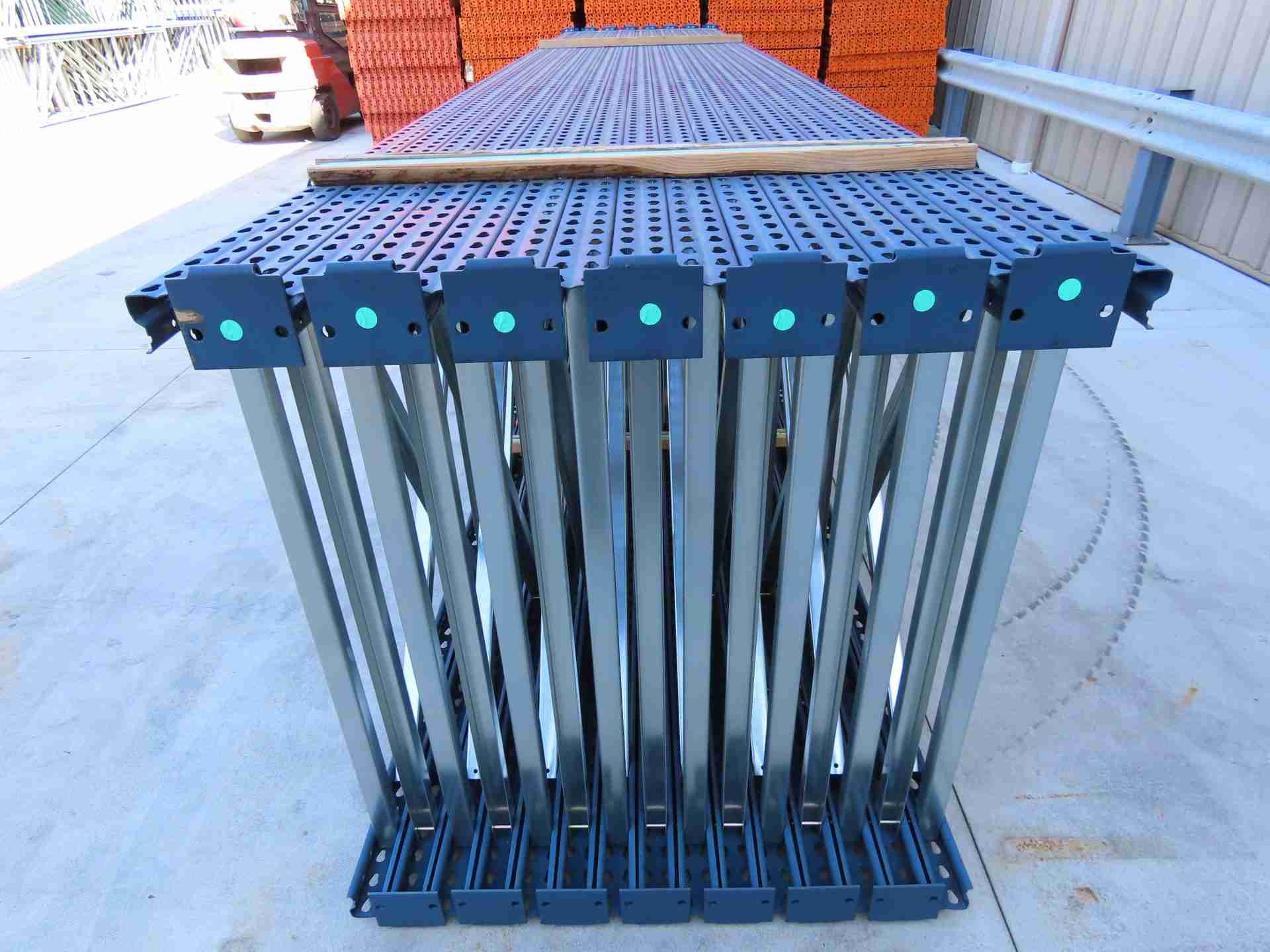
Conclusion
Conclusion:
- Effective storage solutions are crucial for warehouse efficiency, employee safety, and profitability.
- Implementing strong pallet racking systems and understanding load capacities can prevent product damage.
- Investing in advanced shelving solutions enhances inventory retrieval and handling.
- Regular training fosters a safety culture, leading to fewer incidents and lower costs.
- Proactive maintenance of shelving systems is essential to avoid potential hazards and ensure structural integrity.
- Addressing supply chain disruptions requires a reliable and efficient warehouse setup.
- For expert advice on optimizing warehouse shelving, contact Arrow Industrial Sales at (574) 349-6575.
Conclusion
Other Resources
Other Resources
Here is a list of other resources you can review online to learn more:
- Pallet Racking systems in Illinois and Great Lakes
- Teardrop Industrial Shelving Rack
- Used Pallet Rack for Sale in Illinois – American Surplus
- Material Handling Safety
- What is Selective Racking: Understanding Benefits & Options
- Bradford Systems
- Warehouse Racks, Warehouse Racking in Stock – ULINE
- What is Selective Pallet Racking
- Interlake
- Cantilever Rack Guide: Ordering Cantilever Racking
Use This Prompt To Get More Resources With Your Favorite Online AI Tool: Please provide me with a list of online articles with their URLs in a bulleted list that I can read regarding How Can You Reduce Damage with Proper Warehouse Shelving Practices?
Other Resources
Glossary Terms
How Can You Reduce Damage with Proper Warehouse Shelving Practices? – Glossary Of Terms
1. Aisle Space: The distance between shelves in a warehouse, crucial for safe movement and minimizing accidents.
2. Damage Prevention: Strategies and practices aimed at reducing the risk of damage to inventory and equipment within a warehouse.
3. Forklift: A powered industrial truck used to lift and move materials, requiring careful management to avoid damage to shelving.
4. Inventory Management: The supervision of supply, storage, and accessibility of items, ensuring that shelving practices maintain item integrity.
5. Load Capacity: The maximum weight a shelving unit can safely hold; exceeding this can lead to structural failure.
6. Material Flow: The movement of materials and goods through the warehouse, requiring optimized shelving for efficiency and safety.
7. Pallet Racking: A storage system that utilizes vertical space by stacking pallets on frames, designed for easy access while preventing damage.
8. Safety Standards: Regulations and guidelines that maintain safe operation in storage environments, helping to avoid incidents that could cause damage.
9. Stacking: The practice of layering items to conserve space; improper stacking can lead to falls and inventory damage.
10. Inspection Procedures: Regular checks of shelving units and stored items to identify signs of wear or potential hazards.
11. Space Optimization: Efficient use of warehouse space to enhance workflow and storage capacity, reducing the chances of damage.
12. Translucent Shelving: Shelving made from clear materials that allow visibility, which can help reduce accidents by keeping items in sight.
13. Weight Distribution: The practice of evenly spreading weight across shelves to prevent tipping or collapse.
14. Labeling: The act of marking shelves and items for easy identification and retrieval, minimizing handling and damage risks.
15. Emergency Procedures: Established protocols for handling accidents and damage incidents within a warehouse.
16. Shelving Design: The planning and arrangement of shelving layouts that promote safety and accessibility while minimizing damage potential.
17. Safety Barriers: Protective structures placed around shelving to prevent accidental collisions and subsequent damage.
18. Adjustable Shelving: Shelving that can be modified in height or configuration to accommodate different items, reducing risk of damage.
19. Corner Protectors: Devices used on shelving to absorb impact and prevent damage from handling equipment.
20. Stackable Bins: Containers designed to be stacked securely on shelves, enhancing organization while minimizing spillage and damage.
21. Heavy-Duty Shelving: Industrial-grade shelving that supports greater weight, reducing the risk of breakage.
22. Warehouse Mapping: A visual layout of shelving and storage areas to minimize searching and reduce the risk of accidental damage.
23. Inventory Turnover: The rate at which inventory is sold and replaced, influencing how shelving is organized to minimize wear on older items.
24. Access Control: Measures taken to manage who can enter specific warehouse areas, reducing the risk of damage from unauthorized access.
25. First-In, First-Out (FIFO): A method of inventory management where older items are sold or used before newer ones, ensuring rotation and minimizing damage.
26. Ergonomics: The design of workplace environments that promote safe movement and efficiency, thus reducing injury risks from improper shelving practices.
27. Training Programs: Educational sessions aimed at teaching staff about safe handling and shelving methods to prevent damage.
28. Sustainable Materials: Environmental considerations in shelving design that not only consider durability but also minimize damage from environmental factors.
29. Temperature Control: Regulation of warehouse conditions to protect temperature-sensitive products stored on shelves.
30. Regular Maintenance: Ongoing checks and repairs of shelving systems to ensure durability and functionality, thereby preventing potential damage.

Glossary Of Terms
Other Questions
How Can You Reduce Damage with Proper Warehouse Shelving Practices? – Other Questions
If you wish to explore and discover more, consider looking for answers to these questions:
- What are the common causes of damage in warehouses?
- How can businesses assess the effectiveness of their shelving systems?
- What types of training should employees receive for proper shelving practices?
- Are there specific safety regulations governing warehouse shelving and racking systems?
- What is the process for choosing the right shelving system for my specific industry?
- How can technology aid in optimizing warehouse shelving practices?
- What are the signs that it’s time to replace or upgrade shelving systems?
- How can I measure the impact of proper shelving on customer satisfaction and sales?
- What role does inventory management software play in effective shelf organization?
- What are the financial implications of investing in better shelving systems?
Other Questions
Checklist
How Can You Reduce Damage with Proper Warehouse Shelving Practices? – A Checklist
Shelving and Storage Configuration
_____ Choose the Right Shelving Type: Implement pallet racking, cantilever shelving, or wire shelving based on your products’ needs.
_____ Evaluate Load Capacity: Ensure all shelving systems are designed to support the weight and size of the products stored.
_____ Select Appropriate Shelving Height: Maintain optimal shelf heights for employee safety and efficiency (not too high and not too low).
_____ Utilize Effective Shelf Organization: Arrange products logically and accessibly to streamline retrieval processes.
Safety and Damage Prevention
_____ Train Staff Regularly: Provide training on proper handling techniques and equipment usage.
_____ Conduct Routine Inspections: Schedule periodic checks on shelving systems for signs of wear, damage, or instability.
_____ Implement Clear Labeling: Mark high-weight limits and storage recommendations to ensure compliance with safety practices.
_____ Establish an Emergency Response Plan: Prepare protocols for accidents related to shelving failure.
Product Stacking Practices
_____ Prioritize Visibility: Place best-selling and frequently accessed items at eye level.
_____ Use the Rule of Three: Stack products in groups of three or five for better visual appeal and customer engagement.
_____ Maintain Adequate Space: Avoid overcrowding shelves; implement white space to enhance accessibility.
_____ Engage in Thematic Stacking: Consider seasonal or promotional displays to boost sales and customer interest.
Regular Maintenance
_____ Create a Maintenance Schedule: Establish a routine for checking and maintaining pallet racking and shelving systems.
_____ Address Issues Promptly: Act immediately on any findings from inspections to avoid catastrophic failures.
_____ Educate Employees: Ensure that staff understands the importance of shelving maintenance and encourages reporting of any issues they notice.
_____ Review Load Distribution Practices: Ensure that products are stored evenly and according to weight capacities to prevent accidents.
Feedback and Improvement
_____ Collect and Analyze Data: Use sales data to identify slow-moving inventory and adjust shelving strategies accordingly.
_____ Iterate on Your Strategy: Regularly refine shelving organization and stacking techniques based on customer feedback and sales performance.
By following these best practices, you can significantly reduce the risk of product damage in your warehouse while enhancing operational efficiency and employee safety.
Checklist
At RackingWorld, we help guide you through selecting warehouse storage systems and racking.
Be sure to read our other related stories at RackingWorld to learn more about warehouse storage systems.
0 Comments