
Protecting Your Team: Essential Rack Safety Training
By Tom Seest
At RackingWorld, we help guide you through selecting warehouse storage systems and racking.
Be sure to read our other related stories at RackingWorld to learn more about warehouse storage systems.
How to Train Your Staff on Rack Safety Protocols
When it comes to rack safety protocols, it’s not just about avoiding accidents; it’s about cultivating a workplace culture where every worker feels like they matter. Let’s be frank: safety isn’t a checklist item; it’s a commitment. Each time your staff walks into that warehouse, they’re entering a world filled with potential hazards and opportunities. Racking may seem mundane, but it holds the weight of responsibility—and not just for the goods stored, but for the well-being of every single person working in and around those racks.
Start by framing the conversation around safety as a shared mission. This isn’t just management breathing down their necks; it’s empowered employees taking ownership of their environment. Break down the gravity of rack safety protocols with real stories—the near misses that became teaching moments and the hands-on experiences where human instinct triumphed over negligence. These aren’t just statistics—they’re reminders of why we need to care deeply about how we treat our environment and, by extension, each other.
Next, appeal to our shared ethics by emphasizing that a safe workplace isn’t just beneficial—it’s a moral obligation. Every load placed, every shelf secured, speaks to a commitment we make to our teammates. If someone disregards proper procedures, they jeopardize not just their own safety, but the lives of coworkers. Foster a culture where everyone looks out for each other, where peer accountability isn’t worrisome but empowering.
Then there’s the practical side of things—training. Roll out comprehensive workshops that cover the nuances of rack safety. Use simulations, engage with hands-on demonstrations, and encourage open discussion as your employees troubleshoot and learn together. Create a forum where questions are welcomed—not stifled—leading to a deeper understanding of the protocols.
Finally, promote a sense of belonging and pride—let them know that each time they adhere to rack safety, they contribute to a legacy of care that protects their teammates. Create a wall of honor for safety champions, showcasing those who consistently demonstrate diligence and proactivity. People respond to recognition, and when it comes from a place of genuine respect, it reverberates through the entire workplace. Grow that connection, and you’re not just training staff—you’re building a family dedicated to safety, trust, and shared success. And that isn’t just good for business; it’s the right thing to do.

How to Train Your Staff on Rack Safety Protocols
How to Train Your Staff on Rack Safety Protocols
- Rack safety protocols are essential for creating a supportive workplace culture where every employee feels valued.
- Safety should be seen as a commitment rather than a mere checklist item, acknowledging the potential hazards and opportunities in the warehouse.
- Encourage a shared mission for safety, empowering employees to take ownership of their environment.
- Use real stories and near misses to illustrate the importance of safety and foster a deeper care for the work environment.
- Emphasize that workplace safety is a moral obligation, with peer accountability strengthening team dynamics.
- Implement training workshops that feature simulations and hands-on demonstrations to enhance knowledge of rack safety protocols.
- Promote a sense of belonging and pride by recognizing safety champions, creating a culture of caring and shared success.
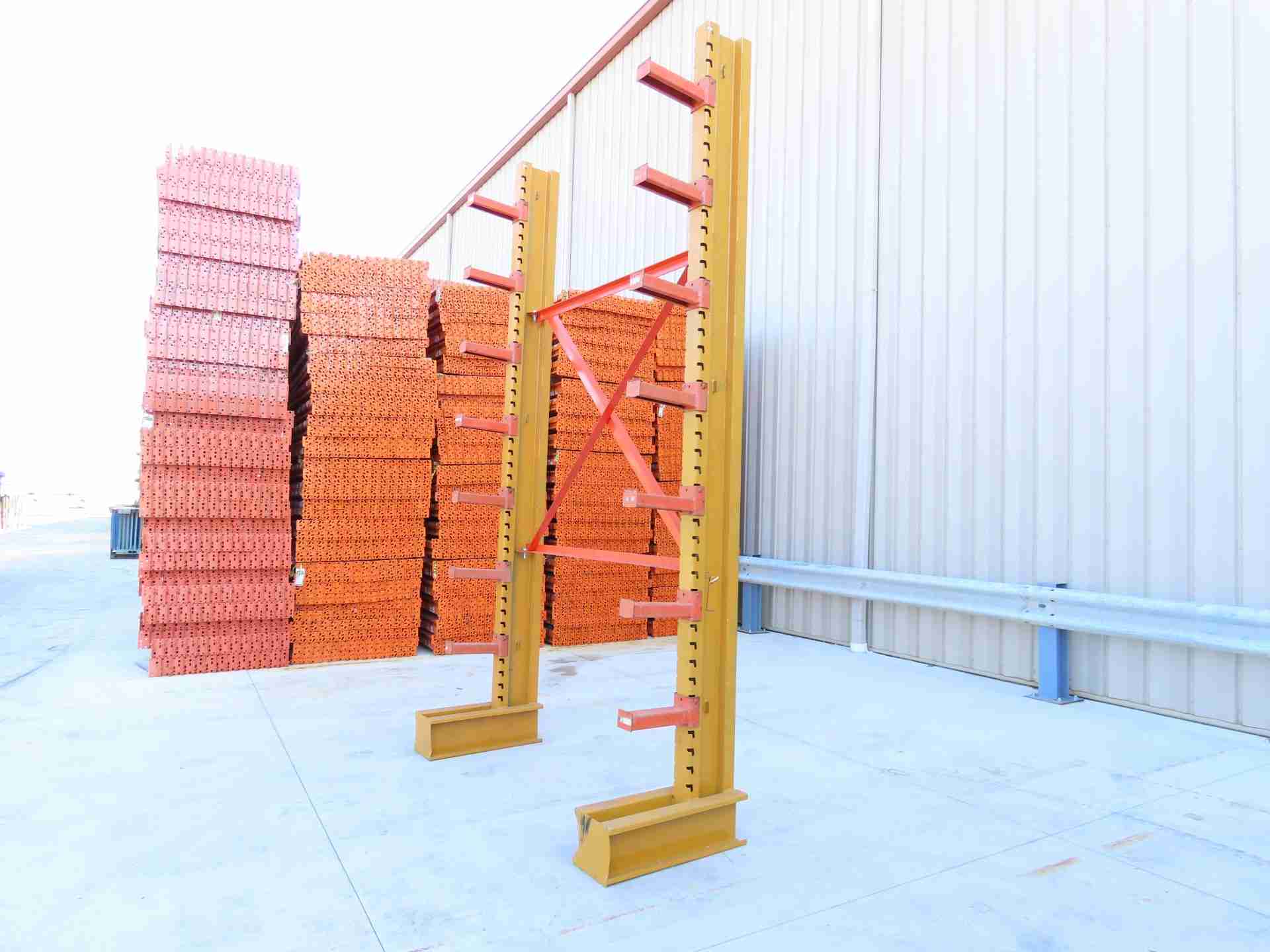
How to Train Your Staff on Rack Safety Protocols
Table Of Contents
- How to Train Your Staff on Rack Safety Protocols
- What Emotional Impact Does a Safety Incident Have on Your Team?
- How Can Safety Protocols Enhance Workplace Productivity and Morale?
- What Costs Can Arise From Inadequate Rack Safety Training?
- What Stories Of Prevention Can Motivate Your Staff to Embrace Safety?
- How Can Leadership Set the Tone for a Safety-First Culture?
- Conclusion
- Other Resources
- Glossary Of Terms
- Other Questions
- Checklist
What Emotional Impact Does a Safety Incident Have on Your Team?
When a safety incident occurs, it’s not just the physical effects that ripple through your team; it’s the emotional fallout that shapes the workplace culture and individual psyches. Imagine a seasoned staff member arriving at work one day, her sense of purpose clenched in her fist alongside her lunch. Then, in an instant—a slip, a fall, an accident—everything changes. The racking fear that overtakes the workplace isn’t just about the injury itself; it seeps into the hearts and minds of every employee present.
From the moment the alarm sounds, the weight of uncertainty hangs heavily in the air. Colleagues exchange glances, a mix of concern and disbelief, their bodies tense. Is someone hurt? Could it happen to me? These questions don’t just sit idly; they gnaw at the gut, stirring a deep sense of vulnerability amidst the routine of daily tasks. The emotional aftershocks can reveal cracks in camaraderie, turning a tight-knit crew into a fragmented group of individuals, each grappling with their own fears.
But it doesn’t have to be that way. Leadership, grounded in empathy and awareness, has the power to transform the narrative. A heartfelt conversation in the wake of an incident can instill trust, remind the team that they are not alone in their fears, and even spark an honest dialogue about how to improve safety measures. This is where true authority is found—not in commands and checks, but in listening and embracing vulnerability. Employees need to feel that their leaders genuinely care about their well-being.
Moreover, sharing personal stories about overcoming fear and finding strength in adversity can uplift spirits. It’s about connection—recognizing that every worker plays a role in their collective safety. When teammates come together to process an incident and explore safety improvements, they forge bonds stronger than steel. They realize that safety is not merely a protocol but a shared value, invested in by everyone.
Emotional impact varies, but the message remains the same: acknowledge the fear, but focus on recovery and resilience. It’s an opportunity for growth—for individuals, teams, and the entire organization. By coming together, maintaining vigilance, and fostering an ethos of safety, your team can emerge from the shadow of disruption, transformed and galvanized, ready to face whatever challenges lie ahead with renewed strength.

What Emotional Impact Does a Safety Incident Have on Your Team?
What Emotional Impact Does a Safety Incident Have on Your Team?
- A safety incident affects not only physical safety but also emotional well-being and workplace culture.
- The immediate aftermath includes fear and uncertainty, altering employees’ perceptions of safety.
- Questions of vulnerability arise, creating tension and potentially fragmenting teamwork.
- Empathetic leadership can transform reactions to incidents, fostering trust and open dialogue.
- Sharing personal stories of overcoming fear can strengthen connections and team morale.
- Emphasizing collective responsibility enhances the notion that safety is a shared value.
- Acknowledge fears while focusing on recovery and resilience to promote growth within the organization.

What Emotional Impact Does a Safety Incident Have on Your Team?
How Can Safety Protocols Enhance Workplace Productivity and Morale?
When you think about workplace productivity and morale, safety protocols might not be the first thing that comes to mind. But like a sturdy racking system in a warehouse, they hold everything together, providing the support needed for growth and success. These protocols are not just rules; they’re a commitment to one another—a promise that every individual’s well-being is valued and safeguarded.
Imagine a workforce where every employee feels protected. When safety measures are in place, there’s a palpable sense of trust. Workers are more engaged, knowing that their well-being isn’t just a checkbox on a manual but a core value of the company’s culture. When people feel secure, their focus shifts from worrying about accidents to honing their skills and innovating new solutions. It’s that shift—the transformation from fear to freedom—that fuels productivity.
Rationally, investing in safety protocols can save companies significant money over time. Fewer accidents mean less downtime and reduced medical costs. A safe workplace can also lower insurance premiums and improve the company’s bottom line. These benefits don’t just add up on a balance sheet; they resonate with every bag of groceries brought home and every bill paid without worry.
Yet the ethical dimension can’t be overlooked. Prioritizing safety reflects a company’s values and demonstrates a commitment to its workforce. It sends a clear message: “You matter. Your life matters.” This is not just about compliance; it’s about character. Employees thrive in environments where their well-being is placed front and center—this, in turn, cultivates loyalty and fosters community.
Through powerful narratives of those who’ve seen the stark difference that safety makes, we learn: a factory worker who used to dread each long shift can now take pride in their role, knowing their workplace has their back. A team that once felt fragile is now robust, unified by a shared understanding that safety and camaraderie are linked.
Lastly, consider the social aspect. In an age where connection is crucial, champions of safety protocols often become advocates for their colleagues. They share experiences, teach practices, and reinforce a culture of care—a culture where productivity blooms naturally because it’s rooted in respect and responsibility. Together, we can create not just a safer workplace, but one where every voice is heard and every fear is mitigated.
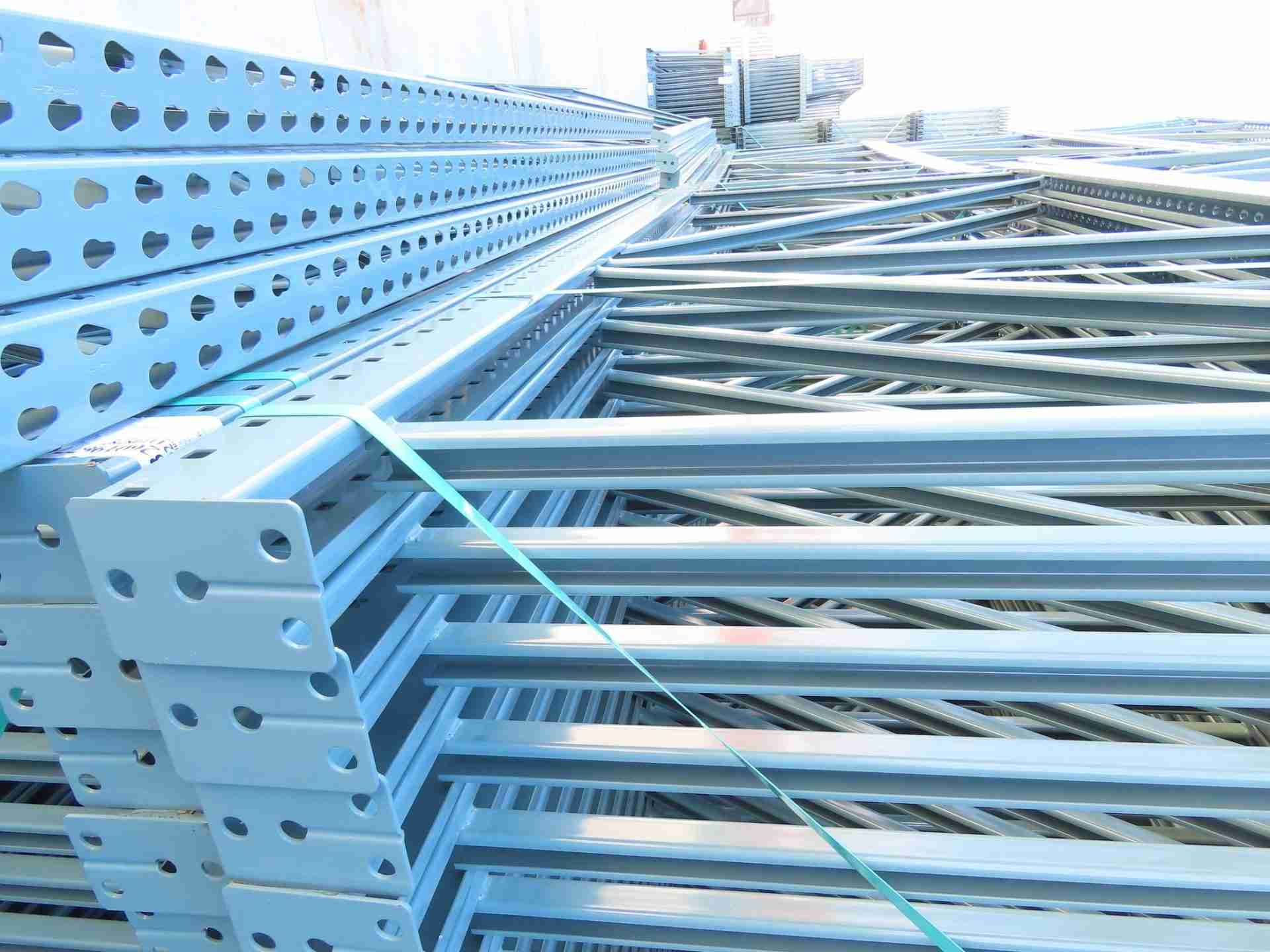
How Can Safety Protocols Enhance Workplace Productivity and Morale?
How Can Safety Protocols Enhance Workplace Productivity and Morale?
- Safety protocols are essential for workplace productivity and morale, acting as the foundation for growth.
- When employees feel protected, trust grows, resulting in higher engagement and innovation.
- Investing in safety can save companies money by reducing accidents, downtime, and medical costs.
- Prioritizing safety showcases a company’s commitment to its workforce and reflects its values.
- A safe environment cultivates employee loyalty and a sense of community.
- Personal narratives highlight the positive transformation in morale and pride when safety is prioritized.
- Safety advocates foster a culture of care, enhancing connections and productivity among colleagues.
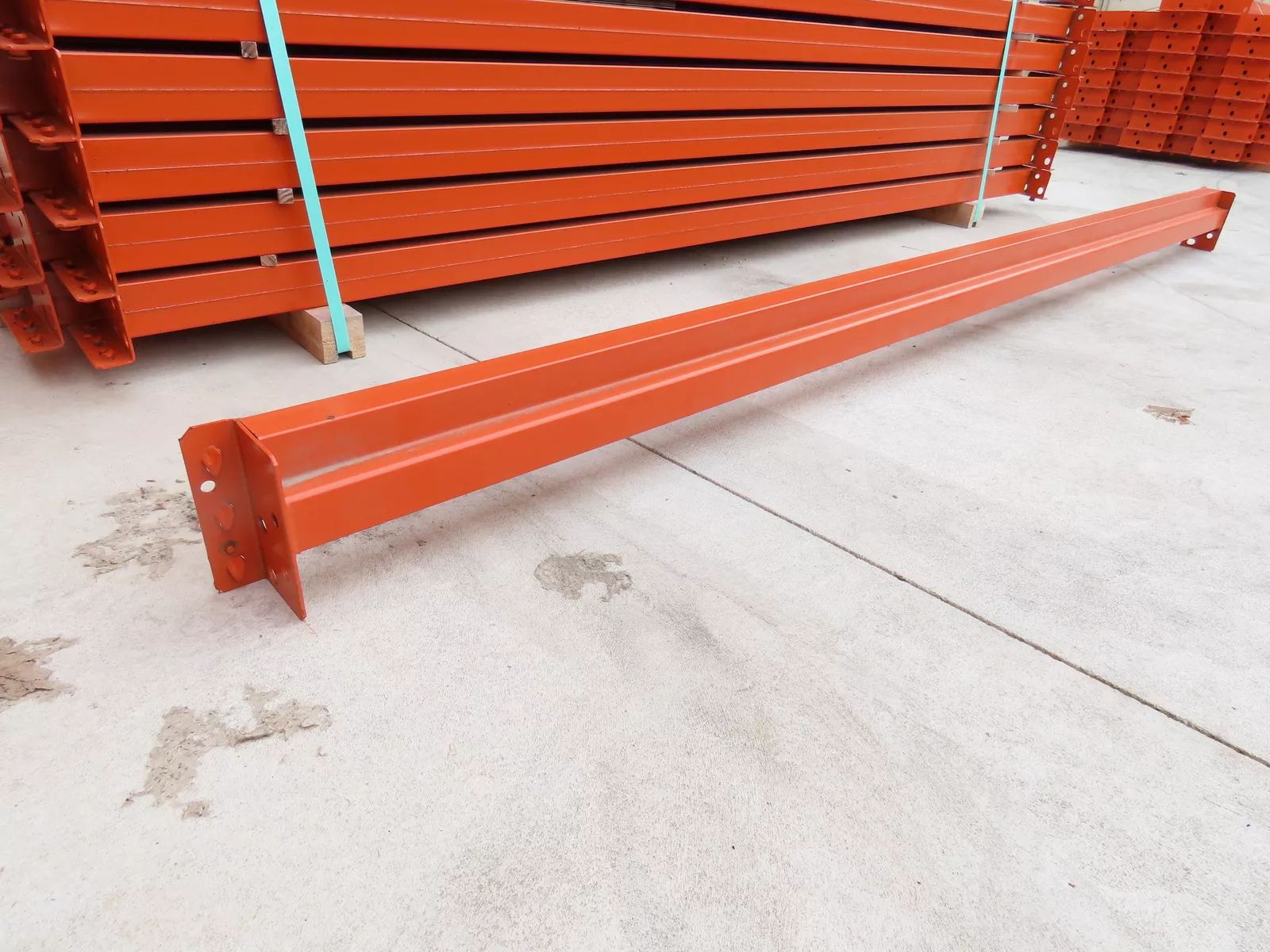
How Can Safety Protocols Enhance Workplace Productivity and Morale?
What Costs Can Arise From Inadequate Rack Safety Training?
Imagine for a moment the sound of metal clashing against metal, the unmistakable crash of pallets tumbling down from high above. This isn’t a scene from an action movie; this is a daily reality in warehouses across the nation where inadequate rack safety training leaves workers vulnerable to risks. Racking systems are the backbone of many industries, supporting our goods, our livelihoods, and even our families. Yet, without proper training, these very systems can turn into ticking time bombs.
Let’s get to the heart of the matter. When workers are uninformed about racking safety protocols, the costs can be staggering—financially, emotionally, and ethically. In a split second, an untrained individual might make a wrong move, resulting in catastrophic injuries or even fatalities. The pain doesn’t stop there; families are left shattered, with lives disrupted and futures uncertain. Employers face soaring medical expenses, legal fees, and the heavy burden of lost productivity. There’s nothing like the gut-wrenching realization that all of this could have been prevented with the right training.
Racking might seem like a dull topic, but let’s talk rationality. Would you drive a car without knowing how to steer, brake, or use your mirrors? Of course not. The same logic applies to racking safety. Those who cut corners on training are gambling with lives—an ethical dilemma that no responsible business owner should ignore. Leaders in the industry have seen how investing in safety training ultimately saves money—because it saves lives. This isn’t just about compliance; it’s about creating a culture where safety is prioritized, respected, and ingrained in everyday practices.
Socially, we need to shift the dialogue from viewing training as a mundane obligation to recognizing it as our collective responsibility. When every employee is equipped with the knowledge to handle safe practices, we weave a safety net built on trust—a network reinforcing the concept that we look out for one another.
Let’s share stories of how training transformed workplaces, where employees became champions of safety. They didn’t just retain knowledge; they shared it, leading their teams with an unwavering commitment to care. When we invest in thorough rack safety training, we are not merely fulfilling a duty; we are connecting to something deeper, something human. We are fostering an environment where everyone can thrive, unburdened by the fear of preventable accidents. Why gamble with lives when we can choose safety, knowledge, and empowerment?
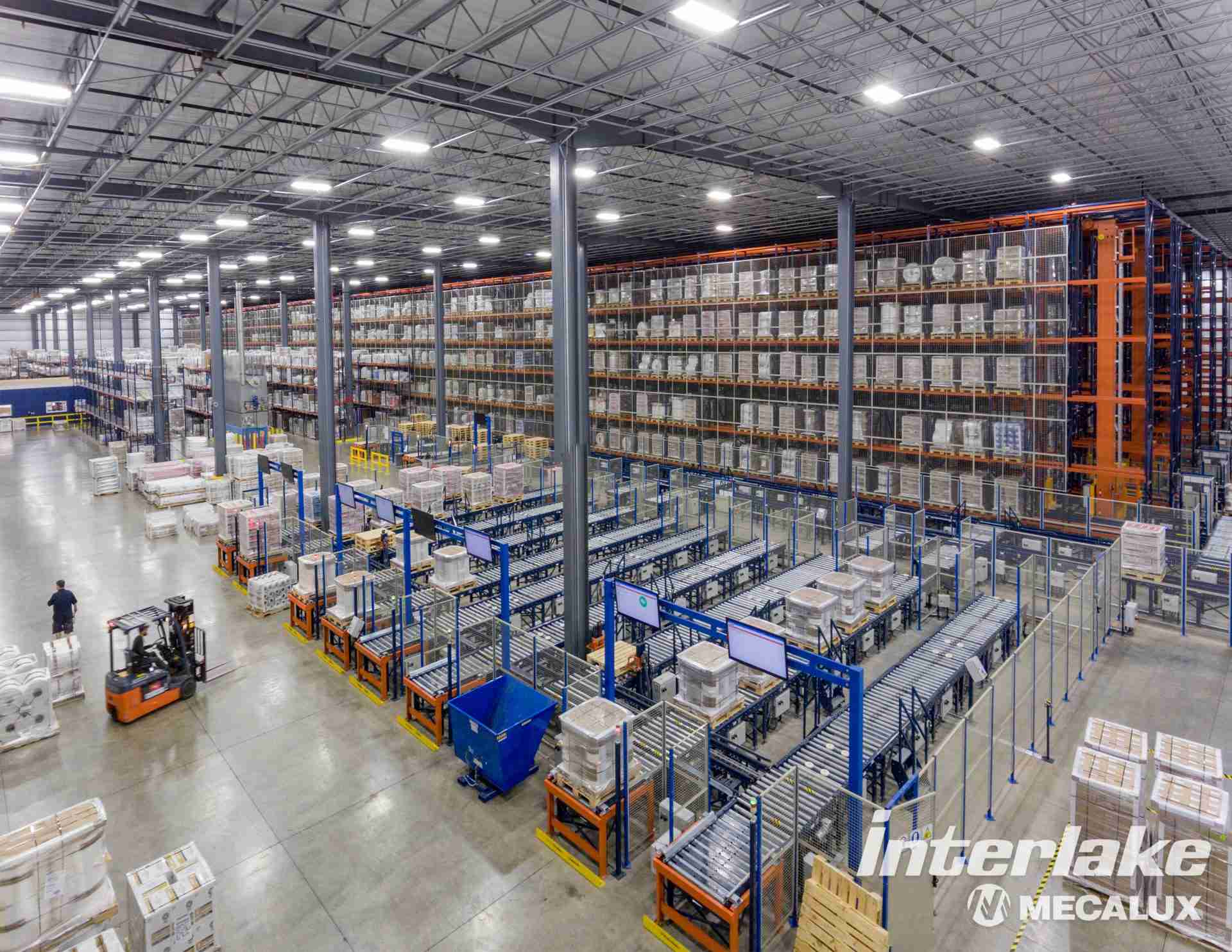
What Costs Can Arise From Inadequate Rack Safety Training?
What Costs Can Arise From Inadequate Rack Safety Training?
- Inadequate rack safety training exposes warehouse workers to significant risks.
- Uninformed workers may cause catastrophic injuries, leading to emotional and financial costs for families and employers.
- The lack of proper training can result in legal and medical expenses and lost productivity.
- Just as one must learn to drive safely, similar care must be taken with rack safety training.
- Investing in safety training saves money and lives, fostering a culture of safety in the workplace.
- Employees trained in safety practices contribute to a supportive network that prioritizes safety and trust.
- Investing in effective training empowers employees and creates a thriving work environment free from preventable accidents.
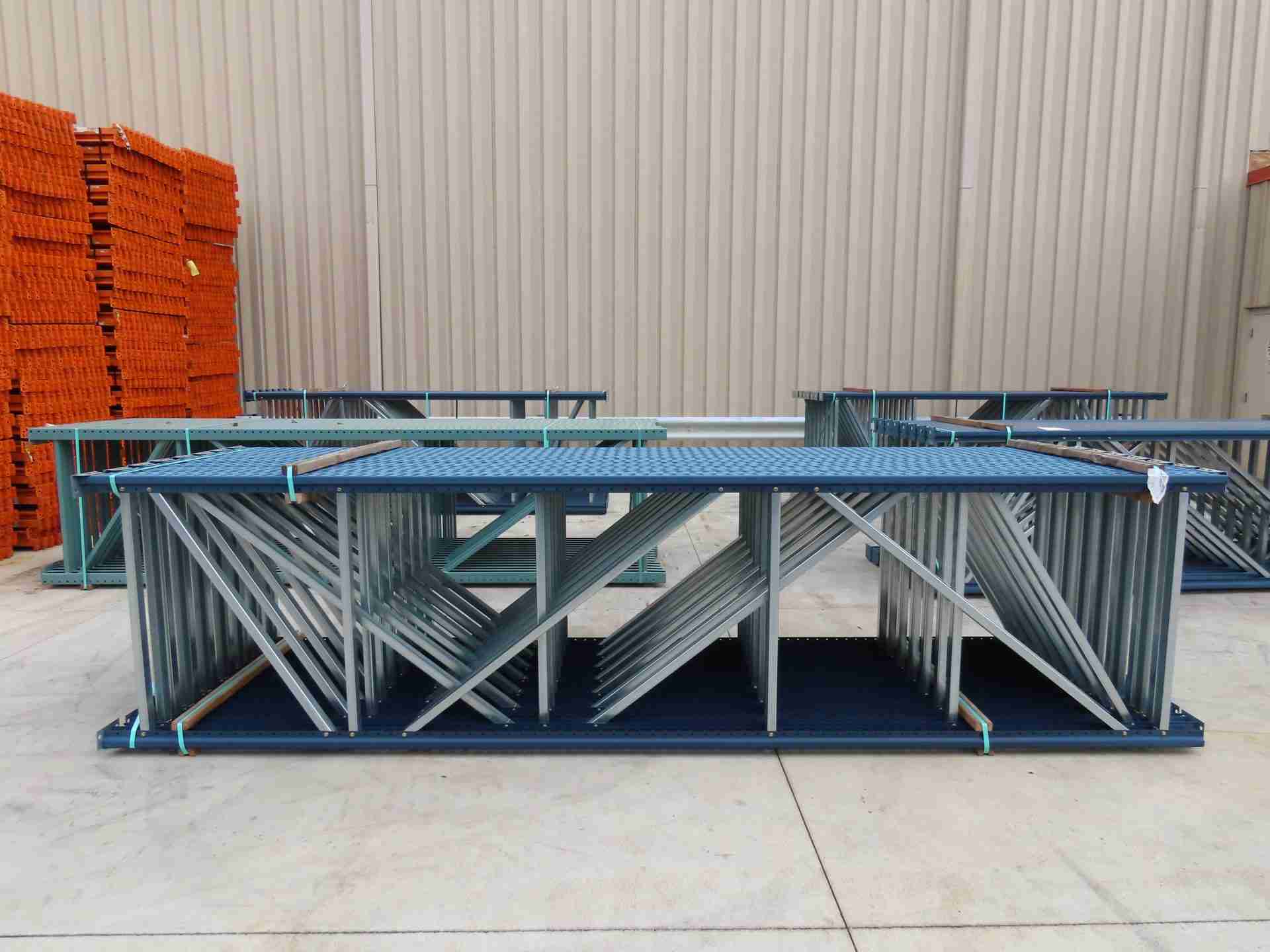
What Costs Can Arise From Inadequate Rack Safety Training?
What Stories Of Prevention Can Motivate Your Staff to Embrace Safety?
When it comes to safety in the workplace, stories can be powerful tools for motivation. Picture this: a warehouse bustling with activity, and among the throng, a dedicated employee named Jake. Jake is the kind of worker who takes pride in his craft—he knows that every box he stacks on the racking ensures that his colleagues return home safely at the end of the day. But one day, in a rush to meet a deadline, he overlooks a critical step in safety protocol. A shift occurs, and an accident happens. The consequences ripple through the team, affecting not just Jake but his coworkers and their families too.
Now, imagine a meeting where Jake shares his story. He speaks not only of the physical injuries but also of the emotional toll—a friend lost, families affected, and the dark cloud that loomed over their once-vibrant workplace. This narrative pulls at the heartstrings, reminding us all that safety isn’t just a policy; it’s a lifeline.
From a rational standpoint, consider the statistics. Workplaces with a strong safety culture have lower accident rates and higher employee morale. Sharing data alongside stories creates a compelling case for safety initiatives. It’s not about compliance; it’s about thriving in a secure environment where everyone can do their best work, knowing their backs are covered.
It’s essential to invoke the gut feeling too. Ask your team to imagine how they would feel witnessing a tragedy unfold before their eyes, all because of a preventable mistake. This visceral connection nurtures empathy and spurs action. People are drawn to causes that resonate on a personal level; they want to be part of something bigger—a shared commitment to safety.
But ethical considerations matter too. Emphasizing that every action we take, every protocol we follow, is about protecting one another builds a robust sense of responsibility among your staff. They need to understand that safety is not just an obligation but a moral imperative.
Lastly, create a culture of storytelling. Invite team members to share their experiences, learn from one another, and foster connections. When employees bond over shared experiences, they become advocates for safety, transforming it from a mere obligation into a shared value. These narratives build trust, enhance confidence in each other, and create a safer workplace, one story at a time.
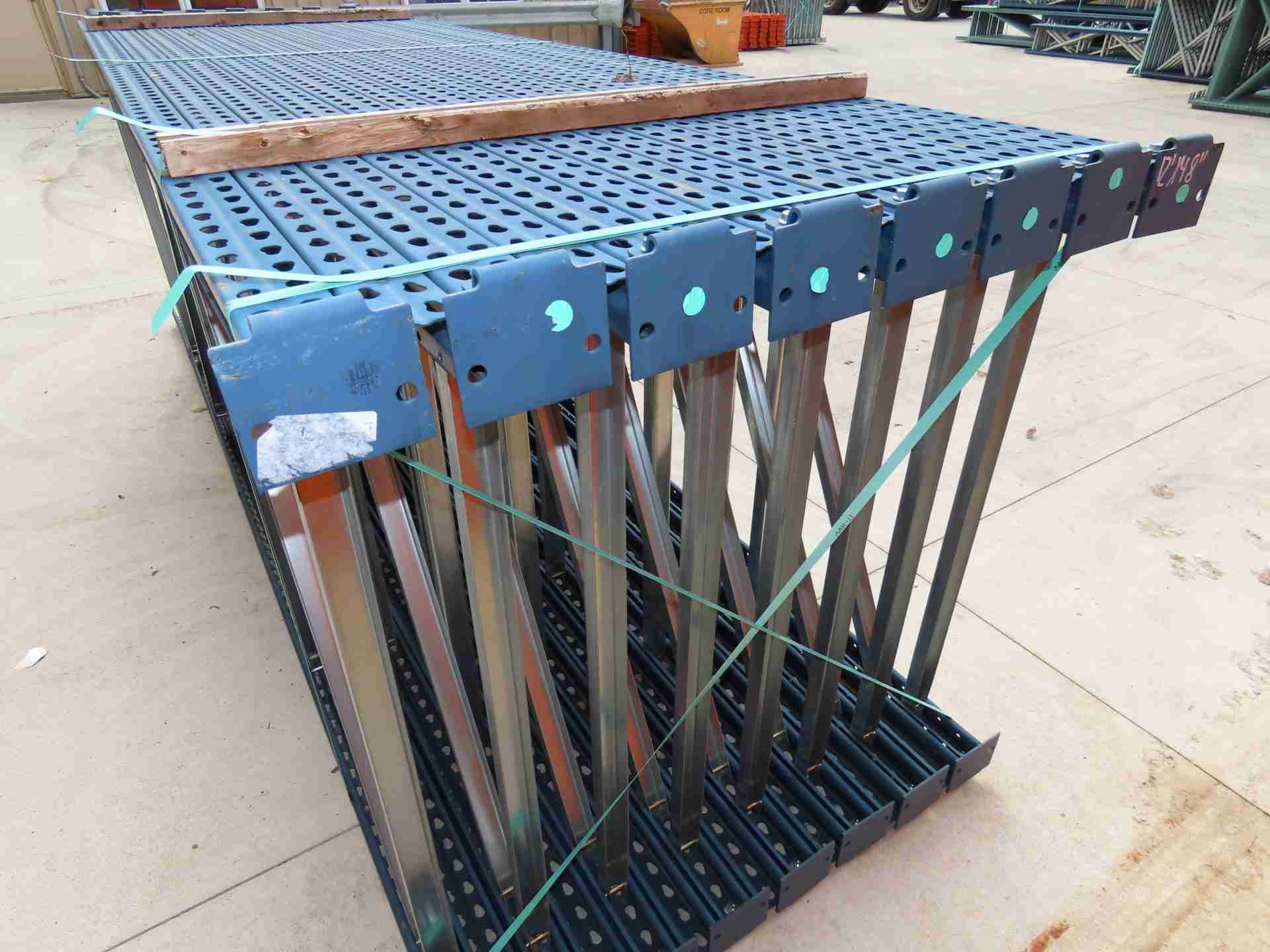
What Stories Of Prevention Can Motivate Your Staff to Embrace Safety?
What Stories Of Prevention Can Motivate Your Staff to Embrace Safety?
- Stories can motivate and emphasize the importance of workplace safety.
- Jake’s experience highlights how overlooking safety protocols can have serious consequences for everyone.
- Sharing personal stories can illustrate the emotional impact of accidents beyond physical injuries.
- Statistics show that strong safety cultures lead to lower accident rates and higher employee morale.
- Encouraging team members to visualize preventable tragedies can foster empathy and prompt action.
- Emphasizing the ethical duty of safety promotes responsibility and a moral imperative among staff.
- Create an environment where employees share experiences, transforming safety into a shared value and building trust.

What Stories Of Prevention Can Motivate Your Staff to Embrace Safety?
How Can Leadership Set the Tone for a Safety-First Culture?
When it comes to cultivating a safety-first culture in any organization, it’s often said that culture doesn’t happen by accident. It’s crafted actively, and it starts at the very top. Strong leadership isn’t just about making decisions; it’s about setting a standard—a tone—that influences every corner of the workplace. Imagine walking into your job and feeling the palpable energy of care and responsibility among your team; that’s a leadership victory. Safety isn’t just a protocol; it becomes part of the collective heartbeat of the organization.
Let’s be honest: actions speak louder than words. Leaders who prioritize safety demonstrate this commitment daily, making safety a non-negotiable part of their ethos. When a supervisor visibly joins a safety briefing or picks up a piece of equipment off the floor, he or she is sending a message louder than any policy manual ever could—safety matters. Employees absorb this like a sponge, internalizing it into their own routines. That extra caution they exercise before racking equipment isn’t just about compliance; it’s a reflection of their leader’s steadfast commitment to well-being.
Yet, it also tugs at the emotional threads binding a team together. When leadership places value on each worker’s safety, it resonates deeply. Employees feel respected, valued, and most importantly, cared for. They’re not just numbers on a payroll—they’re integral parts of a greater whole. This emotional bond fuels a willingness to embrace safety protocols, fostering an environment where everyone looks out for one another.
The rational side can’t be ignored, either. Safety regulations and best practices are there for a reason—they are grounded in ethics and responsibility. Leaders who understand this not only protect their workforce but also enhance their bottom line. Think of the costs—both human and financial—when injuries occur. Investing in safety training pays dividends down the line, translating to lower turnover, higher productivity, and most importantly, preserving lives.
Moreover, leadership sets the tone through narrative. Sharing stories of successful safety initiatives can inspire and motivate, showcasing why each safety measure exists. When employees hear about the time that a simple precaution saved a colleague from serious injury, it reinforces the reason behind the rules.
So, whether you’re in the boardroom or the breakroom, remember this: your leadership is the foundation on which a safety-first culture is built. Show up, engage actively, and be the change you wish to see. Embrace the responsibility. After all, safety isn’t just a duty; it’s a culture that starts with you.
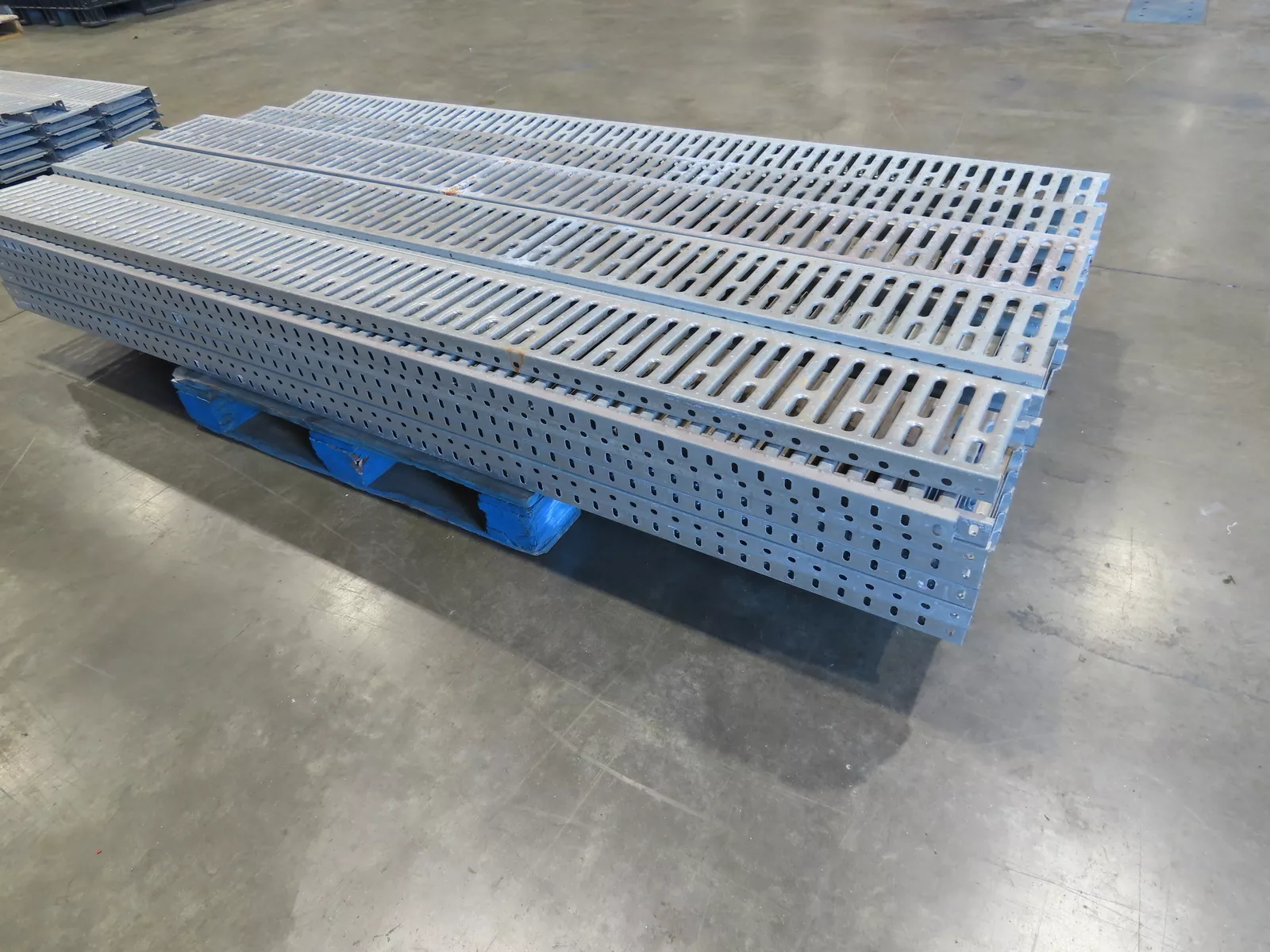
How Can Leadership Set the Tone for a Safety-First Culture?
How Can Leadership Set the Tone for a Safety-First Culture?
- Safety-first culture is actively crafted and begins with strong leadership from the top.
- Leaders set a standard and create an environment of care and responsibility that influences the entire workplace.
- Actions of leaders, such as participating in safety briefings, communicate that safety is a priority.
- Employees internalize their leaders’ commitment to safety, which affects their own routines and behaviors.
- Valuing each worker’s safety fosters respect and emotional bonds, promoting adherence to safety protocols.
- Prioritizing safety not only protects employees but also enhances organizational efficiency and profitability.
- Sharing success stories related to safety initiatives can inspire and motivate employees to embrace safety measures.
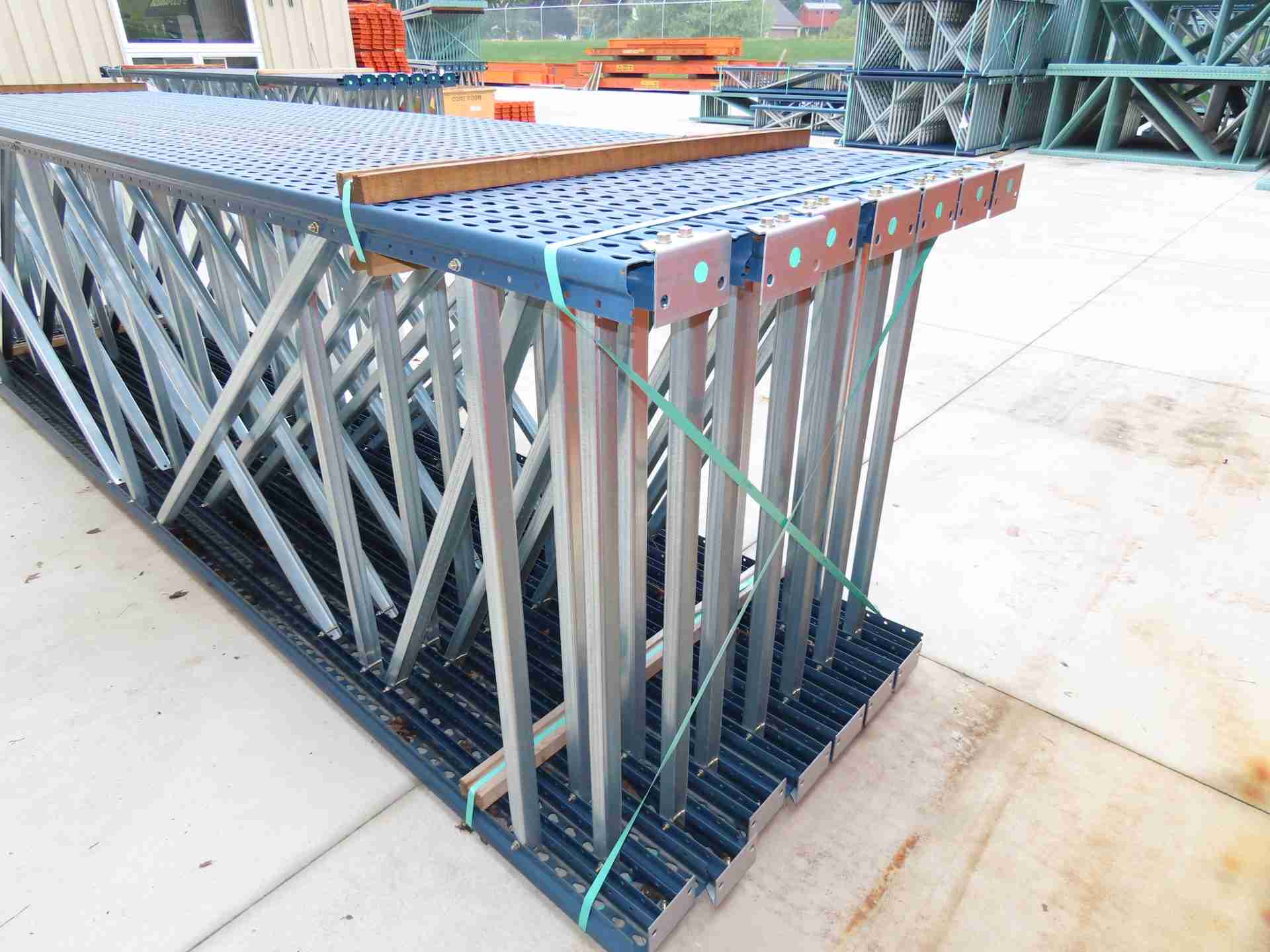
How Can Leadership Set the Tone for a Safety-First Culture?
Conclusion
Creating a culture of safety in the workplace transcends mere compliance with regulations; it’s about weaving a shared value system that prioritizes the well-being of every team member. When your employees step through the warehouse doors, they should feel not just responsible for their safety, but for the safety of their colleagues as well. When you frame safety as a collective mission, you empower your workforce, transforming them into champions for one another. Real-world anecdotes about near misses and heroism in the face of negligence serve as crucial teaching moments. These narratives resonate on an emotional level, evolving from statistics into potent reminders of the impact every worker has on their environment.
It’s vital to recognize that a safe workplace is not merely advantageous—it’s a moral obligation. Every lift executed and every rack secured reflects an unspoken commitment to a co-worker’s safety. This is not about ensnaring employees in a web of fear; it’s about fostering a workplace where accountability is seen as both a privilege and a responsibility. By cultivating a safety culture where employees feel empowered to look out for one another, you build a tighter-knit community.
Practical training is the backbone of this culture, and it’s essential to approach it dynamically. Implementing hands-on workshops, engaging simulations, and an open dialogue creates an environment where learning flourishes. Safety training should be rooted in respect and nurtured through recognition, celebrating those who exemplify diligence. When individuals earn acknowledgment for their commitment to safety, it ripples throughout the organization, encouraging others to embrace the cause.
Embracing safety protocols not only comes with immediate emotional and ethical benefits; it also makes rational sense. Fewer workplace incidents translate into lower costs associated with medical bills, downtime, and lost productivity. Leadership that prioritizes safety cultivates loyalty and contributes to a robust bottom line. A thriving, engaged workforce can execute their roles with freedom rather than fear, and that in itself can be transformative.
At its core, the essence of a safety-first culture lies in the stories we share, the values we uphold, and the bonds we forge. When safety becomes interwoven into every conversation, every meeting, and every interaction, you’re not just training employees—you’re building a resilient family driven by mutual respect and shared triumphs. Approach this task with heart, head, and gut intuition; every single voice matters, every role is significant, and together, we can cultivate not just a safer workplace, but a legacy of care that resonates through generations.

Conclusion
Conclusion:
- Creating a workplace safety culture involves more than compliance; it embodies shared values focused on employee well-being.
- Employees should feel responsible for their own safety and that of their colleagues, fostering collective commitment to safety.
- Real-life anecdotes about safety incidents emphasize the importance of each worker’s impact and serve as vital learning tools.
- A safe workplace is a moral obligation, where every action reflects a commitment to co-worker safety rather than instilling fear.
- Practical, dynamic training—through workshops, simulations, and open dialogues—is essential for cultivating a safety culture.
- Recognizing and celebrating safety efforts encourages a culture of accountability and boosts overall organizational engagement.
- Promoting safety leads to emotional, ethical, and financial benefits, creating a loyal workforce that operates freely and effectively.
Conclusion
Other Resources
Other Resources
Here is a list of other resources you can review online to learn more:
- Storage Equipment Manufacturers Association
- Shipping Boxes, Packaging Materials, Pallet Racking
- Warehousing Education and Research Council: https://www.werc.org/
- Cantilever Rack Guide: Ordering Cantilever Racking
- New Cantilever Racks and Racking Kits
- Cantilever Rack Configuration & Installation: A Comprehensive Guide – BMH
- Selective Pallet Racking Systems
- Material Handling Safety
- Crane Manufacturers Association Of America Inc.
- American Society of Safety Professionals
- CA Wire
- Illinois Pallet Racking – Storage Solutions
- CMMA
- Pallet Racking systems in Illinois, Great Lakes
- Selective Pallet Racking Systems – Container Systems
- WERC
- Teardrop Industrial Shelving Rack
- Cantilever Racks Chicago
- Iowa Illinois Warehouse Racking
Use This Prompt To Get More Resources With Your Favorite Online AI Tool: Please provide me with a list of online articles with their URLs in a bulleted list that I can read regarding How to Train Your Staff on Rack Safety Protocols
Other Resources
Glossary Terms
How to Train Your Staff on Rack Safety Protocols – Glossary Of Terms
1. Rack Safety: Procedures and standards designed to prevent accidents and ensure the safe use of storage racks.
2. Training Program: A structured plan that outlines instructional methods and materials to teach staff about safety protocols.
3. OSHA: Occupational Safety and Health Administration; a U. S. agency that sets and enforces safety standards in workplaces.
4. Hazard Identification: The process of recognizing risks and dangers associated with using storage racks.
5. Load Capacity: The maximum weight that a rack can safely hold, critical for preventing structural failures.
6. Visual Inspections: Routine checks performed to identify any visible damages or wear on racks and storage systems.
7. PPE: Personal Protective Equipment; gear worn by employees to minimize exposure to hazards, such as helmets and gloves.
8. Proper Loading Techniques: Methods for distributing weight evenly across racks to maintain stability and safety.
9. Emergency Procedures: Guidelines outlining actions to take in the event of an incident involving rack failure or accidents.
10. Regular Maintenance: Scheduled inspections and repairs to ensure racks remain safe and functional over time.
11. Ergonomics: The study of designing workspaces to fit the user’s needs, reducing strain and the risk of injury.
12. Safety Data Sheets (SDS): Documents that provide information about handling hazardous materials that may be stored on racks.
13. Training Manual: A comprehensive document containing safety protocols, procedures, and guidelines for staff reference.
14. Incident Reporting: The process of documenting any accidents or near-misses related to rack use for future prevention.
15. Safe Operating Procedures (SOPs): Detailed steps to follow when using storage racks to ensure safety and compliance.
16. Rack Repair: The process of fixing damaged racks to restore their safety and functionality.
17. Load Distribution: The method of spreading weight evenly across the storage area to prevent overloading.
18. Forklift Safety: Guidelines to ensure safe operation of forklifts when loading and unloading racks.
19. Signage: Visual information placed near racks to remind staff of safety protocols and warnings.
20. Tilt-up Storage Racks: A type of rack design that tilts to allow easy access and improve stability.
21. Safety Inspections: Systematic checks of storage areas and rack systems to ensure compliance with safety guidelines.
22. Training Sessions: Scheduled meetings where staff are taught and tested on rack safety protocols.
23. Rack System Design: The arrangement and structure of racks, considered in safety training to minimize risks.
24. Fall Protection: Safety measures and equipment used to prevent workers from falling while accessing high racks.
25. Warehouse Layout: The design and organization of storage areas to optimize safety and efficiency.
26. Compliance Audits: Evaluations conducted to ensure adherence to safety regulations and protocols.
27. Accident Prevention: Strategies and practices aimed at reducing the likelihood of workplace incidents.
28. Load Securing: Techniques used to stabilize items on racks to prevent shifting and potential injuries.
29. Training Certification: A credential awarded to employees upon successful completion of safety training programs.
30. Safety Culture: The shared values and behaviors related to safety within an organization, promoting a proactive approach to hazard prevention.

Glossary Of Terms
Other Questions
How to Train Your Staff on Rack Safety Protocols – Other Questions
If you wish to explore and discover more, consider looking for answers to these questions:
- What are the key components of effective rack safety training?
- How can I measure the effectiveness of safety training programs?
- What are common mistakes made during rack safety training?
- How often should safety training be refreshed or updated?
- What resources are available for developing a safety training program?
- How can I encourage employees to take safety training seriously?
- What role does employee feedback play in enhancing safety protocols?
- How can technology be integrated into safety training?
- What legal regulations must be followed regarding rack safety training?
- What can be done to foster a culture of accountability among employees regarding safety practices?
- How do safety protocols differ across various industries?
- What are effective ways to recognize and reward safe behavior in the workplace?
- How can I address resistance to safety protocols among staff?

Other Questions
Checklist
How to Train Your Staff on Rack Safety Protocols – A Checklist
Rack Safety Protocols Training Checklist
Emotional Appeals
_____ Create a safety-first narrative: Share personal stories of safety incidents and their impact.
_____ Acknowledge the emotional fallout: Discuss how safety incidents affect team dynamics and morale.
_____ Foster a sense of belonging: Promote teamwork and care through safe practices.
Rational Appeals
_____ Conduct comprehensive training sessions: Offer hands-on demonstrations and simulations.
_____ Emphasize the cost benefits: Outline savings from reduced accidents, lower medical costs, and lower insurance premiums.
_____ Track safety metrics: Monitor injury rates and productivity levels to evaluate the effectiveness of safety protocols.
Ethical Appeals
_____ Highlight the moral responsibility: Reinforce that safety is a commitment to one another’s well-being.
_____ Promote peer accountability: Encourage team members to look out for each other and address safety concerns collectively.
_____ Uphold a culture of respect: Ensure that all staff understand their role in maintaining a safe environment.
Authority Appeals
_____ Lead by example: Ensure leadership participates actively in safety training and discussions.
_____ Share industry standards: Teach protocols that are recognized as best practices within the industry.
_____ Invite industry experts: Bring in external trainers or consultants to enhance credibility and knowledge.
Narrative Appeals
_____ Develop a storytelling culture: Encourage employees to share their safety experiences and lessons learned.
_____ Celebrate safety champions: Create recognition programs for those who actively promote and uphold safety standards.
_____ Integrate case studies: Use real-life examples to illustrate the consequences of neglecting safety protocols.
Social Appeals
_____ Build a safety community: Establish forums or groups for ongoing discussions about safety.
_____ Host safety workshops: Create opportunities for team collaboration on developing safety practices.
_____ Encourage team accountability: Promote a culture where everyone feels empowered to speak up about safety concerns.
Each item in this checklist promotes the importance of rack safety protocols in a comprehensive and engaging manner, targeting the heart, head, and gut of employees.
Checklist
At RackingWorld, we help guide you through selecting warehouse storage systems and racking.
Be sure to read our other related stories at RackingWorld to learn more about warehouse storage systems.
0 Comments