
Maximizing Warehouse Efficiency: A Proven Maintenance Plan
By Tom Seest
At RackingWorld, we help guide you through selecting warehouse storage systems and racking.
Be sure to read our other related stories at RackingWorld to learn more about warehouse storage systems.
How Can You Create an Effective Maintenance Plan for Warehouse Racks?
Creating an effective maintenance plan for your pallet racking systems isn’t just a box to check—it’s a strategic move that guarantees safety, boosts efficiency, and saves you money in the long run. Think about it: your pallet racking is the backbone of your warehouse operations. It’s where you store your inventory, and when it’s well-maintained, it maximizes your storage potential and ensures smooth operations. If overlooked, however, worn-out or damaged racks can lead to dangerous situations, damaged goods, and costly downtime. So, let’s dig into how you can create a stellar maintenance plan that takes your business to the next level.
First and foremost, establish a routine inspection schedule. Just as you wouldn’t ignore a check-up at the doctor, your pallet racking needs regular attention. Designate specific dates—monthly, quarterly, or semi-annual—and stick to them. This ensures that any issues are caught early before they escalate into serious problems. Involve your team in this process. Educating them on what to look for during inspections not only empowers them but fosters an environment of collective responsibility for maintaining warehouse safety and efficiency.
Next, document everything. Your maintenance plan should include a checklist of safety standards and a log of inspections performed, along with any repairs made. This art of documentation pays off in spades. It can help during audits, demonstrating your commitment to safety and compliance. Plus, when your team knows they have a clearly defined process, they can operate with confidence, knowing they’re all on the same page.
Now, let’s talk about training. Investing in training for your employees is crucial. Make sure they understand the importance of proper loading techniques and how to safely navigate the warehouse environment. Educating your staff about pallet racking is essential; when they recognize the impact of their actions, they are more likely to handle equipment correctly, thereby extending the longevity of your racks.
Finally, engage professionals when necessary. Sometimes, your in-house expertise might not be enough. Schedule periodic professional evaluations to get a fresh perspective on your rack systems. These experts can provide invaluable insights or identify potential risks you may have overlooked.
Incorporating these steps will not only create an effective maintenance plan for your pallet racking but also cultivate a workplace culture that prioritizes safety, efficiency, and the overall success of your warehouse operations. Begin today, and watch how a small investment in maintenance can lead to big savings and peace of mind. Your future self—and your bottom line—will thank you!

How Can You Create an Effective Maintenance Plan for Warehouse Racks?
How Can You Create an Effective Maintenance Plan for Warehouse Racks?
- Creating a maintenance plan for pallet racking ensures safety, boosts efficiency, and saves money.
- Regular inspections (monthly, quarterly, semi-annual) are essential to identify issues early.
- Involving your team in inspections promotes shared responsibility for safety and efficiency.
- Documenting safety standards, inspections, and repairs helps with audits and compliance.
- Training employees on proper loading techniques and warehouse navigation is crucial.
- Engage professionals for periodic evaluations to gain insights and identify risks.
- Implementing a maintenance plan fosters a culture of safety and efficiency, leading to cost savings.

How Can You Create an Effective Maintenance Plan for Warehouse Racks?
Table Of Contents
- How Can You Create an Effective Maintenance Plan for Warehouse Racks?
- What Are The Key Components Of A Maintenance Plan?
- How Often Should Warehouse Racks Be Inspected?
- What Signs Indicate A Need For Rack Maintenance?
- How Can You Prioritize Maintenance Tasks For Racks?
- What Tools Are Necessary For Rack Maintenance?
- How Do You Train Staff On Rack Maintenance Procedures?
- Conclusion
- Other Resources
- Glossary Of Terms
- Other Questions
- Checklist
What Are The Key Components Of A Maintenance Plan?
Creating a robust maintenance plan is essential for any business that relies on equipment or infrastructure—like pallet racking systems—to function efficiently. But what exactly makes up a solid maintenance plan? Let’s break it down into key components that not only protect your valuable assets but also inspire confidence and trust in your operations.
1. Routine Inspections
Just like a car needs regular check-ups, your pallet racking systems require consistent inspections. Establish a schedule for routine assessments to catch potential issues before they snowball into costly disasters. Not only does this ensure safety, but it also builds a culture of accountability among your team. When everyone knows the importance of keeping racking conditions in check, you foster a sense of responsibility.
2. Maintenance Procedures
Clearly defined procedures for each inspection and repair task are critical. Think of it as your playbook—guiding your team on what to do, how to do it, and when it needs to happen. This not only streamlines the process but also ensures that no step gets overlooked, establishing a sense of reliability in daily operations.
3. Documentation
A maintenance plan is only as good as its documentation. By keeping detailed records of inspections, repairs, and maintenance schedules, you create a wealth of information that you can refer back to when needed. This not only demonstrates your commitment to safety and quality but builds an unshakeable foundation of trust with employees, stakeholders, and customers alike.
4. Training
Even the most intricate maintenance plan is only as effective as the people executing it. Invest in training your staff on the importance of maintenance and the particularities of your pallet racking. Empower them with knowledge about how these systems work and what to look out for. When your team feels equipped and confident, it reflects positively on your entire operation.
5. Continuous Improvement
Finally, a great maintenance plan isn’t static; it should evolve as your business grows. Regularly review and refine your processes, gathering feedback from your team to identify areas for improvement. This proactive approach not only enhances operational efficiency but also fosters a culture of innovation within your organization.
Together, these components create a maintenance plan that not only keeps your pallet racking in top shape but also cultivates trust and confidence in your organization. Remember, a well-maintained system is a sign of a thriving business—one that prioritizes safety, efficiency, and both employee and customer satisfaction. Let’s get started on building a plan that works for you!

What Are The Key Components Of A Maintenance Plan?
What Are The Key Components Of A Maintenance Plan?
- Routine Inspections: Establish a schedule for regular assessments to catch potential issues early, ensuring safety and fostering accountability among team members.
- Maintenance Procedures: Create clearly defined procedures for inspections and repairs, guiding the team in a streamlined and reliable process.
- Documentation: Maintain detailed records of inspections and repairs, demonstrating commitment to safety and quality while building trust with stakeholders.
- Training: Invest in training staff on maintenance importance and system specifics, empowering them to work confidently and positively impact operations.
- Continuous Improvement: Regularly review and refine maintenance processes, gathering team feedback to enhance efficiency and encourage a culture of innovation.
- Trust and Confidence: A robust maintenance plan cultivates trust within the organization, ensuring a well-maintained system reflects a thriving, safety-oriented business.
- Focus on Safety and Satisfaction: Prioritize safety, efficiency, and satisfaction for both employees and customers in the maintenance strategy.

What Are The Key Components Of A Maintenance Plan?
How Often Should Warehouse Racks Be Inspected?
When it comes to pallet racking, the backbone of any efficient warehouse, the question of how often to inspect your racks often gets overshadowed by the hustle and bustle of daily operations. But what if I told you that a simple, strategic inspection schedule could save you time, boost your productivity, and more importantly, safeguard your workspace? That’s right—neglecting this crucial aspect can lead to mishaps that not only disrupt operations but also jeopardize the safety of your employees.
So, how often should you put those racking systems under the magnifying glass? The short answer is: Regularly. But let’s break it down into actionable steps that make sense. At a minimum, your pallet racking should be inspected monthly. This frequency allows you to spot any signs of wear or damage before they become serious issues. Think of it as a routine check-up for your racks where catching a minor bump or scratch could save you from a costly collapse.
Moreover, consider conducting more comprehensive inspections every six months. During these in-depth checks, you can look for structural integrity. Are your racks maintaining their strength? Are all components securely fastened? These evaluations won’t just keep your warehouse safe; they’ll also boost your peace of mind, enabling you to focus on what truly matters: driving your business forward.
And for those high-traffic areas where heavy loads move in and out consistently, a weekly glance at your pallet racking conditions is prudent. Make it a part of your weekly safety meeting or daily warm-up. A simple visual check can go a long way in ensuring your systems are functioning at peak performance.
Remember, establishing a solid inspection schedule not only promotes a culture of safety but communicates to your employees that their well-being is a priority. This builds trust and commitment within your team, which is invaluable.
The bottom line? Don’t wait for a problem to arise. Proactivity in inspecting your pallet racking is not just a recommendation; it’s a necessity. Create that regular rhythm of checks in your operations and pave the way for a safe, thriving warehouse environment. Your racks will thank you—and so will your team!

How Often Should Warehouse Racks Be Inspected?
How Often Should Warehouse Racks Be Inspected?
- Pallet racking is essential for efficient warehouse operations and needs regular inspections.
- Establishing a strategic inspection schedule can save time and boost productivity.
- Inspection should be conducted monthly to identify signs of wear or damage.
- Comprehensive inspections should occur every six months to evaluate structural integrity.
- High-traffic areas should have weekly visual checks to ensure optimal performance.
- Regular inspections promote safety culture and enhance employee trust and commitment.
- Proactive inspections are necessary to prevent problems and create a safe warehouse environment.

How Often Should Warehouse Racks Be Inspected?
What Signs Indicate A Need For Rack Maintenance?
Are you confident that your pallet racking systems are operating at peak performance? For many businesses, the pallet racking is the backbone of their operations, supporting not just products but also productivity and safety. But how do you know when it’s time to pay your racks a little TLC? Let’s dive into some telltale signs that indicate a need for rack maintenance and help ensure your operations remain smooth and secure.
1. Physical Damage: The most immediate sign is visual damage. Inspect your pallet racking regularly for any obvious signs of wear and tear. Look for bent beams, bent uprights, or signs of rust. These flaws may seem minor, but they can lead to significant problems down the line. Just like a small crack in the foundation of a building, those little dents and nicks can lead to catastrophes if neglected.
2. Uneven Loads: If you notice that your pallet racks are leaning or bowing under the weight of the stored load, it’s time to reassess. Proper load distribution is crucial for maintaining the integrity of your pallet racking. If your racks can’t handle the load they’re meant to, you risk a collapse, which can be dangerous to your staff and damaging to your inventory.
3. Frequent Adjustments: Are you constantly adjusting your racking setup? If you find that you’re frequently rearranging your racks to optimize space, it might be time to look into a more permanent solution. Unnecessary adjustments can weaken the structure over time and could signal that your pallet racking no longer meets your warehouse needs.
4. Compliance Checks: If you’re required to undergo safety inspections, be proactive. A poor review can not only limit your operational efficiency but can also pose risks to your employees. Regularly scheduled maintenance will ensure compliance and foster a safe working environment.
5. Age of Racking Systems: Just like a car, the older your pallet racking, the more maintenance it will likely require. If your systems are beyond ten years old and starting to show signs of fatigue, it’s time to assess their lifespan. Upgrading may be a smart investment to protect your inventory and enhance productivity.
By keeping an eye on these key indicators, you can ensure that your pallet racking remains a reliable cornerstone of your operations. Regular maintenance not only enhances safety but also extends the life of your investment. Don’t wait for accidents to happen—act now and safeguard your business’s future!

What Signs Indicate A Need For Rack Maintenance?
What Signs Indicate A Need For Rack Maintenance?
- Regular inspection of pallet racking is crucial for identifying visible damage such as bent beams and rust.
- Uneven loads on racks indicate potential safety risks; proper load distribution is essential.
- Frequent adjustments to the racking setup may suggest a need for a more permanent solution.
- Proactive compliance checks ensure safety and operational efficiency within the warehouse.
- Older racking systems, especially those over ten years, may require more maintenance and should be assessed for upgrades.
- Key indicators for maintenance include physical damage, load distribution, and system age.
- Regular maintenance enhances safety and extends the lifespan of pallet racking systems.

What Signs Indicate A Need For Rack Maintenance?
How Can You Prioritize Maintenance Tasks For Racks?
When it comes to pallet racking, every warehouse owner knows that a well-maintained storage system is the backbone of an efficient operation. Yet, in the hustle and bustle of daily tasks, maintenance can easily slip down the to-do list. But let’s be honest – ignoring maintenance is like selling your best product without proper marketing; it might seem okay at first, but in the long run, it wreaks havoc on your bottom line.
To effectively prioritize maintenance tasks for your pallet racking, start by assessing the condition of your racks. Schedule a routine inspection at least once a month. During these inspections, look for visible signs of wear and tear: bent frames, loose bolts, or even paint chips. Your racks work hard, and they deserve the same attention you would give your most valuable asset. Create a checklist that allows you to methodically evaluate each section of your racking system.
Next, categorize the issues based on urgency. Ask yourself: Is this a safety hazard? Does it impact storage capacity? Can it wait a few weeks, or does it require immediate action? Tackle repairs for safety hazards first—an ounce of prevention is worth a pound of cure. If a pallet racking system fails, the consequences can be catastrophic; securing your team’s safety should always come first.
Now, think about your operational needs. Does a specific section of your pallet racking need more frequent maintenance because it holds heavier items? As workloads shift, make adjustments accordingly. Being proactive will not only ensure longevity for your racks but also improve daily efficiency.
Don’t forget the power of team involvement. Foster a culture where your employees feel comfortable reporting maintenance issues. An engaged team is one that takes pride in their workspace, leading to better performance and fewer accidents. Consider implementing a digital maintenance log that allows every team member to document results, concerns, or even suggestions for improvements. This communal effort builds a stronger connection to your equipment.
Lastly, embrace technology. Invest in maintenance management software that helps you schedule, track, and prioritize tasks. This system will not only enhance your productivity but will also instill a greater sense of trust in your racking systems. With the right approach and commitment to maintaining your pallet racking, you’ll create an inviting, safe, and efficient working environment that ultimately serves your customers better. Let’s give those racks the TLC they deserve and watch your warehouse thrive!

How Can You Prioritize Maintenance Tasks For Racks?
How Can You Prioritize Maintenance Tasks For Racks?
- A well-maintained pallet racking system is crucial for warehouse efficiency and operations.
- Schedule routine inspections of the racks at least once a month to assess their condition.
- Identify and categorize issues based on urgency, prioritizing safety hazards first.
- Adjust maintenance frequency based on operational needs, especially for sections holding heavier items.
- Encourage team involvement by fostering a culture where employees report maintenance issues.
- Implement a digital maintenance log for documenting results, concerns, and suggestions.
- Utilize maintenance management software to schedule and track tasks for improved productivity.
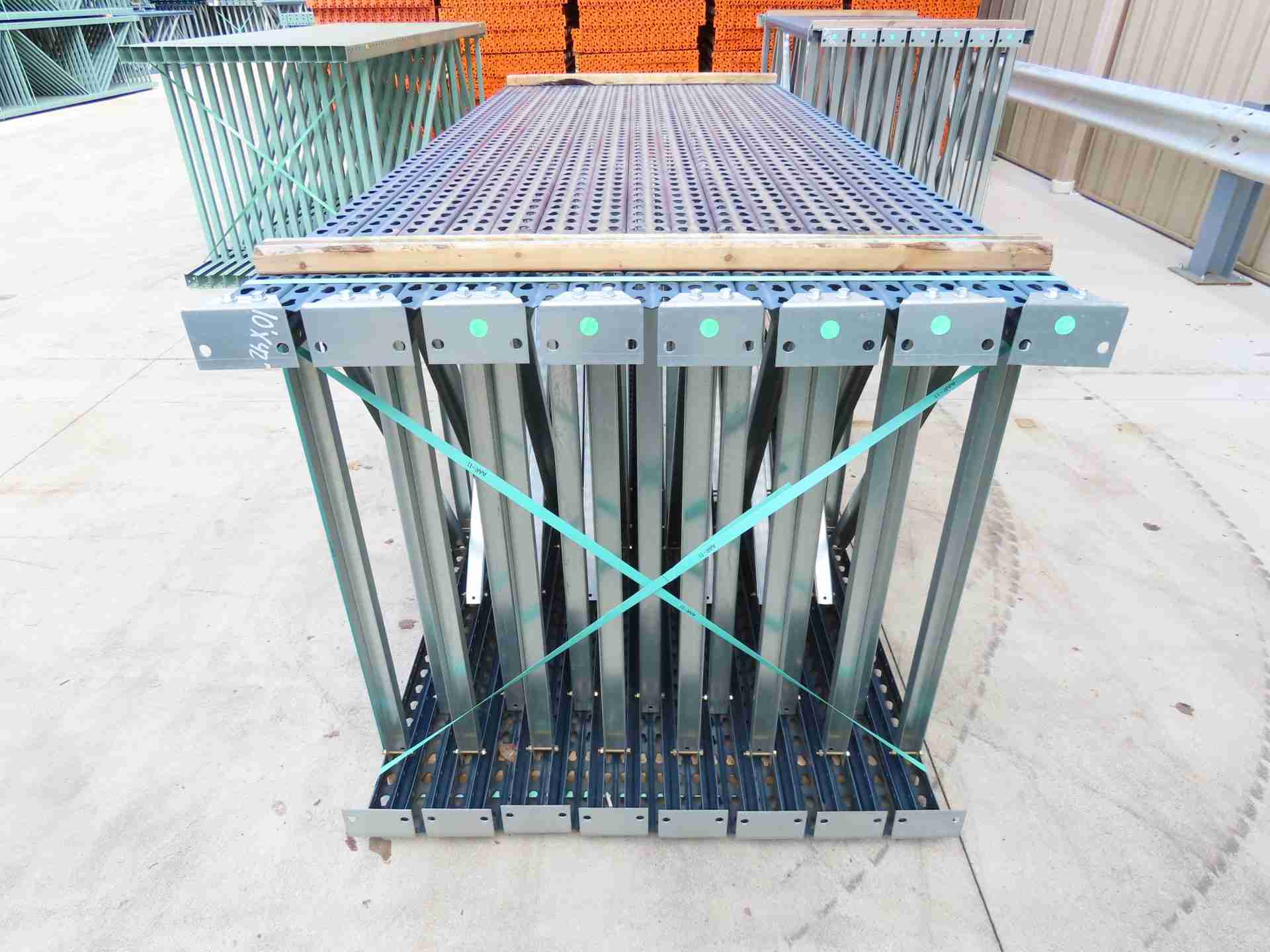
How Can You Prioritize Maintenance Tasks For Racks?
What Tools Are Necessary For Rack Maintenance?
When it comes to maintaining your pallet racking system, having the right tools isn’t just a luxury—it’s a necessity. Picture this: you’re standing in your warehouse, surrounded by intricate rows of pallet racking, and everything is humming along just fine. But then, you notice a slight wobble where there shouldn’t be one. That’s your cue to act. If you don’t have the right tools at your disposal, minor issues can quickly escalate, leading to costly repairs or worse, safety hazards.
First and foremost, invest in a quality set of wrenches and socket sets. These tools are your best friends in dealing with those pesky bolts and nuts that hold your pallet racking together. Imagine being equipped to tighten or adjust your racks on the spot—this not only boosts the longevity of your system but also saves time and money down the line.
Next on your list should be a reliable leveling tool. Keeping your racks straight and steady is essential for safety and efficiency. A well-leveled pallet racking system can make the difference between a flawlessly functioning warehouse and one fraught with risk. Leveling is not an option; it’s a prerequisite.
Don’t forget about safety gear, too—helmets, gloves, and sturdy shoes. Safety isn’t just a regulatory requirement; it’s a mindset. When your team feels protected, they are more likely to handle equipment and tools confidently, reducing accidents and downtime.
Lastly, consider keeping a digital inventory tool handy. An app or software designed for rack maintenance can revolutionize how you manage your inventory and safety checks. With digital records, you can easily track inspections, repairs, and adjustments, ensuring your pallet racking is always up to snuff. Automating this process not only boosts efficiency but fosters a proactive rather than reactive culture.
In the grand scheme of operations, the health of your pallet racking impacts not just your storage solutions, but your entire business’s performance. By investing in the right tools and fostering a culture of safety and maintenance, you empower your team to succeed. So, why wait? Make the commitment to effective rack maintenance today and watch your warehouse soar to new heights!

What Tools Are Necessary For Rack Maintenance?
What Tools Are Necessary For Rack Maintenance?
- Having the right tools for pallet racking maintenance is essential to prevent costly repairs and safety hazards.
- Invest in a quality set of wrenches and socket sets for effective tightening and adjustments of your racking system.
- A reliable leveling tool is crucial for ensuring the safety and efficiency of your pallet racks.
- Safety gear such as helmets, gloves, and sturdy shoes is important for protecting your team and reducing accidents.
- Utilizing a digital inventory tool can help track inspections, repairs, and adjustments effectively.
- Maintaining the health of your pallet racking system directly impacts overall business performance.
- Committing to effective rack maintenance empowers your team and enhances warehouse operations.

What Tools Are Necessary For Rack Maintenance?
How Do You Train Staff On Rack Maintenance Procedures?
Training staff on rack maintenance procedures is not just about following a checklist; it’s about building a culture of safety, responsibility, and excellence. Let’s face it, when you think about pallet racking, you might picture a sturdy structure holding heavy loads. But behind that practicality lies the vital need for proper maintenance and care—a commitment that starts with the right training.
First and foremost, you want to create an engaging training program that inspires your team. Begin with the why. Explain how proper pallet racking maintenance not only protects the integrity of your assets but also ensures their safety. When your staff understands the real-world consequences of neglect—accidents, damaged goods, and even injuries—they’ll feel a personal connection to the procedures.
Next, combine hands-on demonstrations with a comprehensive training manual. Don’t just throw a pile of documents at your team. Craft a visually appealing guide that includes images, diagrams, and step-by-step instructions on rack inspection, maintenance, and reporting procedures. This is where trust is built; clear, concise, and accessible information empowers your staff to take ownership of their responsibilities.
In addition to written materials, focus on interactive training sessions. Use role-play scenarios or simulations to reinforce learning. Picture this: a member of your team playing the ‘warehouse manager‘ while others act as staff performing maintenance checks. This collaborative approach makes the training memorable and encourages teamwork.
Another crucial element is ongoing training and assessment. Make maintenance a regular topic in your team meetings, and create mini-reviews at each session to reinforce what they’ve learned. This serves two purposes: it maintains awareness and builds confidence. Your staff will not only remember the procedures, but they’ll also feel supported, knowing they can ask questions and clarify doubts whenever needed.
Finally, celebrate the wins! Acknowledge team members who consistently demonstrate vigilance in maintaining pallet racking. Recognizing their efforts fosters a sense of pride and encourages others to follow suit. Share success stories, whether it’s preventing an incident or improving efficiency—these accomplishments inspire every member of your staff to do their part.
Effective rack maintenance training is a blend of education, engagement, and encouragement. By fostering a culture centered on safety and responsibility, you position your team—and your operation—for lasting success. Your pallet racking isn’t just a structure; it’s a testament to your commitment to excellence. Embrace the training process, and watch your operations thrive!

How Do You Train Staff On Rack Maintenance Procedures?
How Do You Train Staff On Rack Maintenance Procedures?
- Training on rack maintenance goes beyond checklists; it fosters a culture of safety, responsibility, and excellence.
- Engaging training programs should explain the importance of proper maintenance for safety and asset protection.
- Utilize visually appealing training manuals with clear images, diagrams, and step-by-step instructions.
- Incorporate interactive training sessions using role-play and simulations to enhance team collaboration.
- Regularly revisit maintenance topics in team meetings and conduct mini-reviews to reinforce learning.
- Celebrate team members’ efforts in maintaining racks to inspire pride and encourage others.
- Effective maintenance training blends education, engagement, and encouragement, leading to lasting success.

How Do You Train Staff On Rack Maintenance Procedures?
Conclusion
Conclusion: Elevate Your Warehouse Operations with a Robust Rack Maintenance Plan
Creating an effective maintenance plan for your warehouse racks is not merely a practice of compliance; it is, in fact, a strategic investment in the safety and efficiency of your operations. In the fast-paced world of warehousing, the importance of a well-maintained pallet racking system cannot be overstated. By adopting a proactive approach to maintenance, you ensure that your racking not only performs at its best but also becomes the foundational pillar of your entire operational framework.
Every moment lost to rack-related issues translates to potential safety risks, damaged inventory, and unnecessary downtime. That’s where a solid maintenance strategy, incorporating routine inspections, staff training, and clear documentation, becomes essential. By setting a schedule for regular inspections—ideally monthly or quarterly—you allow your team to catch early signs of wear before they escalate into significant problems. This commitment to maintenance not only maximizes the life of your pallet racks but fosters a culture of responsibility and safety among your employees.
Moreover, the implementation of a thorough training program cannot be overlooked. When your staff fully understands how to inspect and maintain the racking systems, they become empowered to protect the integrity of your operations. This knowledge creates a shared ethos centered on safety and excellence, which permeates your entire organization. Remember, proper training is the foundation upon which a successful maintenance plan is built.
By documenting inspections and repairs, you maintain a clear record that enhances trust and transparency, serving as a benchmark during audits and inspections. These records not only emphasize your commitment to safety but also provide you with critical insights into the performance of your racks over time, allowing for continuous improvement and timely upgrades when necessary.
If you haven’t implemented a comprehensive maintenance plan yet, there’s no better time to start than now. Don’t let negligence lead to expensive setbacks; act swiftly. Call Arrow Industrial Sales at (574) 349-6575 to learn more about how you can elevate your warehouse operations with expert advice and support tailored specifically to your needs.
Don’t be left behind while others optimize their processes and secure their workplaces. Embrace the urgency of maintenance today, and set your business on a path toward enduring success. Your warehouse deserves it, and so does your bottom line!

Conclusion
Conclusion:
- Creating a robust rack maintenance plan is a strategic investment in safety and efficiency.
- A well-maintained pallet racking system is essential in the fast-paced world of warehousing.
- Implementing routine inspections helps catch early signs of wear, reducing potential risks and downtime.
- Staff training empowers employees to maintain racking systems and fosters a culture of safety.
- Documenting inspections and repairs enhances trust, transparency, and provides insights for continuous improvement.
- Now is the ideal time to implement a comprehensive maintenance plan to avoid costly setbacks.
- Contact Arrow Industrial Sales for expert advice on enhancing warehouse operations.

Conclusion
Other Resources

Other Resources
Here is a list of other resources you can review online to learn more:
- Pallet Racking 101: A Comprehensive Guide & Options Explained
- Selective Racking
- The Complete Pallet Rack Guide – Simply Rack
- Selective Rack – Raymond West
- Material Handling Industry
- CMMA
- Warehousing Education and Research Council: https://www.werc.org/
- Material Handling Safety
- Warehouse Racks, Warehouse Racking in Stock – ULINE
- International Warehouse Logistics Association
Use This Prompt To Get More Resources With Your Favorite Online AI Tool: Please provide me with a list of online articles with their URLs in a bulleted list that I can read regarding How Can You Create an Effective Maintenance Plan for Warehouse Racks?

Other Resources
Glossary Terms
How Can You Create an Effective Maintenance Plan for Warehouse Racks? – Glossary Of Terms
1. Rack Inspection: A systematic examination of warehouse racks to identify safety hazards, structural integrity, and maintenance needs.
2. Preventive Maintenance: Regular, scheduled maintenance activities aimed at preventing breakdowns and prolonging the life of warehouse racks.
3. Corrective Maintenance: Actions taken to repair or restore a rack after it has been damaged or malfunctioned.
4. Load Capacity: The maximum weight that a rack can safely hold, determined by its material and design.
5. Capacity Planning: The process of determining the necessary storage capacity to meet inventory demands effectively while considering rack limitations.
6. Compliance Standards: Regulations and guidelines (like OSHA or ANSI) that define safe practices and structural requirements for warehouse racks.
7. Inspection Checklist: A list of items or criteria used during the inspection process to ensure thoroughness and consistency.
8. Damage Assessment: Evaluating the condition of rack components to identify any damages that may compromise safety or functionality.
9. Load Balancing: The practice of distributing weight evenly across rack shelves to minimize the risk of collapse or tipping.
10. Pallet Rack: A structure specifically designed to support pallets in storage, often adjustable for height and depth as inventory changes.
11. Safety Signage: Visual aids placed around warehouse areas to communicate safety guidelines and procedures related to rack usage.
12. Maintenance Log: A record-keeping document that tracks maintenance performed, inspections completed, and future maintenance schedules.
13. User Training: Instruction provided to warehouse staff on proper rack usage, safety practices, and maintenance procedures.
14. Stability Testing: Procedures conducted to assess the sturdiness and safety of rack structures, often including load tests.
15. Rack Design: The architectural layout and features of warehouse racks, which should prioritize storage efficiency and safety.
16. Structural Analysis: Evaluating the materials, design, and stress factors affecting warehouse racks to ensure safety and durability.
17. Inventory Management System: Software or methods for tracking stock levels, orders, and deliveries that help inform rack organization and use.
18. Visual Inspections: Quick assessments made by staff to identify obvious issues, such as misaligned shelves or visible damages.
19. Repair Protocols: Established procedures for addressing any identified damages or concerns, ensuring swift and effective maintenance.
20. Shelf Dividers: Accessories used to separate products on shelves for better organization, ease of access, and space optimization.
21. Ergonomics: The study of designing warehouse workspaces to optimize human interaction with rack systems, improving safety and efficiency.
22. Warehouse Layout: The floor plan arrangement of racks, items, and pathways in a warehouse, crucial for operational efficiency.
23. Seismic Considerations: Designing racks to withstand earthquakes and specify the necessary reinforcements in seismic-prone areas.
24. RFID Systems: Radio-Frequency Identification systems used for tracking inventory, which can influence how racks are organized and maintained.
25. Maintenance Schedule: A predetermined timetable outlining routine maintenance tasks and inspections to keep rack systems in optimal condition.
26. Load Testing: The process of applying weight to racks to ensure they can handle specified loads without failure.
27. Warehouse Optimization: Techniques aimed at improving efficiency, productivity, and safety in warehouse operations, including proper rack maintenance.
28. Lifecycle Management: Strategies for managing the entire lifespan of racks, from installation through maintenance to eventual replacement.
29. Environmental Considerations: Assessing how factors like temperature, humidity, and exposure to elements affect the longevity and performance of warehouse racks.
30. Responsibility Assignment: Designating specific team members or departments accountable for rack maintenance and safety inspections.

Glossary Of Terms
Other Questions
How Can You Create an Effective Maintenance Plan for Warehouse Racks? – Other Questions
If you wish to explore and discover more, consider looking for answers to these questions:
- What are the benefits of a well-maintained warehouse rack system?
- How do I know if my current maintenance plan is effective?
- What sort of documentation should I keep for my maintenance plan?
- How can I involve my team in the maintenance process?
- What common mistakes should I avoid when creating a maintenance plan?
- How do I choose the right professionals for rack evaluations?
- What is the cost of implementing a maintenance plan for warehouse racks?
- How can I measure the success of my maintenance plan?
- What technologies can assist in maintaining warehouse racks?
- Are there industry standards or regulations I need to follow for rack maintenance?
- How can I create a safety culture around rack maintenance?
- What additional measures can enhance safety in the warehouse environment?
- What should I do if I notice serious damage during an inspection?
- How often should training on rack maintenance procedures be conducted?
- What roles and responsibilities should team members have regarding maintenance?

Other Questions
Checklist
How Can You Create an Effective Maintenance Plan for Warehouse Racks? – A Checklist
Checklist for Creating an Effective Maintenance Plan for Warehouse Racks
Routine Inspections
_____ Establish a regular inspection schedule (monthly, quarterly, semi-annual).
_____ Involve team members in the inspection process.
_____ Document inspection dates and findings.
Maintenance Procedures
_____ Develop clear maintenance and repair procedures.
_____ Create a checklist for inspection tasks.
_____ Assign specific maintenance tasks to team members.
Documentation
_____ Keep detailed records of all inspections and repairs.
_____ Maintain a log of inspection results and follow-up actions.
_____ Prepare for audits by organizing documentation appropriately.
Staff Training
_____ Train staff on proper loading techniques.
_____ Educate about the importance of pallet racking maintenance.
_____ Schedule regular refreshers on maintenance procedures.
Continuous Improvement
_____ Review and refine maintenance processes regularly.
_____ Gather feedback from team members on maintenance effectiveness.
_____ Adapt maintenance plans as warehouse needs change.
Prioritization of Maintenance Tasks
_____ Assess the condition of racks during routine inspections.
_____ Categorize issues by urgency and safety risk.
_____ Address safety hazards immediately, then proceed with operational needs.
Tools and Equipment
_____ Ensure access to quality wrenches and socket sets for repairs.
_____ Utilize a reliable leveling tool for racking stability.
_____ Have safety gear (helmets, gloves, sturdy shoes) readily available.
_____ Implement digital inventory tools for better maintenance tracking.
Communication and Reporting
_____ Foster a culture of reporting maintenance issues among staff.
_____ Create a digital maintenance log for team documentation.
_____ Encourage open discussions about maintenance in team meetings.
Engagement and Recognition
_____ Acknowledge team members demonstrating diligence in rack maintenance.
_____ Share success stories related to maintenance improvements.
_____ Celebrate the completion of major maintenance tasks or audits.
Use this checklist to start building or enhancing your maintenance plan for warehouse racks. Prioritizing these aspects will help ensure safety, efficiency, and longevity of your pallet racking systems.

Checklist
At RackingWorld, we help guide you through selecting warehouse storage systems and racking.
Be sure to read our other related stories at RackingWorld to learn more about warehouse storage systems.
0 Comments