
The Surprising Impact Of Cleanliness On Warehouse Efficiency
By Tom Seest
At RackingWorld, we help guide you through selecting warehouse storage systems and racking.
Be sure to read our other related stories at RackingWorld to learn more about warehouse storage systems.
Are Clean Warehouse Environments Less Productive for Workers?
The age-old debate—does a pristine, orderly workspace boost productivity, or does it stifle the creative chaos that fuels human innovation? Companies pour time, energy, and resources into maintaining clean warehouses, but could that investment be a double-edged sword? Let’s peel back the layers and explore this often-overlooked aspect.
Imagine walking into a warehouse where every item is meticulously cataloged, each piece of pallet racking standing tall and tidy, glossed to perfection. At first glance, it seems like a hallmark of efficiency. However, if you pull a worker aside, they might reveal something surprising: comfort and fluency in chaos might be more conducive to their unique workflow. A cluttered space sometimes allows for flexibility — a place where creativity and spontaneity thrive.
Let’s face it. In the fast-paced world of warehousing, where every second counts, relying solely on cleanliness may inadvertently create an environment that stifles natural productivity rhythms. Workers, after all, often develop their own systems to navigate a space. When everything is overly regimented, it can lead to frustration—disrupting their natural flow and leading to a disconnect between the worker and their tasks.
What’s the answer? Balance. Yes, cleanliness is vital for safety and organization, but a rigidly sterile environment can have its drawbacks. The best warehouses strike a harmony between cleanliness and flexibility. Create an environment with clear, efficient pallet racking systems for organization, but allow occasional messiness to coexist. Encourage your staff to personalize their workspaces, to feel empowered by the little chaos that makes them feel in control.
In bridging the gap, consider implementing systematic cleaning schedules that don’t interrupt daily workflows. Adopt a mindset not only of cleanliness but of understanding the human element too. Engaging your workers in this process fosters a culture of trust and respect—an investment in their productivity that pays off dividends when they feel valued.
Ultimately, the question isn’t simply about cleanliness—it’s about connection. When your team feels comfortable and understood in their environment, whether it’s spotless or fallen slightly to disarray, inspiration flourishes, and productivity soars. It’s time to rethink how we define a productive warehouse, balancing cleanliness with the creativity that only humans can bring to their workspaces. Start the conversation today!
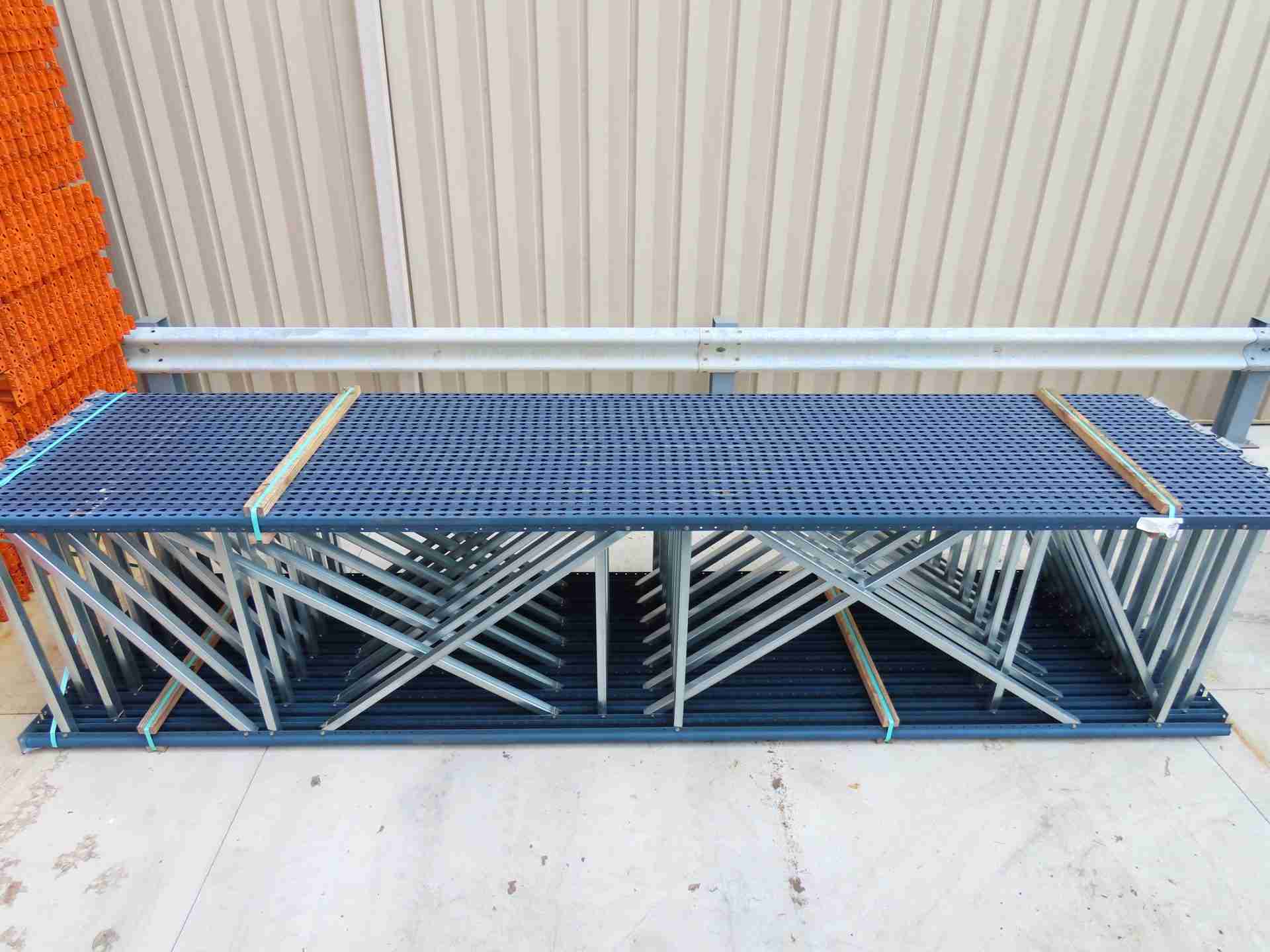
Are Clean Warehouse Environments Less Productive for Workers?
Are Clean Warehouse Environments Less Productive for Workers?
- The debate on workspace organization: Does a clean space enhance productivity or hinder creativity?.
- While clean warehouses seem efficient, workers may prefer a more chaotic environment that supports their workflow.
- Strict cleanliness can disrupt natural productivity rhythms and lead to worker frustration.
- Finding balance is key: cleanliness is essential, but too much order can have negative effects.
- Encourage personalization of workspaces to empower employees and embrace some level of chaos.
- Implement systematic cleaning schedules that minimize disruption to workflows and foster trust among workers.
- The goal should be creating a comfortable environment that balances cleanliness with creativity to enhance productivity.
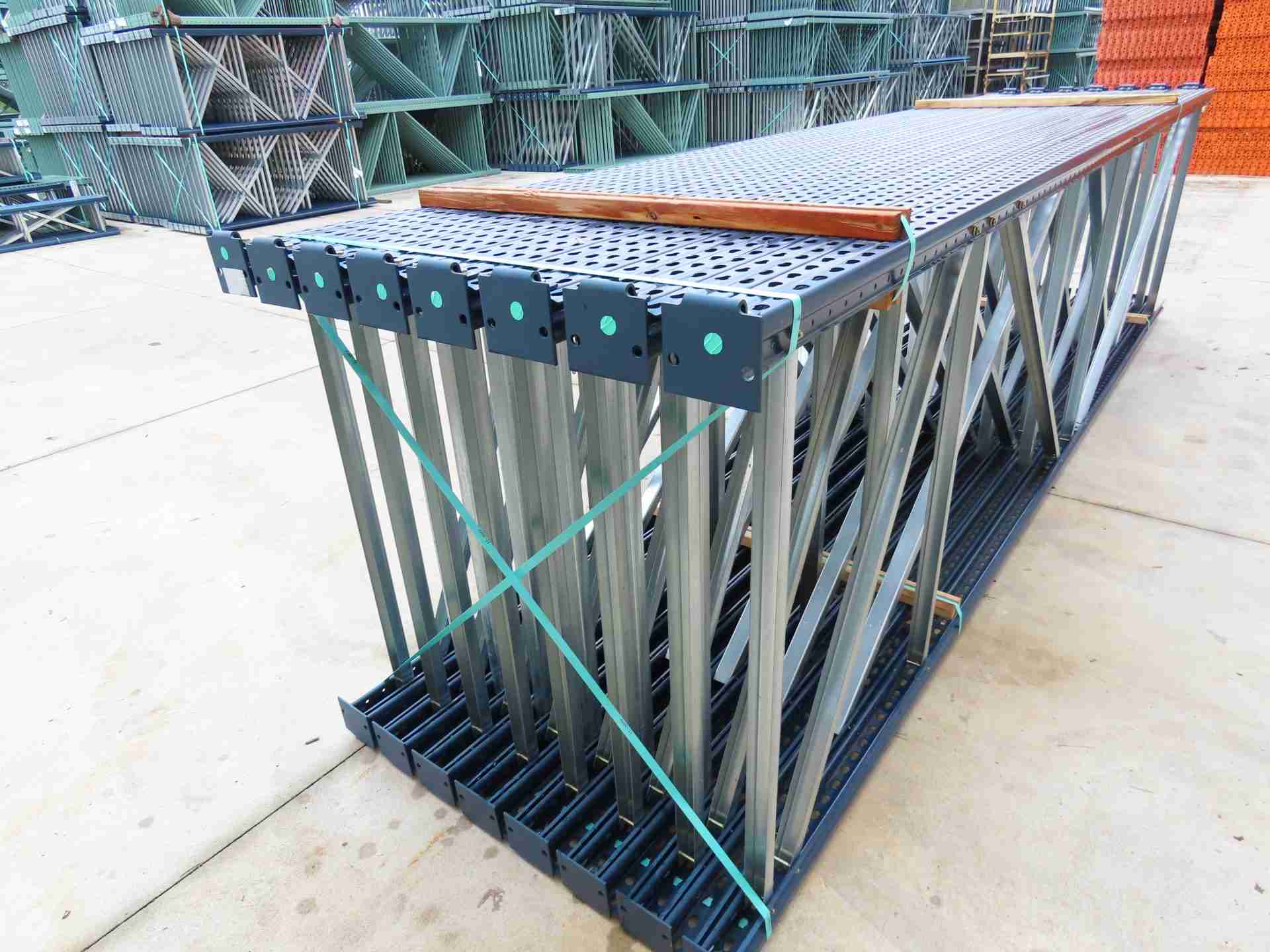
Are Clean Warehouse Environments Less Productive for Workers?
Table Of Contents
- Are Clean Warehouse Environments Less Productive for Workers?
- Are Clean Warehouse Environments Really More Productive For Workers?
- Do Cleaner Environments Lead To Increased Employee Satisfaction?
- How Does Cleanliness Affect Worker Morale In Warehouses?
- Are Employees More Efficient In Cluttered Vs. Clean Settings?
- What Impact Does A Clean Warehouse Have On Safety And Productivity?
- Do Employees Feel More Stressed In Overly Sterile Environments?
- Conclusion
- Other Resources
- Glossary Of Terms
- Other Questions
- Checklist
Are Clean Warehouse Environments Really More Productive For Workers?
Imagine stepping into a warehouse where every item has its place—a well-organized labyrinth of efficiency bursting with potential. The gleaming aisles, the orderly pallet racking, and the crisp air free of dust and clutter create an atmosphere that inspires productivity. But here’s the burning question: are clean warehouse environments really more productive for workers?
Let’s dive into the heart of the matter. A clean workspace does more than just impress clients—it has a direct impact on employee morale and efficiency. Studies consistently show that clutter breeds distraction. When a warehouse is meticulously organized, the mind shifts into a higher gear. Workers can locate products quickly and maneuver through the space without hesitation. Gone are the days of fumbling around and losing precious minutes searching for inventory.
Think about your own experiences. Have you ever felt more focused and energized in a tidy environment? Conversely, chaos can echo in one’s psyche, breeding stress and frustration. A clean environment signals that you care about your team, their well-being, and the work they do. It fosters trust among employees, enhancing collaboration and communication. A place that reflects order and cleanliness sends a clear message: “We are professionals.”
Consider the role of well-structured pallet racking in this equation. By maximizing vertical space and ensuring everything is accessible, the right racking systems can streamline operations significantly. Employees can retrieve items swiftly and efficiently, reducing unnecessary movement and fatigue. With less time spent searching for materials, workers can devote more time to value-adding tasks—turning hours into productive outcomes.
Furthermore, a clean warehouse aligns with safety standards, reducing the risk of accidents that can lead to costly downtime or even injury. That translates not only into a healthier workforce but also protects your bottom line. When workers feel secure and supported in their environment, they are more likely to take ownership of their roles, leading to better performance and increased job satisfaction.
Investing in a clean warehouse isn’t merely about aesthetics; it’s a strategic move that can boost productivity, enhance employee morale, and ultimately propel your business forward. So ask yourself: what will your investment in a clean, organized space yield for your team? The answer could very well redefine success for your enterprise.
Are Clean Warehouse Environments Really More Productive For Workers?
Are Clean Warehouse Environments Really More Productive For Workers?
- A clean and organized warehouse boosts productivity and employee morale.
- Clutter can be distracting; a tidy workspace allows for quicker product location and smoother navigation.
- A clean environment fosters trust, enhances collaboration, and creates a professional atmosphere.
- Efficient pallet racking maximizes space and streamlines operations, reducing unnecessary movement.
- A clean workspace enhances safety, reducing accident risks and protecting overall health.
- Supportive environments lead to greater employee ownership, improved performance, and job satisfaction.
- Investing in cleanliness is a strategic move that can redefine success for a business.
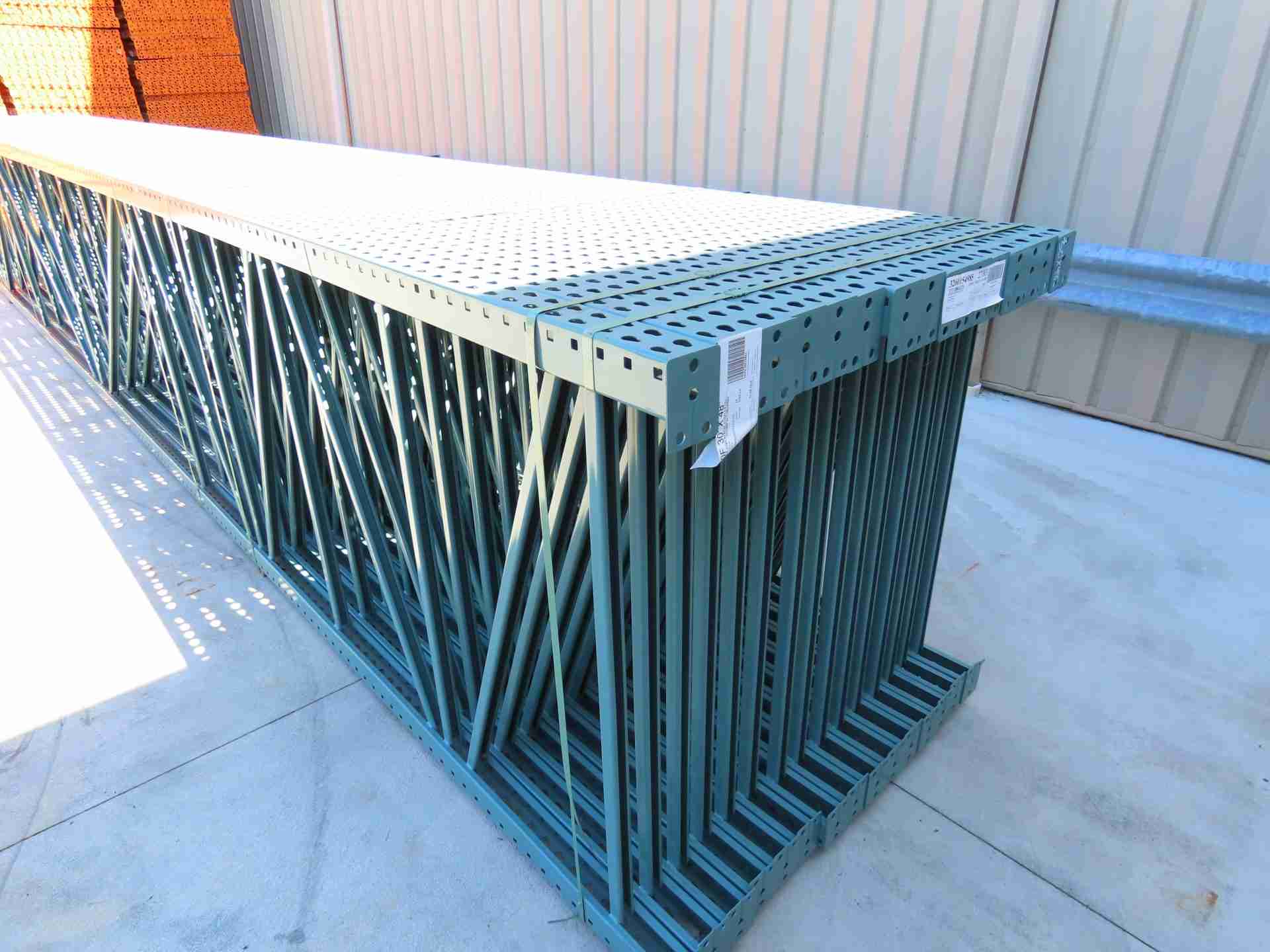
Are Clean Warehouse Environments Really More Productive For Workers?
Do Cleaner Environments Lead To Increased Employee Satisfaction?
Imagine walking into an office that feels more like a sanctuary than a workspace. Cleanliness isn’t just about aesthetics; it’s about creating an environment where employees feel valued, focused, and ultimately satisfied with their work. Companies are beginning to realize that the state of their workspace can significantly impact the morale and productivity of their workforce. A cleaner environment can kickstart a positive ripple effect that transforms your office culture.
You might be asking, “So, how does this play out in real life?” Picture your employees coming in each day to find their area organized, decluttered, and optimized for efficiency – perhaps with innovative tools like pallet racking to ensure everything is nicely stored and accessible. When employees are greeted by order, it sets a tone of professionalism and care. They know that their employer values not just the work they produce, but also their well-being.
A clean workspace fosters a sense of ownership and pride. When team members see their surroundings tending towards neatness and orderliness, they become attuned to the idea that their efforts are part of something bigger. Environments that embrace systematic organization allow employees to concentrate on what truly matters—innovation and growth. In contrast to cluttered spaces that breed confusion and frustration, orderly areas encourage creativity and collaboration. Who doesn’t want to be part of a team that thrives?
Moreover, let’s not overlook the psychological benefits. A cleaner environment reduces stress levels and promotes overall mental health. Employees are more likely to be engaged in their work when they aren’t battling against distractions and chaos. It creates a sense of belonging and professionalism.
This isn’t about bringing in a cleaning crew every week—though that helps. It’s about instilling a culture of cleanliness and organization. Empower your team to take part; provide them with the tools they need, like pallet racking systems, to keep their spaces tidy and functional.
In an era where employee satisfaction directly correlates with workplace performance, businesses that invest in a cleaner environment are making a smart decision. It’s not just a matter of cleanliness; it’s about cultivating happiness, productivity, and long-term loyalty. Step up and take a closer look at your workspace—are you nurturing an environment that inspires satisfaction and success? Your bottom line will thank you.
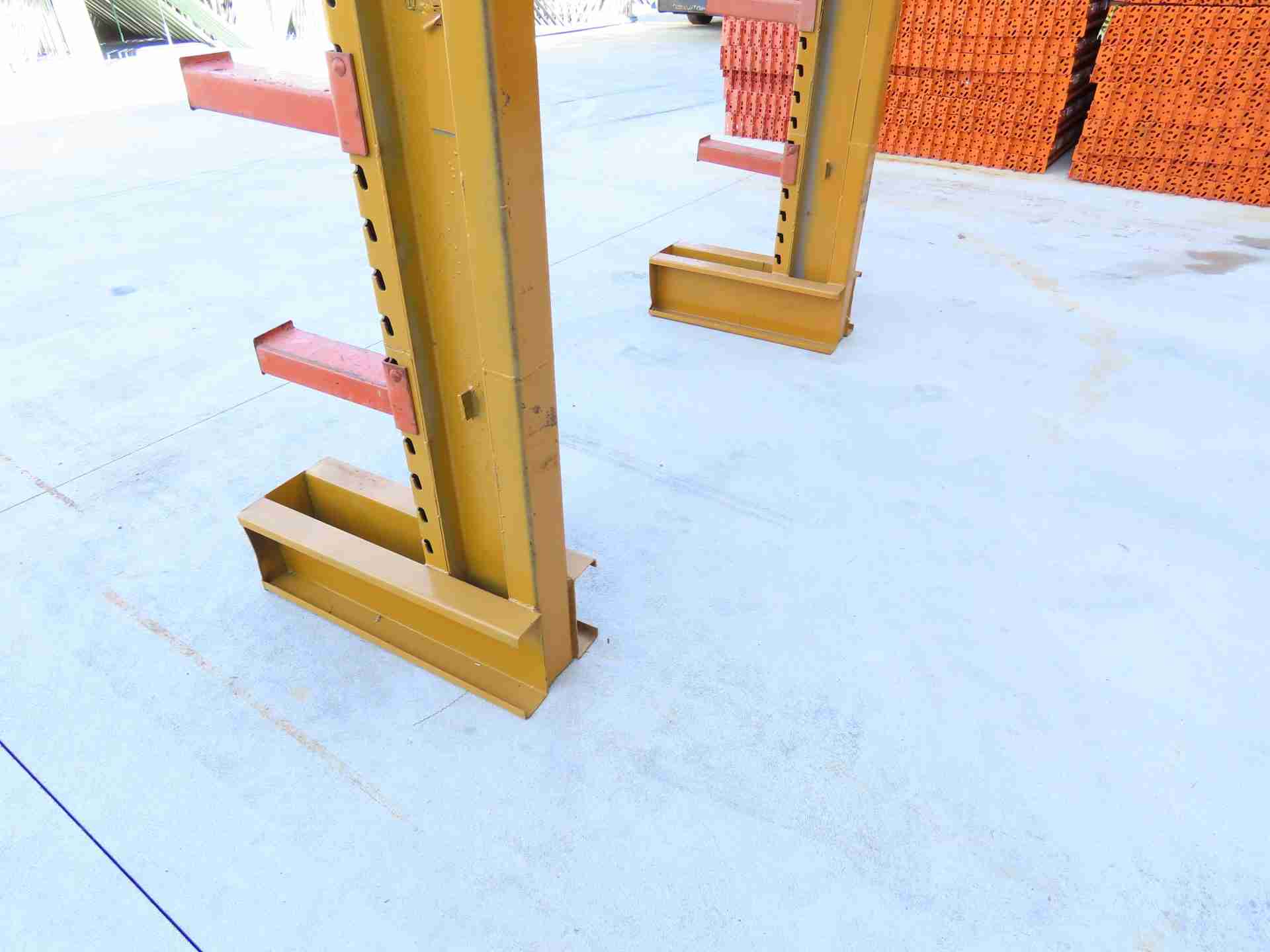
Do Cleaner Environments Lead To Increased Employee Satisfaction?
Do Cleaner Environments Lead To Increased Employee Satisfaction?
- An organized office acts as a sanctuary, enhancing employee satisfaction and focus.
- Cleanliness impacts workforce morale and productivity, driving a positive office culture.
- Orderly workspaces, equipped with tools like pallet racking, set a tone of professionalism and care.
- A clean environment fosters ownership and pride, encouraging employees to contribute to a larger goal.
- Ordered environments promote creativity and collaboration, while cluttered spaces create confusion.
- A cleaner workspace reduces stress and enhances overall mental health for employees.
- Instilling a culture of cleanliness empowers employees and fosters long-term loyalty and performance.

Do Cleaner Environments Lead To Increased Employee Satisfaction?
How Does Cleanliness Affect Worker Morale In Warehouses?
Imagine stepping into a warehouse that gleams under the fluorescent lights. The floor shines, the pallet racking is organized and meticulously arranged, and every corner speaks of orderliness. This isn’t just good housekeeping; it’s a catalyst for morale. When the environment around workers is clean and well-maintained, you foster an atmosphere of respect and productivity that can uplift spirits and ignite motivation.
Now, think about what a cluttered, chaotic environment does to the psyche. Piles of mismanaged pallets, dust collecting in corners, and walkways obstructed by disarray can create feelings of frustration and stress. It’s no wonder that a messy workspace might cultivate a culture of indifference among staff. Employees are more likely to underestimate their own impact when they feel like their environment mirrors disorder. Cleanliness, then, becomes more than just hygiene; it’s a mindset shift.
Studies have shown that a clean and orderly workspace enhances productivity. When workers walk into a spotless warehouse, their mindset automatically shifts towards positivity and efficiency. The simple act of keeping the pallet racking organized can significantly improve not just the workflow but also the morale of your staff. When employees know where everything is, they can work faster and more effectively, leading to fewer mistakes and more confidence in their roles. Trust builds among teams when they see that their environment reflects care and dedication.
Additionally, cleanliness signals that you care about your workforce. It’s a demonstration of respect toward employees, showing them that their safety and comfort matter. As a business leader, investing in a clean warehouse signifies commitment to your team’s well-being, leading to greater employee loyalty and reduced turnover rates.
Moreover, a clean environment can influence health outcomes, reducing absenteeism caused by illness—something every smart employer values. When workers feel better, they perform better. This creates a positive feedback loop where morale strengthens productivity, and productivity fuels further morale. Imagine the ripple effect of this positivity within your business.
In essence, cleanliness isn’t merely a surface-level concern; it’s a fundamental component of a thriving workplace culture. Evaluate your workspace today. Consider how cleanliness could invigorate your team and watch as positive transformations unfold, leading to a more engaged, motivated, and satisfied workforce. Remember, a clean warehouse equates to a confident and committed team.
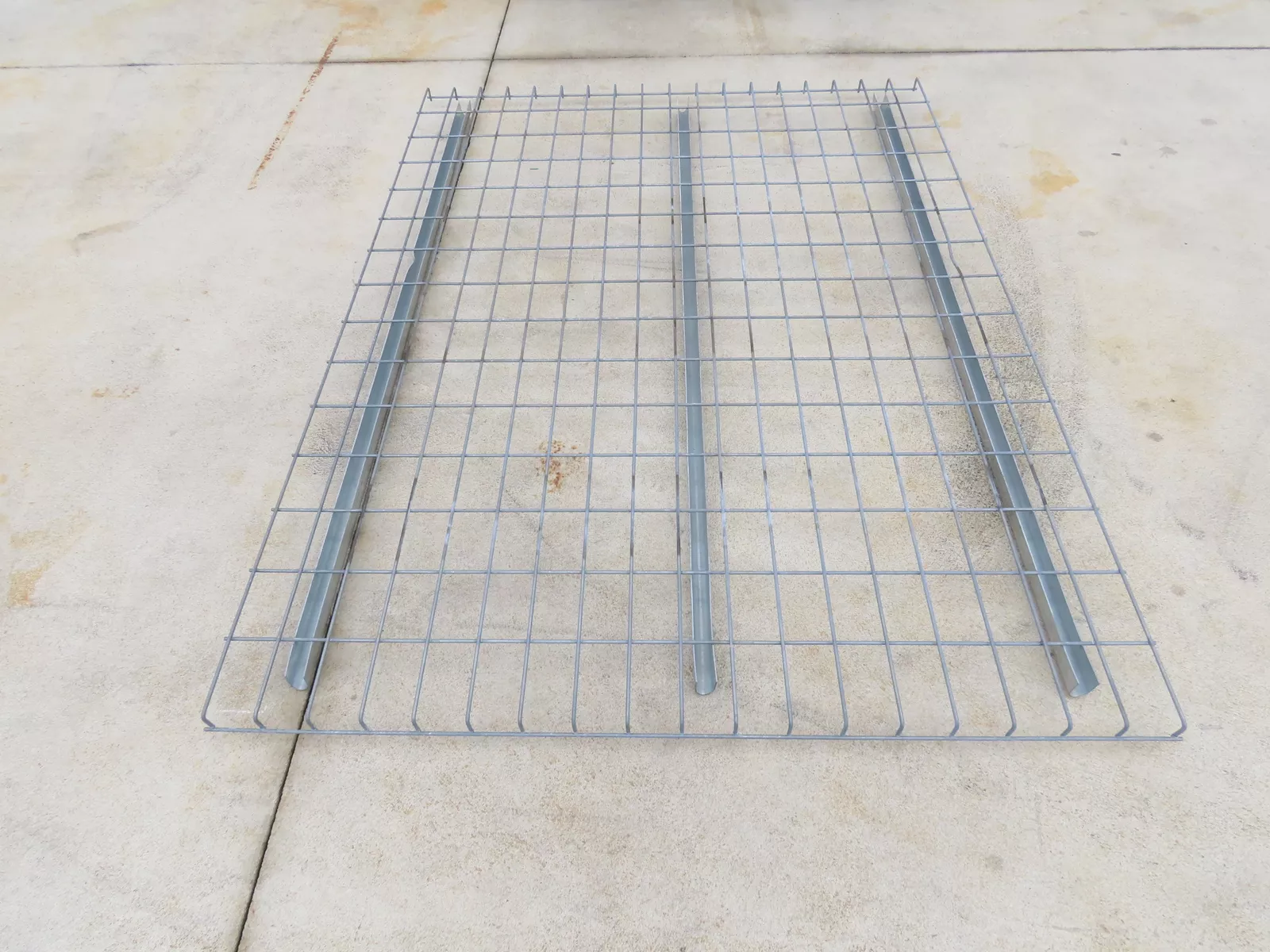
How Does Cleanliness Affect Worker Morale In Warehouses?
How Does Cleanliness Affect Worker Morale In Warehouses?
- Cleanliness in warehouses fosters an atmosphere of respect and productivity, boosting worker morale.
- A cluttered environment can lead to feelings of frustration and stress, cultivating a culture of indifference.
- A clean workspace enhances productivity by shifting workers’ mindsets towards positivity and efficiency.
- Organized pallet racking allows employees to work faster and with more confidence, reducing mistakes.
- Maintaining a clean environment demonstrates care for employee safety and comfort, enhancing loyalty and reducing turnover.
- A clean workplace can decrease absenteeism due to illness, contributing to better overall performance.
- Ultimately, cleanliness is essential for a thriving workplace culture, leading to a more engaged and satisfied workforce.
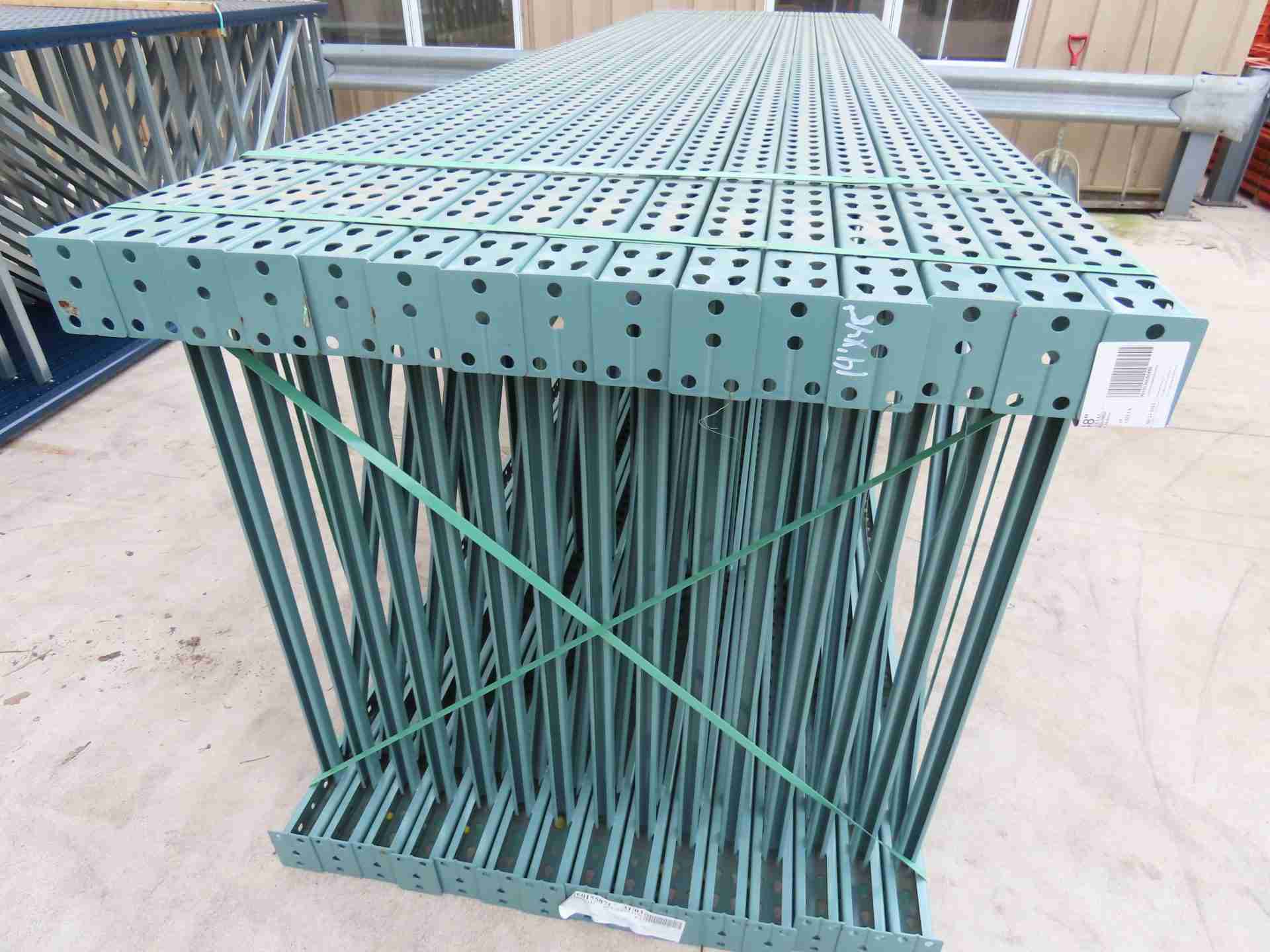
How Does Cleanliness Affect Worker Morale In Warehouses?
Are Employees More Efficient In Cluttered Vs. Clean Settings?
Every business owner knows that the environment plays a pivotal role in shaping employee productivity. Picture this: a bustling warehouse showcasing neatly organized pallet racking, with everything in its rightful place. Employees glide through their tasks, their brains powered by an unyielding focus. The contrasting scene? A cluttered workspace where chaos reigns supreme, lost paperwork is the order of the day, and time is wasted looking for the essentials. Which environment seems more likely to produce efficient results?
Humans are inherently prone to distractions, and a cluttered workspace is a breeding ground for those distractions. Think about it—how many times have you found yourself searching for that crucial document buried under a mountain of paper? Frustration mounts, and that precious time slips through your fingers like sand. Clean, organized settings, on the other hand, promote clarity in thought and action. When everything is in order, employees can channel their energy into their work rather than the search for misplaced items.
Moreover, an aesthetically pleasing and organized workplace fosters a sense of pride and ownership among employees. When they see the tangible effects of good organization—like efficient pallet racking that streamlines their tasks—they’re more likely to feel motivated and committed to excellence. It’s not just about physical organization; it speaks volumes about the company culture. A clean, well-maintained workspace communicates to employees that you value their efforts and well-being. And when employees feel valued, loyalty and efficiency soar.
Now, let’s not ignore the role psychology plays here. Research shows that having a clean environment reduces stress and increases focus. When the mind is clear of clutter, creativity can flourish. It’s like having a blank canvas where innovative ideas can take shape. Organizations that embrace cleanliness don’t just show their employees that they care; they inspire a culture of respect and resilience.
In a world where time is money, who wouldn’t want to foster an environment that promotes efficiency? The choice is clear. By embracing clean, organized settings equipped with smart solutions like pallet racking, businesses are set to cultivate an atmosphere where employees can thrive. Transforming your workspace might just be your ticket to unlocking unparalleled productivity—now isn’t that a goal worth pursuing?

Are Employees More Efficient In Cluttered Vs. Clean Settings?
Are Employees More Efficient In Cluttered Vs. Clean Settings?
- The workplace environment significantly impacts employee productivity.
- Cluttered workspaces lead to distractions, frustration, and wasted time.
- Organized settings foster clarity, allowing employees to focus on their tasks.
- Clean and aesthetically pleasing workplaces enhance employee pride and ownership.
- A well-maintained workspace demonstrates company values, increasing employee loyalty.
- A clean environment reduces stress and boosts creativity, leading to innovative ideas.
- Embracing organization and cleanliness can unlock unparalleled productivity in businesses.
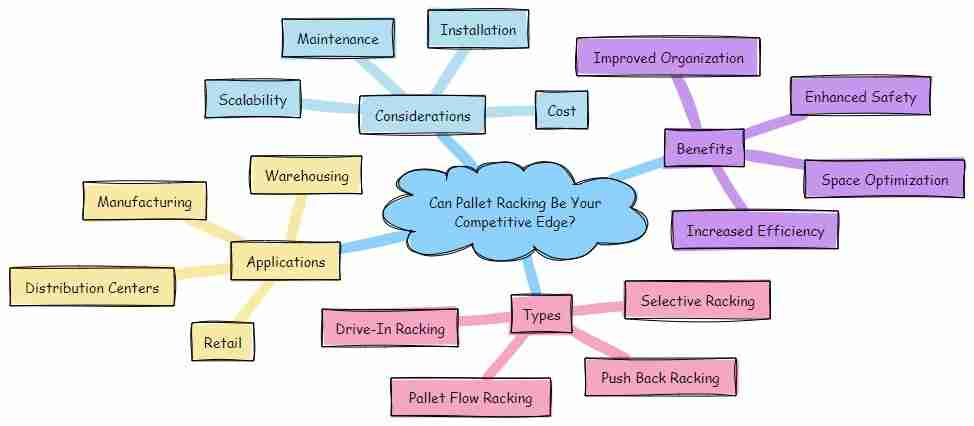
Are Employees More Efficient In Cluttered Vs. Clean Settings?
What Impact Does A Clean Warehouse Have On Safety And Productivity?
Imagine walking into a warehouse where every square inch reflects a commitment to cleanliness and order. This isn’t just about aesthetics—it’s about creating a powerhouse of safety and productivity. When every item is in its place, and the floor is free of clutter, you’re not just preventing accidents; you’re enhancing your entire operation.
A clean warehouse maximizes the efficiency of your pallet racking systems. Think of the hours spent searching for misplaced items or maneuvering around poorly stacked palettes. When your warehouse is organized, the flow is seamless. Workers can quickly locate and retrieve stock, which cuts down the time spent on tasks and boosts overall productivity. Imagine how much more can be accomplished in a day when your team is not trudging through chaos but instead gliding through a well-structured environment.
Safety is intrinsically connected to cleanliness in any warehouse setting. A clean space means fewer tripping hazards and a lower risk of injuries. Picture a worker navigating a clutter-free aisle lined with perfectly aligned pallet racks. Their path is clear, their focus is sharp, and their confidence in their surroundings is high. On the flip side, a dirty or disorganized warehouse creates anxiety; workers must constantly be on guard, fearing an accident or injury. By committing to cleanliness, you send a powerful message: you value your team and their well-being.
But the impact doesn’t stop there. A clean warehouse fosters an atmosphere of pride and professionalism. Your employees take notice of their surroundings, and when they see a commitment to cleanliness, they feel empowered. This translates to increased motivation and a culture of safety that extends beyond the walls of your warehouse. They want to take those values home with them, creating a ripple effect throughout the company.
In today’s competitive market, you can’t afford to overlook any advantage. A clean warehouse is not just a visual enhancement; it’s a strategic move that drives efficiency, bolsters safety, and elevates employee morale. A commitment to cleanliness is a commitment to excellence, one that strengthens your operational foundation while inspiring your team to take pride in their work.
So, if you’re ready to transform your warehouse into a model of safety and productivity, start by embracing a culture of cleanliness today. Your workers—and your bottom line—will thank you.
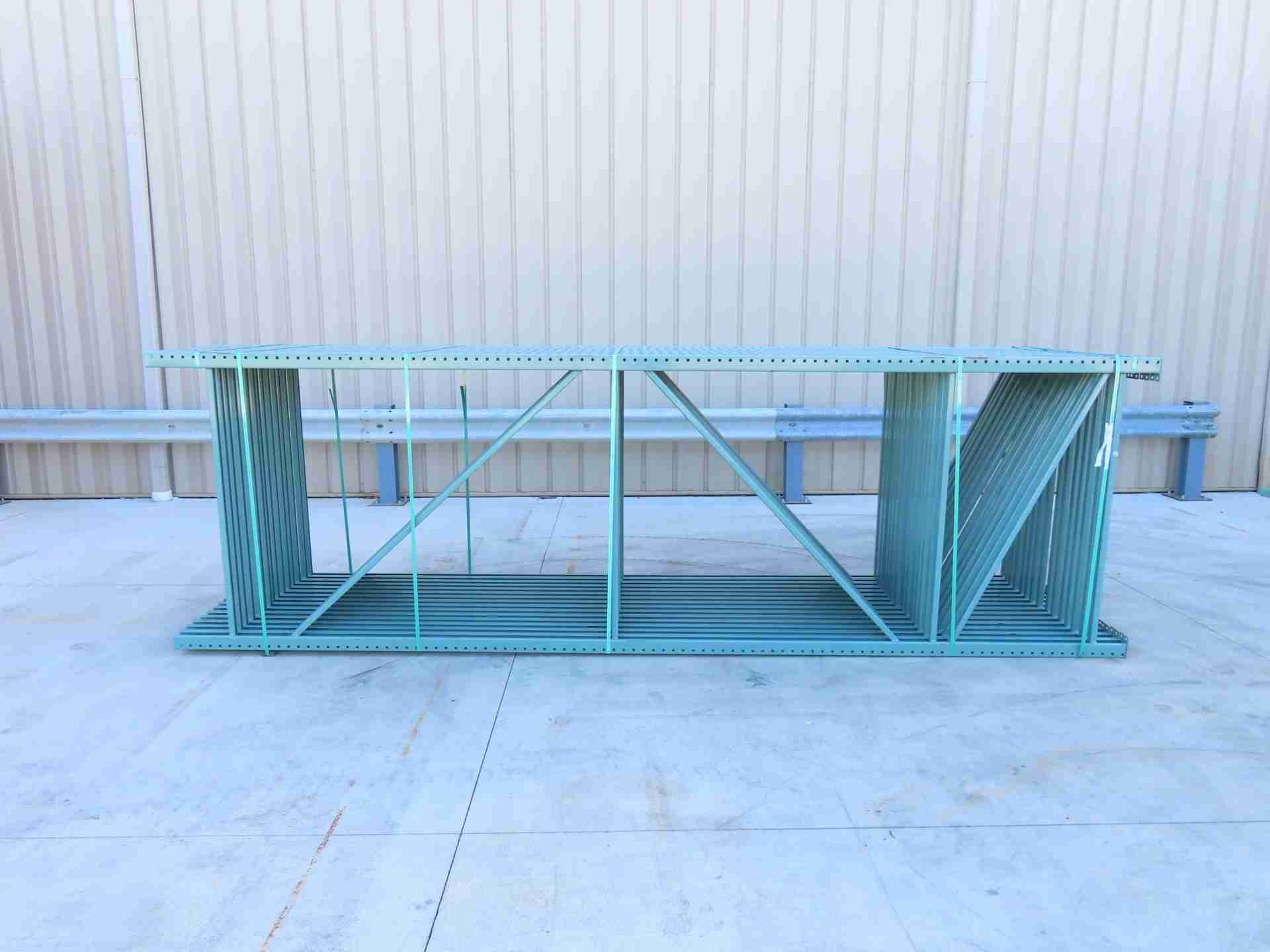
What Impact Does A Clean Warehouse Have On Safety And Productivity?
What Impact Does A Clean Warehouse Have On Safety And Productivity?
- A clean warehouse ensures safety and productivity by minimizing clutter and organizing space.
- Efficient pallet racking systems are maximized in an organized environment, reducing time spent searching for items.
- Clear walking paths in a tidy warehouse decrease tripping hazards and the risk of injuries.
- Cleanliness fosters employee pride and professionalism, enhancing their motivation.
- A culture of cleanliness promotes safety and extends its values among employees beyond the workplace.
- A clean warehouse is a strategic advantage that drives operational efficiency and improves employee morale.
- Embracing a culture of cleanliness is essential for transforming warehouses into models of safety and productivity.

What Impact Does A Clean Warehouse Have On Safety And Productivity?
Do Employees Feel More Stressed In Overly Sterile Environments?
Imagine walking into a workplace that feels less like a hub of creativity and collaboration and more like a sterile laboratory. You know the type—the kind defined by gleaming surfaces, devoid of personality, and filled with cold, harsh lighting. While cleanliness and organization certainly have their place, an overly sterile environment can be a hidden stressor, leaving employees feeling isolated and uninspired.
Let’s face it: employees aren’t just numbers on a spreadsheet; they’re vibrant human beings with emotions and needs. In a space that feels more like a warehouse of pallet racking than a thriving workplace, people can feel boxed in—literally and figuratively. The rigid structures and clinical aesthetics can trigger a sense of confinement, leading to heightened stress levels. After all, how creative can someone be when they’re surrounded by an environment designed for functionality over comfort?
Consider the impact of such spaces on team dynamics. In these types of workplaces, there’s often a missing ingredient: connection. When the walls feel cold, and the atmosphere sterile, it can inhibit the flow of ideas, collaboration, and camaraderie. Employees may retreat into their own corners, leading to a breakdown in communication and a rise in stress levels. It’s hard to spark innovation when workers feel like they’re navigating through a maze of unyielding pallet racking.
In contrast, a workplace that features warmth, personalization, and a dash of color can change the game entirely. Think about it—a fresh coat of paint, plants in the corners, and comfortable meeting spaces can transform a cold, sterile atmosphere into a soothing environment. When employees feel at ease, their stress levels decrease, creativity flourishes, and engagement skyrockets. It’s not just about comfort; it’s about fostering an environment where people feel valued and inspired.
If you’re beginning to recognize the signs of an overly sterile workspace, now’s the time for action. Evaluate the layout, introduce warmth and personality, and create spaces that inspire collaboration. Your employees will thank you for it as they step into a new realm of productivity and passion. After all, a thriving team is one that feels connected to the space around them—let’s move beyond sterile and embrace a vibrant, engaging workplace together.
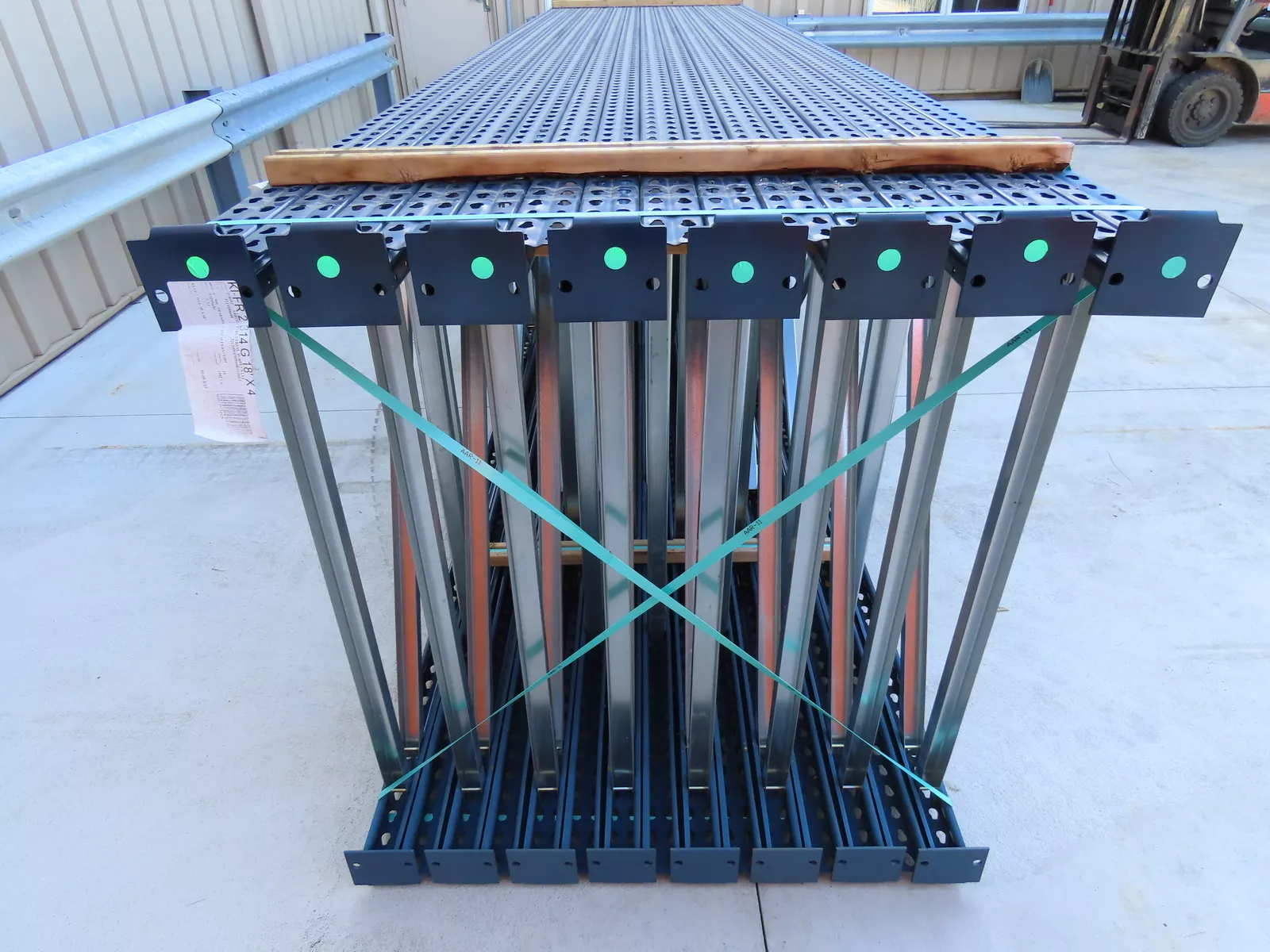
Do Employees Feel More Stressed In Overly Sterile Environments?
Do Employees Feel More Stressed In Overly Sterile Environments?
- Overly sterile workplaces can create a stressful and uninspiring environment for employees.
- Employees are more than just numbers; they have emotions and needs that should be met in the workplace.
- Clinical aesthetics can lead to feelings of confinement, reducing creativity and comfort.
- Lack of warmth and personalization inhibits team dynamics, collaboration, and communication.
- A welcoming environment with color, plants, and comfort can significantly enhance workplace morale.
- Addressing signs of sterility can lead to increased productivity and passion among employees.
- Creating a vibrant, engaging workplace fosters a sense of connection and inspires innovation.

Do Employees Feel More Stressed In Overly Sterile Environments?
Conclusion
As we close the discussion on the impact of cleanliness in warehouse settings, it’s clear that the relationship between order, worker efficiency, and satisfaction is far more nuanced than traditional wisdom suggests. Many of us instinctively equate cleanliness with productivity, envisioning a neatly organized space synonymous with high performance. Yet, what if this rigid adherence to sterility is unintentionally stifling the very creativity and spontaneity your workforce needs to thrive?
The ideal warehouse is not merely a sanitized lab of pallets and aisles but a dynamic space that balances cleanliness with flexibility. While there are undeniable benefits to having an organized environment — fewer distractions, enhanced safety, and improved morale — an overly sterile atmosphere can lead to feelings of confinement, reduced creativity, and increased stress. Workers often develop intuitive systems to manage their space, and pushing too hard for perfection can disrupt their natural rhythm, create frustration, and diminish productivity.
So what’s the answer? A harmonious approach that respects the human element within your operations is essential. Structured cleaning schedules can promote organization without sacrificing spontaneity, while allowing for personalized workspaces fosters a sense of ownership and connection. Understandably, your team’s comfort and creativity should be non-negotiables in the pursuit of operational excellence.
At Arrow Industrial Sales, we acknowledge that your workforce is your most valuable asset. By using effective solutions like strategically designed pallet racking systems and maintaining a clean yet adaptable environment, you can unlock new levels of efficiency. But remember — fostering a culture of cleanliness goes beyond just aesthetics; it conveys respect, authenticity, and care for your team’s well-being.
Now, this is where you need to act. Are you ready to transform your warehouse into a model of balanced productivity? Don’t let another moment slip by in a cluttered, overly sterile environment that can’t inspire the performance you seek. Contact Arrow Industrial Sales today at (574) 349-6575 for personalized insights and practical solutions tailored to elevate your workplace. The right changes can profoundly affect morale and output, and the time to embrace this transformation is now. Make the commitment to reinvigorate your warehouse, optimize your environment, and empower your team towards unprecedented success!
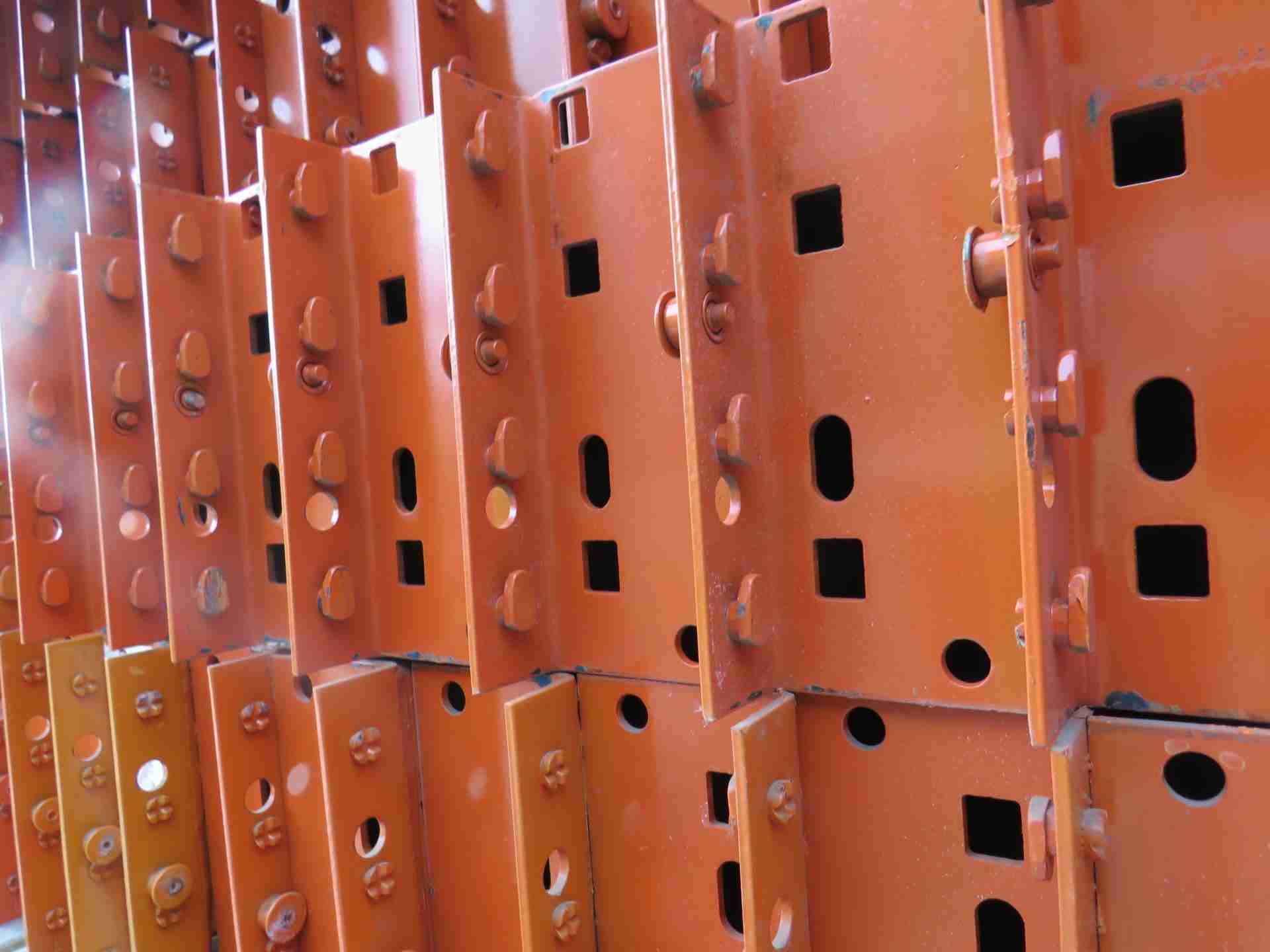
Conclusion
Conclusion:
- The relationship between cleanliness, worker efficiency, and satisfaction is more complex than traditionally thought.
- While cleanliness is often linked to productivity, an overly sterile environment may stifle creativity and spontaneity.
- A well-balanced warehouse combines cleanliness with flexibility, avoiding feelings of confinement and stress among workers.
- Structured cleaning schedules can enhance organization without sacrificing the personal touch and comfort of workspaces.
- Prioritizing workers’ comfort and creativity is crucial for achieving operational excellence.
- Effective solutions, like strategic pallet racking systems, can improve efficiency while maintaining a clean and adaptable environment.
- Now is the time to transform your warehouse for better morale and output; contact Arrow Industrial Sales for tailored solutions.
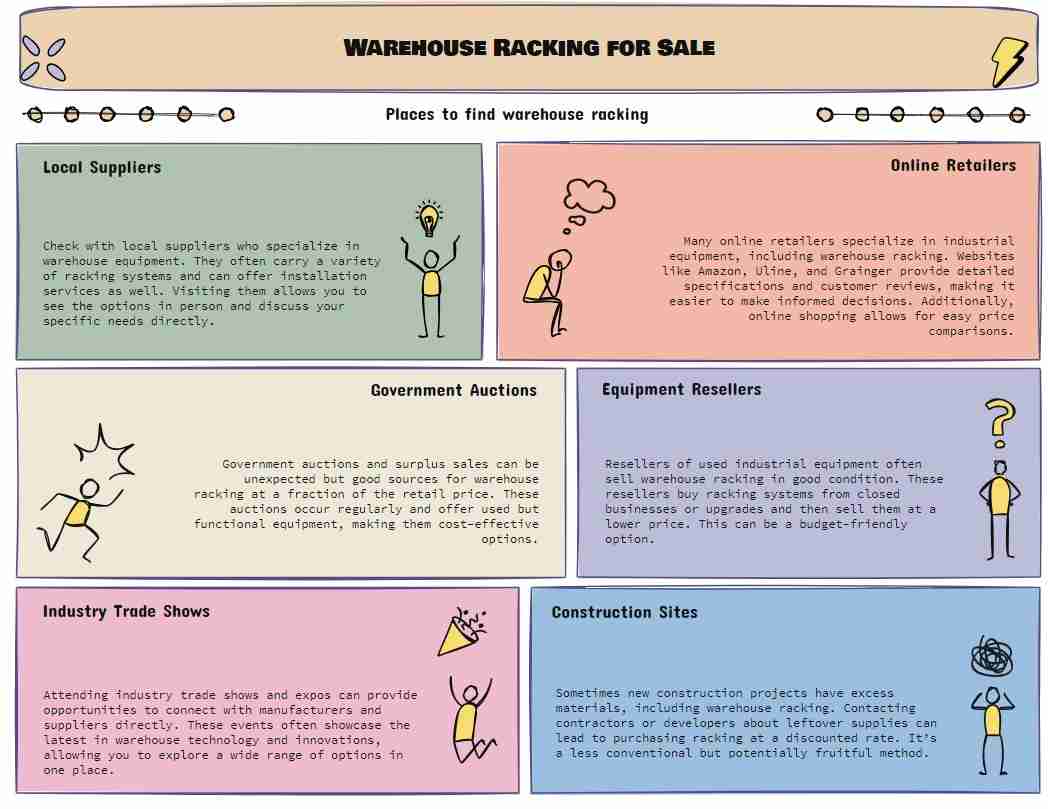
Conclusion
Other Resources
Other Resources
Here is a list of other resources you can review online to learn more:
- Overhead Lifting
- What is Selective Racking: Understanding Benefits & Options
- CA Wire
- Selective Pallet Racking Systems – Container Systems
- National Safety Council
- Interlake
- What is Cantilever Racking? – AK Material Handling Systems
- Teardrop Racks – Pallet Rack World
- ASSP
- Storage Equipment Manufacturers’ Association
Use This Prompt To Get More Resources With Your Favorite Online AI Tool: Please provide me with a list of online articles with their URLs in a bulleted list that I can read regarding Are Clean Warehouse Environments Less Productive for Workers?

Other Resources
Glossary Terms
Are Clean Warehouse Environments Less Productive for Workers? – Glossary Of Terms
1. Cleanliness: The state of being free from dirt, clutter, and hazards, often associated with health and safety in a workplace.
2. Productivity: A measure of the efficiency of production, often defined as the output per worker or per hour worked.
3. Work Environment: The setting in which employees perform their tasks, including physical conditions, organizational culture, and available resources.
4. Ergonomics: The study of designing workplaces to fit the physical needs of workers, aiming to improve comfort and efficiency.
5. Clutter: Unordered items and debris that can hinder movement and disrupt workflow in a warehouse setting.
6. Hazardous Materials: Substances that pose potential risks to health, safety, or the environment, requiring specific handling procedures.
7. Accident Rate: A measure of workplace safety, this statistic indicates the frequency of accidents occurring in a given time period.
8. Mental Well-being: The emotional and psychological health of workers, which can be affected by work conditions and environments.
9. Job Satisfaction: The degree to which workers feel fulfilled and happy with their work, often influenced by workplace conditions.
10. Maintenance: Activities performed to keep equipment and facilities in good working order, contributing to safety and efficiency.
11. Distraction: Factors in the work environment that divert attention away from tasks, potentially affecting productivity.
12. Safety Protocols: Established procedures designed to ensure a safe work environment and mitigate risks for employees.
13. Aesthetic Appeal: The visual attractiveness of a workplace, which can impact employee morale and motivation.
14. Flow Efficiency: A measure of how smoothly work processes run, often impacted by cleanliness and organization.
15. Inventory Management: The supervision of non-capitalized assets, or inventory, which can be simplified in a clean environment.
16. Workflow Optimization: The process of improving the efficiency of tasks and processes, often supported by organized and clean spaces.
17. Stress Levels: The intensity of pressure or strain felt by workers, which can be influenced by their work environment.
18. Visual Management: The use of visual cues and displays to communicate information, enhance organization, and streamline operations.
19. Health Compliance: Adhering to health and safety regulations, often necessitating a clean work environment.
20. Employee Engagement: The level of enthusiasm and commitment an employee has towards their work and workplace, which can be affected by cleanliness.
21. Triage Theory: A method of prioritization in operational processes, sometimes applied to manage clutter and improve workflow.
22. Space Utilization: The effective use of available space in a warehouse, which can be optimized through cleanliness.
23. Lean Manufacturing: A production practice that considers the expenditure of resources in any aspect other than the direct creation of value for the end customer to be wasteful.
24. Operational Efficiency: The ability to deliver products or services in the most cost-effective manner while maintaining high quality.
25. Standards Operating Procedures (SOPs): Documented processes that dictate how tasks should be performed to maintain safety and efficiency.
26. Organizational Culture: The shared values and behaviors within a workplace that influence employee morale and productivity.
27. Time Management: The ability to use one’s time effectively, which can be hindered by a cluttered environment.
28. Collaboration Spaces: Areas designated for teamwork and cooperation, often requiring clarity and cleanliness to facilitate interaction.
29. Work-Life Balance: The equilibrium between personal life and work responsibilities, influenced by workplace conditions.
30. Feedback Mechanisms: Systems used for gathering employee opinions and assessments about their work environment and productivity.

Glossary Of Terms
Other Questions
Are Clean Warehouse Environments Less Productive for Workers? – Other Questions
If you wish to explore and discover more, consider looking for answers to these questions:
- What are the long-term effects of a clean vs. cluttered warehouse on employee retention?
- How can companies balance cleanliness and employee comfort?
- What specific cleaning practices contribute most to employee satisfaction?
- Are there industry standards for warehouse cleanliness?
- How do different types of warehouse layouts affect cleanliness and productivity?
- What psychological impacts does a clean environment have on workers?
- How can technology aid in maintaining cleanliness without disrupting workflows?
- What training programs can help employees maintain a cleaner workspace?
- Are there particular industries where cleanliness impacts productivity differently?
- How can management gauge employee sentiments regarding cleanliness and organization?
- What role does employee feedback play in improving warehouse environments?
- What examples exist of companies successfully implementing balance in warehouse cleanliness and chaos?

Other Questions
Checklist
Are Clean Warehouse Environments Less Productive for Workers? – A Checklist
Understanding the Balance
1. Evaluate Current Cleanliness Levels
_____ Is your warehouse consistently clean and organized?
_____ Are cleaning schedules established and followed?
2. Identify Areas of Improvement
_____ Identify cluttered zones and potential hazards.
_____ Is there a flexible space for creativity and spontaneity?
3. Combine Cleanliness with Flexibility
_____ Are personal workspaces allowed to reflect individual styles without compromising safety?
_____ Can workers suggest areas where slight disorder might improve their workflow?
Engaging Your Workforce
4. Involve Employees in Cleanliness Initiatives
_____ Are team members encouraged to take ownership of their workspaces?
_____ How are you fostering a culture of respect and trust around cleanliness?
5. Encourage Personalization
_____ Do employees have the freedom to personalize their workspaces?
_____ Is there a balance between cleanliness and a lively work atmosphere?
Assessing Productivity Tools
6. Evaluate Organizational Systems
_____ Are pallet racking and storage systems well-structured and easily accessible?
_____ Do workers have a clear understanding of where items are stored?
7. Ensure Efficient Workflow
_____ Are there any bottlenecks in product retrieval and storage?
_____ Is time spent searching for items minimized?
Fostering Safety and Employee Satisfaction
8. Monitor Safety Standards
_____ Are safety protocols adhered to in maintaining cleanliness?
_____ Is the floor free of tripping hazards and clutter?
9. Assess Employee Morale
_____ Are employees willing to express how they feel about their work environment?
_____ Have you implemented any strategies that positively impact employee satisfaction?
Creating a Comfortable Environment
10. Make Space for Collaboration
_____ Are there communal spaces that foster teamwork and connection?
_____ How can the layout be adjusted to encourage communication?
11. Introduce Elements of Comfort
_____ Have you included personal touches such as plants or comfort items?
_____ Are the working temperatures, lighting, and noise levels conducive to focus and productivity?
Continuous Improvement
12. Regular Feedback Habits
_____ Are there regular check-ins or surveys to gather employee input on workspace satisfaction?
_____ Do you keep abreast of any emerging trends in workplace organization and cleanliness?
Action Items
13. Implement Changes Gradually
_____ Prioritize necessary adjustments and set deadlines for improvements.
_____ Have you set up a systematic approach to maintain cleanliness without interrupting workflows?
14. Monitor Outcomes
_____ Keep track of productivity metrics and employee feedback post-implementation.
_____ Are adjustments made based on feedback and outcomes to ensure continuous improvement?
By using this checklist, you can take actionable steps toward maintaining a productive, safe, and engaging warehouse environment that balances cleanliness with employee well-being and efficiency.

Checklist
At RackingWorld, we help guide you through selecting warehouse storage systems and racking.
Be sure to read our other related stories at RackingWorld to learn more about warehouse storage systems.
0 Comments