
5 Essential Safety Measures For Warehouse Storage
By Tom Seest
At RackingWorld, we help guide you through selecting warehouse storage systems and racking.
Be sure to read our other related stories at RackingWorld to learn more about warehouse storage systems.
What Immediate Steps Can You Take for Safer Warehouse Storage?
When it comes to warehouse storage, everyone knows that safety is non-negotiable. The reality is that a well-organized, secure environment not only protects your people but also preserves your bottom line. So how can you turn that knowledge into action? Let’s dive into some tangible steps you can take immediately that will make a demonstrable difference.
Invest in Quality Pallet Racking
You’d be surprised how often businesses overlook this cornerstone of efficient storage. High-quality pallet racking can transform your warehouse from chaotic to organized, providing stability for your goods while maximizing storage space. Choose racking systems designed for the specific weight and dimensions of your inventory. Don’t just scrape the bottom of the barrel when it comes to investment—remember, safety today can save you from costly mishaps tomorrow. Bolt your racking to the floor and make sure it’s regularly inspected; a secure racking system is the backbone of your storage solution.
Implement Clear Practices and Procedures
Nothing hampers safety more than disorganization. Take the time to create clear practices for how items should be stored and handled. Use proper labeling systems, so even new employees know exactly where to find things—and where they belong. If you have the space, designate zones for different types of products. This reduces confusion and, more importantly, reduces the risk of accidents.
Train Your Team
Your warehouse is only as safe as the people working in it. Invest in comprehensive training that focuses not just on routine tasks, but also on safety protocols. Make it interactive; quizzes, group discussions, or even hands-on drills can reinforce the importance of safety in the workplace. A well-trained workforce is equipped to identify potential hazards and take proactive measures.
Regular Inspections and Maintenance
Another vital step is to establish a routine for inspecting both your pallet racking systems and the general warehouse environment. Whether it’s checking for damage or ensuring that pathways are clear, regular inspections can help you catch issues before they escalate. It’s all about creating a culture of safety—because nothing says “we care” about our team more than prioritizing their well-being.
Taking immediate action not only creates a safer environment but also fosters trust and engagement among your employees. When they see you prioritizing their safety, they’ll be more likely to share your vision for a better workplace. So roll up your sleeves, start implementing these changes, and watch your warehouse transform into a safer, more efficient space. Your team—and your bottom line—deserve it!

What Immediate Steps Can You Take for Safer Warehouse Storage?
What Immediate Steps Can You Take for Safer Warehouse Storage?
- Prioritize Safety: A well-organized, secure warehouse protects employees and preserves profits.
- Invest in Quality Pallet Racking: High-quality racking maximizes storage space and provides stability; ensure it is bolted and inspected regularly.
- Implement Clear Practices: Establish clear storage and handling practices with proper labeling and designated zones to reduce confusion and accidents.
- Train Your Team: Comprehensive training should include safety protocols and interactive methods to engage employees and promote safety awareness.
- Conduct Regular Inspections: Routine inspections of racking systems and the warehouse environment help catch issues before they escalate.
- Create a Culture of Safety: Demonstrating care for employee safety fosters trust and engagement among staff.
- Take Immediate Action: Implement changes to transform the warehouse into a safer, more efficient space, benefiting both employees and the bottom line.
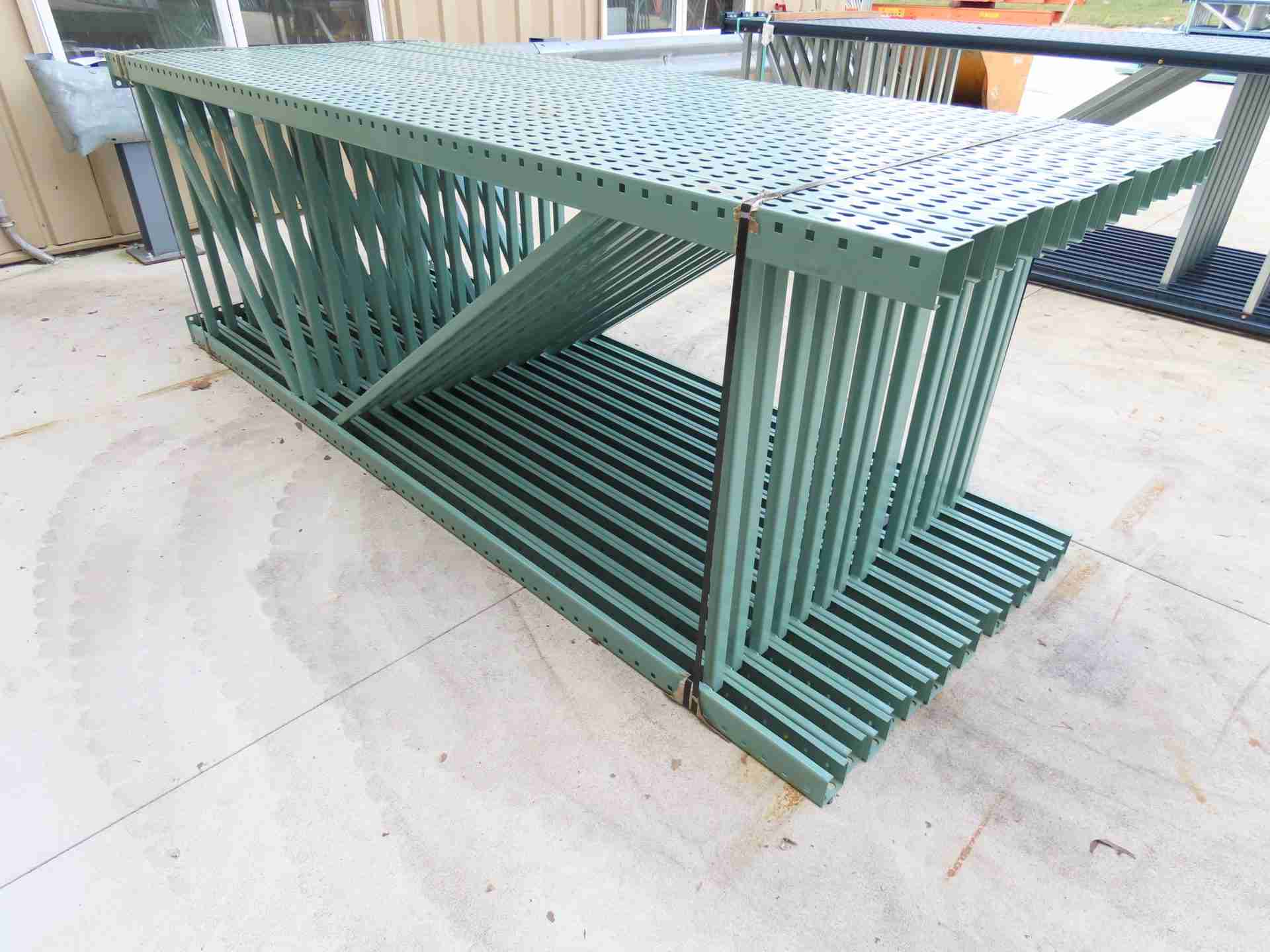
What Immediate Steps Can You Take for Safer Warehouse Storage?
Table Of Contents
- What Immediate Steps Can You Take for Safer Warehouse Storage?
- What Are The Key Safety Hazards In Warehouse Storage?
- How Can I Properly Label Hazardous Materials?
- What Are The Best Practices For Stacking Items Safely?
- How Should I Train Employees On Warehouse Safety Procedures?
- What Equipment Is Essential For Safe Material Handling?
- How Can I Improve Warehouse Lighting For Safety?
- Conclusion
- Other Resources
- Glossary Of Terms
- Other Questions
- Checklist
What Are The Key Safety Hazards In Warehouse Storage?
When it comes to warehouse storage, safety isn’t just a box to check; it’s a crucial pillar for your business’s success and longevity. Every time you walk onto your warehouse floor, you’re stepping into a space where efficiency meets potential risk. Are your pallet racking systems organized in a way that promises safety while maximizing space? Let’s explore the key hazards you need to watch for, turning your storage into a sanctuary of safety rather than a landscape of lurking dangers.
First off, think of your pallet racking. These towering structures are perfect for maximizing vertical space, but when improperly maintained or overloaded, they can create a recipe for disaster. A single poorly secured load can tumble, taking down everything in its path and threatening the safety of your valued team members. Regular inspections and compliant storage practices not only minimize risks but also contribute to a culture of safety where every employee feels empowered to speak up about potential hazards.
Next, let’s shine a light on visibility. A cluttered warehouse with poorly marked aisles can confuse workers and increase the likelihood of collisions. Clear signage, good lighting, and unobstructed walkways can make a world of difference. Ensure that your staff knows the specific routes to take when maneuvering around machinery or navigating through pallet racking. When people can see clearly, safety thrives.
Equipment operators also play a critical role. Ensuring your forklifts and pallet jacks are in excellent condition is non-negotiable. Training your employees to handle these machines correctly reduces the risk of accidents. A well-trained workforce is not just an asset; they are the backbone of your operation.
Don’t forget about the importance of personal protective equipment (PPE)! Helmets, steel-toed boots, and reflective vests can be the ultimate game-changer in keeping employees safe. Make PPE accessible and non-negotiable. The commitment to safety should radiate from leadership down to every team member.
Finally, embrace a culture of safety through ongoing training and open communication. Regular safety meetings and training refreshers build a strong foundation of awareness. Your employees will appreciate the value you place on their well-being, fostering loyalty and confidence in your leadership.
In warehouse storage, a proactive approach to identifying and mitigating safety hazards not only reflects well on your operational integrity but can also enhance productivity and morale. By prioritizing safety, you’re not just protecting your assets; you’re nurturing your most valuable resource—your people. So, take action today! Commit to a safer environment, and watch your business flourish.

What Are The Key Safety Hazards In Warehouse Storage?
What Are The Key Safety Hazards In Warehouse Storage?
- Safety is a crucial pillar for warehouse storage success and longevity.
- Properly maintained and organized pallet racking systems minimize risks and enhance safety.
- Visibility is key; clear signage, good lighting, and unobstructed walkways reduce collision risks.
- Well-maintained and correctly operated equipment, such as forklifts and pallet jacks, is essential for safety.
- Personal protective equipment (PPE) should be accessible and mandatory for all employees.
- Ongoing training and open communication foster a strong safety culture and employee loyalty.
- Proactively identifying and mitigating hazards enhances productivity and morale in the workplace.

What Are The Key Safety Hazards In Warehouse Storage?
How Can I Properly Label Hazardous Materials?
When it comes to hazardous materials, proper labeling isn’t just a good practice; it’s your ticket to safety, compliance, and peace of mind. It’s important that you not only keep your team and your environment safe but also create a well-organized space that fosters productivity. Yes, we’re talking about effectively labeling hazardous materials, and guess what? It’s easier than you might think!
First and foremost, let’s talk about the backbone of your warehouse or storage area: Pallet Racking. This sturdy framework is where your products reside, and it’s essential that everything stored on it is clearly labeled. Imagine a busy day in your facility when you need something quickly, only to find yourself rummaging through unlabeled containers. That’s chaos – and chaos can lead to accidents.
Here’s where effective labeling comes into play. Start with utilizing the right materials. Labels for hazardous materials should be bold, clear, and highly visible. Use contrasting colors that catch the eye, and don’t forget to include essential information like the type of hazard and appropriate safety precautions. Remember, a well-placed label not only communicates danger but also helps your staff avoid unnecessary risks.
Now, let’s dive deeper—consistency is key! Make sure that every label adheres to a standardized format. This way, your team can quickly identify the nature of a hazardous material without second-guessing. Include relevant icons and symbols that align with regulatory standards so everyone understands what they mean at a glance. It’s the clarity that builds trust among your staff.
And here’s a tip that many overlook: regularly review and update your labels, especially when materials change or new substances are introduced. Keeping your labels fresh and accurate isn’t just about compliance; it’s about cultivating a culture of safety and attention to detail.
In the lengthy journey of workplace safety, consider labeling your hazardous materials as the first step—a powerful commitment to protecting your team and your bottom line. The more effort you put into this aspect of your operations, the more you’ll inspire confidence within your workforce. When they can see that you take safety seriously, they’ll mirror that attitude, creating a proactive environment.
So, take action now. Get ready to transform your workspace, starting with effective labeling of hazardous materials. Your team will thank you, your operations will run smoother, and your commitment to safety will shine through in everything you do.

How Can I Properly Label Hazardous Materials?
How Can I Properly Label Hazardous Materials?
- Proper labeling of hazardous materials ensures safety, compliance, and peace of mind.
- Pallet racking serves as the backbone of storage areas, requiring clear labeling for efficient access.
- Labels should be bold, clear, contrasting in color, and include hazard type and safety precautions.
- Consistency in labeling format aids quick identification and builds trust among staff.
- Utilize relevant icons and symbols that align with regulatory standards for easy comprehension.
- Regularly review and update labels to maintain compliance and enhance workplace safety culture.
- Investing in effective labeling fosters a proactive safety environment and increases workforce confidence.

How Can I Properly Label Hazardous Materials?
What Are The Best Practices For Stacking Items Safely?
When it comes to stacking items, the philosophy isn’t just about piling things up and hoping for the best. It’s about fostering a safe, organized environment that boosts productivity and keeps everyone secure. You wouldn’t trust a shaky foundation when building your dreams, and the same applies to your storage solutions. This is where the principles of effective pallet racking come into play.
First and foremost, know your load limits. Every shelf, every pallet has a specific capacity it can handle. Overloading can lead to catastrophic failures—think tumbling boxes and damaged goods. By understanding the maximum weight each level of your pallet racking can support, you’re not just following rules; you’re valuing the integrity of your inventory and the safety of your team.
Next, consider stability in your stacking. When you’re putting items together, think about how they fit into the overall structure. For instance, heavier items should always go at the bottom, creating a solid base. Lighter, more fragile items can then be perched above, where they can be accessed easily without being at risk of being crushed. This simple strategy not only safeguards your products but also eliminates the time wasted searching for misplaced items.
Also, let’s talk about organization. A cluttered space does more than just up the ante on safety risks; it’s a productivity killer. Utilize clear labeling and follow a structured stacking system. This approach does wonders for efficiency, allowing your team to find what they need swiftly, reducing frustration and the risk associated with haphazard searching.
One often overlooked aspect is regular inspections of your storage solutions. Engage with your pallet racking system as if it were a key member of your team. A quick check to ensure everything is stable and secure can prevent accidents and help maintain an orderly workspace. If you spot any potential issues, address them immediately. Your team—and your bottom line—will thank you.
Lastly, invest in training. Your team must understand the importance of stacking items safely and the principles behind pallet racking. Regular training sessions will reinforce best practices, evolving your workplace culture toward safety-first thinking.
Incorporating these best practices will not only create a safer workspace but will inspire confidence within your team. Trust is built on understanding, and when everyone is on the same page, you’ll find that the collective culture of safety and organization enhances productivity, all while safeguarding the assets you’ve worked so hard to build.

What Are The Best Practices For Stacking Items Safely?
What Are The Best Practices For Stacking Items Safely?
- Effective stacking is about creating a safe, organized environment to boost productivity.
- Understand load limits for shelves and pallets to prevent overloading and potential failures.
- Stack heavier items at the bottom for stability, with lighter items above to prevent damage.
- Maintain organization with clear labeling and a structured stacking system to enhance efficiency.
- Regularly inspect pallet racking systems to ensure they are stable and secure, preventing accidents.
- Invest in regular training for your team to emphasize the importance of safe stacking practices.
- Implementing these practices fosters a culture of safety and organization, boosting team confidence and productivity.

What Are The Best Practices For Stacking Items Safely?
How Should I Train Employees On Warehouse Safety Procedures?
Training your employees on warehouse safety procedures isn’t just a checkbox on your compliance list; it’s a critical investment in your most valuable asset—the people who keep your operation running smoothly. When it comes to ensuring a safe environment, knowledge isn’t power; applied knowledge is power. Here’s how you can turn your warehouse into a haven of safety and efficiency, where every employee feels equipped and empowered.
Start With A Strong Foundation
First, establish a culture of safety. This isn’t merely about drills or safety sheets; it’s about creating a mindset where every employee feels a personal responsibility toward safety. This journey begins with a comprehensive introduction to the essentials. Teach your team about the importance of proper pallet racking techniques, which can prevent accidents and injuries related to falling loads. Let them understand the “why” behind the rules; when people see the bigger picture, they become more invested.
Hands-On Training Is Crucial
Theory alone won’t cut it in a bustling warehouse environment. Engage your employees with hands-on training that mimics real-life scenarios. Equip them with the tools they need to deal with obstacles effectively—like how to navigate pallet racking setups safely or the correct way to lift and move heavy items. Role-playing is an especially useful tactic; the more they practice, the more instinctive their responses will become when they face actual situations on the job.
Encouraging Communication
Create an open dialogue about safety. Encourage employees to speak up if they see a potential hazard—be it improper use of pallet racking or inadequate safety gear. A safe warehouse thrives on communication, where every voice matters, and everyone feels safe vocally advocating for their safety and that of their peers.
Regular Check-Ins and Refreshers
Training shouldn’t be a one-off event. Schedule regular safety refresher courses and assessments to ensure the policies stay fresh in everyone’s mind. Take the time for supervised walkthroughs of the warehouse, giving employees the opportunity to identify potential hazards, including those related to pallet racking, before they become issues.
Lead by Example
Finally, lead by example. When management prioritizes safety, employees are likely to mirror that behavior. Create a transparent environment where safety is seen as a priority, not a burden. Your approach will inspire confidence and foster trust—a well-trained, safety-conscious team is more likely to perform at their best.
By investing in effective training on warehouse safety procedures, you’re not just minimizing risks; you’re fostering a culture of care, responsibility, and professionalism that echoes throughout your organization.
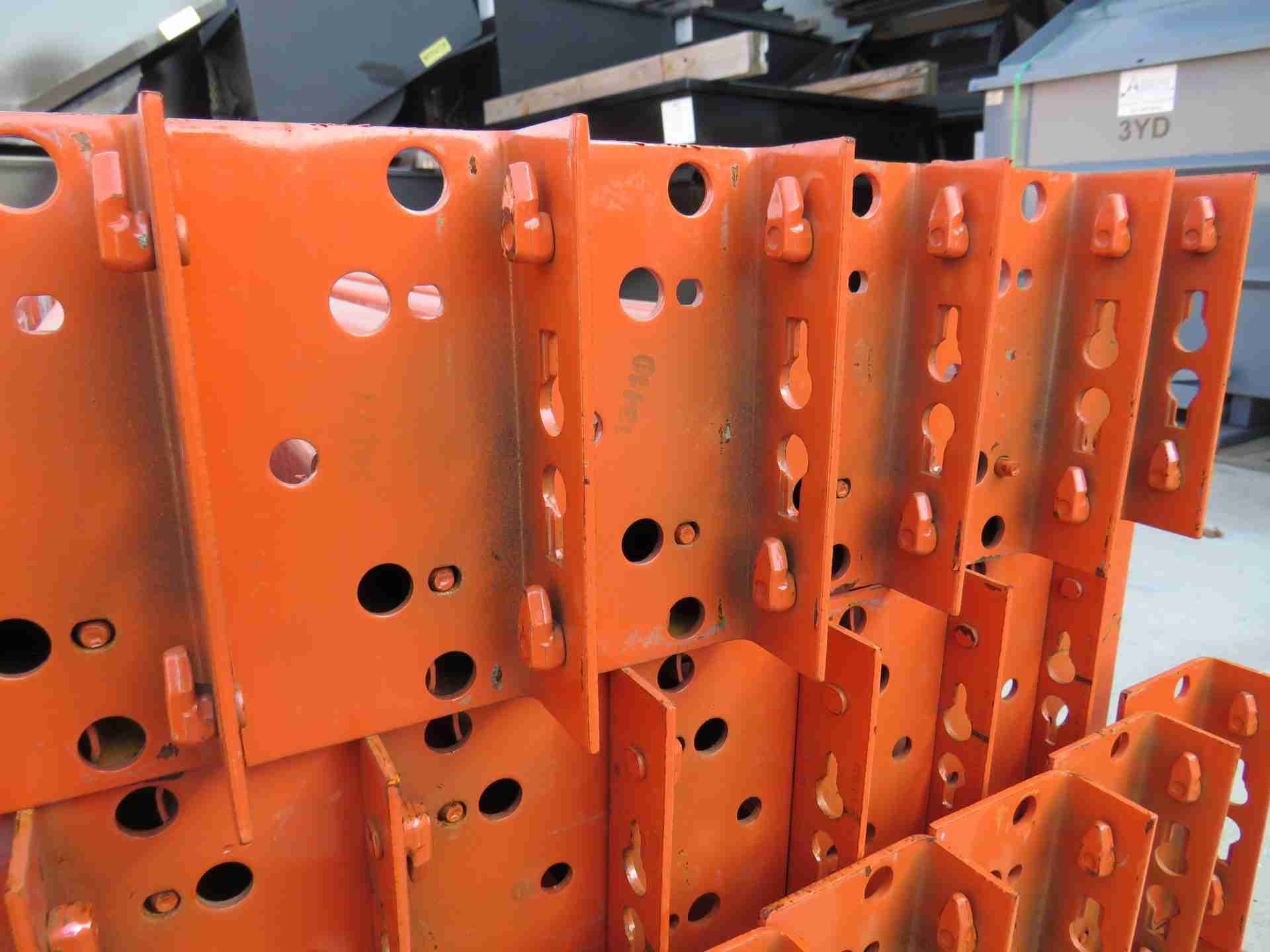
How Should I Train Employees On Warehouse Safety Procedures?
How Should I Train Employees On Warehouse Safety Procedures?
- Training on warehouse safety is a vital investment in employee well-being and operational efficiency.
- Establish a culture of safety by teaching employees about proper pallet racking techniques and the reasons behind safety rules.
- Implement hands-on training with real-life scenarios to help employees develop instinctive responses to obstacles.
- Encourage open communication about safety, allowing employees to report hazards and share concerns.
- Schedule regular safety refresher courses and walkthroughs to keep safety practices fresh and relevant.
- Management should lead by example, prioritizing safety to inspire confidence and trust among employees.
- Effective training fosters a culture of care and professionalism, minimizing risks across the organization.

How Should I Train Employees On Warehouse Safety Procedures?
What Equipment Is Essential For Safe Material Handling?
When it comes to material handling, having the right equipment isn’t just important—it’s essential. It’s the difference between safe, efficient operations and a chaotic, potentially hazardous environment. Let’s break it down to ensure your workspace runs like a well-oiled machine, inspiring confidence and safety in you and your team.
First on the list is pallet racking. Imagine a warehouse where every inch of space is maximized while still being organized. Pallet racking systems offer the perfect solution, allowing you to store goods efficiently and securely. But they’re not just about vertical storage; they also help keep your products accessible, reducing the risks associated with excess clutter and improper lifting. Investing in quality pallet racking systems can transform your workflow, making every loading and unloading session a breeze.
But what good is your pallet racking without the right accessories? Enter the do-it-yourself pro’s best buddy: pallet jacks. Pallet jacks make moving heavy loads as simple as a few firm pushes. They are perfect for the back-and-forth transport of goods between your pallets and aisles, cutting down on strain and ensuring that your team can work smarter, not harder. Think about how much time and energy can be saved when your team utilizes these tools correctly instead of relying on brute force.
Another piece of equipment that should never be overlooked is the forklift. It’s a classic, and for good reason! Forklifts allow you to effectively lift and move materials stacked high on your pallet racking systems. However, it’s crucial that your team is properly trained to operate this powerful machinery for everyone’s safety and efficiency. Authorized training ensures your operators are well-versed in not just using a forklift, but also in recognizing potential hazards in real-time.
Finally, let’s not forget about personal protective equipment (PPE)—the first line of defense against workplace injuries. Hard hats, steel-toed boots, and high-visibility vests are essential for anyone operating near heavy materials. By encouraging the use of PPE, you cultivate a culture where safety is prioritized, and your employees feel valued and protected.
By investing in these essential tools and equipment, you not only boost productivity but also enhance safety. When your team knows that they have the best possible gear for the job, it fosters trust and confidence in the workspace, making them not just employees, but empowered contributors to your vision. So, ensure you’re equipped for success—because in material handling, it’s not just about moving items; it’s about moving them safely and effectively.

What Equipment Is Essential For Safe Material Handling?
What Equipment Is Essential For Safe Material Handling?
- The right equipment is crucial for safe and efficient material handling operations.
- Pallet racking maximizes warehouse space and keeps products organized and accessible.
- Pallet jacks simplify the movement of heavy loads, reducing strain on workers.
- Forklifts are essential for lifting materials stored on pallet racking systems; proper training is necessary for safety.
- Personal protective equipment (PPE) such as hard hats and steel-toed boots is essential for preventing workplace injuries.
- Investing in the right tools enhances productivity and fosters a culture of safety among employees.
- Equipping your team effectively promotes trust and ensures that material handling is done safely and efficiently.

What Equipment Is Essential For Safe Material Handling?
How Can I Improve Warehouse Lighting For Safety?
When it comes to warehouse safety, lighting is often overlooked, yet it’s a crucial element that can make or break the safety of your operations. Imagine navigating a sprawling warehouse filled with pallet racking, where shadows lurk in the corners and dim areas can hide potential hazards. Isn’t it time to cast light on these problems?
First and foremost, consider the layout of your facility. Are there dark corners where essential tasks are being performed? Investing in high-quality LED lighting not only brightens those areas but also enhances visibility, allowing your team to spot even the smallest pitfalls that could lead to an injury. Remember, a well-lit environment is a proactive measure; it’s about prevention, not merely compliance!
You should explore the benefits of strategically placing lighting near pallet racking lanes. Proper illumination around these critical storage areas ensures that your employees can easily identify products and navigate the aisles without risk. This isn’t just about aesthetics; it’s about operational efficiency. Employees who can see clearly are more productive and less prone to accidents.
Let’s not forget about the importance of maintaining and regularly reviewing your lighting systems. Dust and grime can quickly dull the brightness of your lights. Schedule routine maintenance checks to ensure that lights are functioning at optimal levels. A little care goes a long way and reassures your workforce that their safety is a top priority.
Moreover, think about including motion-sensor technology in your lighting design. This modern twist not only saves energy costs but also ensures that lights are activated whenever someone enters a dim area. It’s a win-win: improved safety for your employees and efficiency for your bottom line.
Finally, don’t underestimate the power of employee training regarding warehouse lighting safety. Ensuring that your team understands the value of their environment empowers them to be proactive in their roles. When they feel safe and confident in their workspace, it reflects in their productivity and morale.
Transforming your warehouse into a well-lit sanctuary isn’t just an investment in infrastructure—it’s an investment in your people. Embrace this challenge and let light guide you to a safer, more efficient operation. Your workforce, and your profits, deserve nothing less!

How Can I Improve Warehouse Lighting For Safety?
How Can I Improve Warehouse Lighting For Safety?
- Warehouse lighting is often overlooked but is crucial for operational safety.
- Investing in high-quality LED lighting improves visibility and helps identify hazards easily.
- Strategically placing lights near pallet racking enhances employee navigation and productivity.
- Regular maintenance of lighting systems is essential to maintain optimal brightness and safety.
- Incorporating motion-sensor technology can reduce energy costs while improving safety.
- Employee training on warehouse lighting safety empowers staff and boosts morale.
- Improving warehouse lighting is an investment in both infrastructure and employee well-being.

How Can I Improve Warehouse Lighting For Safety?
Conclusion
In conclusion, prioritizing warehouse safety is not merely an option; it’s a vital commitment that directly influences your operational efficiency and long-term success. The insights we’ve explored—ranging from investing in quality pallet racking systems to fostering a robust culture of safety—offer actionable strategies that can dramatically enhance the wellbeing of your team and the integrity of your inventory.
As we’ve discussed, one of the most immediate steps you can take is to invest in durable, high-quality pallet racking. This backbone of any storage solution not only maximizes space but also ensures that your goods are stored securely, minimizing the risk of accidents. Coupled with clear practices and labeling systems, these measures lay the groundwork for an organized environment where safety thrives. Your commitment to safety cultivates trust among employees, aligning them with your vision and empowering them to contribute positively to your business.
Training your workforce cannot be overstated. A well-informed team, engaged in hands-on learning, is best equipped to navigate the unique challenges of your warehouse environment. Regular safety training, ongoing inspections, and fostering open communication about hazards create an ecosystem where every employee feels responsible for their own safety and that of their colleagues. Not only does this reduce incidents, but it also promotes a culture where safety is deeply ingrained in every task.
Furthermore, enhancing visible safety measures like improved lighting can transform your workspace. Properly illuminated areas reduce the chance of mistakes and accidents, while also bolstering morale and productivity. And let’s not forget the essential role of personal protective equipment—making it accessible and mandatory reinforces your dedication to a secure operational paradigm.
To encapsulate, the path to a safer warehouse is marked by immediate, proactive steps. Don’t let your business fall into the traps of complacency. Every moment that passes without these measures in place is a step closer to potential disaster. Today is the day to take action.
For more information and guidance on enhancing your warehouse safety protocols, contact Arrow Industrial Sales at (574) 349-6575. Your team’s safety and your bottom line deserve your attention—and they deserve the best. Don’t wait; make the move toward a safer, more productive storage environment today!
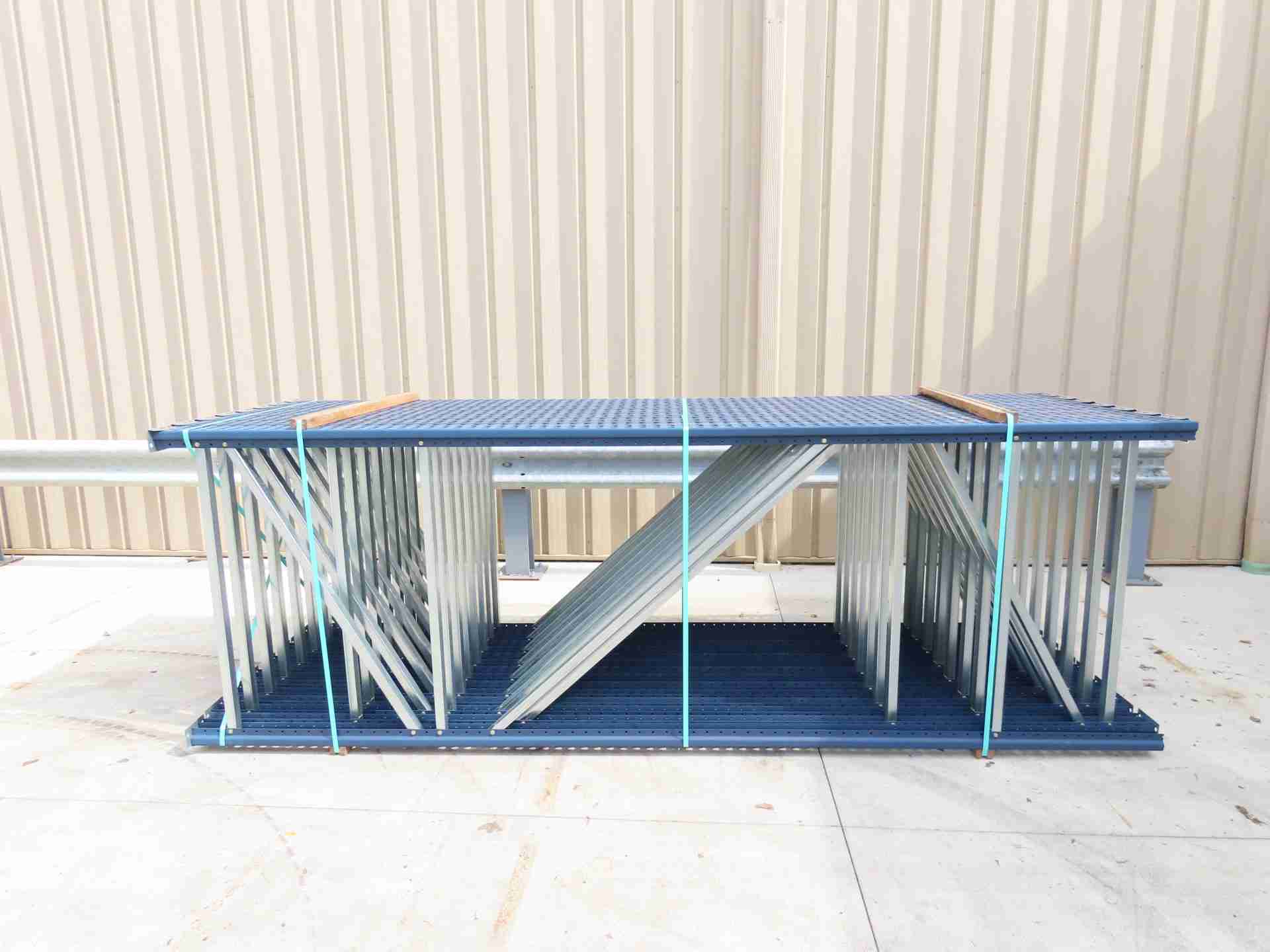
Conclusion
Conclusion:
- Prioritizing warehouse safety is a vital commitment that impacts operational efficiency and long-term success.
- Investing in high-quality pallet racking systems maximizes space and enhances product security, reducing accident risks.
- Implement clear practices and labeling systems to foster an organized environment that promotes safety.
- Regular training and empowerment of employees help cultivate a safety-conscious culture within the warehouse.
- Enhancing visible safety measures, such as proper lighting, improves workspace safety and boosts morale and productivity.
- Utilizing personal protective equipment (PPE) reinforces the commitment to a secure operational environment.
- Immediate action is essential to avoid complacency and potential disasters; make safety enhancements a priority today.

Conclusion
Other Resources
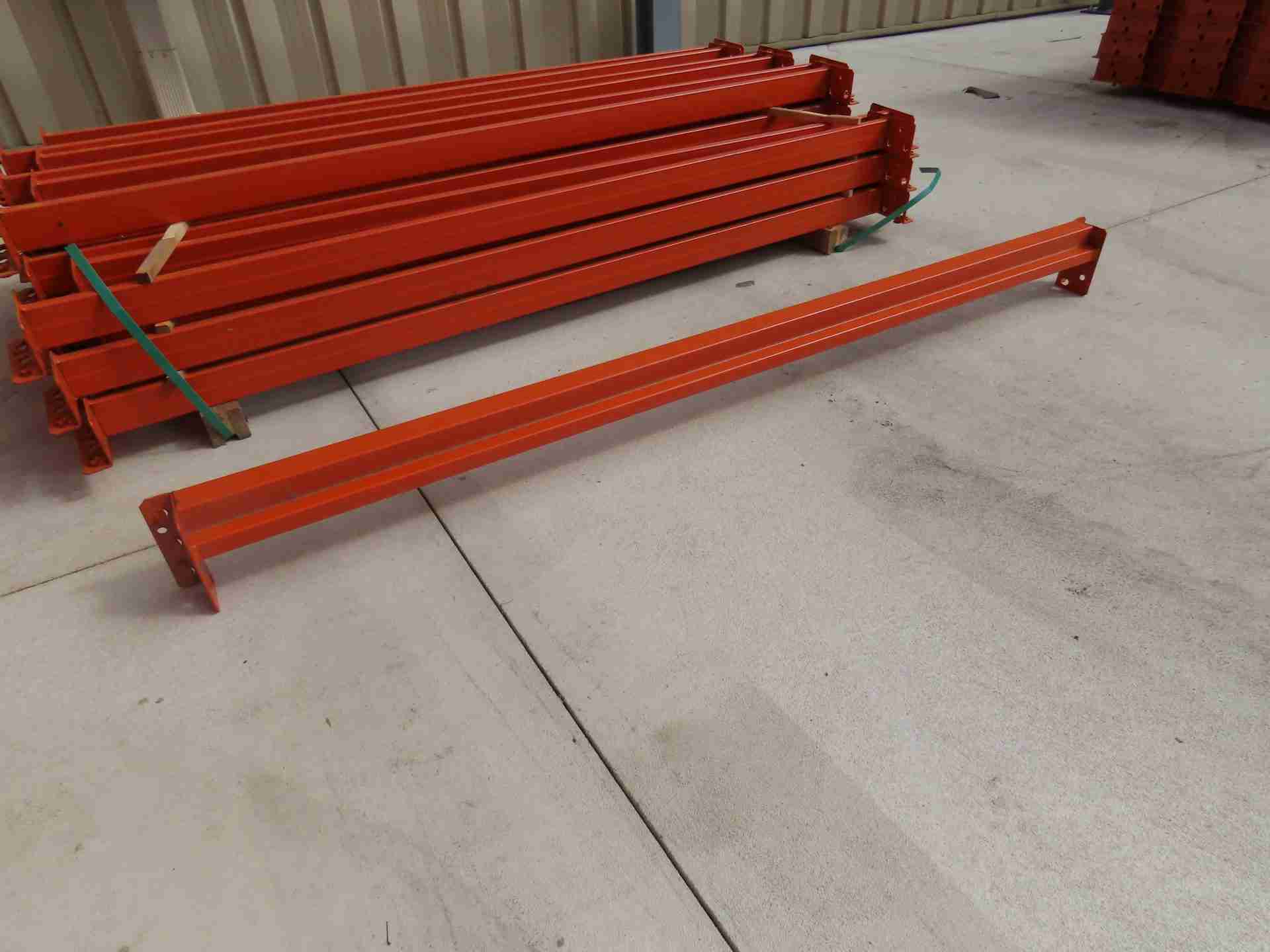
Other Resources
Here is a list of other resources you can review online to learn more:
- Interlake Mecalux
- Interlake
- Crane Manufacturers Association Of America Inc.
- International Warehouse Logistics Association
- RMI
- Storage Equipment Manufacturers Association
- Bradford Systems
- Selective Pallet Racking Systems
- ASSP
- Warehouse Automation
Use This Prompt To Get More Resources With Your Favorite Online AI Tool: Please provide me with a list of online articles with their URLs in a bulleted list that I can read regarding What Immediate Steps Can You Take for Safer Warehouse Storage?

Other Resources
Glossary Terms
What Immediate Steps Can You Take for Safer Warehouse Storage? – Glossary Of Terms
1. Hazard Identification: The process of recognizing potential sources of harm in the warehouse environment, including materials, equipment, and layout.
2. Safety Audit: A systematic evaluation of current safety practices, equipment, and regulations within the warehouse to identify areas for improvement.
3. Pallet Racking: A storage system designed to hold materials in a warehouse, which should be secured and not overloaded to prevent accidents.
4. Personal Protective Equipment (PPE): Wearable gear designed to protect employees from hazards, including helmets, gloves, and safety shoes.
5. Ergonomics: The study of designing workspaces that fit the physical needs of workers to reduce strain and injury.
6. Fire Safety Plan: A documented strategy for preventing, responding to, and recovering from fire-related incidents in the warehouse.
7. Clear Aisles: Ensuring walkways and operational areas are free from obstructions to facilitate movement and reduce tripping hazards.
8. Training Programs: Structured educational courses designed to inform employees about safety procedures, equipment use, and emergency responses.
9. Material Handling Equipment: Tools used for moving, storing, and controlling materials in a warehouse, such as forklifts and pallet jacks.
10. Load Limits: Maximum weight capacities designated for storage systems or equipment to prevent failure and accidents.
11. Emergency Exits: Clearly marked pathways leading to safety during an emergency situation, which must be unobstructed at all times.
12. Regular Inspections: Routine checks of equipment, storage areas, and safety measures to identify and rectify issues before they become dangerous.
13. Chemical Management: Proper storage and documentation of hazardous substances used in the warehouse to minimize health risks and ensure safety compliance.
14. Signage: Visual indicators that provide information about hazards, safety protocols, and emergency procedures throughout the warehouse.
15. Segregation of Materials: The practice of storing different types of materials separately to prevent incompatible substances from causing safety hazards.
16. Incident Reporting: The procedure for documenting accidents and near misses to improve safety practices and prevent future occurrences.
17. Loading Dock Safety: Precautions taken at the emergency loading and unloading areas to ensure the safety of workers and vehicles.
18. Workplace Organization: The systematic arrangement of tools, materials, and equipment to promote efficiency and safety.
19. Shelving Systems: Storage solutions that provide vertical space to organize goods but need to be designed and installed correctly to avoid toppling.
20. Emergency Response Plan: A detailed outline of actions to be taken during emergencies, including evacuation routes and first aid protocols.
21. Forklift Safety: Practices and training related to the safe operation of forklifts, including inspections, maintenance, and operator certification.
22. Behavior-Based Safety: A safety approach that focuses on worker behavior as a key factor in accident prevention and encourages safe actions.
23. Slip-Resistant Flooring: Specialized flooring that reduces the risk of falling, especially in areas prone to spills or wet conditions.
24. First Aid Kit: A collection of medical supplies and equipment ready for use during minor injuries or emergencies within the workforce.
25. Regular Maintenance: The systematic service of equipment and storage systems to ensure they remain in safe operating condition.
26. Communication Protocols: Established methods for relaying safety information and emergency alerts among employees in the warehouse.
27. Access Control: Restricted entry measures to prevent unauthorized access to hazardous areas or materials in the warehouse.
28. Workplace Culture: The collective practices, values, and attitudes toward safety that influence employee behavior and safety compliance.
29. Lockout/Tagout (LOTO): A safety procedure used to ensure that machines are properly shut off and not started up again until maintenance is completed.
30. Continuous Improvement: An ongoing effort to enhance safety measures and warehouse practices through regular assessment and feedback.

Glossary Of Terms
Other Questions
What Immediate Steps Can You Take for Safer Warehouse Storage? – Other Questions
If you wish to explore and discover more, consider looking for answers to these questions:
- What specific types of pallet racking are best for different warehouse needs?
- What regulations govern warehouse safety that I should be aware of?
- How can I assess the effectiveness of my current safety measures?
- What are the signs that my warehouse environment is unsafe?
- How do I create an emergency response plan for warehouse incidents?
- What types of personal protective equipment (PPE) are necessary in a warehouse?
- How often should I conduct safety training and drills for employees?
- What should be included in a warehouse safety audit checklist?
- How can I improve employee engagement in safety practices?
- What steps can I take to reduce the risk of accidents related to heavy lifting?
- How often should I inspect my material handling equipment?
- What are the costs associated with improving warehouse safety measures?
- How can technology be used to enhance warehouse safety?
- What are common misconceptions about warehouse safety procedures?
- How do I handle hazardous materials safely and in compliance with regulations?

Other Questions
Checklist
What Immediate Steps Can You Take for Safer Warehouse Storage? – A Checklist
Checklist for Safer Warehouse Storage
Immediate Steps to Enhance Safety in Your Warehouse
1. Invest in Quality Pallet Racking
_____ Ensure pallet racks are designed for the specific weight and size of your inventory.
_____ Secure racking systems to the floor.
_____ Schedule regular inspections for signs of wear or damage.
2. Implement Clear Practices and Procedures
_____ Establish clear protocols on how items should be stored and handled.
_____ Utilize a proper labeling system for easy identification.
_____ Designate zones for different product types to reduce confusion.
3. Train Your Team
_____ Provide comprehensive training focused on safety protocols and best practices.
_____ Utilize interactive methods (quizzes, discussions, drills) to reinforce learning.
_____ Foster a safety-first mindset among all employees.
4. Conduct Regular Inspections and Maintenance
_____ Establish a routine for inspecting pallet racking systems and overall warehouse conditions.
_____ Ensure pathways are clear to prevent accidents.
_____ Keep an open culture for discussing and addressing safety concerns.
5. Enhance Visibility within the Warehouse
_____ Ensure adequate lighting throughout the facility.
_____ Utilize clear signage to mark aisles and storage areas.
_____ Observe and eliminate any dark corners or areas that compromise visibility.
6. Invest in Essential Equipment for Safe Material Handling
_____ Utilize pallet jacks and forklifts and ensure proper training for operators.
_____ Provide personal protective equipment (PPE) for all employees.
_____ Regularly maintain and inspect all handling equipment.
7. Ensure Proper Labeling of Hazardous Materials
_____ Use bold, clear, and contrasting labels on hazardous materials.
_____ Adhere to standardized labeling formats for consistency.
_____ Regularly review and update labels as materials change.
8. Follow Best Practices for Stacking Items Safely
_____ Understand and respect load limits for each shelf or pallet.
_____ Stack heavier items at the bottom, with lighter items above.
_____ Organize and label stacks for efficiency and safety.
9. Cultivate a Culture of Safety Awareness
_____ Foster open communication regarding safety and hazard reporting.
_____ Conduct regular safety meetings and refresher training sessions.
_____ Lead by example—management should model safety priorities.
10. Improve Warehouse Lighting for Safety
_____ Install high-quality lighting in all work areas, focusing on critical zones and pallet racking.
_____ Schedule routine maintenance checks on lighting systems.
_____ Consider motion-sensor lighting to promote efficiency and safety.
Action Steps Success
_____ Clearly communicate these practices to all employees.
_____ Create a monitoring system to ensure compliance and improvement.
_____ Review and update safety protocols regularly based on feedback and incident reports.
By implementing these safety measures, you can create a more secure and efficient warehouse environment, ultimately enhancing employee well-being and operational productivity.

Checklist
At RackingWorld, we help guide you through selecting warehouse storage systems and racking.
Be sure to read our other related stories at RackingWorld to learn more about warehouse storage systems.
0 Comments