
Maximize Warehouse Efficiency: Solutions For Storage Complaints
By Tom Seest
At RackingWorld, we help guide you through selecting warehouse storage systems and racking.
Be sure to read our other related stories at RackingWorld to learn more about warehouse storage systems.
Are Colleagues Complaining About Warehouse Storage Inefficiencies?
Picture this: it’s a typical day at your warehouse. The sounds of clattering equipment and bustling workers create a symphony of productivity. But beneath that surface, you can hear whispers – frustrations echoing off the walls. “Why can’t we find anything?” “We need more space!” “This is wasting our time!” If you find yourself nodding along, it might be time to confront the elephant in the room: inefficiencies in your warehouse storage.
As the lifeblood of your operations, your warehouse should run like a well-oiled machine. When that machine starts to sputter, it’s crucial to address the issues before they snowball into major setbacks. Many warehouses struggle with poorly organized spaces, leading to lost time and dwindling morale among staff. It’s not just about finding the right items; it’s about fostering an environment where your team feels empowered to perform their best work.
One of the most effective solutions for combating these frustrations is upgrading to proper Pallet Racking systems. Imagine a neat, organized space where your colleagues can easily navigate aisles, find what they need, and get back to work without unnecessary delays. Pallet Racking isn’t just an investment in space; it’s an investment in your people. When employees are no longer hindered by clutter and chaos, not only will productivity soar, but the overall workplace environment will drastically improve.
Do your colleagues need to dig through piles of boxes just to fulfill simple requests? This chaotic approach not only decreases efficiency but heightens the risk of mistakes, ultimately leading to dissatisfied customers. By switching to smart Pallet Racking solutions, you can create a streamlined process that eliminates those headaches. Consider how good it will feel to turn those complaints around, transforming that frustration into a newfound sense of pride in individual contributions.
Taking the leap towards better organization doesn’t merely solve problems; it inspires confidence. Your team will trust in the system—and in you as a leader who listens and acts. Once the whispers of complaint fade away, you’ll witness an uplifting shift in team morale and a clear pathway to enhanced efficiency. Don’t let inefficiencies hold you back. Empower your warehouse with solutions that resonate, and watch not just productivity but entire team culture transform. Now’s the time to act; your colleagues—and your bottom line—will thank you.

Are Colleagues Complaining About Warehouse Storage Inefficiencies?
Are Colleagues Complaining About Warehouse Storage Inefficiencies?
- Warehouse inefficiencies often lead to frustrations among staff, such as difficulty finding items and a lack of space.
- Properly organized warehouses enhance productivity and morale, allowing employees to perform at their best.
- Upgrading to Pallet Racking systems can significantly improve organization and efficiency in the workspace.
- Effective Pallet Racking solutions facilitate easy navigation and reduce the time spent searching for items.
- Streamlining warehouse processes minimizes mistakes, ultimately leading to greater customer satisfaction.
- Enhanced organization fosters team confidence and trust in leadership, transforming workplace culture.
- Addressing warehouse inefficiencies now can lead to improved productivity and a more positive environment for all employees.

Are Colleagues Complaining About Warehouse Storage Inefficiencies?
Table Of Contents
- Are Colleagues Complaining About Warehouse Storage Inefficiencies?
- What Are The Main Causes Of Warehouse Storage Inefficiencies?
- How Can We Assess Our Current Storage Layout?
- What Tools Can Help Optimize Warehouse Space?
- Are We Utilizing Vertical Storage Options Effectively?
- How Can Technology Improve Our Storage Processes?
- What Are The Best Practices For Inventory Management?
- Conclusion
- Other Resources
- Glossary Of Terms
- Other Questions
- Checklist
What Are The Main Causes Of Warehouse Storage Inefficiencies?
Imagine stepping into a bustling warehouse, where products swirl around like a well-choreographed dance. Wouldn’t it be satisfying to see that smooth flow? Unfortunately, many warehouses fall victim to storage inefficiencies that tarnish this vision. So, what’s holding your warehouse back from achieving its potential? Let’s explore the culprits that could be lurking in the shadows, waiting to siphon your productivity.
One major player in the game of inefficiencies is poor organization. Have you ever noticed how a disorganized space can add chaos to an otherwise well-intentioned operation? When items aren’t stored logically, employees waste precious time sorting through piles of products. This doesn’t just drain their energy; it also leads to wasted resources. Simply put, a cluttered warehouse leads to cluttered minds—and nobody wants that!
Next up on our list is ineffective use of pallet racking. While these structures are designed to maximize vertical space, they can quickly become a liability if not utilized correctly. Do you have the right type of racking for your products? Is it installed in a way that optimizes flow? A poorly arranged pallet racking system can cause bottlenecks, making it difficult to retrieve items swiftly. This is a costly mistake that can stall operations and frustrate your team.
Another often overlooked cause of inefficiency is inadequate training. A warehouse is only as strong as its workforce. If staff members aren’t schooled on the best practices for storage and retrieval, they may inadvertently create unnecessary hurdles. Investing time and resources in proper training can bridge the gap and ensure that everyone is on the same page. And what’s the result? A seamless and more productive operation.
Lastly, we can’t talk about inefficiencies without addressing outdated technology. In a world where innovation is the norm, using old systems can lead to more confusion than clarity. Outdated software and equipment may hinder data accuracy and slow down the entire process. Upgrading technology is not merely a luxury; it’s a necessity for maintaining competitiveness in the warehouse sector.
So, if you’re feeling the weight of inefficiencies dragging your warehouse down, it might be time for a strategy overhaul. Whether it’s reorganizing your pallet racking, improving training, or investing in technology, taking action today can transform your warehouse into the well-oiled machine it should be. Remember, in the world of logistics, efficiency isn’t just an inspiration; it’s your ticket to success.

What Are The Main Causes Of Warehouse Storage Inefficiencies?
What Are The Main Causes Of Warehouse Storage Inefficiencies?
- Many warehouses suffer from storage inefficiencies that hinder productivity.
- Poor organization leads to wasted time and resources, causing chaos in operations.
- Ineffective use of pallet racking can create bottlenecks and impede item retrieval.
- Inadequate training contributes to unnecessary hurdles within the workforce.
- Investing in proper training ensures staff are aligned and operating efficiently.
- Outdated technology can cause confusion and slow down processes, affecting data accuracy.
- Addressing these inefficiencies through strategic changes can enhance warehouse operations.

What Are The Main Causes Of Warehouse Storage Inefficiencies?
How Can We Assess Our Current Storage Layout?
When it comes to running a successful operation—whether you’re managing a bustling warehouse or a small retail space—your storage layout plays a pivotal role. But how do you know if your current setup is optimized for efficiency, productivity, and, ultimately, profitability? It starts with a thorough assessment. Here’s how you can embark on this journey with confidence.
First and foremost, take a step back and visualize your entire space. This isn’t merely about seeing how many square feet you have—it’s about recognizing the opportunity to maximize every inch. Start with the foundation of many warehouses: your pallet racking systems. Examine how well they are organized. Is your pallet racking efficiently positioned to facilitate easy access to frequently picked items? Or is it becoming a maze of confusion? A simple evaluation can illuminate potential bottlenecks, allowing you to reconfigure your layout for fluidity.
Next, engage your team in the process. Your staff interacts with the storage layout daily; their insights can be invaluable. Host a casual brainstorming session over coffee. Encourage open dialogue about what works and what doesn’t. This collaborative approach not only fosters trust but also ensures that everyone is onboard with any decisions made moving forward.
Don’t overlook technological solutions in this assessment! With modern inventory management systems, tracking storage efficiency has never been easier. Many tools can provide analytics that highlights the most accessed items, allowing you to reorganize based on actual usage rather than assumptions. Imagine being able to step into your space and instantly recognize the areas that need fine-tuning!
Additionally, consider safety in your evaluation. A cluttered storage layout not only hampers productivity but can also make your environment perilous. Ensure that walkways are clear, and that pallet racking is secure and compliant with safety standards. A safe environment fosters confidence, allowing your team to operate at peak performance.
Assessing your current storage layout should feel like an exciting challenge rather than a daunting task. Embrace the opportunity to discover new efficiencies and tap into your space’s potential. Not only will this enhance your operation’s overall performance, but it will also empower your team and streamline your operations. Ready to roll up your sleeves and create a more productive and profitable environment? The first step starts with you!

How Can We Assess Our Current Storage Layout?
How Can We Assess Our Current Storage Layout?
- Storage layout is crucial for the success of any operation, from warehouses to retail spaces.
- Begin with a thorough assessment of your current setup to ensure optimization for efficiency and profitability.
- Visualize the entire space, focusing on maximizing every inch, particularly your pallet racking systems.
- Engage team members for insights through brainstorming sessions, encouraging open dialogue about the layout.
- Utilize modern inventory management systems for tracking storage efficiency and reorganizing based on actual usage.
- Prioritize safety by ensuring walkways are clear and pallet racking is secure, complying with safety standards.
- Embrace the assessment process as an opportunity for improvement, empowering your team and enhancing overall performance.

How Can We Assess Our Current Storage Layout?
What Tools Can Help Optimize Warehouse Space?
In the bustling world of logistics and inventory management, the quest for optimal warehouse space is both a challenge and an opportunity. Imagine transforming your warehouse from a chaotic maze to a finely-tuned operation, where every inch is strategically utilized. With the right tools, you can redefine efficiency levels and profitability. Let’s delve into the solutions that can make this transformation not just possible, but absolutely achievable.
Pallet Racking is perhaps the cornerstone of modern warehouse optimization. This dynamic shelving system allows you to maximize vertical space, enabling you to stack pallets up high without sacrificing access or safety. Choosing the right type of pallet racking—be it selective, drive-in, or push-back—depends on your specific needs and inventory turnover. The beauty lies in versatility; it adapts as your inventory changes, ensuring that every square foot counts.
But don’t stop there. Consider integrating warehouse management software (WMS) into your operations. This tool amasses data that provides clarity and insights into your inventory patterns, enabling you to make informed decisions. No more guesswork! Instead, clearly see what moves quickly and what sits stagnant. A top-notch WMS can help you reduce overstock and streamline order picking, all while keeping your team focused and efficient.
Next, think about automated storage and retrieval systems (AS/RS). Sounds fancy, right? But these solutions simply streamline the process, allowing for quicker inventory handling and minimizing human error. Imagine robots seamlessly navigating your space to retrieve and store products while your staff focuses on more critical tasks. The result? Increased productivity and a happier workforce.
Another valuable tool is smart analytics. Leverage data to not only monitor space utilization but also predict future needs. By analyzing trends, you can preemptively adjust to fluctuations or seasonal demands, ensuring you’re never caught off guard. This proactive approach creates a solid foundation for running a well-oiled machine that’s not just reactive, but forward-thinking.
Lastly, don’t overlook the importance of employee training. A well-trained team knows how to utilize these tools effectively, ensuring that everything from pallet racking to sophisticated software functions optimally. Cultivating a culture of continuous improvement makes your warehouse more agile and job satisfaction more attainable.
So, are you ready to unlock the full potential of your warehouse? Harness these tools and watch your space transform into a beacon of efficiency and profitability. Your bottom line—and your sanity—will thank you!

What Tools Can Help Optimize Warehouse Space?
What Tools Can Help Optimize Warehouse Space?
- Optimal warehouse space remains a challenge and an opportunity in logistics and inventory management.
- Pallet racking is essential for maximizing vertical space and adapting to inventory changes.
- Integrating warehouse management software (WMS) provides insights into inventory patterns and aids in decision-making.
- Automated storage and retrieval systems (AS/RS) streamline inventory handling, increasing productivity and reducing errors.
- Smart analytics allow for monitoring space utilization and predicting future needs, enhancing proactive adjustments.
- Employee training ensures effective use of tools, fostering a culture of continuous improvement.
- Utilizing these strategies can transform a warehouse into a model of efficiency and profitability.

What Tools Can Help Optimize Warehouse Space?
Are We Utilizing Vertical Storage Options Effectively?
Let’s dive into a pivotal question that could revolutionize your storage space: Are we truly leveraging vertical storage solutions to their fullest potential? In an age where every square foot counts, the power of vertical space is often underestimated. The truth is, pallet racking, if not optimized, could be your silent profit drainer.
Picture your warehouse or storage area. Ceiling height offers a wealth of untapped potential, yet too many businesses cling to a horizontal mindset. Pallet racking systems are designed not just for versatility, but also for efficiency. By moving your operations upwards, you’re not just making room on the ground floor; you’re maximizing potential profits that are collecting dust, quite literally, up high.
Imagine the possibilities: efficient retrieval processes, improved organization, and ultimately, a noticeable boost in productivity. After all, what is efficiency but the bridge between labor and profit? When you stack your inventory vertically, you create opportunities not just for items to go out but for your operational costs to go down.
Have you considered the various types of pallet racking available? From selective to drive-in systems, each type serves its unique purpose. Your choice can dramatically enhance your space utilization and the flow of operations. But remember, implementation is key. You can have the most sophisticated pallet racking system in the world, yet if it’s poorly configured, it might as well be an expensive sculpture with no utility.
Don’t miss out on this golden opportunity! Now is the time to audit your current storage solutions. Ask yourself—are you capitalizing on the vertical dimensions of your space, or are you settling for mediocrity? If your response is the latter, take action. Engage with experts who specialize in warehouse optimization, and understand how the right pallet racking can transform your operations from chaotic to seamless.
Ultimately, it’s not just about storing items; it’s about storing your future profitability. By rising above the conventional and rethinking your vertical storage options, you’ll pave the way for a more efficient, cost-effective, and ultimately successful operation. Are you ready to elevate your business? Let’s get started on this journey today.

Are We Utilizing Vertical Storage Options Effectively?
Are We Utilizing Vertical Storage Options Effectively?
- Consider the importance of optimizing vertical storage solutions in warehouses and storage areas.
- Pallet racking systems should be utilized to maximize ceiling height, often overlooked by businesses.
- Vertical storage can enhance efficiency, improve organization, and boost overall productivity.
- Different types of pallet racking systems, such as selective and drive-in systems, serve unique purposes and enhance space utilization.
- Proper implementation and configuration of pallet racking systems are crucial for maximizing utility.
- It’s essential to audit current storage solutions and assess how well vertical space is being utilized.
- Rethinking vertical storage options can lead to increased profitability and a more successful operation.

Are We Utilizing Vertical Storage Options Effectively?
How Can Technology Improve Our Storage Processes?
In today’s fast-paced business environment, efficiency is everything. When it comes to storage processes, leveraging technology isn’t just an option; it’s a necessity. Enter the game-changer: pallet racking. Let’s face it, the days of haphazardly stacking goods and playing a game of “how high can we go?” are gone. Modern technology offers innovative solutions that revolutionize our storage systems, and the benefits extend far beyond simple organization.
Imagine a warehouse where every item has its place, easily accessible and efficiently stored. With smart pallet racking systems, you’re not only maximizing your vertical space but also dramatically improving retrieval times. High-density storage solutions mean your team can find what they need without wasting precious minutes sifting through disorganized piles of products.
But it isn’t just about the physical structure. Technology breathes life into your storage processes through advanced inventory management systems. Using barcodes and RFID tags, you can automatically track your inventory in real-time. No more guesswork! Imagine the confidence in knowing exactly what you have on hand, which items are about to expire, and where everything is located—even before stepping foot in the warehouse. This kind of clarity translates into fewer errors and more reliable order fulfillment, leading to happier customers and repeat business.
Consider integrating automation with your pallet racking setup. With conveyor systems and robotics, your goods can be moved swiftly and safely, reducing the risk of workplace injury and saving time. Why rely solely on human labor when machines can streamline these processes? You’ll free up your workforce to take on more value-added tasks—like improving customer service or enhancing product quality—boosting both morale and productivity.
Moreover, adopting technology doesn’t require a massive upfront investment. Many solutions are scalable, meaning you can start small and expand as your business grows. With the right guidance and tools, you’re investing in a storage process that continually improves, adapts, and evolves in line with your needs and market demands.
So, why wait? Take the leap and embrace the technological advancements at your fingertips. Your storage operations will not only become more efficient but will also lay a solid foundation for future growth. Equip your business with the right tools, and watch as it transforms into a well-oiled machine—one where every item is accounted for, every inch of space is maximized, and every operation runs smoothly. Make your storage process an asset, not a liability!

How Can Technology Improve Our Storage Processes?
How Can Technology Improve Our Storage Processes?
- Efficiency is crucial in today’s fast-paced business environment, making technology in storage processes necessary.
- Pallet racking systems provide modern solutions for organized and accessible storage, improving retrieval times.
- High-density storage allows for quick access to items, reducing wasted time in searching through disorganized inventory.
- Advanced inventory management systems, utilizing barcodes and RFID tags, enable real-time tracking of inventory.
- Integrating automation, such as conveyor systems and robotics, enhances efficiency while reducing workplace injury risks.
- Technology solutions are scalable, allowing businesses to start small and grow as needs evolve without massive upfront investments.
- Embracing technology transforms storage operations into efficient processes that support future growth and improve overall productivity.

How Can Technology Improve Our Storage Processes?
What Are The Best Practices For Inventory Management?
When it comes to inventory management, many businesses find themselves navigating a minefield. Balancing supply and demand can feel like an uphill battle, yet adopting the right strategies can transform chaos into clarity and profits. Here’s how you can elevate your inventory game and watch your operation thrive.
One of the foundational best practices is implementing an efficient Pallet Racking system. This isn’t just about organizing your warehouse; it’s about optimizing your space for maximum efficiency. Imagine a system where every item is easy to locate, access, and restock. A well-designed Pallet Racking layout reduces the time spent searching for products, freeing up your team to focus on what truly matters — serving your clients.
Next, the importance of accurate forecasting cannot be overstated. Use data analytics tools to project demand trends based on historical sales data. By leveraging these insights, you’ll not only reduce overstock but also eliminate stockouts that can frustrate your customers to no end. Remember, each missed sale is not merely a financial loss, but an opportunity left on the table.
Moreover, regular audits are a non-negotiable practice if you want to stay in control of your inventory. Schedule periodic checks to assess stock levels, condition, and placement. This is not just about maintaining accuracy; it’s also about creating a culture of accountability within your team. When everyone knows that inventory counts are a routine part of business operations, they are more likely to take ownership of their roles.
Have you considered the power of automation? Modern technology can help streamline your inventory processes. Inventory management software can automatically update stock levels, send alerts for reordering, and analyze sales trends in real-time. Automation reduces human error, provides you with quick insights, and saves precious hours that can be devoted to strategic planning.
Finally, make customer communication a priority. Let your customers know what to expect regarding product availability and delivery times. Transparency breeds trust; being upfront about potential delays or shortages can turn a frustrating situation into an opportunity for dialogue and relationship-building.
Adopting these best practices for inventory management doesn’t just keep your products in line — it keeps your business ahead of the game. Elevate your operations today, and watch the tangible results roll in. Invest the time and energy, and your organization will reap the rewards.

What Are The Best Practices For Inventory Management?
What Are The Best Practices For Inventory Management?
- Implement an efficient Pallet Racking system to optimize warehouse space and product access.
- Utilize data analytics tools for accurate demand forecasting, reducing both overstock and stockouts.
- Conduct regular inventory audits to maintain accuracy and foster a culture of accountability within the team.
- Leverage automation technology to streamline inventory processes, minimize human error, and provide real-time insights.
- Prioritize customer communication regarding product availability and delivery times to build trust.
- Adopt best practices in inventory management to enhance operational efficiency and profitability.
- Invest time and energy into these strategies to achieve tangible results for your organization.

What Are The Best Practices For Inventory Management?
Conclusion
Is your warehouse echoing with whispers of discontent over storage inefficiencies? It’s time for a change that not only addresses these complaints but also transforms your operational landscape. Imagine a warehouse where confusion is replaced by clarity, chaos gives way to structure, and your team can execute their tasks with ease and confidence. That vision isn’t just a dream; it can be your reality with the right strategies in place.
At Arrow Industrial Sales, we understand the pulse of warehouse management and know that a poorly organized space hinders not just productivity but morale. Following the urgent call to action to improve your storage solutions is where our expertise shines. Upgrading to modern pallet racking systems can revolutionize the way your employees interact with their environment, creating a streamlined process that minimizes errors and maximizes efficiency. Suddenly, the painful digging through clutter becomes a distant memory, replaced by a well-structured system where everything has its place.
Moreover, the path to operational excellence goes beyond the physical structure; it encompasses technology, strategy, and training. From inventory management software to thoughtful layout assessments, investing in the right tools ensures that your warehouse is not only functional but also poised for growth. Embracing smart analytics allows you to anticipate needs, reduce overstock, and optimize every square foot of space available to you.
Your warehouse is more than just a storage facility; it’s the heart of your operations. If inefficiency is weighing it down, don’t wait for morale to hit rock bottom. Take immediate action! Engage your team in the assessment process and gain valuable insights that will lead to tailored solutions for your unique challenges. This is your moment to shine as a leader, showing your commitment to listening, acting, and empowering your workforce.
Now, let’s talk urgency—don’t let another day go by with inefficiencies dragging your bottom line. Transform your warehouse into a beacon of productivity and satisfaction. Reach out to Arrow Industrial Sales today at (574) 349-6575 for solutions that resonate with your operational goals. The time for action is now. Revitalize your warehouse and create an environment where your employees can thrive, your customers are satisfied, and your business can scale new heights. The future of your warehouse is in your hands—make it exceptional!

Conclusion
Conclusion:
- Address storage inefficiencies in your warehouse to transform operations.
- Upgrade to modern pallet racking systems to enhance employee interaction and efficiency.
- Implement technology and training for operational excellence beyond physical structures.
- Utilize inventory management software and analytics to optimize space and reduce overstock.
- Engage your team in assessments to create tailored solutions for unique challenges.
- Act urgently to avoid further inefficiencies and boost morale.
- Contact Arrow Industrial Sales for solutions to achieve your operational goals.
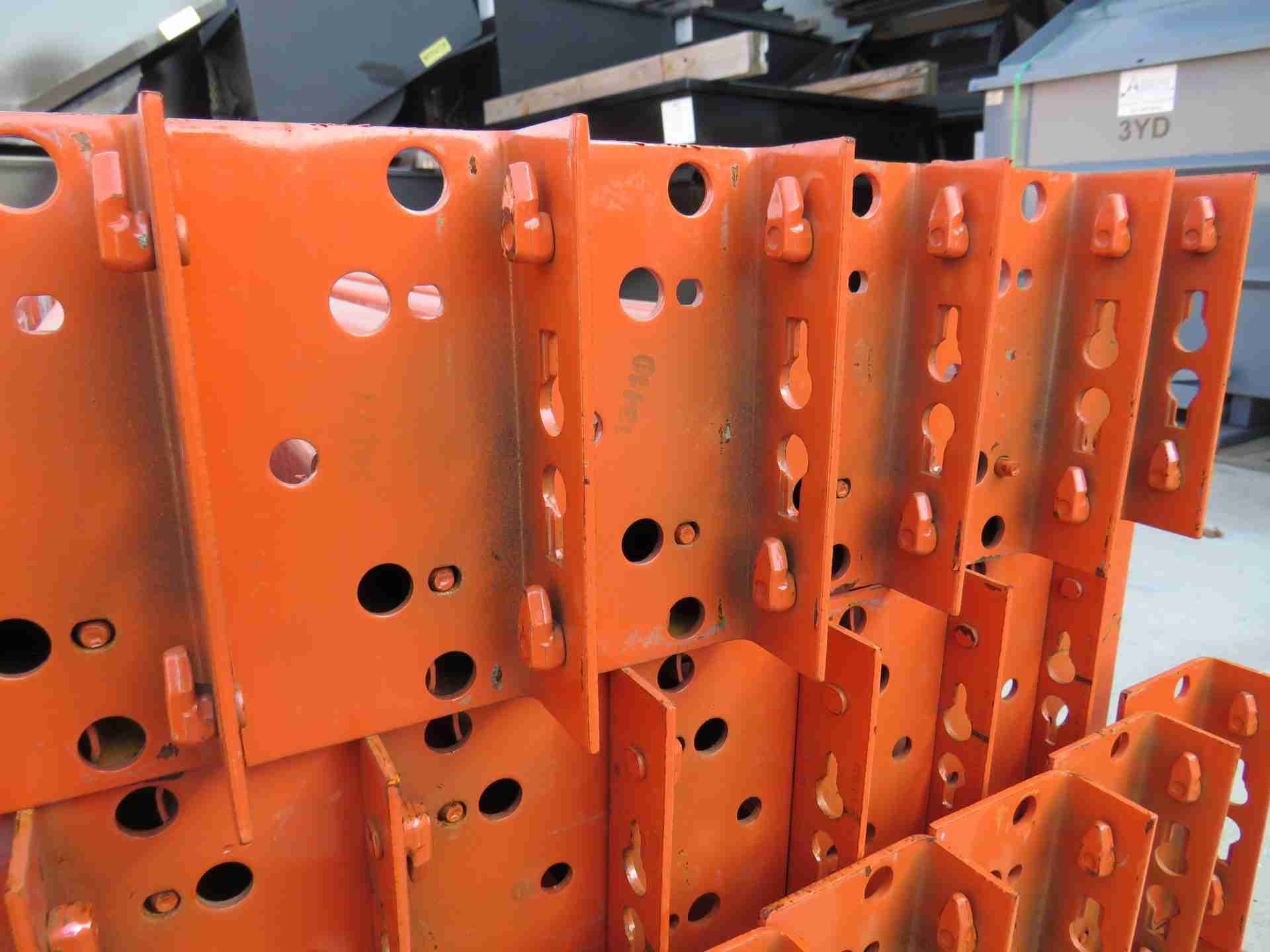
Conclusion
Other Resources

Other Resources
Here is a list of other resources you can review online to learn more:
- Used Teardrop Pallet Rack – American Surplus
- MHI
- Teardrop Industrial Shelving Rack
- Selective Racking
- Material Handling Safety
- Warehouse Racking Chicago, IL
- Interlake
- Iowa Illinois Warehouse Racking
- What is Cantilever Racking? – AK Material Handling Systems
- What is Selective Racking: Understanding Benefits & Options
Use This Prompt To Get More Resources With Your Favorite Online AI Tool: Please provide me with a list of online articles with their URLs in a bulleted list that I can read regarding Are Colleagues Complaining About Warehouse Storage Inefficiencies?

Other Resources
Glossary Terms
Are Colleagues Complaining About Warehouse Storage Inefficiencies? – Glossary Of Terms
1. Warehouse: A large building used for storing goods before they are distributed to retailers or customers.
2. Storage Efficiency: A measure of how effectively storage space is utilized in a warehouse, balancing capacity and accessibility.
3. Inventory Management: The process of ordering, storing, and using a company’s inventory, including raw materials and finished goods.
4. Shelving System: A structure used to store, organize, and display products in a warehouse, can vary from fixed shelves to adjustable units.
5. First In, First Out (FIFO): An inventory management method where the oldest stock (first in) is sold first (first out), minimizing holding costs.
6. Last In, First Out (LIFO): An inventory management approach where the most recently added inventory is the first to be sold.
7. Stock Keeping Unit (SKU): A unique identifier for each distinct product and service that can be purchased, essential for inventory tracking.
8. Picking Process: The method by which items are retrieved from storage in a warehouse to fulfill customer orders.
9. Lead Time: The time it takes for an order to be fulfilled, from the moment it is placed until the product is delivered.
10. Warehouse Layout: The design and arrangement of various areas within a warehouse to maximize efficiency and throughput.
11. Inventory Turnover: A ratio showing how many times inventory is sold and replaced over a period, indicating inventory management efficiency.
12. Overstocking: The situation where too much inventory is held in storage, leading to wasted space and resources.
13. Understocking: The problem of having insufficient inventory on hand to meet customer demand, which can lead to lost sales.
14. Bin Location: A specific spot in a warehouse designated for the storage of a particular item, facilitating efficient picking.
15. Cycle Counting: An inventory auditing procedure where a small amount of inventory is counted on a specific day, helping ensure accuracy.
16. Palletization: The process of stacking products on pallets for easier handling and storage, enhancing accessibility and transport efficiency.
17. Productivity Metrics: Measurements used to assess the efficiency of warehouse operations, such as pick rates and order accuracy.
18. Cross-Docking: A logistics practice where incoming goods are directly transferred to outgoing trucks, reducing storage time and costs.
19. Lean Warehousing: A methodology focused on minimizing waste within warehousing operations while maximizing productivity.
20. Automation: The use of technology to perform tasks without human intervention, increasing speed and accuracy in warehouse processes.
21. Warehouse Management System (WMS): Software that helps manage warehouse operations, including inventory tracking and order fulfillment.
22. Safety Stock: Additional inventory held to mitigate against uncertainties in demand and supply, ensuring product availability.
23. Dunnage: Material used to protect products during storage and transportation, helping prevent damage in the warehouse.
24. Throughput: The amount of product processed by a warehouse within a specific timeframe, a key indicator of efficiency.
25. Fulfillment Center: A specialized type of warehouse used primarily for fulfilling online orders, typically with a focus on speed and efficiency.
26. Order Picking: The process of selecting and gathering items from inventory in response to incoming customer orders.
27. Work-in-Progress (WIP): Goods that are in the process of being manufactured but are not yet finished, requiring careful tracking within warehousing.
28. Bulk Storage: A method of storing large quantities of goods in a centralized location to optimize space and reduce handling.
29. ABC Analysis: A method of classifying inventory into three categories (A, B, and C) based on importance, helping prioritize management efforts.
30. Operational Efficiencies: Improvements in warehouse processes that lead to reduced costs, increased speed, and better resource utilization.

Glossary Of Terms
Other Questions
Are Colleagues Complaining About Warehouse Storage Inefficiencies? – Other Questions
If you wish to explore and discover more, consider looking for answers to these questions:
- What are common signs of warehouse storage inefficiencies?
- How can we effectively communicate storage complaints to management?
- What are the costs associated with inefficient warehouse storage?
- How can we prioritize storage efficiency improvements?
- What role does employee training play in reducing storage inefficiencies?
- What are the latest technologies in warehouse storage solutions?
- How does inventory management software enhance warehouse efficiency?
- What specific types of pallet racking are best for different warehouse needs?
- How can we involve employees in finding solutions to storage problems?
- What safety considerations should we keep in mind with warehouse storage solutions?
- How can we track the effectiveness of changes made to the storage layout?
- Are there case studies or examples of successful warehouse efficiency improvements?
- What are the best practices for maintaining an organized warehouse long-term?
- How can seasonal demand fluctuations impact warehouse storage strategies?
- What are the potential drawbacks of automated storage systems?

Other Questions
Checklist
Are Colleagues Complaining About Warehouse Storage Inefficiencies? – A Checklist
Assess Your Current Storage Layout
_____ Evaluate your pallet racking systems for organization and accessibility.
_____ Identify potential bottlenecks in the layout that hinder smooth operations.
_____ Gather insights from team members on what works and what doesn’t.
Organize and Optimize Storage Space
_____ Reconfigure your storage layout to maximize vertical space.
_____ Utilize the right type of pallet racking (selective, drive-in, push-back) suitable for your inventory.
_____ Ensure that frequently picked items are easily accessible.
Implement Technology Solutions
_____ Integrate warehouse management software (WMS) for real-time inventory tracking.
_____ Implement automated storage and retrieval systems (AS/RS) where feasible.
_____ Use barcodes or RFID technology for better inventory management.
Train and Empower Your Workforce
_____ Provide proper training for employees on the best storage and retrieval practices.
_____ Foster a culture of continuous improvement by encouraging team feedback.
_____ Regularly engage staff in discussions about operational efficiencies and challenges.
Monitor and Maintain
_____ Schedule regular audits of inventory levels, condition, and placement.
_____ Analyze data from technology tools to adjust inventory management strategies.
_____ Maintain clear walkways and compliant pallet racking for safety.
Enhance Communication and Customer Relations
_____ Keep customers informed about product availability and delivery timelines.
_____ Address potential delays proactively to build trust and loyalty.
Continuous Improvement
_____ Embrace a mindset of continuous assessment and adaptation.
_____ Consider seasonal trends and future needs to adjust storage solutions proactively.
_____ Stay informed on new technologies that can enhance efficiency.
Utilize this checklist as a guide to tackle storage inefficiencies and foster a productive work environment in your warehouse.

Checklist
At RackingWorld, we help guide you through selecting warehouse storage systems and racking.
Be sure to read our other related stories at RackingWorld to learn more about warehouse storage systems.
0 Comments