
Maximizing Efficiency And Profitability In Warehouse Storage
By Tom Seest
At RackingWorld, we help guide you through selecting warehouse storage systems and racking.
Be sure to read our other related stories at RackingWorld to learn more about warehouse storage systems.
What Essential Metrics Should You Track In Warehouse Storage Management?
In the ever-evolving world of warehouse storage management, success hinges on one key factor—data-driven decisions. If you want to optimize your operation and truly understand how your warehouse is performing, you need to focus on a select few essential metrics. But let’s be honest: with so much information available, it can feel overwhelming. This is where a clear direction comes in handy.
First and foremost, let’s talk about pallet racking efficiency. The configuration of your pallet racking setup greatly influences how effectively you use your space. Are your racks reaching their full potential? By tracking the fill rates of each racking system, you can identify underutilized areas and adjust accordingly. If one section is consistently fuller than another, it’s time to investigate what’s working there. This’ll not only streamline workflows but save you valuable resources in the long run.
Next up is inventory turnover. This metric is crucial for understanding how quickly your products fly off the shelves—or sit idly. A low turnover can signify a problem. Whether it’s a surplus of stock cluttering your pallet racking or items languishing in the back, you’ll want to pinpoint and remedy anything disrupting the cash flow. Keeping tabs on how frequently you’re restocking can empower you to make strategic purchasing decisions that not only clear out old stock but also align with market demand.
Don’t overlook your picking accuracy. A small error can turn satisfied customers into frustrated ones, impacting your bottom line. Monitoring this metric helps you understand the magic of precision in order fulfillment. If your teams consistently hit high accuracy rates, well, that’s a badge of honor worth showcasing—and if they don’t? Well, now you have insight to implement training or refine processes as needed.
Finally, let’s talk performance against service level agreements (SLAs). Are you meeting your commitments? Measuring your ability to fulfill orders on time is paramount to maintaining your reputation and forming lasting vendor relationships. Put simply, if you’re not tracking SLAs, you might as well be sailing without a compass.
So, take a moment to reflect. Are you tracking these essential metrics in your warehouse operations? By keeping a keen eye on pallet racking efficiency, inventory turnover, picking accuracy, and SLA adherence, you’ll not only foster trust among your stakeholders, but also spark continual growth and improvement. Now is the time to take decisive action!

What Essential Metrics Should You Track In Warehouse Storage Management?
What Essential Metrics Should You Track In Warehouse Storage Management?
- Success in warehouse storage management relies on data-driven decisions.
- Focus on essential metrics to optimize operations and understand performance.
- Pallet racking efficiency is crucial; monitor fill rates to identify underutilized areas.
- Inventory turnover helps assess product movement and cash flow issues.
- Picking accuracy is vital for customer satisfaction and order fulfillment precision.
- Track performance against service level agreements (SLAs) to maintain your reputation.
- Regularly reviewing these metrics fosters stakeholder trust and promotes continual improvement.
What Essential Metrics Should You Track In Warehouse Storage Management?
Table Of Contents
- What Essential Metrics Should You Track In Warehouse Storage Management?
- What Are The Key Metrics For Efficient Warehouse Storage Management?
- How Can I Measure Inventory Turnover In My Warehouse?
- What Role Does Space Utilization Play In Warehouse Efficiency?
- How Do I Track Order Picking Accuracy Effectively?
- What Metrics Help Assess My Warehouse Layout Efficiency?
- How Can I Calculate Carrying Costs For My Inventory?
- Conclusion
- Other Resources
- Glossary Of Terms
- Other Questions
- Checklist
What Are The Key Metrics For Efficient Warehouse Storage Management?
When it comes to warehouse storage management, efficiency isn’t just a bonus; it’s the heartbeat of your operation. Imagine walking into your warehouse and everything runs like a well-oiled machine. Items flow seamlessly, space is optimized, and your workforce operates in a state of harmony. But how do you achieve this? By focusing on key metrics that drive efficiency, of course.
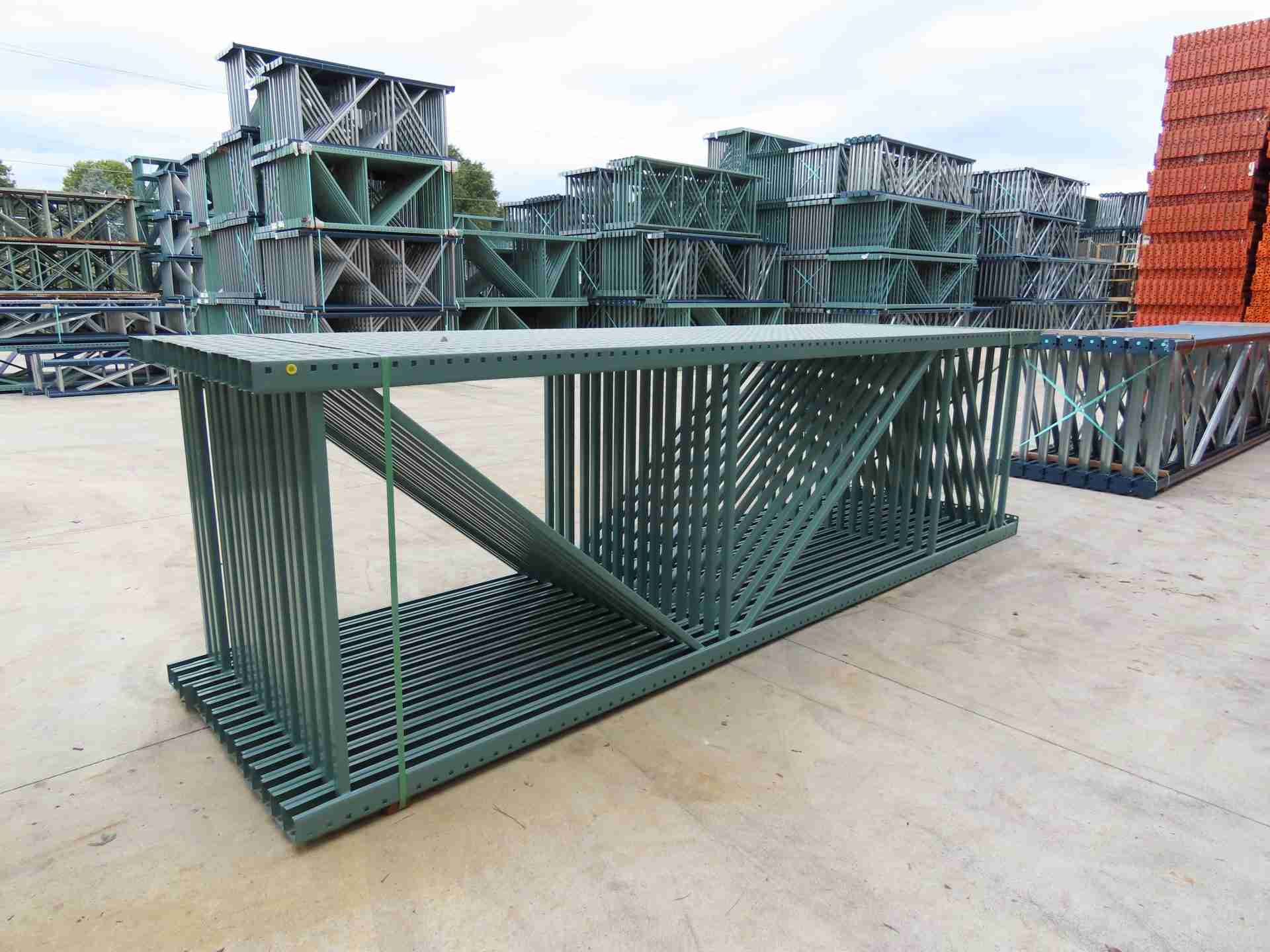
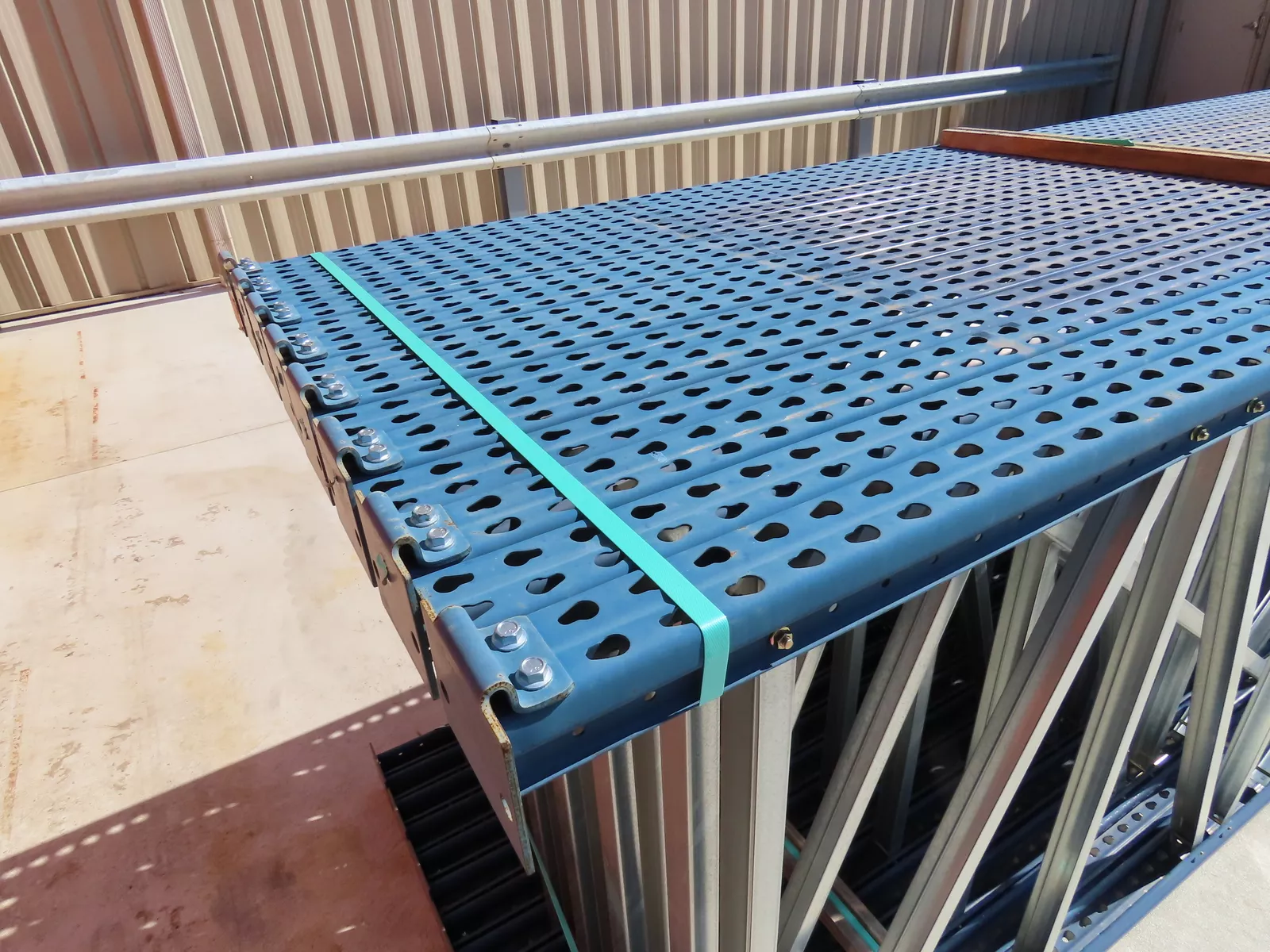
First, let’s talk about Pallet Racking. This essential component serves as the backbone of any storage operation. Tracking the space utilization of your pallet racking systems is paramount. Are you maximizing vertical space? Are your pallets organized in a way that reduces retrieval time? The more effectively you use your racking systems, the more product you can store without increasing your footprint—and that equals more profit in your pocket.
Next up, we have Inventory Turnover Rate. This metric answers a fundamental question: how quickly are your goods moving? A high turnover rate indicates that you’re not only selling but also efficiently managing the inflow and outflow of products. Keep your finger on this pulse; it can expose bottlenecks in storage areas or help identify which items need to be re-evaluated or discounted.
Don’t overlook Order Pick Accuracy, either. It’s all too easy to let human error slip through the cracks, but every mistake can cost you. Keeping this accuracy rate high boosts customer satisfaction and reduces the costs of returns. By investing in training or even automation tools, you can improve this metric and foster a culture of pride in your workforce.
Another metric to hold close is Space Utilization Rate. This is your golden key to understanding how effectively your storage spaces are being used. Are there areas that could house more product? Or is space being wasted? Conducting regular audits of your layout can unlock superior efficiency, allowing you to operate without expanding your warehouse size.
Lastly, keep an eye on your Average Fulfillment Time. The faster you can get products into customers’ hands, the better. Streamlining processes and optimizing storage solutions such as pallet racking systems will lead you straight to quicker deliveries and happier clients.
By embracing these key metrics, you are not only investing in your warehouse management but also laying a solid foundation for your business’s growth. Efficient storage management isn’t merely about organization; it’s about empowerment—empowering your workforce, your inventory, and ultimately, your profitability. Take action today to transform your warehouse into a powerhouse of efficiency!
What Are The Key Metrics For Efficient Warehouse Storage Management?
What Are The Key Metrics For Efficient Warehouse Storage Management?
- Efficiency is crucial for warehouse storage management and the overall operation.
- Pallet racking is vital; maximizing space utilization can increase product storage and profitability.
- Inventory Turnover Rate indicates how quickly goods are moving, highlighting storage bottlenecks.
- High Order Pick Accuracy boosts customer satisfaction and reduces return costs; training and automation can help.
- Space Utilization Rate measures how effectively storage spaces are used; regular audits can enhance efficiency.
- Average Fulfillment Time is critical; faster deliveries lead to happier customers.
- Focusing on these metrics empowers workforce, inventory management, and profitability for business growth.
What Are The Key Metrics For Efficient Warehouse Storage Management?
How Can I Measure Inventory Turnover In My Warehouse?
When it comes to measuring inventory turnover in your warehouse, you might feel like you’re grappling with a daunting puzzle. But fear not! Let’s simplify this process and arm you with the tools you need to track your inventory like a seasoned pro.
First things first, it starts with understanding the concept of inventory turnover itself—essentially, it’s about how often your goods move in and out of your warehouse over a specific period. A higher turnover rate often signals efficient inventory management and a strong sales strategy, while a lower rate might indicate overstocking or slow-moving items.
One of the simplest methods to calculate your inventory turnover ratio is by using the formula: Inventory Turnover = Cost of Goods Sold (COGS) / Average Inventory. If you’re rolling your eyes, thinking this sounds too simplistic, let’s dive a bit deeper into how you can apply this in a practical way, beginning with your pallet racking system.
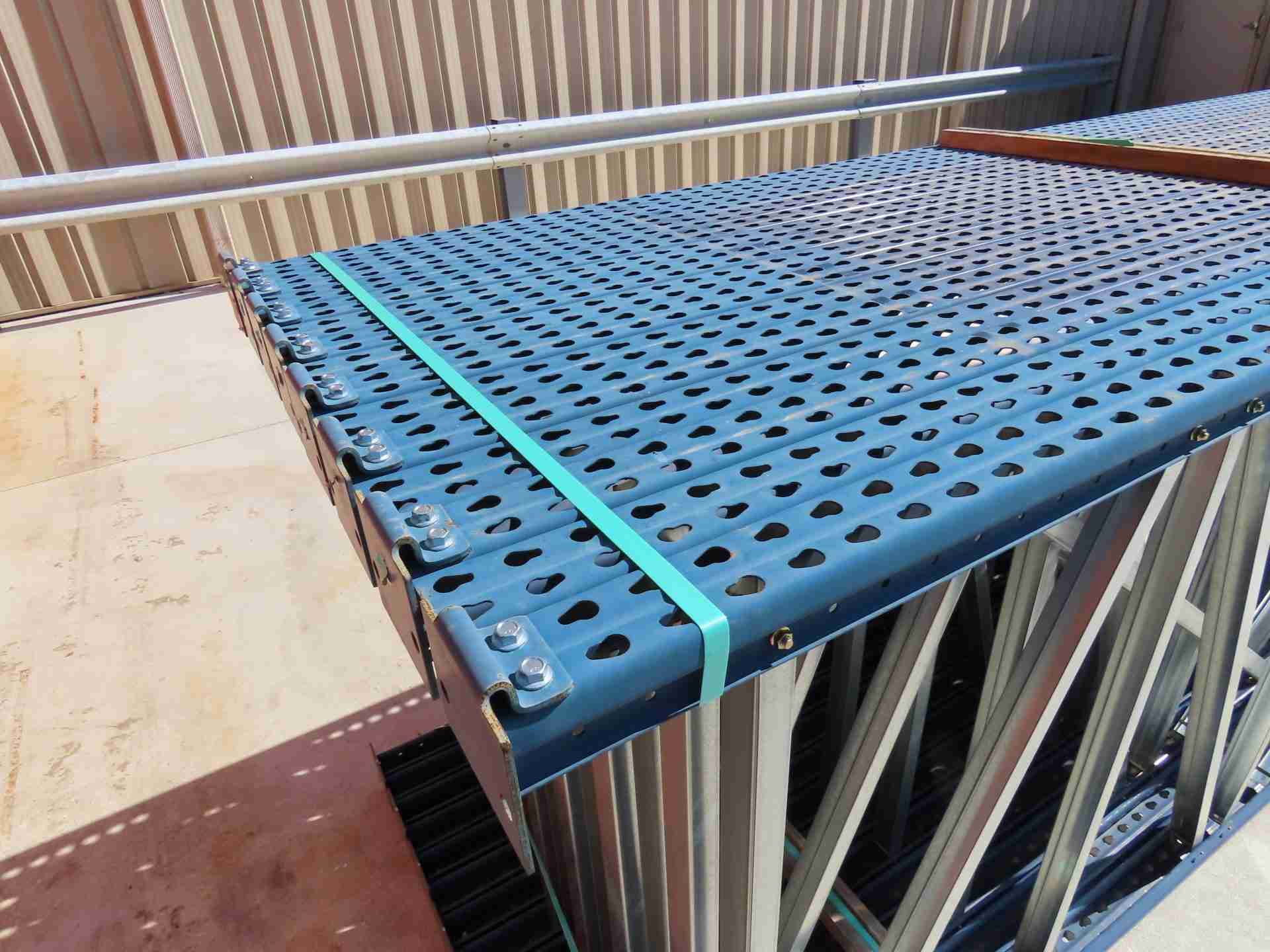
Pallet racking isn’t just about organization; it’s a strategic element that can significantly affect your turnover rate. By optimizing your pallet racking system, you can not only organize your inventory more efficiently but also enhance your accessibility to fast-moving items. Here’s a pro tip: regularly audit your pallet racking to identify which items are flying off the shelves and which are sitting stagnant.
Next, keep a close eye on seasonality and market trends. Some products will have their peak seasons, while others will linger. By aligning your purchasing and stocking strategies with this data, you can avoid overstocking those slow-moving items. Tools like inventory management software can help you track these metrics effortlessly, ensuring you have a clear view of your inventory dynamics.
Moreover, remember that communication is key. Share your inventory data with your team, as their insights can often lead to new ideas for improving turnover. This collaborative atmosphere nurtures a strong culture of efficiency and accountability.
Lastly, don’t shy away from revisiting your strategies regularly. The marketplace is continually evolving, and so should your approach to inventory turnover. Using smart measurements and tools, alongside your well-organized pallet racking, you can drive your warehouse’s efficiency to new heights.
Start today—establish your turnover goal, engage your team, and watch as your inventory management transforms from a burden into a powerful asset. Your profits will thank you!

How Can I Measure Inventory Turnover In My Warehouse?
How Can I Measure Inventory Turnover In My Warehouse?
- Understanding inventory turnover is essential; it reflects how often goods move in and out of your warehouse.
- A higher turnover rate indicates efficient inventory management; a lower rate may suggest overstocking or slow-moving items.
- Calculate inventory turnover using the formula: Inventory Turnover = Cost of Goods Sold (COGS) / Average Inventory.
- Optimize your pallet racking system to enhance accessibility and organization, positively impacting turnover rates.
- Monitor seasonality and market trends to align purchasing strategies and avoid overstocking slow-moving items.
- Encourage team communication and collaboration to gain insights for improving inventory turnover.
- Regularly revisit and adapt your inventory strategies to align with evolving marketplace conditions.
How Can I Measure Inventory Turnover In My Warehouse?
What Role Does Space Utilization Play In Warehouse Efficiency?
When it comes to warehouse efficiency, one of the most transformative forces at your disposal is space utilization. Picture your warehouse as a treasure trove, brimming with valuable products and potential. However, simply having the products isn’t enough; the way you organize and utilize your space can make the difference between stagnation and soaring success.
Consider pallet racking, which serves not just as a structural component, but as a revolutionary organizational tool. By optimizing vertical space, pallet racking allows you to store more goods in a smaller footprint, making room for new inventory and reducing clutter. This maximization of space not only leads to better inventory management but also enhances the workflow, allowing your team to pick and pack orders faster. Imagine the satisfaction your staff will feel knowing they can navigate through a well-organized system with ease, contributing to a more harmonious work environment.
Then there’s the undeniable financial benefit of effective space utilization. Every square foot of a warehouse holds potential profit. The more efficiently you use that space—thanks to pallet racking—the less you’ll need to spend on additional warehouses or storage solutions. This means greater cash flow for your business. As you reduce overhead and maximize inventory turnover, your bottom line will thank you.
But let’s talk about trust here. Your operations are only as strong as the systems you have in place. Investing in proper space utilization techniques demonstrates a commitment to excellence, not just to your operations but to your customers as well. When they see products being stored efficiently and shipped quickly, they gain trust in your brand. And we all know that trust translates into loyalty, repeat business, and referrals.
So, how do we make this a reality within your warehouse? Start small—assess your current layout, identify bottlenecks, and see if the integration of pallet racking can optimize your operations. Just one rearrangement can yield exponential results in efficiency and productivity. Take that step towards transforming your warehouse into a well-oiled machine that operates not just to meet expectations but to surpass them.
Join countless businesses that have transformed their warehouses by trusting in the principles of strategic space utilization. The journey to warehouse efficiency begins with the smart use of space—so why not get started today? Your future self will thank you.
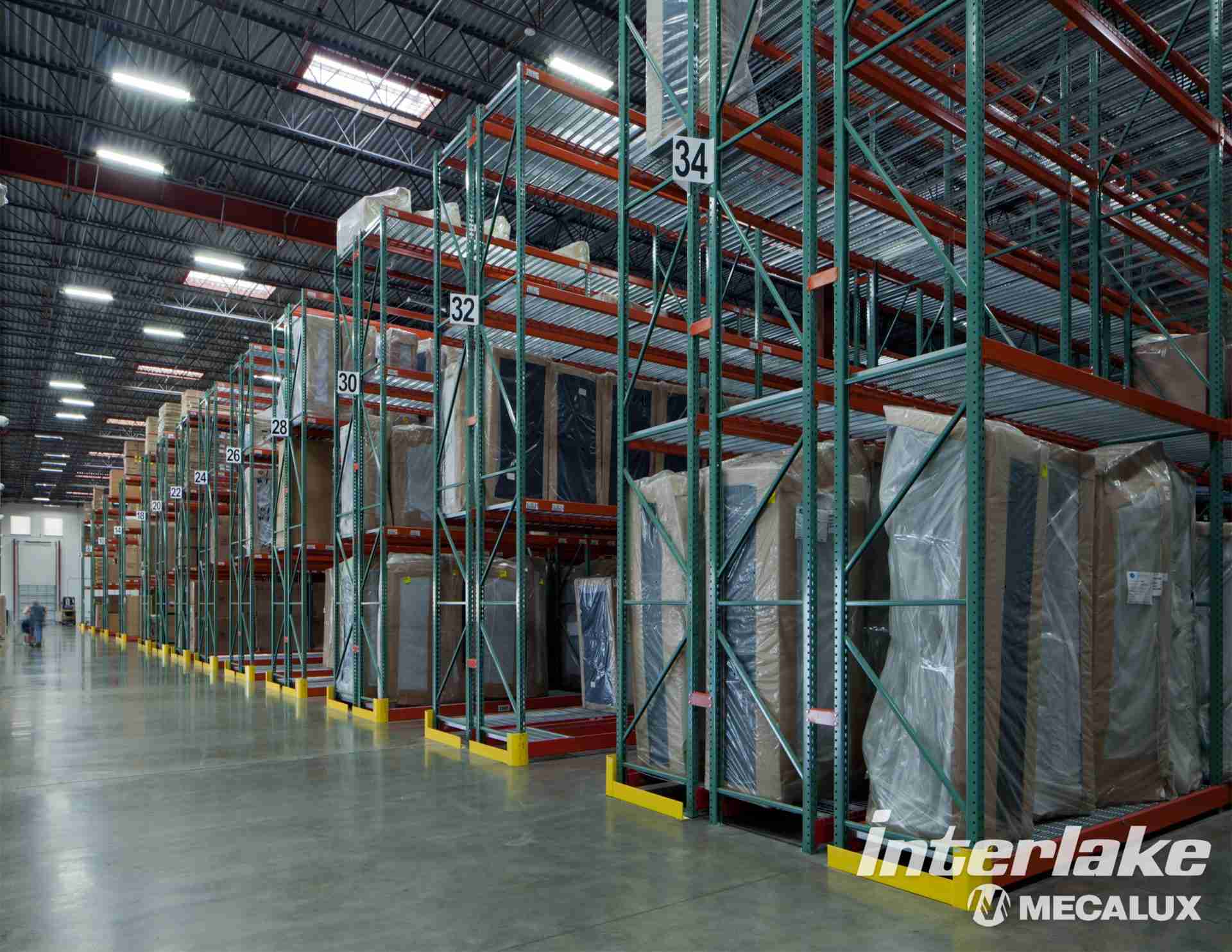
What Role Does Space Utilization Play In Warehouse Efficiency?
What Role Does Space Utilization Play In Warehouse Efficiency?
- Space utilization is a key factor in enhancing warehouse efficiency.
- Pallet racking acts as an organizational tool that optimizes vertical space, allowing for more goods storage.
- Better space management improves inventory management and accelerates order picking and packing.
- Efficient space use reduces the need for extra warehouses or storage solutions, improving cash flow.
- Effective space utilization fosters customer trust, leading to loyalty and repeat business.
- Start improving your warehouse by assessing the current layout and identifying areas for optimization.
- Transform your warehouse operations by applying strategic space utilization principles.

What Role Does Space Utilization Play In Warehouse Efficiency?
How Do I Track Order Picking Accuracy Effectively?
Picture this: You’re at the heart of your operations, surrounded by an echo of shuffling feet, the gentle hum of machinery, and the unmistakable scent of efficiency. Yet, lurking beneath the surface is the silent monster of order picking inaccuracies. It’s a sneaky little issue that can chisel away at your margins and leave your customers feeling unsatisfied. How can you combat this? The answer lies in tracking your order picking accuracy with laser focus.
First things first, establish a robust tracking system. You can’t fix what you can’t measure, right? Implement a system that allows you to monitor every stage of the order fulfillment process. By using tools like inventory management software, you gain real-time insights. This is not just about maintaining numbers; it’s about aligning your operations with the expectations of your valued customers.
Next, integrate visual management techniques. Use color-coded labels and signs throughout your warehouse. Imagine walking into your warehouse and being greeted by a space where every pallet racking unit is organized in a way that tells you exactly where each item is. Visual cues make it easier for your team to recognize mistakes before they become costly errors, and this, my friend, is when accuracy thrives. Your team will feel empowered to pick with precision, fostering a collective pride in their work.
Regular audits are also a non-negotiable. Schedule time not just to quickly glance over the pallets but to deeply analyze the picking process. Consistent, hands-on evaluations allow you to pinpoint weaknesses, uncover hidden challenges, and streamline your operations further. When errors occur—and they will—consider them learning opportunities. Encourage your staff to contribute ideas on improving processes. This not only enhances accuracy but also builds camaraderie and accountability.
Finally, let’s not forget about technology. Automated systems and sensors can provide invaluable data on picking accuracy. A small investment in technology today can yield significant returns tomorrow. Your team will be alerted in real-time if errors happen, and you’ll have the confidence to make adjustments before a single dissatisfied customer reaches out.
Tracking order picking accuracy doesn’t have to be a daunting task. With the right tools and mentality, you’re not only boosting your bottom line but also showering your customers with the remarkable service they deserve. Let’s turn inaccuracies into triumphs—because you don’t just want accurate orders; you want to build trust and elevate your brand!

How Do I Track Order Picking Accuracy Effectively?
How Do I Track Order Picking Accuracy Effectively?
- Order picking inaccuracies can significantly impact margins and customer satisfaction.
- Establish a robust tracking system to measure order fulfillment processes accurately.
- Integrate visual management techniques, such as color-coded labels, to enhance operational clarity.
- Conduct regular audits to analyze and improve the picking process while identifying weaknesses.
- Treat errors as learning opportunities and involve staff in suggesting process improvements.
- Utilize technology, including automated systems and sensors, to monitor picking accuracy in real-time.
- Boosting order accuracy not only enhances customer service but also builds brand trust and reputation.

How Do I Track Order Picking Accuracy Effectively?
What Metrics Help Assess My Warehouse Layout Efficiency?
When it comes to warehouse operations, knowing whether your layout is truly efficient can feel like an overwhelming task. But fear not, because with the right metrics, you can turn chaos into clarity and unlock the full potential of your space. Imagine walking into your warehouse and knowing instinctively that every square foot is working tirelessly for you. It all starts with measurement, and we’ll walk through the essentials together.
One of the primary metrics you should be monitoring is pallet racking utilization. This refers to how effectively your pallet racking systems are being used. Are you maximizing vertical space, or are there countless wasted feet? Tracking how much of your pallet racking is filled can give you a clear picture of your operation’s productivity and potential for improvement. By investing a bit more in vertical storage solutions, you might just be able to squeeze out more revenue from the same footprint.
Next up, consider pick accuracy. In a world where customers expect perfection, you simply can’t afford to ship errors. Calculate the ratio of orders picked correctly the first time. This not only illustrates the effectiveness of your layout—but also the systems and processes that support it. A well-thought-out layout enables smoother picking routes, reduces travel time, and ultimately drives accuracy up.
Now, let’s talk about order cycle time. This is the total time it takes from order placement to shipping. Are your teams tripping over each other because of a poorly planned layout? A streamlined design helps expedite this process, which can drastically enhance customer satisfaction. In e-commerce, speed is king, and every second counts.
Another important metric is inventory turnover rate. This measures how often your inventory is sold and replaced over time. High turnover means efficient usage of your warehouse space. A cluttered layout might lead to products piling up on your pallet racking, hindering your ability to respond to market demands swiftly.
Lastly, don’t forget about space utilization efficiency, which gauges how effectively every inch of your warehouse is being used. Are there areas that could be revamped to increase productivity? By auditing these metrics regularly, you’ll not only keep your eye on performance but also inspire a culture of continuous improvement.
In the world of warehousing, the numbers tell a story. By embracing these metrics, you’ll be empowered to make informed decisions and foster a seamless, efficient operation. After all, a well-oiled warehouse isn’t just an aspiration; it’s your ticket to commanding the market. Start measuring today, and transform your chaotic spaces into organized profit centers!

What Metrics Help Assess My Warehouse Layout Efficiency?
What Metrics Help Assess My Warehouse Layout Efficiency?
- Warehouse layout efficiency can be assessed through specific metrics.
- Monitor pallet racking utilization to maximize vertical space and improve productivity.
- Track pick accuracy to ensure orders are shipped correctly the first time, enhancing layout effectiveness.
- Measure order cycle time to streamline the process from order placement to shipping, boosting customer satisfaction.
- Evaluate inventory turnover rate to ensure efficient usage of warehouse space and respond quickly to market demands.
- Assess space utilization efficiency to identify areas for improvement and enhance productivity.
- Embracing these metrics leads to informed decision-making and a more efficient warehouse operation.
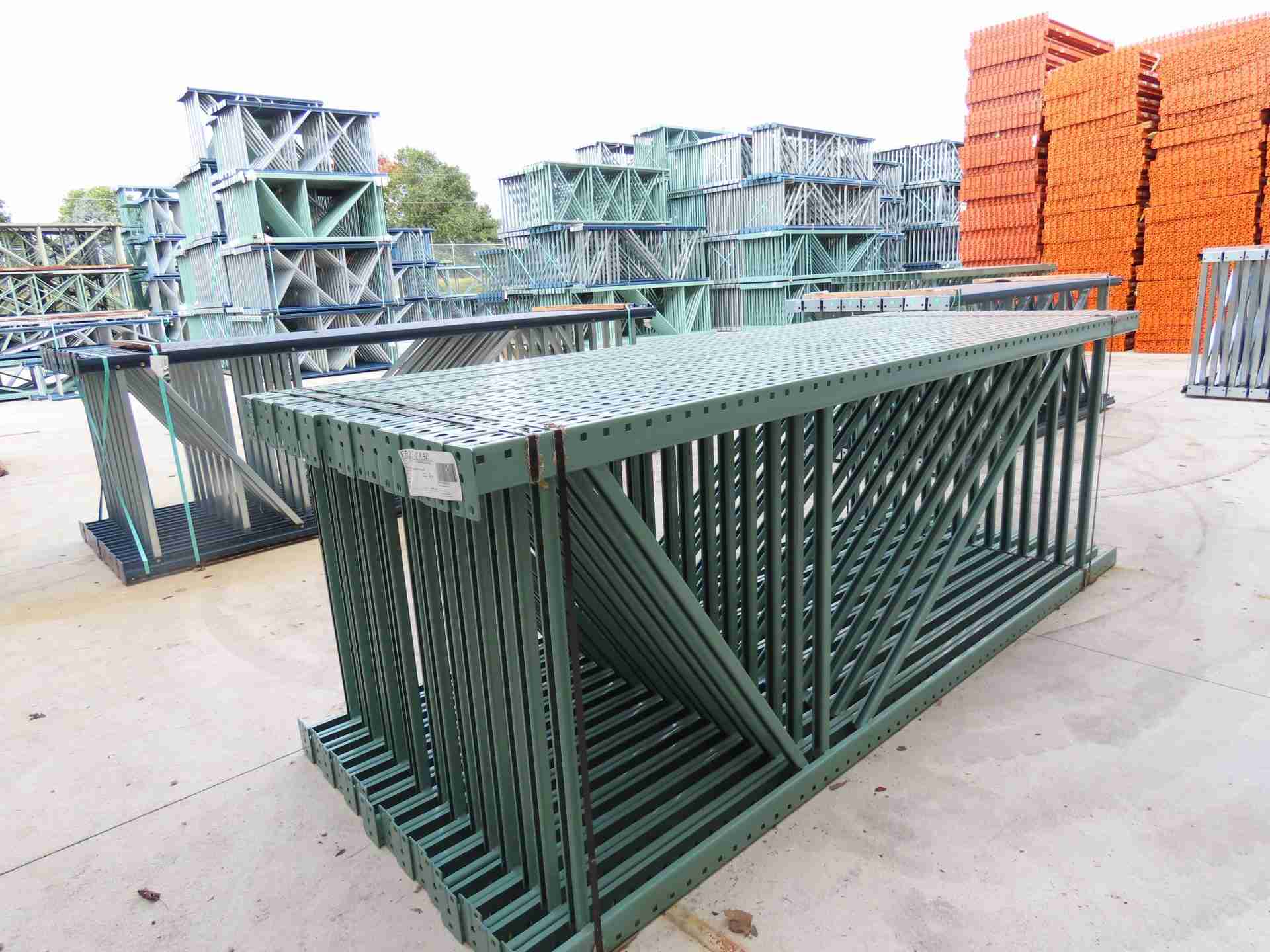
What Metrics Help Assess My Warehouse Layout Efficiency?
How Can I Calculate Carrying Costs For My Inventory?
Calculating carrying costs for your inventory might seem like a daunting task, but it doesn’t have to be. Let’s break it down into simple, manageable steps, so you can get a clear picture of what it is really costing you to hold onto that inventory. Trust me, knowing these numbers is vital for your business’s bottom line.
First, understand that carrying costs encompass more than just what you pay for the goods themselves. It’s a comprehensive calculation that includes storage fees, financing costs, inventory service costs, and depreciation. Every item sitting on your pallet racking is tied up capital that could otherwise be generating revenue.
To kick off your calculation, start by assessing your total inventory value. This is simply the retail price of your stock, multiplied by the number of units you have in storage. Now, let’s add the specifics. Determine your storage costs — what are you paying for the space where your inventory is housed? If you’re using pallet racking, consider not just the physical space, but also the overhead involved in maintaining that storage area.
Next, we need to factor in your financing costs. If you finance your inventory through loans or credit, then you’ll want to include the interest you’re paying. This small detail can make a significant difference in how you assess your carrying costs.
Once you have your base figures, tally your annual carrying costs. A common rule of thumb in the industry is to estimate that your carrying costs could be about 20% to 30% of the total inventory value. While that might sound steep, think of it as an opportunity. These costs represent the expenses associated with keeping your business afloat and ready to serve customers.
As you work through these calculations, don’t shy away from using modern inventory management tools. Embrace the technology that can help you stay organized and provide real-time data. It will save you both time and money. Remember, your goal is to minimize carrying costs while ensuring you have enough stock to meet customer demands.
By understanding how to calculate carrying costs, you are not just crunching numbers. You are gaining insights that can lead to smarter decisions, reduced waste, and a healthier bottom line. So roll up your sleeves, grab that calculator, and take the leap toward financial confidence. Your business deserves it!
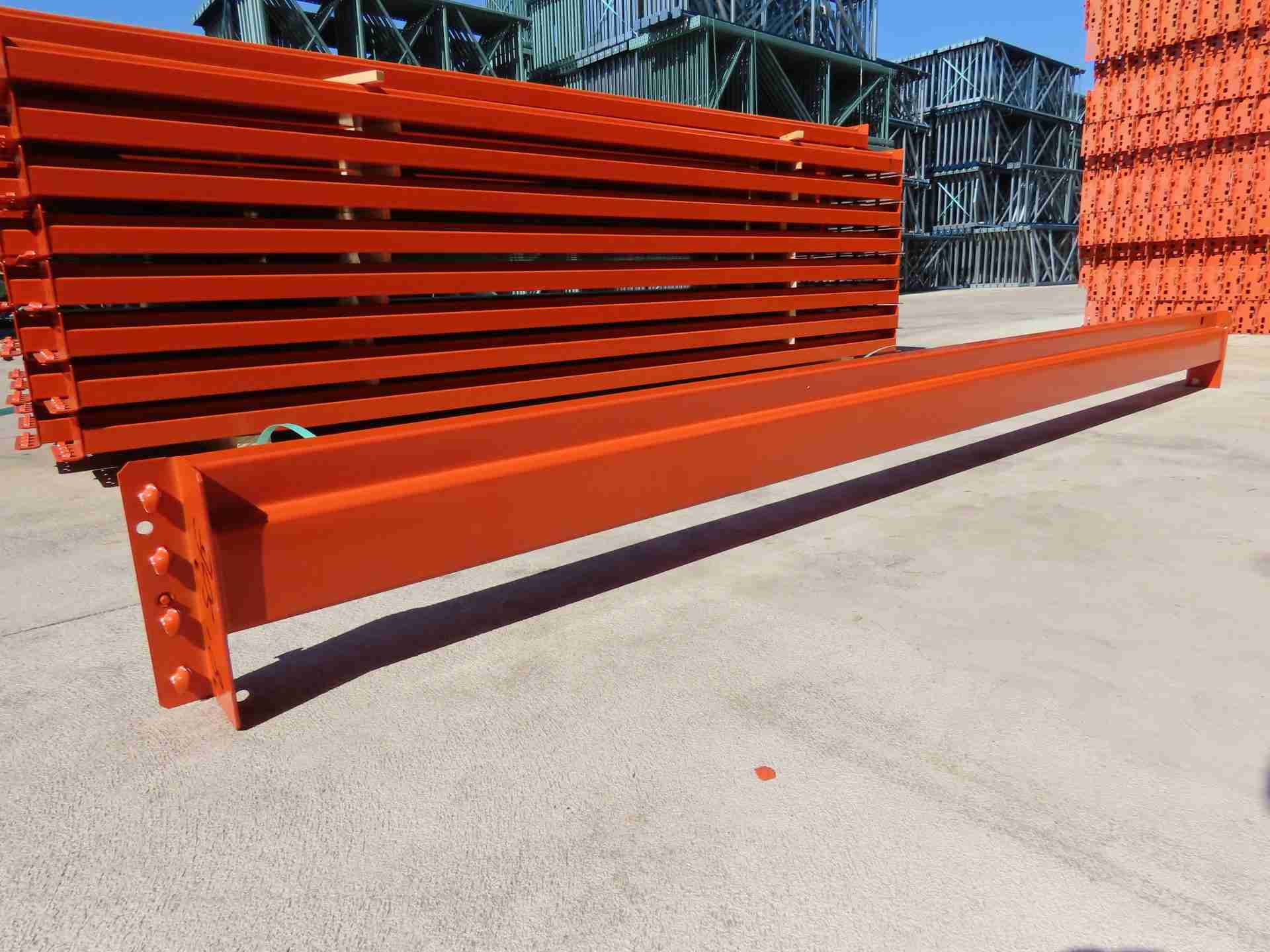
How Can I Calculate Carrying Costs For My Inventory?
How Can I Calculate Carrying Costs For My Inventory?
- Carrying costs include not only the cost of goods but also storage fees, financing costs, inventory service costs, and depreciation.
- Begin calculations by determining the total inventory value, calculated as retail price multiplied by the number of units in storage.
- Assess storage costs, including both physical space and overhead associated with maintaining the storage area.
- Factor in financing costs by including the interest paid on loans or credit used to finance inventory.
- A common estimate for carrying costs is 20% to 30% of total inventory value, representing essential business expenses.
- Utilize modern inventory management tools for organization and real-time data to help minimize carrying costs.
- Understanding carrying costs enables better decision-making, reduced waste, and improved profitability for your business.
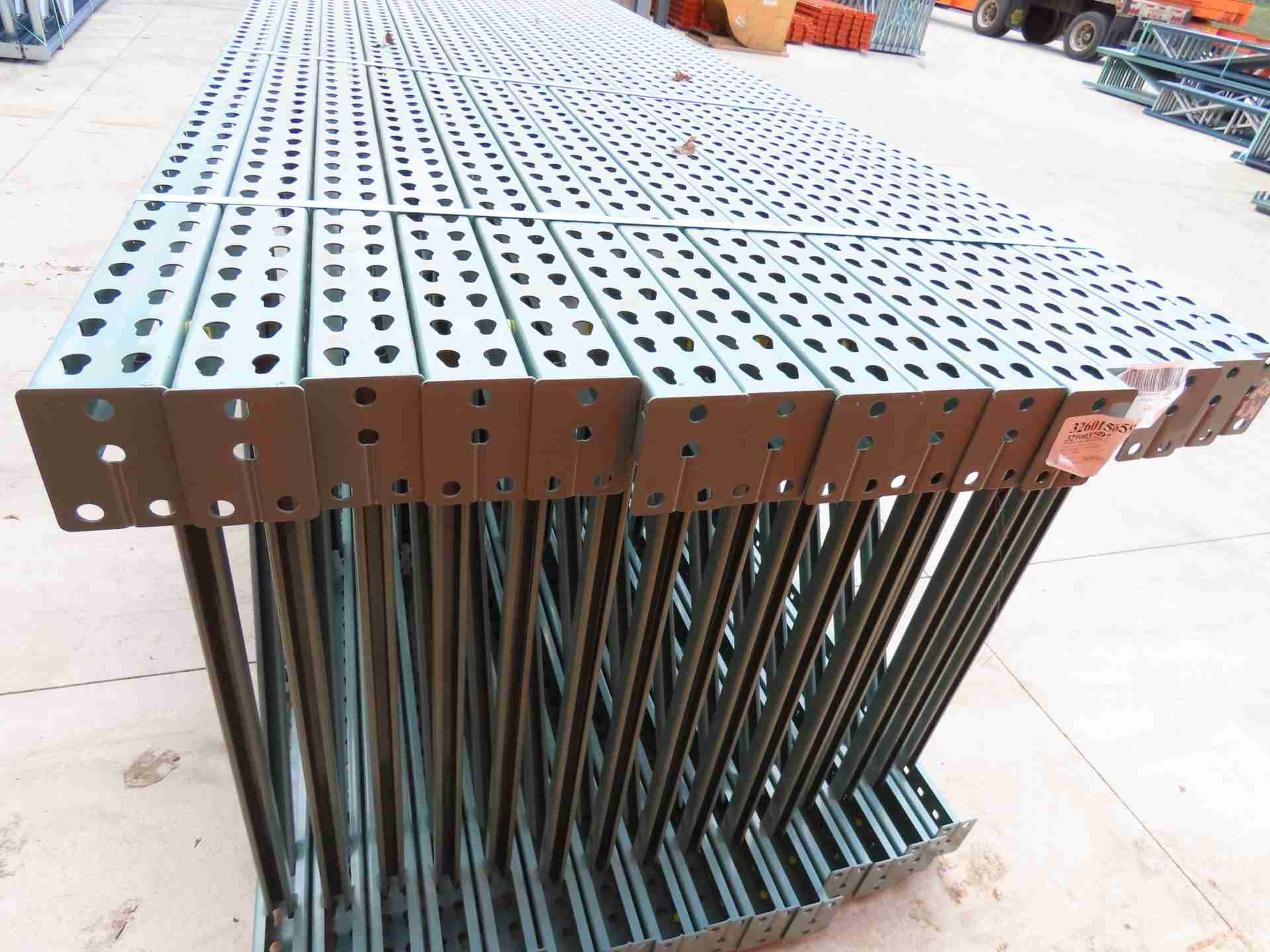
How Can I Calculate Carrying Costs For My Inventory?
Conclusion
In the dynamic arena of warehouse storage management, optimizing efficiency and profitability is not just a goal; it’s an imperative. As established throughout this article, the cornerstone of this optimization is data-driven decision-making, which is starkly illuminated by several key metrics. Let’s cut to the chase: if you’re not tracking pallet racking efficiency, inventory turnover, picking accuracy, and service level agreement (SLA) adherence, you may as well be flying blind. Each of these metrics serves as an essential compass guiding your actions towards a more productive warehouse.
Pallet racking stands as the backbone of your warehouse operations, enabling you to maximize usage of vertical space while minimizing clutter. By ensuring that your racking systems are operating at peak efficiency, you are not only streamlining your workflows but also enhancing your bottom line. If your fill rates indicate that entire sections of racking are going underutilized, it’s time for a strategic reassessment—don’t wait; capitalize on this opportunity.
Inventory turnover is your financial heartbeat. A low turnover rate can highlight excess stock that ties up capital and squanders profitability; conversely, a high turnover illustrates efficient management and robust sales. Monitoring this metric is crucial for adjusting purchasing strategies to meet market demands effectively.
Equally critical is picking accuracy. A slip-up in order fulfillment doesn’t just mean customer dissatisfaction; it translates into tangible financial losses. Monitoring this metric empowers you to implement training or automation to bolster performance. As your picking accuracy improves, so too does your reputation—and trust from both consumers and vendors.
Lastly, holding yourself to your SLAs can differentiate your operations in a competitive marketplace. Regularly measuring your performance against these agreements fosters accountability, enhances customer trust, and solidifies long-lasting business relationships.
Now, the time for action is here. Don’t let another day pass by while potential profits slip through your fingers. If you desire expert guidance on implementing these metrics or optimizing your racking systems, Arrow Industrial Sales is here to help. The clock is ticking! Call us now at (574) 349-6575 for information tailored to your unique challenges and embark on your journey toward greater efficiency and profitability today! Remember, every moment wasted is an opportunity lost; let us help you seize control of your warehouse operations!
Conclusion
Conclusion:
- Optimizing efficiency and profitability in warehouse storage is essential.
- Data-driven decision-making is crucial, highlighted by key metrics such as pallet racking efficiency, inventory turnover, picking accuracy, and SLA adherence.
- Pallet racking maximizes vertical space and minimizes clutter; underutilized racking requires strategic reassessment.
- Inventory turnover indicates financial health; low rates signal excess stock, while high rates reflect efficient management.
- Picking accuracy directly impacts customer satisfaction and financial performance; improve this metric through training or automation.
- Regularly measuring SLA adherence fosters accountability and enhances customer trust.
- Expert guidance is available from Arrow Industrial Sales to optimize metrics and racking systems for improved profitability.

Conclusion
Other Resources
Other Resources
Here is a list of other resources you can review online to learn more:
- Bradford Systems
- Wolter
- Used Teardrop Pallet Rack – American Surplus
- American Surplus
- Teardrop Pallet Rack – Ridg-U-Rak
- Pallet Racking 101: A Comprehensive Guide & Options Explained
- Rack Manufacturers Institute
- Arrow Industrial Sales
- CA Wire
- Pallet Racking systems in Illinois and Great Lakes
Use This Prompt To Get More Resources With Your Favorite Online AI Tool: Please provide me with a list of online articles with their URLs in a bulleted list that I can read regarding What Essential Metrics Should You Track In Warehouse Storage Management?
Other Resources
Glossary Terms
What Essential Metrics Should You Track In Warehouse Storage Management? – Glossary Of Terms
1. Inventory Turnover: The ratio that measures how often inventory is sold and replaced over a specific period, indicating efficiency in inventory management.
2. Order Accuracy: The percentage of orders that are picked and shipped accurately, reflecting performance in fulfilling customer demands.
3. Stock Keeping Unit (SKU): A unique identifier for each distinct product and service that can be purchased, essential for tracking inventory.
4. Lead Time: The duration from when an order is placed until it is fulfilled, impacting customer satisfaction and inventory management.
5. Storage Density: The amount of space utilized for storing products relative to the total space available, indicating space optimization.
6. Cycle Count: A process of regularly counting a portion of inventory to verify the records and maintain accuracy without shutting down operations.
7. Picking Accuracy: The measure of how often the correct item is picked for orders, crucial for maintaining order fulfillment reliability.
8. Backorder Rate: The percentage of orders that cannot be filled at the time a customer places them due to inventory shortages.
9. Warehouse Capacity: The maximum volume or weight that a warehouse can hold, informing planning and inventory strategies.
10. Order Fill Rate: The proportion of customer orders that are fulfilled from stock on hand, a key indicator of inventory availability.
11. Carrying Cost: The total cost of holding inventory, including storage, insurance, depreciation, and opportunity costs.
12. Throughput: The amount of product that is processed through a warehouse in a specific timeframe, indicating operational efficiency.
13. Space Utilization: The percentage of the warehouse space that is effectively used for storage, critical for maximizing efficiency.
14. Pick Rate: The speed at which warehouse staff can pick items for orders, typically measured in items per hour.
15. Lead Time Variability: The fluctuation in lead times over a specific period, affecting planning and inventory levels.
16. Shrinkage: The loss of inventory due to theft, damage, or error, impacting overall profitability and accuracy.
17. Putaway Time: The duration it takes to move products from receiving to storage locations, influencing operational efficiency.
18. Stockout Rate: The frequency of items being out of stock, affecting order fulfillment and customer satisfaction.
19. Labor Efficiency: Measures the productivity of warehouse staff, typically expressed as output relative to labor hours spent.
20. Inventory Accuracy: The degree to which the recorded inventory matches physical inventory, critical for effective management.
21. Demand Forecasting: The process of predicting future customer demand for products to optimize inventory levels and storage space.
22. Picking Path Optimization: The practice of designing efficient routes for pickers to minimize travel time while collecting items for orders.
23. Safety Stock: Extra inventory kept on hand to mitigate the risk of stockouts caused by fluctuations in demand or supply delays.
24. Cross-Docking: A logistics practice where incoming shipments are directly transferred to outgoing shipments, minimizing storage time.
25. Freight Cost per Unit: The transportation costs incurred for each unit of inventory, essential for analyzing cost efficiency in logistics.
26. Aisle Width: The space between storage racks, influencing accessibility and movement efficiency within the warehouse.
27. Pallet Utilization: A measure of how effectively pallets are loaded and used within storage areas, impacting space optimization.
28. FIFO (First In, First Out): An inventory management technique where the oldest stock is sold first, minimizing spoilage and obsolescence.
29. Real-Time Inventory Tracking: The ability to monitor inventory levels and movements in real-time, providing up-to-date information for decision-making.
30. Performance Benchmarking: The process of comparing warehouse metrics against industry standards or competitors to identify areas for improvement.
Glossary Of Terms
Other Questions
What Essential Metrics Should You Track In Warehouse Storage Management? – Other Questions
If you wish to explore and discover more, consider looking for answers to these questions:
- What other metrics can I track to improve warehouse performance?
- How do I implement a data-driven approach in my warehouse management?
- What technology solutions can enhance my warehouse storage management?
- How often should I review and adjust my warehouse metrics?
- What are the best practices for training staff on warehouse efficiency?
- How can I effectively collaborate with my team to enhance warehouse operations?
- What common mistakes should I avoid in warehouse storage management?
- How can I improve the accuracy of my inventory data?
- What role does employee engagement play in warehouse efficiency?
- How can I assess the ROI of changes made in warehouse management?
Other Questions
Checklist
What Essential Metrics Should You Track In Warehouse Storage Management? – A Checklist
Essential Metrics Checklist for Warehouse Storage Management
Use this checklist to ensure you are tracking the key metrics that can optimize your warehouse performance and enhance profitability.
Pallet Racking Efficiency
_____ Assess the configuration of your pallet racking systems.
_____ Track fill rates of each racking system.
_____ Identify underutilized areas for potential adjustment.
_____ Optimize vertical space utilization.
Inventory Turnover
_____ Calculate your inventory turnover ratio using the formula:
_____ Inventory Turnover = Cost of Goods Sold (COGS) / Average Inventory
_____ Monitor the speed at which products move in and out of inventory.
_____ Identify slow-moving stock and assess the need for discounts or re-evaluation.
_____ Align purchasing decisions with market trends and demand.
Picking Accuracy
_____ Implement a robust tracking system to monitor order fulfillment accuracy.
_____ Identify and utilize tools like inventory management software.
_____ Establish visual management techniques (e. g. , color-coded labels).
_____ Conduct regular audits of the picking process to identify weaknesses.
_____ Encourage team contribution to process improvement.
Space Utilization Rate
_____ Perform a layout assessment to evaluate current space usage.
_____ Calculate overall space utilization effectiveness.
_____ Identify potential areas for increasing storage capacity without expanding.
_____ Review options for pallet racking adjustments to enhance space efficiency.
Average Fulfillment Time
_____ Measure the time taken from order placement to shipment.
_____ Analyze the workflow process for bottlenecks.
_____ Implement strategies to streamline processes for faster deliveries.
Service Level Agreements (SLA) Compliance
_____ Measure and compare fulfillment rate against SLA targets.
_____ Identify any recurring issues that prevent SLA adherence.
_____ Make necessary adjustments to improve compliance rates.
Carrying Costs
_____ Assess total inventory value (retail price x quantity).
_____ Calculate storage costs (including underlying operational costs).
_____ Factor in financing costs (interest on loans/credit).
_____ Estimate annual carrying costs (20% _____ 30% of total inventory value).
Regular Review and Continuous Improvement
_____ Schedule regular audits of all metrics listed above.
_____ Engage your team in discussions on warehouse operations and efficiency.
_____ Adjust strategies based on data-driven insights for Continuous Improvement.
Action Points
_____ Set clear performance goals for each metric.
_____ Document your findings and adjustments.
_____ Foster a culture of accountability and excellence in warehouse management.
By following this checklist, you can optimize your warehouse operations, improve efficiency, and ultimately drive profitability.

Checklist
At RackingWorld, we help guide you through selecting warehouse storage systems and racking.
Be sure to read our other related stories at RackingWorld to learn more about warehouse storage systems.
0 Comments