
Maximizing Space And Efficiency For A Safe Warehouse
By Tom Seest
At RackingWorld, we help guide you through selecting warehouse storage systems and racking.
Be sure to read our other related stories at RackingWorld to learn more about warehouse storage systems.
Is Your Warehouse Space a Disaster Waiting to Happen?
Imagine stepping into your warehouse and feeling that familiar pit in your stomach. Boxes piled haphazardly, equipment squeezed into every corner, and that dread fear of an accident lurking around every shelf. Is it time to face the music? A chaotic warehouse isn’t just an inconvenience; it’s a recipe for disaster. But fear not! There is a way to transform this potentially perilous environment into a well-oiled machine.
First things first, let’s talk about *Pallet Racking*. This might sound like just another buzzword, but when executed correctly, pallet racking can revolutionize your space. It’s not merely a way to stack products vertically; it’s the backbone of an efficient warehouse. Effective pallet racking systems maximize every inch of your space, allowing for clear aisles, quick access to inventory, and significantly reducing the risk of accidents.
Think about it—how many hours have you lost while searching for misplaced items? How many accidents have you narrowly avoided because a coworker had to squeeze past a mountain of boxes to reach a pallet? These small frustrations can compound into severe costs—both financial and emotional. Your team deserves a workspace that fosters safety and productivity, not a landmine of potential chaos.
Take a moment to visualize your ideal warehouse: a well-structured layout where everything has its place, neatly organized for ease of access. By investing in the right pallet racking solutions, you’re not just tidying up; you’re empowering your workers, enhancing efficiency, and signaling quality to your clients. Imagine the confidence you’ll feel knowing you’ve taken decisive action to protect your business environment.
But it’s not just about the racking—it’s about adopting a comprehensive safety mindset. Regular audits, training sessions, and an emphasis on safety protocols will build a culture of responsibility. Your warehouse should inspire trust—trust in your leadership, trust in the systems you’ve implemented, and ultimately trust in your brand.
Don’t let your warehouse become a disaster waiting to happen. Take those steps today to inject order where chaos reigns. With smart pallet racking and a culture of safety, you won’t just have a warehouse; you’ll have a space that thrives—one that supports and propels your business skyward. Ready to elevate your operation? The time is now. Let’s get to work!
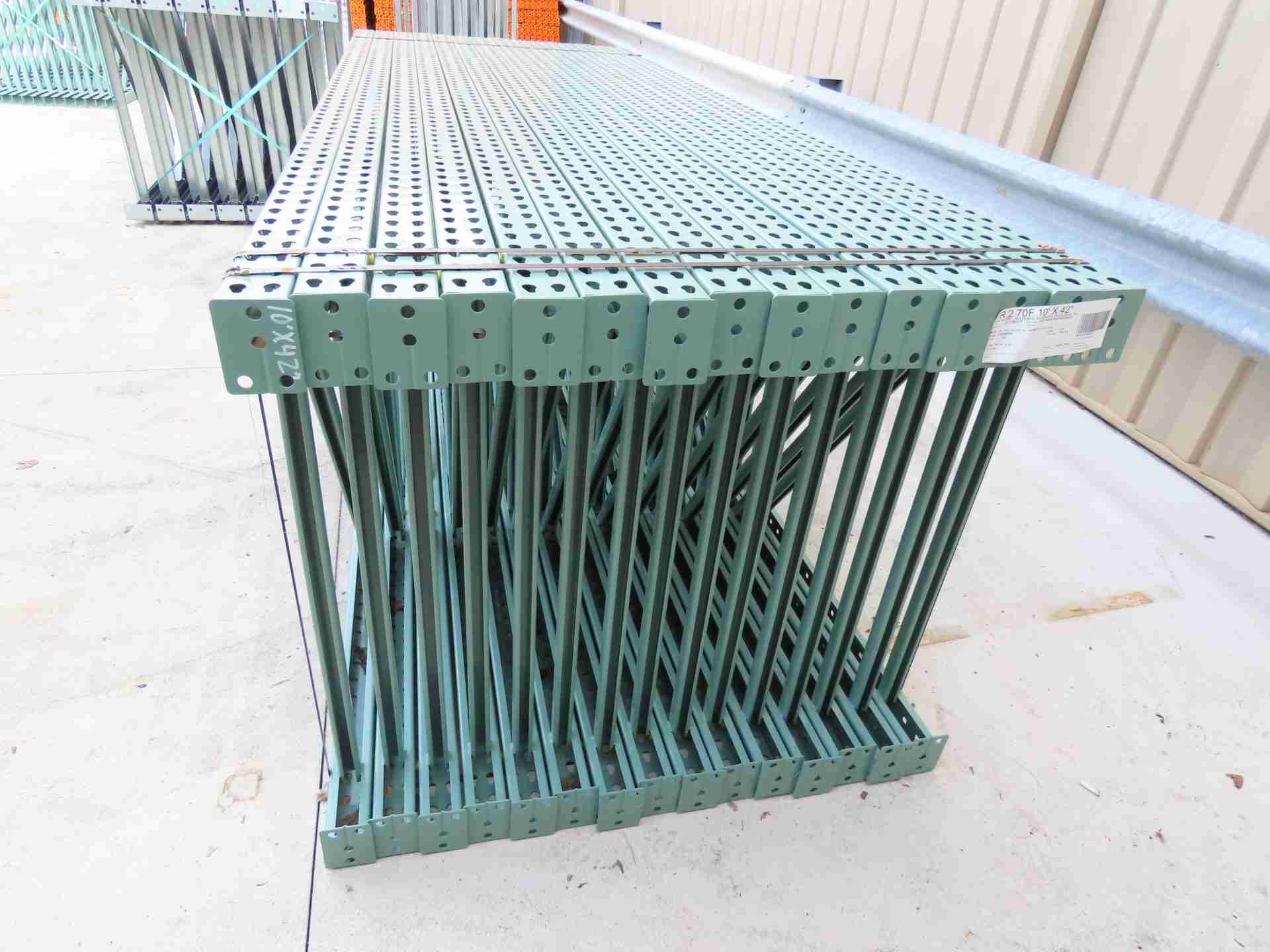
Is Your Warehouse Space a Disaster Waiting to Happen?
Is Your Warehouse Space a Disaster Waiting to Happen?
- A chaotic warehouse poses significant risks and inefficiencies.
- Pallet racking is crucial for maximizing space and improving safety.
- Effective pallet racking systems allow for clear aisles and quick access to inventory.
- Disorganized inventory can lead to wasted time and potential accidents.
- A well-structured warehouse layout enhances worker productivity and fosters safety.
- Building a safety culture through audits and training is essential for trust in the workspace.
- Taking proactive steps towards order improves operations and supports business growth.

Is Your Warehouse Space a Disaster Waiting to Happen?
Table Of Contents
- Is Your Warehouse Space a Disaster Waiting to Happen?
- What Signs Indicate My Warehouse Needs Better Organization?
- How Can I Improve Safety In My Warehouse?
- What Are The Common Hazards In A Poorly Organized Warehouse?
- How Often Should I Conduct A Warehouse Audit?
- What Measures Can Reduce Inventory Loss In My Warehouse?
- How Do I Maximize Storage Space In My Warehouse?
- Conclusion
- Other Resources
- Glossary Of Terms
- Other Questions
- Checklist
What Signs Indicate My Warehouse Needs Better Organization?
Have you ever walked into your warehouse and felt a wave of chaos washing over you? If you’re nodding your head, it’s time to take a closer look at the signs that your operation is begging for better organization. The truth is, an organized warehouse is not just a luxury; it’s a necessity if you want to maximize efficiency, productivity, and profitability.
First off, let’s talk about the telltale sign of poor organization: the cluttered floor space. If your employees are tripping over boxes or struggling to find essential items, you’ve got a problem. An effective warehouse layout should promote smooth navigation, which starts with a well-planned use of your pallet racking. When goods are neatly stored and easily accessible, you not only reduce accidents but also save precious time. Remember, time is money, and in the warehouse game, every second counts!
Next, consider your inventory management. Are you losing track of items or realizing that products are sitting unused for months? If so, your current system is crying out for an overhaul. An organized warehouse allows for better inventory control, ensuring that you know exactly where everything is and that your stock levels align with your demand forecasting. Implementing a structured approach to your pallet racking can streamline this process, helping eliminate those pesky stock discrepancies that can lead to lost sales and frustrated customers.
Don’t underestimate the impact of an inefficient packing and shipping area. If your team looks more like a whirlwind as they prepare orders, you could be losing credibility with clients. Disorganization can mean delayed shipments and missed deadlines. With a well-defined process complimented by neatly arranged pallet racking, your warehouse can become a well-oiled machine. This not only boosts morale among your team but also enhances customer satisfaction.
Another red flag is the frequency of employee errors. If your workers are consistently misplacing items or sending out inaccurate orders, it’s time to hit the reset button. An organized environment fosters focus and reduces the chances of mistakes, leading to a happier workforce and a healthier bottom line.
So, ask yourself: Is your warehouse working for you or against you? The signs are there, and the time to act is now. An organized warehouse not only revolutionizes your operational flow but also inspires confidence among your team and your customers. Let’s get started on the path to a more efficient warehouse today!
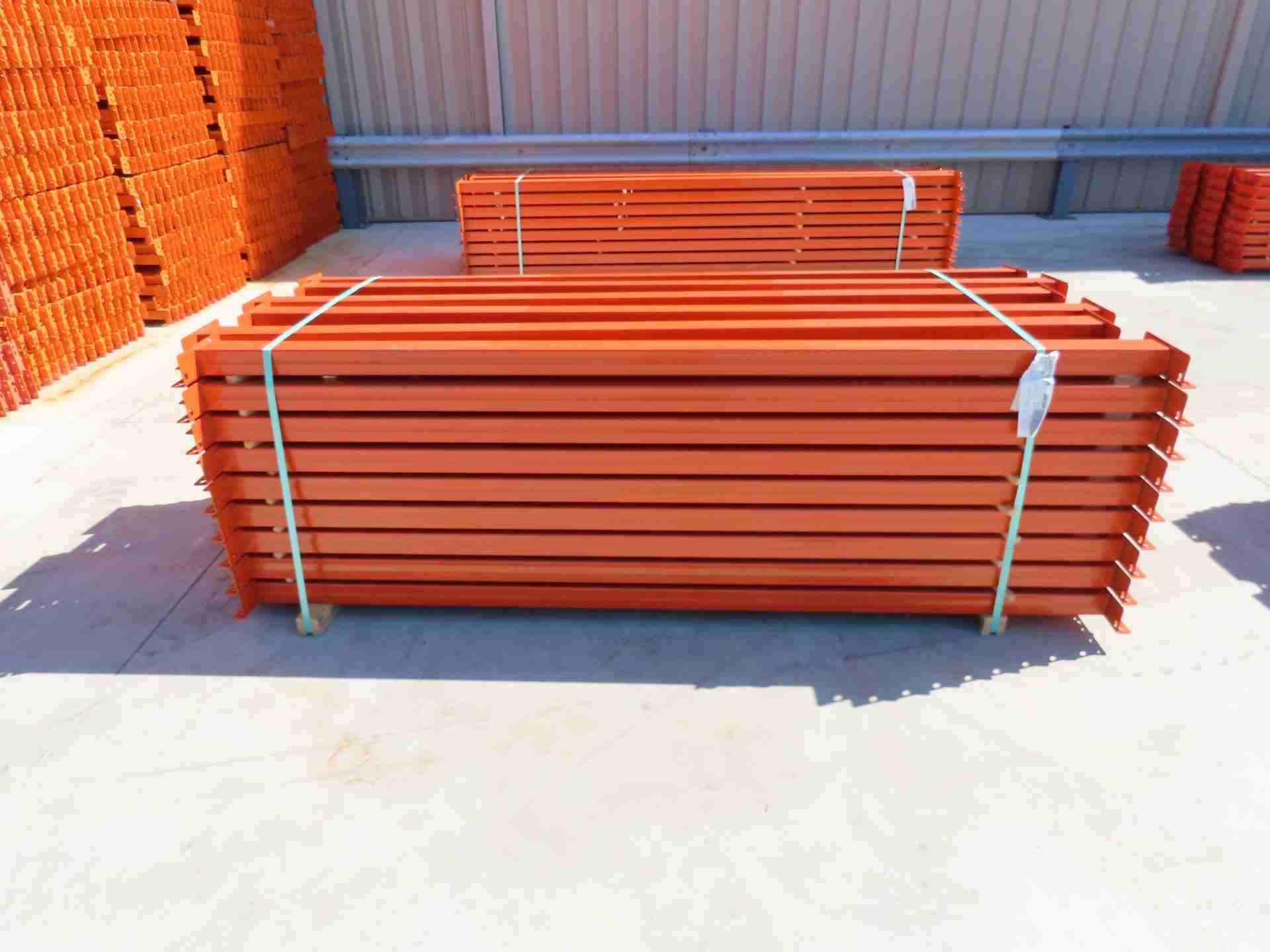
What Signs Indicate My Warehouse Needs Better Organization?
What Signs Indicate My Warehouse Needs Better Organization?
- Walking into a chaotic warehouse indicates a need for better organization.
- Cluttered floor space is a major sign of poor organization; smooth navigation is crucial.
- An organized layout with accessible pallet racking reduces accidents and saves time.
- Poor inventory management, such as lost items or unused products, signals a need for an overhaul.
- Efficient packing and shipping processes enhance credibility and prevent delayed shipments.
- Frequent employee errors can stem from disorganization; a neat environment promotes focus.
- An organized warehouse improves operational flow and boosts confidence among team and customers.
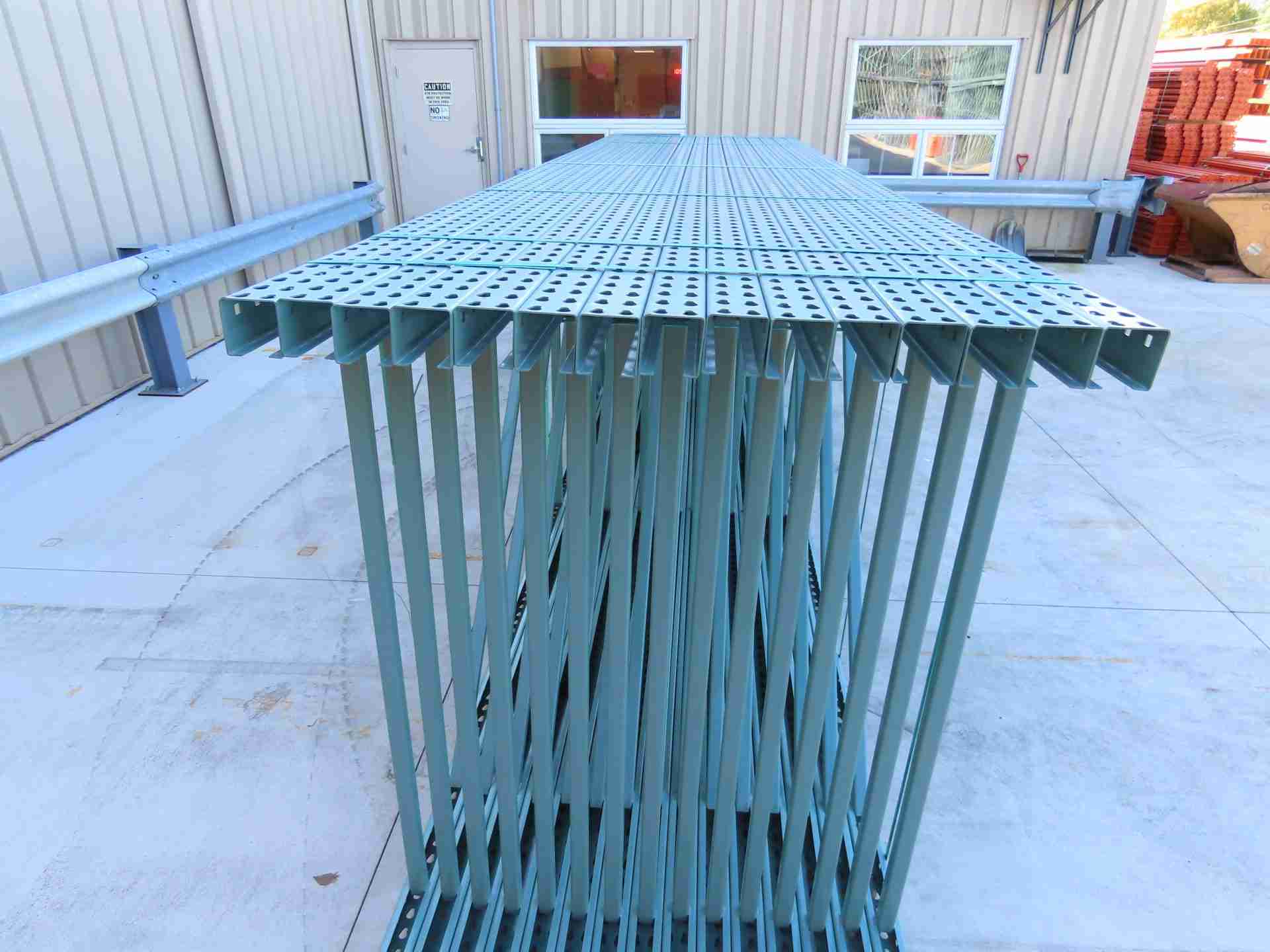
What Signs Indicate My Warehouse Needs Better Organization?
How Can I Improve Safety In My Warehouse?
Improving safety in your warehouse is not just a regulatory requirement; it’s a direct investment in your most valuable asset—your people. Imagine walking into a vibrant, efficient space where employees operate confidently, knowing that safety is a priority. That transformation is possible, and it starts with a few fundamental strategies.
First, let’s talk about pallet racking. This system not only optimizes your storage but also plays a crucial role in safety. Imagine navigating a well-organized warehouse where every pallet is securely positioned, minimizing the risk of falling materials. Investing in robust pallet racking eliminates hazards and streamlines operations, allowing your team to focus on productivity rather than worrying about potential accidents.
Next, create a safety-first culture. Involve your team in safety meetings and encourage them to voice their concerns and suggestions. By building a culture that prioritizes safety, you empower employees to take ownership. When they feel like their input matters, they’ll genuinely care about maintaining a secure work environment. A simple suggestion box or a digital platform for submitting ideas can foster an open dialogue and strengthen your team’s commitment to safety.
Training is another vital component. Regularly provide comprehensive safety training sessions that engage employees in practical skills and emergency protocols. Tailor these sessions to the specific hazards present in your warehouse. By making training relatable and interactive, you instill confidence in your staff, ensuring they know what to do in high-stress situations. You’ll see a significant reduction in incidents when employees feel prepared.
Don’t overlook the importance of clear signage and visual cues. Well-placed signs remind your team of safety procedures, emergency exits, and even proper lifting techniques. Consider using color-coded labels for different hazards. These visual aids reinforce a safety-oriented mindset and serve as constant reminders to stay vigilant.
Finally, conduct regular safety audits. By systematically assessing your operations and identifying potential hazards, you establish a proactive approach to safety. Engage your team during audits; their hands-on experience brings invaluable insights. When they see that you actively seek their input, trust builds, and safety becomes a shared responsibility.
In a world where the unexpected is just a moment away, invest in safety today. Create the warehouse environment you and your team deserve, where productivity flourishes alongside the security of knowing each person is valued.

How Can I Improve Safety In My Warehouse?
How Can I Improve Safety In My Warehouse?
- Improving warehouse safety is a crucial investment in employee well-being, beyond just regulatory compliance.
- Robust pallet racking optimizes storage and minimizes the risk of falling materials, contributing to a safer work environment.
- Foster a safety-first culture by involving employees in safety discussions and valuing their feedback and suggestions.
- Regular and engaging safety training sessions should be tailored to address specific hazards in the warehouse.
- Utilize clear signage and visual cues to remind employees of safety procedures and reinforce a vigilant mindset.
- Conduct regular safety audits to identify potential hazards, engaging employees for their insights and building trust.
- Investing in safety today helps create a productive and secure warehouse environment where every employee feels valued.
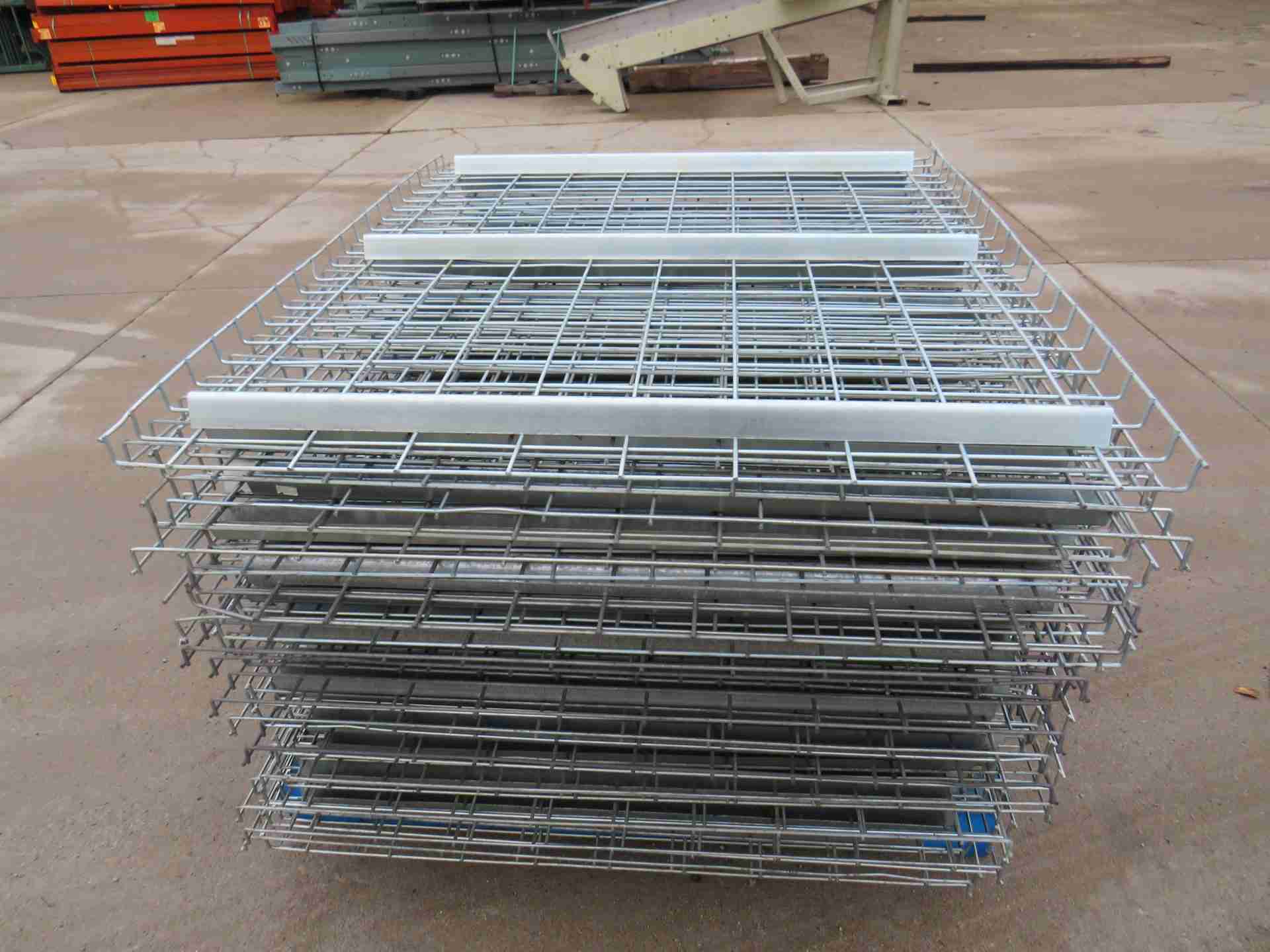
How Can I Improve Safety In My Warehouse?
What Are The Common Hazards In A Poorly Organized Warehouse?
Picture this: a bustling warehouse, where products are flying off the shelves, orders are being filled, and the team is hard at work. Now, imagine navigating through aisles cluttered with boxes that tumble over when you attempt to reach for that elusive pallet racking system. It’s a recipe for disaster. A poorly organized warehouse isn’t just a headache — it poses serious hazards that can impact not only the bottom line but also the safety of your team.
First up, let’s talk about tripping hazards. When pathways are obstructed by misplaced inventory or tools left lying around, employees are at risk of injury. A split-second distraction can lead to a fall, potentially resulting in expensive medical bills and lost productivity. Keeping those paths clear isn’t just a good practice — it’s essential for fostering a safe work environment.
Then there’s the risk associated with pallet racking. When these systems aren’t organized properly, they’re not just ineffective — they become dangerous. Overstacking can cause structures to collapse, resulting in injuries or worse. Imagine an employee reaching for a box only to find themselves in a precarious situation because the racking system was misused or poorly designed. Proper training on racking systems and equipment can mitigate this risk significantly.
Let’s also consider the fire hazards that accompany disorganization. Cluttered areas can block fire exits, and improperly stored materials can ignite flames that spread like wildfire — quite literally. Your warehouse needs to be more than just a storage facility; it should be a place where safety protocols are top of mind and easily executed.
And don’t overlook the equipment mishaps that arise from chaotic environments. When machinery and technology aren’t properly organized or maintained, they can become unreliable. Faulty equipment not only slows down operations but can lead to catastrophic failures when least expected. Habitual maintenance routines combined with thoughtful organization can keep you ahead of these issues.
With the right approach to warehouse organization — focusing on safety, efficiency, and strategic planning — you can turn your space from a potential hazard zone into a well-oiled machine. Embrace the power of organization, and watch your productivity soar. In today’s fast-paced world, it’s not just about managing space; it’s about ensuring safety and trust within your team. Take action now! Your employees, your customers, and your bottom line will thank you.
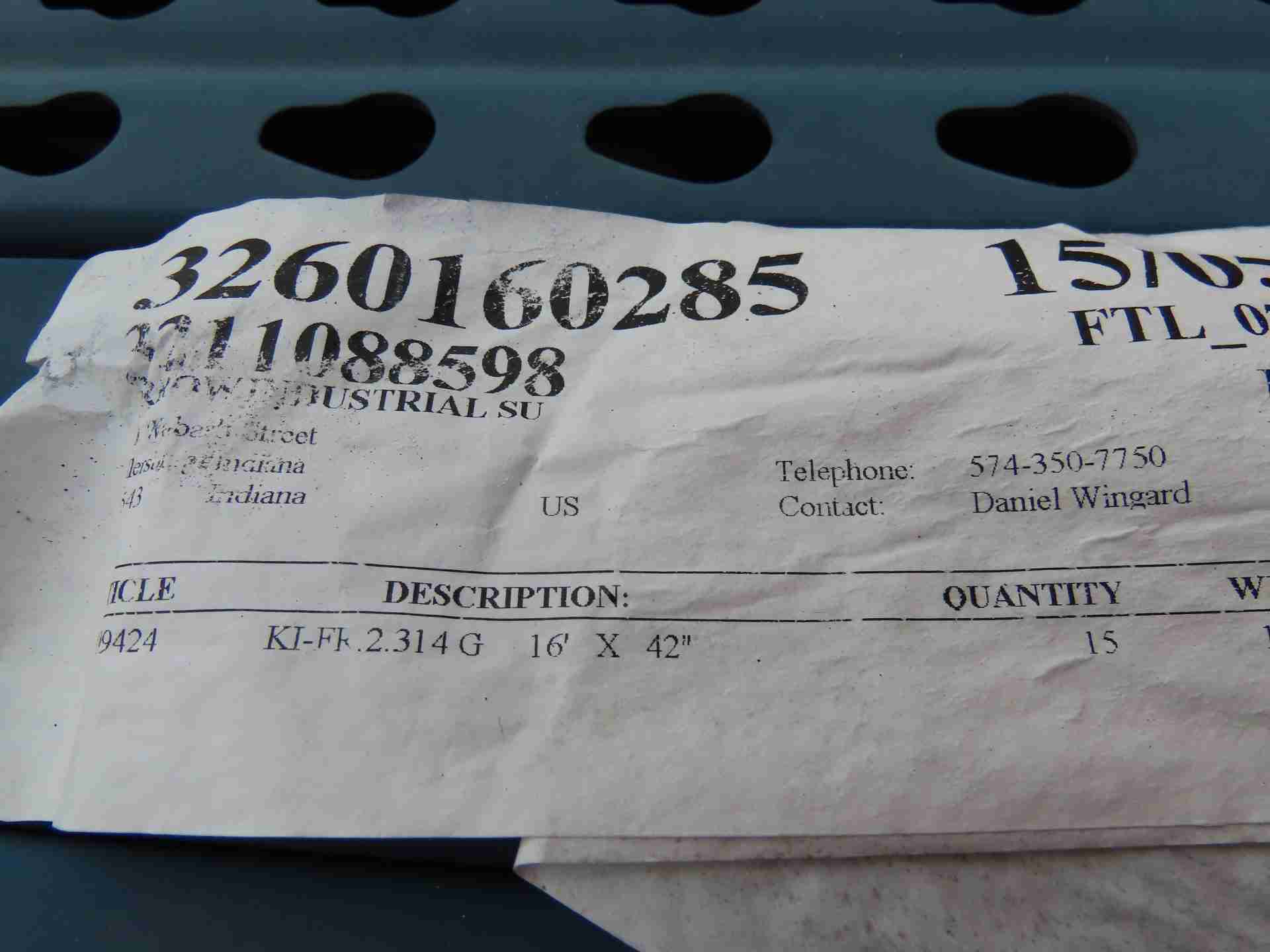
What Are The Common Hazards In A Poorly Organized Warehouse?
What Are The Common Hazards In A Poorly Organized Warehouse?
Here is the summary in a formatted bulleted HTML list:
- A bustling warehouse can pose significant safety hazards if not organized properly.
- Tripping hazards result from obstructed pathways, risking employee injuries and productivity loss.
- Pallet racking systems must be organized to prevent collapses and ensure employee safety.
- Clutter can block fire exits and create fire hazards with improperly stored materials.
- Chaotic environments can lead to equipment mishaps and unreliable machinery.
- Proper organization promotes safety, efficiency, and trust within the team.
- Taking action to improve warehouse organization benefits employees, customers, and the bottom line.

What Are The Common Hazards In A Poorly Organized Warehouse?
How Often Should I Conduct A Warehouse Audit?
When it comes to operating a successful warehouse, there’s one non-negotiable truth: consistency is key! You might be thinking, “How often should I conduct a warehouse audit?” That’s an excellent question, and the answer can differ significantly based on your unique circumstances, but one thing remains clear: regular audits are your secret weapon for ensuring efficiency and preventing costly mistakes.
Imagine your warehouse as a finely-tuned machine, where every gear needs to be in perfect alignment. If you’re using pallet racking to maximize your vertical space, periodic checks become even more critical. You wouldn’t drive your car without regular oil changes or checks, right? Your warehouse deserves the same level of care! Regular audits can range from quarterly checks for fast-paced operations to an annual review for others. What’s crucial is setting a rhythm that matches your business’s pace.
During these audits, think beyond just the inventory. Sure, counting stock is vital, but exploring the functionality of your pallet racking system can lead you to insights that save space and improve workflow. Are the pallets organized efficiently? Are there locations that consistently bottleneck the flow of goods? These are the insights that can revolutionize your operations.
You might sometimes feel like auditing is just another task on your endless to-do list. However, when you transform this task into an opportunity for improvement, everything changes. Each audit is not merely a checklist but a chance to understand your warehouse better, enhance employee safety and satisfaction, and maintain customer trust through consistent fulfillment capabilities. After all, when your warehouse operates seamlessly, everyone wins!
But let’s make it easy. Set up a regular schedule. Involve your team in the process, because they are often the first line of defense in spotting inefficiencies. Create a culture of continual improvement and look at your audits not just as necessities but as growth opportunities. Whether that’s reviewing the structural integrity of your pallet racking or checking that items are where they need to be, see every audit as a stepping stone towards operational excellence.
So, how often should you audit your warehouse? Regularly! Secure the longevity and efficiency of your operations. Start today with a clear plan; your future self – and your bottom line – will thank you for it.
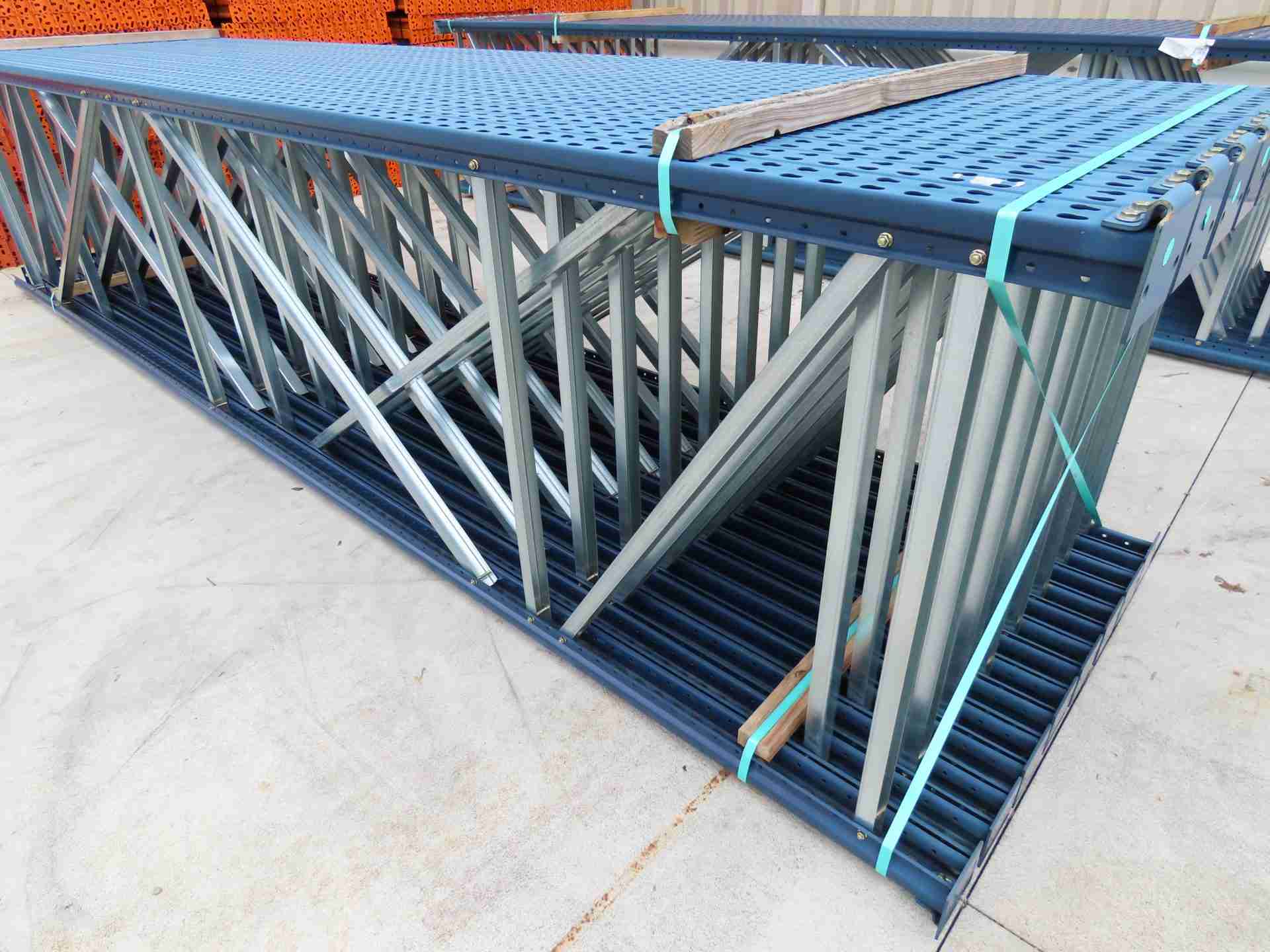
How Often Should I Conduct A Warehouse Audit?
How Often Should I Conduct A Warehouse Audit?
- Consistency is essential for successful warehouse management.
- Regular audits of the warehouse are crucial for efficiency and preventing costly errors.
- Auditing frequency should align with business needs, ranging from quarterly to annual reviews.
- Beyond inventory counts, audits should assess the functionality of pallet racking and workflow.
- Transform auditing from a chore into a proactive opportunity for improvement and employee safety.
- Involve your team in the auditing process to identify inefficiencies and foster a culture of continuous improvement.
- Establish a clear audit schedule to maintain operational longevity and efficiency.

How Often Should I Conduct A Warehouse Audit?
What Measures Can Reduce Inventory Loss In My Warehouse?
Inventory loss can feel like a dark cloud looming over the efficiency of your warehouse. But don’t worry; you’re not alone on this journey. Many warehouse operators face the daunting task of safeguarding their assets. Fortunately, there are tangible measures you can take to significantly reduce inventory loss and protect your bottom line.
Optimize Your Pallet Racking System
Let’s start with the foundation of your storage – pallet racking. Properly designed and organized pallet racking systems not only maximize space but also minimize the risk of damage and loss. Consider investing in adjustable pallet racking that can adapt as your inventory needs evolve. By incorporating advanced racking techniques, such as stackable systems or double-deep racking, you can streamline your operations and not just store more but also make accessing your materials easier and safer.
Regular Audits and Inventory Checks
Think about how often you conduct inventory checks. If the answer is “not often enough,” it’s time for a strategic shift. Regular audits act like a checkpoint on your inventory highway. Implementing a robust schedule for inventory reconciliation will help you identify any discrepancies before they morph into significant losses. Invest in technology that enables real-time tracking of inventory levels. Knowing exactly what’s on your shelves builds confidence and enables swift remedial action when items go missing.
Implement Security Measures
Imagine a fortress where your assets are protected. Simple yet effective security measures—such as surveillance cameras and restricted access areas—can deter theft and carelessness. Training your team on security protocols not only fosters a culture of safety and accountability but also helps them understand the value of every item in the warehouse. When they see the bigger picture, they’ll take greater care in handling inventory.
Foster a Culture of Care
Lastly, never underestimate the power of people. Your warehouse staff is your first line of defense. Encourage them to take ownership of their roles and educate them about the cost of inventory loss. When they genuinely understand the impact of their actions, they’ll be motivated to work diligently and reduce mistakes.
Reducing inventory loss in your warehouse is a multi-faceted approach that combines thoughtful storage solutions, proactive management, strong security, and an engaged workforce. By addressing these areas, you strategically position your warehouse for success while ensuring that every dollar spent on inventory counts. Take that first step today—your bottom line will thank you!
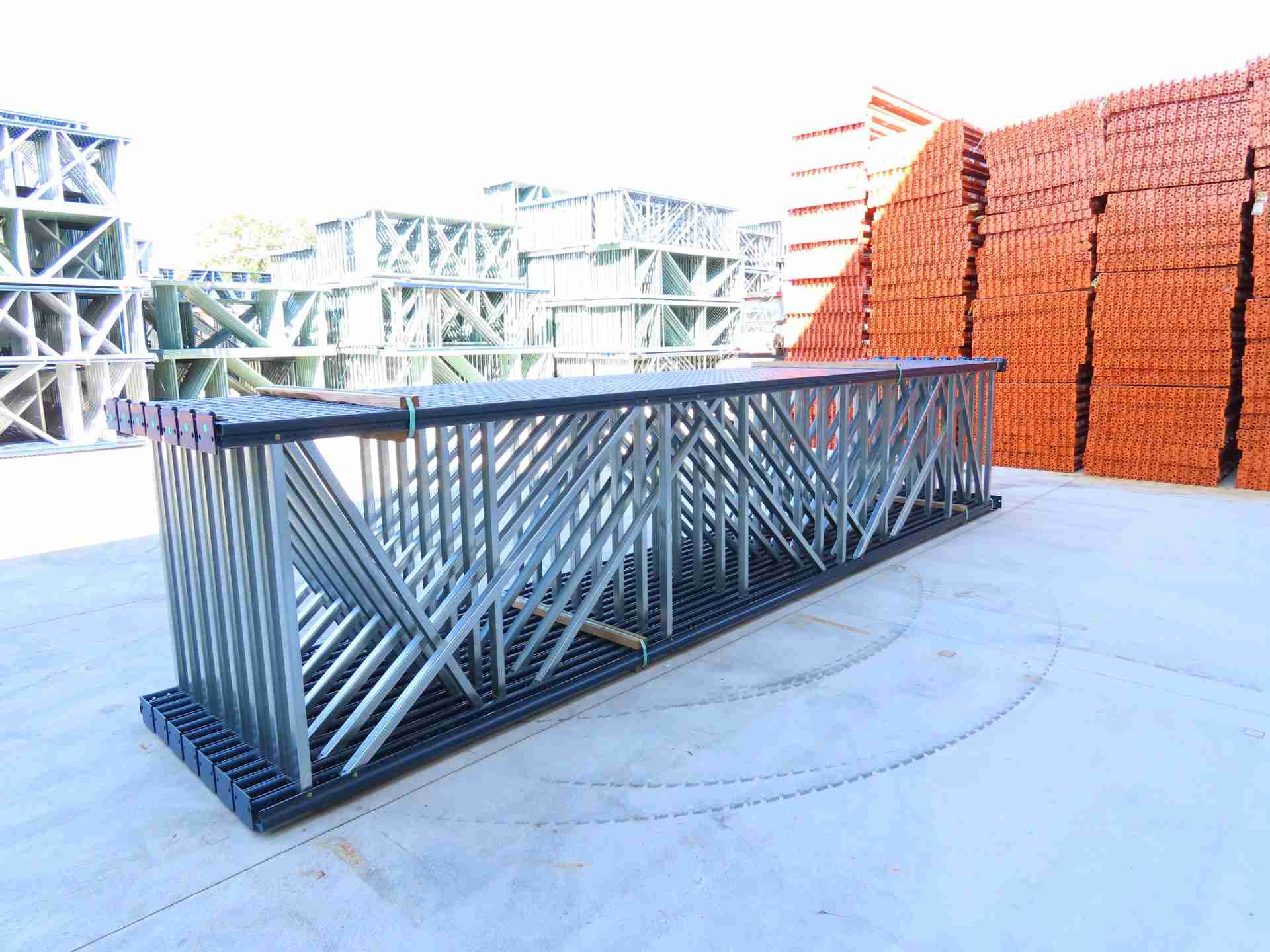
What Measures Can Reduce Inventory Loss In My Warehouse?
What Measures Can Reduce Inventory Loss In My Warehouse?
- Inventory loss threatens warehouse efficiency, but operators can take steps to safeguard assets.
- Optimize pallet racking systems to maximize space and reduce risk of damage; consider adjustable and advanced racking techniques.
- Conduct regular audits and inventory checks to identify discrepancies early and maintain confidence in inventory levels.
- Implement effective security measures like surveillance and restricted access to deter theft and carelessness.
- Train staff on security protocols to foster a culture of safety, accountability, and care for inventory.
- Encourage warehouse staff to take ownership of their roles and educate them about the costs associated with inventory loss.
- Combine thoughtful storage solutions, proactive management, strong security, and an engaged workforce to reduce inventory loss.
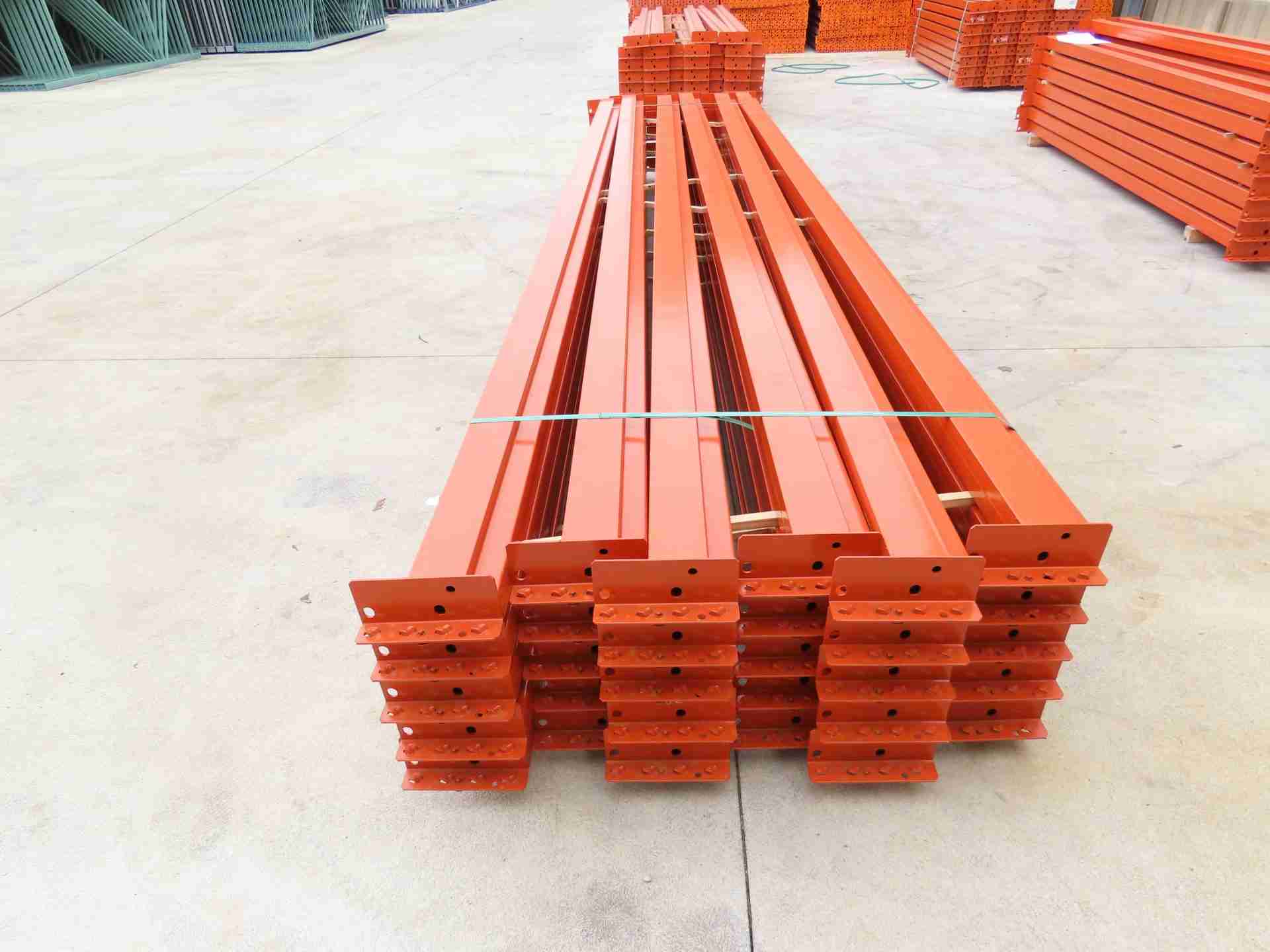
What Measures Can Reduce Inventory Loss In My Warehouse?
How Do I Maximize Storage Space In My Warehouse?
Maximizing Storage Space in Your Warehouse
When it comes to logistics, the importance of maximizing storage space in your warehouse cannot be overstated. And let’s face it — every square foot of space is precious. Wise warehouse management does more than just help you utilize your facility effectively; it drives revenue, optimizes workflow, and enhances customer satisfaction. So, how do you transform your warehouse into a model of efficiency? One word: Pallet Racking.
Pallet racking systems are not merely a means to an end; they are the backbone of a well-organized warehouse. Imagine walking through a warehouse where products are systematically arranged, easily locatable, and accessible. With pallet racking, this vision becomes your reality. This clever solution allows you to stack pallets vertically, making optimal use of vertical space rather than sprawling horizontally. In doing so, your team will spend less time searching for products and more time fulfilling customer needs. Talk about a win-win!
Now, let’s get real: Picking the right pallet racking system requires some thoughtful consideration. Are you storing heavy machinery parts, or are you housing delicate electronics? Each product requires a tailored approach. Investing in high-quality, durable racks will pay dividends in the long run. Think about it — how much does downtime cost your business? The last thing you want is a racking system that can’t handle your load and leads to damage, injury, or lost goods. When you choose wisely, safety and efficiency become your allies.
But that’s not all! Take the time to evaluate your warehouse flow. Is your picking station strategically positioned? Is there ample room for employees to maneuver while handling stock? It’s not just about what you store, but how you store it. A well-thought-out layout will promote efficiency and reduce operational costs.
Additionally, don’t overlook inventory management technology. Automated systems can radically streamline your operations, allowing for real-time tracking of stock levels, which makes reordering a breeze. Why sift through endless piles of inventory when you can have information at your fingertips?
So, roll up your sleeves and get to work. By selecting the right pallet racking and optimizing your warehouse layout, you’re setting your business up for success. Let’s create an organized, efficient, and ultimately profitable warehouse — because when it comes to maximizing storage space, mediocrity is not an option!

How Do I Maximize Storage Space In My Warehouse?
How Do I Maximize Storage Space In My Warehouse?
- Maximizing storage space in a warehouse is critical for effective logistics and efficiency.
- Pallet racking systems enhance organization by allowing vertical stacking of pallets, optimizing space usage.
- Choosing the right pallet racking system depends on the type of products stored (e.g., heavy machinery vs. delicate electronics).
- Investing in high-quality, durable racking systems minimizes downtime and prevents damage or injury.
- Evaluating warehouse flow and positioning of picking stations promotes efficiency and reduces operational costs.
- Implementing inventory management technology allows for real-time tracking, facilitating easier reordering.
- Optimizing storage solutions sets the business up for increased organization, efficiency, and profitability.
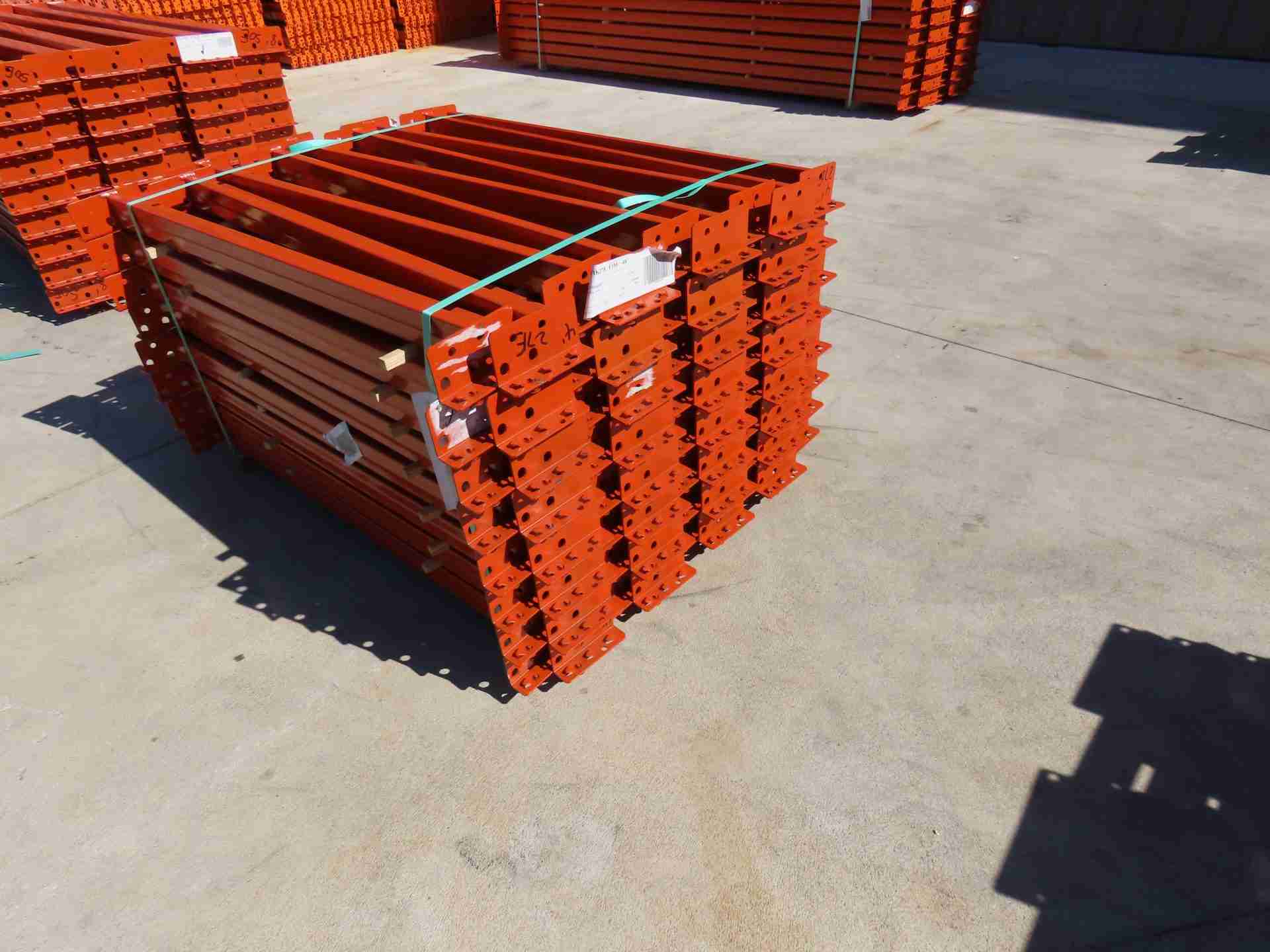
How Do I Maximize Storage Space In My Warehouse?
Conclusion
At Arrow Industrial Sales, we understand that a disorganized warehouse is more than just an eyesore; it’s a potential disaster waiting to unfold. As we’ve explored, your warehouse should inspire confidence, safety, and productivity—not chaos. Recognizing the urgent need for change is the first courageous step in transforming your operations into a well-oiled machine. With smart pallet racking solutions, you can maximize your space and create an efficient environment that not only enhances safety but also empowers your workforce to perform at their best.
Picture a streamlined operation where clutter is eliminated, inventory is easily accessible, and pathways are clear. This is not just a dream—it can become your reality with the right strategies in place. From identifying the signs of a poorly organized space to optimizing pallet racking systems, your journey toward a safe and efficient warehouse comes with a roadmap of actionable steps. Regular audits and training sessions will not only help mitigate risks but will also instill a culture of accountability within your team—a culture that lives and breathes safety.
However, the stakes are high. Delayed shipments, employee injuries, and inefficiencies can lead to significant costs and damage your reputation. Every minute wasted searching for misplaced items can translate to lost profits and frustrated clients. The urgency to act is palpable, and the message is clear: don’t wait until it’s too late to address your warehouse needs. As you’ve seen, enhancing safety and organization won’t just transform the physical space but will resonate positive change throughout your entire operation.
Now, it’s time to take action! Don’t just let ideas linger—call Arrow Industrial Sales at (574) 349-6575 for expert guidance on pallet racking solutions tailored to your specific requirements. Our team is ready to help you bring order to your warehouse chaos and ensure that your operation thrives rather than merely survives. With every passing minute, your bottom line hangs in the balance; reclaim control over your workspace and boost efficiency before another day slips away. Your employees, your customers, and your success depend on it. Take the leap and watch your warehouse evolve into a beacon of productivity!
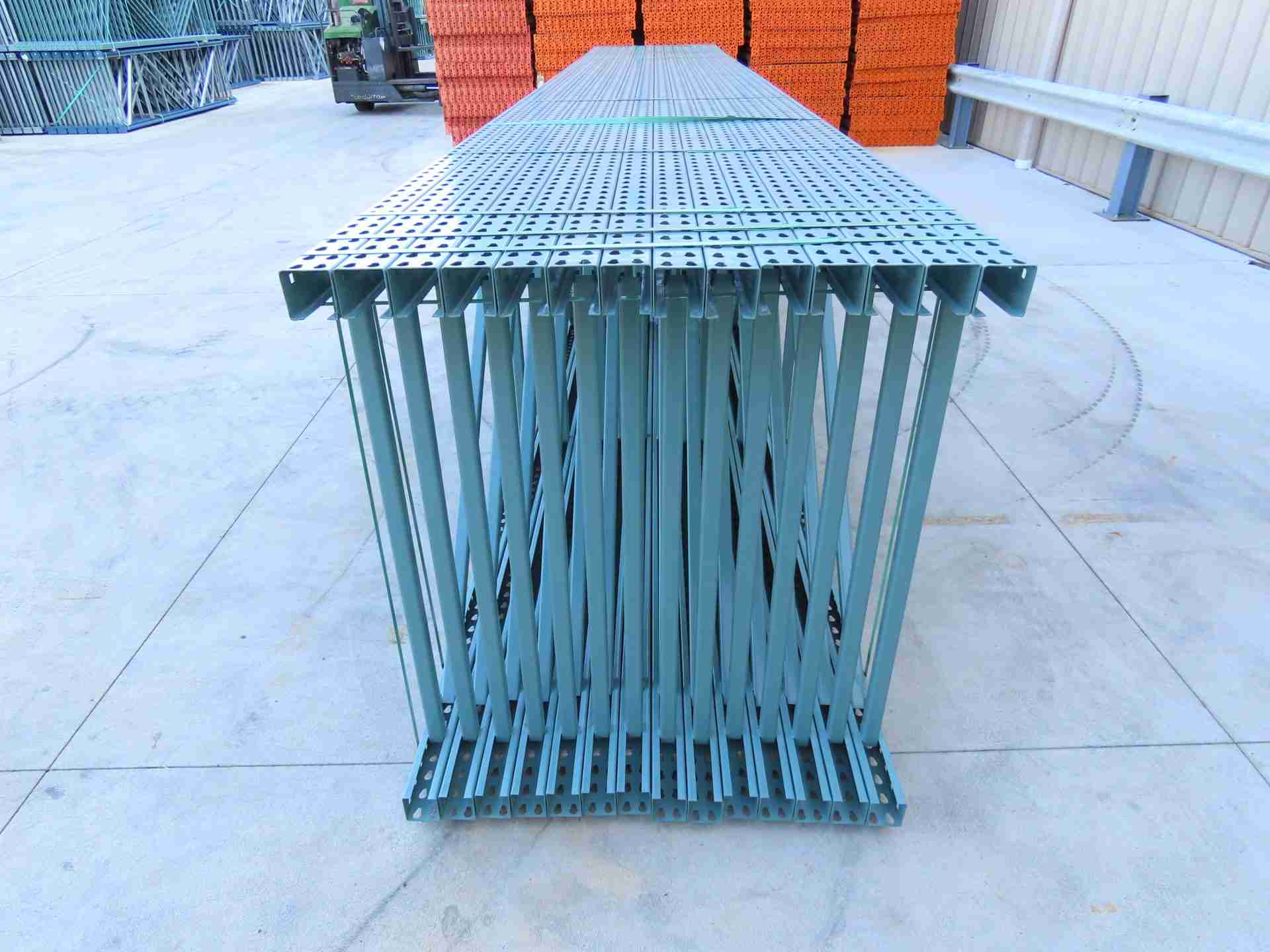
Conclusion
Conclusion:
- Disorganized warehouses can lead to safety issues and decreased productivity.
- Acknowledge the need for change as the first step toward improving operations.
- Smart pallet racking solutions can help maximize space and enhance employee performance.
- Streamlined operations involve eliminating clutter, making inventory accessible, and ensuring clear pathways.
- Implementing regular audits and training fosters a culture of safety and accountability.
- Delayed shipments, injuries, and inefficiencies can significantly impact costs and reputation.
- Contact Arrow Industrial Sales for tailored pallet racking solutions and reclaim control over your warehouse.
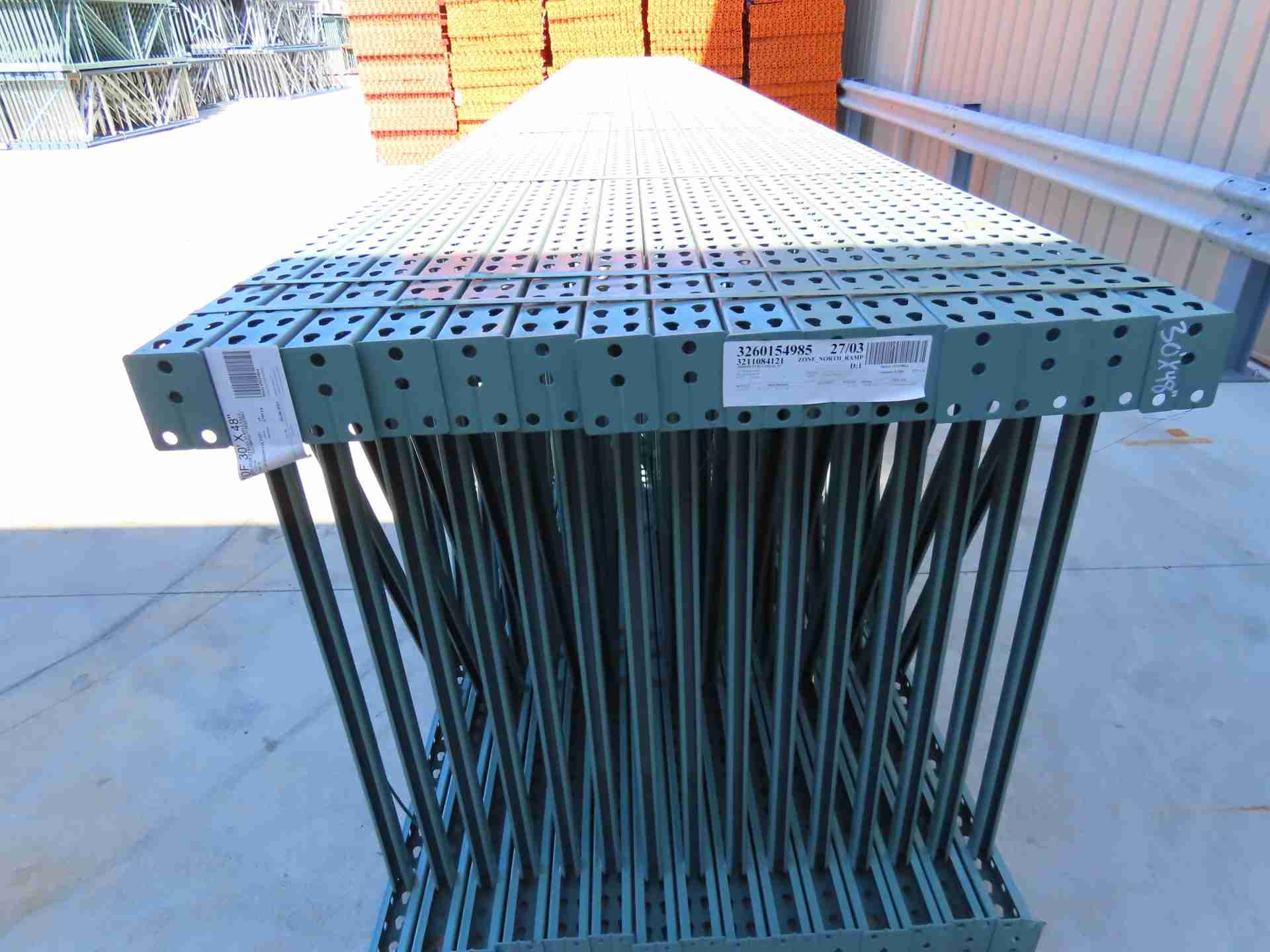
Conclusion
Other Resources
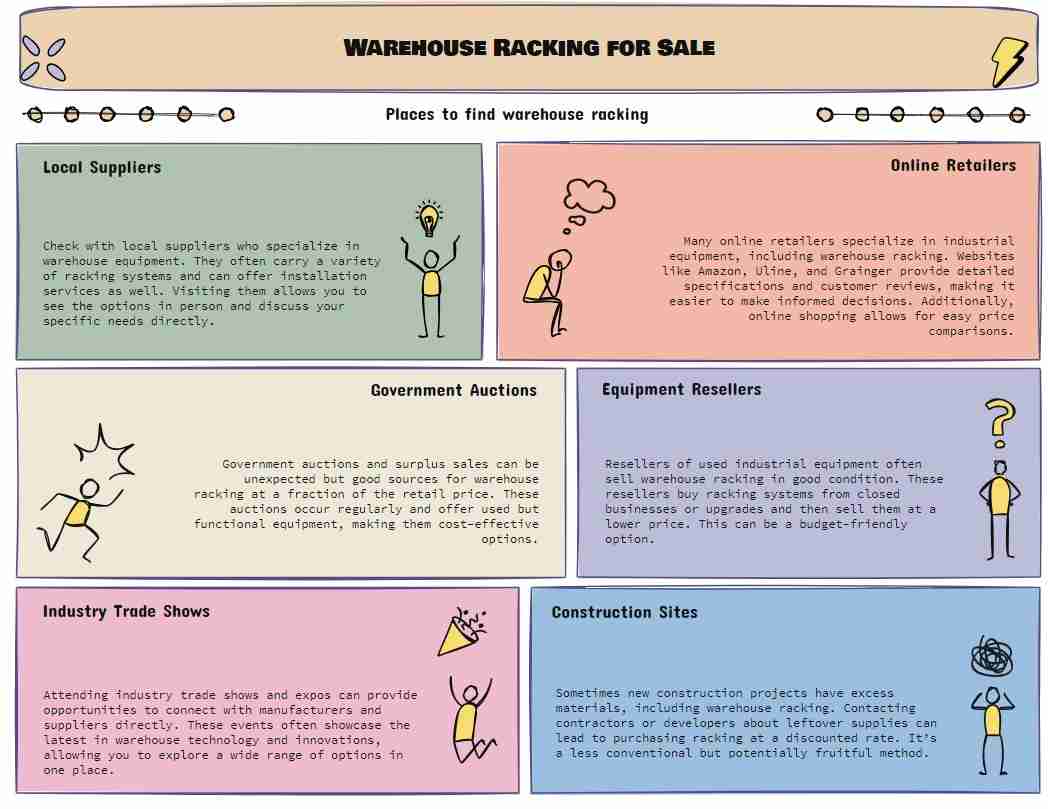
Other Resources
Here is a list of other resources you can review online to learn more:
- Cantilever Rack Configuration & Installation: A Comprehensive Guide – BMH
- Warehouse Racking Chicago, IL
- Warehouse Racking Systems: Beginner’s Guide to Rack Systems
- NSC
- New Cantilever Racks and Racking Kits
- WERC
- American Surplus
- Cantilever Racks Chicago
- Chicago Pallet Racking
- Illinois Pallet Racking – Storage Solutions
Use This Prompt To Get More Resources With Your Favorite Online AI Tool: Please provide me with a list of online articles with their URLs in a bulleted list that I can read regarding Is Your Warehouse Space a Disaster Waiting to Happen?
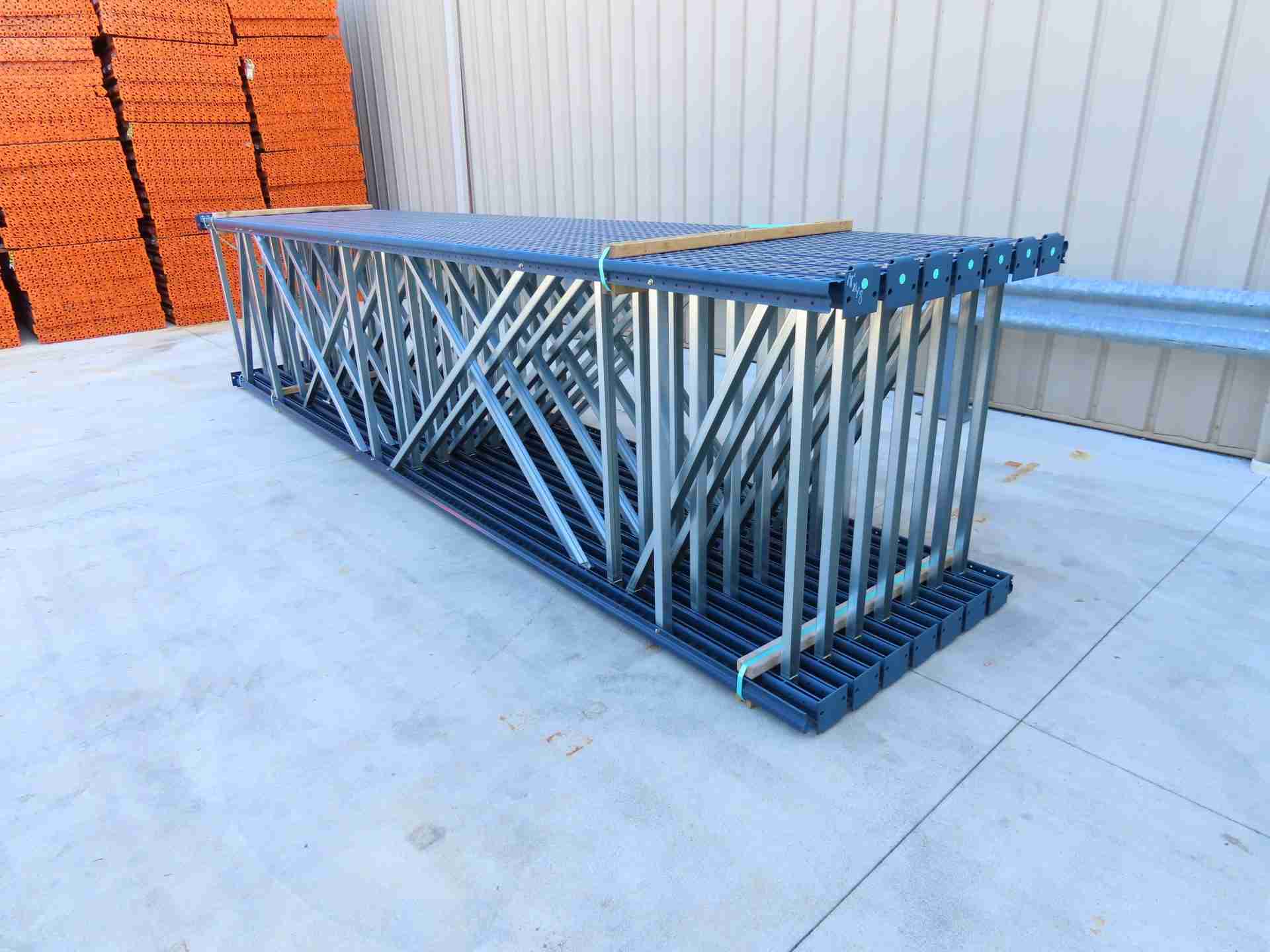
Other Resources
Glossary Terms
Is Your Warehouse Space a Disaster Waiting to Happen? – Glossary Of Terms
1. Inventory Management: The process of overseeing and controlling the ordering, storage, and use of inventory to optimize stock levels and minimize costs.
2. Pallet Racking: A storage system employing horizontal rows of pallets, used to hold goods in warehouses and distribution centers.
3. Safety Plan: A structured approach outlining procedures and protocols to ensure the safety of employees and the integrity of the warehouse environment.
4. Ergonomics: The study of how people interact with their work environment, aimed at improving comfort and efficiency while reducing the risk of injury.
5. Hazardous Materials: Substances that pose a risk to health, safety, property, or the environment, which require special handling and storage procedures.
6. Forklift Safety: Guidelines and protocols in place to ensure safe operation of forklifts and prevent accidents in the warehouse.
7. Traffic Management: The organization of vehicle and foot traffic within a warehouse to improve safety and efficiency.
8. Fire Safety: Measures and practices designed to prevent, control, and respond to fire hazards in the warehouse.
9. Breach of Safety Protocols: An instance where established safety procedures are not followed, potentially leading to accidents or hazards.
10. Emergency Exits: Clearly marked exit routes that provide safe escape paths in the event of an emergency situation in the warehouse.
11. Load Capacity: The maximum weight that a storage system, shelf, or piece of equipment can safely hold without risk of structural failure.
12. Cleaning Protocols: Established procedures for regularly maintaining cleanliness and organization in the warehouse to prevent hazards.
13. Seasonal Inventory: Stock that varies based on seasonal demand, requiring careful planning and management to avoid overstock or stockouts.
14. Training Programs: Structured initiatives designed to educate warehouse staff on safety practices, equipment operation, and emergency protocols.
15. Walkways: Designated paths in the warehouse for pedestrian traffic, critical for safety and efficiency.
16. Inventory Turnover: A measure of how quickly inventory is sold and replaced over a specific period, affecting storage needs.
17. Space Utilization: The efficient use of available warehouse space to optimize storage and workflow, minimizing wasted area.
18. Risk Assessment: The process of identifying and analyzing potential hazards within the warehouse to implement mitigating strategies.
19. Cleaning Supplies: Materials and tools used for maintaining cleanliness and hygiene in the warehouse environment.
20. PPE (Personal Protective Equipment): Safety gear such as helmets, gloves, goggles, and high-visibility vests worn by employees to protect against workplace hazards.
21. Code Compliance: Adhering to local and national regulations regarding safety, health, and operational standards in warehouse settings.
22. Automated Storage Systems: Technologies that use robotics or automated mechanisms to handle and store inventory, increasing efficiency and safety.
23. Workplace Culture: The collective attitudes, values, and practices that shape how employees interact and operate within the warehouse environment.
24. Cross-Docking: A logistics practice where incoming shipments are directly transferred to outgoing shipments, minimizing storage time.
25. Vertical Space Optimization: The use of vertical storage systems such as shelving and stacking to maximize the height of the warehouse for storage purposes.
26. Inventory Audits: Regular checks and assessments of inventory accuracy and organization to prevent discrepancies and mismanagement.
27. Emergency Response Plan: A documented procedure detailing how to respond to various emergencies within the warehouse, such as fires or chemical spills.
28. Supplier Delivery Schedules: Planned timelines and frequency for suppliers to deliver goods, crucial for inventory management and warehouse organization.
29. Labeling Systems: Methodologies for tagging and identifying items in the warehouse to facilitate quick retrieval and organization.
30. Maintenance Checks: Regular inspections and evaluations of equipment, storage systems, and facilities to ensure optimal performance and safety standards.
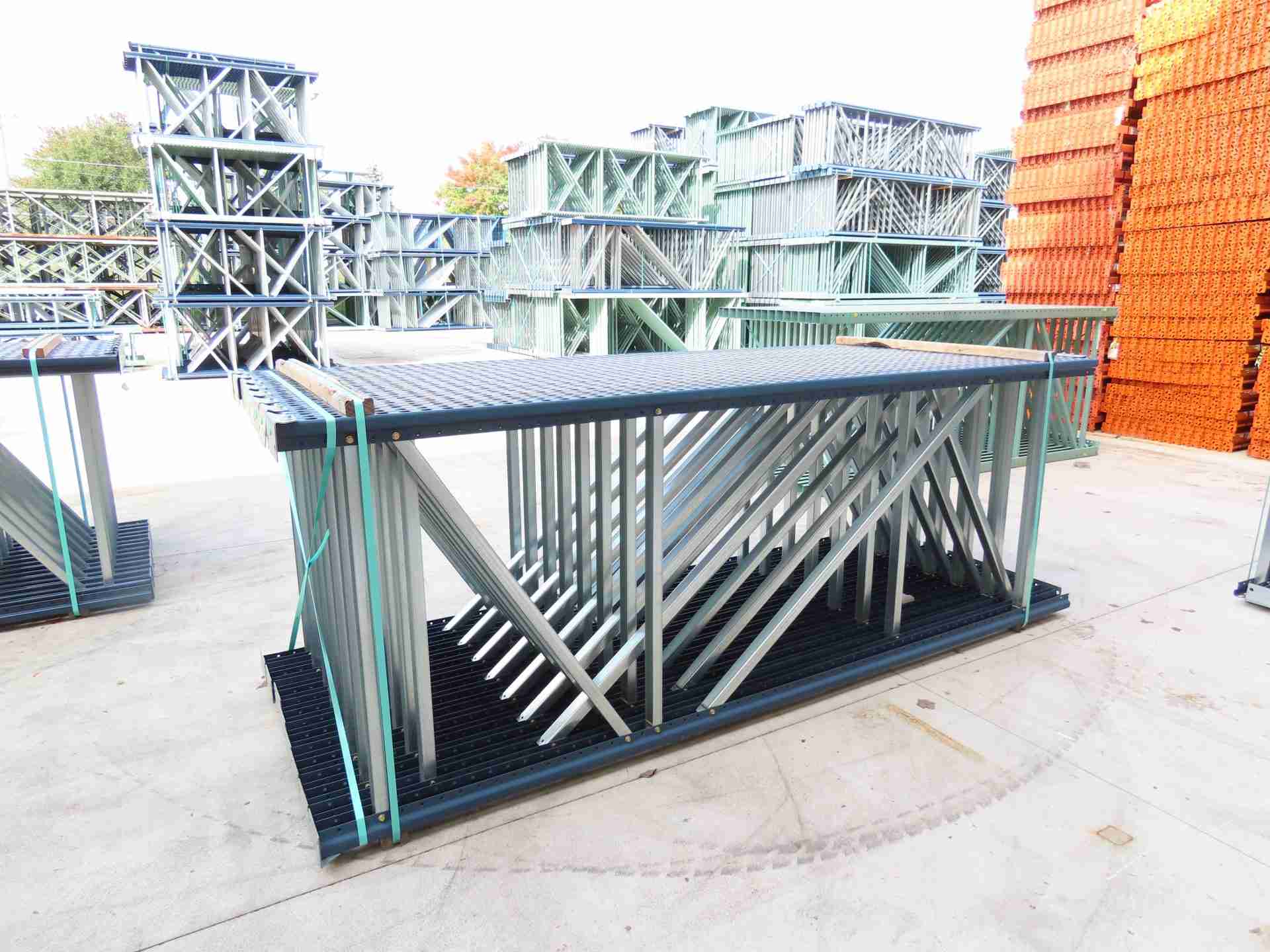
Glossary Of Terms
Other Questions
Is Your Warehouse Space a Disaster Waiting to Happen? – Other Questions
If you wish to explore and discover more, consider looking for answers to these questions:
- What are the benefits of implementing a pallet racking system?
- What types of pallet racking systems are available?
- How can I train warehouse staff on safety protocols effectively?
- What technology can help improve inventory management in my warehouse?
- How do I create a culture of safety in my warehouse?
- What steps should I take during a warehouse audit?
- How can I effectively manage seasonal inventory fluctuations?
- What are some cost-effective measures to improve warehouse organization?
- How can I reduce the risk of equipment-related accidents in my warehouse?
- What metrics should I track to assess warehouse performance?
- How can lean management principles apply to warehouse operations?
- What common mistakes should I avoid when organizing a warehouse?
- How can I enhance employee morale in a warehouse setting?
- What role does employee feedback play in improving warehouse efficiency?
- How often should I review and update safety protocols in my warehouse?
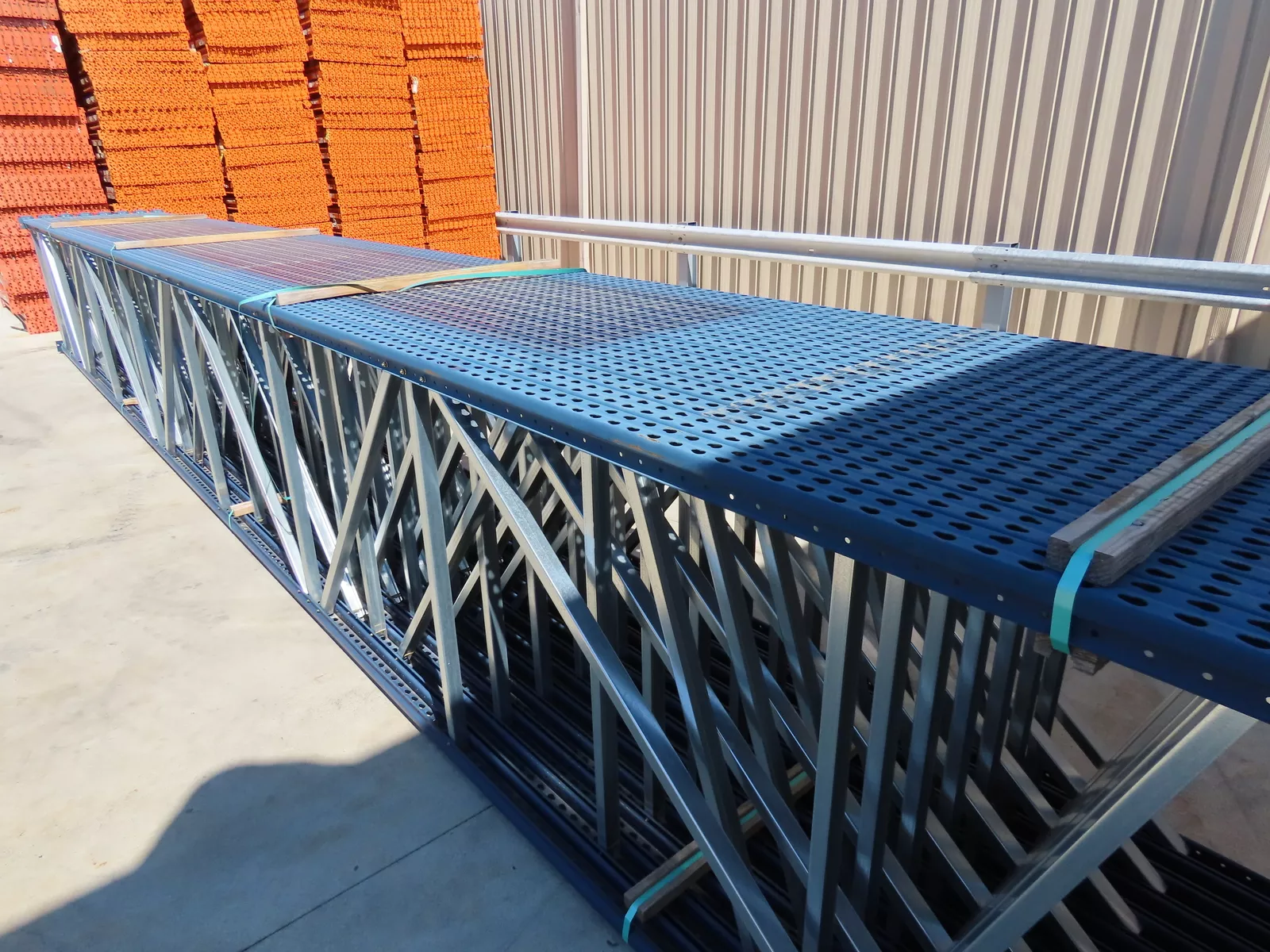
Other Questions
Checklist
Is Your Warehouse Space a Disaster Waiting to Happen? – A Checklist
Warehouse Organization and Safety Improvement Checklist
1. Assess Current Warehouse Layout
_____ Walk through the warehouse to identify cluttered areas.
_____ Check clear aisle access to all racking systems.
_____ Evaluate the efficiency of the current pallet racking systems.
2. Implement Effective Pallet Racking Solutions
_____ Select the appropriate type of pallet racking (e. g. , adjustable, double-deep).
_____ Ensure racking systems are securely installed and maintained.
_____ Organize stock to maximize vertical and horizontal space usage.
3. Enhance Inventory Management
_____ Implement a real-time inventory tracking system.
_____ Schedule regular inventory audits (quarterly or monthly).
_____ Train staff on the use of inventory management technology.
4. Promote a Culture of Safety
_____ Conduct regular safety training sessions for all employees.
_____ Create an open dialogue environment for safety concerns.
_____ Post clear signage for safety procedures and emergency exits.
5. Regular Safety Audits
_____ Schedule safety audits at least quarterly.
_____ Involve team members in the auditing process for shared responsibility.
_____ Document audit findings and implement corrective actions.
6. Identify and Mitigate Common Hazards
_____ Conduct a walk-through to spot tripping hazards (e. g. , obstructed pathways).
_____ Ensure proper storage of materials to reduce fire risks.
_____ Train workers on proper lifting techniques and equipment handling.
7. Implement Security Measures
_____ Install surveillance cameras in key areas.
_____ Restrict access to sensitive or high-value inventory areas.
_____ Train employees on security protocols and their importance.
8. Establish Efficient Packing and Shipping Areas
_____ Designate clear areas for packing and shipping operations.
_____ Organize packing materials and frequently used items for easy access.
_____ Implement a checklist for order fulfillment to reduce errors.
9. Foster Employee Engagement
_____ Encourage team members to suggest improvements to workflows and safety.
_____ Provide training on the importance of organization and safety.
_____ Recognize and reward employees for contributions to safety and efficiency.
10. Review and Adjust Regularly
_____ Set a schedule for regular reviews of processes and layouts.
_____ Adjust strategies based on warehouse operation changes or feedback.
_____ Stay updated on industry best practices and new technologies.
Final Note:
Use this checklist as a foundational tool to transform your warehouse into a safer, more organized, and efficient workspace. Remember, a thriving warehouse is one where safety and productivity go hand in hand!
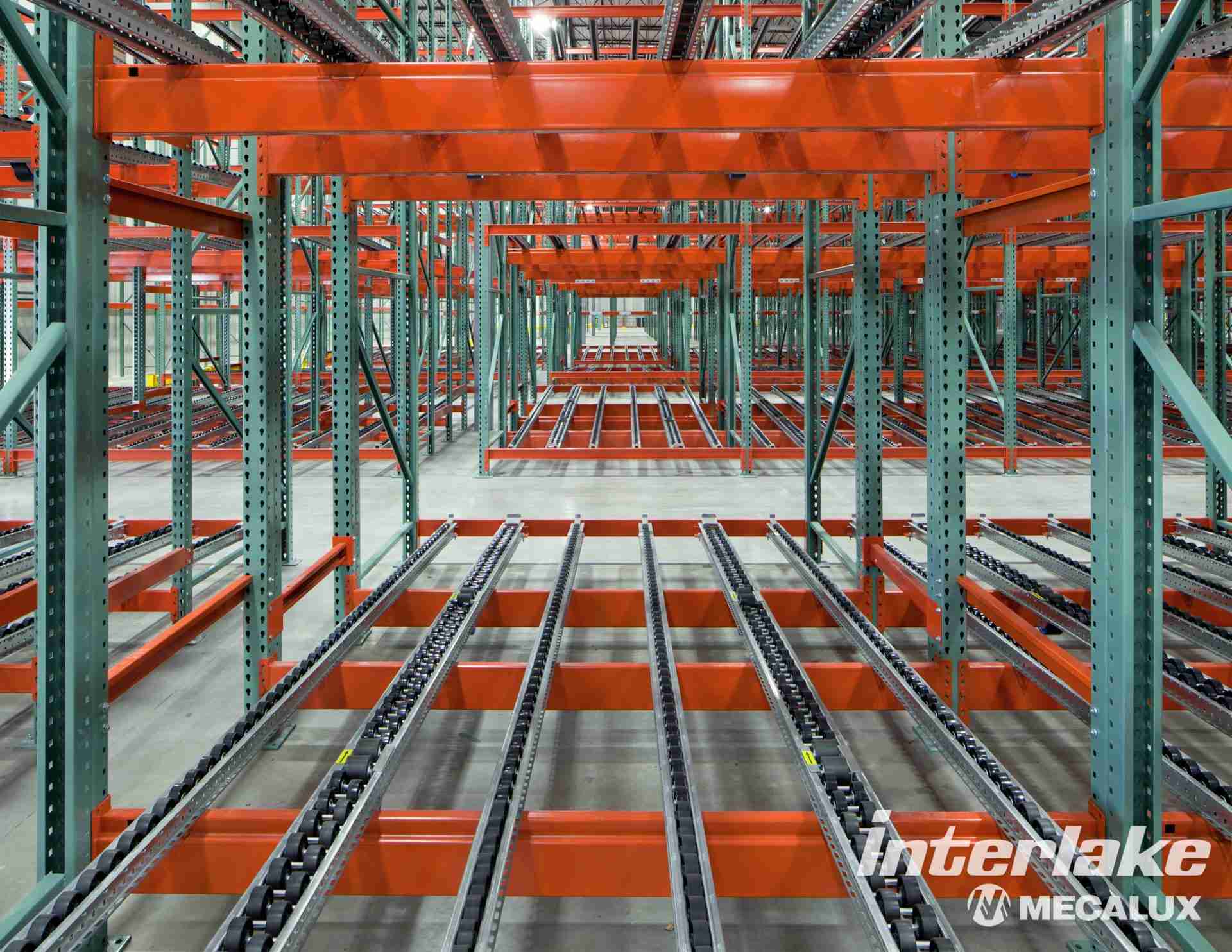
Checklist
At RackingWorld, we help guide you through selecting warehouse storage systems and racking.
Be sure to read our other related stories at RackingWorld to learn more about warehouse storage systems.
0 Comments