
Discover The Hidden Dangers In Your Warehouse
By Tom Seest
At RackingWorld, we help guide you through selecting warehouse storage systems and racking.
Be sure to read our other related stories at RackingWorld to learn more about warehouse storage systems.
Is Your Warehouse a Time Bomb Waiting to Go Off?
Your warehouse is the beating heart of your operation, yet many business owners overlook the ticking clock that lurks within its walls. Picture this: stacks of inventory piled precariously on pallet racking, limited visibility on the floor, and a team that’s going through the motions rather than operating at peak efficiency. Is this the foundation of success or a recipe for disaster? If your warehouse has become a labyrinth of chaos, it’s time to stop pretending everything is fine and face the truth.
Safety is paramount. Every year, thousands of accidents in warehouses can be traced back to poorly organized spaces, inadequate training, and equipment that’s seen better days. Those shiny pallet racking systems you invested in? They can turn lethal when overloaded or improperly installed. It’s not just about making the most of your square footage; it’s about creating an environment that keeps your team safe and your operations smooth.
But let’s be real: it’s easy to become complacent. The daily grind pulls you in different directions, and those nagging warehouse issues often take a back seat. Yet, the longer you wait, the bigger the risks grow. Ignoring problems today is like ignoring a warning siren—eventually, the sound will become impossible to ignore.
So how can you defuse this potential time bomb? Start with a thorough evaluation of your current setup. Are your pallet racking systems optimized for space and safety? Are your inventory processes streamlined, ensuring that nothing and no one is at risk? Engage your employees—after all, they’re on the front lines, observing the warehouse dynamics every day. Their insights can be invaluable in uncovering hidden dangers and inefficiencies.
Take action: Invest in training and technology that keeps your workforce informed and your systems efficient. Regular maintenance checks can prevent minor issues from escalating into costly mishaps.
Remember, a well-organized warehouse is not just about aesthetics—it’s about fostering accountability, trust, and a culture of safety. By taking proactive steps today, you not only protect your assets but also inspire confidence among your team and customers. Don’t let your warehouse remain a ticking clock; transform it into a streamlined powerhouse. It’s time to make a decision: be the business that waits for disaster or the one that leads through action. The choice is yours.
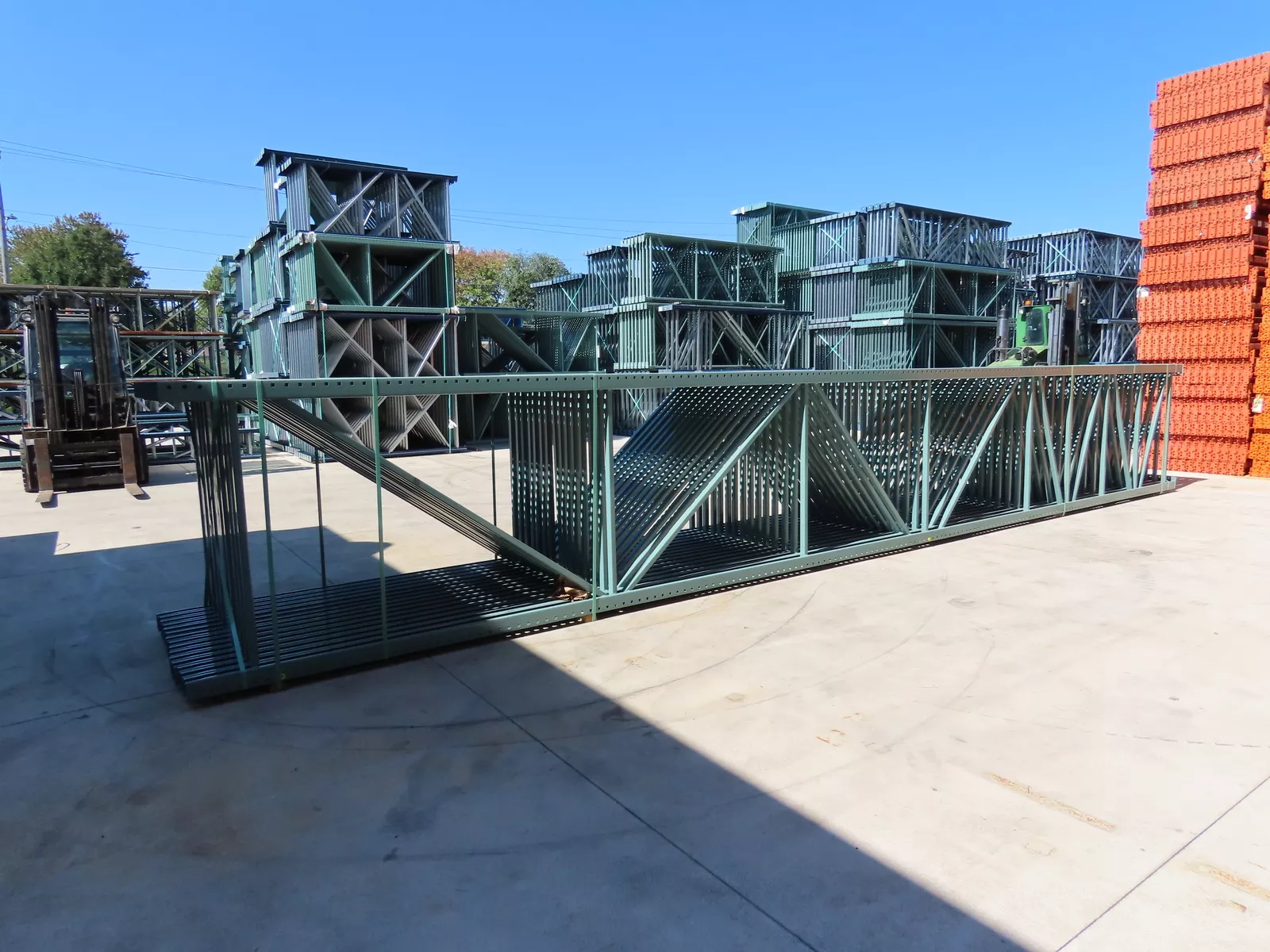
Is Your Warehouse a Time Bomb Waiting to Go Off?
Is Your Warehouse a Time Bomb Waiting to Go Off?
- Warehouse operations are crucial but often overlooked by business owners, leading to inefficiencies.
- Poor organization and inadequate training can lead to safety hazards and accidents in the warehouse.
- Ignoring warehouse issues can result in larger risks over time, similar to ignoring a warning siren.
- A thorough evaluation of the current warehouse setup is essential for safety and efficiency.
- Engage employees for insights on potential dangers and inefficiencies in daily operations.
- Invest in training and technology to enhance workforce awareness and system efficiency.
- A well-organized warehouse fosters a culture of accountability and confidence for both team members and customers.
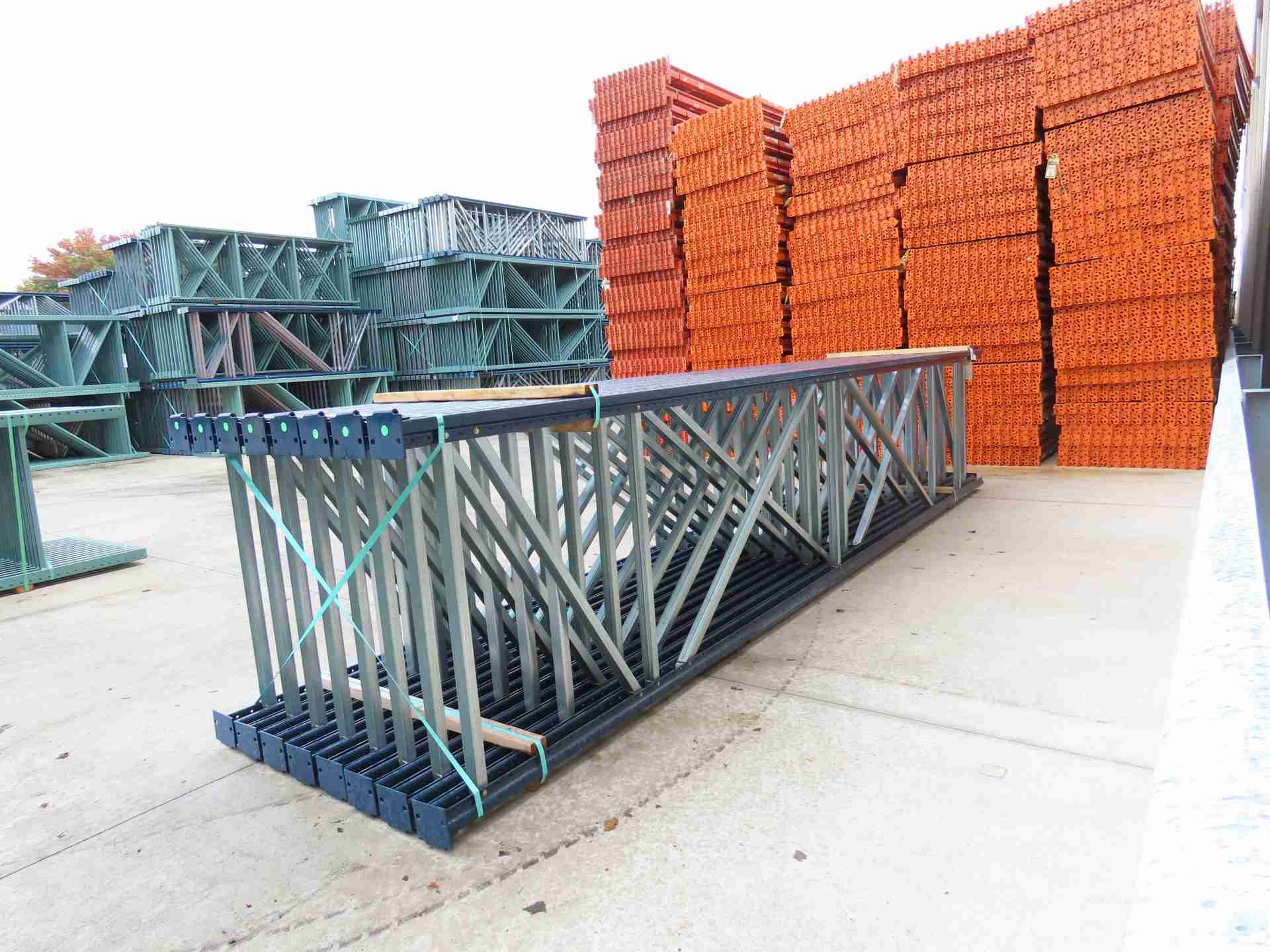
Is Your Warehouse a Time Bomb Waiting to Go Off?
Table Of Contents
- Is Your Warehouse a Time Bomb Waiting to Go Off?
- What Are The Signs Of A Disorganized Warehouse?
- How Does Inefficient Layout Affect Productivity?
- Are Your Inventory Levels Properly Managed?
- What Risks Come From Outdated Technology In Warehouses?
- How Can Poor Communication Impact Warehouse Operations?
- Is Your Workforce Properly Trained For Safety?
- Conclusion
- Other Resources
- Glossary Of Terms
- Other Questions
- Checklist
What Are The Signs Of A Disorganized Warehouse?
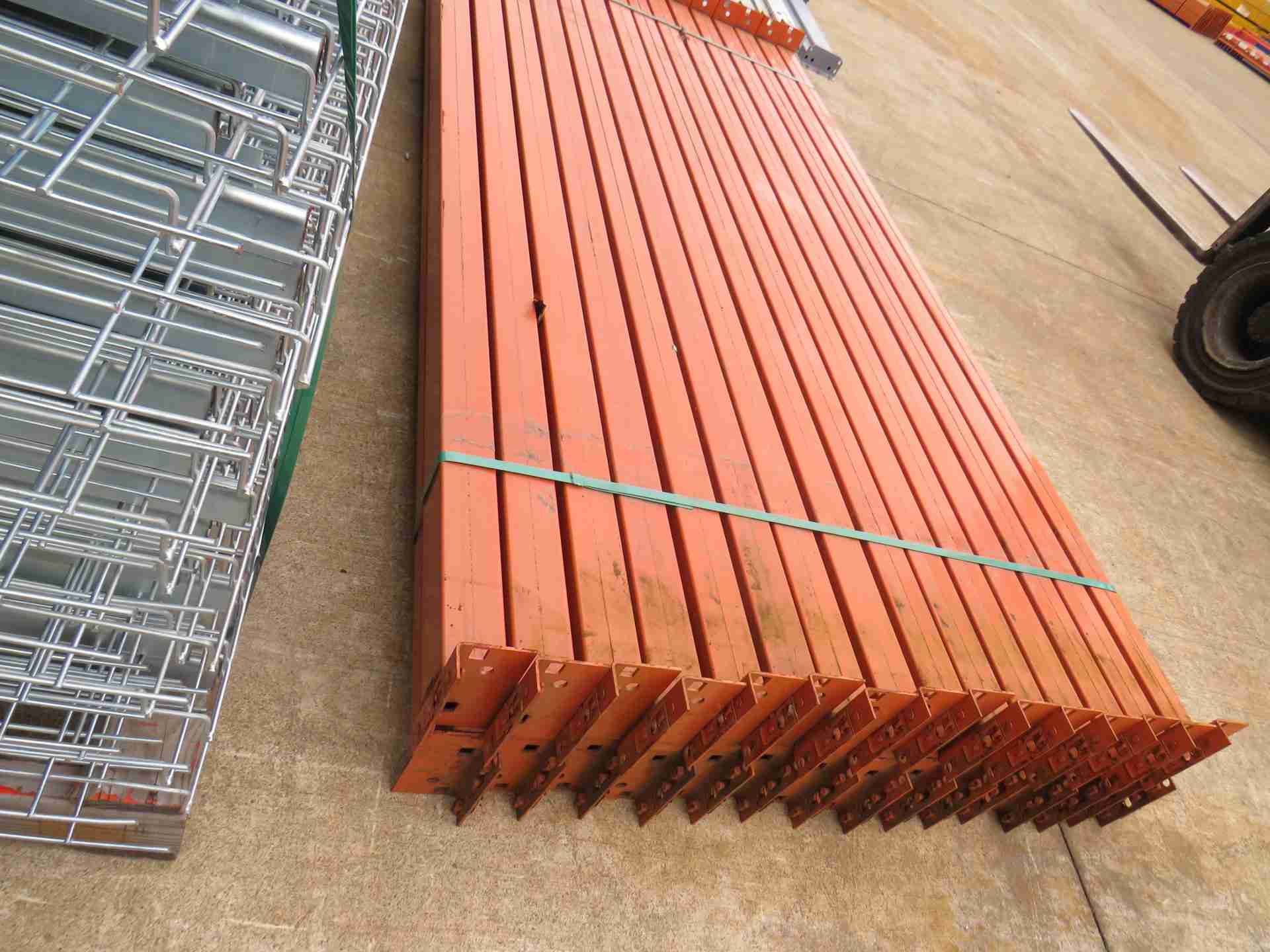
Picture this: You walk into a warehouse and immediately feel the chaos. Items are strewn about, employees are searching frantically for stock, and shelves seem overstuffed to the point of collapse. In the bustling world of logistics, spotting a disorganized warehouse is like finding a ticking time bomb—incredibly detrimental to efficiency and profitability.
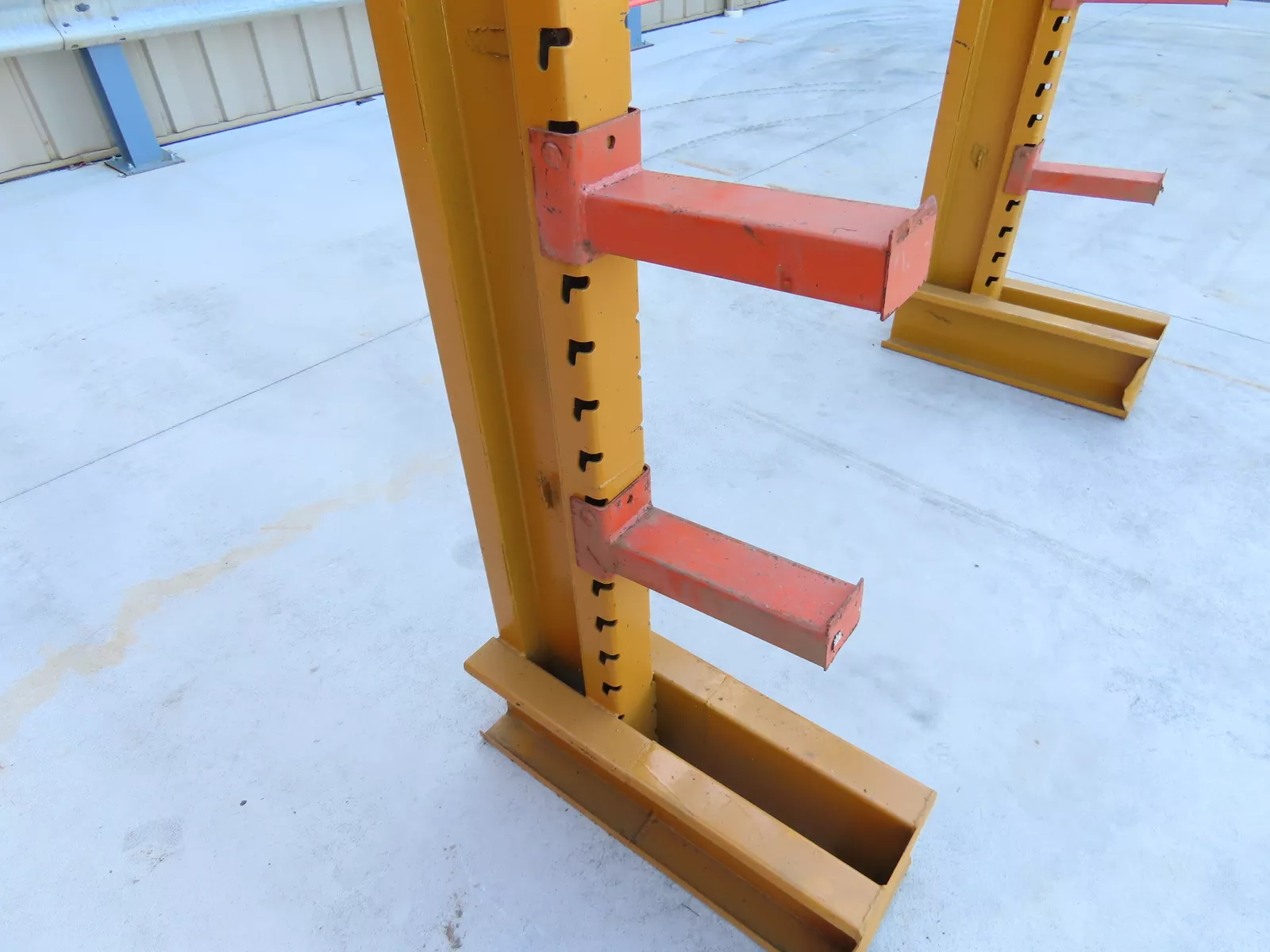
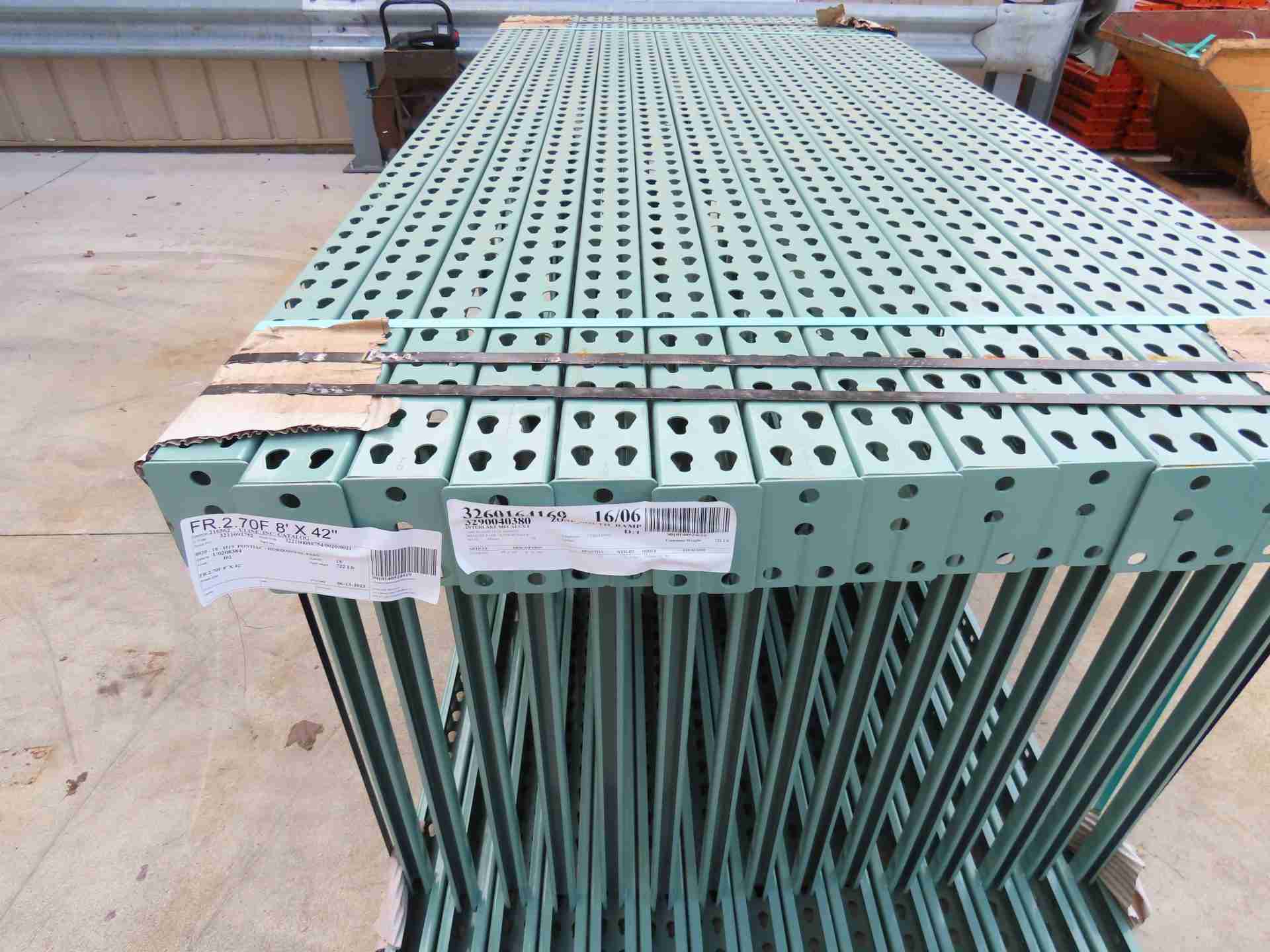
Let’s talk about a common culprit: Pallet Racking. When your pallet racking systems look more like a game of Jenga than a well-organized storage solution, it’s a red flag. Is it hard to locate specific products? Are pallets stacked haphazardly, teetering at precarious angles? If your pallet racking doesn’t solely serve its purpose of supporting easy access and visibility for your inventory, then it’s a sign your warehouse environment may be in disarray.
Another glaring indicator of a disorganized warehouse is inefficiency in order fulfillment. If your team spends an excessive amount of time locating items, you’ve not only lost precious labor hours but also customer trust. Imagine clients waiting longer than necessary for their orders—frustration mounts, and so do complaints. A smooth operation is the backbone of a thriving business; without it, you risk tarnishing your reputation.
Take a look at your workflow: Are pathways cluttered with obsolete equipment, or is your team dodging obstacles as they try to fulfill orders? This disorganization can lead to accidents, injuries, and even costly downtime. A safe, orderly environment fosters productivity and inspires confidence among your staff.
And let’s not neglect inventory counts. Are discrepancies rampant? If your physical inventory doesn’t align with your digital records, you might find yourself overstocking or underselling. That’s a financial nightmare waiting to happen. Consistent, organized inventory systems help mitigate these risks and keep your operational costs in check.
Ultimately, a disorganized warehouse not only impacts daily operations but can lead to long-term damage to your business’s bottom line. But fear not! Recognizing these signs is the first step toward transformation. Embracing organized strategies enhances team morale, promotes safety, and streamlines processes—building a solid foundation for growth.
So take a moment to audit your warehouse. If any of these signs resonate, it’s time to take action. Your business’s future is at stake, and an organized warehouse is not just an operational necessity—it’s the gateway to success.

What Are The Signs Of A Disorganized Warehouse?
What Are The Signs Of A Disorganized Warehouse?
- Disorganized warehouses resemble ticking time bombs, harming efficiency and profitability.
- Inadequate pallet racking can make it difficult to locate products and may indicate a chaotic environment.
- Inefficiencies in order fulfillment lead to lost labor hours and diminished customer trust.
- Cluttered pathways with obsolete equipment can result in accidents and reduced productivity.
- Inventory discrepancies between physical stock and digital records can cause financial issues.
- Recognizing signs of disorganization is the first step toward warehouse transformation.
- An organized warehouse boosts team morale, promotes safety, and streamlines processes for growth.
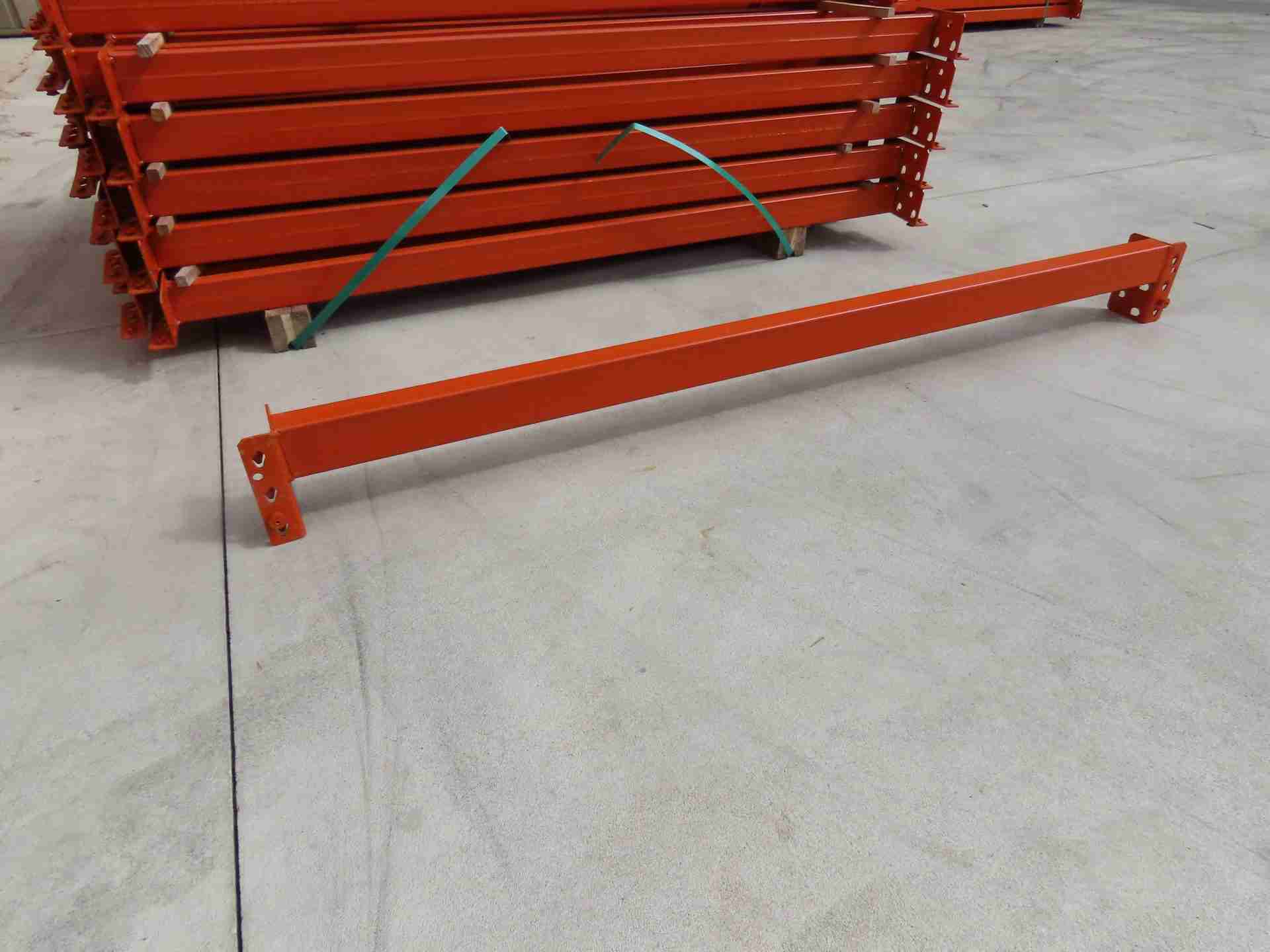
What Are The Signs Of A Disorganized Warehouse?
How Does Inefficient Layout Affect Productivity?
Imagine walking into a warehouse bustling with activity, but instead of feeling inspired by the energy, you’re struck by chaos. Products stacked haphazardly, employees wandering aimlessly, and machinery finding it difficult to navigate—this is the reality of an inefficient layout. More than just a minor inconvenience, this disorganization can sap your productivity faster than a leaky roof during a storm.
Now, let’s anchor our example around pallet racking—an essential component in warehouse design. When pallet racking systems are poorly arranged, it can lead to missed opportunities and wasted resources. Picture this: employees struggling to locate items buried under piles of inventory due to haphazard racking. This not only frustrates your team but also leads to costly delays, affecting your bottom line. When your workforce spends their time hunting for products instead of fulfilling orders, every second lost accumulates, turning what could have been a productive day into a hurried scramble.
But here’s the good news. By implementing a strategic racking layout, you can reclaim that time and propel your productivity to new heights. An organized space means that items are easily accessible, allowing for rapid order fulfillment and improving overall efficiency. Imagine each employee seamlessly flowing through the aisles, equipped with clear directions and accessible inventory. Not only will this streamline your operations, but it will also foster a more positive working environment.
Inefficient layouts can also stifle innovation. Think about how much energy is wasted when workers are preoccupied with easily avoidable inefficiencies. A well-designed layout encourages teamwork and creativity, sparking new ideas as employees collaborate more effectively in a space that supports their efforts.
When you invest in optimizing your pallet racking systems and consider how every inch of your warehouse can work for you rather than against you, you set the stage for remarkable progress. The right layout isn’t just about order; it’s about strategy. It’s about enhancing productivity while also giving your team the space they need to thrive.
So, take a step back and evaluate. Are you capitalizing on your warehouse’s full potential? An efficient layout isn’t a mere luxury—it’s a necessity for anyone serious about fostering productivity. The results speak for themselves: boost morale, enhance output, and wave goodbye to unnecessary chaos. Embrace the change, and watch your productivity soar!
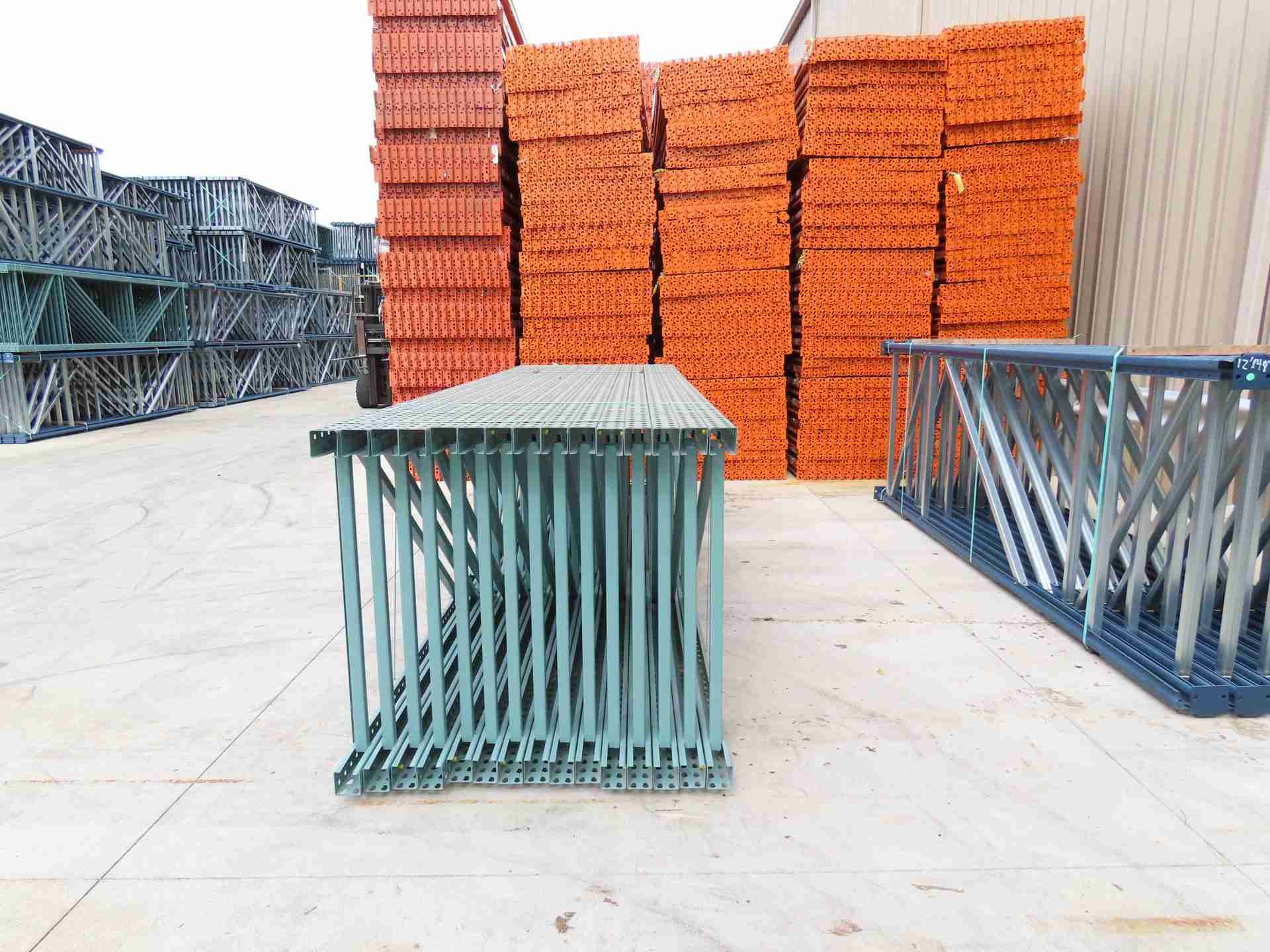
How Does Inefficient Layout Affect Productivity?
How Does Inefficient Layout Affect Productivity?
- Inefficient warehouse layouts lead to chaos, reducing productivity and causing frustration among employees.
- Pallet racking systems, if poorly arranged, can result in missed opportunities and wasted resources.
- Employees may struggle to locate items, leading to costly delays and a negative impact on the bottom line.
- A strategic racking layout enhances accessibility, allowing for rapid order fulfillment and improved efficiency.
- Well-organized spaces foster positive working environments and encourage teamwork and creativity.
- Investing in optimized pallet racking can transform warehouse layout into a strategic advantage.
- Efficient layouts boost morale, enhance output, and are crucial for maximizing a warehouse’s potential.

How Does Inefficient Layout Affect Productivity?
Are Your Inventory Levels Properly Managed?
Imagine walking into your warehouse and feeling a sense of relief wash over you: everything is organized, efficient, and exactly as it should be. Yet, how often do you experience that harmony? Managing inventory levels isn’t just a task; it’s a critical component that can make or break your bottom line. If you’re still grappling with chaos in your storage areas, it’s time to reevaluate.
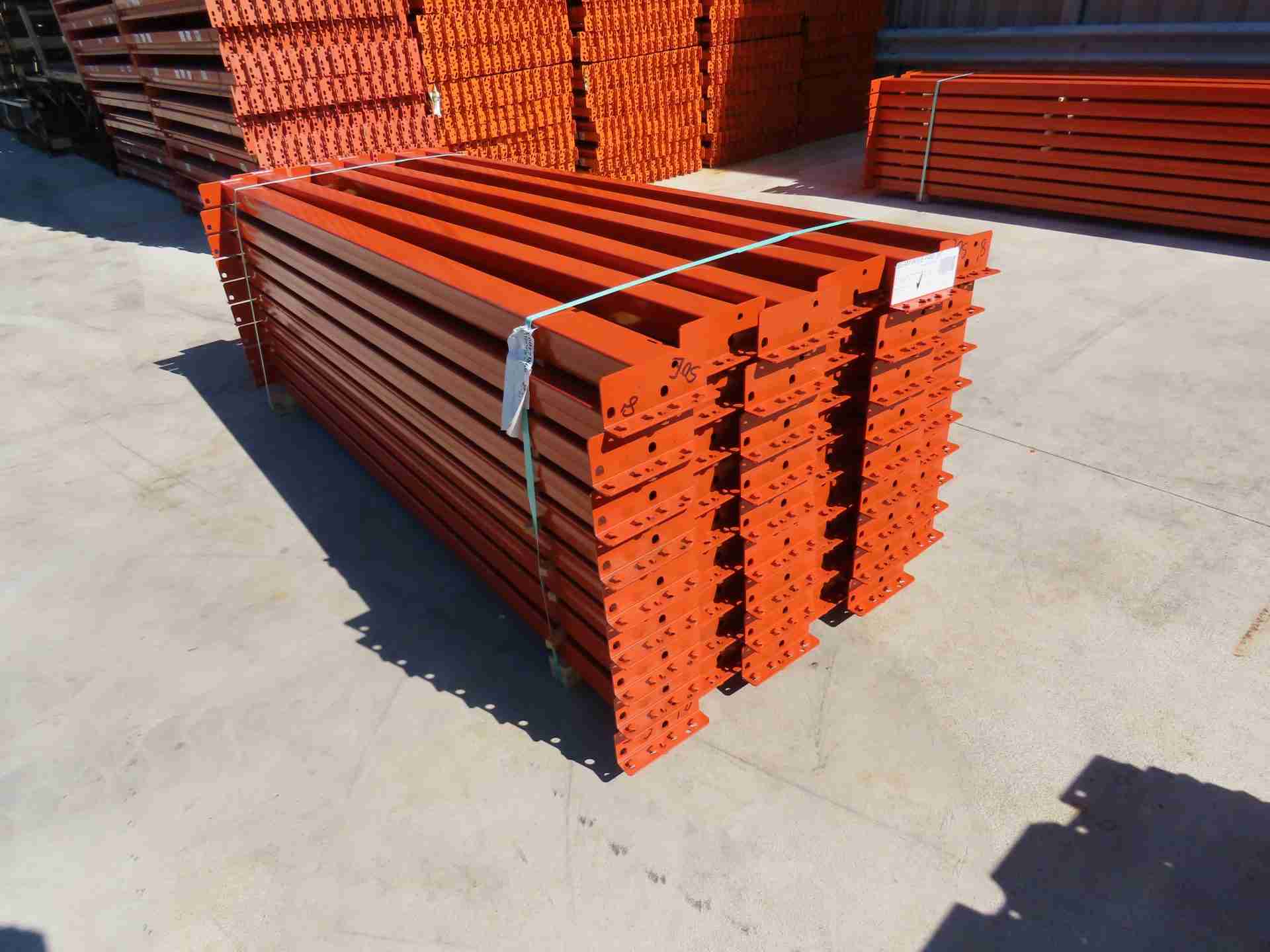
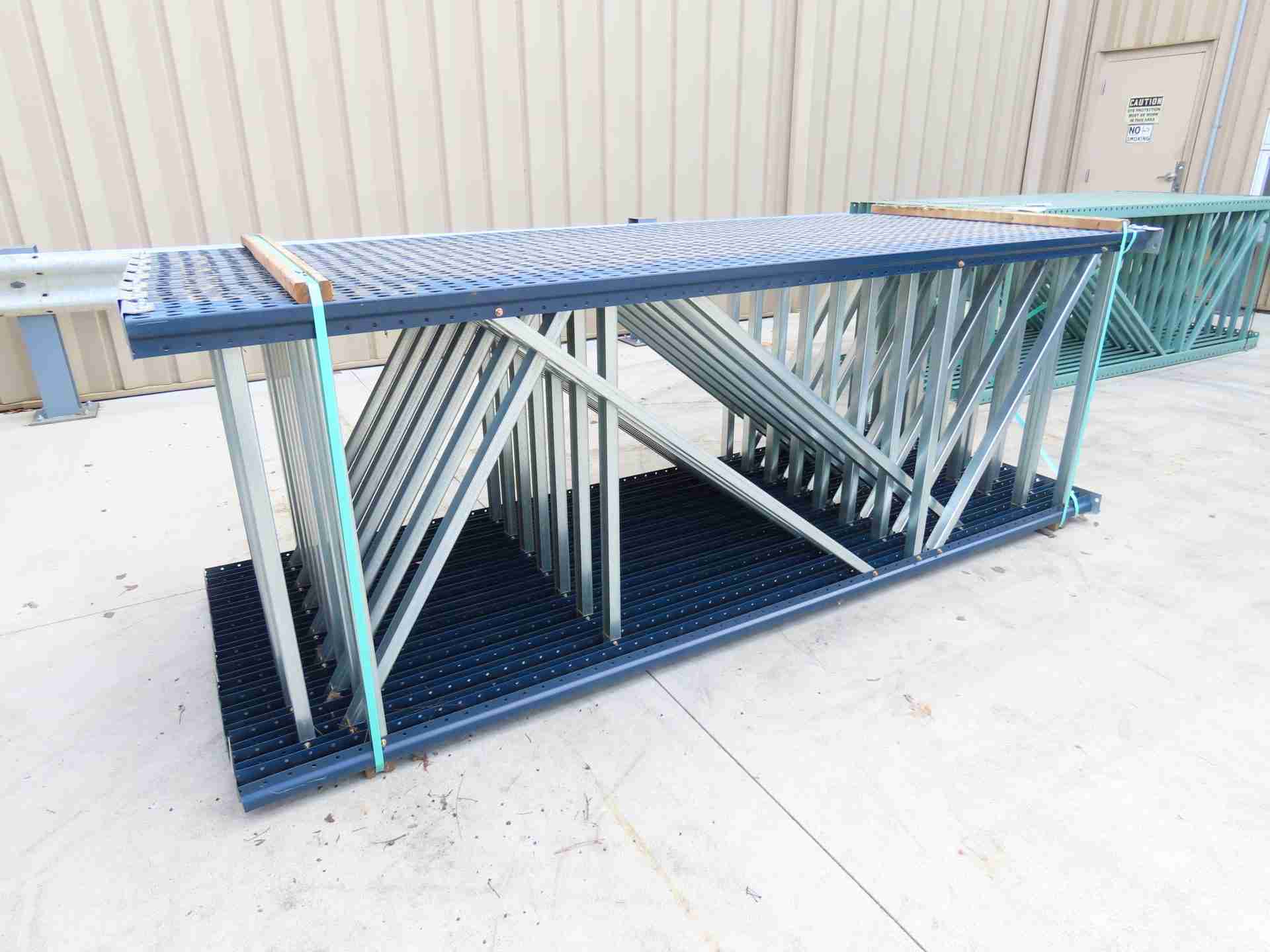
One essential piece of the puzzle is your pallet racking. Yes, that unassuming structure serves a vital purpose when it comes to inventory management. Are you making the most of it? Properly designed and utilized pallet racking systems can be the backbone of an efficient inventory strategy, allowing you to maximize storage space while minimizing clutter. When every product has a dedicated spot, you not only speed up retrieval times but also reduce unnecessary stress on your operations.
Consider this: could your storage setup be working against you? If you’re often fumbling through aisles or searching for misplaced items, your inventory levels are likely not managed to their full potential. That disarray can lead to overstocking or—worse—stockouts. Imagine losing a sale because you didn’t have the right product on hand. It’s a scenario no business owner wants to face.
Now, let’s talk trust. Trust in your systems, trust in your people, and most importantly, trust in the numbers. Proper inventory management is about fostering that confidence. You deserve a system that not only tracks items but also anticipates needs, helping you make informed decisions on when to replenish. This way, you can position your business to seize opportunities without worrying about excess or lack.
Don’t wait for a crisis to prompt action. Start small—evaluate your current pallet racking solution. Are your shelves too high or too low? Are you leveraging the vertical space effectively? Modernizing your inventory approach might seem daunting, but remember: it’s an investment in your peace of mind and your business’s future.
The journey to inventory mastery starts today. Embrace the change, trust the process, and watch as your managed inventory levels transform not just your warehouse, but your overall success. You have the power to turn chaos into order. Will you take the first step?
Are Your Inventory Levels Properly Managed?
Are Your Inventory Levels Properly Managed?
- Organized and efficient inventory management is crucial for business success.
- Properly designed pallet racking systems maximize storage space and minimize clutter.
- Designating specific spots for products speeds up retrieval and reduces operational stress.
- Poor storage setups can lead to overstocking or stockouts, risking lost sales.
- Trust in inventory systems, people, and numbers is essential for managing inventory effectively.
- Evaluate and modernize pallet racking to utilize vertical space for better efficiency.
- Taking small steps towards inventory management can lead to significant improvements in business performance.
Are Your Inventory Levels Properly Managed?
What Risks Come From Outdated Technology In Warehouses?
Every warehouse thrives on efficiency and precision; however, outdated technology can be a silent killer of both. Picture this: your state-of-the-art pallet racking system, once a testament to cutting-edge innovation, now stands underutilized amidst slow, cumbersome processes fueled by antiquated software and hardware. This stark contrast not only puts a strain on your operations but also exposes you to significant risks that can derail your business.
First and foremost, consider the safety implications. Outdated technology often leads to mismanaged inventory and poorly coordinated movements within your warehouse. Imagine how a faulty inventory management system can lead to misplaced items on your pallet racking, creating potential hazards for your employees. Wrong counts, misplaced goods, and clunky machinery decrease the effectiveness of your workforce and increase the chances of accidents. In a world where safety should be paramount, relying on outdated tech is a gamble you cannot afford.
Then, there’s the financial aspect to consider. Operating with outdated technology can significantly inflate costs. Whether it’s through higher energy consumption from older machinery or the lost productivity from inefficient workflows, the implications can add up rapidly. Your capital is better spent on innovations that drive growth rather than clinging to the past. Modern solutions enhance accuracy and speed, directly impacting your bottom line.
Don’t overlook customer satisfaction, either. In today’s fast-paced market, consumers expect rapid fulfillment and accurate orders. Relying on antiquated systems not only hampers your warehouse’s responsiveness but can also lead to missed deadlines and damaged reputations. You run the risk of losing loyal customers who value efficiency, precision, and reliability—qualities that should be at the forefront of any modern warehouse.
And let’s not forget adaptability. As the market shifts, so do consumer expectations. Companies left behind by outdated technologies find themselves unable to pivot or scale effectively. A robust and modernized IT infrastructure enables businesses to adapt and outpace competitors.
Finally, the question isn’t if you can afford to update your technology but rather if you can afford not to. Taking action to modernize your warehouse operations is not just an investment; it’s an assurance for a safer, more efficient, and profitable future. The risks of outdated technology are real and significant—transform your operations now or risk being left behind.
What Risks Come From Outdated Technology In Warehouses?
What Risks Come From Outdated Technology In Warehouses?
- Outdated technology undermines efficiency and precision in warehouses.
- Safety risks arise from mismanaged inventory and poor coordination, increasing accident chances.
- Financial implications include inflated costs due to inefficient workflows and higher energy consumption.
- Customer satisfaction suffers as antiquated systems lead to missed deadlines and order inaccuracies.
- Modern technologies enhance accuracy and speed, positively impacting profitability.
- Adaptability is crucial; outdated tech hinders a company’s ability to adjust to market shifts.
- Modernizing warehouse operations is a necessary investment for a safer and more profitable future.
What Risks Come From Outdated Technology In Warehouses?
How Can Poor Communication Impact Warehouse Operations?
Imagine walking through your warehouse, where the heavy-duty pallet racking systems tower above, ready to hold the stock that keeps your business thriving. But what if those racks are filled with confusion instead of inventory? Poor communication can turn an otherwise smooth-running operation into a chaotic disaster, fraught with delays and inefficiencies.
Think about it: when your team is out of sync, how do you expect them to manage the flow of products, handle orders, and maintain safety standards? The ripple effects are staggering. Orders may get mishandled, shipments delayed, and ultimately, customer satisfaction could plunge. Your once-efficient warehouse, with its intricate pallet racking, now resembles a game of Tetris gone wrong—only there are no winners here.
Strong communication isn’t just a nice-to-have; it’s vital for warehouse operations. Lack of clarity can lead to misunderstandings about inventory levels, storage capacities, or even working conditions. Can you envision staff members trying to navigate a maze of pallet racking without clear direction on where to find certain items? It’s not just frustrating; it’s a recipe for waste—wasted time, wasted resources, and wasted potential.
Moreover, consider the human aspect. A team that feels disconnected is one that lacks motivation. If your workers do not clearly understand their roles or the goals of the operation, how can they take pride in their work? Engaging employees by fostering a culture of open dialogue can bridge these gaps. When your staff feels valued and informed, they are more likely to work cohesively, ensuring that the flow of operations remains uninterrupted, even in the face of challenges.
But here’s the most encouraging part: improving communication strategies doesn’t require a complete overhaul of your existing framework. Simple adjustments can lead to significant changes. Regular team meetings, clear digital communication systems, and visual aids can transform how information circulates in your warehouse. When everyone is on the same page, you can harness the full potential of your pallet racking and, in turn, uplift your entire operation.
Never underestimate the power of communication in a warehouse setting. Investing time and resources in establishing solid communication channels not only enhances efficiency but also builds a trusting environment. A well-informed team is your best asset—and when everyone speaks the same language, success is not just a possibility, but a guarantee. That’s the kind of transformation that drives growth and boosts your bottom line!
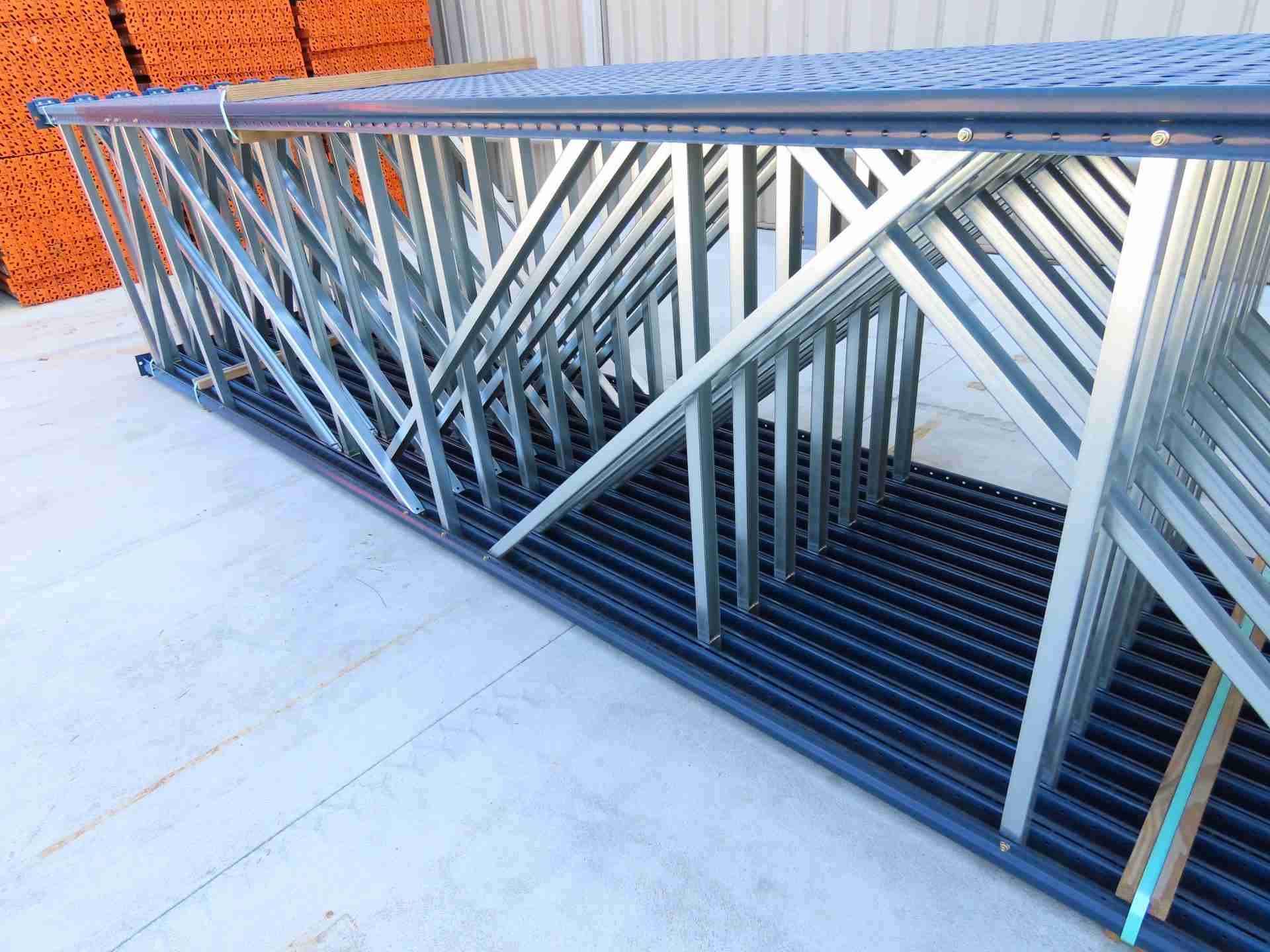
How Can Poor Communication Impact Warehouse Operations?
How Can Poor Communication Impact Warehouse Operations?
- Pallet racking systems are essential for holding stock, but poor communication can disrupt operations.
- Lack of synchronization among team members can lead to mishandled orders, delayed shipments, and decreased customer satisfaction.
- Strong communication is crucial to avoid misunderstandings regarding inventory and storage conditions.
- Disconnected teams lack motivation, leading to reduced pride in their work and potential waste.
- Engaging employees through open dialogue fosters teamwork and ensures smooth operations.
- Improving communication doesn’t require a complete system overhaul; simple changes can yield significant benefits.
- Investing in effective communication enhances efficiency, builds trust, and drives growth, ensuring operational success.
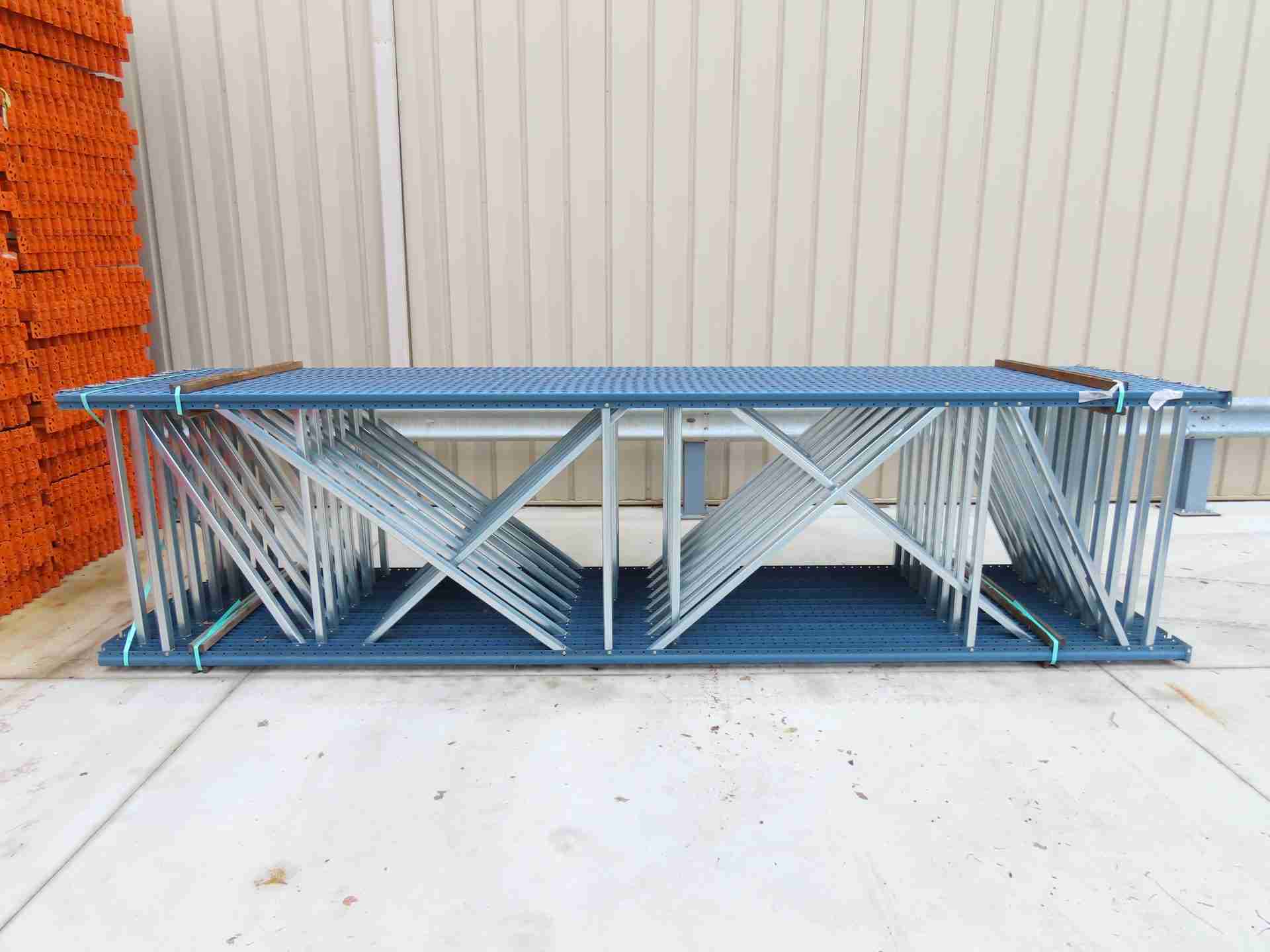
How Can Poor Communication Impact Warehouse Operations?
Is Your Workforce Properly Trained For Safety?
Is Your Workforce Properly Trained for Safety?
In the bustling world of warehouse operations, safety training is not merely a checkbox on your organizational to-do list—it’s the lifeline that protects your workers and your business. Safety isn’t just an obligation; it’s a commitment to every person who walks through your doors, especially when it comes to complex systems like pallet racking. These structures can hold impressive loads, but without proper training, they become potential hazards.
Imagine this: a new employee, eager to impress, rushes to unload a truckload of materials. They confidently navigate the aisles, but what if they aren’t aware of the crucial safety protocols surrounding pallet racking? A slip-up here could lead to not only injury but costly damage to both products and relationships. This isn’t just speculation; it’s a reality many organizations face when safety training is insufficient.
Investing in comprehensive safety training creates a culture of care and responsibility. Employees who fully understand the risks associated with pallet racking are more likely to spot potential hazards before they escalate into serious issues. Think about it—when your team feels confident in their knowledge and practices, they are more engaged, more attentive, and ultimately more productive. They become advocates for safety, reinforcing a workplace that prioritizes protection over profit margins.
Consider this your wake-up call. As a leader, you owe it to your workforce to prioritize training that goes beyond just the basics. Use real-life scenarios related to pallet racking to ensure your team can navigate challenges effectively. Engage them in interactive workshops that offer hands-on experience, allowing them to internalize safety protocols and procedures.
Ready to take action? It’s time to enhance your safety training program. Start assessing your current training methods and identify gaps that need to be filled. Are your employees truly aware of how to work safely around heavyweight pallet racking? Are they equipped to manage emergencies if and when they arise? By applying targeted training strategies, your workforce not only learns how to operate safely but also begins to trust your organization’s commitment to their well-being.
A well-trained workforce isn’t just safer—it’s more efficient, more satisfied, and ultimately more loyal. That’s the kind of connection you want to foster within your organization. So roll up your sleeves, invest in training, and watch as your workplace transforms into a safer, more secure environment for everyone.
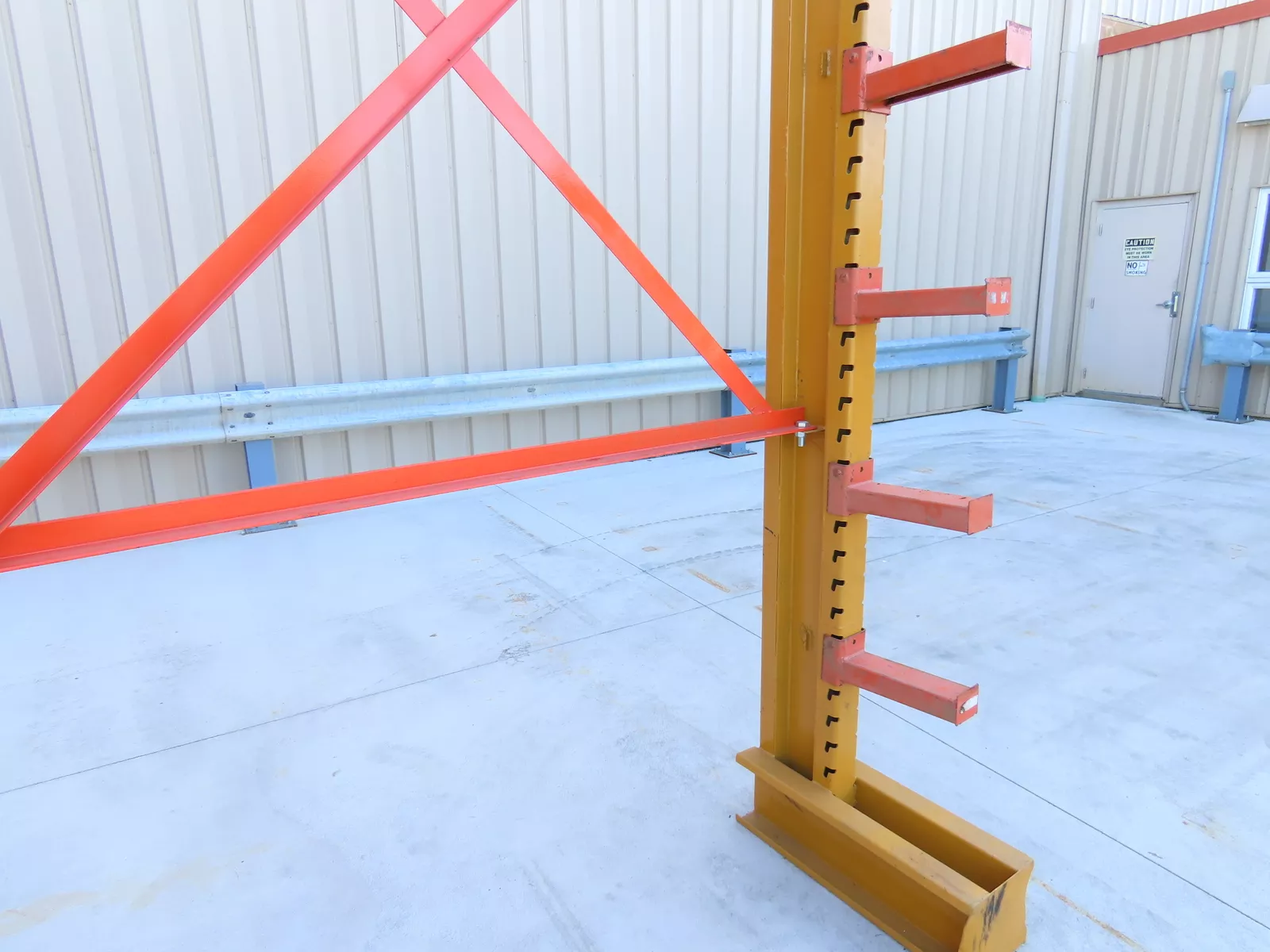
Is Your Workforce Properly Trained For Safety?
Is Your Workforce Properly Trained For Safety?
- Safety training is essential for protecting workers and managing business risks in warehouse operations.
- Pallet racking systems can be hazardous without proper training on safety protocols.
- Insufficient safety training can lead to injuries and damage to products and relationships.
- Comprehensive safety training fosters a culture of care and responsibility among employees.
- Confidently trained employees are more engaged, attentive, and productive in their roles.
- Leaders should provide training that goes beyond basics, using real-life scenarios and hands-on workshops.
- A well-trained workforce enhances safety, efficiency, satisfaction, and loyalty within the organization.
Is Your Workforce Properly Trained For Safety?
Conclusion
Conclusion: Transform Your Warehouse from Chaos to Control with Arrow Industrial Sales
Is your warehouse an untapped reservoir of potential or a precarious time bomb just waiting to detonate? This pivotal question is not just an idle thought—it’s a critical reflection on the very foundation of your business. As we’ve explored in this article, the hidden dangers of a disorganized warehouse can hinder both safety and efficiency, leading to catastrophic consequences that impact your bottom line and harm your workforce.
The signs of a disorganized warehouse are not just simple inconveniences; they are red flags that demand immediate attention. From chaotic pallet racking systems to inefficient layouts and inventory mismanagement, these issues can turn your operations into a minefield of wasted resources and missed opportunities. Consider this: each day that goes by without action is a day closer to an accident that could cost you dearly—not just in terms of finances, but also in reputation and employee morale.
But here’s the good news: by harnessing the right tools and training to reshape your approach to warehousing, you can transform this ticking time bomb into a well-oiled machine. Engaging your employees, investing in upgraded training, and optimizing your pallet racking are actionable steps that can help you streamline operations and reduce risks. These adjustments not only promote a safer environment but also enhance productivity and morale—all crucial elements for sustainable growth.
Now, more than ever, it’s essential to act with urgency. The landscape of warehousing is evolving by the minute, and standing still is not an option. Call Arrow Industrial Sales at (574) 349-6575 today to discover tailored solutions that will help you conquer chaos, implement effective organizational strategies, and modernize your technology to prevent future issues.
The time for complacency is over. Don’t allow your warehouse to remain a source of anxiety. Equip your business with the foundations of success—safety, efficiency, and transparency. Transform your operations now, and watch as both your employees and customers reap the rewards of a committed approach to excellence. Remember, success favors the proactive. Choose to lead through action, and turn the ticking time bomb of your warehouse into a powerhouse of productivity today!
Conclusion
Conclusion:
- Assess the state of your warehouse: Is it a potential asset or a hazardous liability?.
- Identify the warning signs of disorganization, such as chaotic pallet racking, inefficient layouts, and poor inventory management.
- Recognize that delaying action can lead to accidents and negatively impact finances, reputation, and employee morale.
- Transform your warehouse by using effective tools, employee engagement, upgraded training, and optimized systems.
- Understand the importance of creating a safer environment to boost productivity and foster sustainable growth.
- Act swiftly to adapt to the evolving warehousing landscape; complacency is not an option.
- Contact Arrow Industrial Sales for tailored solutions to enhance warehouse organization and efficiency.
Conclusion
Other Resources
Other Resources
Here is a list of other resources you can review online to learn more:
- Warehouse Racking Systems: Beginner’s Guide to Rack Systems
- Illinois
- WERC
- IIWS Inc. Rack Installation Illinois & Rack Repairs Illinois
- National Safety Council
- International Warehouse Logistics Association
- Logic Material Handling
- Warehouse Storage Racks
- Overhead Lifting
- Pallet Racking systems in Illinois and Great Lakes
Use This Prompt To Get More Resources With Your Favorite Online AI Tool: Please provide me with a list of online articles with their URLs in a bulleted list that I can read regarding Is Your Warehouse a Time Bomb Waiting to Go Off?
Other Resources
Glossary Terms
Is Your Warehouse a Time Bomb Waiting to Go Off? – Glossary Of Terms
1. Inventory Management: The process of tracking and controlling stock levels to ensure efficiency and minimize losses.
2. Ergonomics: The study of how people interact with their work environment, aimed at improving safety and efficiency in warehouse operations.
3. Safety Protocols: Established procedures designed to maintain health and safety standards in a warehouse setting.
4. Hazardous Materials: Substances that pose a risk to health, safety, or property, requiring special handling and storage.
5. Forklift Safety: Guidelines to ensure the safe operation of forklifts, a common piece of equipment in warehouses.
6. PPE (Personal Protective Equipment): Gear worn to minimize exposure to hazards that cause serious workplace injuries and illnesses.
7. Fire Safety: Precautions taken to prevent fire hazards and to ensure proper response and evacuation procedures in case of a fire.
8. Spill Containment: Measures implemented to prevent the spread of hazardous materials in case of a spill or leak.
9. Load Capacity: The maximum weight or load that a storage rack, shelf, or piece of equipment is designed to safely support.
10. Workplace Hazard Assessment: The process of identifying and evaluating potential hazards in the warehouse to implement safety improvements.
11. Emergency Evacuation Plan: A comprehensive strategy outlining the actions taken during an emergency to evacuate personnel safely.
12. Occupational Health: The field focused on the prevention and management of work-related injuries and illnesses in warehouses and other workplaces.
13. Asset Tracking: The process of monitoring and recording the location and status of items within the warehouse.
14. Warehouse Layout: The design and arrangement of storage areas, aisles, and equipment, impacting operational efficiency and safety.
15. Preventative Maintenance: Regular maintenance activities undertaken to prevent equipment failure and ensure operational longevity.
16. Slips, Trips, and Falls: Common workplace accidents that can lead to serious injuries; prevention is key in warehouse environments.
17. Automated Systems: Technological solutions utilized to streamline operations, such as automated inventory management and robotic picking systems.
18. Training Programs: Structured learning initiatives aimed at enhancing safety awareness and operational skills among warehouse employees.
19. Supply Chain Management: The oversight of materials, information, and finances as they move from supplier to warehouse to customer.
20. Environmental Monitoring: The practice of assessing environmental conditions within the warehouse to identify and mitigate potential hazards.
21. Routine Inspections: Regular checks conducted in the warehouse to identify safety issues and ensure compliance with regulations.
22. Emergency Response Team: A designated group of trained individuals responsible for handling emergencies effectively within the warehouse.
23. FIFO (First In, First Out): An inventory management principle that ensures older stock is used before newer stock to prevent spoilage or obsolescence.
24. Second Check System: A safety measure involving a secondary review or approval process for critical tasks to reduce errors.
25. Lean Warehousing: A methodology aimed at minimizing waste and maximizing efficiency in warehouse operations.
26. Risk Assessment: The process of evaluating potential risks involved in warehouse operations and determining appropriate mitigation strategies.
27. Dust Control: Measures implemented to reduce airborne dust and particulates, which can impact health and safety.
28. Communication Protocols: Guidelines for effective communication among warehouse staff, especially during emergencies or high-demand periods.
29. Quality Control: Procedures employed to ensure that warehouse processes meet established quality standards and customer expectations.
30. Cybersecurity in Warehousing: The practice of protecting warehouse management systems and data from malicious attacks or breaches.
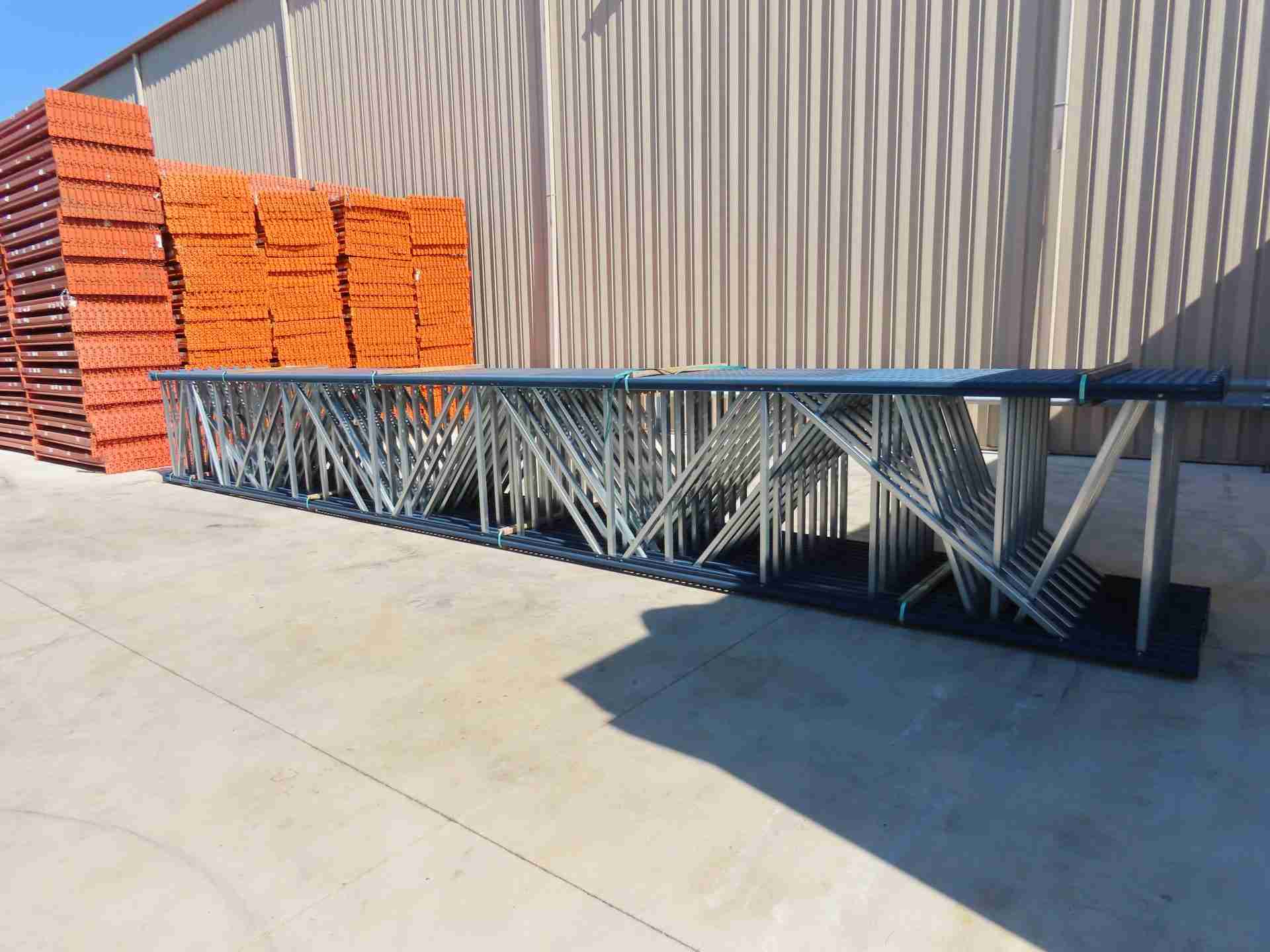
Glossary Of Terms
Other Questions
Is Your Warehouse a Time Bomb Waiting to Go Off? – Other Questions
If you wish to explore and discover more, consider looking for answers to these questions:
- What are the most common safety hazards in warehouses?
- How can I assess the current organization of my warehouse?
- What types of training should warehouse employees receive?
- How often should I conduct maintenance checks on warehouse equipment?
- What tools can help improve inventory management?
- How can I improve visibility and communication in my warehouse?
- What are the benefits of investing in new warehouse technology?
- How do I effectively engage employees in safety and efficiency initiatives?
- What are best practices for optimizing pallet racking systems?
- How can poor warehouse layout affect customer satisfaction?
- What steps can I take to streamline order fulfillment processes?
- How do I identify underperforming areas in warehouse operations?
- What role does employee morale play in warehouse efficiency?
- How frequently should I update technology in my warehouse?
- What are some low-cost solutions for improving warehouse organization?
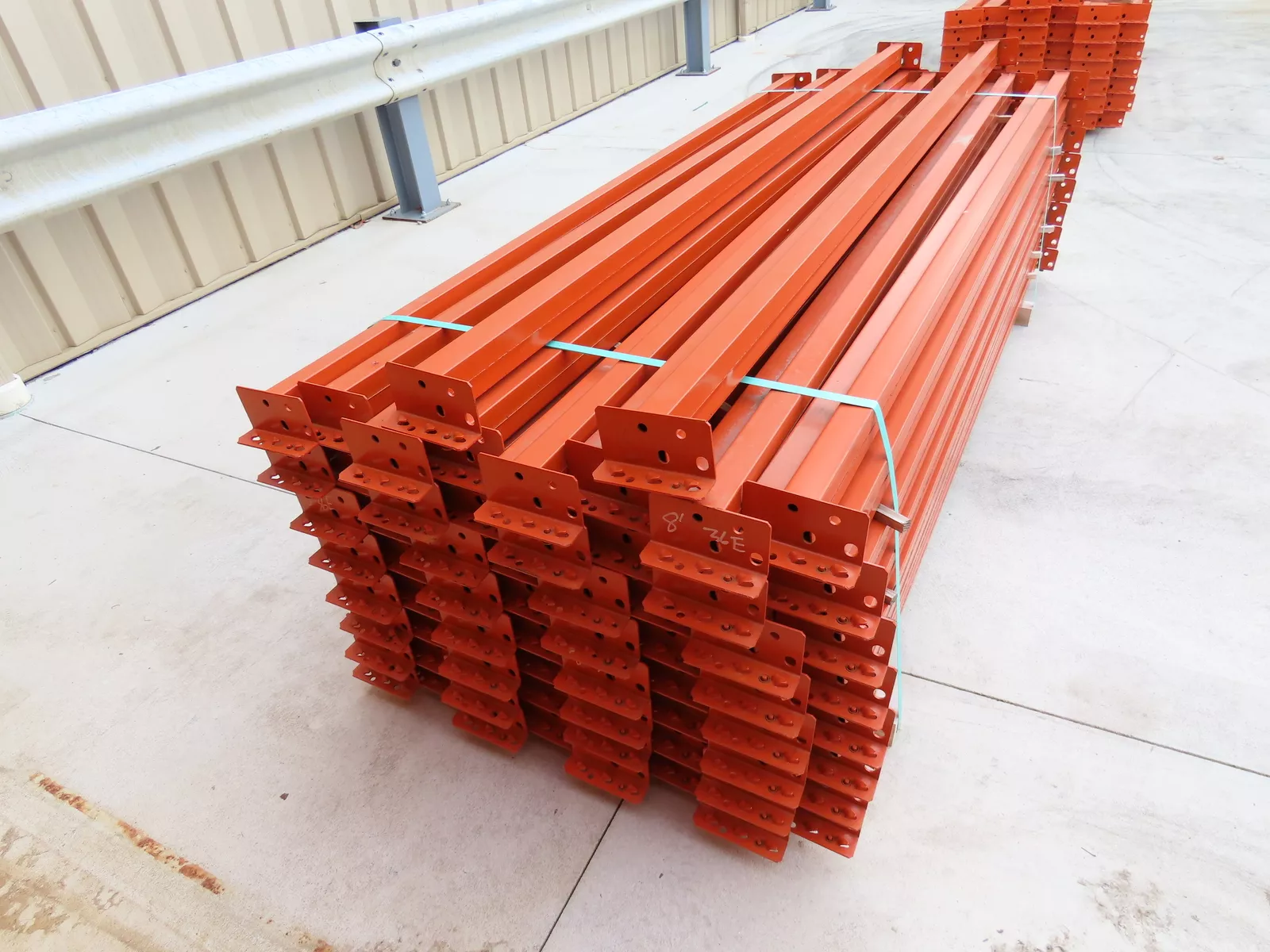
Other Questions
Checklist
Is Your Warehouse a Time Bomb Waiting to Go Off? – A Checklist
Warehouse Safety and Efficiency Checklist
Is Your Warehouse a Time Bomb Waiting to Go Off?
Use this checklist to evaluate the safety, organization, and efficiency of your warehouse environment. Keep your operations smooth and secure!
1. Warehouse Organization
_____ Are all items in the warehouse properly labeled and stored?
_____ Is the pallet racking system organized to prevent overloading and facilitate easy access?
_____ Are paths clear of obstructions to ensure safe movement of personnel and equipment?
_____ Is there a system in place for regularly scheduled audits of warehouse organization?
2. Safety Measures
_____ Are all employees trained in warehouse safety protocols, including handling of heavy equipment?
_____ Are safety guards and equipment (e. g. , helmets, gloves) provided and in good condition?
_____ How often are safety drills conducted?
_____ Is there a protocol for reporting and addressing safety hazards?
3. Inventory Management
_____ Are inventory levels accurately tracked and managed to avoid stockouts and overstocking?
_____ Is a consistent inventory counting system implemented?
_____ Are there regular checks to ensure physical inventory matches digital records?
_____ Do employees have clear guidelines for where and how to store items?
4. Workspace Layout
_____ Is there an efficient layout that minimizes travel time for employees when retrieving items?
_____ Are workstations designed ergonomically to prevent strain or injury?
_____ Is the warehouse equipped with technology that supports effective space management?
_____ Has a professional evaluated the layout for optimization?
5. Communication and Training
_____ Are there regular team meetings to discuss goals, expectations, and safety?
_____ Is there a clear communication system in place for coordinating tasks?
_____ Are employees encouraged to provide feedback about warehouse processes and safety?
_____ Is safety training provided regularly and updated with industry best practices?
6. Technology and Equipment
_____ Is the technology used in the warehouse up-to-date and functioning efficiently?
_____ Are there systems in place for regular maintenance of equipment?
_____ Are employees trained to use all relevant technology safely and effectively?
_____ Do you regularly assess the need for new technology to enhance productivity?
7. Employee Engagement
_____ Do all employees feel their roles are clear and valued in warehouse operations?
_____ Are there opportunities for employees to engage in problem-solving related to efficiency and safety?
_____ Is there an environment that encourages team collaboration?
_____ Are employee training and development viewed as a priority in your operations?
Next Steps
_____ Schedule regular audits of warehouse operations.
_____ Provide feedback sessions with employees about safety and efficiency practices.
_____ Reevaluate warehouse layout, training programs, and technology usage periodically to ensure they meet current needs.
By following this checklist, you can identify areas for improvement in your warehouse operations, reduce risks, enhance safety, and ultimately foster a more productive environment. Safe and efficient operations lead to satisfied employees and happy customers!
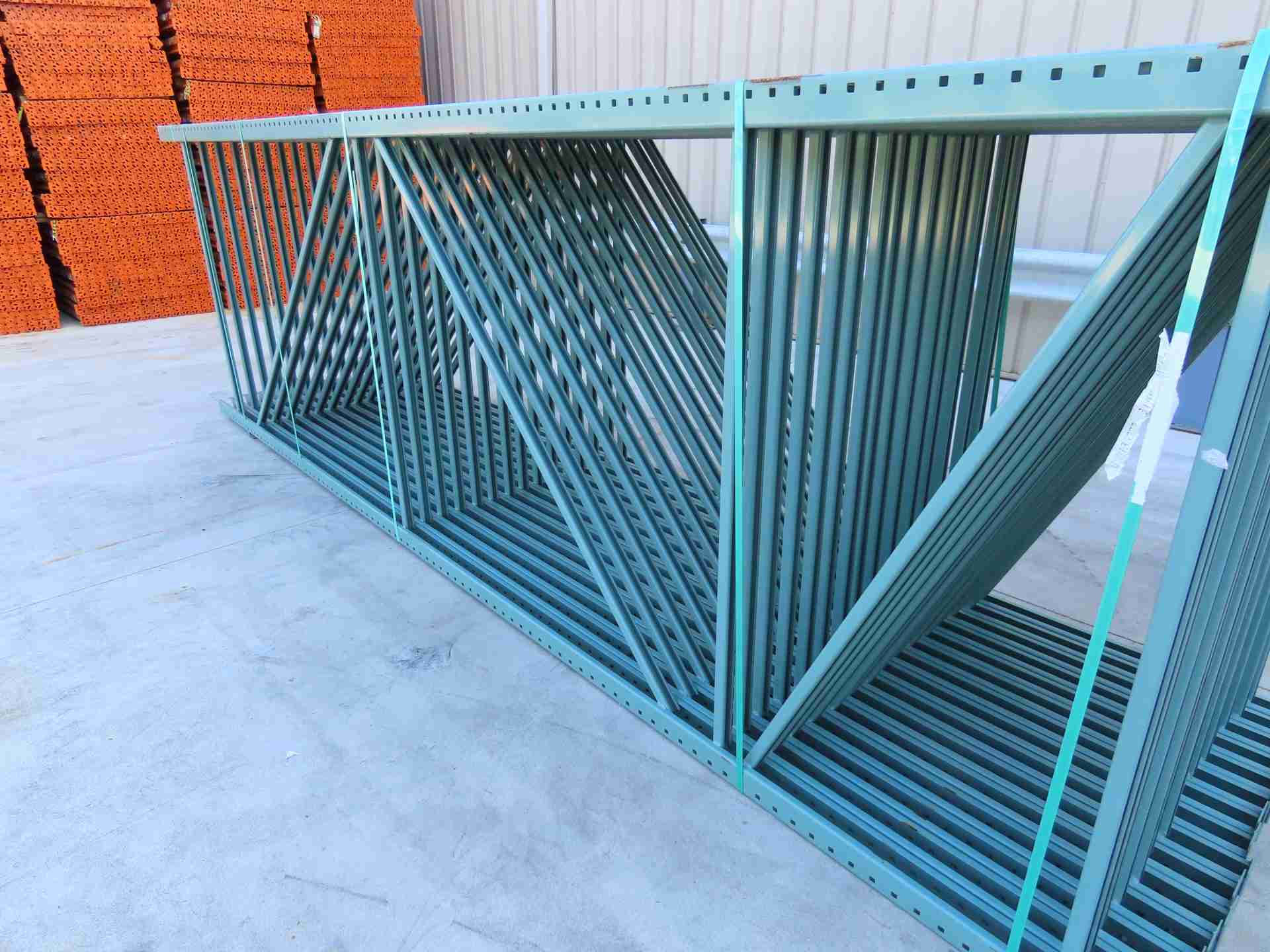
Checklist
At RackingWorld, we help guide you through selecting warehouse storage systems and racking.
Be sure to read our other related stories at RackingWorld to learn more about warehouse storage systems.
0 Comments