
Uncovering The Hidden Impact On Warehouse Success
By Tom Seest
At RackingWorld, we help guide you through selecting warehouse storage systems and racking.
Be sure to read our other related stories at RackingWorld to learn more about warehouse storage systems.
Is Your Negligence Harming Warehouse Team Morale and Performance?
Picture this: It’s a typical morning at the warehouse, the hum of machinery fills the air, and employees are bustling about, each with their unique set of responsibilities. But wait—what if your negligence regarding key operational aspects is causing a ripple effect that harms team morale and performance?
Take a moment to consider your pallet racking system. This essential component of warehouse efficiency can be a silent killer of motivation if not managed properly. When pallet racking is poorly organized or inadequately maintained, the frustration can mount among team members. They struggle to find what they need, wasting precious time and energy that could be better spent on productivity.
Now, you might be thinking, “It’s just pallet racking!” But let’s dig a bit deeper. When employees are continuously met with obstacles caused by neglect—whether it’s overcrowded racks, poorly labeled inventory, or even safety hazards—they begin to question their workplace environment. Is their performance valued, or are they just another cog in a machine that’s falling apart?
This is where the connection comes into play. Your team needs to feel supported and empowered. When you take the time to invest in their workspace—improving pallet racking organization or ensuring regular maintenance—you signal that you care about their work conditions and, by extension, their morale. The transformation can be remarkable.
Imagine a team energized by a streamlined experience, where they can navigate their tasks without unnecessary hurdles. Productivity skyrockets, and so does their enthusiasm. Happy employees lead to a thriving warehouse. Suddenly, those morning meetings shift from grumbles about disorganization to cheers of teamwork and shared goals.
But don’t just take my word for it; act on it! Conduct a thorough evaluation of your warehouse operations. Gather feedback from your team about the current state of your pallet racking and other crucial systems. Create a culture where their opinions matter—where their concerns can lead to real change.
Remember, the health of your warehouse is a direct reflection of your leadership. Negligence may seem harmless at first glance, but it can breed discontent faster than you’d expect. Don’t allow complacency to undermine your team’s potential. Invest in their environment today, and watch your team flourish into a powerhouse of performance and morale. Your action now will yield the rewards that inspire loyalty, productivity, and success for years to come!
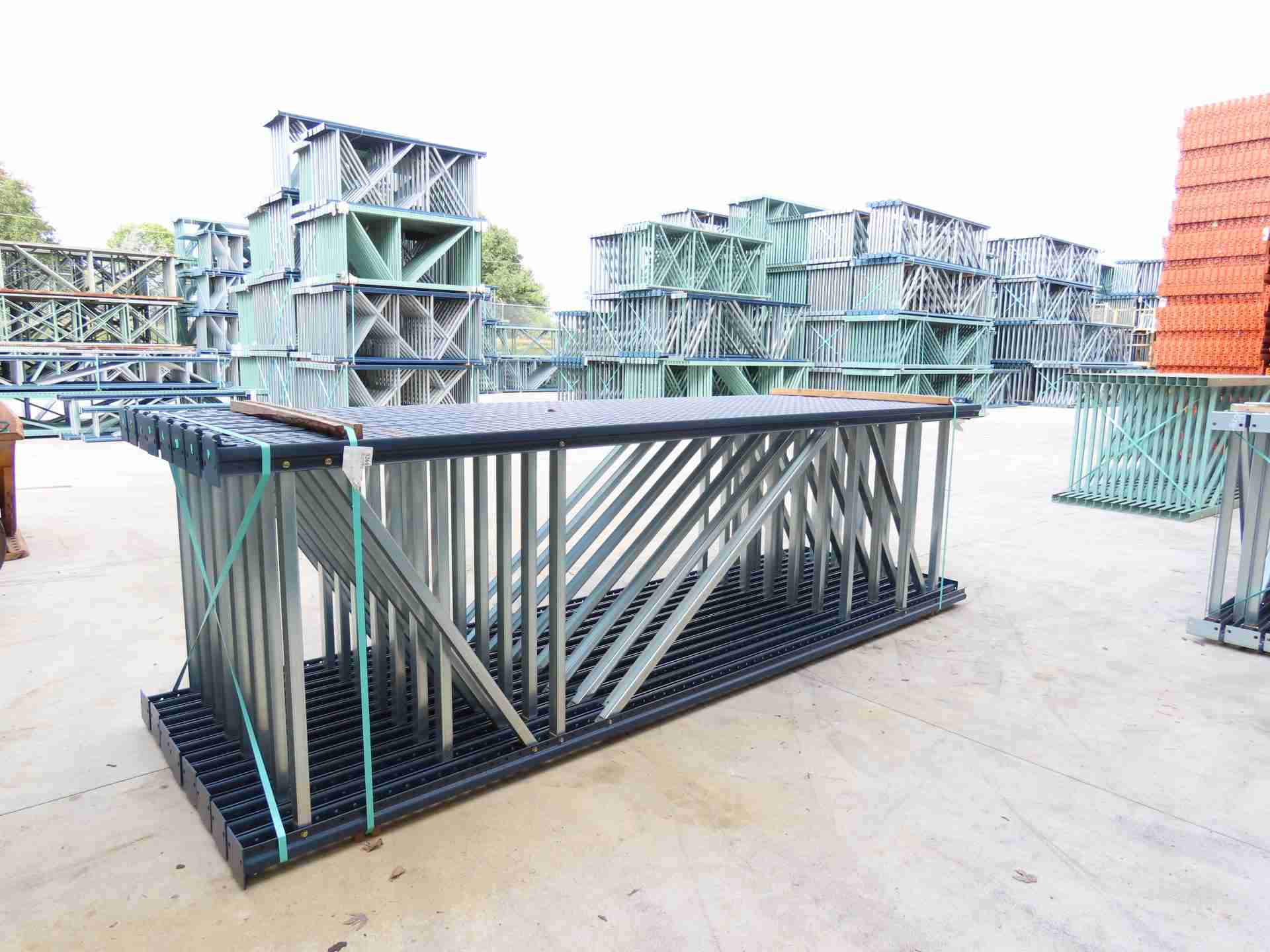
Is Your Negligence Harming Warehouse Team Morale and Performance?
Is Your Negligence Harming Warehouse Team Morale and Performance?
- The warehouse environment is dynamic, with employees engaged in diverse responsibilities.
- Pallet racking systems are crucial for efficiency and can negatively impact team morale if neglected.
- Poorly managed racking can lead to frustration, inefficiency, and doubts about employee value.
- Supporting the team through investments in workspace organization boosts morale and productivity.
- A well-organized workspace transforms attitudes from frustration to teamwork and shared goals.
- Encourage team feedback to create a culture of improvement regarding operational systems.
- Leadership directly influences warehouse health; proactive management leads to loyalty and success.
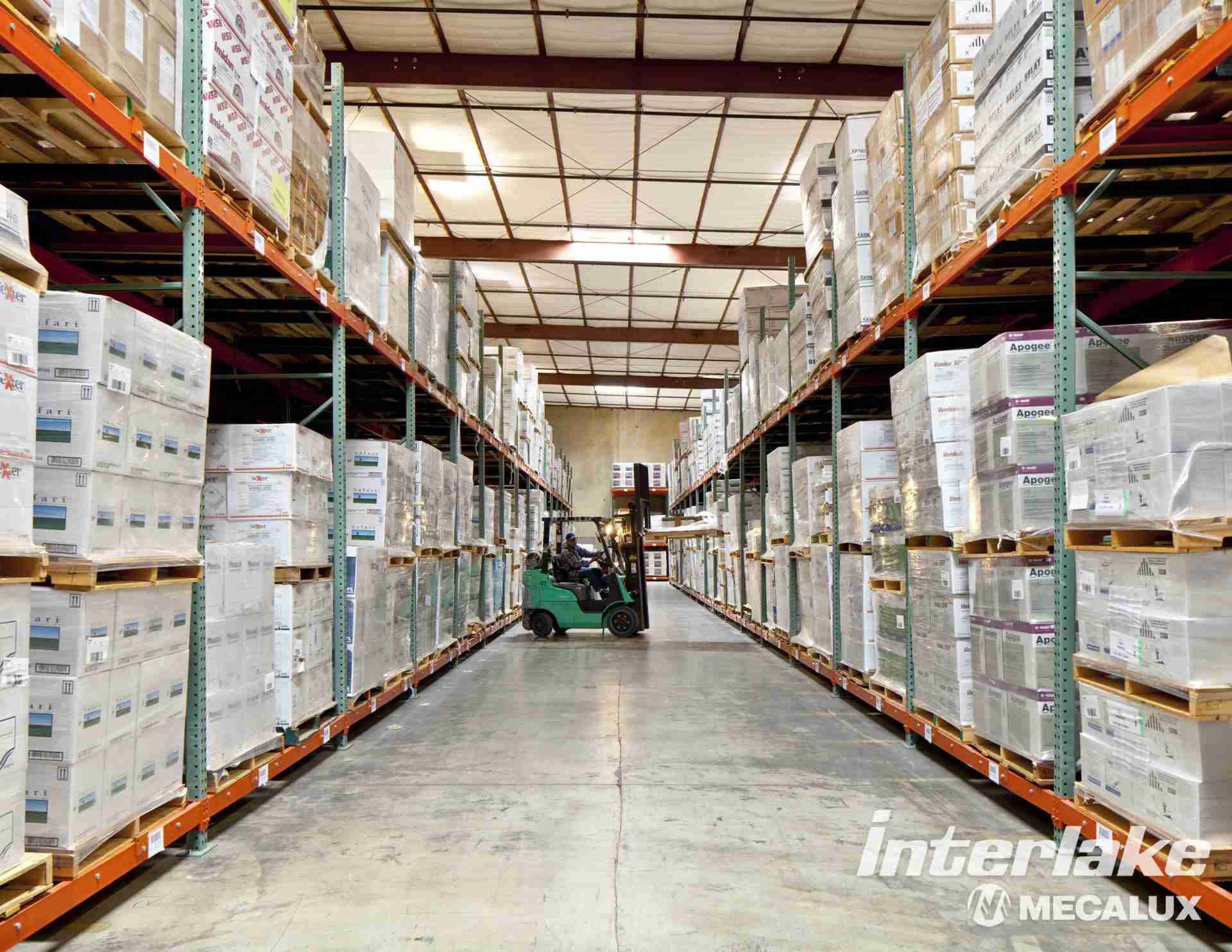
Is Your Negligence Harming Warehouse Team Morale and Performance?
Table Of Contents
- Is Your Negligence Harming Warehouse Team Morale and Performance?
- What Signs Indicate Low Morale In Warehouse Teams?
- How Does Negligence Impact Performance In Warehouse Settings?
- What Are The Common Reasons For Negligence In Warehouses?
- How Can Communication Improve Warehouse Team Morale?
- What Role Does Training Play In Preventing Negligence?
- How Can Managers Identify Negligent Behaviors In Their Teams?
- Conclusion
- Other Resources
- Glossary Of Terms
- Other Questions
- Checklist
What Signs Indicate Low Morale In Warehouse Teams?
In the pulsating heart of any logistics operation, the morale of your warehouse team stands as a cornerstone for productivity and efficiency. But how can you tell when that momentum falters? Recognizing the signs of low morale is the first step toward revitalizing your workforce and fostering a thriving environment.
One of the most prominent indicators is disengagement. You may notice team members lingering near the pallet racking, their usual buzz replaced by a lethargic haze. Conversations grow sparse, and laughter—once a staple amidst the clinking of pallets—fades into the background. The vibrant energy that propels your warehouse operations starts to feel like a distant memory. This disengagement can sometimes be intensified by factors beyond work, such as personal issues or challenges outside of the warehouse environment. Thus, it’s vital to have open lines of communication where employees feel valued and heard.
Furthermore, look for declines in productivity. When team members who once conquered the loading dock with enthusiasm begin to drag their feet or exceed the expected time for tasks, it signals that the spark may be flickering. If the subpar performance becomes the norm, it’s more than just a rough day—it’s a red flag. Engage these team members, understand their setbacks, and provide support. Often, addressing even minor issues can reignite their motivation.
Another sign to watch for is an uptick in absenteeism. Are you noticing more and more “no-shows” or last-minute calls? While everyone has off days, a significant pattern may signal deeper problems within team dynamics or morale. Foster a culture of openness that encourages employees to communicate their struggles. When individuals feel safe sharing their challenges, they’ll be more likely to show up physically and mentally.
Finally, observe the interaction among team members. Low morale often breeds resentment or negativity, leading to conflicts or divisions within your team. A cohesive unit thrives on collaboration, especially in fast-paced environments. Ensure that your team’s culture encourages respect and camaraderie. Why not consider team-building activities that get everyone involved and re-establish that connection?
Rest assured, by keeping an eye on these signs, you can take proactive measures to boost morale, turning your warehouse from a place of drudgery into a powerhouse of productivity. Remember, a motivated team not only saves you time and money but also cultivates the vibrant workplace that leads to outstanding success. Act now, and watch morale—and performance—skyrocket!
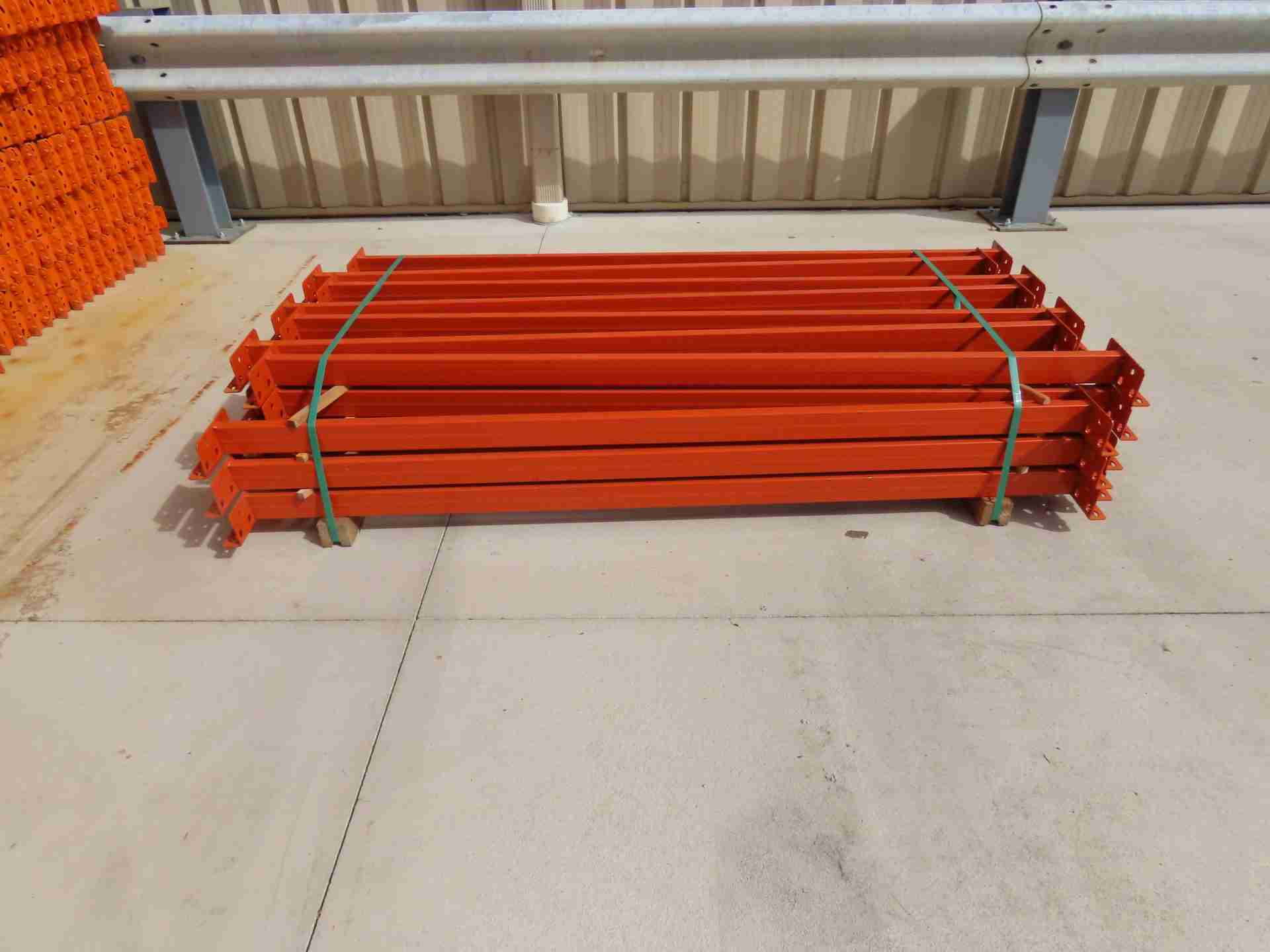
What Signs Indicate Low Morale In Warehouse Teams?
What Signs Indicate Low Morale In Warehouse Teams?
- The morale of the warehouse team is crucial for productivity and efficiency.
- Disengagement is a key indicator of low morale, characterized by reduced conversation and energy.
- Declines in productivity can signify that team members are struggling or losing motivation.
- Increased absenteeism may indicate deeper issues within team dynamics or morale.
- Interactions among team members can reveal low morale, leading to negativity and conflicts.
- Fostering open communication and team-building activities can help improve morale.
- Proactive measures to boost morale result in a more productive and successful workplace.
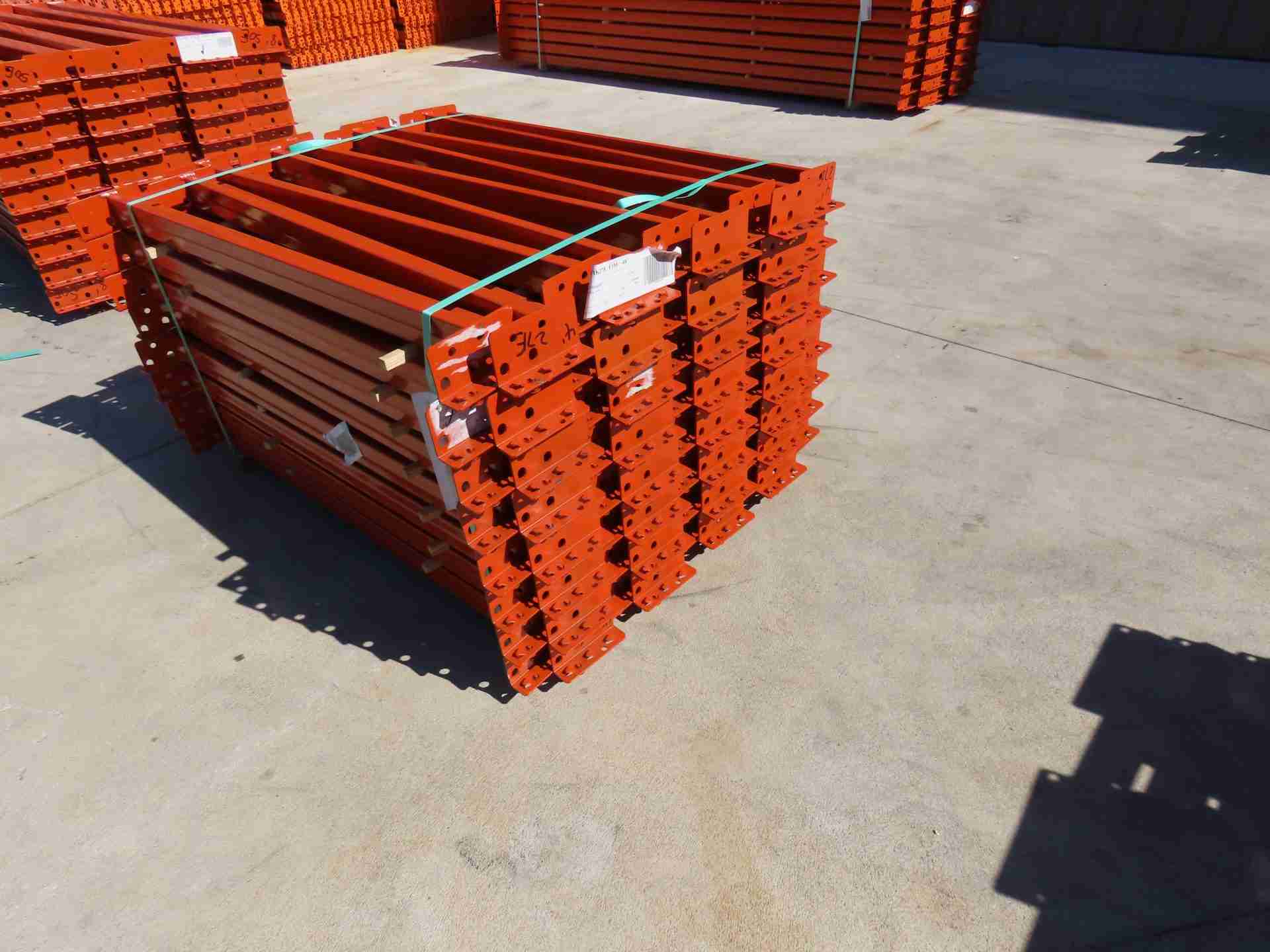
What Signs Indicate Low Morale In Warehouse Teams?
How Does Negligence Impact Performance In Warehouse Settings?
When it comes to warehouse operations, the invisible hand of negligence can drastically alter the landscape of performance, efficiency, and safety. Negligence is not just a term tossed around in legalese; it’s a silent predator lurking in the shadows of your everyday processes—be it mismanaged pallet racking systems or overlooked safety protocols. It’s time to address the elephant in the room because the cost of negligence can be staggering.
Picture this: a team moving swiftly through the aisles, expertly navigating a web of pallet racking. But wait—what if that racking system was improperly maintained? What if that crucial inspection was skipped? Suddenly, the very framework supporting your goods becomes a ticking time bomb. The consequences of negligence can be catastrophic—not only in financial terms but also in how they affect your workforce’s morale and trust in the system. Every time an employee glances up at a precariously stacked pallet, a sense of anxiety creeps in. Tension builds, productivity plummets, and a cycle of worrying and underperforming begins.
What can be done to turn this ship around? It starts with acknowledging the impact of negligence within your warehouse. Implementing regular inspections of your pallet racking, providing comprehensive training for your employees, and fostering a culture of accountability are not just best practices; they are essential steps towards empowering your team and enhancing overall performance. When employees feel safe in their environment, their productivity soars, and morale skyrockets.
Moreover, investing in solid safety protocols is not merely an expense—it’s an investment in your future. It pays dividends by reducing accidents, cutting down on downtime, and boosting employee engagement. This is where trust is built; when your workforce sees that you prioritize their safety, their confidence in the operation blossoms.
Negligence needn’t be a fatal blow to your performance in warehouse settings. Instead, let it be a catalyst for improvement. By taking proactive steps to address the hidden impacts of negligence, you not only safeguard your operations but also create an environment where your team feels valued and empowered. It’s time to reach out, take action, and transform your warehouse into a beacon of efficiency and safety. Your employees—and your bottom line—will thank you for it.
How Does Negligence Impact Performance In Warehouse Settings?
How Does Negligence Impact Performance In Warehouse Settings?
- Negligence in warehouse operations significantly impacts performance, efficiency, and safety.
- Neglected processes, such as mismanaged pallet racking systems and overlooked safety protocols, can lead to serious consequences.
- Improperly maintained racking systems create risks that can affect employee morale and trust.
- Acknowledging the impact of negligence is crucial for improving warehouse operations.
- Regular inspections, comprehensive training, and a culture of accountability are essential for enhancing safety and performance.
- Investing in safety protocols reduces accidents, downtime, and boosts employee engagement.
- Tackling negligence can lead to improved operations and a more empowered workforce, benefiting both employees and the bottom line.
How Does Negligence Impact Performance In Warehouse Settings?
What Are The Common Reasons For Negligence In Warehouses?
Running a warehouse is no small feat. Your entire operation hangs in a delicate balance, and negligence can send that balance spiraling out of control. But what are the culprits behind these crucial slip-ups? Understanding the common reasons for negligence in warehouses can be your first step toward creating a safer, more efficient environment.
1. Poor Training and Inexperience
One of the primary reasons for negligence is inadequate training. When staff members don’t fully grasp the intricacies of warehouse protocols, accidents are bound to happen. Imagine an employee struggling to correctly handle pallet racking systems. The result can be catastrophic—damaged goods, injured workers, and costly downtime. Investing in robust training programs not only fosters confidence among your team but significantly mitigates risks.
2. Overlooking Safety Protocols
In the hustle and bustle of day-to-day operations, safety protocols can sometimes take a back seat. Your warehouse might be a flurry of activity, but that shouldn’t lead to cutting corners. Whether it’s skipping inspections on your pallet racking or neglecting to use personal protective equipment, overlooking safety measures can be a recipe for disaster. Regular safety audits and encouraging a culture of compliance can make all the difference.
3. Insufficient Maintenance of Equipment
Think about the last time you inspected your machinery. Regular maintenance is crucial for preventing negligence in any facility. A creaky pallet racking system or poorly functioning machinery might seem like minor issues, but they can lead to bigger problems if neglected. Establish a regular maintenance schedule, and you’ll save yourself a mountain of hassle and keep your operation running smoothly.
4. Poor Communication
In many cases, negligence arises from a breakdown in communication. If warehouse workers aren’t updated on shifting priorities or changes in protocol, confusion reigns. Regular team meetings, visual aids, and clear signage can enhance communication. After all, a well-informed team is an empowered team, ready to tackle challenges head-on.
5. Ignoring the Human Element
Finally, it’s essential to recognize the human factor. Stress, fatigue, and personal issues can cloud judgement and lead to mistakes. Encourage a workplace environment that prioritizes mental well-being. A healthy team is a productive team, equipped to handle the day-to-day challenges of warehouse operations.
By understanding these common causes of negligence in warehouses, you can take actionable steps to foster a safer working environment. Trust your instincts, keep your team informed, and watch as your operational efficiency soars!
What Are The Common Reasons For Negligence In Warehouses?
What Are The Common Reasons For Negligence In Warehouses?
- Running a warehouse requires careful balance; negligence can disrupt operations.
- Poor training and inexperience lead to accidents; investing in robust training mitigates risks.
- Overlooking safety protocols due to busy operations can result in dangerous situations.
- Regular maintenance of equipment is crucial; neglecting minor issues can result in major problems.
- Poor communication can cause confusion; regular meetings and clear signage enhance teamwork.
- Recognizing the human element is vital; prioritizing mental well-being can reduce errors.
- Understanding these causes allows for actionable steps to create a safer working environment.
What Are The Common Reasons For Negligence In Warehouses?
How Can Communication Improve Warehouse Team Morale?
In the high-stakes environment of a warehouse, effective communication is the lifeblood that keeps the operation going smoothly. When team members feel unheard or disconnected, morale can plummet, leading not just to dissatisfaction, but often to decreased productivity and increased turnover. Imagine your crew managing a complex pallet racking system—if they aren’t clear on priorities or the role each person plays, chaos is destined to follow.
Effective communication is more than just exchanging information; it’s about fostering an environment where team members feel valued and empowered. When workers understand the larger vision and how their specific duties contribute to that vision—whether it’s organizing inventory on that intricate pallet racking or ensuring timely deliveries—morale naturally boosts. They take pride in their work, knowing they’re part of something bigger.
Regular check-ins, whether through brief morning huddles or dedicated team meetings, create a platform for open dialogue. Encourage your team to voice their thoughts, concerns, and innovations. This practice not only cements trust but also cultivates a sense of community. When people feel like they have a stake in the operation, they’re far more likely to go above and beyond. Imagine a situation where a team member has a novel solution for optimizing the pallet racking layout—they won’t hesitate to share it if they know their input is valued!
Moreover, transparent communication helps to mitigate misunderstandings. When deadlines, expectations, and individual roles are clearly defined, there’s less room for error. Each team member can collaborate effectively, harmonizing their efforts like a well-oiled machine. Celebrate wins, both big and small, and don’t shy away from discussing areas for improvement. When your warehouse culture is rooted in open communication, it creates an atmosphere of continuous growth, helping every team member feel invested in their role.
Lastly, don’t underestimate the power of informal communication. Whether it’s sharing a laugh over a shared lunch break or taking the time to ask about a coworker’s weekend, these small gestures can significantly enhance connection. When employees feel they are part of a supportive family rather than just another cog in the machine, their enthusiasm for the job surges.
In summary, leveraging communication as a strategic tool in your warehouse isn’t just about solving problems—it’s about building a foundation of trust and enthusiasm that propels your team to new heights. Elevate morale today by prioritizing open, affirming communication, and watch your warehouse thrive!
How Can Communication Improve Warehouse Team Morale?
How Can Communication Improve Warehouse Team Morale?
- Effective communication is crucial for smooth warehouse operations.
- Poor communication can lead to decreased morale, productivity, and increased turnover.
- Creating a clear understanding of roles and priorities helps prevent chaos, especially in complex systems like pallet racking.
- Fostering an environment where team members feel valued enhances morale and pride in their work.
- Regular check-ins and open dialogue encourage innovation and strengthen team trust.
- Transparent communication reduces misunderstandings and promotes effective collaboration.
- Informal interactions enhance connections, creating a supportive workplace culture that boosts enthusiasm.
How Can Communication Improve Warehouse Team Morale?
What Role Does Training Play In Preventing Negligence?
Imagine this: a bustling warehouse filled with workers, forklifts buzzing around, and rows upon rows of pallet racking, each loaded with inventory essential to keep your business thriving. It’s a scenario that embodies efficiency and productivity, but it harbors an underlying risk—negligence. It’s an unfortunate reality that many businesses face, often leading to costly accidents and significant liability. However, there’s a powerful antidote to this potential chaos, and it’s simpler than you might think: training.
Training isn’t just a box to check off an HR policy; it’s a robust investment in the safety and success of your operation. Consider the myriad of ways effective training can mitigate risks associated with pallet racking systems and warehouse operations. Proper training equips your staff with the knowledge necessary to navigate their environments confidently, ensuring they fully understand how to handle materials, operate machinery, and comply with safety protocols.
Here’s where the magic happens: well-trained employees don’t just avoid negligence; they become champions of safety. When your team is empowered with critical information about load capacities, proper stacking methods, and maintenance checks for pallet racking, the risk of accidents diminishes dramatically. They learn to recognize potential hazards and are equipped to take preventive measures, minimizing errors that could lead to injury or damage.
Moreover, training fosters a culture of accountability. Employees who understand the importance of their role within the organization tend to take more pride in their work and approach tasks with greater care. This isn’t just about compliance; it’s about creating an environment where safety is a shared responsibility. When everyone is committed to upholding standards and best practices, the entire team thrives.
And let’s not forget the cost savings! Every accident prevented translates into reduced insurance premiums, fewer worker’s compensation claims, and less downtime—all critical factors that can significantly boost your bottom line. It’s a compelling case for investing time and resources into robust training programs.
The bottom line is simple: prioritize training, and you’re not just guarding against negligence; you’re fortifying the future of your business. It’s proactive, it’s smart, and it’s a step towards cultivating a safety-first mindset that will resonate throughout your organization. Don’t wait for an incident to spur action; take charge of your workplace safety today with a commitment to comprehensive training that protects both your employees and your investment.
What Role Does Training Play In Preventing Negligence?
What Role Does Training Play In Preventing Negligence?
- A bustling warehouse setting represents efficiency but carries risks of negligence.
- Training is a crucial investment for safety and operational success, not just a compliance requirement.
- Effective training empowers employees with knowledge about handling materials and safety protocols.
- Well-trained employees become safety champions, reducing the likelihood of accidents.
- Training promotes a culture of accountability and pride in work among employees.
- Preventing accidents through training leads to cost savings in insurance and reduced claims.
- Prioritizing training fosters a proactive safety mindset, benefiting both employees and the business’s future.
What Role Does Training Play In Preventing Negligence?
How Can Managers Identify Negligent Behaviors In Their Teams?
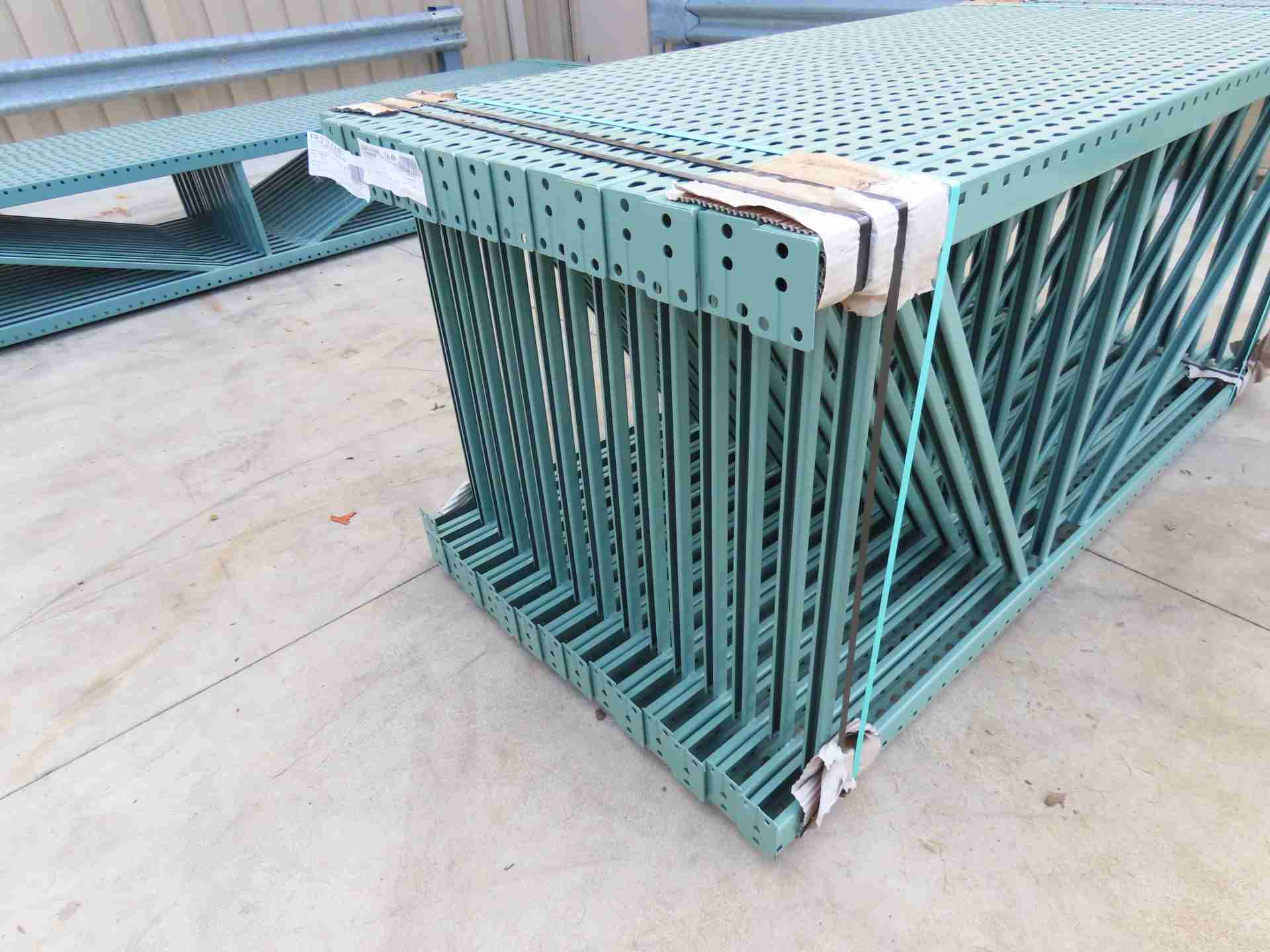
If you’ve ever walked through a warehouse where pallets tower precariously high or where items seem to vanish into thin air, you know the uneasy feeling that comes from negligence lurking in the shadows. The same feeling can permeate your workplace if you’re not vigilant. Spotting negligent behaviors among your team is not merely about avoiding chaos; it’s about fostering an environment that thrives on accountability and excellence.
First, let’s talk about observation. Just as you would inspect your pallet racking for signs of wear and tear, you need to keep a keen eye on your team. This doesn’t mean hovering over every action; rather, it involves fostering a culture of transparency where open communication reigns. Regular check-ins, whether formal or informal, can illuminate persistent patterns—like employees consistently missing deadlines or failing to follow safety protocols—indicative of a larger issue at hand. Cultivating an atmosphere where team members feel comfortable discussing struggles or asking for help can help unveil these negligent behaviors before they spiral out of control.
Another strategy is to leverage feedback mechanisms. Anonymous surveys or suggestion boxes can provide insights that your team may not want to voice openly. It’s akin to checking the integrity of your pallet racking structure; sometimes, the signs of weak areas are hidden just beneath the surface. Encourage your team to share their observations on workflows or bottlenecks. Are roles and responsibilities clearly defined? Is there a sense of ownership, or are individuals passing the buck? Your ability to listen and act on this feedback can significantly decrease negligence by addressing root causes directly.
Training and development represent a proactive approach to negate negligence within your teams. Offering workshops or mentorships allows employees to learn best practices and understand the repercussions of their actions—whether they’re stacking pallets improperly or managing customer interactions. A well-informed team is much less likely to engage in neglectful behaviors, and when they do, they’re far better equipped to recognize and rectify them swiftly.
Lastly, celebrate accountability. Recognize team members who demonstrate diligence and proactive behavior. Show that you value hard work and responsibility. By highlighting positive actions, you create a ripple effect, encouraging others to follow suit. It’s in these everyday practices that most negligence can be prevented—not through fear or reprimand but through a cohesive, trustworthy team dynamic.
What differentiates a great manager from the rest is their ability to foster connections, identify red flags, and inspire a culture where negligence has no place. Are you ready to make that commitment?
How Can Managers Identify Negligent Behaviors In Their Teams?
How Can Managers Identify Negligent Behaviors In Their Teams?
- Negligence in a workplace can lead to chaos and a lack of accountability.
- Observation is key; foster a culture of transparency and open communication.
- Regular check-ins can help identify patterns of negligent behavior among team members.
- Utilize feedback mechanisms like anonymous surveys to uncover hidden issues.
- Training and development programs can equip employees to prevent negligent actions.
- Celebrate accountability by recognizing diligent team members to promote positive behavior.
- A great manager fosters connections and inspires a culture that minimizes negligence.

How Can Managers Identify Negligent Behaviors In Their Teams?
Conclusion
Conclusion: Elevate Your Warehouse from Mediocrity to Mastery with Proactive Engagement
At RackingWorld.com and Arrow Industrial Sales, we believe that a thriving warehouse is no accident. It’s a result of deliberate, strategic actions focused on creating an environment where your team feels valued, empowered, and motivated to excel. In a world where operational oversights can sabotage employee morale and performance, understanding the interplay between warehouse management and team spirit is essential.
Negligence—often dismissed as a minor inconvenience—can have far-reaching effects on productivity and worker satisfaction. Picture a scenario where employees are consistently met with cluttered, unsafe environments and chaotic pallet racking systems; that lingering frustration can erode their enthusiasm and lead to disengagement. By proactively addressing these challenges and optimizing your workspace, you not only enhance employee motivation but also propel your warehouse’s efficiency to new heights.
Effective communication serves as the cornerstone of this transformation. When team members feel they have a voice and that their input matters, they’re far more likely to engage in work with passion and purpose. Regular feedback sessions, open dialogues about safety protocols, and a team culture that celebrates contributions foster an atmosphere of trust and collaboration. Likewise, comprehensive training initiatives ensure that your workforce is equipped with the knowledge they need to navigate their roles confidently and safely.
Paying attention to early signs of low morale—such as increased absenteeism or reduced productivity—allows you to act swiftly and decisively. Engage with your team regularly to unveil their concerns and ideas for improvement. The urgency to act is paramount; every day spent in a neglected workplace diminishes your potential to turn productivity around.
Finally, remember that investment in quality tools and systems—like well-maintained racking equipment—speaks volumes about your commitment to safety and efficiency. By prioritizing these elements, you not only protect your bottom line but also cultivate a loyal and driven workforce.
Are you ready to take your warehouse operations to the next level? Don’t let negligence undermine your team’s potential. Contact Arrow Industrial Sales at (574) 349-6575 today to discover how partnering with experts can help you elevate your workplace morale and performance. Act now—because every moment counts, and empowered employees await your leadership!
Conclusion
Conclusion:
- A thriving warehouse results from deliberate, strategic actions that value and empower the team.
- Operational oversights can significantly impact employee morale and performance.
- Negligence can lead to cluttered, unsafe environments, eroding enthusiasm and engagement.
- Effective communication fosters trust and collaboration, enhancing team engagement.
- Regular feedback sessions and comprehensive training initiatives are essential for workforce success.
- Monitor early signs of low morale and engage with the team to address concerns promptly.
- Investing in quality tools and systems demonstrates commitment to safety and improves productivity.
Conclusion
Other Resources
Other Resources
Here is a list of other resources you can review online to learn more:
- Chicago Pallet Racking
- Material Handling Safety
- Pallet Racking systems in Illinois and Great Lakes
- Intro to Warehouse Racks & Warehouse Racking Systems – ShipBob
- Warehouse Racks, Warehouse Racking in Stock – ULINE
- Shipping Boxes, Packaging Materials, Pallet Racking
- Chicago Pallet Racking
- BMH
- Selective Racking
Use This Prompt To Get More Resources With Your Favorite Online AI Tool: Please provide me with a list of online articles with their URLs in a bulleted list that I can read regarding Is Your Negligence Harming Warehouse Team Morale and Performance?
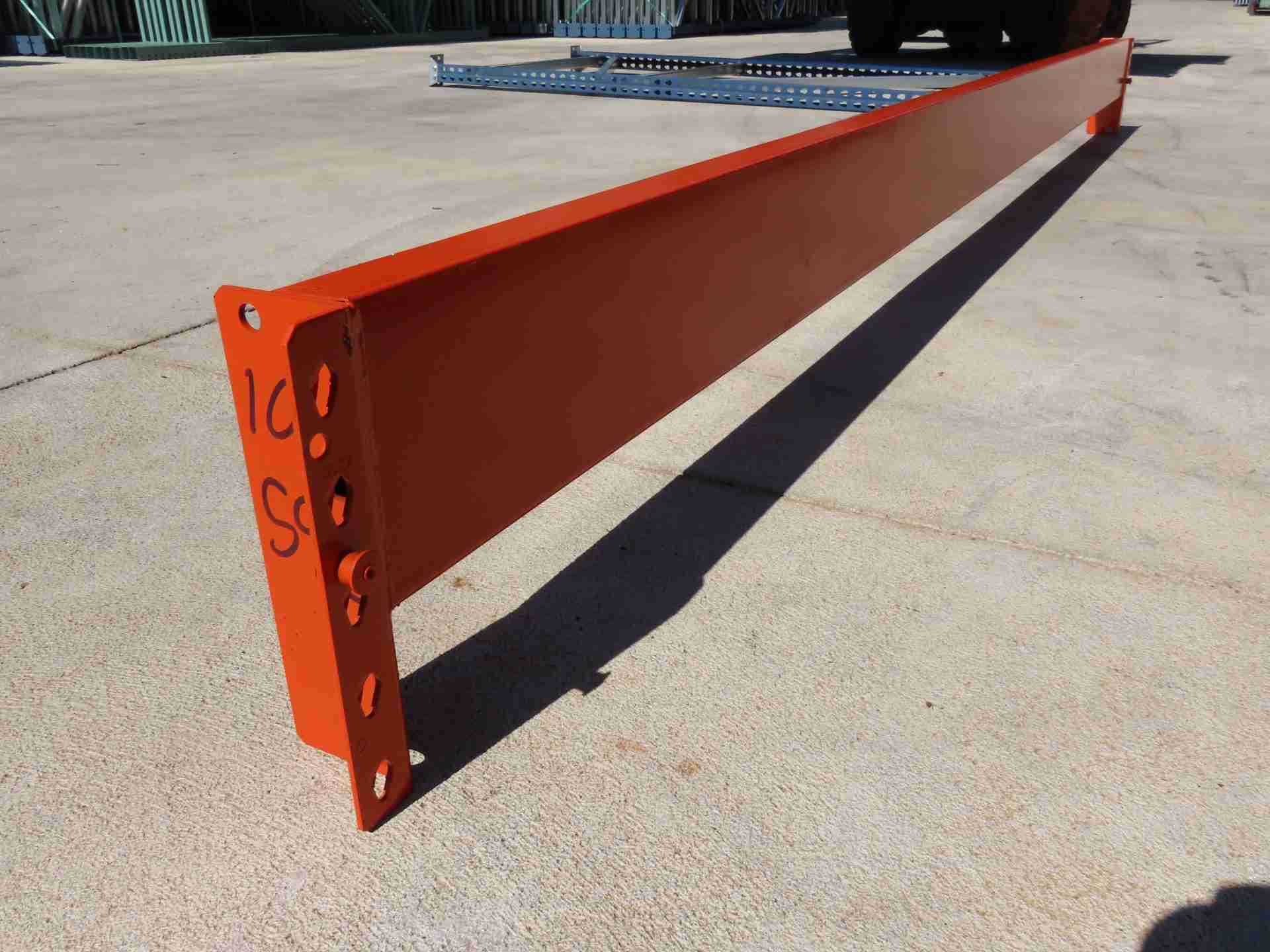
Other Resources
Glossary Terms
Is Your Negligence Harming Warehouse Team Morale and Performance? – Glossary Of Terms
1. Negligence: Lack of proper care or attention that can lead to subpar performance or safety risks.
2. Morale: The collective spirit and confidence of a team, heavily influenced by management practices and work environment.
3. Performance: The effectiveness and efficiency with which warehouse tasks are completed, influenced by both individual and team effort.
4. Workplace Safety: Policies and practices aimed at ensuring a safe working environment to minimize accidents and injuries.
5. Empowerment: Granting employees authority and responsibility that can enhance their engagement and performance.
6. Feedback: Constructive commentary provided to team members regarding their work, crucial for continuous improvement.
7. Communication: The exchange of information between team members and management that impacts workflow and morale.
8. Team Cohesion: The degree to which team members work together harmoniously, influenced by leadership and company culture.
9. Turnover Rate: The rate at which employees leave a company, often indicative of workplace satisfaction and morale issues.
10. Incentives: Rewards or bonuses used to motivate employees and improve performance and morale.
11. Job Satisfaction: The level of contentment employees feel with their job roles, crucial for maintaining morale.
12. Culture: The shared values, beliefs, and practices that shape the work environment and influence employee behavior.
13. Training: Programs aimed at enhancing employee skills and knowledge, which can improve performance and job satisfaction.
14. Workload: The amount of work assigned to team members, which can impact stress levels and morale.
15. Recognition: Acknowledgment of employee efforts and achievements, which can boost morale and motivation.
16. Conflict Resolution: The process of addressing and resolving disagreements among team members to maintain a healthy work environment.
17. Stress Management: Techniques and practices designed to help employees cope with workplace stress, thereby enhancing morale and performance.
18. Engagement: The emotional commitment that employees have to their organization, significantly affecting morale and productivity.
19. Accountability: The expectation that employees are responsible for their actions and performance, promoting a culture of diligence and respect.
20. Retention Strategies: Initiatives aimed at keeping talented employees within the organization, crucial for morale and performance stability.
21. Work Environment: The physical and psychological conditions affecting employees in the workplace, including layout, noise, and culture.
22. Interpersonal Relationships: The connections and interactions between team members that can influence morale and collaboration.
23. Resource Allocation: The distribution of tools, time, and personnel necessary for team members to effectively complete their work.
24. Goal Setting: The process of defining clear, achievable objectives for team members, which can enhance focus and motivation.
25. Performance Metrics: Standards used to measure the effectiveness and efficiency of employee performance and productivity.
26. Job Roles: Defined responsibilities and expectations for each position within the warehouse, impacting clarity and performance.
27. Leadership Style: The approach taken by management that influences team dynamics, morale, and overall performance.
28. Burnout: A state of emotional, physical, and mental exhaustion caused by prolonged stress, negatively affecting morale and performance.
29. Support Systems: Structures in place to assist employees, such as mentorship programs or counseling services, crucial for maintaining morale.
30. Change Management: The methods used to prepare, support, and help individuals or teams in making organizational changes, impacting morale and performance acceptance.

Glossary Of Terms
Other Questions
Is Your Negligence Harming Warehouse Team Morale and Performance? – Other Questions
If you wish to explore and discover more, consider looking for answers to these questions:
- What are some effective methods for evaluating warehouse team morale?
- How can leadership directly influence warehouse performance?
- What specific actions can I take to improve pallet racking organization?
- What are the long-term benefits of investing in warehouse employee training?
- How often should safety protocols be reviewed and updated in a warehouse?
- What are the legal implications of negligence in warehouse operations?
- How can technology play a role in reducing negligence in warehouse settings?
- What are some strategies for fostering open communication among warehouse teams?
- How can I effectively gather and implement employee feedback in a warehouse environment?
- What costs are associated with neglecting warehouse maintenance?
- What role do team-building activities play in improving warehouse team morale?
- How can a manager effectively address and remediate negligence once it is identified?
- Are there industry benchmarks for warehouse team morale and performance?
- What kind of ongoing training should be provided to warehouse staff?
- How can we better support the mental well-being of warehouse employees?
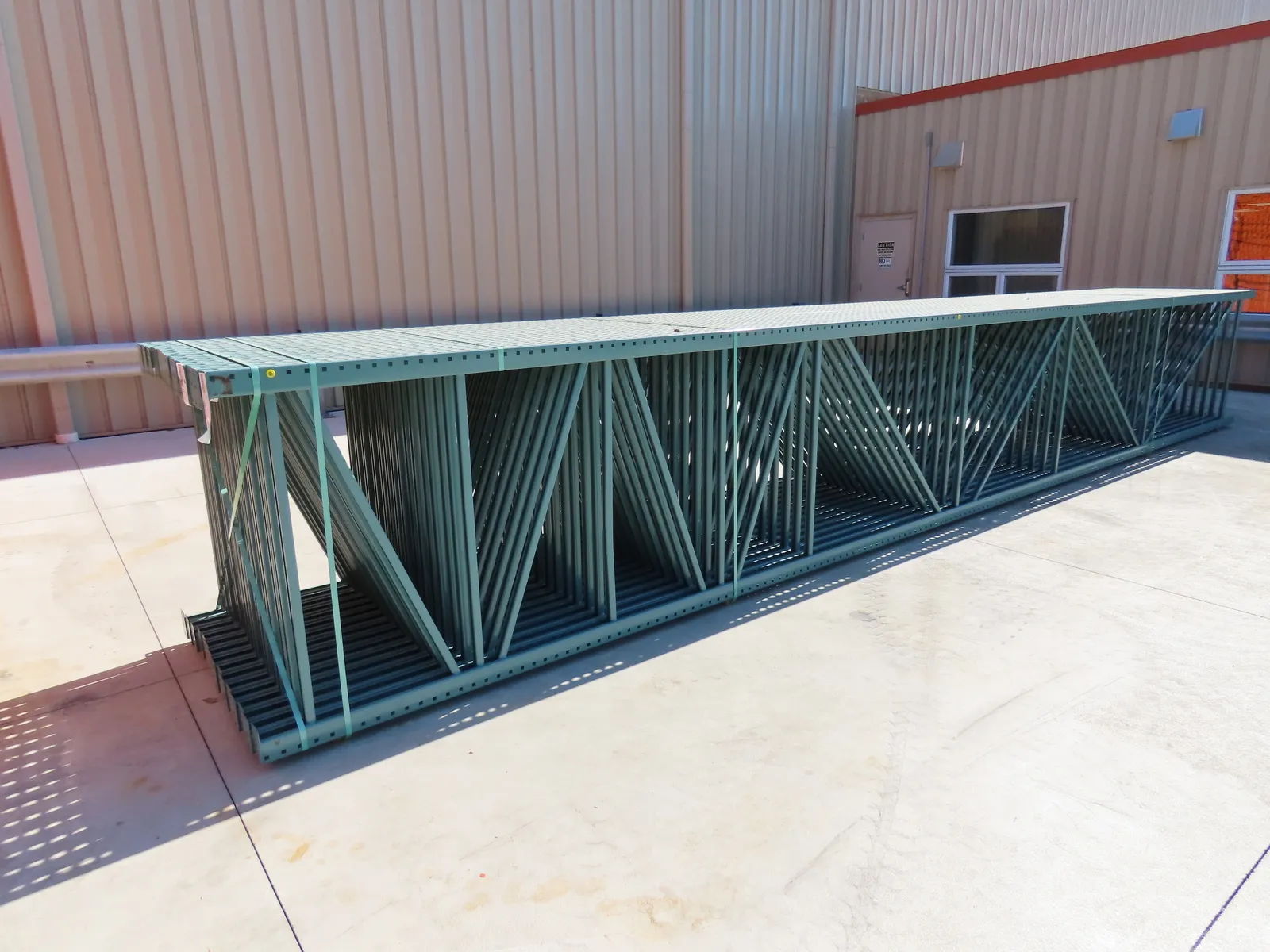
Other Questions
Checklist
Is Your Negligence Harming Warehouse Team Morale and Performance? – A Checklist
Checklist: Improving Warehouse Team Morale and Performance
Evaluate Your Warehouse Environment
1. Pallet Racking Inspection
_____ Regularly inspect pallet racking systems for organization and safety.
_____ Ensure proper labeling of inventory items.
_____ Check for overcrowded or poorly stacked pallets.
2. Maintenance Schedule
_____ Establish and adhere to a regular maintenance schedule for equipment.
_____ Conduct safety checks across all areas of operation.
3. Safety Protocols
_____ Review and reinforce safety protocols regularly.
_____ Provide personal protective equipment and ensure compliance.
Monitor Team Morale
4. Recognize Signs of Low Morale
_____ Watch for signs of disengagement (e. g. , reduced energy, lack of communication).
_____ Track productivity levels to identify declines.
_____ Monitor absenteeism patterns for potential underlying issues.
5. Encourage Open Communication
_____ Foster open lines of communication through regular check-ins and meetings.
_____ Implement anonymous feedback systems for employees to express concerns.
Invest in Training and Development
6. Comprehensive Training Programs
_____ Offer training sessions on equipment handling, safety protocols, and teamwork.
_____ Encourage mentorship opportunities within the team.
7. Cross-Training Opportunities
_____ Provide cross-training to help employees develop a wide range of skills.
_____ Enhance team collaboration and understanding of diverse roles.
Promote Team-Building and Collaboration
8. Team-Building Activities
_____ Organize regular team-building exercises to strengthen relationships.
_____ Encourage social interactions during breaks to enhance camaraderie.
9. Celebrate Successes
_____ Recognize and celebrate both individual and team achievements.
_____ Foster a culture of appreciation and support.
Implement Accountability Measures
10. Set Clear Roles and Expectations
_____ Clearly define roles, responsibilities, and performance expectations.
_____ Make sure all team members know how their work contributes to the larger goals.
11. Address Negligent Behaviors Promptly
_____ Identify and address negligent behaviors through observation and feedback.
_____ Use constructive criticism to promote accountability.
Create an Empowering Culture
12. Encourage Employee Input
_____ Actively seek employee suggestions for improvements in workflows.
_____ Involve team members in decision-making processes when possible.
13. Support Mental Well-being
_____ Promote a healthy work-life balance and provide resources for mental health support.
_____ Be attentive to stress and personal issues affecting team members.
Continuous Improvement
14. Regular Assessments
_____ Periodically assess team morale and warehouse efficiency.
_____ Adjust strategies based on feedback and performance metrics.
15. Stay Proactive
_____ Avoid complacency by continuously looking for areas of improvement.
_____ Foster an environment where issues can be addressed before they escalate.
By following this checklist, you can help elevate warehouse team morale and enhance overall performance, creating a thriving and efficient work environment.
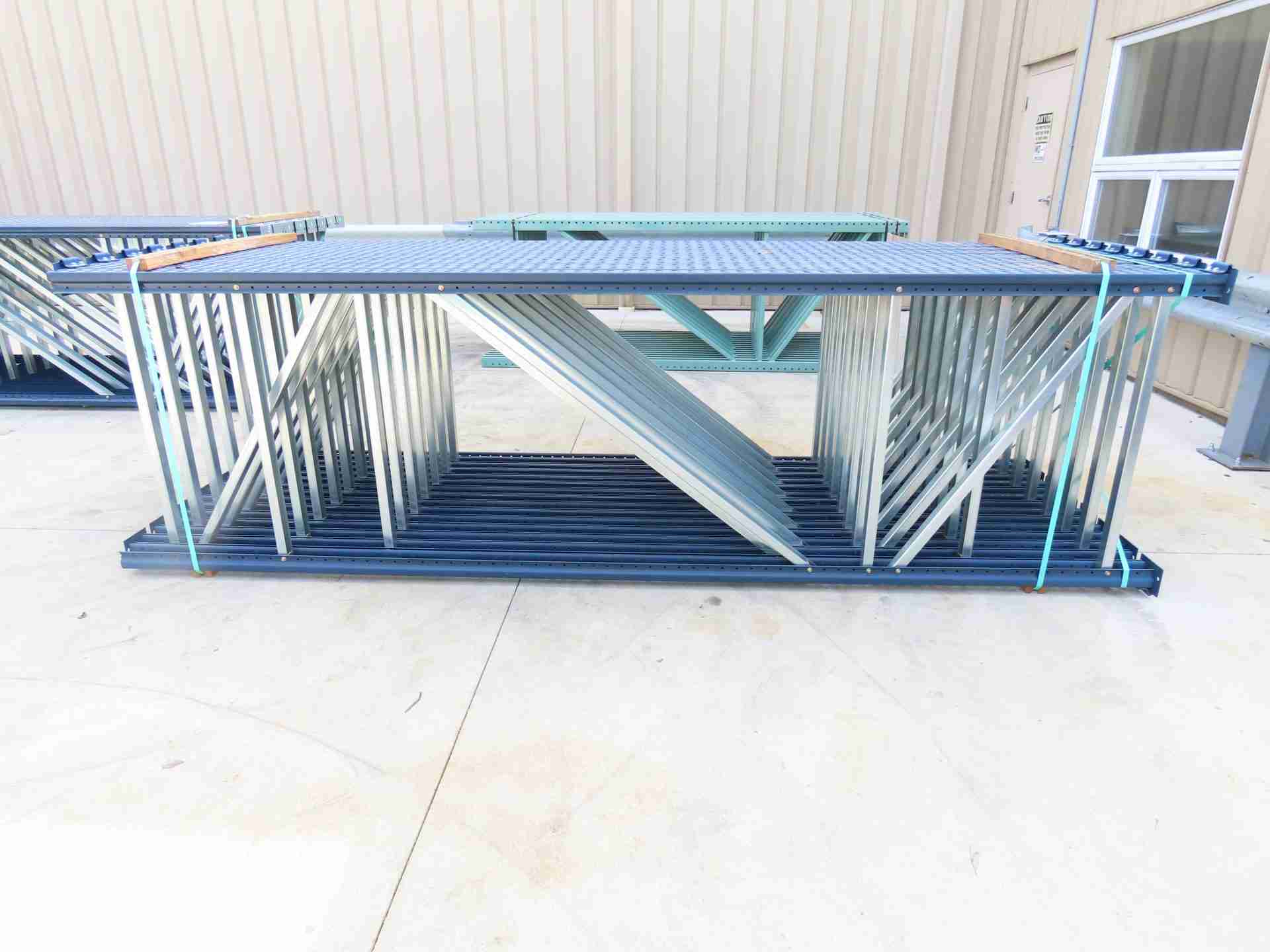
Checklist
At RackingWorld, we help guide you through selecting warehouse storage systems and racking.
Be sure to read our other related stories at RackingWorld to learn more about warehouse storage systems.
0 Comments