
Optimizing Pallet Beam Strength For Maximum Efficiency
By Tom Seest
At RackingWorld, we help guide you through selecting warehouse storage systems and racking.
Be sure to read our other related stories at RackingWorld to learn more about warehouse storage systems.
The Physics Of Load Distribution on Pallet Beams
When we think about the unsung heroes of warehouses and distribution centers, our minds rarely wander to the sturdy pallet beams quietly holding up countless products. Yet, these structures bear an immense burden, both literally and figuratively. Each pallet is a puzzle piece in a larger racking system, where load distribution isn’t just a concern—it’s the very foundation of safety and efficiency in our operations.
Imagine a busy warehouse filled with workers, hustling to meet deadlines, each movement echoing with purpose. The last thing on anyone’s mind is the physics at play in the beam above them. But do we realize that these beams are not just pieces of wood or metal? They are silent sentinels, engineered to withstand forces and pressures that would make the average person cringe. Every box stacked high, every weight calculated, reflects a deep understanding of physics and engineering principles that aren’t just numbers on a page—they are the backbone of our daily lives.
Proper load distribution ensures that each beam handles its share of the load, guarding against catastrophic failures that could injure workers or damage inventory. It’s not just about maintaining structure; it’s about preserving livelihoods. Think of the families relying on the safety of those racks. Each time a pallet is loaded, someone is putting faith in that architecture to keep things steady. We owe it to each other to foster awareness and responsibility around load distribution, making sure that the systems we rely on are not just adequate but exceptional.
As we navigate this fast-paced environment, let’s remember that every decision we make regarding pallet placement affects not just the moment but the entire workflow. It’s about designing racking systems that aren’t just functional but also ethical, prioritizing safety alongside efficiency. When we come together as a team, sharing insights and seeking continual improvement in our practices, we cultivate a culture of trust and collaboration.
So, the next time you see pallets stacked high, take a moment to appreciate the silent strength of those beams. Recognize their critical role. Let’s commit to ensuring proper load distribution in every racking system, understanding that when we do, we’re not just ensuring safety; we’re fostering a thriving community where everyone can work with confidence, knowing they are supported by a well-engineered structure.
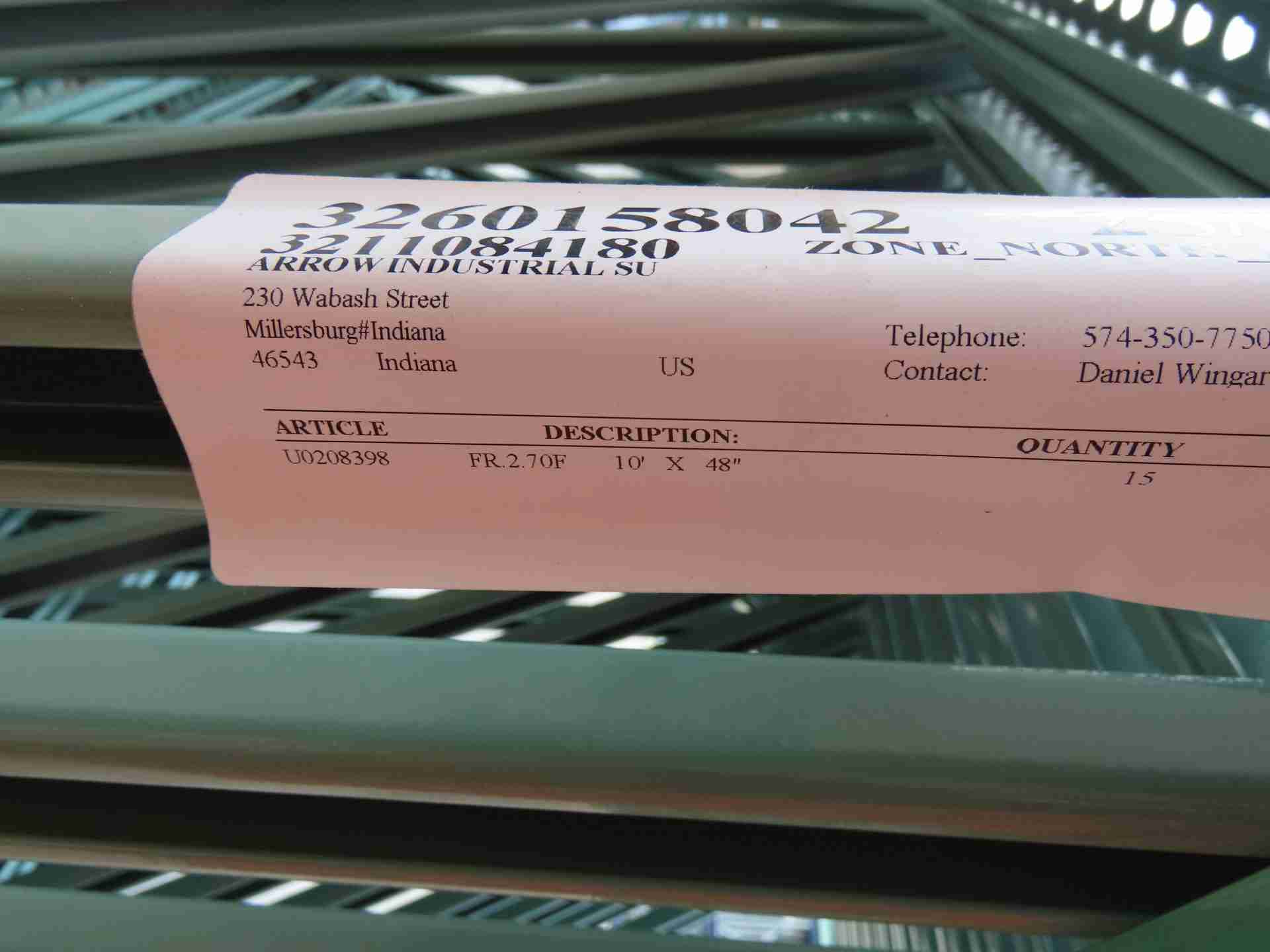
The Physics Of Load Distribution on Pallet Beams
The Physics Of Load Distribution on Pallet Beams
- Pallet beams are crucial yet often overlooked components of warehouses and distribution centers.
- They support immense weight and are engineered for safety and efficiency in load distribution.
- Every box placed in a warehouse reflects a deep understanding of physics and engineering.
- Proper load distribution prevents catastrophic failures that could injure workers or damage inventory.
- Racking systems must prioritize both safety and efficiency to protect livelihoods.
- Decisions about pallet placement affect the workflow and overall safety of operations.
- Commitment to proper load distribution fosters a culture of trust, collaboration, and community in the workplace.
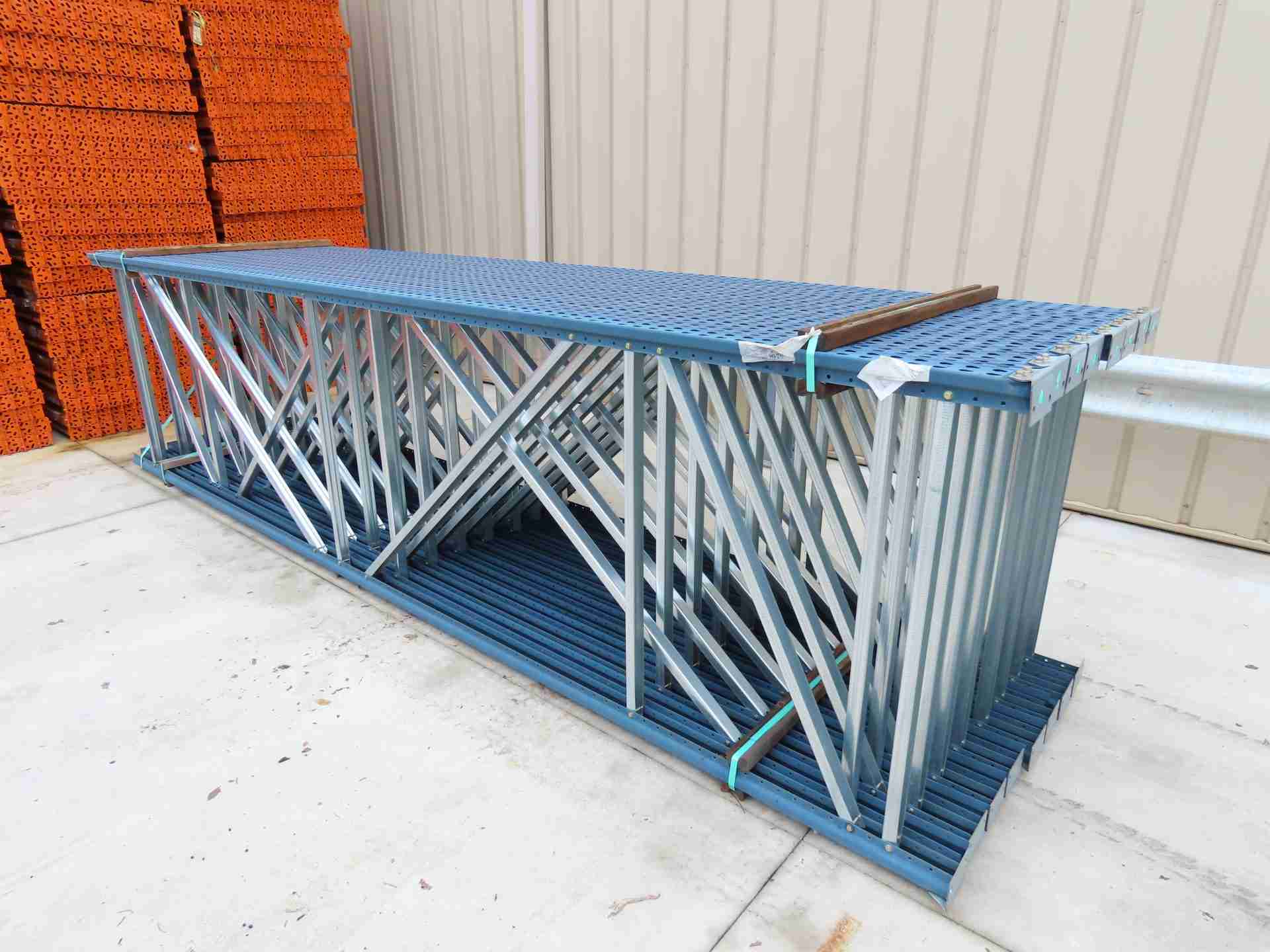
The Physics Of Load Distribution on Pallet Beams
Table Of Contents
- The Physics Of Load Distribution on Pallet Beams
- What Happens to a Pallet Beam Under Uneven Load Distribution?
- How Can Understanding Load Distribution Improve Safety and Efficiency?
- What Ethical Responsibilities Do Manufacturers Have In Beam Design?
- How Does Load Distribution Affect Cost-Effectiveness In Supply Chains?
- Can Personal Experiences with Pallet Failures Inform Better Practices?
- Conclusion
- Other Resources
- Glossary Of Terms
- Other Questions
- Checklist
What Happens to a Pallet Beam Under Uneven Load Distribution?
When a pallet beam bears the weight of an uneven load, it’s a bit like life—it can be unpredictable and even unfair. Imagine loading up a truck with boxes, but instead of distributing them evenly, you pile most of them on one side. What happens? That side bears the brunt of the weight, leading to potential disaster. The same principle applies in warehouse racking systems, where beams are engineered to hold specific loads. But throw an uneven distribution into the mix, and you’ve got a recipe for failure.
Picture this: A busy distribution center, humming with activity. Workers move swiftly, each one focused on their tasks. Yet, amidst the clatter of machinery and chatter of colleagues, there’s a subtle tension brewing. A pallet beam, loaded improperly, twists and bends, straining under the weight of its burden. You could almost feel the sigh of weariness emanating from the metal as it endures the pressure. It’s not just steel; it’s a vital contributor to the entire operation’s success, and when it buckles, it can spell disaster.
From a rational standpoint, the science is clear: materials have limits. Engineers design racking systems to distribute loads evenly, taking into account safety margins. When that careful balance is disrupted, it’s not just physics at work; it’s a question of accountability. Warehouses rely on sturdy, well-distributed loads to keep workers safe and operations running smoothly. When principles of good racking are ignored, the consequences can be dire—collapses lead to injuries, lost time, and ultimately, a hit to the bottom line.
On a deeper level, there’s an ethical responsibility to ensure that every load is managed correctly. Workers depend on a culture of safety and vigilance. If we neglect the fundamentals of proper loading, we’re not just jeopardizing equipment; we’re risking lives and well-being. Moreover, each person in that warehouse is part of a larger ecosystem—when one beam fails, the ripples extend beyond steel and racks, impacting families, communities, and livelihoods.
So as you stand at the crossroads of choices—whether in a warehouse or in life—remember to distribute the load wisely. Respect the balance, uphold safety standards, and cultivate a community that prioritizes responsibility. That’s how we turn potential hazards into harmonious operations, ensuring that everything remains upright and intact. After all, in both racking and life, it’s the proper alignment that keeps us moving forward.
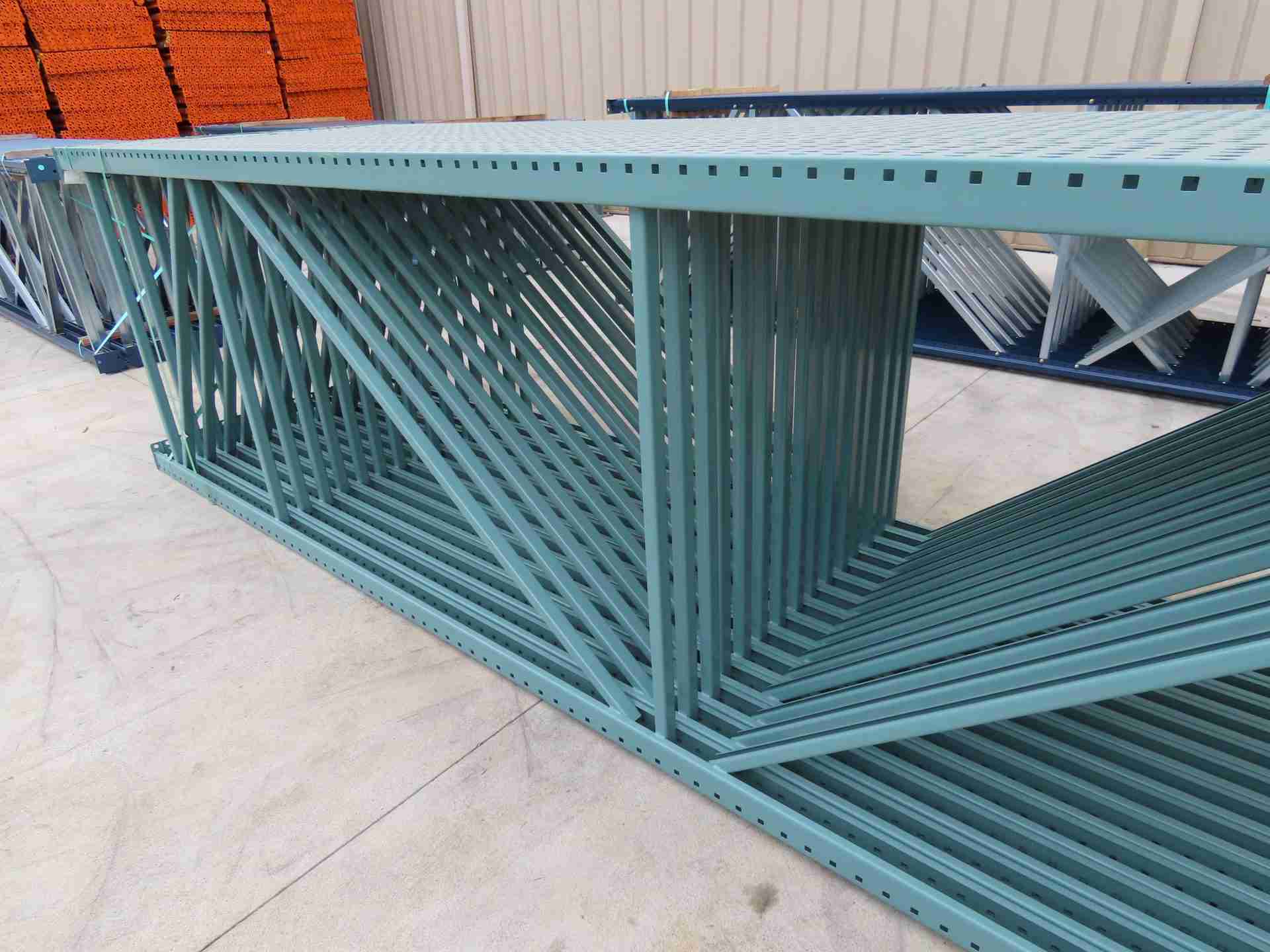
What Happens to a Pallet Beam Under Uneven Load Distribution?
What Happens to a Pallet Beam Under Uneven Load Distribution?
- Uneven load distribution on pallet beams can lead to disasters, similar to life’s unpredictability.
- Piling boxes on one side of a load can stress the beam, risking failure in warehouse racking systems.
- A busy distribution center experiences pressure from improperly loaded pallet beams, creating tension in operations.
- Engineers design racking systems with load distribution and safety margins in mind; imbalance disrupts this balance.
- Ignoring good racking principles can lead to serious consequences, including injuries, lost productivity, and financial losses.
- Ethical responsibility exists to manage loads correctly for worker safety and the well-being of the community.
- Distributing loads wisely fosters a culture of safety, responsibility, and harmony in both warehouse settings and life.
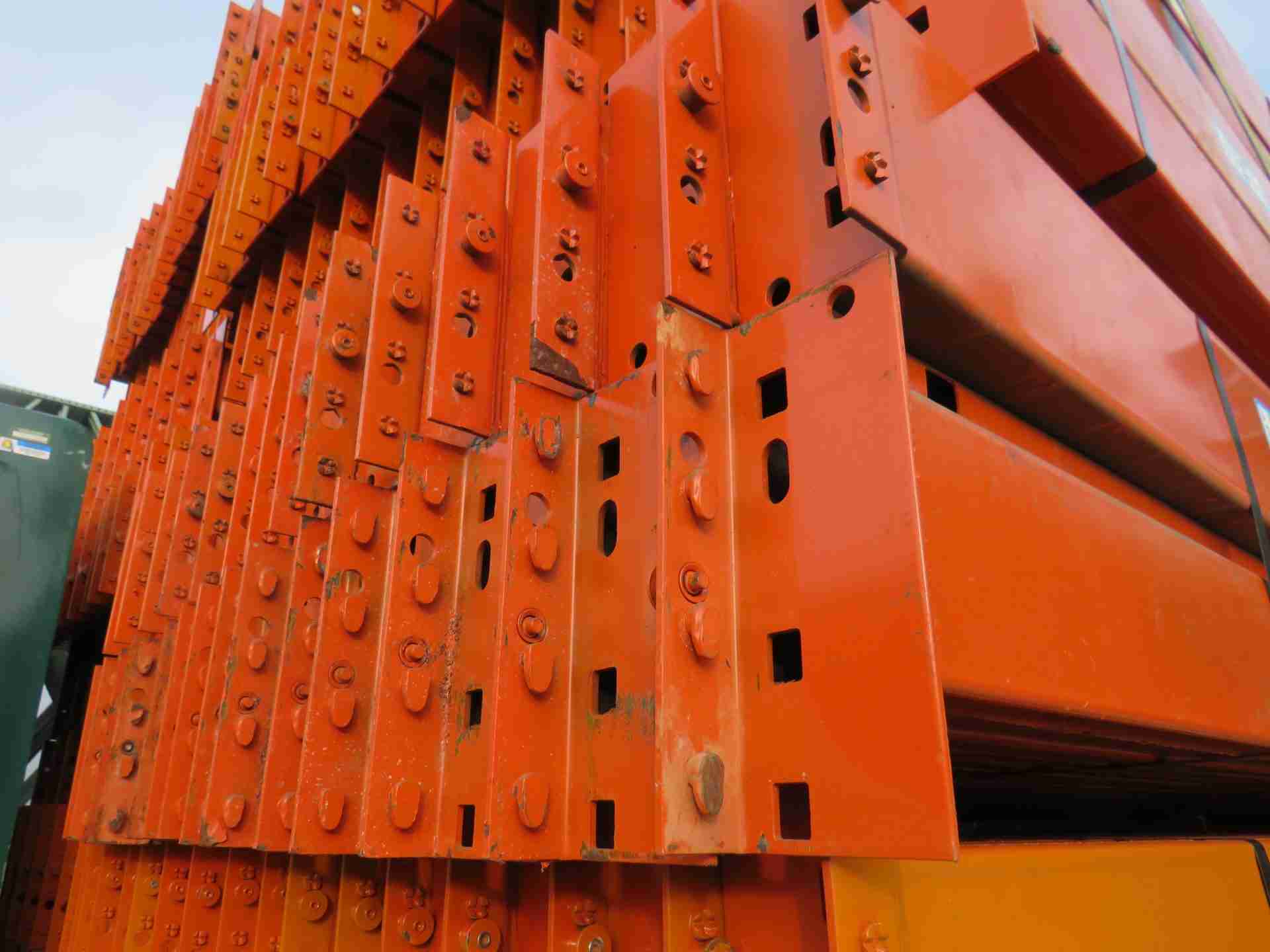
What Happens to a Pallet Beam Under Uneven Load Distribution?
How Can Understanding Load Distribution Improve Safety and Efficiency?
When we think about load distribution, it’s easy to let our minds wander to the realm of formulas and engineering schemes. But here’s the truth: understanding load distribution is more than just a technical necessity; it’s a profound responsibility that touches every facet of safety and efficiency in our lives. Imagine standing in a warehouse, surrounded by towering racks, each one brimming with the weight of products essential to daily life. Every item, every shelf, every inch of that racking system plays a part in a larger story about safety and efficiency.
Picture the consequences of neglect. A single miscalculation can lead to catastrophic failures—think crumbling racks, shattered products, or worse, injuries to the folks who keep our economy moving. That’s why understanding load distribution isn’t just useful; it’s a moral imperative. There are hardworking individuals behind every operation, and it’s our duty to ensure they can do their jobs without the shadow of danger lurking over them.
But let’s not forget the heart of the matter: the human connection. When teams understand how to distribute loads effectively, they’re not just following guidelines—they’re investing in one another’s safety, efficiency, and ultimately, well-being. This thoughtful approach fosters a culture of trust, where everyone feels valued and empowered. It’s an ethical commitment to the people who rely on those racking systems daily, creating an environment where everyone can thrive.
There’s a certain authority that comes with mastering load distribution. It’s not just about dicey calculations; it’s about understanding the weight of responsibility that lies on your shoulders. The engineers, warehouse managers, and workers—each plays a pivotal role, weaving a tapestry of safety and productivity. You harness the power of knowledge to navigate the complexities of racking systems, ensuring that every shelf holds firm under the pressure of what’s stacked upon it.
So let’s inspire action. Whether you’re a seasoned pro or just stepping into the world of load distribution, take a moment to appreciate its impact. What you do matters. When you prioritize safety and efficiency through thoughtful load distribution, you’re not just optimizing a process; you’re preserving livelihoods and ensuring families can count on the products they need every day. Now, that’s something to take pride in.
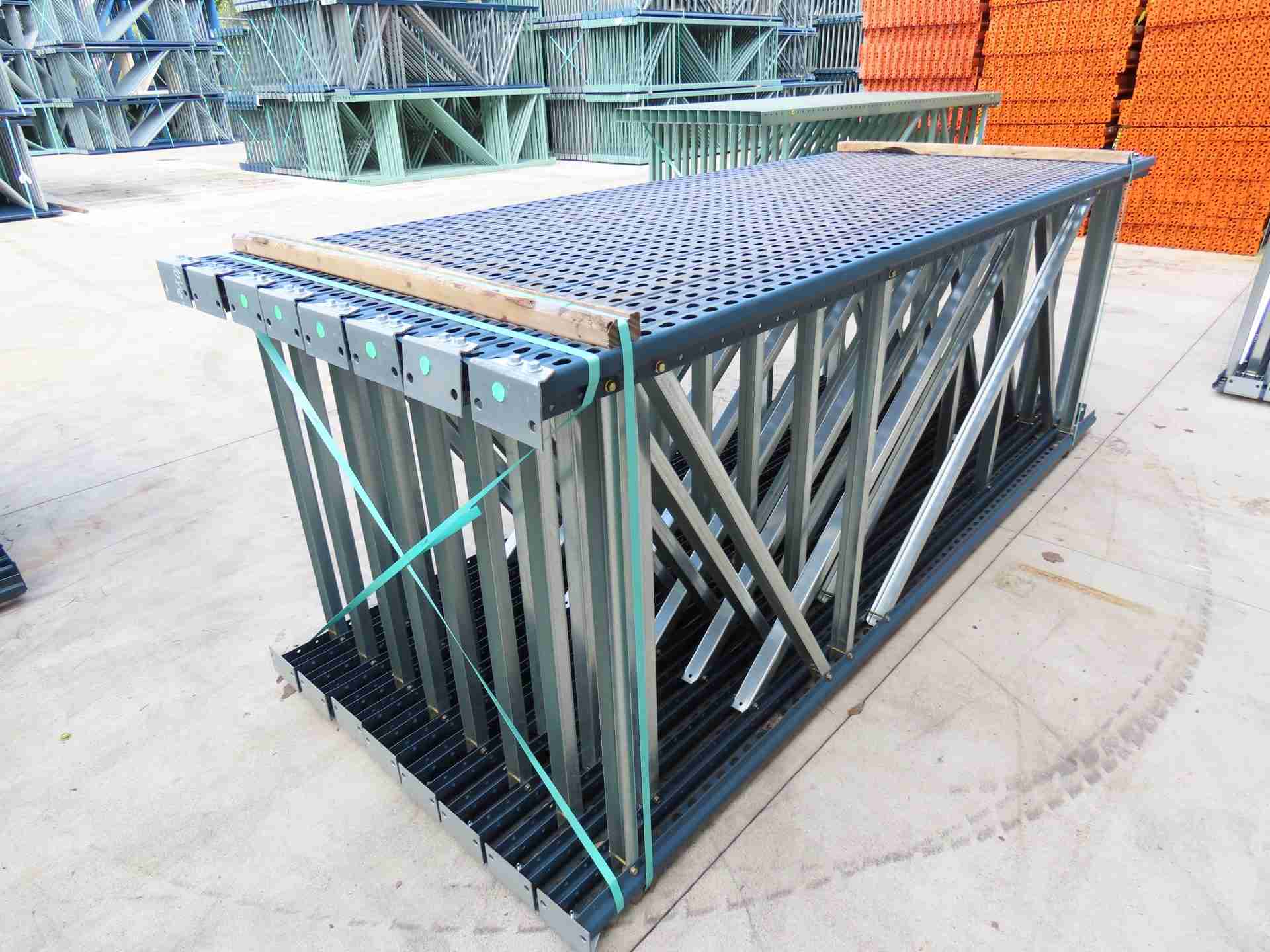
How Can Understanding Load Distribution Improve Safety and Efficiency?
How Can Understanding Load Distribution Improve Safety and Efficiency?
- Understanding load distribution is a critical responsibility that impacts safety and efficiency in various aspects of life.
- In warehouses, proper load distribution prevents catastrophic failures, such as crumbling racks and injuries.
- Neglecting load distribution can jeopardize the safety of individuals who rely on racking systems for their work.
- Effective load distribution fosters a culture of trust, safety, and well-being among team members.
- Mastering load distribution involves understanding the significant responsibility held by engineers, managers, and workers.
- Prioritizing thoughtful load distribution is essential for preserving livelihoods and ensuring product availability.
- Recognizing the impact of load distribution can inspire pride and action in fostering safety and efficiency.
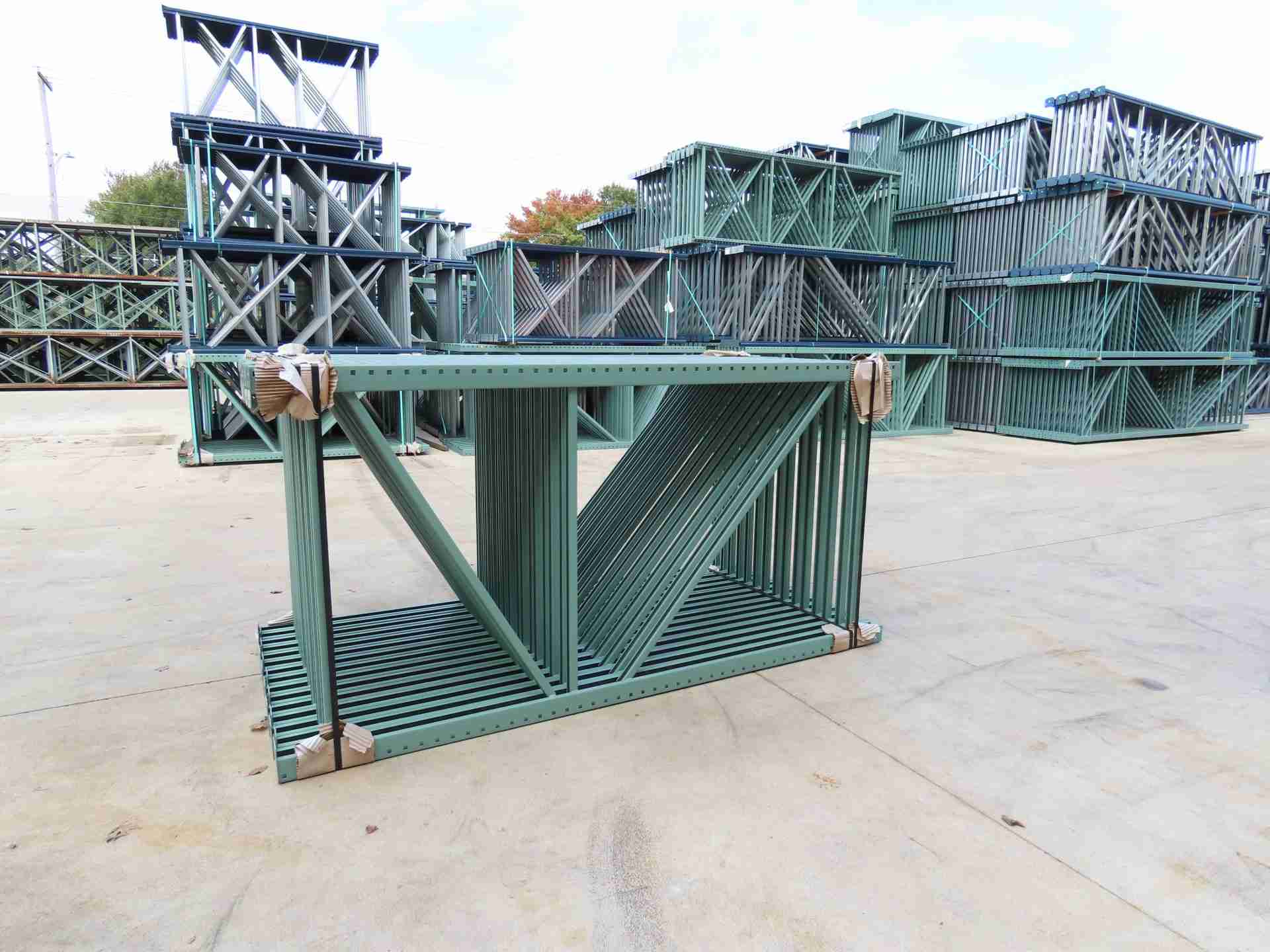
How Can Understanding Load Distribution Improve Safety and Efficiency?
What Ethical Responsibilities Do Manufacturers Have In Beam Design?
When it comes to beam design, manufacturers hold a weighty set of ethical responsibilities that ought to resonate in the heart, head, and gut. Picture a family gathering under a newly remodeled porch, laughter echoing as children run around. That beam overhead? It’s not just wood or steel; it’s a promise of safety, security, and support. Any lapse in judgment during its design can turn that joyful scene into a nightmare.
First and foremost, there’s the emotional layer. Every beam that carries a load is a silent partner in our lives. It’s the difference between a bustling community center filled with neighbors and a tragedy the community didn’t see coming. The responsibility rests on those designing and manufacturing these structural key players. A moment spent cutting corners can lead to racking and instability that endangers lives. Can any price tag justify that risk?
Rationally speaking, investing in quality materials and sound engineering isn’t just ethical—it’s sensible. A well-designed beam saves future costs associated with repairs and health-related failures. Manufacturers should embrace a mindset where safety and durability aren’t optional but imperative. It’s about fostering a culture that prioritizes integrity over profit margins. If you cut corners today, tomorrow’s consequences are not just numeric; they’re human.
Let’s delve into authority: engineers and architects have rigorous training to ensure safety standards are met. Their expertise provides a solid backbone—literally and figuratively—for societies that rely on their innovations. It’s essential that manufacturers heed this authority, understanding that they’re not just filling orders, but rather, upholding a standard that protects lives and livelihoods.
At a social level, there’s a shared responsibility. When manufacturers commit to ethical practices, it fosters trust in their products. Community members know when they sit beneath that beam, they’re not just safe, but valued. This kind of connection reinforces the bond between consumers and producers. People are more willing to invest in companies that invest in them.
Finally, it all boils down to action. Manufacturers must implement rigorous quality checks, invest in training, and educate themselves and their workforce continuously. Their responsibility extends beyond business; it’s about embodying a commitment to the lives they impact. So, the next time you encounter a beam, think of the threads of safety and trust woven into its design. It’s a structure that stands firm only when every ethical responsibility is upheld.
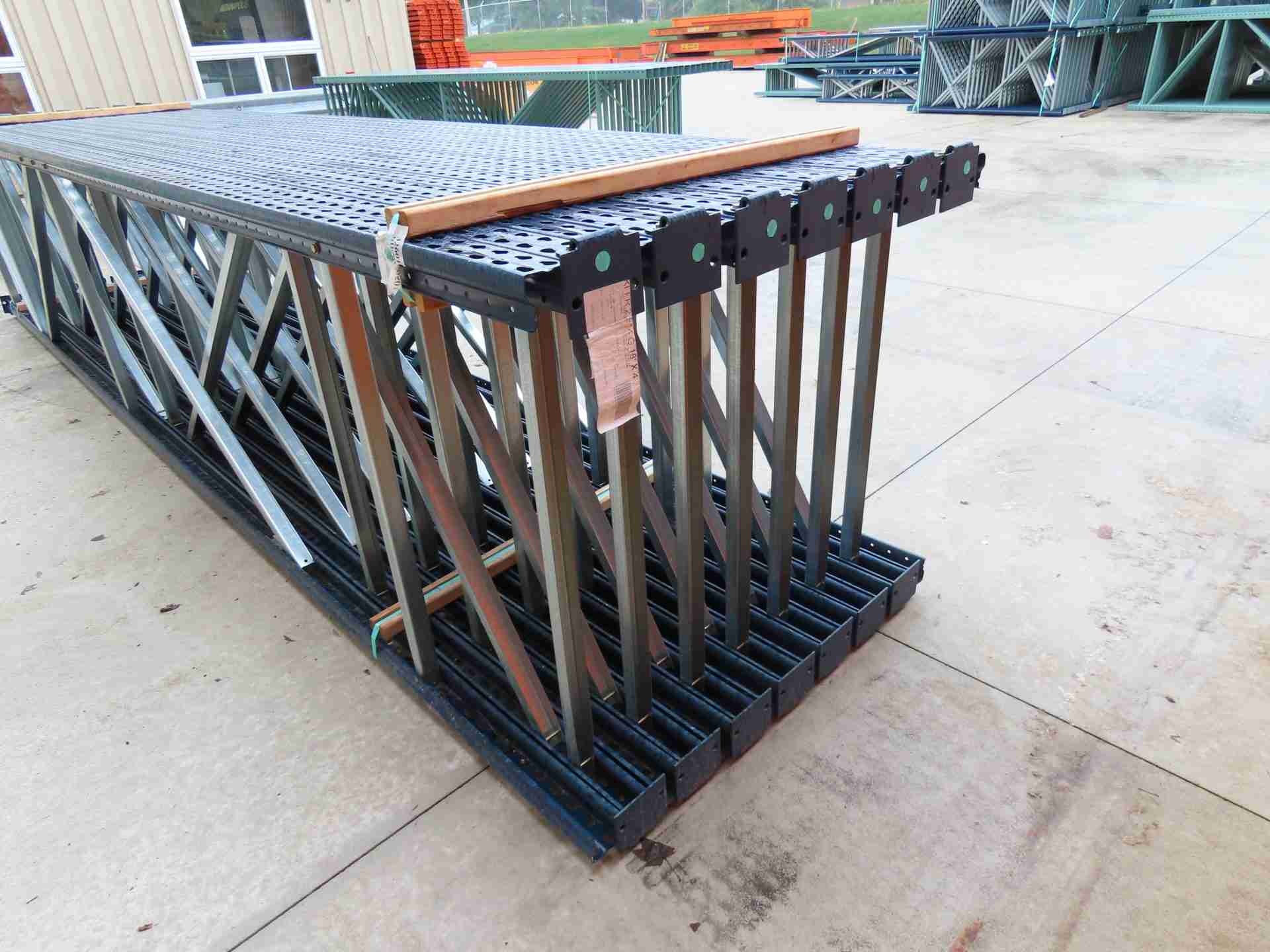
What Ethical Responsibilities Do Manufacturers Have In Beam Design?
What Ethical Responsibilities Do Manufacturers Have In Beam Design?
- Manufacturers have significant ethical responsibilities in beam design impacting safety and security.
- Every beam represents a promise; lapses in design can have dire consequences.
- Investing in quality materials and sound engineering is both ethical and practical.
- Engineers and architects are trained to meet safety standards, underscoring the importance of their expertise.
- Ethical practices by manufacturers build consumer trust and a stronger community connection.
- Manufacturers must focus on quality checks, continual training, and commitment to safety.
- Ethical responsibility in design is crucial for the safety and well-being of the community.
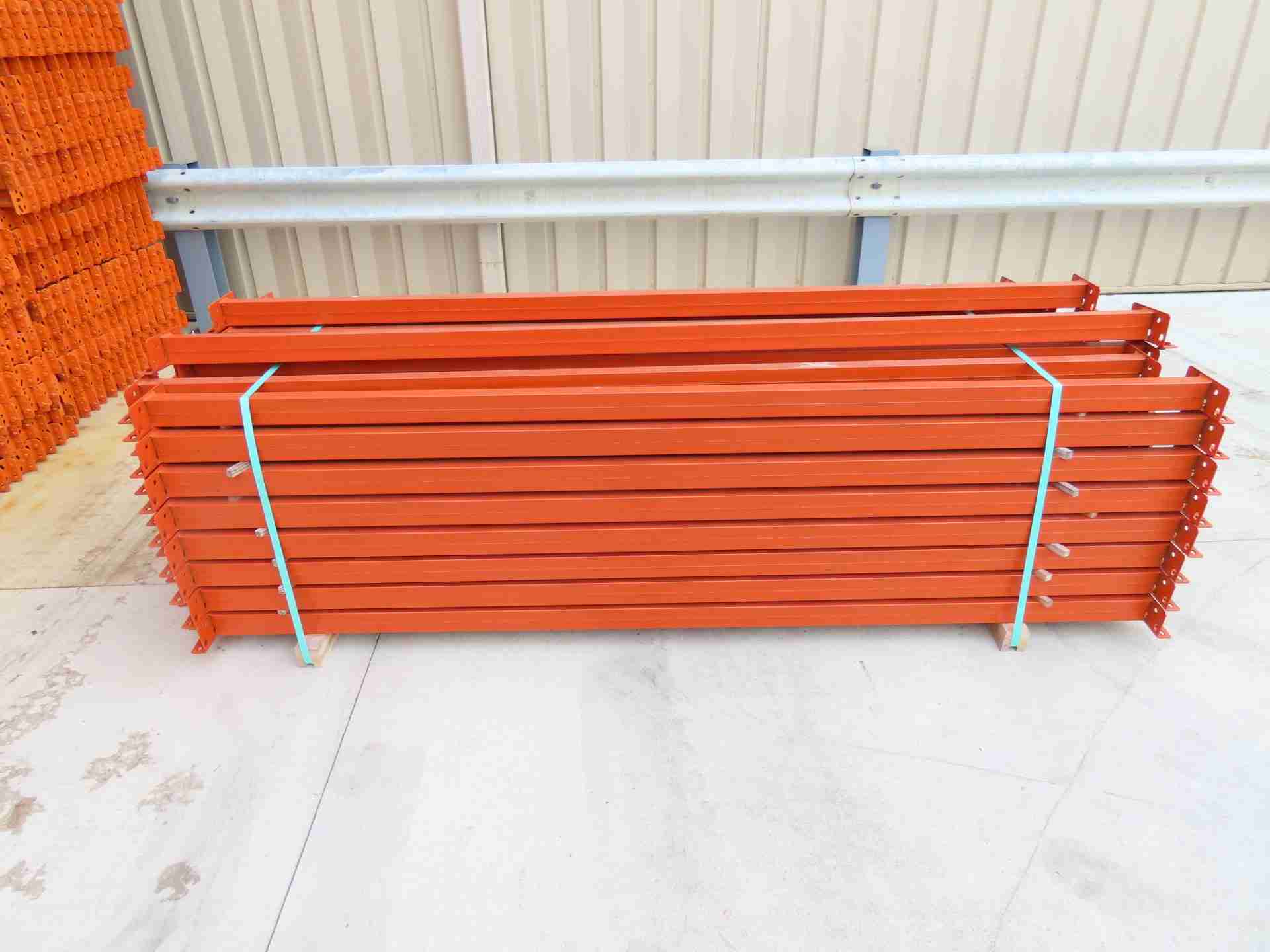
What Ethical Responsibilities Do Manufacturers Have In Beam Design?
How Does Load Distribution Affect Cost-Effectiveness In Supply Chains?
When we step back and think about what makes a supply chain tick, we often overlook one of its most critical elements: load distribution. Picture a massive warehouse filled with rows upon rows of racking, each shelf just waiting to hold its share of goods. Now, imagine that each piece of inventory on those shelves has a purpose. The way we distribute that load affects not just efficiency but also the very fabric of cost-effectiveness across the entire supply chain.
At the heart of it, load distribution isn’t just about maximizing square footage or cramming as much product into a space as possible. It’s about creating harmony. A well-balanced load alleviates stress on the racking system, prolonging its life and reducing repair costs—this isn’t just a financial decision; it’s a commitment to sustainability. Every dollar saved is a dollar that can be reinvested into the community, into better wages for workers, or into developing more ethical business practices.
Logically, if you think about it, a finely tuned load distribution system minimizes the risk of errors. Forklifts glide smoothly through aisles, and workers avoid the chaos that leads to costly mistakes. It’s efficiency meets humanity: when processes run smoothly, workers feel valued and empowered, leading to stronger morale and reduced turnover. No one wants to be stuck in a disorganized workplace where accidents are commonplace and frustration runs high.
On a more personal level, consider how this translates into real-world effects. When a company gets its load distribution right, it can pass those savings down to the customer. That favorite local store might not have been your first choice, but when they can offer competitive pricing without slashing employee benefits, you feel good about supporting them. Your purchasing power contributes to a broader economic well-being. The ripples go beyond individual transactions; they build communities driven by trust and shared values.
Load distribution is about more than just moving product from point A to point B; it’s about the stories we tell and the connections we forge along the way. Engaging with the concept means investing in a system where everyone—management, workers, and consumers—reaps the rewards. It’s all about balance, integrity, and a vision for a supply chain that serves us all. Let’s take that step together, ensuring our efforts pave the way for a brighter tomorrow.
How Does Load Distribution Affect Cost-Effectiveness In Supply Chains?
How Does Load Distribution Affect Cost-Effectiveness In Supply Chains?
- Load distribution is a critical yet often overlooked element of supply chain efficiency.
- Proper load distribution enhances cost-effectiveness and prolongs the life of racking systems.
- Efficiency in load distribution lowers repair costs and supports sustainability efforts.
- A well-balanced load minimizes errors, improves worker morale, and reduces turnover.
- Effective load distribution allows companies to offer competitive pricing without compromising employee benefits.
- It fosters community trust and shared values, contributing to broader economic well-being.
- Ultimately, load distribution builds connections and promotes a balanced and inclusive supply chain.

How Does Load Distribution Affect Cost-Effectiveness In Supply Chains?
Can Personal Experiences with Pallet Failures Inform Better Practices?
Can personal experiences with pallet failures inform better practices? Imagine a busy warehouse, full of the buzz of activity, where the heart of operations relies heavily on the sturdy wood and metal of pallets. You can almost hear the rhythmic clatter of forklifts as they navigate the space, lifting and moving goods that keep the economy humming. But what happens when those pallets, the unsung heroes of logistics, fail?
When a pallet collapses under the weight of thousands of dollars’ worth of merchandise, it’s not just a logistical nightmare; it’s a moment that sends a shockwave through the entire operation. Workers might miss their orders, customers might be left hanging, and a once-tight supply chain becomes a tangled mess. Now, imagine the emotional toll on the team, some of whom may be working hard to provide for their families. They think, “Could this have been avoided?”
Drawing from personal stories of pallet failures can illuminate better practices, unveiling insights that numbers alone can’t provide. It’s not just about racking up statistics; it’s about the shared experiences and lessons learned from the gritty realities of the workplace. Each story is a stepping stone toward understanding how to better assess, manage, and elevate pallet safety. Employees who have faced dangerous failures firsthand are not just telling tales; they are sharing critical insights that can reshape protocols and ensure everyone goes home safe.
Candid discussions about these events create a culture of accountability and open communication, where everyone feels empowered to contribute to solutions. Leaders in the field should foster this dialogue, inviting insights from those who feel the weight of the pallets daily. It’s a collective responsibility to ensure that we learn from the past to prevent future mishaps.
Ethically, prioritizing safety in racking systems isn’t just good for business; it’s an imperative rooted in caring for the people that make the system work. This is a sentiment that resonates across industries. By pooling experiences, we build a community that values resilience and proactive measures.
So the next time you step into a warehouse, remember: those pallets carry more than just products. They carry the hopes and livelihoods of people. Learning from failures is not merely a mechanism for improvement; it’s an act of honoring those who work tirelessly behind the scenes. Together, let’s forge a path toward safer, smarter operations that empower every worker, ensuring they don’t just survive the grind, but thrive within it.

Can Personal Experiences with Pallet Failures Inform Better Practices?
Can Personal Experiences with Pallet Failures Inform Better Practices?
- Active warehouses rely on sturdy wood and metal pallets for logistics operations.
- Pallet failures can disrupt operations, causing delays and emotional distress among workers.
- Personal stories of pallet failures provide valuable insights beyond statistics.
- Sharing experiences encourages accountability and fosters open communication among employees.
- Leaders should promote dialogue to learn from workers’ experiences and improve protocols.
- Prioritizing safety in racking systems is crucial for business and worker welfare.
- Learning from pallet failures honors the efforts of those behind the scenes and enhances overall safety.

Can Personal Experiences with Pallet Failures Inform Better Practices?
Conclusion
Load distribution might not be the first thing on your mind when you walk into a bustling warehouse, but it’s the very backbone that supports a network of operations critical to our daily lives. Those sturdy pallet beams? They bear not just weight, but the hopes and livelihoods of countless workers and families who rely on an efficient supply chain. Beneath the clatter of forklifts and the hum of productivity lies a silent pact: one that promises safety and stability amidst the chaos of inventory management.
It’s easy to gloss over the physics involved, but each pallet placed just so has implications that ripple out through the entire operation. Poorly distributed loads can spell disaster—collapsing beams may lead to injuries or costly product losses, threatening the livelihoods built upon that structure. From a rational standpoint, we see that adhering to proper loading not only safeguards people but also maximizes efficiency. Yet, beyond the numbers, there’s a deeper ethical responsibility at play. Every pallet represents not just an item, but a worker’s commitment, the trust of their families, and the integrity of the workplace.
The human connection is pivotal. When we foster a culture of accountability surrounding load distribution, we create an environment where everyone feels valued and empowered. Workers, managers, and engineers all hold a piece of this puzzle. The call is clear: let’s push for a shared commitment to upholding safety standards and optimizing efficiency, turning warehouse floors into spaces of collaboration and trust rather than risk and uncertainty.
Moreover, the relationship between load distribution and cost-effectiveness cannot be underestimated. A well-thought-out system minimizes waste, prevents mishaps, and prolongs equipment life. The savings generated on the floor can translate into other meaningful areas, from improving wages to investing in community projects that reinvest in the very fabric we all rely on.
We’ve all heard stories of pallet failures—tales of chaos resulting from improper loading. These incidents offer a chance to learn, pushing us toward a culture of dialogue where experiences inform best practices. Thus, when you step into a warehouse, recognize the unseen discussions woven into every beam and every pallet. It’s about more than efficiency; it’s a commitment to ourselves and to one another. Let’s ensure every load is balanced, every decision informed, and every worker empowered, cultivating a safer, more efficient community. Together, we have the ability to transform the landscape of logistics, ensuring that the very structures supporting our economy also support the people who keep it moving forward.
Conclusion
Conclusion:
- Load distribution is essential for the efficiency of warehouse operations, impacting daily lives.
- Proper load distribution supports worker safety and prevents costly product losses.
- Each pallet symbolizes a worker’s commitment and reflects the integrity of the workplace.
- A culture of accountability enhances collaboration and empowers all stakeholders in the supply chain.
- Effective load distribution minimizes waste and extends equipment life, contributing to cost-effectiveness.
- Learn from incidents of pallet failures to foster a culture of dialogue and best practices.
- Striving for balanced loads and informed decisions strengthens community and logistics efficiency.
Conclusion
Other Resources
Other Resources
Here is a list of other resources you can review online to learn more:
- Warehouse Racking Layout: The Ultimate Guide – Conger
- Intro to Warehouse Racks & Warehouse Racking Systems – ShipBob
- Mustang Material Handling
- NSC
- Used Teardrop Pallet Rack – American Surplus
- Warehouse Racking Systems: Beginner’s Guide to Rack Systems
- Cantilever Rack Configuration & Installation: A Comprehensive Guide – BMH
- Warehouse Racking System: Powerful Guide to Optimise, 2024
- Total Warehouse
- Chicago Pallet Racking
- BMH
- Illinois Pallet Racking – WPRP
- The Ultimate Pallet Racking Guide – Speedrack West
- Interlake Mecalux
- Warehousing Education and Research Council: https://www.werc.org/
- Selective Pallet Racking Systems – Container Systems
- Pallet Racking systems in Illinois and Great Lakes
- Illinois Pallet Racking – Storage Solutions
- New Cantilever Racks and Racking Kits
- International Warehouse Logistics Association
Use This Prompt To Get More Resources With Your Favorite Online AI Tool: Please provide me with a list of online articles with their URLs in a bulleted list that I can read regarding The Physics Of Load Distribution on Pallet Beams
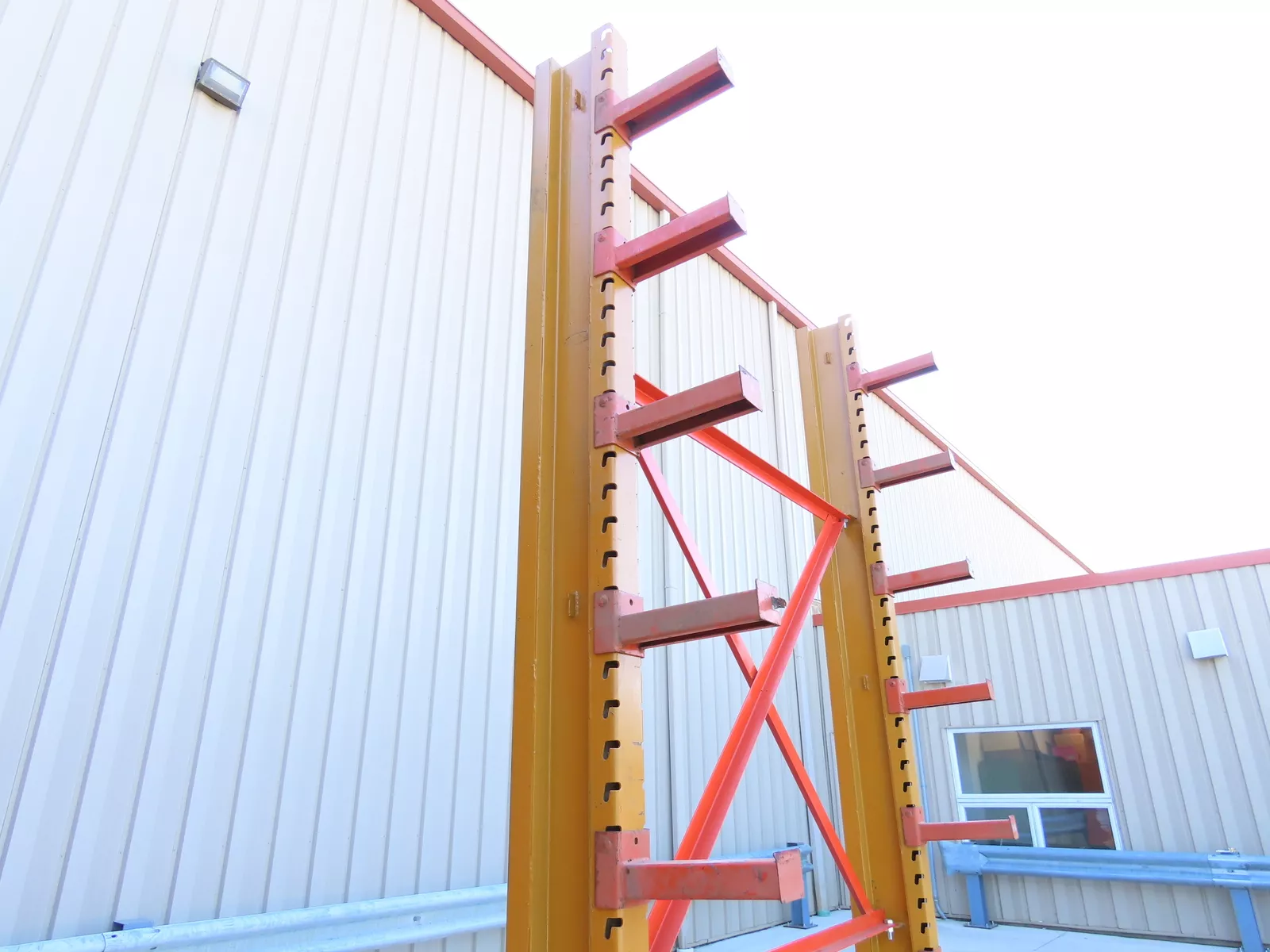
Other Resources
Glossary Terms
The Physics Of Load Distribution on Pallet Beams – Glossary Of Terms
1. Pallet Beam: A structural element used to support loads, typically made of wood or metal, that serves as a platform for goods during storage or transportation.
2. Load Distribution: The way in which weight is spread over a surface, critical for ensuring stability and safety in structures like pallet beams.
3. Center of Gravity: The point at which the weight of an object is evenly distributed in all directions, impacting balance and load bearing.
4. Static Load: The weight applied to a structure that does not change over time, often used in assessing the limits of pallet beams.
5. Dynamic Load: A load that varies over time, such as that caused by moving goods or machinery, requiring structures to accommodate changes in weight.
6. Shear Force: The internal force that acts parallel to the cross-section of a pallet beam, influencing how loads are distributed.
7. Bending Moment: The measure of the bending effect due to loads acting on the beam, crucial for determining strength and material requirements.
8. Deflection: The displacement of a beam under load, indicating how much it bends or sags, important for design safety.
9. Load Capacity: The maximum weight a pallet beam can safely support without failure or excessive deflection.
10. Moment of Inertia: A property of a beam’s cross-section, influencing its resistance to bending and deflection under loads.
11. Tension: The force that pulls materials apart, relevant in assessing the structural integrity of the pallet beam under load.
12. Compression: The force that pushes materials together, essential in understanding how a pallet beam might buckle.
13. Factor of Safety: A design principle that provides a safety margin, ensuring that structures can support loads greater than their maximum load capacity.
14. Load Factor: A multiplier applied to the expected load to account for uncertainties and variations in use conditions.
15. Distribution Factor: A coefficient used to determine how loads are shared among multiple beams or supports in a structure.
16. Plywood: A common material for pallet beams, known for its strength, flexibility, and versatility in load applications.
17. Lumber Grade: The classification of wood based on its physical characteristics, influencing strength and load capacity of pallet beams.
18. Cantilever: A beam supported at one end only, creating unique load distribution challenges compared to simply supported beams.
19. Support Reaction: The forces exerted by supports on a beam due to the applied loads, crucial for stability analysis.
20. Vibrational Analysis: The study of oscillations in structures under dynamic loading, important for ensuring safety in active environments.
21. End Bearing: The support provided by the ends of a beam, impacting load distribution and structural integrity.
22. Load Path: The route through which loads travel from the point of application to the ground, critical for analyzing structural performance.
23. Stability: The ability of a structure to maintain its position and shape under applied loads without collapsing or undergoing unacceptable deformation.
24. Buckling: A failure mode where a beam deforms under compression, leading to loss of load-bearing capacity.
25. Cross-Section: The shape of a beam when cut along its length, which affects its performance characteristics.
26. Eccentric Loading: Applying a load off-center on a beam, leading to uneven stress distribution and potential failure.
27. Composite Materials: Materials made from two or more constituent materials with different physical or chemical properties, enhancing strength and load distribution.
28. Load Testing: The process of applying a known load to a structure to evaluate its performance and ensure compliance with safety standards.
29. Material Fatigue: The weakening of a material caused by repeated loading, important in assessing the longevity of pallet beams.
30. Inspection Protocol: A set of procedures for evaluating the condition and functionality of pallet beams, ensuring safety and compliance with load specifications.
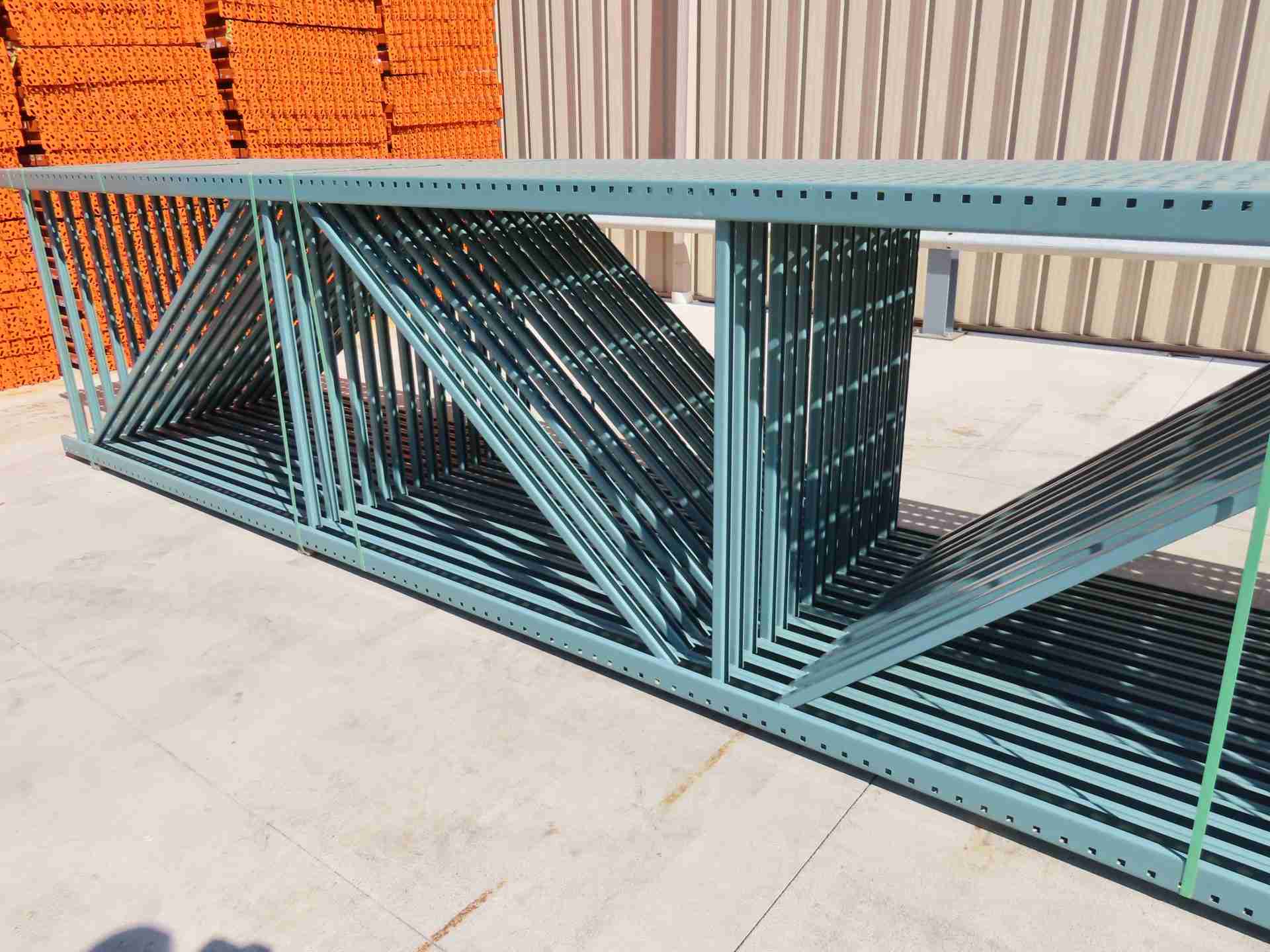
Glossary Of Terms
Other Questions
The Physics Of Load Distribution on Pallet Beams – Other Questions
If you wish to explore and discover more, consider looking for answers to these questions:
- What are the key engineering principles behind pallet beam strength?
- How does load distribution vary between different types of products?
- What are the best practices for pallet loading to ensure even weight distribution?
- What types of materials are commonly used in pallet beam construction?
- How can technology be used to monitor load distribution in real-time?
- What training should warehouse workers receive regarding load distribution?
- What are the legal regulations regarding load distribution in warehouses?
- How can companies ensure compliance with safety standards in load distribution?
- What are some common mistakes made with pallet loading and beam design?
- How do different environmental factors affect load distribution in warehouses?
- What are the long-term effects of improper load distribution on warehouse equipment?
- How can feedback loops from pallet failures inform future design and loading practices?
- What role do managers play in promoting safe loading practices within their teams?
- How can personal anecdotes about pallet failures lead to systemic changes in practices?
- What resources are available for learning more about load distribution and safety?
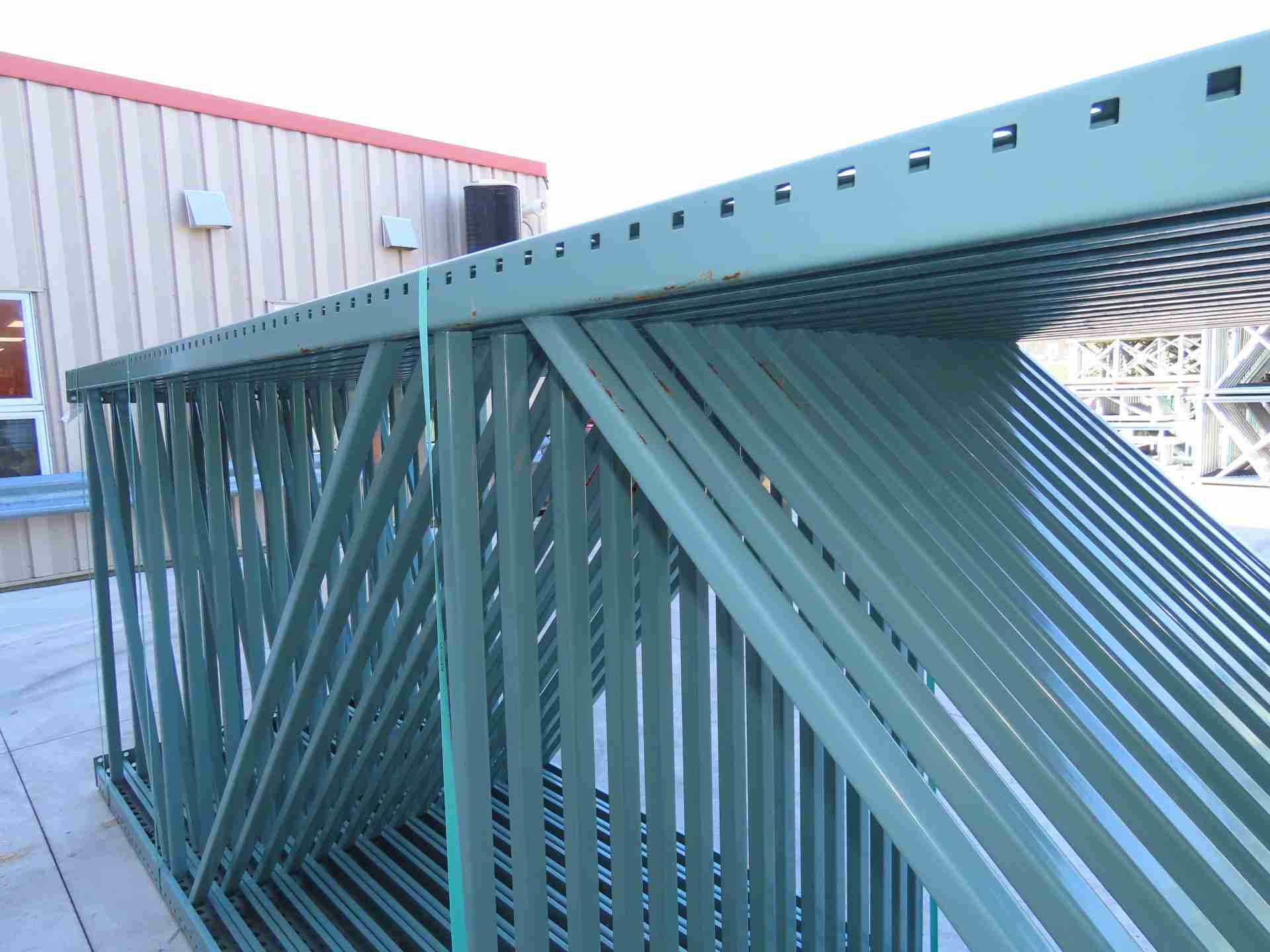
Other Questions
Checklist
The Physics Of Load Distribution on Pallet Beams – A Checklist
Load Distribution Awareness Checklist
Emotional Appeals
_____ Recognize the silent strength of pallet beams; reflect on the safety they provide to workers and communities.
_____ Consider the families depending on the safety of your warehouse’s load distribution—what are the emotional stakes?
Rational Appeals
_____ Review engineering principles behind load distribution—understand how they impact safety and efficiency.
_____ Conduct regular assessments of racking systems to ensure they meet required safety margins.
Ethical Appeals
_____ Commit to ethical practices in load distribution that prioritize worker safety over profit.
_____ Investigate the social impact of your supply chain decisions on community well-being—document and share findings.
Authority Appeals
_____ Engage with experts in engineering and warehouse safety; stay informed about best practices and new innovations.
_____ Provide training sessions that emphasize the importance of load distribution standards and safety for all employees.
Narrative Appeals
_____ Share stories of past experiences with pallet failures to emphasize lessons learned—foster open discussions within teams.
_____ Create a culture of storytelling where workers feel empowered to share insights from their daily operations.
Social Appeals
_____ Collaborate with team members to periodically review load distribution strategies—encourage collective responsibility.
_____ Foster a community culture that values safety and integrity; highlight the role of each worker in maintaining a reliable system.
Take Action
_____ Schedule a team meeting to discuss load distribution goals and share insights.
_____ Implement a system for reporting and analyzing near-misses or failures related to load distribution.
_____ Celebrate successes in safety practices, fostering a shared sense of achievement and community.
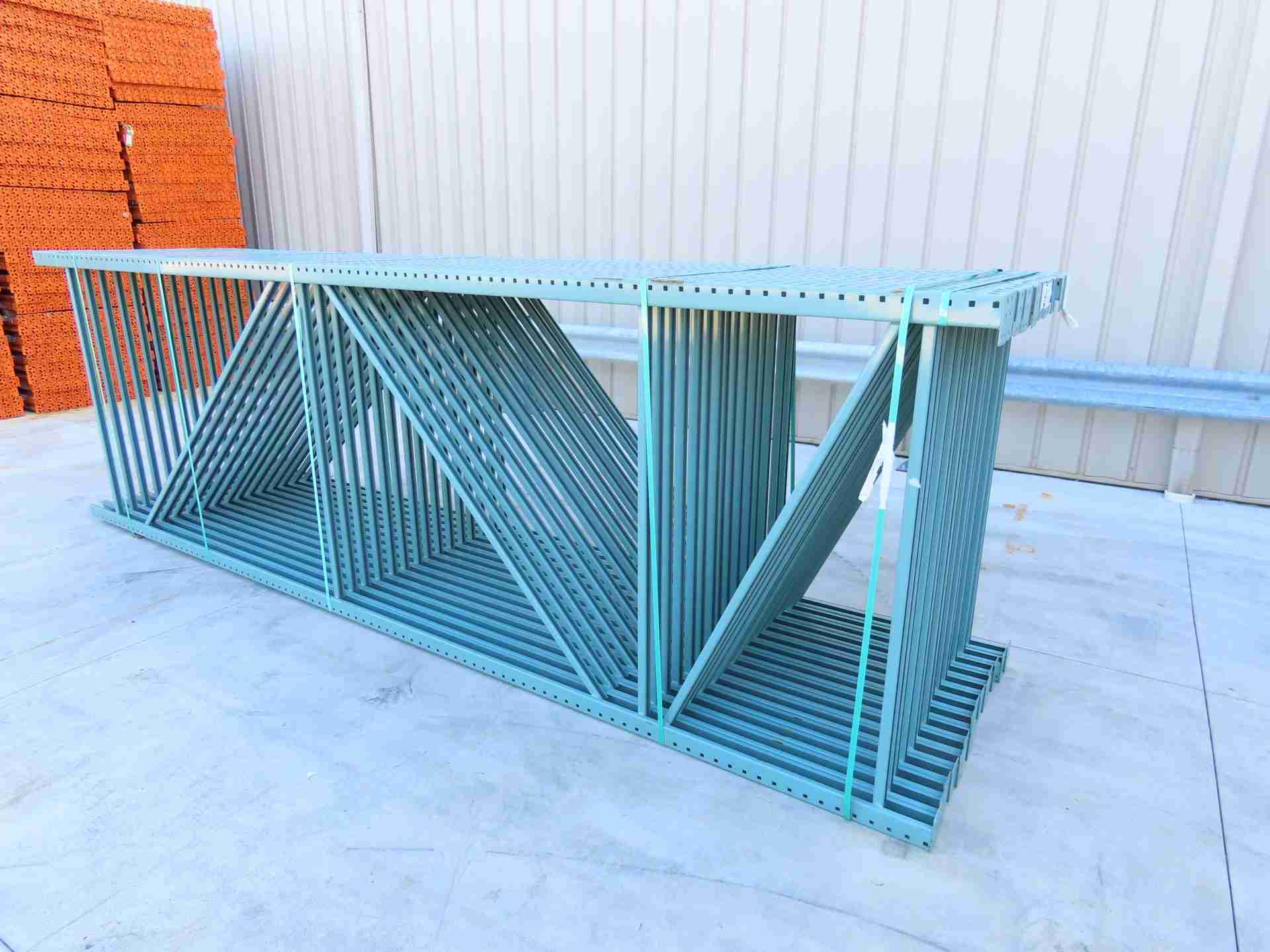
Checklist
At RackingWorld, we help guide you through selecting warehouse storage systems and racking.
Be sure to read our other related stories at RackingWorld to learn more about warehouse storage systems.
0 Comments