
Optimizing Warehouse Racking For Efficiency
By Tom Seest
At RackingWorld, we help guide you through selecting warehouse storage systems and racking.
Be sure to read our other related stories at RackingWorld to learn more about warehouse storage systems.
What Are The Best Practices for Effective Warehouse Racking Systems?
When it comes to maximizing your warehouse’s efficiency, the backbone of a successful operation is its racking system. You might be wondering, what exactly does that entail? Let’s dive into the best practices for effective warehouse racking systems that will not only boost productivity but also inspire confidence in your team’s ability to manage space effectively.
First and foremost, embrace the power of pallet racking. This versatile and highly efficient system allows you to maximize vertical space, accommodating various sizes and types of products. Choosing the right pallet racking configuration is essential. Are you frequently handling large, bulky items or smaller, lighter goods? Each scenario requires tailored solutions. By assessing your inventory thoroughly, you position your warehouse for success, ensuring that every square foot is optimized.
Next, organization is key. A well-organized racking system not only speeds up picking times but also reduces labor costs. Implement a logical labeling system for your racks. Use clear, bold signs and color codes to define different sections. This added step fosters a sense of purpose and order within your team. Plus, clean aisles and a clear racking system will inspire trust among your staff, showing them that efficiency is a priority.
Don’t forget to prioritize safety. An effective warehouse racking system is not just about space management; it’s also about protecting your workforce. Invest in quality equipment, conduct regular inspections, and provide training on how to handle pallet racking correctly. By prioritizing safety, you cultivate an environment where employees feel secure and valued. This, in turn, boosts morale and productivity.
Monitoring inventory and flow is another critical aspect to keep in mind. Utilize technology to track how products move in and out of the racked areas. Adjust your racking system based on peak usage patterns, seasonal fluctuations, or even changes in SKU levels. This adaptive approach ensures you remain nimble and responsive to the market’s ever-evolving needs.
Lastly, consider the long term. Investing in high-quality materials and innovative designs for your pallet racking systems upfront will save you money in the long run. It demonstrates a commitment to operational excellence and reliability.
By following these best practices, you can transform your warehouse into a well-oiled machine, where safety, efficiency, and organization harmoniously coexist. Your warehouse is not just a storage space; it’s a critical component of your business’s success. Elevate your racking system today and watch your operations soar!
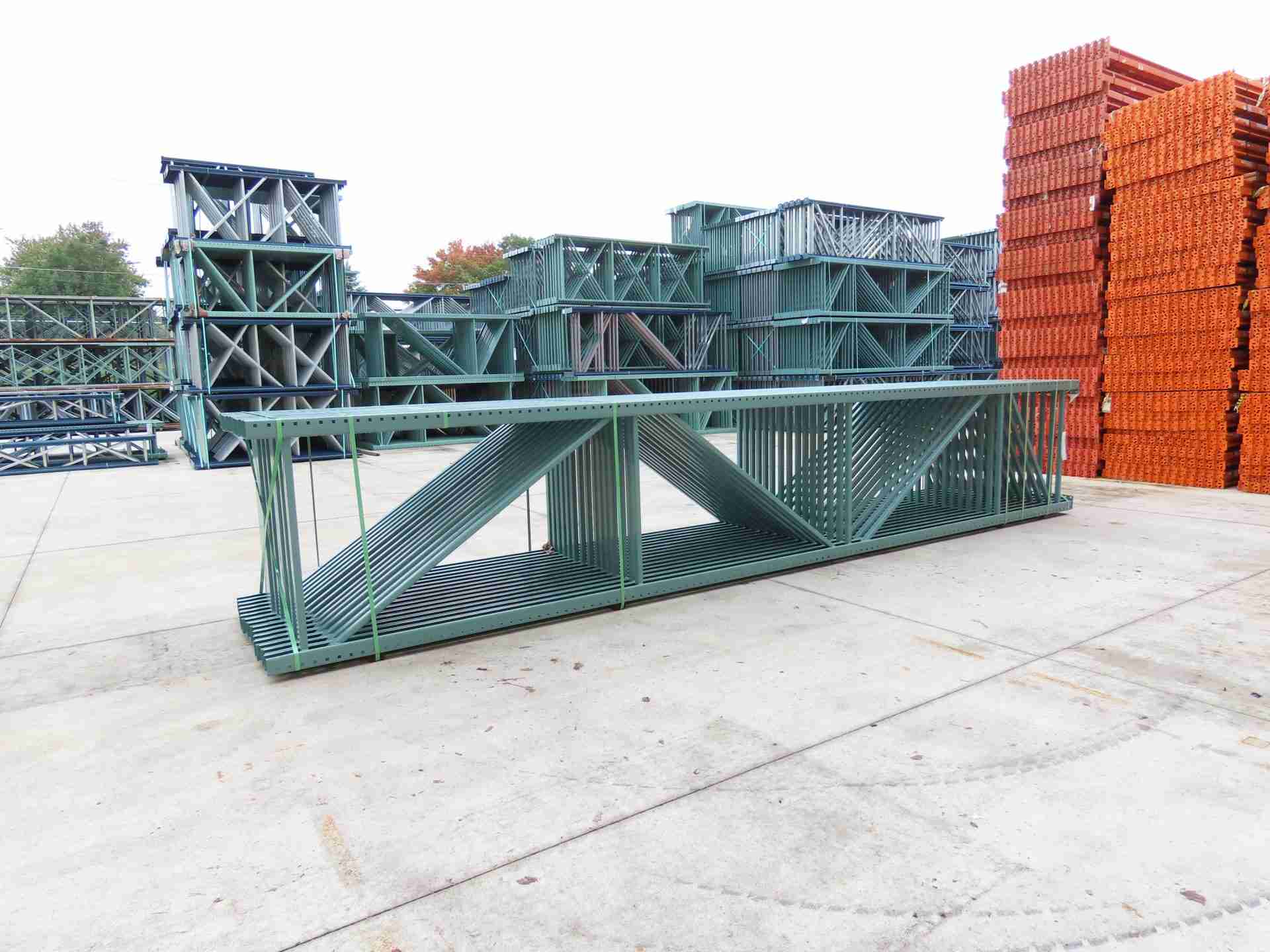
What Are The Best Practices for Effective Warehouse Racking Systems?
What Are The Best Practices for Effective Warehouse Racking Systems?
- Maximizing warehouse efficiency relies heavily on an effective racking system.
- Utilize pallet racking to optimize vertical space for various product sizes.
- Tailor the racking configuration based on the type of inventory being handled.
- Implement a logical labeling system for organized and efficient workspace.
- Prioritize safety by investing in quality equipment and providing employee training.
- Use technology to monitor inventory flow and adapt the racking system accordingly.
- Investing in high-quality materials leads to long-term savings and operational reliability.
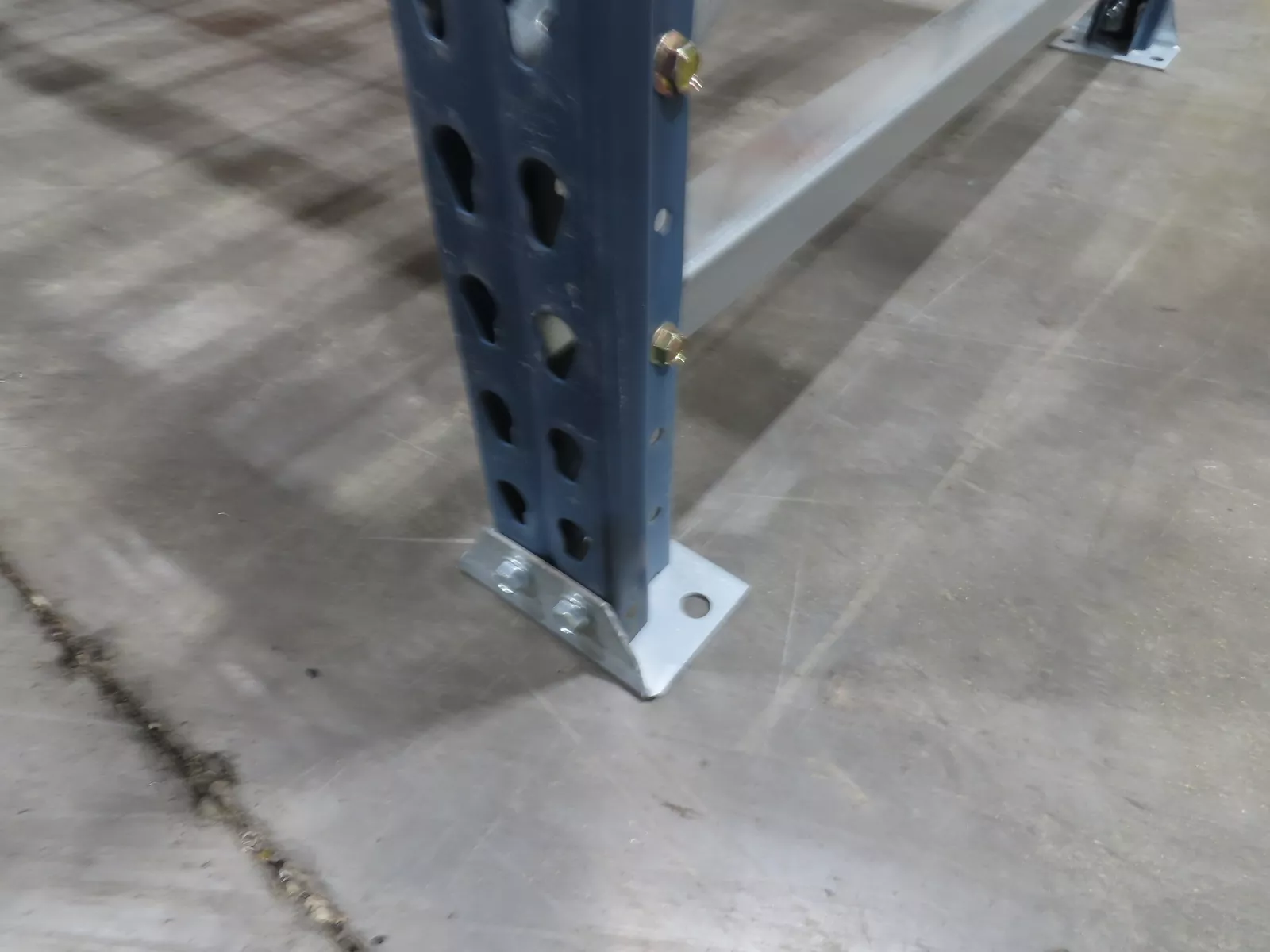
What Are The Best Practices for Effective Warehouse Racking Systems?
Table Of Contents
- What Are The Best Practices for Effective Warehouse Racking Systems?
- What Are The Main Types Of Warehouse Racking Systems?
- How Do I Choose The Right Racking System For My Warehouse?
- What Factors Should I Consider When Designing My Racking Layout?
- How Can I Maximize Storage Capacity With Racking Systems?
- What Safety Regulations Should I Follow For Warehouse Racking?
- How Often Should Warehouse Racking Systems Be Inspected?
- Conclusion
- Other Resources
- Glossary Of Terms
- Other Questions
- Checklist
What Are The Main Types Of Warehouse Racking Systems?
When it comes to optimizing your warehouse, choosing the right racking system can mean the difference between chaos and efficiency, wasted space and streamlined operations. Enter the world of warehouse racking systems—a realm where strategic organization meets unmatched functionality. So, let’s dive into the primary types of racking systems, empowering you to make an informed decision that will revolutionize your logistics.
Pallet Racking stands tall as the most prevalent racking solution in warehouses across various industries. If your business relies on storing pallets of goods, look no further. This system is designed to support a variety of pallet sizes and weights, allowing easy access for forklifts to load and unload with minimal hassle. What’s more, it offers an adaptable structure that grows alongside your business needs. Whether you’re holding seasonal promotions or scaling up your inventory, pallet racking provides the flexibility you crave.
You’ll also encounter Selective Racking, which takes the accessibility game to the next level. This system allows for direct access to each pallet without needing to navigate around other racks. With selective racking, you can get in and out quickly, ensuring that your turnover is as efficient as the heartbeat of your operation. If you’ve ever felt the frustrations of digging through layers of inventory to find that one crucial item, you’ll appreciate the value of having easy access.
Then, there’s the Drive-In Racking system—an innovative option designed for businesses that require high-density storage. Imagine maximizing every inch of vertical space while minimizing the footprint of your storage. With forklifts able to drive directly into the rack, you can store more while maintaining a streamlined operation. It’s the perfect solution for bulk products or items that aren’t time-sensitive.
Cantilever Racking is another noteworthy mention. Ideal for storing long, bulky items like lumber or pipes, this design lets you manage odd-shaped and oversized products without struggle. Efficiency is one thing—effortless organization is quite another.
In a world where every inch of space counts, selecting the right racking system is crucial for optimizing your warehouse’s potential. From pallet racking to cantilever designs, each system is built to cater to unique needs, ensuring you get the most out of your operations. So, take a moment and reflect—where do you see your company headed? With the right warehouse racking system, there’s no limit to how far you can soar. Embrace the change today!
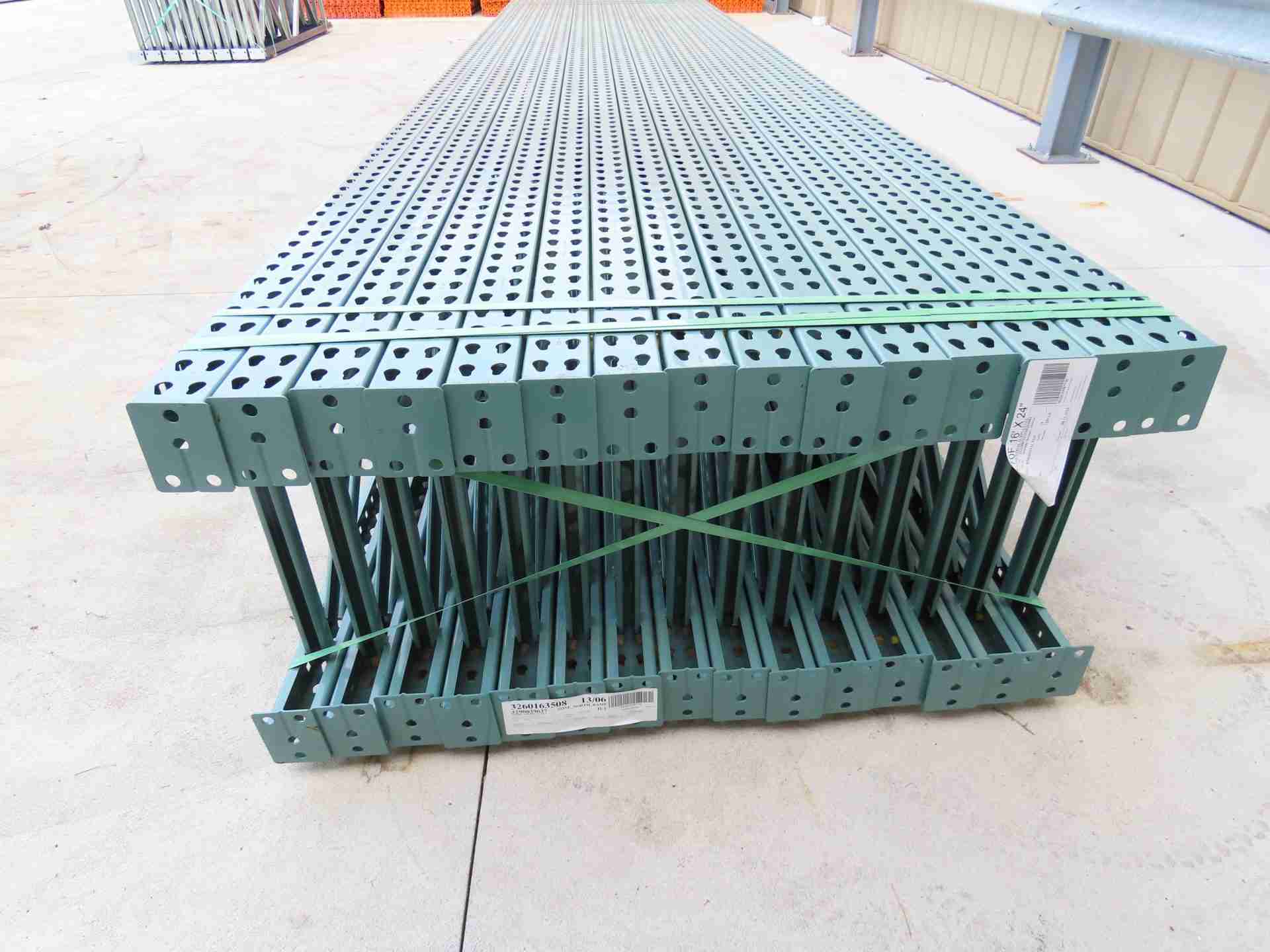
What Are The Main Types Of Warehouse Racking Systems?
What Are The Main Types Of Warehouse Racking Systems?
- Choosing the right racking system is essential for optimal warehouse organization and efficiency.
- Pallet Racking is the most common solution, suitable for storing various pallet sizes and weights.
- Selective Racking allows direct access to each pallet, improving operational turnover and efficiency.
- Drive-In Racking is designed for high-density storage, maximizing vertical space and minimizing floor footprint.
- Cantilever Racking is ideal for long, bulky items and provides an effective solution for odd-shaped products.
- Each racking system caters to unique needs, optimizing warehouse potential and operations.
- Selecting the right system can significantly improve logistics and accommodate future business growth.
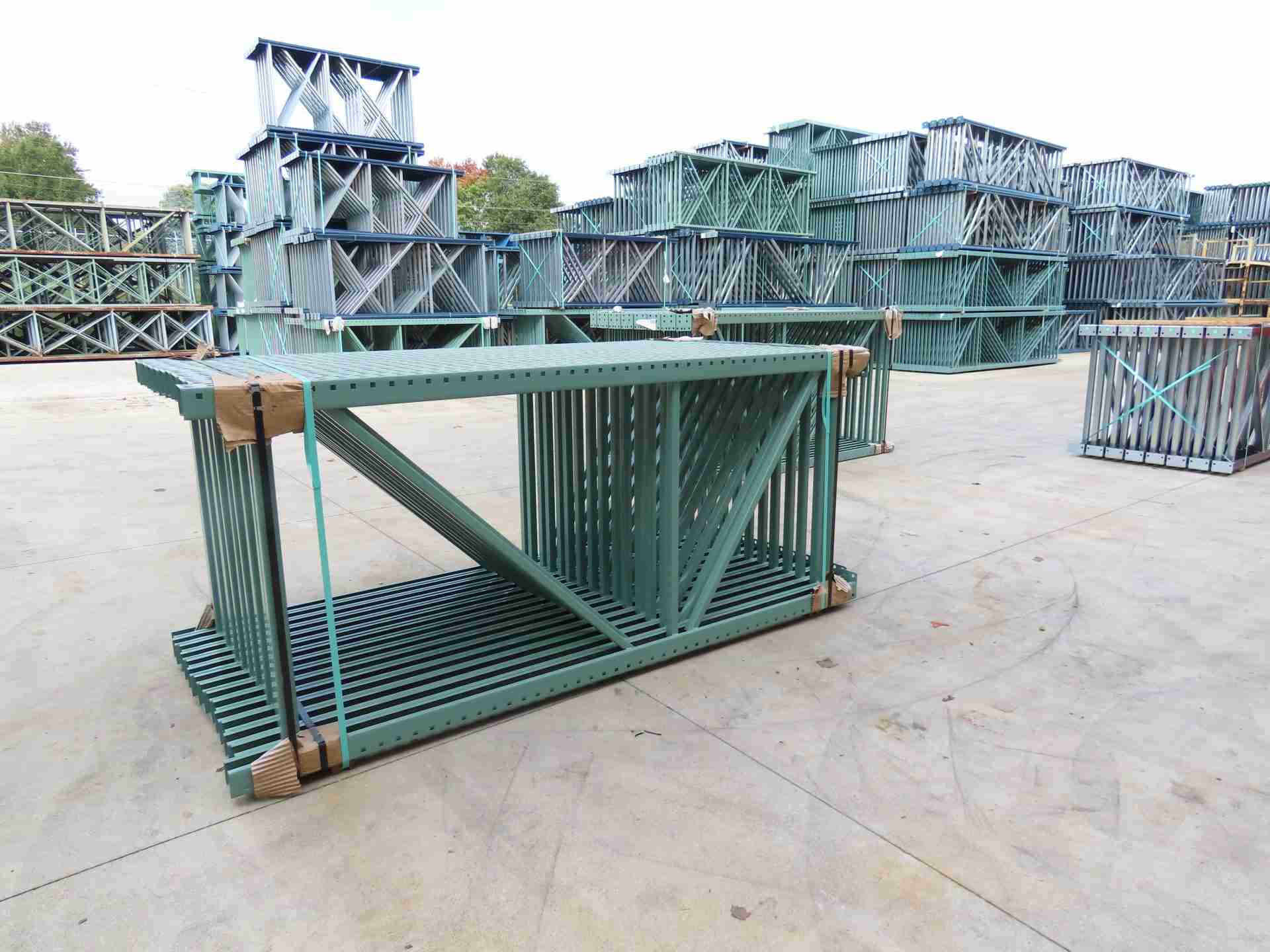
What Are The Main Types Of Warehouse Racking Systems?
How Do I Choose The Right Racking System For My Warehouse?
Selecting the ideal racking system for your warehouse can feel like navigating a maze—one wrong turn and you could end up with a solution that just doesn’t fit. Let’s break it down together. After all, your warehouse isn’t just a storage unit; it’s the nerve center of your operations, and every inch matters.
First, consider your inventory. Evaluate the types of products you need to store. Are they heavy, bulky, or oddly shaped? For instance, if you’re dealing with pallets, then pallet racking systems are your best friends. This system offers versatility and durability, allowing for efficient storage and easy access. Choose a design that matches your specific needs—whether that be adjustable shelving, selective racking for quick access or drive-in racking for high-density storage.
Next, think about your future. Businesses evolve, and so do their inventory needs. Your racking system shouldn’t be a temporary solution; it should grow with you. Investing in a modular system allows you to accommodate changes seamlessly, protecting your initial investment. Imagine the peace of mind knowing that as your business expands, your storage can too.
Now, let’s talk about safety. A reliable racking system should prioritize safety for your team. Think about weight limits, rack stability, and accessibility. Properly configured pallet racking minimizes the risk of accidents and maximizes operational efficiency. Ensure you review industry safety guidelines. When your employees feel safe, they’ll work more confidently. That translates directly into your bottom line.
Also, don’t overlook the importance of the environment around the racks. Conduct an analysis of your warehouse layout; this helps you to visualize the traffic flow and accessibility. A well-designed layout not only boosts productivity but also allows for quick retrieval, saving precious minutes that can be reinvested back into your business operations.
Finally, never underestimate the value of a trusted partner. Collaborating with an experienced supplier can make all the difference. Their expertise will guide you through the sea of options, ensuring you choose a racking system that aligns not just with your current demands but with your future ambitions.
So, are you ready to take that step? The right pallet racking solution awaits you, just around the corner. Dive into this transformative journey for your warehouse, and unlock its full potential today!
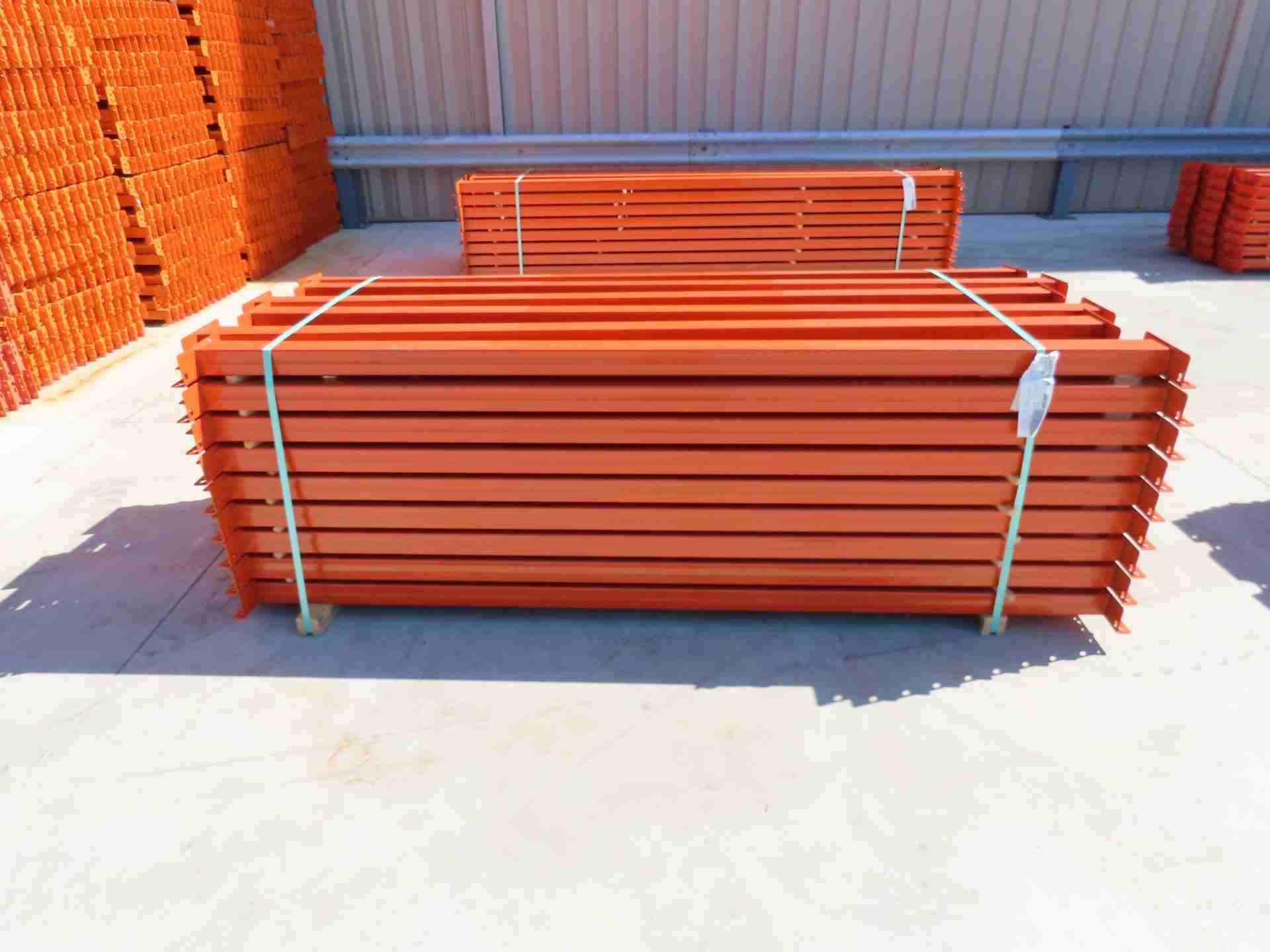
How Do I Choose The Right Racking System For My Warehouse?
How Do I Choose The Right Racking System For My Warehouse?
- Select the ideal racking system for your warehouse to optimize operations.
- Evaluate your inventory types: consider heavy, bulky, or oddly shaped products.
- Pallet racking systems offer versatility and durability for efficient and accessible storage.
- Invest in modular systems to accommodate future inventory changes and protect your investment.
- Prioritize safety with considerations for weight limits, rack stability, and accessibility.
- Analyze your warehouse layout to enhance traffic flow and productivity for quick retrieval.
- Collaborate with an experienced supplier for guidance in selecting the right racking system.

How Do I Choose The Right Racking System For My Warehouse?
What Factors Should I Consider When Designing My Racking Layout?
When you embark on the journey of designing your racking layout, you’re not just rearranging metal frames; you’re laying the groundwork for operational success. The right approach to Pallet Racking can significantly enhance efficiency, safety, and ultimately your bottom line. But before you dive in, let’s pause and consider some critical factors that will frame your success.
First and foremost, think about the nature of your products. Are they bulky, delicate, or irregularly shaped? Analyze the dimensions and weight of your pallets. This foundational knowledge ensures your racking can handle the load while minimizing the risk of damage, both to goods and the racking structure itself. Remember, a thoughtfully designed pallet racking system is an investment that pays dividends in decreased handling costs and increased storage efficiency.
Next, assess your space. The layout of your facility plays a crucial role in planning effective pallet racking. Measure your available floor area and consider ceiling height—vertical space is often underutilized and can dramatically enhance capacity when designed correctly. Equip your racking with the flexibility to adapt to changing inventory sizes and patterns. With the right configuration, you can engage every inch of your warehouse, leading to smoother operations.
Don’t forget about accessibility. Your workforce is critical to your operation’s success, so ensure that your Pallet Racking layout facilitates easy access to products. Choose the right aisle width based on the equipment used for moving pallets. Striking a balance between utilizing space and ensuring safe movement is essential. Happy workers mean higher productivity and satisfaction.
Safety cannot be overstated. Assess your layout for potential hazards and ensure compliance with relevant safety standards. A well-planned rack layout reduces labor risks while protecting your valuable inventory. Trust us—the last thing you want is accidents cutting into your profits. Create a culture of safety as you design, and you’ll foster an environment where productivity thrives.
Lastly, consider future growth. Plan your racking layout with a long-term vision. Flexibility is key in a fast-paced market, and the ability to scale or adapt your storage solutions as your business evolves is invaluable.
Incorporating these factors into your racking design is not just practical; it’s a strategic move that builds a solid foundation for your business’s success. As you embark on this project, remember: your choices today will shape the efficiency and effectiveness of your operation for years to come. Make them count!
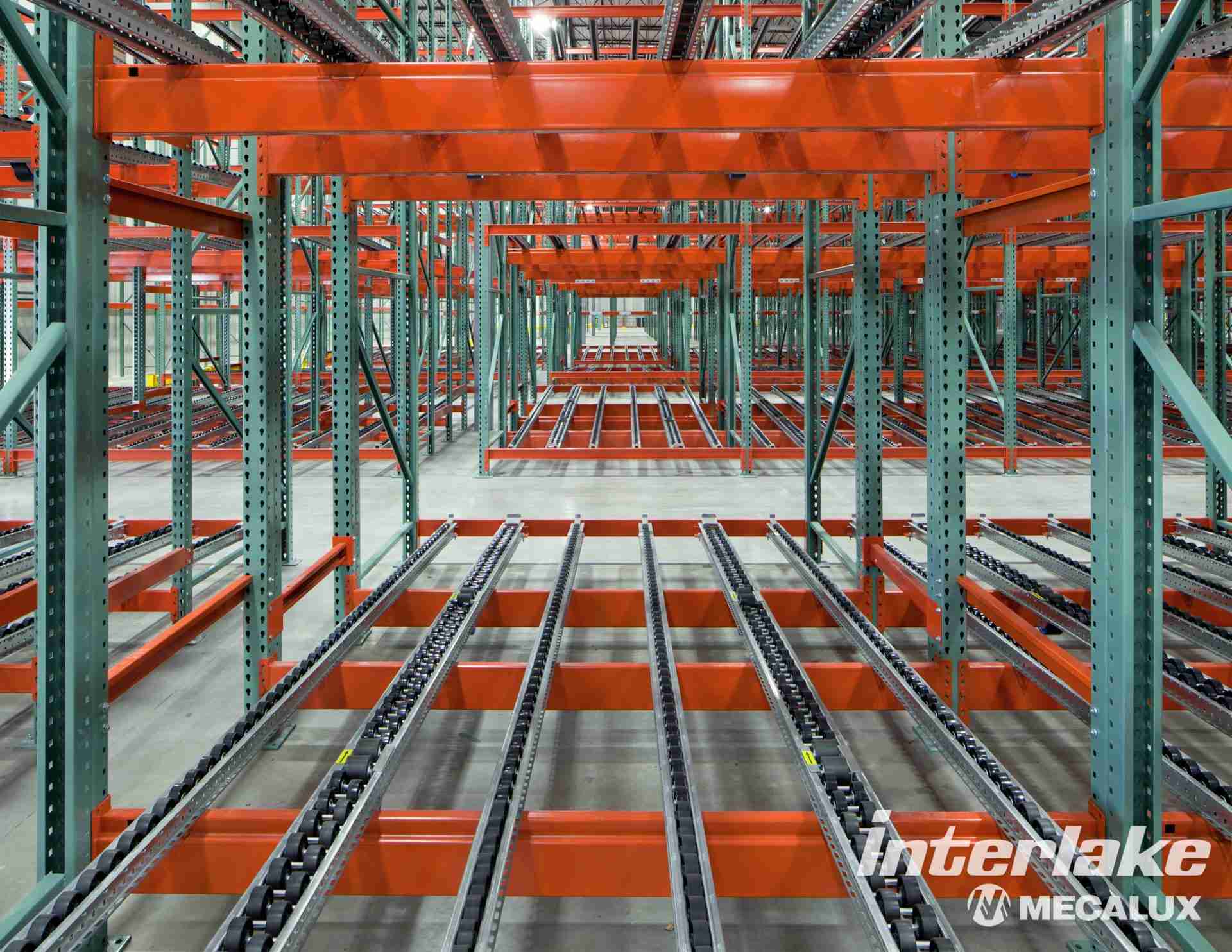
What Factors Should I Consider When Designing My Racking Layout?
What Factors Should I Consider When Designing My Racking Layout?
- Designing a racking layout is crucial for operational success, enhancing efficiency and safety.
- Analyze the nature, dimensions, and weight of your products to ensure proper load handling.
- Assess available floor space and vertical height to maximize storage capacity effectively.
- Ensure your layout allows for easy access, balancing space utilization and safe movement.
- Prioritize safety by identifying potential hazards and complying with relevant safety standards.
- Plan your racking layout with future growth in mind, allowing for flexibility and scalability.
- Strategically incorporating these factors lays a strong foundation for long-term operational efficiency.

What Factors Should I Consider When Designing My Racking Layout?
How Can I Maximize Storage Capacity With Racking Systems?
When it comes to optimizing your space, you may feel like you’re juggling a million decisions. But let’s break it down—everything hinges on one core component: *pallet racking.* Imagine walking into your warehouse or storage facility and feeling the serenity that comes with order and efficiency, where every inch of space is utilized, and products are easily accessible. It’s not just a dream; it’s entirely achievable, and I’m here to guide you on that journey.
Firstly, let’s talk about modern *pallet racking* solutions. This isn’t just a solution for the pros; it’s for anyone who wants to take that next step in operational efficiency. Whether you’re a small business owner or a seasoned warehouse manager, leveraging the right racking system can make a world of difference. Think of *pallet racking* as the backbone of your storage operation. It allows you to stack products efficiently, create walkways, and streamline your processes.
Now, you might wonder, “Where do I start?” The first step is a thorough assessment of your current layout. Determine how much inventory you have, its dimensions, and how frequently it’s accessed. A well-planned *pallet racking* system will optimize vertical space, allowing you to reach new heights—literally! Travel upward, and reclaim that floor space for new products or improved operational processes.
Next, consider the type of goods you handle. Different inventory types may require tailored racking solutions. Drive-in racking, push-back systems, or selective pallet racking? Choosing the right configuration can save you time and headaches, facilitating faster picking processes and reducing the risk of damage to your products.
Moreover, creating a system that your team can understand and use with ease is paramount. The moment your team knows exactly where everything is and how to access it, efficiency soars, errors plummet, and morale lifts.
Let’s not forget about adaptability. Your operation will evolve; your racking system should too. Opt for scalable *pallet racking* solutions that can grow with your business, leaving you with confidence as new challenges arise.
In closing, maximizing your storage capacity isn’t just about fitting more—it’s about fitting the right amount, in the right way. Investing in a refined *pallet racking* system today will not only improve your operations but also pave the way for future growth and success. Take the leap, and watch your space transform!
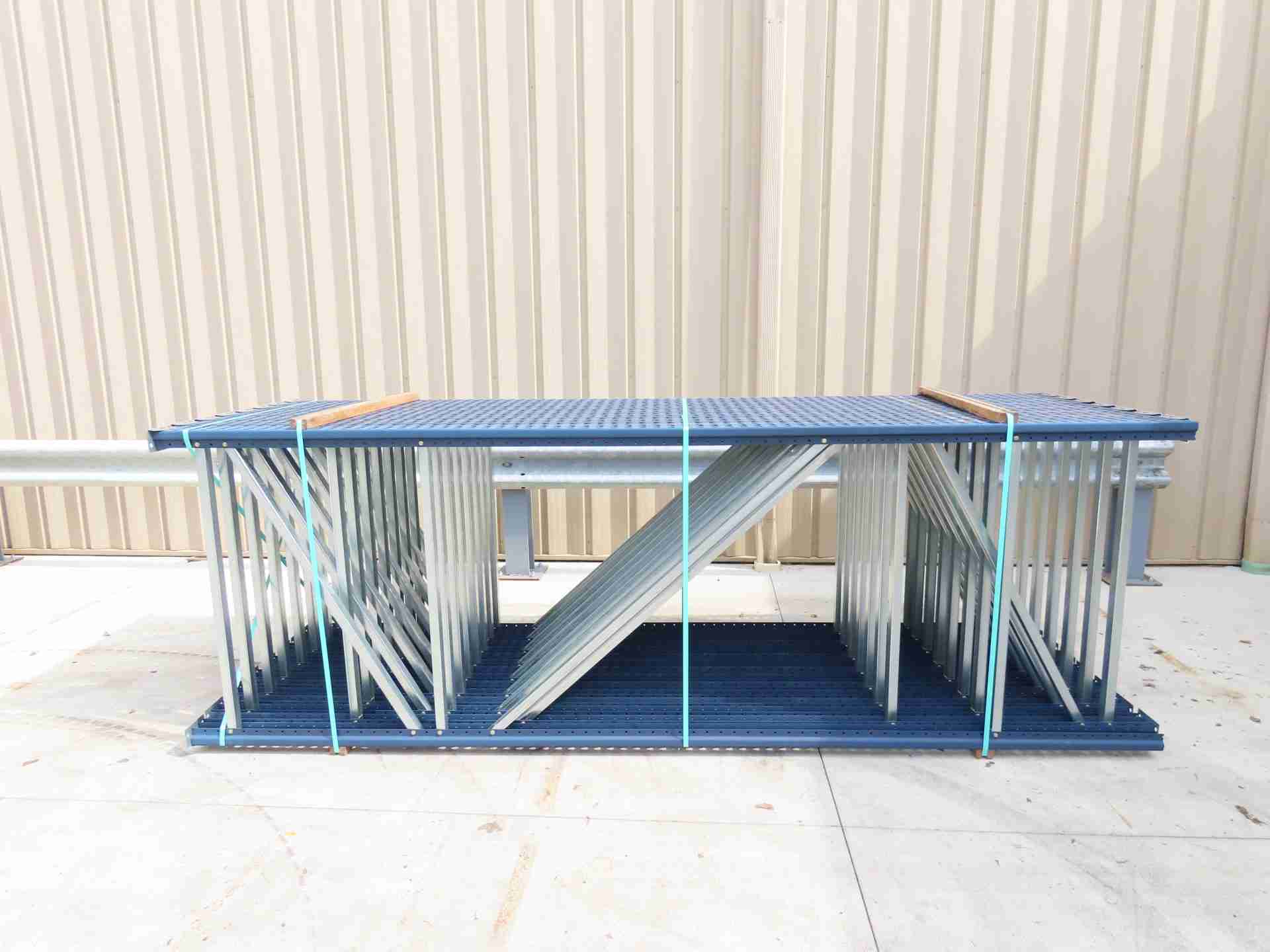
How Can I Maximize Storage Capacity With Racking Systems?
How Can I Maximize Storage Capacity With Racking Systems?
- Optimizing space in warehouses hinges on effective *pallet racking* solutions.
- Modern *pallet racking* benefits both small business owners and warehouse managers alike.
- The first step is assessing your current layout and inventory dimensions.
- Different goods require tailored racking solutions, such as drive-in or selective pallet racking.
- Creating an intuitive system improves team efficiency and reduces errors.
- Choose scalable *pallet racking* systems that adapt as your operation evolves.
- Maximizing storage capacity is about strategic organization for current and future needs.
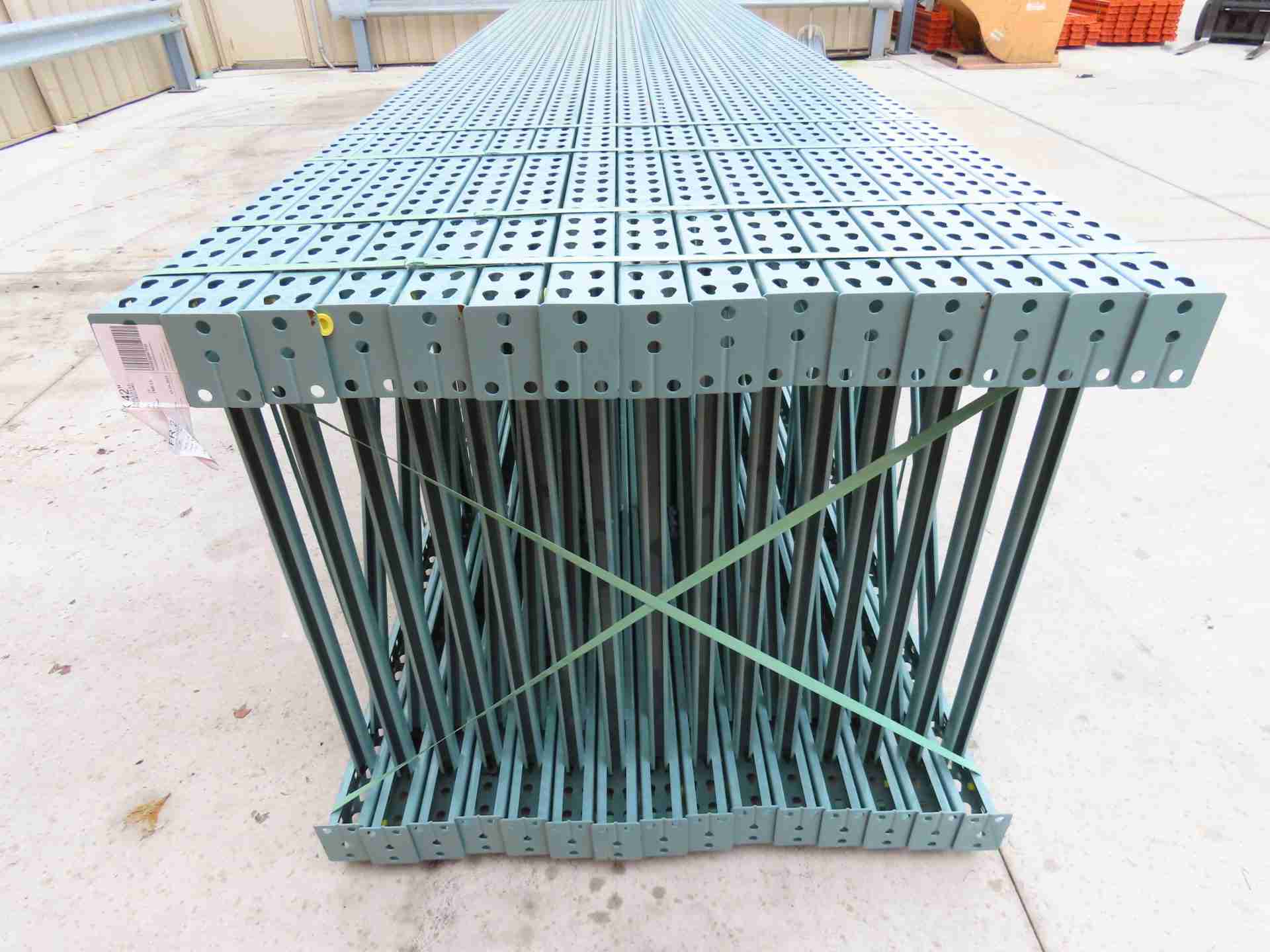
How Can I Maximize Storage Capacity With Racking Systems?
What Safety Regulations Should I Follow For Warehouse Racking?
When it comes to warehouse racking, safety isn’t just a suggestion; it’s a non-negotiable responsibility that can protect your employees, assets, and the very reputation of your business. In today’s fast-paced world, where efficiency meets safety, understanding and adhering to safety regulations for pallet racking can mean the difference between a smooth operation and a costly incident.
First and foremost, familiarize yourself with the relevant standards, like those set forth by OSHA (Occupational Safety and Health Administration) and ANSI (American National Standards Institute). These organizations offer essential guidelines on how to set up and maintain your pallet racking systems. Imagine that your warehouse is like a well-oiled machine; every component, including your racking, plays a critical role in the overall success of your operation.
One of the fundamental safety regulations involves proper loading and weight distribution. Every pallet racking system comes with its set load limits, and respecting these limits is crucial. Overloading your racking can lead to catastrophic failures, putting your employees and equipment at risk. Just think about how uncomfortable it would be to operate in an environment where you’re constantly looking over your shoulder. A well-structured pallet racking system fosters not only safety but also an atmosphere of confidence.
Next, conduct regular inspections. Institute a system for routine checks to catch potential issues before they become major headaches. Are the uprights showing signs of damage? Is any part of your pallet rack misaligned due to shifting or misuse? Address these problems head-on and empower your team by establishing a safety-first culture, encouraging everyone to report any concerns.
Further, don’t overlook the importance of training. Ensure your employees are well-versed in safe material handling practices and racking procedures. A knowledgeable team is your best line of defense against accidents. You wouldn’t let a driver behind the wheel without a license, so why would you assume that workers can safely manage pallet racking without proper training?
Finally, investing in high-quality racking solutions can’t be overstated. It’s tempting to cut corners in the name of saving a few bucks. However, when it comes to pallet racking, quality reaps long-term benefits in safety, durability, and peace of mind. Always choose reliable products that meet or exceed safety standards.
By embracing these safety regulations, you not only mitigate risks but also create a thriving environment filled with trust and confidence. You can rest easier knowing you’ve taken proactive steps to protect what matters most—your people and your business. Don’t wait for an accident to remind you: safety in warehouse racking isn’t just a compliance issue—it’s a commitment to excellence.
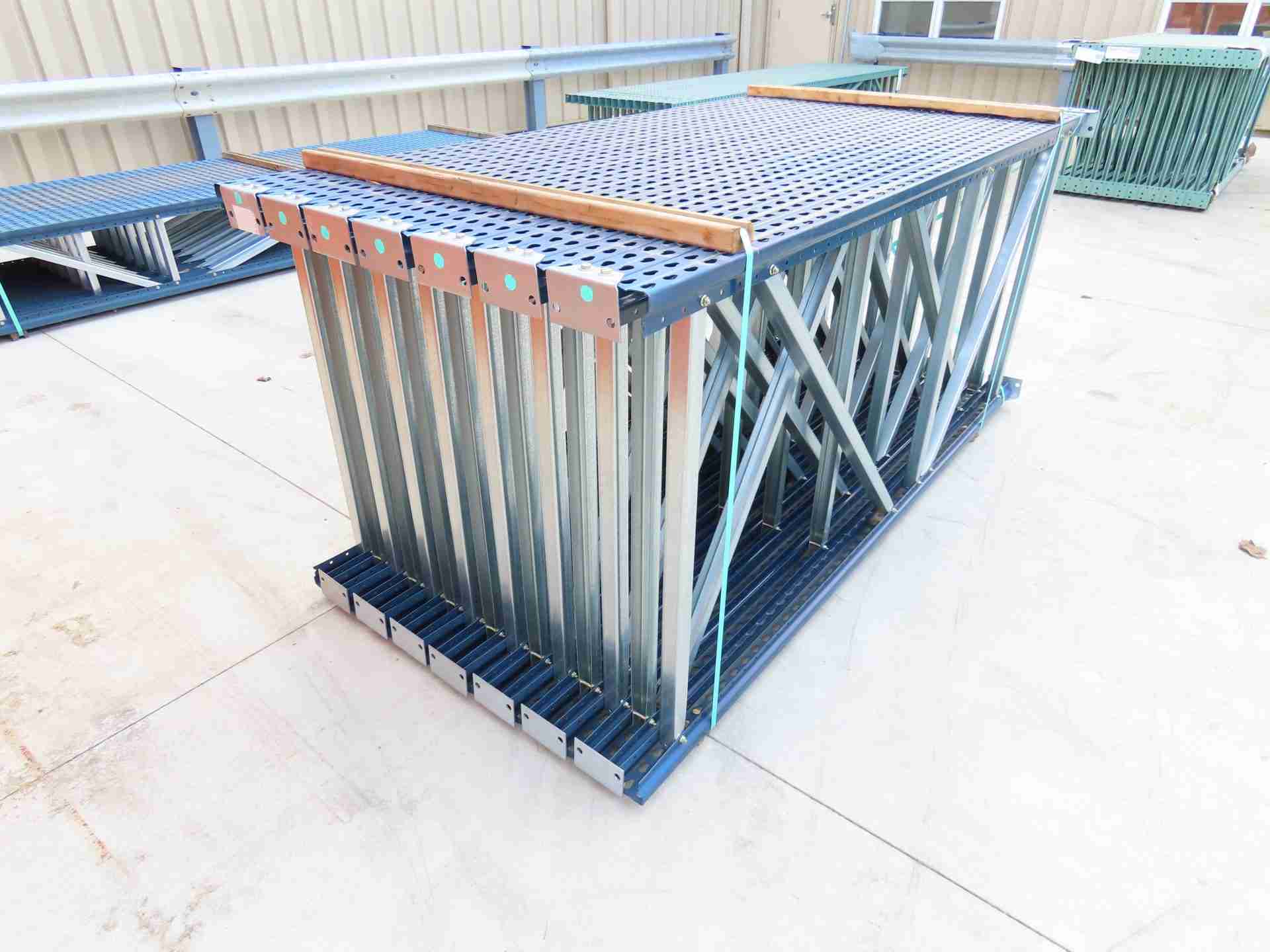
What Safety Regulations Should I Follow For Warehouse Racking?
What Safety Regulations Should I Follow For Warehouse Racking?
- Safety in warehouse racking is essential for protecting employees, assets, and business reputation.
- Familiarize yourself with safety standards from OSHA and ANSI to ensure proper setup and maintenance.
- Respect load limits on pallet racking systems to prevent catastrophic failures.
- Conduct regular inspections to identify and address potential issues early.
- Train employees in safe material handling practices and racking procedures to enhance safety.
- Invest in high-quality racking solutions to ensure durability and long-term safety benefits.
- Embrace safety regulations as a commitment to excellence and a proactive approach to risk mitigation.

What Safety Regulations Should I Follow For Warehouse Racking?
How Often Should Warehouse Racking Systems Be Inspected?
In the bustling world of logistics, your warehouse is the backbone of your operation. It’s where raw materials meet efficiency and where clever organization translates to profitability. At the heart of this critical space? Your pallet racking systems. They’re not just shelves. They’re engineering feats designed to store your inventory safely and efficiently. Yet, how often do you stop to consider their health?
Inspecting your pallet racking should not be an afterthought or a seasonal chore. It’s an ongoing commitment to safety, efficiency, and longevity. You wouldn’t drive a car without regular maintenance—so why treat your racking systems any differently? The simple truth is that consistent inspections are crucial in mitigating risks, ensuring compliance, and upholding the integrity of your operations. Think of it this way: neglecting your pallet racking can lead to costly delays, accidents, and even inventory loss.
So, how often should you inspect these vital systems? Industry best practices suggest that a thorough inspection should be conducted at least once a year, but many experts recommend increasing that frequency to twice or even quarterly inspections based on the volume and turnover rate of your inventory. If your warehouse sees heavy foot traffic or experiences high levels of inventory movement, don’t wait for a crisis to spark action. An ounce of prevention truly is worth a pound of cure.
During these inspections, look for signs of wear and tear—bent beams, loose connections, or surface corrosion are red flags that can’t be ignored. Not only do these issues jeopardize safety, but they also threaten the smooth operation of your business. By proactively addressing concerns, you inspire confidence—not just within your team but also with your clients. They want to know that their products are stored safely and responsibly.
Creating a structured inspection schedule transforms a mundane task into a strategic advantage. It fosters an environment of diligence and care, turning your pallet racking systems into a stronghold of efficiency and safety. So, ask yourself: how often do you check in on the health of your warehouse? The answer could pave the way for a more productive and secure future for your business. Take that step today—because when it comes to safety, a proactive approach is the best policy you can adopt.
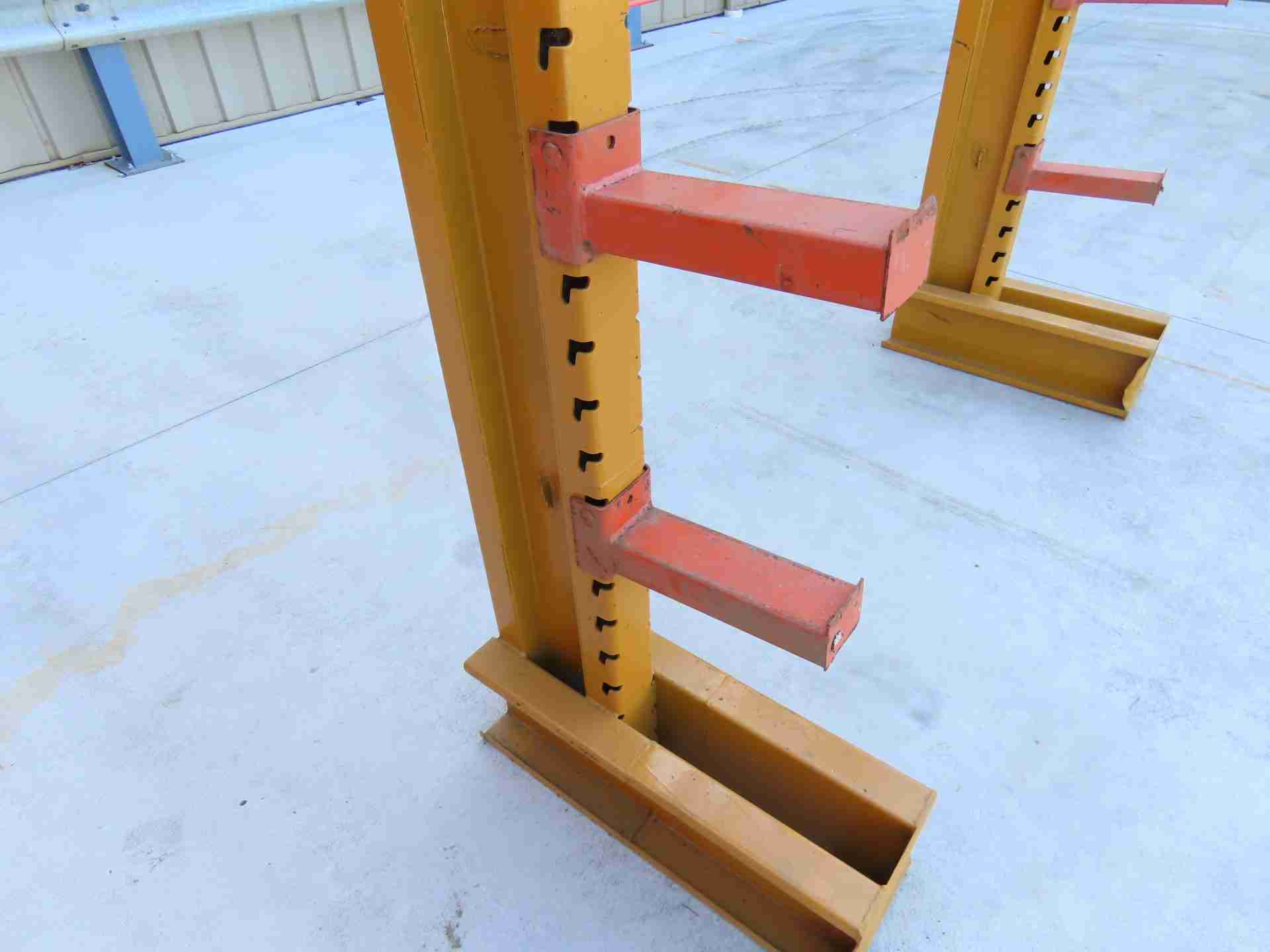
How Often Should Warehouse Racking Systems Be Inspected?
How Often Should Warehouse Racking Systems Be Inspected?
- Warehouses are critical to logistics, serving as the backbone of operations.
- Pallet racking systems are essential for safely and efficiently storing inventory.
- Regular inspection of pallet racking is necessary for safety, efficiency, and longevity.
- Industry best practices recommend inspecting pallet racking at least once a year, with some experts advising quarterly inspections.
- Look for signs of wear and tear during inspections, such as bent beams and loose connections.
- Implementing a structured inspection schedule enhances operational efficiency and safety.
- A proactive approach to inspections can prevent costly delays and ensure product safety, inspiring client confidence.
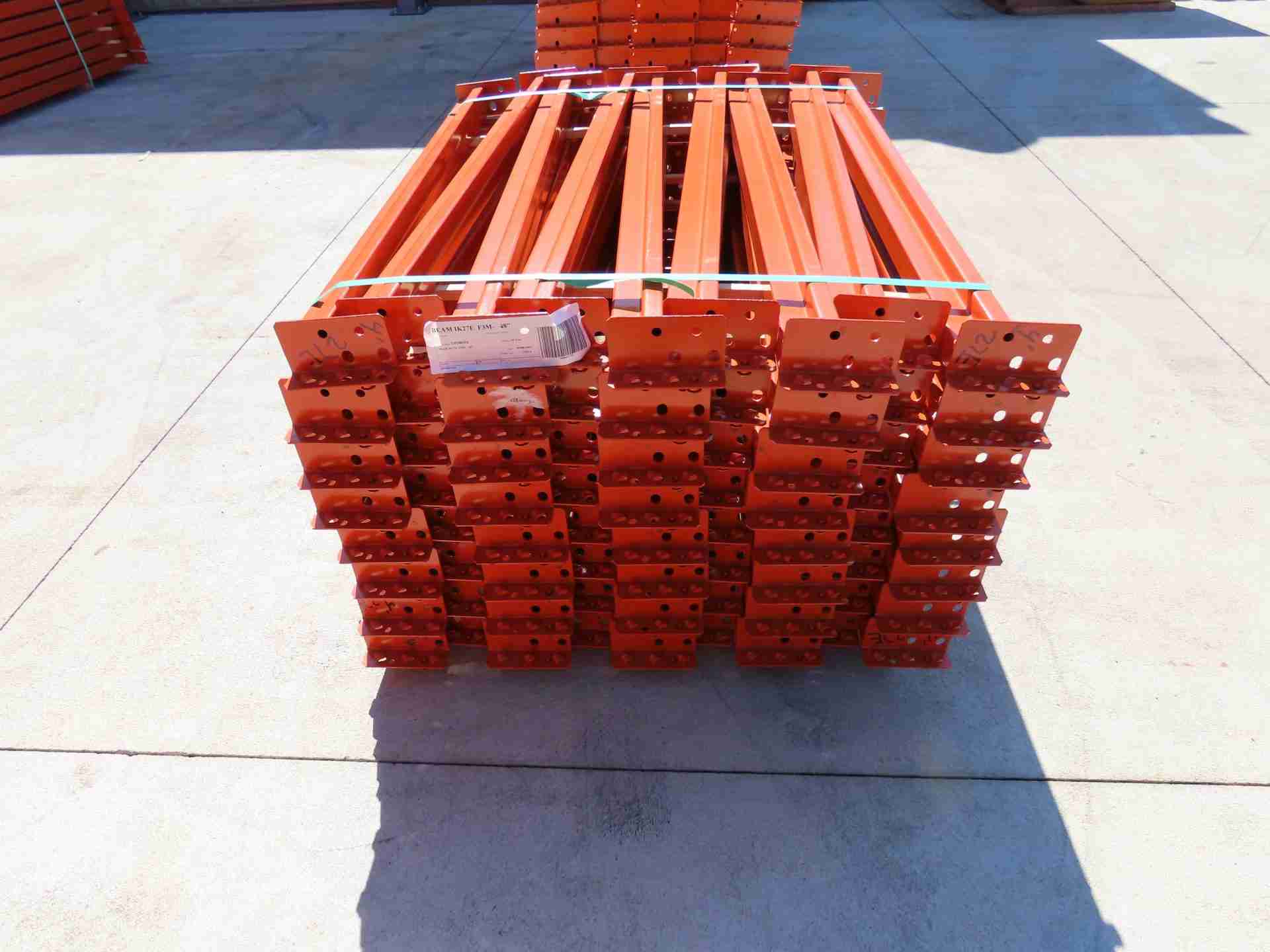
How Often Should Warehouse Racking Systems Be Inspected?
Conclusion
Conclusion: Optimize Your Warehouse with Arrow Industrial Sales
Navigating the world of warehouse racking can feel overwhelming, but it doesn’t have to be that way. At Arrow Industrial Sales, we believe that an effective racking system is not just a necessary component—it’s a transformative investment that can propel your business to new heights. By implementing the best practices outlined in this guide, you stand to revolutionize your logistics, turning your warehouse into a bastion of efficiency and safety.
First and foremost, embrace the versatility and utility of pallet racking systems, allowing you to maximize vertical space and tailor configurations based on your unique product needs. From selective racking that enhances accessibility to high-density solutions like drive-in racking, choosing the right system is essential for seamless operations. But efficiency isn’t just about space; organization is paramount. Implementing a logical labeling system paired with a clean, well-structured environment fosters both productivity and trust within your workforce.
Equally crucial is safety—an element that shouldn’t be ignored. Adhering to industry safety regulations and conducting regular inspections will ensure that your racking systems remain reliable and compliant, protecting your team and assets against potential risks. The commitment to safety embeds a culture of security and confidence within your operations, which can directly boost morale and productivity.
As your business grows, be proactive in adapting your racking layout to meet changing demands. A flexible, scalable approach allows you to stay agile in a rapidly evolving market. Utilizing technology to monitor inventory flow and adjusting your racking systems accordingly further enhances responsiveness and efficiency.
Now is the time to act. Don’t wait for inefficiencies or safety concerns to disrupt your operations. Your warehouse is a critical asset to your business, and investing in a high-quality racking system from Arrow Industrial Sales will yield long-term benefits. With customized solutions tailored to your specific needs, you will future-proof your operations and set the stage for continued success.
Contact Arrow Industrial Sales at (574) 349-6575 to discuss how our expert guidance can help you transform your warehouse racking systems. Act now—your journey towards efficiency and excellence starts today!

Conclusion
Conclusion:
- Maximize efficiency with effective warehouse racking systems as transformative investments.
- Embrace versatile pallet racking systems to maximize vertical space and tailor configurations.
- Organize with a logical labeling system and maintain a clean environment to enhance productivity and trust.
- Prioritize safety by adhering to industry regulations and conducting regular inspections to protect your team and assets.
- Adapt racking layouts proactively in response to changing demands for a flexible and scalable approach.
- Utilize technology to monitor inventory flow and adjust racking systems for improved responsiveness.
- Contact Arrow Industrial Sales for customized solutions to future-proof your warehouse operations.
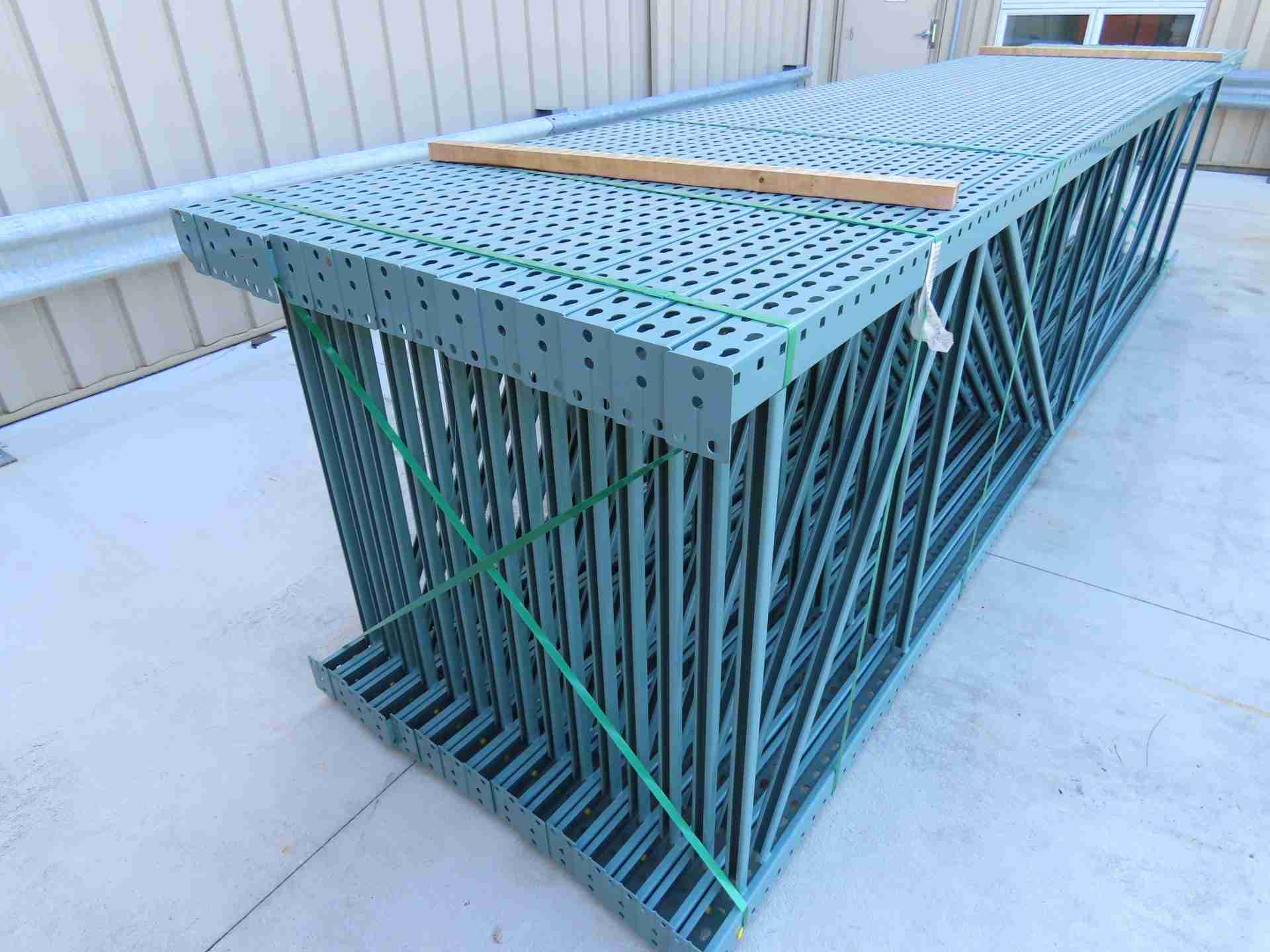
Conclusion
Other Resources
Other Resources
Here is a list of other resources you can review online to learn more:
- Selective Racking
- Material Handling Safety
- Wolter
- Shipping Boxes, Packaging Materials, Pallet Racking
- Storage Equipment Manufacturers Association
- Pallet Racking systems in Illinois and Great Lakes
- Chicago Pallet Racking
- Selective Racking
- MHI
- American Surplus
Use This Prompt To Get More Resources With Your Favorite Online AI Tool: Please provide me with a list of online articles with their URLs in a bulleted list that I can read regarding What Are The Best Practices for Effective Warehouse Racking Systems?
Other Resources
Glossary Terms
What Are The Best Practices for Effective Warehouse Racking Systems? – Glossary Of Terms
1. Racking System: A framework used to support the storage of goods in a warehouse, designed to optimize space and improve accessibility.
2. Pallet Racks: Vertical structures used to store pallets of goods horizontally for easy access and efficient use of floor space.
3. Selective Racking: A type of racking system that allows direct access to each pallet, maximizing accessibility and inventory management flexibility.
4. Drive-In Racking: A high-density storage system allowing forklifts to drive directly into the racking for efficient use of space, ideal for bulk storage.
5. Push-Back Racking: A system where pallets are stored on inclined rails; as new pallets are loaded, they push the existing pallets back, allowing for dense storage with FIFO (first-in, first-out) rotation.
6. Cantilever Racking: A racking system designed for the storage of long items such as lumber or pipes, featuring arms that extend from a vertical frame.
7. Shelving Units: Frameworks consisting of horizontal surfaces for storing smaller items, often adjustable and ideal for manual picking.
8. FIFO (First-In, First-Out): An inventory management method where the oldest stock is sold or used first to minimize spoilage and obsolescence.
9. LIFO (Last-In, First-Out): An inventory management strategy where the most recently produced items are sold or used before older ones.
10. Warehouse Management System (WMS): A software application that helps manage warehouse operations, including inventory tracking, order processing, and racking system utilization.
11. Inventory Turnover: A ratio that shows how many times inventory is sold and replaced over a period, reflecting the efficiency of inventory management.
12. Load Capacity: The maximum weight that a racking system can safely hold, critical for ensuring safety and preventing structural failures.
13. Vertical Space Utilization: Efficiently using the height of a warehouse by employing tall racking systems, which maximizes storage without increasing floor space.
14. Cross-Docking: A logistics practice where incoming goods are directly transferred to outbound shipping with minimal storage time, optimizing flow.
15. Safety Standards: Regulations and guidelines that ensure warehouse racking systems are installed and used safely to protect employees and products.
16. SKU (Stock Keeping Unit): A unique identifier for a specific item in inventory, essential for managing stocks within racking systems.
17. Load Beam: The horizontal support component of a racking system that holds pallets or shelving units, ensuring stability and weight distribution.
18. Column Protector: Safety devices installed on racking systems to prevent damage to columns from forklifts and other equipment.
19. Dynamic Storage: Racking systems designed for high-productivity environments, allowing for quick retrieval and replenishment of stock.
20. Static Storage: Conventional racking systems that do not allow for movement of stored items; typically used for less frequently accessed goods.
21. Barcoding System: A method of inventory control using barcodes and scanners to track items within a warehouse efficiently.
22. Lean Warehousing: A management approach focused on minimizing waste and improving efficiency within warehouse operations, including racking systems.
23. Ergonomics: The science of designing tasks and workspaces to fit the needs of workers, reducing strain and improving productivity in warehousing.
24. Order Picking: The process of retrieving items from storage based on customer orders, which can be optimized through effective racking systems.
25. Environmental Control: Systems for regulating temperature, humidity, and air quality in a warehouse, especially important for sensitive inventories.
26. Modular Racking: A flexible racking solution that can be adjusted or reconfigured based on changing storage needs.
27. Warehouse Layout: The physical arrangement of storage areas, racking systems, and pathways, designed for optimal flow and efficiency.
28. Shrinkage: A term used to describe the loss of inventory due to theft, damage, or mismanagement, highlighting the need for effective racking systems and security measures.
29. Cross-aisles: Walkways or aisles between racking units that provide access for personnel and equipment, essential for operational efficiency.
30. Maintenance Protocols: Established procedures for regular inspections and upkeep of racking systems to ensure safety and reliable performance.
Glossary Of Terms
Other Questions
What Are The Best Practices for Effective Warehouse Racking Systems? – Other Questions
If you wish to explore and discover more, consider looking for answers to these questions:
- What are the different types of materials used in warehouse racking systems?
- How do storage capabilities vary among different racking systems?
- What are the costs associated with installing and maintaining warehouse racking systems?
- How do we train employees on the proper use of racking systems?
- What technological tools can enhance the efficiency of warehouse racking?
- How can I improve the picking process within my warehouse layout?
- What common mistakes should I avoid when designing a racking system?
- How does the choice of racking system impact overall warehouse workflow?
- What are the signs of a failing warehouse racking system?
- Are there any environmental considerations when designing a racking layout?
- How can seasonal fluctuations in inventory affect racking system efficiency?
- What regulatory compliance requirements should I be aware of?
- How can I integrate automation with my current racking system?
- What innovative trends are emerging in warehouse racking solutions?
- What steps can I take to enhance safety measures in my warehouse?

Other Questions
Checklist
What Are The Best Practices for Effective Warehouse Racking Systems? – A Checklist
Checklist for Effective Warehouse Racking Systems
1. Assess Your Inventory Needs
_____ Evaluate the types and sizes of products to be stored (bulky, heavy, or small items).
_____ Determine the frequency of inventory access and turnover rates.
2. Choose the Right Racking System
_____ Pallet Racking: Ideal for storing pallets of goods.
_____ Selective Racking: Allows for direct access to each pallet.
_____ Drive-In Racking: Suitable for high-density storage of non-time-sensitive items.
_____ Cantilever Racking: Best for long or irregularly shaped items.
3. Optimize Space and Layout
_____ Measure available floor area and ceiling height.
_____ Design a layout that utilizes vertical space effectively.
_____ Ensure wide aisles for easy access and movement.
4. Implement Organization Systems
_____ Create a clear labeling system for racks and aisles.
_____ Use bold signs and color codes for easy identification.
5. Prioritize Safety
_____ Familiarize your team with safety regulations (e. g. , OSHA standards).
_____ Check weight limits and ensure proper loading of racks.
_____ Regularly conduct safety training for employees handling racking systems.
6. Regularly Inspect Racking Systems
_____ Schedule inspections at least annually; consider biannual or quarterly for high-traffic areas.
_____ Look for signs of wear, such as bent beams or loose connections.
_____ Address issues immediately to maintain safety and efficiency.
7. Monitor Inventory Flow
_____ Utilize technology for tracking product movement.
_____ Adapt racking configurations based on inventory patterns and seasonal changes.
8. Invest in Quality Materials
_____ Choose durable racking systems that meet or exceed safety standards.
_____ Consider future growth and scalability when selecting materials.
9. Reinforce a Safety Culture
_____ Encourage reporting of issues by employees.
_____ Foster an environment where safety and efficiency are priorities.
10. Evaluate and Adjust Regularly
_____ Periodically reassess the effectiveness of your racking system as business needs evolve.
_____ Stay proactive in implementing changes to maximize efficiency and space utilization.
Conclusion
By following this comprehensive checklist, you can create an effective and safe warehouse racking system that amplifies your operational efficiency and lays the groundwork for future growth.

Checklist
At RackingWorld, we help guide you through selecting warehouse storage systems and racking.
Be sure to read our other related stories at RackingWorld to learn more about warehouse storage systems.
0 Comments