
Uncovering The Hidden Dangers In Your Warehouse
By Tom Seest
At RackingWorld, we help guide you through selecting warehouse storage systems and racking.
Be sure to read our other related stories at RackingWorld to learn more about warehouse storage systems.
Have You Ignored The Signs Of Warehouse Disarray with Fatal Potential?
Let’s take a moment to reflect on the heart and soul of your operation: the warehouse. It’s not just a storage space; it’s the backbone of your business. But let’s be real. Have you paused recently to inspect the chaos often lurking behind those massive pallet racking systems? You might dismiss that cluttered aisle or that leaning stack of boxes as simply “part of the daily grind,” but this complacency could lead to catastrophic consequences!
Picture this: A warehouse worker navigating through narrow spaces, dodging items precariously perched on towering pallet racks, just to find the supply they need. Sounds familiar? This is a narrative far too many warehouses are living—and it’s fraught with risk. Those signs of disarray—overcrowded aisles, misaligned pallet racking, and boxes that seem to defy gravity aren’t just an eyesore; they’re your warning signals. Ignoring them isn’t just a bad decision; it could lead to severe accidents, injuries, or even worse, fatalities.
Now, imagine a transformed space where every inch is optimized for safety and efficiency. A properly structured warehouse with strategically placed pallet racking not only improves the flow of goods but significantly minimizes accidents. Picture the confidence your team would feel, knowing the space they work in is safe and organized. The increased morale can spark productivity like you’ve never seen before!
Let’s not forget the hidden costs associated with warehouse disarray. Inventory can go missing; items can become damaged due to mishandling; efficiency plummets. If you’ve ever felt the pinch of unexpected expenses, you know that they add up quickly. By ignoring the signs of chaos, you’re essentially throwing money out the window!
Here’s the good news: change is possible, and it starts with you. Take action today. Delegate a few hours this week to survey your warehouse conditions. Ask your team how they feel about their work environment. More often than not, they’ll provide insights you never considered. If you find disarray—don’t panic; act. Investing in better pallet racking solutions and organizing your space can transform potential disaster into a well-oiled logistical machine.
Don’t wait for a wake-up call that may come too late. Your warehouse’s safety and efficiency depend on your vigilance. Embrace the challenge, foster an atmosphere of trust and action, and watch as your operation thrives!

Have You Ignored The Signs Of Warehouse Disarray with Fatal Potential?
Have You Ignored The Signs Of Warehouse Disarray with Fatal Potential?
- The warehouse is the backbone of your business, not just a storage space.
- Neglecting warehouse chaos can lead to serious accidents and injuries.
- Signs of disarray include overcrowded aisles and misaligned pallet racking.
- A well-structured warehouse improves safety, efficiency, and team morale.
- Disorganization can result in hidden costs, such as missing inventory and damaged goods.
- Taking action starts with surveying warehouse conditions and seeking team feedback.
- Investing in better organization can transform the warehouse into a productive space.

Have You Ignored The Signs Of Warehouse Disarray with Fatal Potential?
Table Of Contents
- Have You Ignored The Signs Of Warehouse Disarray with Fatal Potential?
- What Are The Early Signs Of Warehouse Disarray?
- How Can Disarray Affect Safety?
- What Are The Potential Costs Of Warehouse Disorganization?
- How Does Clutter Impact Employee Productivity?
- What Safety Regulations Should Warehouses Comply With?
- Can Technology Help Identify Warehouse Inefficiencies?
- Conclusion
- Other Resources
- Glossary Of Terms
- Other Questions
- Checklist
What Are The Early Signs Of Warehouse Disarray?
Picture this: you walk into a warehouse and the first thing that hits you is chaos. The disarray is palpable. You might notice the pallet racking systems, which should be standing tall and organized, are instead laden with mismatched products teetering precariously. This isn’t just an eyesore; it’s a clear sign that something’s gone awry. Early indicators of warehouse disarray can be subtle but telltale.
One of the first signs is inefficiency in your picking process. If your staff is constantly hunting for items, it’s not just frustrating; it’s costing you precious time and money. A well-organized warehouse should flow like a well-oiled machine, where every item has its designated space within the pallet racking. When that flow is disrupted, productivity takes a nosedive.
Have you noticed an uptick in inventory discrepancies? When your stock levels don’t match what’s on the system, alarms should be ringing. This isn’t just about numbers; it reflects a deeper issue in your warehouse operations. If items aren’t placed correctly in the pallet racking, your chances of miscounts rise—leading to customer dissatisfaction and lost sales.
Another big red flag is the increase in accidents or near-misses. A cluttered environment is a breeding ground for hazards. When pallet racking is overstuffed or blocked by misplaced items, it becomes a risk not only to your inventory but also to the safety of your employees. Countless studies have shown that a chaotic workspace is directly correlated with accidents. Investing in an organized warehouse is not just a choice; it’s a fundamental responsibility.
Lastly, consider your employee morale. A disorganized warehouse creates frustration among staff. If they feel overwhelmed and demoralized by the chaos surrounding them, it won’t be long until you see high turnover rates. Empowering your team with an orderly environment enhances productivity and ensures they feel valued.
Recognizing these early signs is the first step to turning things around. Instead of watching your profits dwindle away amidst the mess, take action now. Establish a protocol for regular audits of your warehouse operations, focusing specifically on your pallet racking setups. Your bottom line, staff retention, and safety records will thank you. Embrace organization and watch your warehouse transform from disarray to a model of efficiency!

What Are The Early Signs Of Warehouse Disarray?
What Are The Early Signs Of Warehouse Disarray?
- The first sign of warehouse disarray is chaos, highlighted by disorganized pallet racking systems.
- Inefficiency in the picking process leads to time and money loss, indicating a disrupted flow in the warehouse.
- Inventory discrepancies signal deeper issues in operations, affecting customer satisfaction and sales.
- An uptick in accidents or near-misses points to hazards caused by cluttered and overstuffed environments.
- Employee morale suffers in disorganized warehouses, leading to frustration and higher turnover rates.
- Regular audits of warehouse operations, particularly pallet racking setups, can help restore order.
- Embracing organization can transform a chaotic warehouse into a model of efficiency, benefiting the bottom line and safety.

What Are The Early Signs Of Warehouse Disarray?
How Can Disarray Affect Safety?
Picture this: you walk into a warehouse, and instead of the neat, organized rows of pallet racking you expect, you’re met with chaos. Boxes are teetering, equipment is strewn about, and aisles that should be clear are strangely congested. You might chuckle at the disarray, but the reality is far from amusing. That disorganization poses real threats—not just to your inventory, but to the well-being of your employees.
Let’s talk safety. When pallet racking systems are improperly utilized or ignored amid clutter, the risk of accidents rises dramatically. Think of the potential hazards: a fallen box could injure a worker; a cramped workspace may lead to a trip or slip. These aren’t just possible accidents; they’re genuine risks that can turn a typical day into a hazardous affair. An organized space fosters a culture of safety, as employees can navigate their environment with confidence and clarity.
Now, imagine a well-structured setting where each item has its designated place within the pallet racking units. When a system is in place, your employees can quickly locate what they need, reducing the time spent searching through messy stacks. This not only increases productivity but cultivates an atmosphere where safety becomes second nature. By integrating organization into your daily operations, you send a clear message: safety matters.
And let’s not ignore the ripple effect of disorder. When a workplace prioritizes a chaotic environment, it erodes trust. Employees who feel unsafe are less likely to perform their tasks effectively or may even become disengaged. Conversely, a commitment to organization ensures your team recognizes that their workplace values them—and that’s a powerful motivator. When workers feel secure, they’re empowered to be more productive and engaged.
So what can you do? Start with a review of your current pallet racking setup. Is it optimized for efficiency and safety? Engage your team in solutions—after all, they’re the ones navigating the space daily. A simple rearrangement could work wonders. Promote a culture of safety through organization, and watch how it changes not just your operations but the very environment your staff works in.
Let’s leave chaos behind and embrace safety through order. Your team—and your bottom line—will thank you!

How Can Disarray Affect Safety?
How Can Disarray Affect Safety?
- Chaos in warehouse settings can threaten employee safety and inventory integrity.
- Improper use of pallet racking increases the risk of accidents, such as falls and injuries.
- An organized workspace enhances safety, allowing employees to navigate confidently.
- Well-structured pallet racking systems improve productivity by allowing quick access to items.
- A chaotic environment erodes employee trust and engagement, impacting performance.
- Involving employees in optimizing pallet racking can lead to effective safety solutions.
- Promoting a culture of organization fosters a safer, more productive workplace.

How Can Disarray Affect Safety?
What Are The Potential Costs Of Warehouse Disorganization?
When you step into a warehouse, what do you see? Is it a symphony of order, where each pallet racking unit is a note in harmony? Or is it chaos, where misplaced items and tangled inventory send shivers down your spine? The truth is, the hidden consequences of warehouse disorganization can be catastrophic for your bottom line.
Let’s break this down. Have you ever considered how many hours your team spends searching for that elusive product because it was tucked away haphazardly? Every minute wasted is money thrown out the window. Disorganization breeds inefficiency, which trickles down to lost productivity. If your labor force spends more time hunting for items than fulfilling orders, you’ll soon find yourself swimming against a tide of missed deadlines and unhappy customers. When your commitments fall short, your reputation takes a hit—sometimes a hit that can never be repaired.
Beyond just time, think about the tangible costs of disorganization. Improperly stored inventory can lead to damage and spoilage, especially if items are not stored with safety and accessibility in mind. That means your investment in goods is being compromised by a failure to organize. In a world where every dollar counts, can you afford to see your bottom line drain because of poor pallet racking practices? If products aren’t stored correctly, you risk losing them entirely, or worse, having to buy replacements.
Let’s not forget about the crucial overhead costs. A disorganized warehouse often requires expensive solutions like extra staff or even outsourcing logistics functions. All because a few strategic changes—like implementing a systematic approach to your pallet racking—weren’t made. This is more than an operational issue; it’s a profit killer.
But here’s the good news: you have the power to transform your warehouse into a well-oiled machine. Start by taking a hard look at your current setup. Ask yourself, “How does my pallet racking layout support—or stifle—my operations?” If you implement a clear strategy, you’ll not only reduce potential costs but also enhance workflow efficiency. Stock turnover will improve, customer satisfaction will rise, and believe it or not, your staff may even feel happier and more fulfilled in their work environment.
So take that step! Analyze, streamline, and watch your costs plummet while profits soar. Your organized warehouse isn’t just an aesthetic luxury; it’s a critical investment in your business’s future. Don’t let disorganization hold you back any longer.

What Are The Potential Costs Of Warehouse Disorganization?
What Are The Potential Costs Of Warehouse Disorganization?
- Warehouse disorganization can severely impact profitability and efficiency.
- Employees spend valuable time searching for misplaced items, resulting in lost productivity.
- Missed deadlines can damage reputation and lead to unsatisfied customers.
- Improper inventory storage risks damage and spoilage, compromising investments.
- Disorganization often leads to increased overhead costs, such as additional staffing or outsourcing.
- Implementing a systematic approach to pallet racking can enhance workflow and reduce costs.
- Transforming warehouse organization can lead to higher stock turnover and improved employee satisfaction.

What Are The Potential Costs Of Warehouse Disorganization?
How Does Clutter Impact Employee Productivity?
Imagine walking into your office on a Monday morning, coffee in hand, only to be greeted by a chaotic landscape of disorganized desks, overflowing boxes, and untidy meeting rooms. The first thought that crosses your mind is not “I can’t wait to tackle my to-do list!” but instead a deep sigh of resignation. Clutter creates a mental weight that many employees carry around, and unfortunately, it’s not the kind of weight that motivates.
The reality is that clutter isn’t just an aesthetic issue; it’s a productivity killer. Studies show that a disorganized workspace can lead to increased stress levels, decreased focus, and ultimately, lower efficiency. When team members are surrounded by chaos, their minds often mirror that environment, leading to constant distractions and lost time. For instance, employees might spend valuable minutes searching for documents or tools buried under piles of clutter rather than channeling energy into their core tasks.
So, what’s the solution? Addressing workplace clutter means going beyond mere tidiness; it’s about creating an environment that fosters creativity, focus, and peak performance. Utilizing effective storage solutions, such as pallet racking, is a game-changer. These systems not only maximize space but also help organize your materials in a way that’s intuitive and easy to access.
Think about it: when your workspace is clean and ordered, you’re more likely to dive headfirst into your work, armed with clarity and purpose. You can easily locate that all-important project file or collaborate with a colleague without hunting through mountains of paperwork.
However, creating and maintaining this organized environment requires team commitment and a few simple systems. Start by involving your team in decluttering efforts. Ask them to share ideas on organization, and let them take ownership of their spaces. Hold regular clean-up sessions, coupled with a strategic approach to designate areas for specific items—even investing in solutions like pallet racking for shared spaces can align your team towards a more streamlined workflow.
Remember, a tidy workspace translates to a tidy mind. When your team feels motivated and focused, productivity levels soar. So, take that leap of faith today and transform your cluttered environment into a thriving center of productivity. Your team—and your bottom line—will thank you.

How Does Clutter Impact Employee Productivity?
How Does Clutter Impact Employee Productivity?
- Clutter in the workplace creates a mental weight that reduces motivation and productivity.
- Disorganized workspaces lead to increased stress, decreased focus, and lower efficiency.
- Employees waste time searching for documents and tools buried under clutter.
- Creating an organized environment fosters creativity and peak performance.
- Effective storage solutions, like pallet racking, can optimize space and organization.
- Team involvement in decluttering and organization promotes ownership and improves workflow.
- A tidy workspace contributes to a motivated and focused team, resulting in higher productivity.

How Does Clutter Impact Employee Productivity?
What Safety Regulations Should Warehouses Comply With?
In the bustling world of warehousing, safety isn’t just a rule; it’s a mindset that can save lives, protect your assets, and bolster your reputation. As a warehouse owner or manager, the importance of adhering to safety regulations cannot be overstated. After all, your operation hinges on reliable systems that foster efficiency—like pallet racking—but those systems must be secure and compliant to function effectively.
Let’s face it: the warehouse environment can be a frenetic one. You’ve got heavy machinery moving, stacks of inventory awaiting shipment, and the ever-looming threat of workplace accidents. That’s where compliance with safety regulations becomes the lifeline that supports everything you do. The Occupational Safety and Health Administration (OSHA) outlines crucial guidelines that include, but are certainly not limited to, proper training for employees, hazard communication, and equipment safety inspections.
Take pallet racking, for instance. While it serves as an excellent space-saving solution, it can quickly turn hazardous if not installed and maintained correctly. Compliance mandates that pallet racking systems meet specific standards and are inspected regularly. This isn’t just about avoiding penalties; it’s about safeguarding your workforce and ensuring that your operations run like a well-oiled machine. When your employees know they’re working in a safe environment, productivity and morale soar—installing confidence that directly reflects in your bottom line.
Additionally, implementing a solid safety plan goes beyond mere compliance. It builds a culture where safety is everyone’s responsibility. Encourage open communication about potential hazards and regularly engage in training sessions—don’t let safety be a “check-the-box” exercise. When your teams understand the reasons behind safety measures, they’ll become advocates for maintaining a safe environment.
Remember, showing commitment to safety compliance isn’t just about following regulations; it’s about being the leader your workforce can rely on. They will take pride in working for a company that values their well-being and considers safety a priority. This fosters loyalty, reduces turnover, and minimizes disruptions—a winning trifecta that every warehouse aims to achieve.
So ask yourself: Are you truly invested in the safety of your warehouse? By complying with established safety regulations and prioritizing a culture of safety, you not only protect your employees but also position your business for long-lasting success. Embrace the challenge, and watch your warehouse thrive!

What Safety Regulations Should Warehouses Comply With?
What Safety Regulations Should Warehouses Comply With?
- Safety in warehousing is a vital mindset that can protect lives, assets, and reputation.
- Adhering to safety regulations is crucial for operational efficiency, especially with systems like pallet racking.
- The fast-paced warehouse environment presents risks, making compliance with safety regulations essential.
- OSHA provides important guidelines, including proper employee training, hazard communication, and equipment safety inspections.
- Pallet racking must be installed and maintained according to specific standards to prevent hazards.
- Creating a safety culture involves open communication about hazards and regular employee training sessions.
- Investing in safety compliance enhances employee loyalty and reduces turnover, positioning the business for success.

What Safety Regulations Should Warehouses Comply With?
Can Technology Help Identify Warehouse Inefficiencies?
Imagine walking into your warehouse and feeling an overwhelming sense of chaos—pallet racking systems overflowing, misplaced inventory, and lost time swirling around you like a heavy fog. For many businesses, this isn’t just an inconvenience; it’s a daily battle that drains resources and energy. But what if I told you that technology could be your guiding light through this haze?
No more manual spreadsheets and second-guessing where each product is stored. By leveraging modern technologies, you can bring clarity to your operations and transform how you manage your warehouse. From advanced inventory management systems to cutting-edge analytics, the tools available today are designed to peek beneath the surface and unveil the hidden inefficiencies cluttering your space and hindering your productivity.
Take pallet racking, for instance. It’s not just a practical solution; when optimized correctly, it can be a game changer for your warehouse layout. With innovative software, you can analyze your current settings and discover whether your pallet racking configurations are actually serving your operational needs. Are products stacked efficiently? Is there a pattern in order fulfillment that could streamline picking and shipping processes? Technology allows you to visualize these patterns and inform strategic adjustments that lead to tangible improvements.
But let’s connect this to you and your team. Picture the relief of transforming those chaotic aisles into streamlined pathways of productivity. Consider the impact on morale as your staff spends less time hunting for items and more time focusing on what truly matters—growing your business. That’s the promise of embracing technology: not just eliminating inefficiencies, but empowering your team to work smarter and feel a renewed sense of accomplishment.
Now, you might wonder if this is the right step for your organization. The good news? You don’t have to dive in headfirst. Start small—perhaps with a pilot program or an assessment of your existing pallet racking system. The key is to take that first step towards embracing innovation and unlocking your warehouse’s full potential.
So, my friend, don’t let inefficiencies hold you hostage any longer. With technology as your ally, you can sift through the clutter and pave the way to a more productive future, ensuring that every inch of your warehouse works for you, not against you. Why wait? Transformation is just a decision away.
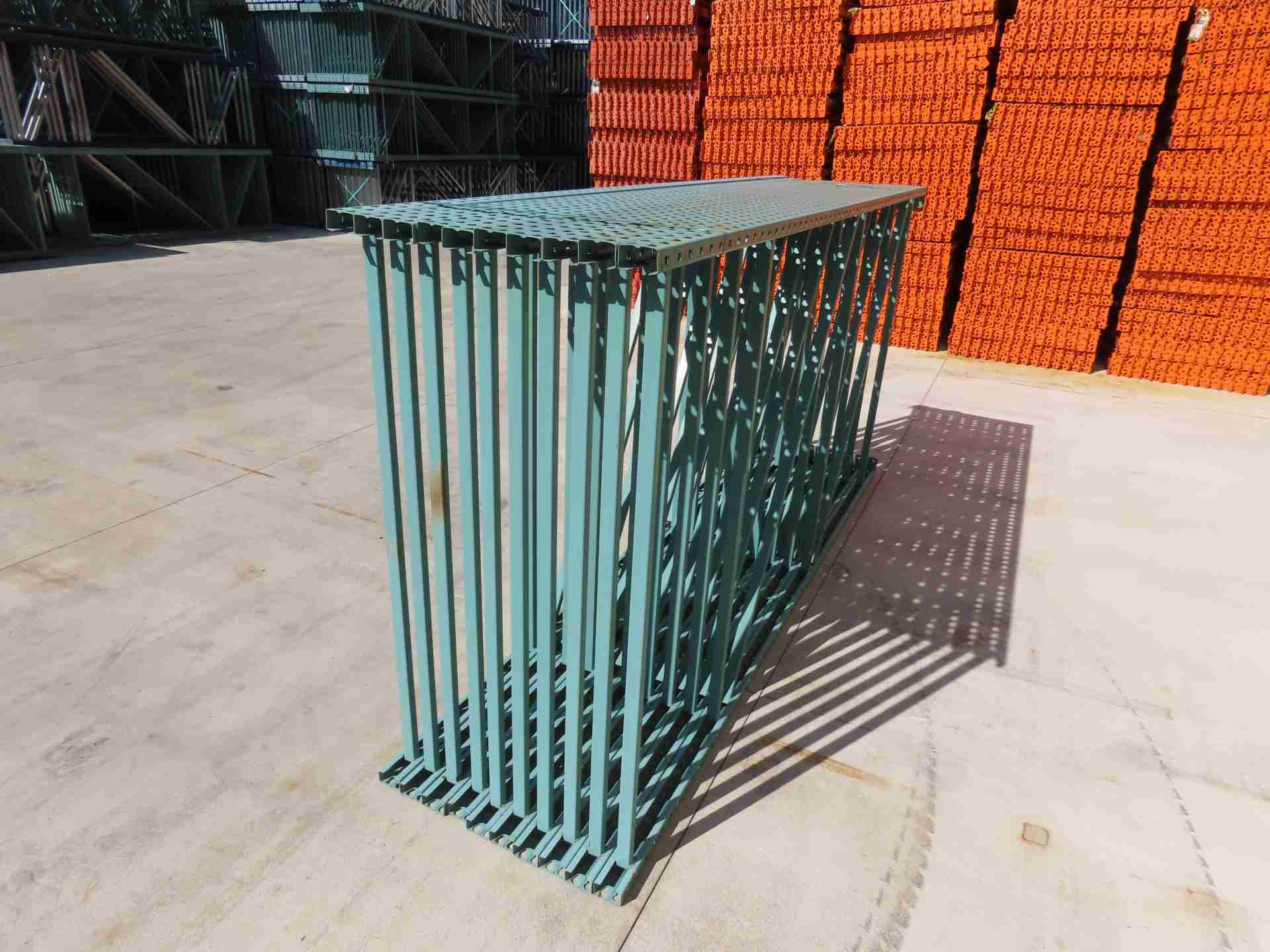
Can Technology Help Identify Warehouse Inefficiencies?
Can Technology Help Identify Warehouse Inefficiencies?
- Many businesses face daily chaos in their warehouses with overflowing pallet racking and misplaced inventory.
- Embracing technology can help clarify operations and improve warehouse management.
- Modern tools, such as advanced inventory management systems and analytics, can uncover hidden inefficiencies.
- Optimizing pallet racking through innovative software can enhance warehouse layout and operational needs.
- Technology helps visualize patterns in order fulfillment, leading to streamlined processes and improved productivity.
- Transforming chaotic aisles into organized pathways boosts team morale and allows staff to focus on business growth.
- Start small with pilot programs or system assessments to embrace innovation and unlock your warehouse’s potential.

Can Technology Help Identify Warehouse Inefficiencies?
Conclusion
Conclusion: Transform Your Warehouse from Chaos to Order with Arrow Industrial Sales
In a world where every second counts and safety is paramount, the state of your warehouse shouldn’t be an afterthought—it should be a focal point of your operations. Ignoring the warning signs of warehouse disarray not only increases the risk of accidents and injuries but also erodes efficiency, productivity, and ultimately, profits. Each aisle of clutter and each precariously stacked box serves as a stark reminder of the hidden dangers lurking in untidy corners. But it doesn’t have to be this way.
Imagine a reimagined workspace that stands as a testament to safety and organization, powered by expertly designed pallet racking systems from Arrow Industrial Sales. By recognizing the early indicators of disorder, you take a vital step toward fostering an environment that prioritizes both employee safety and operational efficiency. A well-structured warehouse isn’t just about aesthetics; it’s about creating a culture where your employees feel secure and valued, unleashing their potential to drive your bottom line upward.
What’s at stake? The unseen costs of disorganization can rapidly escalate into lost revenue, damaged inventory, and dissatisfied customers. You have the power to turn the tide. By taking proactive measures—such as conducting regular audits, engaging your team in decluttering efforts, and investing in modern pallet racking solutions—you set the stage for improved workflow and heightened morale. Remember, an organized warehouse is not just a fantasy; it’s an achievable reality when you rely on industry-leading solutions.
The urgency for change is clear. If you’re sitting on the sidelines, you risk waking up one day to find a cascade of inefficiencies that could have been avoided. Now is the time to act! Don’t allow neglect and disorganization to impede your progress any longer. Your warehouse deserves better, and so do your employees.
At Arrow Industrial Sales, we are ready to guide you through the transformation journey. It’s time to embrace a more organized, safer, and efficient future. Call us at (574) 349-6575 today and take the first step towards reclaiming control over your warehouse operations. Your business, your employees, and your bottom line will thank you for it. Don’t wait—start your transformation now!

Conclusion
Conclusion:
- The state of your warehouse is crucial for operational success, impacting safety, efficiency, and profits.
- Disorganization in the warehouse increases the risk of accidents, injuries, and losses.
- Arrow Industrial Sales provides expertly designed pallet racking systems for better organization.
- A well-structured warehouse fosters employee safety, satisfaction, and productivity.
- Ignoring disorganization can lead to significant unseen costs, including lost revenue and damaged inventory.
- Proactive measures like audits and team involvement in decluttering can improve workflow and morale.
- It’s urgent to act now to transform your warehouse and enhance future operations with Arrow Industrial Sales.

Conclusion
Other Resources

Other Resources
Here is a list of other resources you can review online to learn more:
- Heavy-Duty Cantilever Storage Racks
- Crane Manufacturers Association Of America Inc.
- Interlake Mecalux
- NSC
- American Society of Safety Professionals
- Warehouse Racking Systems: Beginner’s Guide to Rack Systems
- Bradford Systems
- Pallet Racks, Pallet Racking, Pallet Shelves in Stock – ULINE
- Warehouse Racking Layout: The Ultimate Guide – Conger
- Iowa Illinois Warehouse Racking
Use This Prompt To Get More Resources With Your Favorite Online AI Tool: Please provide me with a list of online articles with their URLs in a bulleted list that I can read regarding Have You Ignored The Signs Of Warehouse Disarray with Fatal Potential?

Other Resources
Glossary Terms
Have You Ignored The Signs Of Warehouse Disarray with Fatal Potential? – Glossary Of Terms
1. Disarray: A state of disorder or confusion within a warehouse, affecting operations and safety.
2. Inventory Management: The supervision of non-capitalized assets, or inventory, and stock items to ensure efficiency and safety.
3. Safety Protocols: Established procedures designed to minimize risks and protect employees from potential hazards in the warehouse.
4. Hazard Identification: The process of recognizing potential sources of harm or danger in the warehouse environment.
5. Ergonomics: The study of people’s efficiency in their working environment, aimed at improving safety and productivity.
6. Forklift Safety: Guidelines and practices aimed at preventing accidents and injuries associated with forklift operation.
7. Pallet Organization: The systematic arrangement of pallets to optimize space, accessibility, and safety.
8. Clear Aisles: Keeping walkways and access paths unobstructed to ensure safe movement throughout the warehouse.
9. Emergency Exits: Designated routes for evacuation in case of emergencies, maintained for accessibility and visibility.
10. Visual Management: Tools and techniques, like signage and color coding, used to communicate important information clearly.
11. Lean Warehouse: An approach to warehouse management that seeks to minimize waste while maximizing productivity and safety.
12. Quality Control: The processes that ensure that warehouse operations meet specific quality standards to prevent accidents.
13. Training Programs: Initiatives designed to educate employees on safety practices and effective warehouse management.
14. Access Control: Measures taken to regulate who can enter certain areas of the warehouse to enhance safety.
15. Signage: The use of signs to communicate information about hazards, safety protocols, and warehouse organization.
16. Load Stability: The condition of a load being balanced and secured to prevent shifting or falling during handling.
17. Warehouse Layout: The design and arrangement of physical space within the warehouse to facilitate effective workflows.
18. Equipment Maintenance: The regular upkeep of warehouse equipment to ensure safe, reliable, and efficient operation.
19. Chemical Safety: Procedures and guidelines for the safe handling and storage of hazardous materials in the warehouse.
20. Incident Reporting: The systematic process of documenting occurrences that could lead to accidents for analysis and prevention.
21. Workplace Culture: The shared values and behaviors within the warehouse that influence safety practices and employee engagement.
22. Breach of Safety: Instances where safety regulations are not followed, potentially resulting in accidents or injuries.
23. Load Capacity: The maximum weight that a specific piece of equipment or storage structure can handle safely.
24. Predictive Maintenance: A proactive approach to equipment maintenance that uses data analysis to predict potential failures.
25. Training Compliance: Adherence to required training programs and certifications to maintain workplace safety standards.
26. Personal Protective Equipment (PPE): Gear provided to employees to protect them from workplace hazards, including gloves, helmets, and goggles.
27. Operational Audits: Comprehensive assessments of warehouse processes to identify inefficiencies and safety risks.
28. Report and Response: The process of documenting safety incidents and taking corrective action to prevent recurrence.
29. Emergency Preparedness: Planning and training for potential emergency situations to ensure a swift and effective response.
30. Sustainable Practices: Environmentally responsible methods of operating a warehouse that also enhance safety and efficiency.

Glossary Of Terms
Other Questions
Have You Ignored The Signs Of Warehouse Disarray with Fatal Potential? – Other Questions
If you wish to explore and discover more, consider looking for answers to these questions:
- What are the most common dangers associated with warehouse disarray?
- How can I effectively assess the organization of my warehouse?
- What specific changes can I make to improve safety in my warehouse?
- How can I get my team involved in organizing the warehouse?
- What are the best practices for pallet racking installation and maintenance?
- How can I quantify the costs associated with warehouse disorganization?
- What tools or software can help with warehouse organization and efficiency?
- How often should I conduct audits of my warehouse operations?
- What are the legal implications of not adhering to safety regulations in a warehouse?
- How do employee morale and safety correlate in a warehouse setting?

Other Questions
Checklist
Have You Ignored The Signs Of Warehouse Disarray with Fatal Potential? – A Checklist
Checklist for Addressing Warehouse Disarray and Enhancing Safety
Title: Have You Ignored The Signs Of Warehouse Disarray with Fatal Potential?
1. Conduct a Warehouse Assessment
_____ Schedule time to inspect the entire warehouse.
_____ Observe and identify signs of disarray (cluttered aisles, leaning stacks, etc. ).
_____ Document areas that require immediate attention.
2. Engage Your Team
_____ Ask employees for their input on the current warehouse conditions.
_____ Create a forum for open discussion about safety and organization.
_____ Encourage suggestions for improving workflow and efficiency.
3. Identify Early Warning Signs
_____ Check for inefficiencies in the picking process (long search times, high error rates).
_____ Monitor for increasing inventory discrepancies.
_____ Keep a record of accident reports or near-misses for analysis.
4. Optimize Storage Solutions
_____ Review the layout of pallet racking and storage solutions for effectiveness.
_____ Implement a designated space for each item to improve organization.
_____ Ensure pallet racking is not overloaded or improperly arranged.
5. Foster a Culture of Safety
_____ Review safety regulations relevant to your warehouse (OSHA standards).
_____ Conduct regular safety trainings for employees.
_____ Ensure clear communication about hazards and protocols is maintained.
6. Implement Technology Tools
_____ Explore inventory management systems that streamline tracking and storage.
_____ Utilize analytics to identify patterns in inventory fulfillment.
_____ Consider software that can visualize the current warehouse layout for improvements.
7. Create a Maintenance Schedule
_____ Establish regular audits of warehouse conditions.
_____ Schedule periodic reviews of pallet racking integrity and maintenance.
_____ Keep a checklist for routine tasks, ensuring accountability in the upkeep of the warehouse.
8. Address Employee Well-Being
_____ Monitor employee morale and feedback regularly.
_____ Create opportunities for involvement in warehouse organization efforts.
_____ Develop a recognition system to reward teams that actively contribute to a safer, more efficient workplace.
9. Analyze the Cost Implications
_____ Track costs associated with inefficiencies (search times, accidents, damaged goods).
_____ Compare productivity levels before and after implementing changes.
_____ Calculate potential savings from reduced accidents and improved efficiency.
10. Foster Continuous Improvement
_____ Set measurable goals for safety and efficiency improvements.
_____ Schedule quarterly reviews to assess progress and recalibrate strategies.
_____ Remain flexible to adapt new technologies and techniques that could enhance operations.
Reminder: Proactive measures not only ensure the safety of your employees but also enhance overall productivity and profitability. Take action today to transform your warehouse into a well-organized, efficient operation!

Checklist
At RackingWorld, we help guide you through selecting warehouse storage systems and racking.
Be sure to read our other related stories at RackingWorld to learn more about warehouse storage systems.
0 Comments