
Maximizing Efficiency And Space With The Right Warehouse Shelving
By Tom Seest
At RackingWorld, we help guide you through selecting warehouse storage systems and racking.
Be sure to read our other related stories at RackingWorld to learn more about warehouse storage systems.
What Should You Consider When Choosing Warehouse Shelving?
When it comes to selecting the right shelving for your warehouse, the choices can be overwhelming. You want to ensure you’re getting the best possible solution for your needs, but where do you start? Let’s break it down, piece by piece, so you feel confident in your decision-making process.
1. Assess Your Space: Before diving into options like pallet racking or shelving units, take a good look at your warehouse layout. How high are your ceilings? What’s the floor area you have to work with? Proper planning allows you to maximize storage efficiency. And remember, wasted space is wasted money.
2. Consider Your Inventory: What kinds of products will you be storing? If you’re dealing with heavy, bulky items, pallet racking might be your best bet. This type of shelving is designed to handle heavy loads while keeping your warehouse organized and accessible. On the other hand, if your inventory includes smaller items, adjustable shelving or modular systems could provide the flexibility you need.
3. Think About Accessibility: It’s not just about storing items; it’s about retrieving them efficiently too. Ensure that your chosen shelving allows easy access to all products. Think about the flow of your warehouse and how often items will need to be moved. Easy retrieval can save time and increase productivity, which ultimately impacts your bottom line.
4. Safety First: A well-designed shelving system should also prioritize safety. Heavy-duty models like pallet racking should be sturdy enough to handle the loads they bear, while also being compliant with local safety regulations. The last thing you want is to invest in shelving that could become a hazard.
5. Scalability: As your business grows, so will your storage needs. Opt for a shelving system that can be easily expanded. Modular shelving is an excellent choice, as it can be adjusted or added to as your inventory evolves, ensuring you won’t have to start from scratch.
6. Budget Wisely: While it’s tempting to go for the cheapest option, consider the long-term value your shelving will bring to your operation. Think durability, capacity, and features that align with your needs. Investing in quality shelving today can pay off immensely down the line.
Making the right choice involves more than just price. By considering your specific requirements and envisioning how your storage will adapt over time, you’re not just choosing shelving; you’re investing in the future success of your warehouse. Don’t settle for less when the right solutions are out there waiting for you.

What Should You Consider When Choosing Warehouse Shelving?
What Should You Consider When Choosing Warehouse Shelving?
- Assess the warehouse space, including ceiling height and floor area, to maximize storage efficiency.
- Consider the types of inventory; use pallet racking for heavy items and adjustable shelving for smaller products.
- Ensure easy access to all products for efficient retrieval to enhance productivity.
- Prioritize safety by choosing sturdy shelving compliant with local regulations.
- Opt for scalable shelving systems like modular options that can grow with your business.
- Budget wisely by focusing on long-term value and durability rather than just initial cost.
- Make informed decisions to invest in the future success of your warehouse.

What Should You Consider When Choosing Warehouse Shelving?
Table Of Contents
- What Should You Consider When Choosing Warehouse Shelving?
- What Type Of Shelving Is Best For My Warehouse Needs?
- How Much Weight Can The Shelving Hold?
- What Are The Different Types Of Shelving Materials?
- How Do I Determine The Right Shelf Height For My Products?
- Are Adjustable Shelves A Good Investment?
- What Safety Regulations Should I Follow?
- Conclusion
- Other Resources
- Glossary Of Terms
- Other Questions
- Checklist
What Type Of Shelving Is Best For My Warehouse Needs?
When it comes to optimizing your warehouse space, understanding the right shelving solution is the key to unlocking efficiency and maximizing productivity. With so many options available, you might be left scratching your head, wondering, “What’s the best choice for me?” Let’s break it down together.
First and foremost, consider the nature of your inventory. If you’re dealing with large, bulky items—think pallets of goods—then pallet racking is your best bet. This system is designed specifically for heavy loads and can be configured in a variety of ways to suit your warehouse layout. With pallet racking, you can store items vertically, making the most of your available space while ensuring easy access to your inventory. Picture this: a meticulously organized warehouse where every pallet is easily reached, allowing your team to operate like a well-oiled machine.
But what if your inventory consists of smaller items? In this case, shelving units that prioritize flexibility and accessibility may be more appropriate. Think about modular shelving systems or shelving units that can be adjusted on-the-fly. These adaptable solutions allow you to quickly change your setup based on changing inventory needs, ensuring you’re always one step ahead of the game.
Now, let’s talk about usability. Your staff should not have to climb Mount Everest to retrieve items. Ergonomically designed shelving enhances worker safety and speeds up retrieval times. Remember, happy employees are productive employees! Opt for shelving solutions that prioritize accessibility and operational flow, creating a seamless experience for your warehouse team.
Additionally, durability is paramount in any shelving decision. Whether you choose pallet racking or other shelving systems, be sure you’re investing in high-quality materials that withstand the rigors of daily operations. You’ll want a solution that offers both longevity and structural integrity, giving you peace of mind that your investment is sound.
Selecting the right shelving system is not just a logistical decision; it’s a strategic one that can bring your entire operation to the next level. So don’t wait—take the time to analyze your warehouse needs and lay the groundwork for success. After all, the right shelving could very well be the differentiator that propels your business forward. Embrace the possibilities today!

What Type Of Shelving Is Best For My Warehouse Needs?
What Type Of Shelving Is Best For My Warehouse Needs?
- Optimizing warehouse space relies on choosing the right shelving solutions for efficiency and productivity.
- For large, bulky items, pallet racking is ideal, as it allows vertical storage and easy access.
- Smaller items benefit from flexible shelving units, such as modular systems that adapt to changing needs.
- Usability is crucial; ergonomically designed shelving enhances safety and speeds up retrieval times.
- Durability is essential; invest in high-quality materials for longevity and structural integrity.
- Selecting the right shelving system is a strategic decision that can elevate operational efficiency.
- Analyze your warehouse needs to ensure your shelving choice supports business success moving forward.

What Type Of Shelving Is Best For My Warehouse Needs?
How Much Weight Can The Shelving Hold?
When it comes to storage solutions, one of the most pressing questions you might have is: how much weight can the shelving hold? It’s not just a number; it’s about understanding your needs and feeling confident in your investment. Think about it—imagine standing in your warehouse or garage, gazing at rows of shelving, and feeling secure in the fact that every piece you’ve chosen is up to the task. This assurance not only optimizes your space but also streamlines your operations.
When we talk about pallet racking, we’re entering the world of heavy-duty storage. These structures are not simply shelves; they’re engineered solutions designed to withstand greater weights than traditional shelving. The beauty of pallet racking lies in its versatility. Whether you’re storing light boxes or hefty machinery, there’s a system that can manage it all. The capacity of your shelving system ultimately depends on its design, material quality, and installation method, giving you a variety of options tailored to your operational demands.
Moreover, investing in high-quality pallet racking offers an opportunity to maximize your vertical space, allowing for greater storage efficiency without compromising on load capacity. This system empowers you to organize your inventory in a way that not only enhances accessibility but also promotes safety. There’s an innate peace of mind in knowing that your shelving can hold the load—whether it’s critical supplies, finished goods, or seasonal inventory—without breaking a sweat.
Now, let’s address any lingering skepticism. You may be wondering, “Will my selection truly hold up?” Fear not. Quality pallet racking is thoroughly tested to meet safety standards, yet it’s essential to do your due diligence. Always seek insights from experienced providers, read user testimonials, and perhaps even consult industry experts before making your decision.
By equipping your space with appropriate shelving solutions, you create an environment where operations can thrive, leading to reduced downtime and increased productivity. When you invest in reliable and robust pallet racking, you’re not just enhancing storage capabilities; you’re paving the way for greater efficiency and success in your business.
So go ahead, feel empowered to make an informed choice. Choose the shelving that inspires confidence, knowing it will stand strong against whatever you throw its way. Maximize your space, support your logistics, and take your operations to the next level with durable, trustworthy shelving solutions designed to last.

How Much Weight Can The Shelving Hold?
How Much Weight Can The Shelving Hold?
- Understanding shelving capacity is crucial for ensuring optimal storage solutions.
- Pallet racking is designed for heavy-duty storage and can manage a wide range of weights.
- Pallet racking systems are versatile and tailored to various operational needs.
- Investing in high-quality racking maximizes vertical space and storage efficiency.
- Quality pallet racking enhances organization, accessibility, and safety of stored items.
- It’s important to validate your shelving choice by consulting experts and reading testimonials.
- Reliable shelving solutions contribute to improved productivity and streamlined operations.

How Much Weight Can The Shelving Hold?
What Are The Different Types Of Shelving Materials?
When it comes to optimizing your storage space, the type of shelving material you choose can make all the difference. After all, effective organization starts with solid foundations. But what options are out there, and how do they stack up against each other?
Steel Shelving is one of the most robust materials you can invest in. Engineered to handle immense weight and resist wear and tear, steel shelving is perfect for warehouses and retail environments that demand durability. Imagine having a storage solution that not only accommodates hefty inventory but also stands the test of time—trust me, it’s a game changer!
Speaking of heavy-duty solutions, let’s talk about Pallet Racking. This is the secret weapon of warehouses everywhere, designed for heavy loads yet flexible enough to allow easy access. With modular components, pallet racking provides both versatility and conductivity to your operations. It’s like having a highly organized army at your disposal, ready to spring into action whenever you need.
But what if you’re looking for something a bit more aesthetically pleasing? Enter Wood Shelving. This choice bestows a natural elegance to any space—perfect for showrooms, boutiques, or even your home. Wood adds warmth and charm, making it not just a storage solution but a statement piece. Plus, you can customize it to fit your specific style, ensuring that your shelving integrates seamlessly with your interiors.
If you’re on the hunt for lightweight options without sacrificing strength, consider Plastic Shelving. Easy to clean and resistant to moisture, plastic shelves are ideal for garages or kitchens where spills can occur. They are versatile, coming in various sizes and colors, and they won’t break the bank either!
For businesses that prioritize eco-friendliness, Particle Board and MDF (Medium-Density Fiberboard) provide sustainable storage solutions. Both materials are made from recycled wood products and can be painted or stained to match your decor. They offer great value for businesses looking to balance sustainability with style.
No matter what the need, connecting with the right shelving materials can streamline your space and foster efficiency. As you explore the options, remember that a great shelving system not only organizes your inventory but also enhances your productivity. Choose wisely, and elevate your organizational game today!

What Are The Different Types Of Shelving Materials?
What Are The Different Types Of Shelving Materials?
- Choosing the right shelving material is crucial for optimizing storage space.
- Steel shelving offers durability and can handle heavy loads, ideal for warehouses and retail environments.
- Pallet racking provides flexibility and easy access, making it a preferred option for heavy-duty storage in warehouses.
- Wood shelving adds natural elegance and warmth to spaces, suitable for showrooms or homes, with customization options available.
- Plastic shelving is lightweight, easy to clean, moisture-resistant, and cost-effective, perfect for garages and kitchens.
- Particle board and MDF are eco-friendly choices, made from recycled materials, offering sustainable solutions with aesthetic appeal.
- Choosing the right shelving system can improve organization and boost overall productivity in any space.

What Are The Different Types Of Shelving Materials?
How Do I Determine The Right Shelf Height For My Products?
Finding the perfect shelf height for your products can feel like trying to strike gold—rare, valuable, and well worth the effort. You want every item to shine, to be accessible yet secure, creating not just storage but an inviting shopping environment. Let’s dive into some practical insights to help you make an informed decision.
First off, think about your product dimensions. If you’re working with varied sizes, consider using adjustable pallet racking systems. These versatile units allow you to customize shelving heights depending on your specific inventory needs. It’s a game-changer! Adjust your shelves to showcase your tallest items without having to compromise the visibility of shorter products. This flexibility enables quick access and effective organization while reducing the frustration associated with rummaging through lower shelves.
Next, put yourself in your customers’ shoes. Think about the average height of your clientele. Are they mostly petite, or are you catering to taller customers? The right height should facilitate effortless browsing, so avoid placing items out of reach. A rule of thumb: if it’s too high, it might as well be in a secret vault. Aim for eye-level displays for your best-selling or promotional products—these are the items you want to shout about!
Also, keep in mind accessibility. Safeguarding your stock shouldn’t come at the cost of convenience. If your shelves are high, or if you’re using heavy items, reinforcing those shelves with safety features is essential. Think about adding security straps or utilizing weight distribution, especially if you’re employing pallet racking. The last thing you need is for a customer to be injured while trying to grab a product.
Finally, embrace the art of trial and error. Sometimes, the best lessons come through firsthand experience. Set up a small display and adjust the height based on customer interaction. Observe them. Are they straining to reach the products? Do they seem delighted when they see an accessible display? This active engagement will provide invaluable feedback.
Choosing the right shelf height isn’t just about aesthetics; it’s about creating a seamless shopping experience that fosters connection with your products. Equip your space thoughtfully, and your customers will be more than willing to come back for more. That’s the essence of well-crafted storage solutions!

How Do I Determine The Right Shelf Height For My Products?
How Do I Determine The Right Shelf Height For My Products?
- Selecting the ideal shelf height enhances product accessibility and creates an inviting shopping environment.
- Consider product dimensions; adjustable pallet racking systems offer customizable shelving heights for varied inventory.
- Think about your customers’ average height to facilitate effortless browsing, aiming for eye-level displays for key products.
- Accessibility is crucial; reinforce high or heavy shelves with safety features to prevent injuries.
- Trial and error can be beneficial; observe customer interactions to adjust shelf height based on their needs.
- Choosing the right shelf height contributes to a seamless shopping experience and strengthens customer connections with products.
- Thoughtful storage solutions motivate customers to return, emphasizing the importance of shelf height selection.

How Do I Determine The Right Shelf Height For My Products?
Are Adjustable Shelves A Good Investment?
When it comes to maximizing your storage space, the question isn’t merely about the shelves themselves, but the potential they hold to revolutionize your organizational habits. Adjustable shelves are more than just a practical option—they’re an investment that pays dividends in efficiency, flexibility, and peace of mind.
Consider this: how many times have you struggled with clutter, wishing for just a bit more space to accommodate your ever-growing inventory? Adjustable shelves offer a versatile solution, allowing you to customize your layout as your needs evolve. Whether you’re a small business owner looking to streamline your inventory process or a homeowner seeking a tidy garage, these shelves can adapt to your unique requirements.
Moreover, think about the strength and stability that adjustable shelving units bring to the table. For instance, when incorporated into pallet racking systems, they provide an exceptional foundation for heavy and bulky items. This combination maximizes vertical space, allowing you to store more without compromising on safety or accessibility.
Now, let’s talk about aesthetics. We all understand the importance of a well-organized environment—be it a workspace or a living area. Adjustable shelves not only make the most of your square footage but also lend a refined look to your surroundings. A polished, curated space can elevate your brand perception or enhance the comfort of your home. Imagine walking into a room where everything is neatly labeled, beautifully arranged, and perfectly within reach. That’s the kind of blissful order adjustable shelves can bring.
But perhaps the most compelling reason to invest in adjustable shelves is peace of mind. When you know that your storage solutions can evolve with you, it alleviates the stress of constant reorganizing. It fosters a sense of control over your space that can spill over into other areas of your life. You can focus on what truly matters—growing your business, enjoying time with family, or pursuing your passion project.
So, as you weigh your options, remember this: adjustable shelves are not just a purchase—they’re an essential tool that empowers you to take charge of your space. They’re an investment in efficiency, a commitment to quality, and a promise of peace and order. Don’t hesitate; elevate your storage strategy today! Your future self will thank you.

Are Adjustable Shelves A Good Investment?
Are Adjustable Shelves A Good Investment?
- Adjustable shelves enhance organizational habits, offering efficiency and flexibility.
- They provide a customizable layout, accommodating evolving storage needs for both businesses and homes.
- These shelves ensure strength and stability, especially when used in pallet racking systems for heavy items.
- They maximize vertical space without sacrificing safety or accessibility.
- Adjustable shelves improve aesthetics, creating a polished and organized environment.
- Investing in adjustable shelves offers peace of mind by reducing the stress of constant reorganizing.
- Overall, they empower users to take control of their space, emphasizing efficiency and quality.

Are Adjustable Shelves A Good Investment?
What Safety Regulations Should I Follow?
When it comes to optimizing your warehouse operation and ensuring the safety of your team, understanding the safety regulations pertaining to pallet racking systems is essential. Imagine walking onto a bustling floor where everything is organized, and employees move with a rhythm that speaks of efficiency and safety. This isn’t just a dream; it can be your daily reality by adhering to the right safety protocols.
First and foremost, familiarize yourself with the Occupational Safety and Health Administration (OSHA) standards. These regulations set the groundwork for how businesses like yours should handle pallet racking. By understanding these guidelines, you’re not just checking a box; you’re demonstrating a commitment to your team’s well-being. Make it a priority to regularly inspect your racking systems to ensure they meet these safety standards. Remember, an investment in safety is an investment in productivity.
But let’s make this tangible. Think of your pallet racking as the backbone of your inventory management. Each shelf holds not just products, but also the trust of your employees who rely on those structures to be sound and secure. This requires regular training sessions for your staff to familiarize them with proper loading practices and weight limits. Engaging your team in safety discussions fosters a culture of accountability and care. They’re not just employees; they’re your partners in creating a safe work environment.
Additionally, consider the importance of positioning and spacing your pallet racking. Crowded aisles can lead to accidents, while improper installation can cause equipment failure. Follow the manufacturer’s guidelines and ensure that racks are installed and spaced correctly. Use safety equipment, such as end-of-aisle guards and upright protectors, to further safeguard your investment and your people.
Finally, don’t underestimate the power of signage. Clear, concise safety signs around your pallet racking will keep safety top-of-mind for everyone. Your workplace should be a place where safety is visible and actively promoted.
At the end of the day, following safety regulations related to pallet racking isn’t merely about compliance; it’s about cultivating an environment where everyone feels safe and valued. When your team knows their safety is paramount, their productivity and morale will soar, paving the way for your business’s success. Take action today, and watch how safety can transform your workplace for the better.

What Safety Regulations Should I Follow?
What Safety Regulations Should I Follow?
- Understanding safety regulations for pallet racking systems is vital for optimizing warehouse operations and ensuring team safety.
- Familiarize yourself with OSHA standards, which set guidelines for handling pallet racking effectively.
- Regular inspections of racking systems demonstrate a commitment to employee well-being and enhance productivity.
- Conduct training sessions on proper loading practices and weight limits to engage employees in safety protocols.
- Proper positioning and spacing of pallet racking is crucial to prevent accidents and equipment failure.
- Utilize safety equipment, such as end-of-aisle guards and upright protectors, to enhance safety measures.
- Implement clear safety signage to promote a culture of safety awareness within the workplace.

What Safety Regulations Should I Follow?
Conclusion
Conclusion: Choosing the Right Warehouse Shelving for Maximum Efficiency and Safety
Navigating the landscape of warehouse shelving can feel daunting, but it is crucial for your operation’s efficiency and success. At Arrow Industrial Sales, we understand that the right shelving solution goes beyond just storing items—it’s about optimizing your workflow, elevating productivity, and investing in the safety of your team. As we explored in this guide, choosing the right shelving requires a careful assessment of your unique needs, including inventory type, accessibility, and warehouse space.
Start by evaluating your warehouse layout. The height of ceilings and the floor area available are essential factors that influence your shelving decisions. Remember, every square foot counts—mismanagement of space can lead to significant financial losses. Consider the nature of your inventory; heavy items call for robust pallet racking systems, whereas smaller goods might be better suited to adjustable shelving units. Prioritizing accessibility ensures that your team can retrieve items swiftly, saving time and enhancing productivity.
Safety should be at the forefront of your shelving considerations. Investing in heavy-duty shelving that complies with safety regulations not only protects your employees but also secures your assets. Moreover, scalability is key for long-term success. As your business grows, your shelving needs will evolve, making modular shelving an exemplary choice for adaptability.
Financial discipline is equally important in this decision-making process. While it’s tempting to opt for the cheapest option, consider the long-term value of your investment. Quality shelving made from durable materials can bolster efficiency and reduce costs in the long run.
To maximize your space and ensure smooth operations, Arrow Industrial Sales invites you to make a proactive decision today. Don’t settle for inadequate shelving solutions that could hinder your growth; elevate your storage strategy with our exceptional offerings.
Act now! Call Arrow Industrial Sales at (574) 349-6575 to discuss your warehouse shelving needs. Time is of the essence—your competition is not waiting, and neither should you! The right shelving can set your operation on a path to success, so seize the moment and embrace the potential that awaits!

Conclusion
Conclusion:
- Choosing the right warehouse shelving is essential for operational efficiency and success.
- Evaluate warehouse layout, including ceiling height and floor area, to optimize shelving decisions.
- Consider the nature of your inventory when selecting shelving types, such as heavy-duty pallet racking for heavy items.
- Prioritize accessibility to enhance productivity and allow swift retrieval of items.
- Invest in safety-compliant, heavy-duty shelving to protect employees and secure assets.
- Consider long-term value over initial costs; durable shelving can save money in the long run.
- Contact Arrow Industrial Sales at (574) 349-6575 for expert advice on warehouse shelving solutions.
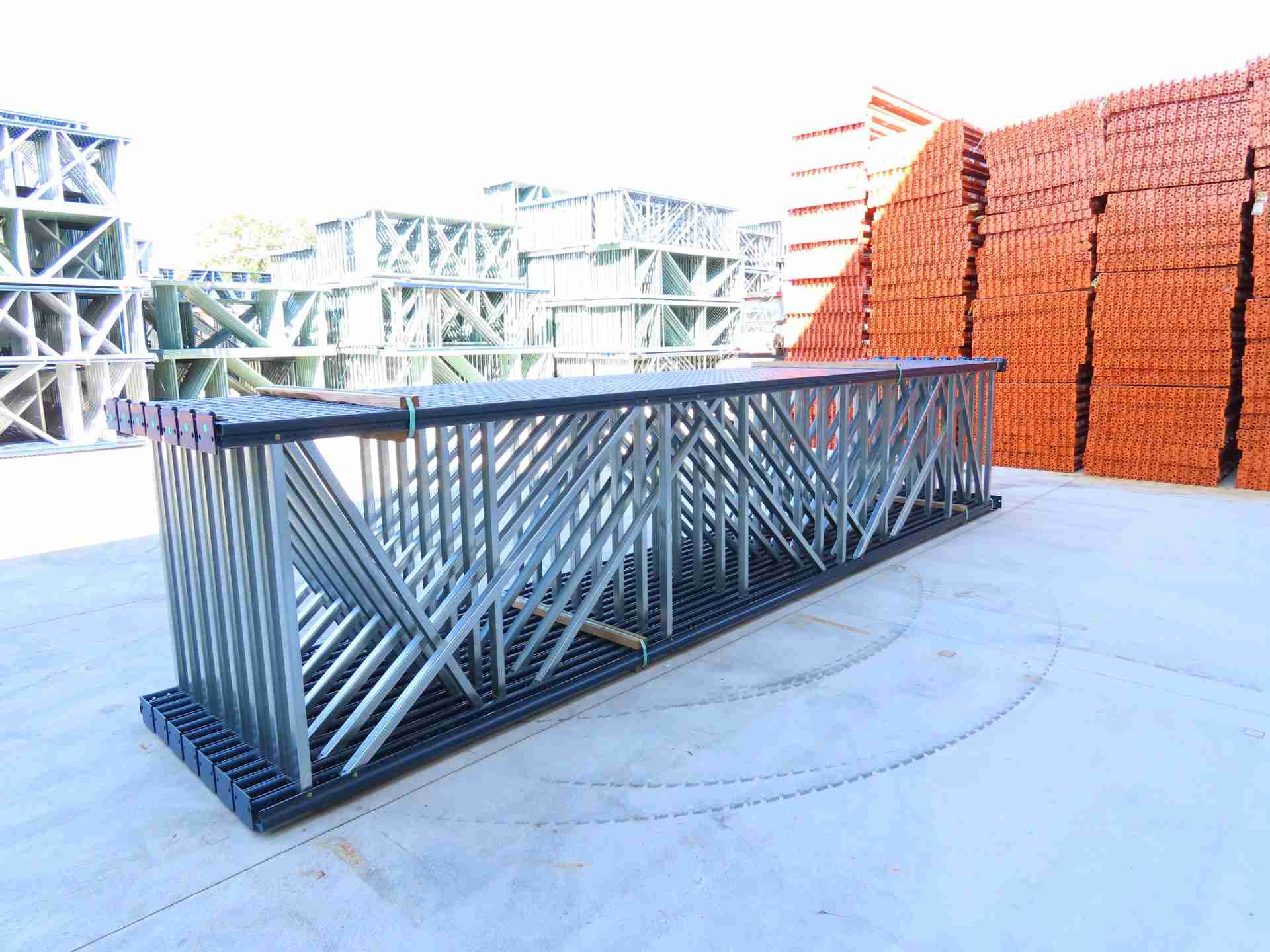
Conclusion
Other Resources

Other Resources
Here is a list of other resources you can review online to learn more:
- BMH
- Illinois Pallet Racking – WPRP
- Interlake
- Material Handling Safety
- WERC
- Chicago Pallet Racking
- Storage Equipment Manufacturers’ Association
- IWLA
- Mustang Material Handling
Use This Prompt To Get More Resources With Your Favorite Online AI Tool: Please provide me with a list of online articles with their URLs in a bulleted list that I can read regarding What Should You Consider When Choosing Warehouse Shelving?

Other Resources
Glossary Terms
What Should You Consider When Choosing Warehouse Shelving? – Glossary Of Terms
1. Adjustability: The ability of shelving units to be modified in height or configuration to accommodate various sizes of goods.
2. Capacity: The maximum weight or volume that a shelving unit can safely hold.
3. Configuration: The layout design of shelving units, which can impact warehouse flow and efficiency.
4. Durability: The strength and longevity of shelving materials under normal operational stress, indicating how well they withstand wear and tear.
5. Ergonomics: The study of how shelving design affects worker comfort and efficiency, promoting ease of access and minimal strain.
6. Heavy-duty Shelving: Specialized shelving designed to support particularly heavy items and withstand substantial load.
7. Inventory Management: The process of tracking and controlling stock, which can be facilitated by appropriate shelving solutions.
8. Load Distribution: How weight is spread across shelving units, important for ensuring safety and preventing damage.
9. Mobile Shelving: Shelving systems mounted on wheels that can be easily moved to maximize space when not in use.
10. Pallet Racking: A type of shelving designed for storing pallets, generally in large quantities, often found in warehouses.
11. Modular Shelving: Shelving units that can be combined or reconfigured to suit different storage needs.
12. Rust Resistance: The ability of shelving materials to resist corrosion and rust, essential for maintaining structural integrity in humid environments.
13. Safety Standards: Regulations and best practices that shelving units must meet to ensure safe usage in warehouses.
14. Space Utilization: The effective use of available storage space to maximize inventory capacity and reduce clutter.
15. Static Shelving: Shelving that does not move, designed for stable, long-term storage of goods.
16. Steel Shelving: Shelving made from steel, known for its strength, durability, and ability to support heavy loads.
17. Storage Density: The amount of product that can be stored per unit of space, a crucial factor in maximizing warehouse efficiency.
18. Vertical Space: Utilizing height in a warehouse through tall shelving units to increase storage capacity without expanding the floor area.
19. Access Height: Refers to how easy it is to reach items stored at various heights, influencing worker safety and efficiency.
20. Customize: The ability to tailor shelving solutions to specific needs, including size, material, and layout.
21. Aisle Width: The distance between shelves, which affects accessibility and movement of goods in a warehouse.
22. Shelving Materials: The types of materials used in shelving construction, influencing durability, cost, and capacity.
23. Load-Bearing Capacity: The maximum weight that a shelving unit can support without structural failure.
24. Binning Systems: Shelving that incorporates bins or containers, facilitating organization and quick access to items.
25. Cost Efficiency: The assessment of shelving solutions based on their purchase, installation, and maintenance costs relative to their operational benefits.
26. Safety Regulation Compliance: Ensuring shelving systems meet local and industry-specific safety guidelines to protect workers and reduce liabilities.
27. Sustainability: Consideration for environmentally friendly materials and practices in shelving production and usage.
28. Shelving Design: The overall aesthetic and functional design of shelving that impacts usability and space management.
29. Installation Process: The steps and expertise required to set up shelving systems, affecting time and resource allocation.
30. Weight Distribution: Refers to how weight is spread across shelves, critical for maintaining stability and preventing damage.

Glossary Of Terms
Other Questions
What Should You Consider When Choosing Warehouse Shelving? – Other Questions
If you wish to explore and discover more, consider looking for answers to these questions:
- What are the benefits of using pallet racking over other shelving options?
- How do I measure my warehouse space for shelving installation?
- What factors affect the cost of different shelving systems?
- How can I improve the workflow in my warehouse with proper shelving?
- What types of safety equipment should I use with pallet racking?
- How often should I inspect my shelving and racking systems?
- Can I customize shelving systems to fit my specific needs?
- What are the common mistakes to avoid when selecting warehouse shelving?
- How can I effectively label and organize my shelving for better inventory management?
- What signs indicate that I need to replace or upgrade my shelving?
- Are there any specific regulations for shelving in cold storage environments?
- What training do employees need to safely use shelving and racking systems?
- How do weight limits vary between different shelving materials?
- What styles of shelving are best for specific types of products?
- Can shelving systems be moved or reconfigured easily?

Other Questions
Checklist
What Should You Consider When Choosing Warehouse Shelving? – A Checklist
Warehouse Shelving Selection Checklist
This checklist is designed to help you assess your needs and make informed decisions when selecting warehouse shelving. Use it as a guide to ensure you choose the right shelving solutions that maximize efficiency, accessibility, and safety.
1. Assess Your Space
_____ Measure ceiling height and floor area.
_____ Consider warehouse layout for optimal shelving placement.
_____ Identify potential wasted spaces.
2. Inventory Considerations
_____ List the types and sizes of products being stored.
_____ Determine if you need heavy-duty shelving (e. g. , pallet racking) for bulky items.
_____ Consider adjustable shelving for smaller items to enhance flexibility.
3. Accessibility
_____ Evaluate ease of access to all shelving units.
_____ Consider the flow of products in and out of your warehouse.
_____ Think about retrieval times and employee movement.
4. Safety Compliance
_____ Research and understand local safety regulations.
_____ Check the durability and compliance of shelving models.
_____ Ensure proper safety features (e. g. , locking mechanisms, weight distribution).
5. Scalability
_____ Choose shelving options that can be easily expanded or adjusted.
_____ Consider modular shelving for evolving inventory needs.
6. Budget
_____ Determine your budget for shelving solutions.
_____ Evaluate the long-term cost-effectiveness versus initial expenditures.
_____ Compare quality and durability of options within your budget.
7. Type of Shelving Materials
_____ Decide on the best material (steel, wood, plastic, etc. ) based on inventory and environment.
_____ Assess strength and durability requirements.
_____ Consider aesthetic preferences for customer-facing areas.
8. Determine Shelf Height
_____ Analyze the dimensions of your products to decide appropriate shelf heights.
_____ Consider customer height for accessible product placement.
_____ Ensure high shelves have safety measures in place.
9. Evaluate Adjustable Shelving
_____ Assess the benefits of adjustable shelving for changing inventory.
_____ Consider modular or customizable shelving options for improved organization.
_____ Think about aesthetic benefits and overall space enhancement.
10. Understand Safety Regulations
_____ Familiarize yourself with OSHA standards and other relevant regulations.
_____ Conduct regular inspections of your shelving systems.
_____ Implement staff training on loading practices and safety compliance.
Additional Tips:
_____ Regularly revisit and assess your shelving needs as your business grows.
_____ Encourage staff feedback on shelving efficiency and accessibility.
_____ Stay informed about new shelving technologies or systems that could benefit your operation.
Use this checklist to ensure that you cover all crucial aspects when purchasing warehouse shelving, promoting an organized, safe, and efficient workspace!

Checklist
At RackingWorld, we help guide you through selecting warehouse storage systems and racking.
Be sure to read our other related stories at RackingWorld to learn more about warehouse storage systems.
0 Comments