
Don’t Let Neglected Warehouse Shelves Cost You
By Tom Seest
At RackingWorld, we help guide you through selecting warehouse storage systems and racking.
Act now! Call Arrow Industrial Sales at (574) 349-6575 for tailored solutions that can take your business to heights you never imagined possible. Don’t let inefficiencies linger and costs mount. Embrace change, invest in better systems, and watch your business flourish. Time waits for no one—take the proactive step today! Your future of enhanced efficiency and profitability is just a phone call away.
Be sure to read our other related stories at RackingWorld to learn more about warehouse storage systems.
Are You Overlooking Damaged Warehouse Shelves?
When was the last time you gave your pallet racking a thorough inspection? If it’s been a while, you might be putting not just your inventory, but your entire operation at risk. Picture this: your warehouse is humming with activity, deliveries are flowing in and out, and yet your eyes linger on that rickety shelf in the corner. You shrug it off because the damage seems minor. But let’s stop right there—minor issues can lead to major catastrophes.
Lost revenue, employee injuries, and the headache of downtime are just a few consequences you may face. Ignoring the condition of your pallet racking isn’t just a bad call; it’s a gamble with the safety of your workspace. And trust me, safety should never be up for negotiation.
Your warehouse is the heartbeat of your business, and every component—from the forklifts to the shelves—needs to work in perfect harmony. When damaged, pallet racking can compromise that harmony, affecting not just efficiency, but morale too. Employees thrive in a well-organized, safe environment. When they see damaged equipment and disarray, their confidence takes a hit.
Let’s be real: it’s easy to overlook such issues in the hustle and bustle of daily operations. But prioritizing maintenance and regular inspections can prevent the catastrophic events that often arise from the “out of sight, out of mind” mentality. Taking the time to assess and address even minor issues opens the door to greater safety, a more effective workflow, and peace of mind.
Here’s a call to action: carve out time this week for a complete assessment of your pallet racking. Look for bent beams, signs of rust, or any indications that it’s time for repair or replacement. Create a culture where safety and maintenance come first. When your team sees you care about their safety, it boosts morale and productivity, showing that your business isn’t just about the bottom line; it’s about people.
By addressing damaged warehouse shelves promptly, not only do you protect your assets—you invest in the future of your warehouse and your people. So, why wait? Secure your safety, enhance productivity, and keep your operations running smoothly. Your warehouse—and your team—will be all the better for it.

Are You Overlooking Damaged Warehouse Shelves?
Are You Overlooking Damaged Warehouse Shelves?
- Regular inspections of pallet racking are crucial for warehouse safety and efficiency.
- Minor damage can escalate into major issues including lost revenue and employee injuries.
- Ignoring equipment condition is a gamble that endangers workspace safety.
- Warehouse harmony relies on well-functioning components, including pallet racking.
- Employees’ morale can suffer in environments with damaged equipment and disorder.
- Prioritizing maintenance and inspections prevents catastrophic incidents.
- Conduct a thorough assessment of pallet racking to enhance safety and productivity.

Are You Overlooking Damaged Warehouse Shelves?
Table Of Contents
- Are You Overlooking Damaged Warehouse Shelves?
- Are Your Warehouse Shelves Regularly Inspected For Damage?
- What Signs Indicate A Damaged Shelf?
- How Can Damaged Shelves Affect Your Inventory?
- What Are The Safety Risks Of Using Damaged Shelves?
- How Often Should Warehouse Shelves Be Replaced?
- What Are Cost-Effective Solutions For Repairing Shelves?
- Conclusion
- Other Resources
- Glossary Of Terms
- Other Questions
- Checklist
Are Your Warehouse Shelves Regularly Inspected For Damage?
In the bustling world of logistics and warehousing, your pallet racking systems are the backbone of your operations. These essential shelves don’t just store goods; they hold the weight of your business’s success. So, why are they often left uninspected and neglected until it’s too late?
Imagine for a moment the potential chaos that can ensue if a load-bearing shelf suddenly collapses. Not only could it lead to product loss, but it could also jeopardize the safety of your team. This is no trivial matter; it’s a ticking time bomb that many warehouse managers overlook. Regular inspections should be your fortress against unforeseen calamities!
But where do you start? First, instill a culture of diligence within your team. Regularly scheduled inspections may seem tedious, but they are vital for maintaining the integrity of your pallet racking systems. Make it a weekly ritual. Why not create a checklist that captures every nook and cranny? And don’t just focus on aesthetic flaws; delve deeper into structural integrity. Look for signs of bending, rust, or damage that could compromise strength.
Moreover, consider investing in specialized training for your staff. Equip them with expertise to identify potential hazards before they escalate into full-blown disasters. When your employees are well-informed, you’re not just fostering a safer work environment; you’re promoting long-term trust and commitment within your team. They’ll feel empowered, and that empowerment often translates to increased morale and productivity.
Additionally, think about the ROI of regular inspections. A small investment in time can save you the astronomical costs associated with workplace injuries and damaged inventory. Think of it as an insurance policy—one that pays dividends in peace of mind. You wouldn’t drive a car without checking the brakes, so why let your warehouse operate without regular evaluations?
Finally, build a relationship with a professional inspection service that specializes in warehouse safety. They bring expertise and a fresh set of eyes to identify vulnerabilities you may have missed. This partnership can serve as your safety net, ensuring that your pallet racking systems operate without fail.
So, are your warehouse shelves being scrutinized for damage? If not, it’s time for you to take action. Keep your business thriving by prioritizing the safety and integrity of your essential storage systems. You owe it to your employees, your products, and your bottom line. Don’t wait until it’s too late! Inspect, repair, and maintain—your future depends on it.

Are Your Warehouse Shelves Regularly Inspected For Damage?
Are Your Warehouse Shelves Regularly Inspected For Damage?
- Pallet racking systems are essential for logistics and warehousing, acting as the backbone of operations.
- Neglecting regular inspections can lead to dangerous collapses, risking product loss and employee safety.
- Develop a culture of diligence with regular, scheduled inspections to ensure the integrity of pallet racks.
- Create a comprehensive checklist to assess both aesthetic and structural issues, including signs of bending or rust.
- Invest in specialized training for staff to empower them to identify hazards and promote a safer work environment.
- Consider the return on investment for inspections, as they can prevent costly workplace injuries and inventory damage.
- Partner with a professional inspection service for expert insights and to enhance overall warehouse safety.

Are Your Warehouse Shelves Regularly Inspected For Damage?
What Signs Indicate A Damaged Shelf?
When it comes to maintaining a safe and efficient workspace, your shelving—especially the often-overlooked pallet racking—plays a pivotal role. Although these structures are designed to withstand substantial weight and pressure, they are not impervious to wear and tear. So, how can you tell if your shelves are in trouble? Let’s dive into the common signs that can signal a potential issue, ensuring you avoid costly mishaps and maintain a seamless operation.
First, always be on the lookout for visual clues. Any noticeable bends or warping in your pallet racking should raise a red flag. Just like a house with a cracked foundation, a distorted shelf can lead to catastrophic failures. Inspect the beams and uprights for dents or other deformities. If you catch a shelf that seems to sag under pressure, it’s time to take immediate action. The weight distribution could be off, creating a hazardous situation for your goods—and for your team.
Next, consider the stability of your pallet racking system. Does it wobble or shake when lightly bumped? If so, it’s essential to delve deeper into the issue. A shaky shelf not only puts your inventory at risk but can also jeopardize the safety of personnel nearby. A proactive approach here not only keeps your warehouse operational but also upholds the trust of your employees and customers.
Now, let’s talk about the alarm bells that can’t be seen. Listen closely for any unusual creaking or groaning sounds when shelves are loaded. This could indicate that the materials are under undue stress, and ignoring this auditory warning could lead to unexpected and potentially dangerous collapses. Your senses are a valuable tool—don’t ignore them.
In addition, keep an eye on how your product is stored. If you regularly find items precariously perched at the edge of shelves or toppled boxes, it’s a sign that your pallet racking may not be suited to hold what you’re asking of it. Proper organization and adherence to weight limits are crucial for maintaining structural integrity.
Lastly, consider the regularity of inspections. If you haven’t checked your rack systems recently, schedule a thorough review. This proactive measure not only keeps your workspace safe but also demonstrates your commitment to quality and employee safety. Remember, maintaining the strength of your pallet racking isn’t just about protecting inventory; it’s about creating a reliable and efficient environment that fosters trust, confidence, and productivity. Taking these signs seriously can save you time, money, and the stress of unforeseen complications. So, roll up your sleeves and take charge—your shelves will thank you!

What Signs Indicate A Damaged Shelf?
What Signs Indicate A Damaged Shelf?
- Pallet racking is crucial for maintaining a safe and efficient workspace.
- Visual inspection is essential; look for bends, warps, and dents in shelves.
- Sagging shelves may indicate improper weight distribution and require immediate action.
- Check the stability of shelves; any wobbling could endanger both inventory and personnel.
- Listen for unusual sounds like creaking or groaning, which can signal undue stress on materials.
- Observe product placement; items at the edge or toppled suggest inadequate racking for storage needs.
- Regular inspections are vital for safety and demonstrate commitment to maintaining a reliable workspace.

What Signs Indicate A Damaged Shelf?
How Can Damaged Shelves Affect Your Inventory?
Imagine walking into your warehouse, where rows of gleaming pallet racking stand like stalwart sentinels, ready to cradle your precious inventory. But what if a crucial part of that system—the shelves—were compromised? It’s not just a few scratches or dents you need to worry about; damaged shelves can send ripples through your entire operation.
Think about it: every product on those shelves represents a slice of your hard-earned profits. Each box, each item, is part of the promise you make to your customers. Now, consider what happens when a shelf collapses, or worse, when diminished structural integrity means risking product safety. Shoddy storage can lead to spoilage, breakage, and lost sales, not to mention the potential for injuries. Suddenly, your promise turns into a liability.
In retail and storage, perception matters. Customers who see products strewn about or compromised should never rattle your professional image. If they spot damaged shelves in your facility, their confidence in your ability to deliver may take a dive. Don’t leave room for doubt! Product organization is not merely an aesthetic choice; it’s a strategy that communicates reliability. A professional, well-organized space sends a clear message: “We care about quality and safety.”
When inventory goes unprotected because of compromised pallet racking, the fallout can be staggering. You’ll see an immediate impact on your bottom line—not to mention the potential long-term damage to your reputation. It’s critical to maintain the integrity of your display and storage systems right down to each shelf.
By properly investing in durable pallet racking, you’re not just protecting physical items; you’re safeguarding your brand. Regular inspections, timely repairs, and even strategic upgrades to your equipment can help avoid costly setbacks and reinforce your commitment to excellence. Your customers want to trust that you deliver, so make sure your inventory storage reflects that commitment!
Now is the time to take action. Evaluate your current storage systems: are your shelves what they should be? If they’re not, it’s time to consider solutions that bolster your operations. After all, every solid foundation begins with unwavering support—so don’t let damaged shelves compromise your success. Invest in quality, and watch your inventory thrive!

How Can Damaged Shelves Affect Your Inventory?
How Can Damaged Shelves Affect Your Inventory?
- Compromised shelves in pallet racking can disrupt warehouse operations and impact inventory safety.
- Damaged shelves lead to product spoilage, breakage, and lost sales, posing a liability rather than a promise.
- Customer perception and trust are affected by the visibility of damaged shelves or disorganized products.
- Well-organized and intact inventory storage communicates reliability and a commitment to quality.
- Protecting physical inventory correlates directly with maintaining a positive brand reputation.
- Regular inspections, repairs, and upgrades to storage systems can prevent costly operational setbacks.
- Investing in high-quality shelving is essential for operational success and customer trust—evaluate and improve your storage solutions.

How Can Damaged Shelves Affect Your Inventory?
What Are The Safety Risks Of Using Damaged Shelves?
Imagine walking into a warehouse where the shelves are teetering, screws are loose, and the sight of damage sends chills down your spine. It’s not just an aesthetic issue—it’s a serious safety risk. When we talk about pallet racking, we aren’t just discussing a mere metal structure; we’re talking about the backbone of storage efficiency and safety in your operations. Damaged shelves can jeopardize not just your inventory but the safety of your employees and the integrity of your entire workflow.
Picture this: A fully loaded pallet racking system that’s become compromised due to even minor damage can lead to catastrophic consequences. It only takes one unstable shelf to collapse under the weight of products, leading to potential injuries or even loss of life. Nobody wants to be in a situation where a routine task turns into an emergency because safety wasn’t prioritized.
Now, you might be wondering how common this issue really is. Consider the wear and tear that every workplace experiences. Heavy items being loaded and unloaded, careless mistakes, or even environmental factors can all contribute to the deterioration of your pallet racking. Ignoring these physical signs can put your organization at risk, resulting in costly accidents, not to mention potential fines and lawsuits that can cripple your business.
A well-maintained shelving system doesn’t just enhance operational efficiency; it communicates a strong commitment to safety. Think of it as a reflection of your business values. When you invest in your infrastructure and address damage immediately, you send a clear message that you care about the well-being of your workforce. This builds trust not just among your staff, but also with your clients and partners who see that you take safety seriously.
Taking action is crucial. Regular inspections of your pallet racking system can save you from sleepless nights worrying about accidents waiting to happen. Empower your employees by educating them on identifying potential issues. By ensuring your shelving is intact and robust, you create a safer working environment, boost morale, and ultimately drive productivity. Isn’t it time you made safety a priority? Engage with your team today, assess your equipment, and take the necessary steps to protect what truly matters—you and your people.

What Are The Safety Risks Of Using Damaged Shelves?
What Are The Safety Risks Of Using Damaged Shelves?
- Pallet racking is vital for storage efficiency and safety in operations.
- Damaged shelves pose serious safety risks, jeopardizing both inventory and employee safety.
- A single unstable shelf can collapse, leading to potential injuries or fatalities.
- Wear and tear from regular operations can compromise pallet racking integrity.
- Ineffective maintenance can lead to costly accidents, fines, and lawsuits.
- Maintaining a shelving system reflects a commitment to safety and business values.
- Regular inspections and employee education are essential for creating a safer workplace.

What Are The Safety Risks Of Using Damaged Shelves?
How Often Should Warehouse Shelves Be Replaced?
When it comes to managing your warehouse, the question of how often to replace your pallet racking can evoke a sigh of frustration. After all, it represents not just an investment but also a critical component of your operational efficiency. So, let’s dig into this crucial topic together, and trust me, it will be worth your time!
Firstly, understand that warehouse shelves are not merely a place to stack goods; they are the backbone of your entire logistics strategy. Just like an art piece requires a sturdy frame, your inventory needs a robust racking system to ensure safety and accessibility. But how can you tell when it’s time to give those shelves the ol’ heave-ho?
Consider these key factors:
1. Condition: Regular inspections can reveal the telltale signs of wear and tear. If your pallet racking looks like it survived a minor war, it’s time to get serious about replacement. Rust, dents, or bent beams can compromise not just the integrity of the racking system but also the safety of your personnel. Don’t wait until a shelf gives way to take action!
2. Changes in Inventory: As your business evolves, so does your inventory. If you’re frequently changing the size or shape of what you’re storing, your existing pallet racking might not cut it anymore. An upgrade could enhance your space utilization and drive down costs. A shelf that can’t hold your products efficiently is a liability waiting to happen.
3. Technological Advancements: The racking industry continually embraces innovation. If your pallet racking is outdated, it may lack the features that could streamline your operations and improve safety. Investing in new shelving systems that utilize the latest technology can lead to greater efficiency and reduced downtime.
4. Regulatory Compliance: Always be aware of local safety regulations. If your shelving systems are no longer compliant, you could be risking heavy fines or, worse, the safety of your employees.
Ultimately, the timing of replacing your warehouse shelves often comes down to using common sense and prioritizing safety and efficiency. Don’t think of it as merely a replacement—view it as an investment in your operational future. After all, a well-organized, safe warehouse doesn’t just protect your assets; it enhances your reputation for reliability and professionalism. So, when in doubt, err on the side of caution and get those shelves checked today! Your team and your bottom line will thank you.

How Often Should Warehouse Shelves Be Replaced?
How Often Should Warehouse Shelves Be Replaced?
- Managing warehouse pallet racking is crucial for operational efficiency and requires regular assessment.
- Warehouse shelves are vital for logistics, providing safety and accessibility for inventory.
- Regular inspections for condition can highlight issues such as rust, dents, or bent beams indicating a need for replacement.
- Changes in inventory size or shape may necessitate an upgrade in pallet racking to improve space utilization and reduce costs.
- Technological advancements in racking systems can enhance safety and streamline operations; outdated racking may hinder efficiency.
- Compliance with local safety regulations is essential to avoid fines and ensure employee safety.
- Replacing shelves should be viewed as an investment in operational future, enhancing reputation and safety in the warehouse.

How Often Should Warehouse Shelves Be Replaced?
What Are Cost-Effective Solutions For Repairing Shelves?
If you’ve ever experienced the frustration of sagging shelves or broken units in your home or workplace, you’re not alone. Every day, countless individuals encounter the challenge of maintaining organization without breaking the bank. Fortunately, the solutions are not only affordable but also incredibly effective. Now, let’s dive into some cost-effective ways to revive your shelving systems, so you can regain that organization and peace of mind.
First up is the power of pallet racking. This versatile solution can be transformed into your new storage superhero. Whether for your garage, office, or warehouse, pallet racking systems can be picked up at a fraction of the cost of traditional shelving. They’re designed to be durable and adjustable, allowing you to customize your storage solutions based on your unique needs. Instead of disposing of your old shelves, consider repurposing materials from pallet racking to create a solid foundation for storing everything from tools to office supplies. With a little creativity, you can build a reliable shelf unit that will save you both space and money.
Another fantastic option is to simply repair your existing shelves. Before you reach for the wallet, take stock of the materials you already have. Are there wobbling supports that can be tightened or replaced? Loose screws and brackets can often be the culprits behind a shelf’s poor performance. A simple weekend repair could breathe new life into your shelving without the hefty price tag of replacement. Remember, you don’t need to be a DIY expert to make these repairs; with online tutorials and DIY communities at your fingertips, you’ll quickly gain confidence and perhaps a new skillset along the way.
If you’re in search of more aesthetic solutions, think about adding decorative brackets or reinforcing it with a fresh coat of paint. This not only strengthens the shelf but gives it a visually appealing upgrade. People tend to neglect how a little touch-up can transform not just the look, but also the functional quality of your space.
Lastly, don’t overlook local marketplaces for second-hand materials. Often, you can find quality shelving units or parts for a steal. Investing a little time in these resources can lead to remarkable savings while you make effective change.
Repairing your shelves doesn’t have to be an unbearable task or an expensive venture. With a sprinkle of creativity, some elbow grease, and the right resources, you can create a robust and organized space that reflects your personal style—all on a budget you can feel good about!

What Are Cost-Effective Solutions For Repairing Shelves?
What Are Cost-Effective Solutions For Repairing Shelves?
- Many individuals face challenges with sagging shelves and broken units in their homes or workplaces.
- Pallet racking systems offer an affordable and versatile solution that can be customized to various spaces.
- Repurposing materials from pallet racking allows for the creation of sturdy shelf units for tools and office supplies.
- Repairing existing shelves can be a cost-effective alternative to replacement, often requiring simple fixes.
- Online tutorials and DIY communities can help individuals gain confidence in making repairs.
- Adding decorative brackets or paint can enhance both the strength and aesthetic appeal of shelves.
- Local marketplaces are valuable resources for finding affordable second-hand shelving materials.

What Are Cost-Effective Solutions For Repairing Shelves?
Conclusion
In the dynamic world of warehousing and logistics, overlooking the condition of your pallet racking systems can spell disaster—both operationally and financially. As you’ve read, the stakes are high when it comes to damaged warehouse shelves. A moment of inattention can lead not only to loss of inventory but also, more critically, to employee injuries or worse. Understanding the imperatives of regular inspection and maintenance of your shelving infrastructure is not just sound business practice; it’s essential for fostering a safe, productive work environment.
The implications of a neglected racking system extend far beyond aesthetics. They impact employee morale, operational efficiency, and your bottom line. When employees see that their safety is prioritized, a positive culture of responsibility flourishes, yielding boosts in productivity and trust. On the flip side, damaged shelves can lead to costly operational delays and a tarnished reputation, deterring potential customers.
It’s clear that regular inspections, timely repairs, and strategic replacements are crucial. Create a routine auditing process—perhaps a weekly checklist—that holds your racking systems accountable, and don’t hesitate to engage your team in this mission. Empower them with knowledge on identifying structural flaws, fostering a culture where safety is everyone’s responsibility. Invest in expert solutions, and don’t shy away from consulting professionals like Arrow Industrial Sales.
Now is the time to act! The risks of complacency far outweigh the modest investment of time and resources required to maintain the integrity of your system. Don’t let negligence become a ticking time bomb in your operations. Evaluate your warehouse shelving today; seek out any signs of wear and tear or instability, and consider the future by potentially upgrading to more robust solutions.
At Arrow Industrial Sales, we are dedicated to ensuring that your operational backbone—the shelving systems—remains strong and reliable. Contact us today at (574) 349-6575 for expert advice tailored to your needs, or to learn about cost-effective solutions to elevate your warehouse safety and efficiency! Don’t wait for minor issues to escalate into major catastrophes. Reach out now and invest in the safety and success of your business today!

Conclusion
Conclusion:
- Overlooking pallet racking systems can lead to operational and financial disasters.
- Neglected racking systems can result in inventory loss and, more critically, employee injuries.
- Regular inspection and maintenance are crucial for a safe and productive work environment.
- Employee morale and operational efficiency improve when safety is prioritized.
- Damaged shelves can cause costly delays and damage company reputation.
- A routine auditing process, including team engagement, can enhance safety awareness.
- Investing in expert solutions and timely repairs is essential to maintain shelving integrity.

Conclusion
Other Resources

Other Resources
Here is a list of other resources you can review online to learn more:
- Storage Equipment Manufacturers Association
- The Ultimate Pallet Racking Guide – Speedrack West
- Selective Pallet Racking Systems
- Iowa Illinois Warehouse Racking
- What is Selective Racking: Understanding Benefits & Options
- Teardrop Uprights
- Teardrop Pallet Rack – Ridg-U-Rak
- Pallet Racking 101: A Comprehensive Guide & Options Explained
- Selective Rack – Raymond West
- Chicago Pallet Racking
Use This Prompt To Get More Resources With Your Favorite Online AI Tool: Please provide me with a list of online articles with their URLs in a bulleted list that I can read regarding Are You Overlooking Damaged Warehouse Shelves?

Other Resources
Glossary Terms
Are You Overlooking Damaged Warehouse Shelves? – Glossary Of Terms
1. Aisle: A passageway between rows of shelves in a warehouse, allowing for the movement of personnel and equipment.
2. Audit: A systematic examination of warehouse shelves to assess their condition and safety standards.
3. Capacity: The maximum weight that warehouse shelves can support without risking structural failure.
4. Deformation: The alteration in the shape or structure of a shelf due to excessive weight or impact.
5. Inspection: A careful examination of shelves to identify signs of damage like cracks, rust, or bending.
6. Load distribution: The way weight is spread across shelves to maintain stability and prevent collapse.
7. Maintenance: Regular care and repairs performed on warehouse shelves to ensure their longevity and safety.
8. Material handling: The process of moving goods within a warehouse, including storing and retrieving items from shelves.
9. OSHA: The Occupational Safety and Health Administration, a regulatory agency that sets safety standards for workplaces, including warehouses.
10. Pallet: A flat structure used to support goods in a warehouse, typically placed on shelves for storage.
11. Rack and pinion: A type of shelving system that allows for easy access and modularity in storage.
12. Safety factor: A calculated ratio that ensures warehouse shelves can hold more than the intended weight to accommodate unforeseen circumstances.
13. Structural integrity: The capability of warehouse shelves to bear loads without collapsing or yielding.
14. Weight limit: The maximum amount of weight a shelf can hold safely.
15. Wear and tear: The gradual decline in condition of shelves due to regular use, which can lead to damage.
16. Forklift: A powered industrial truck used to lift and move materials in warehouses, often involved in damage if used carelessly around shelf units.
17. Compliance: Adherence to safety and health regulations governing warehouse operations and equipment, including shelf conditions.
18. Shelving unit: A modular structure designed to hold goods, which can consist of multiple shelves.
19. Impact damage: Harm caused to shelves from collisions with equipment or goods, often requiring repair or replacement.
20. Cleaning protocol: A set of procedures for maintaining the cleanliness and safety of warehouse shelves.
21. Restocking: The process of replenishing shelves with new inventory, which necessitates inspecting for damage.
22. Inventory management: A system of overseeing stock levels, including assessing shelf conditions to prevent logistical issues.
23. Racking system: A framework composed of rows of shelves designed for the storage of goods in a warehouse.
24. Defective shelving: Shelves that have inherent faults or damage, making them unsafe for use.
25. Weight distribution analysis: A method of evaluating how weight is placed on shelves to ensure balance and safety.
26. Emergency plan: A strategy developed to respond to shelf failures, accidents, or hazardous conditions in the warehouse.
27. Repair: The action taken to fix damaged warehouse shelves to restore their functionality and safety.
28. Preventative maintenance: Routine actions taken to avoid potential shelf damages before they occur, ensuring long-term reliability.
29. Inspection checklist: A list of criteria to evaluate when examining warehouse shelves for damage and safety compliance.
30. Shelf life: The expected duration a shelving unit can safely support loads before needing maintenance or replacement.
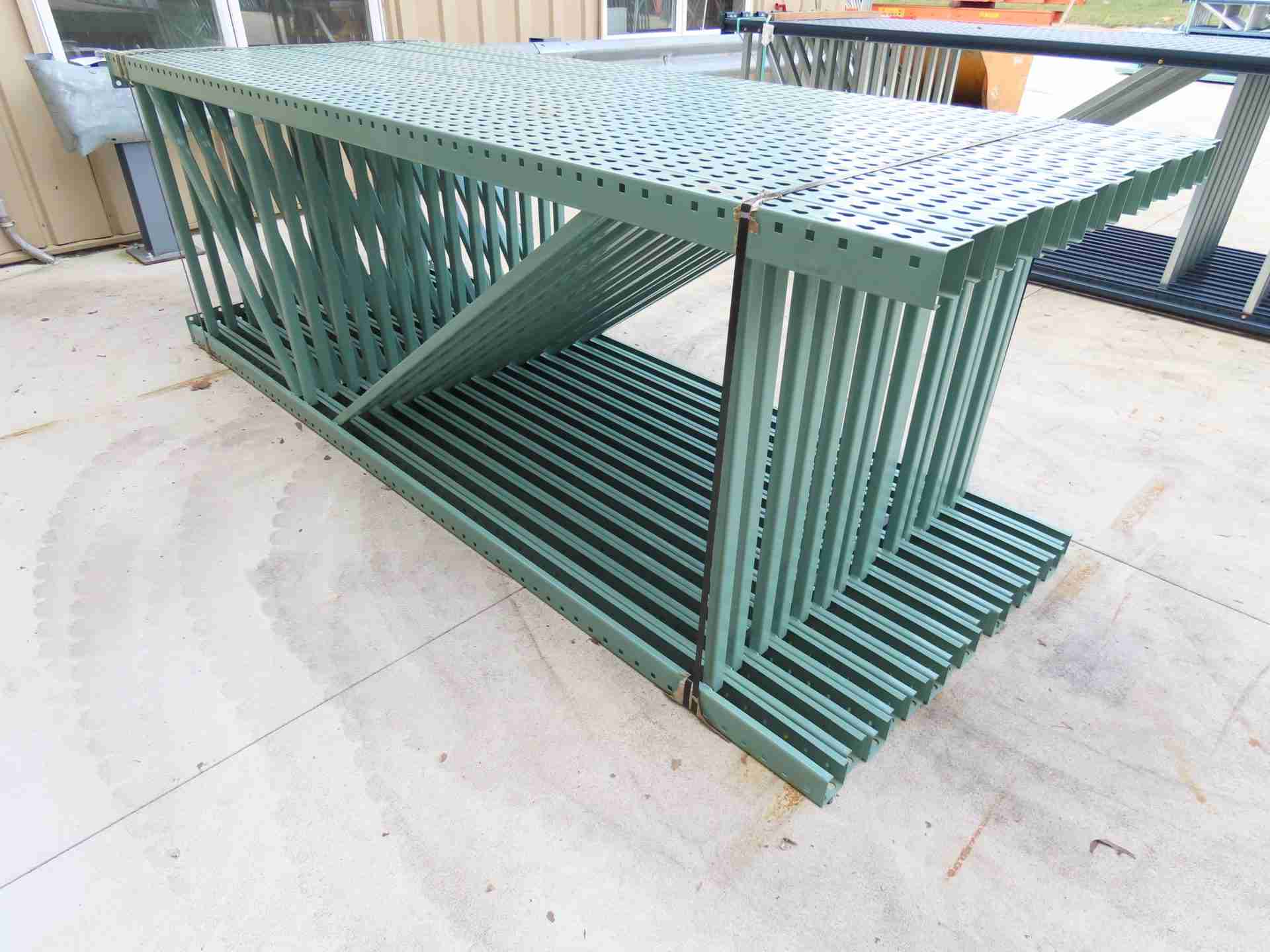
Glossary Of Terms
Other Questions
Are You Overlooking Damaged Warehouse Shelves? – Other Questions
If you wish to explore and discover more, consider looking for answers to these questions:
- What are the best practices for conducting warehouse shelf inspections?
- How can I train my staff to identify issues with pallet racking?
- What tools are needed for inspecting and repairing warehouse shelves?
- How can I create a maintenance schedule for my warehouse shelves?
- What are the legal requirements for warehouse shelf safety?
- What types of damage should be prioritized for immediate repair?
- How can I improve the overall safety culture in my warehouse?
- What are some common myths about warehouse shelf maintenance?
- How does damaged shelving affect insurance costs for businesses?
- Are there specific standards that warehouse shelving must meet?
- How can I effectively communicate the importance of shelf maintenance to my team?
- What should I do if an employee is injured due to damaged shelving?
- When is it more cost-effective to replace rather than repair shelving?
- What are alternative shelving solutions that could prevent future issues?
- How can I assess the return on investment of warehouse shelf maintenance?

Other Questions
Checklist
Are You Overlooking Damaged Warehouse Shelves? – A Checklist
Regular Inspection & Maintenance
1. Schedule Weekly Inspections
✅ _____ Set a specific day each week to assess your pallet racking systems.
2. Visual Inspection
✅ _____ Look for bends, warping, or dents in beams and uprights.
✅ _____ Check for signs of rust or corrosion.
3. Stability Check
✅ _____ Test the stability of shelves—does it wobble when lightly bumped?
4. Listen for Unusual Noises
✅ _____ Be attentive to creaking or groaning sounds when shelves are loaded.
5. Check Product Organization
✅ _____ Ensure items are properly stored and not precariously perched.
6. Document Findings
✅ _____ Keep a log of inspections, noting any issues for follow-up.
Employee Training & Culture
7. Train Employees
✅ _____ Provide training on how to identify potential hazards or signs of damage.
8. Foster a Safety Culture
✅ _____ Encourage team members to prioritize safety and report any concerns.
Damage Indicators
9. Identify Warning Signs
✅ _____ Look for sagging shelves or inconsistent weight distribution immediately.
10. Monitor Usage
✅ _____ Adjust shelving systems based on changes in inventory size or shape.
Repair & Replacement
11. Assess Condition Regularly
✅ _____ Review the overall condition of your pallet racking at least quarterly.
12. Determine Replacement Needs
✅ _____ Consider upgrading if shelves show extensive wear, damage, or regulatory non-compliance.
13. Explore Repair Options
✅ _____ Tighten loose screws, replace wobbling supports, and inspect brackets.
14. Repurpose Materials
✅ _____ Use parts from damaged shelving to reinforce or create new shelf units.
Safety Compliance & ROI
15. Stay Compliant
✅ _____ Regularly review local safety regulations related to warehouse shelving.
16. Calculate ROI on Inspections
✅ _____ Consider the financial benefits of avoiding workplace injuries and inventory loss through proactive maintenance.
Professional Assistance
17. Engage Professional Services
✅ _____ Consider hiring a professional inspection service for expert evaluations.
18. Tool Up
✅ _____ Have a toolkit ready for minor repairs (screwdriver, wrenches, paint for touch-ups).
Final Commitment
19. Commit to Safety
✅ _____ Make a personal commitment to prioritize shelving integrity for the well-being of employees and operational success.
20. Reflect on Organizational Values
✅ _____ Ensure that warehouse safety reflects your business’s values and commitment to quality.
By following this checklist, you’ll not only ensure the safety and efficiency of your warehouse shelves but also contribute to a workplace environment that prioritizes employee well-being and operational effectiveness.

Checklist
At RackingWorld, we help guide you through selecting warehouse storage systems and racking.
Be sure to read our other related stories at RackingWorld to learn more about warehouse storage systems.
0 Comments