
The Aftermath: Your Guide To Handling A Forklift Rack Collision
By Tom Seest
At RackingWorld, we help guide you through selecting warehouse storage systems and racking.
Be sure to read our other related stories at RackingWorld to learn more about warehouse storage systems.
What to Do After a Forklift Collision with a Rack
A forklift collision with a racking system can feel like the world’s gone sideways in an instant. One moment, you’re maneuvering through the warehouse with a sense of purpose; the next, chaos erupts. The immediate shock can cloud your judgment, but it’s essential to take a step back, breathe, and approach the situation with clarity.
First things first—safety. Your gut instinct might tell you to jump into action, but pause for just a moment. First, check yourself and those around you for injuries. It’s a gut-wrenching reality that a wreck like this can lead to serious harm, not just to machinery but to fellow workers. If someone’s hurt, seek medical attention immediately. Your team’s well-being isn’t just a moral obligation; it’s the beating heart of your workplace. They’re not just colleagues—they’re friends, teammates, and part of a community that thrives on trust and support.
Next, take a rational approach. Assess the damage to both the forklift and the racking. Recognize that racking systems can harbor risks of collapse or instability after an impact. Talk to someone who knows—speak to supervisors or safety personnel. This isn’t just about moving things along; it’s about ensuring everyone goes home safely at the end of the day.
Document everything with precision. Photographs, detailed descriptions, witness testimonies—these aren’t just bureaucratic steps; they represent the truth of an incident that demands accountability. Doing this builds trust among your peers and shows that you care about the integrity of your work environment.
Once you’ve dealt with the immediate crisis, a conversation is necessary. Engage with your team about what went wrong and how you can collectively improve. Share experiences and insights. Perhaps you’ve faced similar incidents or know someone who has. This storytelling connects us, promotes learning, and helps cultivate a culture of safety. It’s about taking ownership—not just for ourselves, but for our colleagues who count on us to uphold a safe workspace.
In the aftermath, executing necessary repairs and engaging in further training ensure that the cycle doesn’t repeat itself. This isn’t just about compliance; it’s about pride in our work. When we operate safely and efficiently, we honor not just our equipment but also the very essence of teamwork and professionalism that fuels our industry.
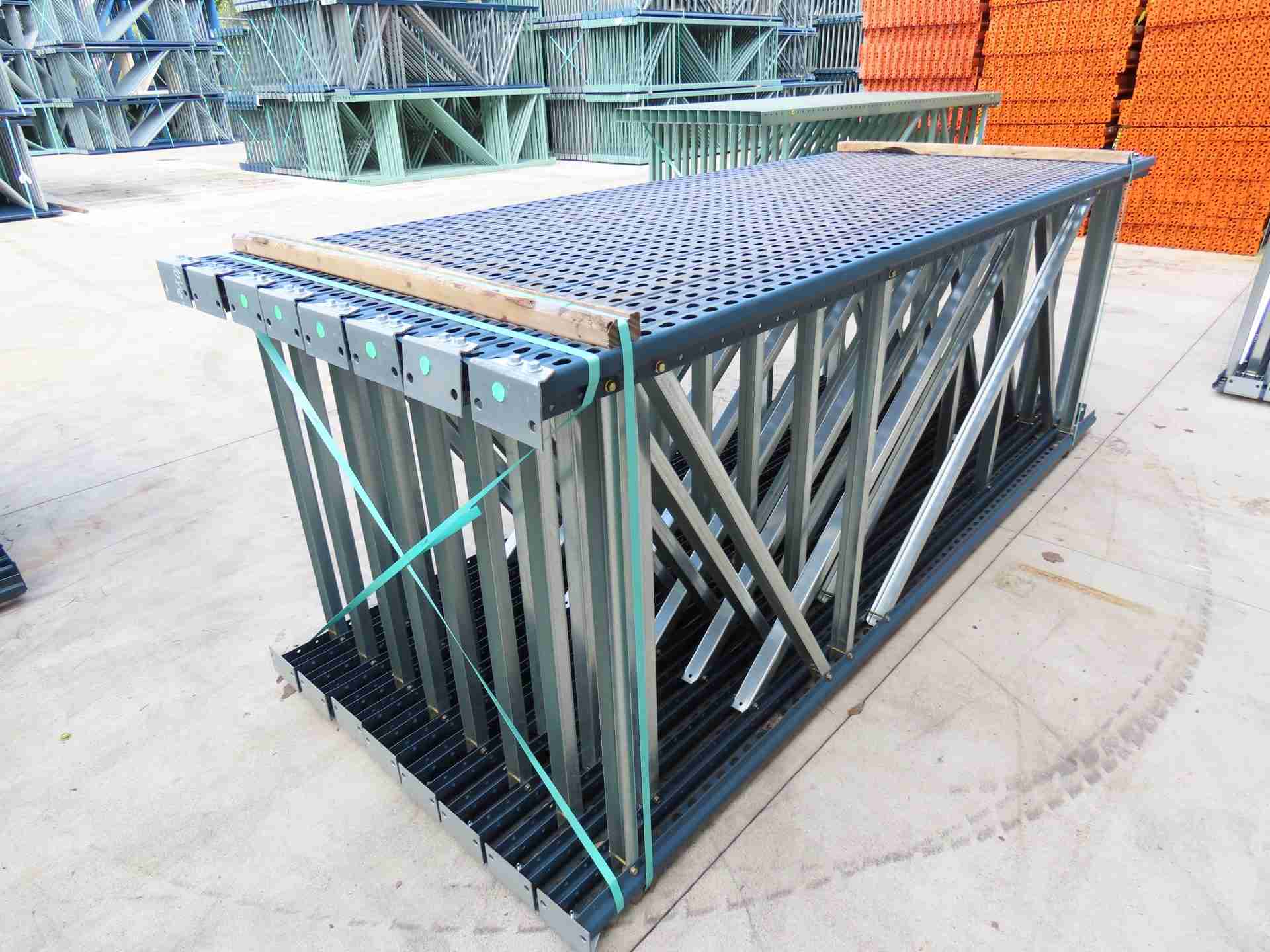
What to Do After a Forklift Collision with a Rack
What to Do After a Forklift Collision with a Rack
- A forklift collision creates immediate chaos in the workplace, requiring a calm approach.
- Prioritize safety by checking for injuries among yourself and coworkers; seeking medical attention if needed.
- Assess the damage to the forklift and racking system, and consult with supervisors or safety personnel.
- Document the incident thoroughly with photographs, descriptions, and witness testimonies to ensure accountability.
- Engage your team in discussions about the incident to promote learning and enhance safety culture.
- Take ownership of the situation to foster a sense of community and responsibility among colleagues.
- Execute necessary repairs and conduct further training to prevent future incidents and promote safe operations.
What to Do After a Forklift Collision with a Rack
Table Of Contents
- What to Do After a Forklift Collision with a Rack
- What Immediate Steps Should You Take After a Forklift Accident?
- How Can Proper Training Prevent Future Collisions with Racks?
- What Are the Potential Injuries to Workers In Forklift Accidents?
- What Ethical Responsibilities Do Employers Have Following an Incident?
- What Role Does Equipment Maintenance Play In Preventing Collisions?
- Conclusion
- Other Resources
- Glossary Of Terms
- Other Questions
- Checklist
What Immediate Steps Should You Take After a Forklift Accident?
When a forklift accident happens, the chaos can leave you feeling unmoored. In those first moments, it’s crucial to take a deep breath and ground yourself. Your first instinct might be to panic, but instead, let the immediacy compel you to act with intention.
First, assess the scene. Is anyone injured? If so, check that first aid is administered promptly—people come first. Racking isn’t just a fixture in a warehouse; it’s a framework holding up so many lives and livelihoods. Just like each rack has a purpose, so does every individual on your team. Getting them medical attention might mean the difference between a long recovery and a swift return to normalcy. Remember, it’s not just about sturdy equipment; it’s about the people who rely on that equipment.
Next, secure the area. This isn’t just about preventing further accidents; it’s about maintaining a sense of order in the chaos. Fellow employees might be shaken, and your calm demeanor can have ripple effects. In these moments of uncertainty, being a steady hand can inspire others to regain composure and focus.
Then comes the important task of documenting what happened. Use your phone to take pictures, jot down notes, or gather witness accounts. This isn’t merely red tape; it’s a route to clarity and resolution. Think of it as laying the groundwork for truth to emerge, for accountability to be championed, and for justice—if it is needed—to prevail. You want to ensure that every piece of information is captured, laying the groundwork for safety improvements down the line.
After you’ve gathered the facts, it’s time to communicate with supervisors and safety officials. You have a role to play in the bigger picture here—your insights can lead to policy changes that prevent similar situations. Think beyond the immediate; you hold the power to inspire systemic change that enhances the lives of everyone who walks through that warehouse door.
Finally, don’t shy away from emotional support. Talk to your coworkers, and share how you’re feeling; this isn’t a sign of weakness, it’s a recognition of shared experience. This is about people—their safety and their stories. Let that connection guide you through this turmoil. Together, as a community, not just a team, you can turn a painful moment into a powerful lesson. Your actions today can shape tomorrow’s realities, ensuring that the human side of machinery shines brighter than any piece of racking ever could.
What Immediate Steps Should You Take After a Forklift Accident?
What Immediate Steps Should You Take After a Forklift Accident?
- Stay calm and take a deep breath to ground yourself after a forklift accident.
- Assess the scene for injuries and prioritize administering first aid to those affected.
- Secure the area to prevent further accidents and maintain order amidst chaos.
- Document the incident by taking pictures and gathering notes or witness accounts.
- Communicate findings to supervisors and safety officials to inspire policy changes.
- Seek emotional support from coworkers to acknowledge shared experiences and foster community.
- Focus on the people involved; actions taken can improve safety and promote human connections.
What Immediate Steps Should You Take After a Forklift Accident?
How Can Proper Training Prevent Future Collisions with Racks?
When we talk about proper training in the world of warehousing and logistics, we’re not just fluffing up the curriculum with corporate jargon. We’re digging into something deeply human: the desire to keep people safe, to protect our colleagues, and to ensure everyone goes home at the end of the day. Those towering shelves filled with racking are more than metal structures holding goods; they represent a network of lives intertwined. Each day, thousands of workers navigate around these racks, their hands reaching for the next item, their feet moving briskly on the warehouse floor. You can’t help but feel a pulse of life under those fluorescent lights, and that pulse is driven by training that doesn’t just teach skills but fosters instincts for safety.
Imagine a seasoned employee mentoring a newcomer. They share stories about near misses and lessons learned—those real, raw experiences that textbooks often miss. “Hey, I once knocked over a whole row of items because I wasn’t paying attention,” the mentor says, eyes serious but filled with empathy. That moment resonates because it’s relatable; it’s a shared vulnerability that draws people together and underscores the necessity of comprehensive training.
Consider, too, that training helps cultivate authority. A well-trained staff isn’t just a benefit to your operations, it’s a pillar of trust within the workforce. When employees feel confident in their abilities to maneuver around racking safely, they’re less likely to make hasty decisions that could lead to chaos. Over time, a continuous learning environment builds a culture of safety and responsibility, where everyone learns from one another.
Furthermore, training goes beyond compliance. It’s an ethical responsibility. The implications of a collision are not abstract; they are tangible consequences that can lead to injury, loss, and upheaval in personal lives. Each session devoted to safety is an investment in someone’s future—an undeniable act of care for fellow employees.
Finally, let’s not overlook the social aspect. A team that trains together bonds over shared challenges and collective triumphs. The camaraderie formed in the break room after a safety drill or the laughter during a hands-on demonstration brings people closer, fostering a tight-knit community that holds each other accountable.
Ultimately, the question boils down to this: how can we afford not to focus on proper training? Every inch of warehouse space, every piece of racking, and every worker’s safety hangs in the balance. Together, we can make our environments safer while nurturing a culture of vigilance and connection that protects not just products, but the people who handle them.
How Can Proper Training Prevent Future Collisions with Racks?
How Can Proper Training Prevent Future Collisions with Racks?
- Proper training in warehousing and logistics prioritizes human safety and the well-being of colleagues.
- Training involves mentoring relationships where experienced employees share real-life experiences and lessons learned.
- A well-trained workforce fosters authority and trust, reducing hasty decisions that could lead to chaos.
- Continuous learning creates a culture of safety and responsibility among employees.
- Training is an ethical obligation, with tangible consequences for safety violations impacting lives directly.
- Team training enhances camaraderie and accountability, strengthening community bonds in the workplace.
- Focusing on proper training is essential for ensuring safety and protecting workers in warehouse environments.
How Can Proper Training Prevent Future Collisions with Racks?
What Are the Potential Injuries to Workers In Forklift Accidents?
When it comes to the world of forklifts, the heavy lifting they do often overshadows the dangers lurking beneath the surface. Picture this: a warehouse bustling with activity, pallets stacked high on racking, and workers darting in and out like a well-oiled machine. Everything seems routine, but in a split second, an accident can redefine that mundane scene. Forklift accidents are not just numbers on a safety report; they have real consequences that resonate deeply with families, friends, and entire communities.
Imagine a worker, Joe, who’s been on the job for years. He knows that forklift like the back of his hand. One day, during a busy shift, a careless moment—a split second when safety protocols slip from memory—leads to a collision. Suddenly, Joe is pinned beneath a load that was teetering on the edge of racking. It’s a nightmare scenario that could happen to any one of us. Injuries from forklift accidents can range from minor bruises to devastating outcomes, including fractures, spinal injuries, and, tragically, fatalities.
Rationally speaking, the statistics are sobering. According to industry reports, forklift accidents lead to thousands of injuries annually. These accidents often stem from operator error, lack of training, or even poorly maintained equipment. Ethical considerations come into play here. Employers have a responsibility—not just legally, but morally—to ensure that the work environment prioritizes safety. After all, every injury tells a story, and every life has value.
As we engage in conversations about workplace safety, let’s remember that there’s more at stake than numbers and compliance. We owe it to ourselves and to those we love to advocate for better training, regular safety drills, and stringent maintenance checks. It’s about fostering a culture where every individual feels empowered to speak up when they see unsafe practices.
We all have someone like Joe in our lives—a friend, a mentor, a family member. By prioritizing safety, we can prevent incidents that not only inflict physical harm but can also send shockwaves through families and communities. The onus is on all of us: employers, workers, and safety advocates alike. Let’s be proactive, informed, and united in the fight against workplace accidents. The health and safety of our workers depend on it, and together, we can work toward a future where every worker returns home safe and sound.
What Are the Potential Injuries to Workers In Forklift Accidents?
What Are the Potential Injuries to Workers In Forklift Accidents?
- Forklifts play a crucial role in warehouses but pose significant safety risks.
- Accidents can turn a routine work environment into a nightmare, affecting families and communities.
- Injuries from forklift accidents can range from minor bruises to severe consequences, including fatalities.
- Thousands of injuries occur annually due to operator error, lack of training, and poorly maintained equipment.
- Employers have both legal and moral responsibilities to prioritize workplace safety.
- Fostering a culture of safety includes better training, regular drills, and maintenance checks.
- Collective responsibility among employers, workers, and advocates is crucial for preventing accidents.

What Are the Potential Injuries to Workers In Forklift Accidents?
What Ethical Responsibilities Do Employers Have Following an Incident?
When an incident occurs in the workplace—whether it’s an accident, a missed deadline, or a sharp decline in morale—it rattles more than just those directly involved. The ripples spread out, touching every employee and, fundamentally, every aspect of the organizational culture. Employers must then step into a role that goes beyond mere legal compliance; they must embrace a profound ethical responsibility.
Picture yourself standing in a warehouse, surrounded by racking systems that house not just products, but also the hopes and livelihoods of your team. The sound of metal clanging echoes as employees navigate their daily tasks. Each day is a testament to their efforts. When something goes awry, it’s not merely a checklist of actions that needs tending to; it’s about restoring faith and connection. An employer has a moral duty to address the incident transparently, openly communicating about what happened, why it happened, and the steps being taken to prevent it in the future. It’s about showing employees that their safety and success are paramount—not just numbers in a ledger.
And let’s talk about trust. Trust isn’t built overnight. It’s a slow, steady process that forms the bedrock of employee engagement and loyalty. When an incident shakes that foundation, it’s a chance for employers to step up. They need to solicit feedback, encourage dialogue, and genuinely listen to their team’s concerns. This isn’t just good practice; it’s the right thing to do. You win hearts by making folks feel heard and respected, not just seen as cogs in the machine.
Rationally, companies that invest in the well-being of their employees reap rewards in productivity and retention. It’s a cycle; when employees feel valued, they are more likely to commit to their roles, bringing passion and innovation to the table. On the flip side, ignoring an incident can lead to disillusionment and disengagement, sapping the very spirit that drives a team forward.
The ethical responsibility doesn’t stop at addressing the immediate fallout. Employers must strive for continuous improvement—setting a precedent that prioritizes not just compliance but compassion. This creates a ripple effect, fostering a culture where employees rally together, share their stories, and become the tribe they were meant to be. By doing so, businesses don’t just navigate the turbulence; they emerge stronger, united through transparency and shared purpose.
What Ethical Responsibilities Do Employers Have Following an Incident?
What Ethical Responsibilities Do Employers Have Following an Incident?
- Workplace incidents affect not just those directly involved, but ripple through the entire organizational culture.
- Employers must go beyond legal compliance and embrace their ethical responsibility to their employees.
- Transparent communication about incidents is crucial for restoring faith and connection with the workforce.
- Trust, built over time, is essential for employee engagement and loyalty; incidents offer opportunities for employers to reinforce this trust.
- Investing in employee well-being leads to increased productivity and retention, while neglect can result in disillusionment.
- Employers should prioritize continuous improvement, focusing on compassion alongside compliance.
- A strong, compassionate culture encourages teamwork and shared purpose, helping businesses emerge stronger from challenging times.
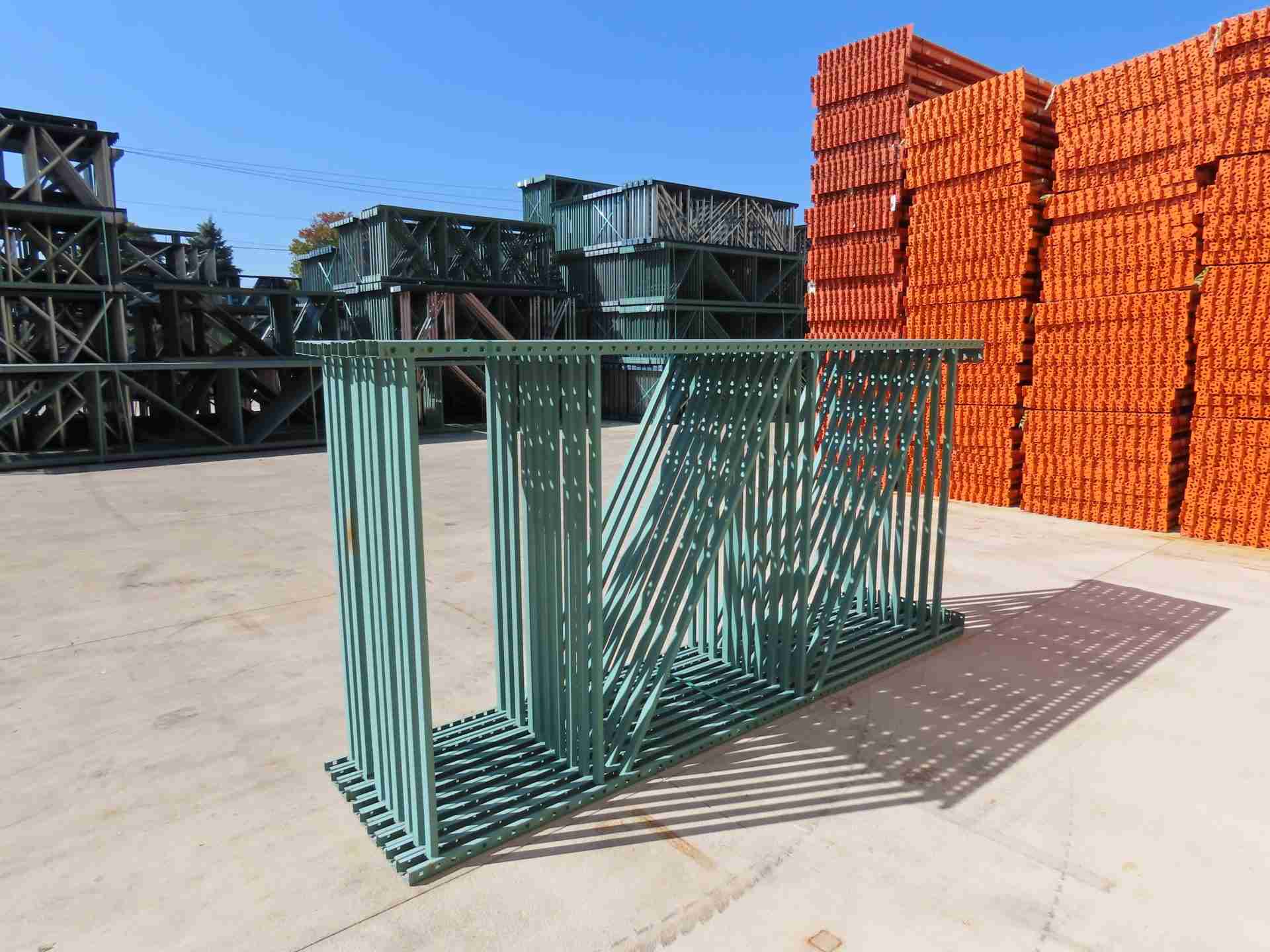
What Ethical Responsibilities Do Employers Have Following an Incident?
What Role Does Equipment Maintenance Play In Preventing Collisions?
When we think about preventing collisions—whether on the road, in the workplace, or at sea—our minds often jump to the actions of drivers, operators, or sailors. But pause for a moment and consider the unsung hero that often slides under the radar: equipment maintenance. Proper maintenance isn’t just a checklist to tick off; it’s the lifeblood that courses through the veins of machinery, ensuring that every bolt, every wire, and every gear operates in harmony, ready to deliver peak performance when it matters most.
Imagine a scenario: a truck, racked with heavy loads, powering down a highway. The driver may be skilled, the route may be familiar, but what if a critical component—the brakes—has been neglected? The difference between a routine drive and a potential tragedy hinges on that neglected maintenance check. In this moment, we feel the weight of responsibility, not just for ourselves, but for others sharing that road. Every time we elevate our equipment’s performance through diligent upkeep, we contribute to a safer community, forging a bond with our fellow travelers who rely on our collective vigilance.
In the world of machinery and vehicles, routine inspections and repairs are not merely suggestions—they are ethical imperatives. Every operator has the obligation to ensure that their equipment is in top-notch working condition, understanding that a momentary lapse could have catastrophic consequences. The overwhelming majority of collisions can be traced back to equipment failure that could have been avoided with proactive maintenance. Here lies a call to action: we must embrace a culture of care. Fostering this mindset cultivates a sense of accountability that stretches beyond the workplace and into our societal fabric, creating waves of safety and security.
Let’s not forget the human stories beneath these statistics. A father returning home, a daughter waiting, a life—a story—that could be shattered in an instant due to a preventable mishap. Each incident serves as a sober reminder of why we prioritize equipment maintenance: to honor the lives intertwined in our daily journeys. We become part of a larger narrative that emphasizes connection, purpose, and responsibility.
So, the next time you think about racking up those equipment maintenance tasks, remember: it’s not just metal and machinery at stake; it’s trust, confidence, and the lives we share this world with. Join the cause—be the guardian of safety, and let’s drive forward together, not just as operators, but as stewards of something far greater.
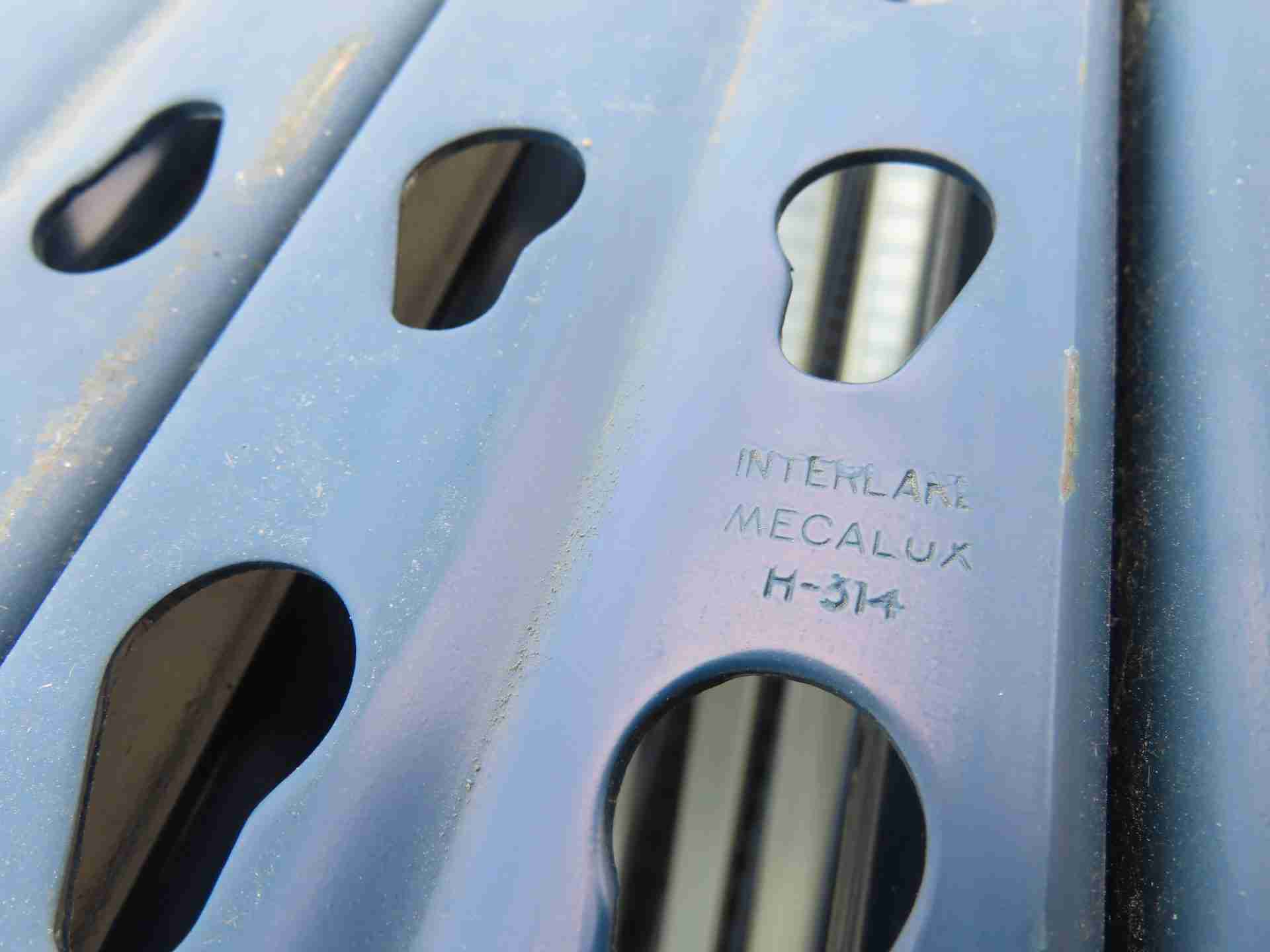
What Role Does Equipment Maintenance Play In Preventing Collisions?
What Role Does Equipment Maintenance Play In Preventing Collisions?
- Equipment maintenance is crucial in preventing collisions on the road, at work, or at sea.
- Proper maintenance ensures machinery performs optimally, reducing the risk of failures.
- A neglected maintenance check, like for brakes, can lead to tragic consequences despite skilled operation.
- Routine inspections and repairs are ethical obligations for operators to ensure safety.
- The majority of collisions result from equipment failure that could be avoided through proactive maintenance.
- Prioritizing maintenance cultivates accountability and promotes a safer community.
- Recognizing the human stories behind incidents emphasizes the importance of equipment maintenance in protecting lives.
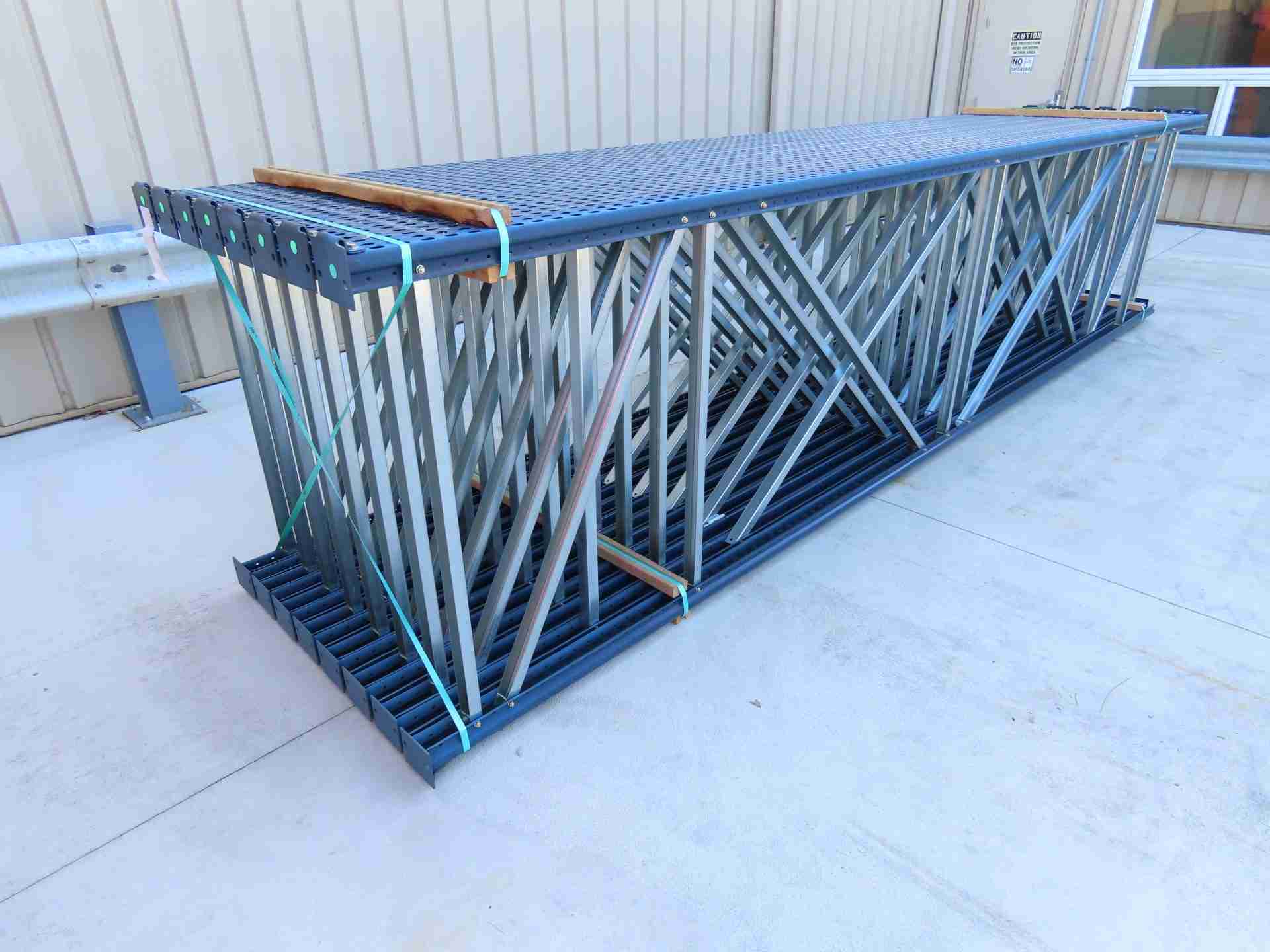
What Role Does Equipment Maintenance Play In Preventing Collisions?
Conclusion
Forklift collisions can throw your world into disarray in a heartbeat. In that moment of chaos, the very first thought must gravitate toward safety—the safety of yourself and your colleagues. It starts with the gut instinct we all share: are we okay? How about those around us? When the dust settles, it’s crucial to take stock of any injuries and get medical help if needed; doing so emphasizes our commitment to one another, reinforcing that our human connections are what truly make us a team.
From this emotional foundation, we shift to the rational necessities. It’s not enough to just make sure everyone is physically all right; we must also assess the damage to both the forklift and racking system. Talk to your supervisor, document the scene, and capture the truth—this isn’t merely about compliance; it’s a declaration that we will learn from this experience. Capturing the details with photographs and notes safeguards our collective experience and cultivates accountability among peers, building a stronger community.
But the aftermath isn’t just a series of cold, hard facts and figures; it’s a call for conversation. Share stories about what went wrong, listen to shared experiences, and embrace the lessons learned from near misses. Training isn’t simply a checklist operation—it’s a profound ethical responsibility to ensure that safety becomes second nature. It’s about imparting wisdom through real stories, bridging the gap between seasoned veterans and newcomers, and fostering a culture where everyone feels empowered to contribute to their own safety and that of others.
As we look toward preventing future incidents, recognize the role of equipment maintenance. A well-oiled machine speaks volumes, not just in productivity but in safety as well. Regular check-ups are essential, not only to comply with regulations but to honor the lives that depend on that equipment functioning flawlessly.
Now is the time to transform our experiences into proactive measures. We owe it to ourselves, each other, and our families to build a culture of safety that nurtures both people and equipment. Together, let’s pledge to elevate our workplace safety, foster camaraderie, and create an environment where every worker can return home unharmed—as the heart of our operations and the pillars of our community. In the end, it’s about more than just avoiding accidents; it’s about ensuring that every day is a testament to the care we share for one another in this labor-intensive journey we call work.

Conclusion
Conclusion:
- Forklift collisions necessitate an immediate focus on safety for everyone involved.
- It’s vital to assess any injuries and seek medical help to reinforce team commitment.
- Damage assessment of the forklift and racking system is essential after an incident.
- Documenting the scene promotes accountability and learning from experiences.
- Engaging in conversations about near misses fosters a culture of shared learning.
- Regular equipment maintenance is crucial for safety and compliance with regulations.
- Cultivating a culture of safety ensures every worker’s safe return home and strengthens community bonds.
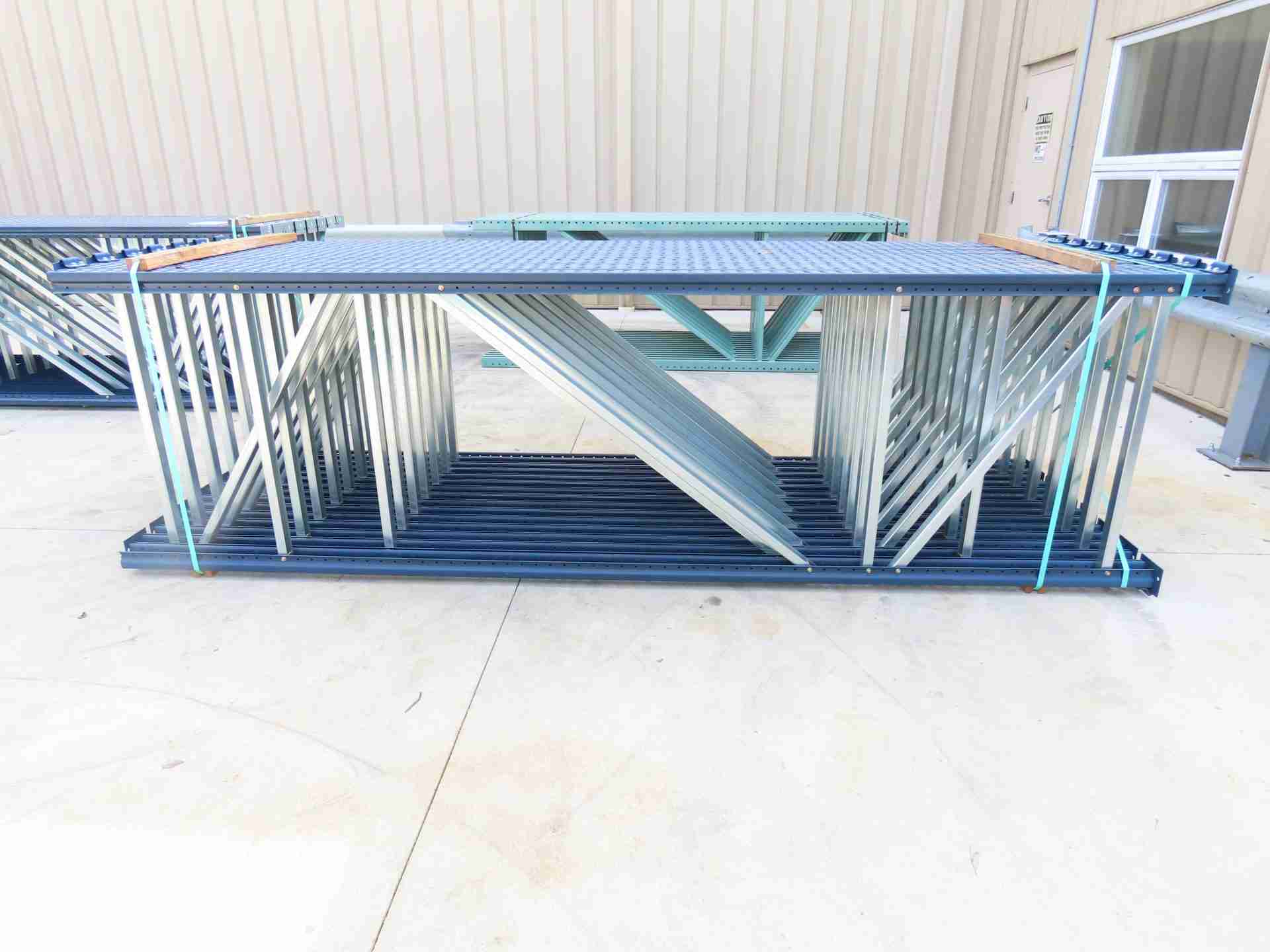
Conclusion
Other Resources
Other Resources
Here is a list of other resources you can review online to learn more:
- Pallet Racking systems in Illinois and Great Lakes
- Pallet Rack Systems – New and Used Pallet Racking and Shelving Experts
- Rack Manufacturers Institute
- Racking World
- Cantilever Racks Chicago
- CA Wire
- Teardrop Industrial Shelving Rack
- Mustang Material Handling
- Total Warehouse
- Warehouse Racking Systems: Beginner’s Guide to Rack Systems
- WERC
- Warehouse Racks, Warehouse Racking in Stock – ULINE
- Iowa Illinois Warehouse Racking
- Crane Manufacturers Association Of America Inc.
- Interlake
- Pallet Racks, Pallet Racking, Pallet Shelves in Stock – ULINE
- What is Cantilever Racking? – AK Material Handling Systems
- Shipping Boxes, Packaging Materials, Pallet Racking
- Arrow Industrial Sales
- Material Handling Safety
Use This Prompt To Get More Resources With Your Favorite Online AI Tool: Please provide me with a list of online articles with their URLs in a bulleted list that I can read regarding What to Do After a Forklift Collision with a Rack
Other Resources
Glossary Terms
What to Do After a Forklift Collision with a Rack – Glossary Of Terms
1. Accident Report: A formal document detailing the circumstances and consequences of the collision for review and analysis.
2. Adjuster: An insurance professional who evaluates damages and determines coverage or compensation.
3. Assessment: The process of evaluating the extent of damage to the forklift and racks post-collision.
4. Collision Impact: The force and effects resulting from the collision, which can affect safety and structural integrity.
5. Emergency Protocol: Established procedures for responding to accidents, ensuring immediate safety and minimizing further damage.
6. Evacuate: The act of removing personnel from the area to ensure their safety following an accident.
7. First Aid: Initial medical assistance provided to injured individuals on-site before professional help arrives.
8. Forklift Operator: The individual responsible for operating the forklift, who may need to provide detailed incident information.
9. Incident Investigation: A thorough examination of the accident to determine causes and prevent future occurrences.
10. Injury Assessment: Evaluating injuries sustained by individuals involved to understand the need for medical attention.
11. Insurance Claim: A request for compensation submitted to an insurance company for damages incurred during the collision.
12. Load Stability: The condition of the items being carried by the forklift, which affects how an accident may escalate.
13. Preliminary Review: An initial evaluation of the situation to identify immediate hazards and required actions.
14. Preventive Measures: Actions taken to avoid future collisions, such as training or adjustments to equipment and procedures.
15. Rack Damage: The impairment of storage racks as a result of the forklift collision, which may affect warehouse operations.
16. Safety Protocols: Guidelines designed to ensure the safety of all personnel in the event of an accident.
17. Site Safety Manager: The individual responsible for overseeing workplace safety and handling accident-related protocols.
18. Structural Integrity: The ability of the racks to support their intended load after sustaining damage from a collision.
19. Training Records: Documentation of forklift operator training that may be reviewed following a collision.
20. Witness Statements: Accounts from individuals who observed the collision, providing additional context and details.
21. Workplace Injury: Any physical harm suffered by an employee while performing work duties due to the accident.
22. Follow-Up Care: Additional medical treatment or assessments required for injured persons after the initial response.
23. Repair Assessment: An evaluation of what damages can be repaired and the associated costs.
24. Safety Equipment: Gear and devices designed to protect workers, such as helmets and safety vests, which should be utilized post-accident.
25. Risk Management: Strategies employed to identify, assess, and minimize risks associated with forklift operations.
26. Damage Control: Actions taken to mitigate any further damage or danger after the initial crash occurrence.
27. Incident Documentation: The collection and organization of evidence regarding the accident for future reference or legal purposes.
28. Emergency Services: External responders, such as paramedics or fire services, who may be called to the scene if injuries are severe.
29. Operational Downtime: The period during which the warehouse or operation is halted due to the collision.
30. Compliance Review: An examination of adherence to safety regulations and company policies concerning forklift operations following the incident.
Glossary Of Terms
Other Questions
What to Do After a Forklift Collision with a Rack – Other Questions
If you wish to explore and discover more, consider looking for answers to these questions:
- What are the legal obligations of employers after a forklift collision?
- How can workers report unsafe conditions following a forklift accident?
- What specific training should be provided to forklift operators?
- What are the signs of potential equipment failure that can lead to accidents?
- How often should safety drills be conducted in a warehouse environment?
- What resources are available for emotional support after an accident?
- How can organizations encourage a culture of safety among employees?
- What are the best practices for documenting a workplace accident?
- What role do safety audits play in accident prevention?
- How can technology assist in enhancing warehouse safety?
- What are the common myths about forklift safety that need to be addressed?
- How should a company handle incidents that involve subcontractors or temporary workers?
Other Questions
Checklist
What to Do After a Forklift Collision with a Rack – A Checklist
Forklift Collision Aftermath Checklist
For the Heart:
_____ Prioritize Safety First: Always check for injuries among your team before assessing any damages.
_____ Foster Emotional Connections: Talk to coworkers about how they feel post-incident to help everyone process together.
_____ Encourage Open Dialogue: Create an environment where team members feel comfortable sharing their experiences and concerns.
For the Head:
_____ Document the Incident: Take photos, write down details, and gather witness testimonies to establish clarity and accountability.
_____ Assess the Damage Rationally: Evaluate the condition of the forklift and racking system to avoid further risks.
_____ Engage with Authority: Discuss the situation with supervisors or safety personnel to inform necessary actions and policy changes.
For the Gut:
_____ Instill a Culture of Responsibility: Acknowledge that every team member plays a vital role in maintaining safety and preventing future incidents.
_____ Commit to Training: Invest in regular safety training to ensure all employees understand proper protocols and can respond effectively to incidents.
_____ Prioritize Equipment Maintenance: Regularly inspect and maintain machinery to prevent failures that could lead to accidents.
Ethical Considerations:
_____ Acknowledge Moral Obligations: Understand the ethical responsibility to ensure safe working conditions for all employees.
_____ Encourage Transparent Communication: Follow up after incidents with open discussions about what went wrong and how to improve.
Build Community:
_____ Foster Team Spirit: Use incidents as opportunities to bond and strengthen the team’s commitment to safety and support.
_____ Emphasize Collective Learning: Share stories and lessons learned to cultivate a sense of community and shared responsibility in safety culture.
Action Steps:
_____ Implement Regular Safety Drills: Create routine checks and drills to reinforce safety protocols among team members.
_____ Solicit Feedback on Safety Practices: Encourage team members to provide input on safety procedures for continuous improvement.
_____ Monitor and Adjust: After handling an incident, evaluate what changes need to be made to enhance safety measures going forward.
Checklist
At RackingWorld, we help guide you through selecting warehouse storage systems and racking.
Be sure to read our other related stories at RackingWorld to learn more about warehouse storage systems.
0 Comments