
Boosting Warehouse Morale: Reclaiming Lost Time
By Tom Seest
At RackingWorld, we help guide you through selecting warehouse storage systems and racking.
Be sure to read our other related stories at RackingWorld to learn more about warehouse storage systems.
Is The Pain Of Lost Time Eating Away At Your Warehouse Team Morale?
Picture this: your warehouse floor is a vibrant hub of activity, the smell of fresh pallets fills the air, and every member of your team is working in perfect sync. Now, fast-forward to today. Are you feeling the weight of lost time pressing down on your warehouse team’s morale? If so, you’re not alone.
Inefficiency can creep in silently, devouring both productivity and spirit. It’s like a slow leak in your pallet racking system—initially imperceptible, but eventually leading to a catastrophic breakdown. When your team is constantly thwarted by operational bottlenecks, whether it’s disorganized pallet stacking or delayed shipments, frustration takes root. That’s when you start seeing a marked dip in enthusiasm, as employees drag through their shifts, counting down the minutes until they can leave.
But don’t despair! The key to reigniting that passionate drive lies in recognizing and addressing these inefficiencies head-on. Investing in well-designed pallet racking systems can revolutionize your operational flow. Imagine streamlined storage that not only maximizes your space but also empowers your team to work with efficiency and ease. A well-organized environment fosters a sense of pride and ownership among your staff, counteracting the drag of lost time.
Have you ever noticed how a tidy, accessible workspace can lift spirits? When your warehouse is organized—and your racks tailored to the needs of your operation—every worker feels the surge of confidence that comes from knowing they can do their job effectively. The result? An engaged team that rallies together, supports one another, and pushes the operation forward.
Now, think about this: What happens when your team feels valued and capable? They step up. They innovate. They create solutions. They transform the warehouse from merely a place of labor to a sanctuary of productivity and teamwork.
So what can you do today? Begin by assessing your current pallet racking setup. Identify pain points, solicit feedback from your team, and take action—because small changes can yield monumental returns. When you demonstrate that you’re deeply invested in their work environment, you send a powerful message: their time and efforts matter. This not only boosts morale but also aligns everyone’s focus towards a common goal—success.
Take that step today, and watch as your warehouse transforms into a powerhouse of enthusiasm and collaboration. Don’t let the pain of lost time eat away at your team; turn it into a catalyst for change!
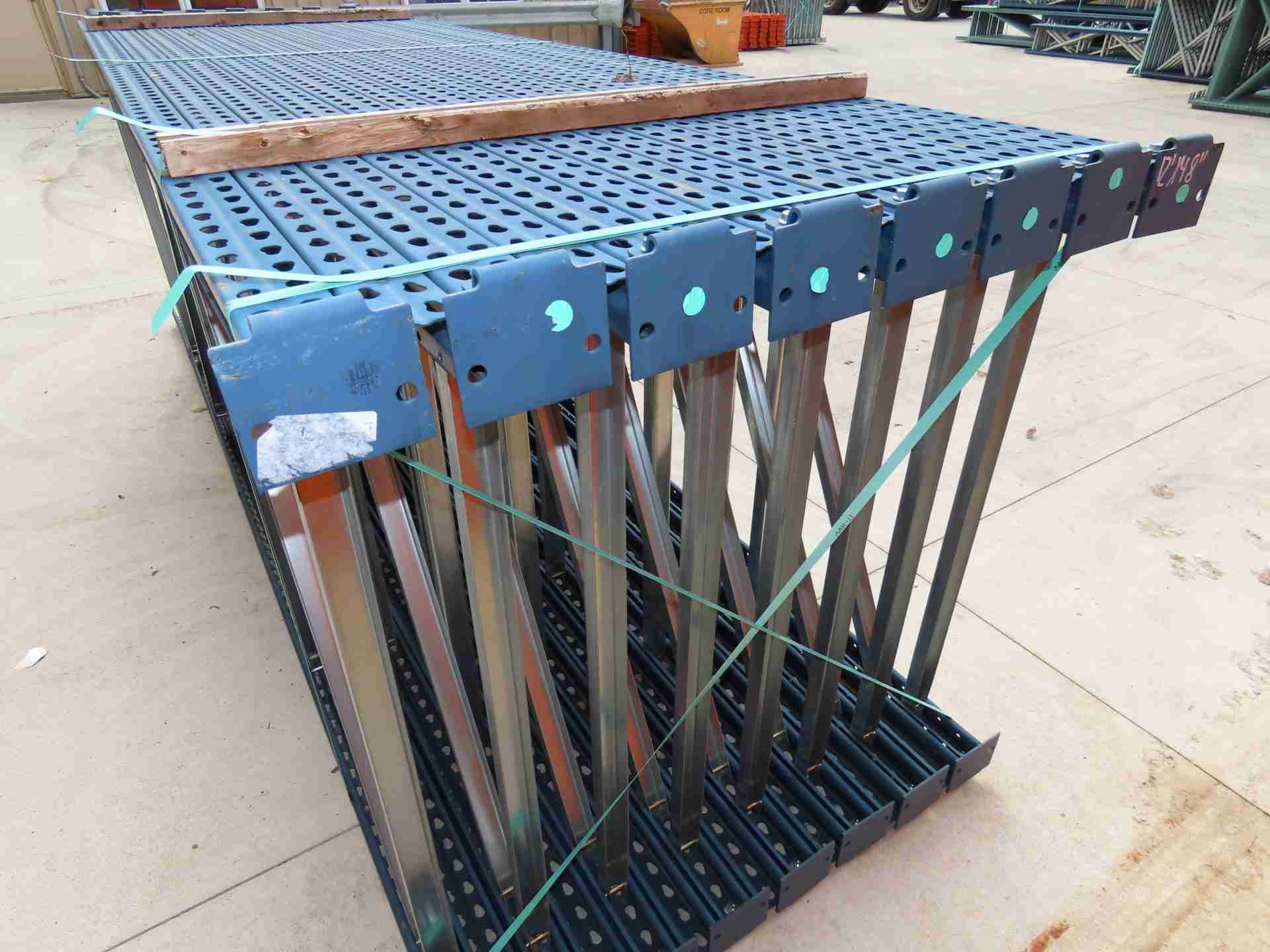
Is The Pain Of Lost Time Eating Away At Your Warehouse Team Morale?
Is The Pain Of Lost Time Eating Away At Your Warehouse Team Morale?
- Warehouse inefficiency can negatively impact both productivity and team morale.
- Operational bottlenecks, like disorganized pallet stacking and delayed shipments, lead to frustration and decreased enthusiasm among employees.
- Addressing inefficiencies with well-designed pallet racking systems can improve operational flow.
- An organized workspace enhances employee confidence, leading to a more engaged and supportive team.
- A motivated team is more likely to innovate and create solutions, transforming the warehouse into a productive environment.
- Assess your current pallet racking setup to identify pain points and gather team feedback for improvements.
- Investing in the work environment signals that you value your team, boosting morale and aligning everyone towards success.
Is The Pain Of Lost Time Eating Away At Your Warehouse Team Morale?
Table Of Contents
- Is The Pain Of Lost Time Eating Away At Your Warehouse Team Morale?
- How Does Downtime Impact Team Morale?
- Are Your Warehouse Processes Wasting Valuable Time?
- What Are The Common Causes Of Delays In Your Warehouse?
- How Can Poor Time Management Hurt Employee Morale?
- What Signs Indicate Low Morale In Warehouse Teams?
- How Do You Measure The Impact Of Lost Time On Workers?
- Conclusion
- Other Resources
- Glossary Of Terms
- Other Questions
- Checklist
How Does Downtime Impact Team Morale?
Every business leader knows that productivity is essential for success, but we often overlook a critical factor—team morale. Downtime, whether due to equipment failures, strict regulations, or unexpected supply chain issues, can cast a shadow over your team’s spirit. Imagine a warehouse where pallet racking stands idle, goods waiting to flow, yet your employees are left staring at stagnant tasks. This scenario dampens enthusiasm and breeds frustration.
Consider this: when downtime strikes, it creates a palpable tension among workers. They feel the weight of wasted potential—their skills, their energy, and their time in limbo. An idle workforce is not just unproductive; it can spiral into feelings of disconnection and resentment. Employees thrive on the momentum of progress. When disruptions occur, that momentum halts. Suddenly, the team that once worked in harmony begins to struggle with internal dynamics, leading to a culture that can lack motivation.
However, it doesn’t have to be this way. The key lies in how leadership manages downtime. By fostering open communication, you reassure your team that their concerns are acknowledged and that solutions are being actively pursued. Share a vision of the future where those pallet racking systems function optimally, and stress how every team member plays a vital role in making that vision a reality. In doing so, leaders can transform a discouraging situation into an opportunity for growth, learning, and renewed camaraderie.
Moreover, implementing strategies to minimize downtime—like embracing preventive maintenance or optimizing workflow—demonstrates a commitment to both the business and your employees. When they see that the organization values their time and effort, it creates a ripple effect of trust and loyalty. Your team will bounce back, not just with resilience but with a renewed sense of purpose and direction.
Ultimately, it’s crucial to remember that morale is not a function of downtime itself, but of how it is handled. You hold the power to inspire action, build connectivity, and drive a culture of togetherness—even in trying times. Equip your team with the right tools, prioritize communication, and foster an environment where the focus shifts from idle equipment like pallet racking to the collective strength that can overcome any obstacle. Your leadership will not only weather the storm of downtime—it will inspire a team ready to rise stronger and more united than ever.
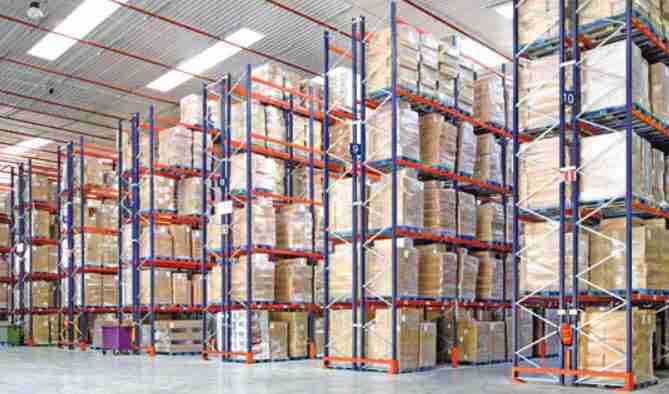
How Does Downtime Impact Team Morale?
How Does Downtime Impact Team Morale?
- Productivity is vital for business success, but team morale is often overlooked.
- Downtime from equipment failures, regulations, or supply chain issues can negatively impact team spirit.
- Idle workforce leads to frustration, disconnection, and resentment among employees.
- Effective leadership during downtime involves fostering open communication and sharing a positive vision for the future.
- Implementing strategies like preventive maintenance can minimize downtime and demonstrate commitment to employees.
- Morale is influenced more by how downtime is managed rather than the downtime itself.
- Strong leadership can inspire resilience and unity within a team, turning challenges into opportunities for growth.
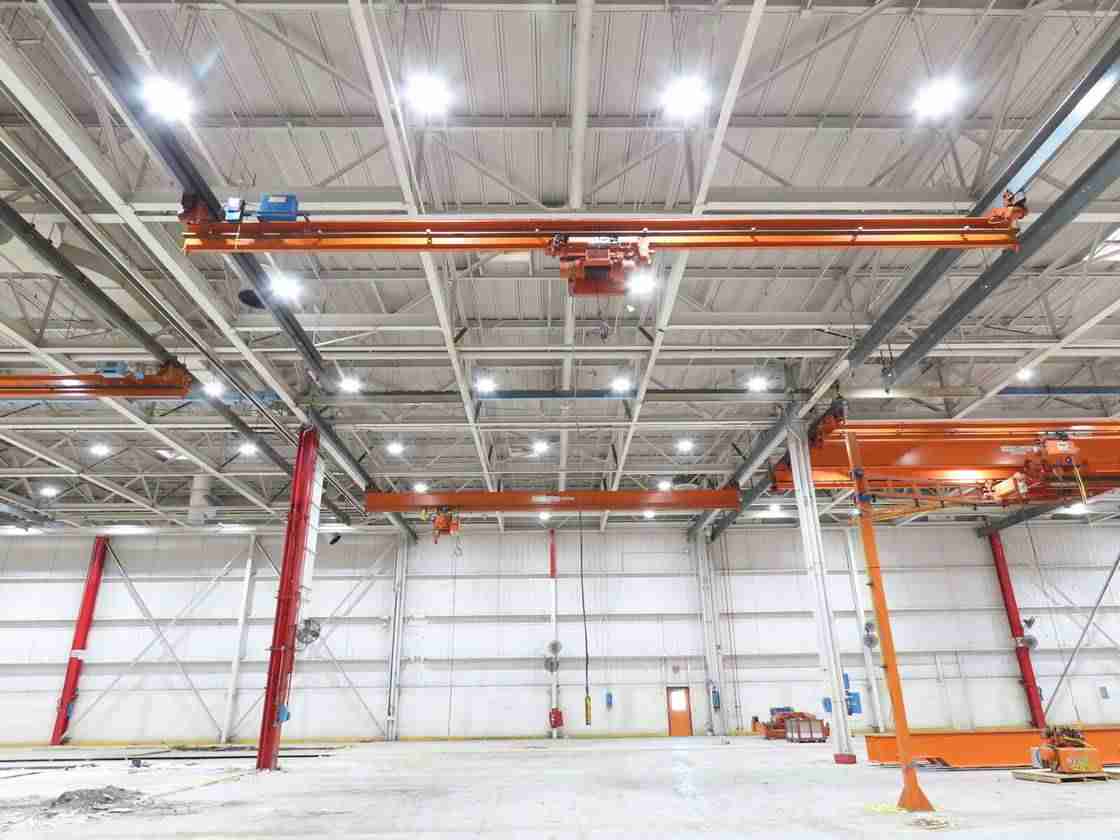
How Does Downtime Impact Team Morale?
Are Your Warehouse Processes Wasting Valuable Time?
In today’s fast-paced world, where every second counts, maintaining an efficient warehouse is crucial. But let’s face it—most warehouses are operating with outdated practices that not only waste time but also money. Have you ever watched your staff navigate through a maze of disorganized shelves, searching aimlessly for the right pallet racking? It’s frustrating, isn’t it? Your skilled workforce should be focused on optimizing operations, not playing hide-and-seek with inventory!
Imagine standing in your warehouse, observing chaos. Employees are shuffling back and forth, pulling double duty just to meet the basic demands. Piece by piece, they are filling orders, but they’re losing precious hours, which could be streamlined with updated processes and smarter layouts. Let’s be honest; time spent looking for items is time not spent serving customers. These inefficiencies can drown your profit margins and hinder growth, turning your once-profitable venture into a costly conundrum.
But there’s a silver lining to this cloud of inefficiency. By reevaluating your warehouse processes and the arrangement of your pallet racking, you can create a seamless flow that enhances productivity like never before. Think about it—an organized warehouse allows for faster picking and replenishing, minimizing downtime. Implementing an optimized warehouse management system tailored to your specific needs can transform confusion into clarity, empowering your employees to perform at their best.
And here’s where it gets exciting: when you spotlight the importance of a strategic layout and effective use of pallet racking, you foster not just efficiency but an environment where your team can thrive! Investing in the right equipment, refining processes, and training your staff can pay dividends—shortening delivery times, improving accuracy, and increasing customer satisfaction.
Now is the time to take action. Conduct an audit of your existing warehouse processes and the layout of your pallet racking. Are items stored in a logical manner? Are your team’s workflows optimized for fast movement? When everything is strategically aligned, the result is a well-oiled machine.
Don’t let wasted time become the norm in your warehouse. The journey to efficiency is not just a possibility—it’s an essential step for those who wish to not just compete but to lead. Embrace the change. Let’s turn inefficiency into an opportunity for growth today!
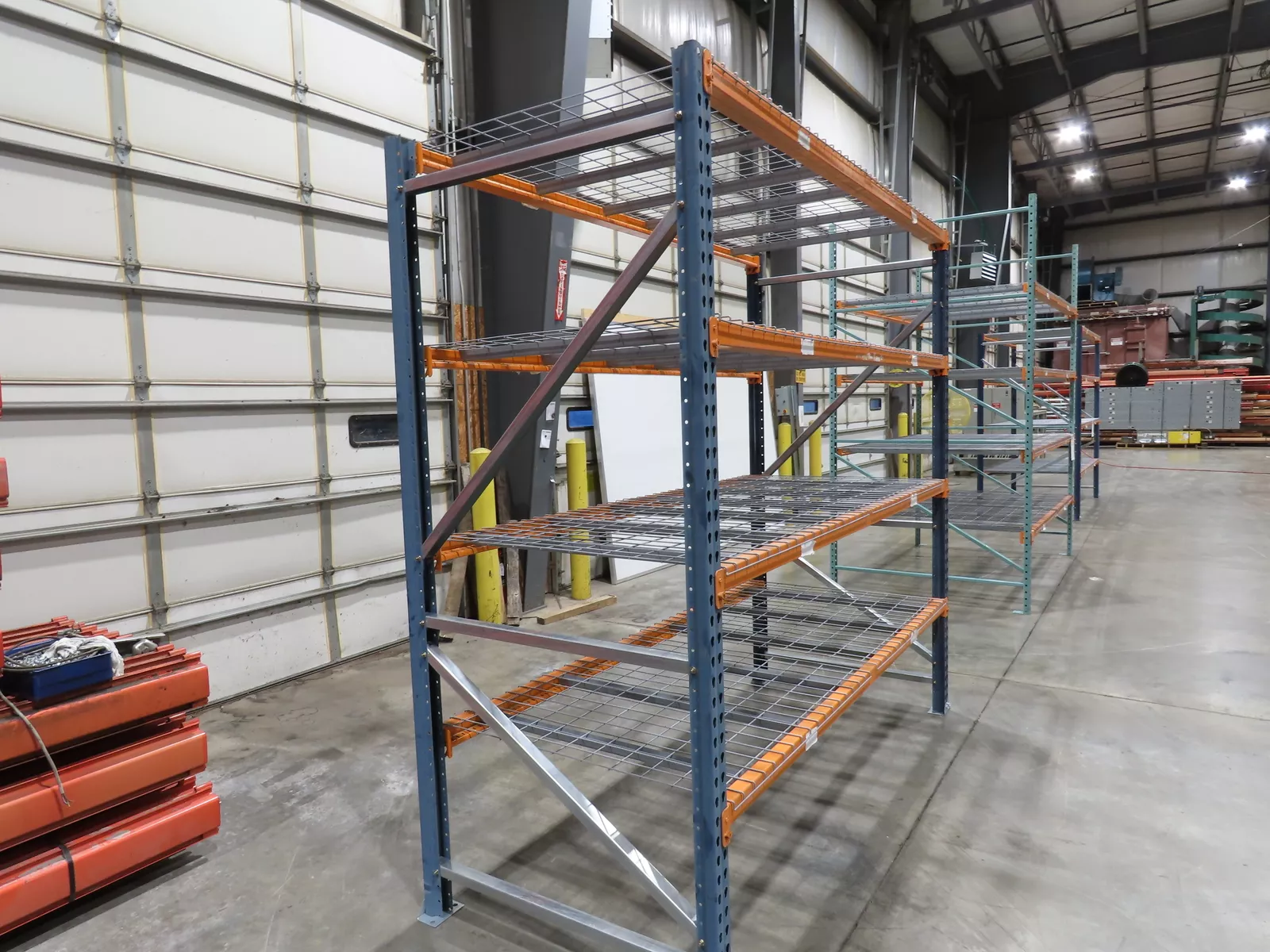
Are Your Warehouse Processes Wasting Valuable Time?
Are Your Warehouse Processes Wasting Valuable Time?
- Maintaining an efficient warehouse is crucial in today’s fast-paced business environment.
- Most warehouses operate with outdated practices that waste time and money.
- Disorganized shelving causes employees to waste time searching for inventory instead of optimizing operations.
- Inefficiencies can harm profit margins and hinder growth, impacting customer service.
- Reevaluating warehouse processes and pallet racking arrangements can enhance productivity.
- Strategic layout and proper equipment investment lead to shorter delivery times and improved customer satisfaction.
- Conduct an audit of warehouse processes and layout to align operations for maximum efficiency.
Are Your Warehouse Processes Wasting Valuable Time?
What Are The Common Causes Of Delays In Your Warehouse?
Delays in your warehouse can feel like a frustrating puzzle, one that seems to slow down your entire operation. But understanding the common culprits can empower you to take action and regain control. Let’s break it down.
First, consider pallet racking. An efficient pallet racking system is essential for maximizing space and streamlining processes. However, poor layout choices or maintenance neglect can lead to an inefficient flow. Imagine your team struggling to locate pallets while the clock ticks away. Ensuring that your racking is organized and easily accessible can mean the difference between a smooth operation and a chaotic scramble.
Next up is inventory management, which plays a crucial role in warehouse efficiency. Outdated systems or inaccurate stock tracking can cause significant hiccups in your workflow. You might find yourself either overstocked or out of crucial items just when you need them most, creating bottlenecks where there shouldn’t be any. Implementing robust inventory management software not only provides real-time insights but also reduces the stress on your workforce.
Then there’s the human factor. Your team’s morale and skill set directly impact your warehouse efficiency. If employees are undertrained or lack motivation, the resulting errors and slowdowns can pile up quickly. Investing in training and fostering a positive workplace culture can enhance productivity significantly. When your team feels valued and competent, they work like a well-oiled machine.
Don’t overlook technology either. Outdated equipment can become a hidden time thief. Whether it’s forklifts struggling to lift pallets or software that crashes mid-operation, these issues cause frustrating delays. Regular maintenance and timely upgrades to both equipment and technology can keep your processes running smoothly, ensuring that your focus stays on what matters most—serving your customers.
Lastly, consider supply chain disruptions. In our interconnected world, delays at any point in your supply chain can ripple through to your warehouse. Establishing strong communication with suppliers and diversifying your sourcing can help mitigate these risks.
A proactive approach to identifying and addressing these common causes of delays can transform your warehouse into a beacon of efficiency. Embrace these insights, take the necessary steps, and watch your operation flourish. After all, smooth sailing is just a decision away!
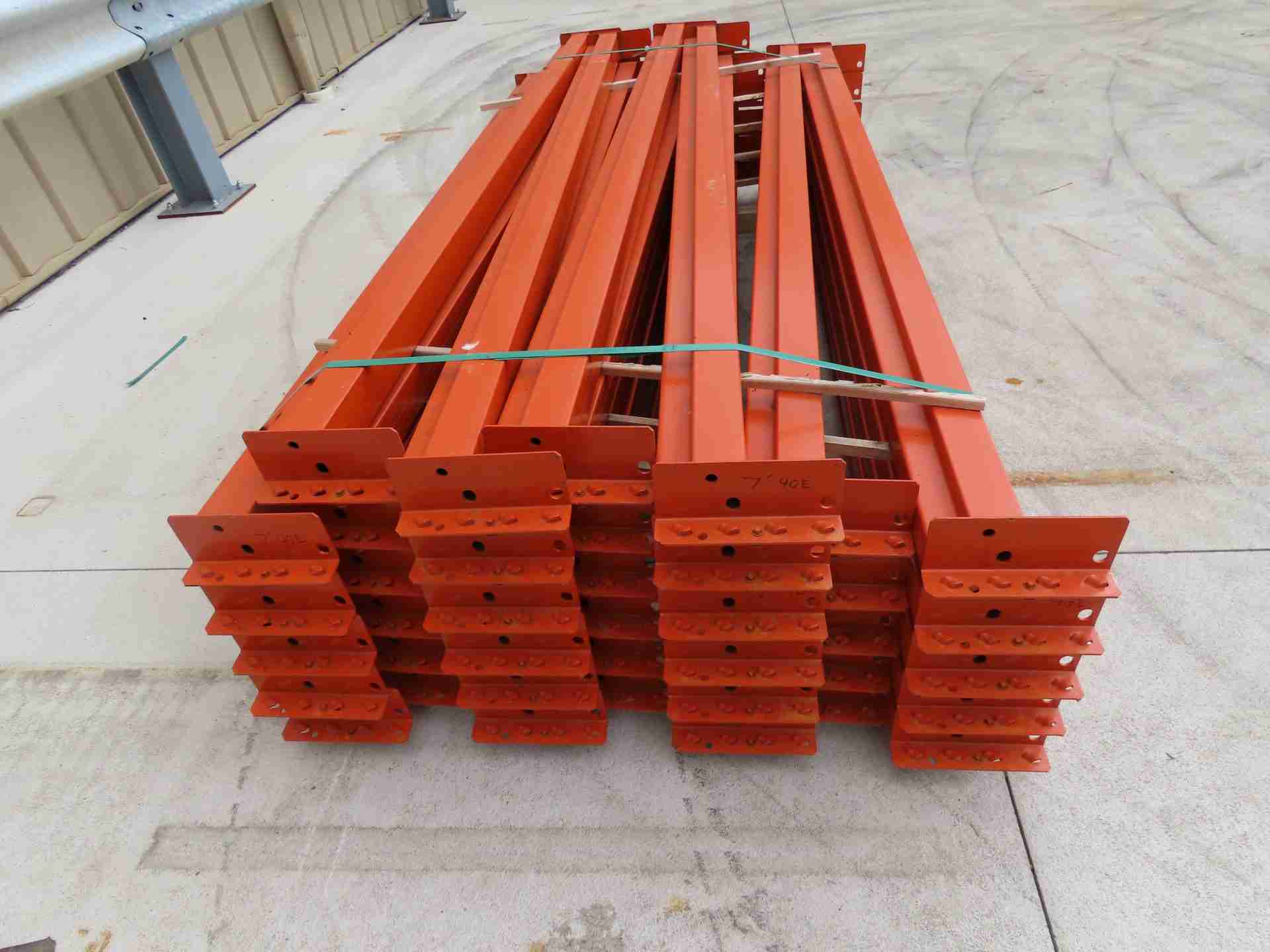
What Are The Common Causes Of Delays In Your Warehouse?
What Are The Common Causes Of Delays In Your Warehouse?
- Delays in warehouses can disrupt operations, but understanding causes can help regain control.
- Efficient pallet racking is crucial; poor layout or maintenance leads to disorganization.
- Inventory management is key; outdated systems can create bottlenecks due to inaccurate stock tracking.
- Employee morale and skill level directly affect efficiency; training and a positive culture are essential.
- Outdated equipment can cause delays; regular maintenance and upgrades are necessary.
- Supply chain disruptions can affect warehouse operations; strong communication and diversified sourcing can help.
- A proactive approach to identifying delays can greatly improve warehouse efficiency.
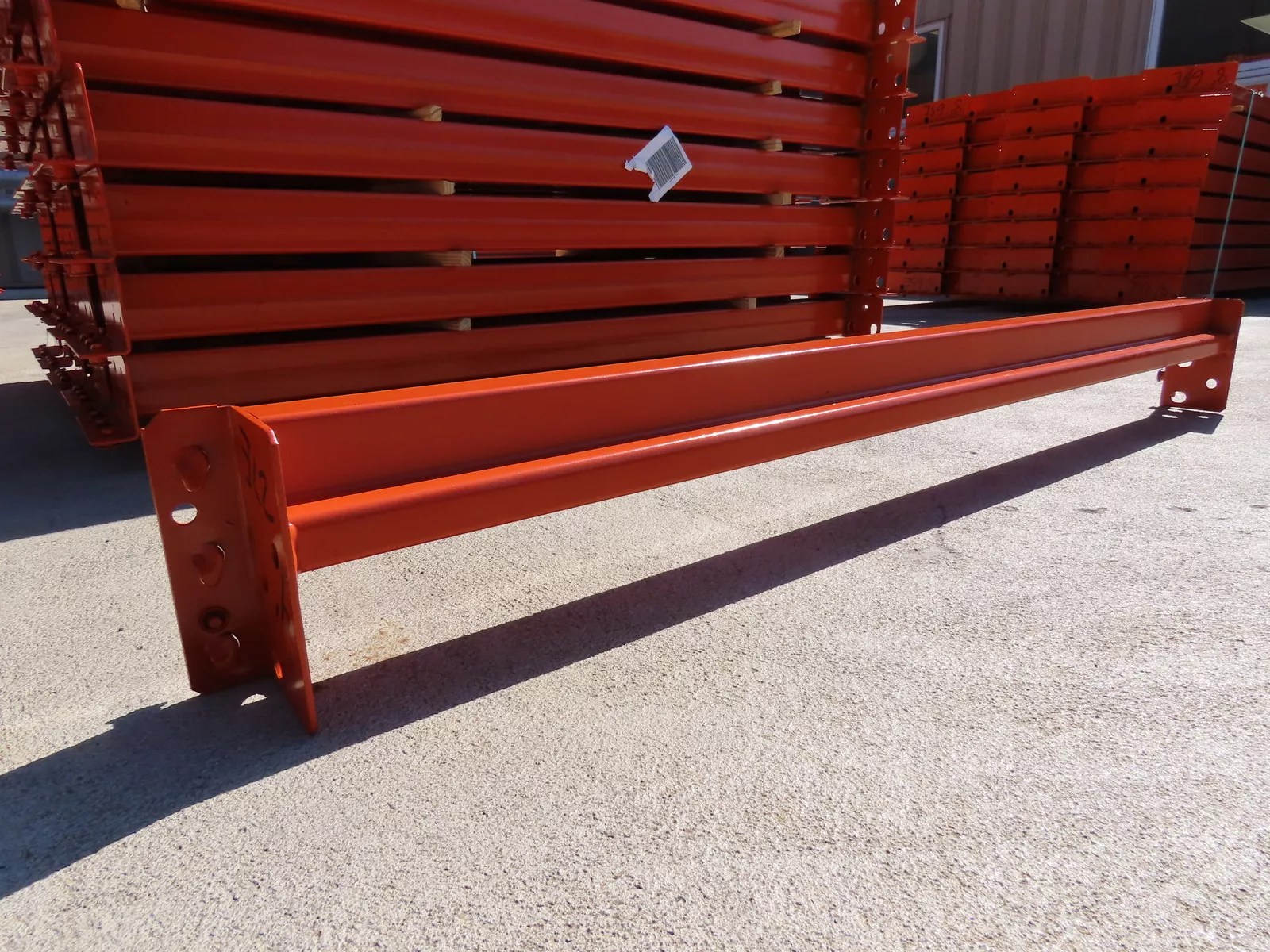
What Are The Common Causes Of Delays In Your Warehouse?
How Can Poor Time Management Hurt Employee Morale?
Imagine walking into a workplace where the rhythm of productivity is as synchronized as a finely-tuned orchestra. Now picture that same environment degenerated into chaos—deadlines missed, confusion reigning, and employees scrambling like boxes piled high on a disorganized pallet racking system. This is the toll of poor time management, and its repercussions reach far beyond just unfinished projects.
Employees thrive in environments where they can trust that their time—and talents—are respected. When time management falters, it sends a loud and clear message: “Your efforts don’t matter.” This feeling of disillusionment can be as heavy as a weight on a pallet racking system that is overwhelmed and buckling under the strain. Instead of feeling empowered, employees may grapple with anxiety and frustration as they witness their hard work evaporate into wasted hours.
Moreover, when leaders fail to manage time effectively, it creates a ripple effect. Teams become disengaged as they watch priority shifts that seem arbitrary or unstructured. Imagine a workforce where everyone is uncertain about their roles and deadlines—the energy shifts from one of collaboration to isolation. As employees become less invested, the morale plummets, and the emotional toll becomes undeniable. They start thinking, “If leadership can’t manage priorities, why should I care?”
In a well-oiled machine, every cog operates in harmony, ensuring that effort results in success. But poor time management disrupts this balance, creating discrepancies in workload and fostering resentment among team members. Instead of leveraging each individual’s strengths, the environment devolves into competition for time and resources, eroding what could be a collective success.
Yet, here lies the opportunity for growth. By prioritizing time management, leaders can rebuild morale, restoring faith and commitment within their teams. Implementing effective strategies—like setting clear deadlines, defining roles, and fostering open communication—can revitalize an organization. Empower your teams with the tools to manage their own time, and watch them transform from mere employees into enthusiastic contributors eager to streamline their processes.
Time management isn’t just a productivity tool; it’s a morale-booster, a unifier, and a catalyst for trust and collaboration. So why allow pallet racking of inefficiency to stifle success? Take action now, inspire your teams, and create an environment where morale soars as high as the ambitions of your workforce.
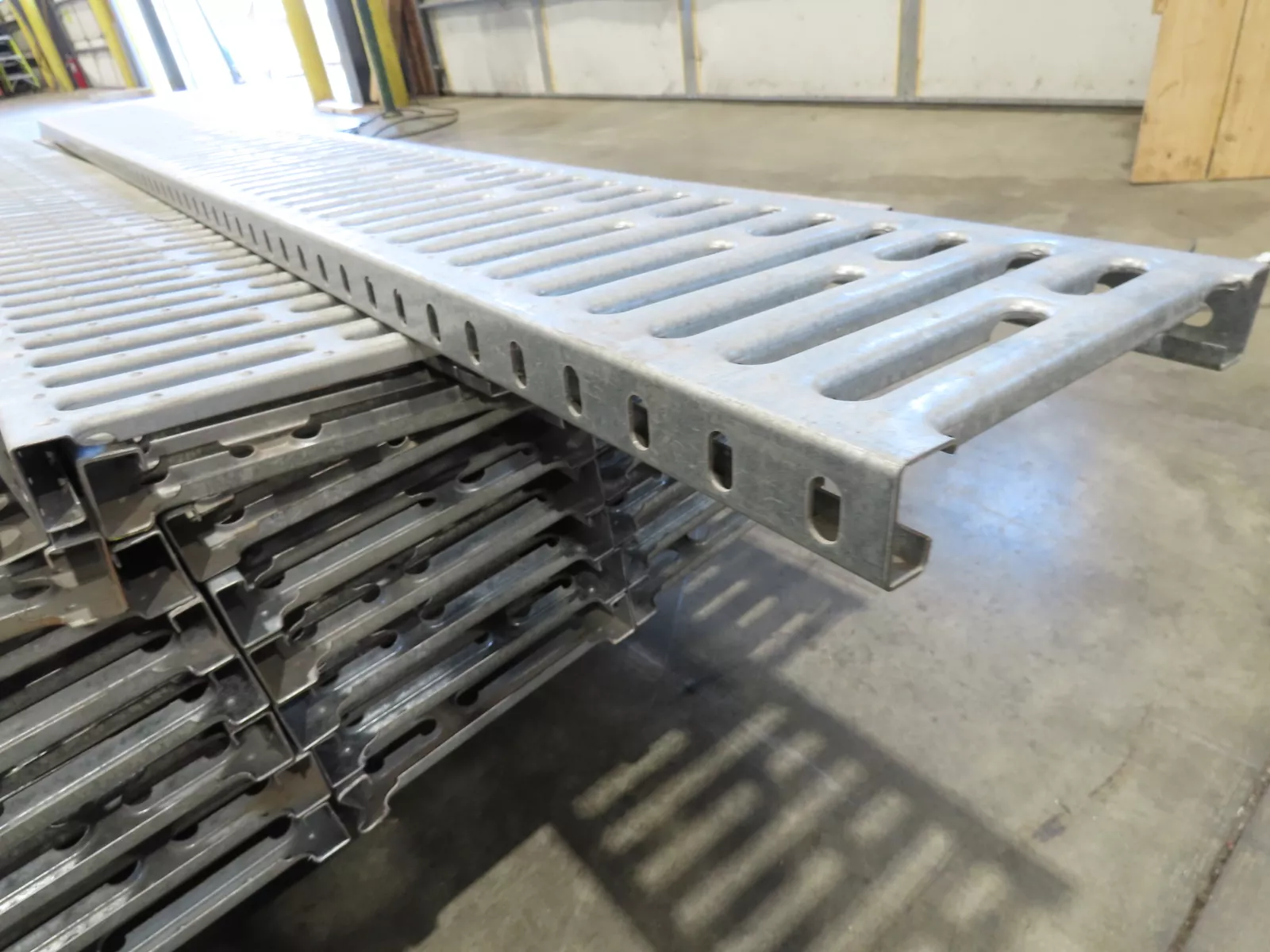
How Can Poor Time Management Hurt Employee Morale?
How Can Poor Time Management Hurt Employee Morale?
- Poor time management can lead to chaos in the workplace, with missed deadlines and confusion.
- Employees value environments where their time and talents are respected, and poor time management sends a message that their efforts don’t matter.
- A lack of effective time management by leaders can disengage teams, causing uncertainty about roles and deadlines.
- This disengagement often results in lowered morale and increased anxiety among employees.
- Poor time management fosters competition for resources rather than collaboration, disrupting team harmony.
- Leaders can improve morale by prioritizing time management and implementing effective strategies, such as clear deadlines and role definitions.
- Time management is essential not only for productivity but also for boosting morale, fostering trust, and enhancing collaboration within teams.
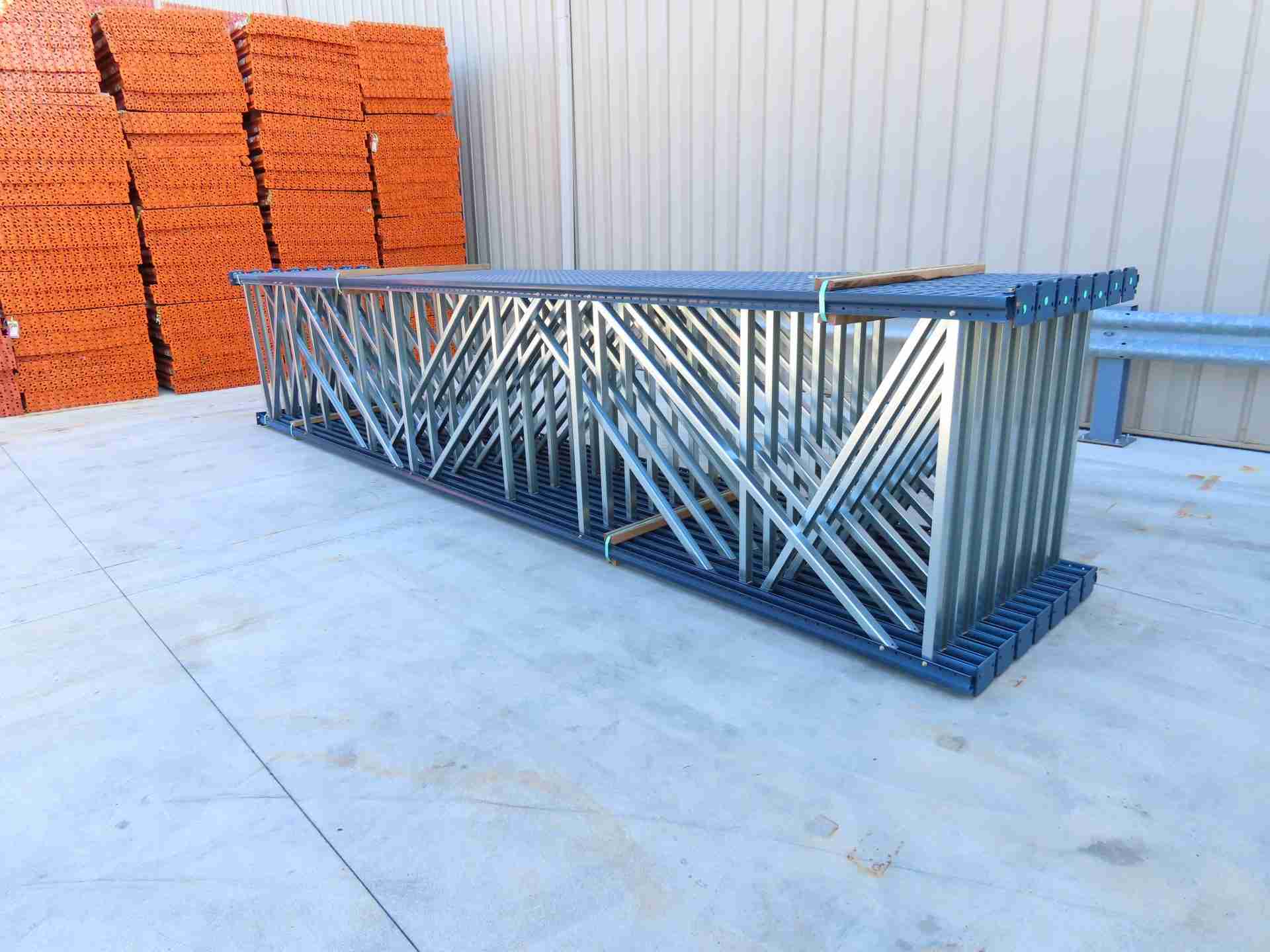
How Can Poor Time Management Hurt Employee Morale?
What Signs Indicate Low Morale In Warehouse Teams?
In the bustling world of warehouse operations, the well-oiled machine relies heavily on the spirit of its workforce. Yet, just like a pallet racking system, which needs steady support to hold its weight, your team’s morale requires constant attention and care. Low morale can be a silent killer, creeping in unnoticed and leaving chaos in its wake. Recognizing its signs is crucial for leaders intent on cultivating a thriving environment.
1. Decreased Communication: When team members become hesitant to share ideas or raise concerns, it could signal a troubling atmosphere. Open channels of communication are essential. If employees start to communicate only when necessary or avoid discussions, it may be time to delve deeper into their feelings.
2. Lack of Enthusiasm: A once dynamic team turns apathetic? This is a classic sign of low morale. Observe their energy levels—are team members dragging when it comes to duties like inventory checks or operating machinery? If the sight of a full pallet racking system fills them with dread rather than excitement, it’s time to act.
3. Increased Absenteeism: If your team’s attendance starts to dwindle, it’s not just about sick days; it may be a symptom of a broader issue. People who feel disengaged or undervalued are less likely to show up, leading to productivity dips that can directly impact your operation.
4. Poor Quality Control: A slip in the standards that once defined your output can be a clear reflection of low morale. When team members are disheartened, it not only affects their commitment to excellence but also hinders your bottom line. Watch for an uptick in errors or overlooked details—the alarm bells should be ringing loud and clear.
5. Resistance to Change: In a rapidly evolving environment, adaptability is key. If your team is resistant to new processes or equipment, or shows no willingness to embrace change—perhaps due to a lack of confidence or support—this can indicate underlying morale issues.
By staying vigilant and proactive, leaders can not only spot low morale but also take decisive actions to boost team spirit. Engage with your employees, foster an inclusive culture, and ensure that their voices are heard. A motivated team not only maximizes efficiency but also builds a resilient warehouse environment where productivity thrives. Don’t wait for signs to manifest—seize the initiative today and cultivate a flourishing, high-spirited team!

What Signs Indicate Low Morale In Warehouse Teams?
What Signs Indicate Low Morale In Warehouse Teams?
- Decreased Communication: Hesitant communication among team members can indicate a troubling atmosphere; open channels are essential.
- Lack of Enthusiasm: A decline in team energy and apathy towards tasks may signal low morale; observe engagement levels during duties.
- Increased Absenteeism: A drop in team attendance could reflect disengagement or feeling undervalued, affecting productivity.
- Poor Quality Control: A decline in output standards and an increase in errors can signify low morale and disheartened team members.
- Resistance to Change: Reluctance to adopt new processes or equipment may suggest underlying morale issues and lack of support.
- Importance of Engagement: Leaders should actively engage and foster an inclusive culture to boost team spirit and morale.
- Proactive Approach: By recognizing signs of low morale early, leaders can cultivate a motivated team and enhance warehouse productivity.
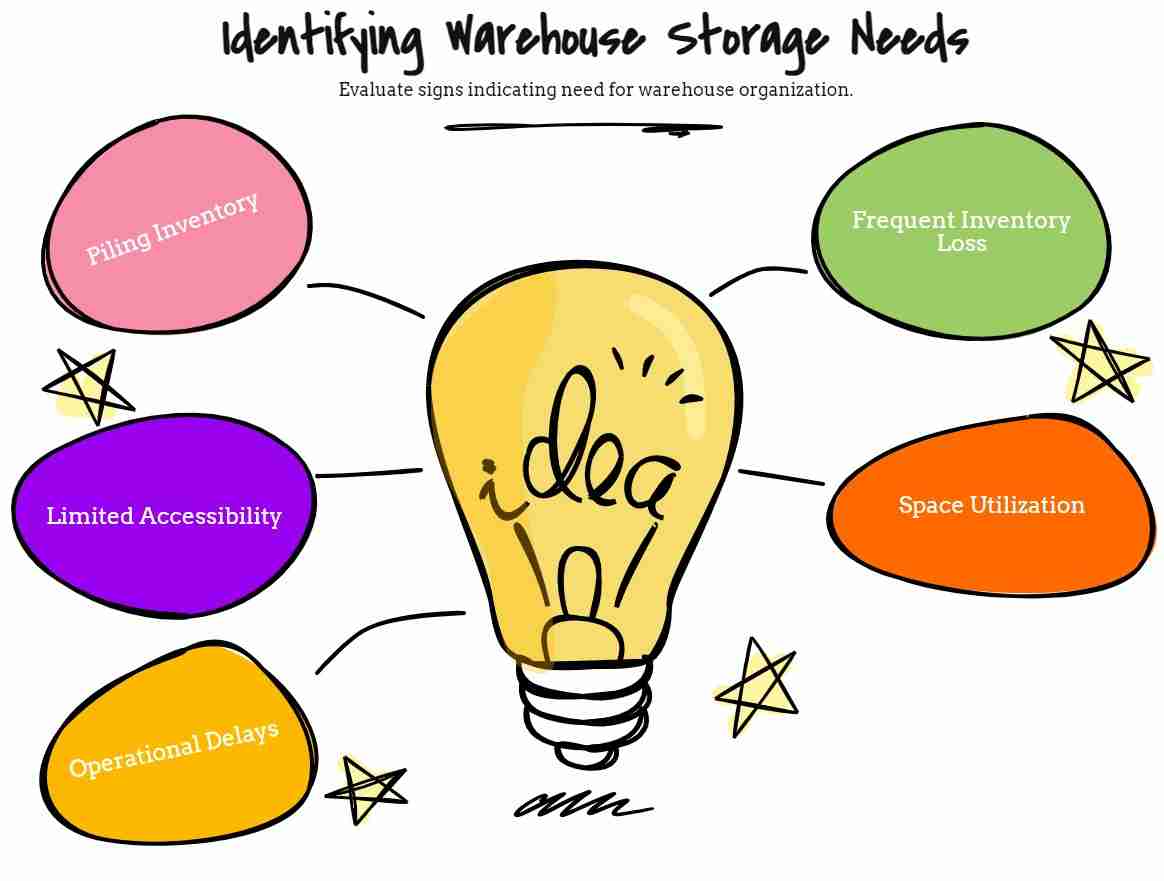
What Signs Indicate Low Morale In Warehouse Teams?
How Do You Measure The Impact Of Lost Time On Workers?
Measuring the Impact of Lost Time on Workers
Imagine stepping into a bustling warehouse, the efficient hum of activity filling the air. Pallet racking neatly organizes inventory, a vital system ensuring everything is where it needs to be. But what happens when that flow is interrupted? When time is wasted, it affects more than just one person’s daily quota; it undermines the entire operation, leaving a trail of frustration and inefficiency.
Understanding how to measure the impact of lost time on workers doesn’t have to be an uphill battle. The key lies in recognizing that each hour lost is a ripple that spreads throughout your organization. It’s not just the simple arithmetic of hourly wages; it’s about the pervasive effects on morale, productivity, and ultimately, profit.
Start by monitoring daily tasks. Are workers often pausing to search for misplaced items or waiting for machinery to operate smoothly? Maybe your pallet racking setup is more of a bottleneck than a boon. Documenting these moments can shed light on the underlying causes of lost time, providing concrete data that showcases just how much inefficiency is costing you—and your team—every single day.
Engage your employees in this analysis. After all, they are on the front lines, and their insights can reveal shocking truths about delays and distractions. Create an environment where they feel safe to share their perspectives. When they directly correlate lost time with their daily grind, you empower them and enlist their support in crafting solutions. This can inspire a robust team culture that values optimization and ensures everyone is pulling in the same direction.
Once you identify the root causes, you can implement strategic changes. Maybe it’s an overhaul in how you set up your pallet racking system, or perhaps you need a reevaluation of roles and responsibilities. Whatever it may be, your willingness to address inefficiencies will yield immediate benefits.
Lost time is more than just a pat on the statistics sheet; it’s an impediment to growth. By measuring and tackling it head-on, you show your team that their time—and contributions—matter. This not only increases productivity but transforms your business into a well-oiled machine, elevating it far beyond the competition. In the chess game of business, making these moves will ensure you stay ahead in the strategy of success.
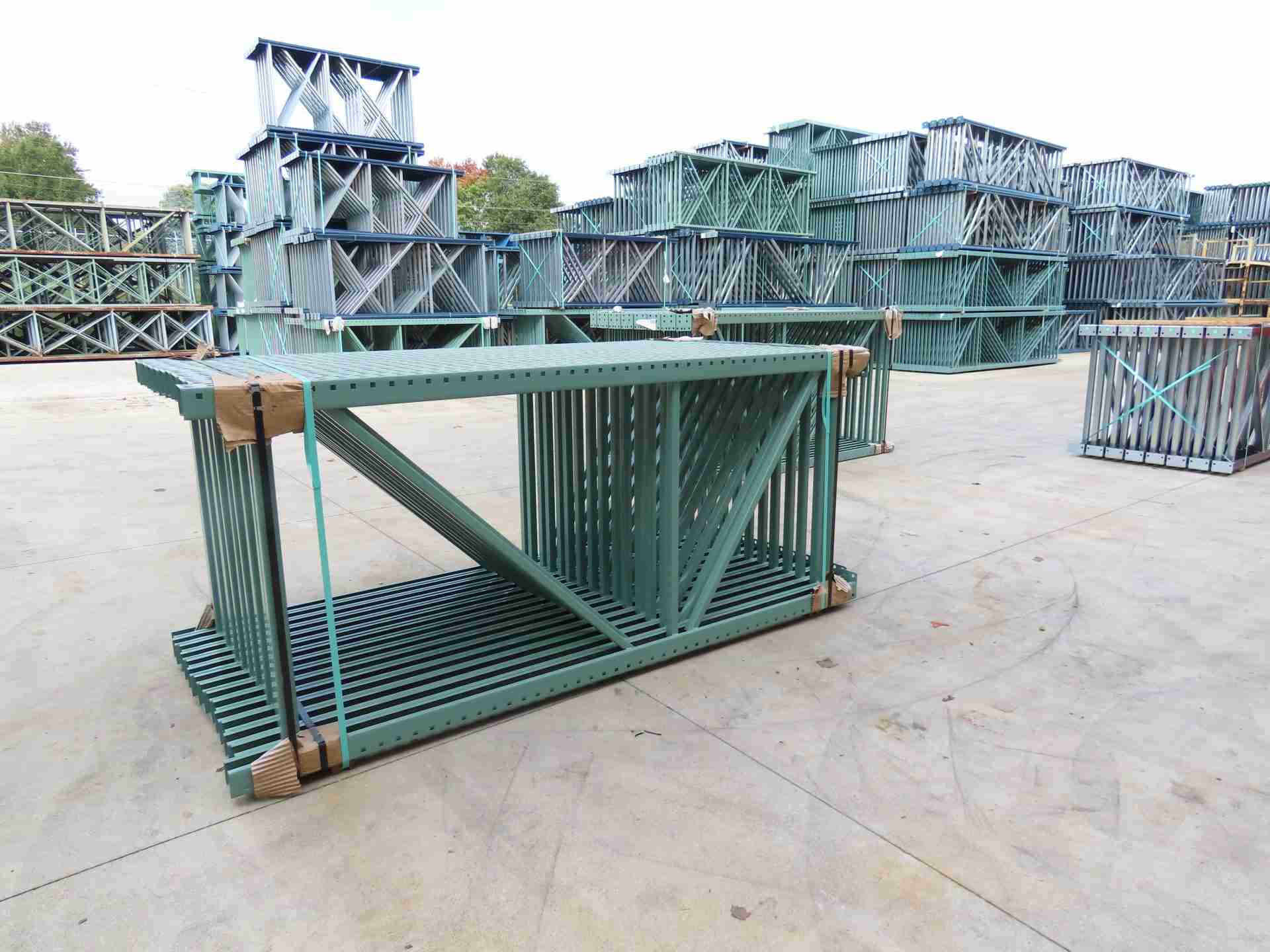
How Do You Measure The Impact Of Lost Time On Workers?
How Do You Measure The Impact Of Lost Time On Workers?
- Lost time in a warehouse affects overall efficiency and worker morale.
- The impact of inefficiency extends beyond wages to productivity and profit.
- Monitoring daily tasks can help identify sources of lost time, like misplaced items or machinery issues.
- Engaging employees in the analysis fosters a culture of optimization and collaborative problem-solving.
- Identifying root causes allows for strategic changes in operations and roles.
- Addressing inefficiencies demonstrates to the team that their time and contributions are valued.
- Tackling lost time transforms a business into a more competitive and efficient operation.
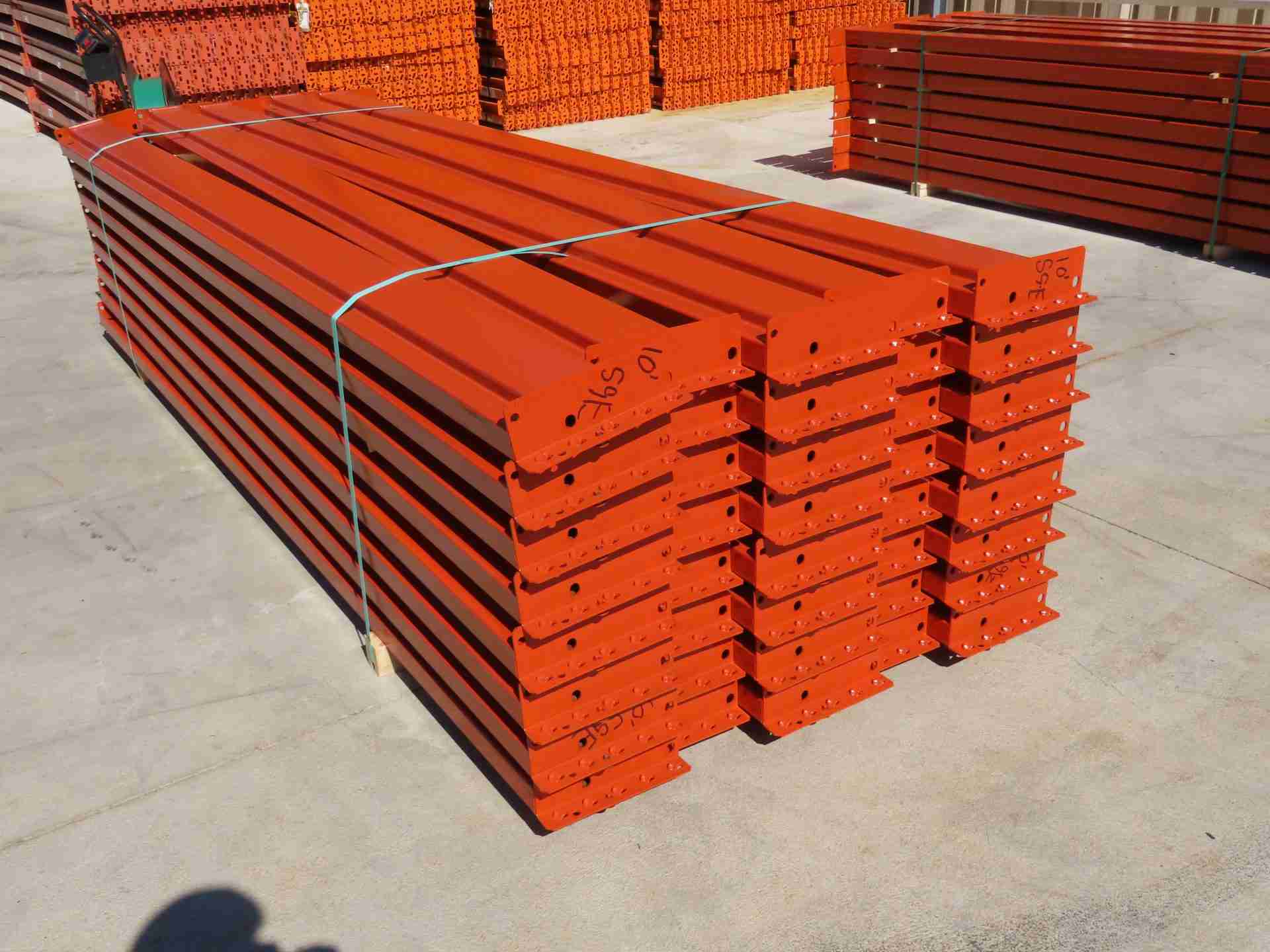
How Do You Measure The Impact Of Lost Time On Workers?
Conclusion
Conclusion: Transforming Warehouse Morale through Efficient Operations
Are you aware that the environment of your warehouse could be drastically transforming the morale of your team? Lost time and inefficiencies don’t just drain productivity; they undermine the very spirit that drives your workforce. As we’ve explored, delays breed frustration, leading to a toxic cycle of disengagement and annoyance. This is the moment for leaders to usher in change—change that revitalizes not only logistical operations but also the hearts of their employees.
Picture this: a well-structured warehouse where your team navigates effortlessly, empowered by a user-friendly pallet racking system designed specifically for their needs. This isn’t merely about shelving; it’s about reclaiming lost time and transforming it into motion, collaboration, and ultimately thriving morale. Investing in the right equipment and optimizing warehouse processes isn’t an expense; it’s a catalyst for cultivating enthusiasm and commitment among your staff.
In today’s competitive marketplace, where every minute counts, inefficiency is not an option—it’s an open invitation for frustration. By keenly observing your warehouse dynamics, you can pinpoint the roots of downtime, whether they stem from outdated practices, disorganized layouts, or improper inventory management. The solution lies in small, strategic changes that collectively yield monumental results. You can reinvigorate your workforce by refining the workflow, enhancing communication, and fostering a culture where every team member feels valued.
Don’t underestimate the power of open dialogues with your employees. Their insights can illuminate hidden opportunities for enhancing efficiency while building a sense of ownership over their workspace. Moreover, by prioritizing time management and defining clear roles, you elevate your team’s confidence, inviting them to flourish rather than merely endure.
Now is the time to act! Equip your warehouse with the tools necessary for an optimal organizational flow. Call Arrow Industrial Sales today at (574) 349-6575 to explore how our innovative racking solutions can significantly enhance not just your operations, but also the morale of your workforce. Don’t let inefficiencies erode your team’s spirit any longer; seize this opportunity to convert lost time into a thriving catalyst for teamwork, enthusiasm, and unshakeable productivity. The future of your warehouse—and the satisfaction of your employees—depends on the choices you make today!
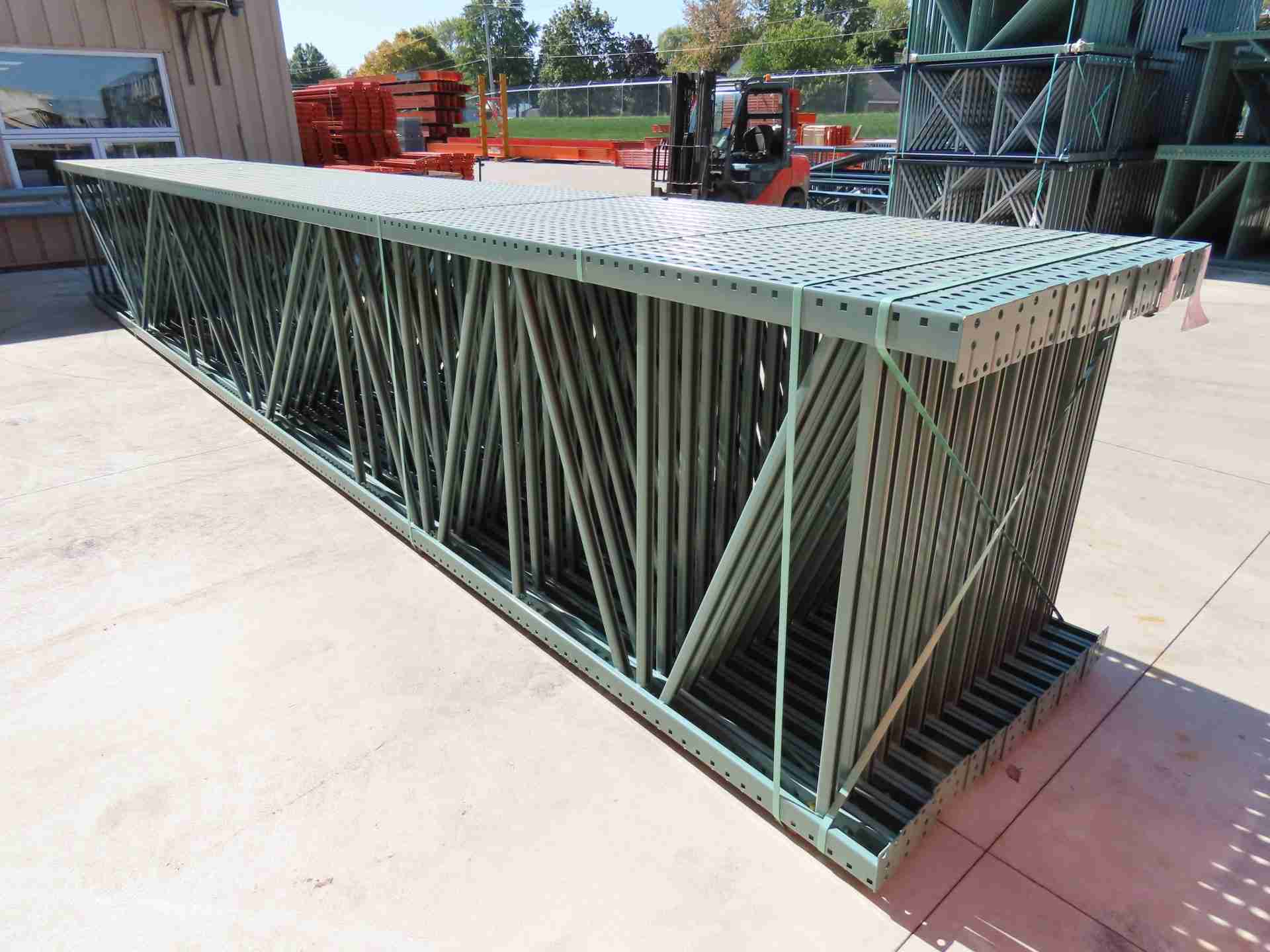
Conclusion
Conclusion:
- The warehouse environment directly affects team morale and productivity.
- Delays and inefficiencies lead to frustration and disengagement among employees.
- Implementing a well-structured warehouse layout enhances navigation and collaboration.
- Investing in proper equipment and optimizing processes boosts enthusiasm and commitment.
- Identifying causes of downtime is crucial for improving workflow and efficiency.
- Open communication with employees fosters a sense of ownership and empowerment.
- Now is the time to act; enhance operations with innovative racking solutions for improved morale.

Conclusion
Other Resources
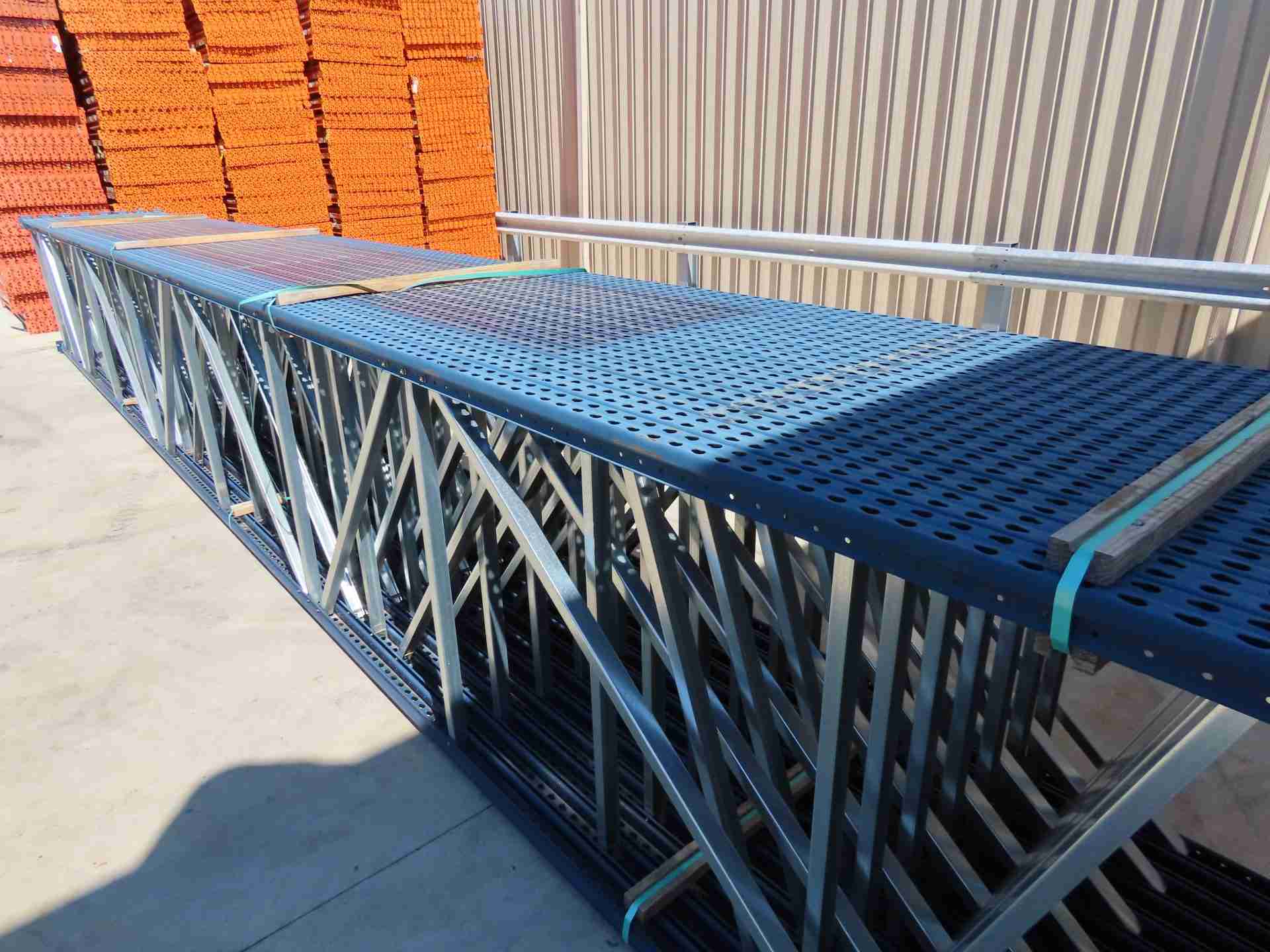
Other Resources
Here is a list of other resources you can review online to learn more:
- Iowa Illinois Warehouse Racking
- Chicago Pallet Racking
- Cantilever Racks Chicago
- Bradford Systems
- Warehousing and Fulfillment
- Warehouse Racking Systems: Beginner’s Guide to Rack Systems
- Rack Manufacturers Institute
- Material Handling Safety
- National Safety Council
- American Surplus
Use This Prompt To Get More Resources With Your Favorite Online AI Tool: Please provide me with a list of online articles with their URLs in a bulleted list that I can read regarding Is The Pain Of Lost Time Eating Away At Your Warehouse Team Morale?
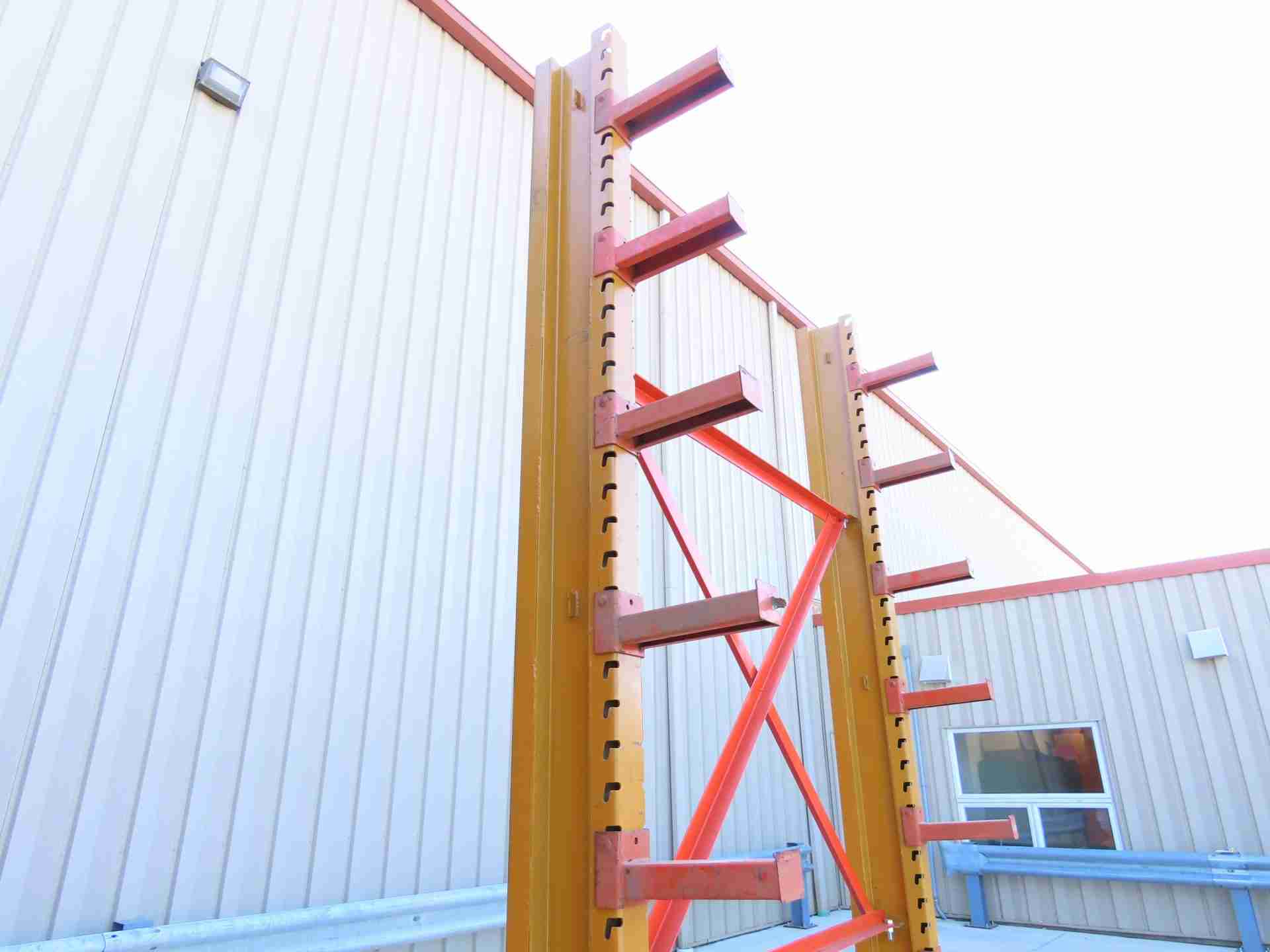
Other Resources
Glossary Terms
Is The Pain Of Lost Time Eating Away At Your Warehouse Team Morale? – Glossary Of Terms
1. Morale: The overall mood and spirit of a team; higher morale often leads to increased productivity.
2. Efficiency: The ability to accomplish tasks with minimal waste of time and resources.
3. Productivity: The output of work per unit of input, often measured in units produced per hour.
4. Time Management: The process of planning and controlling how much time to spend on specific activities.
5. Bottleneck: A point of congestion or blockage in a production system that limits overall throughput.
6. Inventory Management: The overseeing and controlling of ordering, storage, and use of components that a company uses in the production of the items it sells.
7. Workflow: The sequence of processes through which a piece of work passes from initiation to completion.
8. Motivation: The reasons or goals that drive an individual or team to take action, especially in a workplace context.
9. Team Dynamics: The unseen forces that influence a team’s behavior, interactions, and performance.
10. Communication: The exchange of information between team members; effective communication enhances collaboration.
11. Loss Aversion: A psychological principle indicating that the pain of losing is psychologically about twice as powerful as the pleasure of gaining.
12. Engagement: The emotional commitment and involvement a team member has toward their work and the organization.
13. Feedback Loop: A system where the outputs of a process are circled back and used as inputs, allowing for continuous improvement.
14. Workplace Culture: The shared values, beliefs, and behaviors that shape how work gets done in an organization.
15. Goal Setting: The process of establishing objectives for improving performance and productivity.
16. Turnover Rate: The percentage of employees who leave a company during a given period, indicating potential morale issues.
17. Training Programs: Structured opportunities for employees to acquire or enhance skills relevant to their jobs, impacting efficiency.
18. Workload Balance: The equitable distribution of work among team members, which can affect morale if imbalanced.
19. Recognition: Acknowledging and celebrating employee achievements to foster a positive working environment.
20. Stress Levels: The degree of pressure and anxiety experienced by employees, which can influence morale and productivity.
21. Time Theft: Instances where employees misappropriate time for personal activities during work hours, affecting overall productivity.
22. Prioritization: The process of deciding what tasks are most important and need immediate attention based on their potential impact.
23. Continuous Improvement: Ongoing efforts to enhance products, services, or processes through incremental improvements.
24. Retention Strategies: Techniques and policies aimed at keeping employees engaged and preventing turnover.
25. Workplace Flexibility: Options that allow employees to have variations in their work environment or schedules to improve work-life balance.
26. Empowerment: Providing employees with the authority, resources, and confidence to make decisions and take ownership of their work.
27. Satisfaction Surveys: Tools used to gauge employees’ feelings about their job and the workplace, which can inform morale and improvement initiatives.
28. Task Orientation: A focus on completing specific tasks efficiently, which can sometimes overshadow team collaboration.
29. Operational Downtime: Periods when warehouse operations are halted, leading to lost time and potential drops in team morale.
30. Crisis Management: Strategies implemented to handle unexpected events that can impact team productivity and morale.
Glossary Of Terms
Other Questions
Is The Pain Of Lost Time Eating Away At Your Warehouse Team Morale? – Other Questions
If you wish to explore and discover more, consider looking for answers to these questions:
- What are the signs of low morale in a warehouse team?
- How can I assess the current efficiency of my warehouse operations?
- What strategies can I implement to improve team communication?
- How does employee training impact warehouse productivity?
- What specific changes can be made to improve pallet racking systems?
- How can technology help minimize downtime in warehouses?
- What are some effective ways to solicit team feedback on processes?
- How can we measure the success of morale-boosting initiatives?
- What are the best practices for inventory management in a warehouse?
- What role does leadership play in maintaining employee morale?
Other Questions
Checklist
Is The Pain Of Lost Time Eating Away At Your Warehouse Team Morale? – A Checklist
Checklist: Boosting Warehouse Morale by Reclaiming Lost Time
Assess Current Warehouse Operations
_____ Evaluate the current pallet racking system for organization and accessibility.
_____ Identify operational bottlenecks and inefficiencies impacting workflow.
_____ Solicit feedback from warehouse staff regarding pain points and areas for improvement.
Implement Changes for Improvement
_____ Create a strategic plan for reorganizing the warehouse layout to enhance efficiency.
_____ Invest in automated or updated inventory management systems.
_____ Regularly schedule preventive maintenance on equipment to minimize downtime.
Foster Open Communication
_____ Establish regular team meetings to discuss challenges and solutions.
_____ Encourage employees to share their insights on improving processes.
_____ Provide a platform for anonymous feedback to assess team morale.
Enhance Training and Development
_____ Offer training programs focused on inventory management and equipment operation.
_____ Create mentorship opportunities within the team to encourage skill growth.
_____ Provide resources for self-directed learning related to warehouse processes.
Monitor and Measure Efficiency
_____ Track time spent on specific tasks to identify inefficiencies.
_____ Measure employee morale through surveys or informal check-ins.
_____ Analyze the correlation between lost time and productivity metrics.
Recognize and Reward Efforts
_____ Implement a recognition program for employees who suggest successful improvements.
_____ Celebrate milestones and achievements within the team.
_____ Provide incentives for meeting efficiency goals or maintaining high morale.
Focus on Team Morale
_____ Regularly assess signs of low morale (decreased communication, lack of enthusiasm, absenteeism).
_____ Create team-building activities to promote camaraderie and trust.
_____ Maintain a positive work environment that fosters collaboration.
Continuously Evaluate and Adjust
_____ Set regular intervals for reviewing operational changes and morale indicators.
_____ Stay adaptable to changing conditions and feedback from the team.
_____ Make ongoing improvements to increase both efficiency and employee satisfaction.
Take Action
_____ Prioritize action items based on urgency and potential impact.
_____ Assign responsibilities for each action item to team members.
_____ Establish a timeline for implementing changes and reviewing outcomes.
By following this checklist, you can reclaim lost time and improve warehouse morale, fostering an environment where your team can thrive and work efficiently.
Checklist
At RackingWorld, we help guide you through selecting warehouse storage systems and racking.
Be sure to read our other related stories at RackingWorld to learn more about warehouse storage systems.
0 Comments