
Unveiling The Impact Of Safety Culture On Warehouse Complacency
By Tom Seest
At RackingWorld, we help guide you through selecting warehouse storage systems and racking.
Be sure to read our other related stories at RackingWorld to learn more about warehouse storage systems.
Is Your Safety Culture Making Warehouse Workers More Complacent?
In warehouses, a robust safety culture is non-negotiable. It’s what keeps employees safe, ensures productivity, and ultimately drives profits. But here’s the catch: while you might think a strong emphasis on safety would encourage vigilance, it can sometimes veer into complacency. Have you considered how your safety protocols might inadvertently lull your workers into a false sense of security?
Picture this: you walk through a warehouse filled with towering pallet racking systems. Employees buzz around, moving swiftly between aisles, loading and unloading goods. But then, amidst that flurry of activity, you notice a worker casually leaning against a pallet rack, scrolling through their phone. The lamination of safety posters on the walls has become mere background noise—a tapestry of cautionary phrases lost within the often overwhelming rhythm of daily operations.
This is where the disconnect lies. Your safety culture may be so well established it’s become routine, and routines can breed complacency. When workers perceive that their environment is always safe, they may engage in behaviors that compromise their well-being. This isn’t just a minor issue; it’s a critical pitfall that can lead to significant accidents, increased insurance costs, and diminished morale.
To avoid this slippery slope, you need to inject fresh energy and urgency into your safety practices. Here are some actionable strategies to consider:
1. Regular and Engaging Training: Move beyond the standard safety training sessions. Utilize interactive components, gamification, or real-life scenarios that demand active participation. Make training memorable, not monotonous.
2. Encourage Open Dialogue: Create a culture where workers feel safe voicing their concerns or suggestions about safety protocols. An open forum can lead to insights that may not have been considered by management.
3. Recognize Safe Behavior: Acknowledge and reward safe practices amongst your team. When employees see their peers being celebrated for diligence, they’re more likely to adopt those behaviors themselves.
4. Frequent Safety Audits: Schedule regular assessments of your practices and physical workspace, particularly focusing on areas around pallet racking. Don’t just rely on past evaluations—stay proactive.
In fostering a truly effective safety culture, striking the right balance is essential. Challenge complacency head-on, and create an environment where vigilance and attentiveness thrive—and watch your productivity and worker satisfaction soar. Trust in your team, invest in their safety, and together, transform your warehouse into a model of excellence.

Is Your Safety Culture Making Warehouse Workers More Complacent?
Is Your Safety Culture Making Warehouse Workers More Complacent?
- A strong safety culture in warehouses is essential for employee safety, productivity, and profitability.
- Complacency can arise from an established safety culture, leading workers to feel overly secure in their environment.
- Casual behaviors, like using phones while working, indicate a disconnect in safety awareness among employees.
- Routine safety practices can lead to significant accidents, increased insurance costs, and decreased morale.
- Implement engaging training methods to make safety practices memorable and effective.
- Encourage open dialogue to allow workers to voice concerns and suggest improvements on safety protocols.
- Regular audits and recognition of safe behaviors can help maintain vigilance and improve overall safety in the warehouse environment.
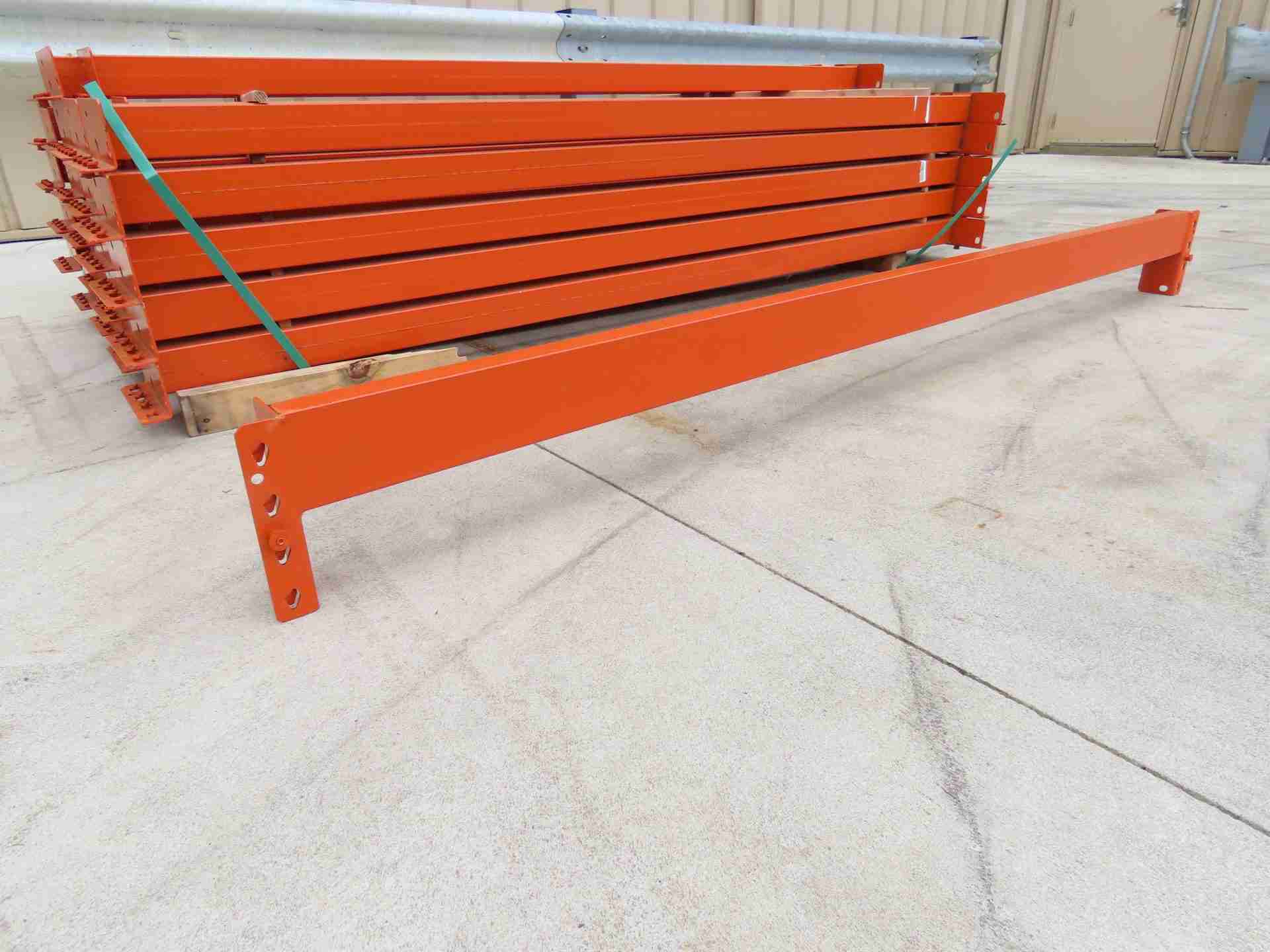
Is Your Safety Culture Making Warehouse Workers More Complacent?
Table Of Contents
- Is Your Safety Culture Making Warehouse Workers More Complacent?
- Is Your Safety Culture Fostering Complacency In Workers?
- Are Safety Protocols Being Ignored In Your Warehouse?
- How Does Employee Training Impact Safety Culture?
- What Role Does Management Play In Safety Compliance?
- Are Safety Incentives Effective In Reducing Complacency?
- How Can You Identify Signs Of Complacency In Your Team?
- Conclusion
- Other Resources
- Glossary Of Terms
- Other Questions
- Checklist
Is Your Safety Culture Fostering Complacency In Workers?
Picture this: Your warehouse floor—a bustling hive of activity. Workers moving swiftly among stacks of goods, safety gear donned, and protocols visible. From afar, it looks like a model of operational excellence. But dig a little deeper. Are your employees merely going through the motions, feeling secure with the status quo? Is your safety culture inadvertently breeding complacency when it should be sparking vigilance instead?
Let’s consider the critical example of pallet racking. It’s not just an arrangement of shelves; it plays a pivotal role in ensuring safety and efficiency in your workplace. When workers become overly comfortable with their surroundings, believing everything is “fine,” that’s when accidents happen. A mismanaged pallet racking system can quickly turn a harmless environment into a hazardous one. Think about it—your team might repeat racking procedures without a second thought, missing the signs that something isn’t quite right.
Creating an effective safety culture is about more than just checkboxes and annual training; it’s about instilling a mindset of continuous improvement and accountability among your employees. You need to engage them, foster an active discussion around safety, and bring awareness to potential risks. When was the last time you evaluated not just the risks associated with pallet racking but also the perception your workers have of them? Do they see it as a critical part of their job, or just another piece of furniture?
Here’s the opportunity: Promote a culture where employees feel empowered to speak up. Encourage them to spot the signs of potential hazards. Make safety a dynamic conversation, rather than a monotonous set of rules. The moment workers feel ownership over the safety procedures, their engagement skyrockets, and complacency gets kicked to the curb. A proactive safety culture isn’t a passive assurance—it’s an active commitment to recognizing and mitigating risk.
Remember, the strength of your safety culture isn’t reflected solely in incident statistics but in the confidence and attentiveness of your employees. When they feel valued and engaged, they become your first line of defense, ensuring that the pallet racking—and the entire operation—remains safe for everyone involved. So, how are you fostering trust and vigilance in your team today?

Is Your Safety Culture Fostering Complacency In Workers?
Is Your Safety Culture Fostering Complacency In Workers?
- Warehouse floors may appear orderly but could mask employee complacency regarding safety.
- Pallet racking systems are crucial for safety and efficiency; mismanagement can lead to hazards.
- Complacency in routine tasks can result in overlooking potential dangers.
- Building an effective safety culture requires continuous improvement and accountability.
- Engagement and discussion about safety help raise awareness and identify risks.
- Empowering employees to speak up fosters ownership and reduces complacency.
- Active commitment to safety strengthens employee confidence and vigilance, enhancing overall workplace safety.
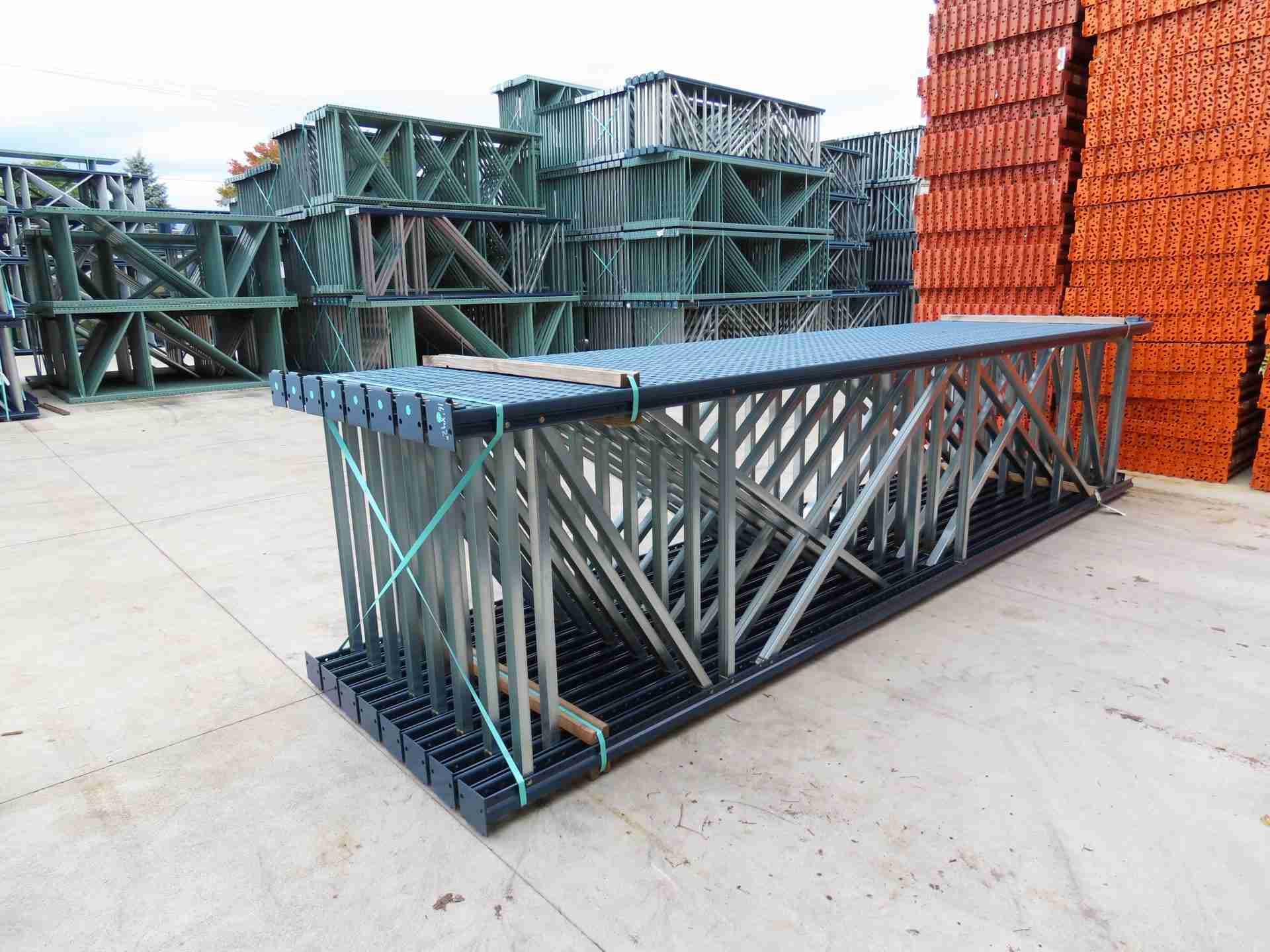
Is Your Safety Culture Fostering Complacency In Workers?
Are Safety Protocols Being Ignored In Your Warehouse?
In the bustling environment of a warehouse, it’s easy to get caught up in the daily grind. With deadlines looming and shipments piling up, safety measures can sometimes feel like a secondary concern. But let’s take a step back. Is it worth risking the well-being of your team over a few saved minutes? If you’ve noticed your pallet racking systems bending under the weight of poorly stacked goods or a less-than-stringent attitude towards protective gear, it’s time to pause and reconsider.
Consider this: every corner of your warehouse is a pivotal part of your operations. Your pallet racking, the backbone of your storage efficiency, can become a potential hazard if not managed correctly. Are you regularly checking for signs of wear and tear? Proper inspections can mean the difference between a safe working environment and a harmful accident. If your team is ignoring these vital safety checks, they’re not just endangering themselves—they’re jeopardizing the very fabric of your business.
It’s more than just a liability issue; it’s about fostering a culture of care and responsibility. Employees who feel valued and safe are not just happier—they’re more productive. By committing to safety protocols, you send a clear message: “We prioritize your health and well-being.” Imagine a team motivated by the knowledge that their workplace is a safe haven. That’s the kind of environment that translates into reduced turnover rates and increased effectiveness.
So, what can you do? Start by holding a safety audit of your warehouse environment. Gather your team and encourage open conversations. Empower your employees to share their concerns about pallet racking and other safety practices. They’re your front line; they know what works and what doesn’t. Involving them in the process not only inspires trust but also fosters a sense of ownership over safety initiatives.
Let’s be frank—nobody wants to be the company known for negligence. Your reputation is on the line. By taking a proactive approach to safety protocols, you can create an environment where accidents become a rarity and success becomes the norm. Ultimately, a commitment to safety isn’t an expense; it’s an investment into your most valuable asset—your people. So, take the reins now. Revisit those protocols and watch your warehouse transform into a fortress of productivity and safety.
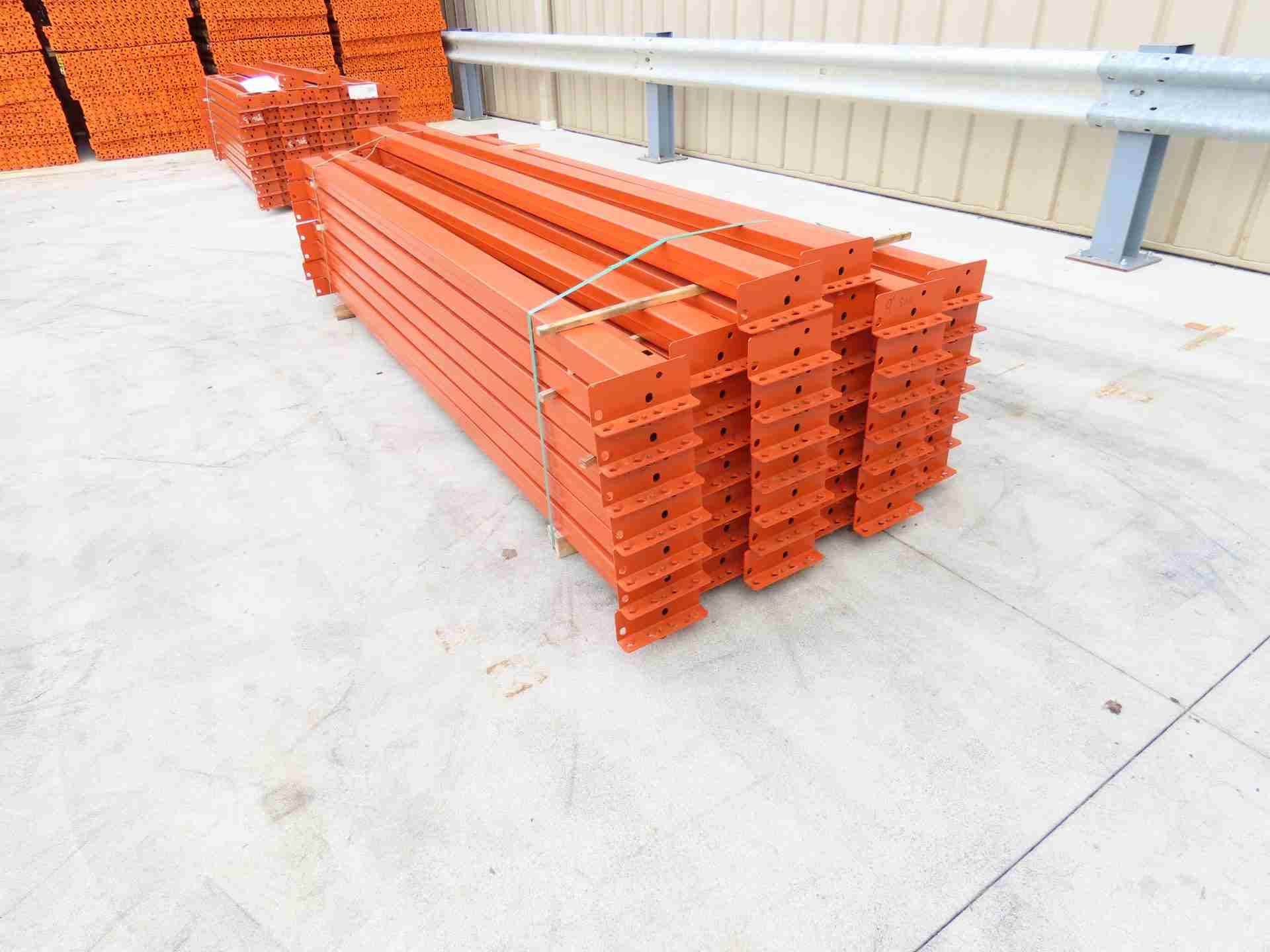
Are Safety Protocols Being Ignored In Your Warehouse?
Are Safety Protocols Being Ignored In Your Warehouse?
- Warehouse safety often takes a backseat in high-pressure environments with looming deadlines and backlogs.
- Neglecting safety protocols can endanger team members and compromise the overall business operation.
- Regular inspections of pallet racking and safety gear are crucial for preventing accidents and ensuring a safe work environment.
- Fostering a culture of care and responsibility leads to happier and more productive employees.
- Conducting safety audits and encouraging team discussions can help identify safety concerns and improve practices.
- Involving employees in safety initiatives promotes trust and ownership, enhancing overall safety measures.
- Prioritizing safety is an investment in your workforce, transforming the warehouse into a productive and secure space.
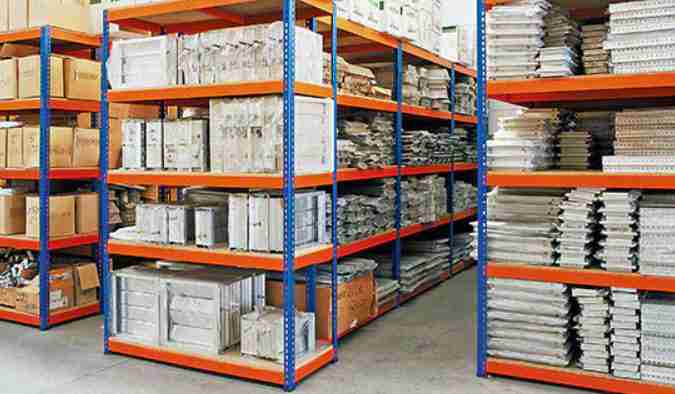
Are Safety Protocols Being Ignored In Your Warehouse?
How Does Employee Training Impact Safety Culture?
Imagine walking through a warehouse where the hum of machinery harmonizes with the diligent teamwork of your employees. In this environment, every individual knows their responsibility, every action is deliberate, and safety isn’t merely a protocol—it’s part of the corporate DNA. At the core of this thriving safety culture is one pivotal element: comprehensive employee training.
When we talk about safety culture, we’re not just discussing policies and procedures written in a dusty handbook. Safety culture is built day by day through the actions and attitudes of every team member. Here’s the reality: effective employee training creates an informed workforce that feels empowered to speak up and make safety a priority. Think of it this way: your pallet racking systems—crucial for optimal efficiency—are only as secure as the individuals managing them. Improper handling can lead to accidents, but a well-trained employee will recognize potential hazards and act decisively to mitigate risks.
On the surface, investing in training might seem like a cost. However, the truth is, it’s an investment in trust. When employees feel confident in their knowledge and skills, they are far more likely to adhere to safety protocols—transforming a reactive approach to safety into one that is proactive. Every employee becomes a guardian of safety, a sentinel who watches over not just themselves but their coworkers as well. This lifeblood of safety culture nurtures a collective sense of responsibility that resonates throughout the organization.
Now, let’s talk about engagement. A well-designed training program can turn mundane safety workshops into dynamic learning experiences. Imagine interactive sessions that use real-life scenarios, simulations that incorporate pallet racking safety, and even team-building exercises centered around best practices. When employees can relate what they learn to daily operations, they take ownership of their safety culture—ensuring that lessons learned aren’t easily forgotten.
As you think about employee training in the context of your organization, remember this: your investment in training is a commitment to a safer, more engaged workplace. Allowing employees to fully understand the importance of their roles in maintaining a secure environment not only minimizes risks but also enhances morale. When people feel valued and safe, they are far more likely to go above and beyond, creating a ripple effect that strengthens the foundation of your safety culture.
No matter how advanced your equipment or systems may be, the real driving force behind a solid safety culture is a well-trained team ready to act wisely and swiftly. This is how employee training becomes not just a checkbox, but a cornerstone of your organization’s success.
How Does Employee Training Impact Safety Culture?
How Does Employee Training Impact Safety Culture?
- A thriving safety culture relies on comprehensive employee training as its core element.
- Safety culture is built daily through the actions and attitudes of each team member, beyond written policies.
- Effective training empowers employees to prioritize safety and recognize potential hazards.
- Investing in training nurtures trust and transforms a reactive safety approach into a proactive one.
- A dynamic training program can engage employees through interactive sessions and real-life scenarios.
- Understanding their roles in safety boosts employee morale and minimizes risks.
- A well-trained team is essential for a robust safety culture, ensuring organizational success.

How Does Employee Training Impact Safety Culture?
What Role Does Management Play In Safety Compliance?
When it comes to safety compliance, management isn’t just another cog in the wheel—it’s the engine that drives the entire organization toward a culture of safety. Imagine your business operating like a well-oiled machine, where each component harmonizes to keep your team secure. That’s the power of strong management.
Let’s talk about pallet racking. It’s a vital part of your warehouse operations, but without a robust safety compliance program led by management, it’s just a stack of metal and wood. The role of management in safety compliance begins with the acknowledgment that every pallet racking unit represents not just a storage solution, but also a potential hazard if not properly utilized. By taking proactive steps—like regular inspections, employee training sessions, and adherence to safety standards—management shows a commitment to creating a safe work environment.
But it goes deeper than policies and procedures. Effective management cultivates an atmosphere where safety is a shared responsibility. When leadership actively engages in safety discussions, it empowers employees to voice concerns without fear. Think about it: wouldn’t you feel more secure working under leaders who prioritize your well-being? This isn’t just good for morale; it actively reduces the risk of accidents and improves productivity. Trust builds trust—your team feels valued, and that sparks a ripple effect of positive behavior.
Moreover, management’s role isn’t just confined to compliance; it extends to fostering continuous improvement in safety protocols. Regular audits of your pallet racking setup can uncover potential risks and reveal opportunities for improvement. Implementing technology to track safety compliance isn’t just smart; it’s essential. It signals to employees that their safety is a paramount concern, making the workplace not just compliant but thriving.
Let’s not forget the importance of communication. Management must champion clear, transparent dialogue around safety regulations, ensuring everyone understands their role and responsibilities. By setting realistic expectations and offering the necessary resources, management creates a framework for success.
So, if you’re looking to enhance safety compliance in your organization, remember this: it starts at the top. Engage, empower, and elevate your safety standards through committed management. Together, let’s transform your workplace into a beacon of safety—where the only thing your pallet racking holds is a commitment to excellence and well-being. Your team deserves it, and your bottom line will thank you for it.

What Role Does Management Play In Safety Compliance?
What Role Does Management Play In Safety Compliance?
- Management serves as the driving force behind a culture of safety within the organization.
- Pallet racking is essential, but requires a strong safety compliance program led by management.
- Every pallet racking unit represents a potential hazard, necessitating regular inspections and employee training.
- Effective management fosters a culture of shared responsibility, empowering employees to voice safety concerns.
- Management’s role extends beyond compliance to enhancing safety protocols through continuous improvement.
- Clear communication of safety regulations and realistic expectations helps establish a successful safety framework.
- Commitment from leadership can transform workplaces into safe environments, benefiting both employees and the organization’s bottom line.
What Role Does Management Play In Safety Compliance?
Are Safety Incentives Effective In Reducing Complacency?
Are Safety Incentives Effective in Reducing Complacency?
When it comes to safety in the workplace, especially in environments where pallet racking systems loom tall and heavy, complacency can become a silent yet dangerous presence. The question arises: can safety incentives shake us from this state of apathy and lead us to adopt a more vigilant mindset?
Picture this: a busy warehouse where employees maneuver by towering rows of pallet racking, shifting pallets of goods with precision. Everyone is familiar with the daily grind, but amid the routine, the risk of accidents lurks. It’s easy to underestimate the hazards when you’re comfortable—until something goes wrong. That’s where safety incentives come into play.
Think of an incentive program as a nudge—a gentle reminder that each of us holds a crucial role in maintaining a safe environment. By rewarding safe behaviors, organizations foster a culture of awareness and care. Imagine a scenario where an employee is recognized for spotting a safety violation near the pallet racking. What if that recognition comes with a tangible reward—be it monetary, extra time off, or even a fun outing? Suddenly, being proactive carries benefits that extend beyond just “doing the right thing.”
This isn’t just about putting a Band-Aid on a bigger issue; it’s about embedding safety into the fabric of your organizational culture. Incentives empower employees to think critically, making them active participants in their own safety and that of their colleagues. Combine that with regular training sessions focusing on the intricacies of pallet racking safety, and you’ve got a recipe for reduced complacency and increased vigilance.
Moreover, the beauty of safety incentives lies in their relational power. Engaging employees in discussions about safety not only fosters trust but also encourages feedback. When team members feel listened to and valued, they become advocates for a culture where safety is upheld vigorously—not merely because of regulations, but because they believe in it.
The effectiveness of safety incentives in reducing complacency boils down to one fundamental truth: engagement matters. When your workforce sees that their actions lead to tangible rewards and meaningful recognition, complacency loses its grip. The result? A safer workplace where every employee feels a sense of ownership over their environment. It’s time to make safety a priority, one incentive at a time! Take action now and watch the transformation unfold.
Are Safety Incentives Effective In Reducing Complacency?
Are Safety Incentives Effective In Reducing Complacency?
- Complacency in workplace safety, especially around pallet racking systems, poses significant risks.
- Safety incentives may encourage a vigilant mindset and reduce apathy among employees.
- Incentive programs reward safe behaviors, promoting a culture of awareness and care.
- Recognition for identifying safety violations can come with tangible rewards, enhancing proactivity.
- Embedding safety into organizational culture is essential, aided by regular training focused on pallet racking safety.
- Engaging employees in safety discussions fosters trust, feedback, and advocacy for a strong safety culture.
- When workforce actions result in meaningful recognition, complacency diminishes, leading to a safer workplace.
Are Safety Incentives Effective In Reducing Complacency?
How Can You Identify Signs Of Complacency In Your Team?
How Can You Identify Signs of Complacency in Your Team?
In the bustling world of industry, complacency often lurks beneath the surface, disguising itself in the daily grind of operations. It’s like pallet racking in an overcrowded warehouse—at first glance, everything seems organized and functional. But take a step back, and you might begin to see signs of disarray or neglect. If left unchecked, complacency can lead to a decline in productivity, morale, and even profitability. So, how can you identify when your team has fallen into this trap?
Listen to the Quiet
When your team transitions from vibrant brainstorming sessions to a lull in creative conversations, pay attention! This silence can be a red flag, signaling that members may be resting on their past achievements instead of pushing forward. If you notice a lack of enthusiasm around new initiatives or projects, it’s time to engage them. Pose stimulating questions that spark dialogue and reignite their passion.
Monitor Daily Routines
Like tracking inventory in pallet racking, observing daily routines can reveal more than just tasks completed. Are team members going through the motions without genuine investment? A steady decline in proactive engagement means they may be operating on autopilot. Encourage them to share ideas or take on new responsibilities, creating opportunities for personal growth and renewed enthusiasm.
Spot the Resistance
Resistance to change is a warning sign that complacency has set in. Is your team hesitant to adopt new tools or processes? They may be comfortable with the status quo, which can stunt growth and innovation. Create an environment where change is seen as an opportunity rather than a threat. Share success stories of transition and transformation—show them what’s possible.
Gauge Team Dynamics
The energy of your team is telling. Are members just doing their part, or are they collaborating and supporting one another? Complacency often breeds isolation. Foster collaboration by integrating team-building exercises and maintaining an open-door policy. When individuals feel connected, they are more likely to invest in collective goals.
Solicit Feedback
Finally, don’t hesitate to ask the hard questions. Surveys or one-on-one discussions can reveal whether your team feels challenged, valued, or simply comfortable. By actively seeking their input, you signal that their thoughts matter, fostering a culture of accountability and motivation.
Identifying complacency requires a keen eye and a genuine interest in your team’s well-being. Take action alone, and you risk falling behind; bring your team into the conversation, and watch as their motivation, creativity, and shared purpose ignite uniform momentum in your workplace!

How Can You Identify Signs Of Complacency In Your Team?
How Can You Identify Signs Of Complacency In Your Team?
- Complacency in teams can mask underlying issues, leading to decreased productivity and morale.
- A drop in creative conversations can indicate complacency; engage your team to reignite their passion.
- Monitoring daily routines may reveal if team members are just going through the motions on autopilot.
- Resistance to adopting new tools or processes signals comfort with the status quo and potential stagnation.
- Team dynamics can inform you of complacency; foster collaboration through team-building and open communication.
- Solicit feedback through surveys or discussions to understand if team members feel challenged and valued.
- Actively engaging with your team can foster motivation and creativity, preventing complacency from taking hold.
How Can You Identify Signs Of Complacency In Your Team?
Conclusion
Conclusion: Transforming Complacency into Vigilance for a Safer Warehouse
At Arrow Industrial Sales, we recognize that a strong safety culture is the backbone of your warehouse operations. However, as we’ve discussed, an overwhelming emphasis on safety can paradoxically lead to complacency among workers—a condition that’s not just detrimental to morale, but also to profitability and safety itself. Navigating this issue requires more than just standard training programs and compliance checklists; it necessitates a commitment to fostering an environment that prioritizes engagement, open communication, and proactive vigilance.
Imagine a workplace where every team member isn’t just coasting through the daily grind, but fully aware and invested in their surroundings. When employees feel empowered to voice their safety concerns, actively participate in training sessions, and are recognized for safe practices, they transform from passive followers of protocol to passionate custodians of safety. This shift not only reduces the risk of accidents but also enhances overall productivity and morale.
To combat complacency effectively, consider implementing regular and engaging training that inspires your team, mixed with open dialogue that encourages innovative suggestions. Prioritizing safety audits and recognizing safe behaviors turns compliance into a shared responsibility, naturally ingraining safety into the corporate culture.
But the urgency to act is now. Do not let another day pass where your workplace remains at risk due to neglected safety protocols. Whether you are seeing signs of complacency or a lack of engagement with your safety culture, the time to intervene is today.
Call Arrow Industrial Sales at (574) 349-6575 to explore tailored solutions for revitalizing your safety initiatives. Each moment you delay is not only a risk to the safety of your team but also to the sustainability of your business. Equip your warehouse with the tools needed to transform your safety culture from routine complacency into dynamic commitment. Let’s work together to foster a vigilant, engaged, and safe workplace for everyone. Your team deserves it, and your bottom line will benefit from it. Don’t wait—take action now!

Conclusion
Conclusion:
- A strong safety culture is essential for warehouse operations at Arrow Industrial Sales.
- Overemphasis on safety can lead to worker complacency, harming morale, profitability, and safety.
- A commitment to engagement, communication, and vigilance is necessary to combat complacency.
- Empowered employees who voice concerns and participate in training become proactive custodians of safety.
- Implementing regular, engaging training and safety audits can integrate safety into corporate culture.
- Immediate action is crucial to address signs of complacency and improve safety protocols.
- Contact Arrow Industrial Sales for tailored solutions to enhance your safety culture and reduce risks.

Conclusion
Other Resources
Other Resources
Here is a list of other resources you can review online to learn more:
- American Surplus
- Rack Manufacturers Institute
- Warehouse Racking Layout: The Ultimate Guide – Conger
- Pallet Racking systems in Illinois and Great Lakes
- Warehouse Racking Chicago, IL
- Mustang Material Handling
- Pallet Racks, Pallet Racking, Pallet Shelves in Stock – ULINE
- Cantilever Rack Guide: Ordering Cantilever Racking
- Chicago Pallet Racking
- Cantilever Rack Configuration & Installation: A Comprehensive Guide – BMH
Use This Prompt To Get More Resources With Your Favorite Online AI Tool: Please provide me with a list of online articles with their URLs in a bulleted list that I can read regarding Is Your Safety Culture Making Warehouse Workers More Complacent?
Other Resources
Glossary Terms
Is Your Safety Culture Making Warehouse Workers More Complacent? – Glossary Of Terms
1. Safety Culture: The shared values, beliefs, and practices regarding safety within an organization, influencing how employees prioritize safety in their daily tasks.
2. Complacency: A state of self-satisfaction and lack of awareness of potential dangers, leading to decreased vigilance in safety practices.
3. Risk Assessment: A systematic process for identifying hazards, evaluating risks, and determining appropriate ways to eliminate or control those risks.
4. Training Programs: Structured education initiatives aimed at improving employees’ knowledge and skills related to safety procedures and equipment usage.
5. Incident Reporting: The process of documenting and communicating accidents, near misses, or unsafe conditions to promote awareness and prevent future occurrences.
6. Behavior-Based Safety (BBS): A safety management approach that focuses on reinforcing safe behaviors and correcting unsafe actions through observation and feedback.
7. Standard Operating Procedures (SOPs): Detailed written instructions to achieve uniformity in performing specific tasks related to safety and operational protocols.
8. Near Miss: An event that could have resulted in injury or damage but did not, often serving as a critical learning opportunity in safety culture.
9. Hazard Identification: The process of recognizing potential sources of harm in the workplace, crucial for effective safety management.
10. Personal Protective Equipment (PPE): Specialized clothing and gear designed to protect workers from hazards in their environment, such as gloves, helmets, and safety goggles.
11. Safety Audits: Comprehensive evaluations of safety policies, procedures, and practices to ensure compliance and identify areas needing improvement.
12. Continuous Improvement: An ongoing effort to enhance products, services, or processes through incremental improvements over time, especially in safety practices.
13. Employee Engagement: The emotional commitment and involvement of employees in their workplace safety culture, enhancing adherence to safety protocols.
14. Accountability: The obligation of workers and management to take responsibility for following safety standards and addressing breaches in protocol.
15. Workplace Ergonomics: The study of how to optimize the design of workstations, tools, and tasks to ensure safety and efficiency while reducing strain.
16. Safety Signage: Visual alerts or warnings displayed in the workplace to inform employees of hazards and promote safe behavior.
17. Crisis Management: Strategies and processes for responding effectively to emergencies and minimizing risks during unforeseen events.
18. Fatigue Management: Techniques and practices to reduce employee fatigue, which can impact focus and increase the likelihood of accidents.
19. Peer Accountability: Encouraging employees to hold each other accountable for safety practices, fostering a team-oriented safety culture.
20. Root Cause Analysis: A method of identifying the underlying reasons for an incident, which helps prevent recurrence by addressing systemic issues.
21. Safety Metrics: Quantifiable measures used to assess and track the effectiveness of safety programs and employee adherence to safety practices.
22. Leadership Commitment: The visible and active support from management for safety initiatives, which is crucial in fostering a strong safety culture.
23. Behavioral Observation: Systematic monitoring of employee behaviors to identify and reinforce safe practices while addressing unsafe actions.
24. Motivation: Internal or external factors that stimulate individuals to take action and prioritize safety in their work environment.
25. Change Management: A structured approach for managing shifts in safety policies, procedures, or practices, ensuring employees adapt effectively.
26. Whistleblower Policy: Guidelines that protect employees who report unsafe practices or safety violations, encouraging transparency in safety culture.
27. Feedback Mechanism: A system for collecting and addressing employee suggestions and concerns regarding safety practices, increasing engagement and improvement.
28. Mental Health Awareness: Initiatives aimed at recognizing and addressing mental health issues in the workplace, which can impact safety performance.
29. Safety Conformance: Adherence to established safety regulations, standards, and practices within an organization to ensure worker and workplace safety.
30. Resilience: The ability of an organization to adapt to safety challenges, learn from incidents, and improve safety practices over time.
Glossary Of Terms
Other Questions
Is Your Safety Culture Making Warehouse Workers More Complacent? – Other Questions
If you wish to explore and discover more, consider looking for answers to these questions:
- What are the signs that a safety culture is becoming complacent?
- How can warehouses balance safety with efficiency in operations?
- What are the potential long-term effects of complacency in warehouse settings?
- How frequently should safety training be conducted in warehouses?
- What methods can be implemented to evaluate the effectiveness of safety protocols?
- How can workers be motivated to remain engaged with safety practices?
- What role does employee feedback play in shaping safety culture?
- Are there industry examples of successful safety culture transformations?
- What specific challenges do warehouses face in maintaining a safety culture?
- How can management effectively communicate the importance of safety to employees?
- What types of safety incentives have proven most effective in reducing complacency?
- How can technology be leveraged to improve safety compliance in warehouses?
- What is the relationship between safety culture and overall employee morale?
- How should incidents of safety protocol violations be addressed?
- What are some innovative training techniques to keep employees engaged in safety practices?
Other Questions
Checklist
Is Your Safety Culture Making Warehouse Workers More Complacent? – A Checklist
Checklist: Enhancing Your Warehouse Safety Culture
Evaluating and Improving Safety Culture
_____ Assess Current Safety Training: Review existing training programs for interactivity and engagement.
_____ Conduct Safety Audits: Schedule regular safety audits to identify and rectify potential hazards (e. g. , pallet racking stability).
_____ Evaluate Communication: Ensure open dialogue about safety concerns among all employees.
Training and Engagement
_____ Implement Engaging Training Techniques: Use gamification, real-life scenarios, and simulations in training sessions.
_____ Encourage Employee Ownership: Empower employees to voice safety concerns and contribute to safety practices.
Recognition and Incentives
_____ Establish a Recognition Program: Identify and reward employees who demonstrate safe practices.
_____ Develop Safety Incentives: Create incentives that encourage proactive safety behavior, such as monetary rewards or recognition.
Identifying Complacency
_____ Monitor Employee Engagement: Look for signs of dwindling enthusiasm or resistance to change among team members.
_____ Evaluate Team Collaboration: Observe daily interactions to identify whether team members are working together or in isolation.
_____ Solicit Regular Feedback: Use surveys or discussions to gather employee insights about their engagement and safety perceptions.
Management Involvement
_____ Promote Management Commitment: Ensure management is visibly engaged in safety discussions and takes a proactive role in safety compliance.
_____ Foster Continuous Improvement: Regularly assess and update safety protocols based on feedback and audit findings.
Building a Culture of Safety
_____ Create a Safe Environment: Dedicate resources to maintaining a safe workspace and ensuring all equipment is compliant and in good condition.
_____ Encourage a Culture of Care: Stress the importance of safety by linking it to employee well-being and productivity.
Conclusion and Next Steps
_____ Review and Revise Safety Policies: Continually evaluate and improve safety protocols based on employee feedback and audit findings.
_____ Invest in Your People: Focus on improving the overall safety culture and employee morale to boost productivity and reduce accidents.
By following this checklist, you can strengthen your warehouse’s safety culture, reduce complacency, and create a more engaged workforce dedicated to maintaining a safe working environment.
Checklist
At RackingWorld, we help guide you through selecting warehouse storage systems and racking.
Be sure to read our other related stories at RackingWorld to learn more about warehouse storage systems.
0 Comments