
Mastering Safe Storage: Expert Tips For A Hazard-Free Space
By Tom Seest
At RackingWorld, we help guide you through selecting warehouse storage systems and racking.
Be sure to read our other related stories at RackingWorld to learn more about warehouse storage systems.
How Do You Ensure Your Storage Space Is Not a Death Trap?
When it comes to managing your storage space, safety should be your top priority. Imagine stepping into your warehouse, only to be greeted by a chaotic jungle of towering pallets, precariously stacked boxes, and dust-coated machinery. It’s not just an eyesore; it’s a recipe for disaster. So how do you prevent your storage area from becoming a potential death trap? Start with the fundamentals and make safety the cornerstone of your operations.
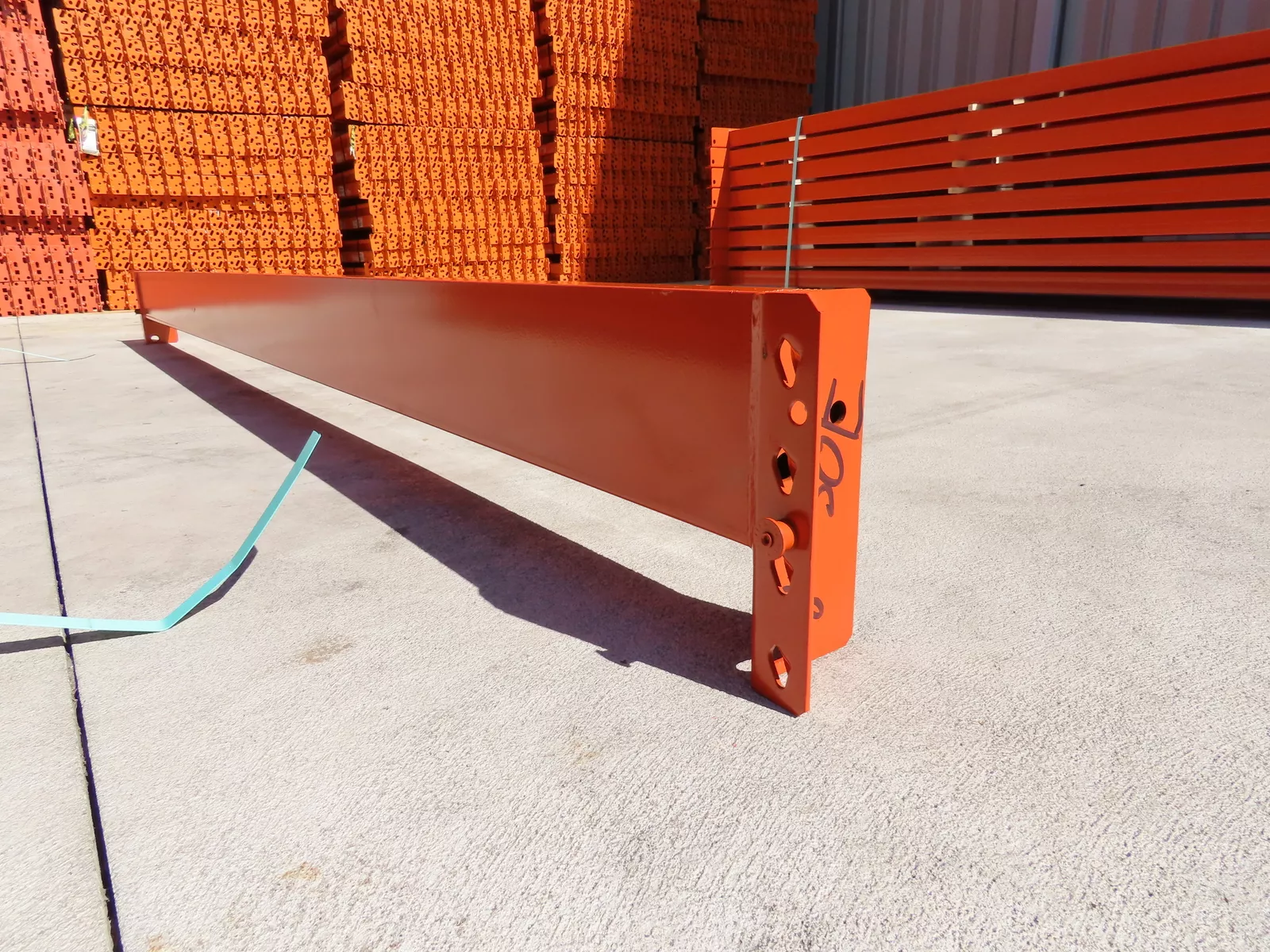
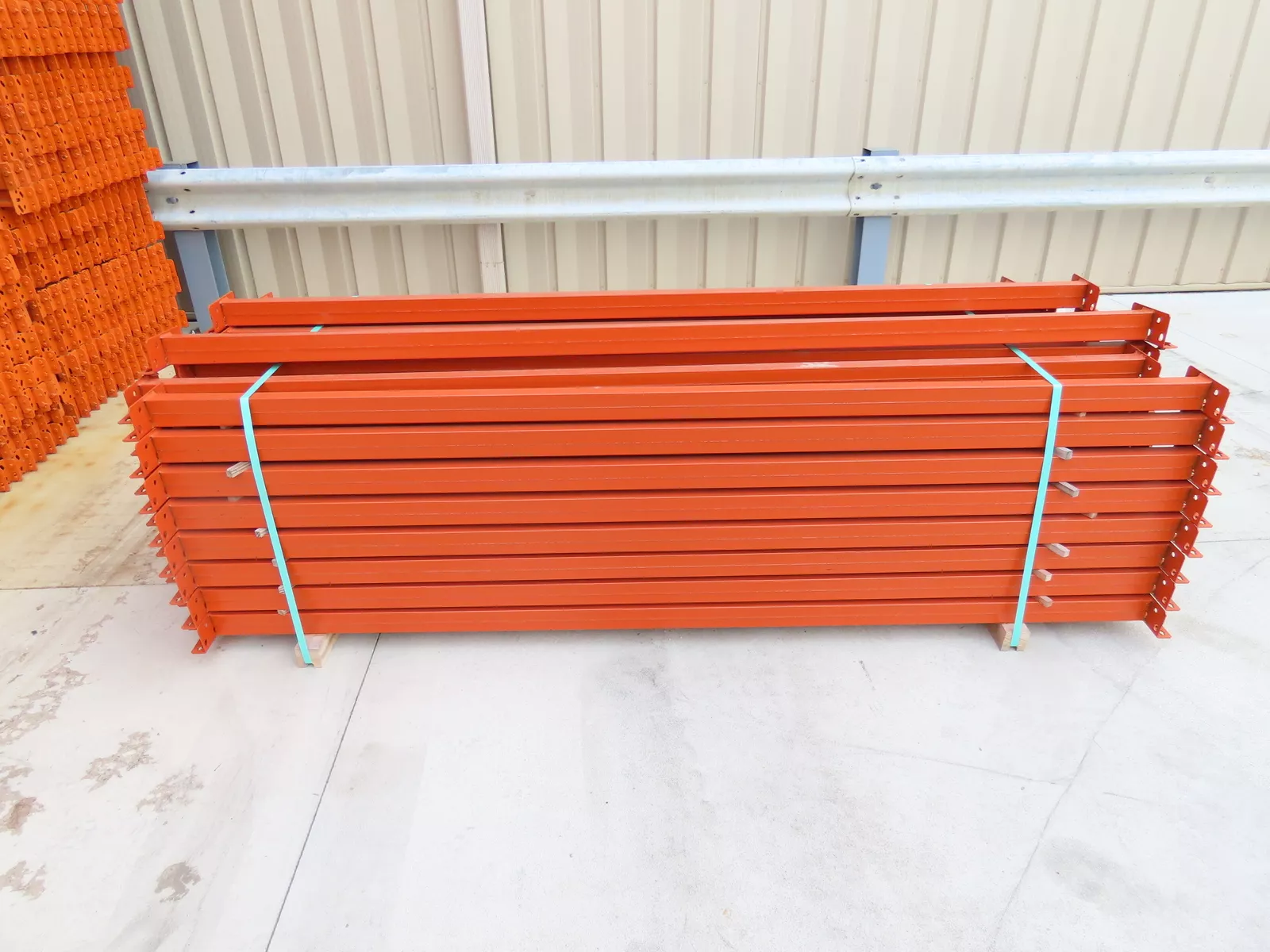
First and foremost, let’s talk about Pallet Racking. This essential element of your storage solution is not just about maximizing space; it’s about ensuring that your products are stored safely and accessible. Adequate pallet racking systems help distribute weight evenly, minimizing the risk of collapses that could lead to severe accidents. When selecting the right pallet racking for your needs, ensure it’s suitable for the weight of your inventory and adheres to safety standards.
Next, conduct a thorough evaluation of your storage layout. Clutter breeds chaos, and chaos breeds danger. Take the time to organize your space methodically. Use clearly labeled aisles and keep pathways wide enough for easy movement, especially for forklifts and other equipment. Consider installing safety barriers or guard rails to protect your employees from risks posed by moving machinery.
Don’t overlook training! Your team is your first line of defense. Provide comprehensive training on how to handle materials and equipment safely. Regularly refresh their knowledge through workshops and drills, and encourage them to voice any safety concerns they may have. Creating a culture of safety not only protects your employees but also enhances their morale and productivity.
Lastly, perform regular inspections and maintenance on your storage systems. Dust and neglect can hide potential hazards. Regular maintenance of your pallet racking and inventory can significantly reduce risks and increase efficiency. Develop a checklist to ensure that everything from the pallet racks to the machinery aligns with safety standards.
In essence, your storage space doesn’t have to be a ticking time bomb waiting to go off. With the right approach to pallet racking, organization, training, and maintenance, you can foster an environment that prioritizes safety. Remember, by investing time and resources into these key areas, you’re not just ensuring compliance—you’re building a safer workplace for everyone who steps through that door. Don’t wait for an accident to happen; take action today to secure your space!

How Do You Ensure Your Storage Space Is Not a Death Trap?
How Do You Ensure Your Storage Space Is Not a Death Trap?
- Prioritize safety in storage management to prevent chaotic and dangerous environments.
- Implement adequate pallet racking systems to ensure products are stored safely and accessed easily.
- Evaluate and organize your storage layout to minimize clutter and maintain clear pathways.
- Install safety barriers or guard rails to protect employees from risks associated with moving machinery.
- Provide comprehensive training for your team on safe handling of materials and equipment.
- Conduct regular inspections and maintenance on storage systems to identify and reduce potential hazards.
- Invest in safety measures to create a compliant and secure workplace for all employees.
How Do You Ensure Your Storage Space Is Not a Death Trap?
Table Of Contents
- How Do You Ensure Your Storage Space Is Not a Death Trap?
- How Can I Organize My Storage Space Effectively?
- What Are The Safety Risks In Storage Areas?
- How Do I Prevent Pest Infestations In Storage?
- What Items Should I Avoid Storing In Confined Spaces?
- How Can I Improve Ventilation In My Storage Area?
- What Are The Signs Of Mold In Stored Items?
- Conclusion
- Other Resources
- Glossary Of Terms
- Other Questions
- Checklist
How Can I Organize My Storage Space Effectively?
Imagine walking into a storage space where everything is orderly, accessible, and easy to find. It’s not just a dream; it can be your reality! A well-organized storage area can be the game changer that transforms your daily operations, whether you’re managing a home clutter crisis or a bustling warehouse. The secret to achieving this lies in strategic planning and clever utilization of available resources, including solutions like pallet racking.
First, assess your current space. Are you using vertical space to its fullest potential? This is where pallet racking comes into play. These sturdy, adjustable shelving systems allow you to store items high off the ground, freeing up valuable floor space for movement and additional storage needs. By organizing items based on frequency of use—storing frequently accessed items at eye level while placing less frequently needed materials higher up—you’ll cultivate an efficient system that allows you to grab what you need in a flash.
Next, maintain an organized inventory system. Use labeled bins and clear containers to categorize your items. It may seem elementary, but ensuring everything has a home is the cornerstone of effective organization. This not only simplifies locating items but enhances your productivity overall. The last thing you want is to waste precious time rummaging through boxes searching for that one critical piece of equipment.
Moreover, don’t shy away from technology. Employ tools like inventory management software to keep track of your stock. This will allow you to quickly identify what you have on hand, ensuring you aren’t purchasing unnecessary duplicates. Pairing technology with physical organization, such as pallet racking systems, can optimize your operational efficiency drastically.
Finally, regular maintenance is key. Schedule time weekly or monthly to reassess your storage habits. Does anything need to be purged? Are there items that could be stored more efficiently? By routinely evaluating your space, you nurture a culture of organization and readiness.
Remember, an organized storage space is not just about aesthetics; it’s about enhancing productivity and reducing stress. It’s about creating a workspace that truly supports your ambitions. With smart choices like pallet racking and a committed mindset, you’ll find that conquering organizational chaos is not just achievable—it’s empowering! Take the first step today, and watch your efficiency soar.

How Can I Organize My Storage Space Effectively?
How Can I Organize My Storage Space Effectively?
- A well-organized storage area enhances daily operations, whether at home or in a warehouse.
- Assess your current space, maximizing vertical space with solutions like pallet racking.
- Organize items based on frequency of use for quick access and efficiency.
- Maintain an organized inventory with labeled bins and clear containers.
- Utilize inventory management software to track stock and avoid unnecessary duplicates.
- Conduct regular maintenance to evaluate and improve your storage habits.
- An organized space boosts productivity, reduces stress, and supports your ambitions.

How Can I Organize My Storage Space Effectively?
What Are The Safety Risks In Storage Areas?
Every business owner recognizes that efficient storage can make or break their operations. But alongside the benefits of a well-organized facility lurk safety risks that, if unaddressed, can lead to serious consequences – both financially and physically. Let’s dive into some of the dangers that can arise in those bustling storage areas.
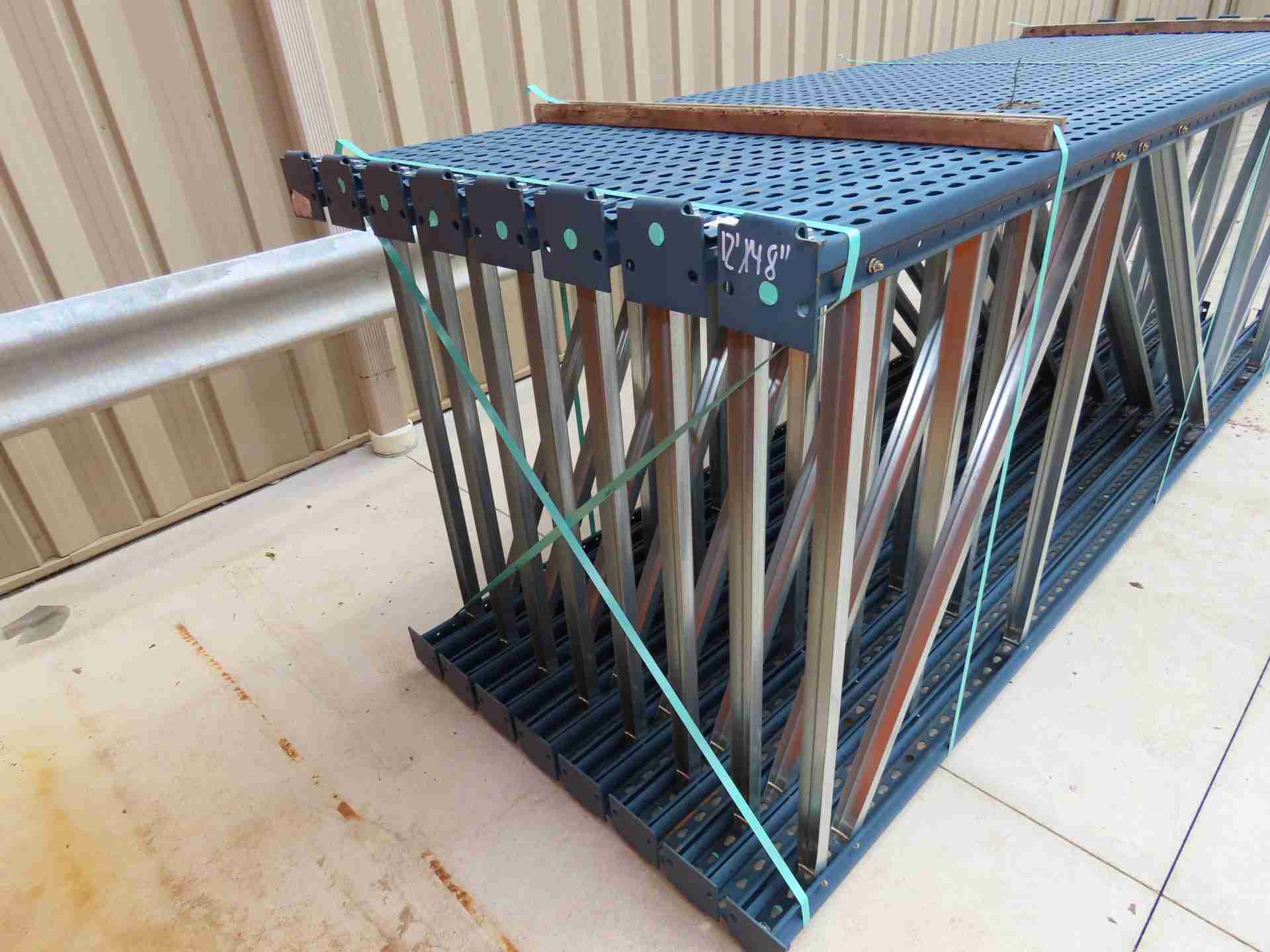
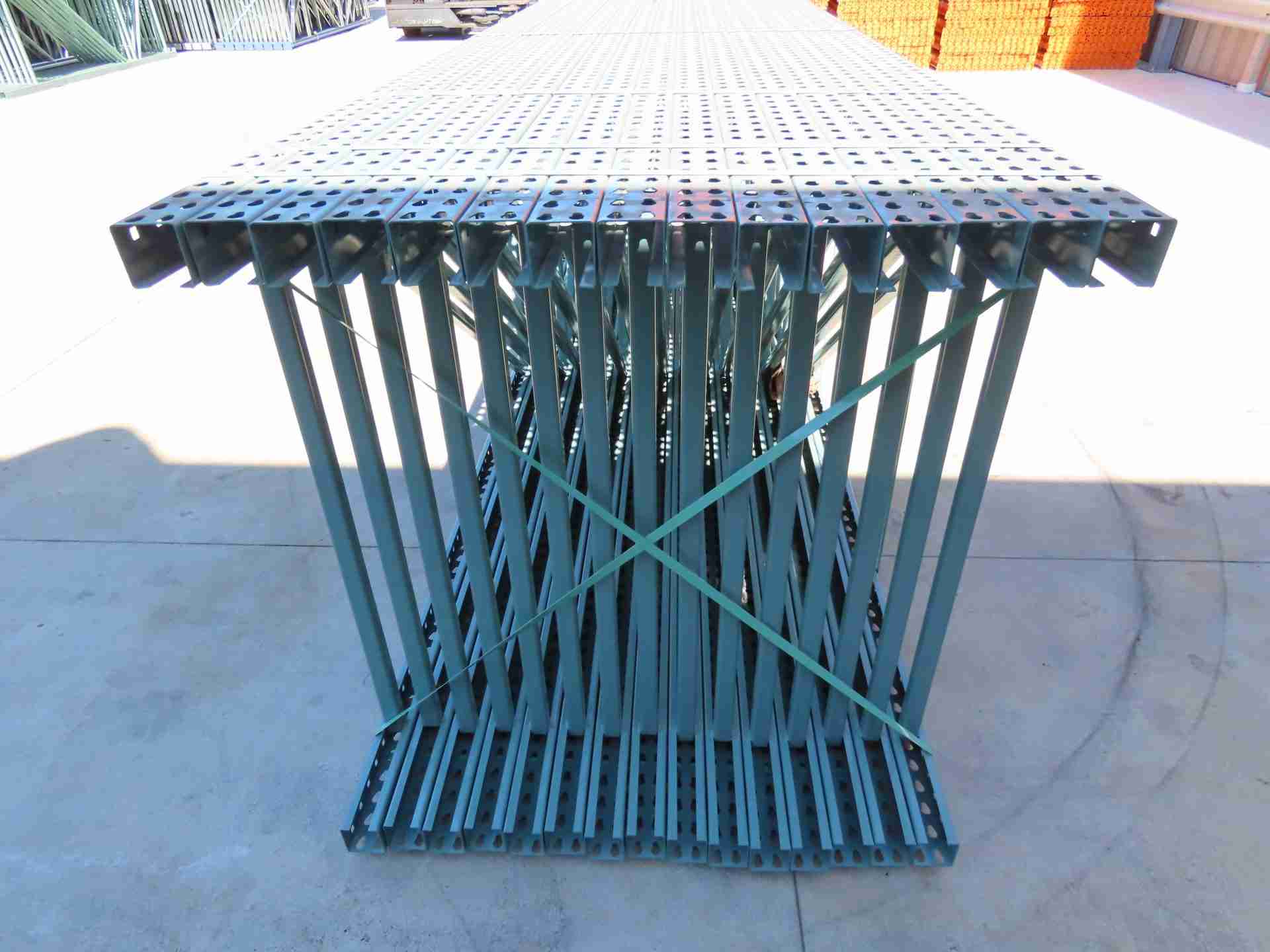
First and foremost, pallet racking systems, a backbone of many storage facilities, present unique challenges. If poorly designed or overloaded, these structures can become hazardous. Imagine a warehouse where products are piled high on a rickety rack, swaying ever so slightly. It’s an accident waiting to happen – not just for the products, but for the individuals navigating these tight aisles. The exhilarating chaos of activity can quickly turn into a scene of disaster if operators are not trained to recognize potential pitfalls.
Another grave concern is the risk of slipping and tripping. Many storage areas feature uneven flooring, stray cords, or obstacles left on the ground. As your team hustles to fulfill orders and maintain efficiency, they may easily overlook these hazards. It’s not just about having the right equipment; it’s about ensuring your environment promotes safety. By fostering a culture of vigilance, you empower your employees to act as the first line of defense.
Moreover, limited visibility can exacerbate the risks associated with storage areas. Poor lighting or cluttered aisles can hinder the line of sight, which is crucial not only for spotting potential risks but also for safely navigating the space. Elevate the importance of your facility’s lighting – it’s one of those underrated yet essential factors that contributes directly to employee well-being.
Finally, let’s not forget about the importance of proper training. It’s not enough to simply provide tools; your team needs to be equipped with knowledge. Comprehensive training on equipment use, emergency protocols, and safe handling practices instills confidence in your employees and promotes a proactive safety culture.
In essence, running a successful storage area involves much more than organization; it requires vigilance and a commitment to safety. By addressing the risks associated with pallet racking, maintaining clear paths, ensuring proper visibility, and investing in effective training, you create an environment where your team can thrive. Take charge of your safety measures, and stand out as a business that cares about its employees. After all, a safe workplace isn’t just a legal obligation; it’s a testament to your leadership and dedication to excellence.
What Are The Safety Risks In Storage Areas?
What Are The Safety Risks In Storage Areas?
- Efficient storage is crucial for business operations but poses safety risks if not managed properly.
- Pallet racking systems can become hazardous if poorly designed or overloaded, jeopardizing both products and personnel.
- Risks of slipping and tripping are heightened by uneven flooring, stray cords, and obstacles in storage areas.
- Promoting a culture of vigilance helps employees identify and act on potential hazards in their environment.
- Poor lighting and cluttered aisles can limit visibility, increasing risks associated with storage areas.
- Proper training on equipment use and safety protocols is essential for empowering employees and fostering a proactive safety culture.
- Prioritizing safety measures reflects a business’s commitment to employee well-being and leadership excellence.
What Are The Safety Risks In Storage Areas?
How Do I Prevent Pest Infestations In Storage?
When it comes to protecting your valuable assets, a pest infestation can be the unwelcome visitor that turns the convenience of storage into a nightmare. But fear not! You can easily establish a fortress against these unwanted critters. Imagine the peace of mind you’ll gain from knowing your goods are safe and sound, all while leveraging effective strategies that won’t break the bank.
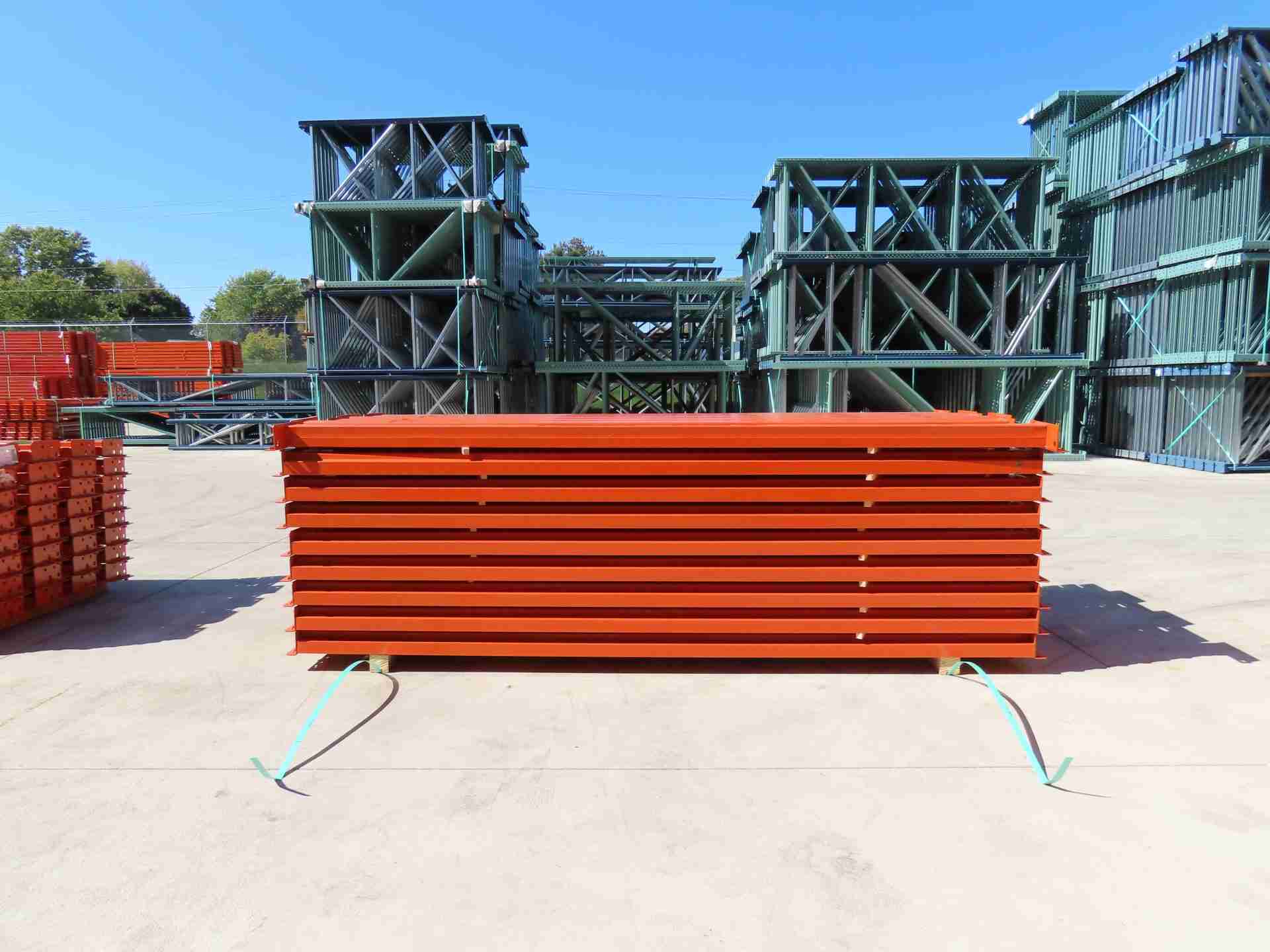
First, let’s talk about your storage environment. Cleaning and organizing are your first lines of defense. Regularly sweeping and wiping down surfaces in your storage facility will help eliminate crumbs and debris that attract pests. Make it a weekly ritual—your future self will thank you! Place your items strategically on pallet racking to keep them elevated off the ground. Not only will this create airflow beneath your products, but it will also make it more difficult for pests to reach their next meal.
Next, seal any openings you find in your storage unit. Air vents, gaps in walls, and even door frames can serve as a warm welcome to tiny intruders. Take a moment to reinforce these areas with caulk or weatherstripping. They may seem trivial, but these proactive steps can save you from a significant headache down the line.
Another effective tactic? Utilize pest-repelling products. Essential oils like peppermint or tea tree oil can be natural deterrents, while more traditional insect repellents can enhance your protection. Remember, adding a small dose of preventive measures now will save you from a plunge into panic later!
Depending on the nature of your storage operation, consider introducing a pest control service to your routine maintenance plan. This partnership will keep professionals in the loop about your needs, giving you the expertise needed to combat and prevent infestations effectively. Involve your staff or team, and create a pest management culture that’s founded on vigilance. Everyone should understand the signs of infestations and know how to respond.
Finally, keep your storage inventory regularly updated. Rotating stock doesn’t just aid efficiency; it also minimizes the chances of a forgotten item turning into a pest buffet!
With these engaging and practical strategies in your toolkit, you’ll empower yourself to take action and nurture a pest-free storage environment. After all, your peace of mind is priceless, and every step you take toward prevention is a step toward success. Keep your assets secure, and watch your troubles shrink to a distant memory!
How Do I Prevent Pest Infestations In Storage?
How Do I Prevent Pest Infestations In Storage?
- Pest infestations can turn storage areas into nightmares but can be managed with effective strategies.
- Regular cleaning and organizing of the storage environment helps eliminate crumbs and debris that attract pests.
- Use pallet racking to keep items elevated, promoting airflow and making it harder for pests to access them.
- Seal openings such as air vents, gaps in walls, and door frames with caulk or weatherstripping to prevent pest entry.
- Utilize natural pest-repelling products like peppermint or tea tree oil, along with traditional insect repellents.
- Consider hiring a pest control service to maintain a proactive approach and create a pest management culture among staff.
- Keep your storage inventory updated and rotate stock to prevent forgotten items from attracting pests.
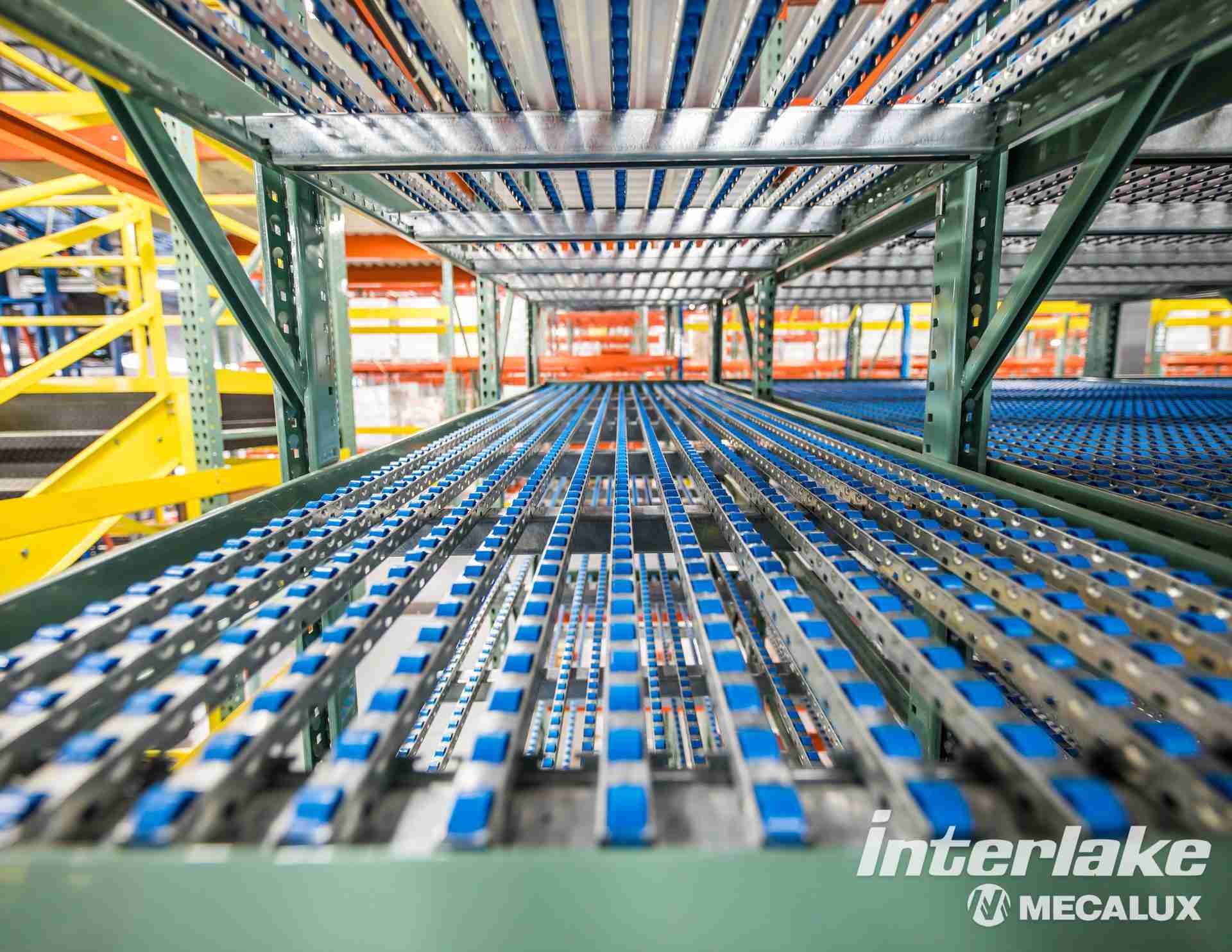
How Do I Prevent Pest Infestations In Storage?
What Items Should I Avoid Storing In Confined Spaces?
When it comes to maximizing your storage potential, confined spaces can be a tempting oasis of opportunity. However, if you’re not careful, that oasis can quickly turn into a minefield of pitfalls, costing you time, money, and peace of mind. Understanding what items should never find their way into these tight quarters can make all the difference.
First and foremost, avoid storing items that are bulky or oddly shaped. Pallet racking systems are designed for efficiency, but if you try to shove oversized furniture or appliances into confined spaces, you immediately risk creating clutter. Not only will this create chaos, but it may also derail your ability to retrieve items when you need them. Picture the last time you had to pry open a door only to face the daunting task of navigating around a maze of stacked boxes. Not fun, right?
Next, let’s talk about perishables. While it’s tempting to stow away last month’s leftovers or expired products in a corner, these items belong in the trash—not a storage space. Storing food items in confined areas is a surefire way to attract unwanted pests, creating a hygiene nightmare. Instead, why not create a designated area in your home where food is easily accessible and managed? This keeps your confined space clutter-free and your kitchen organized.
Another item to sidestep are hazardous materials. From cleaning chemicals to flammable substances, stashing these dangerous items in a cramped corner can pose severe safety risks, especially if they leak or spill. A better approach is to establish a separate, secure storage area that prioritizes safety and complies with regulations.
Finally, sentimental items that you plan to hold onto forever can quickly lose their value if left forgotten in a confined space. They deserve to be displayed and appreciated, not boxed away in isolation! Consider showcasing these special pieces in a more visible and accessible location, allowing them to bring you joy daily.
In summary, while confined spaces may seem like an ideal solution for storage, exercise caution with what you choose to stow away. Prioritize organization, safety, and accessibility, and your storage area will become a well-oiled machine rather than a cluttered disaster. Embrace the wisdom of selective storage today, and cultivate a space that inspires tranquility and trust!
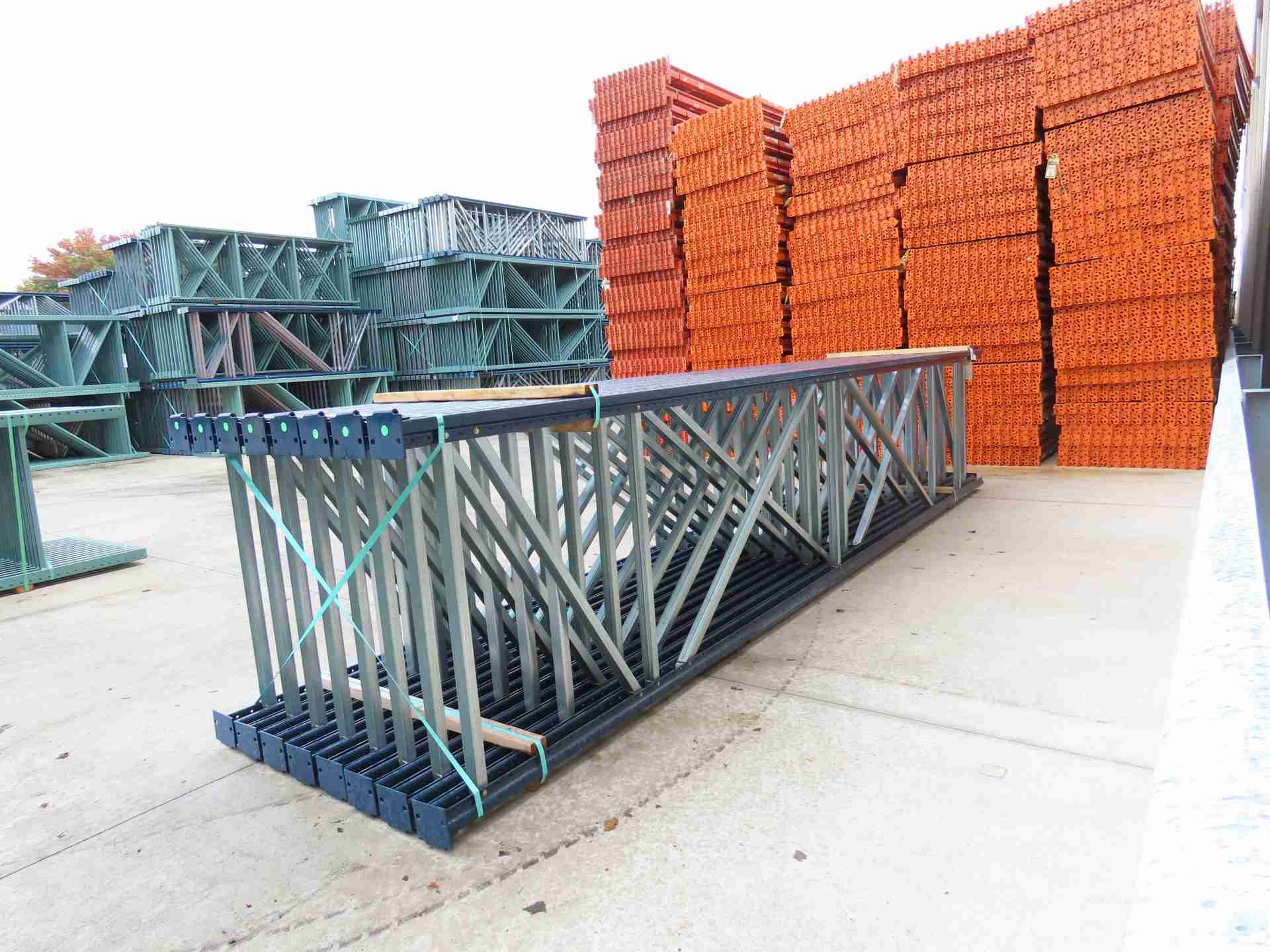
What Items Should I Avoid Storing In Confined Spaces?
What Items Should I Avoid Storing In Confined Spaces?
- Confined spaces can offer storage potential but also present risks if mismanaged.
- Avoid storing bulky or oddly shaped items to prevent clutter and retrieval difficulties.
- Perishable items should not be stored; they can attract pests and create hygiene issues.
- Establish a designated area in your home for food management to maintain organization.
- Steer clear of storing hazardous materials in confined spaces due to safety risks.
- Sentimental items deserve display rather than being hidden away in storage.
- Focus on organization, safety, and accessibility to ensure effective use of storage areas.
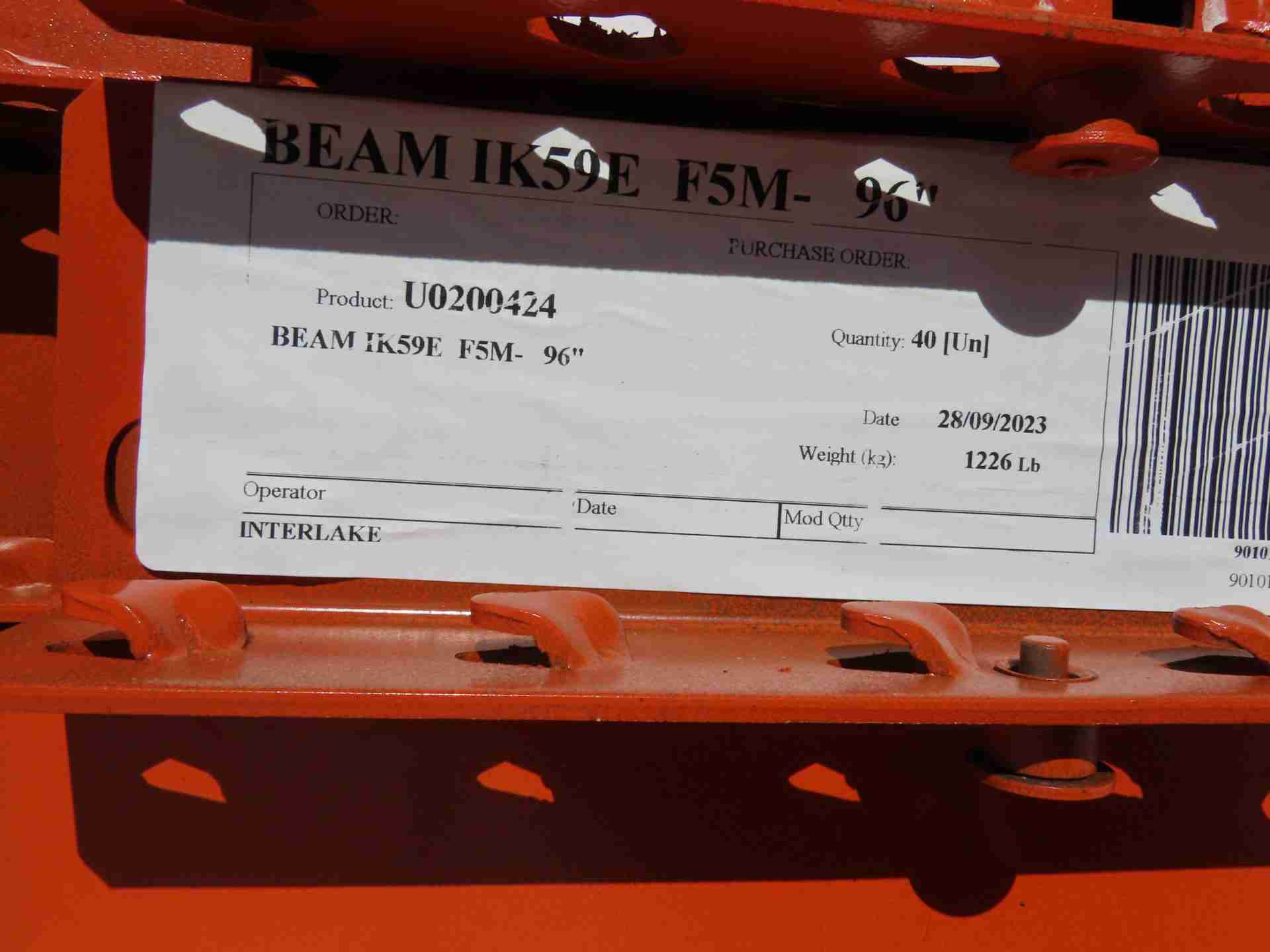
What Items Should I Avoid Storing In Confined Spaces?
How Can I Improve Ventilation In My Storage Area?
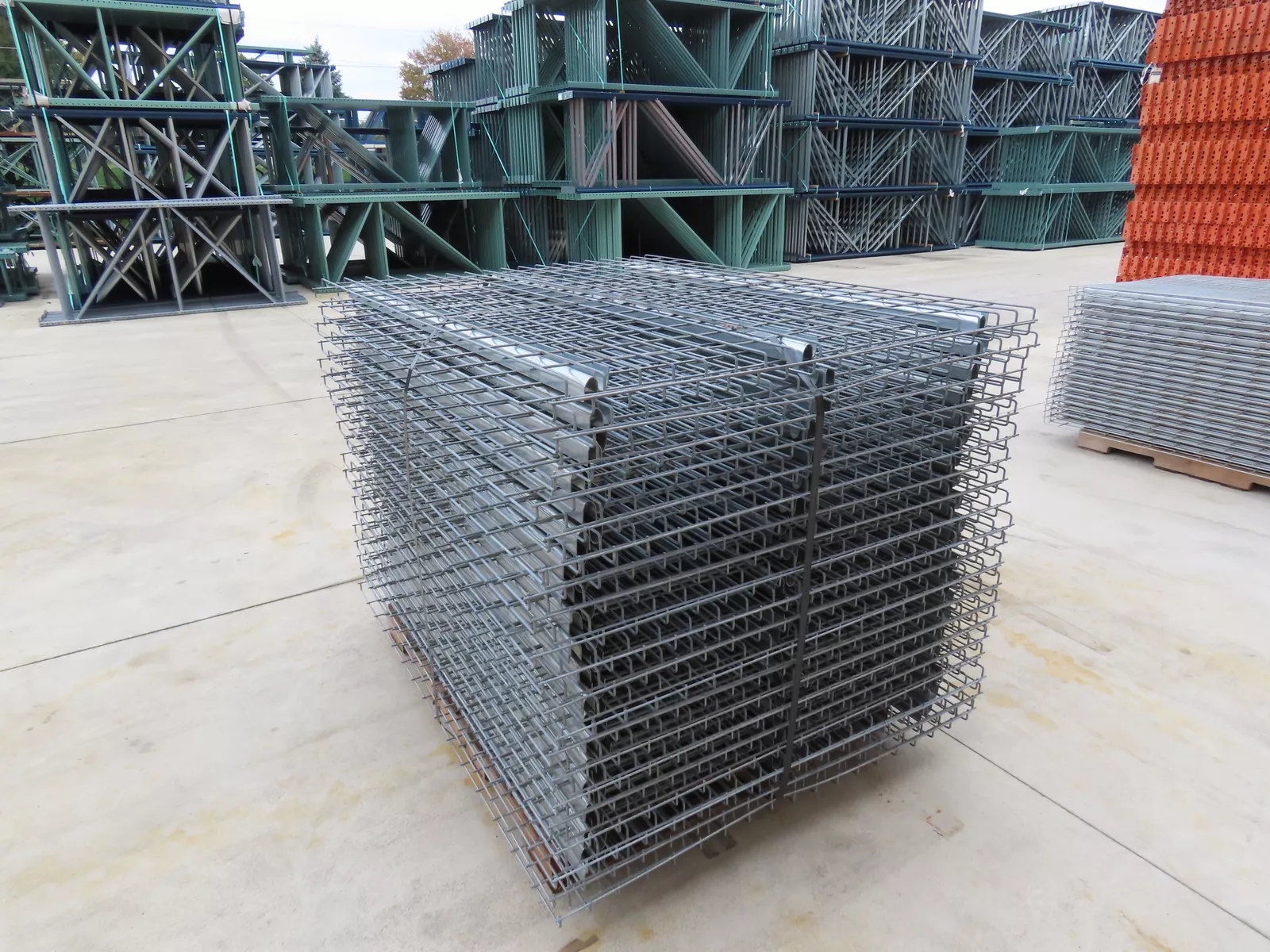
Picture this: you walk into your storage area, and instead of feeling a refreshing breeze, you’re hit with a wave of stuffy air. Not only is this unpleasant, but it can also negatively impact the quality of your stored goods—especially if you rely on pallet racking to maximize space. This is the moment when you realize that improving ventilation isn’t just a luxury; it’s a necessity.
Ventilation may seem like a small factor in your overall storage strategy, but trust me, it can make a world of difference. Good airflow helps reduce humidity, prevents mold growth, and protects valuable items from deterioration. So, how do you transform that stagnant space into a well-ventilated haven? The answer begins with understanding your environment.
First, assess your current setup. Is your pallet racking configured so as to encourage airflow? Make sure there’s enough space between the racks and those meticulously stacked goods. Improper layout can lead to cabin fever, and not just for you—your items will suffer too. A simple adjustment here could significantly enhance air circulation.
Next, consider adding ventilation solutions. Installing vents is as easy as pie and can result in major benefits. An affordable option, like passive vents, allows outdoor air to flow in while keeping contaminants at bay. If you’re ready for a bigger investment, think about exhaust fans or even a full-fledged HVAC system, especially if you’re working with sensitive materials. You’re not just spending money; you’re investing in the longevity of your assets.
And don’t forget about the power of nature! Open windows and doors during cooler parts of the day can invite in some freshness and banish that stale air hanging around. Just be cautious if your storage area is near pollutants; safety first!
Lastly, inspect your equipment. Fans or blowers can be a game-changer when it comes to improving circulation throughout your space. Pairing them with your pallet racking can optimize airflow and keep your storage area functioning like a well-oiled machine.
Improving ventilation in your storage area isn’t about making a mere change; it’s about creating an environment that nurtures and protects what you value most. Take action today and transform that stuffy space into a breathable, efficient storage solution. Your goods—and your peace of mind—will thank you.
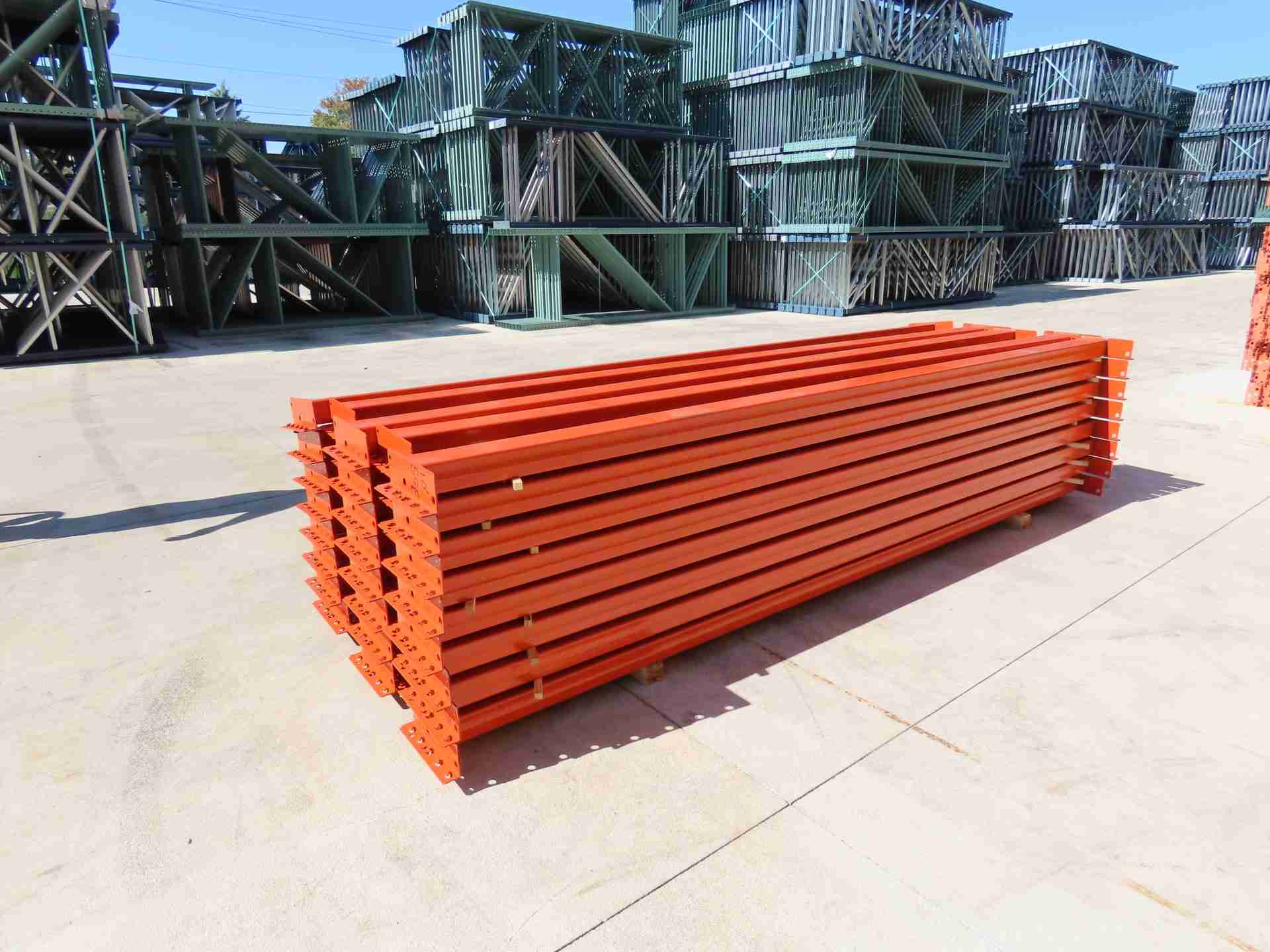
How Can I Improve Ventilation In My Storage Area?
How Can I Improve Ventilation In My Storage Area?
- Improving ventilation is essential for maintaining the quality of stored goods in pallet racking.
- Good airflow reduces humidity, prevents mold growth, and protects items from deterioration.
- Assess your current storage setup to ensure there is adequate space between racks for airflow.
- Consider adding ventilation solutions like passive vents or investing in exhaust fans or HVAC systems.
- Utilize natural ventilation by opening windows and doors during cooler parts of the day, being cautious of nearby pollutants.
- Inspect and incorporate equipment like fans or blowers to enhance circulation throughout the storage area.
- Creating a well-ventilated environment ensures the longevity and protection of your valuable assets.
How Can I Improve Ventilation In My Storage Area?
What Are The Signs Of Mold In Stored Items?
What Are The Signs of Mold in Stored Items?
When it comes to storing your cherished belongings, the last thing you want is to discover an unwanted guest lurking in the shadows—mold. It’s not just unsightly; it poses serious health risks that can impact you and your family. Let’s dive into the signs of mold in stored items, so you can confidently safeguard your possessions!
A Damp Smell: Ever walked into a space and caught a whiff of that musty aroma? That’s your first clue! Mold loves damp environments, often thriving in areas that may have been improperly ventilated. If your storage unit or basement has an unpleasant smell, it’s time to investigate further.
Visual Discoloration: Pay attention to the surfaces of your stored items. Mold can manifest as fuzzy patches in shades of green, white, or black. This is particularly common on cardboard boxes and wooden furniture. If you see any suspicious spots, don’t brush them off—take action! While pallet racking might keep your belongings off the ground, it won’t protect them from mold if conditions are ripe for growth.
Changes in Texture: If your stored fabric items feel damp or have developed a strange texture, you may be dealing with mold. Look for changes in your clothing, blankets, or upholstery. Often, you’ll find that mold can cause fabrics to feel sticky or slimy.
Warped or Discolored Wood: Wooden items or furniture can exhibit telltale signs of mold damage. If you notice warping, cracks, or unusual discoloration, you need to get serious about remediation. This deterioration not only reduces the items’ aesthetic appeal but can also lead to irreversible damage.
Uninvited Visitors: Mold often attracts pests like insects or rodents. If you notice small insects swarming around your storage area, they could be drawn to moldy materials. It’s nature’s way of telling you something isn’t right.
Health Symptoms: Lastly, never discount how you feel. If you find yourself sneezing, coughing, or experiencing eye irritation after spending time in your storage area, these symptoms can be indications of mold exposure. It’s more than just “seasonal allergies”; it could be linked to the environment and mold present in your items.
Trust your instincts. By recognizing these signs early, you can protect not just your stored items but also the health and well-being of everyone in your home. Don’t let mold take hold—act now to ensure your possessions remain safe and sound!
What Are The Signs Of Mold In Stored Items?
What Are The Signs Of Mold In Stored Items?
- Damp Smell: A musty aroma in storage areas indicates potential mold growth due to damp conditions.
- Visual Discoloration: Look for fuzzy patches of green, white, or black mold on cardboard boxes and wooden furniture.
- Changes in Texture: Damp or oddly textured fabrics may signal mold presence, affecting clothing, blankets, and upholstery.
- Warped or Discolored Wood: Warping, cracks, or unusual discoloration in wood items suggest mold damage.
- Uninvited Visitors: Insects or rodents in the storage area may be attracted to moldy materials.
- Health Symptoms: Sneezing, coughing, or eye irritation after being in the storage area can indicate mold exposure.
- Trust Your Instincts: Recognizing these signs early helps protect both stored items and family health.

What Are The Signs Of Mold In Stored Items?
Conclusion
In conclusion, ensuring the safety and efficiency of your storage space is not just a matter of convenience—it’s a necessity that safeguards both your assets and your workforce. The risks of inadequate storage solutions can compound rapidly, transforming what should be a functional area into a potential hazard zone. Picture this: you enter your warehouse, and what you see is chaos—the kind that could lead to catastrophic accidents. But it doesn’t have to be this way.
Implementing effective storage strategies, especially through sound pallet racking solutions, lays the foundation for a safer environment. Properly configured storage not only optimizes space but also minimizes the dangers of collapse or improper access. By strategically utilizing vertical space, ensuring clear aisles, and keeping your storage area organized, you create an environment conducive to both safety and productivity.
Moreover, safety training can empower your team to recognize and mitigate risks. A culture of safety is essential—regular drills and open communication encourage your employees to be vigilant. Combine this with routine inspections and maintenance of your pallet racking systems, and you significantly mitigate the risks of neglect resulting in accidents.
But don’t just stop there! Your battle against inefficiency and hazards also involves keeping pests at bay. Simple steps such as regular cleaning, sealing gaps, and leveraging pest deterrents can protect your stored inventory. Remember, a proactive approach today fortifies your assets against issues that could spiral out of control tomorrow.
Whether it’s ensuring proper ventilation or knowing which items to avoid placing in confined spaces, every detail counts. Don’t underestimate the impact of good storage practices on your operational efficiency and workforce morale.
Don’t let your storage space become a liability. Prioritize safety, organization, and diligence. Contact Arrow Industrial Sales today at (574) 349-6575 to discuss tailored solutions that meet your unique needs. The time to act is now; let’s turn your storage area from a potential death trap into a model of efficiency and safety. Your employees—and your bottom line—will thank you!
Conclusion
Conclusion:
- Safety and efficiency in storage are essential for protecting assets and workforce.
- Inadequate storage can turn functional areas into hazardous zones.
- Effective storage strategies, such as sound pallet racking solutions, create safer environments.
- Optimizing vertical space and maintaining clear aisles enhances safety and productivity.
- Safety training empowers employees to recognize and mitigate risks.
- Proactive pest control measures protect stored inventory from potential infestations.
- Prioritize organization and diligence to prevent your storage from becoming a liability.
Conclusion
Other Resources
Other Resources
Here is a list of other resources you can review online to learn more:
- Rack Manufacturers Institute
- Warehousing and Fulfillment
- Total Warehouse
- Teardrop Pallet Rack – Ridg-U-Rak
- Teardrop Racks – Pallet Rack World
- The Complete Pallet Rack Guide – Simply Rack
- Warehouse Automation
- Pallet Racking systems in Illinois and Great Lakes
- Rack Manufacturers Institute
- Arrow Industrial Sales
Use This Prompt To Get More Resources With Your Favorite Online AI Tool: Please provide me with a list of online articles with their URLs in a bulleted list that I can read regarding How Do You Ensure Your Storage Space Is Not a Death Trap?
Other Resources
Glossary Terms
How Do You Ensure Your Storage Space Is Not a Death Trap? – Glossary Of Terms
1. Clutter: Accumulated items that are disorganized, making a space unsafe and difficult to navigate.
2. Fire Hazard: Any item or condition that increases the risk of fire, such as flammable materials or poor wiring.
3. Ventilation: The circulation of air within a space, essential to prevent the buildup of harmful fumes or stagnant air.
4. Mold: A type of fungus that grows in damp, dark areas, posing health risks and damaging stored items.
5. Trip Hazards: Obstacles or uneven surfaces in a storage area that can cause someone to stumble or fall.
6. Pest Control: Measures taken to manage or eliminate unwanted animals or insects that can cause damage or health issues.
7. Stacking Guidelines: Best practices for safely stacking boxes and items to prevent them from toppling over.
8. Weight Distribution: The even dispersion of weight in storage to avoid tipping, crushing, or collapse.
9. Hazardous Materials: Substances that can be harmful to health or the environment, such as chemicals, batteries, and certain cleaners.
10. Safety Gear: Protective equipment like gloves, goggles, and masks used while organizing or handling items in storage.
11. Storage Bins: Containers that help keep items organized, protecting them from dust and damage.
12. Labeling: The use of tags or markers on boxes and bins to easily identify contents, minimizing search time and confusion.
13. Accessibility: The ease with which items can be accessed, emphasizing the importance of placing frequently used items within reach.
14. Emergency Exits: Clearly marked pathways or doors that provide a means to escape in case of an emergency.
15. Fire Extinguisher: A portable device used to extinguish small fires, an essential item in any storage space.
16. Corridors: Clear pathways that allow for safe movement through storage areas, crucial for avoiding accidents.
17. Environmental Control: The management of temperature and humidity in storage spaces to protect items and limit hazards.
18. Efficient Layout: The strategic organization of items and spaces to enhance functionality and minimize risk.
19. Inventory Management: Keeping track of stored items to optimize space and reduce clutter.
20. Slip-Resistant Flooring: Flooring designed to reduce the risk of slips and falls, important in high-traffic areas.
21. First Aid Kit: A collection of medical supplies for treating minor injuries, important for any storage area.
22. Emergency Plan: A set of procedures to follow in case of emergencies to ensure safety.
23. Lighting: Adequate illumination to improve visibility and reduce the risk of accidents.
24. Weights and Measures: Tools to assess the weight of stored items to ensure proper handling and storage.
25. Structural Integrity: The condition of the physical storage space, ensuring shelves and structures can safely hold weight.
26. Firewall: A barrier designed to prevent the spread of fire, particularly in warehouses or multi-unit storage facilities.
27. Personal Protection Equipment (PPE): Clothing and gear used to minimize exposure to hazards and ensure user safety.
28. Inspecting: Regularly checking the storage area for hazards, ensuring everything is in compliance with safety standards.
29. Debris Removal: The process of cleaning up broken items, trash, or other obstructions that could pose a risk.
30. Emergency Contacts: A list of phone numbers for local emergency services and important contacts in case of an incident.
Glossary Of Terms
Other Questions
How Do You Ensure Your Storage Space Is Not a Death Trap? – Other Questions
If you wish to explore and discover more, consider looking for answers to these questions:
- What are the best practices for maintaining pallet racking systems?
- How often should I conduct safety inspections in my storage area?
- What specialized training should employees receive for safe storage practices?
- What types of personal protective equipment (PPE) are recommended for storage workers?
- How should I handle hazardous materials safely in a storage environment?
- What are effective ways to manage and document inventory levels?
- What are the legal regulations regarding safety in storage facilities?
- How can I best utilize technology to enhance storage safety?
- What are the indicators of a well-designed storage layout?
- How can I ensure that my storage area is compliant with local safety regulations?
- What role does employee feedback play in maintaining a safe storage environment?
- How do climate conditions affect the safety and integrity of stored goods?
- What steps can I take to train employees on emergency response procedures in a storage area?
- What are the best ways to protect stored items from environmental damage?
Other Questions
Checklist
How Do You Ensure Your Storage Space Is Not a Death Trap? – A Checklist
Checklist: Ensuring Your Storage Space Is Safe and Efficient
Mastering Safe Storage: Expert Tips for a Hazard-Free Space
Pallet Racking Safety
_____ Ensure pallet racking systems are suitable for the weight of your inventory.
_____ Regularly inspect racking for signs of damage or wear.
_____ Avoid overloading pallet racks to prevent collapses.
Organization and Layout
_____ Conduct a thorough evaluation of your storage layout.
_____ Use clearly labeled aisles for easy navigation.
_____ Maintain adequate pathways for equipment like forklifts.
_____ Install safety barriers or guard rails where necessary.
Employee Training
_____ Provide comprehensive training on safe material handling.
_____ Schedule regular safety workshops and drills.
_____ Create an open environment for employees to voice safety concerns.
Regular Inspections and Maintenance
_____ Develop a checklist for regular inspections of storage systems.
_____ Schedule routine maintenance for pallet racking and machinery.
_____ Keep storage areas clean and free of dust and debris.
Pest Prevention
_____ Keep storage areas clean by regularly sweeping and wiping surfaces.
_____ Elevate items on pallet racking to prevent pest access.
_____ Seal any openings or gaps in your storage area.
_____ Utilize pest-repelling products as needed.
_____ Establish a pest management culture among staff.
Proper Storage Practices
_____ Items to Avoid Storing in Confined Spaces:
_____ Bulky or oddly shaped items
_____ Perishable food items
_____ Hazardous materials
_____ Sentimental items (consider displaying instead)
Improving Ventilation
_____ Assess and optimize the layout of pallet racking for airflow.
_____ Consider adding ventilation solutions, such as vents or exhaust fans.
_____ Open windows and doors during cooler parts of the day to improve air circulation.
_____ Regularly inspect fans and blowers to ensure proper functionality.
Identifying Signs of Mold
_____ Be vigilant of a damp smell in your storage area.
_____ Check stored items for visual discoloration or fuzzy patches.
_____ Look for changes in texture of stored fabrics (damp or sticky).
_____ Inspect wooden items for warping or discoloration.
_____ Monitor for pests that may indicate mold growth.
_____ Pay attention to any personal health symptoms after being in the storage area.
Conclusion
By following this checklist, you can ensure that your storage space is not only safe but also organized and efficient, ultimately protecting your valuable assets and enhancing your operational productivity. Take action today to create a secure environment!
Checklist
At RackingWorld, we help guide you through selecting warehouse storage systems and racking.
Be sure to read our other related stories at RackingWorld to learn more about warehouse storage systems.
0 Comments