
Reevaluating Warehouse Storage: Efficiency Vs. Risk
By Tom Seest
At RackingWorld, we help guide you through selecting warehouse storage systems and racking.
Be sure to read our other related stories at RackingWorld to learn more about warehouse storage systems.
Does High Warehouse Storage Density Increase Risk Instead Of Efficiency?
Does High Warehouse Storage Density Increase Risk Instead of Efficiency?
As the world of warehousing evolves, the quest for efficiency often leads to the alluring concept of high storage density. Many warehouse managers proudly boast about their tight-knit pallet racking systems that allow them to maximize space, but let’s take a closer look. Could this obsession with storage overload be putting your operation at risk rather than boosting efficiency?
Picture your warehouse. It’s a bustling arena for goods flying in and out, a well-oiled machine where every second counts. As you pin your hopes on high storage density, you might feel a sense of triumph as every inch of cubic space is optimized. Who doesn’t want to impress stakeholders with numbers that look good on paper? But let’s hit the pause button for a moment and delve deeper.
Imagine a worker navigating through a labyrinth of tightly crammed pallet racking. What may seem like efficient use of space quickly morphs into a safety hazard, where misplaced items could trigger an avalanche of pallets collapsing, not to mention the potential for injury. Is the promise of a few extra square feet worth the risk of downtime or costly injuries? As it turns out, a warehouse that’s designed for comfort and safety tends to have happier, more productive workers.
Moreover, consider the inefficiencies that can arise when searching for inventory within a crowded environment. When goods are overtly stacked, the time spent hunting for the right item can eat away at your productivity rates. In reality, a warehouse that prioritizes accessibility and safe movement may facilitate faster operations than one crammed to the brim.
Now, let’s talk solutions. Striking the right balance between storage density and accessibility is crucial; utilizing systems that allow for organized pallet racking without sacrificing safety or workflow is key. Embrace innovative designs that promote not just vertical space but also safety and efficiency. This way, you can have the best of both worlds.
It’s time to rethink your approach. Instead of falling into the trap of excessive storage density, let’s create environments that foster efficiency without compromising safety. After all, a smooth-running warehouse isn’t just about maximizing space; it’s about fostering a culture where employees feel empowered and protected. Isn’t that the kind of operation we all strive for? Embrace change and invite efficiency with a new mindset; it’s not just a matter of space but a matter of trust.
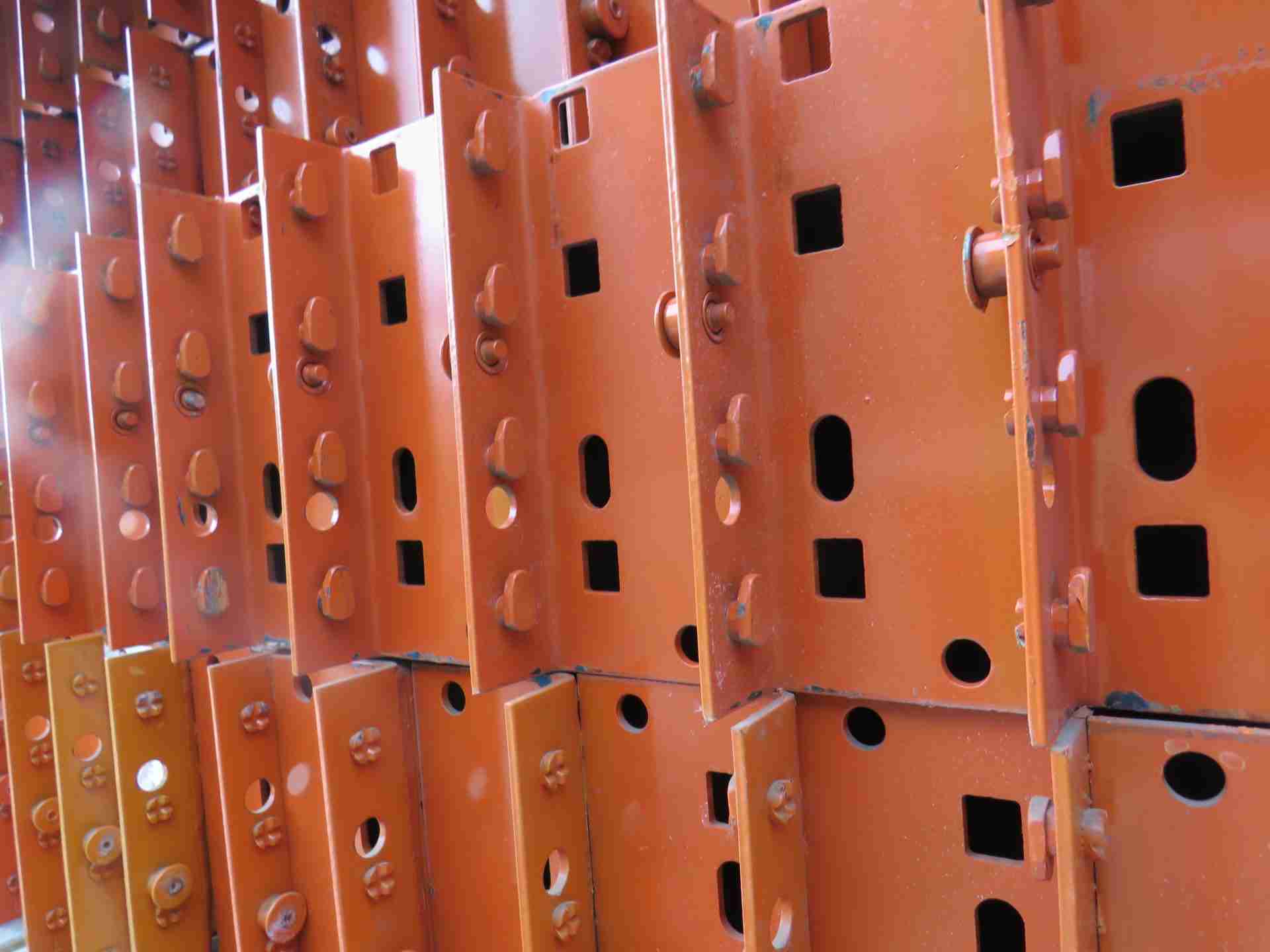
Does High Warehouse Storage Density Increase Risk Instead Of Efficiency?
Does High Warehouse Storage Density Increase Risk Instead Of Efficiency?
- High storage density in warehouses is often pursued for efficiency but may introduce risks.
- Tightly crammed pallet racking can create safety hazards, including potential injury and equipment damage.
- A safer and more comfortable warehouse design often leads to happier, more productive employees.
- Overcrowded environments can lead to inefficiencies in inventory retrieval, reducing overall productivity.
- Balancing storage density and accessibility is essential for maintaining workflow and safety.
- Utilizing innovative designs can promote vertical space while ensuring safety and operational efficiency.
- Creating a safe, efficient warehouse culture requires rethinking excessive storage density and prioritizing employee well-being.

Does High Warehouse Storage Density Increase Risk Instead Of Efficiency?
Table Of Contents
- Does High Warehouse Storage Density Increase Risk Instead Of Efficiency?
- Does High Storage Density Lead To More Accidents In Warehouses?
- How Does Increased Density Affect Inventory Accuracy?
- Can High Storage Density Compromise Safety Protocols?
- What Are The Operational Risks Of High Storage Density?
- How Does High Density Impact Employee Workflow And Morale?
- Are There Hidden Costs Associated With Denser Storage Solutions?
- Conclusion
- Other Resources
- Glossary Of Terms
- Other Questions
- Checklist
Does High Storage Density Lead To More Accidents In Warehouses?
When you think about warehouse operations, the term “high storage density” might sound like a dream come true—a way to maximize your space, boost productivity, and ultimately, increase your bottom line. But let’s pause for a moment and reflect: is squeezing every square inch out of your facility truly the best approach? What about the safety of your team, the heart and soul of your operation?
Pallet Racking systems can transform your warehouse into a veritable fortress of efficient organization. However, when these systems are packed to the brim, accidents can swiftly unfold. High-density storage might equate to high reward, but it also requires a delicate balance between efficiency and safety. A misstep in this dance could lead to accidents that not only harm employees but also undermine productivity and profitability.
Picture this: a heavy pallet teetering dangerously on high racking, an employee hustling to fulfill an order, and suddenly the unthinkable happens. Those extra racks, while allowing you to store more, can create hazardous scenarios if your team isn’t properly trained or if the layout doesn’t prioritize safety. This is why the conversation about high storage density isn’t just about numbers; it’s about people—your people.
Safety protocols must weave into the fabric of your high-density strategies. Regular training sessions, thorough safety audits, and thoughtful design can make a world of difference. Consider implementing visual cues or signage near your Pallet Racking systems to remind staff of best practices. Encouraging a culture where safety comes first ensures that employees feel secure, and that alone can inspire confidence in daily operations.
Now, you may be thinking about your own warehouse. Is there room to enhance safety measures? Are your employees fully equipped to handle the rapid pace and increased workloads that come with high-density storage? The truth is, investing in safety is not merely a cost; it is a catalyst for success. By safeguarding your team, you’re not just preventing accidents—you’re fostering trust, loyalty, and morale.
The question isn’t solely about high storage density versus accidents—it’s about creating a thriving, efficient, and safe environment for your workforce. Striking the right balance ensures that your warehouse remains a productive haven rather than a ticking time bomb. Remember, safety and efficiency can coexist harmoniously if you take the right steps; it’s time to embrace that reality!

Does High Storage Density Lead To More Accidents In Warehouses?
Does High Storage Density Lead To More Accidents In Warehouses?
- High storage density can maximize warehouse space and boost productivity.
- However, prioritizing space over safety can lead to accidents and reduced productivity.
- Pallet racking systems can enhance organization but must be used cautiously to prevent hazards.
- Employee training and safety protocols are essential in high-density storage scenarios.
- Implementing visual cues and safety signage can remind staff of best practices.
- Investing in safety measures fosters trust, loyalty, and morale among employees.
- Balancing safety and efficiency creates a productive and secure working environment.
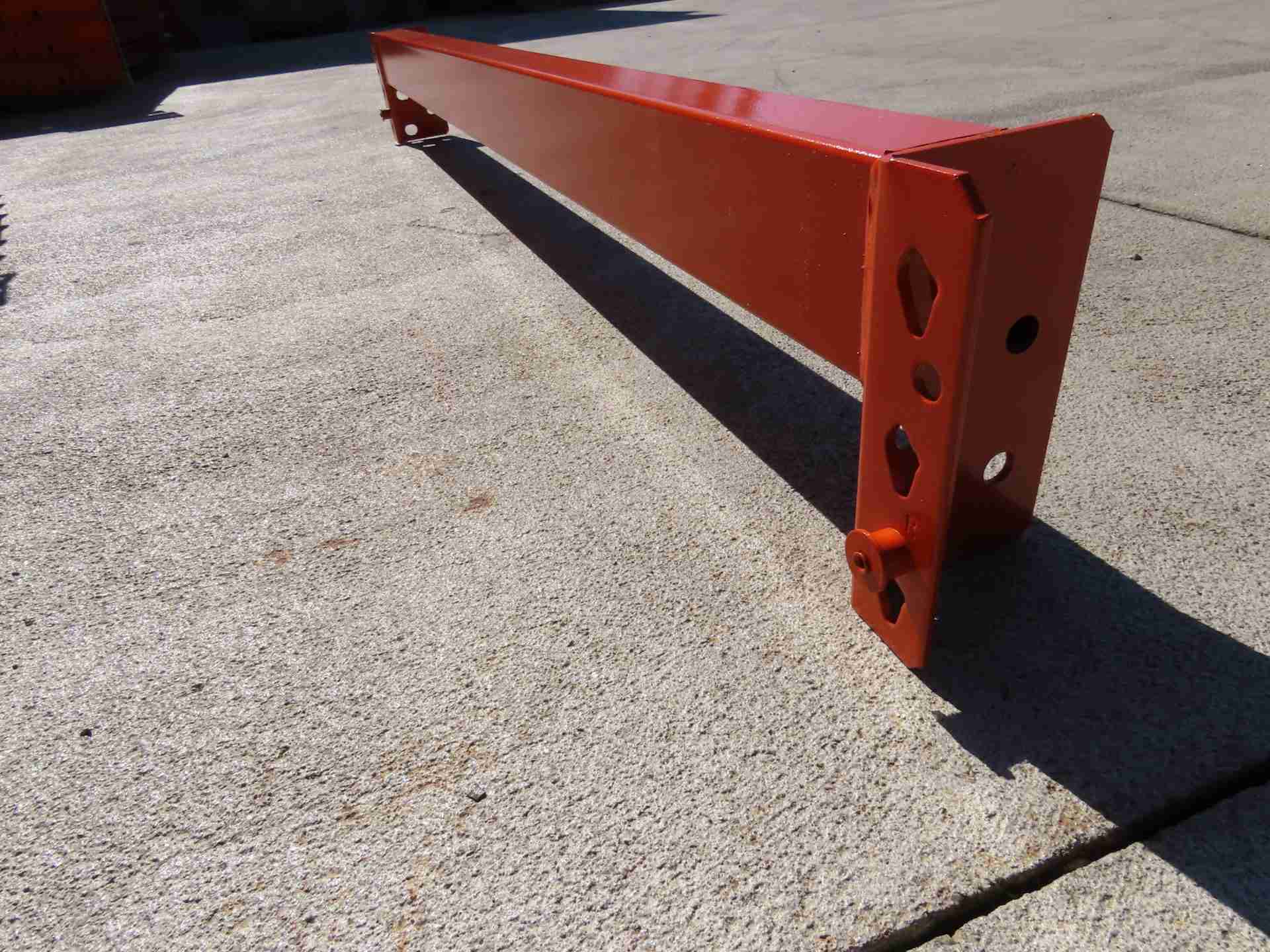
Does High Storage Density Lead To More Accidents In Warehouses?
How Does Increased Density Affect Inventory Accuracy?
Imagine stepping into a warehouse where every inch of space is utilized, shelves soaring high with carefully organized pallet racking. Such a scene speaks volumes not just about efficiency, but about the heart and soul of your operations. But as you embrace the benefits of increased density, let’s address the burning question: how does this affect inventory accuracy?
First, let’s acknowledge the enormous opportunities that come with dense storage solutions. With enhanced pallet racking, you maximize your footprint and optimize stock levels. However, more inventory in less space means the potential for chaos lurks just around the corner if you don’t have robust systems in place. It’s here where accuracy becomes paramount. When every item has its rightful place within a high-density system, the flow of operations becomes smoother, and your team can find what they need without a struggle.
But let’s be honest: the human element is crucial. As you transition to higher density storage, remember that a skilled workforce is your best asset. Automation and advanced technology can dramatically improve accuracy, but nothing beats a knowledgeable team that understands the nuances of each product stored. Regular training is essential for them to master your intricate pallet racking systems and ensure that each item is logged promptly and correctly.
But what about errors? When increased density leads to misplacement, the ripple effect can disrupt your entire supply chain. What’s the solution? Implement a real-time inventory management system. It’s a game-changer that will keep your operations running like a finely-tuned machine. With constant updates and alerts, you’ll eliminate the guesswork and foster transparency across your stock levels. Your customers will thank you for providing accurate stock levels and timely deliveries.
Now, think of the cost benefits. Fewer errors mean reduced costs associated with returns and lost sales. Plus, when your inventory accuracy reaches new heights, you can confidently invest in your growth. Customers these days are savvy—they appreciate reliability and consistency.
So, as you contemplate the move towards increased density and innovative pallet racking solutions, know that facing the challenges head-on will not only boost your operational efficiency but will also enhance trust with your inventory management. Embrace the change and watch as your accuracy—and ultimately, your business—flourishes. Don’t just store more; store smart!
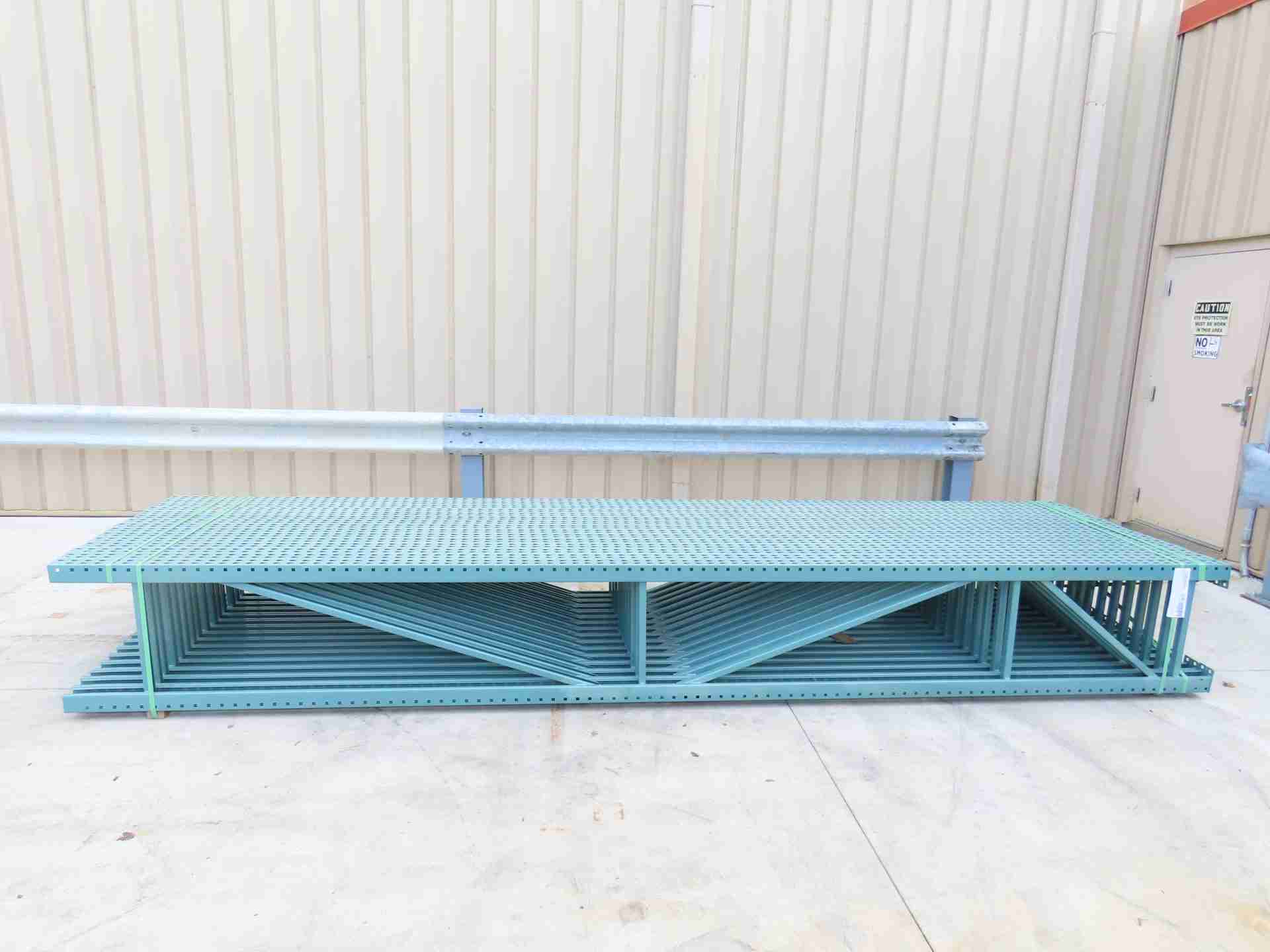
How Does Increased Density Affect Inventory Accuracy?
How Does Increased Density Affect Inventory Accuracy?
- High-density storage solutions maximize warehouse footprints and optimize stock levels.
- Proper organization of items within high-density systems enhances operational flow and efficiency.
- A skilled workforce is vital for maintaining accuracy in inventory management.
- Regular training ensures employees understand the complexities of pallet racking systems.
- Implementing a real-time inventory management system helps eliminate errors and improves transparency.
- Increased accuracy leads to cost savings by reducing returns and lost sales.
- Embracing innovative storage solutions boosts operational efficiency and builds trust in inventory management.

How Does Increased Density Affect Inventory Accuracy?
Can High Storage Density Compromise Safety Protocols?
In today’s fast-paced business environment, maximizing storage space is a priority for many warehouse operators. The allure of high storage density can be irresistible—more pallets racked up means less floor space wasted, more inventory on hand, and ultimately, greater potential for profit. But before you rush to cram everything into your pallet racking systems, let’s pause and consider the impact of these choices on safety protocols.
Imagine you’ve just invested in a sophisticated pallet racking system, designed to hold more than ever before. The excitement builds as you watch your storage capabilities expand. Yet, a subtle but critical question lingers: Is it all worth it if it compromises safety? Nobody wants to be the owner of a warehouse that’s been deemed unsafe—not just because of a potential loss of inventory, but the far graver implications of risking employee well-being.
It’s essential to understand that every inch saved within those towering rows of pallets comes at a price. High-density storage can restrict movement, limit visibility, and increase the chances of accidents—factors that could lead to significant financial loss, legal issues, and a tarnished reputation. On the other hand, implementing robust safety protocols ensures that the utmost care is taken when operating around these densely packed structures.
Think of it this way: Safety doesn’t have to be an afterthought nor an obstacle to profitability. Instead, it can be an integral part of your plan. Invest in training your team—give them the knowledge and tools they need to navigate your pallet racking systems safely. Ensure that everyone understands the importance of maintaining clear pathways and that safety inspections are performed regularly. These proactive measures might seem like a deterrent to your high-density goals, but in reality, they bolster your operations, building trust with your workforce and ultimately enhancing productivity.
Moreover, consider the technology available today that can help bridge the gap between high storage density and safety compliance. Automated inventory systems, for example, can streamline operations while minimizing the risks of human error. By adopting innovative solutions, you not only retain your high density but do so confidently, knowing that safety remains paramount.
Remember that a commitment to safety is not just about compliance; it’s about crafting an environment where everyone feels secure and valued. So let’s elevate your storage aspirations while ensuring a protective shield around the people who make it all happen. Your palettes deserve that, and so does your team.
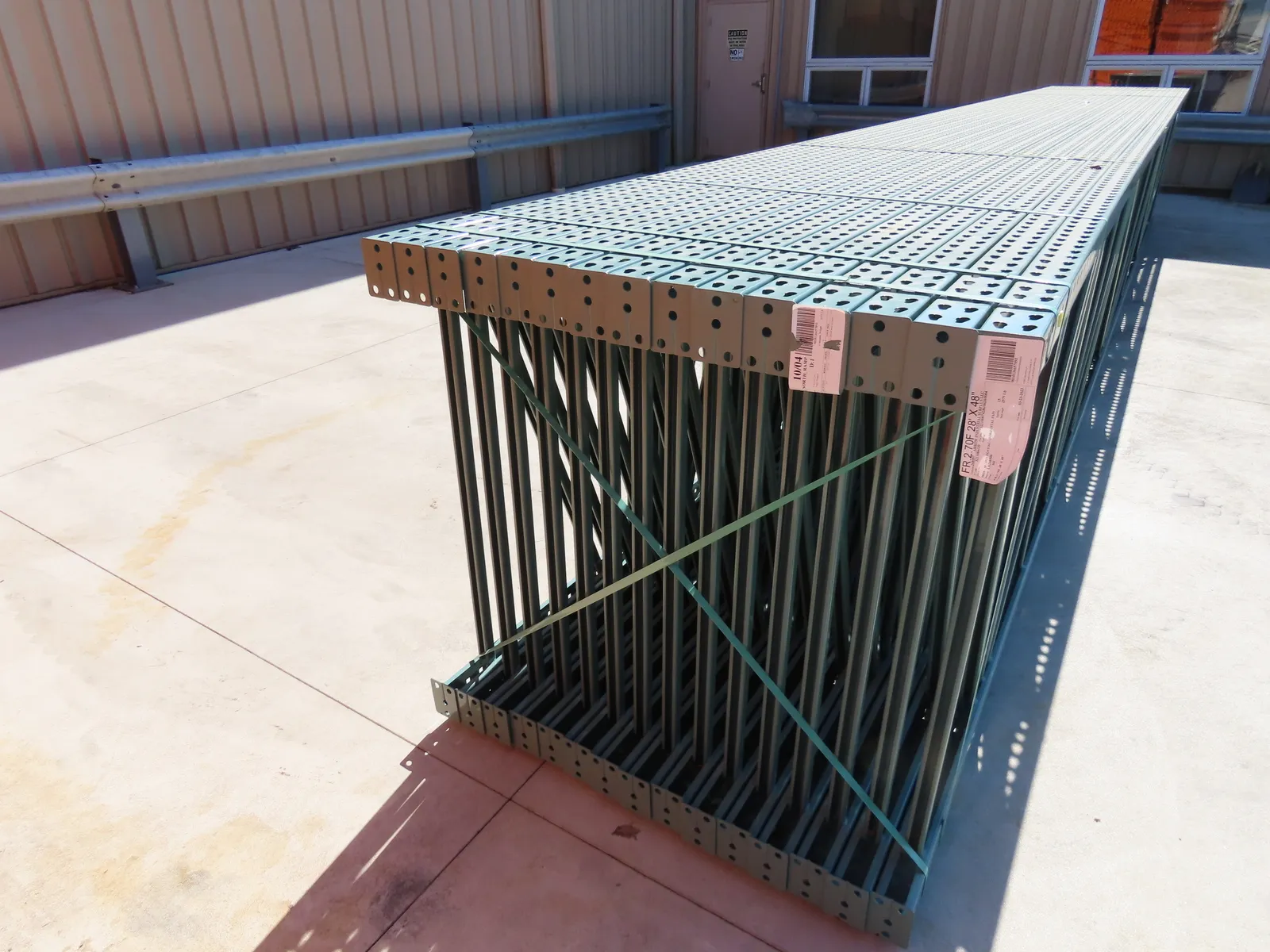
Can High Storage Density Compromise Safety Protocols?
Can High Storage Density Compromise Safety Protocols?
- Maximizing storage space is a key priority for warehouse operators in a fast-paced business environment.
- High storage density can lead to more inventory and greater profit potential, but it may compromise safety.
- Every inch saved in pallet racking can restrict movement, visibility, and increase accident risks.
- Implementing robust safety protocols is essential to mitigate risks associated with high-density storage.
- Investing in team training and regular safety inspections enhances productivity and fosters trust.
- Utilizing technology, like automated inventory systems, can balance high storage density with safety needs.
- A commitment to safety creates a secure environment for employees, reinforcing the importance of their well-being.
Can High Storage Density Compromise Safety Protocols?
What Are The Operational Risks Of High Storage Density?
In today’s fast-paced and ever-evolving marketplace, every inch of your warehouse counts. High storage density, achieved through innovative designs like pallet racking, promises to maximize your storage potential. But hold on—before diving headfirst into that attractive option, let’s explore the operational risks that come with it.
Imagine your warehouse as a well-oiled machine. Every component must work together seamlessly to ensure efficiency and safety. High storage density can lead to increased urgency, creating a recipe for errors if not properly managed. Picture this: workers dancing between towering shelves, hustling to meet demands while navigating the chaos. The thrill may seem exhilarating, but lurking just beneath the surface is a growing concern: accidents can happen. With limited space and heights that tower, the risk of material damage or personal injury escalates.
Proper training and awareness are paramount. Your team must adapt to a new rhythm—understanding the nuances of navigating dense aisles and handling materials that are often packed tightly together. Facilities utilizing pallet racking systems must implement rigorous safety protocols and ensure everyone from the new hire to the seasoned veteran knows how to operate within these dynamic conditions.
But that’s not all. High storage density can also lead to strain on inventory management systems. Mistakes are inevitable. Lost items, misplaced pallets, and inefficiencies in retrieval processes become more common when items are stored so snugly together. Quality control takes a hit, and you could find your carefully curated inventory turning into a logistical nightmare.
As you consider high storage density strategies, remember this: balancing operational efficiency with safety and accuracy is the key. Investing in technology that enhances your inventory management processes becomes vital. Automated tracking systems can ensure that every pallet is exactly where it should be, reducing errors and streamlining operations.
At the end of the day, your goal is to create an environment where your team can thrive. High storage density offers incredible benefits, but only when coupled with a keen understanding of the associated risks. Equip your workforce, embrace technology, and set the stage for seamless operation. After all, confidence in your execution leads to trust from your clients, inspiring loyalty that can drive your business to new heights.

What Are The Operational Risks Of High Storage Density?
What Are The Operational Risks Of High Storage Density?
- High storage density in warehouses maximizes storage potential through innovative designs like pallet racking.
- Increased urgency from high storage density can lead to operational errors if not properly managed.
- Navigating dense aisles and tall shelves raises the risk of accidents, material damage, and personal injury.
- Proper training and safety protocols are essential for all team members to ensure efficient operation in dense environments.
- High storage density can strain inventory management systems, leading to misplaced items and inefficiencies in retrieval.
- Investing in technology, such as automated tracking systems, is crucial for reducing errors and streamlining operations.
- A balanced approach focusing on efficiency, safety, and inventory accuracy is key to creating a thriving warehouse environment.
What Are The Operational Risks Of High Storage Density?
How Does High Density Impact Employee Workflow And Morale?
How Does High Density Impact Employee Workflow and Morale?
When we think about workplace environments, it’s easy to focus on the sleek designs of office furniture or the latest tech gadgets. However, the real unsung hero of productivity—the one that often goes overlooked—is space utilization. High-density storage solutions, such as pallet racking, can radically reshape the way your employees navigate their workday. Now, I know what you might be thinking: “How can shelving systems influence morale?” Well, stay with me.
Imagine walking into a workspace where everything is in its place, where the clutter of disorganization has been replaced with a seamless flow of activity. High-density pallet racking systems do just that—they optimize the available space, allowing your teams to find what they need without sifting through mountains of disorganized materials. This streamlined environment fosters a sense of order and clarity, enabling employees to focus on their core tasks instead of battling distractions.
Furthermore, think of the psychological boost that comes from efficiency. When employees can easily access tools and resources due to organized racking systems, frustration diminishes. The time saved in searching for materials translates directly into improved efficiency, higher output, and ultimately, greater job satisfaction. No one wants to feel like they are wading through chaos on a daily basis; they thrive in environments where they know what to expect, and where their efforts bear fruit.
Let’s not overlook team morale, either. A workspace that feels cluttered and inefficient can create a palpable tension among employees. On the other hand, when they step into a well-organized, high-density environment that takes advantage of pallet racking, it sends a solid message: “We value your time and contributions.” This simple adjustment can catalyze a shift in attitude—employees feel respected, appreciated, and most importantly, empowered.
In a world where employee retention is everything, investing in high-density solutions is not just about maximizing space; it’s about creating a culture of excellence. By understanding the direct impact of layout and organization on employee workflow and morale, you position your business to attract top-tier talent. So, are you ready to embrace the power of efficient design? The time for change is now! Let’s transform your workplace into a hub of productivity and positivity by harnessing the potential of high-density storage solutions today.
How Does High Density Impact Employee Workflow And Morale?
How Does High Density Impact Employee Workflow And Morale?
- High-density storage solutions, like pallet racking, improve space utilization in the workplace.
- Organized environments enhance employee navigation and reduce distractions, fostering focus on core tasks.
- Efficient access to tools and resources decreases frustration and saves time, leading to improved job satisfaction.
- A cluttered workspace negatively affects team morale, while an organized area promotes a positive work atmosphere.
- Employees in well-structured environments feel valued, respected, and empowered, boosting overall morale.
- Investing in high-density solutions contributes to a culture of excellence and can enhance employee retention.
- A well-designed workplace can attract top-tier talent and improve organizational productivity.
How Does High Density Impact Employee Workflow And Morale?
Are There Hidden Costs Associated With Denser Storage Solutions?
When you think of optimizing your warehouse space, maximized pallet racking systems often come to mind. The notion of cramming more product into less square footage is undeniably appealing—after all, who wouldn’t want to make the most of their available space? However, before diving headfirst into the world of denser storage solutions, it’s crucial to peel back the layers and consider the potential hidden costs lurking below the surface.
First, let’s talk about efficiency. Sure, the allure of vertically stacked pallet racking can exponentially increase your storage capacity, but with greater density comes complexity. Increased complexity can lead to unintended downtime. Picture this: your dedicated team, trained to maneuver through a wide aisled layout, now navigating a labyrinth where every inch counts. The time lost in misplaced inventory or the need for additional training can quickly unravel those initial savings you envisioned.
Moreover, consider safety. A compacted pallet racking system requires precise organization and constant vigilance. One small lapse in monitoring can lead to accidents—overturned loads, damaged stock, or worse, injuries. When thinking about bottom lines, the cost of a safety incident can spiral far beyond mere inventory loss. Security and peace of mind should never be sacrificed at the altar of maximum efficiency.
Next, there’s maintenance. Just like any intricate system, denser storage solutions demand more attention. Think about the wear and tear on your pallet racking—do you have a plan for maintenance? The costs tied to wear can stack up faster than you might anticipate, risking not just your equipment, but the very livelihood of your business. A neglected racking system can deteriorate and invite further complications down the line.
Finally, you cannot overlook the need for robust inventory management software. As your storage density increases, so does the necessity for precise tracking and organization. These software solutions aren’t just an added convenience; they’re vital. The costs will accumulate, but so will the risks of disorganization—and disorganization in a busy warehouse is like a leaking faucet; it can lead to a flood if left unchecked.
While denser storage solutions like pallet racking offer appealing benefits, it’s imperative to weigh them against the hidden costs. By investing time in strategic planning and considering the full scope of expenses, you can make informed decisions that will set you up for sustainable growth—trust me, your profit margins will thank you for it.
Are There Hidden Costs Associated With Denser Storage Solutions?
Are There Hidden Costs Associated With Denser Storage Solutions?
- Maximized pallet racking systems can optimize warehouse space by increasing storage capacity.
- Higher storage density introduces complexity, potentially causing downtime due to misplaced inventory and training needs.
- Safety risks increase with compacted pallet racking, necessitating precise organization and vigilance to avoid accidents.
- Maintenance demands grow with denser storage solutions, requiring regular attention to prevent equipment deterioration.
- Robust inventory management software becomes essential as storage density increases, contributing to overall operational efficiency.
- Hidden costs associated with dense storage must be carefully considered to prevent unexpected financial strains.
- Strategic planning can help balance benefits of denser storage with potential risks, ensuring sustainable growth and profit margins.
Are There Hidden Costs Associated With Denser Storage Solutions?
Conclusion
Conclusion: Elevating Efficiency Without Sacrificing Safety at RackingWorld.com
In the fast-paced world of warehousing, the pursuit of high storage density can seem like a golden ticket to efficiency and profitability. However, as we’ve uncovered throughout this article, this enticing path can be riddled with risks that jeopardize not just your operations but also the very people who keep your business running—your employees. From reduced inventory accuracy and strained employee morale to the hidden costs that sneak in with overly dense setups, it’s clear that simply cramming more into your space isn’t the cure-all many believe it to be.
To reshape the conversation around warehouse efficiency, it’s essential to prioritize safety alongside storage innovations. By embracing smart, organized designs that promote safety and ease of access, your warehouse can flourish into a sanctuary of productivity rather than a hazardous maze. Consider integrating robust training programs and inventory management systems that will empower your team to navigate and operate within these high-density environments safely.
Take this opportunity to evaluate your current strategy: Are your storage methods enhancing employee workflow and morale, or creating unnecessary chaos? With solutions from Arrow Industrial Sales, you can strike the ideal balance that not only maximizes space but also fosters a culture of respect, trust, and productivity within your workforce.
As you ponder the future of your warehouse, it’s vital to act swiftly. The landscape of warehousing is increasingly competitive, and your decisions today will shape the operational realities of tomorrow. Don’t leave your warehouse’s safety and efficiency to chance. Reach out to Arrow Industrial Sales at (574) 349-6575 to discuss how we can help fortify your storage solutions while enhancing employee well-being.
Seize the moment now; elevated efficiency awaits, but only if you take the bold step in reassessing your approach to high storage density today. A sustainable and secure warehouse isn’t just a dream—it’s a reality just a call away. Let’s get started.
Conclusion
Conclusion:
- The pursuit of high storage density in warehousing can lead to inefficiencies and safety risks.
- Overly dense setups may reduce inventory accuracy and negatively impact employee morale.
- Prioritizing safety alongside storage innovations is essential for enhancing warehouse efficiency.
- Implementing organized designs and robust training programs can promote safety in high-density environments.
- Evaluate whether current storage methods improve workflow and morale or create chaos.
- Contact Arrow Industrial Sales to find solutions that balance space maximization and employee well-being.
- Reassess your approach to storage density now to ensure a sustainable and secure warehouse future.
Conclusion
Other Resources
Other Resources
Here is a list of other resources you can review online to learn more:
- Illinois
- Pallet Racks, Pallet Racking, Pallet Shelves in Stock – ULINE
- Cantilever Rack Guide: Ordering Cantilever Racking
- Cantilever Racks Chicago
- Warehouse Racks, Warehouse Racking in Stock – ULINE
- Selective Pallet Racking Systems – Container Systems
- Illinois Pallet Racking – Storage Solutions
- IWLA
- The Ultimate Pallet Racking Guide – Speedrack West
- American Society of Safety Professionals
Use This Prompt To Get More Resources With Your Favorite Online AI Tool: Please provide me with a list of online articles with their URLs in a bulleted list that I can read regarding Does High Warehouse Storage Density Increase Risk Instead Of Efficiency?

Other Resources
Glossary Terms
Does High Warehouse Storage Density Increase Risk Instead Of Efficiency? – Glossary Of Terms
1. Storage Density: The amount of goods stored in a given volume of warehouse space, often expressed as units per cubic foot or square foot.
2. Efficiency: The ability to accomplish a task with the minimum expenditure of time and resources, often associated with streamlined operations in a warehouse.
3. Risk: The potential exposure to loss or harm, which can arise from various factors such as accidents, inefficiencies, or inventory management challenges in a warehouse.
4. Inventory Management: The process of overseeing and controlling ordered inventory, including stock levels, storage, and inventory turnover rates.
5. Accessibility: The ease with which items can be retrieved from storage; high density can complicate accessibility, leading to potential inefficiencies.
6. Safety: Policies and practices aimed at preventing accidents or injuries in the workplace, particularly relevant in high-density storage environments.
7. Operational Overhead: The ongoing expenses related to running a warehouse, including labor, maintenance, and utilities, which can increase if storage density is too high.
8. Pick Efficiency: A measure of how quickly and accurately items can be retrieved from storage for order fulfillment; can be negatively impacted by high storage density.
9. SKU (Stock Keeping Unit): A unique identifier for each distinct product and service that can be purchased, crucial for managing inventory.
10. Space Utilization: The effective use of available warehouse space; optimal space utilization maximizes storage density without compromising efficiency.
11. Vertical Space: The use of a warehouse’s height for storage, often involving shelving, racking, or pallet stacking to increase storage density.
12. Turnover Rate: The rate at which inventory is sold and replaced over a period; higher turnover rates can lead to better storage efficiency.
13. Stockout: A situation where inventory runs out before new stock arrives; can result from poor inventory management and high-density storage scenarios.
14. FIFO (First In, First Out): An inventory management method where the oldest stock is used or sold first, ensuring freshness and reducing waste.
15. LIFO (Last In, First Out): An inventory management approach where the most recently stocked items are sold first, which can affect inventory valuation and turnover.
16. Automation: The use of technology to improve warehouse operations, such as robotic systems for picking and storing items, enhancing both efficiency and safety.
17. Access Aisles: Walkways in a warehouse that allow workers to reach stored items; their design and placement are critical in high-density storage layouts.
18. Risk Assessment: The systematic evaluation of potential risks in a warehouse operation, aiming to identify vulnerabilities related to high storage density.
19. Ergonomics: The study and design of equipment to fit the human body; important for reducing injuries in warehouses with high-density storage.
20. Temperature Control: The management of environmental conditions in a warehouse, crucial for certain products, and can be more challenging in high-density settings.
21. Palletization: The process of stacking items on pallets for storage and transport; effective palletization can improve space utilization and efficiency.
22. Data Analytics: The use of data to make informed decisions about inventory levels, storage strategies, and operational efficiencies in warehouses.
23. Cross-Docking: A logistics practice where incoming goods are directly transferred to outbound shipping with minimal storage time, reducing space needs.
24. Lean Warehousing: A methodology focusing on minimizing waste and improving workflows in warehousing operations, often affected by storage density.
25. Human Factor: Analyzing how human behavior, capabilities, and limitations impact warehouse efficiency and safety, especially in dense environments.
26. Compliance: Adhering to regulations and standards related to safety, storage, and inventory management, crucial in high-density warehouses.
27. Cycle Count: An inventory auditing procedure where a subset of inventory is counted on a specific day; accuracy can be compromised in densely packed environments.
28. Returns Management: The process of handling returned products, which can become complex in high-density warehousing due to limited space.
29. Warehouse Layout: The design and arrangement of storage areas, aisles, and workspaces in a warehouse; critical in optimizing both density and safety.
30. Safety Stock: Extra inventory kept on hand to prevent stockouts and ensure smooth operations; high-density storage can complicate its management.

Glossary Of Terms
Other Questions
Does High Warehouse Storage Density Increase Risk Instead Of Efficiency? – Other Questions
If you wish to explore and discover more, consider looking for answers to these questions:
- What are the best practices for balancing storage density and safety?
- How can technology improve safety in high-density storage environments?
- What are the key indicators of a warehouse’s operational efficiency?
- What role does employee training play in high-density warehouse settings?
- How can inventory management systems adapt to high-density storage?
- What strategies can be implemented to reduce accidents in high-density warehouses?
- Are there industry benchmarks for safe storage density levels?
- What measures can be taken to improve visibility in high-density setups?
- How does high storage density impact overall warehouse logistics?
- What innovative designs promote both efficiency and safety?
- How can organizations assess the hidden costs of high-density storage?
- What metrics should be used to evaluate storage efficiency?
Other Questions
Checklist
Does High Warehouse Storage Density Increase Risk Instead Of Efficiency? – A Checklist
Checklist: Evaluating High Warehouse Storage Density for Safety and Efficiency
1. Assess Safety Protocols
_____ Review current safety training programs for employees.
_____ Ensure safety audits are conducted regularly.
_____ Implement visual cues or signage to remind staff of safety best practices around pallet racking systems.
2. Analyze Warehouse Layout
_____ Evaluate aisle width and accessibility for ease of movement.
_____ Check for clear sight lines to facilitate visibility and safety.
_____ Identify potential hazards in high-density storage areas.
3. Inventory Management
_____ Assess current inventory management systems for accuracy and efficiency.
_____ Implement real-time tracking systems to monitor stock levels and locations.
_____ Train staff on accurate logging of items in high-density storage.
4. Employee Training and Feedback
_____ Conduct regular training sessions focusing on navigating a high-density environment safely.
_____ Gather feedback from employees regarding their challenges with the current storage density.
_____ Foster a culture of open communication about safety and efficiency concerns.
5. Balance Density with Accessibility
_____ Evaluate if high-density storage is impacting your ability to retrieve items quickly.
_____ Consider reorganizing storage layouts to promote both storage density and easy access.
_____ Identify areas where excess density can be reduced for improved workflow.
6. Monitor Operational Risks
_____ Record incidents of accidents or near misses in high-density areas.
_____ Track inventory misplacements or inefficiencies related to storage density.
_____ Review the implications of rapid urgency and stress in high-density operations.
7. Maintenance Planning
_____ Create a maintenance schedule for pallet racking systems.
_____ Regularly inspect equipment for wear and tear.
_____ Allocate budget for unforeseen maintenance and potential safety upgrades.
8. Evaluate Hidden Costs
_____ Identify costs associated with employee training for new systems.
_____ Calculate potential financial impacts of accidents or injuries.
_____ Assess the cost-effectiveness of enhanced inventory management technologies.
9. Improve Employee Morale
_____ Create an organized and clutter-free workplace to enhance productivity.
_____ Introduce measures that recognize and value employees’ contributions.
_____ Monitor employee satisfaction and its correlation with storage solutions.
10. Embrace Change and Innovation
_____ Stay informed about new technologies and systems that improve warehouse efficiency.
_____ Encourage input from the warehouse team for innovative solutions.
_____ Continually adapt strategies based on performance metrics and employee feedback.
This checklist will help you evaluate your warehouse’s approach to high storage density, ensuring you find the balance between efficiency and safety for optimal operations.
Checklist
At RackingWorld, we help guide you through selecting warehouse storage systems and racking.
Be sure to read our other related stories at RackingWorld to learn more about warehouse storage systems.
0 Comments