
Uncovering Potential Risks In Your Warehouse Setup
By Tom Seest
At RackingWorld, we help guide you through selecting warehouse storage systems and racking.
Call Arrow Industrial Sales today at (574) 349-6575 and take the first step toward transforming your warehouse. The stakes are too high to wait. Your safer, more efficient future is just a phone call away!
Be sure to read our other related stories at RackingWorld to learn more about warehouse storage systems.
Are You Ignoring Hidden Dangers In Your Warehouse Layout?
Picture this: You walk into your warehouse, and on the surface, everything seems to be functioning smoothly. The forklift operators glide through the aisles like pros, and the pallet racking system appears tidy and well-organized. But beneath this facade of normalcy lies a world of hidden dangers that could derail your operations in an instant.
Let’s face it; your warehouse layout is more than just an arrangement of shelves and walkways. It’s an intricate puzzle that directly impacts safety, efficiency, and bottom-line profits. Have you ever thought about the implications of a poorly designed pallet racking system? A small oversight can lead to catastrophic accidents—think about the potential nightmare of falling products or blocked exits! It’s a scenario nobody wants to face, yet it can happen when safety is relegated to the back burner.
Imagine a scenario where patterns of disorganization govern daily activities. Employees are constantly searching for items, which translates into lost productivity and valuable time wasted. Have you considered that the layout itself might inadvertently encourage hazardous behaviors? When workers rush because they can’t find a necessary product, that’s when danger sneaks in.
Now, here comes the reality check—the hidden dangers of your warehouse layout are not just about immediate risks. They can also ripple through your supply chain, causing delays, increasing costs, and tarnishing your brand’s image. But fear not; the solution is right at your fingertips!
Assess your current layout today. Take a good, hard look at your pallet racking system and identify areas needing improvement. Are there overly congested aisles? Is your pallet racking system accessible for inventory checks without a gymnastics routine? Little changes can lead to monumental results. Consider investing in safety training and ergonomic design tweaks that boost both safety and productivity.
The time to act is now. By addressing the hidden dangers in your warehouse layout, you not only protect your assets, but you also cultivate a culture of safety and efficiency that resonates throughout your organization. When you prioritize the safety of your workers and the efficacy of your operations, you build trust, inspire confidence, and set your business on a path to sustainable success. Don’t wait until a crisis shows you what’s at stake! Your warehouse deserves the best, and so do your employees.

Are You Ignoring Hidden Dangers In Your Warehouse Layout?
Are You Ignoring Hidden Dangers In Your Warehouse Layout?
- Surface-level operations in warehouses can mask underlying safety issues.
- Pallet racking systems and layout directly affect safety, efficiency, and profits.
- Poorly designed layouts increase the risk of accidents, such as falling products and blocked exits.
- Disorganization leads to lost productivity as employees waste time searching for items.
- Warehouse layout issues can cause supply chain disruptions, increased costs, and damage to brand reputation.
- Improving layout and investing in safety training can enhance both safety and productivity.
- Addressing hidden dangers fosters a culture of safety, builds trust, and supports sustainable business success.

Are You Ignoring Hidden Dangers In Your Warehouse Layout?
Table Of Contents
- Are You Ignoring Hidden Dangers In Your Warehouse Layout?
- How Can I Identify Potential Hazards In My Layout?
- Are Narrow Aisles Increasing Risks In My Warehouse?
- Is My Storage Method Safe And Efficient For Employees?
- How Can Proper Signage Improve Safety In Warehouses?
- What Role Does Lighting Play In Warehouse Safety?
- Are There Ergonomic Risks In My Warehouse Layout?
- Conclusion
- Other Resources
- Glossary Of Terms
- Other Questions
- Checklist
How Can I Identify Potential Hazards In My Layout?
When it comes to optimizing your workspace, especially when pallet racking is involved, identifying potential hazards can feel like a daunting task. But what if I told you that this is an opportunity to enhance safety, efficiency, and profitability in one fell swoop? Let’s explore this together!
First and foremost, take a good look at your floor plan—literally! Walk through your layout with a keen eye, as if you are a detective on a mission. Notice areas where pallet racking is installed. Are they positioned too close to heavy foot traffic? Could a stack tumble if employees aren’t careful? Properly designed pallet racking systems can hold a substantial amount of weight, but with that comes responsibility. The aim is to create a safe environment where productivity thrives.
Next, consult with your team. Who knows better about the real risks in your layout than the people working there every day? Invite them to share their insights. Their first-hand experiences can reveal hidden dangers lurking in plain sight. Engage them in discussions about the placement of pallet racking to ensure that movement is free and unobstructed. In doing so, you’ll foster a culture of safety and accountability, which can yield significant dividends in both morale and productivity.
But don’t stop there! Utilize technology to your advantage. Platforms and software are now available that can help you create a digital layout of your workspace. These tools allow you to simulate movement, assess efficiency, and uncover areas of concern. Imagine being able to visualize your operations in a virtual environment—this proactive approach can save time, money, and, most importantly, lives.
Now, as you identify hazards, consider implementing solutions like safety barriers or clear marking for dangerous zones. It’s not enough to simply spot potential problems; you must take action! Regularly reviewing and updating your safety protocols will create a dynamic and responsive environment.
Finally, remember, being proactive about hazards is not just about compliance; it’s about fostering a culture of care and efficiency. By addressing potential risks, especially those related to pallet racking, you’re not just maintaining safety—you’re investing in the future of your operations.
So roll up those sleeves, gather your team, and take that first step toward a safer, more efficient layout today! Your employees—and your bottom line—will thank you for it.

How Can I Identify Potential Hazards In My Layout?
How Can I Identify Potential Hazards In My Layout?
- Optimizing the workspace with pallet racking enhances safety, efficiency, and profitability.
- Carefully examine the floor plan to identify potential hazards near pallet racking installations.
- Consult with employees to gain insights on risks and promote a culture of safety and accountability.
- Utilize technology tools to create digital layouts, simulating movements and assessing workspace efficiency.
- Implement solutions, such as safety barriers and clear markings, to address identified hazards.
- Regularly review and update safety protocols to maintain a dynamic and responsive environment.
- Fostering a proactive culture around safety is essential for the future success of operations.

How Can I Identify Potential Hazards In My Layout?
Are Narrow Aisles Increasing Risks In My Warehouse?
Picture this: your warehouse is humming with activity. Forklifts zip through narrow aisles, navigating the Pallet Racking system like a well-choreographed dance. It feels efficient, doesn’t it? However, as you admire the speed and precision, have you considered whether this setup could be increasing risks that might outweigh the benefits?
Narrow aisles might seem like a savvy way to maximize storage space, allowing you to store more inventory in less square footage. But let me ask you—what’s the price of that additional space? When the aisles are too tight, maneuvering becomes a double-edged sword. Increased risk of collisions, potential injuries, and damaged goods lurk around every corner. It’s like walking a tightrope—exciting yet perilous!
Many warehouse operators face this dilemma. They’re eager to optimize space and boost efficiency but often overlook the hidden dangers that come with narrow configurations. You may be asking yourself: “Is my warehouse setup really safe?” If there’s a single answer here, it’s this: It’s time to take a closer look.
Consider this: every inch of space may indeed count, but at what risk? When designing your warehouse, ensure that you’re not just filling it to the brim with Pallet Racking. Safety should be your priority, and if that means reallocating some square footage for wider aisles, then it’s a sacrifice worth making. A little breathing room can help your team maneuver more freely, reduce accidents, and ultimately create a more productive environment.
Furthermore, let’s talk about employee morale. When workers feel safe in their surroundings, they’re happier and more efficient. Imagine a workplace where your team collaborates seamlessly, where a simple turn of a forklift doesn’t feel like a game of dodgeball. That level of confidence fosters trust and cooperation among employees, leading to higher productivity and lower turnover.
So, let’s resolve this together. Evaluate your current Pallet Racking system and the space it occupies meticulously. Challenge your warehouse layout and assess whether the narrow aisles are truly beneficial. Remember, an investment in safety is an investment in the future of your business and your people.
Let’s bring clarity to chaos. Take action now, and transform your warehouse into a safer, more reliable working environment!

Are Narrow Aisles Increasing Risks In My Warehouse?
Are Narrow Aisles Increasing Risks In My Warehouse?
- Narrow aisles in warehouses can increase storage efficiency but pose significant safety risks.
- Tight spaces lead to higher chances of collisions, injuries, and damage to goods.
- Many warehouse operators prioritize space optimization without recognizing the associated dangers.
- Warehouse design should prioritize safety, even if it means sacrificing some storage space for wider aisles.
- Wider aisles can improve employee maneuverability, reduce accidents, and enhance productivity.
- Safe working environments boost employee morale, trust, cooperation, and reduce turnover.
- Regularly evaluate and adjust warehouse layouts to ensure safety remains a top priority.

Are Narrow Aisles Increasing Risks In My Warehouse?
Is My Storage Method Safe And Efficient For Employees?
When it comes to organizing your warehouse or workspace, the safety and efficiency of your storage methods should be at the forefront of your operations. One of the standout solutions in the realm of storage is pallet racking, an ingenious way to maximize vertical space while keeping your products accessible. But just how safe and efficient is your current method, and can pallet racking elevate your operation to new heights?
Imagine this: Your employees navigate a maze of improperly stored materials, dodging hazards at every turn, all while scrambling to meet deadlines. This not only leads to frustration but also poses serious safety risks. Now, consider adopting a structured pallet racking system. Suddenly, your workplace transforms into a well-organized space, where every item has its place, and your team can move fluidly—reducing the risk of accidents and enhancing productivity.
Safety is not just a box to check; it’s a vital part of your workplace culture. Employees should feel confident that the environment they work in is conducive to not only getting the job done but doing so without the constant shadow of potential injury. Pallet racking systems are designed to bear heavy loads while providing easy access. They can be adjusted or expanded as your business grows, ensuring that you are not just storing items but creating a dynamically safe environment for your employees.
Efficiency isn’t just about speed; it’s about optimizing every resource at your disposal. With pallet racking, your employees spend less time searching for items and more time doing what they do best. This newfound efficiency can translate to higher morale and, ultimately, a better bottom line. Imagine employees who feel empowered and valued, knowing their safety is prioritized and their workflows are streamlined. That’s not just good management; that’s good business.
As you assess your current storage methods, ask yourself: Are you prioritizing both safety and efficiency? If the answer isn’t a resounding “yes,” it might be time to consider a robust pallet racking solution. Investing in the right storage method is investing in your employees, your operation, and your future growth. Trust yourself. Take action. Optimize your space for safety and efficiency today, and watch your productivity soar!

Is My Storage Method Safe And Efficient For Employees?
Is My Storage Method Safe And Efficient For Employees?
- Prioritize safety and efficiency in warehouse and workspace organization.
- Pallet racking maximizes vertical space while keeping products accessible.
- Proper storage methods reduce hazards and enhance employee productivity.
- Pallet racking systems provide safe, adjustable storage for growing businesses.
- Improved organization leads to higher employee morale and better resource optimization.
- Investing in effective storage solutions enhances workplace safety and business growth.
- Evaluate current storage methods to ensure you prioritize safety and efficiency.

Is My Storage Method Safe And Efficient For Employees?
How Can Proper Signage Improve Safety In Warehouses?
In the bustling world of warehouses, safety is paramount. Imagine a busy warehouse floor filled with machinery, pallet racking systems reaching upward like modern skyscrapers, and personnel bustling about, juggling tasks. Now, picture a scenario where clear and effective signage is the unsung hero, quietly orchestrating a symphony of safety and efficiency. Proper signage is more than just an aesthetic choice; it’s a critical element in maintaining a safe work environment.
When navigating the complex landscape of pallet racking, having clearly marked aisles and designated pathways becomes absolutely essential. Imagine the chaos that could ensue if employees are unsure of where to walk or if they’re going to bump into a towering rack filled with inventory. Clear signage directs foot traffic, reducing accidents and fostering a culture of awareness. Well-placed signs can indicate weight limits, alert staff to hazardous materials, and guide employees on proper equipment usage. This empowers your team to work confidently, knowing they are supported by an environment built for their safety.
But let’s not stop at mere functionality; let’s consider the psychological impact of effective signage. When employees see bright, clear, and engaging signs that communicate important safety protocols, it cultivates an atmosphere of professionalism and care. Each sign not only conveys a message but also reinforces the company’s commitment to employee welfare. This fosters pride and enhances morale, proving that your organization values its most important asset: its people.
Moreover, consider the benefits of compliance and accountability. In today’s regulatory environment, adherence to safety standards is non-negotiable. Proper signage plays a pivotal role in ensuring compliance with OSHA regulations and other safety mandates. By investing in quality signage, you are not just beautifying your warehouse; you are safeguarding your business from potential liabilities, which fosters a sense of trust and confidence among employees.
Finally, let’s talk about action. The time to elevate safety in your warehouse is now. Evaluate your current signage and identify gaps. Are the signs clear and visible? Do they convey the necessary information effectively? Upgrading your signage could mean the difference between a safe working environment and an accident waiting to happen. Take that step today, and watch as your warehouse transforms into a haven of safety, efficiency, and productivity. Your employees deserve it, and your bottom line will thank you.

How Can Proper Signage Improve Safety In Warehouses?
How Can Proper Signage Improve Safety In Warehouses?
- Proper signage is critical for maintaining safety in warehouses, guiding personnel in a busy environment.
- Clearly marked aisles and pathways help direct foot traffic, reducing accidents and promoting awareness.
- Well-placed signs communicate weight limits, hazardous materials, and proper equipment usage.
- Effective signage cultivates a professional atmosphere, enhancing employee morale and reinforcing care for their welfare.
- Compliance with OSHA regulations and safety mandates is supported by investing in quality signage.
- Upgrading signage can significantly impact workplace safety, transforming the environment into one of efficiency and productivity.
- Regularly evaluate current signage for clarity and visibility to ensure effective communication of safety information.

How Can Proper Signage Improve Safety In Warehouses?
What Role Does Lighting Play In Warehouse Safety?
Picture this: a bustling warehouse filled with employees maneuvering between towering shelves of pallet racking. Every minute counts, as inventory is being shuffled in and out, but have you ever stopped to think about what sets the stage for a productive day? Yes, it’s the often-overlooked element of lighting.
Good lighting does more than just illuminate your space; it creates a safe and efficient working environment. In a warehouse, where machinery operates and workers dart around, clear visibility is paramount. Imagine the potential accidents that can occur in dimly lit areas—slips, trips, and falls become an unfortunate reality, and that’s not just a statistic; it’s someone’s well-being at stake.
When you invest in quality lighting, you’re not merely turning on a switch; you’re fostering a culture of safety. Bright, well-distributed lighting ensures that every corner of your warehouse shines, especially around dense areas like pallet racking. When employees are able to see every inch of the material they’re handling and the paths they’re navigating, it drastically reduces the chances of accidents. Workers feel empowered, confident that they can focus on their tasks without fear of hidden hazards lurking in the shadows.
Moreover, appropriate lighting enhances the visibility of signage and safety protocols. In emergency situations, hasty decision-making can be the difference between safety and disaster. Clear and well-lit pathways encourage people to react quickly and responsibly. In short, effective lighting transforms a potentially risky environment into a haven of safety and assurance.
Let’s not forget the impact of lighting on employee morale. Inadequate illumination can create a dreary atmosphere, dampening spirits and productivity. In contrast, bright, inviting spaces promote engagement and efficiency. Workers take pride in their ability to navigate their environment with ease, leading to increased productivity and job satisfaction.
In a world where every detail counts, don’t underestimate the power of lighting in your warehouse operations. Illuminate your space, boost safety protocols, and watch your workforce thrive. Investing in quality lighting isn’t just a smart operational choice—it’s a commitment to safeguarding your most valuable asset: your people. So, why wait? Brighten up your warehouse and pave the way for a safer, more efficient work environment today!

What Role Does Lighting Play In Warehouse Safety?
What Role Does Lighting Play In Warehouse Safety?
- Lighting is essential for creating a productive warehouse environment.
- Good lighting enhances safety by preventing accidents like slips, trips, and falls.
- Quality lighting improves visibility around machinery and dense areas such as pallet racking.
- Effective illumination aids in clearly displaying signage and safety protocols during emergencies.
- Proper lighting can transform a risky environment into a safe and assured workspace.
- Bright, inviting spaces boost employee morale, engagement, and productivity.
- Investing in quality lighting reflects a commitment to employee safety and well-being.

What Role Does Lighting Play In Warehouse Safety?
Are There Ergonomic Risks In My Warehouse Layout?
Imagine walking into your warehouse, where every aisle gleams with order, and each item is perfectly positioned—sounds like a dream, doesn’t it? But beneath that veneer of efficiency may lurk hidden ergonomic risks that can jeopardize the well-being of your team and ultimately affect your bottom line. Understanding these risks is your first line of defense in creating a safe and productive workspace.
Let’s begin with the heart of your operation: the pallet racking system. Many warehouses rely on pallet racking as a cornerstone of their storage strategy, but improper layout or overloading can lead to awkward lifting positions and increase the risk of back injuries. If shelves are placed too high or too low, your employees will inevitably bend, twist, or stretch in uncomfortable ways. This means that a simple redesign of your pallet racking could be the difference between efficiency and injury.
Take a moment to consider your current layout. Are your high-traffic areas clearly defined? If employees are constantly navigating around poorly placed racking, not only does this create a chaotic environment, but it can also lead to slips, trips, and falls. Fostering a culture of safety doesn’t just protect your team; it enhances morale and productivity as well.
So, what’s the next step? Conduct a thorough evaluation of your workspace to identify hazards. Engage your team and solicit their feedback—after all, who knows their work environment better than those who navigate it daily? By involving them in the conversation, you inspire a sense of ownership, leading to a more conscientious workplace.
There’s also the undeniable importance of training. Ensure that your staff is educated about safe lifting techniques and the ergonomic principles of using equipment. When they understand how to move efficiently and safely in relation to your pallet racking and storage systems, they’ll not only protect themselves but enhance overall efficiency in your warehouse.
Remember, investing time in ergonomic analysis today can lead to significant savings tomorrow. Fewer injuries mean fewer claims, less downtime, and more engaged employees. So, take the first step toward a healthier, more effective warehouse layout—an environment where productivity flourishes, and employees thrive. You owe it to your business and your team to create a workspace that prioritizes both safety and efficiency. Let’s turn that dream of a perfectly organized warehouse into a structured reality!
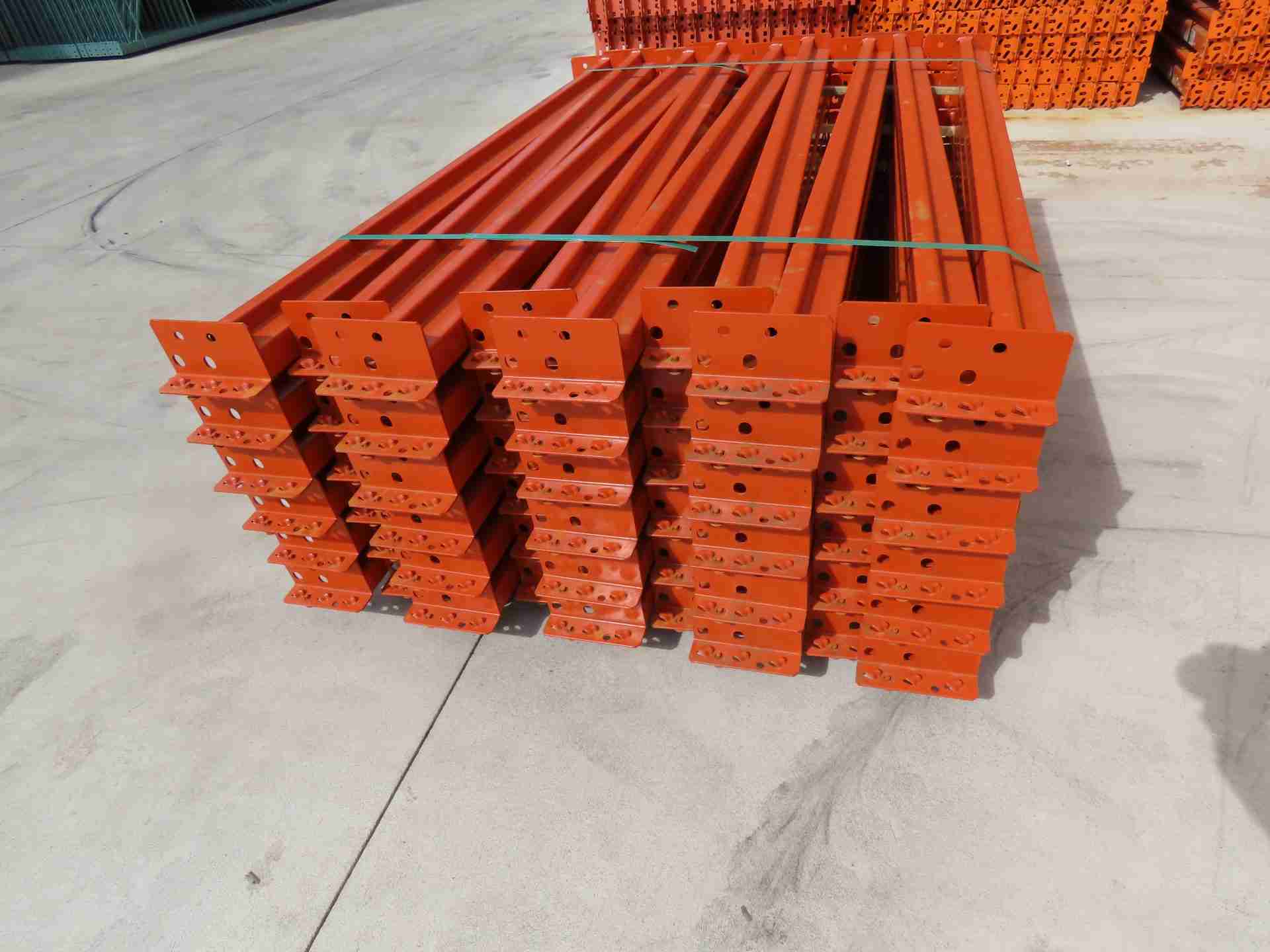
Are There Ergonomic Risks In My Warehouse Layout?
Are There Ergonomic Risks In My Warehouse Layout?
- Warehouse efficiency can hide ergonomic risks that affect team well-being and business outcomes.
- Improper pallet racking layouts and overloads can lead to back injuries due to awkward lifting positions.
- High or low shelf placements necessitate uncomfortable bending, twisting, or stretching.
- Poorly defined high-traffic areas can lead to slips, trips, and falls, creating a chaotic environment.
- Engaging employees in hazard evaluations fosters a sense of ownership and a conscientious workplace.
- Training on safe lifting techniques and ergonomic principles enhances employee safety and overall efficiency.
- Investing in ergonomic assessments can reduce injuries, claims, and downtime, promoting productivity and employee engagement.

Are There Ergonomic Risks In My Warehouse Layout?
Conclusion
As we’ve journeyed through the critical aspects of warehouse safety, it’s become abundantly clear: the layout of your warehouse isn’t merely a logistical consideration; it is an intricate tapestry woven with threads of safety, productivity, and profitability. The potential hidden dangers lurking in your setup pose not just a threat to your operational efficiency but can jeopardize the well-being of your team. But you don’t have to face this challenge alone.
At Arrow Industrial Sales, we specialize in transforming your warehouse environment into a model of safety and efficiency. By adopting a proactive approach to identifying risks—be it through assessing your pallet racking system, optimizing aisle widths to prevent accidents, or ensuring proper ergonomic practices—you can significantly enhance workplace morale and operational performance.
Utilizing proper signage and effective lighting plays a pivotal role in fostering awareness and reducing accidents. Each element within your warehouse merits thoughtful consideration. Why leave safety to chance when small changes can lead to monumental improvements in everyday operations?
The time to act is NOW. Don’t allow the complacency of “everything looks fine” to mask the hidden risks that could create chaos in your business. By prioritizing the well-being of your employees and the integrity of your operations, you’re not only safeguarding your most valuable assets but also driving your business toward long-term success.
So, I urge you—make this the moment you decide to invest in a thorough evaluation of your warehouse layout. Engage your team, harness feedback, and explore the possibilities of our cutting-edge pallet racking and safety solutions. A few small adjustments can lead to massive gains in productivity and safety, while also cultivating an environment where your employees feel valued and protected.
Don’t let the dangers of disorganization and neglect derail your success. Call Arrow Industrial Sales today at (574) 349-6575 and take the first step toward transforming your warehouse. The stakes are too high to wait. Your safer, more efficient future is just a phone call away!

Conclusion
Conclusion:
- The layout of a warehouse is a crucial factor affecting safety, productivity, and profitability.
- Hidden dangers in warehouse setups can threaten operational efficiency and employee well-being.
- Arrow Industrial Sales specializes in enhancing warehouse safety and efficiency.
- A proactive approach includes assessing pallet racking, optimizing aisle width, and implementing ergonomic practices.
- Proper signage and effective lighting are vital for reducing accidents and promoting awareness.
- Investing in a warehouse evaluation and team feedback can lead to significant improvements in safety and productivity.
- Contact Arrow Industrial Sales to start transforming your warehouse environment today.

Conclusion
Other Resources

Other Resources
Here is a list of other resources you can review online to learn more:
- Storage Equipment Manufacturers’ Association
- Illinois
- Pallet Racking 101: A Comprehensive Guide & Options Explained
- Pallet Rack Systems – New and Used Pallet Racking and Shelving Experts
- Selective Racking
- Overhead Lifting
- MHI
- Pallet Racking systems in Illinois, Great Lakes
- IIWS Inc. Rack Installation Illinois & Rack Repairs Illinois
Use This Prompt To Get More Resources With Your Favorite Online AI Tool: Please provide me with a list of online articles with their URLs in a bulleted list that I can read regarding Are You Ignoring Hidden Dangers In Your Warehouse Layout?

Other Resources
Glossary Terms
Are You Ignoring Hidden Dangers In Your Warehouse Layout? – Glossary Of Terms
1. Aisle Width: The distance between shelving or storage units, crucial for safe navigation and equipment access.
2. Cross-aisle: An aisle that connects two main aisles, promoting efficient traffic flow but also posing collision risks if poorly designed.
3. Pallet Rack: A storage system designed to hold palletized materials; improper positioning can lead to product toppling.
4. Forklift Traffic: Movement of forklifts within the warehouse; requires clear pathways to prevent accidents and blockages.
5. Load Limits: The maximum weight that shelves, racks, or floors can safely support; exceeding this can cause structural failures.
6. Emergency Exits: Designated escape routes to be kept clear at all times to ensure quick evacuation during emergencies.
7. Clearances: Required open spaces around equipment and stock, necessary for safe operation and maintenance.
8. Material Flow: The path taken by products from receiving to shipping; inefficient flow can lead to hazards and delays.
9. Lean Principles: Methodologies aimed at reducing waste and increasing efficiency; poorly implemented can create new risks.
10. Hazardous Materials: Substances that pose a risk to health or safety; must be stored according to regulations to prevent leaks or spills.
11. Aisle Markings: Paint or signage used to define movement areas; essential for guiding workers and machinery safely.
12. Lighting: Adequate warehouse illumination reduces accidents; insufficient lighting can conceal hazards and reduce visibility.
13. Injury Risk Assessment: Evaluation of potential hazards that could lead to occupational injuries within the warehouse.
14. Ergonomics: The study of how to design workstations and processes to optimize safety and comfort for employees.
15. Overstock: Excess inventory that can clutter spaces and create tripping hazards; also complicates material flow.
16. Slips and Trips: Common workplace accidents caused by obstructions, spills, or uneven surfaces; preventative measures are key.
17. Shelving Stability: The resilience and structural integrity of shelving units; instability can result in toppled goods and injuries.
18. Traffic Control Plan: A strategy outlining the safe flow of foot and vehicle traffic in the warehouse, essential for avoiding collisions.
19. Safety Protocols: Established procedures aimed at minimizing risks and ensuring employee safety during warehouse operations.
20. Warehouse Management System (WMS): Software that manages inventory and operations in the warehouse; helps streamline processes to avoid hazards.
21. Personal Protective Equipment (PPE): Gear worn to minimize exposure to hazards; includes gloves, helmets, and safety shoes.
22. Spill Containment: Measures taken to prevent spills of hazardous materials from spreading, including the use of absorbent materials.
23. Warehouse Layout Design: The strategic arrangement of storage and operational areas; a poor layout can create inefficiencies and danger.
24. Fire Safety Plan: A comprehensive set of guidelines to prevent, respond to, and mitigate fire risks in the warehouse.
25. Inspection Checklist: A list used to routinely examine the warehouse for safety compliance, identifying potential dangers.
26. Temperature Control: Management of heat and cooling within the warehouse; essential for preserving perishable goods and worker comfort.
27. Access Control: Policies governing who can enter certain areas of the warehouse; helps safeguard against unauthorized access to hazardous zones.
28. Vertical Space Utilization: The effective use of upward space for storage; improper use can lead to accidents from goods falling.
29. Load Distribution: The practice of evenly spreading weight across shelves and storage areas; improper distribution can lead to failure.
30. Emergency Response Plan: A strategy for handling emergencies in the warehouse; includes evacuation procedures and communication protocols.
These terms offer a foundational understanding of the considerations associated with warehouse layout and the potential dangers arising from poor planning and management.

Glossary Of Terms
Other Questions
Are You Ignoring Hidden Dangers In Your Warehouse Layout? – Other Questions
If you wish to explore and discover more, consider looking for answers to these questions:
- What are the most common hidden dangers in warehouse layouts?
- How can I effectively assess my warehouse layout for safety risks?
- What specific changes can improve my warehouse layout?
- How can employee input contribute to a safer warehouse environment?
- What technology can assist in optimizing warehouse layout?
- How often should I review my warehouse safety protocols?
- What are the potential consequences of ignoring warehouse safety?
- How can I foster a culture of safety in my warehouse?
- What types of signage are most effective for enhancing safety?
- How can I ensure compliance with safety regulations in my warehouse?
- What are some specific ergonomic risks associated with warehouse operations?
- How can I train my employees on safe practices related to ergonomic risks?
- What are the benefits of investing in better warehouse lighting?
- How can I balance efficiency and safety in my warehouse design?
- What metrics should I track to monitor safety improvements in my warehouse?

Other Questions
Checklist
Are You Ignoring Hidden Dangers In Your Warehouse Layout? – A Checklist
1. Initial Walkthrough Evaluation
✅ _____ Conduct a physical walk through your warehouse to observe the current layout.
✅ _____ Identify any areas with improper shelving arrangements or congestion.
2. Pallet Racking Assessment
✅ _____ Check if pallet racking is positioned too close to high foot-traffic areas.
✅ _____ Ensure that the racking system is stable and well-organized.
3. Employee Feedback
✅ _____ Hold discussions with employees to gather insights about potential hazards.
✅ _____ Encourage team members to point out areas of concern or discomfort.
4. Technology Utilization
✅ _____ Consider using digital layout tools to simulate operations and identify risky zones.
✅ _____ Assess the efficiency of space usage and potential bottlenecks.
5. Safety Protocols and Barriers
✅ _____ Implement safety barriers in high-risk areas to guide foot and vehicular traffic.
✅ _____ Clearly mark hazardous zones with appropriate signage.
6. Aisle Width Evaluation
✅ _____ Measure aisle widths and assess whether they allow for safe forklift movement.
✅ _____ Consider expanding narrow aisles for improved safety and access.
7. Storage Method Review
✅ _____ Examine current storage techniques for safety effectiveness.
✅ _____ Ensure items are stored in a way that minimizes reaching or awkward lifting.
8. Signage Visibility and Clarity
✅ _____ Audit existing signage for clarity, visibility, and accuracy.
✅ _____ Update or replace signs that are faded or not easily readable.
9. Lighting Conditions Assessment
✅ _____ Evaluate lighting levels in all areas of the warehouse.
✅ _____ Replace inadequate lighting to enhance visibility, especially around racking systems.
10. Ergonomic Considerations
✅ _____ Analyze the height of shelves and positioning of items for easy access.
✅ _____ Train employees on safe lifting techniques and ergonomic practices.
11. Regular Safety Reviews
✅ _____ Schedule regular reviews of warehouse layout and safety protocols.
✅ _____ Encourage continuous improvement by adapting to both employee feedback and operational changes.
12. Emergency Preparedness
✅ _____ Ensure that all exits are clear and accessible for emergencies.
✅ _____ Keep emergency procedures and equipment visible and well-known to all employees.
By following this checklist, you can proactively identify and address hidden dangers in your warehouse layout, ultimately promoting a safer, more efficient working environment.

Checklist
At RackingWorld, we help guide you through selecting warehouse storage systems and racking.
Be sure to read our other related stories at RackingWorld to learn more about warehouse storage systems.
0 Comments