
Maximizing Warehouse Efficiency: The Impact Of Lost Productivity On Culture
By Tom Seest
At RackingWorld, we help guide you through selecting warehouse storage systems and racking.
Be sure to read our other related stories at RackingWorld to learn more about warehouse storage systems.
How Does The Pain Of Lost Productivity Affect Your Warehouse Culture?
Imagine walking into your warehouse and feeling the energy pulse through the air. Every team member is engaged, every machine is humming, and the flow of operations is smooth like a well-oiled machine. Now, think about what happens when productivity takes a hit. The stark contrast is unsettling. Instead of that invigorating atmosphere, you’re met with frustration, stress, and, let’s face it, a lack of motivation.
Lost productivity isn’t just a line on a spreadsheet; it’s a culture disruptor. It seeps into every aspect of your warehouse, from the organization of pallet racking to how your team collaborates. When your systems are disorganized, whether it’s due to inadequate equipment, a lack of training, or communication breakdowns, your team feels the pressure. These factors lead to delays, mistakes, and ultimately, dissatisfaction.
Think about the last time your pallet racking wasn’t up to par—items misplaced, inventory discrepancies—it’s a recipe for chaos. The ensuing tensions drain morale and cultivate an environment where employees start viewing their work as a chore rather than a purpose. They wonder why they should care when they’re constantly fighting an uphill battle just to complete their tasks.
But it doesn’t have to be this way! Lost productivity can become a moment of reflection—a catalyst for change rather than a lingering agony. By investing in better processes, like optimizing your pallet racking systems, you not only solve immediate issues but also send a clear signal to your team: “We value your hard work.” This fosters an atmosphere of respect, where each employee feels like they play an essential role in achieving collective goals.
Moreover, tackle the root causes behind lapses in productivity with an effective training program that empowers your staff. When they’re equipped with the right skills and tools, your warehouse culture morphs, evolving into one of enthusiasm and commitment. It’s about setting the stage for success—championing a work environment that encourages collaboration and innovation.
Start seeing lost productivity not just as a pain point but as an opportunity. Together, let’s cultivate a thriving warehouse culture that empowers your team and maximizes your potential. Your workforce deserves it— and so does your bottom line!

How Does The Pain Of Lost Productivity Affect Your Warehouse Culture?
How Does The Pain Of Lost Productivity Affect Your Warehouse Culture?
- Warehouse productivity affects overall team engagement and operational flow.
- Lost productivity disrupts culture and creates frustration and stress.
- Disorganization in systems leads to delays, mistakes, and employee dissatisfaction.
- Poor pallet racking can cause inventory chaos and low morale among employees.
- Investing in better processes sends a positive message of valuing hard work.
- Effective training programs empower staff and foster a culture of collaboration and innovation.
- View lost productivity as an opportunity to improve and cultivate a thriving warehouse culture.

How Does The Pain Of Lost Productivity Affect Your Warehouse Culture?
Table Of Contents
- How Does The Pain Of Lost Productivity Affect Your Warehouse Culture?
- What Are The Signs Of Low Productivity?
- How Does Communication Breakdown Affect Warehouse Efficiency?
- What Role Does Leadership Play In Productivity Loss?
- How Can Poor Training Contribute To Reduced Output?
- What Are The Cost Implications Of Lost Productivity?
- How Does High Turnover Affect Warehouse Culture?
- Conclusion
- Other Resources
- Glossary Of Terms
- Other Questions
- Checklist
What Are The Signs Of Low Productivity?
In the fast-paced world of business, low productivity can be a silent killer. And let’s face it—many of us have been there. Perhaps it’s that nagging feeling that your team’s effort isn’t resulting in the output you anticipated. Or maybe you’ve noticed that projects are taking longer to complete and falling behind deadlines. Recognizing the signs of low productivity is not only crucial—it’s your first step toward transformation.
One telling sign is a cluttered workspace. Ever walked into an office filled with chaotic stacks of files, half-assembled pallet racking, or piles of unfulfilled tasks? A disorganized environment can lead to disengagement and distraction. Cleanliness and organization enhance focus, and a chaotic space can be a breeding ground for excuses instead of action.
Another indicator can manifest in communication. If meetings become repetitive, filled with the same discussions and frustrations about missed goals, it’s time to dig deeper. Team members may be holding back their ideas, fearing criticism or feeling undervalued. Create a culture where voices are heard, fostering collaboration that leads to innovation—and ultimately, increased productivity.
Let’s talk about performance metrics. Low quotas can be glaring signs of deeper issues. If your team consistently misses targets, it might indicate a lack of motivation or unclear expectations. Are the goals set high enough to challenge your team without causing burnout? Realigning these metrics could engage your team and reignite the drive needed to push productivity through the roof.
Moreover, consider your tools and resources. If employees are wrestling with outdated systems or insufficient equipment, even the most dedicated team will struggle to perform well. For example, inadequate tools for organizing inventory, like modern pallet racking solutions, can stifle workflow. Investing in the right resources not only empowers your team but also makes them feel appreciated and valued.
Finally, watch for burnout. Overworked employees can become disengaged and resentful. Offer breaks, promote a work-life balance, and encourage time away from screens. Your team’s mental health is not just beneficial for them—it directly impacts productivity.
If you start to see these signs creeping in, don’t ignore them. Take action with intentional leadership, clear communication, and thoughtful resource allocation. Low productivity doesn’t have to be the status quo; you have the power to revitalize your team and usher in a new era of efficiency and success.

What Are The Signs Of Low Productivity?
What Are The Signs Of Low Productivity?
- Low productivity in business can lead to significant issues, often going unnoticed.
- Signs of low productivity include a cluttered workspace, leading to disengagement and distraction.
- Repetitive meetings and stifled communication indicate a need for a more collaborative culture.
- Consistently missed performance metrics may signal lack of motivation or unclear expectations.
- Outdated tools and insufficient resources hinder team performance; investing in modern solutions is crucial.
- Workplace burnout from overwork leads to disengagement; promoting work-life balance is essential.
- Intentional leadership and clear communication are vital to combat low productivity and foster a productive environment.
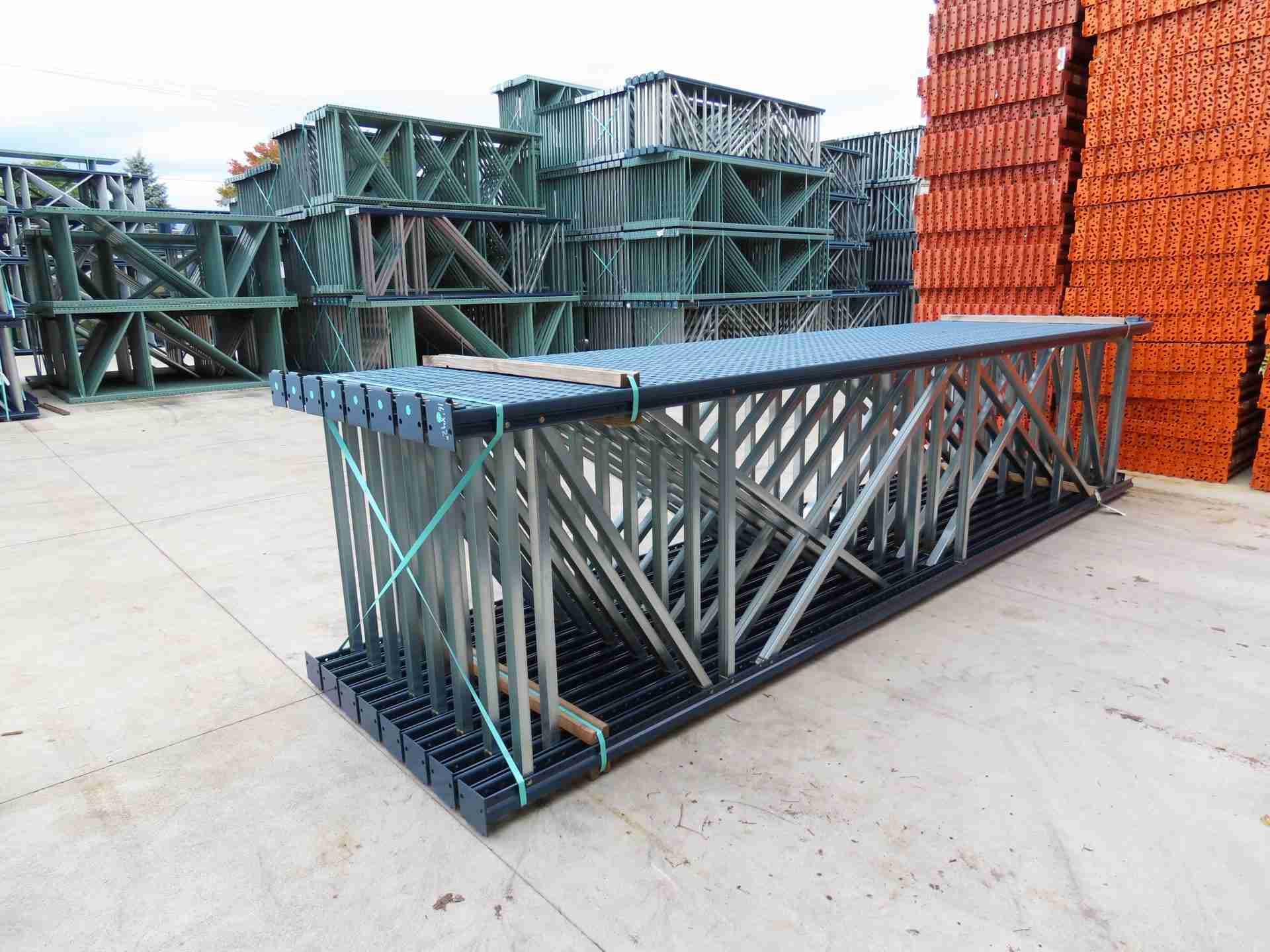
What Are The Signs Of Low Productivity?
How Does Communication Breakdown Affect Warehouse Efficiency?
Imagine walking into a bustling warehouse, where the hum of productivity fills the air. Now picture that same environment, thrown into disarray by miscommunication. This unsettling shift can transform a perfectly organized operation into a chaotic mess—wasting time, resources, and ultimately eroding profitability. Think of the intricate dance of pallet racking systems; each rack meticulously placed to optimize space and streamline retrieval. However, when communication falters, those meticulously arranged pallets turn into obstacles rather than assets.
Every team member plays a vital role in maintaining that equilibrium. When information isn’t shared, mistakes multiply. Would you trust a system where instructions about repositioning pallet racking are written down in an illegible scrawl? Probably not. The unwritten rule of communication in a warehouse is as simple as it is crucial: clear instructions lead to clear outcomes. It’s that straightforward. Yet, how often do we see teams struggling, simply because they assumed that everyone was on the same page?
Picture an employee misunderstanding where to place new inventory. Instead of swiftly filing away stock into its designated pallet racking, chaos ensues. Products end up scattered, the order gets compromised, and your delivery timelines stretch. Suddenly, you’re not just dealing with misplaced pallets; you’re juggling customer dissatisfaction, wasted labor hours, and a tangle of team frustration. This costly misstep can ripple through the entire supply chain, turning a manageable day into a costly ordeal.
But despair not! You have the power to cultivate a culture of open communication. Consider implementing regular check-ins, training sessions, and shared digital tools that empower your workforce to relay information clearly and confidently. Imagine a scenario where every employee knows exactly how to navigate the warehouse, following a seamless process that respects the layout of pallet racking and optimizes operations.
In this enriched environment, everyone is on the same mission, driving toward warehouse efficiency. Not only do you save time and money, but you also build a strong, confident team. Better communication leads to more cohesive operations, increased productivity, and a motivated workforce eager to contribute toward excellence.
Take action today. Reinforce the channels of communication within your warehouse. Invest in clarity, and you’ll witness a transformation—where potential pitfalls turn into gateways of opportunity. Your pallet racking system—and your entire operation—will thank you for it.
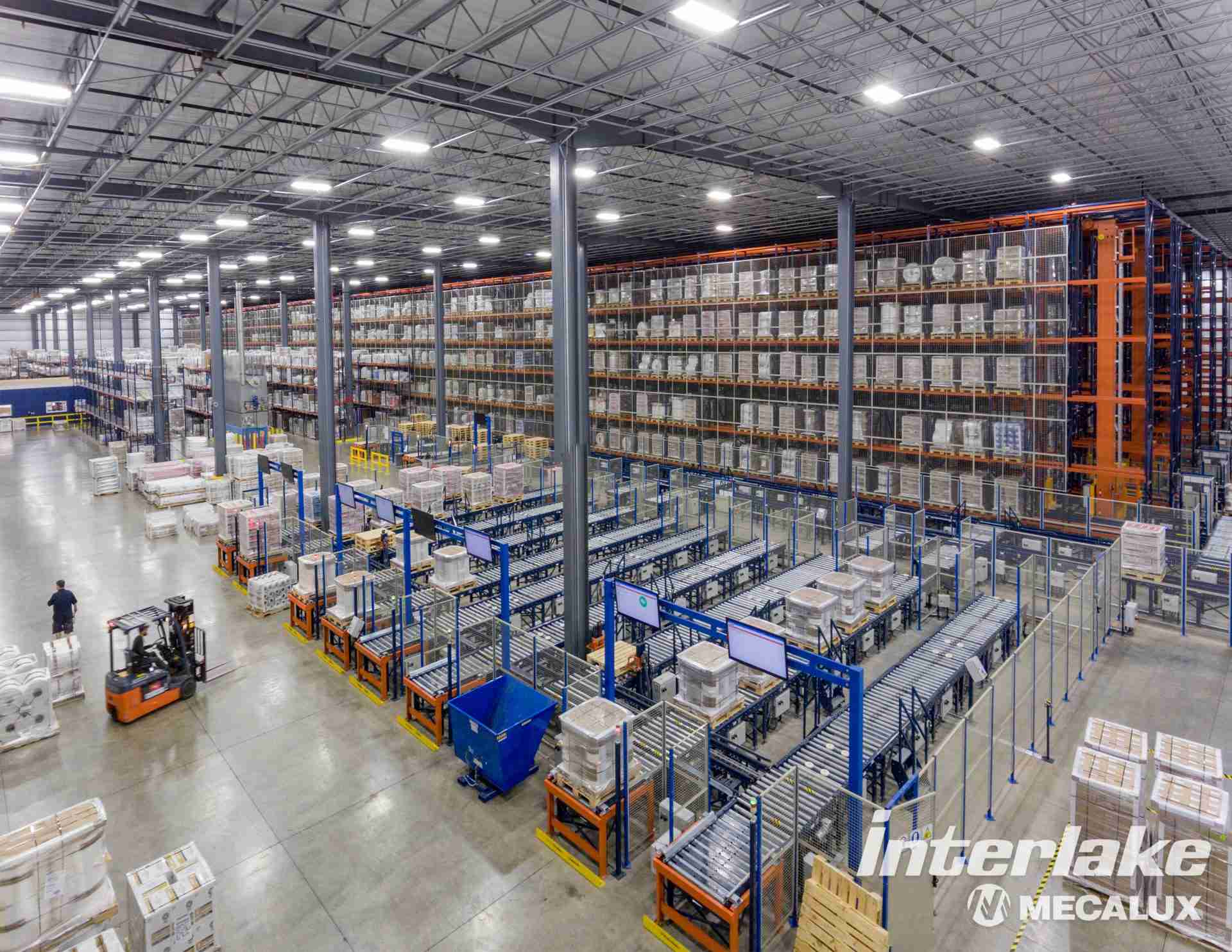
How Does Communication Breakdown Affect Warehouse Efficiency?
How Does Communication Breakdown Affect Warehouse Efficiency?
- Miscommunication in warehouses can create chaos, wasting time and resources while affecting profitability.
- Proper arrangement of pallet racking is crucial for optimizing space and streamlining retrieval.
- Each team member’s role is vital, and lack of shared information leads to mistakes.
- Clear communication and instructions are essential for maintaining order and efficiency.
- Misunderstandings, such as misplaced inventory, result in customer dissatisfaction and labor inefficiency.
- Cultivating a culture of open communication can significantly improve workflow and team morale.
- Investing in clarity through regular check-ins and training can transform operations and build a motivated workforce.

How Does Communication Breakdown Affect Warehouse Efficiency?
What Role Does Leadership Play In Productivity Loss?
In the world of business, the success of your operations hinges on many factors—process efficiency, market demand, and yes, even your choice of Pallet Racking. But there’s one critical piece of the puzzle that often gets overlooked: leadership. Strong leadership can illuminate the path to productivity, while weak leadership can plunge you into a cycle of frustration and inefficiency.
Imagine a warehouse brimming with potential, its floor packed with rows of organized Pallet Racking. It’s a magnificent sight, but without effective leadership, that potential is often wasted. A leader who prefers micromanagement stifles creativity and initiative. Employees who feel suffocated by a heavy-handed approach are likely to disengage, resulting in productivity losses that ripple from the floor to the top.
Conversely, a leader who fosters an open environment encourages team members to share insights and innovate solutions. Think about it—when was the last time you had a brilliant idea that could boost productivity, only to hesitate because you feared the reaction? Great leaders cultivate a space where risks are celebrated, mistakes are learning opportunities, and everyone feels empowered to contribute. This approach serves as the backbone of a thriving operation, where even your choice of Pallet Racking can be optimized for maximum efficiency.
Yet, it’s not enough to just be approachable. A true leader must communicate a clear vision. Employees are much more productive when they understand how their roles fit into the larger objectives of the organization. When leaders articulate goals and expectations with clarity, they create a sense of purpose that drives engagement. When team members understand that their own productivity contributes directly to the company’s success, they’ll put their best foot forward, feeling a renewed sense of motivation.
Let’s also talk about accountability. Leaders set the tone for expectations regarding productivity. If those in leadership roles fail to hold themselves and others accountable, it sends a message that mediocrity is acceptable. This can lead to complacency, further exacerbating productivity losses. Trust and accountability strengthen the team dynamic—making every corner of your operation, from the inventory stocked on Pallet Racking to daily interactions, a well-oiled machine.
Effective leadership is the linchpin in avoiding productivity loss. A clear vision, an open environment, and a commitment to accountability create the kind of culture that not only inspires action but also drives verifiable results. So ask yourself: is your leadership style fueling success, or is it holding your productivity hostage? It’s time to take a hard look in the mirror and decide what changes need to be made.
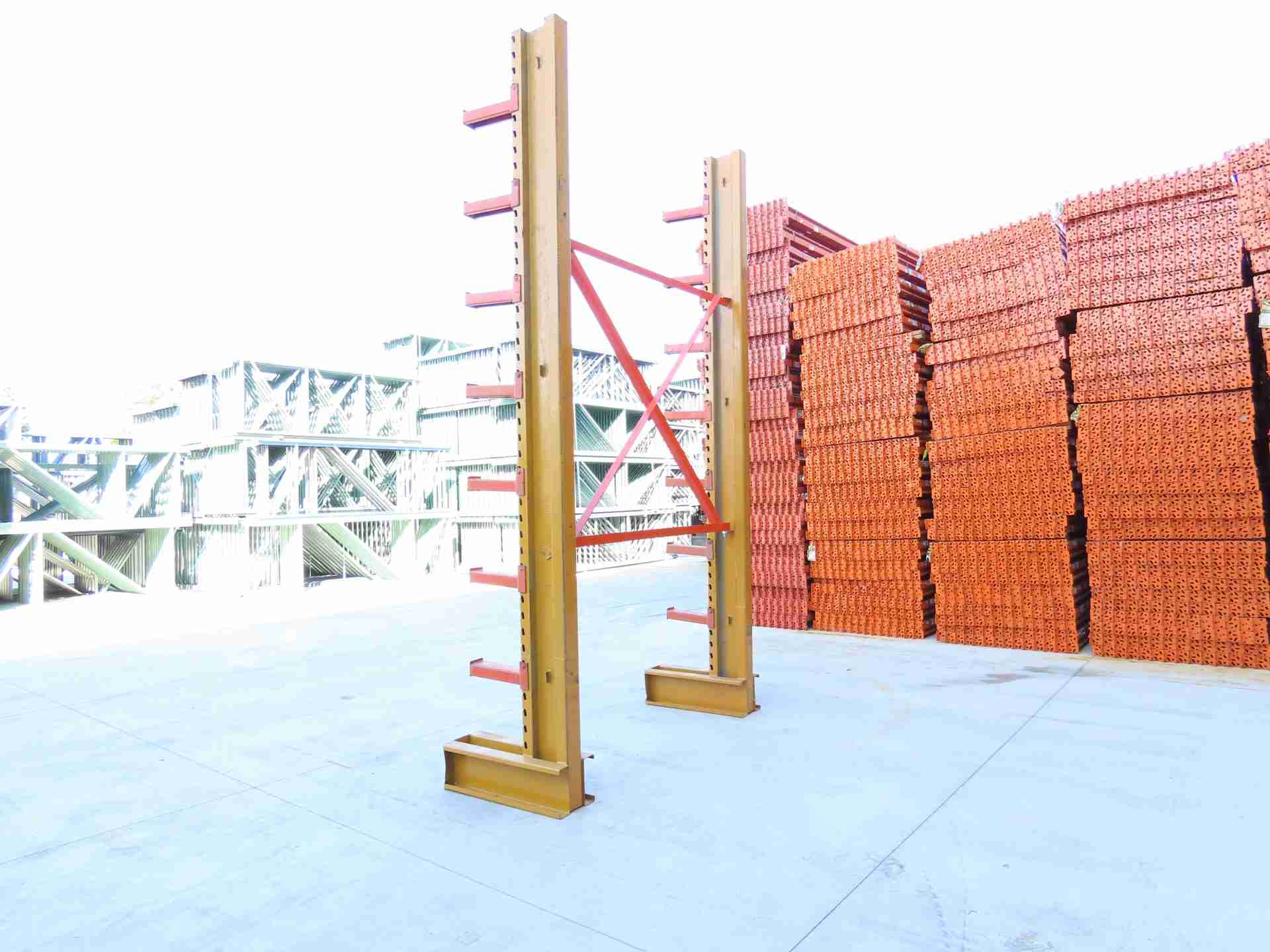
What Role Does Leadership Play In Productivity Loss?
What Role Does Leadership Play In Productivity Loss?
- The success of business operations relies on various factors, including leadership.
- Strong leadership fosters productivity, while weak leadership leads to frustration and inefficiency.
- Micromanagement stifles creativity and results in employee disengagement.
- Effective leaders create an open environment that encourages innovation and risk-taking.
- Clear communication of vision and goals enhances employee motivation and productivity.
- Accountability in leadership is essential to avoid mediocrity and maintain high performance.
- Assessing leadership styles is crucial to determining their impact on productivity and success.

What Role Does Leadership Play In Productivity Loss?
How Can Poor Training Contribute To Reduced Output?
Let’s not sugarcoat it: inadequate training can be the silent productivity killer lurking in the shadows of your operation. Imagine a warehouse filled with state-of-the-art pallet racking systems, designed to optimize storage and efficiency. Yet, without the right training, those systems can easily become a labyrinth of confusion, sabotaging your team’s performance.
When employees are thrust into their roles without proper guidance, they often resort to trial and error, which can lead to inefficiencies. Picture this: a worker standing in front of a towering pallet racking unit, unsure of how to store or retrieve items effectively. They waste precious minutes looking for instructions or trying to figure it out on their own—time that could have been spent driving output.
Let’s dive a bit deeper. Poor training can create a ripple effect that impacts not just the individual employee but the entire team. Misunderstandings breed mistakes. When staff aren’t equipped with the knowledge to utilize equipment correctly—including understanding weight limits, safety protocols, or proper stocking techniques—your whole operation suffers. Reduced output isn’t just reflected in numbers; it seeps into employee morale and confidence. When teams feel ill-prepared, their motivation plummets. They begin to question their competence, leading to a cycle of doubt that can be hard to break.
Furthermore, the cost implications are staggering. Think of the potential damage caused by mishandled inventory or the delays due to inefficient processes. If your workers aren’t trained to maximize their efficiency using your pallet racking systems, not only do you incur losses from wasted time, but you may also face unnecessary expenses in product damage, labor hours, and even safety incidents.
However, you have the power to break this cycle. By investing in comprehensive training programs, you can transform your workforce’s capabilities and confidence. Engage your team with hands-on demonstrations that highlight effective techniques, safety measures, and the ins and outs of your racking systems. Foster an environment where questions are welcomed, and knowledge is shared.
The reality is that a well-trained team is an empowered team. They’re not just workers; they become your greatest asset, driving greater output and contributing to a culture of continuous improvement. So, don’t let poor training be the chain that holds you back. Invest in your people, and watch your output soar as they navigate the complexities of your operation with clarity and confidence.

How Can Poor Training Contribute To Reduced Output?
How Can Poor Training Contribute To Reduced Output?
- Inadequate training is a major productivity killer in operations.
- State-of-the-art equipment can become inefficient without proper employee training.
- Employees lacking guidance often resort to trial and error, leading to wasted time and resources.
- Poor training creates misunderstandings that lead to mistakes affecting the entire team.
- Reduced employee morale and confidence result from inadequate preparation for tasks.
- Cost implications include wasted time, product damage, and safety incidents due to inefficiency.
- Investing in comprehensive training empowers employees, improving output and fostering a culture of continuous improvement.

How Can Poor Training Contribute To Reduced Output?
What Are The Cost Implications Of Lost Productivity?
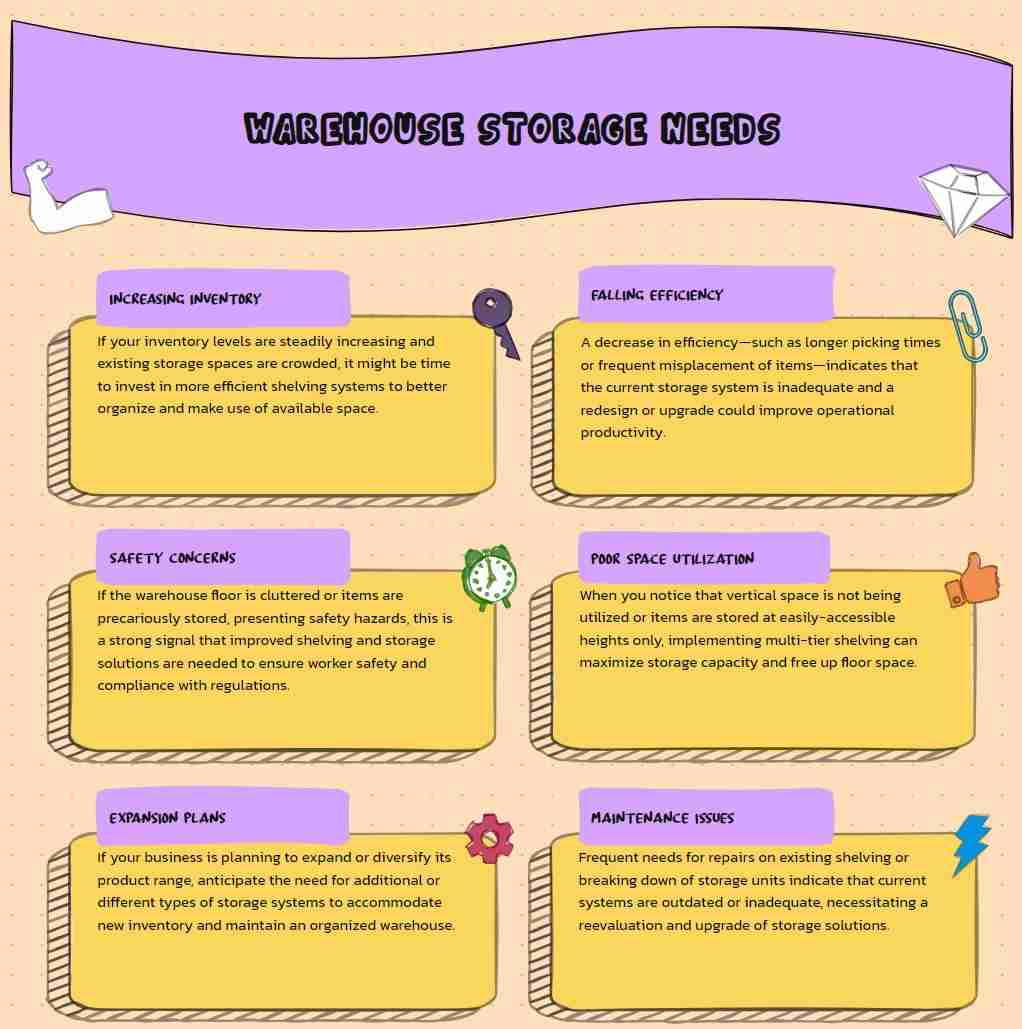
In today’s fast-paced business environment, productivity isn’t just a buzzword; it’s the very lifeblood of your operations. When productivity falters, your bottom line bears the brunt of that loss. One area you might not immediately consider is the effect of suboptimal warehouse storage solutions—notably, your pallet racking systems. It’s a place where even small inefficiencies can snowball into significant financial setbacks.
Picture this: employees struggling to navigate a tangled web of disorganized pallet racking. Time is wasted searching for items, retrieving misplaced stock, and even handling safety incidents. Each moment spent wrestling with ineffective systems chips away at productivity. Multiply that lost time across a day, a week, or a year, and suddenly you’re staring down a staggering loss not just in hours, but dollars too. When you’re dealing with operational costs, time directly correlates to money.
Moreover, there’s the hidden cost of employee morale. Workers thrive in environments where processes are seamless and efficient. If they spend half their day battling a chaotic storage setup, frustration can set in, leading to disengagement or even turnover. And as any seasoned business owner knows, recruiting and training new talent is an expensive and time-consuming affair. Your ergonomic, well-designed pallet racking can foster streamlined processes that keep your team motivated and your operations humming.
Let’s talk numbers. Studies indicate that inefficiencies in storage can account for 15-30% of operational costs. That could mean the difference between a thriving company and one continually mired in the red. Considering this, investing in an effective pallet racking system isn’t merely about tidying up space; it’s about laying down a foundation for financial success.
Calculate the cost of those lost hours, and then think about what you could do with a revitalized approach. Picture improving order fulfillment, accelerating inventory turnover, and ultimately boosting your profits—a win-win!
Taking stock of your pallet racking setup doesn’t just present you with an opportunity to enhance operations; it’s a strategic move to protect your investment. Reinvigorate your productivity, optimize your warehouse space, and watch your efficiency—and profits—soar. Act now; the future of your profitability depends on the steps you take today!
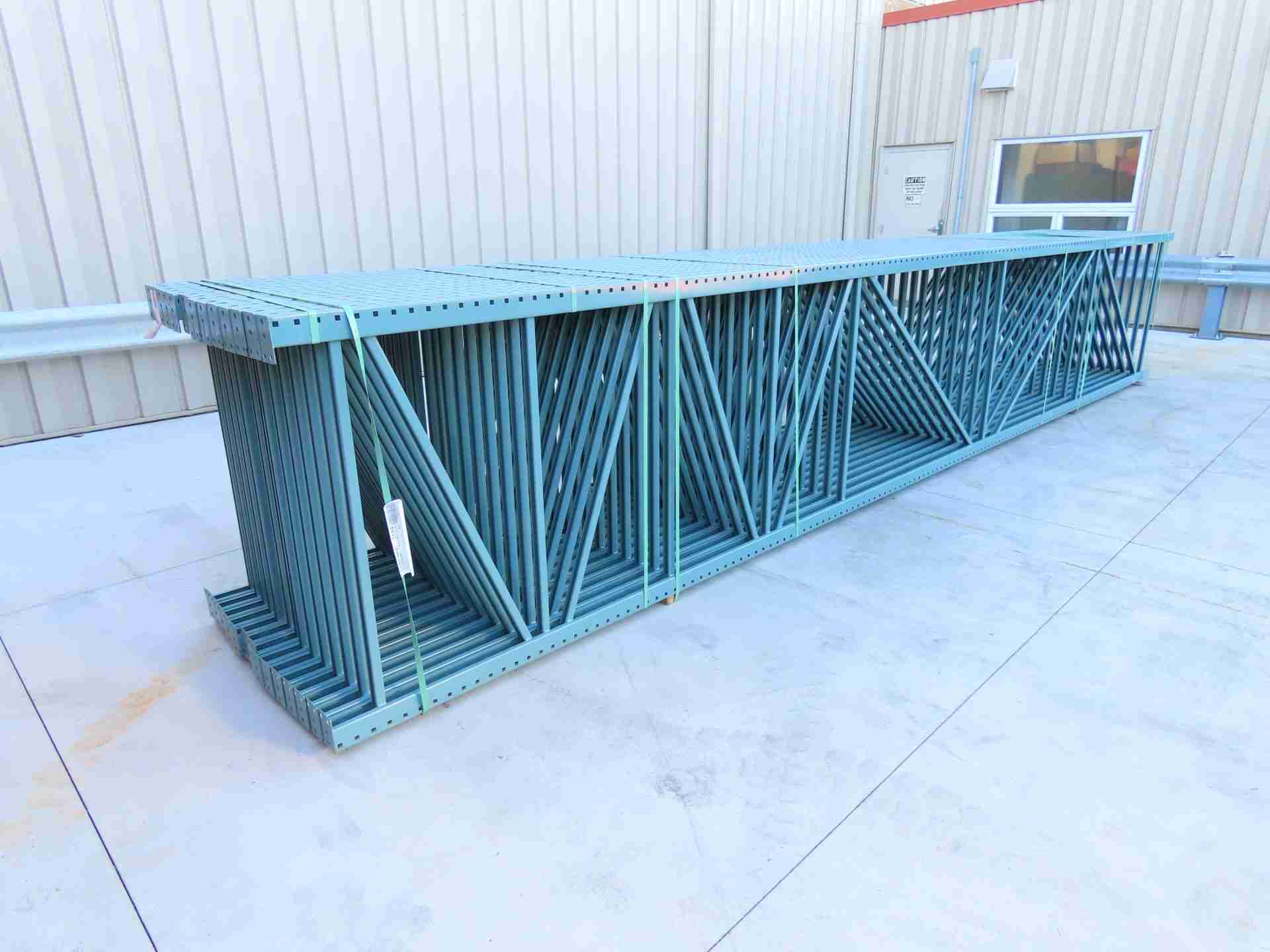
What Are The Cost Implications Of Lost Productivity?
What Are The Cost Implications Of Lost Productivity?
- Productivity is essential for business operations; inefficiencies can lead to significant financial losses.
- Suboptimal pallet racking systems can create disorganization, wasting employee time and reducing productivity.
- Time lost in a chaotic storage environment directly impacts operational costs and profitability.
- Employee morale suffers in disorganized environments, leading to potential disengagement and turnover.
- Inefficiencies in storage can account for 15-30% of operational costs, impacting business sustainability.
- Investing in effective pallet racking systems is crucial for financial success, streamlining processes, and improving order fulfillment.
- Optimizing your pallet racking setup can enhance operations, protect investments, and boost profitability.
What Are The Cost Implications Of Lost Productivity?
How Does High Turnover Affect Warehouse Culture?
In the bustling world of warehousing, every pallet racking system stands as a proud testament to organization, productivity, and teamwork. However, imagine for a moment walking into a warehouse where employee turnover runs high. The once harmonious rhythm of loading, unloading, and organizing begins to falter, echoing a profound impact on the culture.
High turnover rates don’t just affect the bottom line—they chip away at the very essence of the workplace. Shipping deadlines can slip into chaos when experienced members of your team leave, taking with them critical knowledge about those intricate pallet racking systems that streamline operations. It’s the seasoned forklift driver who knows exactly how to maneuver around tight spaces, and the warehouse supervisor who has perfected the art of inventory management. Their departure leaves gaps that newer employees, who are still finding their footing, struggle to fill.
But don’t despair—understanding this challenge is the first step toward transforming your warehouse culture. High turnover can lead to a sense of instability that permeates the environment, making it hard for teams to bond. When employees come and go frequently, relationships fail to develop, and the camaraderie that drives productivity takes a hit. It’s like a well-oiled machine where pieces start falling off—without the right connections among your staff, your warehouse operation can quickly grind to a standstill.
What if you could turn this tide? Imagine creating a culture that fosters loyalty and excitement—a workplace where employees don’t just clock in and out, but feel a deep sense of belonging. Actively invest in your employees. Provide training programs focused on best practices for utilizing pallet racking systems and making sure each team member feels valued. Celebrate milestones and recognize hard work, creating a tapestry of achievements that bind your workforce together.
Engaging in open conversations about their needs, perspectives, and aspirations can make all the difference. When employees know their voices matter, they are more inclined to stick around, reducing turnover and elevating morale. A stable workforce not only ensures smooth operations but also enhances your warehouse culture—leading to improved teamwork, increased productivity, and ultimately, a thriving business.
In business, trust is everything. As you take actionable steps to create a supportive environment, your team will respond with loyalty and enthusiasm, transforming your warehouse from chaos to cohesion. The journey starts now; uplift your culture, and reap the rewards of a committed team ready to tackle any challenge head-on.

How Does High Turnover Affect Warehouse Culture?
How Does High Turnover Affect Warehouse Culture?
- High employee turnover in warehousing disrupts organization and productivity.
- The departure of experienced staff leads to lost knowledge and operational gaps.
- Frequent turnover fosters instability, hindering team bonding and camaraderie.
- Investing in employee training and recognition helps foster loyalty and belonging.
- Open communication about employee needs and aspirations reduces turnover.
- A stable workforce improves teamwork, productivity, and overall warehouse culture.
- Building trust and a supportive environment transforms chaos into cohesion.

How Does High Turnover Affect Warehouse Culture?
Conclusion
Conclusion: Transform Your Warehouse Culture Today
In the competitive landscape of warehouse management, the true cost of lost productivity extends far beyond the bottom line; it’s an issue that significantly impacts employee morale and the overall culture of your operation. At RackingWorld.com and Arrow Industrial Sales, we understand that when productivity dips, the vibrant energy of your warehouse often gives way to frustration, miscommunication, and a sense of disorganization that can permeate every aspect of your operations.
Imagine a workplace buzzing with motivation, where each employee collaborates seamlessly within an efficiently organized pallet racking system. This is the ideal, but when the signs of low productivity—disorganization, high turnover, inadequate training, poor leadership—begin to creep in, they can erode the foundation of your warehouse culture. Yet, it’s crucial to recognize that lost productivity can also be a powerful catalyst for transformative change.
By investing in streamlined processes and better equipment, such as state-of-the-art pallet racking solutions, you not only address immediate inefficiencies but also send a strong message to your team: “We value your efforts and aim to empower you.” Implementing effective training programs is another vital step, ensuring your workforce is not only knowledgeable but also confident in their roles. And let’s not forget the critical role that transparent communication and strong leadership play in propelling productivity, driving engagement, and fostering a culture of innovation.
At Arrow Industrial Sales, we believe that you do not have to settle for disengagement and dissatisfaction in your workforce. Instead, seize this opportunity to transform low productivity into a launchpad for excellence. The choice is clear: take proactive steps to revitalize your warehouse culture today and watch your productivity soar, benefiting both your team and your bottom line.
Don’t wait! Call Arrow Industrial Sales at (574) 349-6575 now to gain insights into optimizing your pallet racking systems and propel your warehouse towards a more efficient, engaged, and successful operation. The time for action is now—redefine the way your warehouse operates and witness the incredible benefits that a motivated team can bring. Your workforce deserves it, and so do you!

Conclusion
Conclusion:
- Lost productivity in warehouses affects employee morale and overall culture.
- Signs of low productivity include disorganization, high turnover, and poor leadership.
- Investing in streamlined processes and equipment improves efficiencies and empowers employees.
- Effective training programs enhance workforce knowledge and confidence in their roles.
- Transparent communication and strong leadership foster productivity and innovation.
- Transform low productivity into a catalyst for excellence in your warehouse environment.
- Contact Arrow Industrial Sales to optimize pallet racking systems and improve operations.

Conclusion
Other Resources

Other Resources
Here is a list of other resources you can review online to learn more:
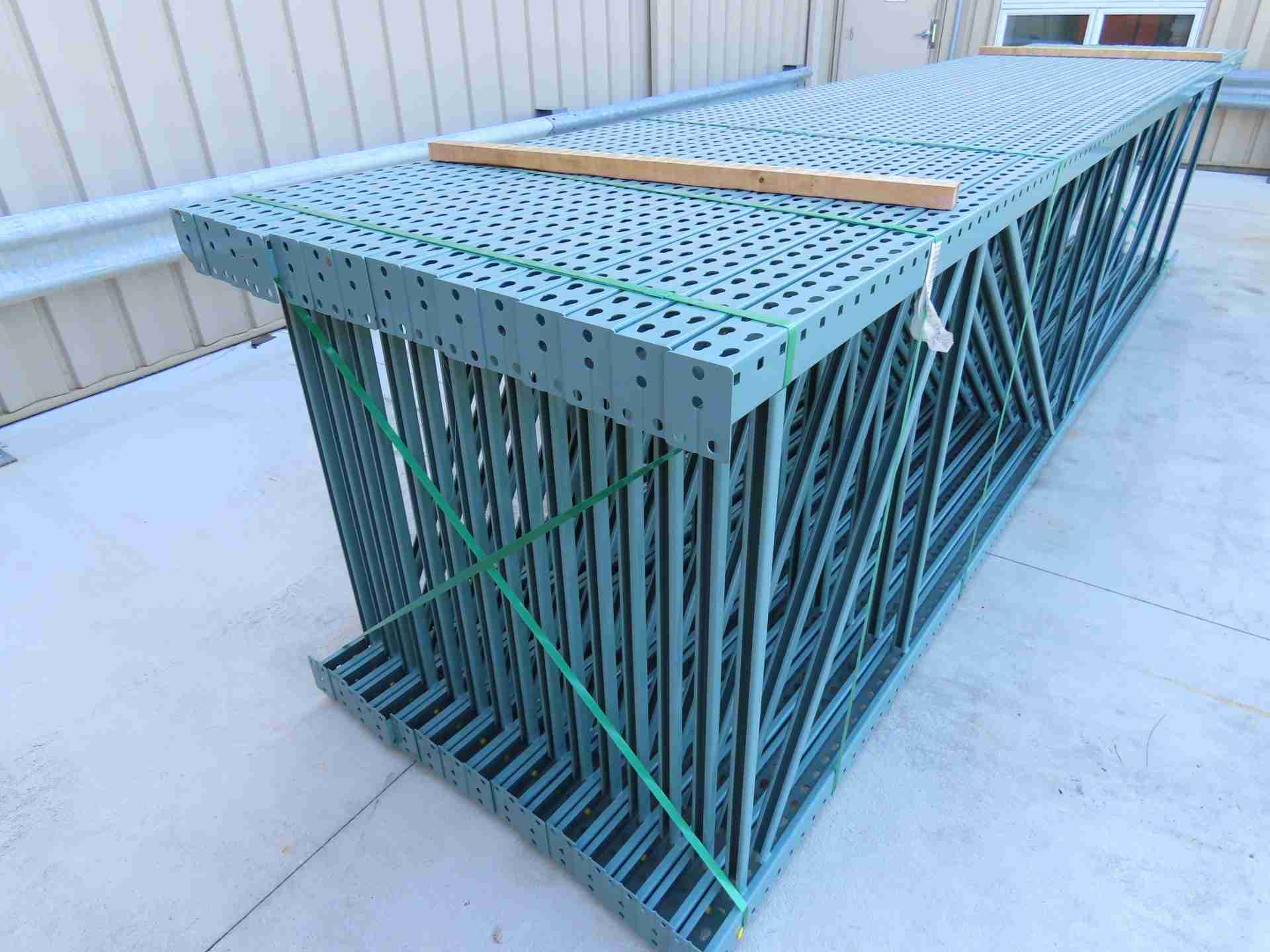
- What is Cantilever Racking? – AK Material Handling Systems
- Used Teardrop Pallet Rack – American Surplus
- Selective Racking
- New Cantilever Racks and Racking Kits
- Storage Equipment Manufacturers Association
- Rack Manufacturers Institute
- Warehouse Automation
- ASSP
- Pallet Rack Systems – New and Used Pallet Racking and Shelving Experts
- Pallet Racking systems in Illinois, Great Lakes
Use This Prompt To Get More Resources With Your Favorite Online AI Tool: Please provide me with a list of online articles with their URLs in a bulleted list that I can read regarding How Does The Pain Of Lost Productivity Affect Your Warehouse Culture?
Other Resources
Glossary Terms
How Does The Pain Of Lost Productivity Affect Your Warehouse Culture? – Glossary Of Terms
1. Productivity: The efficiency with which tasks and operations are completed in a warehouse setting, often measured by output per labor hour.
2. Warehouse Culture: The shared values, beliefs, and practices that characterize or shape the environment and work dynamics in a warehouse.
3. Morale: The overall mood and motivation of warehouse employees, which can be influenced by productivity levels and workplace conditions.
4. Employee Engagement: The emotional commitment employees have towards their organization and its goals, affecting their productivity and job satisfaction.
5. Operational Efficiency: The ability of a warehouse to maximize output while minimizing waste and resource usage, directly impacting productivity.
6. Job Satisfaction: The level of contentment and fulfillment employees feel in their roles, often swayed by productivity successes or challenges.
7. Turnover Rate: The rate at which employees leave a warehouse and are replaced, potentially increased by low job satisfaction or morale issues.
8. Team Cohesion: The degree to which team members work well together, affecting communication and collaboration in a productivity-focused warehouse environment.
9. Stress: The physical or emotional strain experienced by workers, which can escalate in environments with lost productivity and poor morale.
10. Workplace Communication: The flow of information among employees, critical for ensuring operational efficiency and maintaining a positive warehouse culture.
11. Feedback Loop: The process through which employees provide input on workflows and practices, essential for enhancing productivity and culture.
12. Training and Development: Programs aimed at enhancing employee skills and knowledge, directly influencing productivity and job performance.
13. Resource Allocation: The distribution of materials and labor in a warehouse, which affects operational efficiency and overall productivity levels.
14. Process Optimization: The practice of improving established workflows to enhance performance and productivity in warehouse operations.
15. Safety Protocols: Guidelines and procedures implemented to ensure employee safety, influencing morale and productivity when followed or neglected.
16. Incentive Programs: Strategies implemented to motivate employees to achieve higher productivity levels, potentially leading to improved warehouse culture.
17. Resource Utilization: The effective use of available resources (human, material, technological) to achieve maximum productivity.
18. Collaboration: The act of working together towards common goals, vital for fostering a supportive and productive warehouse environment.
19. Time Management: The ability to efficiently organize and prioritize tasks, impacting how productive employees can be within the warehouse context.
20. Work-Life Balance: The equilibrium between employees’ work obligations and personal lives, essential for maintaining morale and productivity.
21. Employee Well-being: The overall health and happiness of workers, which can significantly influence productivity and workplace culture.
22. Leadership Style: The approach taken by leaders in managing teams, shaping the warehouse culture and affecting productivity outcomes.
23. Workflow Analysis: The assessment of processes and tasks within the warehouse to identify inefficiencies and improve overall productivity.
24. Retention Strategies: Initiatives aimed at keeping employees engaged and minimizing turnover, crucial for sustaining productivity levels.
25. Crisis Management: The strategies employed to handle unexpected disruptions in productivity, impacting the overall culture and workforce morale.
26. Recognition Programs: Acknowledgment of employee efforts, playing a significant role in boosting morale and reinforcing productive behaviors.
27. Adaptability: The ability of employees and management to adjust to new challenges or changes in the workplace, key to maintaining productivity.
28. Skill Gap: The disparity between the skills employees possess and those required to perform their tasks efficiently, affecting productivity and culture.
29. Performance Metrics: Data-driven measures used to evaluate productivity levels and employee performance, necessary for informed decision-making.
30. Continuous Improvement: Ongoing efforts to enhance processes, products, or services, fostering a culture of productivity and innovation within the warehouse.

Glossary Of Terms
Other Questions
How Does The Pain Of Lost Productivity Affect Your Warehouse Culture? – Other Questions
If you wish to explore and discover more, consider looking for answers to these questions:
- What are the long-term effects of lost productivity on warehouse culture?
- How can I identify the specific causes of low productivity in my warehouse?
- What strategies can be implemented to improve communication within a warehouse?
- How can I measure the effectiveness of leadership in relation to productivity?
- What type of training programs are most effective in improving warehouse output?
- How can I quantify the financial impact of lost productivity in my warehouse?
- What steps can be taken to reduce employee turnover in a warehouse setting?
- How can technology be integrated to enhance warehouse efficiency and productivity?
- What are some best practices for optimizing pallet racking systems?
- How does employee morale influence overall productivity in a warehouse?
Other Questions
Checklist
How Does The Pain Of Lost Productivity Affect Your Warehouse Culture? – A Checklist
Checklist: Enhancing Warehouse Efficiency and Culture
Use this checklist to assess your warehouse environment and implement strategies to improve productivity, employee morale, and overall efficiency.
1. Recognize the Signs of Low Productivity
_____ Assess workspace organization. Is the environment cluttered or chaotic?
_____ Evaluate communication. Are team meetings effective and engaging?
_____ Review performance metrics. Are quotas being met consistently?
_____ Analyze tools and resources. Are they up-to-date and sufficient for team needs?
_____ Monitor employee burnout. Are breaks and work-life balance encouraged?
2. Foster Effective Communication
_____ Implement regular team check-ins to promote openness.
_____ Utilize shared digital tools for information sharing.
_____ Encourage team members to voice ideas and concerns without fear of criticism.
_____ Provide clear and accessible instructions for operations and processes.
3. Evaluate Leadership Styles
_____ Reflect on management approaches. Are leaders encouraging initiative or stifling creativity?
_____ Ensure leaders communicate a clear vision and organizational goals.
_____ Promote accountability at all levels. Are expectations clear and upheld?
_____ Assess team morale and ask for feedback on leadership effectiveness.
4. Invest in Comprehensive Training Programs
_____ Develop training sessions focused on equipment use, safety, and workflow optimization.
_____ Include hands-on demonstrations and encourage questions.
_____ Regularly update training materials based on new technologies or methods.
_____ Monitor employee confidence and competence post-training.
5. Assess the Impact of Operational Inefficiencies
_____ Conduct an inventory of costs associated with lost productivity.
_____ Analyze time wasted due to disorganization or inadequate tools.
_____ Evaluate the morale of employees in relation to operational setups.
_____ Consider the implications of high operational costs due to inefficiencies.
6. Address High Turnover Rates
_____ Monitor turnover statistics and identify trends.
_____ Create programs that recognize and celebrate employee contributions.
_____ Foster a culture of belonging through team-building activities and open communication.
_____ Solicit employee feedback on workplace satisfaction and areas for improvement.
7. Continuous Improvement and Reflection
_____ Schedule regular assessments of processes and culture.
_____ Maintain open lines for feedback from all levels of staff.
_____ Encourage a culture of innovation where team members feel empowered to propose changes.
_____ Review and refine strategies based on outcomes and employee insights.
Use this checklist as a guide to transforming your warehouse culture into a more productive, engaged, and cohesive environment. Consistent review and action on these items can lead to remarkable improvements in efficiency and morale.

Checklist
At RackingWorld, we help guide you through selecting warehouse storage systems and racking.
Be sure to read our other related stories at RackingWorld to learn more about warehouse storage systems.
0 Comments