
Uncovering The Hidden Dangers In Warehouse Operations
By Tom Seest
At RackingWorld, we help guide you through selecting warehouse storage systems and racking.
Be sure to read our other related stories at RackingWorld to learn more about warehouse storage systems.
Could Your Choices Lead to Warehouse Accidents That Could Be Prevented?
Imagine this: Your warehouse is a bustling hub of activity, where pallets stacked high can make or break your operational efficiency. But lurking beneath the surface of that productivity is a harsh reality—an accident waiting to happen. What if those accidents could have been prevented by choices made in the warehouse? The truth is, an informed decision today could save lives tomorrow.
Picture a scenario where an employee is maneuvering around a row of pallet racking. The shelves, while sturdy, are crammed with improperly stored items that teeter precariously. The subtle sway of those pallets creates an environment ripe for disaster. Now think, was it an unavoidable accident, or could a simple choice about how to store those loads have made a world of difference?
This isn’t just about workplace safety; it’s about creating a culture of awareness and responsibility. Warehouse managers often juggle countless decisions daily—from the selection of pallet racking systems to employee training. Each choice sends ripples throughout the organization. By prioritizing safety in the decision-making process, you ensure that every pallet is stable, every aisle is navigable, and every employee knows their role in fostering a safe environment.
Let’s turn this into actionable wisdom. Regularly inspect your pallet racking setup. Are there signs of wear and tear? Is there proper training in place for employees to understand the limitations of weight loads? Instilling a sense of caution and consideration might seem small in the grand scheme of warehouse operations, but these actions can cascade into a comprehensive safety culture where accidents become historical footnotes rather than present realities.
Think about your own warehouse environment. Assess your daily routines and choices. Are they leading towards safety or are they drifting towards danger? Being proactive is not just an option; it’s a necessity in today’s fast-paced world.
Now is the time for you to take that leap towards creating a safer workplace. Remember, every choice you make has the power to lead to either a productive day or an incident that alters lives. Don’t wait for a wake-up call. Transform your warehouse from a place where accidents occur to a sanctuary of safety, one informed choice at a time.

Could Your Choices Lead to Warehouse Accidents That Could Be Prevented?
Could Your Choices Lead to Warehouse Accidents That Could Be Prevented?
- Warehouses are busy environments where pallet organization impacts operational efficiency.
- Improper storage of items can lead to accidents, which could often be prevented with better decision-making.
- Creating a culture of awareness and responsibility regarding safety is crucial in warehouse operations.
- Warehouse managers make daily decisions that affect safety, from pallet racking choices to employee training.
- Regular inspections of pallet racking and employee training on load limitations are essential for safety.
- Proactive safety measures foster a comprehensive culture that minimizes accidents.
- Every choice in a warehouse has implications for safety; creating a safe workplace should be a priority.

Could Your Choices Lead to Warehouse Accidents That Could Be Prevented?
Table Of Contents
- Could Your Choices Lead to Warehouse Accidents That Could Be Prevented?
- What Are The Common Causes Of Warehouse Accidents?
- How Can Training Reduce Accidents?
- What Role Does Equipment Maintenance Play?
- How Can Proper Labeling Prevent Accidents?
- Are Safety Protocols Being Followed In Warehouses?
- What Impact Does Employee Fatigue Have On Safety?
- Conclusion
- Other Resources
- Glossary Of Terms
- Other Questions
- Checklist
What Are The Common Causes Of Warehouse Accidents?
When you step into a bustling warehouse, it’s easy to get lost in the hustle and bustle—forklifts whirring past, employees diligently picking and packing. But lurking behind this productive facade are common threats that can transform a thriving workplace into a haven of peril. Understanding these risks is crucial for creating a safe working environment.
First off, let’s talk about pallet racking. This essential storage system is a backbone for many warehouses, allowing for efficient use of vertical space. However, improper setup or overloading can lead to catastrophic failures. Picture this: a rushed employee stacking pallets without considering weight limits. The next thing you know, a cascade of heavy boxes comes tumbling down. A simple miscalculation can put lives at stake.
Then there’s the human factor. Fatigue and distractions are silent enemies in a warehouse setting. The environment is fast-paced, and it’s easy for employees to lose focus, particularly during peak hours. Simulated pressure can lead to rushed decisions: skipping safety protocols, ignoring proper lifting techniques, or failing to communicate with teammates can pave the way for accidents. Encouraging a safety-first mentality that reminds team members to take the time they need can be a game-changer.
Another frequent culprit is inadequate training. Properly trained employees are your best line of defense against errors. If workers lack the knowledge to operate equipment safely or manage warehouse tasks effectively, the chances of an accident multiply. Investing time and resources in comprehensive training not only pays off with fewer incidents but builds employee morale and creates a culture of safety.
Obstructed pathways are another common issue. Warehouses often resemble highways of movement, but clutter and poor organization can create hazards. Ensuring clear aisles and fast access to exits is crucial for maintaining an efficient, safe workspace.
Lastly, keep an eye on equipment. Regular maintenance of forklifts, conveyor belts, and other machinery is indispensable. Ignoring minor repairs can lead to major breakdowns. Just like a well-oiled machine, a warehouse functions best when all components are maintained and in top shape.
Understanding these common causes of warehouse accidents equips you to take proactive steps to mitigate risks. Safety doesn’t just happen; it’s a continuous effort that requires commitment. Together, let’s foster an atmosphere of awareness and responsibility, ensuring our workplaces thrive without the cloud of accidents hanging overhead. After all, safety isn’t just about protecting employees; it’s about cultivating a productive, engaged workforce that drives success!

What Are The Common Causes Of Warehouse Accidents?
What Are The Common Causes Of Warehouse Accidents?
- Understanding warehouse risks is essential for creating a safe working environment.
- Pallet racking is vital for storage efficiency, but improper use can lead to dangerous accidents.
- Fatigue and distractions among employees can lead to rushed decisions and safety protocol violations.
- Inadequate training increases accident risks; comprehensive training fosters a culture of safety.
- Cluttered pathways and poor organization can create hazards; maintaining clear aisles is crucial.
- Regular maintenance of equipment like forklifts and conveyor belts prevents major breakdowns.
- Proactive safety measures promote a productive and engaged workforce while minimizing accidents.
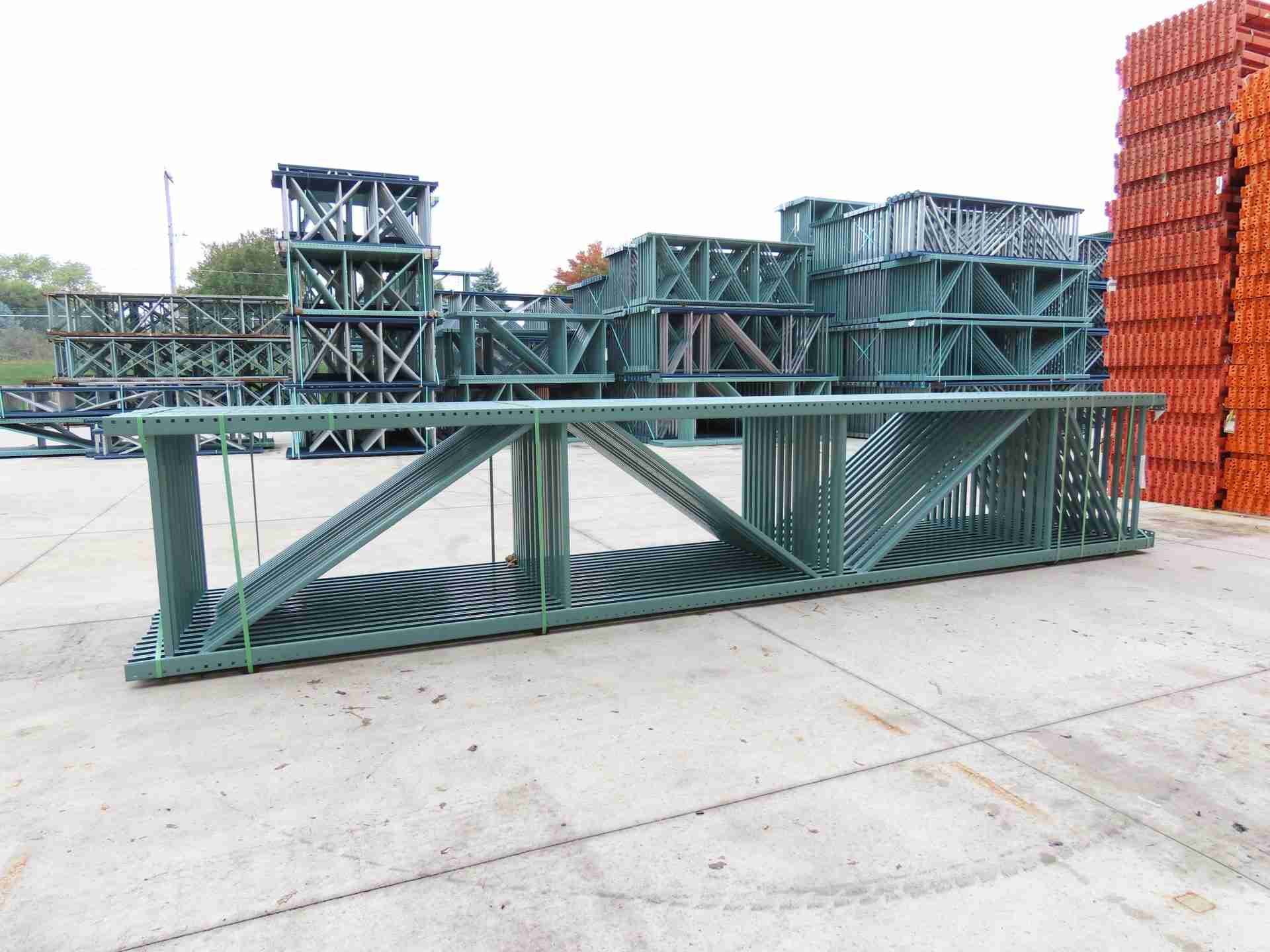
What Are The Common Causes Of Warehouse Accidents?
How Can Training Reduce Accidents?
Every day, countless businesses rely on complex equipment and systems to keep their operations running smoothly. One of those critical systems is pallet racking. While it plays a pivotal role in maximizing storage space and enhancing efficiency, the improper use of pallet racking can lead to costly accidents, injuries, and even fatalities. But here’s the good news: appropriate training can turn this potential risk into a bastion of safety.
Imagine a scenario where your team is equipped with a solid understanding of pallet racking safety protocols. They know exactly how to load and unload materials properly, recognize weight limits, and ensure that racks are installed securely. When employees are educated about the potential hazards and best practices, they become proactive rather than reactive. This means fewer near-misses, reduced downtime, and a more robust bottom line.
Training doesn’t just check a box; it builds a culture of safety that has a ripple effect throughout the organization. When your staff feels empowered and knowledgeable, they’re more likely to embrace safe practices, share insights with their peers, and report any issues before they escalate. This proactive environment not only protects your employees but also enhances morale and fosters teamwork, creating a more productive workplace.
Think about it: accidents don’t just happen in isolation. They often stem from a lack of knowledge or oversight. By investing in comprehensive training programs, you demonstrate to your employees that you value their well-being. This investment pays dividends—not only in reduced accidents but also in increased loyalty and retention. Employees who feel cared for are more likely to remain committed to your organization, reducing turnover costs and maintaining continuity.
Moreover, training provides your business with a competitive edge. A solid reputation for safety can attract clients, partners, and top talent. When potential clients see that you prioritize safety, they’re more likely to trust you with their needs. And in today’s market, trust is everything.
In summary, investing in training to reduce accidents is not just a wise move; it’s an essential strategy for sustainable growth. So, let’s commit to transforming our workplace into a haven of safety by prioritizing education and training. Your team deserves it, your business needs it, and your bottom line will thank you. Let’s make safety the cornerstone of our success story, starting with the essential knowledge of how to handle pallet racking safely and effectively. Your future depends on it!
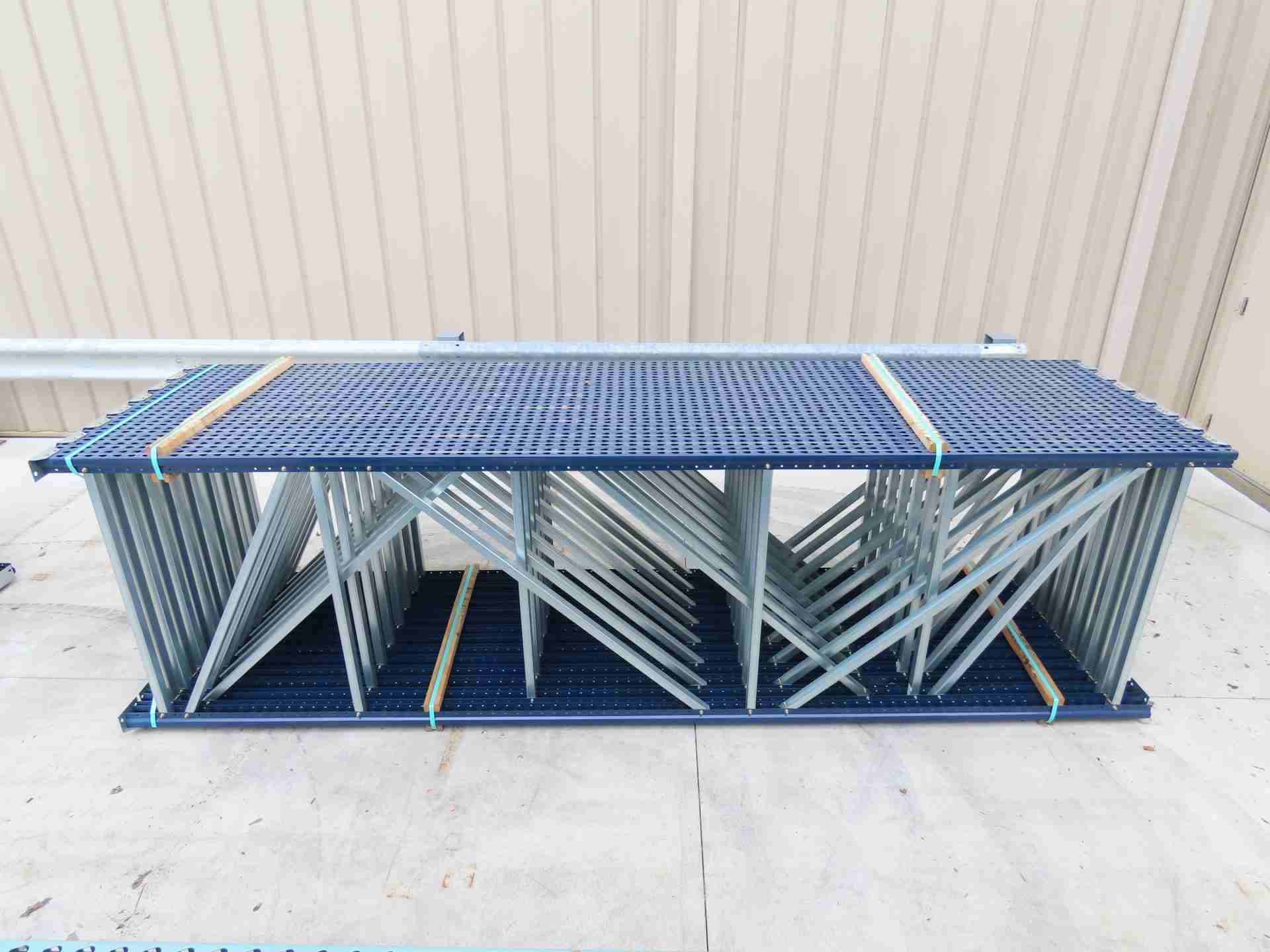
How Can Training Reduce Accidents?
How Can Training Reduce Accidents?
- Businesses depend on complex systems like pallet racking for smooth operations.
- Improper use of pallet racking can lead to accidents, injuries, and fatalities.
- Appropriate training transforms risks into safety by educating staff on protocols.
- Well-trained employees proactively implement best practices, reducing near-misses and downtime.
- Building a culture of safety enhances morale, teamwork, and workplace productivity.
- Investing in training signifies employee value, leading to increased loyalty and reduced turnover costs.
- A solid safety reputation can attract clients and partners, paving the way for sustainable growth.
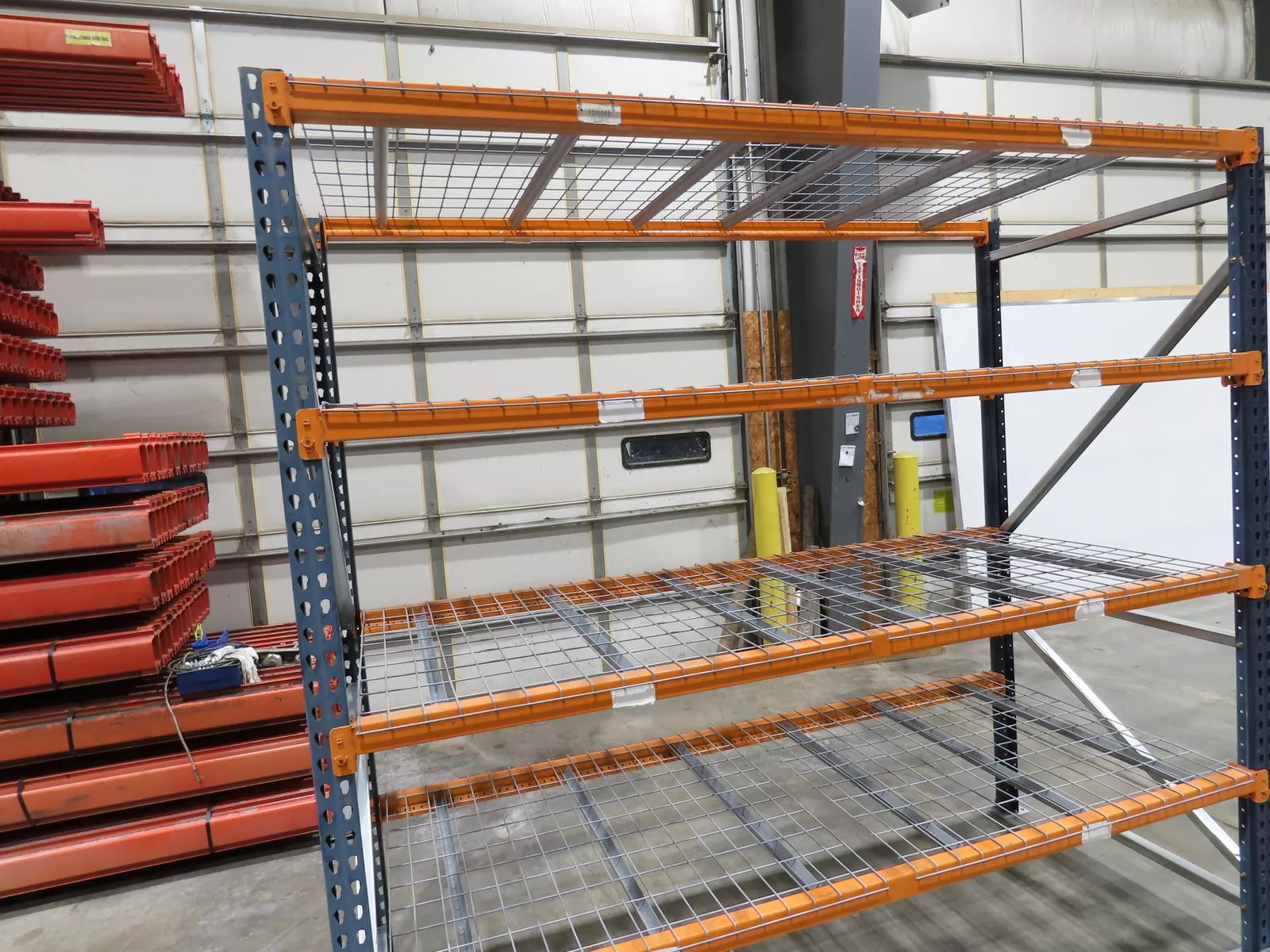
How Can Training Reduce Accidents?
What Role Does Equipment Maintenance Play?
In the world of warehouse operations, the importance of equipment maintenance is like the foundation of a skyscraper—vital and often underestimated. Imagine walking into a bustling warehouse where everything runs smoothly, and your pallet racking stands tall and unwavering, efficiently holding your stock while keeping the flow of goods seamless. Now, picture a scenario where that same warehouse encounters equipment failure—suddenly, the pulse of productivity flatlines, and chaos ensues. This is where the unsung hero of operations comes into play: maintenance.
Every piece of equipment, including your essential pallet racking, requires diligent care and attention. These systems are often the backbone of your storage capabilities, and neglecting them can lead to more than just inconvenience; it can dramatically impact your bottom line. Regular maintenance not only prolongs the lifespan of your equipment but also ensures the safety of your staff, products, and, ultimately, your business reputation.
Let’s face it: warehouse operations are complex, and managing them effectively can feel like juggling flaming torches while riding a unicycle. The reality is that equipment maintenance is not just another task on your to-do list; it’s a strategic investment in your operational efficiency. It’s about creating an environment where your team can perform at their peak, knowing that the equipment supporting them is reliable and safe.
Consider the cost of inaction. A small, but resolvable issue with your pallet racking can snowball into a significant crisis, resulting in lost revenue, equipment downtime, and even potential injuries. This isn’t merely a theoretical concern—it’s a harsh reality faced by many businesses that underestimate the power of proactive maintenance.
By embracing a robust maintenance schedule, you’re not just protecting your assets; you’re fostering a culture of accountability and excellence within your organization. You’re allowing your employees to focus on what they do best, rather than worrying about what might go wrong with the equipment they depend on daily.
Remember, the path to operational excellence is paved with proactive maintenance. By investing in the upkeep of your pallet racking and other critical equipment, you’re not just maintaining—you’re enhancing the very heartbeat of your business. So, take that step today. Implement a maintenance plan, empower your team, and watch as your operations transform into a well-oiled machine.
What Role Does Equipment Maintenance Play?
What Role Does Equipment Maintenance Play?
- Equipment maintenance is crucial for warehouse operations, akin to the foundation of a skyscraper.
- Well-maintained pallet racking supports stock efficiency and prevents productivity disruptions.
- Regular maintenance extends equipment lifespan and ensures safety for staff and products.
- Effective maintenance is a strategic investment in operational efficiency, enhancing team performance.
- Neglecting maintenance can lead to significant crises, including lost revenue and potential injuries.
- Proactive maintenance fosters a culture of accountability and excellence within the organization.
- Investing in maintenance is essential for operational excellence and transforming operations into a seamless process.
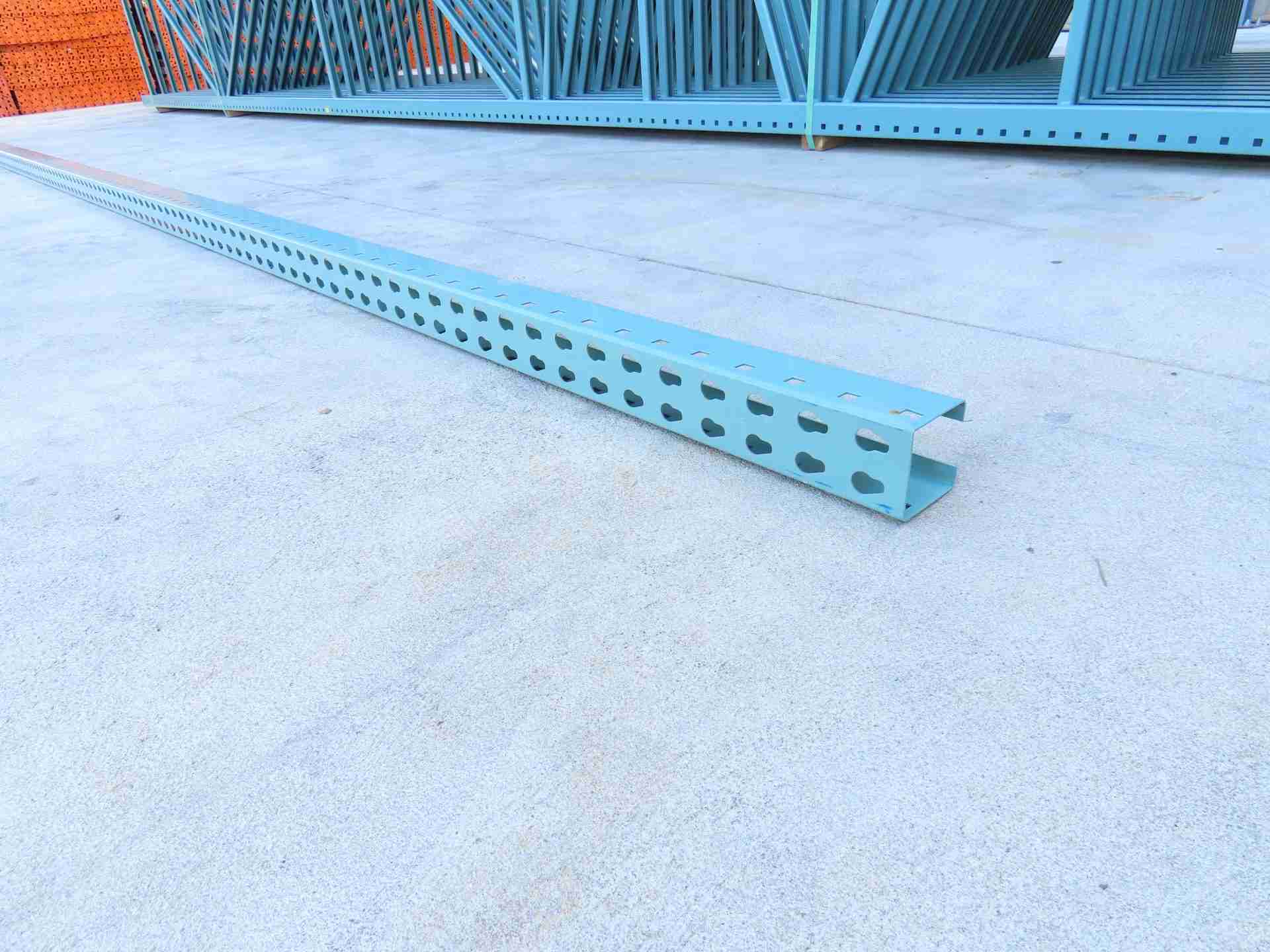
What Role Does Equipment Maintenance Play?
How Can Proper Labeling Prevent Accidents?
Did you know that one of the simplest, yet most effective measures you can take to enhance safety in your workplace is proper labeling? Imagine this: a bustling warehouse filled with towering pallet racking systems, each holding valuable products and supplies. In the midst of this operational symphony, a lack of clear labeling can turn a well-organized environment into a recipe for disaster.
Without proper labels, your team is left guessing where to find items, how to handle them, and what safety precautions to take. Confusion can lead to careless mistakes; mistakes can lead to accidents. It’s a domino effect that no business owner wants to experience. But here’s where proper labeling steps in as the unsung hero of workplace safety.
When each section of your pallet racking is accurately labeled, it creates a roadmap for your team. Clear labels inform employees of the exact locations of items while also highlighting any potential hazards. Think about it: wouldn’t you have peace of mind knowing that your team can quickly and easily locate what they need without unnecessary risks? Proper labeling doesn’t just inform; it builds a culture of awareness and responsibility.
Moreover, intuitive labeling can minimize the human error that often leads to accidents. When products are stored and labeled logically, employees can work faster and with greater confidence. Imagine the satisfaction of knowing that your team is not only efficient but safe, all thanks to a straightforward, strategic labeling system.
In addition to enhancing safety, implementing proper labeling can significantly improve operational efficiency. When employees can easily navigate the warehouse, they spend less time searching for items and more time contributing to the success of your business. This translates into happier employees, satisfied customers, and of course, a healthier bottom line.
So, now is the time to take action. Evaluate your current labeling methods and consider how they could be improved. Small changes can lead to significant results. A simple label might seem trivial, but in the world of pallet racking and material handling, it’s a vital component of safety and efficiency. By prioritizing proper labeling, you are not just avoiding accidents—you are setting your business up for success, trust, and reliability in every operation. Remember, a safer workplace is not only beneficial for your employees; it’s a powerful statement about your commitment to excellence.

How Can Proper Labeling Prevent Accidents?
How Can Proper Labeling Prevent Accidents?
- Proper labeling is a simple yet effective measure to enhance workplace safety.
- Clear labels prevent confusion, helping teams find and handle items correctly.
- Labeling creates a roadmap for employees, improving awareness and responsibility regarding hazards.
- Intuitive labeling reduces human error, allowing employees to work efficiently and safely.
- Effective labeling improves operational efficiency by minimizing search time for items.
- Investing in proper labeling contributes to employee satisfaction, customer satisfaction, and profitability.
- Enhancing labeling practices demonstrates commitment to safety and excellence in operations.

How Can Proper Labeling Prevent Accidents?
Are Safety Protocols Being Followed In Warehouses?
Warehouse safety isn’t just a regulatory requirement; it’s a cultural commitment, an ethos that should permeate every corner, every task. Imagine walking into a bustling warehouse—rows of pallet racking stretching towards the ceiling, forklifts whirring by, and employees deftly managing inventory. Amidst this buzz, the weight of responsibility for safety rests heavily on every individual. Yet, the question lingers—are we truly adhering to the safety protocols designed to protect us?
Consider the consequences of complacency. An overlooked safety protocol can lead to accidents that are not only detrimental to employee wellbeing but also catastrophic to operational efficiency. Training sessions on safe handling of materials and proper use of pallet racking are imperative, ensuring that every employee knows how to navigate their environment safely. The stakes are high, and the numbers starkly illustrate the reality: warehouses report thousands of injuries every year. Each statistic represents a person, a story, a family impacted by the avoidable.
Engaging warehouse employees in safety practices is more than just ticking boxes; it’s about fostering a community of accountability. Encourage open dialogue about safety concerns and empower your team to speak up. When workers feel their voices matter, safety transforms from a mandate into a shared mission.
Visual aids can also play a crucial role. Clear signage on the walls, workshops, and displays that emphasize the importance of following safety protocols and proper pallet racking procedures add layers of assurance. Always remind your team that safety includes simple reminders—like checking the structural integrity of pallet racks and ensuring it’s free from obstructions—because small habits lead to monumental changes.
And remember, a robust safety protocol shouldn’t just be a document tucked away in a dusty binder. It should be a living, breathing part of your warehouse culture, revisited and lived each day. Regular drills reinforce this commitment and build confidence.
As leaders, the commitment to safety sets the tone for the entire operation. By prioritizing safety protocols, we not only protect our greatest asset—our employees—but also enhance teamwork, trust, and productivity. So, let’s ask ourselves: Are we doing everything we can to lead by example? The time to act is now. Embrace safety as an integral part of your warehouse philosophy, and watch how it transforms your business from the inside out.
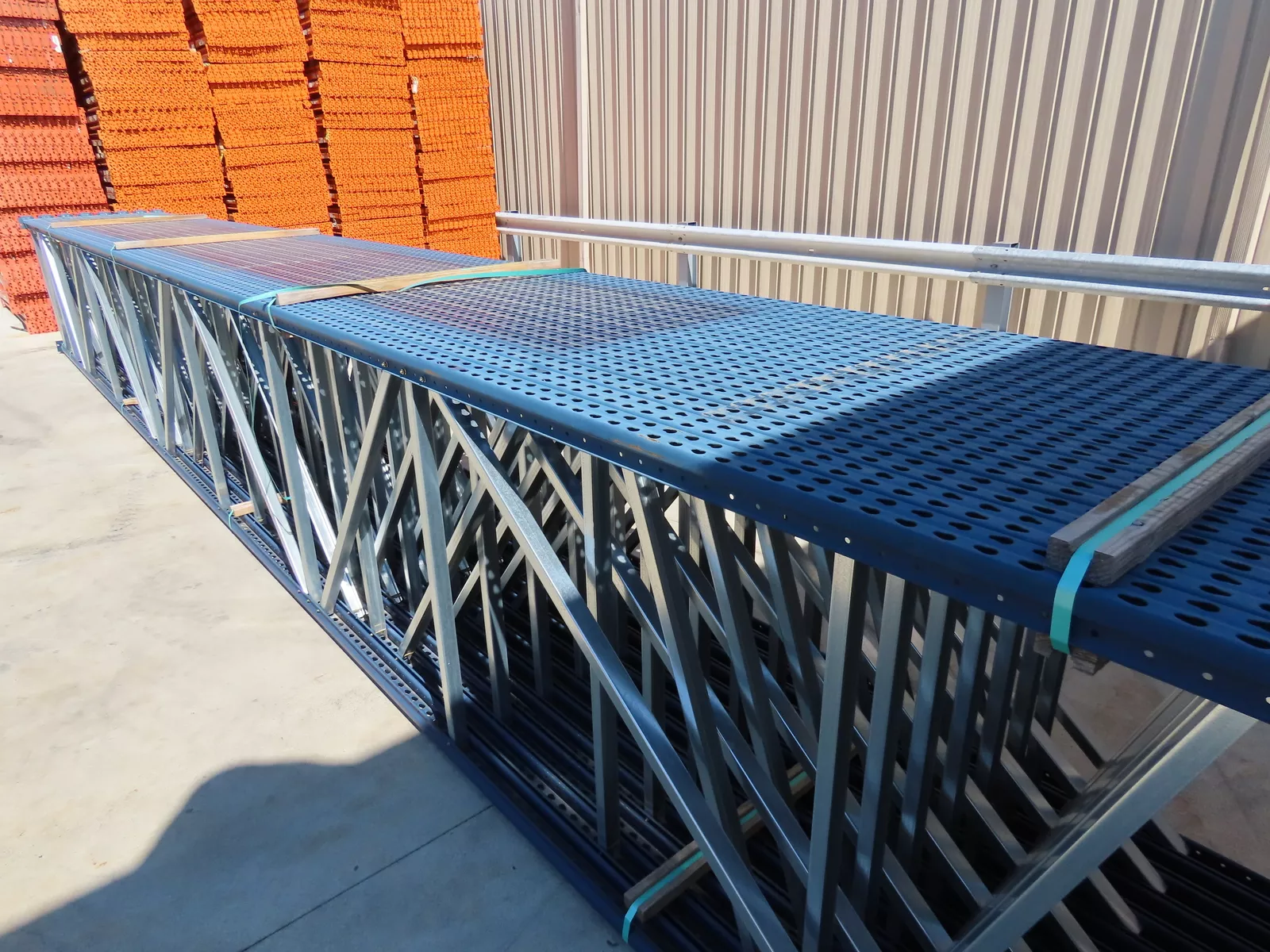
Are Safety Protocols Being Followed In Warehouses?
Are Safety Protocols Being Followed In Warehouses?
- Warehouse safety is a cultural commitment, not just a regulatory requirement.
- Complacency in following safety protocols can lead to serious accidents and operational inefficiencies.
- Training on safe material handling and pallet racking use is essential for employee safety.
- Engaging employees in safety practices fosters accountability and transforms safety into a shared mission.
- Visual aids such as signage and workshops are important for emphasizing safety protocols.
- A robust safety protocol should be actively integrated into the warehouse culture rather than archived.
- Leaders play a crucial role in setting the tone for safety, impacting teamwork, trust, and productivity.
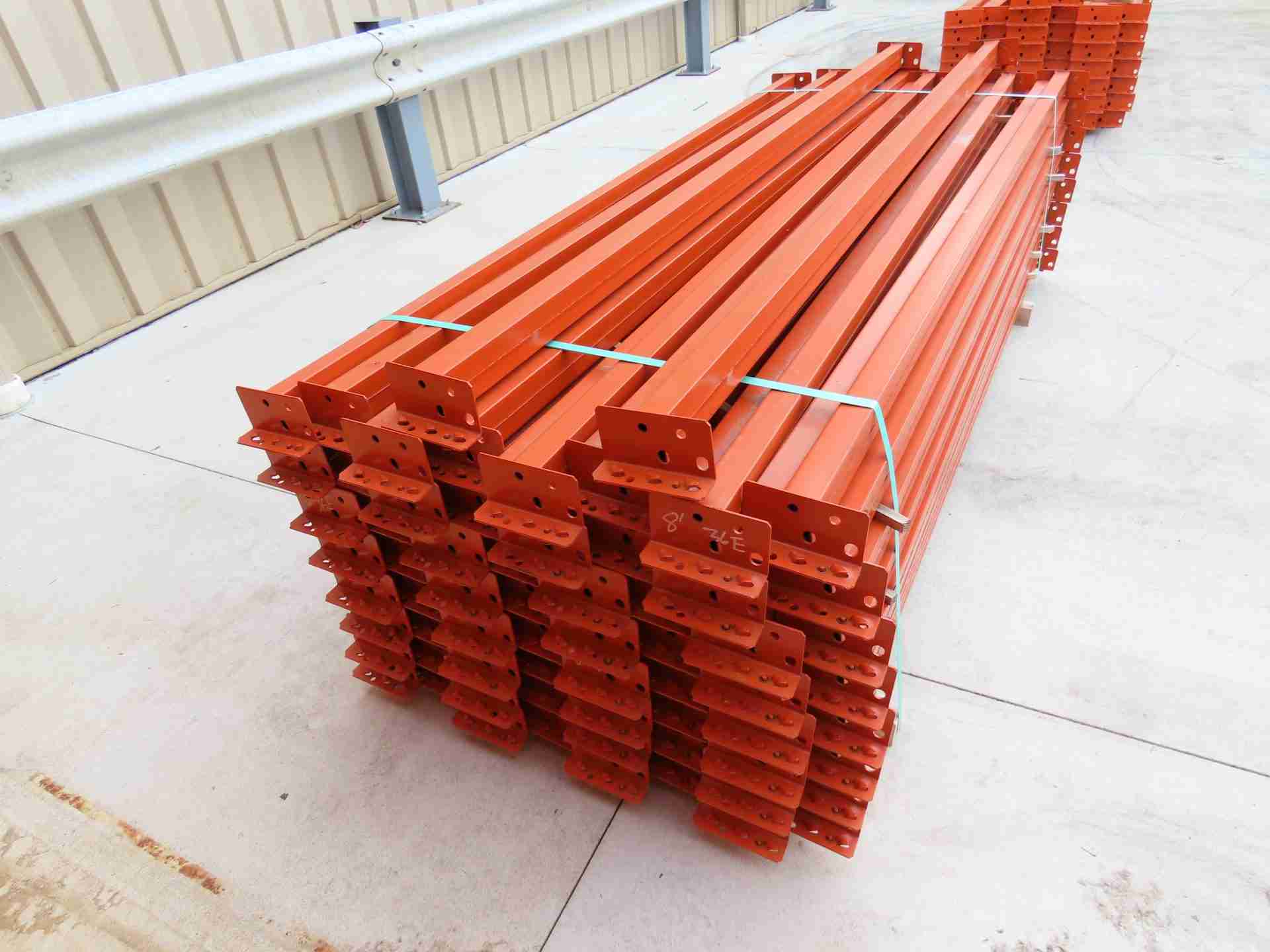
Are Safety Protocols Being Followed In Warehouses?
What Impact Does Employee Fatigue Have On Safety?
Imagine walking into a warehouse filled with towering stacks of pallet racking, where inventory is meticulously organized for maximum efficiency. Now picture an employee, weary and drained after a long shift, navigating that very maze. It’s a stark contrast, isn’t it? The tension between efficiency and safety becomes palpable when fatigue enters the picture.
Employee fatigue isn’t just an annoyance; it’s a significant threat to safety in the workplace. When employees are tired, their reaction times slow, decision-making suffers, and awareness diminishes. In environments filled with heavy machinery, sharp objects, and indeed, high stacks of pallet racking, the stakes couldn’t be higher. A momentary lapse could lead to accidents, injuries, or worse.
Think about it—you’ve invested in safety measures, top-notch equipment, and sturdy pallet racking systems to protect your assets and your team. Yet, all that sophisticated infrastructure can be undermined by the human element: fatigue. A fatigued worker is more likely to overlook safety protocols, skip essential checks, or misjudge distances while maneuvering through tight aisles. These mistakes can cascade into serious accidents that cost not only finances but also morale.
Now, let’s get real—no savvy business leader wants to be on the receiving end of injury reports or spiral costs. Instead, the goal is to cultivate a culture of safety, where your team feels energized and alert. So, what can you do? Start by addressing workload and scheduling. Are your employees overworked? Is there a possibility of rotating shifts or implementing short breaks to recharge the workforce? Consider engaging them in open conversations about their workloads; you’d be surprised what honestly shared experiences can reveal.
Moreover, investing in wellness programs can significantly mitigate fatigue. By fostering an environment that prioritizes physical and mental well-being, you’re not just enhancing safety; you’re building loyalty and trust within your workforce. Employees who feel valued and rested are more likely to take pride in their work and remain vigilant on the job—especially in a setting where pallet racking and other equipment race against the clock to meet deadlines.
In summary, recognizing and addressing employee fatigue is an integral part of maintaining safety in the workplace. By taking proactive steps to create a supportive environment, you not only protect your team but also ensure the long-term success of your operations. Embrace a proactive approach to fatigue management today and watch your safety standards soar.
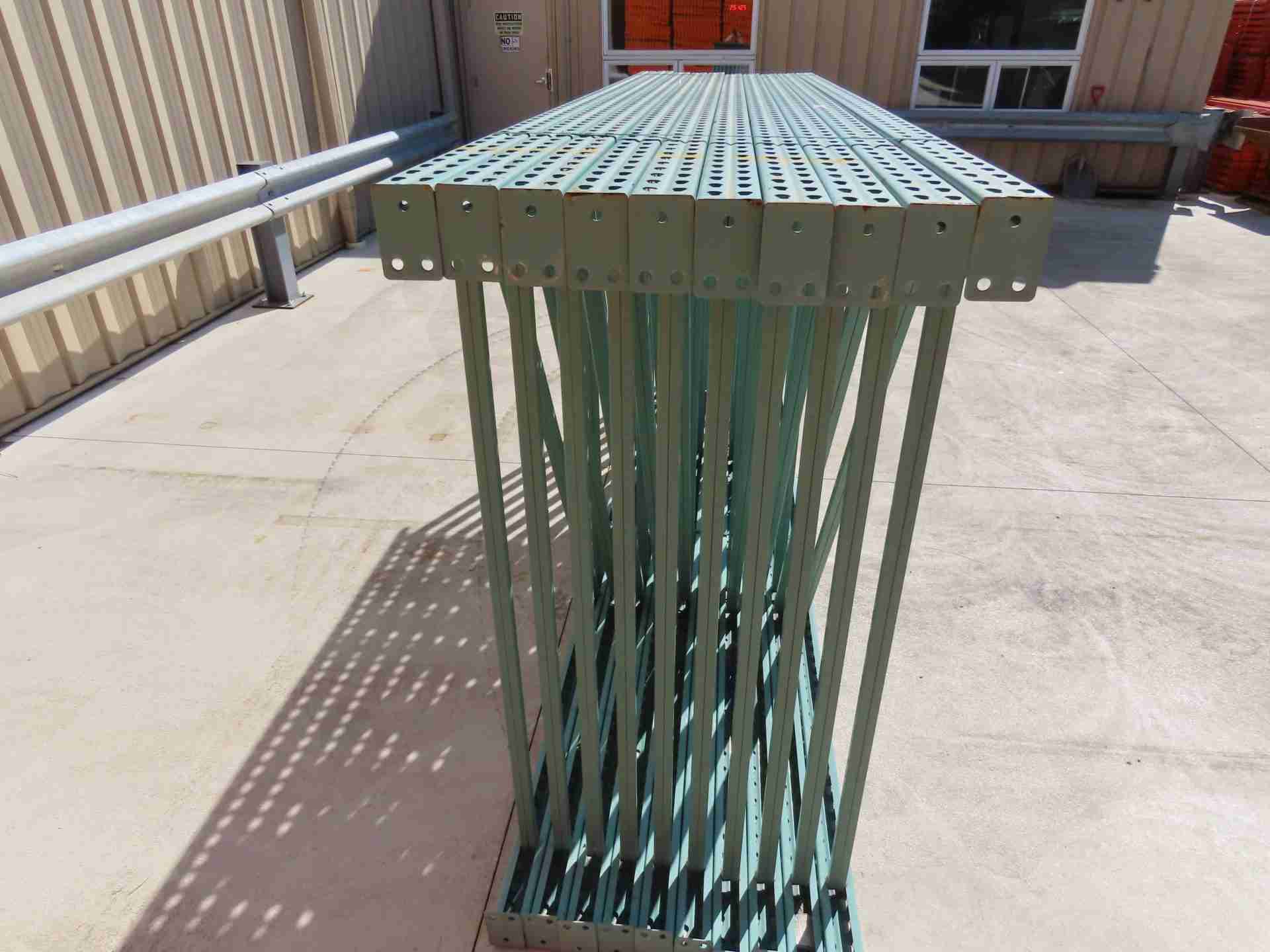
What Impact Does Employee Fatigue Have On Safety?
What Impact Does Employee Fatigue Have On Safety?
- Employee fatigue poses a significant threat to workplace safety, particularly in settings with heavy machinery.
- Tired workers experience slower reaction times, diminished decision-making, and reduced awareness.
- Fatigue can lead to oversight of safety protocols and increase the risk of accidents and injuries.
- Investments in safety measures and equipment can be undermined by employee fatigue.
- Business leaders should address workloads and consider rotating shifts or short breaks to combat fatigue.
- Implementing wellness programs can help foster a supportive environment that prioritizes employee well-being.
- Recognizing and managing fatigue is essential for maintaining safety and ensuring operational success.
What Impact Does Employee Fatigue Have On Safety?
Conclusion
Conclusion: Transforming Your Warehouse into a Safety Fortress
As we conclude this exploration into the hidden dangers of warehouse operations, it’s crucial to synthesize the insights shared and remind ourselves of the profound impact of our daily choices. At RackingWorld.com and Arrow Industrial Sales, we understand that warehouse safety isn’t merely about compliance—it’s a comprehensive culture that prioritizes well-being, efficiency, and productivity.
Picture your bustling warehouse. Everything seems to run like a well-oiled machine, but without vigilance, you teeter on the brink of preventable accidents that can alter lives, disrupt operations, and cripple your bottom line. Each decision—whether related to the selection of pallet racking, the training of employees, or equipment maintenance—ripples through your organization, reinforcing either a culture of safety or an environment of risk.
The urgency of addressing potential hazards cannot be overstated. Comprehensive training is your first line of defense against accidents. Educating your workforce creates an empowered team that proactively recognizes risks, understands proper procedures, and collaborates effectively. Combine this with robust equipment maintenance and clear labeling practices, and you’re constructing a fortress against accidents while enhancing operational efficiency.
Are your safety protocols actively enforced? Are your employees equipped to handle the physical and mental stress of their jobs? Employee fatigue is a silent enemy; recognizing it and implementing thoughtful solutions will not only increase safety but also improve morale and loyalty, ensuring your workforce is engaged and productive.
Furthermore, a culture of accountability must permeate your operations. Open dialogues about safety concerns, regular drills, and eye-catching visual reminders reinforce the principles of vigilance among employees. When safety is treated as a shared mission rather than a mere checklist, you transform your workplace environment and instill a sense of ownership and pride among your team.
Don’t let this moment slip by! The time to act is now. The safety of your employees and the efficiency of your operations depend on the choices you make today. Call Arrow Industrial Sales at (574) 349-6575 to uncover how our expert solutions can fortify your warehouse against the unknown. Together, we can foster a vibrant culture of safety where every decision we make contributes to a sustainable success story.
Transform your warehouse into a sanctuary of safety—because the cost of inaction is too great. Make a commitment today to prioritize safety, and witness not only improved morale and productivity but a deeper trust in your leadership and processes. Your future—and your employees’ safety—depends on it!

Conclusion
Conclusion:
- Warehouse safety is about cultivating a culture of well-being, efficiency, and productivity.
- Each operational decision impacts safety, from pallet racking choices to employee training and maintenance.
- Comprehensive training empowers employees to recognize risks and understand proper procedures.
- Fatigue among employees should be addressed to enhance safety, morale, and loyalty.
- A culture of accountability encourages open dialogue, regular drills, and visual reminders for safety vigilance.
- Immediate action is crucial for safety, with expert solutions available to enhance warehouse safety practices.
- Prioritizing safety leads to improved morale, productivity, and trust in leadership.
Conclusion
Other Resources
Other Resources
Here is a list of other resources you can review online to learn more:
- Logic Material Handling
- BMH Equipment LLC
- Selective Pallet Racking Systems – Container Systems
- Pallet Racking systems in Illinois and Great Lakes
- National Safety Council
- Selective Racking
- Wolter
- IWLA
- Warehouse Automation
- CA Wire
Use This Prompt To Get More Resources With Your Favorite Online AI Tool: Please provide me with a list of online articles with their URLs in a bulleted list that I can read regarding Could Your Choices Lead to Warehouse Accidents That Could Be Prevented?
Other Resources
Glossary Terms
Could Your Choices Lead to Warehouse Accidents That Could Be Prevented? – Glossary Of Terms
1. Accident: An unplanned event that results in injury, damage, or disruption of normal operations in a warehouse setting.
2. Awareness: Understanding and recognizing potential hazards and risks associated with warehouse operations.
3. Barriers: Physical or procedural measures implemented to prevent accidents, such as guardrails, safety nets, and designated walkways.
4. Best Practices: Established procedures and guidelines recognized as the most effective methods to promote safety and efficiency in the workplace.
5. Collaboration: Working together across teams to enhance safety protocols and share knowledge about potential hazards.
6. Ergonomics: The study of how workers interact with their environment, focusing on designing tasks and equipment to fit human physical capabilities and limitations.
7. Forklift Safety: Measures and protocols to ensure safe operation of forklifts, including training, maintenance, and adherence to operating guidelines.
8. Hazard: A condition or situation that presents a risk of injury or damage, such as slippery floors or exposed machinery.
9. Incident Reporting: The process of documenting and analyzing accidents or near-misses to improve safety practices and prevent future occurrences.
10. Inspection: The routine examination of equipment, tools, and work areas to identify potential safety issues.
11. Loading Dock: An area where cargo is loaded and unloaded, which can be a high-risk zone for accidents if not properly managed.
12. Manual Handling: Refers to tasks that involve lifting, carrying, or moving items by hand and the associated risks of injury.
13. Personal Protective Equipment (PPE): Gear worn by employees, such as helmets, gloves, and safety shoes, to protect against hazards in the warehouse environment.
14. Safety Protocols: A set of rules or procedures designed to enhance safety and prevent accidents in the workplace.
15. Slips, Trips, and Falls: Common types of warehouse accidents that occur due to uneven surfaces, clutter, or water on floors.
16. Emergency Response Plan: A pre-established plan outlining procedures to follow in the event of an accident or emergency situation in the warehouse.
17. Training: Teaching employees the skills and knowledge necessary to work safely and effectively in a warehouse environment.
18. Warehouse Layout: The design and arrangement of a warehouse’s space, which can impact safety and efficiency.
19. Weight Limits: Maximum load specifications for equipment and personnel handling, crucial to prevent injuries and accidents.
20. Clear Signage: Informational and directional signs that help guide employees and visitors safely through the warehouse while highlighting hazards.
21. Traffic Management: Strategies implemented to organize the movement of personnel and vehicles within the warehouse to reduce accidents.
22. Fire Safety: Precautions and protocols to prevent fires and ensure safe evacuation and response in case of a fire incident.
23. Lockout/Tagout: A safety procedure used to ensure that machines are properly shut off and not able to be started up again until maintenance is completed.
24. Communication: The sharing of information and safety messages among employees to encourage awareness and adherence to safety practices.
25. Inventory Management: The process of tracking and managing goods in the warehouse, vital for ensuring safe handling and storage.
26. Safety Culture: The collective values, beliefs, and attitudes regarding safety in the workplace that influence employee behavior.
27. Load Distribution: The even distribution of weight in storage and transport to prevent tipping or collapsing of loads and equipment.
28. Threshold Hazard: An action or omission that crosses a safety limit, potentially leading to an accident in the warehouse.
29. Reporting System: A framework for employees to report safety concerns, incidents, or near-misses to enhance accountability and prevention.
30. Continuous Improvement: A commitment to ongoing enhancement of safety measures and practices based on feedback, analysis, and changing conditions.
These terms and their descriptions can enhance understanding and awareness of safety issues in warehouse operations, contributing to the prevention of accidents.

Glossary Of Terms
Other Questions
Could Your Choices Lead to Warehouse Accidents That Could Be Prevented? – Other Questions
If you wish to explore and discover more, consider looking for answers to these questions:
- What specific safety protocols should be implemented in warehouse operations?
- How do I assess the safety culture in my warehouse?
- What are the legal implications of warehouse accidents for employers?
- What technology or tools can help improve warehouse safety?
- What are the best practices for pallet racking setup and maintenance?
- How frequently should warehouses conduct safety audits?
- What indicators suggest that employee training is effective?
- What role do supervisors and managers play in maintaining safety?
- How can employee feedback contribute to safety improvements?
- What resources are available for warehouse safety training?
- How can I engage employees in safety discussions and training?
- What are the costs associated with warehouse accidents?
- How can ergonomics be improved in warehouse operations?
- What should be included in a warehouse emergency action plan?
- How can I identify potential hazards in my warehouse?
- What are the effects of weather conditions on warehouse safety?
Other Questions
Checklist
Could Your Choices Lead to Warehouse Accidents That Could Be Prevented? – A Checklist
Checklist: Preventing Warehouse Accidents Through Informed Choices
Safety Culture:
_____ Create a Culture of Safety
_____ Promote awareness and responsibility among employees.
_____ Encourage open dialogues about safety concerns.
Regular Inspections:
_____ Inspect Pallet Racking
_____ Check for signs of wear and tear.
_____ Ensure proper load limits are maintained.
_____ Assess Work Environment
_____ Ensure clear aisles and fast access to exits.
_____ Remove clutter that can obstruct pathways.
Employee Training:
_____ Comprehensive Training Programs
_____ Train employees on warehouse safety protocols.
_____ Include training for proper equipment handling, including pallet racking.
_____ Regular Refresher Courses
_____ Schedule ongoing training to keep safety protocols top of mind for all employees.
Equipment Maintenance:
_____ Implement a Maintenance Schedule
_____ Regularly maintain forklifts, conveyor belts, and pallet racking systems.
_____ Document equipment checks and repairs for accountability.
Proper Labeling:
_____ Ensure Clear and Intuitive Labeling
_____ Label each section of pallet racking clearly to indicate item locations and hazards.
_____ Reassess labeling methods periodically for clarity and efficiency.
Adherence to Safety Protocols:
_____ Evaluate Safety Protocol Compliance
_____ Ensure all employees know and follow established safety practices.
_____ Remind employees to check for obstructions around pallet racks.
Employee Well-Being:
_____ Address Employee Fatigue
_____ Monitor work schedules to prevent overworking.
_____ Introduce short breaks and wellness programs for improved mental and physical health.
Emergency Preparedness:
_____ Conduct Regular Safety Drills
_____ Revisit safety protocols routinely through practical drills.
_____ Ensure employees know how to respond during emergencies.
Action Steps
_____ Take a moment to assess your current practices against this checklist.
_____ Identify areas of improvement and implement the necessary changes.
_____ Remember, every informed choice you make contributes to a safer workplace.
Checklist
At RackingWorld, we help guide you through selecting warehouse storage systems and racking.
Be sure to read our other related stories at RackingWorld to learn more about warehouse storage systems.
0 Comments