
Choosing The Right Arms: A Comprehensive Guide
By Tom Seest
At RackingWorld, we help guide you through selecting warehouse storage systems and racking.
Be sure to read our other related stories at RackingWorld to learn more about warehouse storage systems.
What You Need to Know About Bolt-On Vs. Welded Arms
When it comes to racking systems in warehouses and distribution centers, the choice between bolt-on and welded arms is more than a matter of preference; it’s about understanding the foundation of your business’s efficiency and safety. This decision weighs heavily on the minds and hearts of those responsible because it can impact everything from productivity to the well-being of the workforce.
Let’s start with bolt-on arms. They may appear simple, but the advantages accumulated in flexibility and ease of maintenance are significant. These arms allow you to adapt swiftly and make changes on the fly, accommodating your specific operational needs. Imagine needing to scale up quickly in the midst of the busy season—bolt-on systems empower you to do just that without the need for a complete overhaul. It’s a bit like having your toolkit ready; you can fix, modify, or repurpose without excessive downtime or hand-wringing.
On the other hand, we have welded arms, revered for their robust nature. If your operation demands strength and durability, welded arms are often the gold standard. They offer peace of mind, built like a fortress, with each joint a pledge to hold the weight of daily use. It’s reassuring to know that your racking can withstand the rigors of heavy lifting and constant movement. There’s a certain pride that comes with knowing you’ve made a choice that invests in long-term reliability, where every beam and rack has a story to tell—a testament to hard work and resilience.
But it’s not solely about the components; it’s about the lives intertwined with these racks. The decision boils down to what you value: flexibility or strength, rapid adaptation versus unwavering stability. Picture a warehouse buzzing with activity, where every worker feels safe, knowing their environment is tailored to their needs. The arms are not just metal and bolts; they’re a promise of safety, precision, and potential.
So, as you contemplate this decision, consider your team, your current and future challenges, and the ethics of investing in their safety and productivity. Whether you lean towards bolt-on or welded, you’re not merely choosing a system; you’re crafting a culture of trust and reliability from the ground up. And in that choice, remember—you are shaping the spaces where hard work becomes achievement.

What You Need to Know About Bolt-On Vs. Welded Arms
What You Need to Know About Bolt-On Vs. Welded Arms
- Choosing between bolt-on and welded arms in warehouse racking systems impacts business efficiency and safety.
- Bolt-on arms offer flexibility and ease of maintenance, allowing for quick adaptations to operational needs.
- These arms enable rapid scaling during busy seasons without requiring complete overhauls.
- Welded arms are known for their strength and durability, suitable for operations requiring robust support.
- Welded systems provide peace of mind, capable of withstanding heavy lifting and constant movement.
- The decision involves balancing flexibility against strength and considers the safety and well-being of employees.
- Ultimately, the choice between these racking systems reflects a commitment to safety, productivity, and a culture of trust in the workplace.

What You Need to Know About Bolt-On Vs. Welded Arms
Table Of Contents
- What You Need to Know About Bolt-On Vs. Welded Arms
- How Do Bolt-On Arms Enhance Flexibility In Automotive Projects?
- What Are the Safety Implications Of Choosing the Wrong Arm Type?
- What Experiences Have Other Car Enthusiasts Had with Each Arm Type?
- Which Choice Supports Better Resale Value for Modified Vehicles?
- What Ethical Considerations Should Guide Your Selection Process?
- Conclusion
- Other Resources
- Glossary Of Terms
- Other Questions
- Checklist
How Do Bolt-On Arms Enhance Flexibility In Automotive Projects?
When it comes to enhancing flexibility in automotive projects, bolt-on arms might just be the unsung heroes lurking under the hood. Imagine a passionate car enthusiast, revving up their latest build—perhaps a classic muscle car or a shiny new sports coupe. The heart races, the sweet scent of gasoline fills the air, and with every twist of the wrench, dreams of power and performance come to life. But what truly elevates that adrenaline rush are the bolt-on arms, those ingenious components that can make or break your project.
Racking is something every DIYer knows too well. It’s that moment when you realize your carefully engineered suspension system is just not cutting it. The wrong setup can lead to uneven weight distribution, impacting handling and driving pleasure. Here’s where bolt-on arms save the day. They bring a level of adaptability that caters to different driving needs. Whether you’re heading to the track or cruising down the highway, these arms allow you to tweak your ride with ease. They offer a customizable way to tune your vehicle for better performance, without the need for a complete overhaul.
On a rational level, the beauty lies in their installation simplicity. With a few tools and a bit of elbow grease, you can transform your ride in a matter of hours. It’s empowering to know that you can modify your vehicle to fit your unique needs, and bolt-on arms deliver precisely that. For every car lover out there, it means investment in time and money translates directly into enhanced driving experiences.
From an ethical standpoint, embracing bolt-on arms isn’t merely about the mechanics; it’s about nurturing a community. You’re joining a lineage of backyard mechanics and seasoned pros alike, all sharing tips, tricks, and stories. The camaraderie forged in grease-stained garages transcends the individual. There’s a shared understanding that passion connects us all, driving us to innovate and inspire each other’s automotive aspirations.
When you choose to integrate bolt-on arms into your project, you’re not just modifying a car; you’re forging a relationship with the very craft itself, believing in your ability to create something extraordinary. So, why not take the plunge? You might just find the flexibility you need to turn your automotive vision into reality, one bolt at a time.

How Do Bolt-On Arms Enhance Flexibility In Automotive Projects?
How Do Bolt-On Arms Enhance Flexibility In Automotive Projects?
- Bolt-on arms enhance flexibility in automotive projects.
- They provide adaptability for different driving needs, such as track racing or highway cruising.
- Installation is simple and can be completed with basic tools in a matter of hours.
- They allow for customization without a complete vehicle overhaul, improving performance.
- Using bolt-on arms fosters a sense of community among car enthusiasts and mechanics.
- Embracing this modification taps into a tradition of shared knowledge and support among automotive lovers.
- Integrating bolt-on arms helps turn automotive aspirations into reality, one bolt at a time.

How Do Bolt-On Arms Enhance Flexibility In Automotive Projects?
What Are the Safety Implications Of Choosing the Wrong Arm Type?
Choosing the wrong arm type may seem like a minor detail, but it can have serious safety implications that extend far beyond the shop floor. Imagine you’re at a warehouse, perhaps your family business, where everyone from your parents to your kids take part in the daily grind. Now picture a scenario where an incorrectly chosen arm type for a racking system causes a catastrophic failure. Maybe it’s just a misplaced bolt or a miscalculated weight limit, but the aftermath is anything but small.
The truth is, the safety of your loved ones—and the livelihood of your business—hang in the balance. Every day, hard-working folks like us walk through warehouses, relying on the assurance that the tools we use are built for safety. It’s not just about loading boxes; it’s about trust in the systems that keep our lives running smoothly. When you’re looking at racking systems, you must consider the physical strain placed on them. A heavy load on the wrong arm type can lead to disastrous consequences, from collapse to injury. No one wants to be the person who overlooked a critical detail that put lives at risk.
Now, let’s engage the rational side: companies across the nation invest billions each year in workplace safety. Those who understand the intricacies of racking systems often point to the ethical responsibility we hold as business owners and workers alike. It’s our duty to ensure that every component—every arm, every bolt—is suitable for its intended purpose. Choosing the wrong arm not only violates this ethical obligation but can also tarnish your reputation, leading clients and workers to question your commitment to safety.
Socially, we must foster a culture of safety that encourages open conversations about the right tools for the job. Let’s face it—nobody wants to clock into work fearing that today might be the day their colleague gets hurt. Instead, let’s champion discussions around safety standards and the right arm choices for our racking systems. Innovation and communication are vital; share your experiences, ask questions, and don’t shy away from the experts who understand the complexities of racking safety. Trust in this dialogue can lead to informed decisions that protect not just you, but the people you care about most. Make safety your top priority—after all, it’s not just a business choice; it’s a personal one.

What Are the Safety Implications Of Choosing the Wrong Arm Type?
What Are the Safety Implications Of Choosing the Wrong Arm Type?
- Choosing the wrong arm type can lead to serious safety implications far beyond the shop floor.
- Incorrect arm choices in racking systems may result in catastrophic failures, endangering loved ones and business livelihood.
- Trust in the safety of tools and systems is crucial for daily operations in warehouses.
- Heavy loads on unsuitable arm types can cause collapses and injuries, highlighting the importance of careful selection.
- Businesses invest billions in workplace safety, emphasizing the ethical responsibility connected to racking system choices.
- Fostering a culture of safety requires open conversations about the right tools and safety standards.
- Prioritizing safety is not just a business necessity; it’s a personal commitment to protect those you care about.

What Are the Safety Implications Of Choosing the Wrong Arm Type?
What Experiences Have Other Car Enthusiasts Had with Each Arm Type?
When it comes to the great debate over which type of arm you should choose for your vehicle, the stories from fellow car enthusiasts run the gamut, touching the heart and igniting the imagination of those who hear them. Picture this: a gravelly-voiced mechanic with grease-stained hands recounting his experience with hydraulic arms. He swears by their strength and maneuverability, telling tales of racking up impressive miles on winding roads, each twist and turn made smoother by the fluid control. The camaraderie among enthusiasts only amplifies the allure—sharing those unforgettable moments of acceleration and agility, where the car becomes an extension of oneself.
Conversely, there are those who stand firm behind their bone-jarring solid arms, regaling listeners with harrowing yet exhilarating accounts of driving through rugged terrains. They speak of the unyielding connection to the road, the raw power beneath their feet evoking primal instincts. These narratives resonate, weaving a tapestry of triumph and tenacity, binding enthusiasts to one another through sheer passion. And let’s not forget the ethical concerns some express: the commitment to sustainability by choosing arms that last longer and are better for our planet. It’s a decision driven by responsibility, not just for the car but for the next generation of drivers.
Skeptics may call them crazy, but those who’ve embraced these arm types find themselves entranced by the emotional investment they’ve made in their vehicles. Each configuration tells a story, and in this realm, storytelling is key. These aren’t just machines; they are vessels of dreams, histories, and personal expressions. The nuanced chatter of debate creates an atmosphere of connection, a community dedicated to customization and shared wisdom.
As you ponder your own choice, consider the wisdom collected over decades. Your car’s performance isn’t just a technical specification; it’s a relationship, a dialogue between man and machine that fosters a sense of identity. Trust the voices of those who’ve plunged headfirst into this passion, giving you not just insight, but a passport into a world where road trips aren’t mere travel—they are journeys filled with stories waiting to unfold. As you contemplate the right arm type, remember that what you choose shapes not only your driving experience but the very adventures you’re yet to embark upon.

What Experiences Have Other Car Enthusiasts Had with Each Arm Type?
What Experiences Have Other Car Enthusiasts Had with Each Arm Type?
- The debate over vehicle arm types sparks passionate stories from car enthusiasts.
- Hydraulic arms are praised for their strength and maneuverability, enhancing driving experiences on winding roads.
- Enthusiasts bond over shared tales of acceleration and agility, viewing their cars as extensions of themselves.
- Solid arms are preferred by some for their rugged connection to the road and raw power during off-road adventures.
- Eco-conscious choices are highlighted, emphasizing sustainability and commitment to future generations.
- The emotional investment in vehicles transforms them from machines into personal expressions and storytellers.
- Choosing the right arm type impacts not only performance but also the adventures and journeys ahead.

What Experiences Have Other Car Enthusiasts Had with Each Arm Type?
Which Choice Supports Better Resale Value for Modified Vehicles?
When you dive into the world of modified vehicles, you’re not just transforming a car; you’re crafting a piece of your identity, a roaring testament to your passion and creativity. But when it comes to resale value, every bolt and modification can either enhance that pride or send it crashing down. The choices you make now will echo through time, shaping not only your ride but also its appeal to future buyers.
Consider this: the thrill of racking up a few extra horsepower might boost your heart rate, but will it resonate with the next owner? Emotional connections are powerful; they can ignite a spark of nostalgia or excitement in potential buyers. However, if your modifications stray too far from what the market demands, you risk detaching that emotional bond. The head tells us that hyper-specific customizations, while personally satisfying, may not reflect the practical desires of the wider audience.
Look around—ask yourself which modifications stand the test of time. Reliable performance upgrades or manufacturer-sourced parts? These choices not only instill confidence, they scream authority. Being able to tell a prospective buyer, “This upgrade comes from a credible source and enhances longevity,” builds trust. Authenticity resonates; it’s an ethical cornerstone of car culture that says, “This vehicle was treated with respect.”
Now let’s take a step back and examine the narrative behind your modifications. Imagine a young enthusiast flipping through photos of their dream car—juxtapositioning stocks with a few tasteful tweaks. Your choices can either inspire admiration or raise eyebrows of skepticism. Socially, people gravitate towards vehicles that reflect their aspirations, so a clean, subtle upgrade often attracts a broader audience. Leaving room for personalization, rather than going all-in on niche modifications, can maximize your vehicle’s allure.
So here’s the crux: when it comes to supporting better resale value, focus on modifications that enhance performance and reliability while remaining universally appealing. Buyers won’t just see metal and paint; they will see a story—yours and the legacy it carries. Remember, the road doesn’t end when you rev the engine; it’s just the beginning, and a savvy choice today can pave the way for a smoother sell tomorrow.

Which Choice Supports Better Resale Value for Modified Vehicles?
Which Choice Supports Better Resale Value for Modified Vehicles?
- Modified vehicles reflect personal identity, passion, and creativity.
- Every modification can impact resale value, positively or negatively.
- Emotional connections drive buyer interest; modifications should resonate with potential owners.
- Straying too far from market demands can weaken emotional bonds with future buyers.
- Timeless modifications include reliable performance upgrades and manufacturer-sourced parts.
- Subtle upgrades allow for personalization and attract a broader audience.
- Focus on enhancing performance and reliability for better resale value and a compelling vehicle story.

Which Choice Supports Better Resale Value for Modified Vehicles?
What Ethical Considerations Should Guide Your Selection Process?
When you’re knee-deep in the selection process for new team members, it’s easy to get caught up in the logistics — the resumes, the qualifications, the skills checklists. But let’s take a moment to rattle the cage of convention. Ethical considerations should be at the forefront of your decision-making, because hiring is more than just filling seats; it’s about building a community, a culture, a cohesive unit that rakes in success together.
Think about it — every hire is a chance to bring a unique story, a new perspective to the table. You don’t just want somebody who can check boxes; you want someone who resonates with the very core of what your organization stands for. Ask yourself: Will this person contribute to a positive, inclusive atmosphere, or will they sow discord among the ranks? Emotional and cultural compatibility should be as critical as technical skills. It’s not just about the individual; it’s about the collective.
Let’s also greenlight the rational side of the equation. Ethical selection processes help foster an atmosphere of trust. When candidates feel they were treated fairly, they’re more likely to become ambassadors for your brand. The gut feeling we all crave in business doesn’t simply spring from serendipity; it’s cultivated through transparent, just practices. Use a rubric that ensures candidates are evaluated consistently, minimizing biases, and leveling the playing field. This is where your authority as a leader shines; you’re not just hiring bodies; you’re shaping futures.
Narratives play a pivotal role here. When your hiring practices are rooted in ethics, they create a story that resonates within and beyond your organization. Each new hire becomes a chapter in the grand tale of your company’s growth and evolution. Reflecting your commitment to ethical hiring demonstrates not only your integrity but positions you as a leader who values people above profit.
Lastly, consider the social implications. The community is watching. We live in an era where every choice resonates beyond immediate borders. Your hiring process can serve as a beacon of hope, spreading an invaluable message: that ethics matter. By fostering a culture of integrity, you cultivate not only trust among your employees but also inspire other organizations to follow suit. So, as you wade through the sea of applications, bear in mind that each choice is a meaningful one. Let ethics guide you, and you’ll not only secure talent but elevate your organization to new heights.

What Ethical Considerations Should Guide Your Selection Process?
What Ethical Considerations Should Guide Your Selection Process?
- Hiring should prioritize ethical considerations alongside resumes and qualifications.
- Each new hire brings a unique story and perspective, contributing to organizational culture.
- Emotional and cultural compatibility are as important as technical skills in the selection process.
- Ethical hiring fosters trust, encouraging candidates to become brand ambassadors.
- A consistent evaluation rubric minimizes biases and promotes fairness in hiring practices.
- Ethical hiring creates a compelling narrative that reflects the organization’s integrity and leadership.
- Your hiring choices can inspire a culture of integrity, influencing both employees and other organizations.
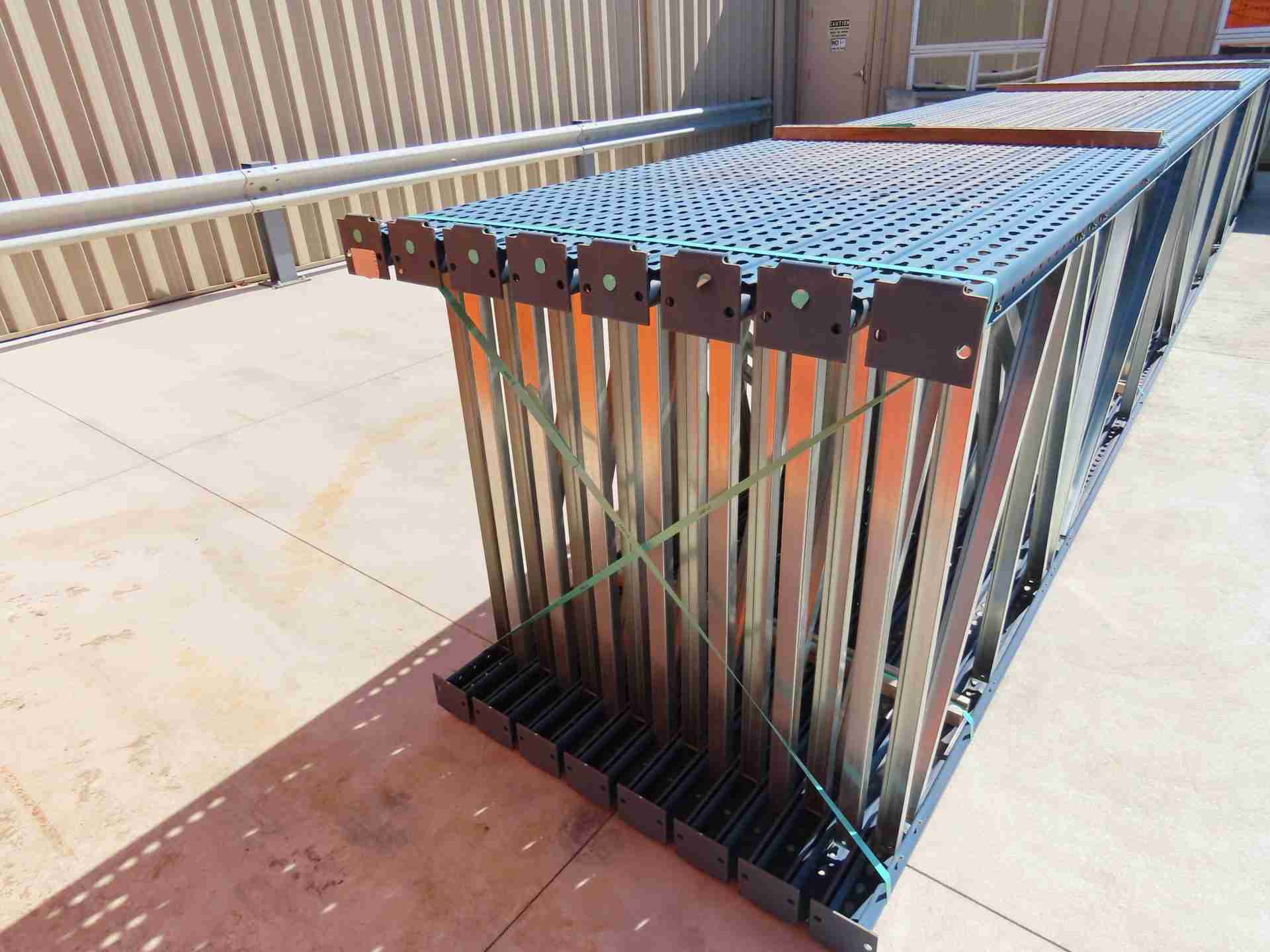
What Ethical Considerations Should Guide Your Selection Process?
Conclusion
The decision between bolt-on and welded arms in warehouse and automotive applications is not just a technical one; it’s a choice that reflects your values and commitment to safety, efficiency, and the well-being of your team. At its core, this choice speaks volumes about the culture you want to create within your operations and the stories of hard work interwoven with those mechanical structures. Choose bolt-on arms, and you gain flexibility—an adaptable framework that lets you pivot quickly in response to changing demands. Think of it as having a set of tools at your disposal, ready to modify and repurpose as the landscape shifts. In the throes of a busy season, this agility can mean the difference between success and chaos. The connection here is clear: these arms enable not just workflows, but also a sense of security and readiness among your workforce.
On the flip side, opting for welded arms lends an air of strength and durability. Built like fortresses, they embody a promise that your investment will stand the test of time. This choice resonates with a profound sense of reliability and longevity, a commitment not merely to equipment but to the lives of every employee who interacts with it. Your choice echoes through the hallways of your business, creating a culture that prioritizes safety and shared accountability—a space where every worker can feel empowered and secure.
The stakes of this decision rise dramatically when contemplating safety implications. Selecting the wrong arm configuration can have dire consequences, jeopardizing not only the operational integrity of your warehouse but also the safety of the very people who make it run. It’s a community effort—one that thrives on open dialogue about best practices, where collective wisdom guides decision-making. Investing in the right arm type is not just a business move; it’s a moral imperative that protects your team and fosters an environment of mutual trust.
Moreover, as you ponder choices that affect resale value in modified vehicles, it becomes clear that the emotional connections forged through your decisions can have a lasting impact. Your modifications should reflect a balance of personal passion and broader market appeal—a narrative that one day potential buyers will find irresistible. The story told through the vehicle you create is a reflection of your journey, aspirations, and the community you’ve nurtured.
So whether you’re gearing up for warehouse enhancements or automotive projects, let your choices resonate with the weight of responsibility and connection. The journey ahead won’t be defined just by bolts and arms, but by the safety, resilience, and community you build around these crucial elements. Each decision you make shapes the landscape of not just your operations, but the very lives intertwined with your success.

Conclusion
Conclusion:
- The choice between bolt-on and welded arms reflects values related to safety, efficiency, and team well-being.
- Opting for bolt-on arms provides flexibility, allowing for quick adaptation to changing demands.
- Welded arms offer strength and durability, emphasizing reliability and longevity for the workforce.
- The decision impacts workplace culture, promoting safety and shared accountability among employees.
- Selecting the wrong arm configuration can jeopardize operational integrity and employee safety.
- Your choices influence resale value and should balance personal passion with market appeal.
- Every decision shapes the operations and community surrounding warehouse and automotive projects.

Conclusion
Other Resources

Other Resources
Here is a list of other resources you can review online to learn more:
- American Society of Safety Professionals
- MHI
- Warehouse Racks, Warehouse Racking in Stock – ULINE
- Cantilever Rack Guide: Ordering Cantilever Racking
- Material Handling Industry
- Wolter
- IIWS Inc. Rack Installation Illinois & Rack Repairs Illinois
- Warehouse Racking Chicago, IL
- Selective Pallet Racking Systems – Container Systems
- ASSP
- Used Teardrop Pallet Rack – American Surplus
- IWLA
- Warehouse Racking System: Powerful Guide to Optimise, 2024
- Storage Equipment Manufacturers’ Association
- Warehouse Storage Racking in Illinois
- Crane Manufacturers Association Of America Inc.
- Selective Rack – Raymond West
- Shipping Boxes, Packaging Materials, Pallet Racking
- Logic Material Handling
- Rack Manufacturers Institute
Use This Prompt To Get More Resources With Your Favorite Online AI Tool: Please provide me with a list of online articles with their URLs in a bulleted list that I can read regarding What You Need to Know About Bolt-On Vs. Welded Arms

Other Resources
Glossary Terms
What You Need to Know About Bolt-On Vs. Welded Arms – Glossary Of Terms
1. Bolt-On Arms: Arm components that are attached using bolts for easy assembly and disassembly.
2. Welded Arms: Arm components that are fused together through welding, providing a permanent connection.
3. Assembly: The process of putting together different parts of a structure or mechanism.
4. Disassembly: The act of taking apart components in a structure or mechanism.
5. Durability: The ability of a material or design to withstand wear, pressure, or damage over time.
6. Maintenance: Routine actions performed to keep equipment or structures in good working order.
7. Repairability: The capacity of a component to be fixed or restored if damaged.
8. Load-Bearing: The ability of an arm or component to support weight or loads during operation.
9. Structural Integrity: The overall strength and stability of a component or assembly.
10. Flexibility: The degree to which a material or connection can bend or adapt without breaking.
11. Cost Efficiency: The economic advantage gained by choosing a more affordable or easier-to-maintain option.
12. Installation Time: The amount of time required to set up or assemble a particular component.
13. Customization: The process of adapting or modifying components to meet specific requirements.
14. Safety: The condition of being protected from potential harm, often a crucial consideration in design.
15. Transportability: The ease of moving components or equipment from one location to another.
16. Joint Strength: The measure of how well two components hold together at their connection point.
17. Corrosion Resistance: The ability of a material to withstand degradation caused by environmental factors.
18. Material Selection: The process of choosing appropriate materials based on desired properties and requirements.
19. Performance: How well a component functions in its intended application.
20. Compatibility: The ability of different components to work together effectively without conflict.
21. Weight Distribution: The method of balancing weight among components to enhance stability and performance.
22. Field Repair: Fixing a component on-site without needing to return to a workshop or facility.
23. Standardization: The practice of making components uniform to simplify production and assembly.
24. Inspection: The examination of components for quality and performance before and after installation.
25. Failure Modes: The various ways in which a component can fail to perform its intended function.
26. Aesthetics: The visual appeal or design aspect of a product, which can influence choices between options.
27. Torque: A twisting force that can affect the integrity of bolt-on connections.
28. Sealing: The process of ensuring joints are airtight or watertight, vital in preventing leaks.
29. Zinc Coating: A protective layer applied to metal components to prevent rust and corrosion.
30. Lifecycle Cost: The total cost of ownership of a component over its usable life, including purchase, maintenance, and disposal expenses.

Glossary Of Terms
Other Questions
What You Need to Know About Bolt-On Vs. Welded Arms – Other Questions
If you wish to explore and discover more, consider looking for answers to these questions:
- What are the key differences between bolt-on and welded arms in terms of cost?
- How do the installation processes differ for bolt-on and welded arms?
- What types of loads are bolt-on and welded arms best suited for?
- Can bolt-on arms provide the same level of safety as welded arms?
- What are the long-term maintenance requirements for bolt-on versus welded arms?
- How does the choice between bolt-on and welded arms affect inventory management?
- What are the common mistakes made when choosing between these two arm types?
- What are the environmental implications of using bolt-on versus welded arms?
- How do bolt-on and welded arms compare in terms of aesthetic customization?
- Are there specific brands that are recommended for either bolt-on or welded arms?

Other Questions
Checklist
What You Need to Know About Bolt-On Vs. Welded Arms – A Checklist
Checklist for Choosing Between Bolt-On and Welded Arms
Heart (Emotional Appeals)
_____ Reflect on the safety and well-being of your team. How does each option contribute to a more secure work environment?
_____ Visualize the daily hustle and bustle of your warehouse. Which arm type enhances the sense of community and trust among workers?
_____ Consider the stories behind your equipment. What legacy do you want to leave for your team and business?
Head (Rational Appeals)
_____ Evaluate the flexibility of bolt-on arms. How do they improve adaptability during peak operational periods?
_____ Analyze the durability of welded arms. What long-term benefits do they provide in terms of strength and reliability?
_____ Assess the cost implications: which option offers better maintenance and potential cost savings over time?
Gut (Ethical and Authority Appeals)
_____ Identify the ethical ramifications of your choice. How does it reflect your commitment to workplace safety and productivity?
_____ Seek advice from industry experts or trusted sources. What do established professionals recommend regarding arm selection?
_____ Consider the impact of your decision on your company’s reputation. What message does your choice send to employees and customers?
Narrative (Storytelling Appeals)
_____ Collect anecdotes from others who have used both arm types. What lessons have they learned that can guide your decision?
_____ Share your own past experiences with equipment choices. How did those impact your business outcomes?
Social (Cultural Appeals)
_____ Discuss with your team the importance of selecting the right arm type. What insights can they provide based on their experiences?
_____ Participate in forums or community groups focused on warehouse management. How can shared knowledge influence your decision-making?
_____ Reflect on how your choice can shape workplace culture. Are you promoting a culture of safety and innovation through your selection?

Checklist
At RackingWorld, we help guide you through selecting warehouse storage systems and racking.
Be sure to read our other related stories at RackingWorld to learn more about warehouse storage systems.
0 Comments