
Maximizing Efficiency And Minimizing Risk With Smart Racking
By Tom Seest
At RackingWorld, we help guide you through selecting warehouse storage systems and racking.
Be sure to read our other related stories at RackingWorld to learn more about warehouse storage systems.
How Can Smart Racking Prevent Costly Operational Failures?
Imagine walking through your warehouse. The air buzzes with the sound of machinery, and your team is bustling with activity. But wait—what happens when that bustling turns chaotic because your pallet racking is outdated, inefficient, or worse, unsafe? The costs can spiral out of control as damaged materials lead to production delays, employee injuries, and a tarnished reputation. What if you could turn this chaos into streamlined efficiency?
Smart racking is not just a fancy upgrade; it’s a transformative solution that can safeguard your operations from costly setbacks. By optimizing space utilization, smart pallet racking systems allow you to maximize every inch of your facility, ensuring your valuable inventory is stored safely and accessed effectively. Consider the savings you’ll realize when you minimize the time spent looking for misplaced items and reduce the risk of damage. Each day your inventory is organized leads to less downtime and higher profitability.
Moreover, smart racking solutions can seamlessly integrate technology into your operations. Picture a system equipped with sensors and tracking capabilities, all designed to provide real-time updates. This allows your team to monitor inventory levels, ensuring that you never run low on essential supplies. A well-organized racking system cuts down on the risk of overstocking or understocking, both of which come at a steep cost. You’re not just implementing a racking system; you’re investing in a proactive approach to inventory management.
But let’s talk about safety—an area that often gets overlooked until it’s too late. Traditional pallet racking can become a hazard if not regularly maintained; however, smart racking systems include safety features that can detect overload and structural stress. When your team feels safe, productivity soars. You’ll cultivate a workplace culture of confidence and reliability, where employees know they’re operating in an environment built for success.
The shift to smart pallet racking isn’t just an upgrade; it’s a critical step towards future-proofing your operations. Don’t wait for an operational failure to strike. Act now, invest in intelligent storage solutions, and watch as your costs plummet and efficiency rises. Taking charge of your warehouse’s fate is not just wise—it’s a game-changer. Commit to excellence today, and experience the security that comes from a well-organized, smart racking system. Your bottom line will thank you!

How Can Smart Racking Prevent Costly Operational Failures?
How Can Smart Racking Prevent Costly Operational Failures?
- Outdated pallet racking can lead to chaos, damaged materials, employee injuries, and reputation issues.
- Smart racking systems optimize space utilization, maximizing inventory storage and access.
- Organized inventory reduces downtime and enhances profitability through efficient item retrieval.
- Integration of technology in smart racking enables real-time inventory monitoring and management.
- Smart systems help prevent both overstocking and understocking, minimizing associated costs.
- Safety features in smart racking detect overload and structural stress, promoting a safer work environment.
- Investing in smart racking is essential for future-proofing operations and improving efficiency while reducing costs.

How Can Smart Racking Prevent Costly Operational Failures?
Table Of Contents
- How Can Smart Racking Prevent Costly Operational Failures?
- What Is Smart Racking And How Does It Work?
- How Can Smart Racking Save Money?
- What Are The Common Operational Failures In Warehouses?
- How Does Smart Racking Improve Inventory Management?
- What Technology Is Used In Smart Racking Systems?
- How Can Smart Racking Enhance Safety Measures?
- Conclusion
- Other Resources
- Glossary Of Terms
- Other Questions
- Checklist
What Is Smart Racking And How Does It Work?
Imagine walking into a warehouse that feels as if it anticipates your every need—a space that breathes efficiency, organization, and productivity. Welcome to the world of smart racking, a revolutionary approach to storage that not only optimizes space but also harnesses technology to create an unparalleled warehousing experience.
At its core, smart racking is an advanced system of pallet racking that integrates smart technology to enhance inventory management and streamline operations. Gone are the days when you needed to guess where a product was stored or how much you had left in stock. With smart racking, this information is at your fingertips, effortlessly relayed through real-time data analytics and IoT connectivity. This modern solution allows for rapid access to inventory, reducing downtime and increasing throughput—benefits that translate directly to your bottom line.
But let’s step back for a moment. Picture the cluttered aisles and misguided searches for those elusive items on your shelves. How many hours have you wasted? How much revenue has slipped through your fingers because of inefficiencies? Smart racking is more than just a tool; it’s a game-changer. By utilizing automated systems, sensors, and advanced software, smart racking helps you reclaim that lost time. You stand to transform chaos into a symphony of order.
With a smart racking system in place, you eliminate human error. These systems monitor inventory levels in real-time, providing accurate updates that allow for proactive decision-making. Are you running low on a popular product? No problem—your smart racking solution will notify you well in advance, enabling you to place orders promptly. This kind of foresight not only fortifies customer satisfaction but also builds trust with your clients, showing that you’re prepared, proactive, and professional.
As we navigate a world increasingly reliant on speed and efficiency, it’s crucial to adopt solutions that not only meet these demands but also propel your business forward. Transitioning to smart racking is not just an investment in technology; it’s an investment in your future. By choosing smart racking, you’re equipping your business with the tools to thrive in an ever-changing market landscape, ensuring that every pallet and every shelf works as hard as you do. It’s time to make the leap toward smarter warehousing—your future self will thank you.

What Is Smart Racking And How Does It Work?
What Is Smart Racking And How Does It Work?
- Smart racking is a revolutionary storage approach focused on efficiency, organization, and productivity.
- Integrates smart technology for enhanced inventory management and streamlined operations.
- Provides real-time data analytics and IoT connectivity for instant access to inventory information.
- Reduces downtime and increases throughput, positively impacting the bottom line.
- Utilizes automated systems and sensors to minimize human error and improve accuracy.
- Enables proactive decision-making with real-time inventory monitoring and notifications for low stock levels.
- Choosing smart racking is a long-term investment in technology that prepares businesses for a fast-paced, changing market.

What Is Smart Racking And How Does It Work?
How Can Smart Racking Save Money?
In the realm of warehousing and logistics, the phrase “pallet racking” isn’t just a mundane term thrown around as part of industry jargon. It represents an opportunity—an opportunity to drastically reshape your operations, enhance efficiency, and yes, save a significant amount of money. Imagine your inventory management transformed, where every square foot of space is used optimally, and you can reduce unnecessary costs while making your business more agile.
Picture this: your warehouse is clutter-free, your products are easily accessible, and every pallet is meticulously organized within a racking system designed for maximum efficiency. Smart racking systems are built not only to store goods but to strategically optimize your layout, allowing for greater throughput. When products flow smoothly, your labor costs decline. Why? Because your team isn’t wasting precious time hunting for lost items or maneuvering around disorganized aisles.
What about your overhead? That’s where smart racking shines even brighter. By utilizing vertical space with high-density pallet racking solutions, you can significantly reduce the amount of real estate required for storage. Less space translates to lower rent, fewer utility bills, and reduced maintenance costs. Imagine the freedom that comes when you can confidently justify your expenses based on an efficient and effective storage solution.
Furthermore, investing in smart racking can minimize damage to your inventory. The right racking systems not only protect your goods but also contribute to a safer workplace, reducing insurance premiums and potential liabilities. Your employees will appreciate the intuitive design that reduces strain and increases safety, leading to fewer accidents and greater morale.
Don’t forget about scalability. As your business grows, so do your needs. Advanced pallet racking systems are adaptable, allowing you to expand or rearrange as market demands evolve. This flexibility means you can pivot without the fear of hefty renovation costs or inefficient setups. That’s a massive win for your bottom line!
In choosing to invest in smart racking solutions, you’re not merely optimizing storage. You’re investing in your company’s future—a future where efficiency reigns, expenses shrink, and your profits rise. Take the step today to revolutionize your warehousing operations and watch your savings soar. The journey to smarter, more profitable inventory management starts now.

How Can Smart Racking Save Money?
How Can Smart Racking Save Money?
- Pallet racking offers a transformative opportunity for warehousing and logistics operations.
- Optimizing space usage can lead to enhanced efficiency and significant cost savings.
- Smart racking systems keep warehouses organized, improving accessibility and reducing labor costs.
- Vertical storage with high-density pallet racking reduces overhead expenses like rent and utilities.
- Effective racking systems minimize inventory damage and promote a safer workplace.
- Advanced pallet racking solutions are adaptable for scalability as business needs grow.
- Investing in smart racking helps ensure a profitable future through improved efficiency and reduced expenses.
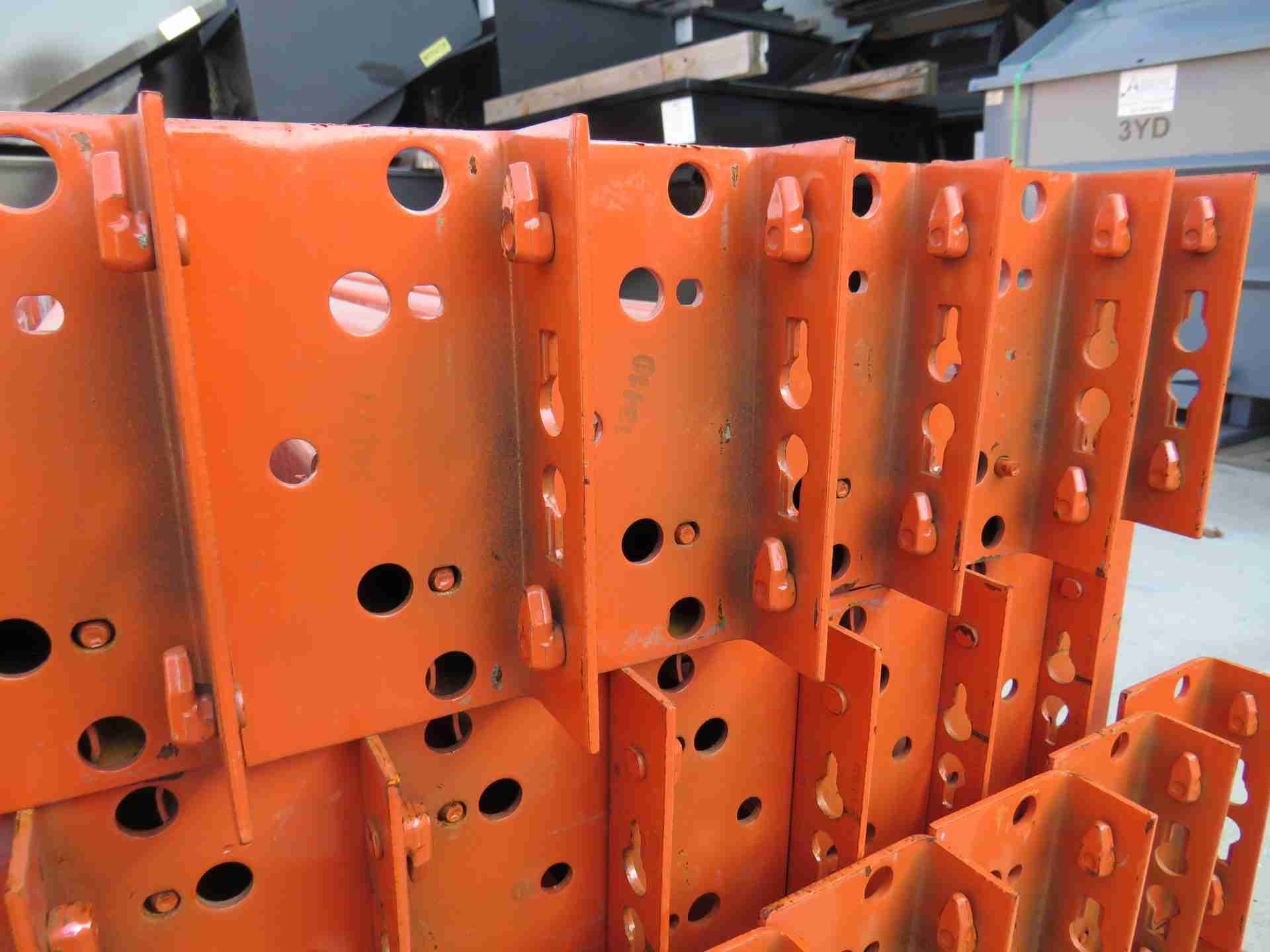
How Can Smart Racking Save Money?
What Are The Common Operational Failures In Warehouses?
In the bustling world of warehousing, operational failures can often feel like hidden gremlins lurking in the shadows, just waiting to disrupt your flow. These setbacks not only affect your bottom line but can also contribute to employee frustration and erode customer satisfaction. Let’s uncover some of these common pitfalls, starting with one of the most crucial aspects of warehousing: pallet racking.
Imagine walking into a warehouse filled with towering shelves, perfectly organized with stacks of inventory meticulously arranged. Sounds great, right? But what if those shelves aren’t utilized effectively? Poorly designed pallet racking can lead to disorganized stock, making it nearly impossible for employees to find what they need. This inefficiency translates into wasted hours, higher labor costs, and eventually, unhappy customers who are left waiting for their shipments.
Another rampant issue is inventory mismanagement. It’s like a game of hide and seek—sometimes the inventory is found, but other times, it remains elusive, costing precious time and effort. Warehouses that neglect robust tracking systems often find themselves sitting on outdated stock or running short of essential items. The cumulative effect? An unhappy customer who is dodging phone calls to find out where their shipment is.
Then, there’s the human factor. Equipment mishandling during loading and unloading can lead to workplace injuries and product damage, compounding costs unexpectedly. Training your staff on safety protocols is not just good practice; it’s a non-negotiable. Investing in their knowledge mitigates risks and fosters a sense of teamwork and accountability.
Communication breakdowns, especially among various departments, can also be a silent killer. When sales forecasts and warehousing operations are not in sync, you might find yourself with excess inventory of some products while running on fumes for others. It’s a logistical nightmare that can easily be avoided with simple, frequent communication between teams.
However, don’t lose hope! Every warehouse has the potential to overcome these barriers. The key lies in recognizing and proactively addressing these common operational failures. By doing so, you can streamline your processes, improve employee morale, and ultimately enhance customer satisfaction. Take action today; implement strategies that turn pitfalls into launching pads for success. Your warehouse isn’t just a storage space—it’s the heart of your business. Make it beat with efficiency!

What Are The Common Operational Failures In Warehouses?
What Are The Common Operational Failures In Warehouses?
- Operational failures in warehousing can disrupt workflow and negatively impact profit margins, employee satisfaction, and customer experience.
- Poorly designed pallet racking leads to disorganized stock, wasted time, and increased labor costs, resulting in dissatisfied customers.
- Inventory mismanagement causes delays and inefficiencies, with outdated stock or shortages harming customer relations.
- Equipment mishandling during loading and unloading risks workplace injuries and product damage; proper staff training is essential.
- Breakdowns in communication between departments can cause excess inventory or shortages, creating logistical issues.
- Recognizing and addressing common operational failures can help streamline processes, boost employee morale, and enhance customer satisfaction.
- Taking proactive measures can transform warehouses from mere storage spaces into efficient, integral parts of business success.

What Are The Common Operational Failures In Warehouses?
How Does Smart Racking Improve Inventory Management?
Imagine walking into a warehouse where every product seems to simply know where it belongs. That’s the power of smart racking in action. In today’s fast-paced business environment, efficient inventory management is not just a luxury—it’s a necessity. Enter pallet racking, the unsung hero of organized storage that promises to revolutionize the way you manage your inventory.
Smart racking systems use advanced technology to optimize every inch of your storage space. With features like adjustable shelves, modular designs, and intelligent tracking systems, pallet racking transforms a cluttered warehouse into a well-oiled machine. No longer do you need to waste precious time hunting for misplaced items or deciphering complicated inventory layouts. Instead, smart racking provides intuitive solutions that cater to the specific needs of your products and workflow.
What makes smart racking so compelling is its capacity to adapt. Businesses come in all shapes and sizes, each with unique inventory challenges. A highly scalable pallet racking solution grows with your business, seamlessly adjusting to fluctuating demands. Whether you’re storing heavy machinery, delicate electronics, or seasonal merchandise, intelligent racking systems make it easy to maintain optimal organization.
Let’s face it—inefficiencies cost money. Time spent searching for products or redirecting staff to untangle the mess of inventory equates to lost dollars. Smart racking minimizes these frustrations by maximizing accessibility and reducing the chance of errors. Imagine your team being able to locate items in mere seconds, improving productivity while reducing overhead. Business owners can rest easy knowing their investment in smart racking translates into operational efficiency and, ultimately, a healthier bottom line.
Beyond time savings, there’s an undeniable safety component inherent in smart racking. Properly organized pallet racking systems not only ensure that products are easy to find but also minimize the risk of accidents. Employees can navigate through an orderly aisle of clearly labeled and securely stored goods. Your workforce operates with confidence, knowing that their environment fosters safety as well as efficiency.
Now is the time to embrace the future of inventory management. Invest in smart racking and witness a transformation in how your business operates. By taking this pivotal step, you’re not only improving inventory management—you’re also instilling a sense of order and trust that resonates through your entire operation. Choose a smarter way to store and organize, and watch your business thrive.

How Does Smart Racking Improve Inventory Management?
How Does Smart Racking Improve Inventory Management?
- Smart racking systems optimize storage space using advanced technology.
- Pallet racking features adjustable shelves, modular designs, and intelligent tracking systems.
- These systems adapt to various business sizes and unique inventory challenges.
- Smart racking reduces time wasted searching for misplaced items, enhancing productivity.
- Efficient inventory management minimizes operational inefficiencies and saves costs.
- Organized racking improves safety by ensuring clear navigation and secure storage.
- Investing in smart racking fosters a sense of order and trust, benefiting the overall operation.

How Does Smart Racking Improve Inventory Management?
What Technology Is Used In Smart Racking Systems?
In today’s fast-paced logistics world, staying ahead means embracing innovation—and that’s where smart racking systems come into play. Imagine the efficiency gains when your warehouse is not just a space for storage but a tightly integrated system working for you, optimizing every square foot. This is the promise of modern smart racking technology, and it’s transforming the way businesses handle Pallet Racking and inventory management.
At the heart of smart racking systems lies a symphony of cutting-edge technologies. First and foremost, there’s the extensive use of the Internet of Things (IoT). By outfitting your pallet racking with connected sensors, you can collect and analyze real-time data on stock levels, product movement, and even environmental conditions within your warehouse. Think of it as a safety net that keeps you informed, helping you anticipate needs and making stock-outs or overstocking a thing of the past.
But it doesn’t stop there. Artificial Intelligence (AI) plays a crucial role in smart racking systems. With sophisticated algorithms, AI can analyze data and suggest optimal product placement, taking into account factors like demand fluctuations and seasonal trends. This means your pallet racking is not just static; it adapts and evolves with your business, enhancing order fulfillment speeds and minimizing human error.
Moreover, automation is a game-changer in smart racking systems. Automated guided vehicles (AGVs) and robotic arms can seamlessly navigate your pallet racks to retrieve and store goods. This allows your workforce to focus on higher-level tasks, driving productivity and morale. Imagine walking into a warehouse where your technology operates like clockwork, paving the way for enhanced efficiency and streamlined workflows.
And let’s not forget about user-friendly interfaces. Advanced smart racking systems come equipped with intuitive dashboards that allow you to monitor your operations at a glance. Whether you’re making quick stock adjustments or deeper analysis, the information is readily available, making warehouse management not just manageable, but enjoyable.
As you consider your options for upgrading your storage solutions, remember: investing in smart racking systems isn’t just about current trends; it’s about future-proofing your operations. Equip your business with the tools it needs to thrive in an ever-competitive landscape. Your aisle space isn’t just for Pallet Racking; it’s a launchpad for your success. Don’t just keep up—get ahead and see how smart racking technology can revolutionize your operational strategy.

What Technology Is Used In Smart Racking Systems?
What Technology Is Used In Smart Racking Systems?
- Smart racking systems enhance efficiency in logistics by optimizing warehouse space.
- Utilization of the Internet of Things (IoT) enables real-time data collection on stock levels and product movement.
- Artificial Intelligence (AI) analyzes data to suggest optimal product placement, adapting to demand fluctuations.
- Automation through AGVs and robotic arms improves productivity by handling goods retrieval and storage.
- User-friendly interfaces with intuitive dashboards simplify warehouse management and data analysis.
- Investing in smart racking technology future-proofs operations in a competitive landscape.
- Smart racking technology transforms aisle space into a strategic asset for business success.

What Technology Is Used In Smart Racking Systems?
How Can Smart Racking Enhance Safety Measures?
In today’s fast-paced world of logistics and warehousing, safety isn’t just an option—it’s a necessity. When you think about it, the overwhelming majority of accidents in storage facilities can often be traced back to mismanaged Pallet Racking systems. You want your business to thrive; keeping your employees safe should be top of mind. Enter Smart Racking: the next evolution in warehouse management that seamlessly combines efficiency with cutting-edge safety measures.
Imagine a system that not only organizes your inventory but also enhances safety protocols with every carefully designed feature. Smart Racking does just that. By integrating advanced sensors and real-time monitoring, you can keep track of weight loads, structural integrity, and even dampness—all factors that can contribute to a disaster waiting to happen. Picture knowing exactly when a Pallet Racking unit is at risk before something goes awry. That’s not just a luxury; it’s peace of mind.
Consider your work environment. Without proper safety measures, a simple mistake can lead to costly accidents or, worse, injuries. Smart Racking solutions offer features such as automated alerts that notify you of potential overloads or system compliance violations. It’s like having a safety net for your warehouse, allowing you and your staff to focus on what truly matters: productivity. Safety doesn’t have to feel like a shackle holding you down—imagine it empowering you to operate your warehouse with confidence.
Moreover, Smart Racking systems are designed with user-friendliness in mind. Imagine training your staff on a system that’s as intuitive as your smartphone. A system that gives them confidence, not confusion, leading to fewer mishaps on the floor and a stronger safety culture overall. It can feel like a game-changing investment—because it is.
Trust is built on experience, and when your team knows they’re working with a reliable, state-of-the-art Pallet Racking system, they can tackle daily challenges head-on. They’re not just employees on the floor; they’re safety advocates in a supportive environment. So, why wait? Embrace Smart Racking today, and transform your warehouse into a safety-first facility that doesn’t just meet compliance but truly champions the health and well-being of everyone involved. Your future—and their safety—depends on it. Let’s raise your standards, one rack at a time.

How Can Smart Racking Enhance Safety Measures?
How Can Smart Racking Enhance Safety Measures?
- In logistics and warehousing, safety is essential, often tied to Pallet Racking mismanagement.
- Smart Racking merges efficiency with advanced safety features to enhance warehouse management.
- The system includes sensors and real-time monitoring for weight loads, structural integrity, and dampness.
- Automated alerts notify of potential overloads or compliance violations, serving as a safety net.
- Smart Racking is user-friendly, making training intuitive and reducing floor mishaps.
- Reliable systems empower employees to support safety culture and tackle challenges effectively.
- Adopting Smart Racking elevates safety standards, ensuring compliance and promoting employee well-being.

How Can Smart Racking Enhance Safety Measures?
Conclusion
Conclusion: Elevate Your Operations with Smart Racking Today!
In an era where operational efficiency and safety are paramount, the implementation of smart racking systems is not merely a choice; it’s an imperative for businesses aiming to thrive in the competitive landscape. As we’ve explored, the challenges lurking within outdated pallet racking systems can spell disaster—inefficiencies that lead to costly delays, employee injuries, and dissatisfied customers. But here’s the good news: smart racking technology offers a powerful, proactive solution to transform your warehouse into a hub of productivity and safety.
Imagine a workspace where every product is organized and accessible, where technology keeps track of your inventory in real-time, and safety standards are not an afterthought but a built-in feature. This vision can be your reality! By investing in smart racking, you’re not just optimizing your storage solutions; you’re paving the way towards seamless operations. Envision reducing time wasted on locating misplaced items, cutting down on overstocking or understocking, and fostering an atmosphere of safety and trust among your team.
But wait! We must address the urgency of this transformation. Every day that you delay means risking potential operational failures that could severely impact your bottom line. Don’t let inefficiencies fester while your competition accelerates ahead. By taking action and implementing smart racking systems, you’re not just safeguarding your current operations; you’re ensuring that your business is equipped to adapt and flourish as market demands evolve.
At Arrow Industrial Sales, we specialize in delivering these smart racking solutions tailored to your unique warehouse needs. We invite you to take the next step towards a more efficient, organized, and secure operation. Dial (574) 349-6575 now—our experts are ready to provide the insights you need to enhance your warehousing strategy. Don’t wait for chaos to strike; transform your operations with smart racking today and watch your operational costs plummet while efficiency rises.
Make the leap into the future of warehousing. Your bottom line and your employees will thank you!

Conclusion
Conclusion:
- Smart racking systems are essential for operational efficiency and safety.
- Outdated pallet racking can lead to costly delays, employee injuries, and customer dissatisfaction.
- Smart racking technology enhances warehouse productivity and safety by optimizing organization and accessibility.
- Investing in smart racking reduces time spent locating items and prevents overstocking/understocking.
- Delaying transformation can lead to operational failures affecting profitability.
- Arrow Industrial Sales provides tailored smart racking solutions to meet unique warehouse needs.
- Contact Arrow Industrial Sales at (574) 349-6575 to enhance your warehousing strategy today.

Conclusion
Other Resources

Other Resources
Here is a list of other resources you can review online to learn more:
- Storage Equipment Manufacturers Association
- RMI
- Storage Equipment Manufacturers’ Association
- Logic Material Handling
- Cantilever Racking Specialists – Get the Right Racks
- BMH Equipment LLC
- Rack Manufacturers Institute
- New Cantilever Racks and Racking Kits
- Cantilever Rack Guide: Ordering Cantilever Racking
- Heavy-Duty Cantilever Storage Racks
Use This Prompt To Get More Resources With Your Favorite Online AI Tool: Please provide me with a list of online articles with their URLs in a bulleted list that I can read regarding How Can Smart Racking Prevent Costly Operational Failures?

Other Resources
Glossary Terms
How Can Smart Racking Prevent Costly Operational Failures? – Glossary Of Terms
1. Smart Racking
: An advanced storage system utilizing technology for efficient inventory management, improving safety and accessibility.
2. Operational Failures
: Disruptions in business processes that hinder productivity, often leading to financial losses.
3. Inventory Management
: The supervisory process of ordering, storing, and utilizing a company’s inventory, crucial for operational efficiency.
4. Automation
: The use of technology to perform tasks without human intervention, enhancing the efficiency of racking systems.
5. Demand Forecasting
: The process of predicting future customer demand to optimize inventory levels and minimize stockouts.
6. Efficiency
: The ability to achieve maximum productivity with minimum wasted effort or expense, particularly in operations and storage.
7. Safety Protocols
: Established procedures designed to minimize risks and ensure the safety of personnel and goods in the workplace.
8. Space Utilization
: The strategic use of physical space to optimize storage capacity and operational workflow.
9. Real-time Data
: Immediate information gathered from systems used for monitoring stock levels, improving decision-making.
10. Barcoding
: A method of encoding data in a visual format for readability by machines, crucial for inventory tracking.
11. RFID (Radio Frequency Identification)
: A technology that uses electromagnetic fields to automatically identify and track tags attached to objects, enhancing inventory visibility.
12. Scalability
: The capability of a system to handle growing amounts of work or its potential to be enlarged to accommodate that growth.
13. Cycle Counting
: An inventory auditing procedure where a subset of inventory is counted on a specific day to ensure accuracy and reduce discrepancies.
14. Lean Management
: An approach to running an organization that supports the concept of maximizing customer value while minimizing waste.
15. Collaborative Robots (Cobots)
: Robots designed to work alongside humans in a shared workspace, often used in smart racking systems to enhance efficiency.
16. Operational Excellence
: An ongoing effort to improve the efficiency and effectiveness of operations, reducing costs and improving service delivery.
17. Lead Time
: The amount of time that passes from the start of a process until its completion, critical for supply chain efficiency.
18. Visual Management
: The use of visual tools to provide quick and clear communication of information about processes, performance, and inventory.
19. Digital Twin
: A digital replica of physical assets, processes, or systems used for simulation, analysis, and optimization in operations.
20. Cost-Benefit Analysis
: A method of evaluating the financial implications of a project or decision, weighing the costs against the benefits.
21. Maintenance Scheduling
: The process of planning and organizing maintenance tasks for equipment and systems to prevent failures.
22. Throughput
: The amount of material or items passing through a system or process, a measure of efficiency.
23. Traceability
: The ability to track the history, application, or location of an item through documented processes, enhancing quality control.
24. Storage Density
: The amount of inventory that can be stored in a given space, a critical factor in warehouse efficiency.
25. Overstocking
: The condition of having excess inventory, which can lead to increased storage costs and waste.
26. Just-in-Time (JIT)
: An inventory strategy that aligns raw-material orders from suppliers directly with production schedules, minimizing holding costs.
27. Work Order Management
: The process of tracking and managing work orders to ensure timely completion of tasks and maintenance.
28. Data Analytics
: The science of analyzing raw data to make informed decisions and identify trends or patterns in operational performance.
29. Emergency Preparedness
: The planning and training processes to ensure quick response to unexpected operational disruptions.
30. Sustainability
: The practice of meeting present operational needs without compromising the ability of future generations to meet theirs, often linked to efficient resource management.

Glossary Of Terms
Other Questions
How Can Smart Racking Prevent Costly Operational Failures? – Other Questions
If you wish to explore and discover more, consider looking for answers to these questions:
- What are the specific features of smart racking systems?
- How much can businesses expect to save by implementing smart racking?
- What types of technology are integrated into smart racking solutions?
- How does smart racking compare to traditional racking systems?
- What industries benefit the most from smart racking?
- Are there case studies or success stories of businesses that have adopted smart racking?
- What are the initial costs associated with implementing smart racking?
- How easy is it to train staff on using smart racking systems?
- What safety certifications should a smart racking system have?
- How does smart racking enhance compliance with warehouse regulations?

Other Questions
Checklist
How Can Smart Racking Prevent Costly Operational Failures? – A Checklist
Checklist: Implementing Smart Racking for Warehouse Efficiency and Safety
1. Assess Current Racking Systems
_____ Evaluate the condition and efficiency of existing pallet racking systems.
_____ Identify issues such as clutter, poor space utilization, or safety hazards.
2. Research Smart Racking Solutions
_____ Investigate various smart racking technologies available in the market.
_____ Compare features such as adjustable shelves, modular designs, and technology integration.
3. Analyze the Benefits of Smart Racking
_____ Consider how smart racking can optimize inventory management.
_____ List potential cost savings from reducing overhead, labor, and accidents.
_____ Explore improvements in safety protocols with real-time monitoring.
4. Evaluate Technology Integration
_____ Determine if the incorporation of IoT, AI, and automation is suitable for your warehouse.
_____ Identify specific technologies that can facilitate real-time data monitoring and alerts.
5. Plan for Employee Training
_____ Develop a training program to familiarize staff with the new smart racking system.
_____ Emphasize safety protocols and proper use of technology.
6. Create an Implementation Timeline
_____ Outline a schedule for phasing in new racking systems.
_____ Consider downtime, staff training, and adjustments to workflows.
7. Monitor and Adjust Systems
_____ Establish a system for ongoing monitoring of smart racking performance.
_____ Solicit feedback from employees on the usability and safety of the new system.
8. Communicate Changes
_____ Inform all stakeholders about the transition to smart racking.
_____ Highlight the expected benefits for operation efficiency and safety.
9. Measure Impact on Operations
_____ Track efficiency improvements, cost reductions, and safety incidents post-implementation.
_____ Use data analytics to refine and enhance inventory management.
10. Commit to Continuous Improvement
_____ Embrace an adaptable approach by scaling the smart racking system as business needs evolve.
_____ Stay updated with technological advancements and consider future upgrades.
By following this checklist, you can effectively transition to a smart racking system that enhances both efficiency and safety in your warehouse operations. Take the first step towards a well-organized and future-proofed facility!

Checklist
At RackingWorld, we help guide you through selecting warehouse storage systems and racking.
Be sure to read our other related stories at RackingWorld to learn more about warehouse storage systems.
0 Comments