
Maximizing Efficiency And Safety In Rack Installation
By Tom Seest
At RackingWorld, we help guide you through selecting warehouse storage systems and racking.
Be sure to read our other related stories at RackingWorld to learn more about warehouse storage systems.
When to Use Mechanical Lifts In Rack Installation
When it comes to installing racking systems, the choice of using mechanical lifts transcends mere convenience—it’s about safety, efficiency, and smart decision-making. Picture this: You’re standing at the foot of a towering racking structure, the weight of the materials hovering above like a storm cloud. That’s a reality for many in the industry. It’s a situation where a split-second decision can mean the difference between a job well done and a potential disaster.
Let’s talk about the heart of the matter. When you decide to use a mechanical lift, you’re not just opting for ease; you’re choosing to protect your team. Imagine the camaraderie built among workers, knowing they can rely on equipment that keeps them safe while they’re on the job. Using a lift alleviates the strain on their bodies, prevents injuries, and fosters a culture of care and connection. When your crew feels valued and safe, morale skyrockets, leading to greater productivity and loyalty. That’s a win for everyone.
Now, let’s engage the head. From a rational perspective, employing mechanical lifts can save you time and resources. Think about it: a lift allows for quicker installation and fewer personnel on the ground, cutting down on labor costs and improving workflow. Why spend hours wrestling with heavy loads and risking costly mistakes when a mechanical lift can handle the bulk of the work? You’re investing in technology that not only streamlines the process but also pays off in dividends when it comes to efficiency.
And ethically, it’s time to ask: what kind of environment do you want to create? Choosing mechanical lifts supports sustainable practices in the workplace. You’re not just making a decision for today; you’re laying the groundwork for a culture that respects both people and equipment. This choice shows that you prioritize the well-being of your crew, thereby establishing a standard that others can look up to.
This brings us to the narrative aspect. Every job has its stories, and the tales told around the break room table often hinge on the moments of struggle or triumph on-site. You want your stories to reflect teamwork and ingenuity, not mishaps and injuries. By using mechanical lifts in racking installations, you’re setting the stage for successful installations and, more importantly, for happy and healthy workers.
In this dynamic world of warehousing and logistics, choosing when to use mechanical lifts in rack installation isn’t just a decision; it’s a commitment—to safety, efficiency, and a thriving workplace.

When to Use Mechanical Lifts In Rack Installation
When to Use Mechanical Lifts In Rack Installation
- Mechanical lifts enhance safety, efficiency, and decision-making in racking system installations.
- Using lifts protects workers, alleviates physical strain, and fosters team morale and loyalty.
- Employing mechanical lifts saves time and resources by streamlining the installation process.
- Mechanical lifts reduce labor costs by requiring fewer personnel on the ground.
- Choosing lifts supports a sustainable workplace culture that prioritizes employee well-being.
- Using mechanical lifts contributes to positive workplace narratives, highlighting teamwork and success.
- Deciding on mechanical lifts is a commitment to a safe, efficient, and thriving work environment.

When to Use Mechanical Lifts In Rack Installation
Table Of Contents
- When to Use Mechanical Lifts In Rack Installation
- How Can Mechanical Lifts Improve Efficiency In Rack Installations?
- What Are the Long-Term Benefits Of Using Lifts for Heavy Racks?
- How Much Can Improper Lifting Affect Workplace Safety and Morale?
- What Do Industry Experts Say About Using Lifts In Rack Setups?
- Can I Save Money By Investing In Mechanical Lifts for My Team?
- Conclusion
- Other Resources
- Glossary Of Terms
- Other Questions
- Checklist
How Can Mechanical Lifts Improve Efficiency In Rack Installations?
When you think about racking installations, what often comes to mind is a cacophony of noise: metal clanging, workers hustling, and the occasional yelp of surprise when something goes awry. Now imagine a scene transformed—a mechanical lift gliding through the space, lifting heavy materials effortlessly, while every person on the team is focused, engaged, and operating like a well-oiled machine. This is the power of mechanical lifts in racking installations, and it’s not just about efficiency; it’s about elevating the human experience on the job.
Picture this: a weary worker bent over trying to wrestle an awkward load into place, risking injury with every heave. Now consider the alternative—a mechanical lift poised to do the heavy lifting, freeing that worker to focus on precision and detail instead of sheer brute strength. This is not just a matter of convenience; it’s a matter of safety and well-being. Over years, countless stories reveal the toll physical strain has on workers. Every lift that uses a machine instead of manpower is a story saved, a back spared, and a life made just a little easier. This dynamic not only cuts down on workplace injuries but cultivates a culture of care amongst teams, showing that prioritizing health doesn’t just boost morale; it builds trust.
From a financial perspective, mechanical lifts can dramatically reduce labor costs and time. They provide the functionality to elevate materials quickly and efficiently, leaving less room for errors and ensuring projects stay on schedule. In an industry where deadlines are sacred and overhead can spiral, embracing technology isn’t just smart—it’s ethical. Opting for mechanical lifts is investing in a safer, more efficient work environment, setting a precedent that values both people and production.
Let’s not forget the community aspect. When a company adopts mechanical lifts for their racking installations, it sends ripples through the workforce. Employees share stories of camaraderie as they work side by side, trusting that everyone plays a part in not just lifting items but lifting each other. A workplace that invests in its team amplifies its reputation, drawing in talent and fostering loyalty—ingredients essential for long-term success.
So, let’s turn the tide. Instead of being tethered to old methods, embrace the innovation that mechanical lifts offer. Because the true measure of progress isn’t just about what you lift—it’s about how you lift each other, elevating not only the racks but also the spirits of everyone involved.

How Can Mechanical Lifts Improve Efficiency In Rack Installations?
How Can Mechanical Lifts Improve Efficiency In Rack Installations?
- Mechanical lifts in racking installations enhance efficiency and improve the workplace experience.
- These lifts reduce physical strain on workers, promoting safety and well-being.
- Using mechanical lifts helps to prevent workplace injuries and fosters a culture of care among teams.
- Financially, mechanical lifts lower labor costs and reduce project errors, helping to meet deadlines.
- Investing in mechanical lifts reflects a commitment to both worker safety and production efficiency.
- The adoption of lifts promotes camaraderie and trust within the workforce, contributing to employee loyalty.
- Embracing innovation in mechanical lifts leads to a more supportive and uplifting work environment.

How Can Mechanical Lifts Improve Efficiency In Rack Installations?
What Are the Long-Term Benefits Of Using Lifts for Heavy Racks?
If you’ve ever racked heavy weights, you know that the journey can feel like a battle against the laws of physics—and yourself. The long-term benefits of using lifts when dealing with heavy racks aren’t just about maximizing your workout; they’re about reengineering the very way you approach strength. Think about it: every time you utilize a lift, you’re not just hoisting metal; you’re investing in yourself.
First off, the emotional connection is profound. The day you rack that weight without breaking a sweat, you don’t just feel stronger; you leave the gym empowered. You’re standing taller, shoulders back, believing in your ability to tackle challenges. Each lift turns into a metaphor for life, teaching you resilience and grit that you can carry outside the gym.
Now, let’s talk sense. From an intellectual perspective, utilizing lifts is a smart strategy—plain and simple. They decrease the risk of injury significantly. Modern design and engineering have given us the tools to amplify our strength while minimizing wear and tear on our bodies. Think about the long-term consequences: fewer injuries mean less downtime, and less downtime means more progress.
Ethically, it’s a choice that values personal responsibility. By using proper equipment like lifts, you’re not only protecting yourself; you’re setting a standard for others. You’re the kind of person who shows up prepared—not just for yourself, but for your community. The right approach is contagious, and before you know it, others around you are following your lead, creating a culture of safety and support.
When you’ve been around lifting for a while, you develop an authority on what works—and believe me, lifts are the real deal. The best lifters, the ones who inspire awe, have learned to respect both the weights and their own limits. Their success stories are woven with lessons of persistence: It’s not just about brute force but informed decisions that yield results.
Finally, the social aspect cannot be ignored. Each time you rack a weight with confidence, you inspire those around you. You’re not just a lifter; you’re a beacon, a testament to the ethos of hard work and smart strategies. When we share our journeys, we build connections that make our victories taste even sweeter.
Embrace the lifts. They’re not just tools; they’re gateways to everything else that makes life richer.

What Are the Long-Term Benefits Of Using Lifts for Heavy Racks?
What Are the Long-Term Benefits Of Using Lifts for Heavy Racks?
- Heavy lifting is a battle against physical limits and personal challenges, emphasizing long-term benefits.
- Making lifts part of your routine enhances emotional strength, leading to empowerment and confidence.
- Lifting teaches resilience and grit, providing life lessons applicable beyond the gym.
- Utilizing lifts is an intelligent strategy that reduces injury risk and promotes long-term progress.
- Using proper equipment like lifts demonstrates personal responsibility and sets a standard in your community.
- Experienced lifters understand the importance of respecting their limits, combining strength with informed decision-making.
- Lifting fosters social connections, inspiring others and creating a supportive culture within the fitness community.

What Are the Long-Term Benefits Of Using Lifts for Heavy Racks?
How Much Can Improper Lifting Affect Workplace Safety and Morale?
In the hustle and bustle of our daily grind, it’s easy to overlook the subtleties that bind us together as a team. Improper lifting is one of those small actions with large consequences, a seemingly innocuous mistake that can ripple through workplace safety and morale like a pebble dropped into a pond. When someone struggles with a load that’s more than they can handle—whether it’s a heavy box of tools or racking for inventory—the repercussions extend far beyond a sore back.
Consider this: a single injury can fracture not just bones but the very spirit of camaraderie in the workplace. When a teammate is sidelined due to improper lifting, it creates a void—a missing piece in a carefully assembled puzzle. Colleagues feel the impact, not just in productivity but in the emotional atmosphere. Fear creeps in like a shadow, making folks hesitant to push themselves, always wary of the next heavy haul. When we load up fear alongside the physical weight, we create a culture that limits potential.
From a rational standpoint, the numbers speak volumes. Workplace injuries have a staggering financial impact—medical bills, lost wages, and decreased productivity add up quickly. But there’s a deeper, ethical imperative at play. We have a responsibility to protect not only our team members but also the very heart of our operations. When we prioritize safe lifting techniques, we’re investing in our people; we’re saying, “You matter.”
Take a moment to imagine the power of a workplace where safety is celebrated, where each employee knows the right techniques and feels empowered to lift with confidence. That sense of purpose ignites motivation and fosters healthy competition, creating a vibrant atmosphere that spills over into everyone’s lives. Healthier employees contribute to a more positive culture, ultimately leading to higher morale and productivity.
This isn’t just about preventing injuries; it’s about nurturing an environment where individuals feel valued and supported. When lifting practices become part of daily rituals, respect for one another flourishes. It builds a community, a collective force where everyone looks out for each other. So, let’s lift each other up—literally and figuratively. By embracing proper lifting techniques, we not only safeguard our physical well-being but also fortify the bonds that make our workplace feel like home.

How Much Can Improper Lifting Affect Workplace Safety and Morale?
How Much Can Improper Lifting Affect Workplace Safety and Morale?
- Daily grind can make us overlook team dynamics and safety.
- Improper lifting leads to injuries that impact workplace morale and safety.
- An injury creates a void in teamwork, affecting productivity and emotional atmosphere.
- Fear of injury can limit employee potential and hinder performance.
- Workplace injuries have significant financial consequences, including medical costs and lost wages.
- Prioritizing safe lifting techniques demonstrates a commitment to employee well-being.
- Cultivating a safety-conscious workplace enhances morale, community, and productivity.

How Much Can Improper Lifting Affect Workplace Safety and Morale?
What Do Industry Experts Say About Using Lifts In Rack Setups?
When it comes to using lifts in rack setups, industry experts speak with a resonance that goes beyond technical jargon. They weave stories of resilience, innovation, and community—a narrative that truly captures the heart of what it means to lift, move, and store efficiently.
Consider the seasoned warehouse manager who recalls the time when his operation relied heavily on manual labor and outdated practices. Racking systems were cumbersome, and every unsafe lift brought with it a wave of anxiety among workers. Fast forward to today, and the buzzwords of the industry echo a promising evolution. Experts advocate for modern lift technologies that not only streamline operations but also elevate safety standards. These innovations transform environments from precarious and chaotic to organized and secure. When experts endorse advanced lifting equipment within racking systems, they aren’t just sharing tips; they’re sharing their hard-won wisdom—fueling a community committed to progress.
One of the standout benefits highlighted by those in the know is the ethical responsibility businesses have toward their employees. When utilizing lifts in racking setups, companies are not just investing in equipment; they’re signaling to their workforce that safety and efficiency matter. This ethical standpoint fosters trust and loyalty, not just among employees but also within the broader community—customers, partners, and stakeholders see a brand committed to doing the right thing.
Rational appeal plays a significant role here, too. For every dollar spent on quality lift systems, there’s potential for increased productivity and decreased workplace injuries. Experts cite statistics showing that modern racking systems, equipped with lifts, can enhance picking speed by up to 30%. That’s not just numbers; it’s livelihoods, projects completed on time, and an overall more robust economy.
On a narrative level, these expert voices pull from their own experiences, sharing tales of transformation that resonate deeply. Perhaps it’s the story of a company that faced mounting injury reports and labor costs due to outdated systems, only to reinvent itself through strategic investment in racking and lift technology. These aren’t just changes; they’re lifelines.
In a world that can often feel disconnected, these insights invite you to engage, to take action. They’re more than expert opinions; they’re calls to be part of a movement—one that values innovation, prioritizes safety, and builds a future where efficiency doesn’t come at the cost of wellbeing. Embracing lifts in racking setups is not just a smart choice; it’s a step toward cultivating a better workplace for everyone involved.

What Do Industry Experts Say About Using Lifts In Rack Setups?
What Do Industry Experts Say About Using Lifts In Rack Setups?
- Industry experts highlight resilience, innovation, and community in lift usage for racking setups.
- Seasoned warehouse managers remember the dangers of relying on manual labor and outdated racking practices.
- Modern lift technologies improve operational efficiency and enhance safety standards.
- Utilizing lifts reflects a company’s ethical responsibility toward employee safety, fostering trust and loyalty.
- Investing in quality lift systems can lead to increased productivity and reduced workplace injuries.
- Experts share transformative stories of companies that have improved through strategic investment in technology.
- Engaging with these insights encourages action toward innovation and a safer, more efficient workplace.

What Do Industry Experts Say About Using Lifts In Rack Setups?
Can I Save Money By Investing In Mechanical Lifts for My Team?
When you think about investing in mechanical lifts for your team, what probably comes to mind is the cost. It’s easy to focus on the price tag instead of the bigger picture—the lives you’re impacting and the safety you’re ensuring. Every morning, those hardworking folks you rely on don’t just show up for a paycheck; they come with the desire to do good work, to feel valued, and to return home safe. By introducing mechanical lifts, you’re not just racking up efficiency; you’re racking up trust and loyalty.
Imagine the daily hustle, where your team members navigate stacks of materials, hefting an endless supply of weight on their shoulders. It’s not just labor; it’s risk. Every time someone climbs a ladder or strains to lift a heavy load, they’re playing with fire. But by investing in lifts, you’re not just avoiding potential injuries; you’re investing in your team’s well-being. Your employees will know you care about their safety and their health. That’s the kind of morale boost that money can’t buy.
Now, let’s talk numbers. Investing in the right mechanical lift can lead to significant savings over time. Think about the decreased medical claims, reduced downtime, and the improved productivity that comes from a workforce that’s energized, not exhausted. When your team isn’t sidelined with injuries, they can focus on what really matters—doing their jobs well. Financially, it just makes sense: less spending on workers’ compensation means more dollars available to reinvest in your business and your people.
From an ethical standpoint, providing mechanical lifts shows you’re committed to a safer work environment. You’re leading by example, demonstrating that you value your team’s health over short-term profits. It sends a powerful message: you’re in this together, fostering a culture where everyone feels responsible for one another.
Lastly, let’s not forget the social aspect. Imagine the conversations around the water cooler when your crew knows they can trust you to make decisions that prioritize their welfare. When your employees feel secure in their physical safety, they’ll be more engaged, more connected, and more likely to share that positive energy with their peers.
Investing in mechanical lifts isn’t just a financial decision; it’s a choice that reverberates through the hearts and minds of your team, empowering them to take pride in their work while creating a safer, more productive workplace for all.

Can I Save Money By Investing In Mechanical Lifts for My Team?
Can I Save Money By Investing In Mechanical Lifts for My Team?
- Investing in mechanical lifts goes beyond cost; it positively impacts employee safety and well-being.
- Employees seek more than a paycheck; they want to feel valued and return home safe.
- Introducing mechanical lifts enhances efficiency while building trust and loyalty among the team.
- Using lifts reduces the risk of injuries, demonstrating care for employee health and morale.
- Financial benefits include lower medical claims, reduced downtime, and improved productivity.
- Providing lifts shows ethical commitment to a safer workplace, prioritizing health over short-term profits.
- A safe work environment fosters engagement and positive connections among employees.
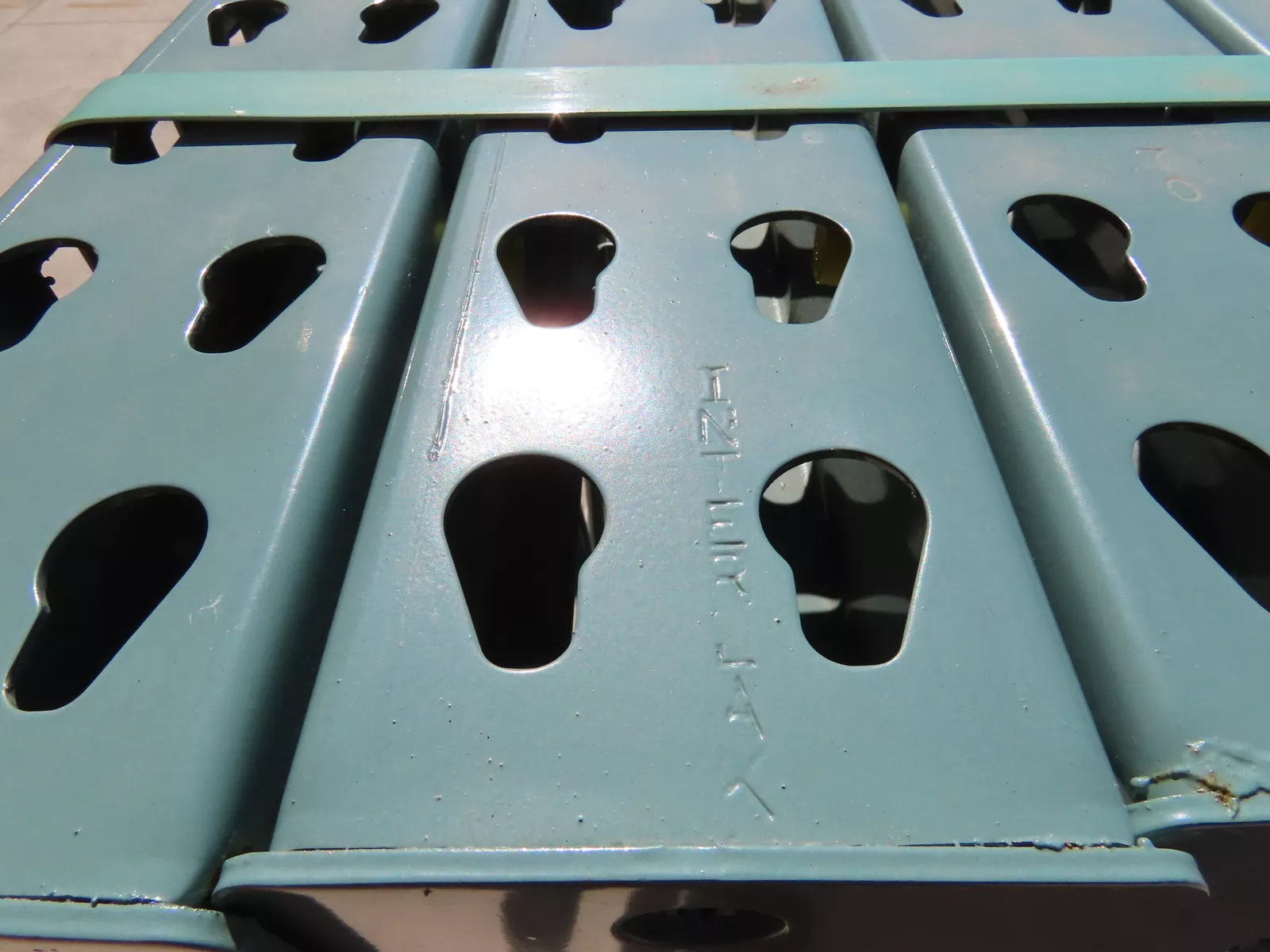
Can I Save Money By Investing In Mechanical Lifts for My Team?
Conclusion
Choosing to use mechanical lifts in rack installation isn’t merely a nod to modern convenience; it’s a profound commitment to safety, efficiency, and the nurturing of a positive workplace. Imagine standing before towering racks loaded with materials—a moment filled with both potential and risk. The decision to harness mechanical lifts in that scenario is the difference between a job completed smoothly and an incident that could undermine the entire work culture. By opting for mechanical lifts, you’re not just streamlining processes; you’re sending a powerful message of care and responsibility to your team.
At the heart of using mechanical lifts lies the well-being of your crew. Think about the way physical strain can erode morale and camaraderie. When workers can rely on lifts to manage heavy loads, they’re freed from the perils of injury, fostering not just safety, but a sense of community and teamwork. It’s about lifting each other up—both literally and figuratively. When employees feel valued and secure, their productivity flourishes, creating an environment that thrives on mutual respect.
Rationally, the numbers speak volumes. The implementation of mechanical lifts can drastically cut costs associated with labor, time, and injuries. Why grapple with cumbersome loads and the looming possibility of accidents when efficient technology offers a better way? Moreover, this investment spills over into operational efficiency, maximizing output and minimizing errors—benefits that ripple through the entire organization.
Ethically, the commitment to safer lifting practices reflects a company’s values. Investing in mechanical lifts is a declaration that you care for your employees. This not only builds trust among your workforce but also enhances your reputation in the broader community. Customers and stakeholders recognize and respect businesses that prioritize the health of their teams.
Furthermore, the stories shared around the workplace—moments of triumph, teamwork, and growth—will shift dramatically. With mechanical lifts facilitating success and safety, your workplace narrative becomes one of shared achievements, not near-misses or injuries. As you embrace these innovations, you’re not merely adapting to industry trends; you’re establishing a culture that reveres both efficiency and human connection.
So embrace the power of mechanical lifts. They represent not just a tool, but a transformative approach to work—a way to elevate productivity while nurturing the people who make it all possible. In doing so, you’re building a legacy of safety, support, and shared success that will resonate for years to come.

Conclusion
Conclusion:
- Using mechanical lifts in rack installation enhances safety, efficiency, and workplace positivity.
- Mechanical lifts help prevent physical strain and injuries, fostering morale and teamwork.
- Employees who feel valued and secure become more productive, contributing to a respectful environment.
- Implementing mechanical lifts can significantly reduce labor costs, time, and injury-related expenses.
- This investment in technology improves operational efficiency and minimizes errors.
- Commitment to safe lifting practices builds trust and enhances company reputation among employees and stakeholders.
- Embracing mechanical lifts creates a workplace culture centered around shared achievements and safety.

Conclusion
Other Resources

Other Resources
Here is a list of other resources you can review online to learn more:
- Used Pallet Rack for Sale in Illinois – American Surplus
- IIWS Inc. Rack Installation Illinois & Rack Repairs Illinois
- International Warehouse Logistics Association
- Cantilever Rack Guide: Ordering Cantilever Racking
- Crane Manufacturers Association Of America Inc.
- MHI
- Mustang Material Handling
- American Society of Safety Professionals
- Material Handling Safety
- Heavy-Duty Cantilever Storage Racks
- Teardrop Industrial Shelving Rack
- ASSP
- Rack Manufacturers Institute
- Pallet Racking 101: A Comprehensive Guide & Options Explained
- Intro to Warehouse Racks & Warehouse Racking Systems – ShipBob
- Logic Material Handling
- Chicago Pallet Racking
- Pallet Racking systems in Illinois and Great Lakes
- Teardrop Uprights
- Warehouse Racking Chicago, IL
Use This Prompt To Get More Resources With Your Favorite Online AI Tool: Please provide me with a list of online articles with their URLs in a bulleted list that I can read regarding When to Use Mechanical Lifts In Rack Installation
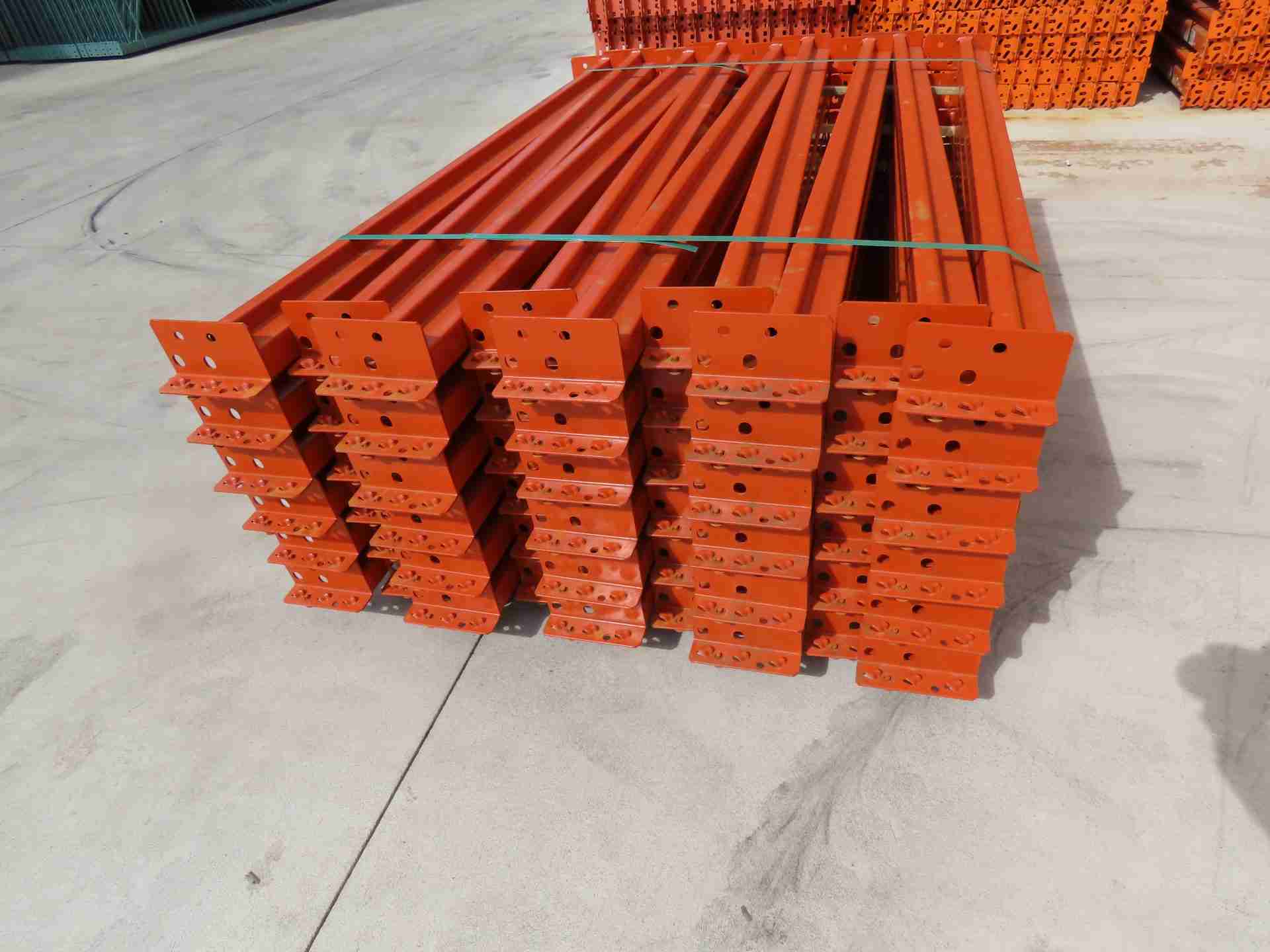
Other Resources
Glossary Terms
When to Use Mechanical Lifts In Rack Installation – Glossary Of Terms
1. Mechanical Lift: A device used to raise and lower heavy objects, enhancing safety and efficiency in tasks like rack installation.
2. Rack Installation: The process of setting up storage racks to organize inventory or equipment in warehouses and data centers.
3. Load Capacity: The maximum weight that a mechanical lift or rack can safely support during operations.
4. Ergonomics: The study of designing tools and work environments to maximize comfort and reduce the risk of injury to workers.
5. Forklift: A powered industrial truck used to lift and move materials over short distances, often used in conjunction with mechanical lifts.
6. Pallet Jack: A hand-operated device designed to lift and move pallets with ease, commonly utilized in conjunction with rack installation.
7. Safety Standards: Regulatory guidelines that outline necessary safety measures and equipment protocols to ensure a safe work environment.
8. Assembly Instructions: A set of guidelines provided by manufacturers detailing how to properly install and assemble racks and mechanical lifts.
9. Installation Height: The vertical distance from the floor to the top of the rack, determining the type of lift needed for installation.
10. Warehouse Layout: The design and arrangement of storage areas and aisles within a warehouse, influencing the need for lifts in installation.
11. Payload: The weight of the materials being lifted or transported; crucial for calculating the effectiveness of lifts.
12. Operator Training: Instruction provided to workers on the proper use and safety practices related to mechanical lifts.
13. Lift Maintenance: Regular checks and repair processes that ensure mechanical lifts function efficiently and safely.
14. Manpower: The workforce available to assist in the installation process, which may influence the decision to use mechanical lifts.
15. Aisle Width: The space between racks, which determines the type of mechanical lift that can be safely used.
16. Stability: The ability of a lift to maintain balance while carrying loads, critical to avoiding accidents during installation.
17. Tilt Function: A feature of some mechanical lifts that allows the lifting mechanism to tilt, improving load handling.
18. Power Source: The means by which a mechanical lift operates, such as electric, diesel, or human-powered options.
19. Height Adjustment: The capability of mechanical lifts to be modified to various heights to accommodate different rack sizes.
20. Safety Harness: A safety device worn by the operator to prevent falls when working at elevated heights.
21. Lifting Mechanism: The component of a lift that enables it to raise and lower loads, which can vary in complexity and design.
22. Load Distribution: The arrangement of weight across a lift or rack, essential for maintaining structural integrity and safety.
23. Collapsible Racks: Racks that can be collapsed for easy transportation and storage, requiring specialized lifts for installation.
24. Fork Extensions: Attachments for forklifts to extend their reach for lifting wider loads during the rack installation process.
25. Ground Support: The stabilizing features of a mechanical lift that ensure it remains secure on various surfaces during operation.
26. Clearance Height: The vertical space available above the load once it is lifted, crucial for navigating under overhead structures.
27. Access Points: Locations around a rack system that allow for safe entry and exit while using mechanical lifts.
28. Operator Visibility: Refers to how well the lift operator can see their surroundings while operating the device, important for safety.
29. Emergency Stop: A safety feature that quickly disables the mechanical lift in the event of an emergency.
30. Compliance Regulations: Laws and guidelines set by regulatory bodies governing the safe operation of lifts and installations in the workplace.

Glossary Of Terms
Other Questions
When to Use Mechanical Lifts In Rack Installation – Other Questions
If you wish to explore and discover more, consider looking for answers to these questions:
- What types of mechanical lifts are best suited for rack installations?
- How do I choose the right mechanical lift for my specific needs?
- What are the safety guidelines for operating mechanical lifts?
- What training is required for workers using mechanical lifts?
- What are the potential risks of not using mechanical lifts during rack installations?
- How do mechanical lifts compare to traditional lifting methods in terms of cost-effectiveness?
- What measures can be taken to ensure proper maintenance of mechanical lifts?
- What are the most common injuries associated with improper lifting techniques?
- How can companies foster a culture of safety and support among their workers?
- What should be included in a lift safety program?

Other Questions
Checklist
When to Use Mechanical Lifts In Rack Installation – A Checklist
Checklist for Maximizing Efficiency and Safety in Rack Installation with Mechanical Lifts
Heart Appeal
_____ Foster camaraderie by prioritizing team safety.
_____ Encourage a culture of care and connection among workers.
_____ Celebrate stories of teamwork and ingenuity over mishaps.
_____ Create an empowering work environment where employees feel valued.
Head Appeal
_____ Evaluate the time and resource savings generated by mechanical lifts.
_____ Analyze reductions in labor costs and improved workflow.
_____ Calculate the long-term financial benefits from decreased workplace injuries.
_____ Stay informed about technology advancements in lift systems.
Gut Appeal
_____ Trust your instincts about safety—choose mechanical lifts for physical well-being.
_____ Recognize the emotional impact of injury on team morale and cohesion.
_____ Reflect on the responsibility to protect your workforce.
Emotional Appeal
_____ Share testimonials or stories from employees affected positively by using lifts.
_____ Communicate the reassurance a safe work environment offers.
_____ Highlight the pride employees feel when working in a supportive environment.
Rational Appeal
_____ Conduct a cost-benefit analysis for investing in mechanical lifts.
_____ Examine the risk reduction in injuries against your current safety protocols.
_____ Gather statistics on increased productivity linked to lift technology.
Ethical Appeal
_____ Commit to creating a sustainable and safe work environment.
_____ Lead by example—prioritize employee health over short-term profits.
_____ Discuss the ethical responsibility of minimizing risks in the workplace.
Authority Appeal
_____ Reference industry expert recommendations on lift usage and safety.
_____ Consider peer companies’ success stories in adopting mechanical lifts.
_____ Stay updated with compliance standards regarding workplace safety.
Narrative Appeal
_____ Create a culture of sharing experiences and lessons learned from lift use.
_____ Document success stories resulting from the use of mechanical lifts.
_____ Emphasize transformational changes in the workplace due to lift adoption.
Social Appeal
_____ Encourage discussions on safety practices and lift technology among employees.
_____ Promote team-building activities that involve safe lifting techniques.
_____ Highlight how a culture of safety can enhance workplace reputation and retain talent.

Checklist
At RackingWorld, we help guide you through selecting warehouse storage systems and racking.
Be sure to read our other related stories at RackingWorld to learn more about warehouse storage systems.
0 Comments