
Mastering The Shift: Navigating Warehouse Management’s New Norm
By Tom Seest
At RackingWorld, we help guide you through selecting warehouse storage systems and racking.
Act now! Call Arrow Industrial Sales at (574) 349-6575 for tailored solutions that can take your business to heights you never imagined possible. Don’t let inefficiencies linger and costs mount. Embrace change, invest in better systems, and watch your business flourish. Time waits for no one—take the proactive step today! Your future of enhanced efficiency and profitability is just a phone call away.
Be sure to read our other related stories at RackingWorld to learn more about warehouse storage systems.
Are You Prepared for The New Standards In Warehouse Management?
In today’s fast-paced market, it’s not just about keeping up with the competition; it’s about setting the standard. Think for a moment about your current warehouse setup. Are you relying on outdated methods, or are you ready to embrace the innovation that will elevate your operations? The conversation around warehouse management is evolving, and your success hinges on your willingness to adapt.
One of the foundational elements of an efficient warehouse is pallet racking. Gone are the days of haphazard stacking and cramped spaces. Today’s best practices emphasize maximizing storage while ensuring safety and accessibility. Can your current pallet racking system handle the demands of an omnichannel retail world? If your answer disquiets you, then take a moment. Picture a streamlined, controlled environment where every pallet, every item, is easily accessible, and inventory accuracy is a given. It’s not just a dream—it can be your reality.
Now, I know what you’re thinking. “Change is hard; it requires an investment of time and resources.” But let’s flip that narrative. Change is the necessary leap towards efficiency and profitability. The warehouse of tomorrow will not accommodate yesterday’s ineptitudes. Are you prepared to invest in a system that not only enhances your workflow but also positions you as an industry leader?
Visualize your operations redefined. Reduced picking times, improved employee morale, and enhanced customer satisfaction—all made possible through systematic implementation of cutting-edge practices, including effective pallet racking solutions. You’re not just filling space; you’re cultivating an organized and productive ecosystem.
Here’s where your opportunity lies: take the first step. Explore the cutting-edge technologies and methodologies that are reshaping warehouse management. From automated picking systems to state-of-the-art pallet racking configurations, every change you implement is a stride towards excellence.
Remember, your warehouse is more than just a storage facility; it’s a vital component of your business strategy. By taking the initiative to adapt to the new standards in warehouse management, you’re not just future-proofing your operations; you’re committing to your growth and success. So, ask yourself—are you ready to revolutionize your warehouse? Your competitors surely are. Embrace the change; embrace the future.
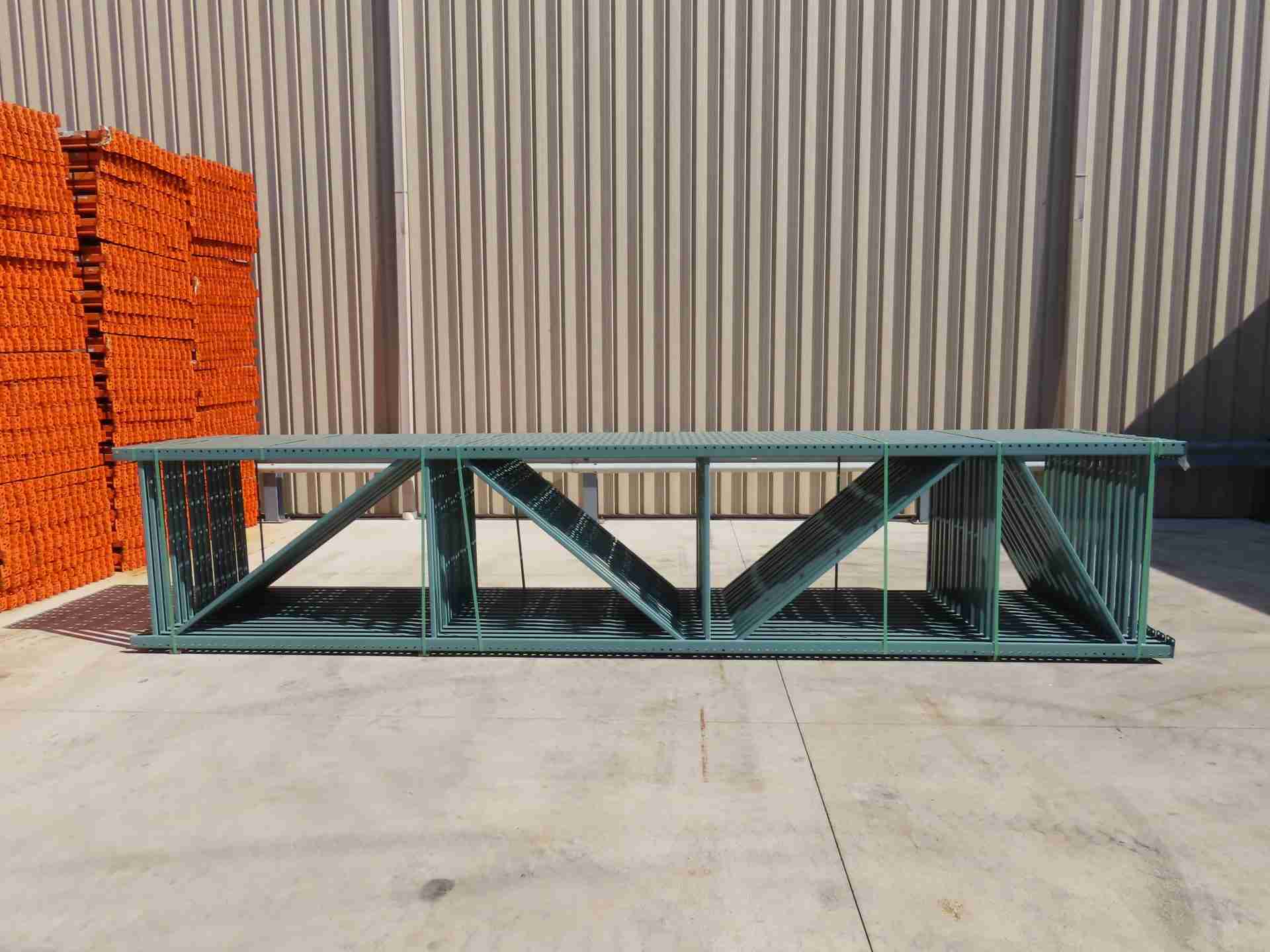
Are You Prepared for The New Standards In Warehouse Management?
Are You Prepared for The New Standards In Warehouse Management?
- Modern warehouses must set standards rather than merely keep up with the competition.
- Evaluate your current warehouse setup for outdated practices and embrace innovative solutions.
- Efficient pallet racking is essential for maximizing storage, safety, and accessibility.
- Transitioning to advanced pallet racking can enhance performance in an omnichannel retail environment.
- Change is an investment in efficiency and profitability, essential for modern warehouse operations.
- Implementing cutting-edge practices leads to reduced picking times, improved morale, and enhanced customer satisfaction.
- Your warehouse plays a crucial role in your business strategy; adapting to new standards is key to growth and success.
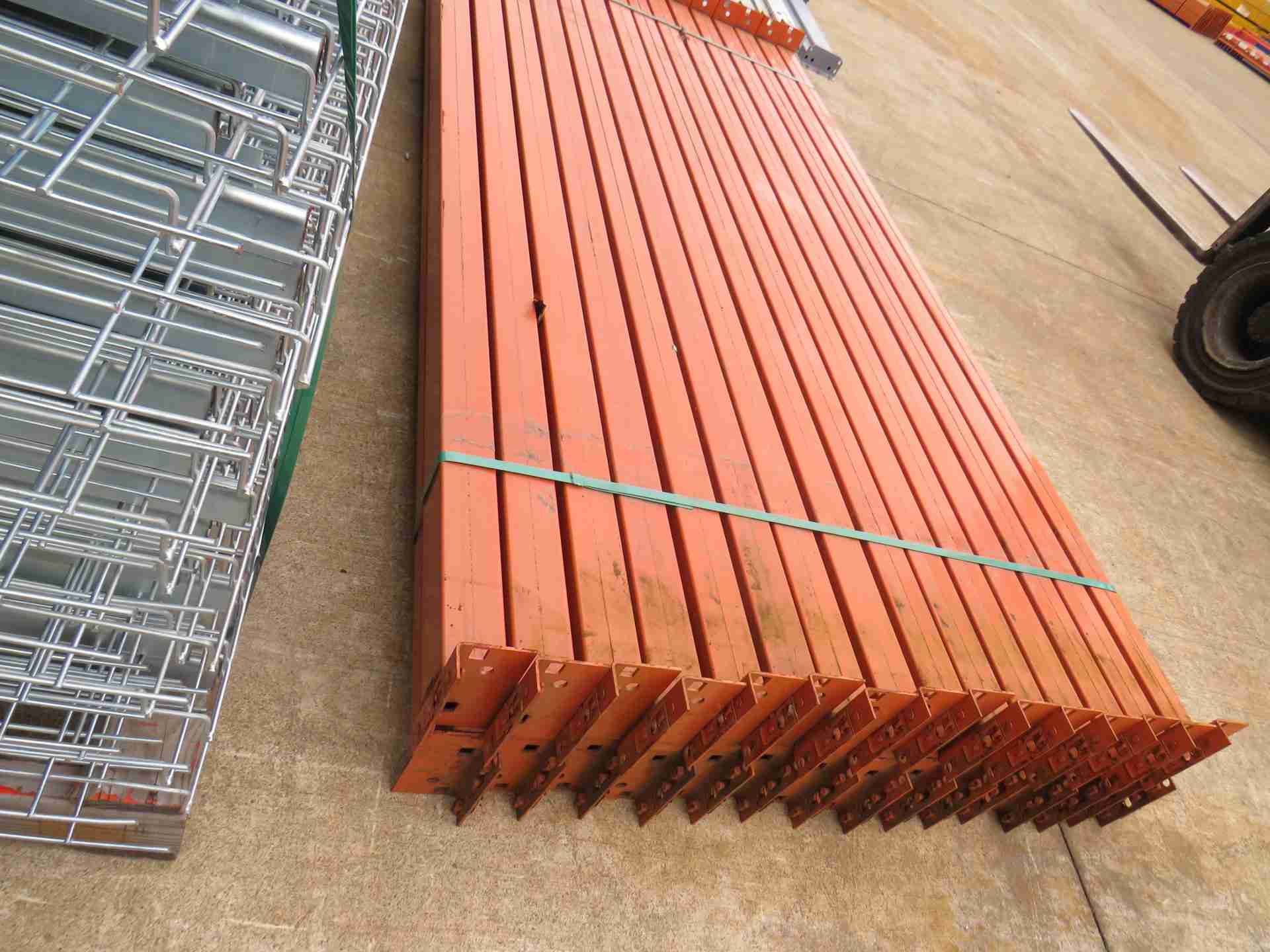
Are You Prepared for The New Standards In Warehouse Management?
Table Of Contents
- Are You Prepared for The New Standards In Warehouse Management?
- How Can New Standards Impact Your Existing Warehouse Operations?
- What Training Do Staff Need For Updated Warehouse Practices?
- Which Technologies Are Essential For Compliance With New Standards?
- How Can Data Analytics Improve Warehouse Management Strategies?
- What Metrics Should You Track Under The New Standards?
- How Often Should You Review Your Warehouse Management Processes?
- Conclusion
- Other Resources
- Glossary Of Terms
- Other Questions
- Checklist
How Can New Standards Impact Your Existing Warehouse Operations?
Change can be jarring, but it can also be an incredible opportunity to revitalize your warehouse operations. When new industry standards come into play, the question isn’t whether you should adapt; it’s how quickly can you harness their potential to transform your business? Imagine your warehouse—once a maze of confusion and inefficiency—now operating like a well-oiled machine, all because you embraced the latest standards.
Let’s take a moment to consider pallet racking. It’s more than just a way to stack products; it’s about maximizing your space and boosting efficiency. New standards surrounding pallet racking offer insights into safety, organization, and even employee morale. By adopting modern racking solutions, not only will you significantly enhance storage capacity, but you will also make it easier for your team to locate and retrieve items swiftly.
You might initially feel overwhelmed—after all, the thought of changing processes and systems can be daunting. However, remember this: every successful business was once challenged by change. Think about the benefits that await you. A well-organized rack system can cut down on time wasted searching for products, reduce the risk of accidents, and ultimately—make your customers happier. If that doesn’t inspire action, what will?
One of the most profound impacts of integrating new standards is the boost in trust. When clients see your commitment to safety and efficiency, they will notice your professionalism and reliability. Imagine the confidence they will have knowing that your warehouse operations meet or even exceed industry standards. You won’t just gain customer loyalty; you’ll also attract new business, turning your warehouse into a beacon of dependability.
Implementing these changes doesn’t have to be done in isolation. Collaborate with your team; gather insights from employees who work within the system daily. Their feedback can help identify areas for improvement you might overlook, and involving them in the process fosters a sense of ownership and pride.
Embracing new standards isn’t merely about compliance; it’s about paving the way for innovation and growth. So, ask yourself: Are you ready to transform your warehouse into a highly efficient, modern hub that does more than just store goods? The choice is yours, and the benefits are infinite. Embrace change, and watch your operations thrive like never before.
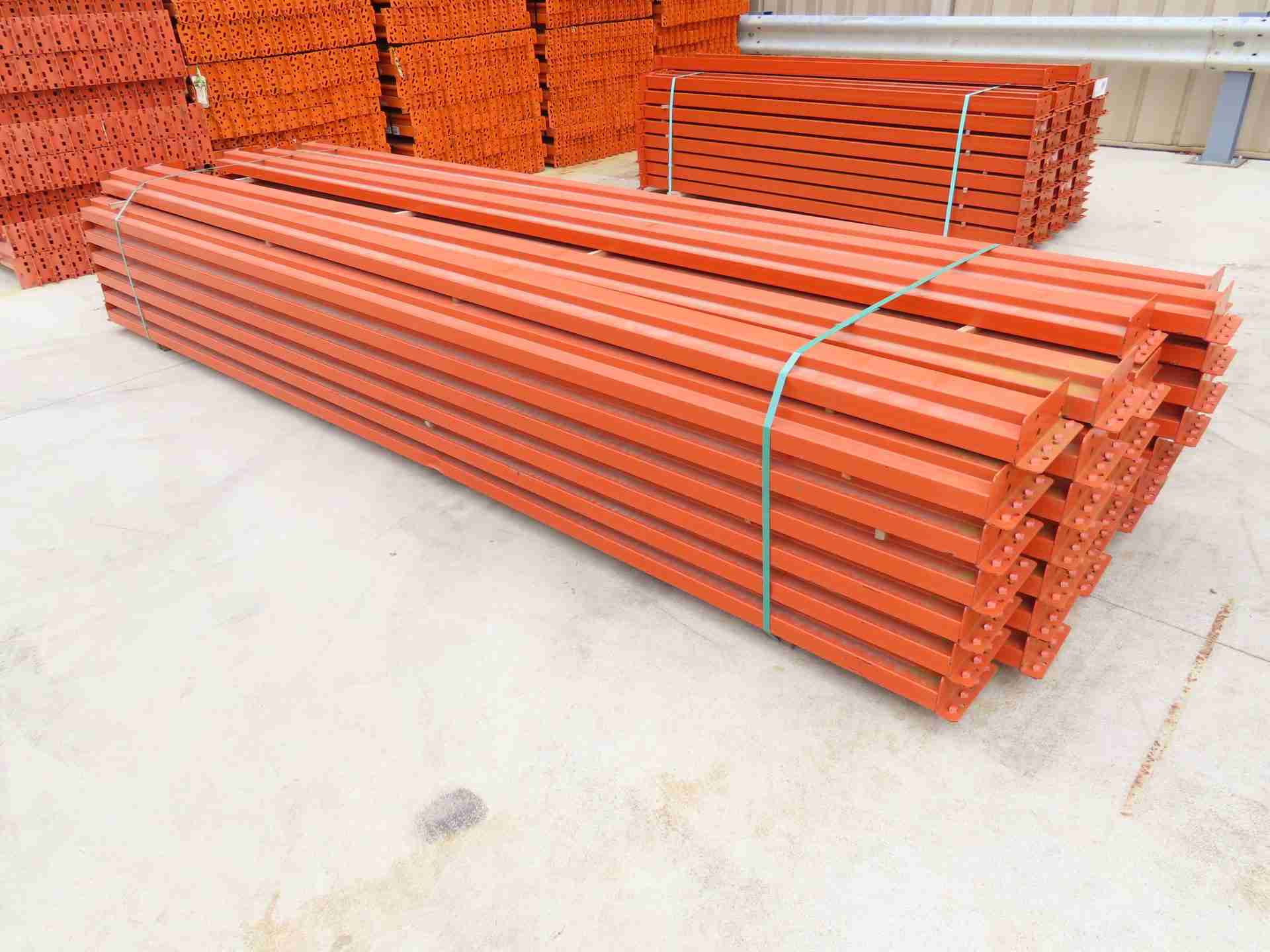
How Can New Standards Impact Your Existing Warehouse Operations?
How Can New Standards Impact Your Existing Warehouse Operations?
- Change can revitalize warehouse operations by adapting to new industry standards.
- Pallet racking maximizes space and boosts efficiency, impacting safety, organization, and employee morale.
- Modern racking solutions enhance storage capacity and streamline item retrieval for teams.
- A well-organized rack system reduces time spent searching for products and minimizes accident risks, improving customer satisfaction.
- Integrating new standards builds trust with clients, showcasing commitment to safety and reliability.
- Collaboration with team members can uncover valuable insights for improvement and foster a sense of ownership.
- Embracing new standards paves the way for innovation and growth, transforming warehouses into efficient, modern hubs.

How Can New Standards Impact Your Existing Warehouse Operations?
What Training Do Staff Need For Updated Warehouse Practices?
In today’s fast-paced logistics landscape, the importance of having well-trained staff cannot be overstated. With the evolution of warehouse practices, particularly in areas like Pallet Racking optimization, your team stands as the frontline warriors who ensure smooth operations. But what exactly do they need to thrive amidst these changes?
First, investing in comprehensive training on the latest Pallet Racking systems ensures that your staff understands the intricacies of safe and efficient loading and unloading techniques. There’s no room for guesswork here; improper handling can lead to accidents, inventory loss, and costly delays. Your employees should feel confident in how to navigate these systems, fostering a culture where safety is paramount.
Next, equip your team with knowledge about warehouse layout and flow. Understanding the layout isn’t just a matter of efficiency; it’s about creating an environment where everyone feels empowered to do their best work. When employees grasp how to optimize the space around the Pallet Racking, they can suggest improvements that may streamline processes and enhance productivity. This level of expertise transforms them from mere workers to valued contributors, leading to a deeper sense of ownership and engagement.
Don’t overlook the power of technology training either. Today’s warehouses increasingly rely on software solutions for inventory management and tracking. If your team is trained to harness these tools efficiently, you will see tangible results – fewer discrepancies, accelerated turnaround times, and a notable decrease in manual errors. You’ll not only empower your workforce but also stay ahead of potential disruptions in your operations.
Lastly, focus on soft skills. Encourage communication and teamwork workshops. When team members understand each other, they can better coordinate on tasks involving the Pallet Racking systems and other critical processes. A cohesive team environment cultivates mutual support, leading to a more resilient workforce ready to tackle challenges head-on.
Remember, training isn’t a one-time event but a continuous journey. Providing ongoing learning opportunities will keep your team sharp, adaptable, and ready to embrace future innovations in warehouse practices.
So, take a moment to evaluate your training programs. Are they comprehensive enough to drive your operations towards success? By investing in your team today, you’re not just improving the bottom line; you’re building a workforce that embodies trust, confidence, and action.

What Training Do Staff Need For Updated Warehouse Practices?
What Training Do Staff Need For Updated Warehouse Practices?
- The significance of well-trained staff in logistics is crucial for smooth operations.
- Comprehensive training in Pallet Racking systems is essential for safe loading and unloading.
- Understanding warehouse layout fosters an efficient and empowered working environment.
- Technology training for inventory management and tracking yields tangible operational benefits.
- Soft skills development, including communication and teamwork, enhances coordination among staff.
- Continuous learning opportunities are vital for adapting to innovations in warehouse practices.
- Evaluating and investing in training programs can lead to a more trustful and confident workforce.
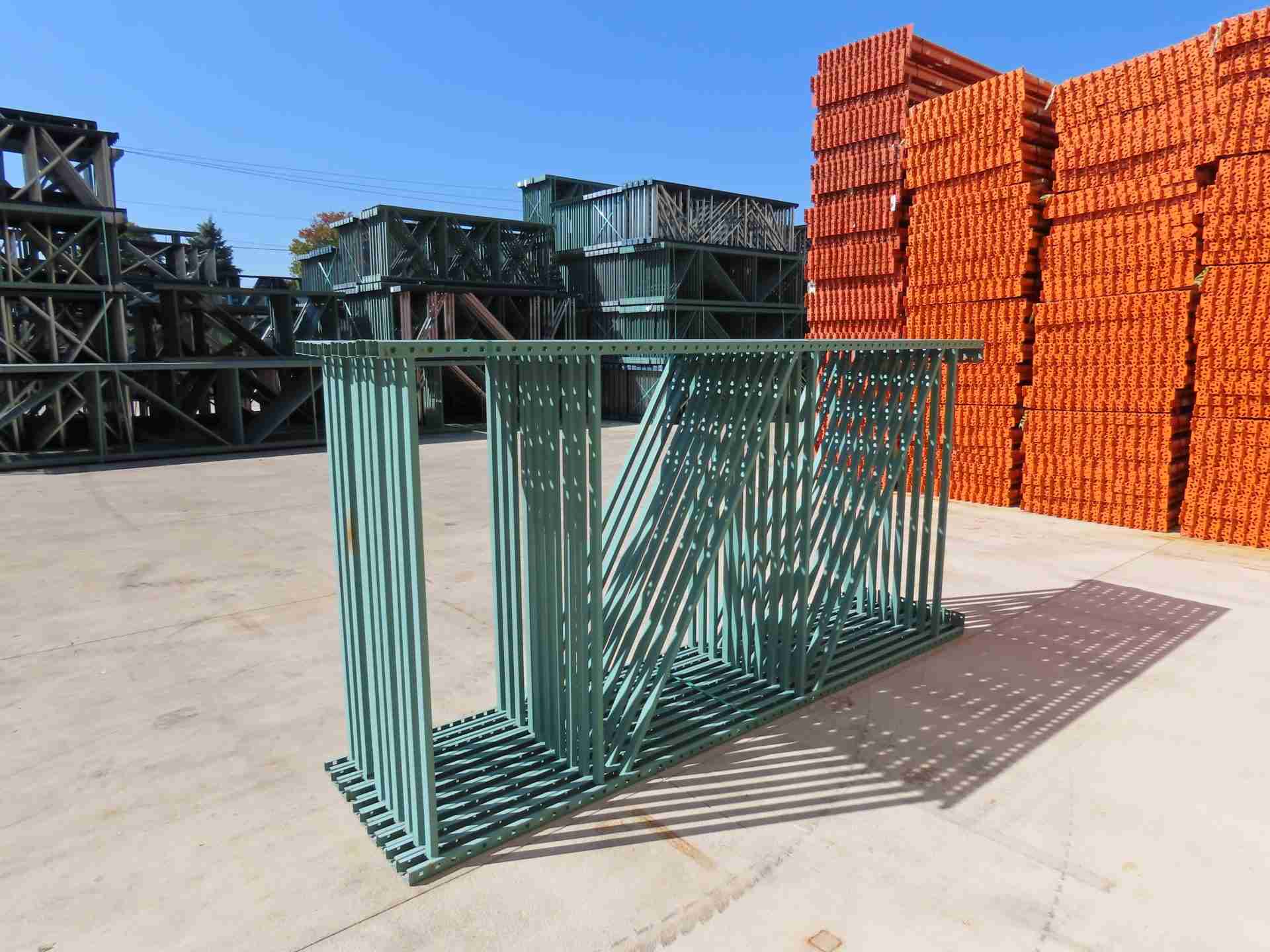
What Training Do Staff Need For Updated Warehouse Practices?
Which Technologies Are Essential For Compliance With New Standards?
In the rapidly evolving world of regulatory standards, staying compliant is not just a box to check; it’s a competitive advantage. Whether you’re in warehousing, distribution, or manufacturing, understanding the essential technologies can make you not only compliant but also a leader in your industry. One of the critical technologies you need to embrace is advanced inventory management systems. These systems synchronize seamlessly with your operations, providing real-time insights that can help ensure you’re always meeting the latest standards.
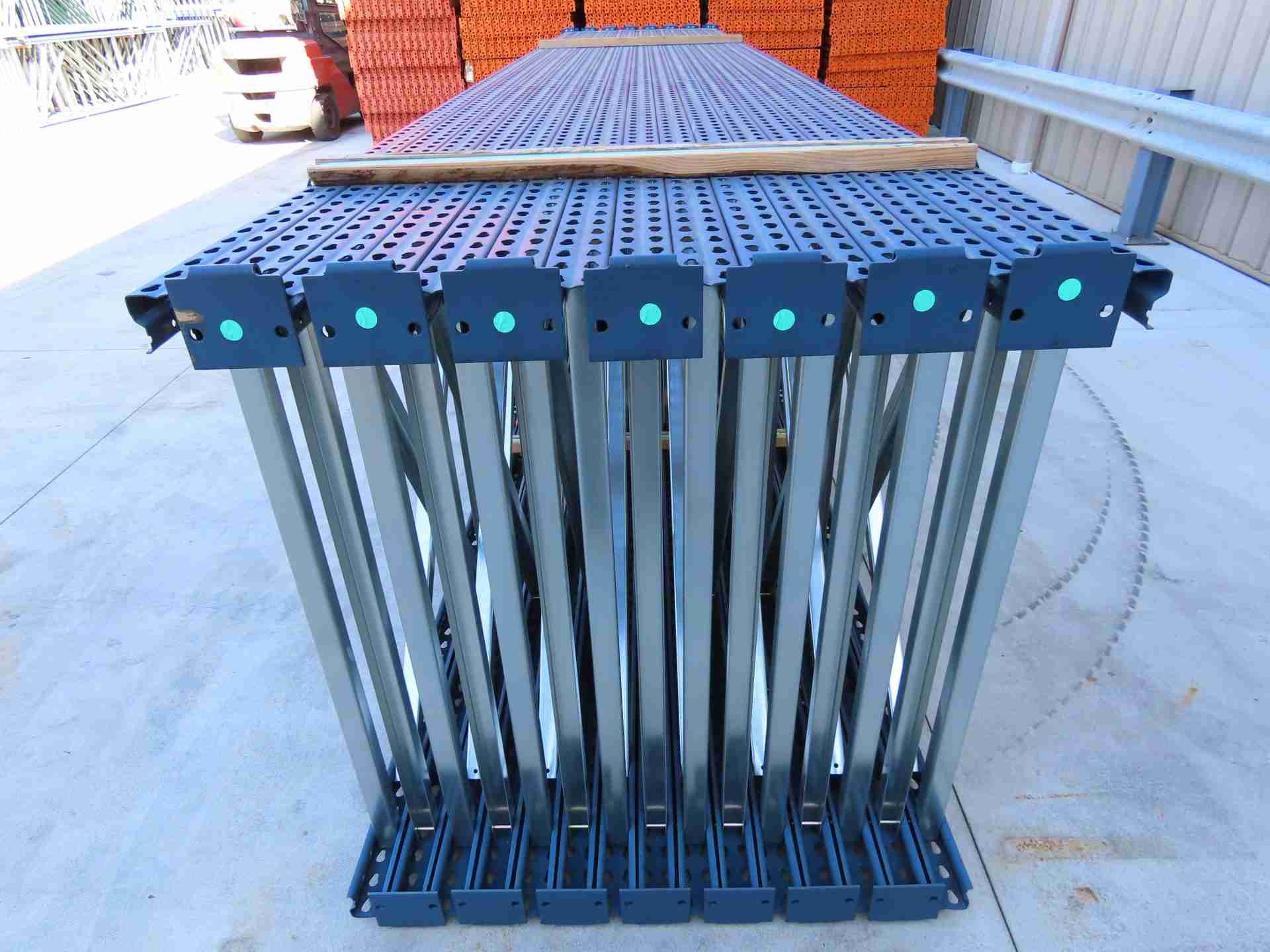
Consider your pallet racking systems. Gone are the days of merely stacking goods haphazardly on shelves. Modern pallet racking comes equipped with features that allow you to track item rotation and ensure that storage practices adhere to safety and quality standards. Smart racking solutions utilize weight sensors and RFID technology, giving you a pulse on your inventory and ensuring that every shift in stock complies with industry regulations. Are you ready to elevate your storage strategies?
Equally important are robust data analytics tools. In our data-driven world, the phrase “knowledge is power” has never been more accurate. By analyzing compliance trends and inventory turnover, these tools can identify potential pitfalls before they become costly compliance issues. By investing in these analytics technologies, you cultivate a proactive approach, empowering your team to make educated decisions that align with ever-changing regulations.
Don’t overlook the value of training and workforce management platforms. Your people are your greatest asset, and equipping them with the right training tools is crucial. An effective training platform can deliver targeted content to your staff, ensuring they are up-to-date and knowledgeable about compliance requirements. Imagine the confidence that comes with knowing your team is well-informed and competent—a surefire way to foster a culture of accountability.
Finally, automation stands at the forefront of compliance technology. Automated systems streamline your processes, from order fulfillment to quality control. By reducing manual work, you mitigate human error, which remains a significant cause of compliance breaches. Integrate automated systems into your operations, and you will see increased efficiency and, more importantly, enhanced adherence to compliance standards.
Incorporating these essential technologies isn’t just about avoiding fines or penalties; it’s about building a resilient enterprise. Your customers will notice your commitment to compliance and quality, fostering trust and loyalty that will set your brand apart. Embrace these innovations today and watch your business thrive!

Which Technologies Are Essential For Compliance With New Standards?
Which Technologies Are Essential For Compliance With New Standards?
- Staying compliant with regulatory standards offers a competitive advantage across warehousing, distribution, and manufacturing.
- Advanced inventory management systems provide real-time insights to ensure compliance with the latest standards.
- Modern pallet racking systems allow for item tracking with features such as weight sensors and RFID technology.
- Robust data analytics tools enable analysis of compliance trends and inventory turnover, allowing proactive decision-making.
- Training and workforce management platforms are crucial for keeping staff knowledgeable about compliance requirements.
- Automation reduces manual work and human error, enhancing efficiency and compliance adherence.
- Investing in these technologies builds a resilient enterprise and fosters customer trust and loyalty.
Which Technologies Are Essential For Compliance With New Standards?
How Can Data Analytics Improve Warehouse Management Strategies?
In today’s competitive landscape, warehouse management isn’t just about storage—it’s a strategic advantage. Imagine a bustling hub where goods flow seamlessly, errors are minimized, and profits soar. This is the power of data analytics transforming traditional warehouse operations into well-oiled machines.
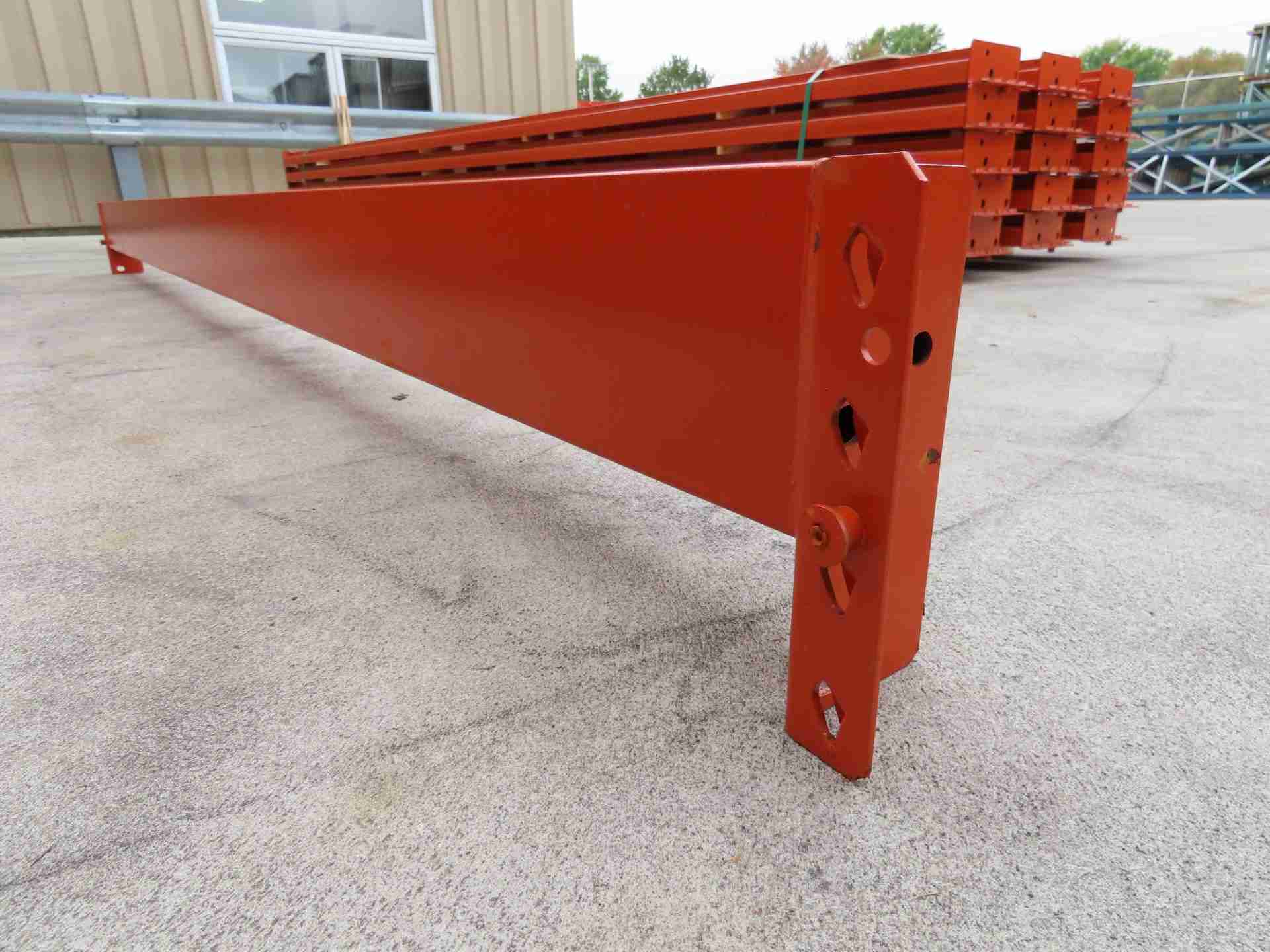
Picture your warehouse’s pallet racking systems—those towering shelves that seem so simple yet play a pivotal role in your overall efficiency. With the insights that data analytics provides, you can maximize your pallet racking space, ensuring every inch contributes to your bottom line. How? By analyzing patterns in your inventory movement, you can identify which items need proximity to the shipping area and which can be stored further away. This isn’t just an upgrade; it’s a revolution in how you think about space utilization.
But let’s make this personal. Remember the last time you had to search for a product in the warehouse? Frustrating, right? Now imagine if you could predict your busiest times and ensure you have the right products in the right places through data-driven forecasts. With analytics at your fingertips, you can minimize downtime, mitigate delays, and enhance your customer satisfaction.
The beauty of data analytics is its ability to illuminate the paths we often can’t see. By collecting data on order histories, seasonal trends, and even employee performance, you can make informed decisions that drive your warehouse efficiency. It’s like having a crystal ball that shows you not just where you are, but where you should be headed.
And don’t just take my word for it. Businesses that have embraced data analytics report not only reductions in operating costs but also significant increases in throughput. Think about what that could mean for your operations. You could streamline your processes, enabling you to handle larger volumes with the same resources, all while elevating your service and reliability to your customers.
So, are you ready to transform your warehouse into a beacon of efficiency? By integrating data analytics into your management strategies, you’re not just keeping pace; you’re setting the pace. Don’t let your competitors leave you behind. Invest in data analytics today and watch as your warehouse evolves into the backbone of your success. The choice is clear—embrace the future and let data guide your journey.

How Can Data Analytics Improve Warehouse Management Strategies?
How Can Data Analytics Improve Warehouse Management Strategies?
- Warehouse management offers a strategic advantage beyond simple storage.
- Data analytics transforms warehouse operations into efficient systems, minimizing errors and increasing profits.
- Maximizing pallet racking space is achievable through pattern analysis of inventory movement.
- Data-driven forecasts allow for predicting busy times and placing products effectively to enhance customer satisfaction.
- Collecting data on order histories and trends enables informed decisions that improve warehouse efficiency.
- Companies using data analytics see reductions in costs and increases in throughput, allowing for streamlined operations.
- Investing in data analytics sets businesses apart from competitors, transforming warehouses into key components of success.
How Can Data Analytics Improve Warehouse Management Strategies?
What Metrics Should You Track Under The New Standards?
In the fast-paced landscape of today’s logistics and warehousing, staying ahead means more than just having the latest technology or the best layout; it’s about understanding your numbers. If you’re not measuring, you’re merely guessing. Let’s cut through the confusion together and focus on the essential metrics you should track, especially when it comes to your Pallet Racking systems.
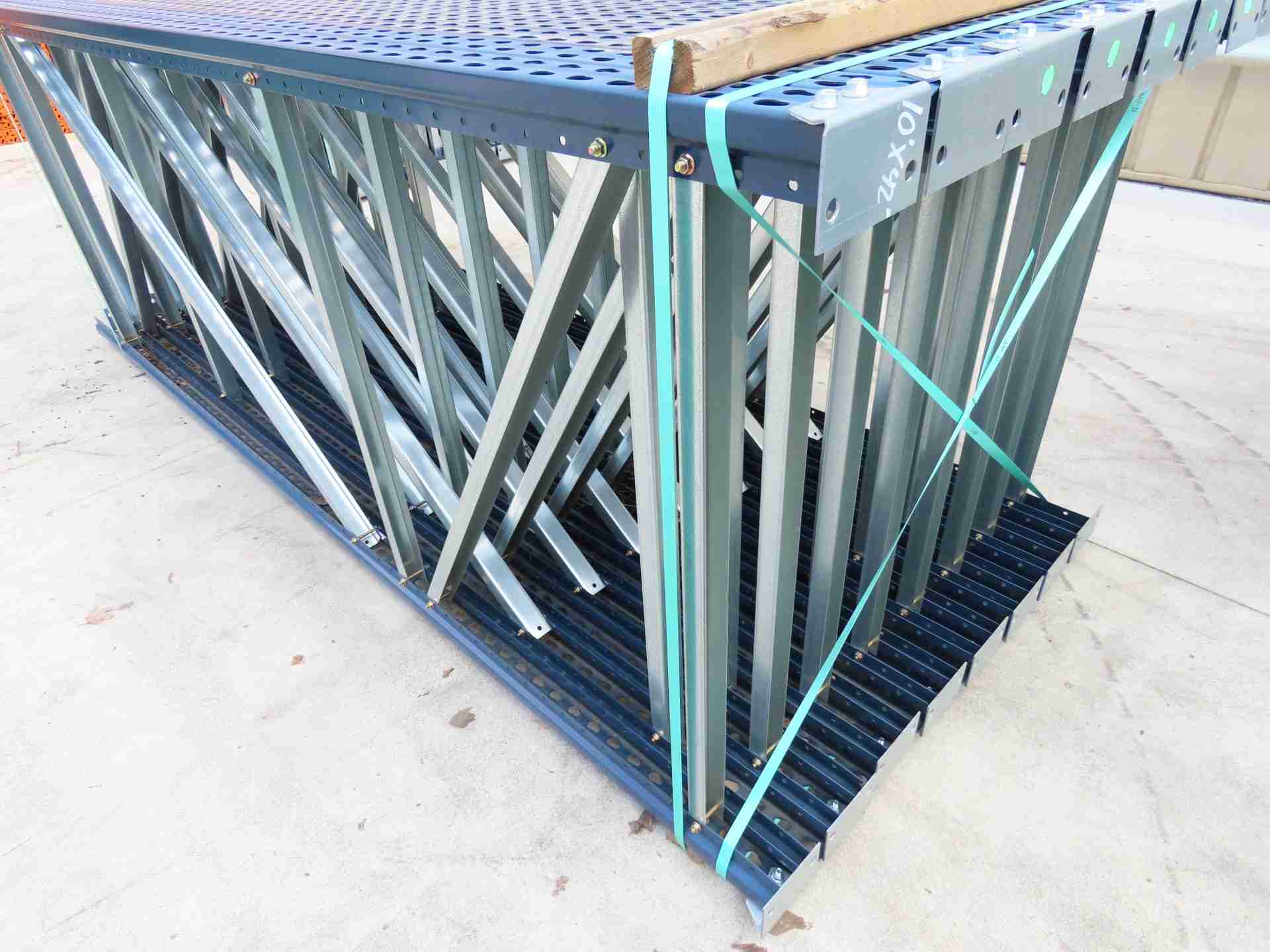
First and foremost, inventory turnover is critical. This metric reveals how often your inventory is sold and replaced over a specific period. A healthy turnover rate indicates that your Pallet Racking is optimized and that your stock is aligning with customer demand. If your numbers are lagging, it’s a sign you may need to rethink what’s taking up space in your racking systems.
Next, consider picking accuracy. It’s not just about having the right products available; it’s about fulfilling orders correctly. High picking accuracy means fewer returns and better customer satisfaction—two things that keep your business thriving. If you’re noticing a dip, check if your Pallet Racking isn’t causing confusion—having a defined and organized racking system is crucial for efficiency.
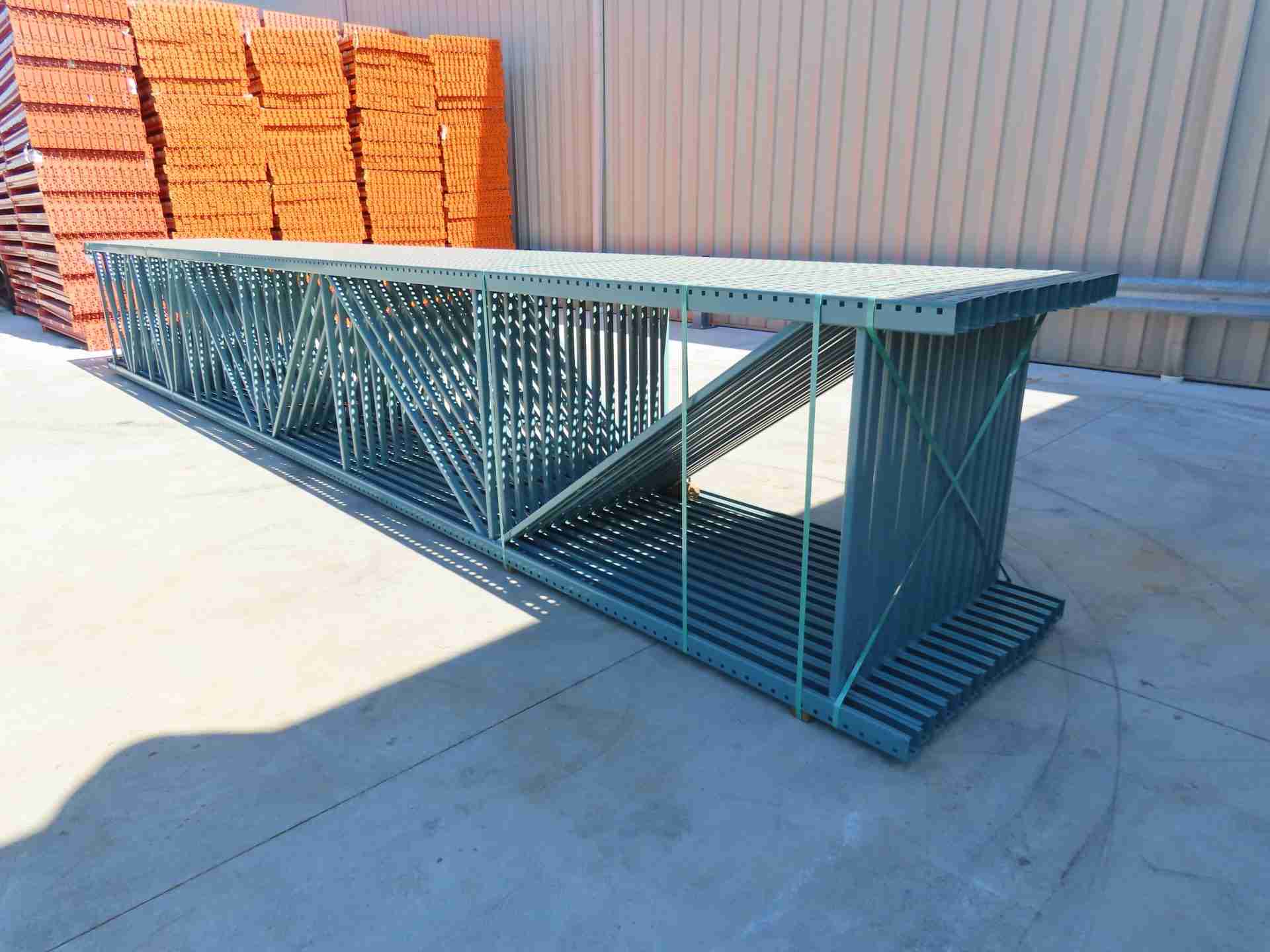
Then, examine your space utilization. How much of your warehouse are you actually using? A poorly designed Pallet Racking layout can waste precious square footage and lead to inefficiencies that cost you money. By tracking space utilization, you can identify underperforming areas and make actionable changes to enhance your operation.
Another type of data that’s crucial is labor productivity. How much time does it take employees to pick items from your Pallet Racking? Are your workers spending time searching for items that should be easy to access? Measuring labor productivity allows you to optimize staff allocation and streamline operations, leading to a more agile warehouse.
Don’t overlook safety metrics, either. A safe workspace is crucial for maintaining high morale and productivity among your team. Track incidents and close calls related to equipment and Pallet Racking to identify trends. This information is not just necessary for compliance; it’s vital for building a culture of safety and trust within your workforce.
Take a closer look at these key metrics. They tell the story of your warehouse efficiency and effectiveness. By embracing these insights, you are not just transforming your operations—you are paving the way for sustainable growth and compelling performance in the competitive logistics landscape. So, roll up your sleeves, dive into those numbers, and start making informed decisions that will elevate your business to new heights. Your future self will thank you for it!
What Metrics Should You Track Under The New Standards?
What Metrics Should You Track Under The New Standards?
- Understanding key metrics is essential to stay competitive in logistics and warehousing.
- Inventory turnover indicates how often inventory is sold and suggests stock alignment with customer demand.
- High picking accuracy reduces returns and enhances customer satisfaction, essential for business success.
- Space utilization should be regularly tracked to identify inefficiencies in Pallet Racking systems.
- Labor productivity metrics help optimize staff allocation and streamline operations in the warehouse.
- Safety metrics are critical for maintaining employee morale and compliance, creating a culture of safety.
- Analyzing these metrics leads to informed decisions, transforming operations and driving sustainable growth.
What Metrics Should You Track Under The New Standards?
How Often Should You Review Your Warehouse Management Processes?
In the world of warehouse management, stagnation is your greatest enemy. Just think about it—are you still using the same pallet racking system that you implemented five years ago? Has your inventory grown, but your processes have stayed the same? This is where the rubber meets the road. Regularly reviewing and refining your warehouse management processes isn’t just a task on your to-do list; it’s a strategic business move that can set you apart from the competition.
Just consider the benefits of routine reviews. When you actively assess your systems—environmental factors, workflow efficiency, and even the physical layout of your warehouse, including your pallet racking—you unlock enormous potential for growth and savings. What once seemed like an insurmountable challenge, like optimizing your space with smart pallet racking systems, can become your secret weapon. An organization that takes the time to evaluate its operations not only streamlines logistics but also shows its commitment to excellence. And let’s be honest; customers can sense that commitment.
So how often should you be pouring over your processes? The answer is simple: regularly. Think of it as a pit stop in a race. You wouldn’t wait until your tires are bald to check in. Likewise, quarterly reviews can be invaluable in highlighting areas for improvement. Is your product turnover as expected? Are your storage systems as space-efficient as they could be? These reviews keep you agile and responsive, allowing you to pivot when market demands shift or new technologies emerge.
But let’s make this relatable. Remember the last time you reorganized your living space? Suddenly, you discovered that elusive pair of shoes you’d thought were long lost! The same magic happens in your warehouse. A focused review can unveil inefficiencies and opportunities that you didn’t know existed. That could mean reconfiguring your pallet racking to accommodate seasonal stock, thus maximizing every square inch you have.
In short, take this as an invitation to elevate your game. Implementing a culture of continuous improvement in your warehouse management processes not only fosters efficiency and productivity but also builds a foundation of trust and reliability with your clients. After all, when you’re confident in your operations, your clients will be confident in you. So, roll up your sleeves, dust off those processes, and embark on a journey of discovery. Your warehouse—and your bottom line—will thank you for it!
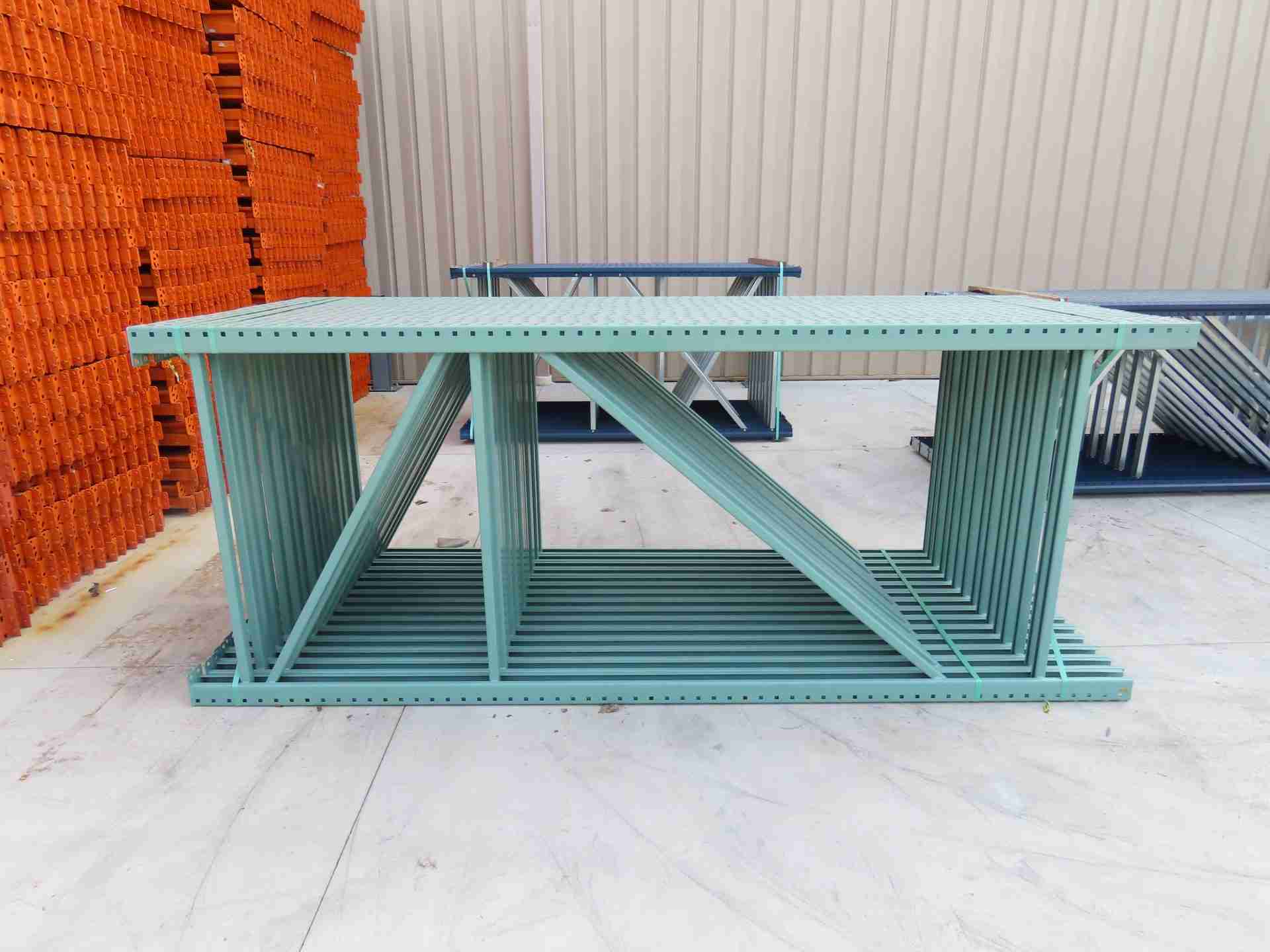
How Often Should You Review Your Warehouse Management Processes?
How Often Should You Review Your Warehouse Management Processes?
- Stagnation in warehouse management is a significant threat to business efficiency and competitiveness.
- Regular reviews of warehouse management processes are essential for strategic improvement and growth.
- Evaluating factors like workflow efficiency and warehouse layout can reveal opportunities for optimization.
- Conducting quarterly reviews is recommended to ensure space and inventory management remains effective.
- Periodic assessments can identify inefficiencies and new opportunities, similar to reorganizing a living space.
- Establishing a culture of continuous improvement enhances operational efficiency and builds client trust.
- Proactive process evaluation leads to better responsiveness to market changes and technological advancements.
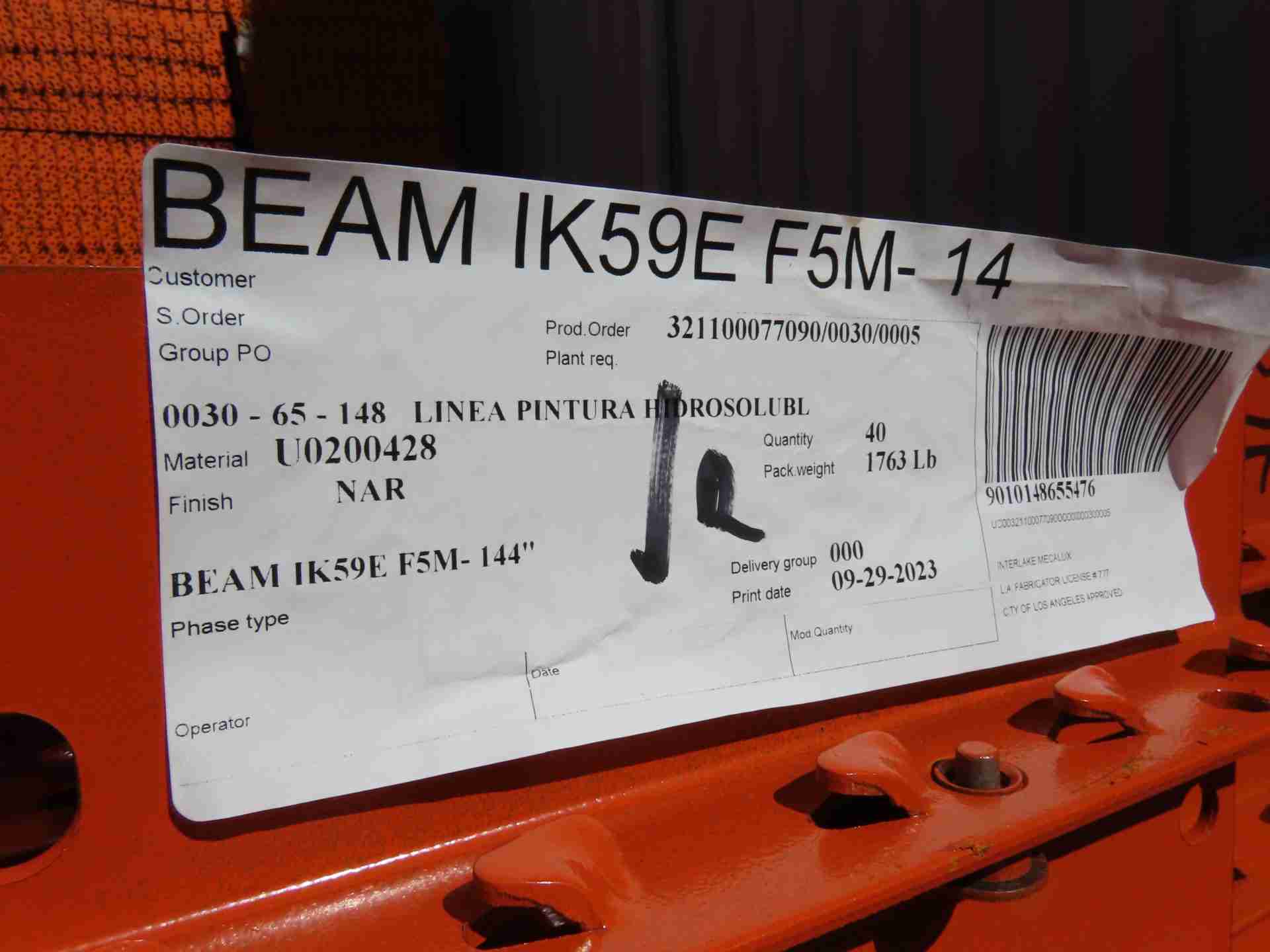
How Often Should You Review Your Warehouse Management Processes?
Conclusion
In the ever-evolving landscape of warehouse management, standing still means falling behind. The new standards in our industry are not just regulatory guidelines; they are pathways to unprecedented operational efficiency, enhanced safety, and increased customer satisfaction. As you consider the vital role that storage solutions, particularly pallet racking systems, play in your warehouse, a critical question emerges: Are you truly prepared to embrace this transformation and harness its potential for your business?
Imagine your current operations—perhaps they resemble a jigsaw puzzle that’s missing several pieces. Change might seem daunting, but the rewards are immediate and impactful. With a focus on contemporary practices, you can transform confusion into clarity, inefficiency into optimal performance. Adopting cutting-edge technologies and methodologies, from state-of-the-art pallet racking to robust data analytics, will not only streamline your workflow but also position you as a frontrunner in the industry. Your warehouse can evolve from a simple storage facility into a dynamic hub of productivity and reliability.
The time for action is now. Customers and competitors alike are setting their eyes on the future—you don’t want to be left behind. By integrating essential technologies and maintaining a culture of continuous improvement, you foster an environment of trust, safety, and consistency. The benefits extend beyond mere compliance; they enhance your brand reputation, attract new business, and nurture customer loyalty.
Are you ready to embark on this transformative journey? As you contemplate your next steps, we urge you to view this opportunity as an investment in your company’s future. Answer crucial questions about your current practices and processes and evaluate what they might reveal about your readiness to adapt. Harness the insights of your team, leverage their expertise, and empower them through effective training and tools.
At Arrow Industrial Sales, we understand the urgency and importance of these changes. Our mission is to support you in implementing effective solutions tailored to your unique needs. Don’t wait for your competitors to seize the advantage; act now! Contact us at (574) 349-6575 to explore how we can elevate your warehouse operations to meet the new standards of excellence. The future is here—embrace it with confidence!

Conclusion
Conclusion:
- Warehouse management is constantly evolving; staying stagnant means falling behind.
- New industry standards lead to improved operational efficiency, safety, and customer satisfaction.
- Pallet racking systems are essential for enhancing warehouse operations.
- Embrace change to turn inefficiency into optimal performance and confusion into clarity.
- Integrating cutting-edge technologies positions your warehouse as a leader in productivity.
- Continuous improvement fosters trust, safety, and enhances brand reputation.
- Arrow Industrial Sales offers tailored solutions to help you adapt and excel in warehouse management.
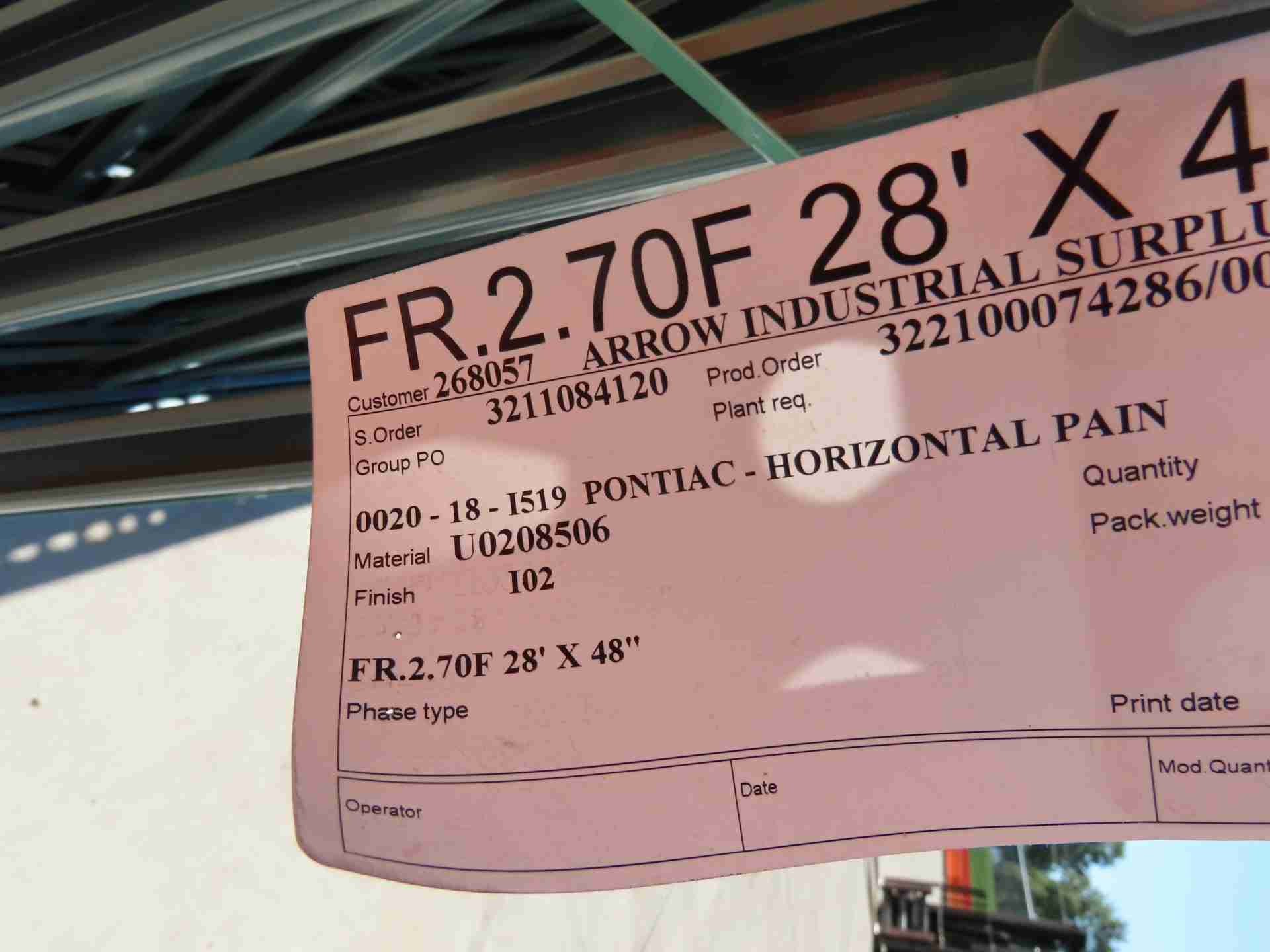
Conclusion
Other Resources

Other Resources
Here is a list of other resources you can review online to learn more:
- Material Handling Safety
- CA Wire
- Rack Manufacturers Institute
- What is Selective Pallet Racking
- What is Selective Racking: Understanding Benefits & Options
- Pallet Rack Systems – New and Used Pallet Racking and Shelving Experts
- Selective Rack – Raymond West
- Pallet Racking systems in Illinois and Great Lakes
- Warehousing and Fulfillment
- ASSP
Use This Prompt To Get More Resources With Your Favorite Online AI Tool: Please provide me with a list of online articles with their URLs in a bulleted list that I can read regarding Are You Prepared for The New Standards In Warehouse Management?
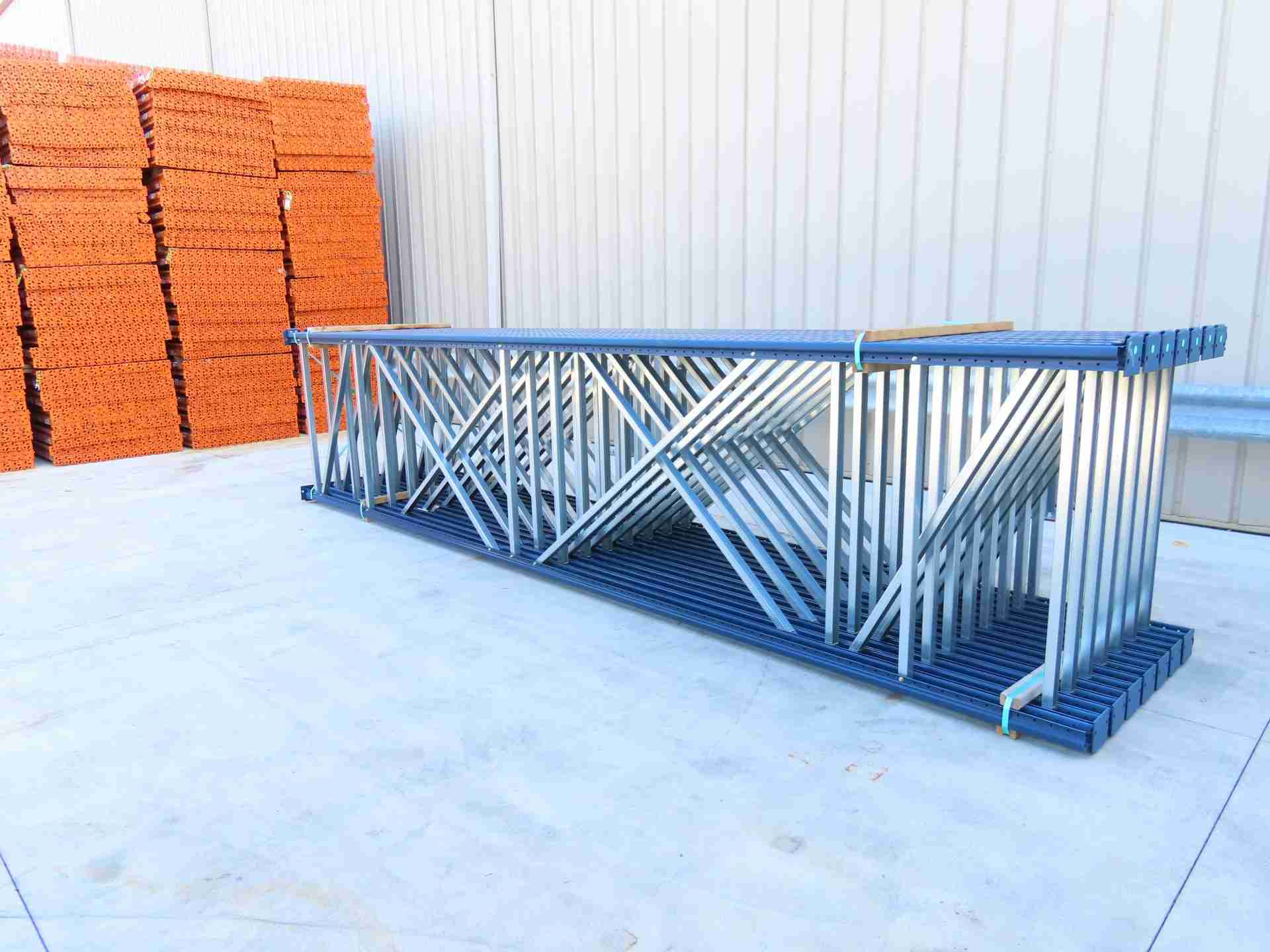
Other Resources
Glossary Terms
Are You Prepared for The New Standards In Warehouse Management? – Glossary Of Terms
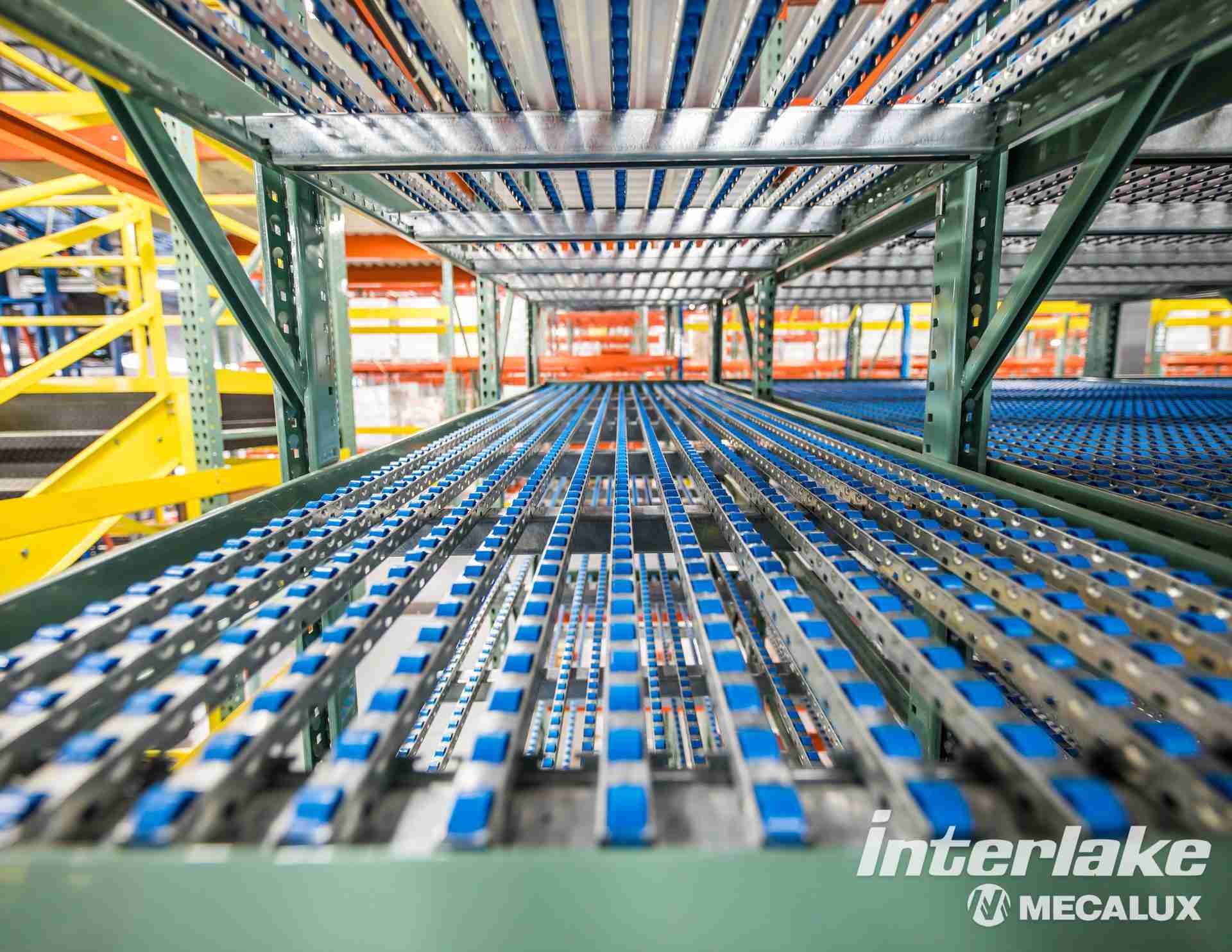
1. Automation: The use of technology to perform tasks with minimal human intervention, aimed at increasing efficiency in warehouse operations.
2. Barcode System: A method of tracking inventory using barcodes, which can be scanned to monitor stock levels and facilitate order processing.
3. Best Practices: Established techniques, methods, or processes that have consistently shown superior results and are recommended for warehouse management.
4. Cross-Docking: A logistics process where incoming goods are directly transferred to outgoing transportation with minimal storage time, enhancing efficiency.
5. Data Analytics: The computational analysis of data sets to identify trends, patterns, and actionable insights to optimize warehouse operations.
6. Demand Forecasting: The practice of predicting future demand for products to ensure stock levels meet customer needs without excess inventory.
7. ERP (Enterprise Resource Planning): Integrated software solutions that manage core business processes, including inventory, order management, and supply chain operations.
8. Fulfillment Center: A facility specifically designed for processing and shipping orders to customers, often utilized by e-commerce businesses.
9. Inventory Management: The supervision of non-capitalized assets, including raw materials and finished goods, to ensure optimal stock levels and availability.
10. Just-In-Time (JIT): An inventory strategy that aligns raw-material orders with production schedules to minimize stock levels and waste.
11. KPIs (Key Performance Indicators): Measurable values that demonstrate how effectively a company is achieving key business objectives, essential in warehouse management.
12. Last-Mile Delivery: The final step of the delivery process where goods are transported from a distribution center to the end customer, often the most challenging segment.
13. Lean Warehousing: A methodology focused on reducing waste, improving processes, and maximizing value within warehouse operations.
14. Logistics: The detailed coordination of complex operations involving people, facilities, and supplies to move goods efficiently.
15. Order Picking: The process of selecting and collecting items from inventory to fulfill customer orders, critical for meeting delivery timelines.
16. Pick-to-Light: A picking system that uses light signals to direct workers to the specific location of items in the warehouse, improving accuracy and speed.
17. RFID (Radio Frequency Identification): A technology that uses electromagnetic fields to identify and track tags attached to objects, enhancing inventory visibility.
18. Safety Stock: Extra inventory kept on hand to prevent stockouts caused by uncertainties in supply and demand.
19. Supply Chain Management: The oversight of the flow of goods and services from suppliers to customers, integrating logistics, inventory, and procurement.
20. Sustainability: Practices aimed at minimizing environmental impact within warehouse operations, including energy efficiency and waste reduction.
21. Third-Party Logistics (3PL): Outsourcing logistics and warehousing functions to a specialized provider to streamline operations and reduce costs.
22. Warehouse Management System (WMS): Software designed to support warehouse operations, managing inventory, order fulfillment, and the movement of goods.
23. Workforce Management: The process of optimizing employee productivity and efficiency through scheduling, training, and performance monitoring in warehouses.
24. Cycle Counting: An inventory auditing procedure that involves counting a portion of the inventory in a warehouse at regular intervals.
25. Receiving: The process of accepting and inspecting incoming shipments to ensure they match purchase orders and are in good condition.
26. Stock Keeping Unit (SKU): A unique identifier for each distinct product and service that can be purchased, used in inventory management.
27. Distribution Center: A specialized warehouse for storing and distributing goods, focusing on the efficient movement of products to customers.
28. Telematics: The integration of telecommunications and monitoring systems to track the location and performance of warehouse equipment and vehicles.
29. Ergonomics: The study of designing equipment and workplace settings to fit the worker’s needs, aimed at improving safety and efficiency.
30. Value Stream Mapping: A lean-management method to analyze the flow of materials and information currently required to bring a product or service to a consumer.
Glossary Of Terms
Other Questions
Are You Prepared for The New Standards In Warehouse Management? – Other Questions
If you wish to explore and discover more, consider looking for answers to these questions:
- What are the key challenges in adapting to new warehouse management standards?
- How can I assess my current warehouse management practices?
- What specific benefits do modern pallet racking systems provide?
- How can I effectively communicate the need for changes to my team?
- What is the cost associated with upgrading warehouse management systems?
- Which industries are leading the way in warehouse management innovation?
- How do I create a culture of continuous improvement in my warehouse?
- What role does customer feedback play in driving changes in warehouse management?
- How can I measure the ROI of new warehouse technologies?
- What are best practices for training staff on new warehouse technologies?
- How can I involve my staff in the change management process?
- What are some real-world examples of successful warehouse management transformations?
- How can I stay updated on the latest trends and standards in warehouse management?
- What regulatory requirements should I be aware of in warehouse management?
- What technologies should I prioritize for maximizing compliance?

Other Questions
Checklist
Are You Prepared for The New Standards In Warehouse Management? – A Checklist
1. Evaluate Your Current Warehouse Setup
✅ _____ Review your existing pallet racking system for efficiency and safety.
✅ _____ Identify areas of outdated practices that require change.
2. Embrace Innovation
✅ _____ Research and explore new technologies in warehouse management (e. g. , automated picking systems).
✅ _____ Identify cutting-edge pallet racking solutions that maximize storage and accessibility.
3. Assess Employee Readiness
✅ _____ Conduct a training needs assessment for warehouse staff.
✅ _____ Plan comprehensive training on new pallet racking systems and safe handling procedures.
✅ _____ Include technology training for inventory management and tracking software.
4. Implement a Feedback Loop
✅ _____ Create a system for gathering employee feedback on operations and processes.
✅ _____ Involve employees in discussions on potential improvements.
5. Integrate Data Analytics
✅ _____ Set up a data analytics system to monitor inventory movement and warehouse performance.
✅ _____ Define key performance indicators (KPIs) such as inventory turnover, picking accuracy, and space utilization.
6. Monitor Compliance Technologies
✅ _____ Invest in advanced inventory management systems to ensure compliance with industry regulations.
✅ _____ Employ data analytics tools to track compliance metrics and trends.
7. Review Essential Metrics Regularly
✅ _____ Track and analyze metrics such as:
✅ _____ Inventory turnover rates
✅ _____ Picking accuracy
✅ _____ Space utilization
✅ _____ Labor productivity
✅ _____ Safety incidents
✅ _____ Set targets for improvement based on collected data.
8. Establish a Review Schedule
✅ _____ Create a timeline for regular reviews of warehouse management processes (recommended quarterly).
✅ _____ Document findings and action plans from each review.
9. Maintain Continuous Training
✅ _____ Implement ongoing training sessions to update staff on new processes and technologies.
✅ _____ Regularly assess training effectiveness and employee performance.
10. Foster a Culture of Improvement
✅ _____ Encourage a mindset of innovation and adaptability.
✅ _____ Share successes from implemented changes to motivate the team and build confidence.
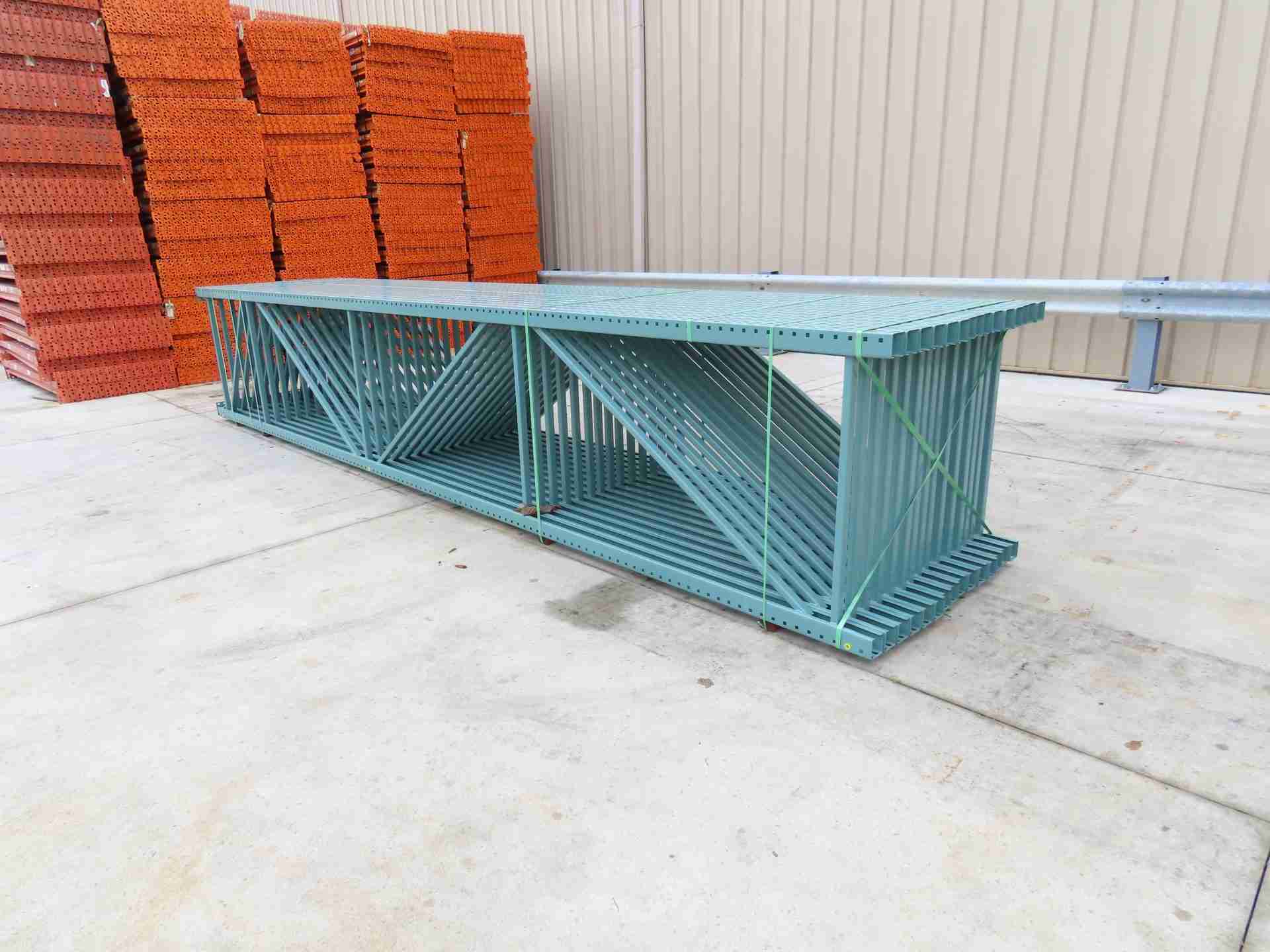
By completing this checklist, you can prepare your warehouse to meet new standards, enhance operational efficiency, and position your business as a leader in the industry. Embrace the change and invest in your future success!
Checklist
At RackingWorld, we help guide you through selecting warehouse storage systems and racking.
Be sure to read our other related stories at RackingWorld to learn more about warehouse storage systems.
0 Comments