
Maximizing Efficiency And Profit In Your Warehouse
By Tom Seest
At RackingWorld, we help guide you through selecting warehouse storage systems and racking.
The efficiency of your warehouse—and by extension, your business—cannot afford to be a mere afterthought. Procrastination only heightens risk. Call Arrow Industrial Sales today at (574) 349-6575. Our experts are ready to collaborate with you to evaluate your current setup, discuss optimal solutions, and create a tailored plan that safeguards your assets and enhances your operational efficiency.
Be sure to read our other related stories at RackingWorld to learn more about warehouse storage systems.
Are You Facing The Heartache Of an Unoptimized Warehouse Operation?
Imagine this: A bustling warehouse filled with promise and potential, yet each day you fight a losing battle against inefficiency. Are you grappling with the heartache of an unoptimized warehouse operation? If so, you’re not alone. Countless warehouse managers, just like you, wake up each day determined to enhance operations but find themselves in a constant cycle of chaos and frustration.
Inefficient storage solutions, confusing layouts, and inadequate inventory management can transform your warehouse from a hub of productivity into a maze of headaches. Perhaps your pallet racking systems are stretched thin, causing confusion as employees hunt for products, wasting precious time and diminishing morale. Every moment of delay translates to lost revenue, unhappy customers, and the nagging worry of falling behind competitors who seem to have it all figured out.
But what if I told you that the gap between where you are and where you want your warehouse operations to be isn’t as wide as it appears? With the right strategies and tools, you can transform your warehouse into a streamlined powerhouse.
Think about it: optimizing pallet racking can drastically reduce the time it takes to locate inventory, improve order fulfillment speed, and create a work environment that fosters productivity. When products are stored intelligently, you don’t just maximize physical space—you enhance the emotional landscape of your team. A well-organized warehouse boosts morale and empowers employees to take pride in their work.
Don’t let the burden of inefficiency stifle your growth any longer. Start envisioning a future where your operations flow seamlessly, where every pallet racking system not only serves its purpose but elevates your entire business model. The heartache of disorganization can be replaced with the satisfaction of a well-oiled operation.
Now, it’s time to take action. Analyze your current processes, pinpoint areas for improvement, and don’t hesitate to reach out for expert guidance. A fresh perspective could be all you need to unlock the hidden potential in your warehouse. Remember, the transformation is possible, but it starts with one decision—the decision to optimize. Embrace the change, inspire confidence in your operations, and watch as your warehouse becomes the envy of your industry. This is not just a dream; it can be your reality. Take that first step and seize the opportunity to redefine your warehouse’s performance today!
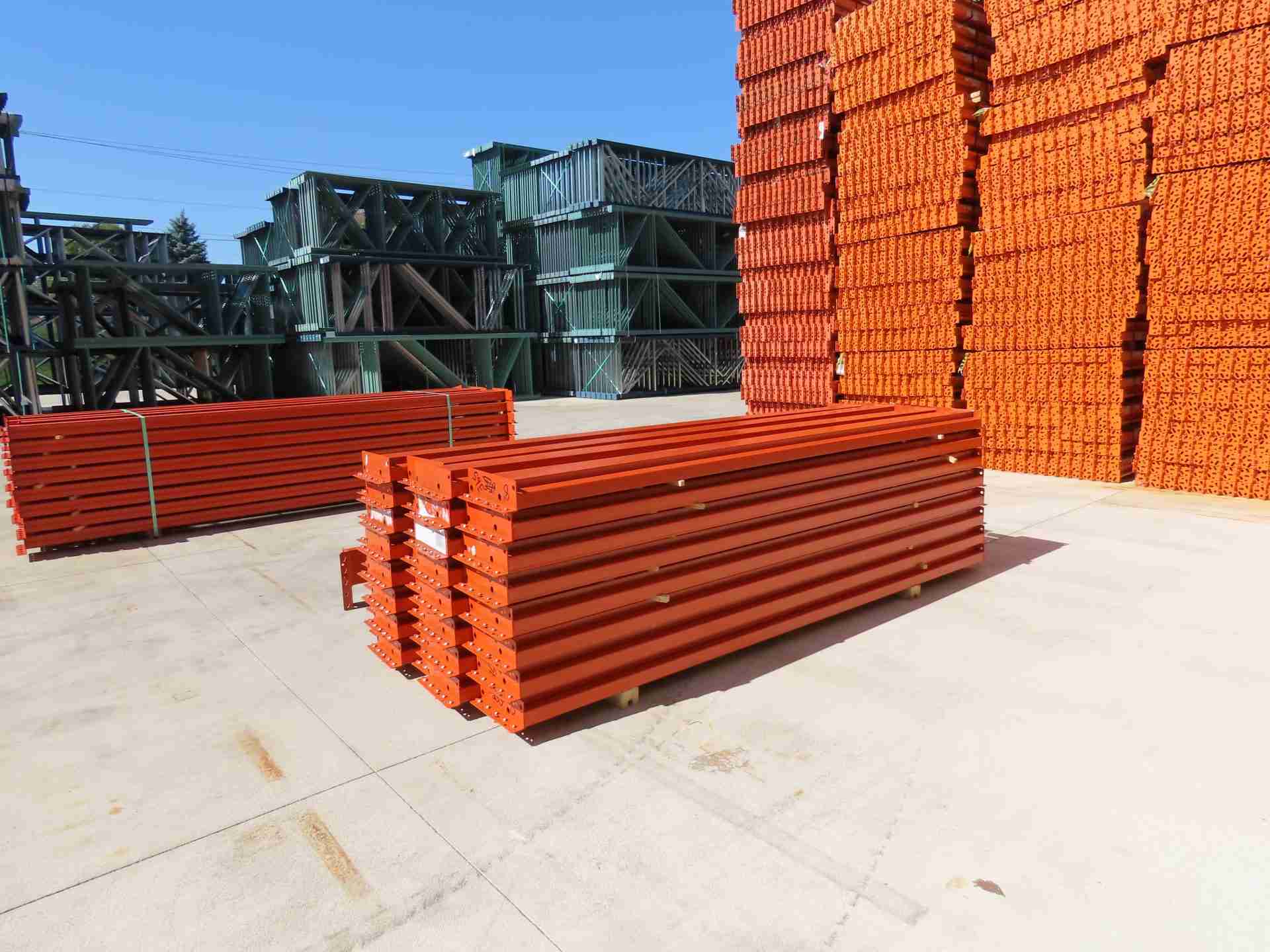
Are You Facing The Heartache Of an Unoptimized Warehouse Operation?
Are You Facing The Heartache Of an Unoptimized Warehouse Operation?
- Many warehouse managers face challenges with inefficiency in their operations.
- Poor storage solutions and layouts lead to confusion and wasted time for employees.
- Delays in operations result in lost revenue and dissatisfied customers.
- Optimizing pallet racking systems can significantly enhance productivity and order fulfillment speed.
- A well-organized warehouse improves employee morale and fosters a positive work environment.
- Analyzing current processes and seeking expert guidance can unlock hidden potential in warehouse operations.
- Taking the initiative to optimize can transform your warehouse into a highly efficient and competitive asset.
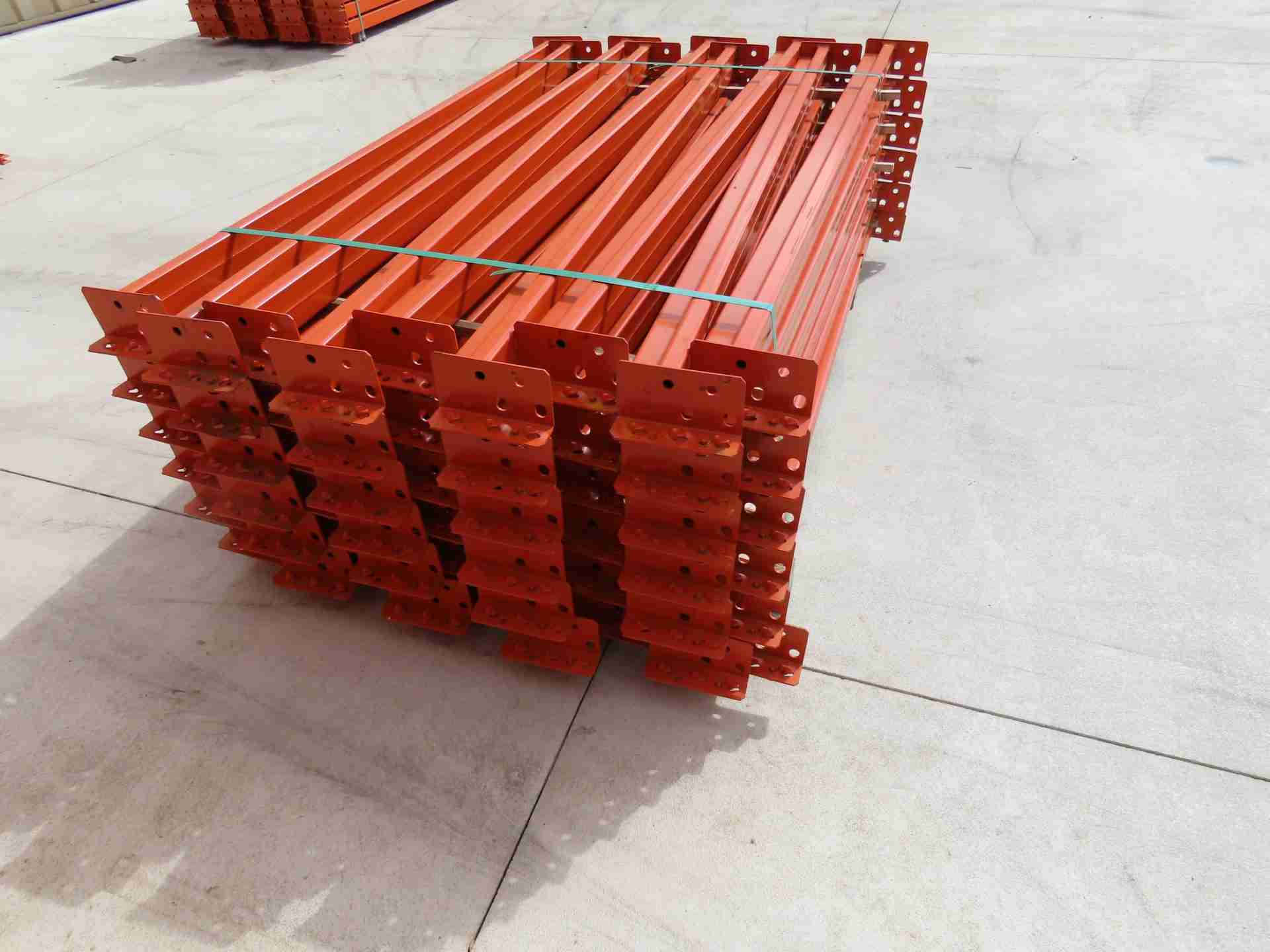
Are You Facing The Heartache Of an Unoptimized Warehouse Operation?
Table Of Contents
- Are You Facing The Heartache Of an Unoptimized Warehouse Operation?
- What Signs Indicate An Unoptimized Warehouse Operation?
- How Can Poor Layout Affect Warehouse Efficiency?
- What Metrics Should You Track For Warehouse Performance?
- How Does Inventory Accuracy Impact Warehouse Operations?
- What Role Does Technology Play In Optimizing Warehouses?
- How Can Employee Training Improve Warehouse Productivity?
- Conclusion
- Other Resources
- Glossary Of Terms
- Other Questions
- Checklist
What Signs Indicate An Unoptimized Warehouse Operation?
Every successful business owner knows that an efficient warehouse operation is the backbone of smooth logistics and customer satisfaction. But how do you know when your warehouse is running at peak performance—or when the wheels are starting to wobble? Here are a few unmistakable signs that your warehouse might need some fine-tuning.
1. Disorganization Reigns Supreme
Picture this: your team is scrambling to find items, and forklift traffic resembles rush hour in a big city. Cluttered aisles, misplaced products, and overwhelming chaos result in lost time and frustrated employees. A well-organized layout, including properly configured pallet racking, can streamline your operations. If your warehouse looks like a tornado hit it, it’s time to take a closer look.
2. Inventory Inaccuracies
Ever had a truck show up only to discover you don’t have the right items in stock? This not only affects your supply chain but can lead to damaged customer relationships. If you find your inventory software frequently reporting discrepancies, your physical layout—including your pallet racking—might not be optimal for your needs. Implementing a systematic approach to inventory management can enhance accuracy and reliability.
3. Slow Turnaround Times
When your warehouse operation feels slow and sluggish, it’s a clear indicator something’s amiss. Are orders taking longer than usual to fulfill? Are items not being processed efficiently? If your team is spending more time searching for products than shipping them out, it’s time to assess your racking systems and overall workflow. Streamlined processes and smartly designed pallet racking can significantly reduce turnaround times.
4. High Labor Costs
Labor should never feel like a weight dragging your business down. If your payroll costs are creeping upward without a corresponding increase in productivity, it may be a sign that your warehouse setup isn’t conducive to efficient operations. Unoptimized layouts and inadequate pallet racking can lead to unnecessary strain on your workforce, pushing your labor costs higher.
Remember, your warehouse isn’t just a place full of boxes—it’s the key to your operational success. By recognizing these signs of unoptimized performance, you can take proactive steps to enhance efficiency, boost morale, and ultimately improve your bottom line. Investing time into optimizing your warehouse operation isn’t just a good practice; it’s a smart move for any business looking to thrive. Don’t wait for the problems to snowball; take action today for smoother operations and happier customers!
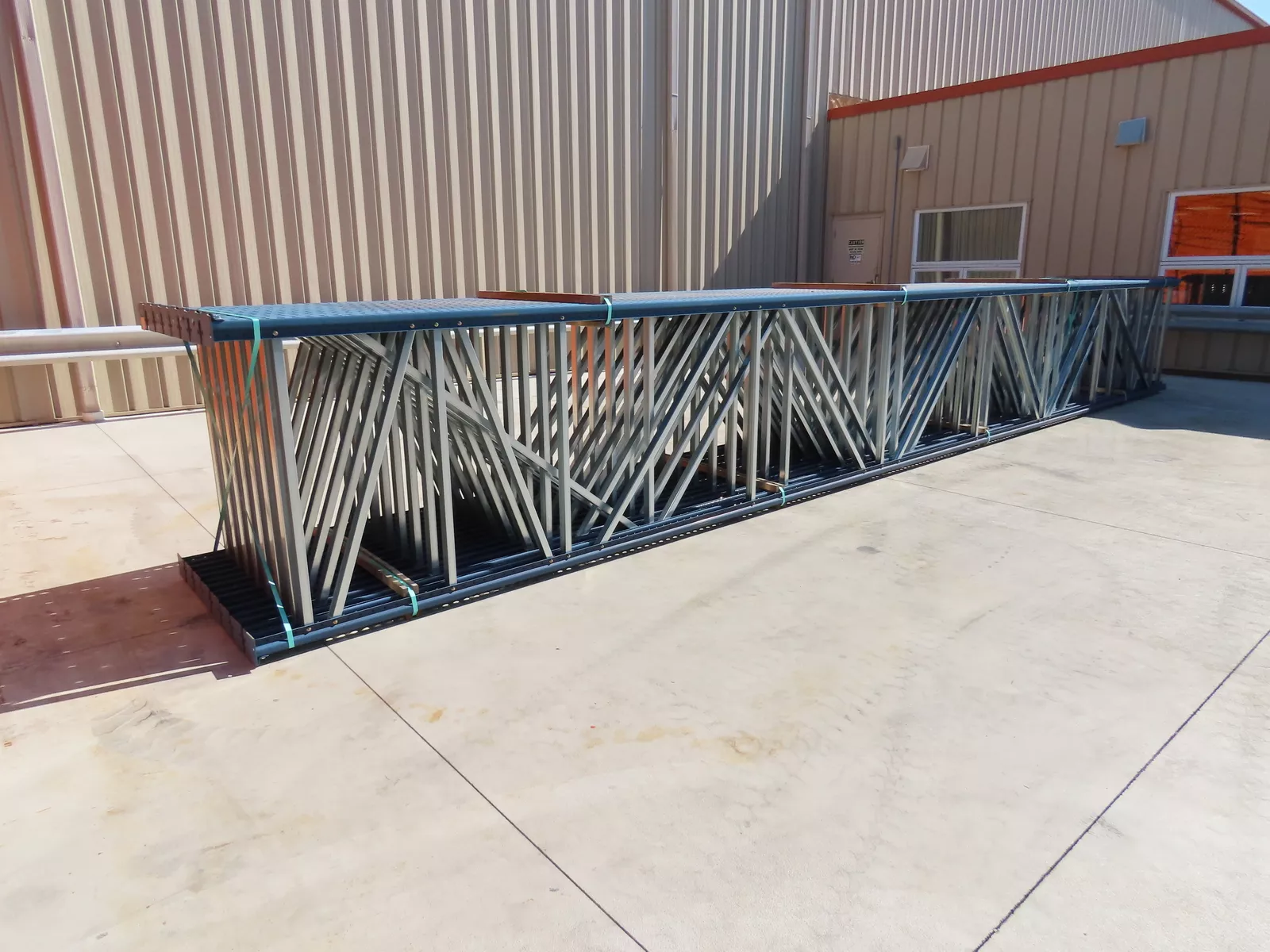
What Signs Indicate An Unoptimized Warehouse Operation?
What Signs Indicate An Unoptimized Warehouse Operation?
- Efficient warehouse operations are crucial for logistics and customer satisfaction.
- Signs of warehouse inefficiency include disorganization, leading to lost time and frustrated employees.
- Inventory inaccuracies can harm supply chains and customer relationships; systematic inventory management is essential.
- Slow turnaround times indicate inefficiencies in order fulfillment processes.
- High labor costs without increased productivity suggest an unoptimized warehouse layout.
- Recognizing signs of poor performance can lead to proactive improvements in efficiency and worker morale.
- Optimizing warehouse operations is a smart investment for business success and customer satisfaction.
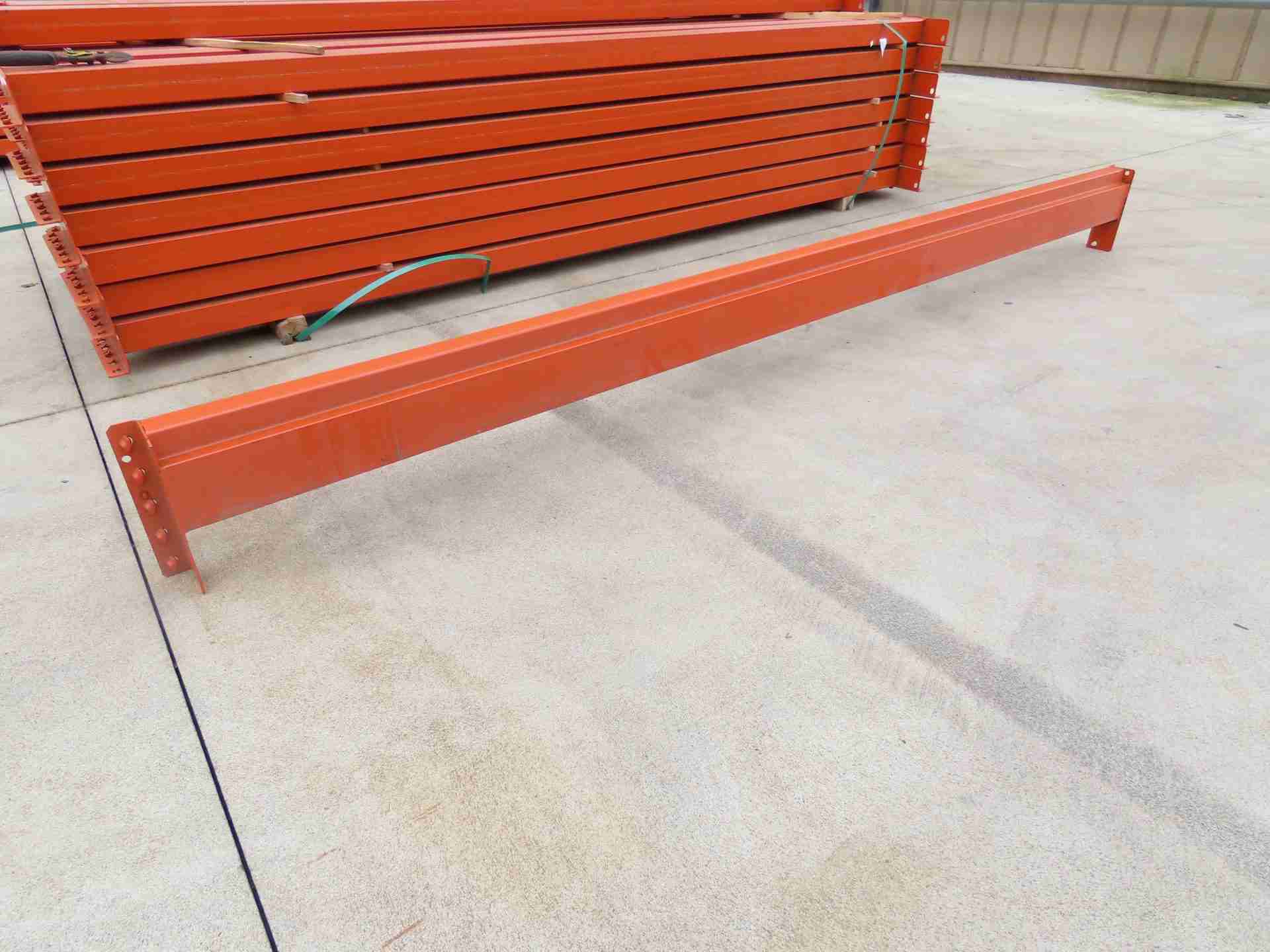
What Signs Indicate An Unoptimized Warehouse Operation?
How Can Poor Layout Affect Warehouse Efficiency?
Picture this: a busy warehouse brimming with products, yet chaos reigns supreme. Products are piled high, workers are navigating through narrow aisles, and crucial items seem to disappear into a black hole of disorganization. Sound familiar? Ineffective warehouse layout can stymie productivity and lead to escalating costs, all while sending your workforce into a downward spiral of frustration.
Let’s dive deeper into the significance of your warehouse layout. Consider the backbone of your storage solution: pallet racking. A well-designed pallet racking system is essential for not just maximizing space but also enhancing workflow efficiency. When shelves are strategically placed, it allows for faster picking, simplifies inventory management, and reduces the risk of accidents. Conversely, poor layout decisions can cramp your operations, making it nearly impossible to find items, leading to wasted time and dissatisfied customers.
Think about the impact of wasted movements. When your warehouse is in disarray, employees waste precious minutes searching for products. Those minutes add up. When every second counts in today’s fast-paced marketplace, inefficiencies can translate to missed deadlines and unhappy customers—definitely not the impression you want to make.
Moreover, consider accessibility. A layout that prioritizes ease of access enhances employee morale and safety. An employee who can effortlessly navigate a well-structured space feels valued and empowered. If they’re faced with back-breaking bends and frustrating detours just to retrieve a product, that enthusiasm dwindles. This can lead to higher turnover rates and inflated recruitment costs—unforeseen expenses that can cripple even the most sound businesses.
Let’s not forget the critical aspect of scalability. A poor layout can impede growth. What happens when you need to expand your inventory or accommodate new product lines? If your current setup can’t adapt, you risk being stuck in a bottleneck that can deter potential opportunities.
It’s time to rethink your approach. Investing in a well-planned warehouse layout is not merely an operational consideration; it’s a strategic necessity. By prioritizing an efficient arrangement that facilitates smooth workflow and maximizes the effectiveness of your pallet racking system, you will not only enhance productivity but also galvanize your team towards greater success. Make the change today—because in the world of warehousing, efficiency isn’t just a goal; it’s your golden ticket to thriving in a competitive landscape.
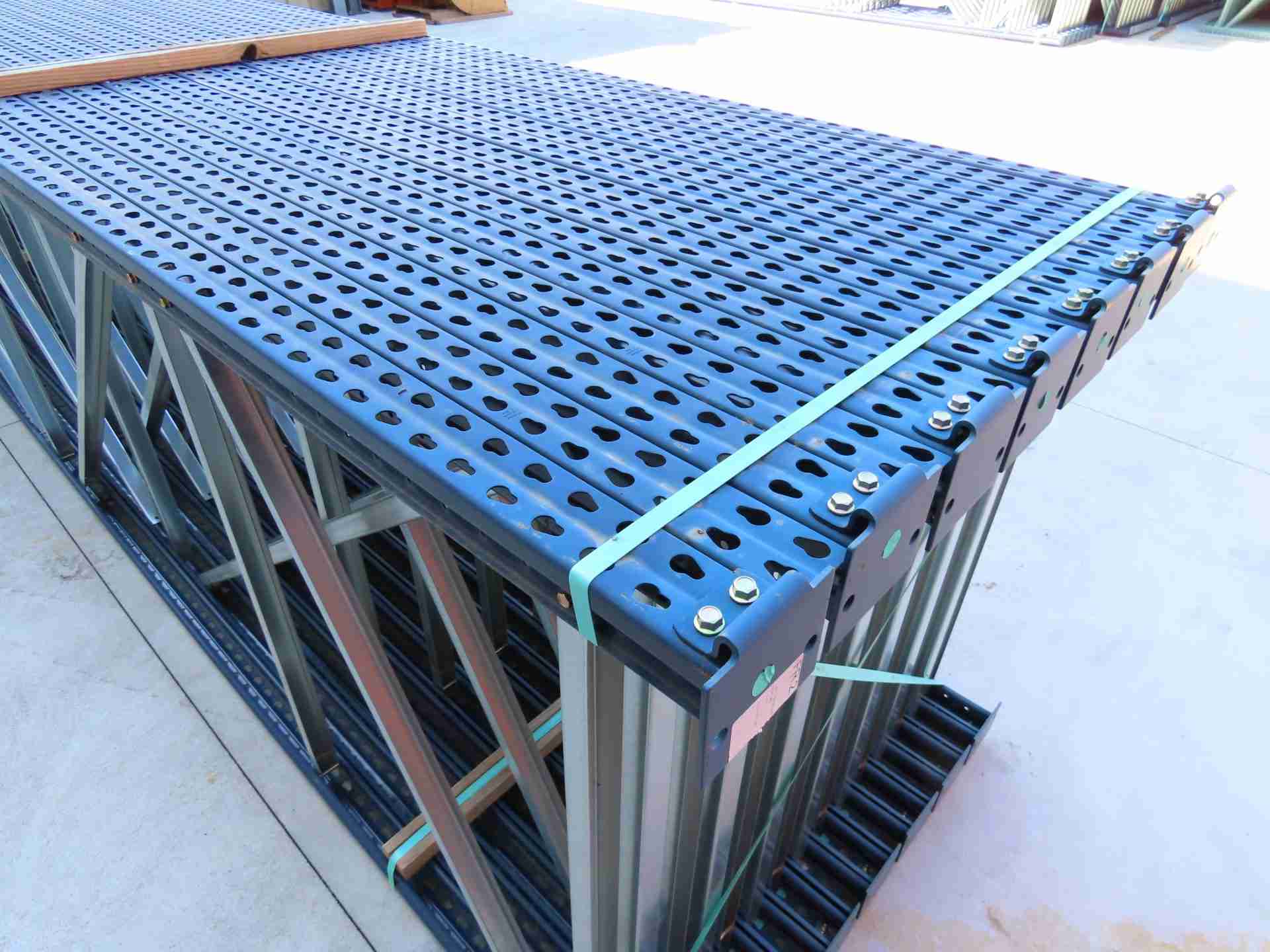
How Can Poor Layout Affect Warehouse Efficiency?
How Can Poor Layout Affect Warehouse Efficiency?
- Chaos in a warehouse can hinder productivity and increase costs due to disorganization.
- A well-designed pallet racking system is crucial for maximizing space and enhancing workflow efficiency.
- Poor layout decisions can lead to wasted time and dissatisfaction among customers.
- Wasted movements in an unorganized warehouse can result in missed deadlines and unhappy clients.
- Accessibility in layout improves employee morale and safety, while complex navigation can lead to high turnover rates.
- A suboptimal layout can hinder scalability and growth, making it difficult to adapt to new inventory needs.
- Investing in an efficient warehouse layout is essential for operational success and competitive advantage.
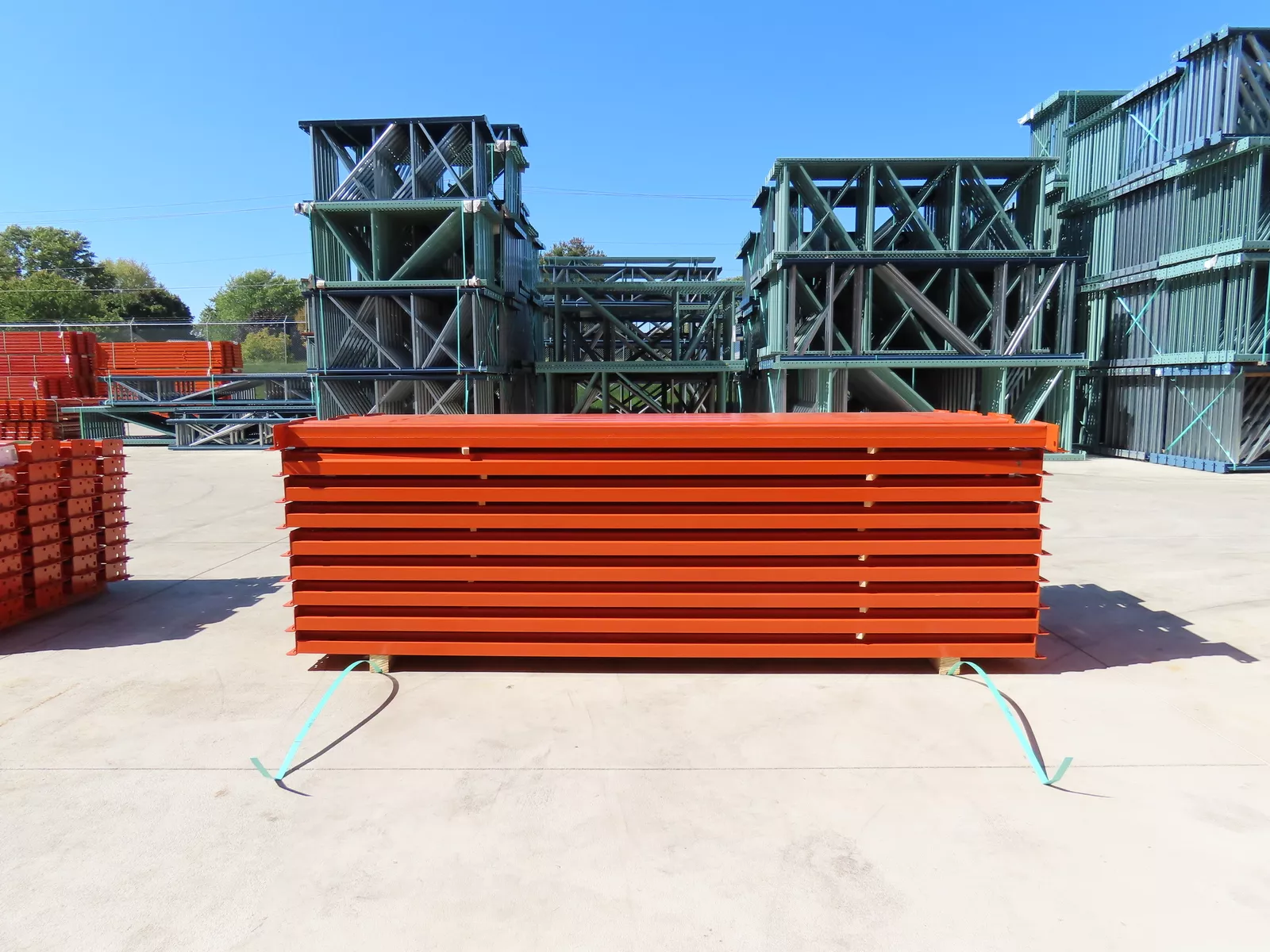
How Can Poor Layout Affect Warehouse Efficiency?
What Metrics Should You Track For Warehouse Performance?
In the fast-paced world of logistics, the success of your warehouse relies on more than just keeping stock. It hinges on understanding the numbers behind your operations. By monitoring the right metrics, not only can you enhance your efficiency, but you also unlock the potential for exponential growth. Let’s dive into some essential metrics that every warehouse manager should keep a keen eye on.
1. Inventory Turnover Rate
The heartbeat of your warehouse is your inventory. By calculating how often your stock rotates, you can gain significant insight into purchasing patterns and sales effectiveness. A high turnover indicates efficient sales and effective inventory management; a low turnover can signal overstock or inefficiencies. Aim for that sweet spot!
2. Pick and Pack Accuracy
Nothing garners customer loyalty quite like flawless order fulfillment. By tracking your pick and pack accuracy, you’ll ensure that every product shipped out meets expectations. A single error can lead to returns and dissatisfied customers, which ultimately hurts your bottom line. Dive into the data and streamline this process—your reputation depends on it!
3. Order Cycle Time
Time is money. Measuring the order cycle time—the duration from when an order is placed to when it is shipped—can highlight delays in your operational workflow. By identifying bottlenecks, you can make the necessary adjustments, ensuring faster delivery to your customers and a competitive edge in your market.
4. Space Utilization
How effectively are you using your warehouse space? Metrics such as the efficiency of your pallet racking system will help you maximize storage capabilities while minimizing costs. Keep an eye on vertical space and layout to optimize your warehouse for better flow and accessibility.
5. Labor Productivity
Your workforce is your greatest asset. Assessing labor productivity metrics will allow you to track output against hours worked. Understanding this ratio can minimize labor costs while ensuring your team operates at peak performance. If your numbers are falling short, it may be time for additional training or motivational incentives.
6. Carrying Costs of Inventory
Do you know what it truly costs to hold your inventory? Understanding carrying costs—including storage and insurance—arms you with the insight needed to make informed purchasing decisions. Reducing these costs can significantly improve your profitability.
Tracking these metrics isn’t just about numbers; it’s about nurturing a thriving, efficient operation. The data you gather will guide your decisions, aligning your warehouse performance with your broader business objectives. Take action today, and turn those numbers into your strongest ally!
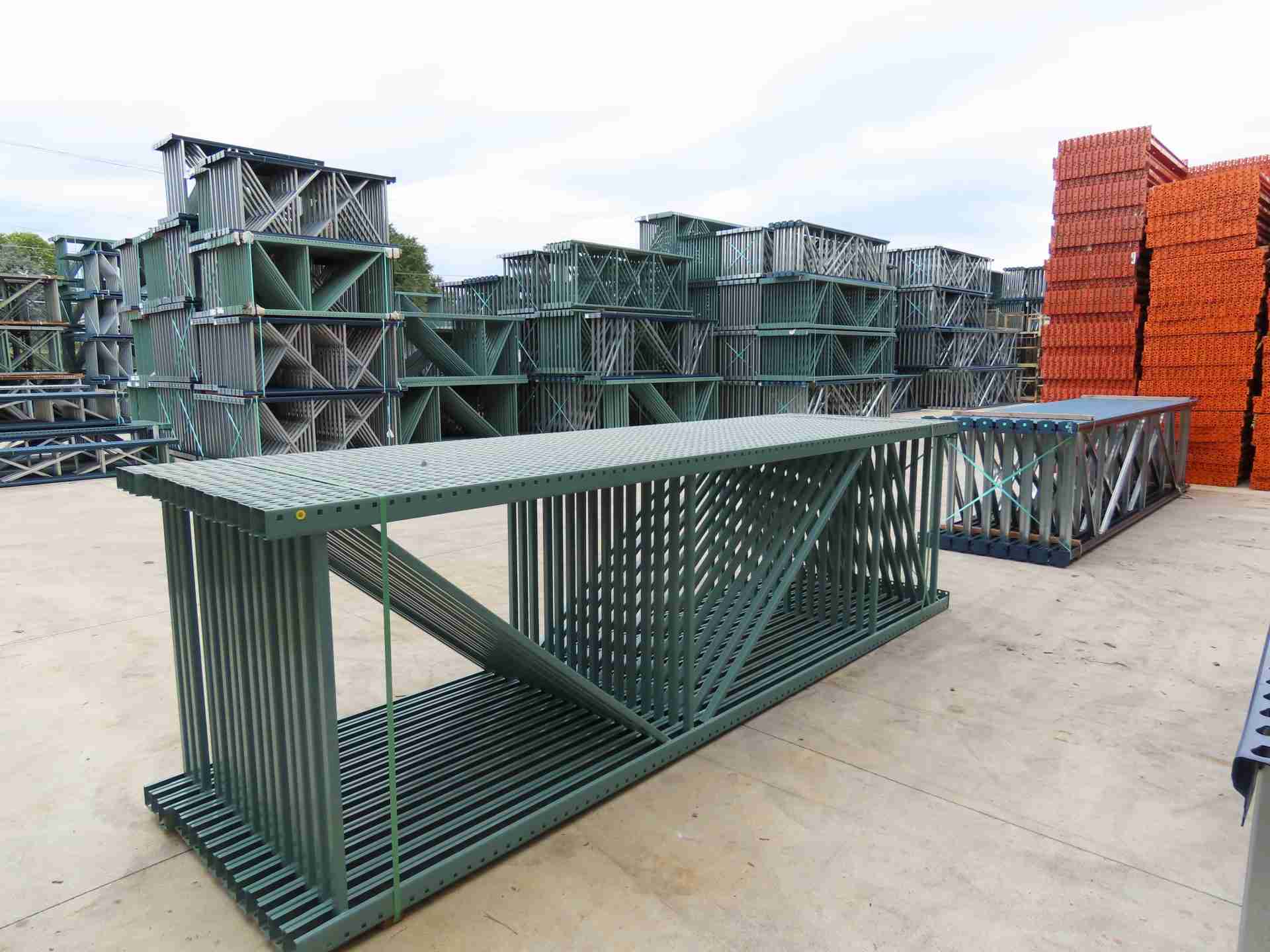
What Metrics Should You Track For Warehouse Performance?
What Metrics Should You Track For Warehouse Performance?
- Success in logistics relies on understanding operational metrics, not just stock management.
- Key performance indicators can enhance efficiency and unlock growth potential.
- Inventory Turnover Rate: Indicates stock rotation frequency, reflecting sales effectiveness and inventory management efficiency.
- Pick and Pack Accuracy: Essential for customer loyalty, tracking this metric reduces errors in order fulfillment.
- Order Cycle Time: Measures the time from order placement to shipment, highlighting operational delays for improvement.
- Space Utilization: Optimizes warehouse layout and storage capabilities to minimize costs.
- Labor Productivity: Tracks workforce output against hours to ensure peak performance and identify training needs.
- Carrying Costs of Inventory: Understanding these costs aids in making informed purchasing decisions, enhancing profitability.
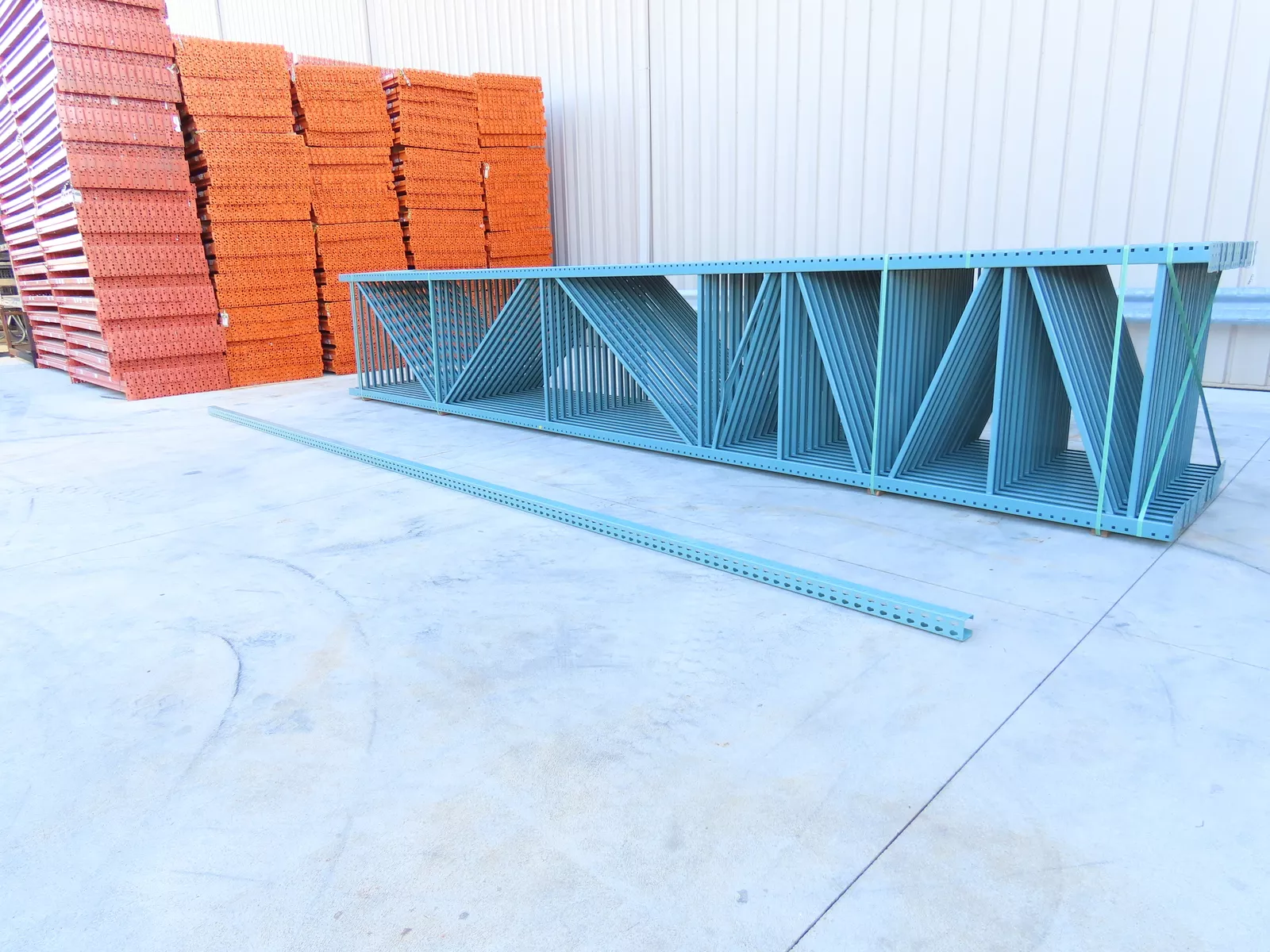
What Metrics Should You Track For Warehouse Performance?
How Does Inventory Accuracy Impact Warehouse Operations?
Imagine stepping into a warehouse where every item is perfectly tracked, every pallet positioned with intention. You see the pallet racking standing tall, a well-organized fortress of inventory that flows seamlessly, just like a well-oiled machine. In this scenario, inventory accuracy is not just a metric—it’s the very lifeblood of efficient warehouse operations.
Now, let’s dive into why that is. When your inventory accuracy is high, you aren’t just avoiding the pitfalls of stockouts and overstock. You’re building trust—trust in your systems, your staff, and your service. Clients rave about how swiftly and reliably you deliver. With accurate inventory, you understand exactly what you have on hand at all times, allowing your team to focus on what really matters instead of scrambling to find items or resolve discrepancies.
Picture this: the calm on the warehouse floor when every worker knows exactly where to find each item—a shelf, a bin, or among those neatly aligned pallet racking systems. Instead of chaos, there’s a natural rhythm, allowing your employees to operate at peak efficiency. This sense of order translates directly into measurable improvements. Order fulfillment times shrink, errors become a thing of the past, and your customers leave with smiles, knowing they can count on you.
And here’s where the real magic happens: improved accuracy fosters accountability. When your team knows that their actions directly impact the success of your operations, they become invested—not just employees, but passionate advocates for your business. The result? A motivated workforce that’s propelled by goals, driving your company forward as a unified entity capable of conquering the competition.
Let’s not overlook the financial implications. Accurate inventory means you can make smarter purchasing decisions. Say goodbye to the days of tying up capital in unsold goods or rush-ordering items at inflated prices. Instead, with each pallet you represent as a trusted unit of inventory, you can transition into a state of proactive management. This leads to improved cash flow and, ultimately, a healthier bottom line.
So, if you haven’t yet prioritized inventory accuracy in your operations, now is the time. Start small; implement a tracking system or refine your processes, and watch as the benefits snowball. You’ll not only streamline operations but also cultivate a culture of excellence that reverberates throughout your organization. Your warehouse isn’t just a space—it’s your competitive advantage waiting to be unleashed!
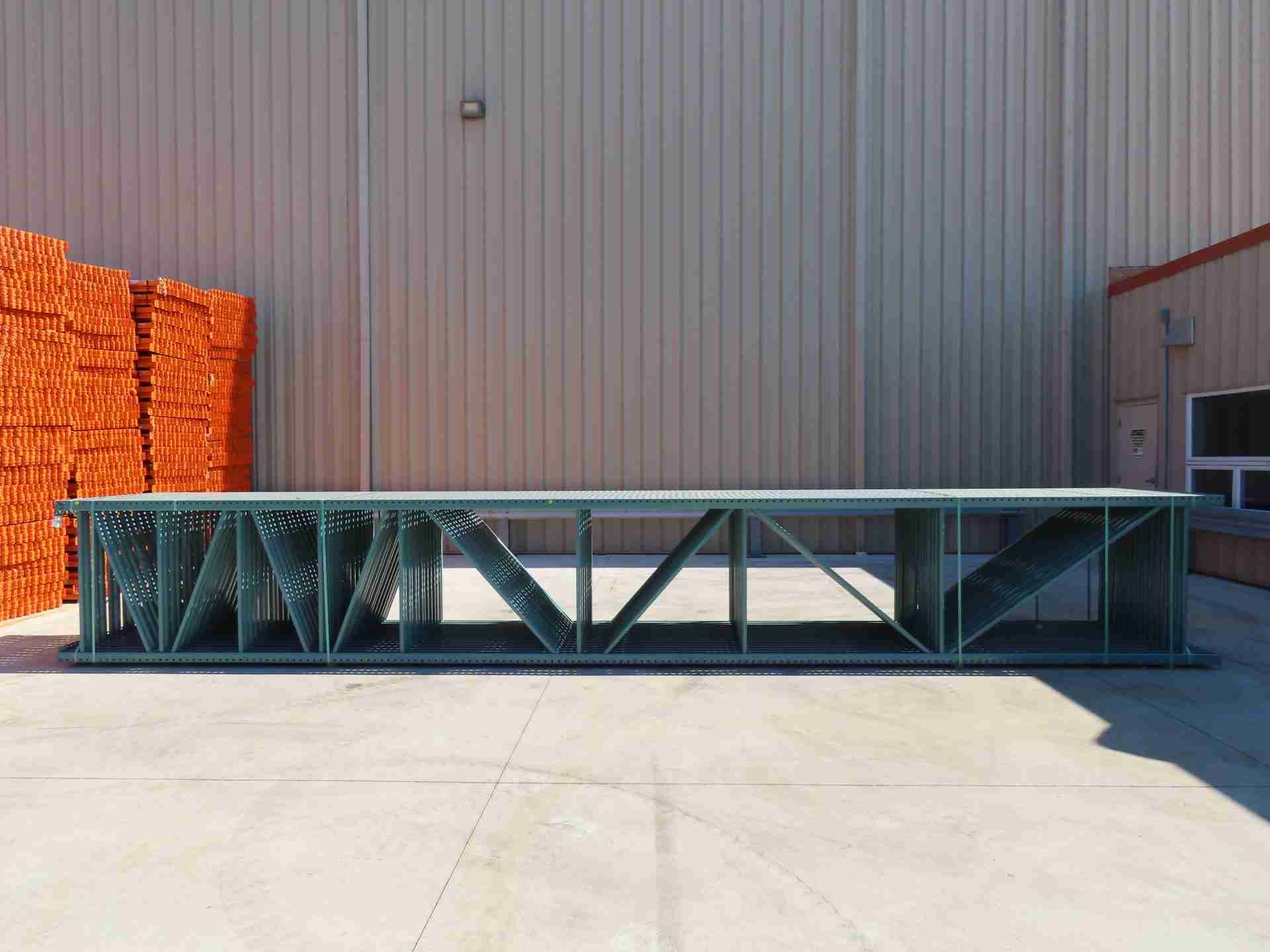
How Does Inventory Accuracy Impact Warehouse Operations?
How Does Inventory Accuracy Impact Warehouse Operations?
- High inventory accuracy is vital for efficient warehouse operations and avoids stockouts and overstock.
- Accurate inventory builds trust in systems, staff, and service, leading to satisfied clients.
- Employees operate with confidence and efficiency when they know the exact location of every item.
- Improved accuracy reduces order fulfillment times and errors, enhancing customer satisfaction.
- Accountability and motivation among employees increase when they see the impact of their actions.
- Accurate inventory allows for smarter purchasing decisions, improving cash flow and financial health.
- Prioritizing inventory accuracy can streamline operations and create a culture of excellence within the organization.
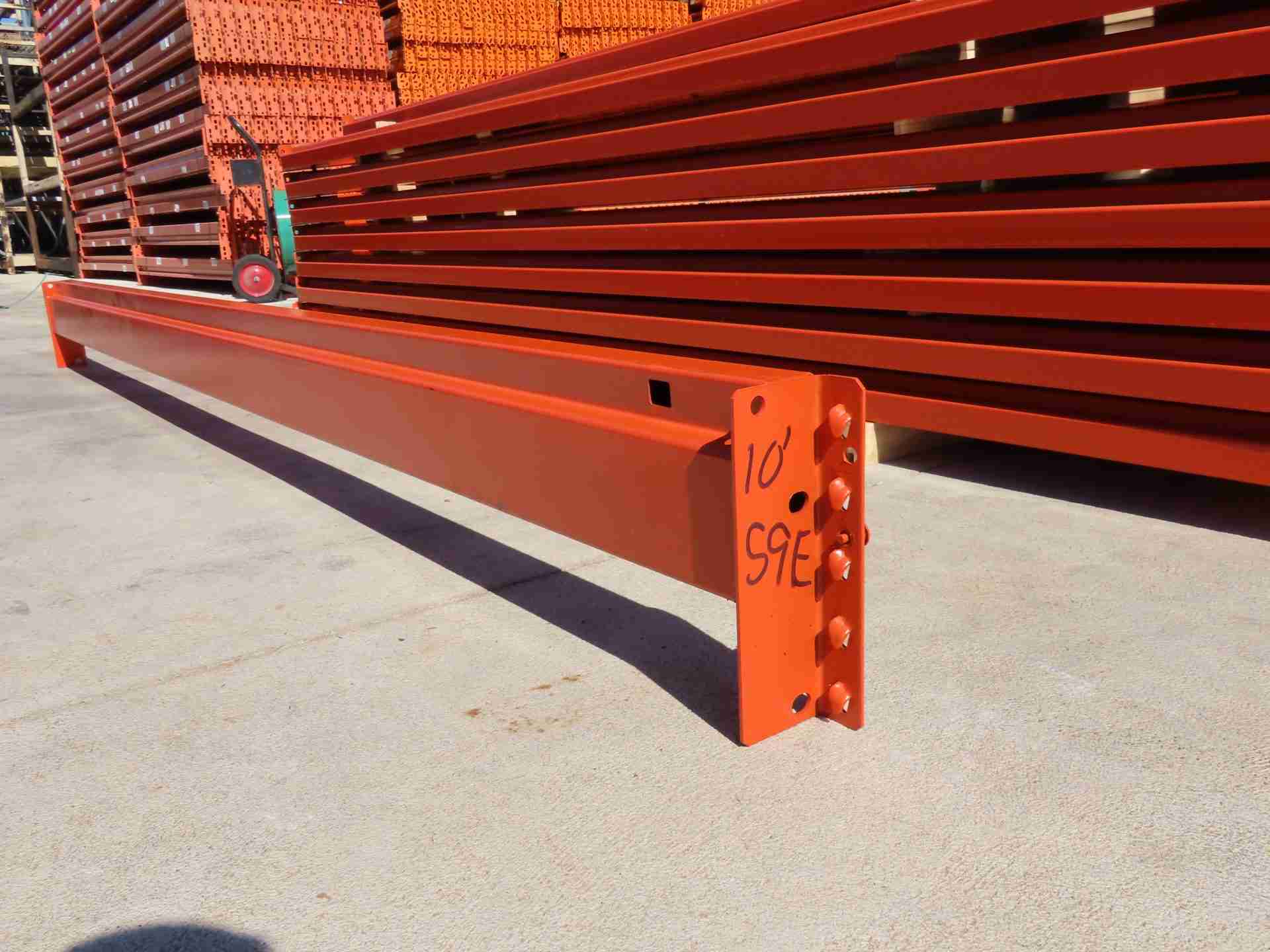
How Does Inventory Accuracy Impact Warehouse Operations?
What Role Does Technology Play In Optimizing Warehouses?
In the fast-paced world of logistics and distribution, the quest for efficiency often leads us down the path of innovation. Imagine a warehouse that operates like a well-oiled machine—every item in its rightful place, every process streamlined for maximum productivity. This is not just a dream; it’s a reality made possible by technology.
Let’s start with pallet racking systems. Picture towering rows of sturdy beams and racks that maximize vertical space and transform your storage approach. When paired with advanced warehouse management software, these systems can help you track inventory levels in real-time, reducing the time spent searching for items. The result? You see more products shipped out while minimizing overhead costs.
But that’s only the beginning. Automated guided vehicles (AGVs) glide smoothly through aisles, enhancing the efficiency of your operations. They transport goods from one area to another with precision, reducing the need for manual labor and the risk of accidents. When you implement AGVs in conjunction with a sophisticated inventory management system, you create a seamless flow of goods, turning previously time-consuming processes into a matter of minutes. The days of bottlenecks and disorder are a thing of the past.
Data analytics plays a crucial role as well, turning warehouse operations from gut feelings into informed decision-making. By accommodating large amounts of data and analyzing patterns, you can optimize your warehouse layout. Perhaps that means placing your highest-turnover items closer to your packing area or adjusting your pallet racking design to accommodate seasonal shifts in demand. When you leverage data, you become proactive rather than reactive, reaping additional efficiencies that can elevate your bottom line.
You might be wondering how to get started. Begin by assessing your current technologies and identifying gaps that could be filled. Seek out systems that integrate easily, ensuring everything from inventory management to shipping logistics operates in harmony. The beauty of today’s technology is its ability to grow with your business.
In essence, technology is not just a tool but a transformative force that can propel your warehouse into a new era of productivity. Embracing this evolution instills trust in your operations, ensuring you’re ready to meet the demands of your customers head-on. The choice is clear: invest in technology, and watch your warehouse thrive.
What Role Does Technology Play In Optimizing Warehouses?
What Role Does Technology Play In Optimizing Warehouses?
- Logistics and distribution focus on efficiency and innovation.
- Pallet racking systems maximize vertical space and enhance storage capacity.
- Advanced warehouse management software tracks inventory levels in real-time.
- Automated guided vehicles (AGVs) reduce manual labor and improve operational efficiency.
- Data analytics transforms decision-making and optimizes warehouse layout.
- Assess current technologies and identify gaps for integration and improvement.
- Investing in technology can transform warehouse operations and boost productivity.

What Role Does Technology Play In Optimizing Warehouses?
How Can Employee Training Improve Warehouse Productivity?
Imagine a bustling warehouse where every team member knows precisely what to do, when to do it, and how to do it efficiently. Now, contrast that vision with the reality many warehouses face—a disorganized space where employees fumble through processes, and productivity suffers. The key to turning that image around might be hanging right above those rows of pallet racking: effective employee training.
Let’s face it—your employees are your greatest asset. They are the heart and soul of your warehouse operations. When employees are well-trained, they don’t just perform tasks; they thrive. In a setting filled with intricate systems like pallet racking, understanding how to navigate the equipment can make a significant difference in workflow. Training equips staff with knowledge about proper loading techniques, maximizes space utilization, and minimizes the risks of injury.
Think of it this way: training is an investment in efficiency. Inadequate training can lead to costly mistakes, including damaged inventory due to poor handling of pallet racking or injuries from mishaps. However, when you devote resources to a comprehensive training program, you cultivate a team that feels confident, competent, and engaged. Imagine your staff skillfully maneuvering through the warehouse, deftly retrieving items from pallet racking systems and coordinating seamlessly to optimize the entire operation. With structured training, you aren’t just improving skills; you are enhancing morale and cultivating a shared mission.
Moreover, in today’s ever-evolving industry, staying on top means keeping pace with new technologies and methodologies. Regular training ensures that employees are informed about the latest best practices and innovations, whether it’s in inventory management, health and safety protocols, or advanced pallet racking systems. This adaptability not only boosts productivity but also positions your warehouse as a forward-thinking entity in the market.
So, how do you foster that confidence and motivation among your employees? Begin by assessing their needs and tailoring your training programs accordingly. Ensure the training is hands-on and practical, so your staff can immediately implement what they’ve learned. Consider mentorship or peer training options to create a collaborative learning environment.
The bottom line? Investing in employee training in your warehouse isn’t just smart—it’s essential. Equip your team with the tools they need, and watch your productivity soar. When your employees thrive, your warehouse does too. It’s time to take that step; your productivity and your team will thank you.
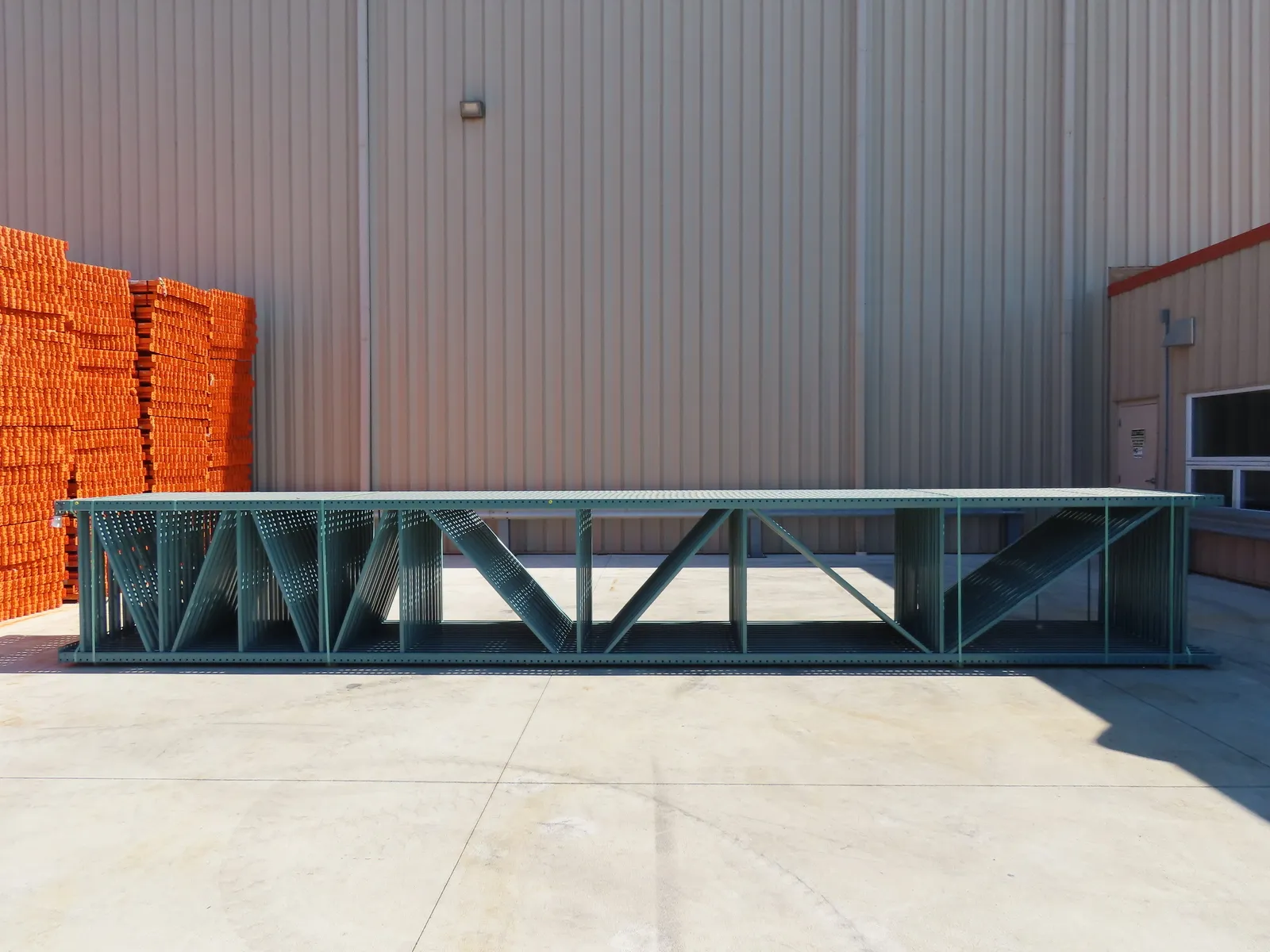
How Can Employee Training Improve Warehouse Productivity?
How Can Employee Training Improve Warehouse Productivity?
- Effective employee training is crucial for maximizing warehouse productivity and efficiency.
- Well-trained employees navigate complex systems, improving workflow and minimizing injury risks.
- Investing in training reduces costly mistakes, protects inventory, and enhances employee morale.
- Structured training fosters a confident and engaged team, optimizing the overall operation.
- Regular training keeps employees updated on the latest best practices and technologies in the industry.
- Assess employee needs and use hands-on, practical training to ensure immediate implementation.
- Investing in training is essential for warehouse success and overall business productivity.
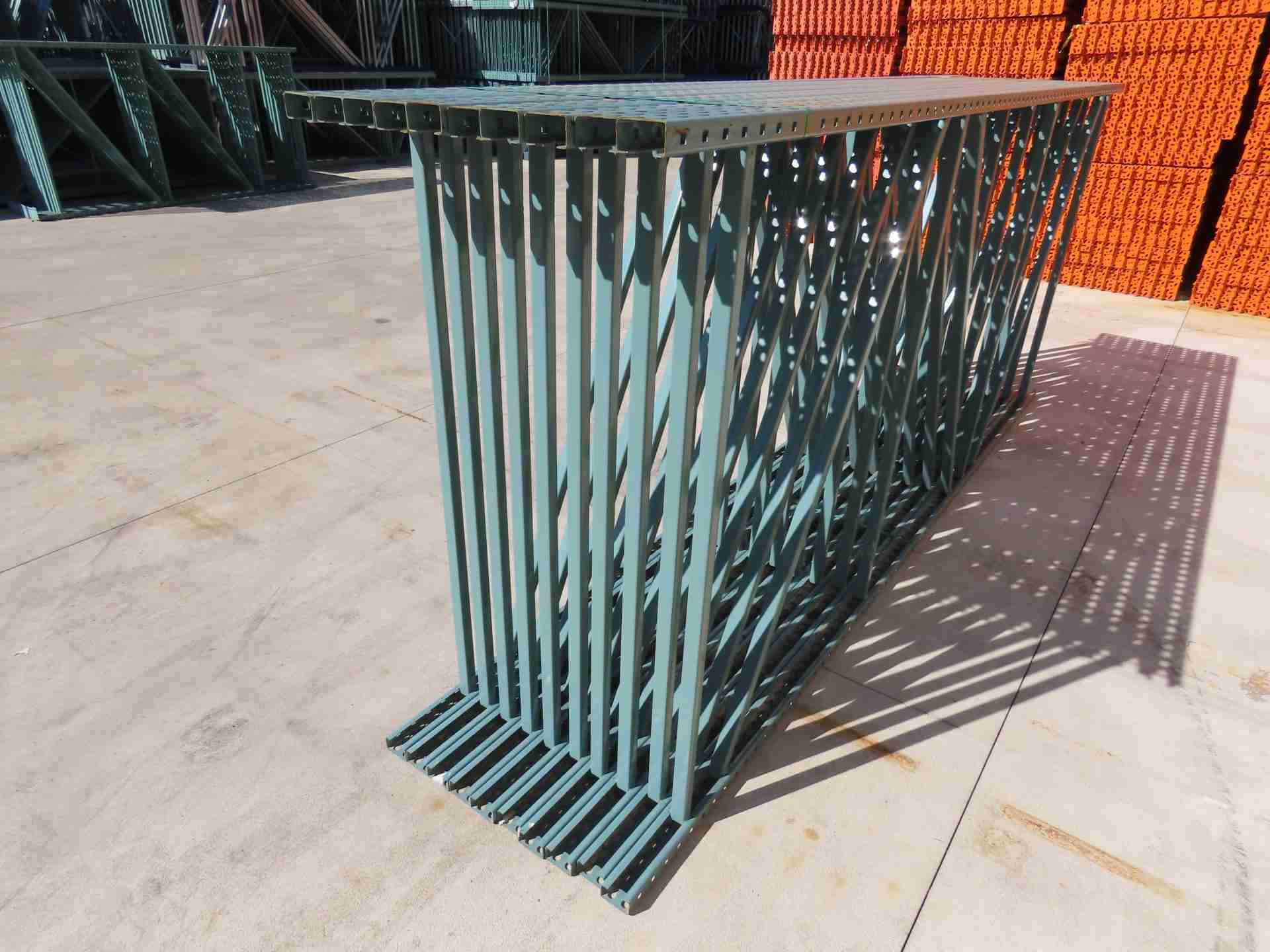
How Can Employee Training Improve Warehouse Productivity?
Conclusion
In today’s competitive landscape, the efficiency of your warehouse operation is not merely a matter of convenience; it’s a pivotal factor in driving profitability and customer satisfaction. If you’ve ever felt the frustration of disorganization, chaotic layouts, or slow turnaround times, know that you’re not alone. Many warehouse managers find themselves caught in an endless cycle of inefficiency, but the good news is that transformation is within reach.
Envision a future where your warehouse operates like a well-oiled machine, with every pallet racking system meticulously designed to enhance productivity and boost morale. This ideal state isn’t just a lofty dream; it’s a tangible reality that can be realized with the right approach. By understanding the critical indicators of an unoptimized operation, assessing the impact of your layout, and leveraging technology, you can propel your business to new heights.
Recognizing the signs of inefficiency—such as disorganization, inventory inaccuracies, and high labor costs—enables you to take swift action. Addressing these issues, especially through refined layout designs and strategic placements of pallet racking, streamlines workflows and enhances employee satisfaction. Remember that the mental and physical well-being of your workforce translates directly to productivity.
Moreover, your commitment to data-driven decision-making yields substantial benefits. Tracking key metrics and improving inventory accuracy fuels informed actions that can dramatically impact your bottom line. Alongside leveraging technology, these elements come together to create a warehouse that adapts easily to fluctuating demands and grows with your business’s ambitions.
However, technology and metrics alone aren’t enough. The real game-changer comes from investing in your employees. A well-trained workforce ensures that operations run smoothly, turning challenges into opportunities and support into success. A culture of continuous learning and development fosters pride in work and commitment to excellence.
Now is the time to act! Don’t continue to carry the burden of inefficiency that weighs heavy on your operations and your team’s spirit. Reach out to Arrow Industrial Sales at (574) 349-6575 for expert guidance tailored to your specific challenges. The longer you wait, the greater the cost of lost productivity and potential revenue. Don’t just dream about an optimized warehouse—take decisive steps to make it a reality today. Your operations, employees, and customers will thank you for it!

Conclusion
Conclusion:
- Efficiency in warehouse operations is crucial for profitability and customer satisfaction.
- Many warehouse managers experience disorganization and inefficiency, which can be transformed.
- A well-organized warehouse enhances productivity and employee morale.
- Identifying inefficiencies, such as inventory inaccuracies and high labor costs, allows for prompt action.
- Data-driven decision-making and technology are key for adapting to changing demands and improving operations.
- Investing in employee training promotes smooth operations and fosters a culture of continuous learning.
- Act now to optimize your warehouse with expert guidance from Arrow Industrial Sales.
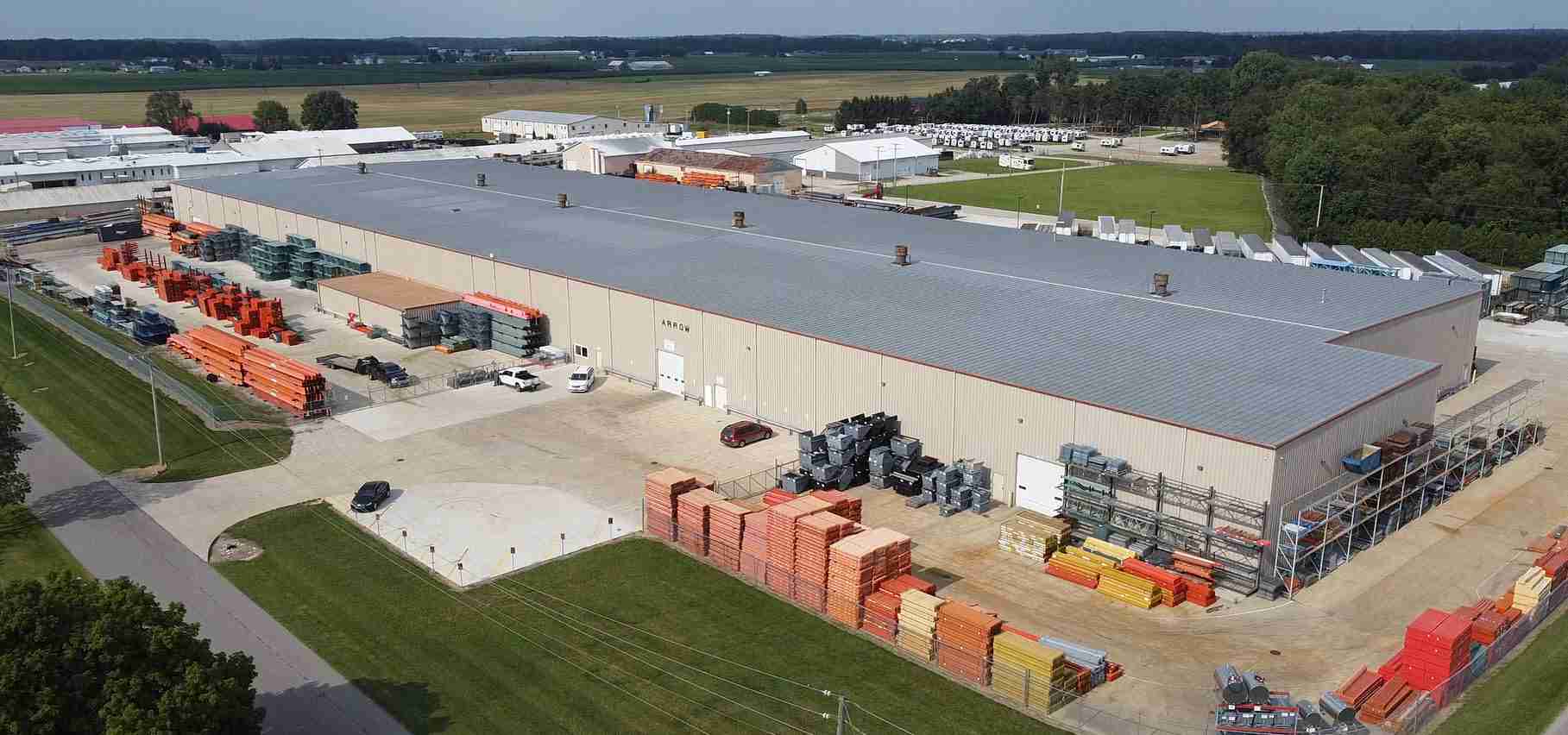
Conclusion
Other Resources
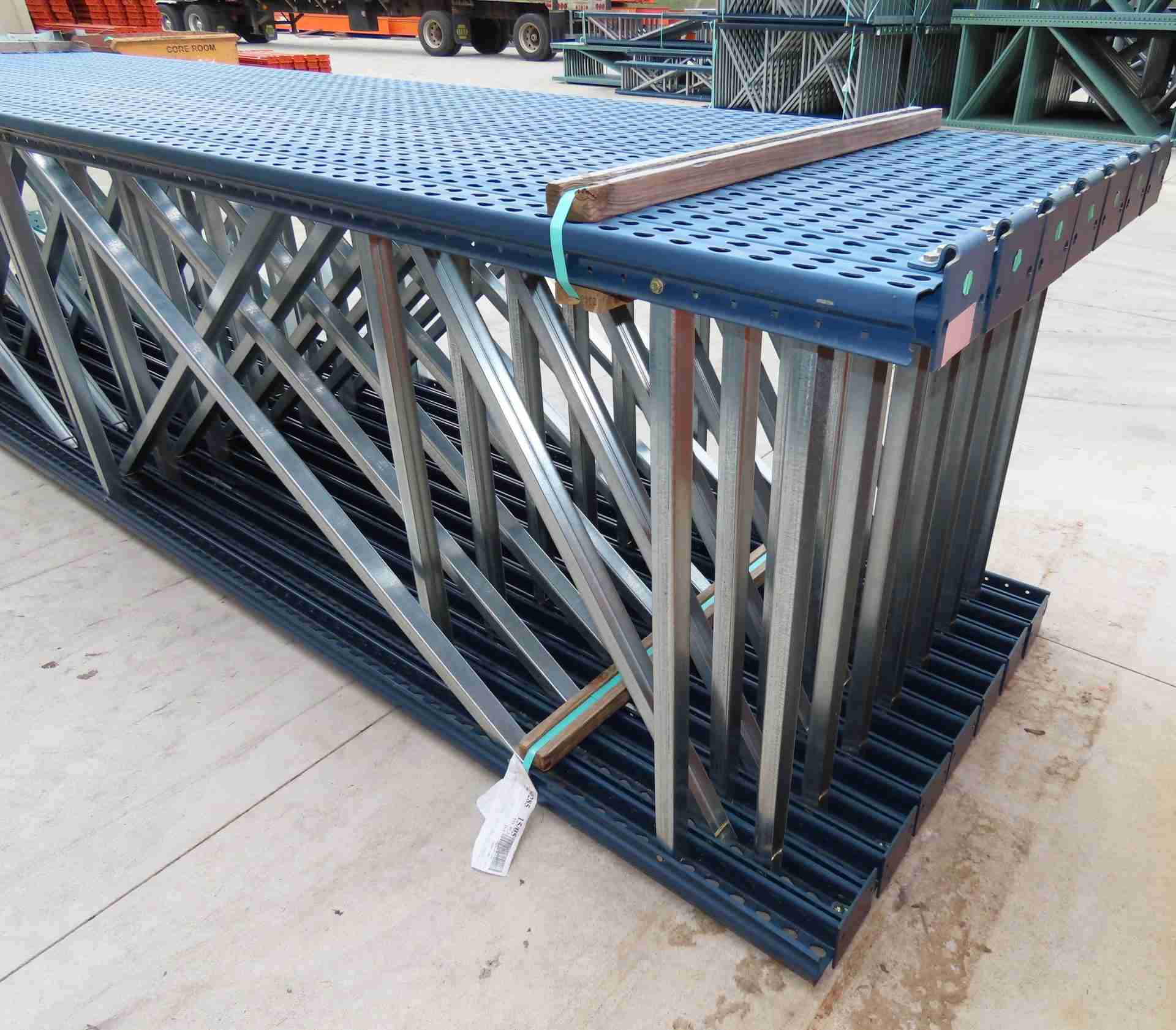
Other Resources
Here is a list of other resources you can review online to learn more:
- Pallet Racks, Pallet Racking, Pallet Shelves in Stock – ULINE
- Used Pallet Rack for Sale in Illinois – American Surplus
- National Safety Council
- Warehousing and Fulfillment
- Pallet Racking 101: A Comprehensive Guide & Options Explained
- Storage Equipment Manufacturers Association
- Material Handling Industry
- Pallet Racking systems in Illinois, Great Lakes
- Illinois Pallet Racking – WPRP
- ASSP
Use This Prompt To Get More Resources With Your Favorite Online AI Tool: Please provide me with a list of online articles with their URLs in a bulleted list that I can read regarding Are You Facing The Heartache Of an Unoptimized Warehouse Operation?

Other Resources
Glossary Terms
Are You Facing The Heartache Of an Unoptimized Warehouse Operation? – Glossary Of Terms
1. Warehouse Optimization: The process of improving warehouse layout, processes, and systems to increase efficiency and reduce costs.
2. Inventory Management: Techniques and processes for overseeing and controlling the ordering, storage, and use of inventory.
3. Lean Warehousing: A methodology focused on minimizing waste within warehouse operations while maximizing productivity.
4. Pick and Pack: A fulfillment process involving the picking of products from inventory and packaging them for shipment.
5. Just-In-Time (JIT): An inventory strategy that aims to reduce in-process inventory and associated carrying costs by receiving goods only as they are needed.
6. Stock Keeping Unit (SKU): A unique identifier for each distinct product or service that can be purchased.
7. Warehouse Management System (WMS): Software designed to support and optimize warehouse functionality and distribution center management.
8. Space Utilization: The ratio of used space versus available warehouse space, aimed at maximizing the efficient use of the facility.
9. Forklift Optimization: Assessing and adjusting forklift usage to improve efficiency and reduce operational costs.
10. Cycle Counting: A periodic inventory audit process where a subset of inventory is counted on a specific day to ensure accuracy.
11. Automation: The use of technology and machinery to perform tasks without human intervention, increasing speed and accuracy in warehouse operations.
12. Throughput: The rate at which goods are processed and moved through the warehouse, impacting overall efficiency.
13. Barcoding: A method of encoding product information into a machine-readable format to facilitate inventory tracking and management.
14. Cross-Docking: A logistics practice where incoming goods are directly transferred to outbound shipping areas with minimal storage time.
15. Lead Time: The total time it takes from placing an order to receiving goods, influencing inventory and delivery efficiency.
16. Return on Investment (ROI): A performance measure used to evaluate the efficiency or profitability of an investment in warehouse improvements.
17. Workflow Analysis: The study of warehouse processes to identify inefficiencies and areas for improvement.
18. Order Fulfillment: The process of receiving, processing, and delivering customer orders, crucial for customer satisfaction.
19. Safety Stock: Extra inventory held to prevent stockouts caused by variable demand or supply delays.
20. Layout Design: The physical arrangement of warehouse space, including storage, packing, and shipping areas, impacting efficiency and workflow.
21. Demand Planning: The forecasting process used to estimate future customer demand for products, informing inventory levels.
22. Ergonomics: The study of people’s efficiency in their working environment, particularly relevant in reducing injuries in warehouse settings.
23. Supplier Relationship Management: The systematic management of supplier interactions to foster collaboration and improve supply chain efficiency.
24. Capacity Planning: The process of determining warehouse capacity needs based on production levels and demand forecasts.
25. Box Optimization: The practice of efficiently packing goods to minimize waste and shipping costs.
26. Waste Reduction: Strategies aimed at minimizing unnecessary practices or materials in the warehouse to enhance operational efficiency.
27. Inventory Turnover: A ratio that measures how many times inventory is sold and replaced over a period, impacting cash flow and storage needs.
28. Temperature-Controlled Storage: Warehouse environments designed to maintain specific temperature ranges for sensitive products.
29. Omnichannel Distribution: A logistics approach that provides customers with a seamless shopping experience across various channels.
30. Task Interleaving: The practice of blending different warehouse tasks (e. g. , picking and packing) to increase efficiency and reduce bottlenecks.
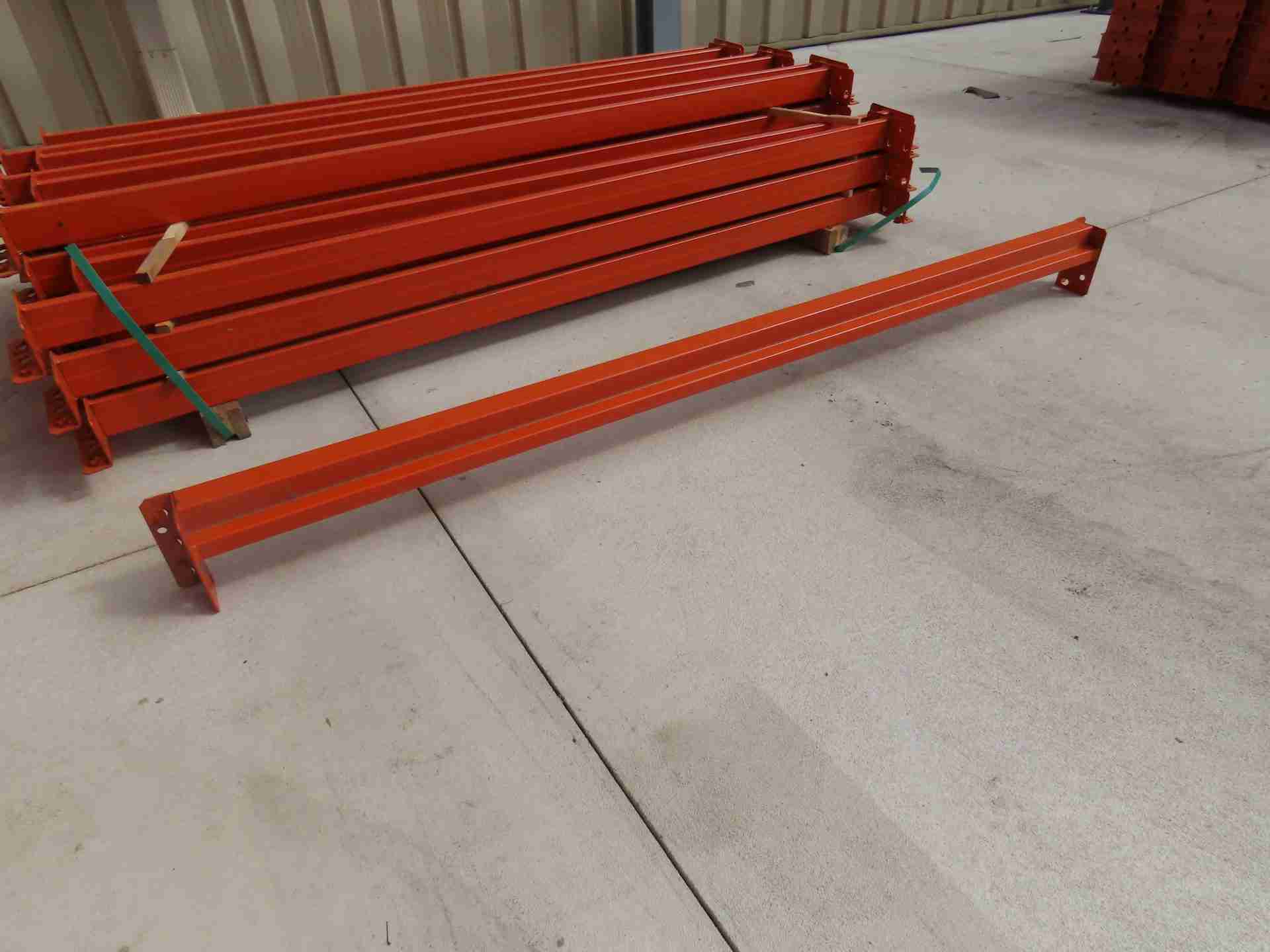
Glossary Of Terms
Other Questions
Are You Facing The Heartache Of an Unoptimized Warehouse Operation? – Other Questions
If you wish to explore and discover more, consider looking for answers to these questions:
- What are the common challenges faced in warehouse operations?
- How can one assess their current warehouse efficiency?
- What strategies can be implemented for warehouse optimization?
- How often should one reevaluate warehouse processes?
- What role does employee morale play in warehouse efficiency?
- What technologies are available for optimizing warehouse operations?
- What are the costs associated with warehouse optimization efforts?
- How can one measure the success of warehouse optimization initiatives?
- What are some best practices for inventory management in warehouses?
- How does the location of products within a warehouse impact productivity?
- Can automation improve warehouse operations, and if so, how?
- How to create a culture of continuous improvement in warehouse management?
- What external factors can influence warehouse efficiency?
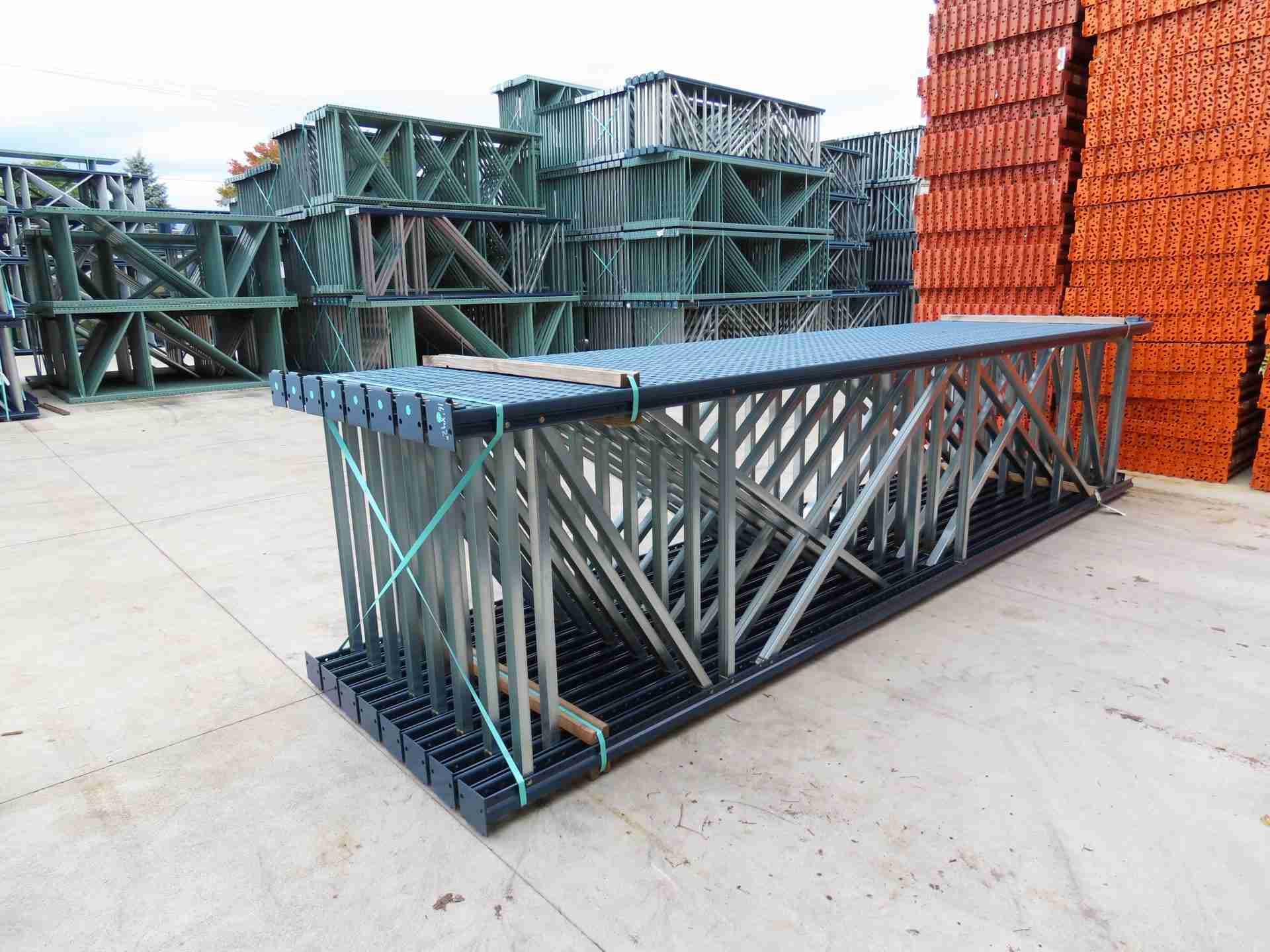
Other Questions
Checklist
Are You Facing The Heartache Of an Unoptimized Warehouse Operation? – A Checklist
1. Assess Current Warehouse Layout:
✅ _____ Ensure aisles are clear and organized.
✅ _____ Evaluate the placement of pallet racking systems for optimal access.
✅ _____ Identify and eliminate clutter and disorganization.
2. Inventory Management:
✅ _____ Conduct regular inventory audits to ensure accuracy.
✅ _____ Implement a reliable inventory management software.
✅ _____ Train staff on best practices for tracking inventory items.
3. Streamline Order Fulfillment:
✅ _____ Measure order cycle times to identify bottlenecks.
✅ _____ Optimize picking and packing processes for efficiency.
✅ _____ Ensure items are located based on frequency of use (e. g. , high-turnover items closer to the shipping area).
4. Monitor Key Performance Metrics:
✅ _____ Track inventory turnover rate.
✅ _____ Assess pick and pack accuracy.
✅ _____ Evaluate space utilization for maximizing storage capacity.
✅ _____ Measure labor productivity ratios.
5. Reduce Labor Costs:
✅ _____ Analyze labor expenses versus productivity.
✅ _____ Identify and address areas contributing to inefficiencies.
✅ _____ Implement workforce training programs to enhance skills and efficiency.
6. Leverage Technology:
✅ _____ Explore warehouse management software options for real-time tracking.
✅ _____ Consider automation tools (e. g. , Automated Guided Vehicles) to reduce manual labor.
✅ _____ Utilize data analytics to inform operational decisions and layout optimization.
7. Invest in Employee Training:
✅ _____ Develop a comprehensive training program for all warehouse personnel.
✅ _____ Focus on safety training to reduce injury risks.
✅ _____ Encourage ongoing education about new technologies and methods.
8. Regularly Review and Adjust Operations:
✅ _____ Schedule periodic assessments of warehouse efficiency and layout.
✅ _____ Foster a culture of continuous improvement among staff.
✅ _____ Encourage employee feedback on operational challenges and potential solutions.
9. Emphasize Workplace Morale:
✅ _____ Create a positive working environment to boost employee engagement.
✅ _____ Recognize and reward outstanding performance.
✅ _____ Engage team members in decision-making processes related to workflow improvements.
By following this checklist, warehouse managers can take proactive steps toward creating a more efficient, profitable, and harmonious operation. Start today for a thriving warehouse environment!
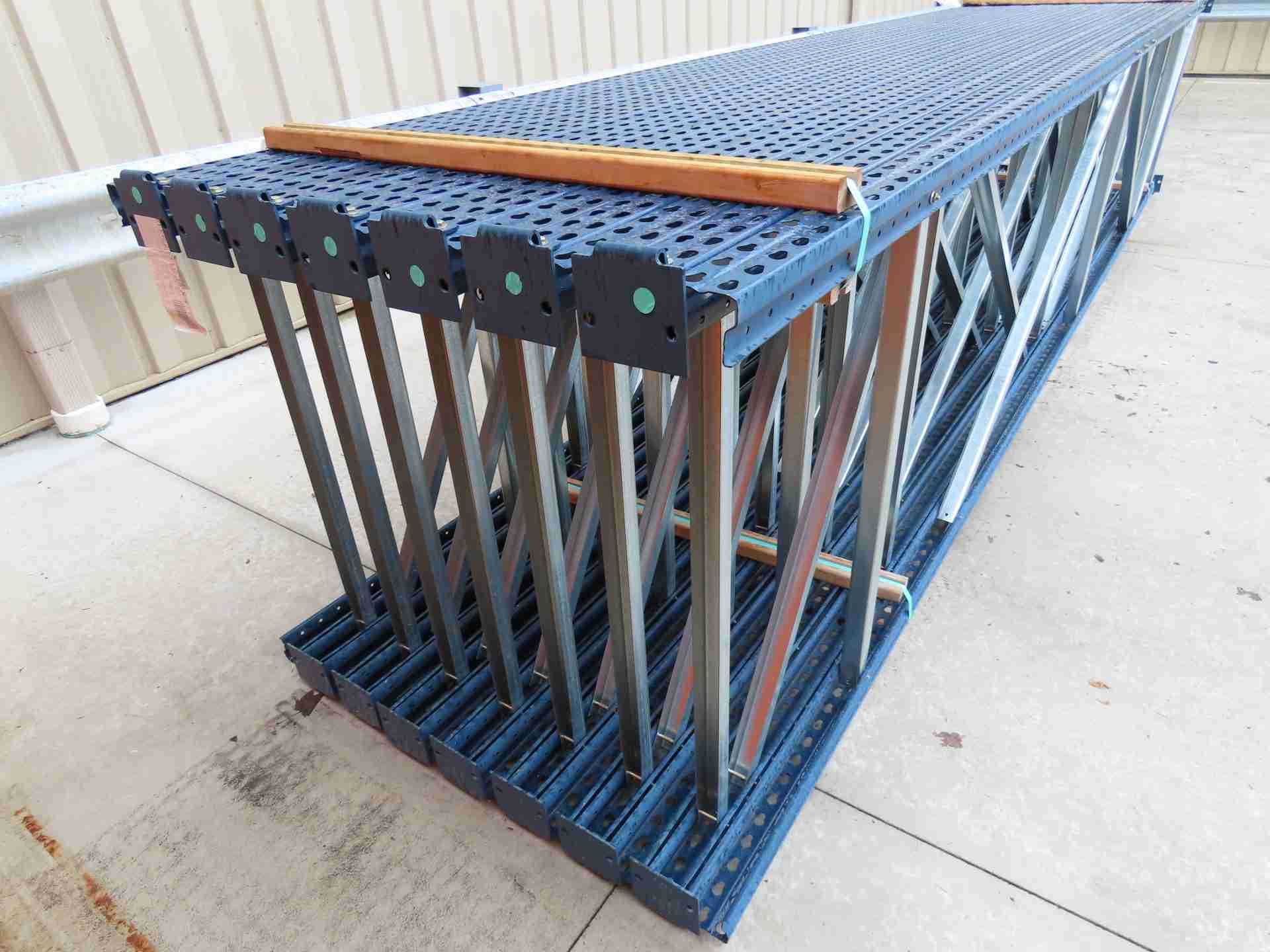
Checklist
At RackingWorld, we help guide you through selecting warehouse storage systems and racking.
Be sure to read our other related stories at RackingWorld to learn more about warehouse storage systems.
0 Comments