
Unleash The Untapped Potential Of Your Warehouse
By Tom Seest
At RackingWorld, we help guide you through selecting warehouse storage systems and racking.
Be sure to read our other related stories at RackingWorld to learn more about warehouse storage systems.
Is Your Warehouse The Silent Graveyard Of Wasted Potential?
Picture this: you walk into your warehouse, and you’re greeted by the sight of mismatched pallets haphazardly piled high, cluttered corridors that make navigating a challenge, and wasted space that could be transformed into profitability. Is your warehouse a silent graveyard of wasted potential, stifling your business growth instead of supporting it?
Let’s face it, your warehouse should be more than just a storage facility—it’s a powerful hub where magic can happen. It’s where the right organizational strategy can lead to skyrocketing efficiency and substantial cost savings. But if your pallet racking system is antiquated or poorly utilized, you might as well be throwing money out the door. Imagine those gridlocked aisles—as dollars quietly slip away every hour your team spends searching for inventory instead of fulfilling customer orders. It’s a frustrating reality, isn’t it?
Every inch of space is a potential dollar sign. Are you leveraging your pallet racking to its fullest? The right design not only maximizes your overhead space but also optimizes your picking processes, minimizes labor costs, and reduces damages to your products. Embracing effective pallet racking solutions isn’t just a cost—it’s an investment into the efficiency of your operations.
Now, you might be wondering, “Can I really turn my warehouse from a graveyard into a thriving ecosystem of productivity?” Absolutely! It’s all about understanding your unique needs and customizing a strategy that works. By conducting a thorough inventory audit, assessing your current racking solution, and considering an upgrade to better align with your workflow, you can breathe new life into your operations.
Imagine a streamlined warehouse where goods flow effortlessly, where every worker knows exactly where to find what they need, and where product turnover isn’t just a hope—it’s a reality. When you transform your warehouse space by optimizing pallet racking and organizing your inventory, you’re not just improving functionality; you’re creating a system that invites success.
Stop letting your warehouse become a shadow of its potential. Embrace change, seek out innovative solutions, and reflect on how a revitalized warehouse can unleash untapped potential. When your operations are humming smoothly, your profits will follow suit. It’s time to elevate your warehouse from a silent graveyard to an engine of growth—don’t let wasted potential be your legacy.
Is Your Warehouse The Silent Graveyard Of Wasted Potential?
Is Your Warehouse The Silent Graveyard Of Wasted Potential?
- Warehouse inefficiency can stifle business growth and squander potential profits.
- A well-organized warehouse serves as a hub for efficiency and cost savings, rather than just storage.
- Poorly utilized pallet racking systems can lead to waste and lost revenue as employees search for inventory.
- Every inch of warehouse space can be optimized to increase profitability through better racking design.
- Implementing effective pallet racking solutions is an investment that enhances operational efficiency.
- Conducting inventory audits and assessing current racking solutions can lead to significant warehouse improvements.
- Transforming the warehouse space enhances functionality and invites success through streamlined operations.
Is Your Warehouse The Silent Graveyard Of Wasted Potential?
Table Of Contents
- Is Your Warehouse The Silent Graveyard Of Wasted Potential?
- Is Your Warehouse Inventory Management Efficient?
- Are You Maximizing Storage Space?
- How Often Do You Conduct Warehouse Audits?
- Are Your Pick And Pack Processes Optimized?
- Is Your Team Adequately Trained For Warehouse Tasks?
- How Is Technology Integrated Into Your Warehouse Operations?
- Conclusion
- Other Resources
- Glossary Of Terms
- Other Questions
- Checklist
Is Your Warehouse Inventory Management Efficient?
Managing a warehouse is no small feat. You may be feeling the weight of juggling inventory levels, optimizing storage, and ensuring timely deliveries. If you find yourself in a constant battle with disorganization, it’s time to take a good, hard look at your warehouse inventory management efficiency. Let’s face it—if your methods are outdated or inefficient, it could cost you more than just money; it can cost you your reputation.
One of the primary culprits behind inventory mismanagement is improper storage. Are your pallets piled high, with no clear sense of order? Pallet racking systems can be a game-changer here. Not only do they utilize vertical space, making room for more stock without expanding your footprint, but they also optimize accessibility. Imagine the productivity boost when your workers can locate and retrieve items swiftly—no more digging through mountains of cardboard just to find that one crucial piece. The right pallet racking can transform a chaotic environment into a streamlined operation.
But let’s dig deeper. Have you ever wondered how accurately you track your inventory? Inaccuracies can lead to overstocks, stockouts, and a whole host of missed opportunities. Integrating an inventory management system can not only help you keep track of what you have but also alert you when stock levels are getting low. Far too many businesses underestimate the power of real-time data, and consequently, they pay the price in lost sales and disgruntled customers.
And speaking of your customers, have you considered how your inventory management can affect their experience? Efficient inventory practices translate into faster fulfillment times—an undeniable competitive edge in today’s fast-paced market. When your clients see you delivering orders on time, every time, trust builds. They’ll return, and they’ll even refer you to others.
So, what can you do today? Start evaluating your storage methods. Look at your pallet racking options and see where enhancements can be made. Consider investing in technology that tracks inventory levels for you.
Remember, effective inventory management isn’t just about moving products—it’s about building a reputation, fostering trust, and ensuring your business runs smoothly. Take action, and turn your warehouse into an efficient powerhouse!
Is Your Warehouse Inventory Management Efficient?
Is Your Warehouse Inventory Management Efficient?
- Managing a warehouse involves juggling inventory levels, optimizing storage, and ensuring timely deliveries.
- Outdated or inefficient inventory management can harm both finances and reputation.
- Improper storage, such as haphazardly piled pallets, is a major cause of inventory mismanagement.
- Pallet racking systems can maximize vertical space and improve accessibility, boosting productivity.
- Accurate inventory tracking is crucial to avoid overstocks and stockouts, which can lead to lost sales.
- Efficient inventory management enhances customer experience through faster fulfillment, fostering trust and repeat business.
- Evaluate storage methods and consider technology investments to improve inventory tracking and management.
Is Your Warehouse Inventory Management Efficient?
Are You Maximizing Storage Space?
In today’s fast-paced business landscape, efficiency often hinges on one crucial factor: your storage space. Many businesses overlook the treasure trove of potential hidden within their warehouse walls. Instead of letting your storage area turn into a chaotic labyrinth, why not transform it into a well-oiled machine that drives productivity? Pallet racking may just be the secret weapon you’ve been searching for.
Imagine walking into your warehouse and feeling an immediate sense of order and clarity. Every item has its designated spot; every square foot operates at peak capacity. You can minimize time spent searching for products and maximize the speed at which you can fulfill orders. That’s where pallet racking comes into play. This storage solution allows you to utilize vertical space effectively, freeing up valuable floor space for other vital operations.
But let’s talk about trust and confidence for a moment. Investing in efficient storage solutions isn’t merely a financial decision; it’s about creating an environment where your team can thrive. Employees feel more empowered and focused when they aren’t wasting energy navigating endless stacks of disorganized inventory. They can do their jobs with greater efficiency, ultimately translating into happier customers.
Now, picture your operations after implementing pallet racking. Your team can find more, do more, and achieve more. And isn’t that what we all want? The beauty of pallet racking is not just its ability to enhance your storage capacity; it’s the opportunity to streamline workflows and propel your organization to new heights.
This isn’t just about storage; it’s about crafting a business that is agile, efficient, and poised for growth. By maximizing storage space using pallet racking, you’re not just reorganizing a warehouse; you’re revamping your entire operational strategy. You’re making an investment in your business’s future and laying the groundwork for success.
So, what’s stopping you? Declutter those shelves and elevate your business operations to where they rightfully belong. Take control of your storage situation today and watch as the ripple effect transforms not just your space, but your bottom line, too. Because at the end of the day, in a world that demands agility and efficiency, your ability to maximize storage space can be the key difference between merely surviving and thriving. Let’s make the most of it together!
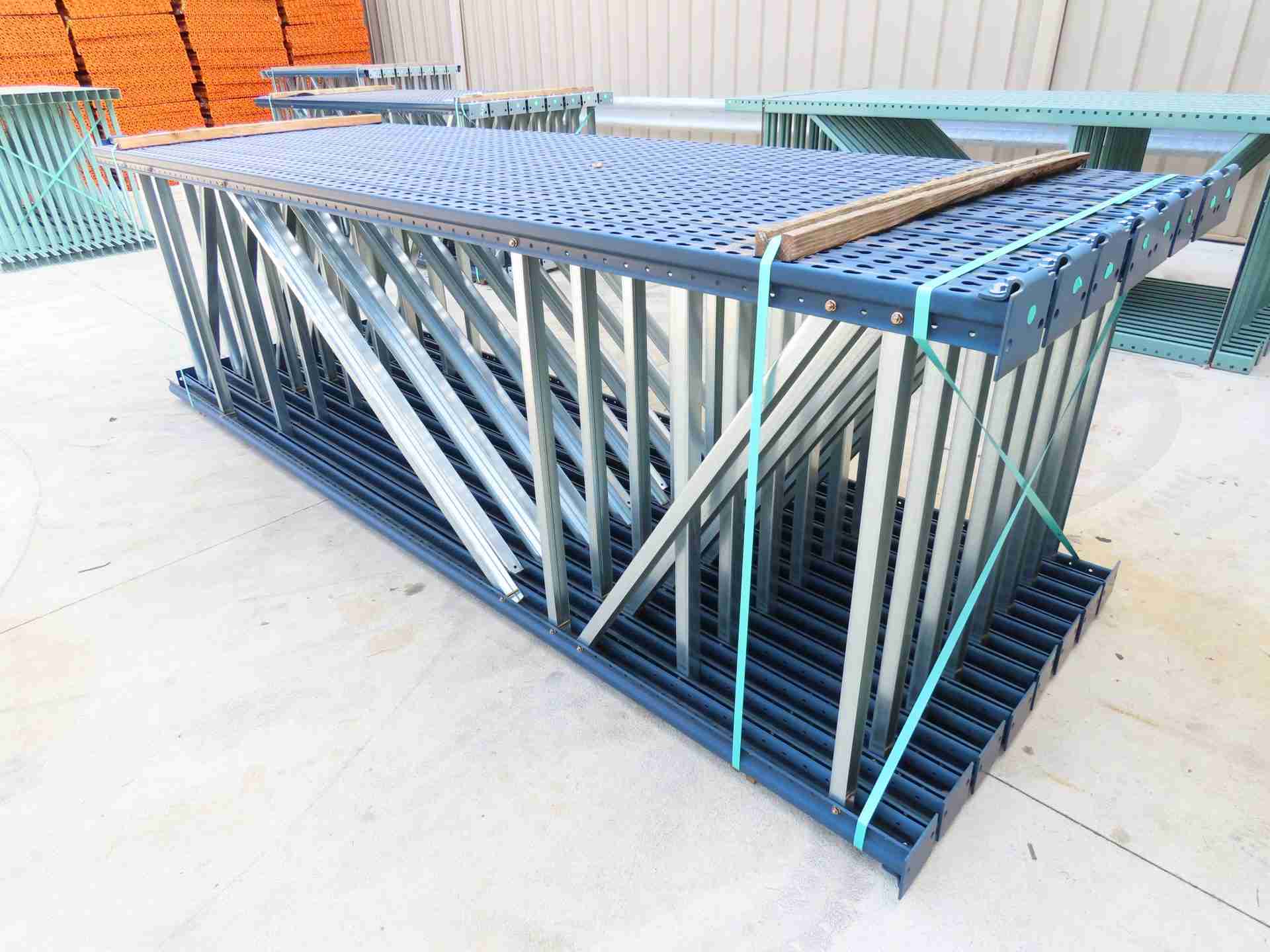
Are You Maximizing Storage Space?
Are You Maximizing Storage Space?
- Efficiency in business often relies heavily on effective storage solutions.
- Pallet racking can transform chaotic warehouses into organized, productive spaces.
- Utilizing vertical space with pallet racking maximizes floor space for essential operations.
- Investing in efficient storage enhances employee focus and empowerment, improving operational effectiveness.
- Pallet racking streamlines workflows, allowing teams to find and fulfill orders more quickly.
- This approach not only reorganizes storage but also revamps the overall operational strategy for growth.
- Maximizing storage can be a key differentiator between business survival and thriving in a competitive landscape.

Are You Maximizing Storage Space?
How Often Do You Conduct Warehouse Audits?
In the world of warehousing, the question isn’t just *if* you should conduct audits, but rather *how often* you should be diving into your inventory practices. Picture this: a bustling warehouse, stacks of goods resting on robust pallet racking, pallets meticulously arranged for efficiency. It’s a bustling hub, but without regular audits, that hive of productivity could easily transform into a ticking time bomb of mismatched inventory and lost profits.
So, how often should you conduct these vital checks? The standard rule of thumb is to aim for quarterly audits. Why quarterly? Well, consider the dynamic nature of a warehouse environment. Products come in, products go out, seasons shift, trends change. Just because everything looked perfect three months ago doesn’t mean it’s still on point today. Regular audits help ensure that your pallet racking systems are operating smoothly, allowing you to catch discrepancies early and adjust accordingly, before they spiral out of control.
Now, you might be wondering how to make this process feel less daunting. Here’s the secret: embrace the audit as an opportunity rather than a chore. Think of it as a treasure hunt! What valuable insights can you uncover? Maybe a product that’s been sitting stagnant on your pallet racking can be promoted for a seasonal sale. Perhaps you’ll discover inefficiencies in layout, simplifying the picking process and boosting overall productivity. Each audit is not just a review, it’s a chance to enhance your business model.
Creating a culture of audit doesn’t just foster accuracy; it builds trust. When your team sees that you’re committed to assessing and improving processes, they’ll feel empowered to participate in that journey. Plus, transparency in your inventory leads to confidence with clients as they know you’re on top of your game. This kind of operational integrity is what can set you apart in a competitive landscape.
Don’t underestimate the power of regular warehouse audits. They may seem like a mere logistical requirement, yet they’re an indispensable strategy to ensure your pallet racking systems, inventory accuracy, and overall efficiency are running like a well-oiled machine. So don’t wait! Start planning your next audit today and turn those potential pitfalls into stepping stones to your business’s success. Remember, the key to thriving in warehousing lies in your commitment to continuous improvement.

How Often Do You Conduct Warehouse Audits?
How Often Do You Conduct Warehouse Audits?
- Regular audits in warehousing are crucial for maintaining inventory accuracy and productivity.
- Aim for quarterly audits due to the dynamic nature of warehouse operations.
- Audits serve as preventive measures to catch discrepancies early before they escalate.
- View audits as opportunities to uncover insights and optimize warehouse processes.
- Establishing an audit culture fosters trust and involvement among team members.
- Transparency in inventory management enhances client confidence and operational integrity.
- Regular audits are essential for ensuring efficiency and driving continuous improvement.

How Often Do You Conduct Warehouse Audits?
Are Your Pick And Pack Processes Optimized?
In the fast-paced world of e-commerce and logistics, the efficiency of your pick and pack processes can make or break your bottom line. Think about it: every minute wasted translates to lost revenue, dissatisfied customers, and potentially damaged relationships in your supply chain. But before you dismiss this as just another business metric, let’s dig deeper into why optimizing your pick and pack operations is not just an operational necessity, but a strategic advantage.
Picture your warehouse, from the moment the order hits your system to the instant those goods leave your loading dock. Are you using every inch of your space wisely? Is your pallet racking setup maximized for optimal flow? A well-organized warehouse is like a symphony, where each section plays its part in perfect harmony. You want to ensure that every employee can find items quickly and that your physical layout supports rapid movement.
Now, focus on your picking methods. Are your employees navigating aisles like seasoned strategists or wandering aimlessly? It’s not just about speed; it’s about smart picking. Implementing techniques such as batch picking or wave picking can significantly reduce time and increase the accuracy of order fulfillment. Everyone loves to win, and your team will feel empowered when they see how their efficiency directly contributes to your company’s success.
Let’s talk technology. You might think that high-tech warehouses are only for the big players, but there’s a world of solutions out there designed for every budget. Whether it’s simple barcode scanners that cut down on errors or sophisticated inventory management software that provides real-time data, technology is your best ally in ensuring your pick and pack processes are streamlined.
Speaking of errors, have you assessed your error rates recently? Each mistake in the pick and pack process not only chips away at your profits but also erodes customer trust. The road to loyalty is paved with accuracy. Customers want to receive exactly what they ordered, and one wrong item can lead to a cascade of complaints, returns, and refund requests.
Optimizing your pick and pack processes isn’t just a task on your to-do list. It’s an ongoing journey—one that transforms how you operate and positions you as a trusted player in your industry. Take action now! Reevaluate your strategies, invest in your infrastructure, including storage solutions like pallet racking, and empower your workforce with the tools they need to succeed. The future of your business depends on the little things you choose to optimize today.
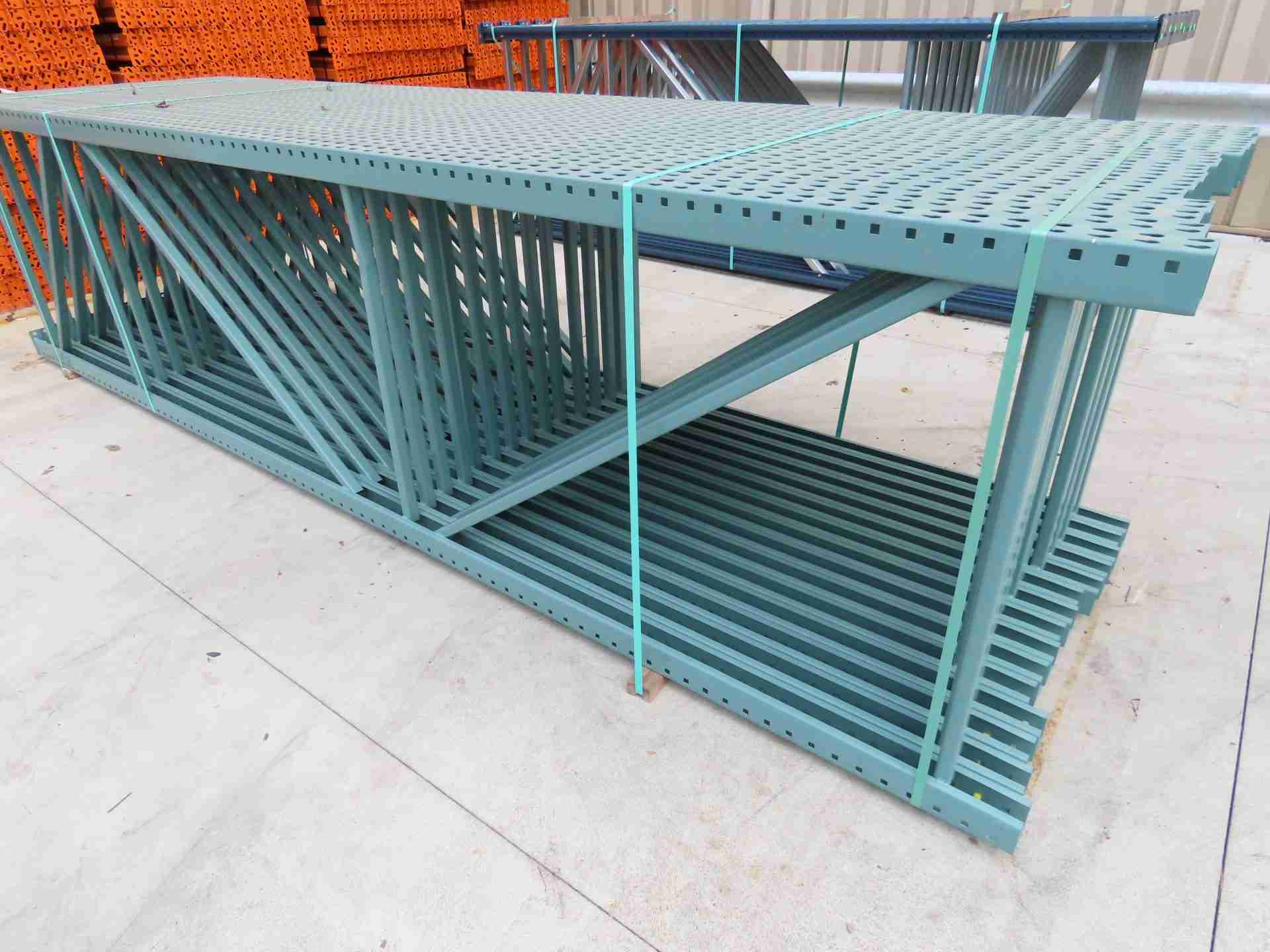
Are Your Pick And Pack Processes Optimized?
Are Your Pick And Pack Processes Optimized?
- Efficiency in pick and pack processes is crucial for e-commerce and logistics profitability.
- Optimizing warehouse layout ensures quick item location and supports smooth operations.
- Implementing smart picking methods, like batch or wave picking, enhances speed and order accuracy.
- Advanced technology, such as barcode scanners and inventory management software, can benefit businesses of all sizes.
- High error rates in order fulfillment threaten customer trust and can lead to loss of profits.
- Continuous optimization of pick and pack processes positions a business as a trusted industry player.
- Investment in infrastructure and employee tools is essential for long-term success in logistics operations.
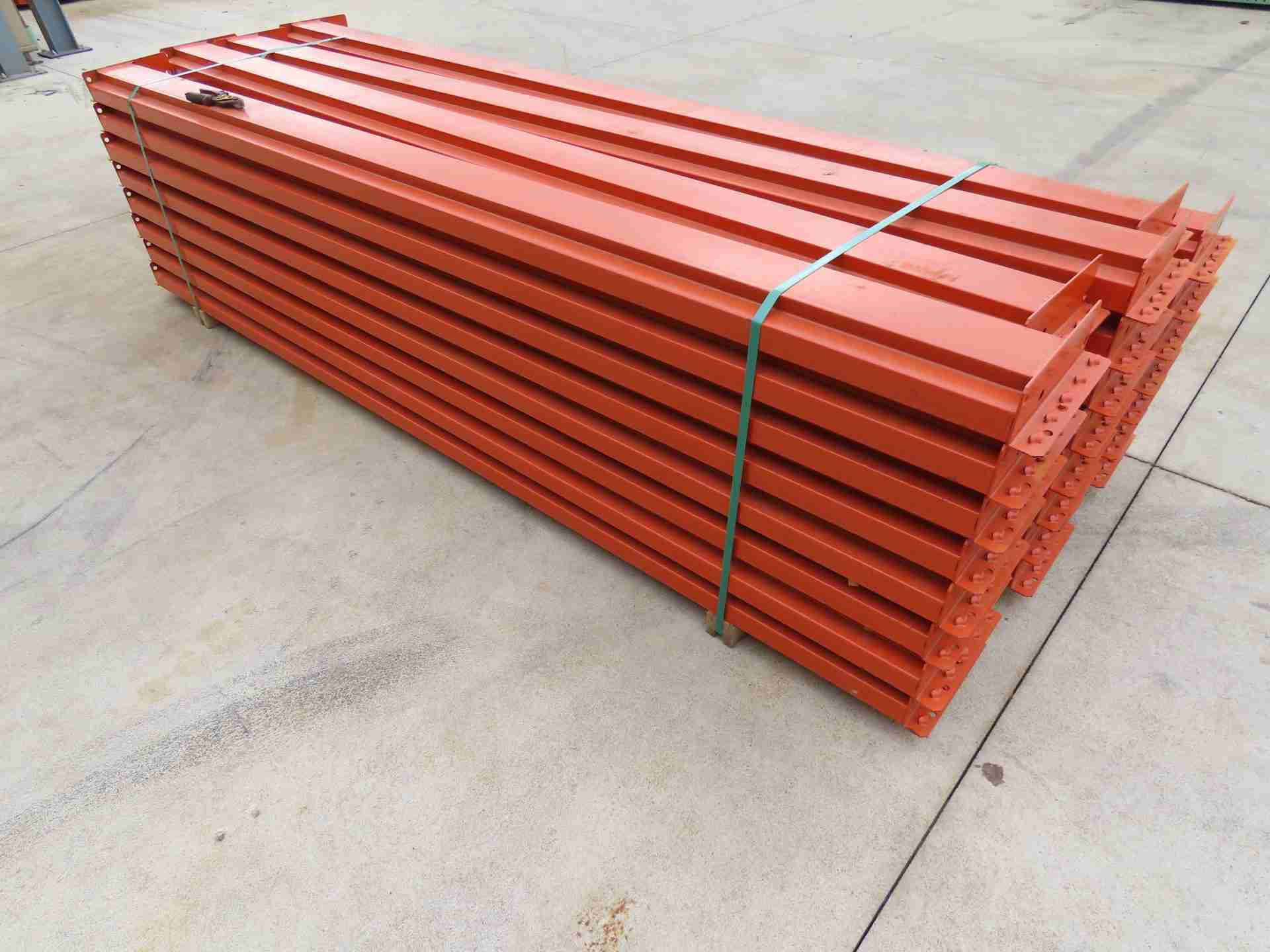
Are Your Pick And Pack Processes Optimized?
Is Your Team Adequately Trained For Warehouse Tasks?
When it comes to your warehouse operations, the efficiency of your team hinges on one crucial factor: adequate training. Imagine watching a well-oiled machine run seamlessly, where every cog and gear knows its role. This is precisely what a well-trained team embodies. If your employees lack the skills and knowledge to navigate their environment, it’s like throwing a wrench into that machine.
Training isn’t just a box to check off; it’s an investment that pays serious dividends. Think about the complexity of tasks in your facility, from navigating intricate pallet racking systems to using advanced technology that could streamline processes. If your employees are unsure of how to operate within these frameworks, you might be setting your operations up for failure.
A recent survey shows that a staggering percentage of warehouse accidents are attributed to insufficient training. These incidents not only jeopardize your workers’ safety but also incur escalating costs tied to downtime and potential liability claims. The last thing you want is to stand by helplessly as a preventable accident disrupts your entire operation. By establishing a rigorous training regimen, you empower your team, reduce risks, and foster an environment of confidence.
Are your employees trained to optimize every inch of your pallet racking systems? Are they adept at maximizing storage efficiency, minimizing retrieval times, and ensuring that each load is handled safely? These capabilities can mean the difference between an expertly run warehouse and a chaotic one.
But let’s not forget about morale. Team members who feel competent and confident in their roles are more engaged, leading to improved productivity. They understand the value of their contributions, and this translates to a palpable energy that elevates your entire operation.
Investments in training don’t need to be massive undertakings. Start by identifying key areas for improvement within your team. Then, tailor programs that resonate with those needs. Whether it’s crisis management, understanding the nuances of inventory control, or mastering the technology that drives your operations, make training an ongoing priority.
So, take a moment to evaluate. Is your team truly equipped for the warehouse tasks ahead? The answer could redefine the trajectory of your operations. If you’re ready to elevate your training practices, now is the time to act. Your warehouse, your employees, and your bottom line will thank you.
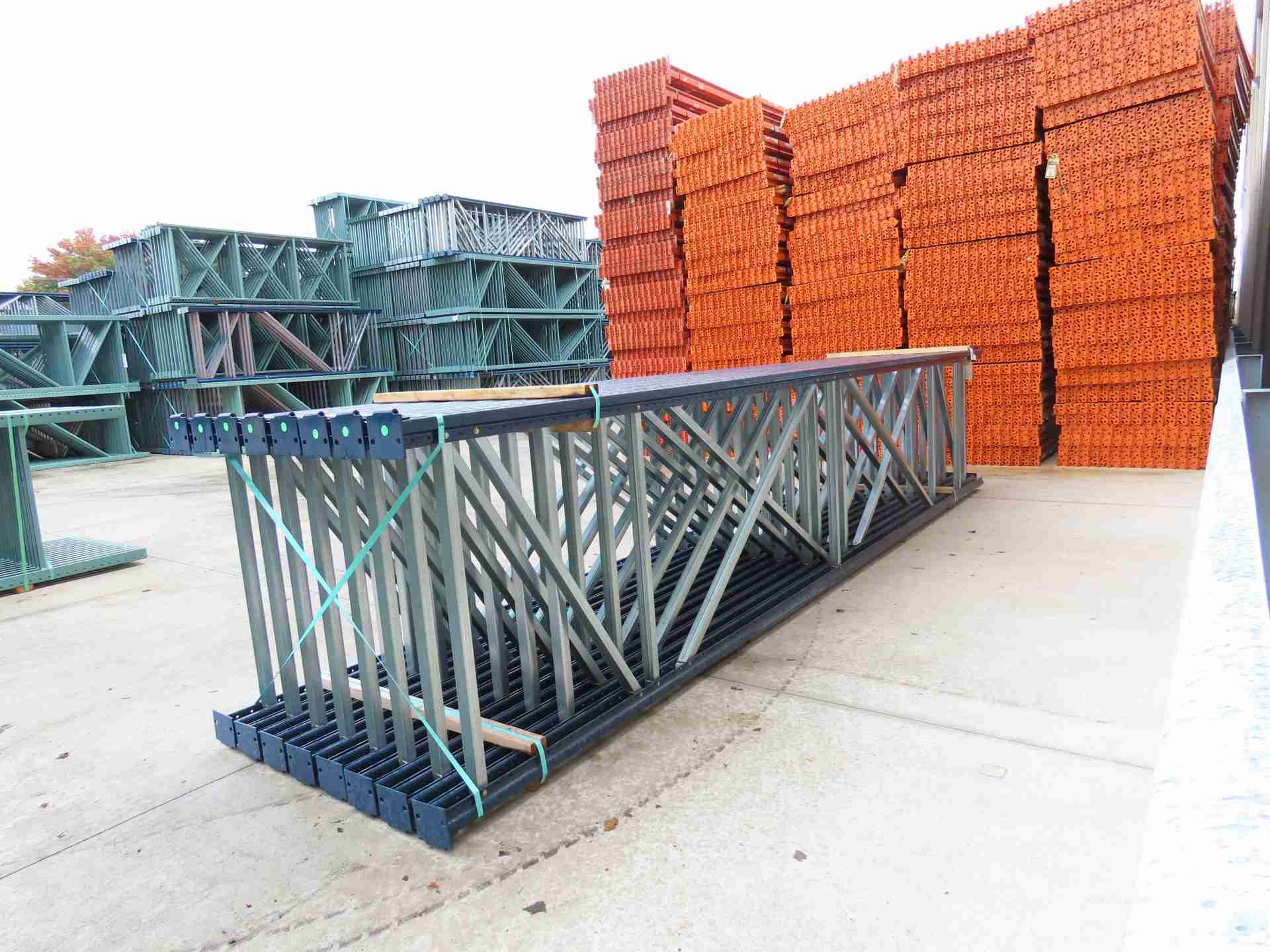
Is Your Team Adequately Trained For Warehouse Tasks?
Is Your Team Adequately Trained For Warehouse Tasks?
- Warehouse efficiency relies on adequate employee training.
- A well-trained team functions like a seamless machine, enhancing operational performance.
- Complex tasks in warehouses require skilled workers to avoid operational failures.
- Insufficient training significantly contributes to warehouse accidents, impacting safety and costs.
- Rigorous training empowers employees, reduces risks, and fosters confidence in the workplace.
- Competent team members enhance morale, engagement, and productivity within the warehouse.
- Tailor training programs to meet specific team needs and make training an ongoing priority.
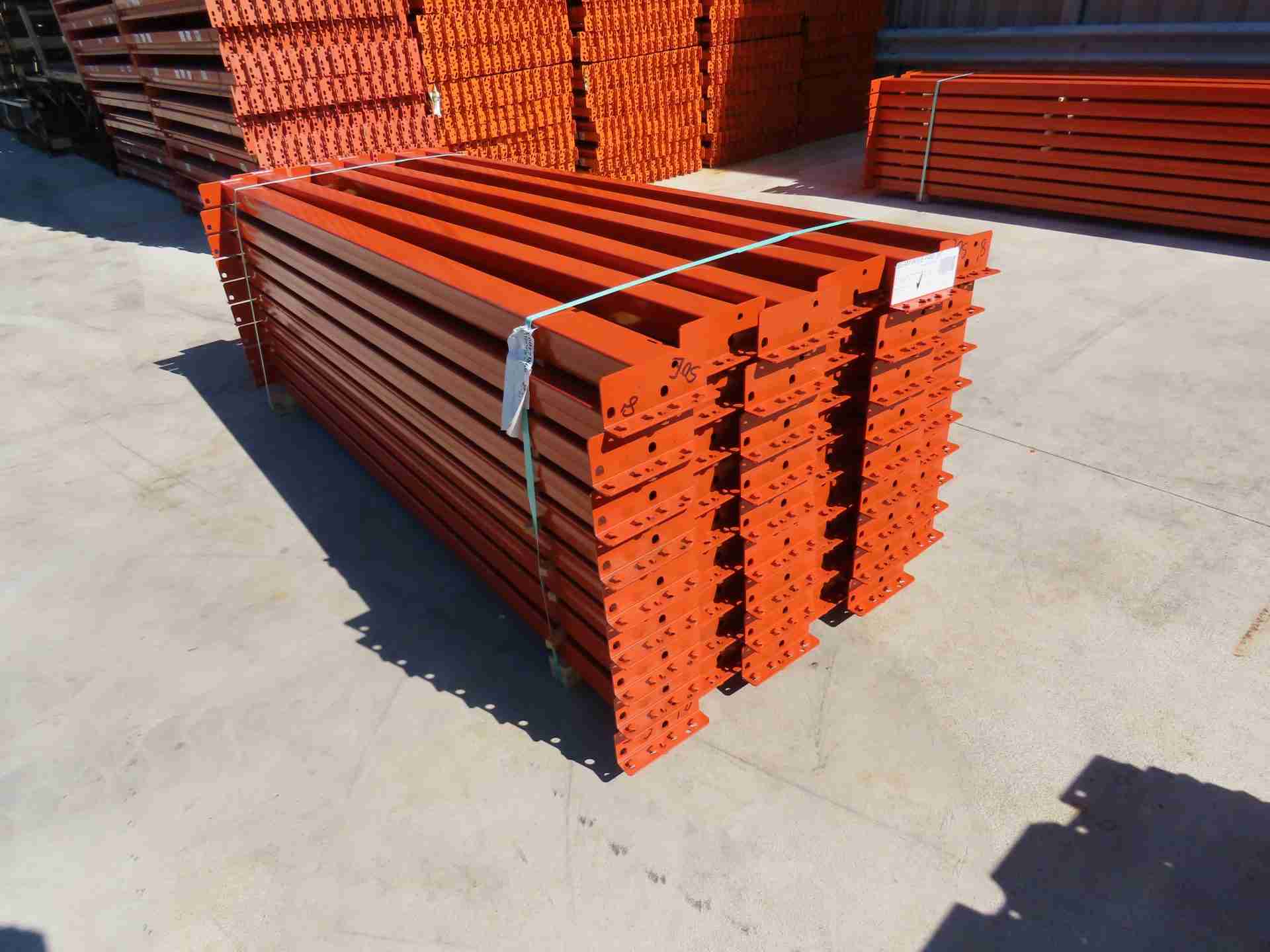
Is Your Team Adequately Trained For Warehouse Tasks?
How Is Technology Integrated Into Your Warehouse Operations?
Imagine stepping into your warehouse and witnessing a seamless symphony of activity. The heart of your operations beats with the rhythm of advanced technology, enhancing efficiency and productivity in ways you may have only dreamed about. How can this dream become your reality? Let’s dive into how technology, particularly in systems like pallet racking, is transforming the landscape of warehouse management.
First, visualize your warehouse space. The traditional, cluttered layout is an obstacle to productivity; however, with sophisticated pallet racking systems and the latest warehouse management software, you can optimize every inch of your space. Smart pallet racking solutions allow you to store more inventory without sacrificing accessibility. Not only can this double your storage capacity, but it also helps in tracking individual pallets, leading to improved inventory management. You know exactly where your products are, reducing the time spent searching and allowing your employees to focus on more valuable tasks.
Moreover, integrating technology such as barcode scanners and RFID systems with your pallet racking can revolutionize your operations. As pallets are moved in and out, real-time data updates ensure you always have an accurate count of your stock. This visibility fosters trust, allowing employees to make informed decisions and management to gain insights into operational performance, ultimately leading to quicker turnaround times and happier customers.
But the integration of technology doesn’t stop there. Consider automation in the form of robotics or automated guided vehicles (AGVs), working alongside your pallet racking systems. These machines can navigate the warehouse floor, retrieving and delivering pallets with precision and speed. Imagine a scenario where your team can focus on strategy while automated systems handle the more labor-intensive tasks. This not only boosts morale but significantly lowers labor costs.
Now, you might be thinking, “This sounds great, but where do I start?” The key lies in partnering with experienced technology providers who understand the unique challenges of your operations. A customized strategy tailored to your specific needs can set the stage for great success.
In this age of innovation, embracing technology not only enhances your warehouse operations but also catapults your business into a new realm of growth and efficiency. It’s not just about managing your warehouse anymore; it’s about leveraging technology to take the reins of your future. Take that step today and witness a transformative impact on your business operations.

How Is Technology Integrated Into Your Warehouse Operations?
How Is Technology Integrated Into Your Warehouse Operations?
- Technology is revolutionizing warehouse management, enhancing efficiency and productivity.
- Traditional warehouse layouts can impede productivity; advanced pallet racking systems optimize space utilization.
- Smart pallet racking solutions double storage capacity while improving inventory tracking.
- Integration of barcode scanners and RFID systems provides real-time data updates for accurate stock counts.
- Automation through robotics and automated guided vehicles (AGVs) boosts productivity and lowers labor costs.
- Partnering with experienced technology providers can create a customized strategy for success.
- Embracing technology leads to growth, efficiency, and a transformative impact on business operations.
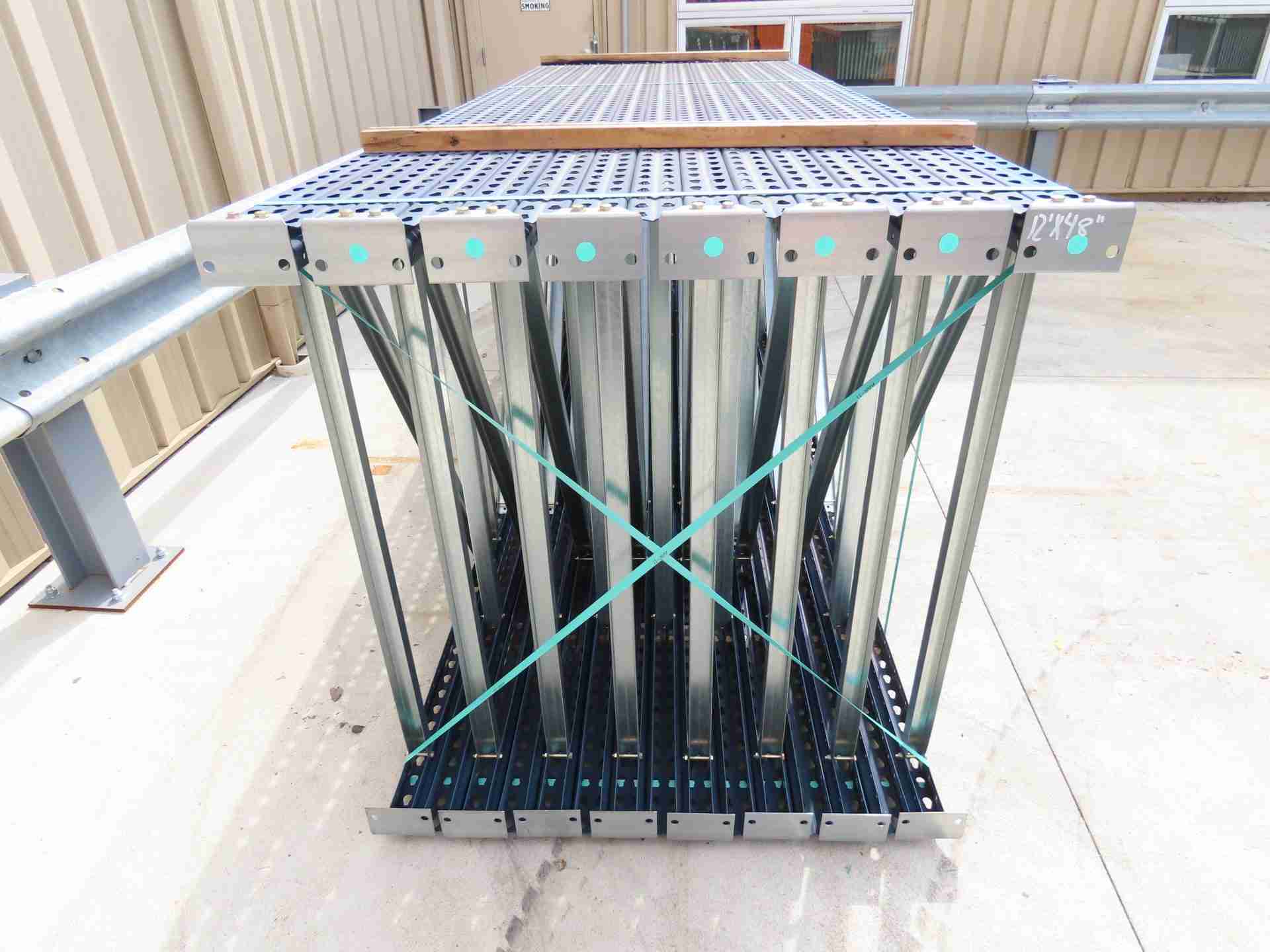
How Is Technology Integrated Into Your Warehouse Operations?
Conclusion
Conclusion: Transform Your Warehouse into a Powerhouse of Potential
Is your warehouse still trapped in the shadows of inefficiency? The opportunity to unleash its true potential has never been greater. Your warehouse is not merely a storage space; it is the lifeblood of your business, a dynamic hub capable of driving productivity, cutting costs, and elevating customer satisfaction. By understanding this, you can move beyond the graveyard of wasted space and inefficiencies and transform your operations into an agile powerhouse.
Let’s address the sobering reality: if your pallet racking system is underperforming or outdated, it is costing you money every single day. The consequences of poor inventory management, disorganization, and uninspired protocols are steep—longer fulfillment times, unhappy customers, and ultimately, diminished profits. It doesn’t have to be this way. With a proactive approach—such as thorough inventory audits, strategic upgrades to your racking systems, and a commitment to continuous improvement—you can redefine your warehouse operations and optimize not only the space but also the workflow.
Consider this your rallying cry for change. Begin by evaluating your current setups, seeking out technology solutions like barcode scanners or inventory management systems that bring clarity to your processes. Are your employees adequately trained to maximize efficiency and minimize errors? Empower your workers with the knowledge to navigate through your operations seamlessly. You might be surprised at the uplift in productivity that comes from a well-informed team who feels confident in their capability.
For those who act now, the benefits will come rolling in: faster order fulfillment, reduced overhead costs, and a well-organized operation that elevates employee morale. But don’t hesitate! The time to act is today. Call Arrow Industrial Sales at (574) 349-6575 and discover how you can leverage cutting-edge racking solutions tailored to your unique needs.
You have the chance to breathe new life into your warehouse—make it a space filled with productivity rather than wasted potential. Don’t allow inefficiency to be the legacy of your operations. Transform your warehouse into a flourishing engine of growth and let wasted potential become a thing of the past. The future of your business is ripe with possibilities; let’s seize it together!
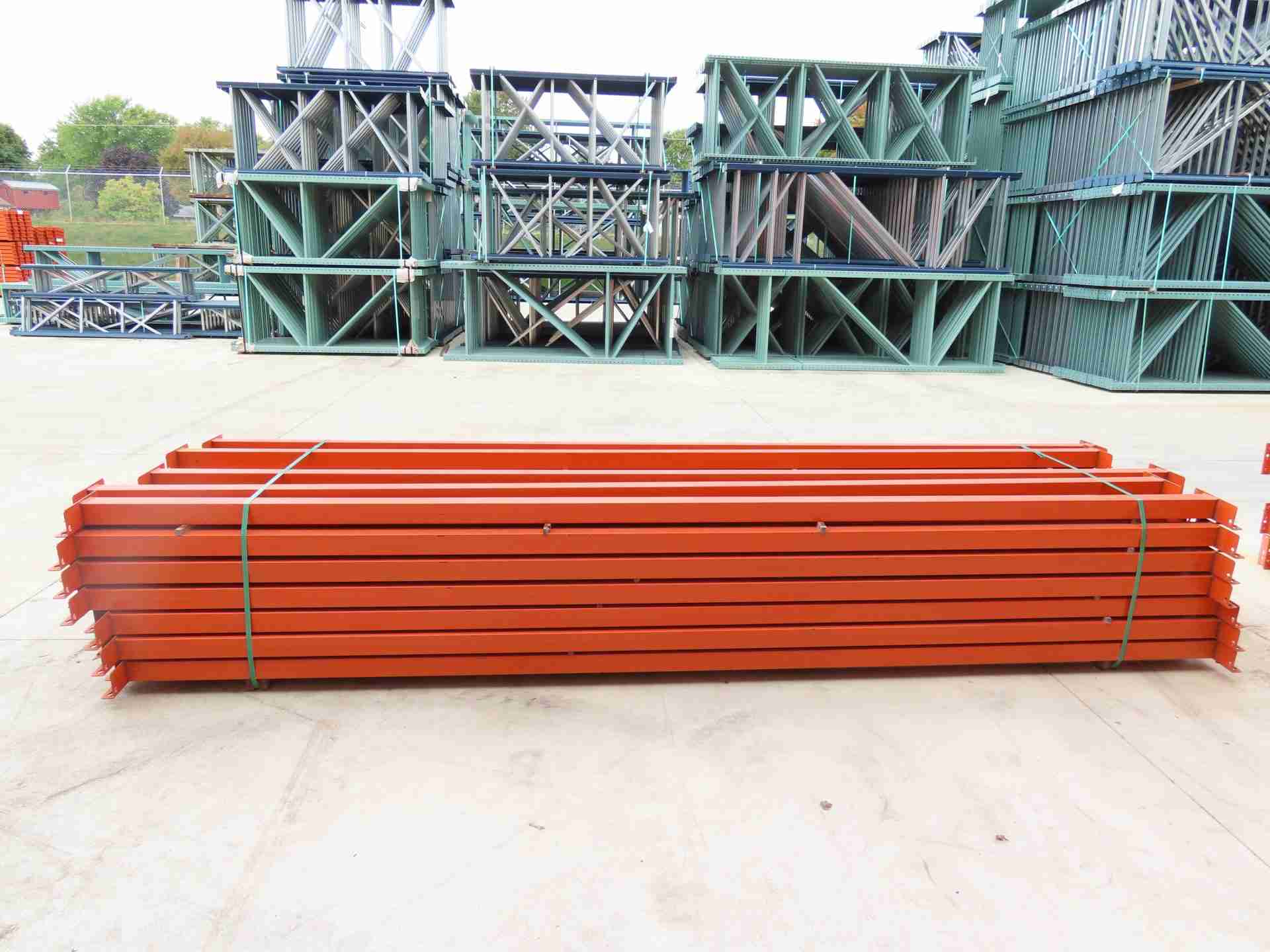
Conclusion
Conclusion:
- Your warehouse is a vital hub for driving productivity, cutting costs, and enhancing customer satisfaction.
- Underperforming pallet racking systems can lead to daily financial losses and inefficiencies.
- Proactive measures like inventory audits and racking system upgrades can redefine operations.
- Evaluate current setups and invest in technology solutions to improve clarity and processes.
- Ensure employees are trained effectively to navigate operations and enhance productivity.
- Acting now can lead to faster order fulfillment, reduced overhead costs, and improved employee morale.
- Contact Arrow Industrial Sales for tailored racking solutions to optimize your warehouse.

Conclusion
Other Resources
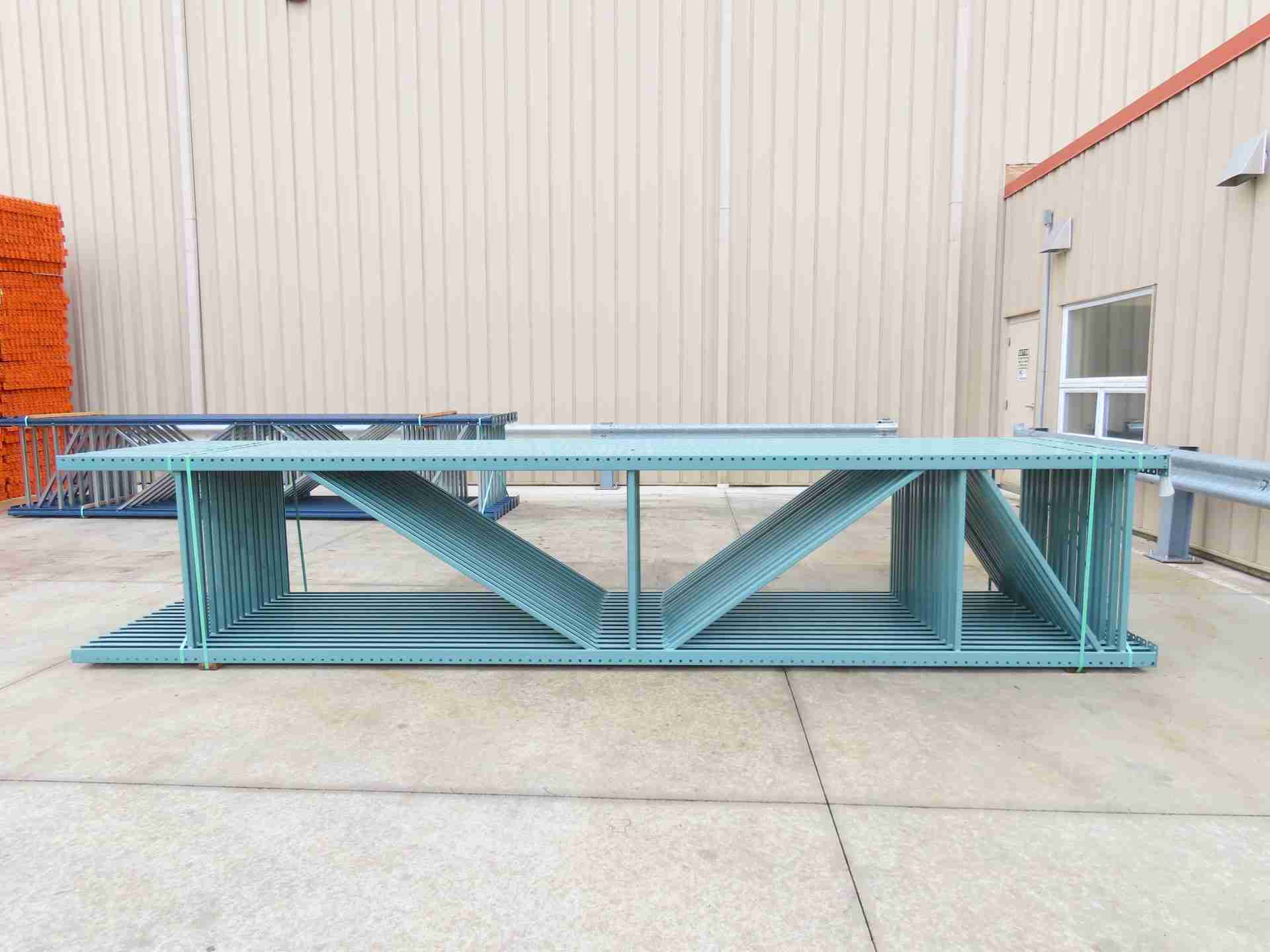
Other Resources
Here is a list of other resources you can review online to learn more:
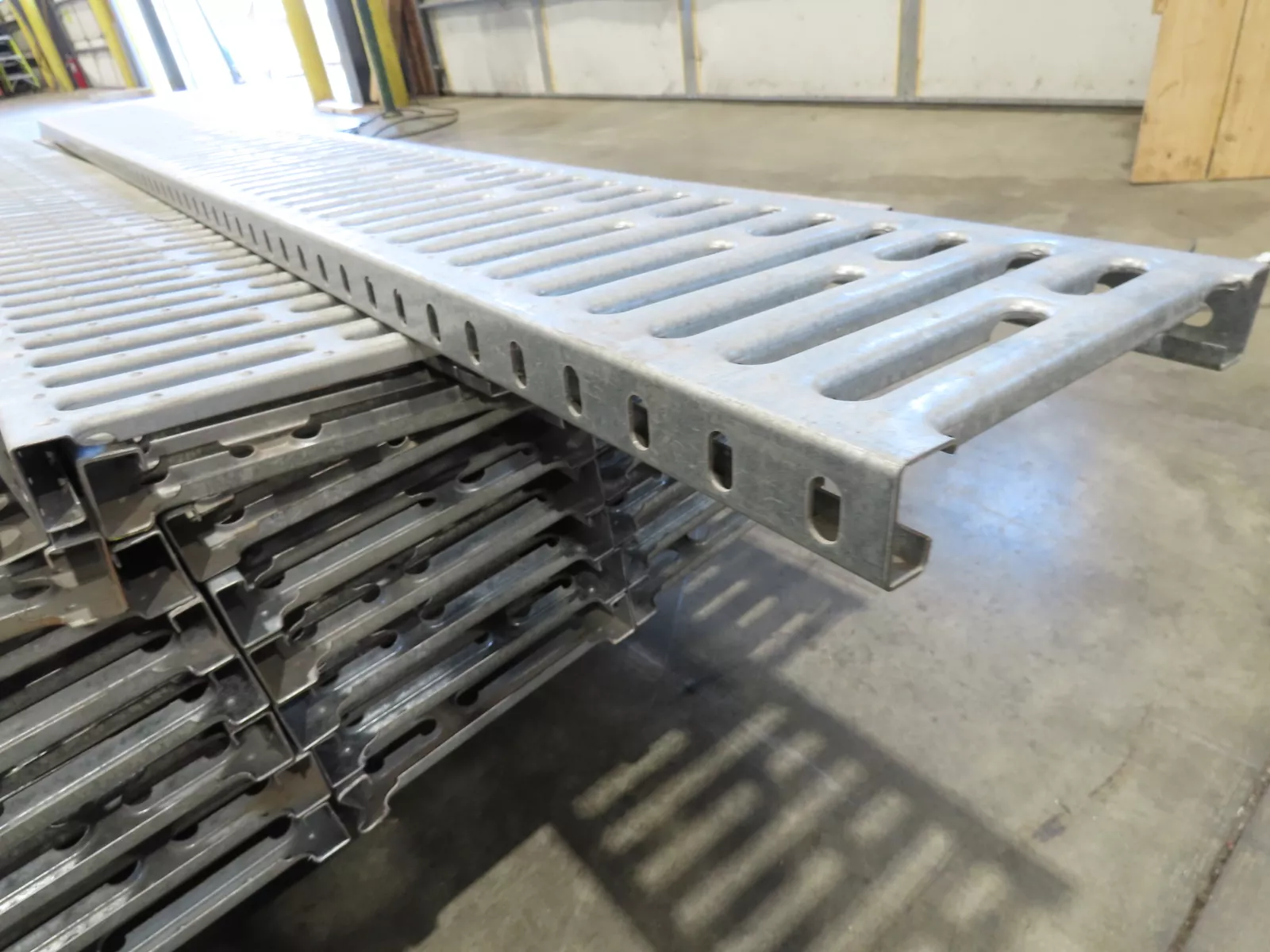
- Racking World
- Shipping Boxes, Packaging Materials, Pallet Racking
- Cantilever Rack Guide: Ordering Cantilever Racking
- Interlake Mecalux
- Pallet Rack Systems – New and Used Pallet Racking and Shelving Experts
- The Complete Pallet Rack Guide – Simply Rack
- Interlake
- What is Selective Racking: Understanding Benefits & Options
- Used Pallet Rack for Sale in Illinois – American Surplus
- IWLA
Use This Prompt To Get More Resources With Your Favorite Online AI Tool: Please provide me with a list of online articles with their URLs in a bulleted list that I can read regarding Is Your Warehouse The Silent Graveyard Of Wasted Potential?
Other Resources
Glossary Terms
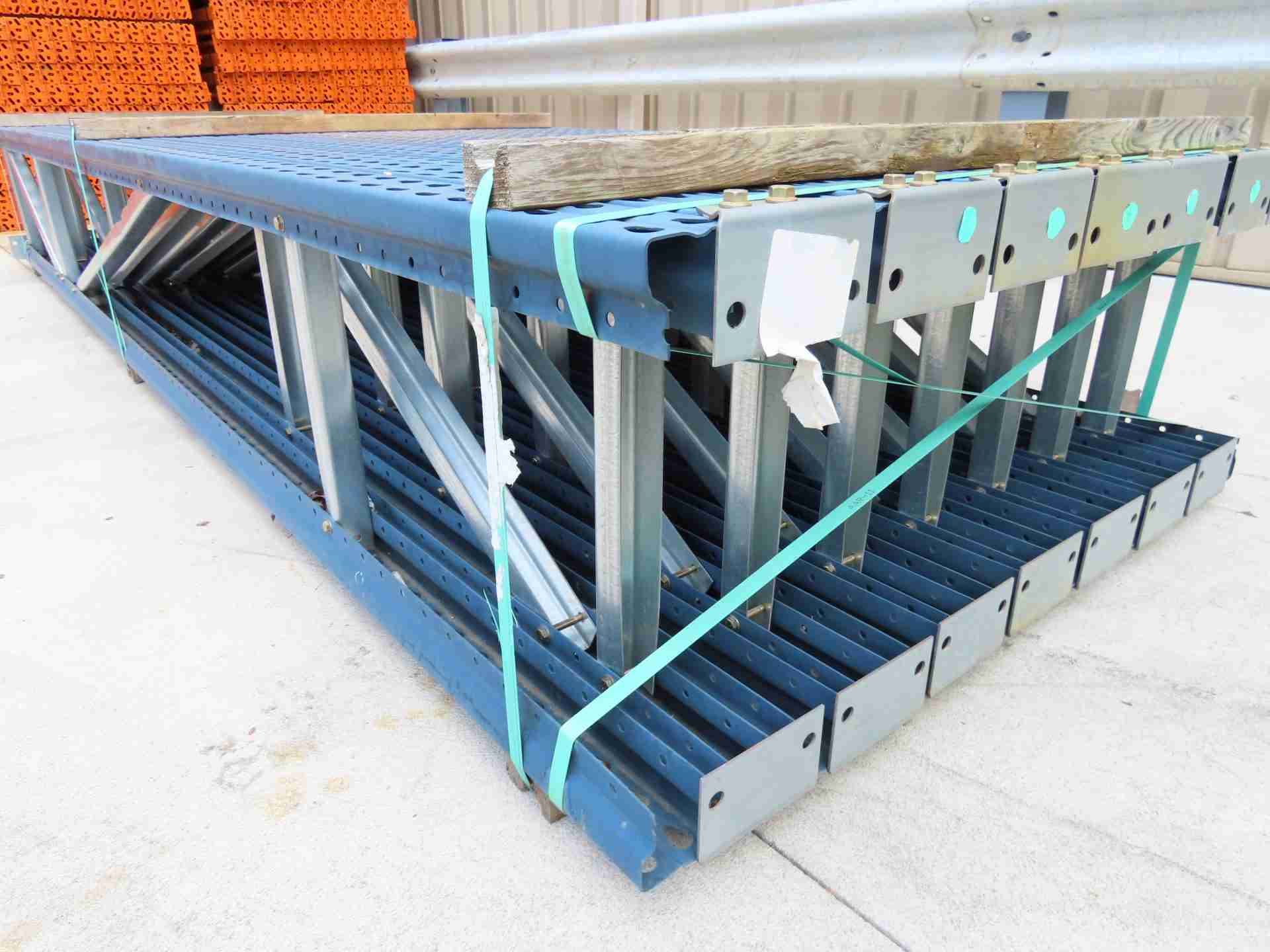
Is Your Warehouse The Silent Graveyard Of Wasted Potential? – Glossary Of Terms
1. Warehouse: A large building for storing goods during the manufacturing, distribution, or retail process.
2. Inventory: The complete list of goods and materials available for sale or distribution in a warehouse.
3. Wasted Potential: Resources (time, space, labor) that are underutilized or not used to their fullest capacity, leading to inefficiencies.
4. Stock Rotation: The practice of ensuring that older stock is sold before newer stock, preventing obsolescence and waste.
5. SKU (Stock Keeping Unit): A unique identifier for each distinct product and service that can be purchased.
6. Overstock: An excess inventory that can lead to storage issues and increased holding costs.
7. Understock: When inventory levels are insufficient to meet customer demand, risking lost sales.
8. Lean Warehouse: An approach that focuses on minimizing waste within a manufacturing system while maximizing productivity.
9. FIFO (First In, First Out): An inventory management technique where the oldest stock is used or sold before the newer stock.
10. LIFO (Last In, First Out): An inventory valuation method that assumes the most recent items purchased are the first to be sold.
11. Cycle Count: A periodic audit of inventory accuracy that involves counting a portion of stock to verify records.
12. Logistics: The detailed organization and implementation of complex operations, particularly regarding the transportation and storage of goods.
13. Warehouse Management System (WMS): A software application that supports warehouse operations and inventory management by tracking goods throughout a warehouse.
14. Order Fulfillment: The process of receiving, processing, and delivering orders to customers, highlighting efficiency in the warehouse.
15. Safety Stock: Extra inventory kept on hand to mitigate risks of stockouts due to variability in demand or supply chain disruptions.
16. Cross Docking: A logistics practice where incoming shipments are directly loaded onto outbound trucks with minimal or no storage time in between.
17. Dead Stock: Inventory that has not been sold or used for an extended period, contributing to wasted space and potential losses.
18. Pick and Pack: The process of selecting items from inventory and packing them for shipment to customers.
19. Space Optimization: The strategy for maximizing storage capacity and improving the layout within the warehouse.
20. Supply Chain: The entire system of production, processing, and distribution of goods from raw materials to the end consumer.
21. Just-In-Time (JIT): An inventory strategy aimed at reducing waste by receiving goods only as they are needed in the production process.
22. Returns Management: The process of handling returned goods in an efficient manner to minimize waste and recover value.
23. Warehouse Workflow: The series of processes and activities that take place in the warehouse, from receiving to shipping.
24. Kitting: The assembly of multiple products or components into a single package or kit for sale or shipment.
25. Demand Forecasting: Predicting customer demand to optimize inventory levels and prevent overstock or understock situations.
26. Automation: The use of technology to perform tasks with minimal human intervention, increasing efficiency in warehouse operations.
27. Performance Metrics: Key indicators that measure the efficiency, productivity, and areas for improvement within warehouse operations.
28. Lead Time: The amount of time from the initiation of a process until its completion, particularly relevant in order fulfillment.
29. Repacking: The process of re-packaging items for efficiency, storage, or presentation purposes in the warehouse.
30. Sustainability: Practices aimed at reducing environmental impact, which can include efficient use of warehouse space and resources.
Glossary Of Terms
Other Questions
Is Your Warehouse The Silent Graveyard Of Wasted Potential? – Other Questions
If you wish to explore and discover more, consider looking for answers to these questions:
- What are the signs that my warehouse is underperforming?
- How can I assess the current efficiency of my warehouse?
- What are some common types of pallet racking systems available?
- How do I determine the right pallet racking design for my warehouse?
- What are the benefits of conducting a warehouse inventory audit?
- How can technology help in optimizing warehouse processes?
- What specific inventory management systems should I consider?
- What are effective strategies for improving warehouse pick and pack processes?
- How often should I retrain my warehouse team on best practices?
- What KPIs should I track to measure warehouse performance?
- How can I get my team onboard with changes to warehouse operations?
- What role does workplace organization play in warehouse efficiency?
- How can I create a culture of continuous improvement in my warehouse?
- What are the risks of not optimizing warehouse operations?
- How can I leverage data analytics in my warehouse management?
Other Questions
Checklist
Is Your Warehouse The Silent Graveyard Of Wasted Potential? – A Checklist
Warehouse Optimization Checklist: Unleashing Your Warehouse’s Untapped Potential
Use this checklist to evaluate your warehouse operations and identify areas for improvement.
1. Assess Your Current Warehouse Layout
_____ Are your aisles clear and accessible?
_____ Is your pallet racking system modern and well-utilized?
_____ Do you have designated storage spots for all items?
2. Conduct an Inventory Audit
_____ When was your last inventory audit?
_____ Are you tracking stock levels accurately?
_____ Do you have a system for identifying slow-moving inventory?
3. Evaluate Storage Solutions
_____ Is your vertical space being effectively utilized?
_____ Have you considered upgrading your pallet racking system?
_____ Are you using any technology to optimize storage?
4. Review Pick and Pack Processes
_____ Are employees using efficient picking methods (e. g. , batch picking)?
_____ Is your physical layout designed for optimal flow?
_____ Are you tracking error rates in the picking process?
5. Train Your Team
_____ Is your staff adequately trained in warehouse operations?
_____ Are there ongoing training programs in place?
_____ Do team members feel empowered in their roles?
6. Integrate Technology
_____ Are you utilizing any warehouse management software?
_____ Do you have systems in place for real-time inventory tracking?
_____ Have you considered automation to boost efficiency?
7. Establish a Culture of Continuous Improvement
_____ Are audits conducted regularly (recommended: quarterly)?
_____ Do you embrace feedback from employees to enhance processes?
_____ Is there a structured approach to identifying inefficiencies?
8. Focus on Customer Experience
_____ Are you monitoring fulfillment times regularly?
_____ Do you have a process for addressing customer complaints quickly?
_____ Are you leveraging inventory efficiency to build customer trust?
9. Create an Action Plan
_____ What are the immediate next steps you can take to improve?
_____ Who will be responsible for implementing changes?
_____ How will you measure the impact of these changes?
10. Commit to Regular Reviews
_____ Schedule monthly reviews of warehouse performance.
_____ Set KPIs to assess improvements.
_____ Adjust strategies as needed based on data.
Use this checklist as a guide to transform your warehouse from a potential “graveyard” of inefficiency into a powerhouse of productivity!
Checklist
At RackingWorld, we help guide you through selecting warehouse storage systems and racking.
Be sure to read our other related stories at RackingWorld to learn more about warehouse storage systems.
0 Comments