
The Impact Of Racking On Risk And Responsibility
By Tom Seest
At RackingWorld, we help guide you through selecting warehouse storage systems and racking.
Be sure to read our other related stories at RackingWorld to learn more about warehouse storage systems.
How Racking Affects Insurance and Liability
When you think of “racking,” you might picture a neatly organized warehouse, but the stakes are much higher than aesthetics. The truth is, the way we rack our goods isn’t just a matter of efficiency; it’s a matter of safety, insurance, and liability. Imagine a hardworking employee, bright-eyed and bushy-tailed, navigating a maze of improperly racked pallets. A moment of negligence—be it a toppled load or a careless mistake—can lead to serious injuries or worse. The ethical responsibility of providing a safe work environment isn’t just a checkbox; it’s a fundamental duty we owe to our teams.
Now, let’s talk dollars and sense. Insurance companies don’t just pull numbers out of thin air; they analyze risks meticulously. When racking systems are designed and maintained poorly, insurance premiums can skyrocket. The higher the risk, the higher the cost. Think of it as a tug-of-war between your operational goals and the realities of liability. Insurance adjusters are not just paper pushers; they’re the gatekeepers of your financial stability, evaluating each dented pallet and misplaced rack with eagle eyes. A clean, well-maintained racking system can keep your premiums manageable and safeguard your bottom line.
This isn’t merely rational talk; it’s reality. The human heart beats fervently for those we care about. Every colleague is a thread in the fabric of your company’s community. When an injury occurs due to negligent racking, it impacts everyone—from coworkers to families. Communities thrive when they look out for one another, and that starts with daily practices. Ethically and emotionally, we owe it to our teams to foster an environment where safety reigns supreme.
Moreover, let’s not overlook industry standards and regulations. They exist for a reason. Adhering to them is about more than compliance; it’s about understanding that we’re part of a larger chain of responsibility. When you rack correctly, you signal to your employees, your customers, and even your competitors that you’re serious about safety.
In the grand narrative of any business, every decision reverberates. Your choices shape not only the immediate work environment but also the long-term reputation of your establishment. Racking isn’t just about getting it right; it’s about inspiring confidence—a commitment to quality that fosters trust and promotes not just productivity, but a sense of shared purpose. Take the reins and embrace the responsibility of racking wisely. It’s an investment in safety, peace of mind, and a thriving workplace culture.

How Racking Affects Insurance and Liability
How Racking Affects Insurance and Liability
- Racking impacts efficiency, safety, insurance, and liability.
- Poorly organized racking can result in serious injuries and ethical responsibilities for employee safety.
- Insurance premiums increase with poorly designed and maintained racking systems due to higher risk evaluations.
- A well-maintained racking system can help keep insurance costs manageable and protect financial stability.
- Workplace injuries due to negligent racking affect the entire team and their families, highlighting the importance of a safe environment.
- Adhering to industry standards reinforces commitment to safety and collective responsibility within the community.
- Wise racking decisions enhance workplace culture and boost reputation by fostering trust and a sense of purpose.

How Racking Affects Insurance and Liability
Table Of Contents
- How Racking Affects Insurance and Liability
- How Do Accidents From Poor Racking Impact Your Financial Stability?
- How Can Superior Racking Systems Lead to Lower Insurance Premiums?
- What Real-Life Stories Illustrate the Consequences Of Faulty Racking?
- How Does Compliance with Racking Standards Affect Liability Coverage?
- What Role Do Industry Authorities Play In Establishing Racking Norms?
- Conclusion
- Other Resources
- Glossary Of Terms
- Other Questions
- Checklist
How Do Accidents From Poor Racking Impact Your Financial Stability?
Accidents stemming from poor racking can wreak havoc on your financial stability, rattling not only your bottom line but also the very core of your livelihood. Picture this: a worker in a warehouse, diligently going about their day, when suddenly a racking collapse sends a cascade of products barreling down. The immediate aftermath is chaos—a scene marked by emergency protocols, lost inventory, and shaken nerves. But what follows is often more profound, a slow, quiet unraveling of trust and security that can ripple through an entire organization.
From a financial perspective, the impacts are stark. Damaged goods lead to unplanned costs, liability claims can ring the cash register dry, and insurance premiums will inevitably rise. What’s more, the loss of operational hours can lead to delayed deliveries, sickening your reputation in a competitive market. It’s not just numbers on a balance sheet; it’s the livelihood of every employee depending on the success of the business, a ticking clock on rent and payroll that won’t hesitate to strike.
Ethically, the responsibility lies with leaders. Investing in proper racking systems isn’t merely a matter of compliance—it’s a moral imperative. Good leadership should prioritize the safety and wellbeing of employees, creating an environment where individuals feel valued and protected. You can’t put a price tag on trust, but when it’s broken due to negligence, the cost is steep.
Moreover, the narrative surrounding accidents in the workplace often falls flat. Stories of resilience and recovery can inspire confidence, yet they also serve as cautionary tales. Every tale of a near-miss or a devastating incident echoes throughout the community, shaking the faith of customers and employees alike.
Socially, accountability matters, as businesses are ultimately a reflection of the values they embody. If a company allows racking mismanagement to undermine safety, it sends a clear message—it values profit over people. When innocent workers pay the price, society reels.
Addressing poor racking is not just about avoiding accidents; it’s about building a culture. A culture that prioritizes safety, trust, and integrity, ensuring financial health today and protecting the promise of tomorrow. When leaders choose wisely, they pave the way for success—not just for themselves, but for every life intertwined with the business. It’s time we all step up and take this responsibility seriously.

How Do Accidents From Poor Racking Impact Your Financial Stability?
How Do Accidents From Poor Racking Impact Your Financial Stability?
- Accidents from poor racking can severely impact financial stability and the overall livelihood of businesses.
- A racking collapse can lead to chaos, emergency protocols, lost inventory, and diminished trust within the organization.
- Financial repercussions include damaged goods, rising liability claims, increased insurance premiums, and loss of operational hours.
- Loss of operational hours may result in delayed deliveries and harm the company’s reputation in a competitive market.
- Leadership has an ethical responsibility to invest in proper racking systems and prioritize employee safety and well-being.
- Workplace accidents have social implications, reflecting a company’s values and potentially damaging its reputation if mismanaged.
- Addressing poor racking is essential for fostering a culture of safety, trust, and integrity for sustained financial health.

How Do Accidents From Poor Racking Impact Your Financial Stability?
How Can Superior Racking Systems Lead to Lower Insurance Premiums?
When we think about racking systems, we might envision a sterile warehouse, neatly arranged with boxes stacked high, but there’s more at play than meets the eye. Superior racking systems do more than just store products; they safeguard livelihoods and undergird entire communities. Imagine a business owner, working late to make ends meet, watching their meticulously organized warehouse. With superior racking, each item is not merely a part of inventory — it’s a vital cog in the wheel of their dream.
From a rational standpoint, implementing advanced racking solutions means fewer accidents and reduced losses. These systems offer enhanced stability and load-bearing capacity, lowering the risk of costly damages and human injury. Insurers take note: improved safety measures directly impact risk assessments, which can translate into lower insurance premiums. It’s an efficient investment, one that pays dividends in safety and peace of mind.
Ethically, prioritizing a superior racking system is an act of responsibility. It shows employees that their well-being matters, fostering a culture of safety and trust. After all, when workers feel secure in their environment, they’re more productive, translating into better performance and, ultimately, a healthier bottom line.
But let’s not forget the power of storytelling. Picture a small-town shop where every item on the racking tells a story of determination and hard work. Every carton stacked against the wall represents a family’s hopes, dreams, and future. Wouldn’t you want to protect that legacy? Investing in quality racking not only secures merchandise but also the aspirations tied to them. It creates a narrative of resilience and growth that transcends the confines of a warehouse.
On a social level, superior racking systems promote community connections. Businesses that prioritize safety often find themselves in conversations with others in their industry, sharing best practices and fostering camaraderie. This collective commitment to safety can drive down costs since insurers often reward groups with lower premiums when they adopt similar safety measures.
To put it simply, superior racking systems create a web of benefits that reach far beyond the shelves of a warehouse. They inspire confidence in owners, ensure safety for workers, and build lasting relationships within communities. In a world where every penny counts, isn’t it time we recognize the value of investing in the future — one rack at a time?

How Can Superior Racking Systems Lead to Lower Insurance Premiums?
How Can Superior Racking Systems Lead to Lower Insurance Premiums?
- Racking systems are crucial for more than just storage; they support livelihoods and communities.
- Implementing advanced racking solutions leads to fewer accidents, reduced losses, and improved safety.
- Better safety measures can lower insurance premiums due to less risk for insurers.
- Prioritizing superior racking systems reflects a commitment to employee well-being, fostering safety and trust.
- Quality racking protects not only merchandise but also the aspirations and stories linked to them.
- Superior racking systems encourage community connections and best practices between businesses.
- Investing in racking creates a web of benefits that enhance safety, confidence, and community relationships.

How Can Superior Racking Systems Lead to Lower Insurance Premiums?
What Real-Life Stories Illustrate the Consequences Of Faulty Racking?
In the world of heavy lifting and storage, racking systems play a silent yet pivotal role in our daily operations. But what happens when these systems falter? Let’s take a moment to pause, reflect, and explore some real-life stories that reveal the profound consequences of faulty racking.
Picture a bustling warehouse, where dedicated workers are efficiently navigating aisles lined with towering shelves, each one filled with vital products that keep businesses alive. Now imagine one of those towering racks, compromised by neglect or shoddy installation, suddenly gives way. In an instant, everything changes. A cascade of inventory comes crashing down—a scene that manifests not just in shattered boxes and broken merchandise but also in the palpable fear that grips the workers below. This isn’t just about lost goods; it’s about risking lives. Each person in that warehouse has families, dreams, and responsibilities. When a racking system fails, the human element becomes painfully evident.
Consider the story of a small family-owned business that thrived on hard work and community. They invested in a new racking system to optimize their operations, believing they were making a smart choice. But because they cut corners to save costs, what was supposed to bolster efficiency instead converted their warehouse into a perilous environment. One fateful afternoon, a worker slipped as they retrieved a box from the top shelf, sending a cascade of items tumbling down. It led to injuries that echoed beyond the warehouse walls—hurt that rippled through a close-knit family and awakened an entire community to the hidden dangers lurking in plain sight.
From an ethical standpoint, we must recognize that the responsibility of implementing safe racking systems doesn’t belong only to the warehouse managers. It’s a collective duty that falls on everyone involved—from designers to installers to key decision-makers. When our focus shifts solely to profit margins without considering safety, we lay the groundwork for disaster. Authorities in workplace safety emphasize that the consequences of these oversights can lead to more than just financial setbacks—they can culminate in legal issues, insurance claims, and, most heartbreakingly, workplace injuries or loss of life.
As we navigate our diverse environments—be it warehouses, retail spaces, or factories—let us not forget the critical role that safe and reliable racking plays. It is up to us to inspire change, advocate for safety protocols, and prioritize the lives above the bottom line. Every rack, every beam? They’re part of a much larger story, one where safety, responsibility, and humanity intersect. Let’s make sure that story is a positive one, for ourselves, our communities, and our future.
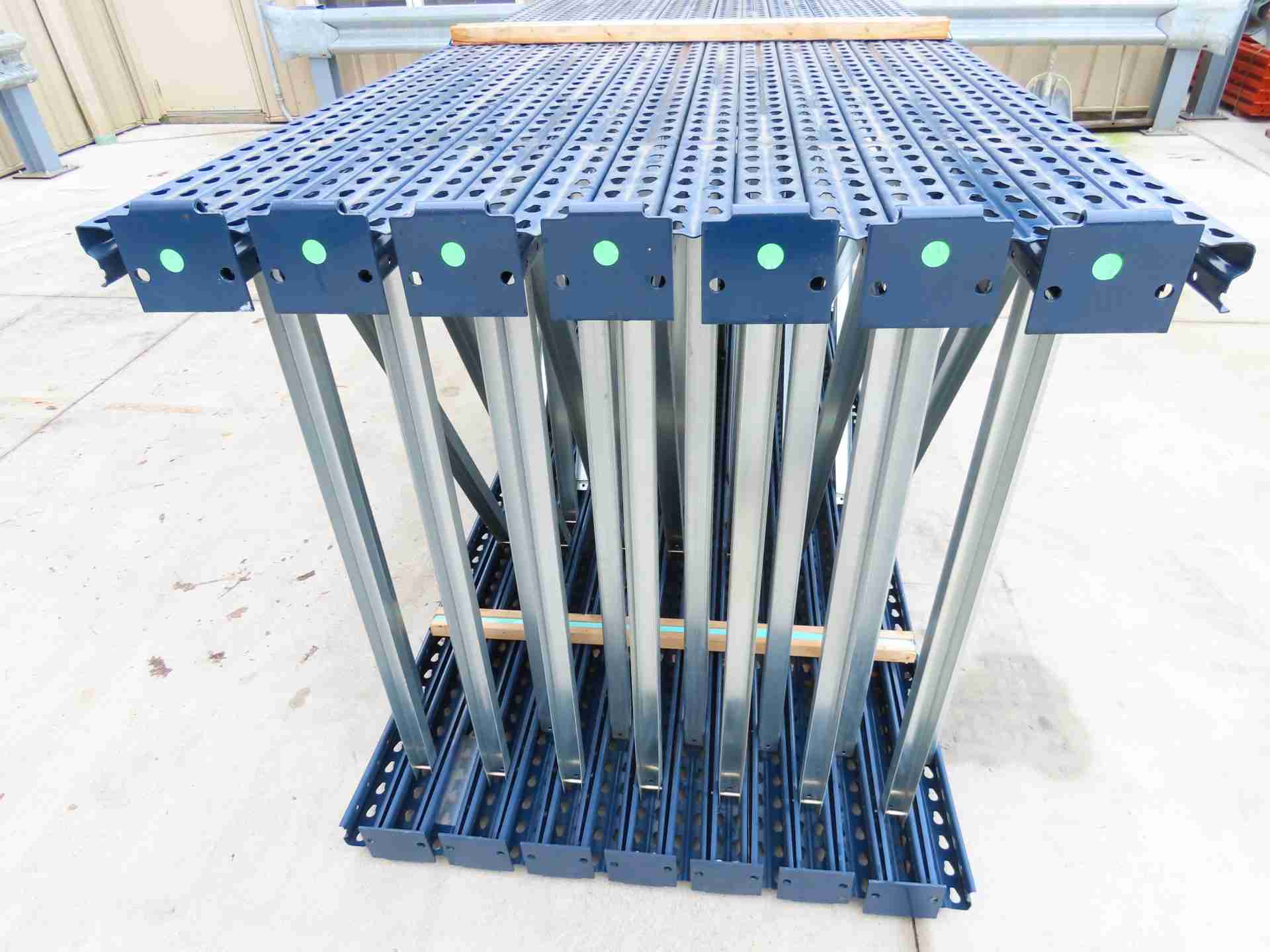
What Real-Life Stories Illustrate the Consequences Of Faulty Racking?
What Real-Life Stories Illustrate the Consequences Of Faulty Racking?
- Racking systems are essential in heavy lifting and storage, influencing daily warehouse operations.
- Faulty racking systems can lead to dangerous consequences, including accidents and injuries.
- Instances of racking failures highlight risks not just to products, but to the lives of the warehouse workers.
- A small business’s decision to cut corners on racking systems resulted in a serious workplace accident affecting the community.
- Responsibility for safe racking systems is collective, involving designers, installers, and decision-makers.
- Neglecting safety in favor of profit can lead to legal issues, financial losses, and workplace injuries.
- We must prioritize safety and advocate for responsible practices in racking systems for the well-being of all.

What Real-Life Stories Illustrate the Consequences Of Faulty Racking?
How Does Compliance with Racking Standards Affect Liability Coverage?
When it comes to the nuts and bolts of compliance with racking standards, we’re not just talking about meeting regulatory checkboxes; we’re diving into an often-overlooked lifeboat in the tumultuous sea of liability coverage. Imagine pulling into a warehouse full of towering steel structures, where each rack holds the promise of efficiency, organization, and safety. Now, think about what happens when those standards slip through the cracks.
You may feel a twinge of anxiety considering the consequences of a racking failure. That collective sigh you hear from the safety officers and insurance adjusters isn’t just about numbers—it’s about people. Each racking system has the potential to affect lives. When you adhere to established compliance measures, you’re actively reducing risk, concluding that the safety of your team far outweighs the cost of negligence.
Legally, compliance isn’t just smart; it’s essential. Insurance providers look closely at how well businesses meet these racking standards when calculating liability coverage. Failures can lead to devastating accidents that result in massive claims and skyrocketing premiums. The stakes are high, but when organizations commit to safety and best practices, they reduce their vulnerability—not just to lawsuits, but to the human cost of a disaster.
Consider for a moment the ethical dimension. By investing in compliant racking systems, a company exhibits a profound respect for its workforce. This isn’t just about ticking off a regulatory box; it’s about creating an environment where employees feel valued and protected. Their safety translates into trust—a bond that strengthens teamwork, morale, and productivity.
Meet Joe, a warehouse manager whose facility was known for its safety standards. When he implemented rigorous compliance protocols, the workplace transformed. Joe watched as turnover rates plummeted, and in their place came stories of teamwork and camaraderie blossoming among employees. They took pride in knowing their safety wasn’t just an afterthought; it was embedded in the company’s DNA.
We’re all part of a larger community, and setting high standards for compliance with racking systems creates ripples far beyond the four walls of your warehouse. By consciously embracing safety and accountability, you’re building a legacy—one that resonates with customers, partners, and, most importantly, your employees. When compliance becomes a cornerstone of your business strategy, you’re not just protecting assets; you’re investing in people, and that’s a blueprint that every successful business should strive to follow.

How Does Compliance with Racking Standards Affect Liability Coverage?
How Does Compliance with Racking Standards Affect Liability Coverage?
- Compliance with racking standards is essential for minimizing liability risks, not just a regulatory requirement.
- Failure to meet standards can lead to significant safety issues, affecting both people and organizational integrity.
- Adhering to compliance measures reduces risk and enhances the overall safety of the team.
- Insurance providers scrutinize compliance when determining liability coverage; non-compliance leads to higher premiums and potential claims.
- Investing in compliant racking systems demonstrates respect for employees, fostering a safe and trustworthy work environment.
- Rigorous compliance protocols can significantly improve workplace morale and reduce employee turnover.
- Setting high compliance standards contributes to a positive legacy, impacting customers, partners, and the broader community.

How Does Compliance with Racking Standards Affect Liability Coverage?
What Role Do Industry Authorities Play In Establishing Racking Norms?
When it comes to racking systems, industry authorities play a crucial role, acting as the trusted guardians of safety and innovation. Imagine a bustling warehouse, where thousands of products are stacked high and stored meticulously. Behind that operation lies a framework of standards, established by experts who understand the risks and rewards of every inch of racking. These authorities aren’t just bureaucrats; they’re seasoned professionals who have walked the floor, felt the weight of heavy loads, and witnessed firsthand the consequences of poor decisions.
At a fundamental level, these industry authorities help us make sense of the vast amounts of information and technology flooding the marketplace. They are the rational voice of reason amid a cacophony of claims, guiding businesses toward effective solutions. When they publish racking norms, they are not merely setting rules; they’re establishing a benchmark for quality that can be trusted. This transparency builds confidence—not just in the systems we install, but in our entire industry.
Ethically, these organizations elevate the conversation from mere compliance to a commitment to safety and sustainability. Their guidelines encourage companies to prioritize worker safety, ensuring that those who handle goods on these racking systems do so with peace of mind. No one should have to question the integrity of the structure that holds their livelihood.
Narratively, the story of racking standards is one of evolution, growing from the lessons learned through years of enterprise. For every tragic incident stemming from poorly designed storage, there’s a tale of triumph where proper standards saved lives and protected businesses. These stories resonate deeply with each of us; they remind us that every rack is not just a piece of metal but a lifeline to workers and families who depend on those operations for their daily bread.
Socially, trusts are built within communities as these authorities engage more directly with manufacturers, retailers, and the workforce. They foster collaboration, creating forums to discuss best practices and share innovations, ultimately leading to improved standards. As we rally around clear, comprehensive guidelines, we’re not just improving safety—we’re strengthening the entire industry.
So, if you’re an operator, a worker, or an enthusiast of logistics, understand this: when you see the labels, certifications, and guidelines from these industry authorities, recognize the dedication that has gone into making your environment safer and more efficient. Your trust in these norms is not misplaced; it is what drives progress.

What Role Do Industry Authorities Play In Establishing Racking Norms?
What Role Do Industry Authorities Play In Establishing Racking Norms?
- Industry authorities are essential for ensuring safety and promoting innovation in racking systems.
- These authorities are experienced professionals who understand the risks and rewards associated with racking operations.
- They provide clarity amidst overwhelming information, guiding businesses to effective racking solutions.
- The establishment of racking norms creates a benchmark for quality and builds confidence in the industry.
- Ethically, these organizations promote safety and sustainability, prioritizing worker safety within racking systems.
- Racking standards have evolved through years of experience, highlighting the importance of proper design to prevent tragedies.
- Community trust is fostered through engagement with manufacturers and retailers, enhancing collaboration and improving overall industry standards.

What Role Do Industry Authorities Play In Establishing Racking Norms?
Conclusion
In the world of racking systems, what hangs in the balance goes far beyond inventory management; it encompasses the heart of safety, financial stability, and ethical responsibility. When we think of workers moving through aisles stacked high with goods, we should envision a thriving ecosystem where safety standards reign supreme. Every time we cut corners or overlook racking integrity, we not only jeopardize lives but also set the stage for a catastrophic domino effect that can shake the very foundation of our businesses and communities.
The harsh reality is that poor racking doesn’t just result in immediate chaos; it triggers long-term repercussions. Consider the dedicated worker simply doing their job, suddenly caught in a cascade of falling goods due to inadequate racking. The emotional scars from such incidents ripple through families, colleagues, and entire communities. Each injury echoes a deeper ethical breach—the obligation to safeguard our teams must be prioritized above profit margins.
Financially, the stakes are equally grave. Insurers scrutinize operations closely and rapidly raise premiums when accidents occur, signaling a financial quagmire that can strangle small businesses and wealthy enterprises alike. Here, the tug-of-war between operational efficiency and liability is real. Implementing superior racking systems might seem like a significant upfront investment, but consider it a necessary shield against skyrocketing costs—an investment that leads to a steep reduction in claims and better overall operational health.
But let’s not forget the powerful narratives and community connections forged by these decisions. Every racking system represents hopes and dreams. When a business prioritizes safety, it nourishes a culture where employees feel valued and communities thrive. Think of those stories of resilience that emerge from challenging experiences or the collective sigh of relief when safety returns to the workplace. This shared journey fosters camaraderie among employees, customers, and partners alike.
In our collective pursuit of efficiency and profitability, let’s remember that every rack and beam is ultimately a testament to our commitment to safety and humanity. By advocating for adherence to racking standards, we not only shield our bottom line from the risk of liability but also build a legacy of trust that endures. It’s time for us to recognize that responsible racking is more than a practice; it’s our herald of integrity and partnership within our businesses and communities, galvanizing a safer future for all.

Conclusion
Conclusion:
- Racking systems play a crucial role in ensuring safety, financial stability, and ethical responsibility in businesses.
- Compromising racking integrity can lead to dangerous incidents, negatively impacting workers and communities.
- Emotional and ethical repercussions of racking failures extend beyond immediate injuries to affect families and colleagues.
- Poor racking systems can lead to higher insurance premiums, creating financial strain on businesses of all sizes.
- Investing in high-quality racking systems is a proactive strategy to reduce claims and improve operational health.
- Prioritizing safety in racking fosters a culture of value for employees, leading to community resilience and connection.
- Adherence to racking standards demonstrates commitment to safety and builds a legacy of trust within businesses and communities.

Conclusion
Other Resources

Other Resources
Here is a list of other resources you can review online to learn more:
- Chicago Pallet Racking
- Used Pallet Rack for Sale in Illinois – American Surplus
- Bradford Systems
- Warehouse Automation
- Warehouse Storage Racks
- Material Handling Industry
- Iowa Illinois Warehouse Racking
- Intro to Warehouse Racks & Warehouse Racking Systems – ShipBob
- Warehouse Racking Chicago, IL
- Crane Manufacturers Association Of America Inc.
- Mustang Material Handling
- National Safety Council
- Teardrop Racks – Pallet Rack World
- Pallet Racks, Pallet Racking, Pallet Shelves in Stock – ULINE
- Pallet Racking systems in Illinois and Great Lakes
- Pallet Racking systems in Illinois and Great Lakes
- Cantilever Rack Guide: Ordering Cantilever Racking
- Teardrop Pallet Rack – Ridg-U-Rak
- Used Teardrop Pallet Rack – American Surplus
- Cantilever Rack Configuration & Installation: A Comprehensive Guide – BMH
Use This Prompt To Get More Resources With Your Favorite Online AI Tool: Please provide me with a list of online articles with their URLs in a bulleted list that I can read regarding How Racking Affects Insurance and Liability

Other Resources
Glossary Terms
How Racking Affects Insurance and Liability – Glossary Of Terms
1. Racking: The structural framework used to store goods in warehouses, retail spaces, or distribution centers.
2. Insurance: A contractual agreement that provides financial protection against potential risks or losses.
3. Liability: Legal responsibility for any damages or injuries that occur due to negligence or failure to maintain safety standards.
4. Coverage: The extent of protection provided by an insurance policy, including specific risks that may be included or excluded.
5. Underwriting: The process by which insurers assess risks and determine the terms and cost of insurance coverage.
6. Claim: A formal request made to an insurance company for reimbursement or compensation for a loss or damage.
7. Premium: The amount paid to an insurance company for a policy, usually on a monthly or annual basis.
8. Deductible: The amount the insured is responsible for paying before the insurance coverage kicks in for a claim.
9. Exclusion: Specific conditions or circumstances that are not covered by an insurance policy.
10. Risk Assessment: The process of identifying and evaluating potential risks associated with racking systems in warehouses.
11. Insurable Interest: A requirement for insurance policies where the policyholder must have a legitimate interest in the insured item or entity.
12. General Liability Insurance: Coverage that protects against claims of bodily injury or property damage to others.
13. Workers’ Compensation: Insurance that provides benefits to employees injured on the job, including those involving racking systems.
14. Loss Control: Strategies implemented to minimize or eliminate risks that could lead to claims or losses.
15. Compliance: Adherence to laws, regulations, and standards that govern warehouse operations and safety measures.
16. Safety Standards: Guidelines and regulations established to ensure safe operation and usage of racking systems.
17. Inspection: The process of evaluating racking systems to identify safety hazards or compliance issues.
18. Maintenance: Routine care and repair needed to keep racking systems in safe and operational condition.
19. Damage Assessment: Evaluating the extent of damage to racking systems, which may inform insurance claims.
20. Modular Racking: A flexible racking system that can be adapted or expanded based on storage needs.
21. Pallet Racking: A specific type of racking designed for the storage of pallets, commonly used in warehouses.
22. Capacity Load: The maximum weight a racking system can safely support according to manufacturer specifications.
23. Tilt-Up Racking: A racking system that allows for easy access and maneuverability of stored items.
24. Automated Storage: Racking systems integrated with technology to enhance efficiency and safety in storage operations.
25. Third-party Liability: Insurance that covers claims from third parties who may be affected by the operations of a business.
26. Bodily Injury: Physical injury inflicted on a person, which may lead to liability claims.
27. Property Damage: Loss or damage to physical property, potentially resulting in insurance claims.
28. Indemnity: A provision in insurance that protects the insured against losses, ensuring they are compensated.
29. Aggregate Limit: The maximum amount an insurer will pay for all claims during a policy period.
30. Causation: The relationship between actions taken related to racking and the resulting damages or losses, critical in determining liability.

Glossary Of Terms
Other Questions
How Racking Affects Insurance and Liability – Other Questions
If you wish to explore and discover more, consider looking for answers to these questions:
- What specific risks are associated with poor racking practices?
- How can businesses assess the effectiveness of their racking systems?
- What training is required for employees to ensure safe racking practices?
- What are the legal repercussions of non-compliance with racking standards?
- How often should racking systems be inspected and maintained?
- What are some examples of industry standards for racking systems?
- How can businesses communicate their commitment to safety to stakeholders?
- What innovative technologies are available for improving racking safety?
- What steps can companies take to foster a culture of safety in the workplace?
- How do different industries approach racking differently based on their specific needs?

Other Questions
Checklist
How Racking Affects Insurance and Liability – A Checklist
Racking Safety Checklist: Heart, Head, and Gut
Heart: Emotional Appeals
_____ Value Lives: Assess how your racking practices affect the safety and well-being of your employees.
_____ Foster Community: Create a workplace culture that prioritizes safety and care for each individual as part of a larger community.
_____ Share Success Stories: Highlight real-life examples of how proper racking has saved lives and fostered a supportive work environment.
Head: Rational Appeals
_____ Analyze Risks: Evaluate your current racking systems for potential hazards and inefficiencies.
_____ Calculate Costs: Estimate the financial impact of accidents due to faulty racking, including potential increases in insurance premiums.
_____ Research Best Practices: Stay informed about industry standards and guidelines to ensure compliance and safety.
Gut: Ethical Appeals
_____ Take Responsibility: Recognize your ethical duty to provide a safe work environment for all employees.
_____ Prioritize Safety Over Profit: Weigh the importance of long-term employee safety and trust against short-term cost-cutting decisions.
_____ Commit to Transparency: Foster open communication around safety protocols and practices within your organization.
Authority: Leverage Expertise
_____ Consult Industry Standards: Regularly review guidelines set by industry authorities to ensure compliance and safety.
_____ Seek Professional Guidance: Engage with safety professionals or consultants to audit your racking systems and training programs.
_____ Provide Training: Implement ongoing training sessions for employees focused on safe racking practices.
Narrative: Storytelling Approaches
_____ Craft Safety Narratives: Share stories from your organization that illustrate the importance of racking safety and compliance.
_____ Highlight Team Efforts: Celebrate the contributions of teams that maintain and improve racking systems to promote a culture of pride in safety.
_____ Encourage Feedback: Create channels for employees to share their experiences and suggestions related to racking safety.
Social: Community Engagement
_____ Build a Safety Culture: Encourage a collective commitment to racking safety that resonates throughout the organization.
_____ Engage with Others: Collaborate with other businesses in your community to share best practices and learn from each other’s experiences.
_____ Promote Accountability: Establish a system where employees feel empowered to report unsafe racking conditions without fear of repercussions.

Checklist
At RackingWorld, we help guide you through selecting warehouse storage systems and racking.
Be sure to read our other related stories at RackingWorld to learn more about warehouse storage systems.
0 Comments