
Uncovering The Connection: Employee Loyalty And Inventory Shrinkage
By Tom Seest
At RackingWorld, we help guide you through selecting warehouse storage systems and racking.
Be sure to read our other related stories at RackingWorld to learn more about warehouse storage systems.
Is Your Inventory Shrinkage a Sign Of Poor Warehouse Employee Loyalty?
Let’s get real for a moment. Inventory shrinkage is more than just a frustrating statistic on your balance sheet; it’s a glaring red flag that can’t be ignored. When items seem to mysteriously vanish from your warehouse, the questions start piling up as quickly as those pallets in your pallet racking. Could it be simple mismanagement—or is it a much deeper issue related to employee loyalty?
Imagine this: You’ve invested considerable time and resources in designing the perfect layout for your warehouse. Your pallet racking is meticulously organized, maximizing both space and efficiency. Yet, despite your best efforts, shrinkage looms like a shadow over your operations. This isn’t just about lost inventory; it’s a reflection of your workplace culture and employee engagement. You can have all the state-of-the-art processes in place, but if your workforce is disengaged or feeling undervalued, the impact can be catastrophic.
Let’s face it—theft or negligence might not even be the crux of the problem. Employees who feel connected and valued are less likely to act against the company’s interests. When they trust their leadership, they take pride in their work, treating the warehouse and its contents as if they were their own. Have you nurtured that connection? Are employees aware that their contributions matter?
It’s time to open the lines of communication. Engage in honest conversations about their roles and aspirations. Celebrate small wins in your workforce—whether it’s recognizing the best pallet racking setup or praising the most efficient handling of returns. These seemingly trivial acknowledgments can motivate employees and foster a sense of loyalty that is invaluable.
You don’t have to let inventory shrinkage become your norm. Instead, turn it into an opportunity to reflect on your workforce dynamics. Invest in training programs, encourage team-building activities, and show your team that their hard work is truly appreciated. By establishing a culture of loyalty, you’re not just reducing shrinkage; you’re creating a resilient workforce that doesn’t just show up for a paycheck, but for pride in being part of a winning team.
So, pause and reflect. Is your inventory shrinkage simply a byproduct of poor management, or is it a resonating echo of discontent? Take action now, nurture your team, and watch both your morale and your inventory levels soar. Your warehouse deserves it!
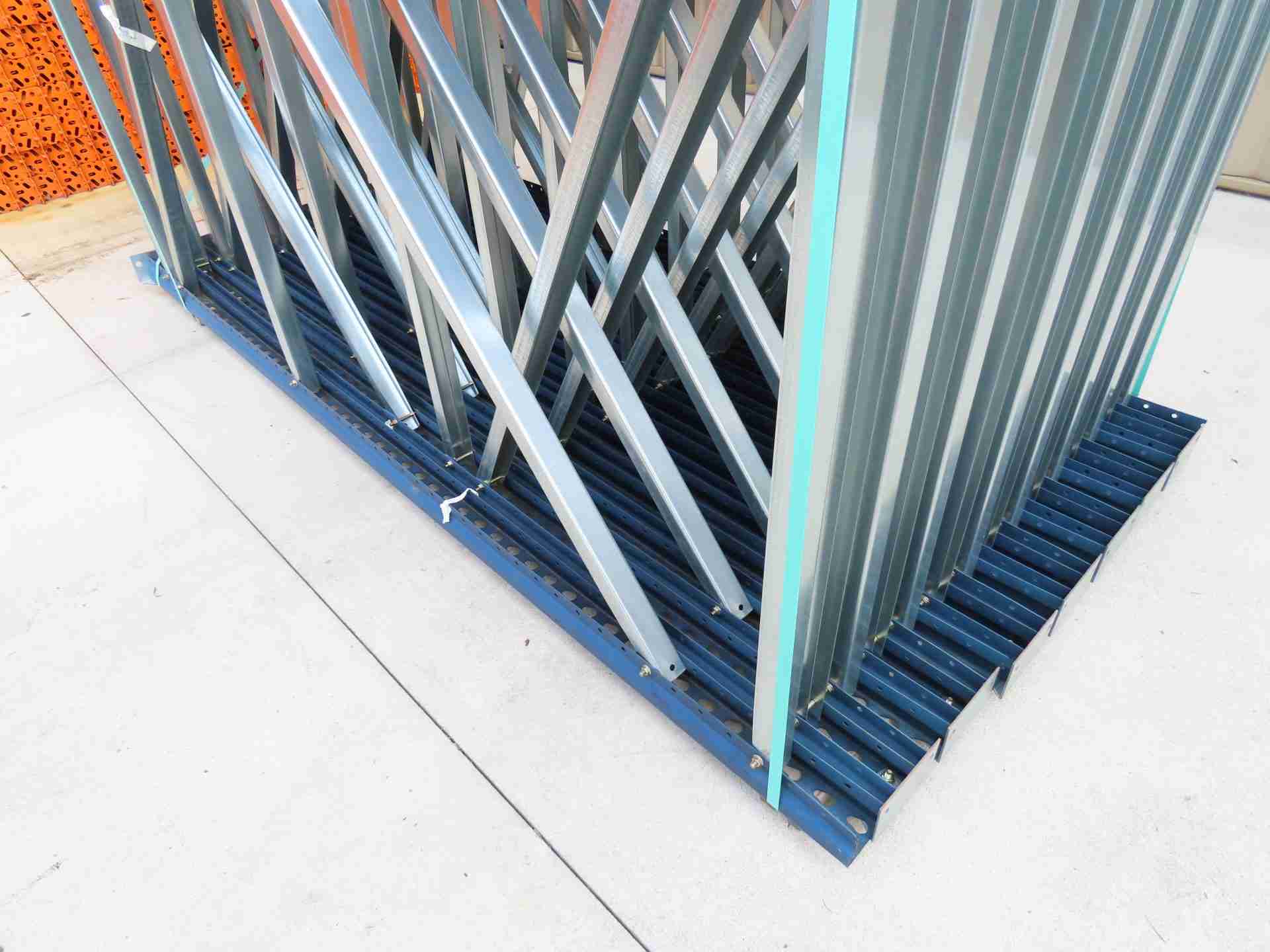
Is Your Inventory Shrinkage a Sign Of Poor Warehouse Employee Loyalty?
Is Your Inventory Shrinkage a Sign Of Poor Warehouse Employee Loyalty?
- Inventory shrinkage is a significant issue, reflecting problems beyond mere statistics.
- Loss of items can indicate deeper workforce culture and employee engagement issues.
- Effective warehouse design and organization are undermined by employee disconnection.
- Trust and pride in the workplace reduce the likelihood of theft and negligence.
- Open communication and acknowledgment of employee contributions foster loyalty.
- Transform shrinkage challenges into opportunities for team engagement and appreciation.
- Reflect on management practices to enhance morale and reduce inventory loss.
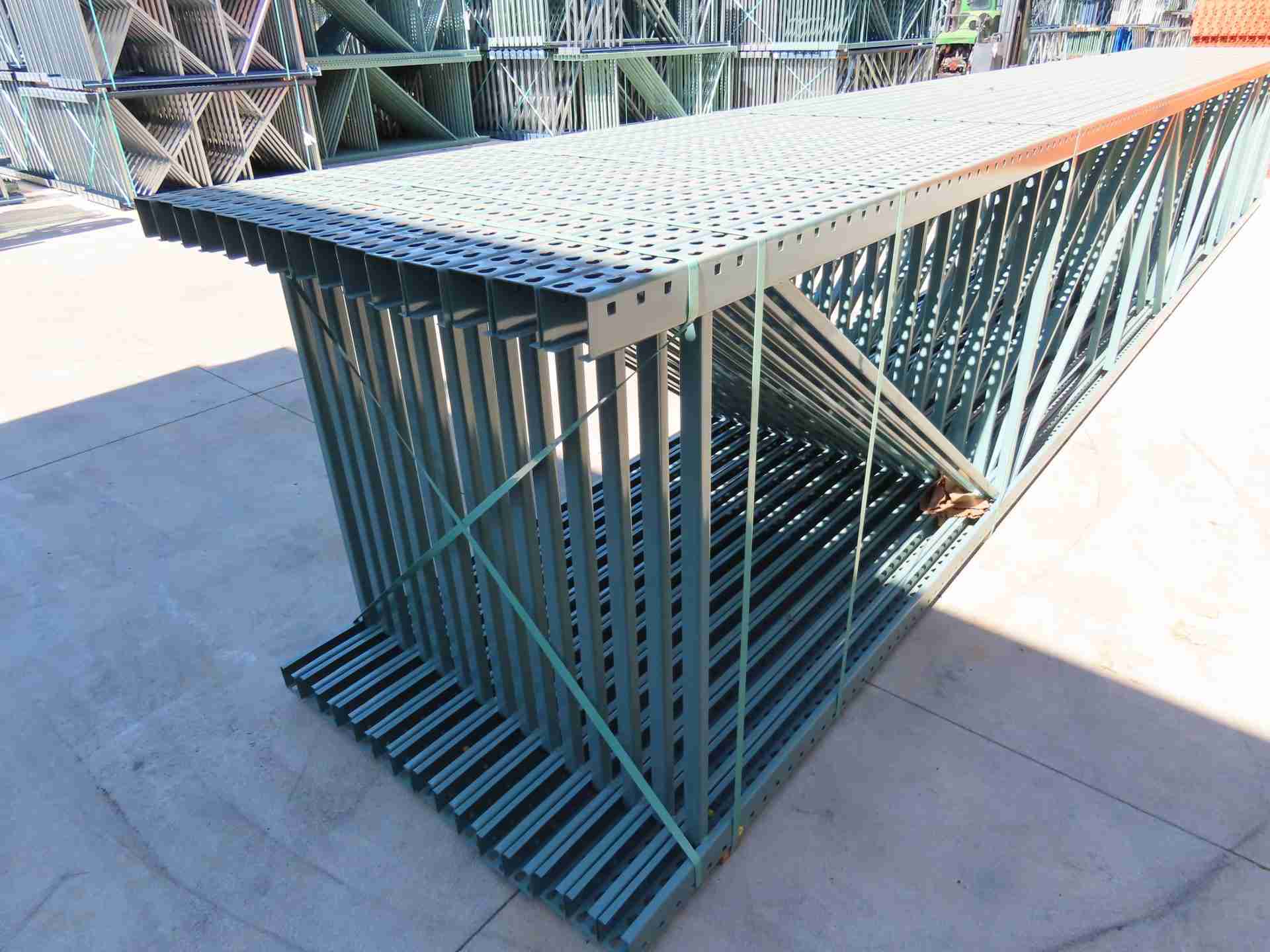
Is Your Inventory Shrinkage a Sign Of Poor Warehouse Employee Loyalty?
Table Of Contents
- Is Your Inventory Shrinkage a Sign Of Poor Warehouse Employee Loyalty?
- Is Inventory Shrinkage A Common Issue In Warehouses?
- What Factors Contribute To Inventory Shrinkage?
- How Can Employee Loyalty Impact Inventory Management?
- Are There Signs Of Low Employee Morale In The Warehouse?
- How Can Training Improve Employee Loyalty And Reduce Shrinkage?
- What Role Does Communication Play In Warehouse Employee Loyalty?
- Conclusion
- Other Resources
- Glossary Of Terms
- Other Questions
- Checklist
Is Inventory Shrinkage A Common Issue In Warehouses?
For anyone who has ever navigated the bustling world of warehousing, the term “inventory shrinkage” undoubtedly resonates. You may have experienced firsthand the frustration of counting countless products on your warehouse floor, only to discover that something is amiss. The bottom line? Inventory shrinkage is not just a possibility; it’s a common issue many warehouse managers face.
Imagine this scenario: you’ve invested in top quality pallet racking, optimized your layout for efficiency, and established a meticulous system for inventory tracking. And yet, inexplicably, your numbers don’t add up. Items seem to vanish. Employee turnover and pilferage might come to mind, but there are other culprits at play that can lead to this problem, such as administrative errors or poor handling practices. It’s a real issue that can sap your profits and drain morale.
Let’s make it personal. Think about the last time you checked your stock levels only to find discrepancies. Did it create a ripple effect in your operations? Perhaps it led to over-ordering, directly impacting your bottom line. It’s easy to feel overwhelmed, but the truth is, you’re not alone—and there are proactive steps you can take.
Start by assessing your methods for organizing and managing inventory. If you’re relying solely on spreadsheets and manual counts, you might as well be waiting for a stone to roll uphill. Investing in technology, like robust inventory management systems, will minimize human error and allow your team to function seamlessly.
Moreover, analyzing your pallet racking setup can yield crucial insights. Are your high-turnover items easily accessible? Is your inventory layout stressing your workforce or providing a frictionless workflow? Simple adjustments can lead to significant reductions in shrinkage, increasing both efficiency and accuracy.
But don’t stop there. Educate your team on the importance of managing inventory effectively. A well-informed workforce can spot discrepancies before they become bigger problems. Implementing regular audits can also help maintain accountability, turning a potential chaos into a finely-tuned operation.
While inventory shrinkage is common, it’s not insurmountable. Through strategic planning and by fostering a culture of awareness, you can tackle shrinkage head-on, ensuring your warehouse operations thrive. Take action today—because each item counts, and so does your success!
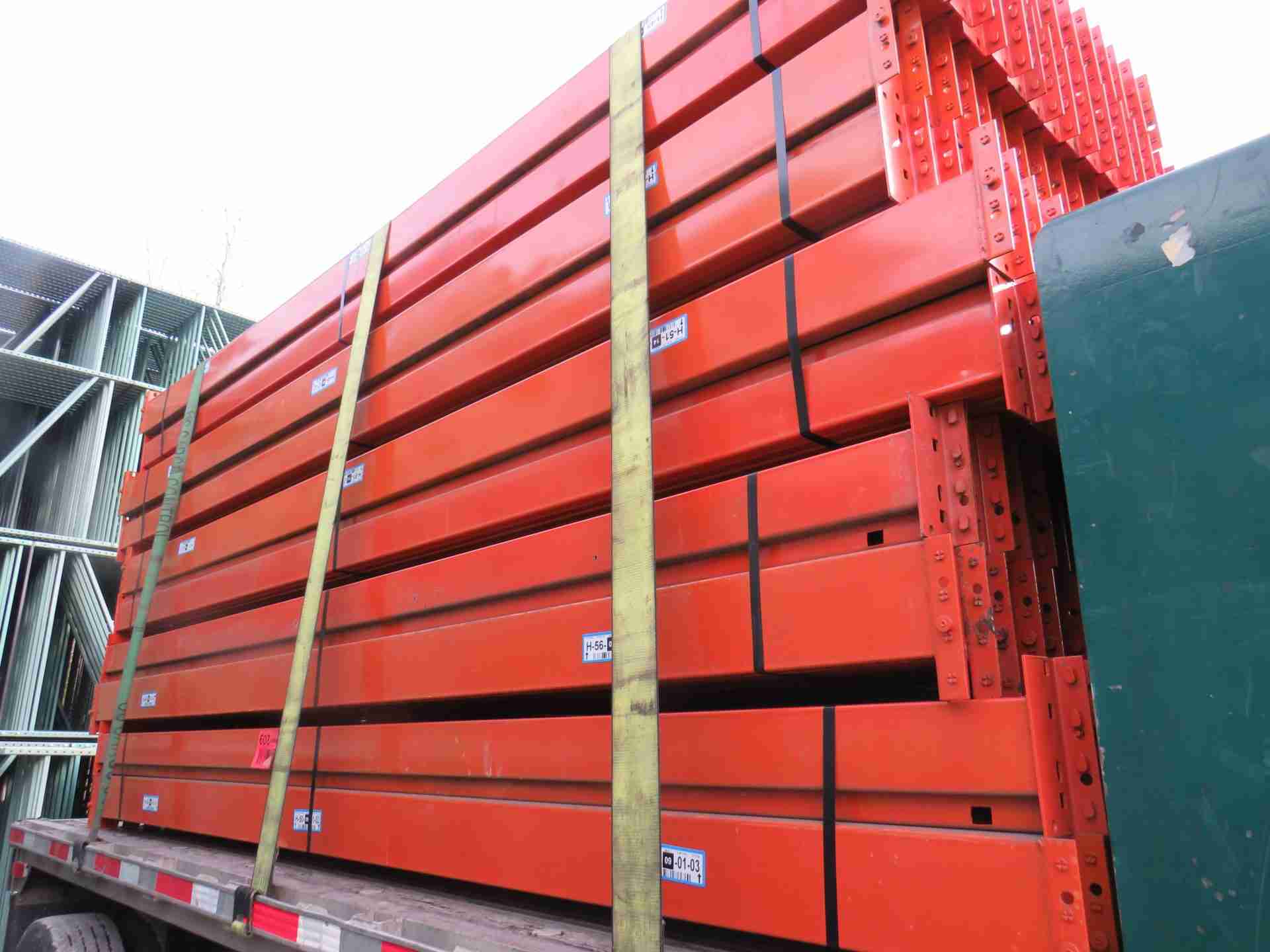
Is Inventory Shrinkage A Common Issue In Warehouses?
Is Inventory Shrinkage A Common Issue In Warehouses?
- Inventory shrinkage is a common issue faced by warehouse managers.
- Common causes include employee turnover, pilferage, administrative errors, and poor handling practices.
- Discrepancies in stock levels can disrupt operations and negatively affect the bottom line.
- Investing in robust inventory management systems can reduce human error and improve efficiency.
- Assessing and optimizing pallet racking setups can enhance item accessibility and workflow.
- Educating staff on inventory management and conducting regular audits helps maintain accountability.
- With strategic planning and a culture of awareness, inventory shrinkage can be effectively managed.
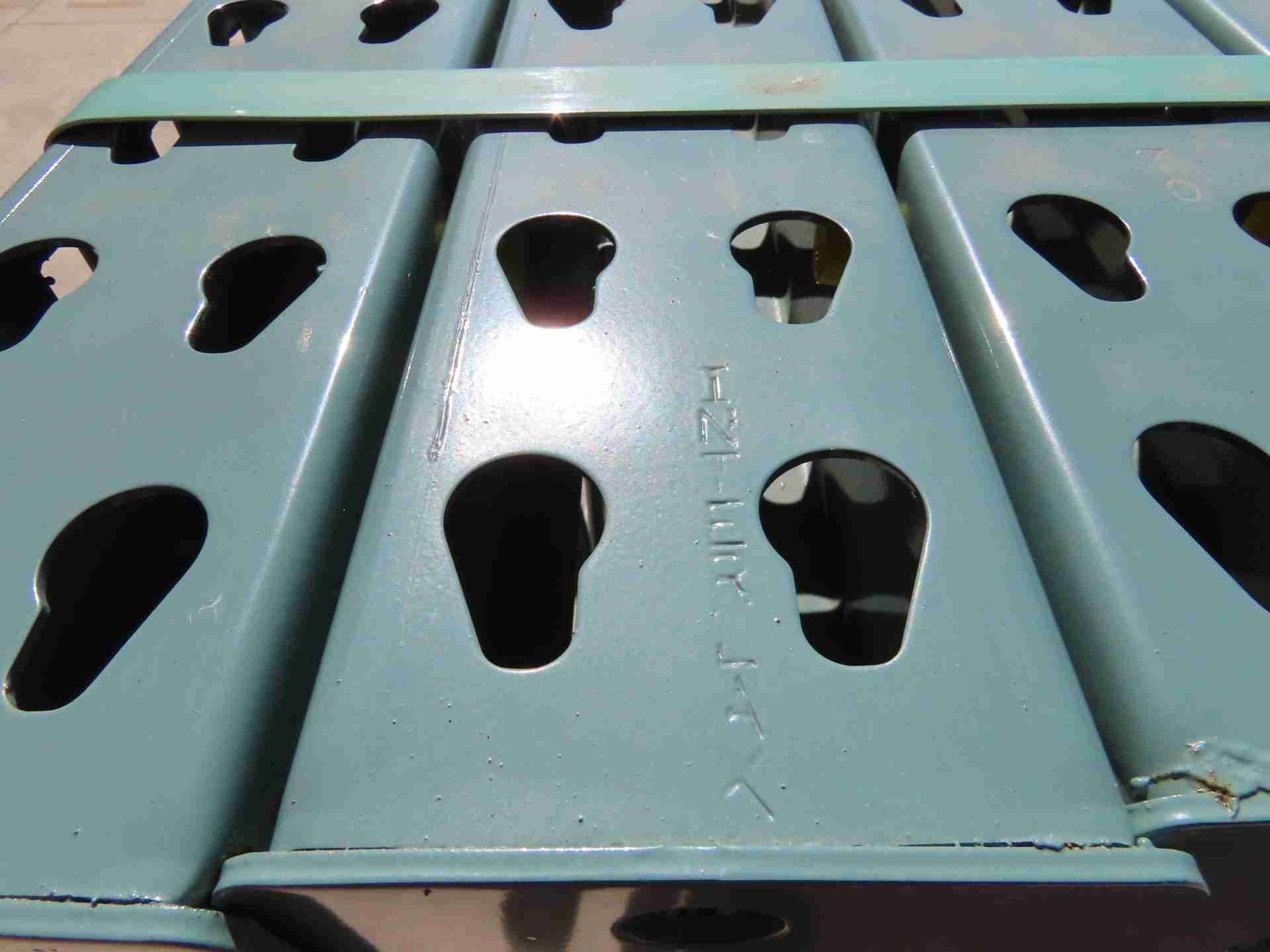
Is Inventory Shrinkage A Common Issue In Warehouses?
What Factors Contribute To Inventory Shrinkage?
What Factors Contribute to Inventory Shrinkage?
Inventory shrinkage is a silent profit killer that can affect businesses of all sizes. Knowing what contributes to this pervasive issue is crucial for every savvy entrepreneur who wants to safeguard their bottom line. Let’s dive into the key factors that can lead to inventory shrinkage, helping you recognize the signs and take proactive measures.
Employee Theft: First and foremost, let’s address the elephant in the room—employee theft. This isn’t just about shady individuals slipping out with a pack of gum; it’s often a symptom of a larger cultural issue within your business. When employees feel unvalued or overworked, the temptation to “take what’s theirs” grows. Building a culture of trust and accountability can substantially mitigate this risk.
Shoplifting: Your brick-and-mortar store may be a festivity of colors and aromas attracting shoppers like bees to honey, but without the proper deterrents, those same shoppers might be getting more than they bargained for. Implementing preventive measures, such as security cameras and effective store layouts, can help reduce the likelihood of theft. With strategic placement of pallet racking, for example, you can create clear sightlines, making it harder for would-be thieves to operate unnoticed.
Administrative Errors: Mistakes happen, especially in bustling environments where inventory moves quickly. Administrative errors in tracking inventory can lead to discrepancies between what you believe you have and what’s actually on your shelves. Investing in an effective inventory management system will not only streamline your processes but will also provide peace of mind knowing that your numbers are accurate.
Supplier Fraud: It’s a bitter pill to swallow, but your own suppliers may sometimes be the source of shrinkage. Inflated invoices, false claims about shipped quantities, or subpar goods may be costing you more than you realize. Establishing strong relationships and open lines of communication with trusted suppliers can give you an edge.
PoorStorage Practices: Finally, let’s talk about the importance of storage systems like pallet racking. Without the right storage solutions, your inventory can become unmanageable, leading to losses due to damage or inefficiency. Organizing your stock judiciously will not only save you time but also protect your assets from accidental mishaps.
The takeaway? Each of these factors feeds into the larger picture of inventory shrinkage. By acknowledging these challenges and actively working to address them, you can foster an environment of transparency, respect, and vigilance. You don’t have to accept shrinkage as a fact of life—choose to take control and protect your business’s future.
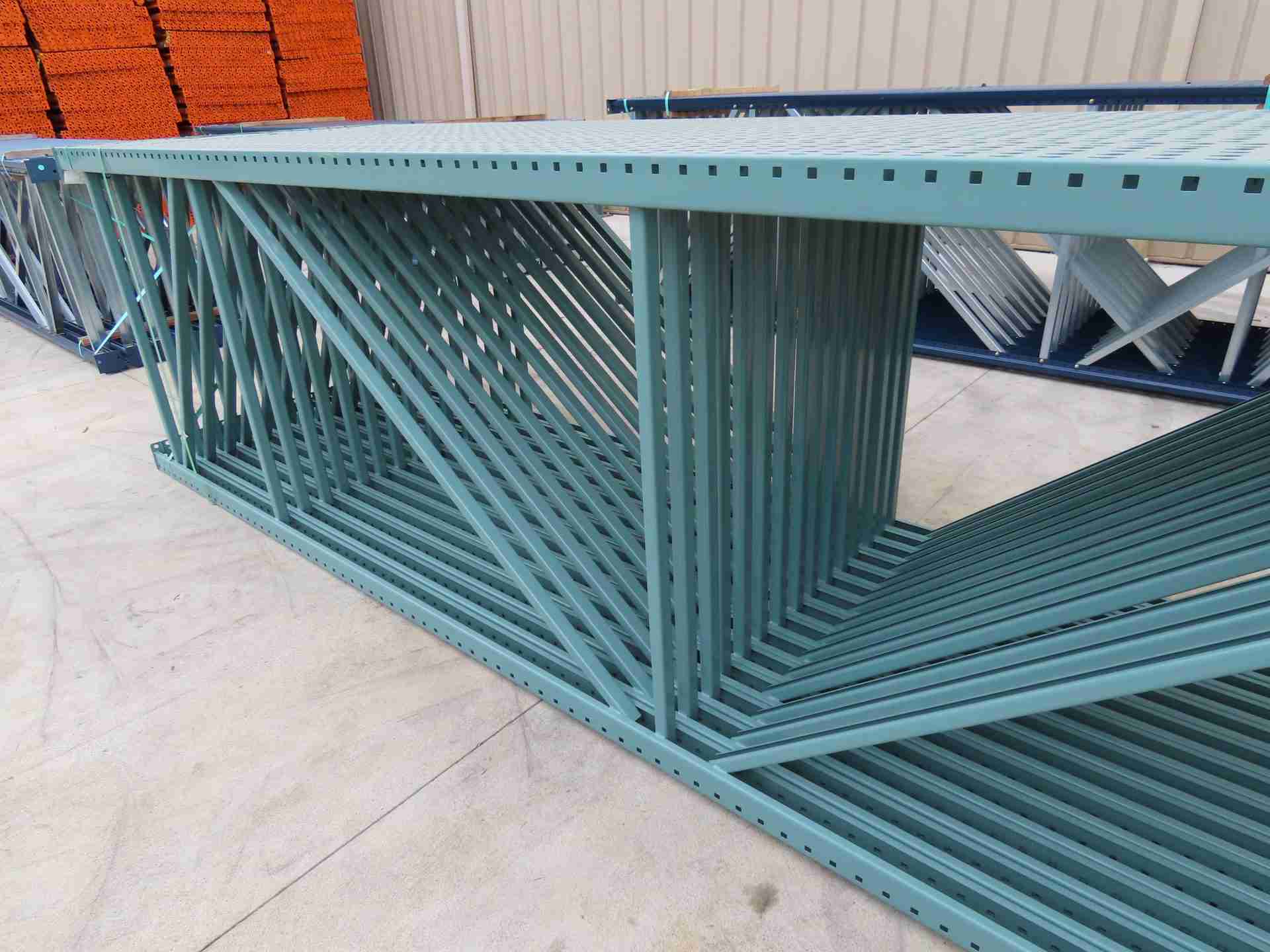
What Factors Contribute To Inventory Shrinkage?
What Factors Contribute To Inventory Shrinkage?
- Inventory Shrinkage Impact: A significant issue that affects businesses of all sizes, threatening profitability.
- Employee Theft: Often rooted in workplace culture; employees may steal when feeling undervalued or overworked.
- Shoplifting: Can be reduced with preventive measures like security cameras and strategic store layouts for visibility.
- Administrative Errors: Mistakes in inventory tracking can cause discrepancies; effective inventory management systems are crucial.
- Supplier Fraud: Risks from suppliers include inflated invoices and false quantities; strong relationships can mitigate this risk.
- Poor Storage Practices: Improper storage solutions can lead to inefficiencies and damage; organizing stock is essential.
- Proactive Measures: Addressing these challenges fosters an environment of transparency and vigilance; take control to protect your business.
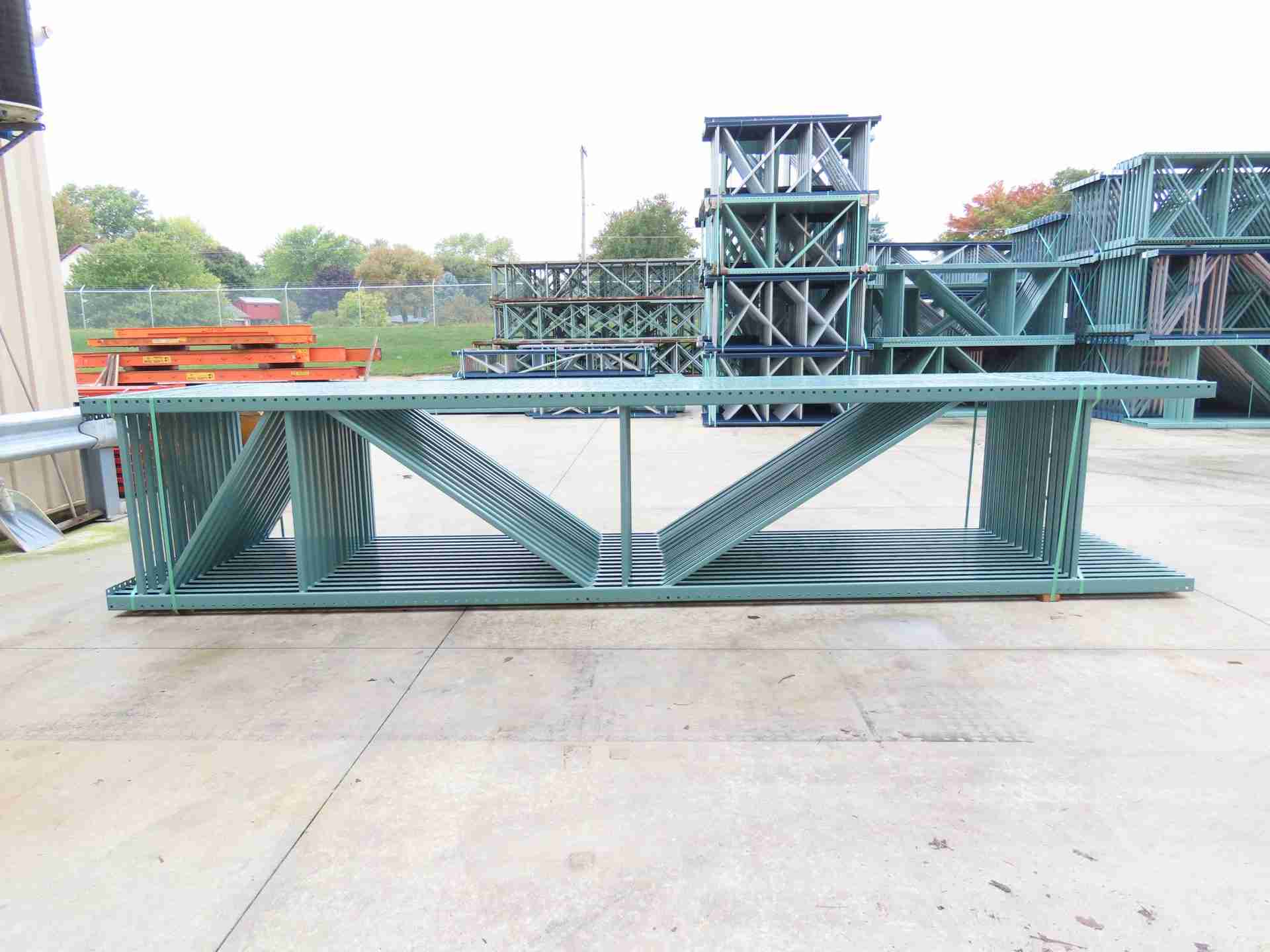
What Factors Contribute To Inventory Shrinkage?
How Can Employee Loyalty Impact Inventory Management?
In today’s fast-paced business landscape, the backbone of a successful organization rests not solely on its products or systems, but on the individuals who make things happen every day. Employee loyalty is not just a feel-good notion; it is an invisible hand that elevates inventory management to unprecedented heights. Picture this: a dedicated team who understands the intricacies of your stock levels, the nuances of your pallet racking, and the cycles of demand. This isn’t merely about keeping shelves stocked; it’s about creating an environment where informed decisions are made seamlessly and swiftly.
Now, think about the implications of loyalty. A trusted employee is more than just a cog in the wheel—they are the guardians of your inventory. Their familiarity with both the physical aspects of storage and the operational systems at play ensures that potential pitfalls, like overstocking or inventory wastage, are caught before they escalate. When employees feel valued and have a stake in the organization’s success, they pro-actively contribute by suggesting improvements to processes that streamline operations. Isn’t that the kind of environment you want to foster?
Moreover, loyal employees embody your company’s values and vision. They naturally relay this enthusiasm to newcomers, shaping a culture of accountability and excellence in inventory management. This foundational ethos helps minimize costly errors in forecasting and order placement because your team is engaged and committed to achieving shared goals. When everyone is on the same page, the entire supply chain becomes more robust.
Let’s consider a practical scenario. Imagine your warehouse team, led by passionate individuals who understand the critical importance of efficient pallet racking systems. They excel in moving products in and out swiftly, maintaining optimal levels and discovering innovative ways to maximize space usage. This success hinges on a workforce that feels as invested in the company’s outcomes as the executives do. With employee loyalty, you empower a team that can overcome challenges, adapt to market fluctuations, and maintain the integrity of your inventory.
In essence, when your employees are loyal, your inventory management thrives, and so does your bottom line. Building that loyalty starts today—fostering trust and creating connections with your team will lead to exceptional operational success tomorrow. So, take the time to invest in your people; the returns will reflect in every box stacked and every product shipped. After all, in the realm of inventory, employee loyalty isn’t just beneficial—it’s essential.
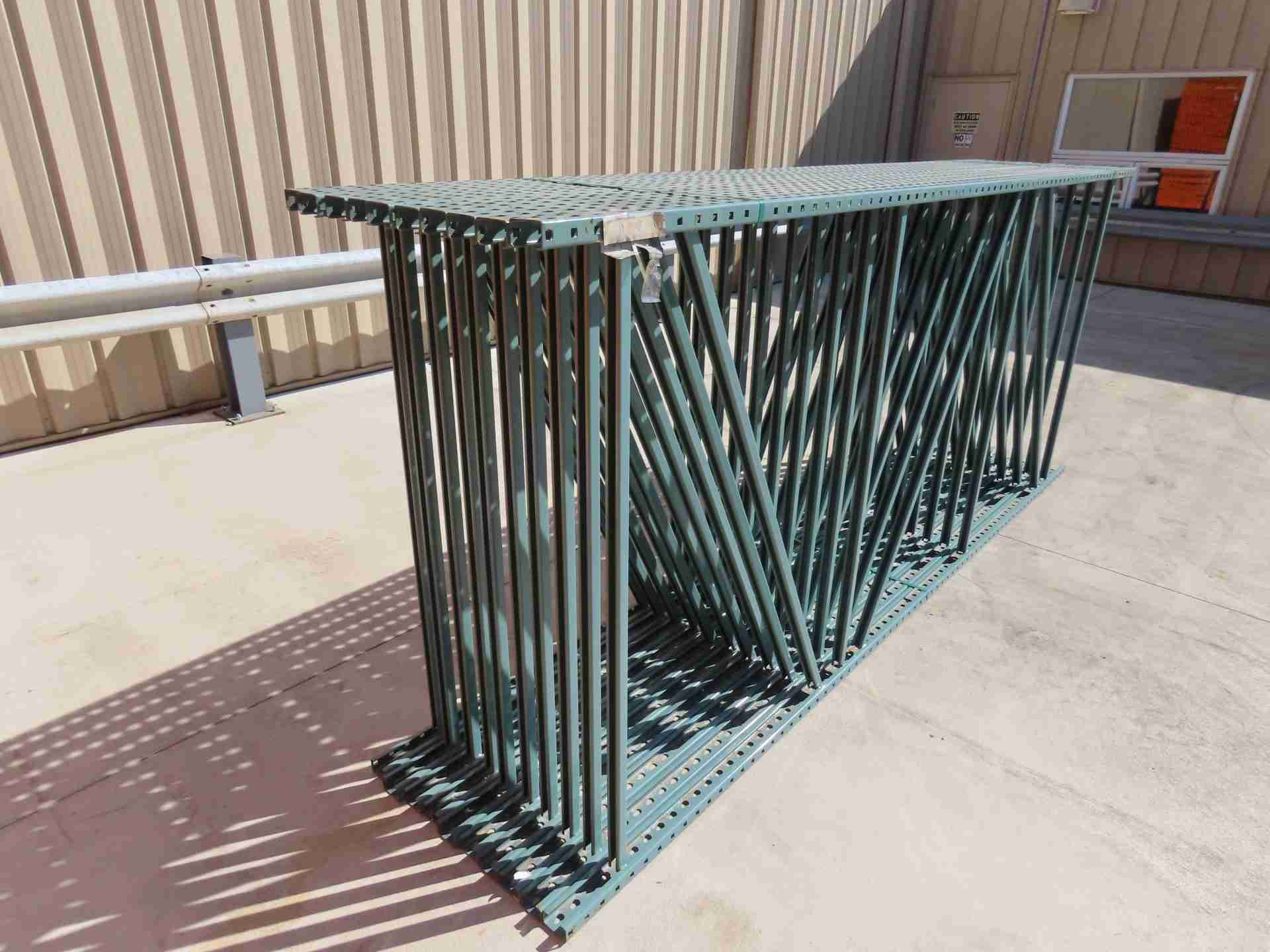
How Can Employee Loyalty Impact Inventory Management?
How Can Employee Loyalty Impact Inventory Management?
- Successful organizations rely on committed individuals, not only on products or systems.
- Employee loyalty enhances inventory management by fostering informed and swift decision-making.
- Loyal employees help prevent issues like overstocking and inventory wastage by leveraging their expertise.
- Valued employees contribute improvements that streamline operations, creating a positive work environment.
- Loyalty shapes a culture of accountability and excellence, which helps reduce forecasting errors.
- An invested workforce can efficiently manage inventory and adapt to market changes, crucial for success.
- Building employee loyalty is essential for effective inventory management and improved business outcomes.
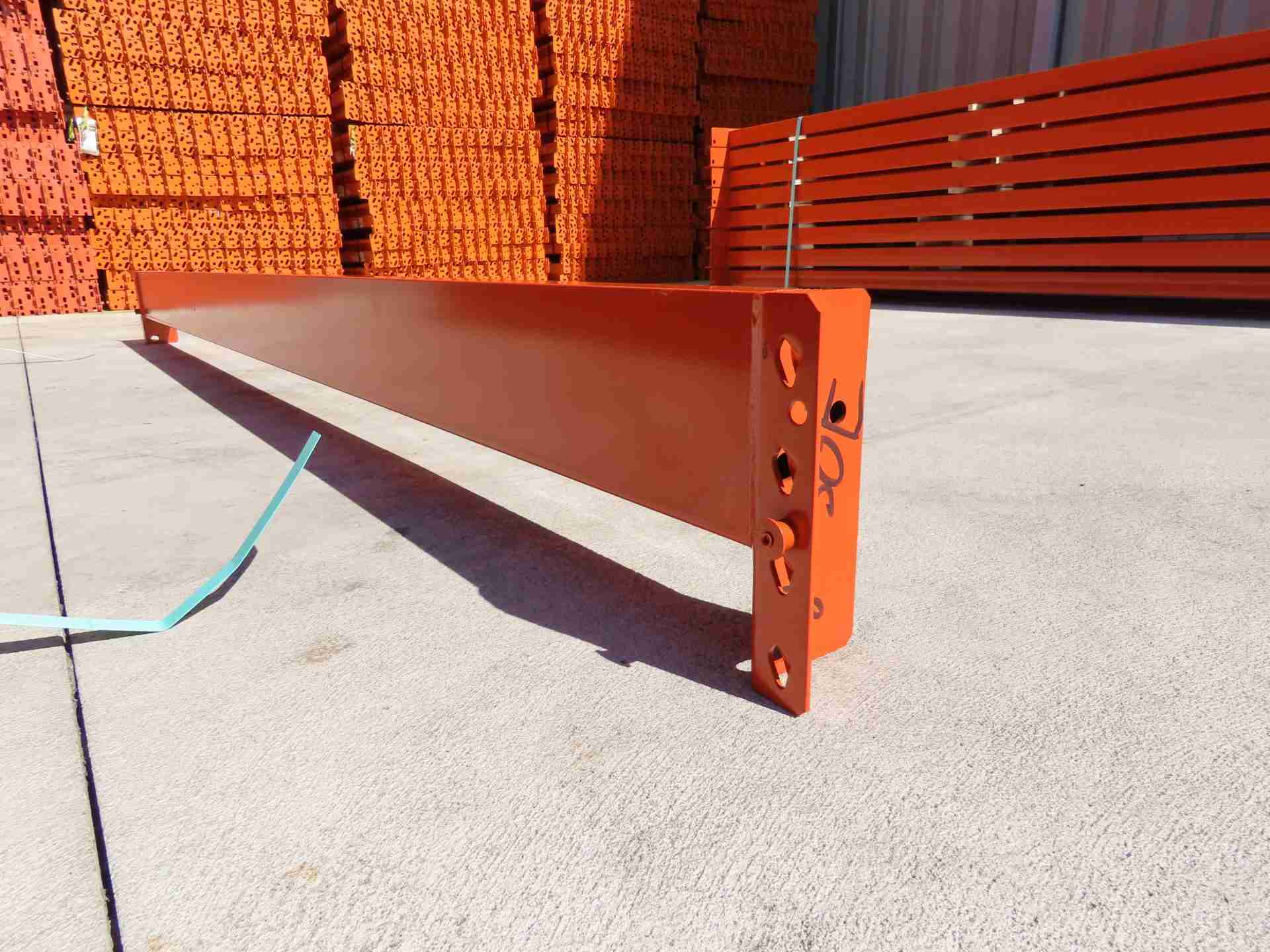
How Can Employee Loyalty Impact Inventory Management?
Are There Signs Of Low Employee Morale In The Warehouse?
In the bustling environment of a warehouse, the heart of operations beats steadily with the swift movements of dedicated employees. However, a looming question often escapes notice: is the spirit of your workforce in good health? Low employee morale is not just a fleeting concern; it sends ripples through productivity, safety, and overall job satisfaction. Identifying the signs is crucial before they escalate into larger issues that disrupt your operations and impact the bottom line.
Picture this: your team is surrounded by towering pallet racking, efficiently storing and organizing inventory. But instead of collaboration and enthusiasm, you notice disengagement. Perhaps employees are communicating less or exhibit a general disinterest in their tasks. Instead of vibrant discussions about how to optimize space in those pallet racks, silence fills the air like a heavy fog. When the energy of the workplace dims, it’s a signal worth heeding.
Another noticeable indicator is the decrease in productivity. If employees are routinely relying on overtime to meet their targets or are consistently late in completing tasks, you may have a morale problem brewing beneath the surface. When motivated employees find purpose in their roles, they prioritize their work and collaborate effortlessly. Low morale leads to reluctance, where even the simplest task, like organizing the inventory using pallet racking, feels burdensome.
Moreover, look out for an uptick in staff turnover. High attrition rates signal that something is amiss in the working environment. Employees who feel valued contribute more meaningfully. Conversely, when they sense a lack of appreciation or support, they seek opportunities elsewhere. Investing in the morale of your warehouse workers isn’t just a feel-good initiative; it’s a strategic business decision that can significantly save costs associated with hiring and training new staff.
Lastly, tune into the atmosphere. A supportive and positive environment fosters openness, trust, and communication. When specific behaviors shift—such as gossip flourishing or frequent complaints emerging—it’s a sign that morale may be taking a hit. Engage in open dialogues, seek feedback, and make a conscious effort to nurture your workforce.
By recognizing these signs early, you empower yourself to take action. Elevating employee morale means investing in your most valuable asset—your people. Together, let’s build a spirited, motivated team that thrives in the warehouse!
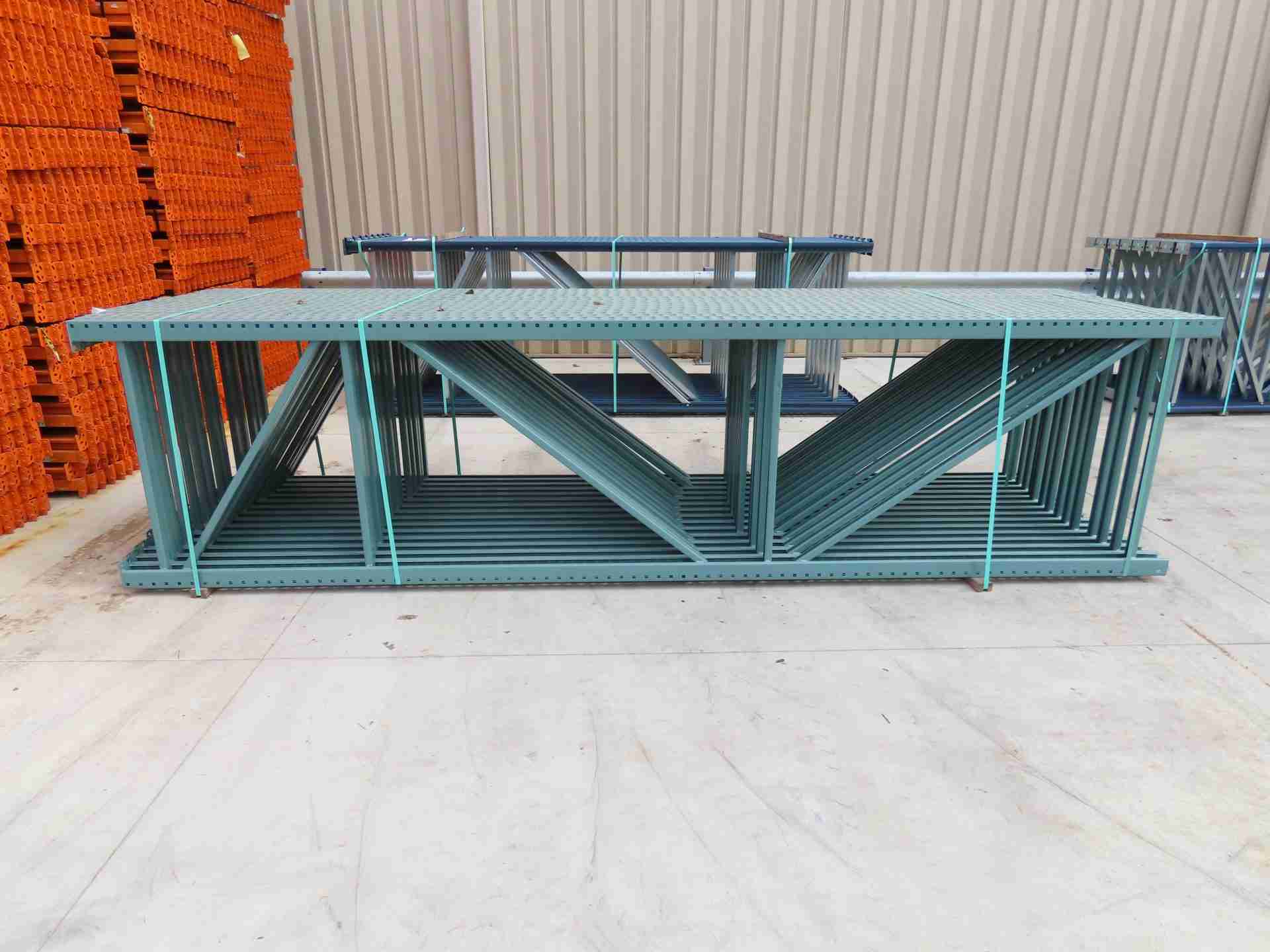
Are There Signs Of Low Employee Morale In The Warehouse?
Are There Signs Of Low Employee Morale In The Warehouse?
- The health of employee morale is crucial for productivity, safety, and job satisfaction.
- Signs of low morale include disengagement and decreased communication among employees.
- A drop in productivity often correlates with employees relying on overtime and falling behind on tasks.
- High employee turnover rates suggest issues within the working environment.
- Valued employees are more likely to contribute meaningfully, while undervalued employees may seek new opportunities.
- The workplace atmosphere should encourage openness and trust; changes in behavior can signal morale issues.
- Addressing employee morale proactively can enhance team spirit and operational efficiency in the warehouse.

Are There Signs Of Low Employee Morale In The Warehouse?
How Can Training Improve Employee Loyalty And Reduce Shrinkage?
In an era where employee loyalty seems to wane like an autumn leaf, the right training programs can be the bedrock of successful retention strategies and reducing shrinkage. Just imagine a workplace where each team member feels equipped, valued, and part of a cohesive unit working towards shared goals. Sounds enticing, doesn’t it? But it can be your reality.
At the heart of employee satisfaction lies effective training—one that doesn’t merely skim the surface but dives deep into providing the necessary skills and knowledge. Envision this: your employees know not just what to do, but why they do it. They understand the intricacies of your operations—like handling pallet racking systems, for example—ensuring that everyone is on the same page and working towards minimizing errors and damage. By investing in comprehensive training, you’re not only showcasing your commitment to their personal development but also nurturing a culture of accountability and excellence.
Imagine you’ve just trained your team on the essentials of pallet racking safety and efficiency. They’re now better equipped to navigate the warehouse, enhancing productivity and reducing costly accidents. Each employee feels a stake in the organization’s success, fostering loyalty that pushes them to go the extra mile in safeguarding assets and identifying shrinkage before it becomes a problem.
Training becomes the secret ingredient that transforms a mere job into a lifelong career. When employees feel empowered through ongoing education and an understanding of their role’s impact on the company, they typically exhibit stronger loyalty. This commitment isn’t just good for morale; it’s a powerful combatant against shrinkage. Loyal employees take pride in their work, often treating company resources as if they were their own—an employee who believes in their organization is far less likely to engage in any activities that could harm the bottom line.
The path to reduced shrinkage is paved with loyalty. The best part? Investing in your employees’ growth yields returns that exceed your expectations. You’ll cultivate a motivated team that not only drives success but actively protects your assets.
Don’t just think of training as an expense. See it as the catalyst for loyalty and a safeguard against shrinkage. Engage your employees, invest in their futures, and watch as your organization flourishes. Are you ready to take the next step on this journey? Your employees—and your bottom line—will thank you.
How Can Training Improve Employee Loyalty And Reduce Shrinkage?
How Can Training Improve Employee Loyalty And Reduce Shrinkage?
- Effective training programs are essential for employee retention and minimizing shrinkage.
- Proper training helps employees feel equipped, valued, and part of a cohesive team working towards shared goals.
- Comprehensive training provides employees with skills and knowledge, enhancing their understanding of operations.
- Trained employees can navigate tasks like pallet racking systems safely, boosting productivity and reducing accidents.
- Ongoing education fosters employee loyalty and commitment, leading to better morale and protection of company assets.
- Investing in employee growth yields significant returns by creating a motivated workforce that safeguards resources.
- Viewing training as a valuable investment, rather than an expense, can catalyze loyalty and success in your organization.
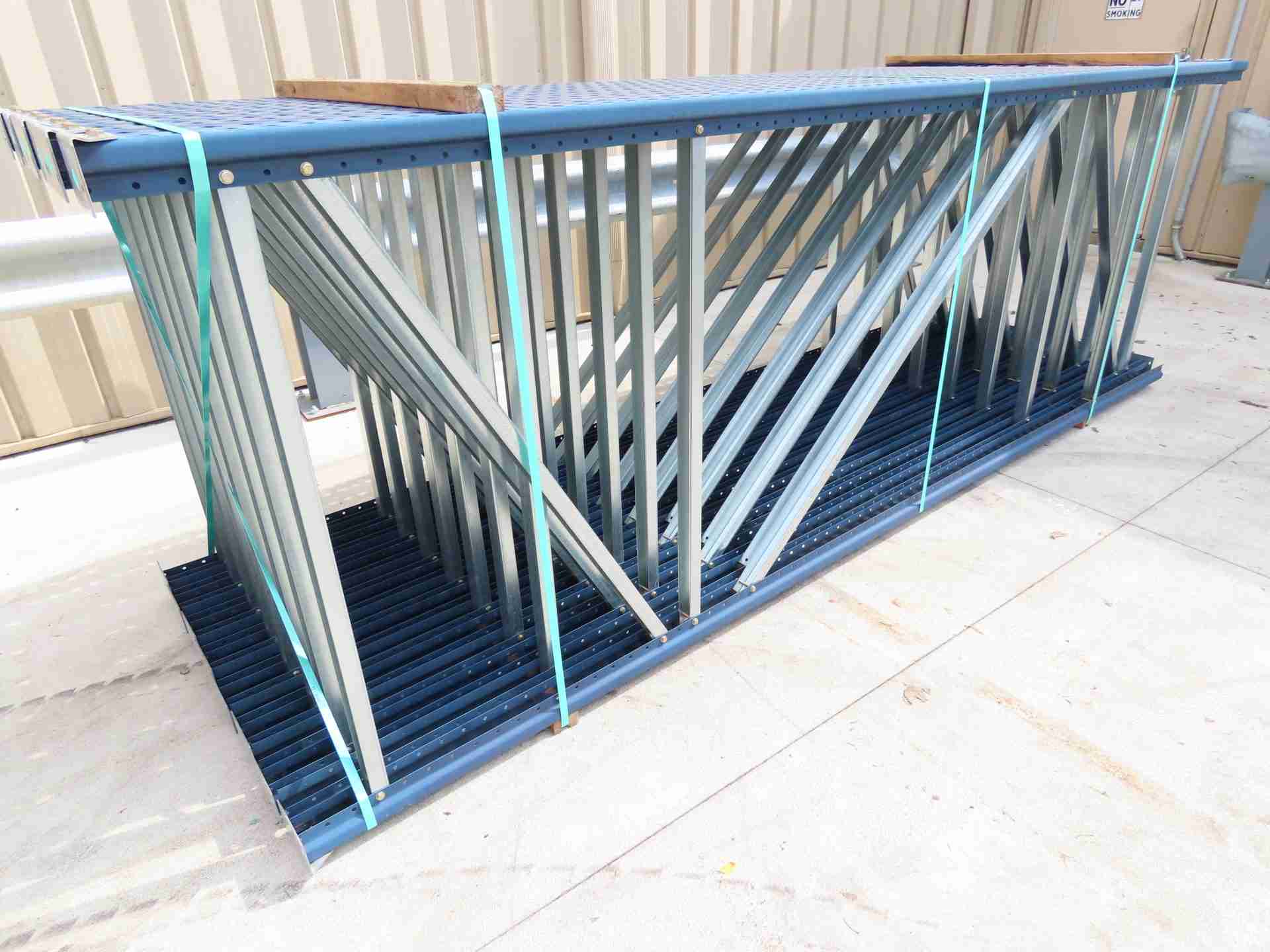
How Can Training Improve Employee Loyalty And Reduce Shrinkage?
What Role Does Communication Play In Warehouse Employee Loyalty?
When it comes to warehouse operations, we often think of the physical elements: the efficient layout, the robust pallet racking systems maximizing storage, and the endless movement of stock. Yet, there is an unseen layer that is just as vital – communication. Effective communication is the invisible thread that stitches together your team of warehouse employees, binding them to the organization and to each other.
Imagine walking through a bustling warehouse. You see workers lifting boxes, adjusting pallet racking, and fulfilling orders with precision. But what happens when a team member doesn’t feel included or valued? The workflow suffers, and so does the morale. Employee loyalty does not magically appear; it is cultivated intentionally through the way you communicate.
Start by ensuring open lines of communication. Employees who feel heard are more likely to develop a sense of ownership and commitment to their roles. This doesn’t just mean regular check-ins or litany of memos – it means fostering an environment where team members feel comfortable voicing concerns, sharing ideas, and proposing improvements. Think of it as a continuous feedback loop. When warehouse employees see their suggestions implemented – whether it’s an efficiency tweak to the pallet racking setup or changing a safety protocol – they are more likely to feel invested in the company’s success.
Moreover, communication should go both ways. Your leadership should actively engage with your team, asking for input and demonstrating that everyone’s voice matters. A simple “thank you” can go a long way in making employees feel appreciated. Moreover, recognizing the hard work and celebrating achievements fosters a culture of loyalty. Establishing regular team meetings, where everyone is invited to collaborate on solving operational challenges, can keep employees engaged both mentally and emotionally.
Trust is built through transparent communication. When warehouse employees understand the bigger picture – company goals, challenges, and successes – they develop a genuine connection with the organization. They know they are not just a cog in a machine; they are a vital part of a collective effort.
Ultimately, investing time into refining your internal communication strategies pays tremendous dividends. By prioritizing open dialogue within your team, you don’t just foster loyalty; you create a thriving workplace culture where employees feel empowered to do their best work. And when your employees feel valued, the whole operation runs more smoothly, making for an engaged, dedicated workforce ready to tackle any challenge that comes their way.
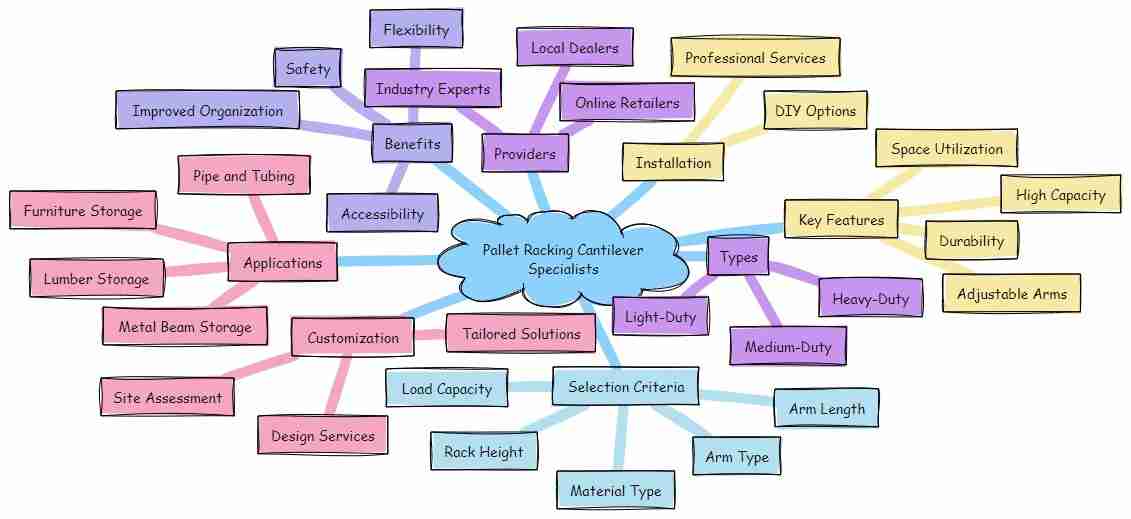
What Role Does Communication Play In Warehouse Employee Loyalty?
What Role Does Communication Play In Warehouse Employee Loyalty?
- Warehouse operations are often focused on physical elements like layout and storage systems.
- Effective communication is crucial for binding warehouse employees to the organization and each other.
- Employee morale and workflow can suffer when team members feel excluded or undervalued.
- Open lines of communication foster a sense of ownership and commitment among employees.
- Two-way communication and recognition from leadership enhance employee appreciation and loyalty.
- Transparent communication builds trust by helping employees understand the organization’s goals and challenges.
- Investing in internal communication strategies creates a thriving workplace culture and empowers employees.
What Role Does Communication Play In Warehouse Employee Loyalty?
Conclusion
Conclusion: Unlocking the Connection Between Employee Loyalty and Inventory Shrinkage
As you stand at the crossroads of warehouse efficiency and employee engagement, it’s crucial to recognize the pivotal role of loyalty in curbing inventory shrinkage. Inventory loss isn’t just a number on a balance sheet; it’s a reflection of your workplace culture and employee morale. If you’re grappling with unexplained discrepancies in stock levels, it’s time to look beyond basic inventory systems and delve into the deeper issues of employee satisfaction and loyalty.
As highlighted in this article, there’s an undeniable connection between how your team feels and their performance regarding inventory management. Engaged employees not only take pride in their roles but also treat their work environment — and its resources — with respect. They’re less likely to sabotage their own interests if they believe in the company’s vision and feel valued as crucial contributors.
To tackle inventory shrinkage, assess your internal culture. Establish open lines of communication, implement effective training programs, and develop robust team-building initiatives. These steps foster a sense of belonging and commitment among your staff. Celebrate their victories, provide constructive feedback, and encourage innovation in processes. Your employees will not just show up for a paycheck but will become champions of your organizational goals — leading to a marked decline in shrinkage.
Moreover, improving your warehouse operations requires the right tools. Investing in high-quality pallet racking and inventory management systems can streamline processes and reduce errors born from poor storage practices or administrative mismanagement. Pairing these physical upgrades with a commitment to cultivating loyal employee relationships will yield transformative results. An informed, engaged workforce will act proactively, addressing inventory issues before they escalate into substantial losses.
Now is the time to act. If you’re ready to take control of your inventory challenges and pave the way for a more productive, loyal team, reach out to Arrow Industrial Sales at (574) 349-6575. Don’t let preventable shrinkage haunt your operations any longer. The path to a thriving warehouse lies in your hands — and every moment counts. Transform not just your bottom line but your entire workplace culture today. Your future self — and your inventory — will thank you!
Conclusion
Conclusion:
- Employee loyalty is crucial in reducing inventory shrinkage, reflecting workplace culture and employee morale.
- Engaged employees take pride in their work, treating resources with respect, and are less likely to sabotage company interests.
- To reduce shrinkage, assess internal culture by improving communication, training, and team-building initiatives.
- Recognize and celebrate employee achievements, provide feedback, and promote innovation to enhance commitment.
- Investing in quality storage and inventory management tools can streamline operations and minimize errors.
- A proactive and engaged workforce can prevent inventory issues from escalating into major losses.
- Contact Arrow Industrial Sales to transform workplace culture and manage inventory challenges effectively.

Conclusion
Other Resources

Other Resources
Here is a list of other resources you can review online to learn more:
- BMH
- IIWS Inc. Rack Installation Illinois & Rack Repairs Illinois
- Total Warehouse
- Warehouse Racking Systems: Beginner’s Guide to Rack Systems
- Intro to Warehouse Racks & Warehouse Racking Systems – ShipBob
- Cantilever Rack Guide: Ordering Cantilever Racking
- The Complete Pallet Rack Guide – Simply Rack
- SEMA
- Cantilever Rack Configuration & Installation: A Comprehensive Guide – BMH
- Warehouse Storage Racking in Illinois
Use This Prompt To Get More Resources With Your Favorite Online AI Tool: Please provide me with a list of online articles with their URLs in a bulleted list that I can read regarding Is Your Inventory Shrinkage a Sign Of Poor Warehouse Employee Loyalty?
Other Resources
Glossary Terms
Is Your Inventory Shrinkage a Sign Of Poor Warehouse Employee Loyalty? – Glossary Of Terms
1. Inventory Shrinkage: The loss of inventory due to theft, damage, misplacement, or mismanagement, resulting in a discrepancy between the recorded and actual stock levels.
2. Employee Loyalty: The emotional commitment that employees have to their organization, which can influence their behavior and performance, including their likelihood to engage in ethical practices.
3. Theft: The intentional taking of goods or materials from the warehouse without permission, significantly contributing to inventory shrinkage.
4. Shrinkage Rate: A percentage calculated by dividing the value of inventory lost through shrinkage by the total inventory value, used to assess inventory control effectiveness.
5. Employee Engagement: The level of enthusiasm and involvement an employee has towards their work and the company, which can impact loyalty and productivity.
6. Operational Inefficiency: The failure to use resources in a cost-effective manner, which can lead to waste and, negatively, inventory losses.
7. Workplace Culture: The environment and values a company promotes, which can affect employee morale and loyalty and influence shrinkage rates.
8. Exit Interviews: Conversations held with departing employees to understand their reasons for leaving, which can reveal insights about workplace loyalty and possible shrinkage issues.
9. Training and Development: Programs provided to employees to enhance their skills and knowledge; effective training can improve job satisfaction and reduce shrinkage.
10. Turnover Rate: The rate at which employees leave a company, which can be indicative of loyalty issues and can influence overall warehouse performance.
11. Loss Prevention: Strategies and measures implemented to reduce theft and shrinkage in the warehouse environment.
12. Accountability: The responsibility that employees have regarding their actions; high accountability can diminish shrinkage by fostering loyalty.
13. Performance Metrics: Tools and indicators used to measure employee effectiveness and warehouse operations, helping identify areas for improvement.
14. Team Morale: The overall mood and spirit of a team, which can impact productivity and reduce the likelihood of shrinkage due to employee loyalty.
15. Audit: A systematic examination of inventory records and processes to identify discrepancies and improve accuracy in stock management.
16. Transparency: Openness in communication about company practices and policies, which can build trust and strengthen loyalty among employees.
17. Recognition Programs: Initiatives intended to acknowledge and reward employees for their contributions, helping boost morale and reduce turnover.
18. Supply Chain Management: The management of the flow of goods and services, which includes handling inventory effectively to minimize shrinkage.
19. Vendor Relations: The relationship a company maintains with its suppliers, crucial for ensuring accuracy in inventory and reducing losses through reliable sourcing.
20. Employee Retention: Strategies focused on keeping skilled employees within the organization, reinforcing loyalty and limiting the likelihood of shrinkage.
21. Security Measures: Protocols and technologies employed to safeguard the warehouse and its inventory from theft and loss.
22. Workplace Trust: The belief employees have in the integrity of their employer, which can influence their loyalty and behavior regarding inventory.
23. Incident Reporting: The process by which employees are encouraged to report theft or loss of inventory, vital for addressing shrinkage issues.
24. Workplace Satisfaction: Employees’ contentment with their roles and environment, a critical factor in determining their loyalty and likelihood to engage in theft.
25. Benchmarking: Comparing operational performance against industry standards to assess efficiency and effectiveness related to shrinkage.
26. Stocktaking: The process of physically counting inventory to ensure accuracy in records, crucial for identifying shrinkage.
27. Employee Feedback: Insights collected from workers regarding their experiences and suggestions, which can help identify loyalty issues and enhance workplace culture.
28. Compensation Structure: The system of wages and benefits provided to employees, which can influence loyalty and morale, impacting performance regarding inventory management.
29. Foster Relationships: Actively building strong connections among staff and management to enhance a sense of belonging and loyalty in the workplace.
30. Retention Strategies: Specific plans and actions taken to keep employees engaged and satisfied, which can minimize turnover and potentially reduce inventory shrinkage.
Glossary Of Terms
Other Questions
Is Your Inventory Shrinkage a Sign Of Poor Warehouse Employee Loyalty? – Other Questions
If you wish to explore and discover more, consider looking for answers to these questions:
- What are the typical causes of inventory shrinkage in warehouses?
- How can I measure employee loyalty effectively?
- What specific training programs are best for reducing inventory shrinkage?
- How can technology help in managing inventory shrinkage?
- What are the long-term effects of high employee turnover on inventory management?
- How can team-building activities improve employee morale and loyalty?
- What strategies can be implemented to enhance communication within the warehouse team?
- Are there best practices for conducting inventory audits?
- How can management track and address administrative errors in inventory management?
- What are effective ways to celebrate employee contributions in the workplace?
- What role does leadership play in shaping employee loyalty?
- How can I create a more engaging work environment for warehouse employees?
- What tools are available for inventory management that can reduce shrinkage?
- Are there common misconceptions about employee theft in warehouses?
- How can employee feedback be effectively integrated into warehouse operations?
Other Questions
Checklist
Is Your Inventory Shrinkage a Sign Of Poor Warehouse Employee Loyalty? – A Checklist
Checklist: Enhancing Employee Loyalty and Reducing Inventory Shrinkage
Understanding the Connection Between Employee Loyalty and Inventory Management
_____ Review the current levels of inventory shrinkage in your warehouse.
_____ Assess the workplace culture: Are employees engaged and feeling valued?
_____ Identify areas for open communication; schedule regular check-ins with employees.
Fostering Employee Engagement
_____ Celebrate small wins and recognize employee contributions regularly.
_____ Conduct surveys or feedback sessions to understand employee sentiments and aspirations.
_____ Implement team-building activities to strengthen workplace relationships.
Improving Training and Development
_____ Evaluate existing training programs and adapt them to include comprehensive information relevant to employee roles.
_____ Include training on the importance of inventory management and handling practices.
_____ Foster a culture of ongoing education to enhance individual skills and workplace competence.
Promoting Effective Communication
_____ Establish regular team meetings to discuss operational challenges and gather employee input.
_____ Create a feedback loop where employees can voice concerns and suggest improvements.
_____ Ensure acknowledgment of employee contributions and thank them for their efforts frequently.
Identifying Signs of Low Morale
_____ Monitor communication between team members; look for decreased engagement or increased complaints.
_____ Keep track of productivity metrics; note any declines in output or morale-related issues.
_____ Be alert to staff turnover rates; investigate reasons for exits.
Analyzing and Optimizing Inventory Management
_____ Conduct an audit of inventory management systems; consider investing in technology to reduce errors.
_____ Review pallet racking and storage solutions for efficiency; make necessary adjustments for better workflow.
_____ Set up a schedule for regular inventory audits to maintain accountability.
Creating a Trust-Based Environment
_____ Develop and communicate company goals clearly to enhance team alignment.
_____ Encourage transparency in operations and decision-making to build trust.
_____ Lead by example; demonstrate a commitment to valuing employee perspectives.
Taking Action
_____ Commit to continuous improvement by implementing the strategies outlined in this checklist.
_____ Set specific goals with measurable outcomes for employee engagement and inventory management success.
_____ Regularly revisit and adapt this checklist as necessary to maintain and enhance employee loyalty and inventory accuracy.
By following this checklist, you can create a more engaged workforce, reduce inventory shrinkage, and cultivate a thriving warehouse environment.
Checklist
At RackingWorld, we help guide you through selecting warehouse storage systems and racking.
Be sure to read our other related stories at RackingWorld to learn more about warehouse storage systems.
0 Comments