
Mastering Racking Regulations: Essential Tips For Compliance
By Tom Seest
At RackingWorld, we help guide you through selecting warehouse storage systems and racking.
Be sure to read our other related stories at RackingWorld to learn more about warehouse storage systems.
What Do You Need to Know About Complying with Racking Regulations?
Navigating the maze of pallet racking regulations can seem daunting. But let’s put your mind at ease: understanding these regulations isn’t just about compliance; it’s about safeguarding your business, your employees, and your bottom line. You might be thinking, “Why should I invest my energy into understanding racking regulations?” Here’s the truth—failure to comply can lead to hefty fines, liability issues, and even devastating accidents. But don’t worry; you’re not alone on this journey!
Firstly, when we talk about pallet racking, it’s crucial to recognize that this isn’t just a piece of equipment in your warehouse; it’s a lifeline for efficient operations. Properly installed and maintained pallet racking systems can bolster productivity while ensuring safety. Regulations may feel like a burden, but they are designed to protect you, your workforce, and your assets.
A great starting point for understanding compliance is to familiarize yourself with the specific standards set forth by organizations like OSHA and ANSI. These guidelines dictate everything from load capacities to the spacing of your racking systems. Take time to educate yourself about these standards; knowledge is power and ensures that you’re not just ticking the box, but genuinely enhancing your operational integrity.
Moreover, consider the importance of regular inspections and maintenance. Think of your pallet racking system as not just a necessity, but a vital component of your business’s health. Schedule periodic reviews and look for wear and tear, as well as any potential safety hazards. Staying ahead of issues can prevent accidents and keep your compliance game strong.
Collaboration is key! Engage with your racking supplier and local safety professionals. They can offer not just insights but also tailored strategies to ensure that your warehouse meets all necessary regulations without breaking a sweat. Investing in training for your staff can further enhance compliance; making sure everyone knows how to handle equipment safely can transform your workplace environment.
So, don’t let the fear of compliance put you off. Embrace it! By staying informed and proactive, you’re not just complying with regulations; you’re cultivating a culture of safety and accountability that will inspire confidence in your operations. Commit to understanding and implementing these regulations today, and watch your business thrive tomorrow!

What Do You Need to Know About Complying with Racking Regulations?
What Do You Need to Know About Complying with Racking Regulations?
- Navigating pallet racking regulations is crucial for compliance and safeguarding your business.
- Non-compliance can result in fines, liability issues, and accidents.
- Pallet racking systems are essential for efficient operations and safety in the warehouse.
- Familiarize yourself with regulations from organizations like OSHA and ANSI regarding load capacities and spacing.
- Regular inspections and maintenance of pallet racking systems are vital for safety and compliance.
- Engage with suppliers and safety professionals for insights and tailored compliance strategies.
- Investing in staff training can enhance safety, compliance, and workplace culture.

What Do You Need to Know About Complying with Racking Regulations?
Table Of Contents
- What Do You Need to Know About Complying with Racking Regulations?
- What Are The Essential Racking Regulations To Be Aware Of?
- How Can I Determine If My Racking System Is Compliant?
- What Are The Common Pitfalls In Racking Compliance?
- What Are The Typical Penalties For Non-Compliance With Racking Laws?
- How Often Should Racking Systems Be Inspected For Safety?
- What Role Do Industry Standards Play In Racking Compliance?
- Conclusion
- Other Resources
- Glossary Of Terms
- Other Questions
- Checklist
What Are The Essential Racking Regulations To Be Aware Of?
When it comes to maximizing your warehouse efficiency, understanding pallet racking regulations is not just a compliance requirement—it’s essential for protecting your investment and ensuring your team’s safety. Picture this: you’ve meticulously organized your inventory, rows of neatly stacked pallets reaching toward the ceiling, enhancing productivity and reducing clutter. But without the right framework of regulations, you might be setting yourself up for disasters—both big and small.
First and foremost, familiarize yourself with the regulations laid out by the Occupational Safety and Health Administration (OSHA) and the American National Standards Institute (ANSI). These guidelines are designed to ensure that your pallet racking systems are safe, stable, and effective. Think of them as the backbone of your warehouse operations. Engaging with these rules not only helps you avoid hefty fines but also dramatically reduces the risk of accidents caused by faulty or improperly installed racking systems.
In your quest for compliance, remember that training is your ally. Regular training sessions can empower your team to handle the pallet racking with the utmost care, ensuring that everyone understands the essential do’s and don’ts. By investing in your employees’ knowledge, you cultivate a culture of safety and responsibility—one that resonates and yields dividends in productivity.
Don’t forget about inspections! Regularly scheduled audits of your pallet racking system can save you from potential catastrophes. It’s like giving your warehouse a health check; catching minor issues before they snowball into costly repairs or, worse, accidents. The peace of mind that comes from knowing your racking system is up to code is invaluable.
Finally, fostering the right partnership with racking suppliers and installers can make all the difference. When your suppliers prioritize regulations and safety standards, you cultivate trust in their expertise. A reputable partner will guide you through the murky waters of compliance, ensuring you understand each regulation’s importance and application. This relationship nurtures an informed decision-making process, helping you make choices that protect both your operations and your people.
Don’t let racking regulations intimidate you. Embrace them as tools for growth and safety. The cost of inaction far outweighs the investment in compliance and security. Equip yourself with knowledge, engage in responsible practices, and watch your warehouse not just operate, but thrive. Your team, your business, and your bottom line will thank you.

What Are The Essential Racking Regulations To Be Aware Of?
What Are The Essential Racking Regulations To Be Aware Of?
- Understanding pallet racking regulations is essential for warehouse efficiency, investment protection, and team safety.
- Familiarize yourself with OSHA and ANSI regulations for safe, stable, and effective pallet racking systems.
- Complying with regulations helps avoid fines and reduces the risk of accidents from faulty racking installations.
- Regular training for your team empowers them to safely manage pallet racking and fosters a culture of responsibility.
- Implementing regular inspections can identify minor issues before they lead to costly repairs or accidents.
- Partner with reputable racking suppliers and installers to ensure compliance and safety in your warehouse operations.
- Embrace racking regulations as tools for growth and safety, investing in compliance to enhance productivity.

What Are The Essential Racking Regulations To Be Aware Of?
How Can I Determine If My Racking System Is Compliant?
When it comes to warehouse safety, your pallet racking system is the backbone that supports your operations. It’s not just a bunch of metal frames holding inventory; it’s a carefully engineered solution designed to keep your products, your employees, and your business safe. But how can you tell if your racking system is compliant and up to code? Let’s break it down.
First, understand that compliance isn’t just a box to check; it’s a commitment to maintaining a safe working environment. Start by familiarizing yourself with the local regulations and industry standards governing pallet racking systems. Codes can vary widely based on your location and the specific requirements of your business. Don’t play the guessing game when your employees’ safety depends on it!
Next, have a routine inspection process in place. Just like you would check your smoke detectors, your racking systems should undergo regular assessments. Look for visible damage such as bent frames or distorted beams. These can signify deeper issues that might compromise the structural integrity of your racking. Scheduled inspections by a certified professional can catch these problems before they escalate, potentially saving you from costly fines or injuries.
Another critical area to examine is load capacity. Every pallet racking system has specific weight limits outlined by the manufacturer. Sticking to those guidelines isn’t just best practice; it’s crucial for compliance. Overloading racking systems can lead to collapses, endangering your entire workforce. Make it a habit to clearly mark load capacity limits, so everyone in the warehouse knows exactly what they can safely store.
Training your staff not only ensures compliance but fosters a culture of safety. Engage your team with informative sessions on proper loading techniques and the importance of maintaining the integrity of pallet racking systems. A knowledgeable workforce is your best line of defense in avoiding accidents.
Lastly, document everything. Keeping accurate records of inspections, compliance checks, and employee training sessions not only protects your business but also gives you peace of mind. Compliance isn’t a once-and-done task; it’s an ongoing commitment to safety.
So, take the initiative today! A compliant pallet racking system isn’t just a regulatory obligation; it’s a foundation for smooth and safe operations. Trust in the process, and invest in your warehouse’s safety now to ensure a sustainable future.
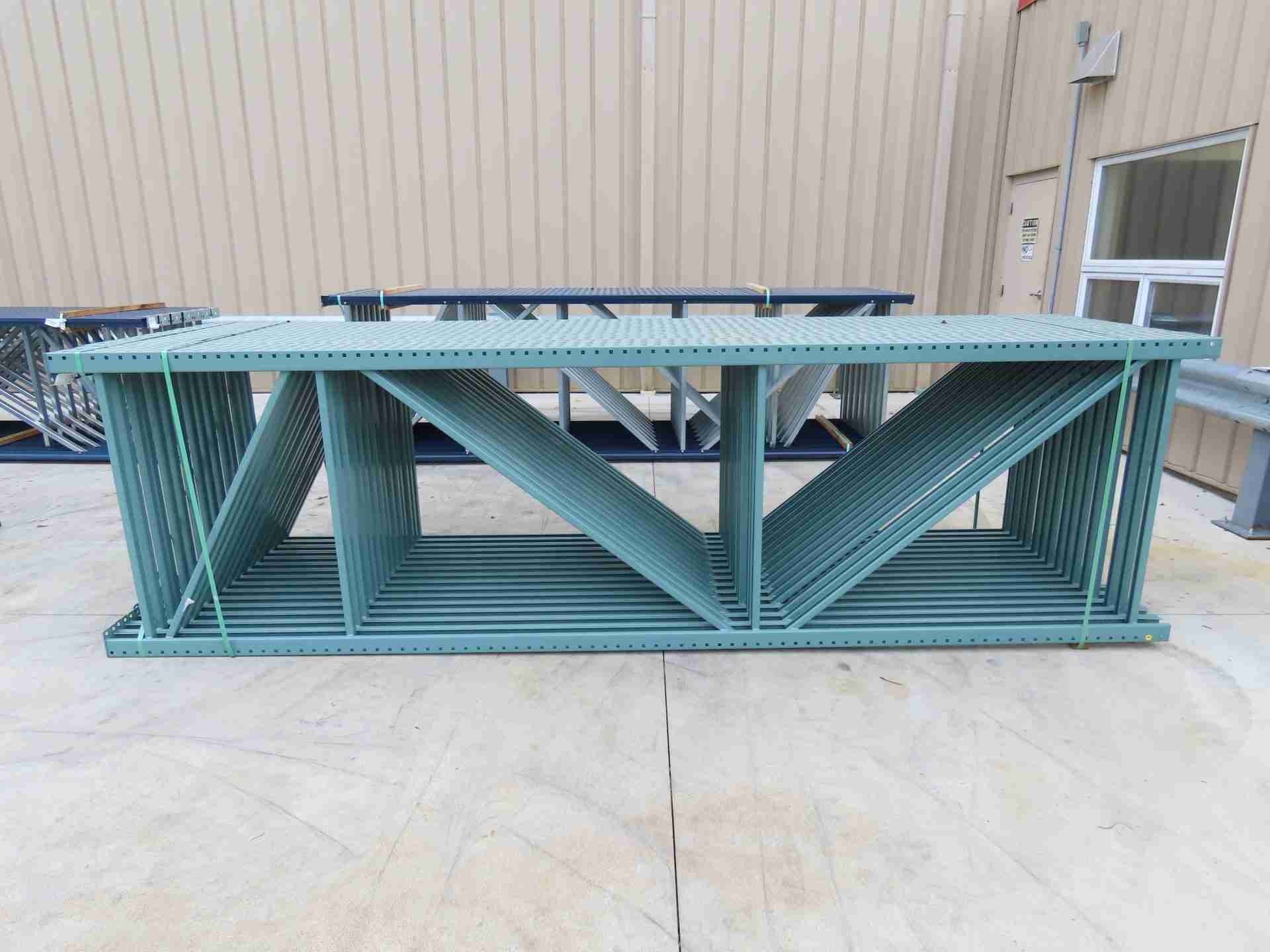
How Can I Determine If My Racking System Is Compliant?
How Can I Determine If My Racking System Is Compliant?
- A pallet racking system is essential for warehouse safety, supporting products and employees effectively.
- Familiarize yourself with local regulations and industry standards to ensure compliance with pallet racking systems.
- Implement a routine inspection process to assess the condition of racking systems and address potential issues.
- Adhere to manufacturer guidelines regarding load capacity to prevent overloading and potential collapses.
- Train staff on proper loading techniques and importance of maintaining racking systems to foster a safety culture.
- Keep accurate documentation of inspections, compliance checks, and training to support ongoing safety efforts.
- A compliant pallet racking system is critical for regulatory obligations and ensuring a safe working environment.

How Can I Determine If My Racking System Is Compliant?
What Are The Common Pitfalls In Racking Compliance?
When it comes to pallet racking, compliance isn’t just a box to check. It’s the cornerstone of a safe and efficient warehouse operation. Yet, many businesses stumble into common pitfalls that not only compromise safety but can also result in costly fines and lost productivity.
Think about it: your warehouse is a bustling hub of activity. Pallet racking is designed to streamline the storage and retrieval of goods, but failing to adhere to compliance guidelines could turn your efficient operation into a hazard waiting to happen. One of the most common missteps is insufficient training. Employees must understand how to safely handle pallet racking—who knows how many injuries could be avoided with the right guidance? If your workforce operates blindly without knowledge of proper loading techniques, or even how to recognize damaged racking, you’re setting yourself up for failure.
Another pitfall is neglecting regular inspections and maintenance. Just because your pallet racking looks sturdy doesn’t mean it is! Regular checks allow you to catch potential issues before they escalate into dangerous situations. A cracked beam or loose bolt might seem minor, but in the high-paced environment of a warehouse, the consequences could be disastrous.
We can’t forget about the foundational aspects of proper planning. Are you maximizing your space effectively? Poorly designed racking systems can hinder productivity and lead to improper loading practices. By not investing time into thorough planning and layout optimization, you risk creating a system that complicates rather than simplifies.
Let’s also touch on compliance documentation. Many businesses overlook the importance of keeping accurate records. Whether it’s inspection logs or employee training certificates, having organized and accessible documentation can save you from hefty penalties in an audit. Furthermore, transparency significantly boosts trust among your team; showing you take safety and compliance seriously fosters a culture where everyone looks out for one another.
By addressing these common pitfalls in your pallet racking setup, you can cultivate a safer and more productive environment. Embrace proactive strategies to not just meet compliance standards but to exceed them. This commitment ultimately protects your most valuable asset: your people. Your bottom line will thank you for it. So, take charge—reassess your racking processes today and pave the way for operational excellence!

What Are The Common Pitfalls In Racking Compliance?
What Are The Common Pitfalls In Racking Compliance?
- Compliance in pallet racking is crucial for a safe and efficient warehouse operation.
- Insufficient employee training on safe handling of pallet racking often leads to accidents and injuries.
- Regular inspections and maintenance are essential, as visible sturdiness may mask underlying issues.
- Effective space planning is vital; poorly designed racking can hinder productivity and loading practices.
- Maintaining accurate compliance documentation, such as inspection logs and training certificates, is important for audits.
- Transparency and organized records foster a safety-focused culture within the workforce.
- Proactively addressing common pitfalls can enhance safety, productivity, and ultimately protect employee well-being.

What Are The Common Pitfalls In Racking Compliance?
What Are The Typical Penalties For Non-Compliance With Racking Laws?
Imagine walking into a warehouse. You see dozens of rows of towering pallet racking, each stacked high with goods. The efficiency is palpable. But here’s the kicker—what happens if those racking systems are non-compliant? The repercussions could transform that vision of productivity into a nightmare of penalties and liabilities. Understanding the typical penalties for non-compliance with racking laws is not just a legal obligation; it’s a smart business strategy that protects your bottom line.
Compliance with pallet racking regulations may seem like a mundane task, but overlooking it can result in significant consequences. First and foremost, there are financial penalties. Regulatory bodies can impose hefty fines for violations that can range from a few hundred to thousands of dollars. These fines, while unpleasant, are just the tip of the iceberg. Consider the potential costs associated with the aftermath of an accident stemming from unsafe racking. Product damage, employee injuries, or, in the worst-case scenario, fatalities can lead to liability claims that cripple businesses financially and tarnish their reputation.
Beyond the financial penalties, there’s the impact on your workforce. A non-compliant pallet racking system can create a hazardous environment for your employees, leading to increased turnover rates and decreased morale. When safety is compromised, employee trust wanes. It’s essential to foster a culture of safety and compliance—not just to satisfy regulations but to cultivate an atmosphere where employees feel valued and secure.
Let’s not forget the impact on your reputation. In today’s interconnected world, news travels fast. A slip-up regarding racking compliance can be shared far and wide, damaging relationships with clients and vendors. Each organization is under the watchful eyes of competitors and clients alike. Maintaining compliance builds a foundation of credibility and trust that enhances your brand image.
Finally, think about the operational disruptions that could arise. A sudden inspection revealing non-compliance can lead to immediate shutdowns during renovations or retrofitting—costing not just money but precious workflow time.
So, what’s the takeaway? Prioritizing compliance with pallet racking laws is an investment in the longevity of your business. By adhering to regulations, you safeguard against penalties while fostering a productive, safe workplace. Take action now—review your systems, engage with experts, and ensure that your racking solutions are as compliant as they are efficient. Your business deserves nothing less.

What Are The Typical Penalties For Non-Compliance With Racking Laws?
What Are The Typical Penalties For Non-Compliance With Racking Laws?
- Non-compliance with pallet racking regulations can lead to severe financial penalties, ranging from hundreds to thousands of dollars.
- Potential costs from accidents due to unsafe racking can include product damage, employee injuries, and liabilities that may harm a business’s finances and reputation.
- A non-compliant racking system creates a hazardous work environment, increasing employee turnover and decreasing morale.
- A culture of safety and compliance is essential to make employees feel valued and secure in their workplace.
- Non-compliance can severely damage a company’s reputation, affecting relationships with clients and vendors, and damaging brand credibility.
- Operational disruptions can occur due to unexpected inspections, leading to costly shut downs and loss of productivity.
- Prioritizing compliance with racking laws is a smart business strategy that protects financial interests and fosters a safe, productive work environment.

What Are The Typical Penalties For Non-Compliance With Racking Laws?
How Often Should Racking Systems Be Inspected For Safety?
When it comes to managing a warehouse or distribution center, one aspect looms large over everything else: safety. Among the many safety components you deal with, pallet racking stands tall, both literally and figuratively. You may not think about your racking systems until something goes wrong, but making a conscious decision to prioritize inspection could prevent disaster and ensure a smoother operation. So, how often should you inspect your pallet racking?
The simple answer is: regularly. But what does “regularly” mean? Experts in warehouse safety suggest conducting a thorough inspection of your pallet racking systems at least once a year. This is your golden opportunity to identify any issues before they escalate into serious problems. Think of it as a wellness check for your racking systems; just like you wouldn’t ignore a persistent cough, you shouldn’t overlook the integrity of your racking structures.
However, inspections shouldn’t be a one-time-a-year affair. It’s equally important to initiate informal checks on a daily and weekly basis. Encourage your warehouse staff to visually inspect the pallet racking each day. They can quickly look for any signs of damage, such as dents, bends, or any loose bolts. It’s a simple yet effective way to cultivate a culture of safety within your organization. The more eyes you have on the racking systems, the better your chances of catching issues early on.
Additionally, if your warehouse experiences high turnover of inventory or frequent changes in product type or weight, consider ramping up your inspection frequency. Maybe quarterly inspections are more fitting for your operations. Regardless, the important takeaway is to make inspections a non-negotiable part of your routine.
Don’t wait for a crisis to force you into action. By establishing a consistent inspection schedule for your pallet racking, you are making an investment—not just in your equipment, but in the safety and well-being of your employees. Trust me; fostering a safe working environment builds confidence and trust within your team, lowering the risks of accidents and increasing productivity.
Feel empowered to take control of your safety measures. Regular inspections of your pallet racking create peace of mind and send a clear message: you care about safety, operations, and most importantly, your people. After all, a safe working environment is not just a regulatory requirement; it’s the pathway to a successful and sustainable business.

How Often Should Racking Systems Be Inspected For Safety?
How Often Should Racking Systems Be Inspected For Safety?
- Safety is a critical aspect of managing a warehouse or distribution center, with pallet racking being a key focus.
- Regular inspections of pallet racking systems are essential, with experts recommending at least once a year.
- A yearly inspection serves as a wellness check to identify potential issues before they escalate.
- Informal daily and weekly checks by warehouse staff can help spot signs of damage like dents or loose bolts.
- High turnover of inventory may necessitate increasing inspection frequency to quarterly or more.
- Establishing a consistent inspection schedule is vital for preventing crises and ensuring employee safety.
- Regular inspections promote a culture of safety, enhance team trust, and contribute to increased productivity.

How Often Should Racking Systems Be Inspected For Safety?
What Role Do Industry Standards Play In Racking Compliance?
In the world of warehousing and logistics, the importance of compliance cannot be overstated. You might be asking yourself, “How do I ensure my pallet racking systems not only fit my needs but also align with safety standards?” This is where industry standards come into play, acting as a guiding compass through the complex landscape of racking compliance.
Imagine stepping into a warehouse filled with rows upon rows of neatly organized pallet racking. Each piece of racking serves a purpose, cradling your products while ensuring safety for your staff. But what makes some warehouses immensely successful, while others face the looming specter of compliance issues? The answer often lies in adherence to industry standards.
These standards are not arbitrary rules cooked up in a boardroom. They are crafted from years of experience, research, and feedback from professionals just like you—those who have faced the trials of optimizing storage while keeping costs in check. By aligning your pallet racking systems with established standards, you demonstrate a commitment to safety, reliability, and operational excellence. When clients see your dedication to compliance, they are more likely to trust you with their business. After all, who wouldn’t want to partner with an organization that places a premium on safety and responsible operations?
Think of compliance as your secret weapon. It sets you apart from competitors who leave their racking to chance. By investing time and resources into understanding these standards, you’re not just checking a box; you’re cultivating an environment that attracts motivated employees and reassures clients about their inventory’s safety.
Moreover, regular audits and adherence to guidelines ensure that your pallet racking systems are not just compliant today, but resilient enough to adapt to future challenges. It creates a culture of continuous improvement where your team is not only following rules but actively engaging in practices that enhance productivity and safety.
So, take a moment to evaluate your current pallet racking processes. Are you merely compliant, or are you genuinely committed to building a safe and thriving workspace? By embracing industry standards, you’re laying a solid foundation for your organization—one that fosters trust, inspires confidence, and ultimately drives your success forward. Whether you’re seeking to minimize risks or optimize performance, remember: compliance is more than a mandate; it’s a pathway to elevated business achievement.

What Role Do Industry Standards Play In Racking Compliance?
What Role Do Industry Standards Play In Racking Compliance?
- Compliance is crucial in warehousing and logistics and ensures safety and operational excellence.
- Aligning pallet racking systems with industry standards demonstrates commitment to safety and reliability.
- Established standards are based on extensive experience, research, and professional feedback.
- Adhering to compliance builds trust with clients and differentiates businesses from competitors.
- Investment in understanding compliance cultivates a productive and motivated workforce.
- Regular audits promote a culture of continuous improvement and adaptability for future challenges.
- Embracing industry standards lays a foundation for trust and drives business success.

What Role Do Industry Standards Play In Racking Compliance?
Conclusion
Conclusion: Elevate Your Warehouse Operations Through Compliance
In the fast-paced world of warehousing, compliance with pallet racking regulations is not merely a bureaucratic chore—it is an essential investment in your organization’s safety, productivity, and reputation. Understanding these regulations helps safeguard not only your business assets but also the well-being of your valued team members. When you ignore these guidelines, you expose yourself to the risks of hefty fines, liability issues, and, most alarmingly, workplace accidents that can devastate both morale and operations.
So, what should you do? Begin by diving deep into the regulations set forth by trusted organizations, such as OSHA and ANSI. Familiarizing yourself with these standards will empower you to make informed decisions that maintain and enhance the integrity of your operations. Your pallet racking system is vital—it’s an intricate foundation that supports your efficiency. Regular inspections serve as proactive check-ups that can highlight potential issues before they escalate into catastrophic failures. Don’t just glance at your racking systems; make routine inspections a part of your warehouse culture, ensuring your team is equipped to identify and rectify problems early on.
Moreover, collaboration is key! Forge strong relationships with reputable racking suppliers and local safety professionals who can guide you through compliance with ease and confidence. Equip your employees with the knowledge and skills through training programs, transforming workplace safety from a checkbox into a core value. When your staff is knowledgeable, they not only comply with regulations, but they also foster a culture of safety that enhances overall efficiency.
The time to act is now! Don’t let fear of compliance stifle your operations; embrace it as a pathway to growth and success. Whether you’re operating a small business or a sprawling warehouse, the implications of racking compliance extend beyond mere guidelines—they embody your commitment to a safer and more productive work environment.
So, take the first action today—call Arrow Industrial Sales at (574) 349-6575. We’re ready to help you navigate the complexities of racking regulations, ensuring your operations are not only compliant but thriving. Remember, your commitment to excellence in racking compliance is not just about avoiding penalties; it’s about building a robust, safe, and resilient future for your workforce and your business. Don’t wait—invest in the safety of your warehouse today!

Conclusion
Conclusion:
- Compliance with pallet racking regulations is crucial for safety, productivity, and reputation.
- Understanding regulations protects business assets and ensures employee well-being.
- Ignoring guidelines risks fines, liability issues, and workplace accidents.
- Familiarize yourself with standards from organizations like OSHA and ANSI.
- Regular inspections of pallet racking systems can prevent catastrophic failures.
- Collaboration with racking suppliers and safety professionals enhances compliance.
- Investing in training programs fosters a culture of safety and improves efficiency.

Conclusion
Other Resources

Other Resources
Here is a list of other resources you can review online to learn more:
- Teardrop Industrial Shelving Rack
- Wolter
- Racking World
- Selective Pallet Racking Systems
- Arrow Industrial Sales
- Interlake
- IIWS Inc. Rack Installation Illinois & Rack Repairs Illinois
- Chicago Pallet Racking
- Rack Manufacturers Institute
- Cantilever Racking Specialists – Get the Right Racks
Use This Prompt To Get More Resources With Your Favorite Online AI Tool: Please provide me with a list of online articles with their URLs in a bulleted list that I can read regarding What Do You Need to Know About Complying with Racking Regulations?

Other Resources
Glossary Terms
What Do You Need to Know About Complying with Racking Regulations? – Glossary Of Terms
1. Racking: A system of frameworks used to store materials in vertical stacks, enhancing efficiency in warehouses or storage areas.
2. Regulation: A rule or directive made and maintained by an authority to control and govern conduct, particularly relevant to safety standards.
3. Compliance: The act of adhering to, and ensuring conformity with laws, regulations, and guidelines set forth by authorities.
4. Standards: Established requirements or criteria that racking systems must meet to ensure safety and efficiency.
5. Health and Safety Executive (HSE): The UK government agency responsible for regulating workplace health and safety; provides guidelines for racking safety.
6. Load Capacity: The maximum weight that a racking system can safely support without risk of failure.
7. Inspection: A detailed examination or assessment of racking systems to ensure they meet regulations and are safe for use.
8. Maintenance: Regular care and servicing of racking systems to prolong their lifespan and ensure they are compliant with safety standards.
9. Material Handling: The movement, protection, storage, and control of materials and products throughout the manufacturing, warehousing, distribution, consumption, and disposal stages.
10. Pallet Racking: A type of racking designed specifically for the storage of pallets; commonly used in warehouses.
11. If applicable: A phrase indicating that a rule or standard applies only under certain circumstances related to specific situations or environments.
12. Design Load: The total weight that the racking system is designed to support according to its specifications.
13. Structural Integrity: The ability of a racking system to maintain its shape and strength under load without failing.
14. Risk Assessment: A systematic process of evaluating potential hazards associated with racking systems, aiming to mitigate risks.
15. Forklift: A powered industrial truck used to lift and move materials, often involved in the operation of racking systems.
16. Vertical Clearance: The height available above a racking system, important for safe operation and access.
17. Aisle Width: The width of pathways between racking units, critical for ensuring safe maneuverability of equipment.
18. Seismic Considerations: Engineering measures taken to ensure racking systems can withstand seismic activity, particularly in earthquake-prone areas.
19. Shelving Units: Horizontal surfaces within a racking system designed for storage; can vary in style and load capacity.
20. Inspections Log: A record-keeping document that tracks the inspection history and maintenance activities conducted on racking systems.
21. Load Distribution: The allocation of weight across a racking system, crucial for preventing structural failure.
22. Static Load: The weight supported by a racking system under normal conditions, without any dynamic forces like movement.
23. Dynamic Load: The weight or force applied to a racking system during movement or operation, such as when a forklift interacts with it.
24. Safety Barrier: Protective measures such as guardrails or signs installed to prevent accidents in areas where racking systems are present.
25. Training: Instruction provided to employees on safe operation and best practices related to racking systems and handling materials.
26. Manufacturer Guidelines: Recommendations and instructions provided by the manufacturer of a racking system to ensure proper use and compliance.
27. Load Signage: Visual indicators posted near racking systems to inform users of maximum load limits and safety information.
28. Retrofitting: The process of adding new technology or features to existing racking systems to enhance safety or compliance.
29. Incident Reporting: Procedures established for documenting and managing accidents or near misses related to racking operations.
30. Regulatory Agency: A government body responsible for ensuring adherence to laws and regulations in specific sectors, including warehouse safety.

Glossary Of Terms
Other Questions
What Do You Need to Know About Complying with Racking Regulations? – Other Questions
If you wish to explore and discover more, consider looking for answers to these questions:
- What specific regulations should I be aware of for my region?
- How can I effectively train my staff in racking safety?
- What are the potential costs associated with non-compliance?
- How frequently should I consider re-evaluating my racking systems?
- What resources are available for learning about racking regulations?
- What qualifications should an inspector have for racking compliance?
- How can I document compliance efforts effectively?
- What should I do if I discover a compliance issue during an inspection?
- Are there any technological tools that can help with racking compliance?
- What are the best practices for maintaining racking systems?
- How do I choose a reliable racking supplier or installer?
- What are some examples of racking system failures and their consequences?
- How can I foster a safety culture within my warehouse?
- What liability insurance considerations should I keep in mind regarding racking compliance?

Other Questions
Checklist
What Do You Need to Know About Complying with Racking Regulations? – A Checklist
Compliance Checklist for Pallet Racking Regulations
Understanding Racking Regulations
_____ Familiarize with regulations set by OSHA and ANSI.
_____ Review specific standards relevant to your racking operations.
_____ Assess the importance of complying with load capacity guidelines.
Regular Inspections and Maintenance
_____ Establish a routine inspection schedule (at least once a year).
_____ Conduct informal daily and weekly visual inspections.
_____ Identify and address visible damage (bent frames, distorted beams).
_____ Document all inspections and maintenance actions.
Employee Training
_____ Schedule regular training sessions on racking safety and handling.
_____ Ensure employees understand load capacities and proper loading techniques.
_____ Encourage a culture of safety and responsibility regarding pallet racking.
Collaborate with Experts
_____ Engage with your racking supplier and local safety professionals.
_____ Keep updated on any changes in regulations or industry standards.
Documentation and Record-Keeping
_____ Maintain accurate records of inspections, compliance checks, and training.
_____ Organize documentation for quick access during audits.
Common Pitfalls to Avoid
_____ Ensure sufficient employee training to avoid mishandling of racking.
_____ Avoid neglecting regular inspections and maintenance.
_____ Properly plan and optimize racking layout to maximize efficiency.
_____ Keep compliance documentation organized and readily available.
Consequences of Non-Compliance
_____ Understand potential financial penalties for non-compliance.
_____ Be aware of the risks associated with workplace safety and employee morale.
_____ Recognize the impact of non-compliance on your business reputation and operations.
Continuous Improvement
_____ Regularly evaluate current pallet racking processes and systems.
_____ Invest in ongoing education about industry standards and best practices.
_____ Commit to a proactive approach toward compliance, safety, and operational excellence.
By following this checklist, you will not only ensure compliance with racking regulations but also create a safer, more productive work environment for your team.
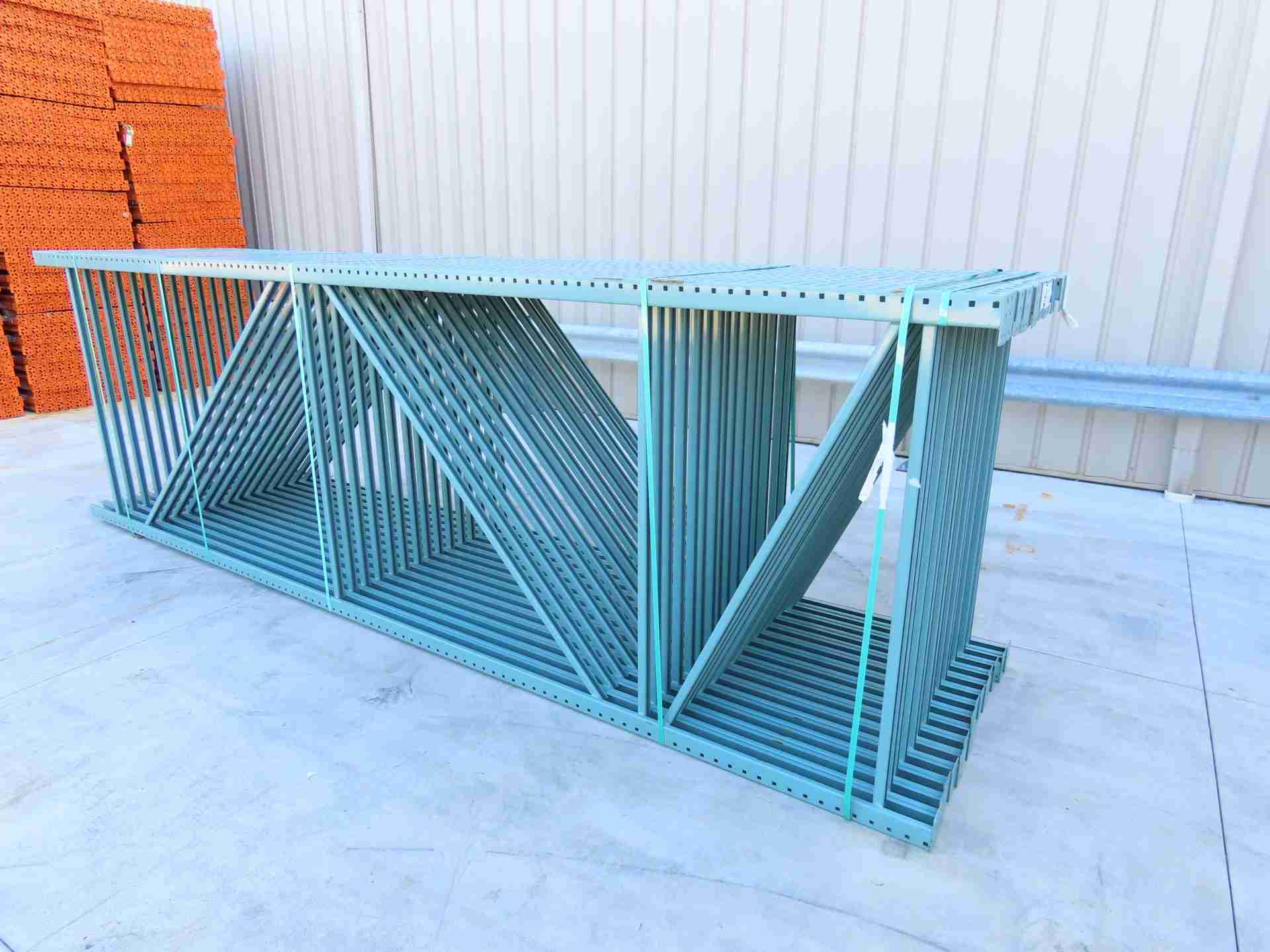
Checklist
At RackingWorld, we help guide you through selecting warehouse storage systems and racking.
Be sure to read our other related stories at RackingWorld to learn more about warehouse storage systems.
0 Comments