
The Hidden Cost Of Chaos: How Warehouse Disorganization Impacts Productivity
By Tom Seest
At RackingWorld, we help guide you through selecting warehouse storage systems and racking.
Be sure to read our other related stories at RackingWorld to learn more about warehouse storage systems.
Is Warehouse Disorganization Stealing Team Time and Energy?
Imagine this: your team is fired up, ready to deliver their best, but they find themselves lost in a labyrinth of clutter, struggling to locate the very items they need to fulfill orders. Sound familiar? In many warehouses, disorganization is not just an inconvenience; it’s a stealthy thief of time and energy that drains morale and productivity.
When your warehouse is a maze of chaos rather than a well-oiled machine, you are, in effect, sending your team on a treasure hunt every time they need to retrieve an item. Patchy pathways, misplaced inventory, and tangled cables create a frustrating environment, fostering unnecessary stress among your employees. This is where effective solutions come into play, like integrating smart pallet racking systems that can streamline operations and optimize space.
Pallet racking is not merely about throwing up some shelves and calling it a day; it’s about strategically designed systems that enhance accessibility and organization. By implementing a clutter-free pallet racking solution, you’ll transform your warehouse space from a hindrance into a powerhouse of efficiency. This ensures that your team spends less time searching for products and more time focused on their core responsibilities — wow, what a game changer!
But let’s not stop there. A disorganized environment leaves employees feeling undervalued and frustrated, which translates into higher turnover rates and less team morale. When your team recognizes that their workplace is managed efficiently—that the pallet racking is neatly organized, and every item has its rightful place—your operations run smoother, and enthusiasm blooms.
Investing in a structured system for your warehouse can amplify productivity, turning the tide from chaotic to coherent. You empower your team with a sense of ownership and pride in their workspace. Every hour saved leads to increased efficiency—your team will feel energized, motivated, and inspired to deliver outstanding results, ultimately enhancing your bottom line.
Every moment your team spends untangling the mess costs you money and peace of mind. So, take the first step. Evaluate your warehouse operations today, and invest in pallet racking solutions that can create clarity from chaos. Together, let’s turn your warehouse into an organized haven that nourishes efficiency and lifts team morale. Because every moment matters, and your team deserves to thrive!
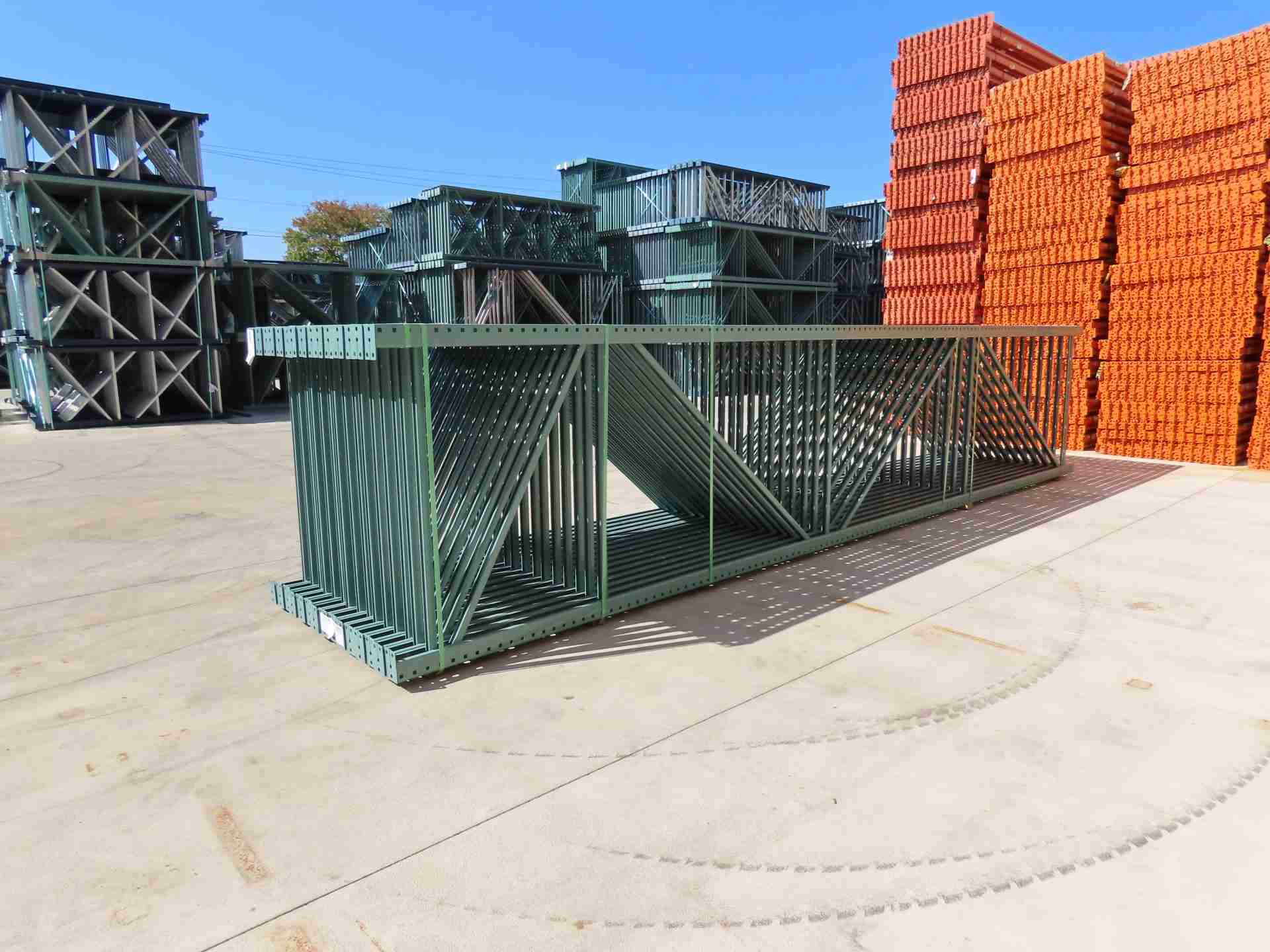
Is Warehouse Disorganization Stealing Team Time and Energy?
Is Warehouse Disorganization Stealing Team Time and Energy?
- Disorganization in warehouses drains time, energy, morale, and productivity.
- Workers face frustrating challenges when searching for items in chaotic environments.
- Implementing smart pallet racking systems can streamline operations and optimize space.
- Effective pallet racking enhances accessibility and organization, transforming warehouse efficiency.
- A clutter-free environment boosts employee morale and reduces turnover rates.
- Investing in organized systems fosters team ownership and pride, increasing overall productivity.
- Evaluating and investing in warehouse solutions creates clarity, improves efficiency, and helps teams thrive.
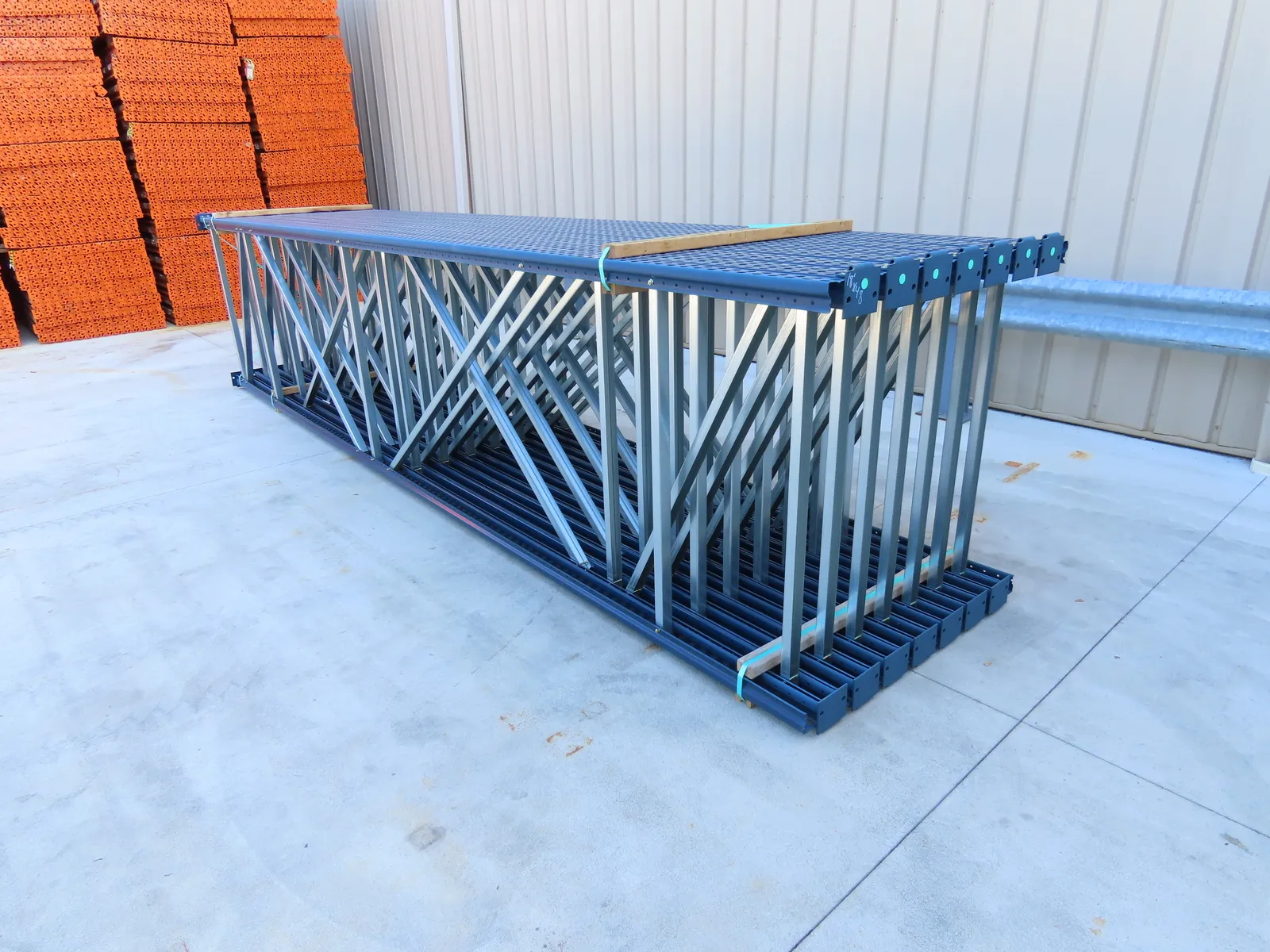
Is Warehouse Disorganization Stealing Team Time and Energy?
Table Of Contents
- Is Warehouse Disorganization Stealing Team Time and Energy?
- Is Warehouse Disorganization Affecting Productivity Levels?
- How Does Disorganization Impact Team Morale?
- What Are The Signs Of A Disorganized Warehouse?
- How Can Disorganization Lead To Financial Losses?
- What Strategies Can Improve Warehouse Organization?
- How Does Technology Play A Role In Organization?
- Conclusion
- Other Resources
- Glossary Of Terms
- Other Questions
- Checklist
Is Warehouse Disorganization Affecting Productivity Levels?
Imagine stepping into a bustling warehouse, yet you’re greeted not by a symphony of activity but by chaos. Piles of boxes stack precariously, misplaced pallets litter the floor, and your once-organized pallet racking systems stand as mere shadows of their potential. This disarray not only stifles efficiency but actively drains productivity levels like a leaky faucet.
Disorganization in a warehouse isn’t just a minor inconvenience; it’s a business threat. Picture your team members, searching for items that seem lost in a labyrinth of clutter. Each minute spent hunting down misplaced products translates to dollars flying out the window. Whether you’re managing a small operation or overseeing a sprawling logistics center, that time adds up—and so does frustration. Employees begin to feel overwhelmed, morale dips, and before you know it, the productivity levels you once enjoyed have plummeted.
Let’s talk about pallet racking. A strategic pallet racking setup isn’t just a storage solution; it’s the backbone of a smooth-running warehouse. When arranged correctly, these systems can transform your space, making access easy and inventory management a breeze. Yet, if these essential tools are poorly utilized or neglected due to disorganization, you might as well be trying to navigate a ship through a storm without a compass. It might seem daunting to tackle, but consider this: the effort to implement organization can yield transformative benefits.
Take a moment to reflect on your current operations. Are your pallet racking systems well-maintained and utilized to their full potential? Are you creating a culture focused on order and efficiency? When you commit to organized systems and processes, your team is empowered. They’ll spend less time searching and more time achieving; customer satisfaction will soar as fulfillment times decrease; and profits can begin to reflect that newfound efficiency.
Let’s face it: disorganization costs more than just time; it saps energy and enthusiasm. Don’t wait for productivity to free-fall before you take stark action. Invest in a streamlined organizational strategy that includes sound pallet racking practices, and watch as your warehouse transforms from a source of anxiety into a powerhouse of productivity. The path is clear—embrace the change, and together we can inspire a thriving environment where every member of your team can shine.
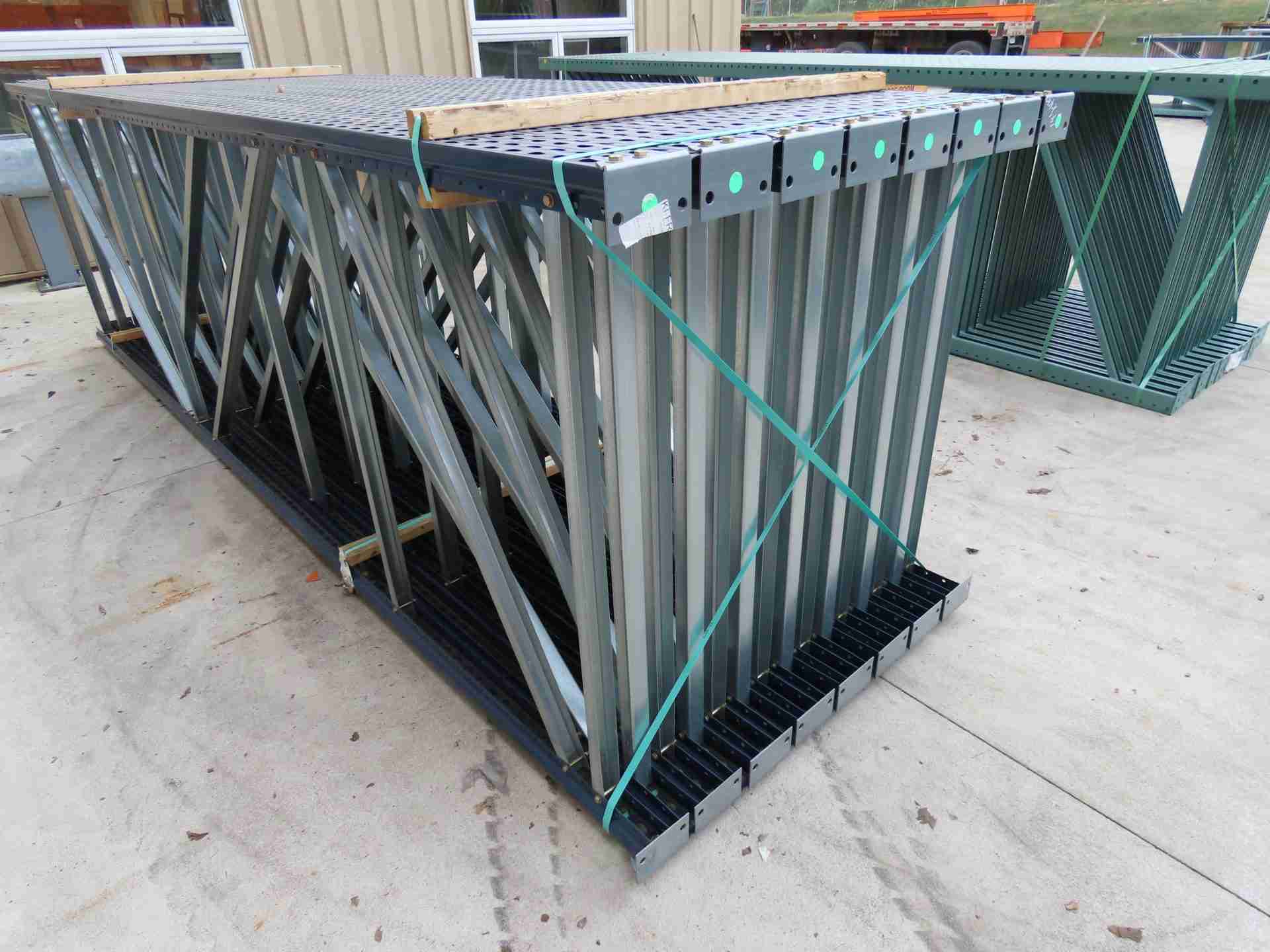
Is Warehouse Disorganization Affecting Productivity Levels?
Is Warehouse Disorganization Affecting Productivity Levels?
- Disorganization in a warehouse leads to chaos, reducing efficiency and productivity.
- Searching for misplaced items wastes time and money, negatively impacting morale.
- A well-organized pallet racking system is crucial for smooth warehouse operations.
- Poorly utilized pallet racks can hinder inventory management and operational flow.
- Implementing organization can yield significant benefits and enhance overall productivity.
- Commitment to organized systems empowers team members, improving fulfillment and customer satisfaction.
- Investing in streamlined organizational strategies transforms the workspace into a productive environment.

Is Warehouse Disorganization Affecting Productivity Levels?
How Does Disorganization Impact Team Morale?
Imagine a bustling warehouse, the air thick with anticipation, yet amidst the flurry of activity, you stumble upon a maze of disarray. Pallet racking systems tower like misplaced skyscrapers, items scattered haphazardly, and instead of inspiration, you feel a sense of dread. This chaotic environment doesn’t just affect operations; it seeps into the very core of team morale.
Disorganization within a team creates not just inefficiencies, but also a breeding ground for frustration. When employees find themselves navigating a cluttered workspace—whether it’s a physical warehouse filled with misaligned pallet racking or virtual files buried under a mountain of unfiled documents—they feel overwhelmed. This clutter can manifest as stress, confusion, and ultimately, a lack of motivation. Each day becomes a battle against the chaos rather than a springboard for productivity and innovation.
Think about it: when your team can’t locate the tools they need, or worse, they have to reinvent the wheel time and again because of unused resources tucked away behind a wall of disorganization, enthusiasm dwindles. Team members begin viewing work as a series of obstacles instead of opportunities, leading to disengagement. It strips away that spark of creativity and replaces it with resistance, affecting not just performance but also the camaraderie that’s essential for a thriving workplace.
Furthermore, disorganization can create an atmosphere of distrust. If employees feel their leaders are lax about maintaining order, they may question the company’s overall direction and commitment. A poorly organized workspace can lead to the perception that management doesn’t value employee time or effort, causing a rift that can be hard to mend.
However, there’s hope. By recognizing the impact of disorganization and prioritizing systematic organization—be it through clear labeling, streamlined pallet racking structures, or digital file management—you can foster an environment that uplifts morale. Employees who work in organized spaces are more likely to feel empowered and capable, leading to increased productivity and higher job satisfaction.
Now is the time to take action. Invest in your team’s workspace and their mindset. Your business will not only run more smoothly, but your employees will also feel reinvigorated, motivated, and ready to tackle challenges head-on. By creating a well-structured environment, you’re giving your team the best chance to excel and foster a culture of collaboration and success.
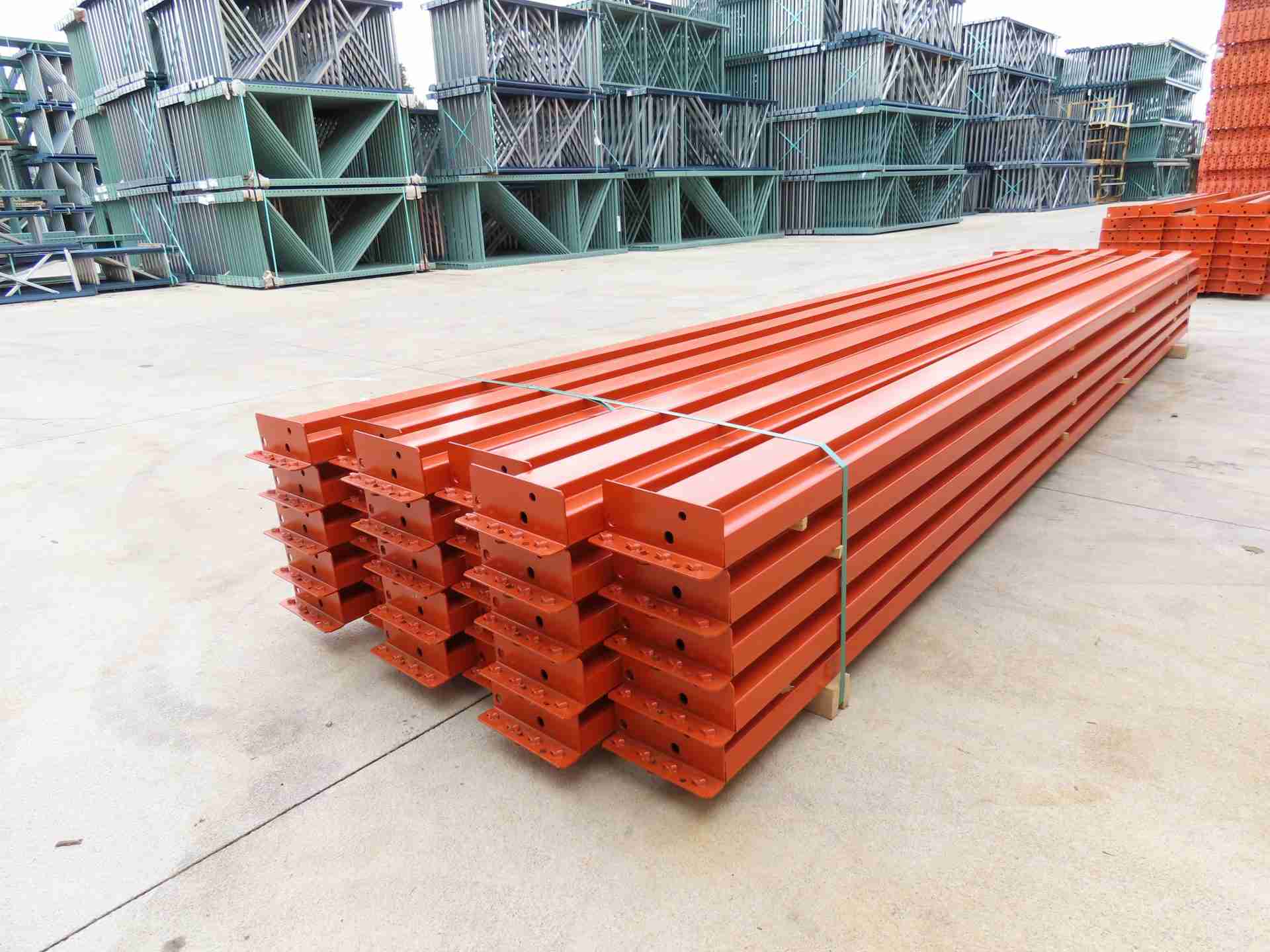
How Does Disorganization Impact Team Morale?
How Does Disorganization Impact Team Morale?
- Chaotic environments in warehouses lead to a sense of dread and negatively impact team morale.
- Disorganization creates inefficiencies and frustration, overwhelming employees with clutter.
- Clutter can result in stress, confusion, and decreased motivation, hindering productivity and innovation.
- Inaccessible tools and resources make work feel like a series of obstacles, causing disengagement.
- Disorganization fosters distrust in leadership, raising questions about management commitment and direction.
- Prioritizing systematic organization can uplift morale and empower employees, increasing productivity and job satisfaction.
- Investing in a structured environment cultivates collaboration, success, and a positive mindset among team members.
How Does Disorganization Impact Team Morale?
What Are The Signs Of A Disorganized Warehouse?
In the fast-paced world of logistics and inventory management, the smooth operation of your warehouse is paramount. Yet, many businesses unknowingly harbor disorganization that can cripple productivity, increase costs, and frustrate your staff. The first step toward uncovering your warehouse’s efficiency gaps is recognizing the signs of disorder that may be hiding in plain sight.
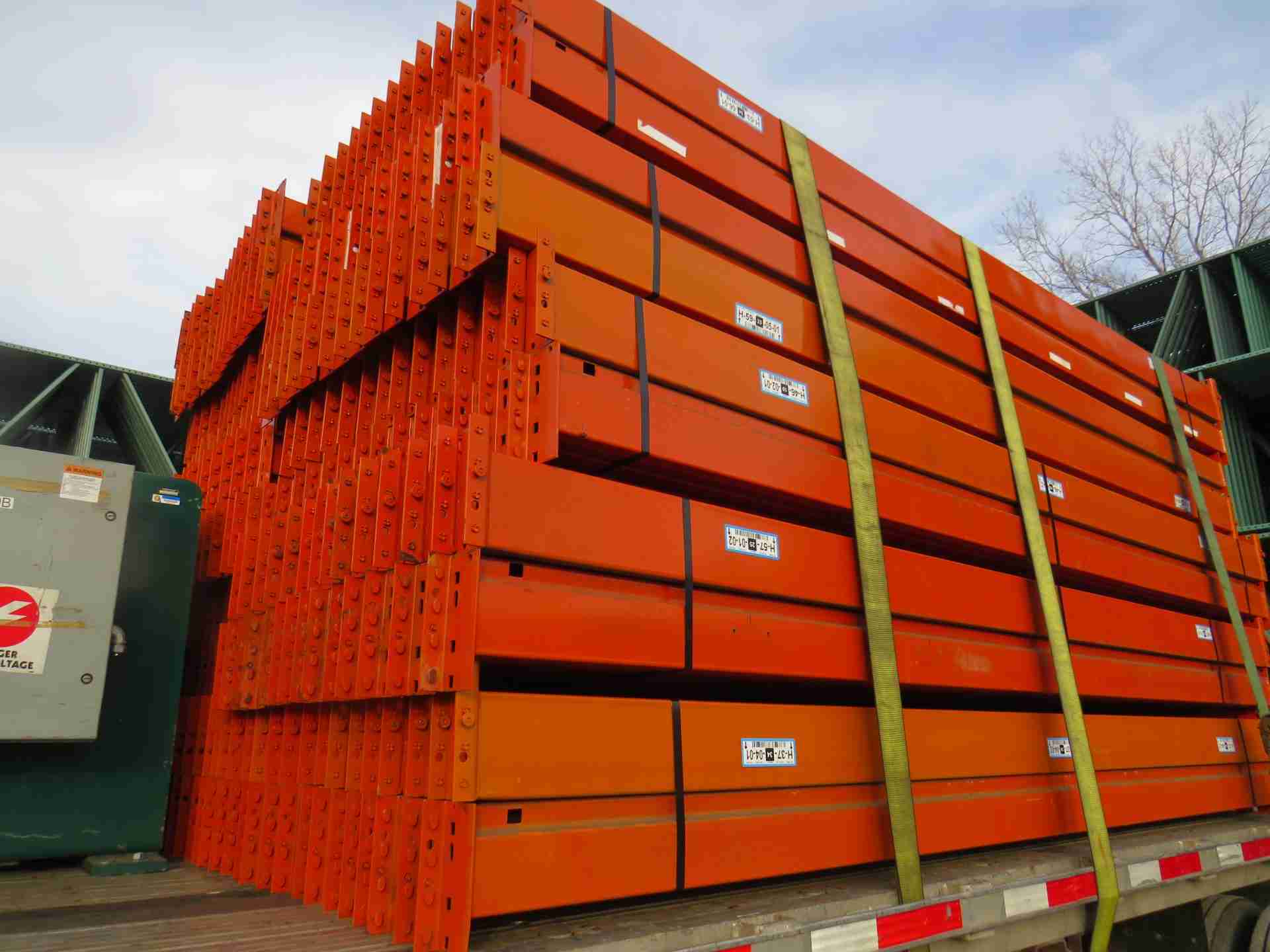
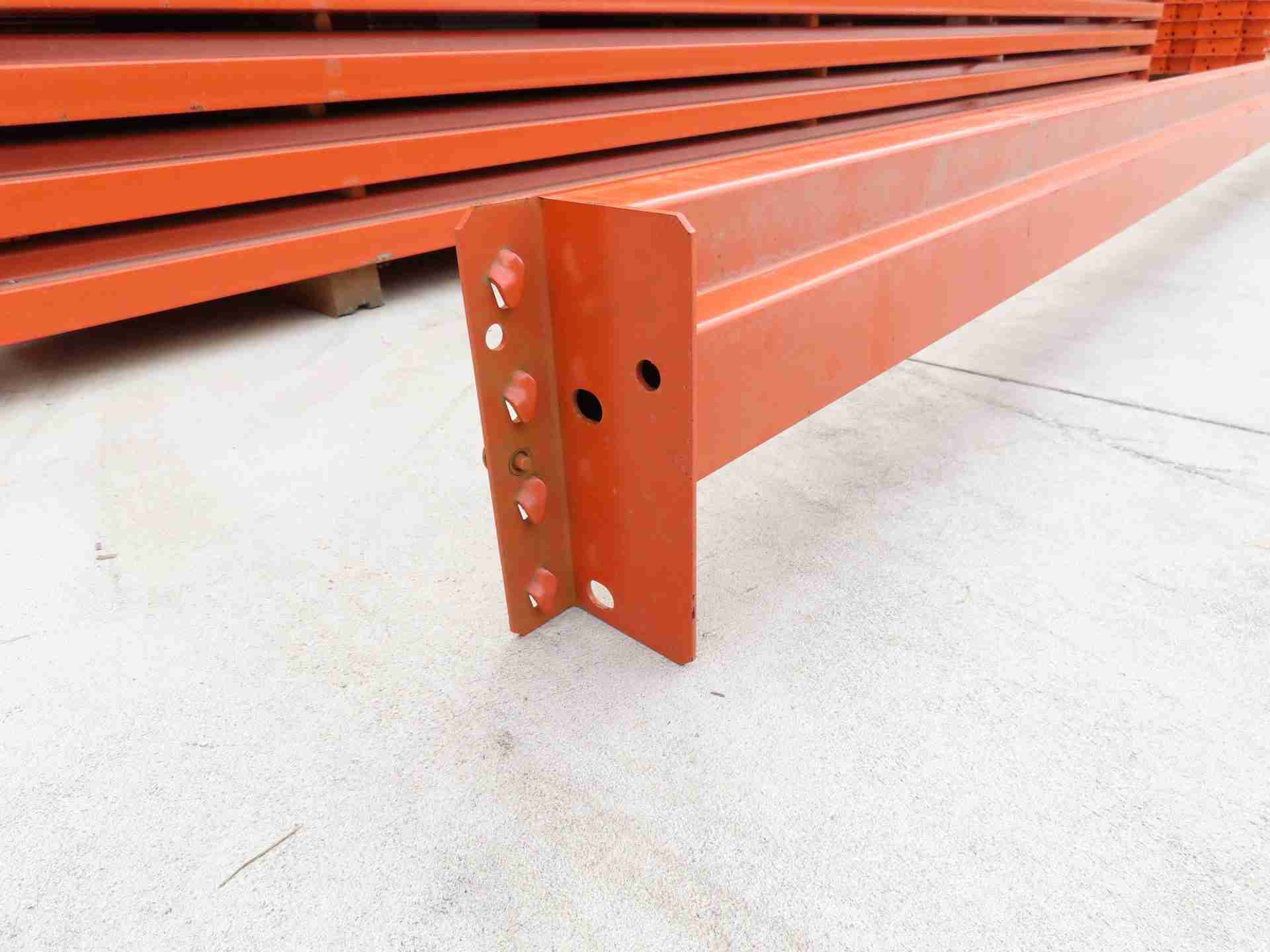
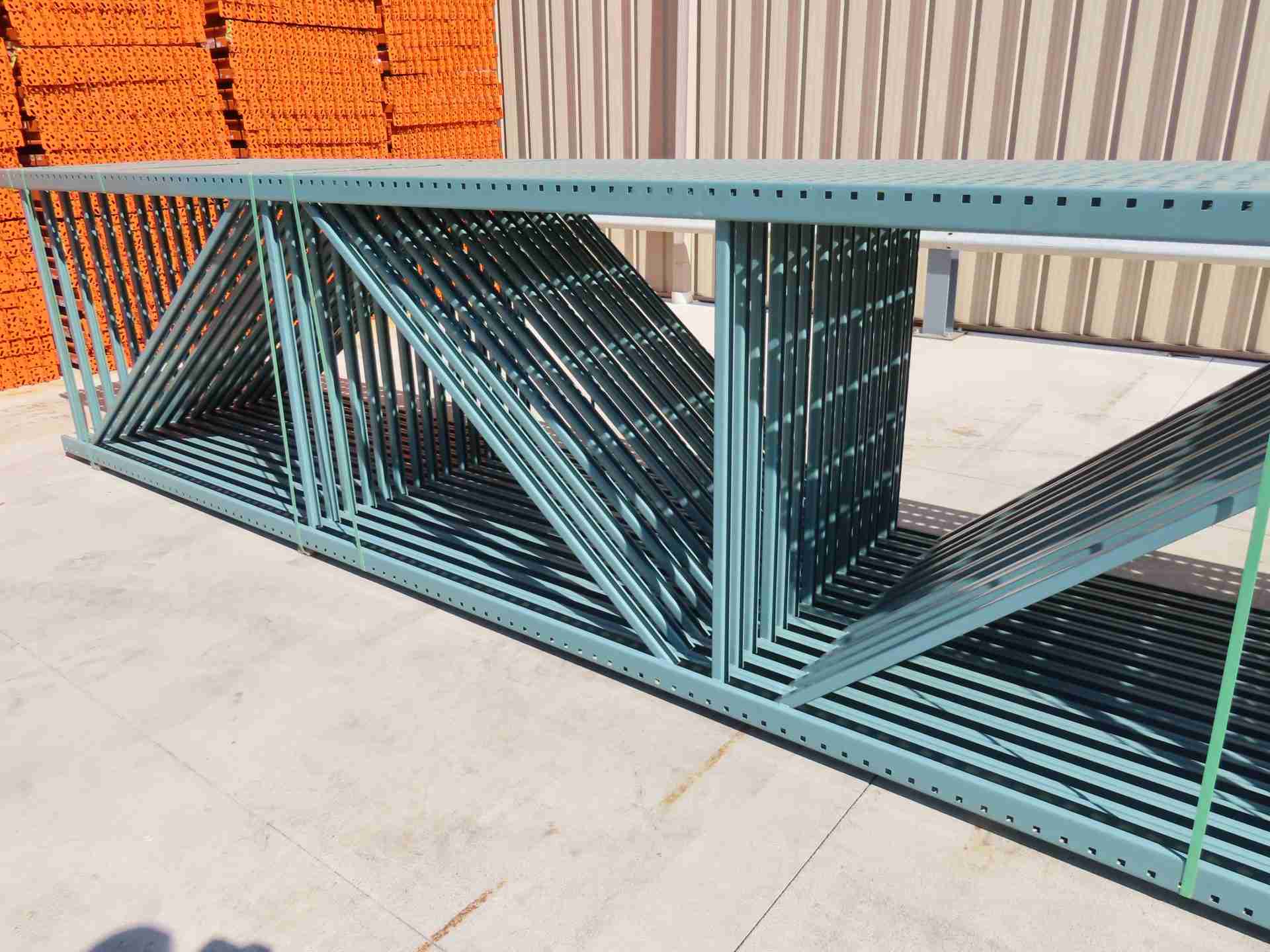
One glaring indicator is the chaotic state of your pallet racking. Are your racks overflowing with products? Are items stacked haphazardly, creating a maze that your team must navigate? This kind of setup not only slows down daily operations but can also pose a safety hazard. Employees shouldn’t have to question whether they’ll be able to find the necessary stock without a scavenger hunt — a streamlined, organized racking system is essential for both efficiency and the wellbeing of your workers.
Another sign of warehouse disarray is inconsistent labeling or complete lack thereof. If your inventory isn’t clearly identified, you’re inviting confusion that leads to costly mistakes. Imagine a team frantically searching for that one crucial item or misplacing it entirely. The result? Delays and unsatisfied customers. Investing in clear, visible labels and color-coded zones can help to eliminate this chaos and allow your team to focus on what they do best.
Clutter is another tell-tale sign that your warehouse may be in disarray. Excess items, unused equipment, and general mess can create a sense of overwhelm that stifles productivity. A clean, organized workspace fosters a culture of efficiency and respect for the products you handle. Actively decluttering areas of your warehouse can empower your team and enhance their morale.
Poor inventory management can also rear its head in a disorganized warehouse. If stock levels are frequently inaccurate or the flow of goods in and out is unpredictable, your operation is likely feeling the strain. Investing in a robust inventory management system and thorough training for your staff can connect the dots in your supply chain, leading to better accuracy and streamlined processes.
Being mindful of these signs can help transform a disorganized warehouse into a finely-tuned operation. Trust that taking these proactive steps toward organization not only benefits your team but also uplifts your entire business. After all, an efficient warehouse isn’t just a dream — it’s a pathway to success that you can embrace today.
What Are The Signs Of A Disorganized Warehouse?
What Are The Signs Of A Disorganized Warehouse?
- The smooth operation of your warehouse is critical for logistics and inventory management.
- Signs of disorganization can harm productivity, boost costs, and frustrate staff.
- Chaotic pallet racking and overflowing products hinder operations and pose safety risks.
- Inconsistent or absent labeling invites confusion, leading to costly mistakes and delays.
- Clutter from excess items and unused equipment can overwhelm and reduce productivity.
- Poor inventory management, such as inaccurate stock levels, strains operations.
- Addressing these issues promotes team morale and enhances overall business efficiency.
What Are The Signs Of A Disorganized Warehouse?
How Can Disorganization Lead To Financial Losses?
Disorganization in a business can act like a slow leak in a boat — seemingly small at first, yet eventually leading to a sinking loss of revenue. Picture this: inventory piled haphazardly on the floor, products lost in a maze of clutter, and unproductive hours wasted seeking items that should be readily available. Now, imagine how much opportunity and profit might slip through the cracks due to an inability to locate the right product at the right time.
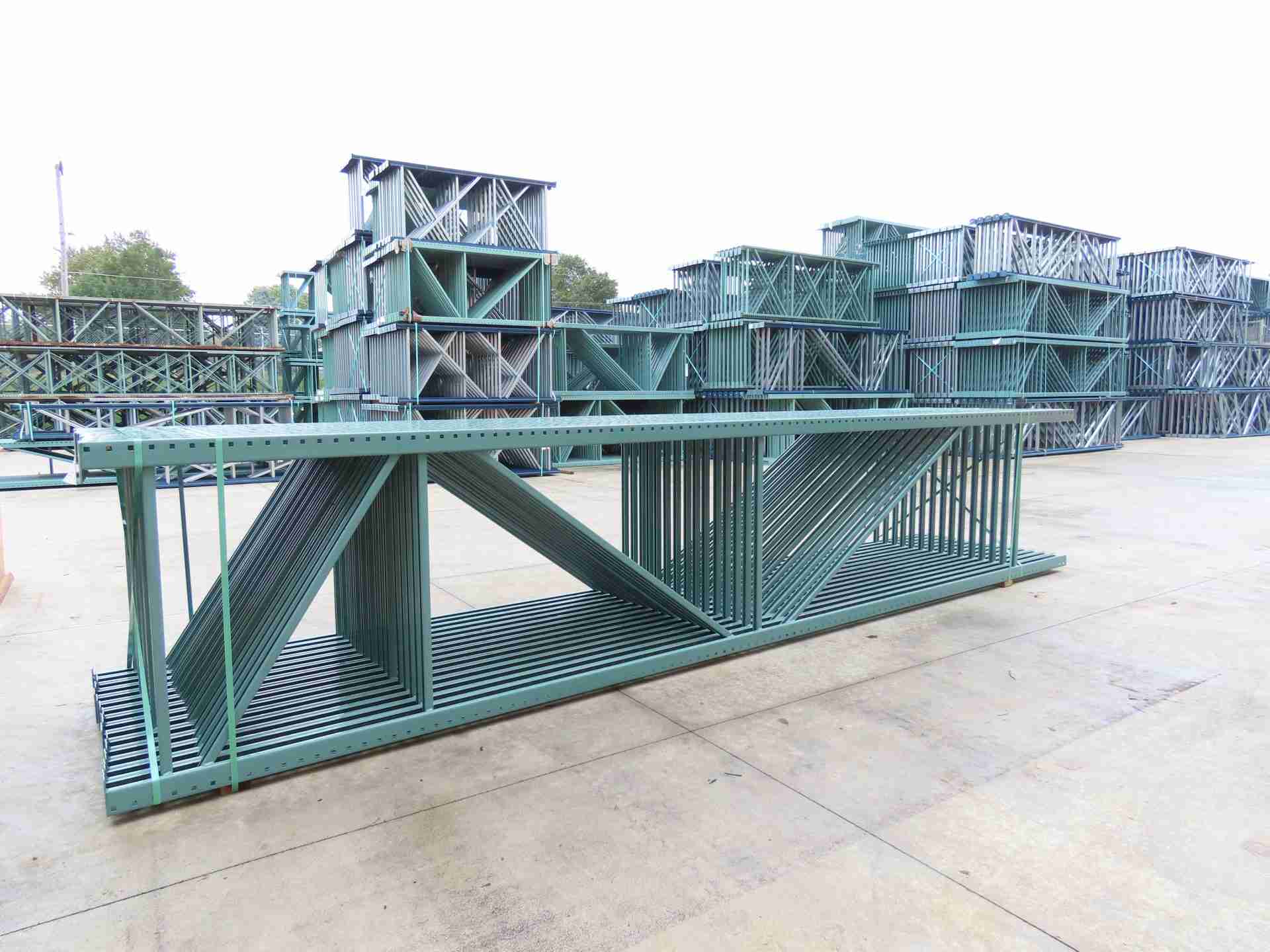
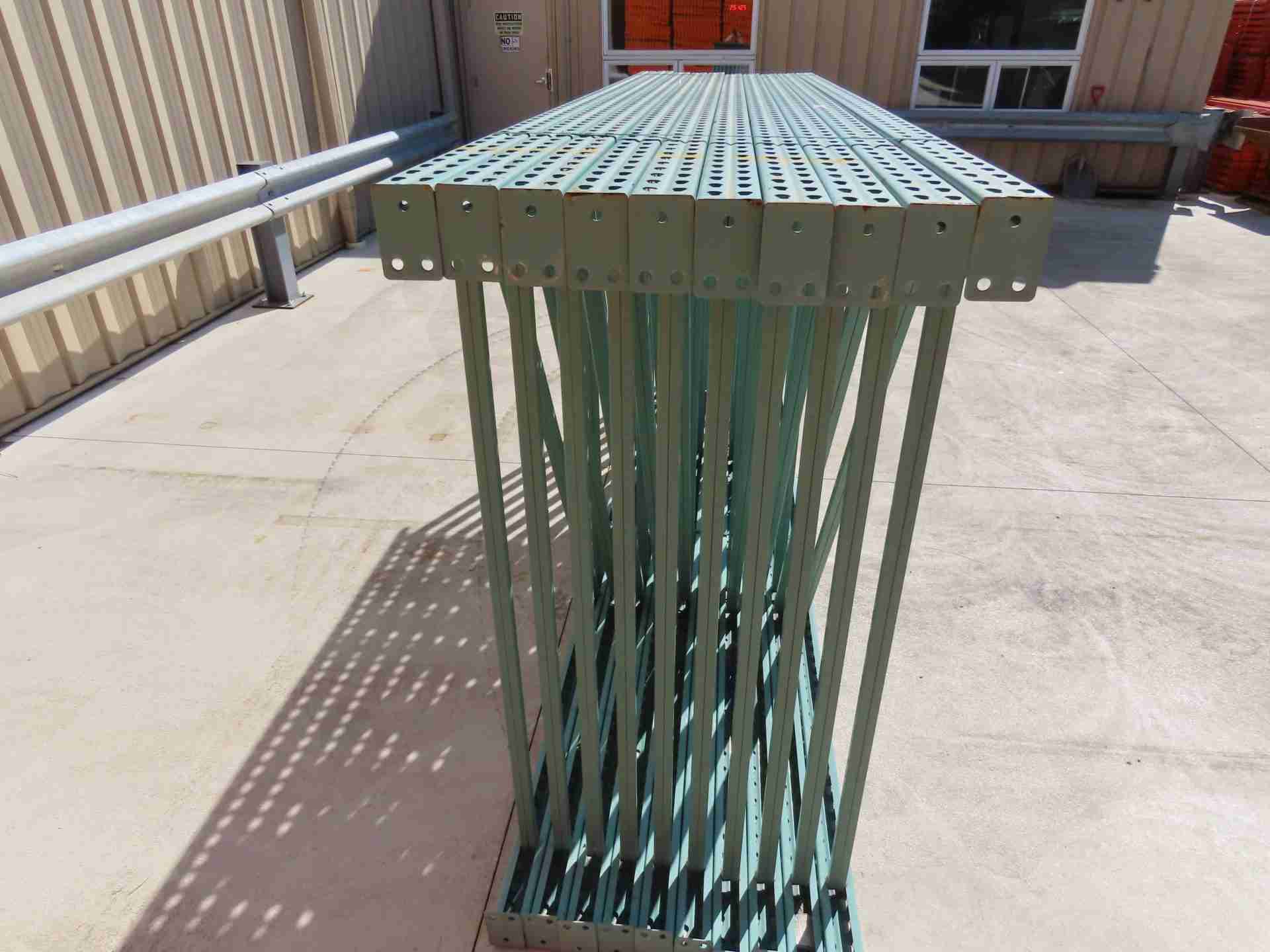
One solution to this pervasive problem lies in effective pallet racking systems. Implementing a well-structured pallet racking system not only optimizes space but creates an organized environment that fosters efficiency. When merchandise is neatly stored, access is streamlined, allowing workers to fulfill orders rapidly and accurately. Here’s the kicker — every minute saved in your warehouse translates directly to improved customer satisfaction and an attractive bottom line.
Think of the last time you experienced frustration due to a disorganized space. You might recall feeling stressed, overwhelmed, and questioning your team’s competence. Now multiply that feeling across your organization during peak selling seasons or major product launches. Customers notice when your business is disheveled; they see delays, mistakes, and inefficiency as indicators of carelessness. This erodes trust and can lead to lost sales and damaged reputations — all unnecessary losses that stem from poor organization.
Furthermore, disorganization can complicate your financial tracking. Invoices may be misplaced, receipts scattered, and budgets overlooked, which can culminate in compliance issues, missed tax deductions, or even penalties. A lack of order creates a ripple effect, making your finances appear chaotic and unreliable. It’s hard to make sound financial decisions when you can’t see your numbers clearly.
Now, imagine taking action. By embracing structured organization tools like pallet racking, you not only reclaim wasted time but also buttress your financial health. It’s more than just tidying up; it’s about establishing a system that ensures every dollar spent supports a well-planned strategy rather than drowning in the disarray of clutter and chaos.
Organizational clarity empowers you and your team to work smarter, reduce losses, and foster an environment of accountability. The road to financial success is paved with clear pathways and organized spaces. Don’t let disorganization be the albatross around your neck. Invest in order, and watch your profits climb.
How Can Disorganization Lead To Financial Losses?
How Can Disorganization Lead To Financial Losses?
- Disorganization in a business can lead to significant revenue loss, likened to a slow leak in a boat.
- Cluttered inventory and misplaced products waste valuable time and create missed opportunities.
- Implementing effective pallet racking systems optimizes space and fosters efficiency in the workplace.
- An organized environment allows for rapid and accurate order fulfillment, boosting customer satisfaction.
- Disorganization can negatively impact financial tracking, causing compliance issues and poor financial decisions.
- Structured organization tools improve time management and promote fiscal health through clarity.
- Investing in organization leads to reduced losses and a more accountable team, paving the way for financial success.
How Can Disorganization Lead To Financial Losses?
What Strategies Can Improve Warehouse Organization?
In the fast-paced world of logistics, an organized warehouse isn’t just a luxury—it’s a necessity that directly impacts your bottom line. Picture your warehouse: stacks of goods piled high, a maze of narrow aisles, and the ever-looming threat of inefficiency. It’s easy to overlook organization when you’re neck-deep in operations, but the truth is that strategic improvements can transform that chaos into a streamlined powerhouse of productivity.
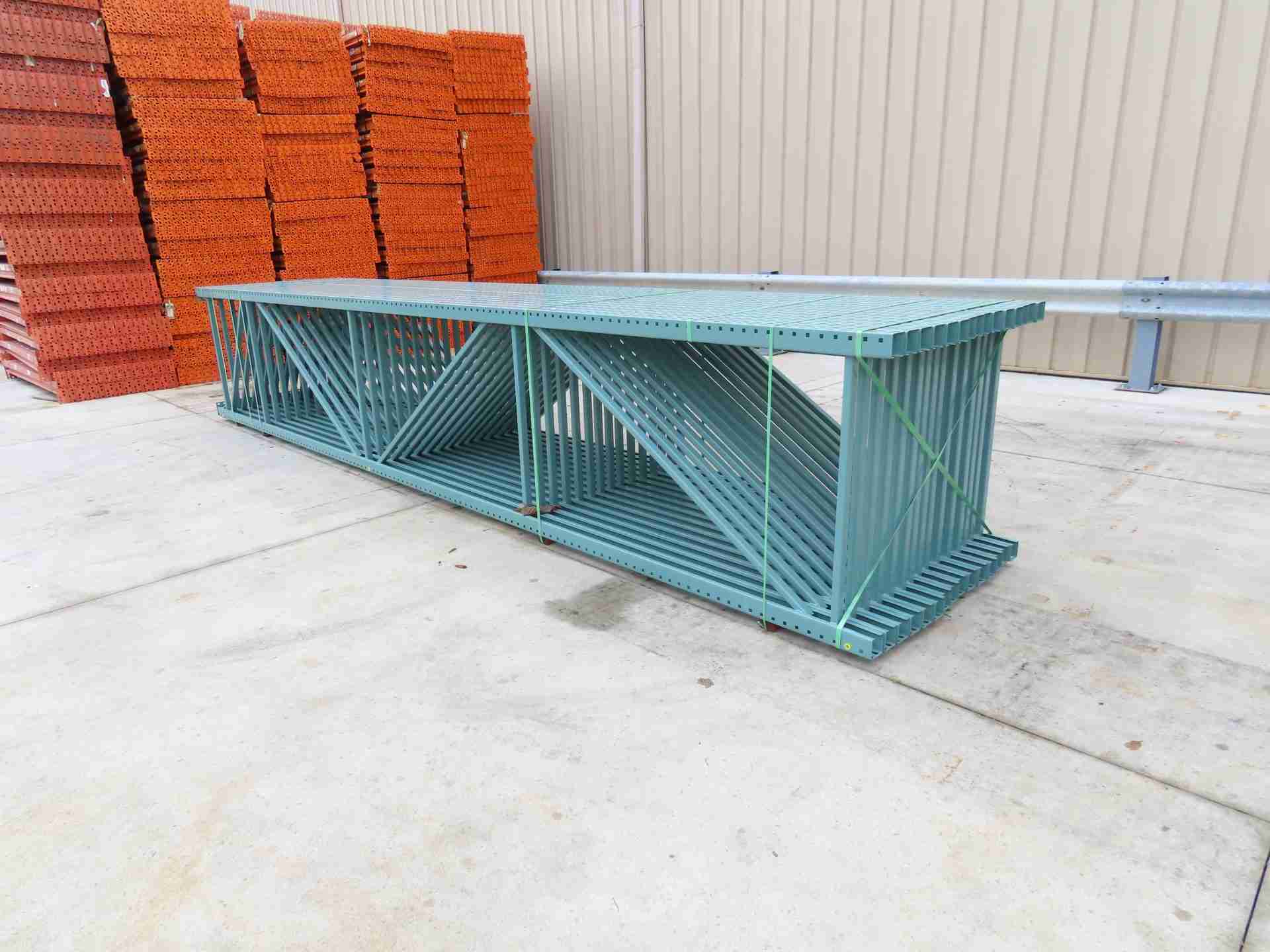
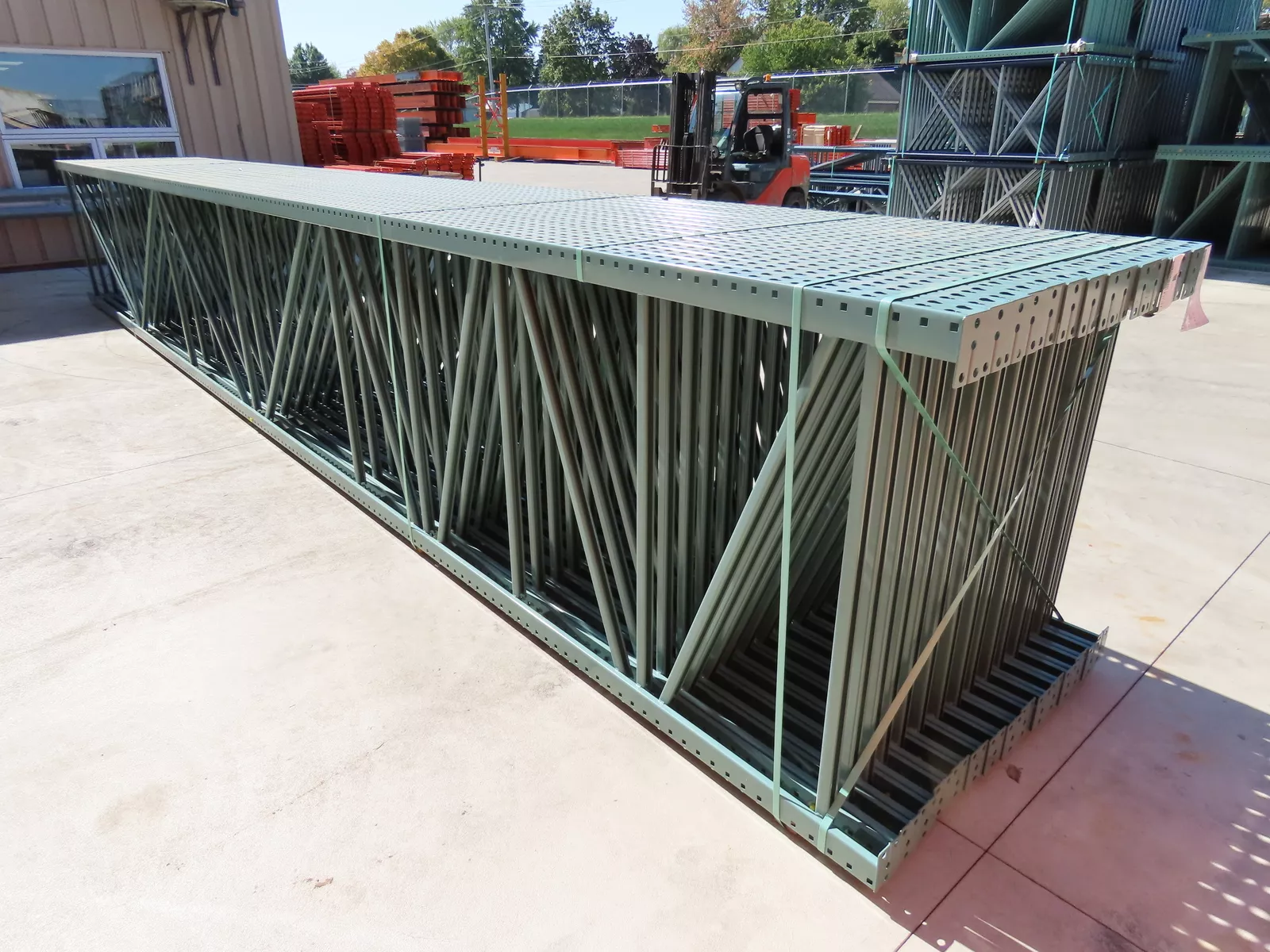
One of the most effective ways to create order from disorder is through savvy use of Pallet Racking. This isn’t just about optimizing space; it’s about creating a dynamic system that enhances flow and accessibility. Imagine a setup where every item has its dedicated space, easily reachable without shuffling around other goods. With intelligent pallet racking systems, you can elevate your inventory off the ground, making the most of vertical space while ensuring that everything is visible and accessible.
Plus, investing in quality pallet racking extends beyond aesthetics; it can significantly reduce labor costs and time wasted on searching for items. But let’s not stop there. For even greater efficiency, consider implementing an inventory management system that utilizes barcode scanning. This modern approach allows you to maintain precise control over stock levels and movements, resulting in fewer errors and higher satisfaction rates. After all, when your team can find exactly what they need in seconds, productivity skyrockets, and frustration plummets.
Another key strategy in warehouse organization involves the ‘FIFO’ or First In, First Out- method. By ensuring that products are rotated appropriately, you minimize loss from spoilage or obsolescence while maximizing accessibility. Pairing this with clearly labeled storage bins and arranged shelving will give your team a clear layout to follow, eliminating time wasted on hunting down items.
Lastly, don’t underestimate the power of routine. Regular audits of your operations will keep clutter at bay and help you identify potential areas for improvement. Scheduling consistent organizational reviews ensures that everyone on your team is on the same page and fosters a culture of accountability and excellence.
Remember, a well-organized warehouse is not just a visually appealing space; it’s an efficient, thriving environment ready to propel your business forward. Invest in these strategies today, and watch your operations transform into a seamless machine of productivity and profit!
What Strategies Can Improve Warehouse Organization?
What Strategies Can Improve Warehouse Organization?
- An organized warehouse is essential for efficiency and impacts the bottom line.
- Pallet racking optimizes space and enhances flow and accessibility of goods.
- Elevating inventory using pallet racking maximizes vertical space while keeping items visible.
- Implementing an inventory management system with barcode scanning improves stock control, reduces errors, and boosts productivity.
- The FIFO (First In, First Out) method minimizes loss from spoilage and ensures proper product rotation.
- Regular audits of warehouse operations help maintain organization and identify areas for improvement.
- A well-organized warehouse fosters a culture of accountability and drives business efficiency and profitability.
What Strategies Can Improve Warehouse Organization?
How Does Technology Play A Role In Organization?
In today’s fast-paced business landscape, technology isn’t just a helpful tool; it’s the backbone of operational organization. From automating mundane tasks to optimizing layouts, technology seamlessly intertwines with effective management practices, leading to increased efficiency and profit margins. You may wonder, “How can I harness this power for my own organization?” Let’s dive in.
First, consider the marvel of a well-organized warehouse. Imagine a space where every pallet racking system is designed with precision, allowing for maximum storage capacity while ensuring easy access to products. Technology shines here, offering sophisticated inventory management systems that track stock levels and automate reordering processes. This means less time spent searching for items and more time focusing on what truly matters—growth and profitability.
Embracing tech-driven solutions doesn’t stop at inventory management. Consider the tools that allow for real-time communication within teams, regardless of their physical location. You can streamline communication, reduce misunderstandings, and foster a collaborative atmosphere that cultivates innovation. The result? A well-organized machine that adapts to market demands almost instantaneously, positioning your organization a step ahead of the competition.
Moreover, advanced analytics systems now allow organizations like yours to make data-driven decisions. You can monitor key performance indicators (KPIs) at a glance, identifying trends and potential problem areas before they escalate. This proactive approach not only fosters trust within the team but also empowers you to strategically allocate resources—whether that’s optimizing your pallet racking setup or investing in further technological advancements.
In every corner of our organizations, technology serves as a catalyst for organization. Think of it as your trusty partner that aligns processes and enhances capabilities. When you incorporate the right technology, you are not just organizing operations; you’re sharpening your competitive edge.
But don’t just take my word for it; the results speak volumes. Companies leveraging modern technology experience a significant boost in productivity and morale. You, too, can implement these strategies and observe how your organization transforms. Imagine a workspace where clutter is minimized, collaboration is maximized, and every member feels a renewed sense of purpose.
So, why wait? It’s time to embrace the role of technology in your organizational strategy. Equip yourself with the tools to organize efficiently, from innovative software to well-structured pallet racking systems. The future awaits, and it’s your move. Get started today, and watch your organization thrive!
How Does Technology Play A Role In Organization?
How Does Technology Play A Role In Organization?
- Technology is essential for operational organization, enhancing efficiency and profit margins.
- A well-organized warehouse maximizes storage capacity, aided by sophisticated inventory management systems.
- Real-time communication tools reduce misunderstandings and foster a collaborative work atmosphere.
- Advanced analytics enable data-driven decision-making and proactive resource allocation.
- Technology aligns processes and sharpens competitive edge within organizations.
- Companies using modern technology show increased productivity and employee morale.
- Embracing technology equips organizations to thrive and adapt in a fast-paced business environment.
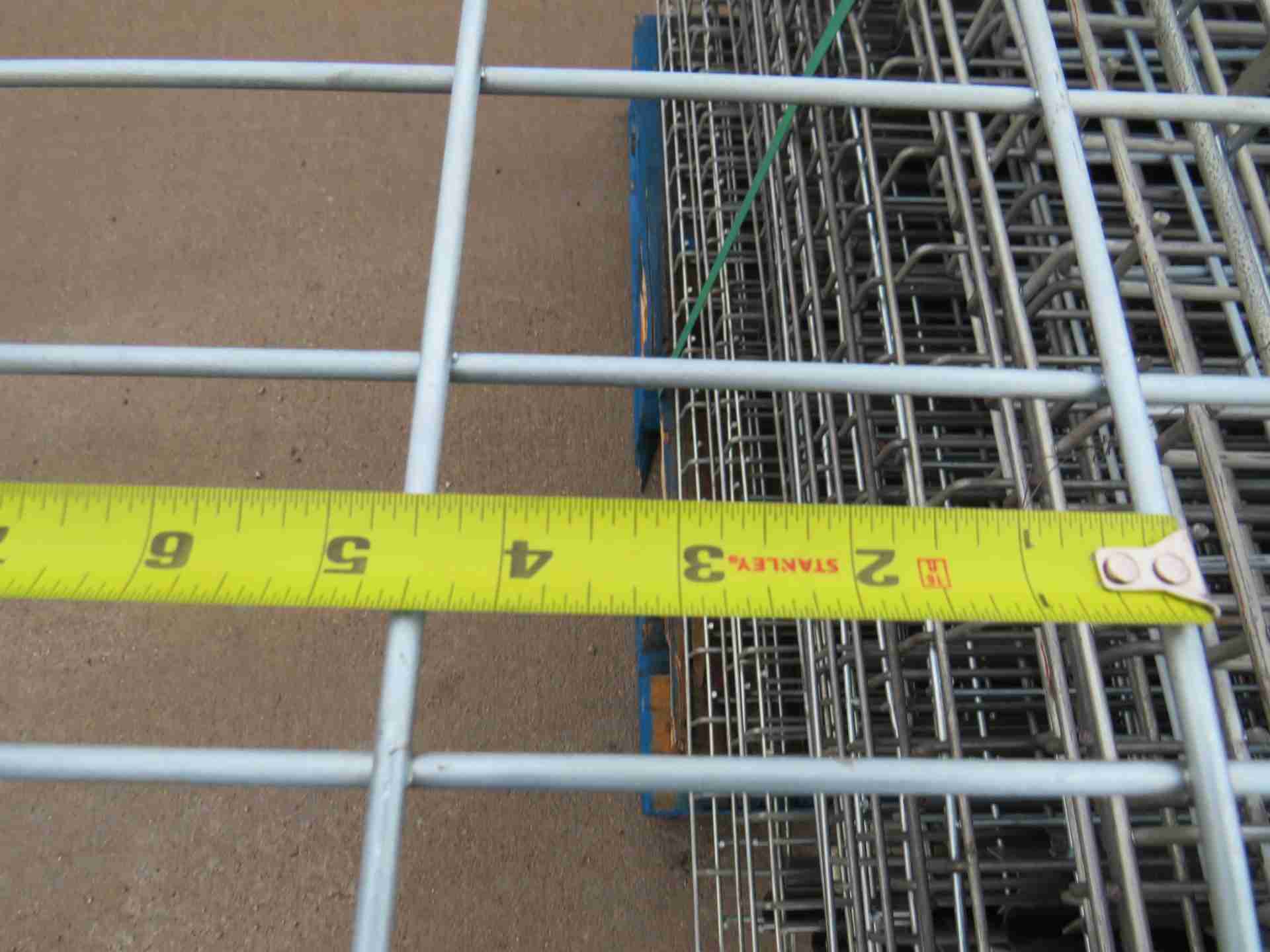
How Does Technology Play A Role In Organization?
Conclusion
Conclusion
As the dust settles on the crucial elements of warehouse organization, it’s evident that the stakes are high when it comes to maintaining a well-structured operational environment. Disorganization is like a slow drain on your productivity, costing you not only time but precious resources and morale. Every moment your team spends lost in the clutter is a moment that could be harnessed for innovation, efficiency, and growth. But fear not! The solution is right at your fingertips.
Imagine shifting your warehouse from a chaotic landscape where employees feel overwhelmed, to a well-organized symphony of productivity. The secret lies in the adoption of intelligent pallet racking systems, which can transform your space into an efficient powerhouse. With these solutions, every item has its defined position, making retrieval swift and seamless. This isn’t merely an aesthetic upgrade; it’s a fundamental shift that boosts morale and fosters a culture of excellence.
Moreover, the impact of organization extends beyond mere efficiency—it resonates deeply within your team’s spirit. A clutter-free workspace can revive employee enthusiasm, giving them a renewed sense of purpose and pride in their contributions. As productivity climbs, so does job satisfaction, leading to reduced turnover rates and a cohesive workplace atmosphere.
However, the time to act is now. Delaying the necessary organizational upgrades can compound the costs—both in terms of wasted labor hours and diminished morale. Disorganization not only hurts profits but also undermines trust within your team and with your clients. It’s a cascading effect that can spiral out of control faster than you think.
At Arrow Industrial Sales, we’re positioned to guide you through this transformation with practical, actionable steps that will lead you toward operational clarity. Reach out to us at (574) 349-6575 and take that first step towards revitalizing your warehouse operations today. This isn’t just about making your space look good; it’s about unlocking potential and reaping the rewards that come from a well-functioning, organized workplace.
In conclusion, remember: every moment matters. Invest in organization, and watch as your warehouse evolves from a chaotic nightmare into a haven of productivity and success. Your team deserves an environment where they can thrive. Don’t let disorganization be the cloud that hinders your growth—embrace the clarity and watch the transformation unfold. The future of your warehouse is bright; let’s chart the course together!
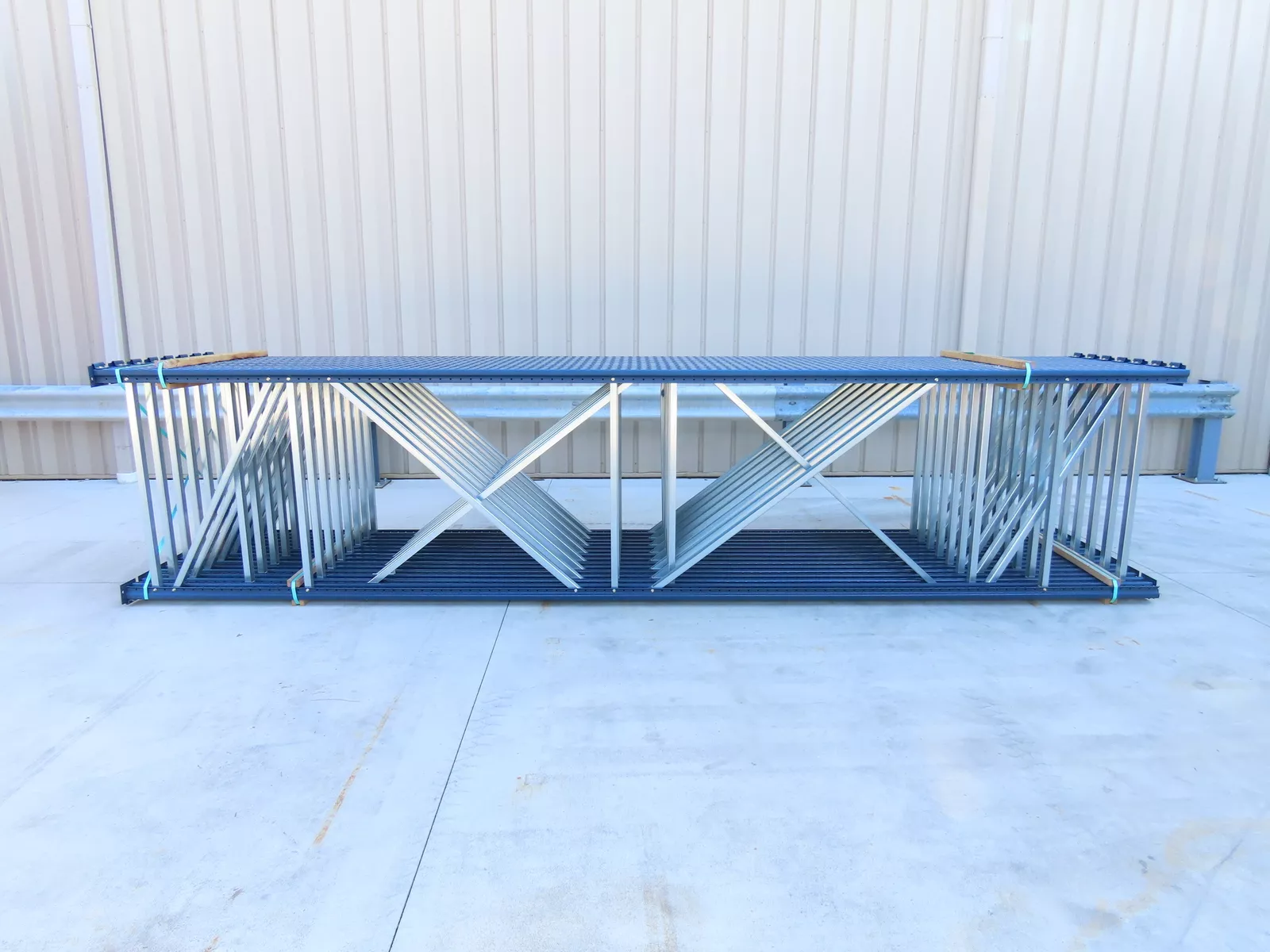
Conclusion
Conclusion:
- Warehouse organization is critical to maintaining a productive operational environment.
- Disorganization drains resources, time, and employee morale, hindering innovation and growth.
- Adopting intelligent pallet racking systems can transform chaotic spaces into efficient work areas.
- A well-organized workspace boosts team morale, enthusiasm, and job satisfaction.
- Delaying organizational upgrades can lead to compounded costs in wasted time and diminished team spirit.
- Arrow Industrial Sales offers guidance and actionable steps for improving warehouse operations.
- Investing in organization leads to a thriving work environment and enhances overall business success.
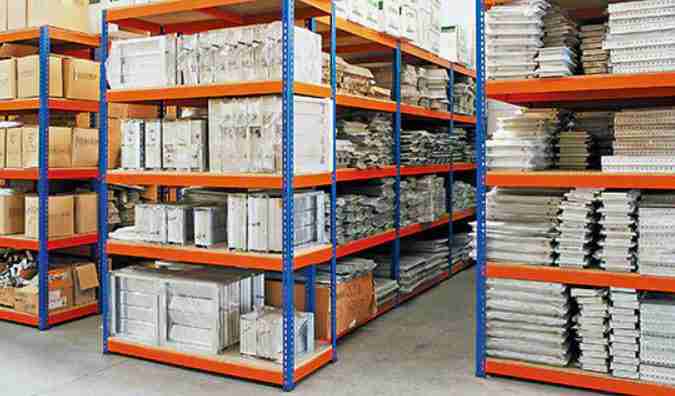
Conclusion
Other Resources
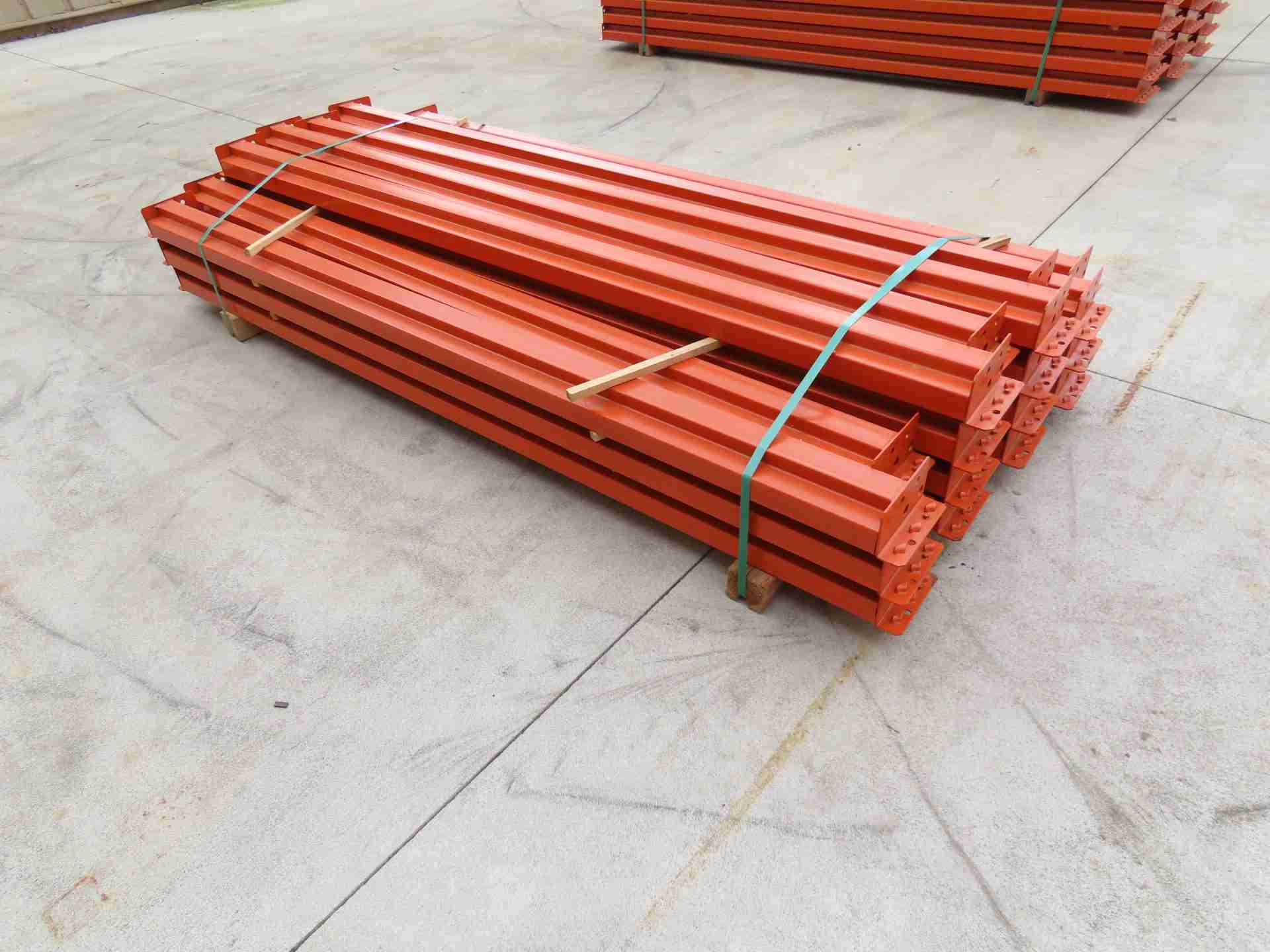
Other Resources
Here is a list of other resources you can review online to learn more:
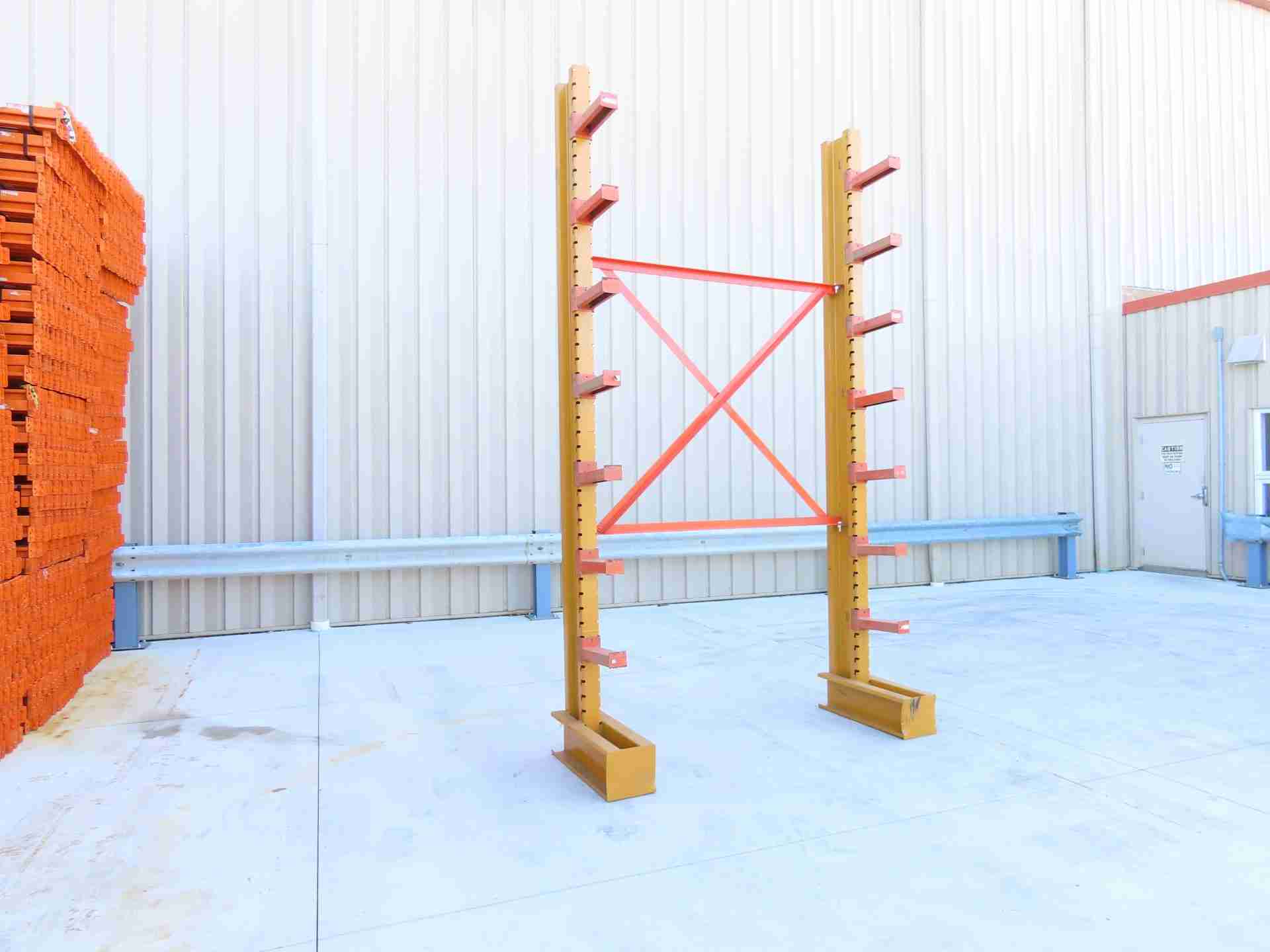
- Pallet Racking systems in Illinois, Great Lakes
- Cantilever Rack Configuration & Installation: A Comprehensive Guide – BMH
- What is Selective Pallet Racking
- Interlake Mecalux
- Material Handling Industry
- Warehouse Storage Racks
- The Complete Pallet Rack Guide – Simply Rack
- Logic Material Handling
- Warehouse Racking Layout: The Ultimate Guide – Conger
- MHI
Use This Prompt To Get More Resources With Your Favorite Online AI Tool: Please provide me with a list of online articles with their URLs in a bulleted list that I can read regarding Is Warehouse Disorganization Stealing Team Time and Energy?
Other Resources
Glossary Terms
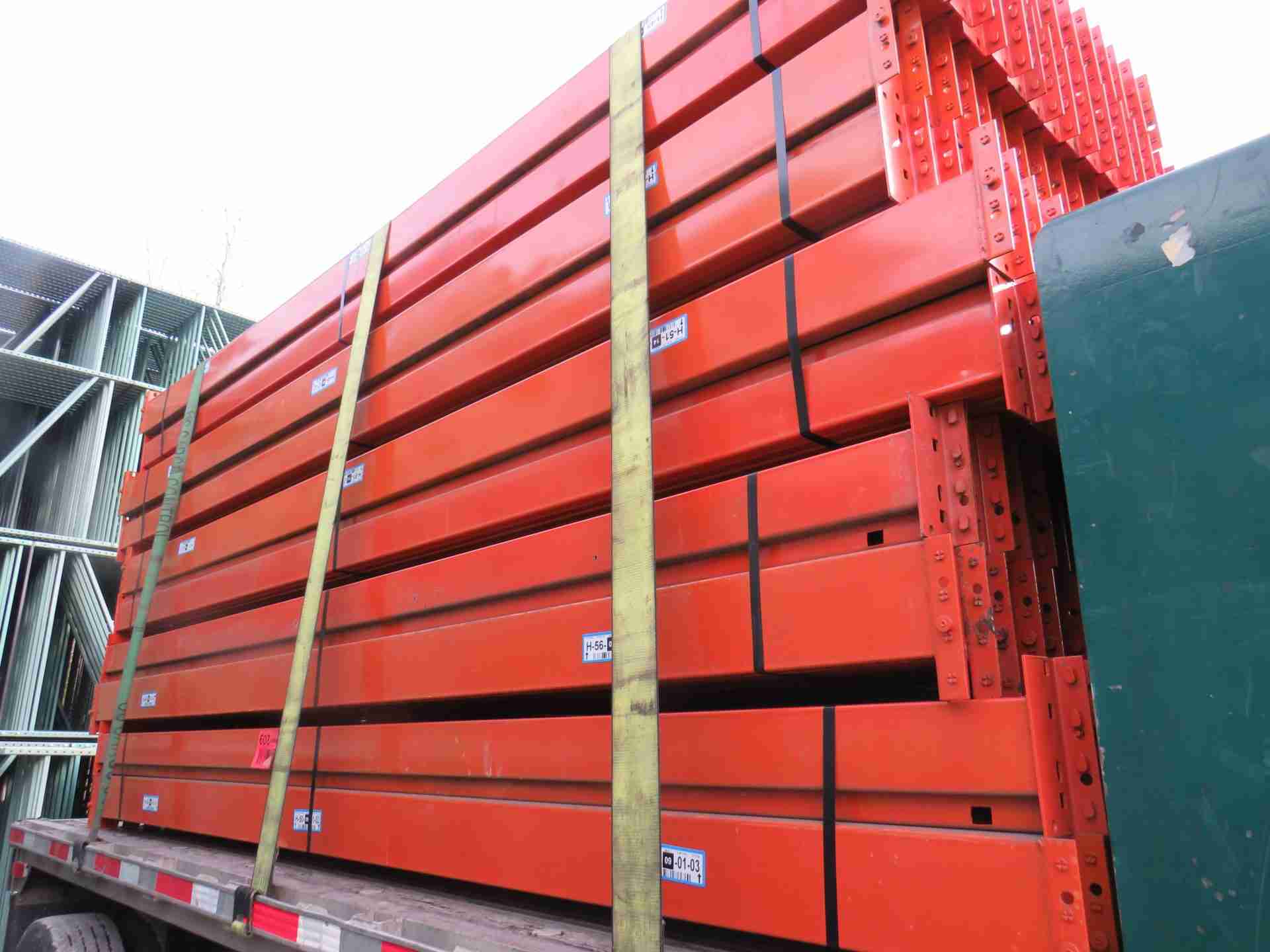
Is Warehouse Disorganization Stealing Team Time and Energy? – Glossary Of Terms
1. Warehouse Disorganization: The chaotic arrangement and management of inventory and resources within a warehouse that leads to inefficiencies.
2. Inventory Management: Processes involved in overseeing and controlling the ordering, storage, and use of inventory to ensure optimal stock levels.
3. Operational Efficiency: The ability to deliver products or services using the least amount of resources while maintaining high quality and customer satisfaction.
4. Productivity Levels: Metrics that measure the output of a team or individual in relation to the resources used, often affected by organizational practices.
5. Workflow Optimization: Adjusting processes to enhance productivity, reduce time loss, and improve the overall flow of operations in a warehouse.
6. Time Wastage: Valuable time lost due to inefficiencies, such as searching for items or correcting errors caused by disorganization.
7. Resource Allocation: The distribution of available resources (staff, time, inventory) to maximize efficiency and effectiveness in warehouse operations.
8. Ergonomics: The study of people’s efficiency in their working environment. Poor ergonomic practices can lead to injuries and reduced productivity.
9. Safety Standards: Regulations and best practices that ensure a safe working environment for warehouse employees, which can be compromised by disorganization.
10. Inventory Turnover: The rate at which inventory is sold and replaced over a period, often impacted by inefficient storage practices.
11. Pick and Pack: The process of selecting items from inventory to fulfill orders and packaging them for shipment, which can be hampered by disorganization.
12. Standard Operating Procedures (SOPs): Documented guidelines that outline the steps needed to perform tasks correctly, essential for maintaining order in a warehouse.
13. Cycle Counting: An inventory auditing procedure where a subset of inventory is counted on a specific day, which can be complicated by disorganization.
14. Lean Principles: Methodologies aimed at improving efficiency by minimizing waste, particularly relevant in reducing time lost due to disorganization.
15. Space Utilization: The practice of efficiently using available physical space in a warehouse to maximize storage capacity and reduce clutter.
16. Cross-Docking: A logistics practice where incoming goods are directly transferred to outgoing transportation with minimal handling, requiring an organized environment.
17. Batch Picking: A warehousing order fulfillment method where multiple orders are picked in a single trip, efficiency reduced by poor layout.
18. Inventory Accuracy: The degree to which inventory records match the actual inventory available, often distorted by disorganization.
19. Forklift Training: Safety and operational training for employees who operate forklifts; disorganized warehouses can pose risks for training and operations.
20. Team Collaboration: The work and cooperation among team members to achieve common goals, often hindered by disorganized workspaces.
21. Logistics: The management of the flow of goods from point of origin to point of consumption, heavily influenced by warehouse organization.
22. Visual Management: Techniques that use visual signals (like labels and signs) to communicate information clearly, helping to maintain organization in warehouses.
23. Emergency Preparedness: Planning for unforeseen events and risks in a warehouse, which can be complicated by misplaced or disorganized materials.
24. Inventory Discrepancy: A mismatch between recorded and actual stock levels, often arising from disorganized tracking and storage practices.
25. Lead Time: The time taken from the initiation of a process to its completion, which can be extended by disorganized inventory handling.
26. Returns Management: The process of handling returned goods, which can be inefficient in a chaotic warehouse environment.
27. Forklift Traffic: The movement of forklifts within a warehouse; excessive traffic due to disorganized layouts can lead to accidents and delays.
28. Workstation Design: The arrangement and functionality of workspaces within a warehouse to optimize productivity and safety, important for organizational flow.
29. Technology Integration: Implementing software and tools to assist in inventory management and warehouse organization, enhancing productivity.
30. Continuous Improvement: Ongoing efforts to improve products, services, or processes; in warehousing, this is often focused on reducing disorganization.
Glossary Of Terms
Other Questions
Is Warehouse Disorganization Stealing Team Time and Energy? – Other Questions
If you wish to explore and discover more, consider looking for answers to these questions:
- What are the long-term effects of warehouse disorganization on business performance?
- How can I assess the current organization level of my warehouse?
- What specific pallet racking systems are recommended for different types of warehouses?
- Are there case studies showing the benefits of improved warehouse organization?
- What are the potential risks associated with disorganized warehouse environments?
- How quickly can I expect to see improvements after implementing organizational strategies?
- What role do employees play in maintaining warehouse organization?
- How do warehouse organization practices differ for small businesses vs. large corporations?
- What training or resources are available for team members to improve organization skills?
- Can software solutions integrate with physical systems like pallet racking?
- What metrics can be used to measure the impact of organization on productivity?
- How can I involve my team in the process of reorganizing our warehouse?
- What common challenges do businesses face when attempting to organize their warehouse?
- How often should warehouse organization audits be conducted?

Other Questions
Checklist
Is Warehouse Disorganization Stealing Team Time and Energy? – A Checklist
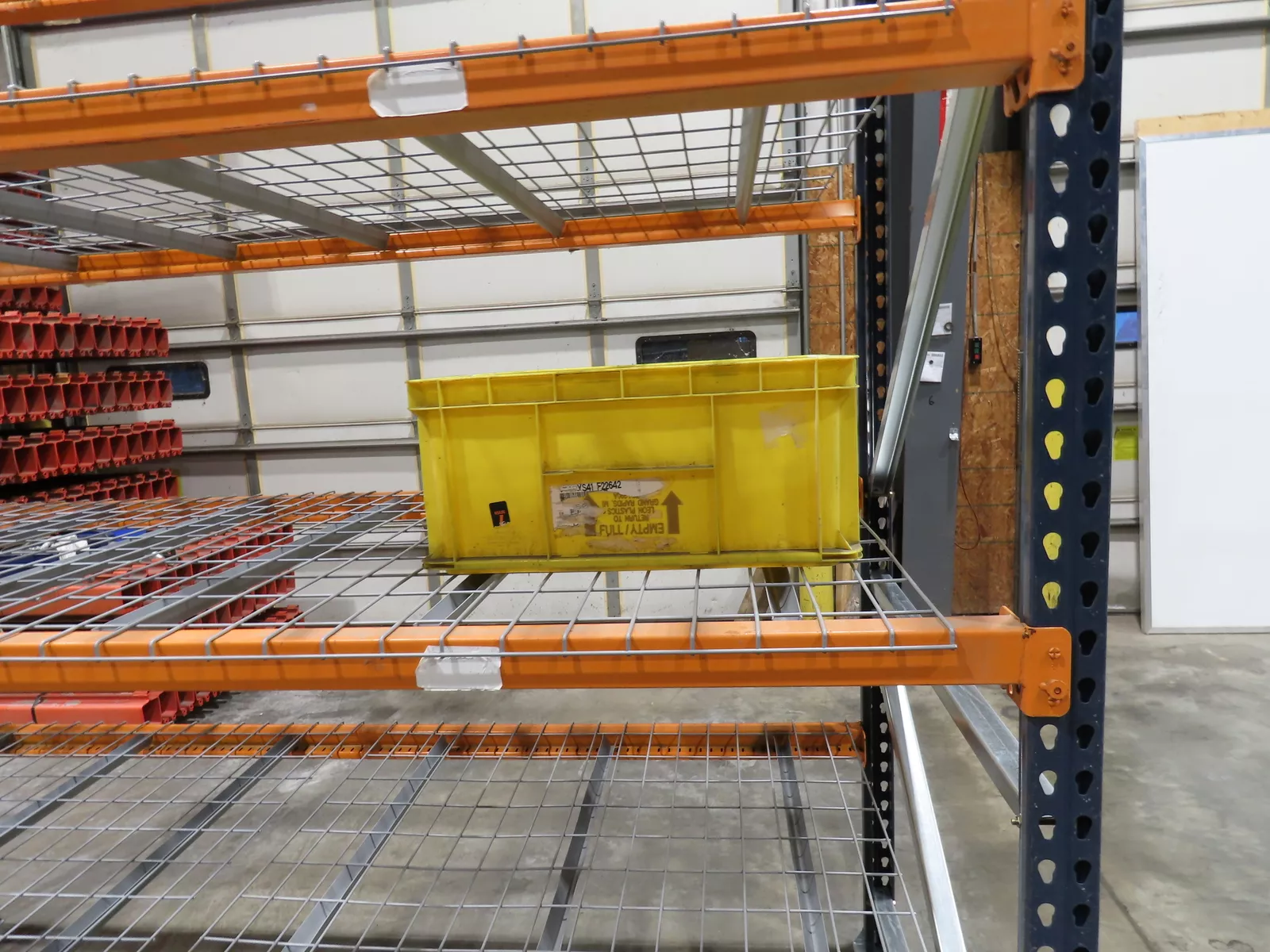
Warehouse Organization Checklist: Transform Chaos into Efficiency
Assess Your Current Warehouse Condition
_____ Evaluate the state of your pallet racking systems.
_____ Identify areas of excessive clutter or poor organization.
_____ Check for clear labeling of inventory and storage locations.
_____ Review the flow of goods in and out of the warehouse.
Implement Structured Storage Solutions
_____ Invest in smart pallet racking systems to optimize space.
_____ Organize items so that each has a designated location.
_____ Implement a First In, First Out (FIFO) system for inventory management.
_____ Utilize clear labels and color-coding for easier navigation.
Enhance Inventory Management
_____ Implement an inventory management system with barcode scanning.
_____ Train staff on proper stock management and recording practices.
_____ Conduct regular audits of inventory levels and location for accuracy.
Foster a Culture of Organization
_____ Schedule regular organizational reviews and audits.
_____ Encourage team members to take ownership of their workspace.
_____ Provide training on best practices for organization and efficiency.
_____ Create an open line of communication for reporting disorganization.
Integrate Technology to Boost Efficiency
_____ Utilize tools for real-time communication among team members.
_____ Employ advanced analytics systems to monitor performance metrics.
_____ Explore software solutions for process automation and tracking.
Create an Inviting, Organized Workspace
_____ Maintain a clutter-free environment by regularly decluttering.
_____ Ensure safety measures are in place to prevent hazards from disarray.
_____ Designate specific areas for unused equipment or seasonal items.
_____ Celebrate improvements and achievements in warehouse organization.
Monitor and Adapt
_____ Review efficiency regularly and adjust strategies as necessary.
_____ Gather feedback from team members on ongoing organizational strategies.
_____ Stay updated on industry best practices and technological advancements.
Use this checklist to evaluate and improve your warehouse organization for enhanced productivity, employee morale, and cost savings. Don’t wait—start transforming your space today!
Checklist
At RackingWorld, we help guide you through selecting warehouse storage systems and racking.
Be sure to read our other related stories at RackingWorld to learn more about warehouse storage systems.
0 Comments