
Empowering Techniques For Successful Racking Safety
By Tom Seest
At RackingWorld, we help guide you through selecting warehouse storage systems and racking.
Be sure to read our other related stories at RackingWorld to learn more about warehouse storage systems.
How to Safely Work on Tall Racking Systems
When it comes to working on tall racking systems, it’s more than just a job; it’s a commitment to safety, productivity, and respect for the task at hand. Imagine standing high above the ground, surrounded by towering stacks of goods. Even if you’re well-trained, the sheer height can play tricks on your mind. That’s where the heart of safety comes in. It’s not just about following a checklist; it’s about valuing your life, your colleagues, and the hard work that went into building your space.
Before you even think about climbing up those racking systems, do a mental inventory. Rationalize each step. Think about the height, the weight of the items being handled, the equipment you’ll need, and even your own physical limits. Understand that every inch you elevate comes with risk—an unsteady ladder, a moment’s distraction can lead to a fall that changes everything. Knowledge is power, and in this case, it’s your best safety net. Your head must be engaged when choosing the right tools: a sturdy harness and a solid lift can mean the difference between smooth sailing and a nasty tumble.
Ethically, we owe it to ourselves and those who depend on us to work smart and work safe. Be a mentor, fostering an atmosphere where safety is a priority and asking questions is encouraged. Sharing experiences and lessons learned can strengthen camaraderie within your team—that’s the kind of connection that can elevate workplace culture beyond mere productivity.
Additionally, there’s something powerful about the human experience here. Stories abound of those who didn’t prioritize safety, and those lessons ring out like sirens in a quiet night. Make no mistake; the risks are real, but they can be mitigated. Respect the racking; let it serve as a structured reminder of both your capabilities and your vulnerabilities.
If everyone on the floor respects these systems, you’ll create a community of trust and confidence. Be the one who leads by example, who ensures others are educated and equipped to face the heights. The next time you’re gearing up to climb, recall that emotional touchstone—the collective heartbeat of your team depends on each other’s safety. Your actions today ensure that tomorrow will be just as bright.
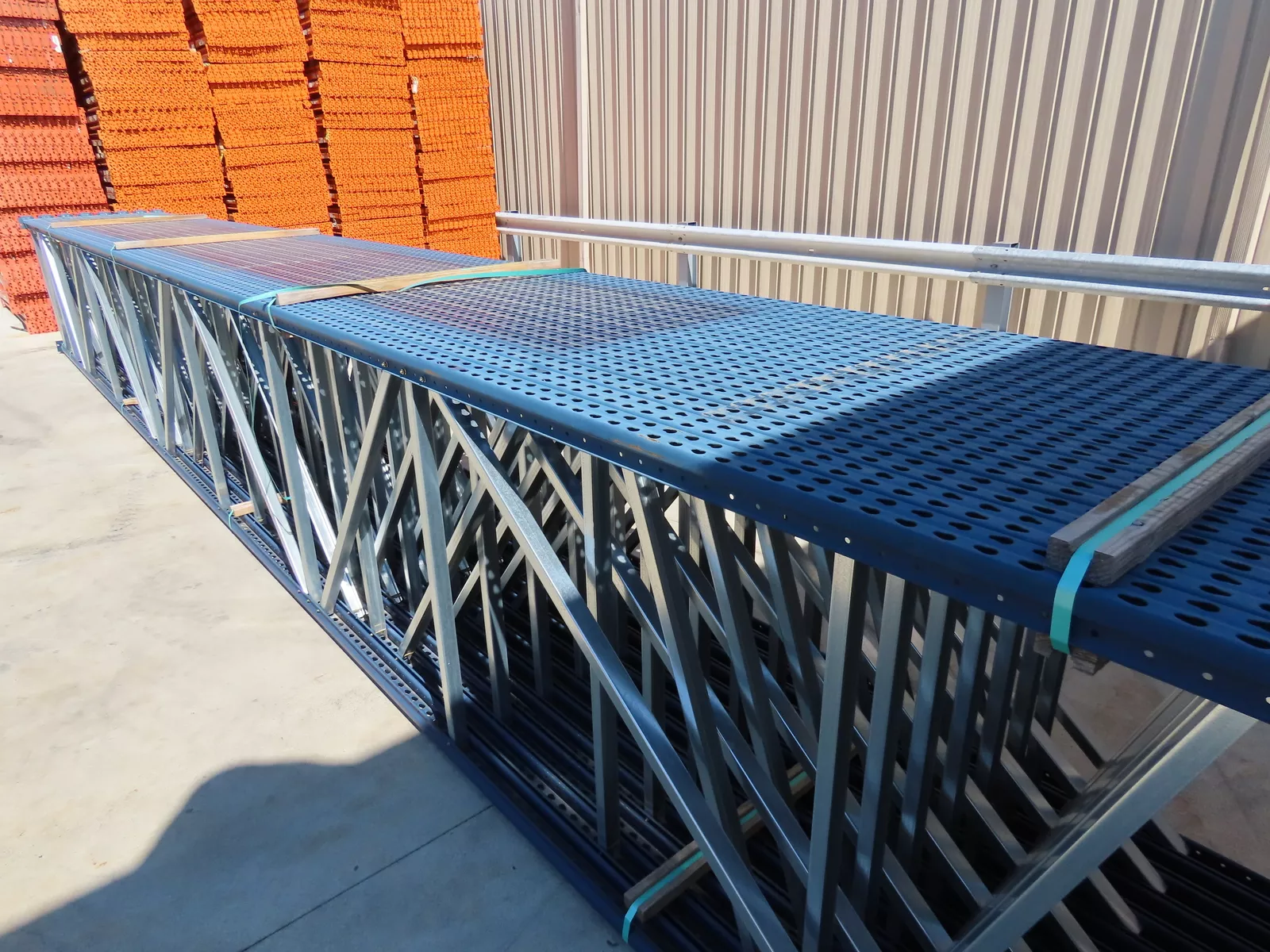
How to Safely Work on Tall Racking Systems
How to Safely Work on Tall Racking Systems
- Working on tall racking systems requires a commitment to safety, productivity, and respect for the job.
- Height can create psychological challenges; safety is about valuing oneself and colleagues.
- Before climbing, conduct a mental inventory of the risks, tools, and physical limitations involved.
- Choosing the right equipment, like a sturdy harness and solid lift, is crucial for safety.
- Encouraging a safety-first culture within the workplace fosters camaraderie and a supportive environment.
- Learning from past safety incidents can help mitigate risks and improve overall team awareness.
- Leading by example and prioritizing safety enhances trust and confidence within the team.
How to Safely Work on Tall Racking Systems
Table Of Contents
- How to Safely Work on Tall Racking Systems
- What Are the Emotional Risks Of Working At Heights In Warehouses?
- How Can Proper Training Improve Safety on Tall Racking Systems?
- What Ethical Responsibilities Do Employers Have for Worker Safety?
- How Can I Identify Potential Hazards When Using Tall Racking Systems?
- What Role Does Team Communication Play In Preventing Accidents?
- Conclusion
- Other Resources
- Glossary Of Terms
- Other Questions
- Checklist
What Are the Emotional Risks Of Working At Heights In Warehouses?
Working at heights in warehouses can stir a cocktail of emotions, blending the thrill of the job with the weight of potential risks. On one hand, there’s the pride that comes from mastering the heights, navigating the racking systems with agility and skill. But lurking beneath that bravado are palpable, often overlooked emotional risks that can weigh heavy on the heart.
For many, the adrenaline rush of climbing high can quickly turn to dread when confronted with the thought of a fall. Statistics are one thing, but the real story often gets lost in the numbers. Imagine a warehouse worker, standing atop a towering rack, his heart racing as he stacks goods for the day. He’s an expert; he knows the safety protocols inside and out. Yet, even the most seasoned can be seized by a moment of doubt. The fear of losing one’s footing, the nagging thought of “What if?” can consume one’s focus — an emotional burden that often goes unspoken among colleagues.
Rationally, the risks are clear: accidents can happen in the blink of an eye, leading to serious injuries or even worse. It’s not just about physical safety; it’s the mental toll that gnaws at confidence and self-esteem. When the mind is racing with worst-case scenarios, it can create a vicious cycle. Lost concentration can lead to mistakes, and in the dangerous heights of a warehouse, that could mean tragedy.
But the ethical responsibility doesn’t rest solely on the individual. Warehouse managers and employers need to foster a culture of safety, where open conversations about fears and feelings are promoted, allowing workers to mitigate these emotional risks. True courage is not the absence of fear, but the ability to confront it and seek support from teammates. The warehouse becomes more than just a place of work; it transforms into a community where emotional well-being is valued just as much as productivity.
Navigating the heights is never just a job; it’s a shared journey. It’s about knowing that your coworker beside you understands the weight of those emotional risks too. To face the heights is to embrace vulnerability, to trust one another as you navigate both the physical racking and the emotional landscape that comes with it. By fostering connections and encouraging dialogue, we can all rise above fear, one rung at a time.
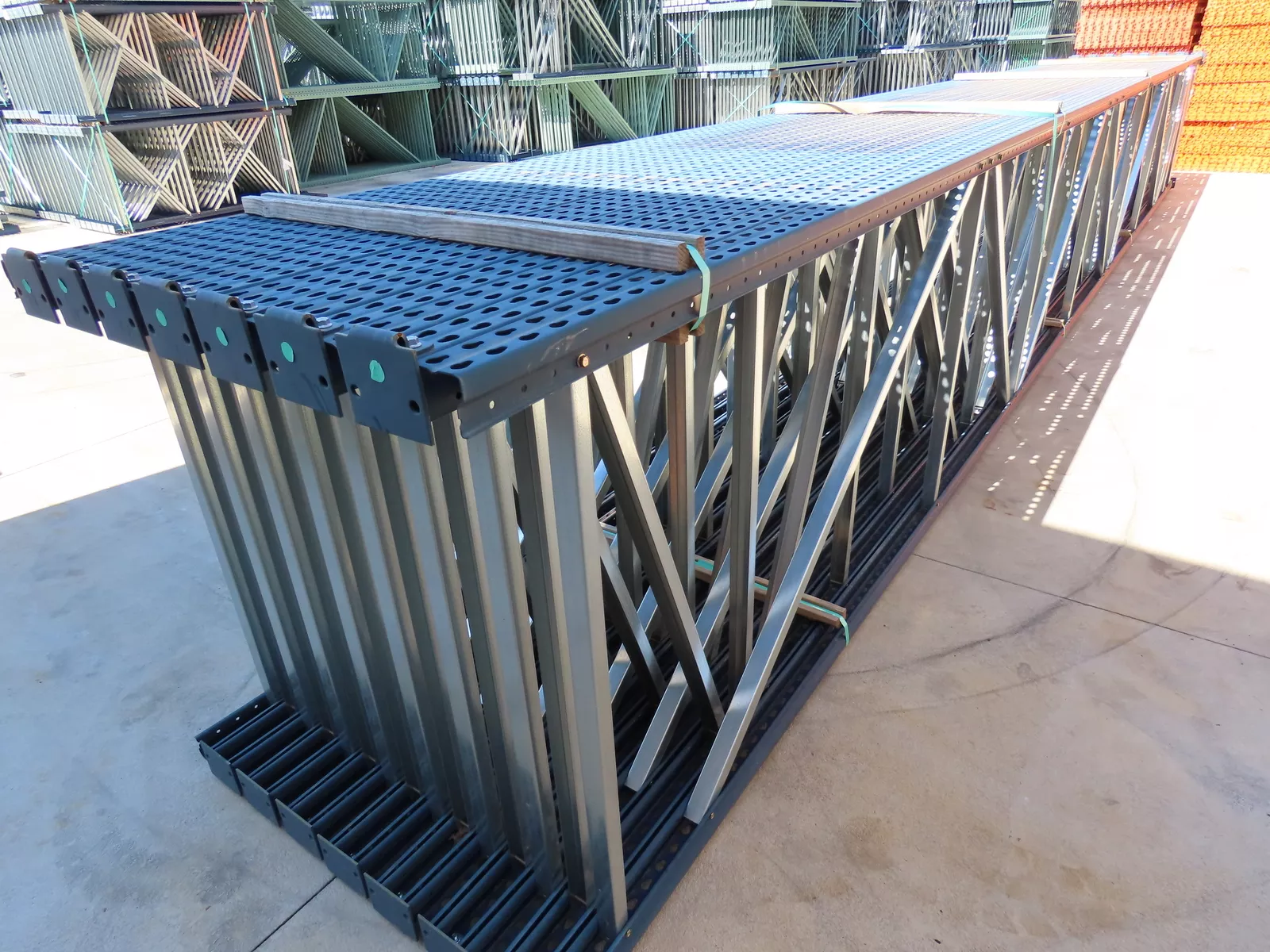
What Are the Emotional Risks Of Working At Heights In Warehouses?
What Are the Emotional Risks Of Working At Heights In Warehouses?
- Working at heights in warehouses combines thrill with potential risks, generating a mix of emotions.
- Warehouse workers may feel pride in mastering heights, but often encounter overlooked emotional burdens.
- Even experienced workers can feel fear and doubt about falling, which can distract from focus.
- Racing thoughts about accidents can harm mental confidence and lead to mistakes in dangerous situations.
- Employers and managers must prioritize a culture of safety that encourages open discussions about fears.
- True courage lies in confronting fears and seeking support from colleagues, fostering a community environment.
- Creating connections and dialogue helps workers navigate emotional risks, enhancing overall well-being.
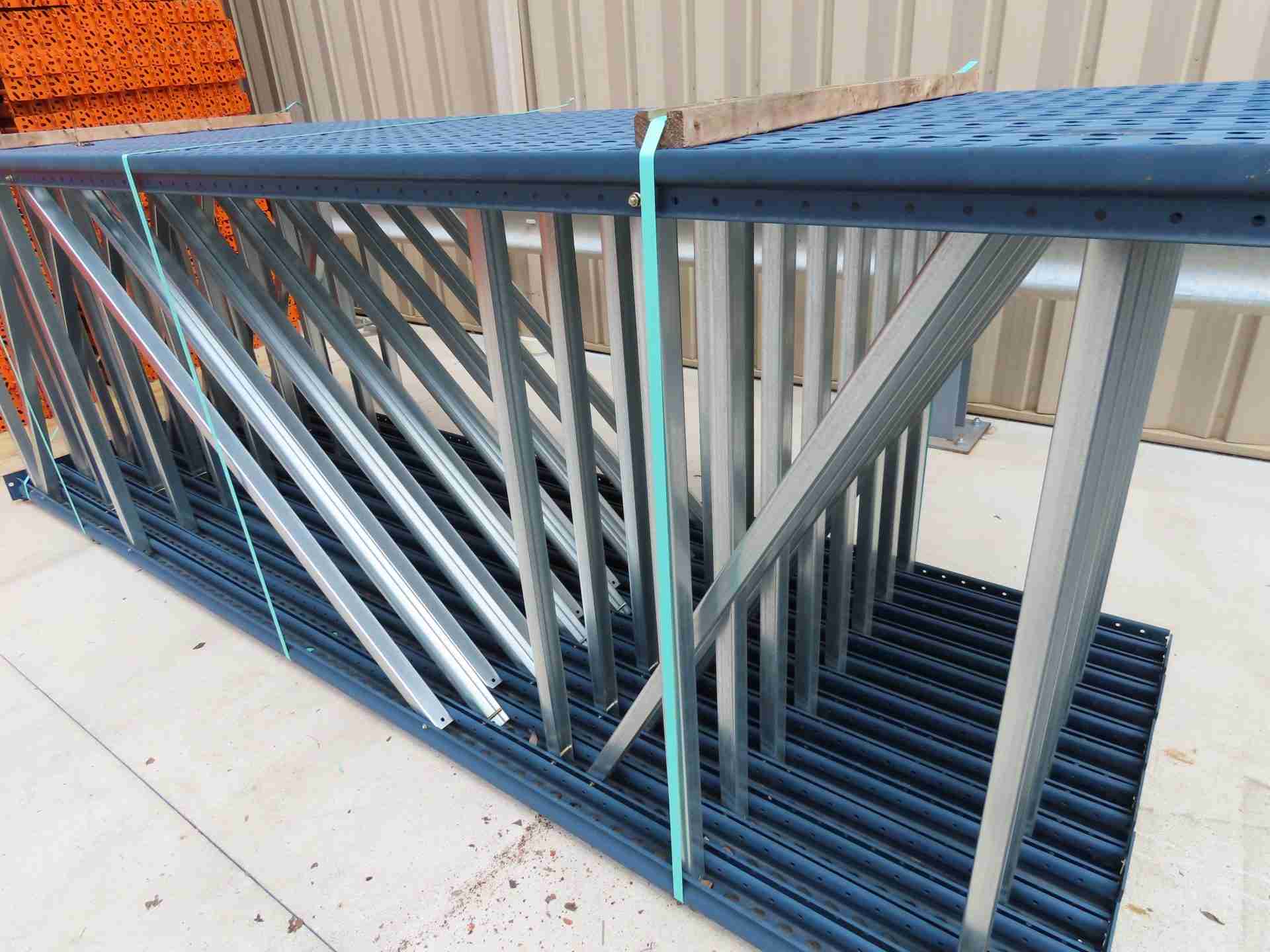
What Are the Emotional Risks Of Working At Heights In Warehouses?
How Can Proper Training Improve Safety on Tall Racking Systems?
In the world of warehousing, tall racking systems stand as testament to human ingenuity. These towering structures, designed to maximize space and efficiency, present a breathtaking sight. But they also carry inherent risks that can turn a remarkable day into a tragic one in an instant. Enter proper training—a lifeline that not only fosters skill but builds a culture of safety.
Imagine the heart-thumping moment when a forklift operator expertly maneuvers through narrow aisles, surrounded by towering racks filled with goods, knowing that safety is second nature to them. It’s the result of dedicated training that ensures every employee understands the equipment, the environment, and, most importantly, themselves. The brain processes information, and when the training engages all senses, it becomes instinctual. Employees trained in safety protocols don’t just know the rules; they embody them.
Ethically, it is paramount that organizations prioritize the safety of their team members. When an employer invests in rigorous training for their workforce, it sends a clear message: “We value your well-being.” This builds trust between workers and management. It’s about more than just compliance; it’s about creating a workplace where people look out for one another. When your team knows they are equipped to handle hazardous scenarios, they feel empowered. Empowerment leads to a culture of proactivity. Employees don’t just follow caution; they become advocates for safety among their peers, creating a ripple effect that echoes through every aisle.
From a practical standpoint, a well-trained workforce translates to fewer accidents, lower insurance rates, and improved productivity. Think about it: each safety guideline learned and practiced is another layer of protection against accidents. Companies that make safety a priority not only safeguard lives but also enhance their reputation in the industry.
Now, let’s talk about connection. Every person in that warehouse is part of a larger community. Each interaction—whether it’s sharing safety tips or watching each other’s backs on the floor—strengthens relationships. When team members feel secure, they work better together, fostering camaraderie. This sense of belonging makes every shift more than just a job; it transforms into a shared mission.
Proper training isn’t an expense; it’s an investment—a commitment to humanity amidst the towering racking. This commitment can save lives, prevent losses, and inspire a new generation of workers who can approach tall racking systems with trust, confidence, and a thorough understanding of how to keep safety front and center.
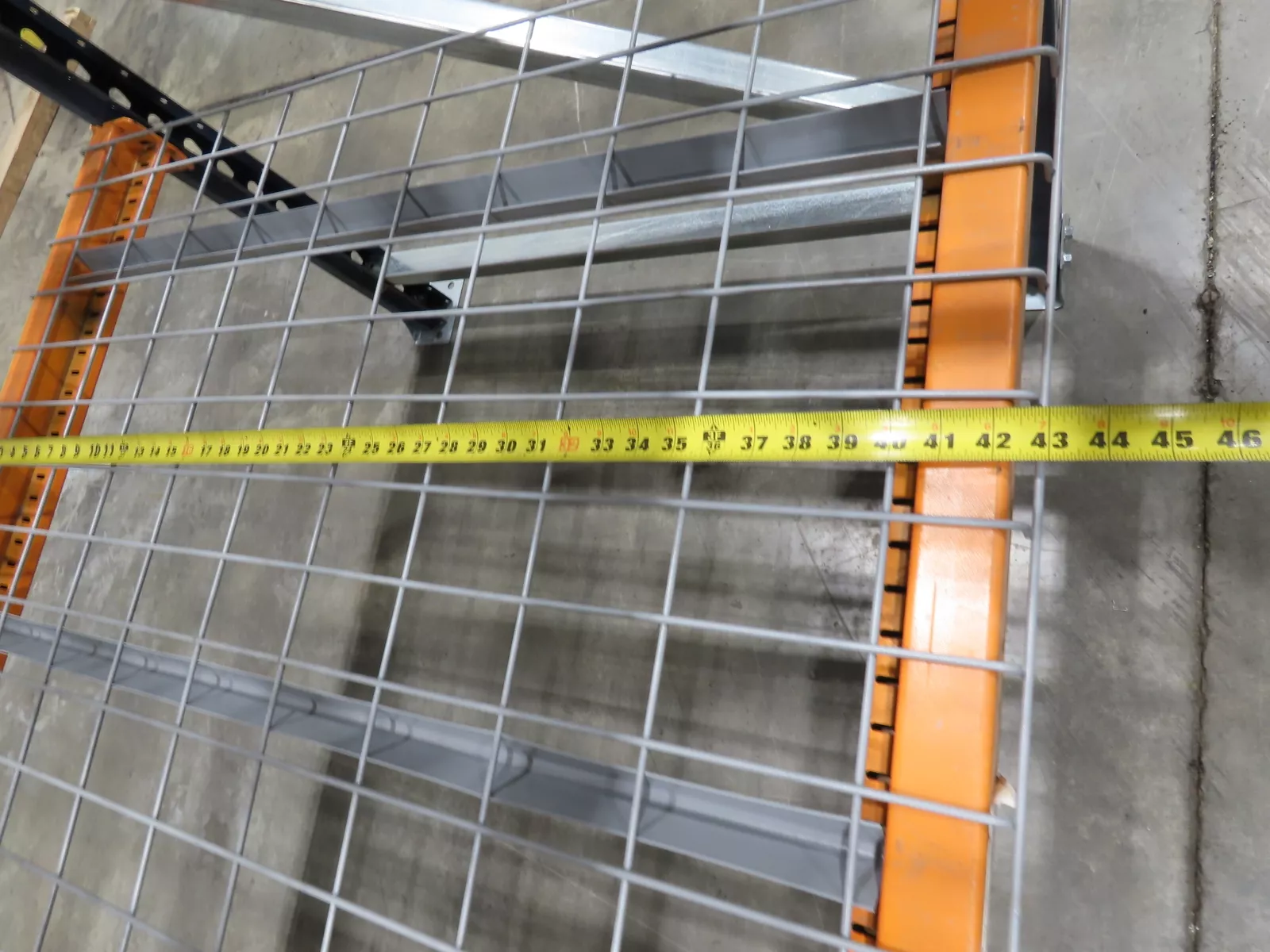
How Can Proper Training Improve Safety on Tall Racking Systems?
How Can Proper Training Improve Safety on Tall Racking Systems?
- Tall racking systems in warehousing maximize space but present inherent risks.
- Proper training fosters skill development and builds a culture of safety.
- Well-trained employees understand equipment, environment, and personal safety instincts.
- Investing in training shows that organizations value employee well-being, building trust.
- Empowered employees advocate for safety, creating a proactive culture.
- A trained workforce results in fewer accidents, lower insurance rates, and improved productivity.
- Proper training is an investment in community and camaraderie among warehouse teams.
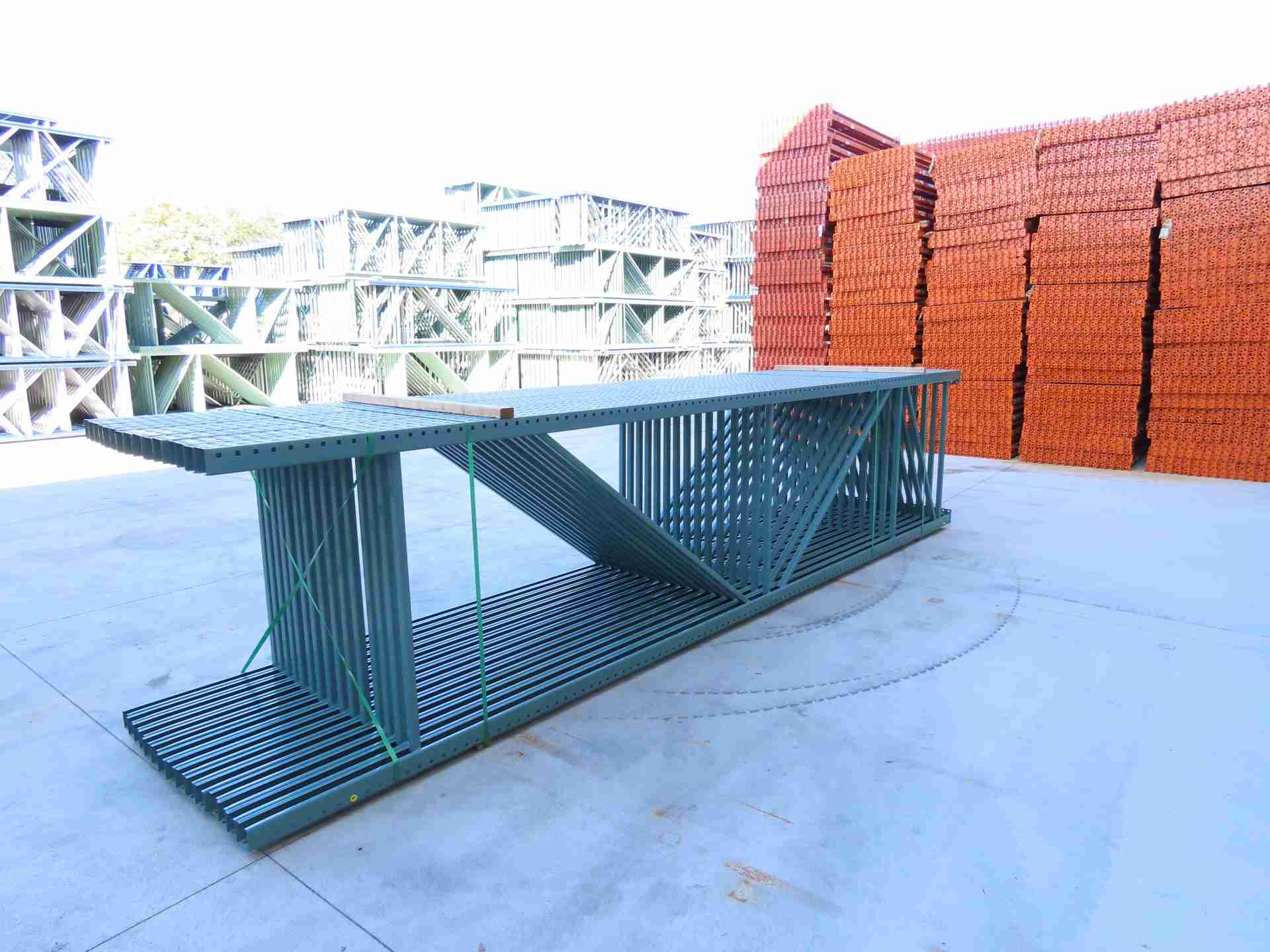
How Can Proper Training Improve Safety on Tall Racking Systems?
What Ethical Responsibilities Do Employers Have for Worker Safety?
When it comes to worker safety, employers face ethical responsibilities that extend far beyond the walls of their companies. Picture this: a hardworking individual clocking in daily, racking up hours on the job, each moment filled with hopes and dreams for a better tomorrow. Now imagine that same person, their heart pounding, with an uneasy feeling in their gut as they confront potential hazards that could threaten their livelihood or, worse, their very life. It’s not just a job; it’s a lifeline.
At the core of this responsibility lies a simple truth: workers are not just cogs in an industrial machine. They are human beings, each with families, aspirations, and the right to return home safely at the end of the day. This aspect touches the heart. When employers prioritize safety, they affirm the inherent value of each worker, acknowledging that their well-being is paramount—not only for productivity but for their dignity as people.
From a rational perspective, fostering a workplace that emphasizes safety makes sound business sense. Injuries and accidents lead to costly downtime, rising insurance premiums, and a tarnished reputation. Compliance with safety regulations isn’t just a checkbox on a form; it’s a powerful investment in the health of a company’s culture. An organization that invests in safety finds itself rewarded with higher employee morale, lower turnover rates, and a competitive edge in the market.
Ethically speaking, the responsibility of ensuring worker safety is non-negotiable. Employers are entrusted with the duty to create environments where risks are minimized and voices are heard. Workers should feel empowered to speak up when they see something amiss, knowing their concerns will be addressed. This establishes a culture of trust, where leadership is not only about authority but also about accountability and communication.
Narratively, consider the skilled trades—those people who often work tirelessly behind the scenes. Their craftsmanship defines our homes, our roads, and our communities. Yet, when safety measures are disregarded, the consequences can ripple through families and neighborhoods, touching lives in ways that extend beyond the workplace.
Socially, as communities, we must advocate for environments where safety is a shared value. Employers should feel the pressure to uphold ethical standards, transforming workplace cultures into havens where everyone contributes to a safer future. Just as we unite for causes that matter, we must stand together for our workers, championing the ethic of care that defines a truly responsible employer. It’s not just good business—it’s the right thing to do.
What Ethical Responsibilities Do Employers Have for Worker Safety?
What Ethical Responsibilities Do Employers Have for Worker Safety?
- Employers have ethical responsibilities for worker safety beyond their companies.
- Employees are human beings with families and the right to return home safely.
- Prioritizing safety affirms the value of each worker and promotes dignity.
- Fostering safety makes business sense, reducing costs from injuries and improving morale.
- Employers must create environments where risks are minimized and worker voices are heard.
- Disregarding safety measures can have lasting impacts on families and communities.
- Communities should advocate for a culture of safety as a shared value and responsibility.
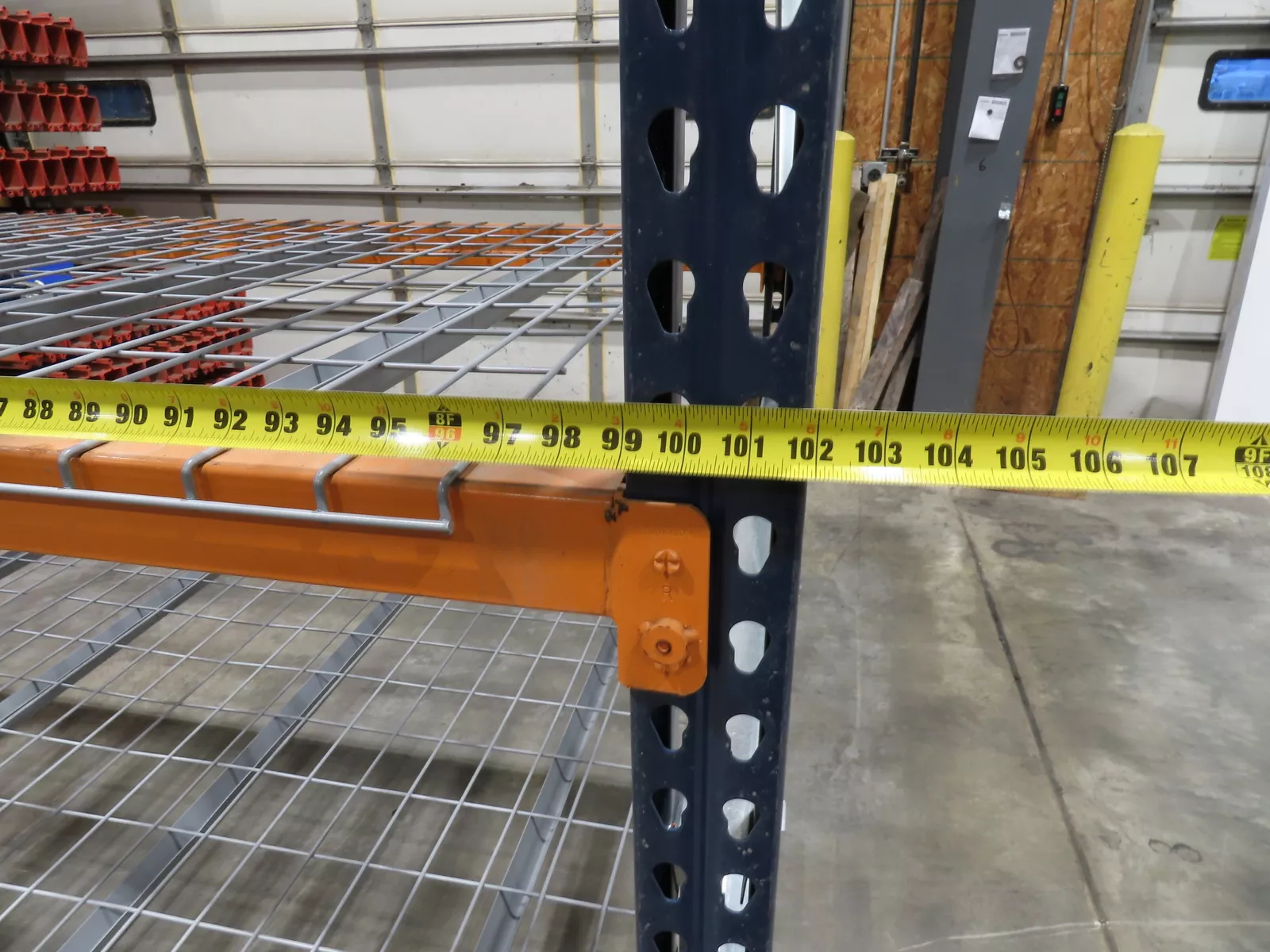
What Ethical Responsibilities Do Employers Have for Worker Safety?
How Can I Identify Potential Hazards When Using Tall Racking Systems?
When you step into a warehouse bustling with people and machines, the towering racking systems stand as both marvels of engineering and potential hazards. It’s easy to get lost in the sheer scale until something goes wrong, often because we didn’t take the time to look closely. Identifying potential hazards in these structures isn’t just a checkbox on a safety form; it’s a responsibility that weighs on every person in that space.
Begin with your own eyes. There’s wisdom in the old saying, “Trust your gut.” Pay attention to the layout and condition of the racking. Look for signs of wear, leaning structures, or obstructions that might cause a serious accident. In a world where safety regulations are more stringent than ever, ignoring these details can be as reckless as crossing a busy street with your eyes closed.
Next, engage your rational side. Consider how ergonomics play a role in the safety of these systems. Are employees reaching too far to retrieve items? Overexertion can lead to injuries that linger long after the shift ends. Analyze the flow of activities around the racking. High-traffic areas deserve extra caution; keeping pathways clear is vital. By doing this, you’re not just protecting yourself—you’re fostering a sense of community, where everyone looks out for one another.
Then comes the ethical consideration. Each person in the warehouse has a family waiting for them at home. The stakes are real; accidents don’t just affect individuals, they ripple out. When a racking system collapses or an item falls, it’s not just about replacing equipment; it’s about preventing despair and regret. Take the time to ensure that those around you are safe, even if it sometimes feels inconvenient.
Finally, channel the narrative aspect. Share stories from the floor—both success stories and near misses. When you create an open dialogue about safety and threats, you reinforce a culture of vigilance.
The next time you find yourself working with racking systems, remember: your safety, the safety of your coworkers, and the very integrity of the workplace depend on vigilance. So take the time to identify those hazards. It’s not just a matter of compliance; it’s a commitment to humanity, a testament to the value of every person in that warehouse.

How Can I Identify Potential Hazards When Using Tall Racking Systems?
How Can I Identify Potential Hazards When Using Tall Racking Systems?
- Warehouses are filled with engineering marvels that can also be hazards.
- Identifying hazards in racking systems is a shared responsibility among all individuals in the space.
- Begin safety assessments by observing the layout and condition of racking systems for signs of wear or obstructions.
- Consider ergonomic factors that could lead to overexertion injuries when reaching for items.
- Maintain clear pathways in high-traffic areas to enhance safety for everyone.
- Recognize that accidents have broader implications, impacting families and the overall work environment.
- Encourage open discussions about safety by sharing experiences and fostering a culture of vigilance.
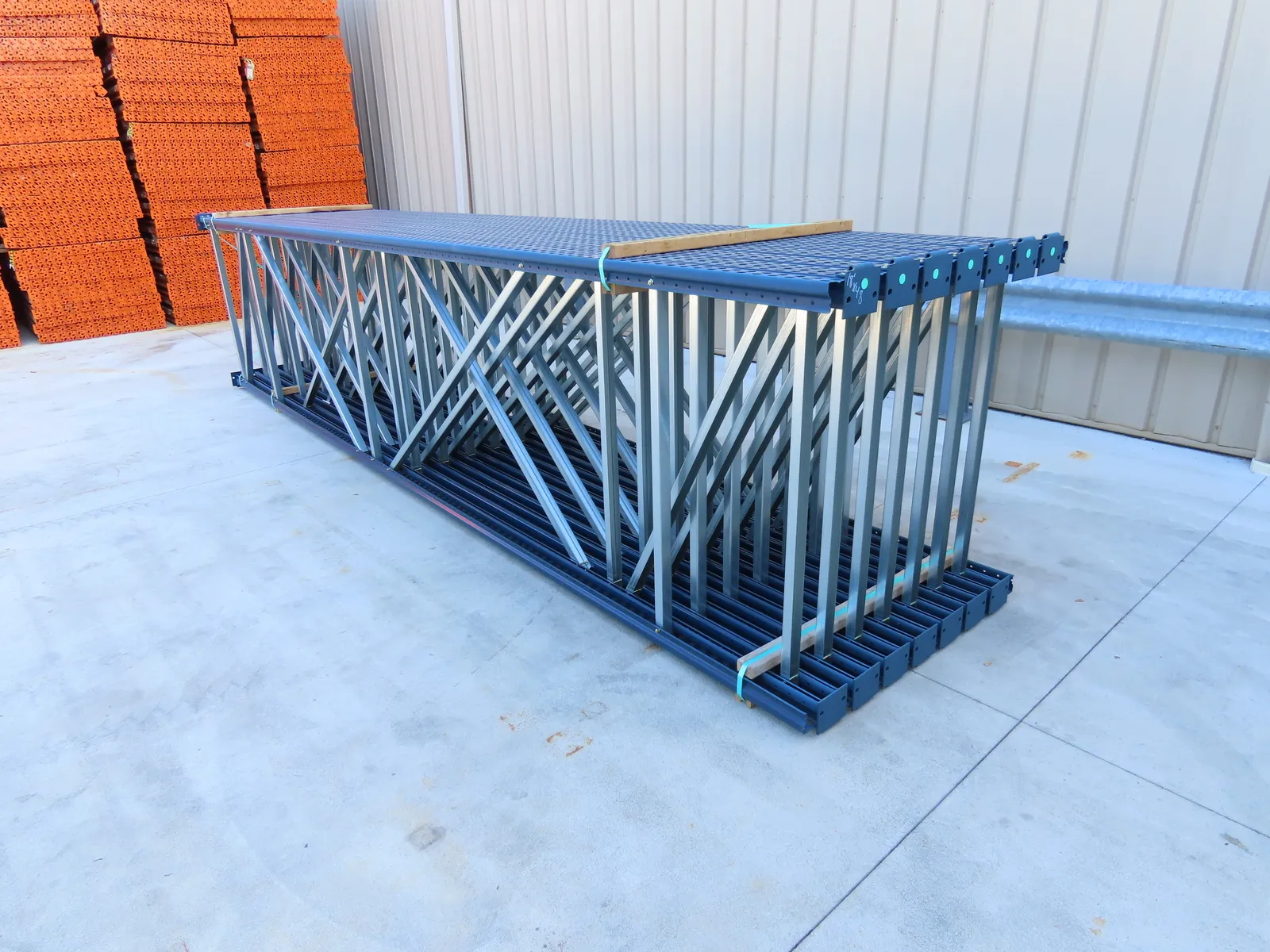
How Can I Identify Potential Hazards When Using Tall Racking Systems?
What Role Does Team Communication Play In Preventing Accidents?
When you think about it, every workplace is more than just a collection of tasks to complete; it’s a network of people, each one holding a piece of the puzzle that keeps the whole operation running smoothly. Imagine a crew on a construction site, where one slip-up can mean the difference between a day’s work and a disaster. This is where communication becomes not just a tool but a lifeline. Racking up successful days means more than just hitting targets; it means keeping each other informed. It’s about fostering an environment where everyone feels seen, heard, and valued.
The key to preventing accidents lies in the dialogues we share, the questions we ask, and the checks we do together. Picture this: a team member notices an unusual sound coming from a piece of equipment, but they hesitate. Maybe they’re unsure if it’s worth mentioning. Yet, that hesitation could lead to a costly mistake, not just financially but emotionally, with far-reaching effects. When team members communicate openly, they’re not just sharing information—they’re building a culture of safety.
This isn’t merely about following protocols or ticking boxes. It’s about people. When you can count on your colleagues to watch your back, you feel more comfortable taking the risks necessary to innovate and improve. It’s trust. It’s knowing that your voice matters. Communicating effectively weakens the silent racking of tension that can build up when people aren’t certain what’s happening around them.
In workplaces where communication flows freely, team members rally around each other, sharing their experiences, insights, and even their fears. It’s a collective effort, and that shared responsibility leads to better outcomes. Yes, there’s a rational argument for improved productivity and reduced injury rates, but at the core, it’s a matter of ethics. We owe it to each other to ensure that we’re all going home safe at the end of the day.
Let’s not forget the power of narrative—those stories that ripple through a team when incidents occur. They serve as cautionary tales and reminders of how important our roles are, not just as individuals but as a cohesive group. Every time we engage in meaningful communication, we’re weaving our own safety net, reinforcing the bonds of trust that keep us all upright and unbroken. Let’s embrace that responsibility and encourage a culture of transparency. Because when it comes to safety, every voice matters, and every message counts.
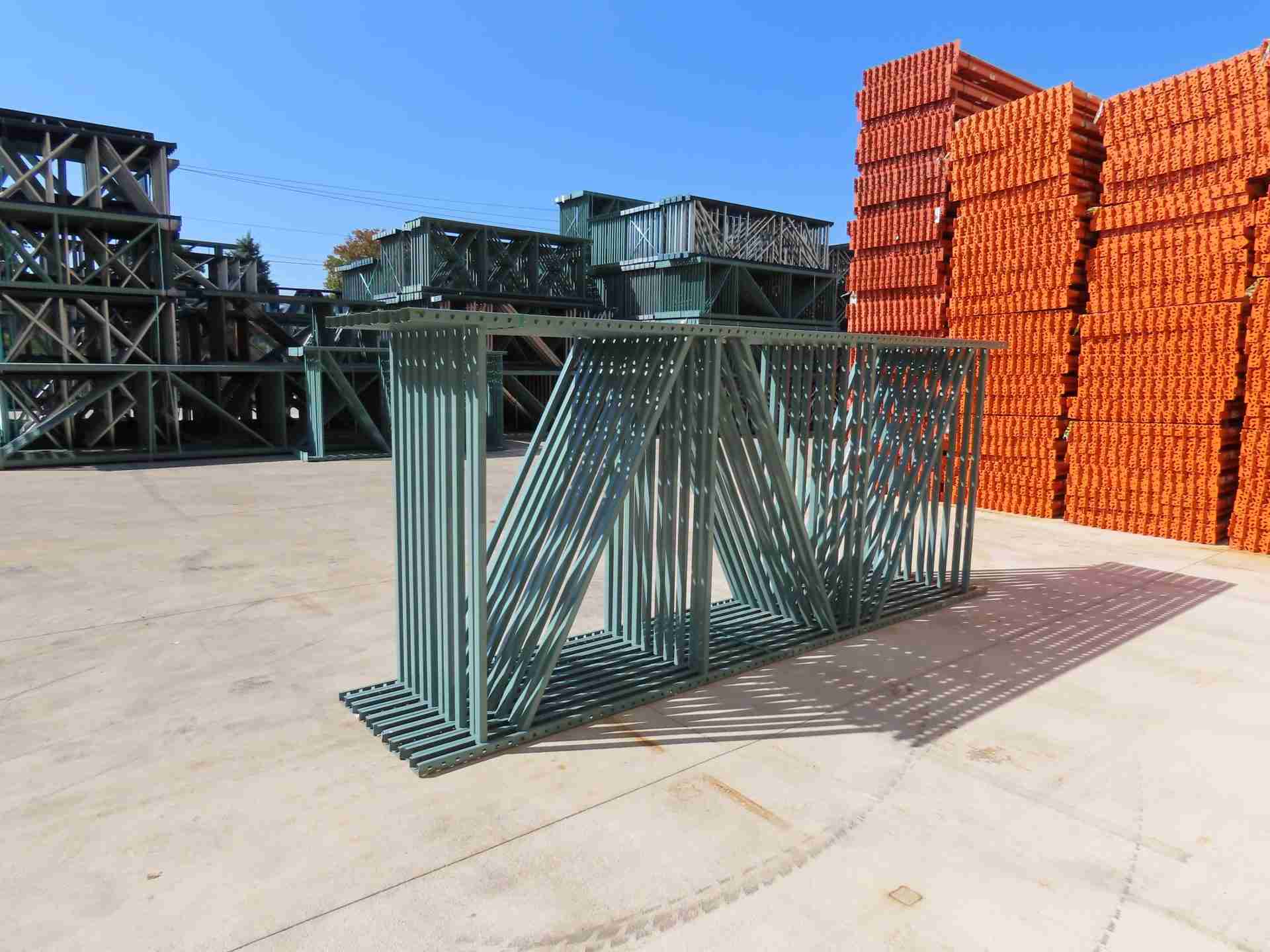
What Role Does Team Communication Play In Preventing Accidents?
What Role Does Team Communication Play In Preventing Accidents?
- Every workplace is a network of people, each contributing to smooth operations.
- Effective communication is vital to prevent accidents and foster a safe environment.
- Open dialogue helps team members share vital information, enhancing safety culture.
- Trust allows colleagues to take necessary risks for innovation and improvement.
- Free-flowing communication leads to shared experiences and collective responsibility.
- Ethically, it’s important to ensure everyone goes home safe at the end of the day.
- Meaningful communication reinforces trust and creates a safety net for the team.
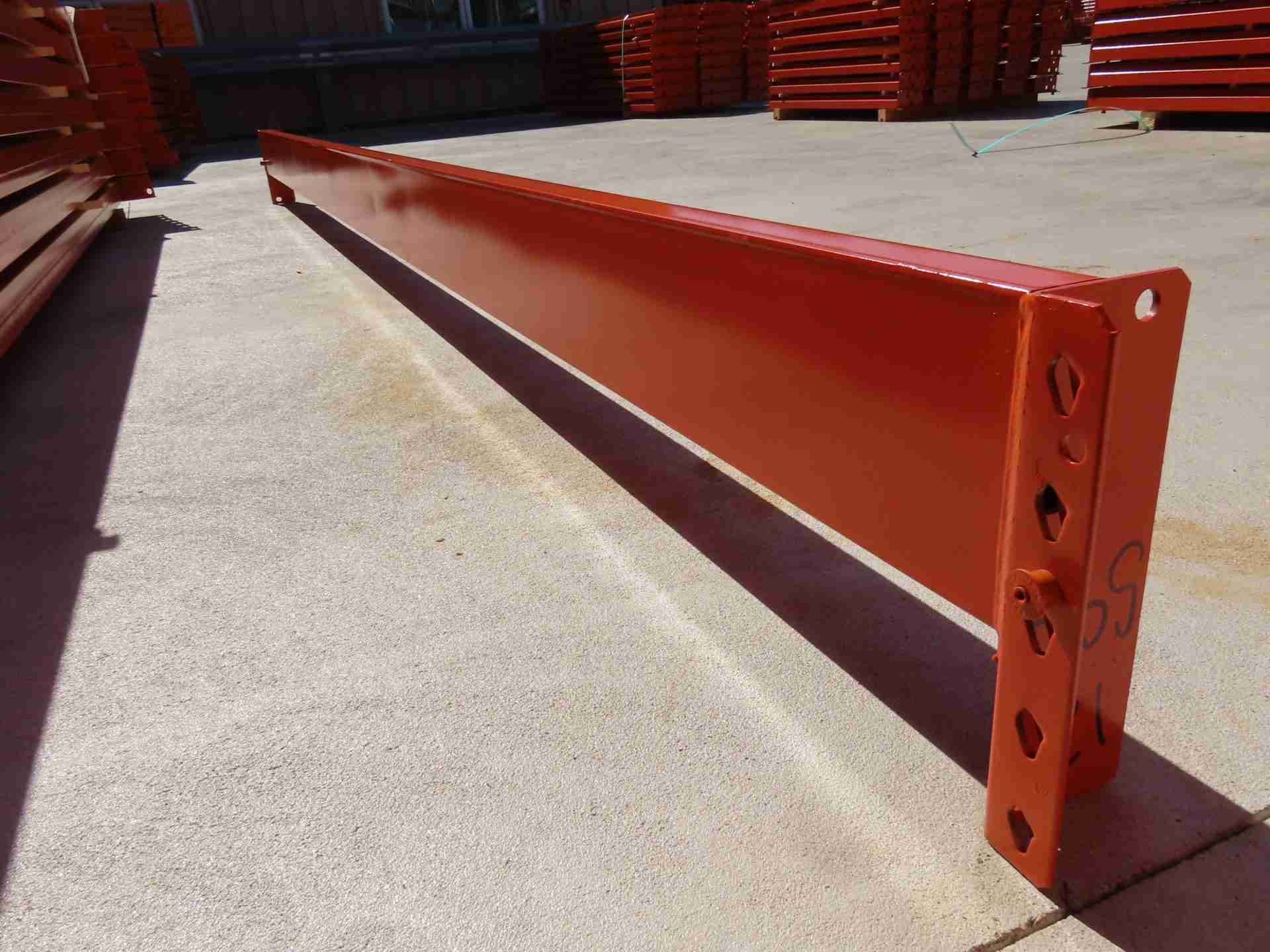
What Role Does Team Communication Play In Preventing Accidents?
Conclusion
Working on tall racking systems isn’t merely a technical job—it’s a profound commitment to safety, teamwork, and mutual respect. Picture yourself high up in a warehouse, surrounded by precarious stacks of goods. That exhilarating height can evoke pride and mastery, but it also introduces a hefty assortment of risks, emotional burdens, and ethical responsibilities. The mind plays tricks in those moments, and it’s crucial to engage fully with not just your skills but also your feelings and instincts. Before you scale those heights, pause and evaluate each crucial step. Your safety gear isn’t merely an accessory; it’s your lifeline. A sturdy harness is your first line of defense, reminding you that preparation is everything.
From an ethical standpoint, we owe it to ourselves, our coworkers, and even our families to uphold safety standards. Each colleague on the floor deserves the assurance of a safe working environment. Sharing experiences of both triumphs and missteps can create that culture of safety; it’s more than about productivity—it’s about protecting lives. Think of every time you’ve heard a story of mishaps; they serve as stark reminders of the risks we face daily. It’s essential to recognize that every incident ripples out, touching lives far beyond the workplace.
Proper training ensures everyone is equipped with essential tools and knowledge, fostering a sense of empowerment. When management invests in safety education, it communicates a straightforward message: “Your safety matters.” This commitment not only protects people but also cultivates a supportive atmosphere where every employee feels valued. The more we prepare and communicate, the better our chances become at navigating the challenges before us. When we prioritize streamlined dialogue, we fortify a network of trust, assuring that everyone’s voice contributes to safety—no matter how trivial it may seem.
In evaluating potential hazards, you wield profound responsibility—not just for your safety but for the collective well-being of the team. Take the time to inspect your environment. Speak up, share observations, and listen to concerns. This collective vigilance fosters camaraderie, creating a community that buys into the ethos of working safe and smart. True courage lies in confronting fears while nurturing an atmosphere that encourages connection and accountability.
So, as you gear up for your next task, feel that heartbeat of your team. Embrace the shared commitment to safety, knowing that when we step onto that floor, we’re not just individuals but a collective force dedicated to each other’s well-being. Together, we can conquer those heights—one good decision at a time.
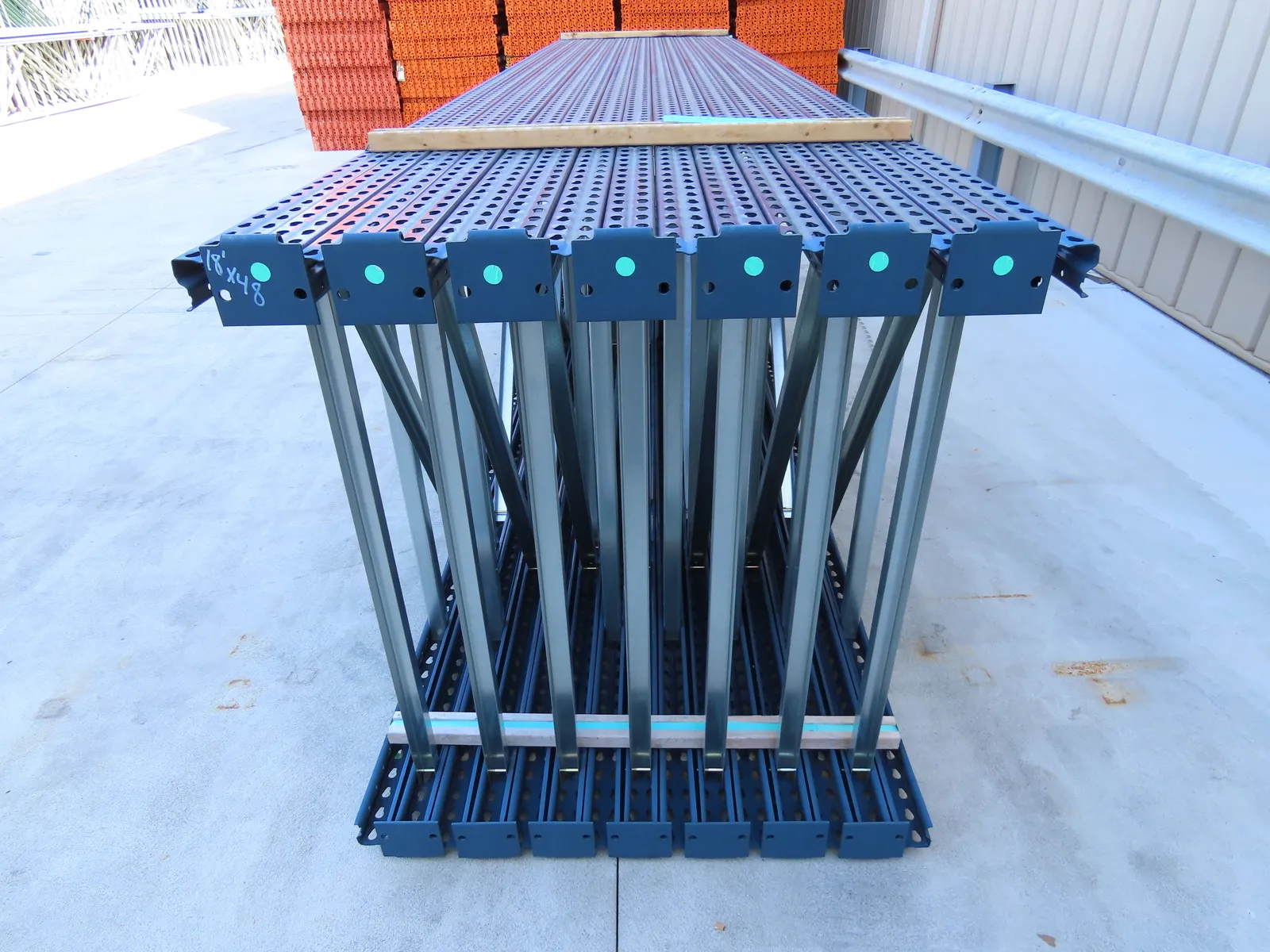
Conclusion
Conclusion:
- Working on tall racking systems involves substantial commitments to safety, teamwork, and mutual respect.
- Height creates both excitement and risks; engaging fully with skills, feelings, and instincts is crucial.
- Safety gear, like harnesses, is a vital lifeline and a reminder of the importance of preparation.
- Maintaining safety standards is an ethical responsibility to oneself, coworkers, and families.
- Sharing experiences enhances a culture of safety, emphasizing the protection of lives over productivity.
- Proper training empowers employees and demonstrates management’s commitment to safety education.
- Collective vigilance and communication foster a supportive environment where everyone’s voice matters.

Conclusion
Other Resources
Other Resources
Here is a list of other resources you can review online to learn more:
- CA Wire
- Racking World
- Iowa Illinois Warehouse Racking
- Material Handling Safety
- Warehouse Automation
- Cantilever Racking Specialists – Get the Right Racks
- CMMA
- Overhead Lifting
- Teardrop Pallet Rack – Ridg-U-Rak
- The Complete Pallet Rack Guide – Simply Rack
- Warehousing Education and Research Council: https://www.werc.org/
- Arrow Industrial Sales
- Cantilever Rack Configuration & Installation: A Comprehensive Guide – BMH
- What is Selective Pallet Racking
- Selective Rack – Raymond West
- National Safety Council
- Storage Equipment Manufacturers’ Association
- Illinois Pallet Racking – WPRP
- Pallet Racking systems in Illinois and Great Lakes
- Pallet Racks, Pallet Racking, Pallet Shelves in Stock – ULINE
Use This Prompt To Get More Resources With Your Favorite Online AI Tool: Please provide me with a list of online articles with their URLs in a bulleted list that I can read regarding How to Safely Work on Tall Racking Systems
Other Resources
Glossary Terms
How to Safely Work on Tall Racking Systems – Glossary Of Terms
1. Racking: Framework used for storing goods in vertical columns, often found in warehouses and storage facilities.
2. OSHA: Occupational Safety and Health Administration; a federal agency that sets and enforces standards for workplace safety.
3. Pallet: A flat transport structure that supports goods in a stable manner while being lifted by a forklift or pallet jack.
4. Load Capacity: The maximum weight that a racking system can safely hold, based on design and engineering specifications.
5. Forklift: A powered industrial truck used to lift and move materials short distances, essential for handling goods on racking systems.
6. Safety Harness: A personal protective equipment (PPE) designed to secure a worker to prevent falls when working at heights.
7. Training: Instruction provided to employees on safe practices, equipment use, and emergency procedures related to racking systems.
8. Fall Protection: Systems or equipment used to prevent workers from falling when working at elevated heights.
9. Inspection: The process of examining racking systems regularly to identify and rectify potential hazards or damages.
10. Weight Distribution: The even distribution of weight across a racking system to prevent tipping or collapse.
11. Aisle Width: The space between rows of racking that allows for safe navigation of forklifts and personnel.
12. Emergency Procedures: Protocols established to ensure safety during incidents, including evacuation plans and response measures.
13. Load Signs: Visual indicators affixed to racking systems that display load limits and safety information to alert users.
14. Ergonomics: The study of how to design equipment and workspaces that fit the capabilities and limitations of workers, enhancing safety and efficiency.
15. Barriers: Physical structures or warnings used to protect workers from falling objects or accessing dangerous areas near tall racking.
16. Personal Protective Equipment (PPE): Safety gear required at the workplace, including helmets, gloves, and safety shoes.
17. Safe Work Practices: Protocols aimed at minimizing risks while performing tasks, especially in potentially hazardous areas.
18. Clearance Height: The vertical space between the top of a racking system and the ceiling that ensures safe maneuvering of equipment.
19. Overhead Hazards: Risks posed by items or equipment above the working area, which could fall or impede safe operations.
20. Stability: The characteristic of a racking system to remain upright and not collapse under intended loads.
21. Structural Integrity: The ability of a racking system to withstand load and stress without failing.
22. Signage: Informational signs placed around racking systems to convey safety instructions and guidelines.
23. Access Equipment: Tools like ladders, scissor lifts, or aerial work platforms that allow safe access to high racking levels.
24. Maintenance: Regular upkeep processes to ensure racking systems remain in good condition and safe for use.
25. Load Securing: Methods employed to secure goods on a racking system, preventing them from shifting or falling.
26. Hazardous Materials: Substances that pose a risk to health and safety, requiring special considerations when stored on racking systems.
27. Emergency Exits: Designated pathways that allow for quick evacuation in case of emergencies affecting racking systems.
28. Inspection Checklist: A tool used for systematically reviewing racking systems to ensure compliance with safety standards.
29. Incident Reporting: The process of documenting accidents or near misses to prevent future occurrences in the workplace.
30. Reinforcement: Additional structural support added to a racking system to enhance its load capacity and stability.
Glossary Of Terms
Other Questions
How to Safely Work on Tall Racking Systems – Other Questions
If you wish to explore and discover more, consider looking for answers to these questions:
- What types of safety equipment are recommended for working on tall racking systems?
- What specific training programs are available for employees working at heights?
- What are the psychological effects of working at heights, and how can they be mitigated?
- How do different industries address safety when it comes to tall racking systems?
- What are the most common accidents related to tall racking systems, and how can they be prevented?
- How can team leaders promote a culture of safety among employees?
- What are the legal obligations of employers regarding worker safety in warehouses?
- How frequently should safety inspections be conducted on tall racking systems?
- What role does feedback play in improving safety practices in the workplace?
- What are the signs that indicate a racking system might be unsafe to use?
- How can emotional intelligence be utilized to enhance safety in high-risk environments?
- What are the best practices for communicating hazards to coworkers?
- How can organizations measure the effectiveness of their safety training programs?
- What support systems should be in place for workers who experience anxiety about working at heights?
- How can storytelling be effectively used to improve safety awareness among teams?
Other Questions
Checklist
How to Safely Work on Tall Racking Systems – A Checklist
Safety on Tall Racking Systems: Comprehensive Checklist
Heart (Emotional Appeals):
_____ Reflect on the emotional weight of your role in ensuring safety. What does safety mean to you and your colleagues?
_____ Share a personal or team experience related to safety. How did it impact your perspective?
_____ Consider how your actions today affect the well-being of your coworkers and their families.
Head (Rational Appeals):
_____ Assess the layout of the racking systems. Are there any visible hazards or irregularities?
_____ Verify that all safety equipment is up to standard: harnesses, ladders, and lifts. Are they regularly inspected?
_____ Analyze your workload and ensure it’s manageable. Are you pushing yourself beyond safe limits?
Gut (Instinctual Appeals):
_____ Trust your instincts. If something feels off—such as an unusual noise from equipment—speak up.
_____ Periodically conduct a mental check: Are you feeling distracted or uneasy about a task?
_____ Before beginning any work, take a moment to center yourself. Are you in the right mindset to prioritize safety?
Ethical Appeals:
_____ Encourage open discussions about safety concerns within your team. Are everyone’s voices heard?
_____ Identify how your organization supports a culture of safety. Is there an ethical responsibility to report safety violations?
_____ Consider the long-term impact of safety practices on your community and workplace environment.
Authority Appeals:
_____ Follow established safety protocols and guidelines. Are they visible and accessible?
_____ Attend all mandatory safety training sessions. Are you regularly updating your knowledge?
_____ Consult with safety leaders or representatives when uncertain about procedures. Do you know who to turn to?
Narrative Appeals:
_____ Share success stories from your workplace where safety protocols prevented accidents.
_____ Create an anonymous forum for sharing near-miss incidents. How can these narratives guide future practices?
_____ Reflect on a time when teamwork enhanced safety on the job. How can these lessons be shared with others?
Social Appeals:
_____ Foster a supportive environment. Are you actively encouraging teammates to speak up about safety?
_____ Build a culture of mentorship; share safety knowledge and experiences with new team members.
_____ Organize team safety meetings to promote awareness and camaraderie. How often do you gather to discuss safety as a group?
This checklist serves as a tool to guide you and your team in prioritizing safety while working with tall racking systems. By engaging the heart, head, and gut, you create a more robust safety culture that values every individual’s contribution.
Checklist
At RackingWorld, we help guide you through selecting warehouse storage systems and racking.
Be sure to read our other related stories at RackingWorld to learn more about warehouse storage systems.
0 Comments