
Essential Guideline For Safe Handling Of Cantilever Racks
By Tom Seest
At RackingWorld, we help guide you through selecting warehouse storage systems and racking.
Be sure to read our other related stories at RackingWorld to learn more about warehouse storage systems.
Safety Tips for Working Near Cantilever Racks
Step into a warehouse filled with cantilever racks, and you’re stepping into a world where precision meets trust—a place where safety isn’t just a guideline; it’s a responsibility that weighs heavily on each of us. These towering structures are designed to maximize space, but they also demand respect. “Why?” you might ask. Because neglecting safety isn’t just a personal risk; it’s a community concern, a shared bond that affects everyone on the floor.
Imagine the sound of your colleagues chatting as they work efficiently. The camaraderie is palpable, but what if that bond frays? Picture a moment of carelessness: an unbalanced load mismanaged, or a hurried step taken while distracted. It’s a gut-check reality that can transform a productive day into a scene of chaos in the blink of an eye. We owe it to ourselves and our teammates to prioritize safety every step of the way.
Start by familiarizing yourself with the racking system. Understand its design, the load capacity, and the operational height. This knowledge isn’t just for your own benefit; it prevents accidents that can ripple through the entire workforce. It’s about upholding the integrity of your shared space and ensuring that everyone returns home safe at the end of the day.
Engage in regular training sessions, where experiences are shared, and lessons learned become collective wisdom. When everyone is on the same page, the risks diminish. You become part of a narrative—a safety culture that values awareness, respect, and responsibility. Your voice and actions are critical in shaping this environment.
Moreover, communication is vital. If you see something that doesn’t seem right, speak up! It’s not just your job; it’s an ethical commitment to safeguard those around you. A simple conversation can prevent a major mishap.
Lastly, cultivate an attitude of mutual respect. Work as a cohesive unit, encouraging one another to adhere to safety protocols, whether it’s wearing proper PPE or maintaining a clear path around the racks. This social responsibility creates a workplace where accountability reigns and trust flourishes.
Embrace these safety tips, and remember: you’re not just saving your own skin; you’re protecting the people you laugh with, the ones you share meals with, and the community you build every day. It’s a responsibility worth taking seriously. Each step you take towards embracing safety is a step towards fostering a safer, more vibrant work environment.
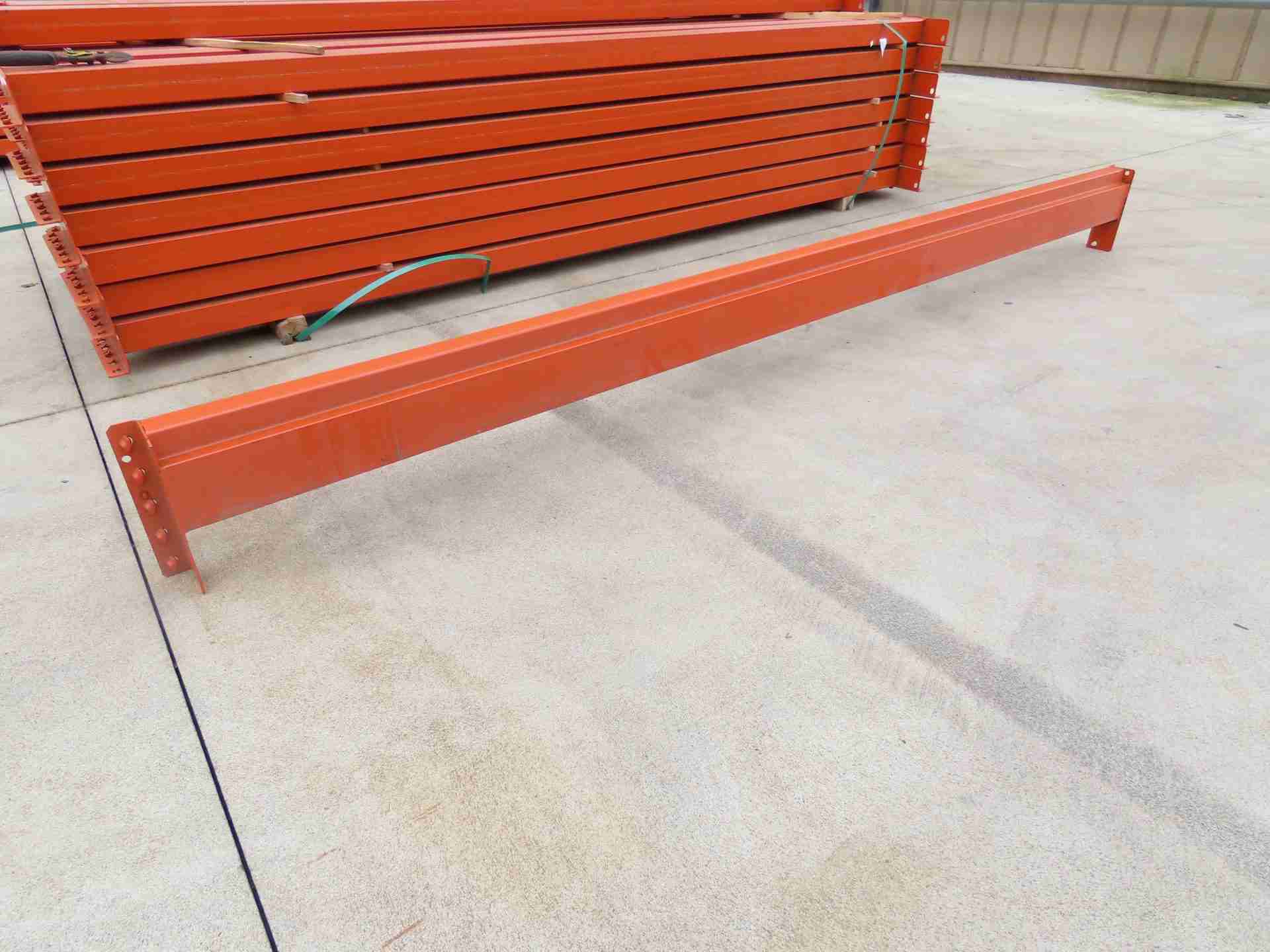
Safety Tips for Working Near Cantilever Racks
Safety Tips for Working Near Cantilever Racks
- Safety in warehouses with cantilever racks is a shared responsibility, crucial for community well-being.
- A moment of carelessness can lead to chaos, emphasizing the need to prioritize safety at all times.
- Familiarize yourself with the racking system’s design, load capacity, and operational height to prevent accidents.
- Participate in regular training sessions to share experiences and cultivate a collective safety culture.
- Open communication is essential; speak up if you notice something unsafe to protect your coworkers.
- Encourage mutual respect and adherence to safety protocols to create a trustworthy and accountable workplace.
- Embracing safety not only protects yourself but also fosters a vibrant and supportive community at work.
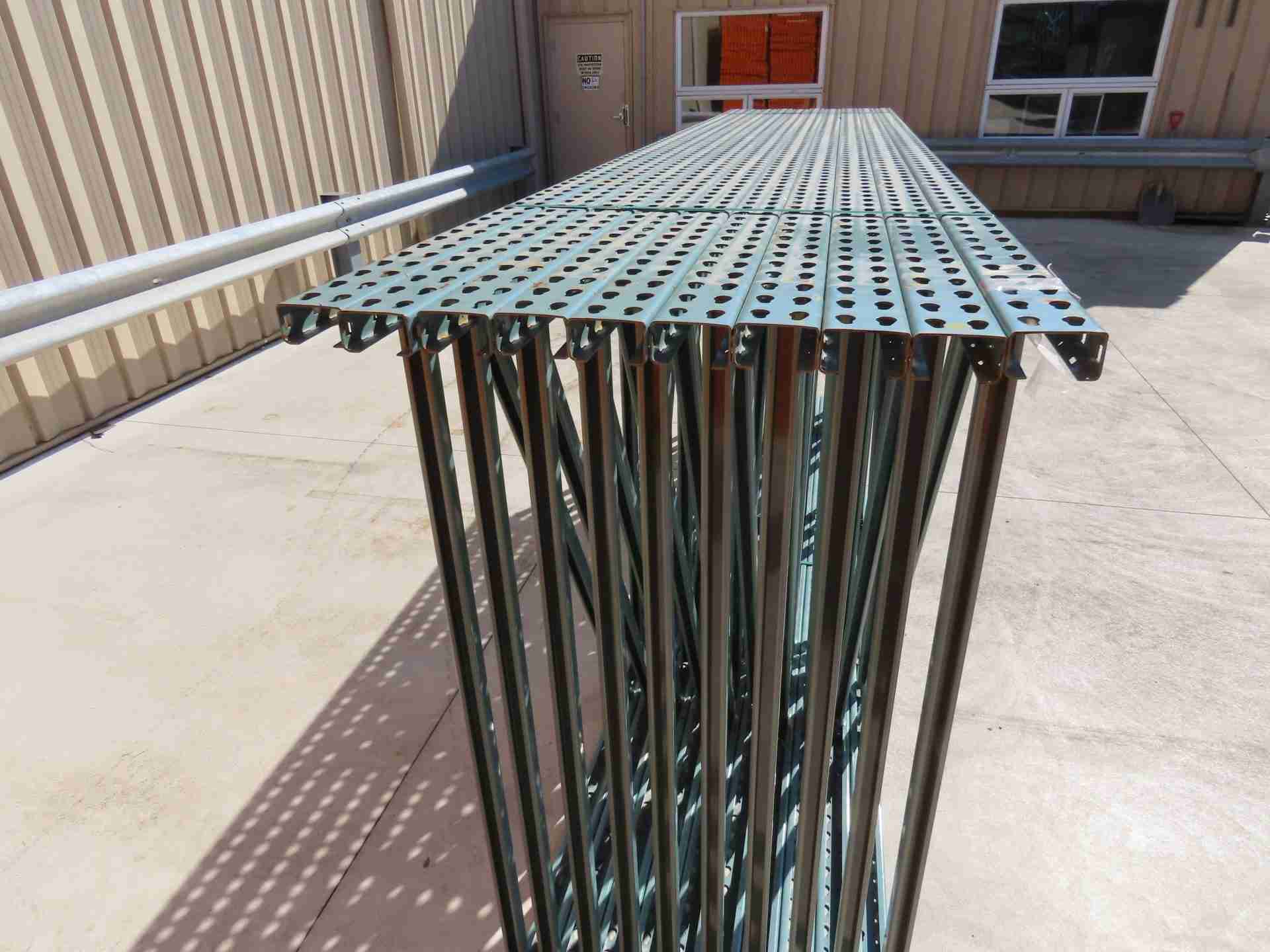
Safety Tips for Working Near Cantilever Racks
Table Of Contents
- Safety Tips for Working Near Cantilever Racks
- What Emotional Impact Do Accidents Near Cantilever Racks Have?
- How Can We Ensure Our Safety While Working Near Cantilever Racks?
- What Ethical Responsibilities Do Employers Have to Protect Workers?
- How Can Adhering to Safety Tips Enhance Workplace Productivity?
- How Do Personal Stories Shape Our Understanding Of Safety Protocols?
- Conclusion
- Other Resources
- Glossary Of Terms
- Other Questions
- Checklist
What Emotional Impact Do Accidents Near Cantilever Racks Have?
Accidents near cantilever racks can shake the very foundation of a workplace, unleashing a cascade of emotional turmoil that reaches far beyond the initial event. Picture the scene: a sudden clatter, a silence thick with disbelief, followed by the paradox of frantic motion as people rush to ensure everyone is safe. It’s a jarring reminder that our routines are often steeped in the comfort of predictability, making each incident a sharp reminder of our vulnerability. Every racking system stands as a testament to efficiency, but when mishaps occur, they bring heart-stopping fear and uncertainty into an otherwise functional environment.
The gut-wrenching reality is that these accidents don’t just affect those immediately involved; they send shockwaves throughout the entire workforce. Colleagues who were once just faces in the crowd may become intertwined in a shared story—a sobering narrative that weaves through the fabric of team relationships. Employees who witness or hear about an accident are often left grappling with anxiety and stress, questioning safety, trust, and their very place within the organization. In essence, the emotional aftermath can foster a climate of fear that transcends the workplace—a ripple effect that lingers and reshapes workplace dynamics.
From a rational standpoint, the ethical implications of prioritizing safety in operations cannot be overlooked. It’s not just about compliance; it’s about cultivating a culture that actively protects its people. When steps are taken to bolster safety measures—whether through training or the implementation of advanced racking systems—the signal is clear: you matter. Each safety protocol empowers employees, reinforcing the idea that their well-being is a priority, igniting a collective spirit of responsibility toward one another.
Moreover, leaders and experts in the field have a role to play in addressing these deeper emotional currents. Their authority lies not only in their technical expertise but in their ability to connect on a human level, inspiring confidence that proactive measures can foster a safer environment. This connection builds a bridge, inviting everyone to champion safety as a shared endeavor, ensuring that the workplace is not just a place to clock in and out but a community that values each member’s welfare.
Accidents near cantilever racks serve as poignant reminders that our professional environments are only as strong as the bonds we forge. Together, acknowledging the emotional impact of these incidents can lead to not only better policies and procedures but a deeper commitment to each other, creating a safer, more supportive work experience for all.
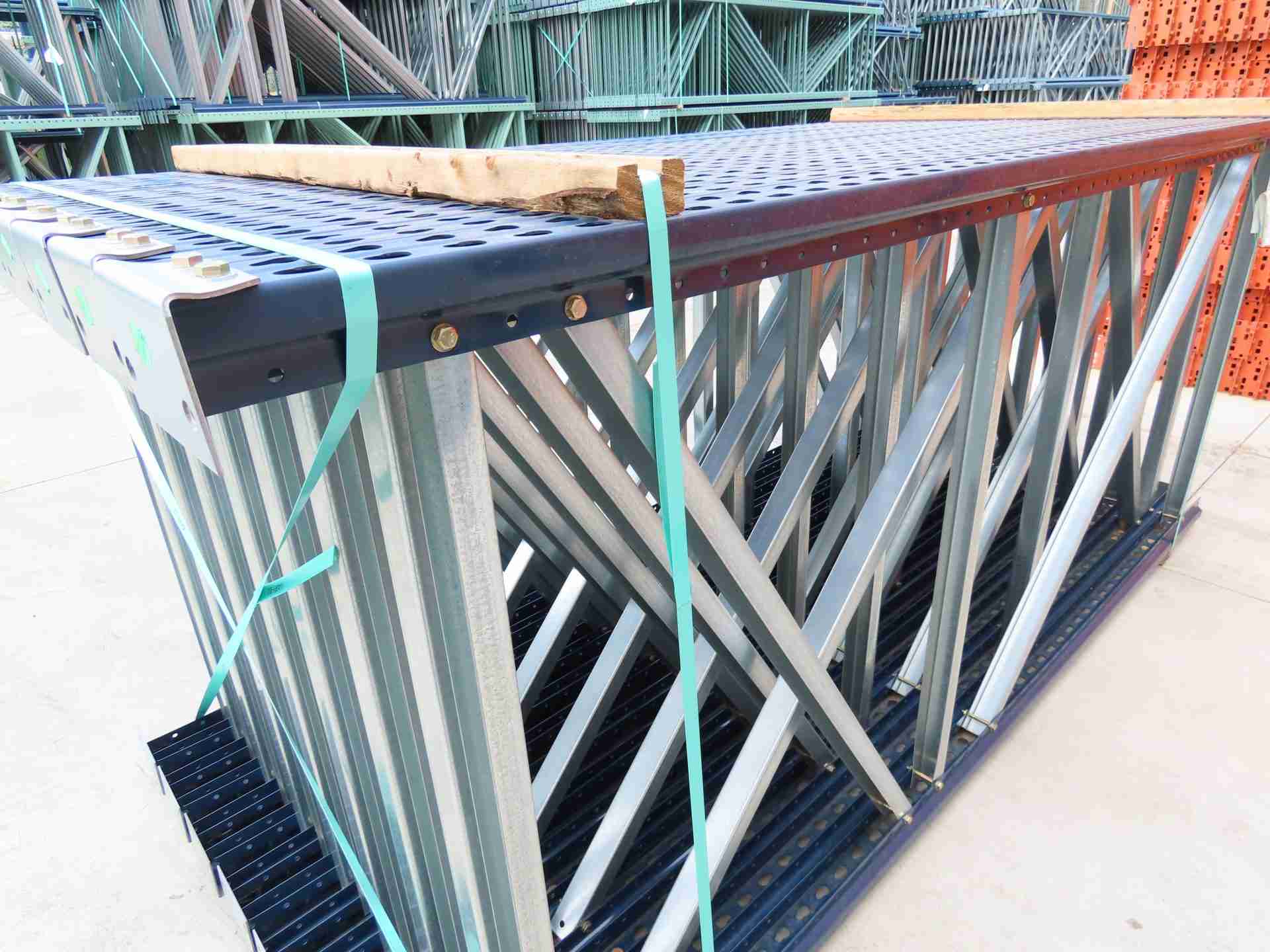
What Emotional Impact Do Accidents Near Cantilever Racks Have?
What Emotional Impact Do Accidents Near Cantilever Racks Have?
- Accidents near cantilever racks can disrupt the workplace, triggering emotional turmoil beyond the immediate event.
- These incidents serve as reminders of vulnerability, shaking the comfort of predictable routines.
- Accidents affect not only those directly involved but also the entire workforce, creating a shared narrative among colleagues.
- Witnesses may experience anxiety, questioning safety and trust within the organization.
- Prioritizing safety is crucial for fostering a culture that protects employees and reinforces their importance.
- Leaders play a vital role in connecting emotionally with employees, promoting a safer work environment through proactive measures.
- Acknowledging the emotional impact of accidents can lead to improved policies and a stronger, more supportive workplace community.
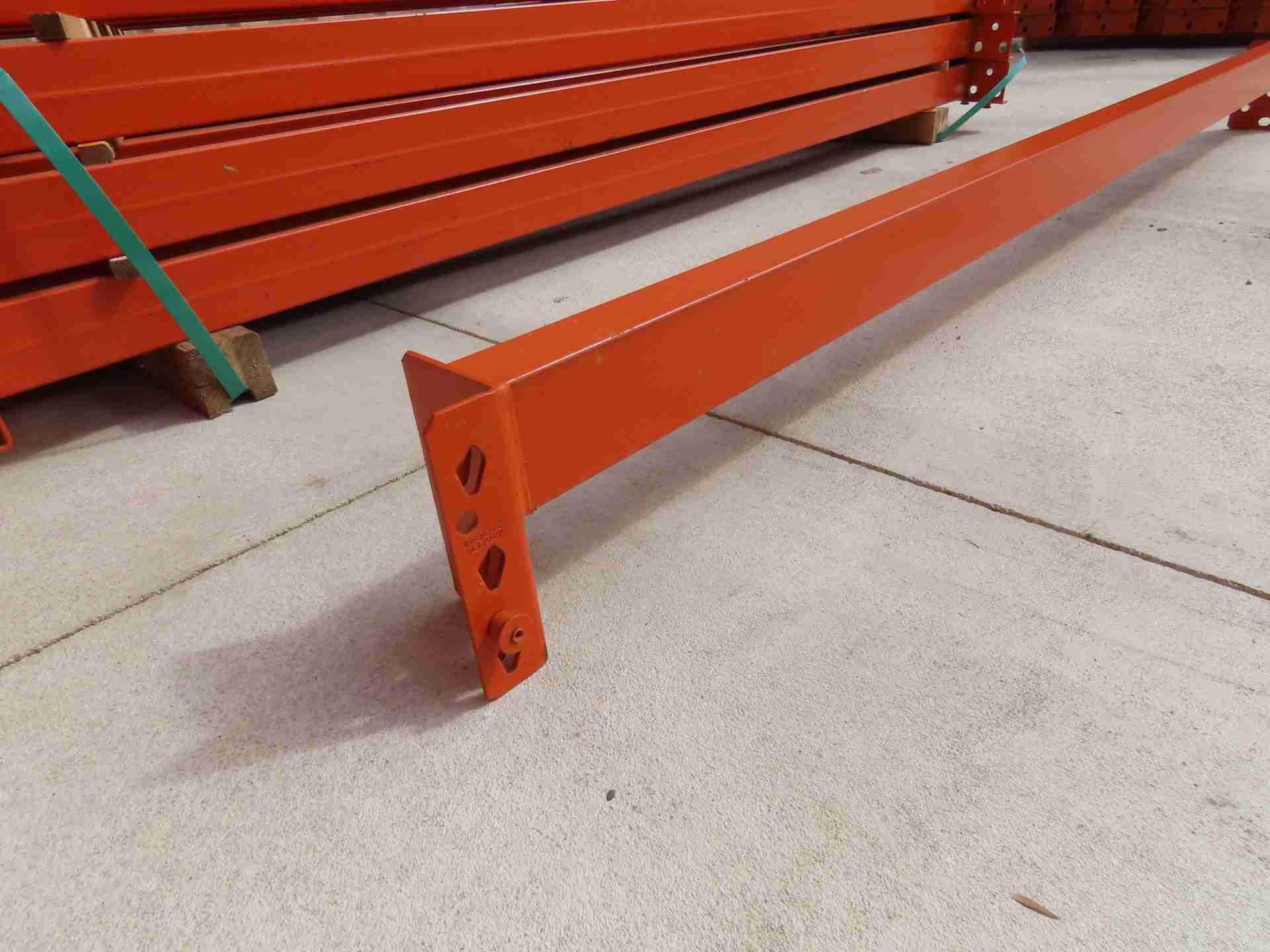
What Emotional Impact Do Accidents Near Cantilever Racks Have?
How Can We Ensure Our Safety While Working Near Cantilever Racks?
When we step into a workspace that features cantilever racks, it’s about more than simply storing materials; it’s about creating an environment where safety reigns supreme. Picture this: towering racks lined with heavy loads, their structural integrity resting upon our diligence and attention. We strive for efficiency, but safety must remain our cornerstone. Just like the time we learned to tie our shoelaces, each step in our safety protocol needs careful consideration.
First, let’s get down to the concrete facts. Cantilever racks, while efficient for storing long and bulky items, can pose significant risks if not properly managed. The reality is, these racks are designed to bear a load, but that doesn’t mean we should test their limits recklessly. Instituting regular inspections is not just common sense, it’s a no-brainer. Check for signs of wear and tear, and ensure everything is properly secured. This is not just about protecting your physical assets; it’s about safeguarding your colleagues and yourself. Imagine the peace of mind that comes from knowing you’re not just a coworker, but a protector in this shared space.
From an ethical standpoint, we owe it to one another to create a culture rooted in safety. This means establishing clear protocols for loading and unloading materials. Encourage your peers to slow down; movement with purpose is much better than movement in haste. Share those safety tips and successes during team meetings—this simple act fosters camaraderie. When we support each other in making responsible choices, that connection transforms our workspace into a united front against potential hazards.
Emotionally, visualize the consequences of neglect. A minor mistake can lead to disaster, altering lives forever. That’s a heavy burden to carry. By prioritizing safety, we champion not only ourselves but every individual who walks through that door. The responsibility doesn’t just lie with the managers; it’s a shared agreement that each of us makes to look out for one another.
While we can all agree on safety protocols, let’s elevate the discussion. Leadership should champion a proactive approach and be available for questions. An inclusive attitude invites participation; when team members feel their voices matter, they’re more likely to embrace the safety culture we build together.
So let’s acknowledge the necessity of respect, diligence, and accountability. When we work near cantilever racks, let’s do so consciously, ensuring that every load we handle is not just a step in our job but a commitment to safety. When we unite through purpose and principle, we don’t just ensure our safety; we elevate our community.

How Can We Ensure Our Safety While Working Near Cantilever Racks?
How Can We Ensure Our Safety While Working Near Cantilever Racks?
- Workspace safety is paramount, especially when using cantilever racks for material storage.
- Cantilever racks can pose risks; regular inspections are essential to ensure safety.
- Check for signs of wear and tear to protect not only assets but also colleagues.
- Create a culture of safety by establishing clear loading and unloading protocols.
- Encourage deliberate, careful movement and share safety successes in team meetings.
- Safety is a shared responsibility, with all members contributing to a safe environment.
- Leadership should foster an inclusive safety culture, encouraging questions and participation.

How Can We Ensure Our Safety While Working Near Cantilever Racks?
What Ethical Responsibilities Do Employers Have to Protect Workers?
When you think about the workplace, images of bustling factories, construction sites, or busy offices might come to mind. Each of these environments is a testament to human endeavor, driven by the singular promise of a paycheck. But behind that paycheck is something far more precious: the lives and well-being of the workers themselves. As employers, the ethical responsibilities to protect workers should be at the forefront of every decision made, not just an afterthought.
Picture this: a father logging long hours on a construction site wearing worn-out boots, every racking sound from the heavy machinery a reminder of the risk he faces. He’s providing for his family, yet he can also feel the strain of insecure conditions. This scenario isn’t just an abstract statistic but a reality for many. Employers wield the power to create environments where workers can thrive without the shadow of fear hanging over them. This isn’t just about adhering to regulations; it’s about cultivating a culture of care that champions safety and respect.
Rationally, let’s break it down. An investment in safety measures—be it ergonomic tools, safety training, or mental health resources—will not only reduce accidents and turnover rates; it also enhances productivity. Workers who feel valued and safe are more motivated and engaged. The numbers speak for themselves: companies that prioritize worker welfare often outperform their counterparts. It’s the smart choice in today’s competitive landscape.
Ethically, employers carry a moral obligation. It’s about recognizing the humanity of each individual, understanding that they bring not just their labor but their hopes and dreams to the job. When workers know their well-being is a priority, they become more than just employees—they become stakeholders in the company’s success.
It’s not just about making profits; it’s about creating a legacy. When you lead by example, showing that you care for your workers, you inspire trust within the community. It sends a message that workplaces are places of solidarity, where every contribution matters. That’s the kind of environment that cultivates loyalty and fosters real relationships.
So let’s challenge ourselves to envision workplaces where health and safety are guaranteed, and where every worker has the chance to contribute meaningfully without jeopardizing their well-being. Because a thriving workforce is the backbone of thriving industries, and together we can forge an ethical future worth believing in.
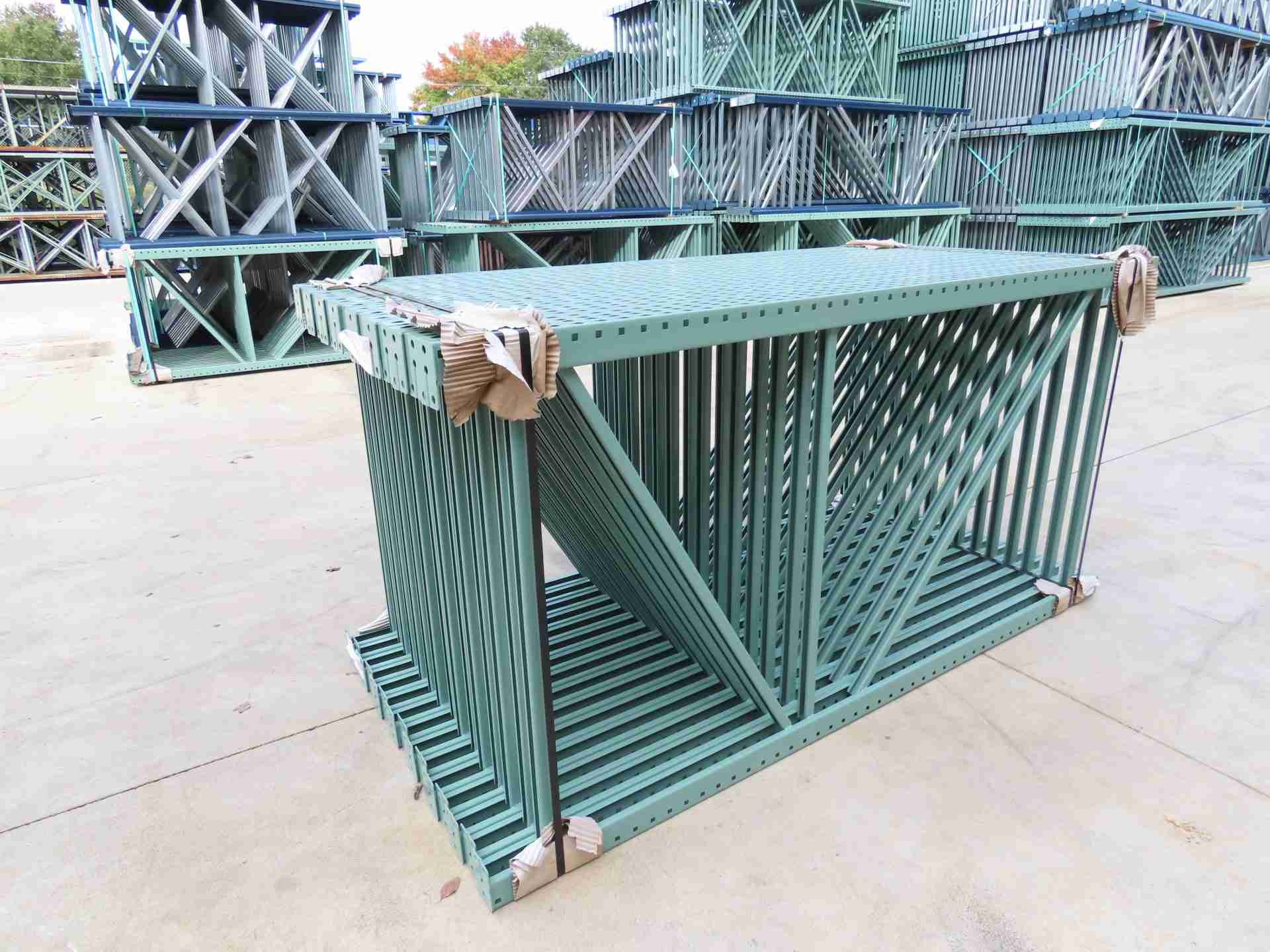
What Ethical Responsibilities Do Employers Have to Protect Workers?
What Ethical Responsibilities Do Employers Have to Protect Workers?
- Workplaces, like factories and offices, symbolize human effort driven by the pursuit of a paycheck.
- Employers have a primary ethical responsibility to prioritize the lives and well-being of their workers in decision-making.
- Real-life scenarios highlight the risks faced by workers, emphasizing the need for safe work environments.
- Investing in safety measures enhances productivity and reduces accidents by creating a culture of care.
- Companies that prioritize worker welfare tend to outperform their competitors, making it a strategic business choice.
- Recognizing the humanity and dreams of workers fosters a sense of ownership and investment in the company’s success.
- Leading with care can inspire trust, loyalty, and community solidarity, paving the way for a more ethical workplace culture.
What Ethical Responsibilities Do Employers Have to Protect Workers?
How Can Adhering to Safety Tips Enhance Workplace Productivity?
When the sun rises and workers step into the daily grind, there’s a palpable buzz in the air. It’s a blend of hope, responsibility, and the promise of progress. But beneath that optimistic facade lies a reality that demands attention: the connection between safety and productivity in the workplace. By embracing safety tips, businesses not only safeguard their employees but also enhance overall productivity, creating a culture of trust and respect that ripples through every level of an organization.
Picture this: a warehouse buzzing with activity. Workers expertly navigate the aisles, their focus on racking and stacking goods efficiently. But what if that racking isn’t secured, or the paths are cluttered? The chaos of an unsafe environment can lead to costly accidents, putting lives at risk and disrupting the flow of work. It’s a stark reminder that safety isn’t just a box to check; it’s the backbone of any successful operation.
Now, let’s think about the emotional weight of knowing your colleagues are safe. Workers who feel protected are empowered—they can concentrate on their tasks without the nagging worry of injury. This commitment to safety breeds a sense of camaraderie, a shared responsibility that fosters connection. When employees trust their leaders to prioritize safety, they thrive, and that flourishing spirit translates directly into heightened productivity.
Here’s the thing: It’s not just about numbers on a report. Ethically speaking, how can we justify placing profit above people? The most respected organizations understand that the heart of productivity lies in the well-being of their workforce. When everyone is safe, the quality of work rises, and that’s something we can all stand behind.
From a rational perspective, consider the costs. Work-related injuries and accidents don’t just affect morale; they hit the bottom line hard. Investing time in safety training and guidelines isn’t an expense; it’s a strategic move that yields dividends in productivity, efficiency, and employee retention. When workers see their company taking safety seriously, it cultivates an ethos of diligence.
When safety becomes woven into the fabric of daily operations, it not only protects lives but paves the way for extraordinary achievements. By nurturing a safe environment, businesses don’t just bolster productivity—they foster a community where workers feel valued, engaged, and inspired to give their best. It’s about harnessing the power of protection to unlock the full potential of every individual on the team. So let’s step up, not just for the job, but for each other, ensuring we all make it through the day, ready to tackle tomorrow’s challenges.
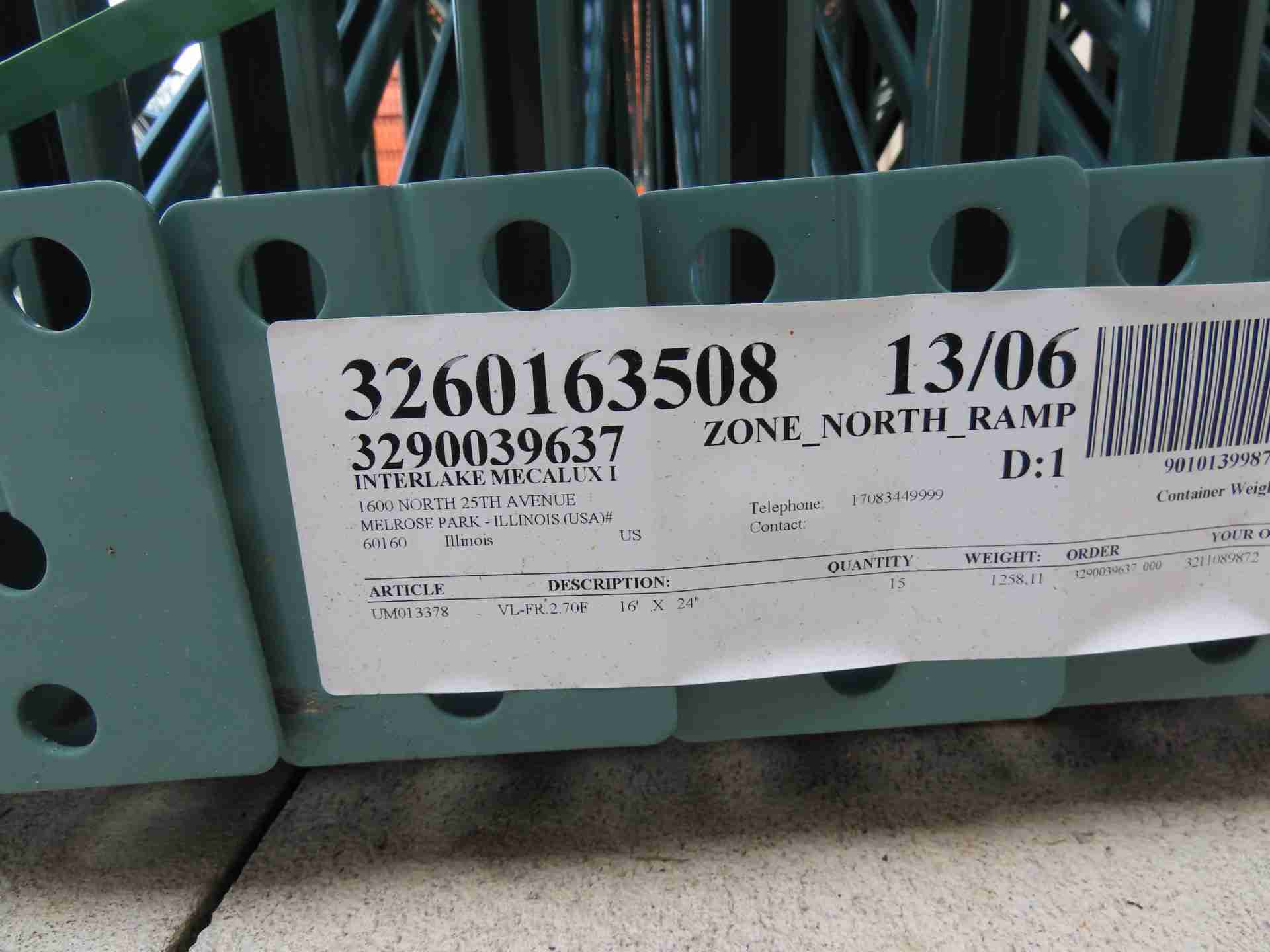
How Can Adhering to Safety Tips Enhance Workplace Productivity?
How Can Adhering to Safety Tips Enhance Workplace Productivity?
- The workplace buzz reflects a mix of hope and responsibility, linking safety to productivity.
- Embracing safety not only protects employees but also fosters a culture of trust and respect.
- Unsafe environments can lead to costly accidents, disrupting work and endangering lives.
- Workers who feel safe are more focused and empowered, enhancing camaraderie and teamwork.
- Prioritizing safety over profits is essential for ethical business practices and long-term productivity.
- Investing in safety training is a strategic move that improves employee retention and overall efficiency.
- A strong commitment to safety cultivates a community where workers feel valued and inspired to excel.
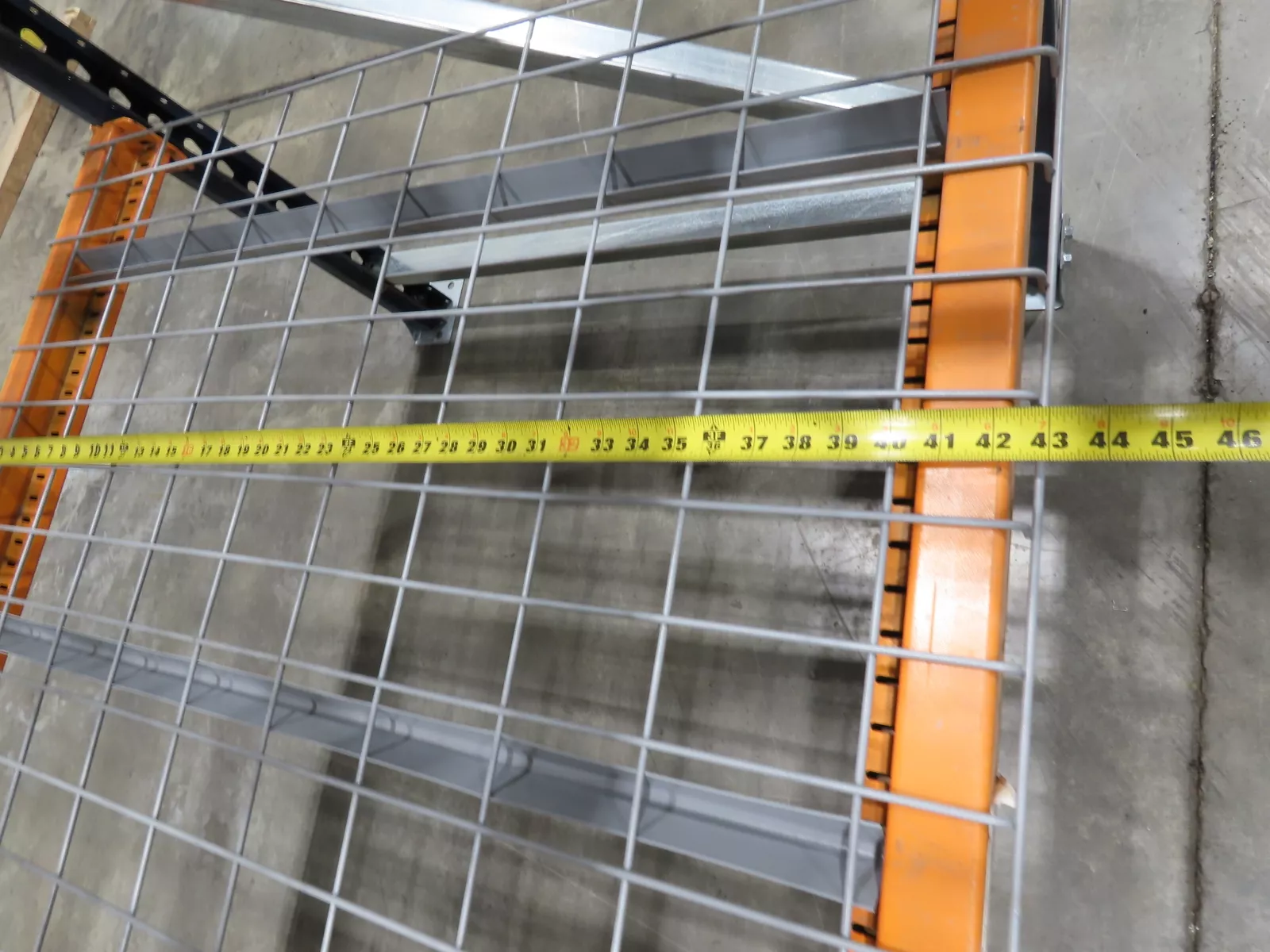
How Can Adhering to Safety Tips Enhance Workplace Productivity?
How Do Personal Stories Shape Our Understanding Of Safety Protocols?
When we think about safety protocols, it’s easy to dismiss them as mere rules or checklists we have to adhere to in everyday life. But these are not just regulations; they are the echoes of real stories, lived experiences that shape our understanding of what it means to be safe. Imagine a construction site, a place filled with the clamor of machinery and the hustle of workers, where every action matters. Picture a moment when someone overlooked a simple safety guideline, disregarding the warning signs, as if they were merely racking up another task to complete. It’s in these instances that personal narratives emerge—powerful tales of survival, loss, and resilience.
These stories connect us on an emotional level. They remind us that safety protocols are about more than avoiding injuries; they are about protecting lives and preserving families. Think of the carpenter who, after a near-miss incident, shares his heart-wrenching experience with others, detailing how a split-second decision could have altered everything. His voice quivers as he speaks, and you can feel the gravity of his words. It serves as a truthful reminder that the safety measures we often take for granted may very well save a life.
Rationally, we know that following safety protocols minimizes risks and keeps everyone out of harm’s way. But to embrace this awareness fully, we need to weave it into our own stories. The answer becomes clear when someone shares how a simple helmet saved their life or how proper safety training gave them the confidence to perform their job without fear. Each narrative reinforces the need for adherence, creating a powerful ripple effect that resonates through communities.
Ethically, it becomes our responsibility to uphold these practices—not just for our own sake but for our colleagues, families, and the community. When we share our own encounters with safety—and the lessons learned—we contribute to a culture that values life. Our choices become collective, forging connections that bind us together in a commitment to never take safety for granted.
It’s these personal stories that inspire trust. They bridge the gaps between regulations and real-life experiences, instilling a sense of confidence in protocols that might otherwise feel cumbersome. So next time you find yourself near a safety sign or protocol reminder, pause and reflect on the stories that paved the way for it. Understand that these measures exist not just to protect you, but to safeguard the narratives that make all of our lives richer and safer.
How Do Personal Stories Shape Our Understanding Of Safety Protocols?
How Do Personal Stories Shape Our Understanding Of Safety Protocols?
- Safety protocols are not just rules; they stem from real experiences and stories.
- Neglecting safety guidelines can lead to personal narratives of survival, loss, and resilience.
- These stories emotionally connect us and emphasize the importance of safety for protecting lives and families.
- Personal experiences, like a carpenter’s near-miss incident, highlight how safety measures can save lives.
- Understanding safety protocols rationally encourages adherence through shared narratives of positive outcomes.
- Ethically, it’s our responsibility to uphold safety practices for the sake of ourselves and our community.
- Personal stories inspire trust in safety measures and reinforce their necessity in our daily lives.
How Do Personal Stories Shape Our Understanding Of Safety Protocols?
Conclusion
As we find ourselves surrounded by cantilever racks towering high, it’s crucial to acknowledge that these structures represent more than just storage solutions; they embody trust, responsibility, and the very essence of safety in our workplaces. Safety isn’t merely a bullet point on a checklist; it’s an intrinsic duty we owe to our colleagues, our communities, and ourselves. Each load carefully balanced, every path kept clear, holds the potential to transform our environment—from merely functional to vital, from routine to resilient.
Accidents near cantilever racks can disrupt the fabric of our work environment, creating ripples of fear and uncertainty that reach far beyond the immediate moment of chaos. A single lapse in safety can awaken an overwhelming sense of vulnerability among even the most seasoned employees, prompting moments of doubt and unease. This emotional fallout isn’t just personal; it intertwines our narratives, binding us together in a collective journey where every decision impacts someone else’s life.
Rationally, it’s clear: prioritizing safety enhances our workplace productivity. Empowerment flows from the assurance that proper precautions are in place. The efficiency of our operations hinges on the confidence that our environments are secure. We invest time in training and protocols not merely to fulfill regulations but to cultivate a culture of care that resonates across the organization. When safety measures are championed from the top down, they create a legacy of respect and ethical responsibility.
Ethically, our obligation as employers and employees intertwines. It’s a profound duty to uphold the sanctity of each individual’s well-being, nurturing not only a secure work environment but a thriving community. These commitments drive engagement and loyalty, weaving a shared culture where everyone feels valued.
Moreover, the stories that shape our understanding of safety are not just anecdotes; they are the lived experiences that bind us closer. Each narrative—be it a close call or a lesson learned—serves as a poignant reminder of what’s at stake. They reinforce the necessity of adherence to safety protocols, transforming statistics from abstract figures into real-life stakes that command our attention and action.
As we navigate our shared spaces with intention, let’s reaffirm our dedication to safety—not just as a measure of compliance but as a testament to our commitment to one another. We are united in this mission, and only together can we transform our workplace into a sanctuary of trust, respect, and collective strength. Every safety tip we embrace isn’t just about safeguarding ourselves; it’s about nurturing the bonds that make our workplace not just functional, but thriving. Let’s be diligent, be aware, and above all, be committed to each other. Every step we take for safety is a stride towards a stronger, more resilient community.
Conclusion
Conclusion:
- Cantilever racks symbolize trust, responsibility, and safety in the workplace.
- Safety is an intrinsic duty that impacts colleagues, communities, and individuals.
- Accidents near racks create fear and uncertainty, affecting employee morale.
- Prioritizing safety enhances workplace productivity and fosters a culture of care.
- Employers and employees share a profound duty to nurture individual well-being.
- Real-life safety narratives remind us of the importance of adherence to protocols.
- Commitment to safety transforms workplaces into sanctuaries of trust and collective strength.
Conclusion
Other Resources
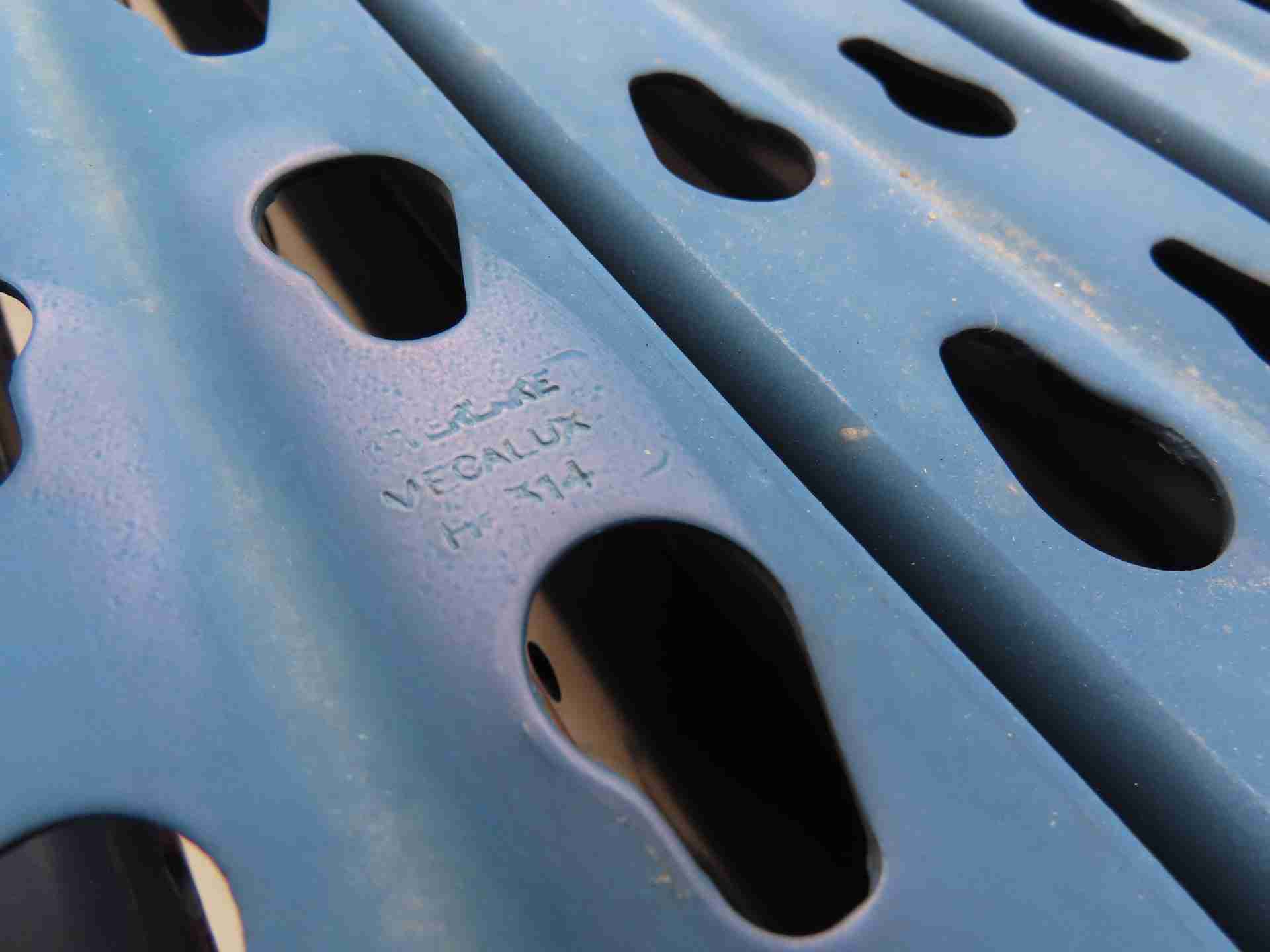
Other Resources
Here is a list of other resources you can review online to learn more:
- Teardrop Industrial Shelving Rack
- Crane Manufacturers Association Of America Inc.
- Rack Manufacturers Institute
- Rack Manufacturers Institute
- Pallet Racking 101: A Comprehensive Guide & Options Explained
- Selective Racking
- CMMA
- Warehouse Racking Chicago, IL
- Mustang Material Handling
- RMI
- Warehouse Racking System: Powerful Guide to Optimise, 2024
- Cantilever Rack Guide: Ordering Cantilever Racking
- Cantilever Rack Guide: Ordering Cantilever Racking
- Warehouse Racks, Warehouse Racking in Stock – ULINE
- Teardrop Industrial Shelving Rack
- American Society of Safety Professionals
- Selective Pallet Racking Systems
- BMH Equipment LLC
- Illinois Pallet Racking – WPRP
- Illinois
Use This Prompt To Get More Resources With Your Favorite Online AI Tool: Please provide me with a list of online articles with their URLs in a bulleted list that I can read regarding Safety Tips for Working Near Cantilever Racks

Other Resources
Glossary Terms
Safety Tips for Working Near Cantilever Racks – Glossary Of Terms
1. Cantilever Rack: A storage system consisting of vertical columns with horizontal arms designed to hold long or heavy items.
2. Load Capacity: The maximum weight that a cantilever rack can safely hold, determined by its design and materials.
3. Forklift: A powered industrial truck used to lift and move materials, often employed in warehouses with cantilever racks.
4. Pallet: A flat structure used to support goods for storage or moving; often stored on racks but not typically used directly with cantilever racks.
5. Personal Protective Equipment (PPE): Gear worn to ensure safety, such as helmets, gloves, and safety glasses, especially when working around heavy equipment.
6. Aisle Clearance: The unobstructed space between racks, necessary for safe movement of equipment and personnel.
7. Inspection: Regular checks performed on cantilever racks to ensure structural integrity and safety compliance.
8. Weight Distribution: The even placement of items on cantilever arms to prevent tipping and maintain stability.
9. Load Securing: Methods used to stabilize stored items, such as straps or nets, to prevent them from falling.
10. Ergonomics: The study of optimizing workplace conditions and equipment to prevent injuries and improve efficiency.
11. Safety Training: Programs designed to educate workers about safe practices and protocols when working near cantilever racks.
12. Moving Equipment: Tools or machinery, like forklifts or pallet jacks, used to transport goods to and from cantilever racks.
13. Overloading: Placing more weight on a cantilever rack than its designated load capacity, leading to potential failure.
14. Safety Barriers: Physical barriers, such as guardrails or bollards, that protect workers and prevent accidents near racks.
15. Visual Aids: Signs or markings that provide safety instructions or highlight hazards around cantilever racks.
16. Workplace Organization: Systems applied to maintain a tidy and efficient work environment, reducing risks associated with clutter.
17. Access Control: Procedures or systems that limit entry to areas around cantilever racks to authorized personnel only.
18. Emergency Procedures: Established actions to take in case of accidents or emergencies near storage areas, including cantilever racks.
19. Material Handling: Techniques and equipment used to move, store, or safeguard items effectively and safely.
20. Load Stability: The ability of items placed on a cantilever rack to remain securely in position without tipping or falling.
21. Inspection Frequency: How often cantilever racks should be checked for safety; varies based on usage and regulations.
22. Safety Audits: Assessments conducted to evaluate compliance with safety standards and identify potential hazards.
23. Training Certification: Official recognition that an employee has completed safety training related to handling materials and working near racks.
24. Spill Containment: Measures and products used to control and manage spills around cantilever racks, particularly for hazardous materials.
25. Lighting: Adequate illumination required in areas around cantilever racks to ensure visibility and reduce accident risk.
26. First Aid Kit: A collection of medical supplies kept nearby to address injuries that may occur in the workplace.
27. Incident Reporting: The process of documenting any accidents or near misses that occur while working near cantilever racks.
28. Structural Integrity: The condition of a cantilever rack, ensuring it is properly assembled and maintained to support loads safely.
29. Emergency Exits: Clearly marked routes for quick evacuation from areas near cantilever racks in a crisis.
30. Weight Indicators: Devices or systems that inform workers of the load on a cantilever rack, promoting safe loading practices.
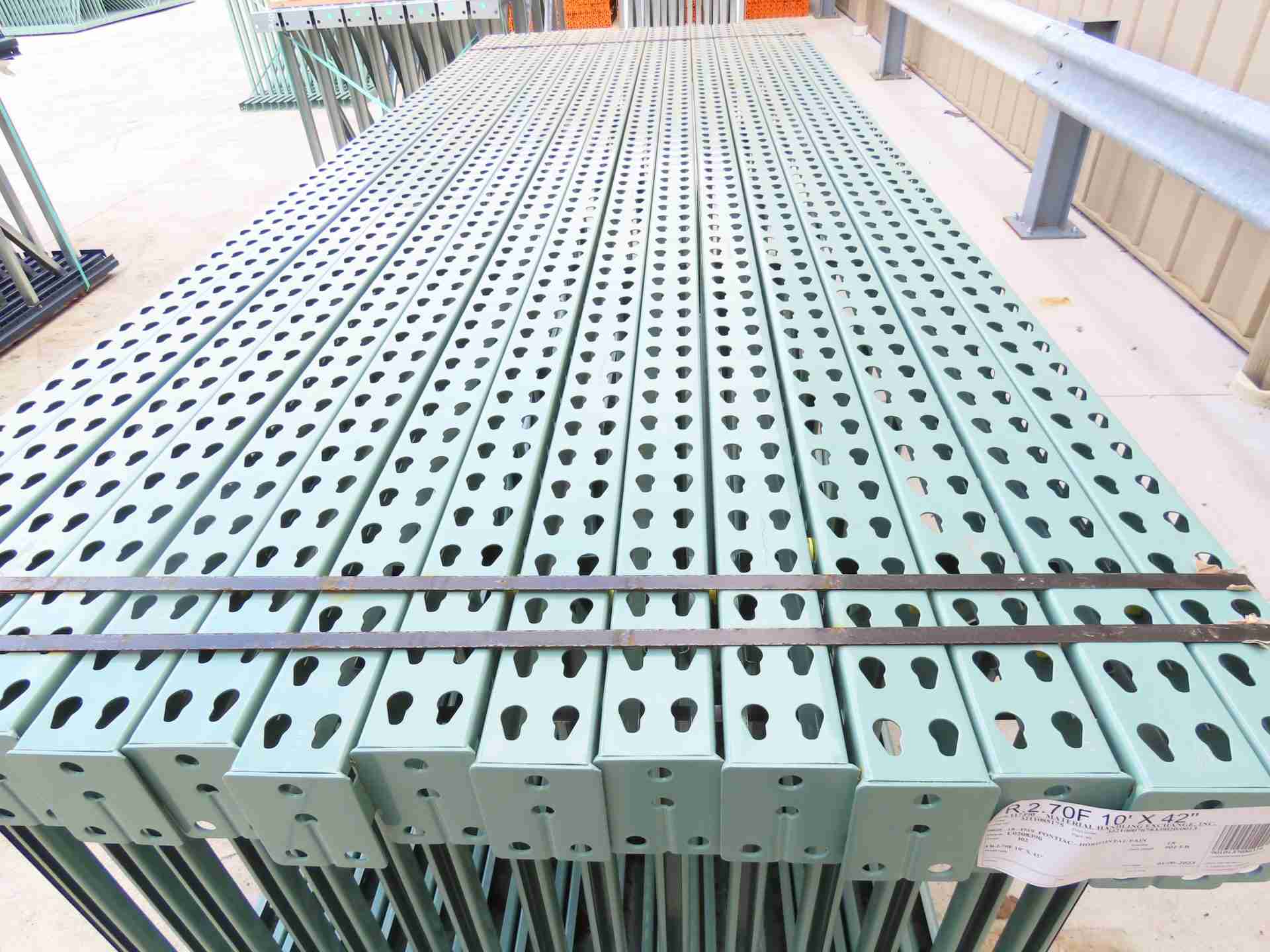
Glossary Of Terms
Other Questions
Safety Tips for Working Near Cantilever Racks – Other Questions
If you wish to explore and discover more, consider looking for answers to these questions:
- What are the specific safety protocols for loading and unloading materials on cantilever racks?
- How often should inspections of cantilever racks be conducted?
- What personal protective equipment (PPE) should be worn when working near cantilever racks?
- What role does employee training play in safety near cantilever racks?
- Are there any regulations governing the use of cantilever racks in warehouses?
- What should employees do if they notice unsafe practices near cantilever racks?
- How can leaders effectively promote a safety culture in the workplace?
- What are the consequences of neglecting safety protocols near cantilever racks?
- How can emotional resilience be built in workplaces with high safety risks?
- What are the best practices for maintaining clear paths around cantilever racks?
- How do accidents near cantilever racks typically impact team dynamics?
- What resources are available for further education on safety near cantilever racks?
- How can emotional storytelling enhance awareness of safety protocols?
- What are the financial implications of workplace accidents related to safety neglect?
- How do cultural attitudes towards safety vary across different industries?
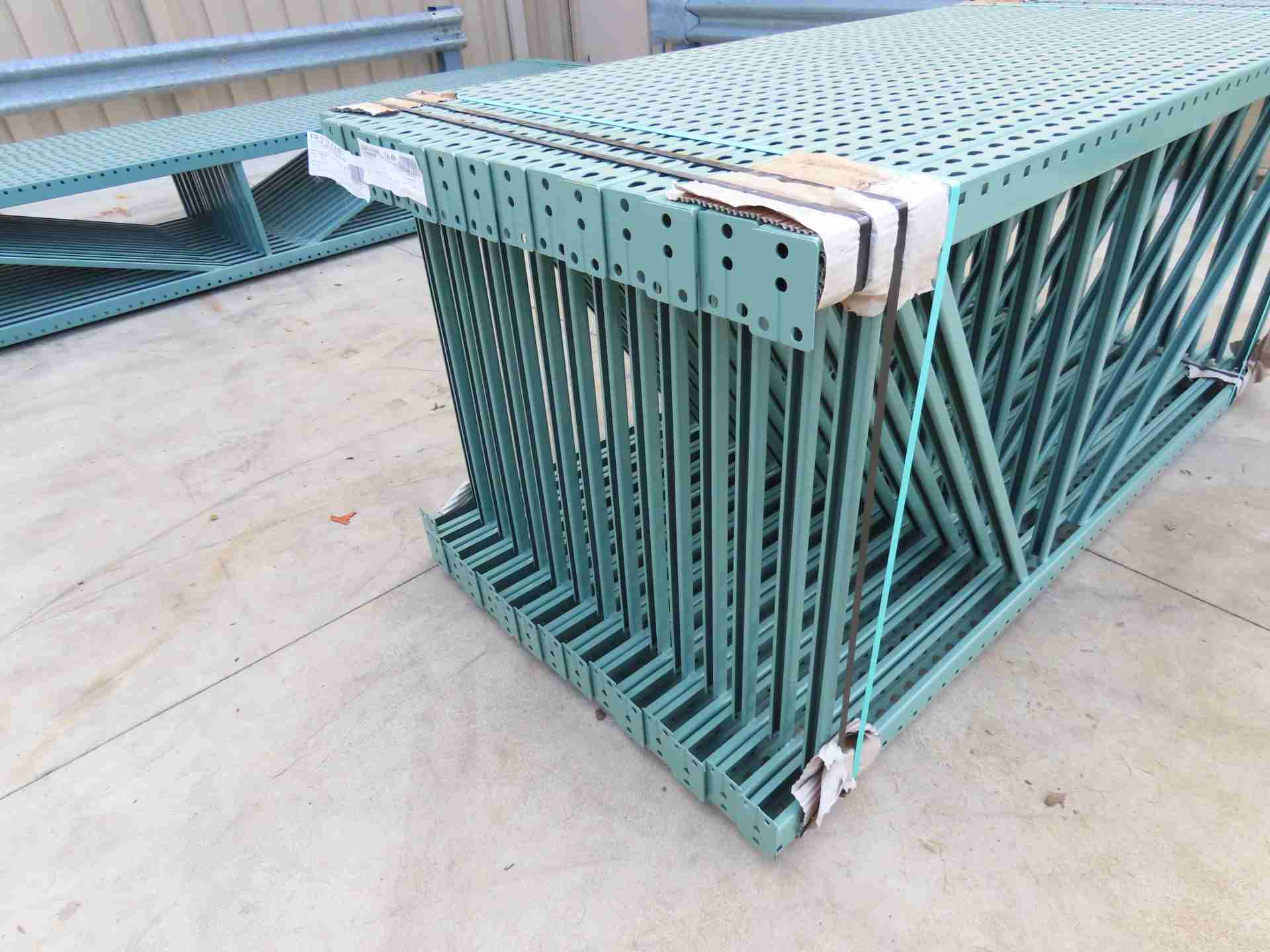
Other Questions
Checklist
Safety Tips for Working Near Cantilever Racks – A Checklist
Safety Checklist: Working Near Cantilever Racks
Emotional Appeals
_____ Reflect on Your Impact: Consider how your actions contribute to a culture of safety and camaraderie at work.
_____ Share Stories: Think of a personal story or experience related to safety. Share it with colleagues to reinforce its importance.
Rational Appeals
_____ Know Your Racks: Familiarize yourself with the cantilever rack design, load capacity, and operational instructions.
_____ Conduct Inspections: Schedule regular checks of the racks for wear and tear and ensure secure load placement.
_____ Support Training Initiatives: Participate in safety training sessions to stay informed and prepared.
Ethical Appeals
_____ Speak Up: If you notice unsafe practices, report them responsibly. Advocate for a culture of safety over complacency.
_____ Encourage Peers: Promote responsible behavior among coworkers, reminding them of the collective responsibility of safety.
Authority Appeals
_____ Follow Expert Guidance: Trust and apply safety protocols provided by leadership and safety experts in your workplace.
_____ Attend Safety Meetings: Actively participate in discussions led by safety leaders, bringing your ideas and questions to the table.
Narrative Appeals
_____ Build a Safety Culture: Join colleagues in discussions about how to integrate safety into daily tasks, creating a shared narrative.
_____ Highlight Past Incidents: Reflect on past accidents and the lessons learned to foster awareness and prevent future mishaps.
Social Appeals
_____ Create Accountability Groups: Form teams focused on checking in with each other about adherence to safety protocols.
_____ Celebrate Safety: Acknowledge and reward team members who contribute positively to workplace safety initiatives.
Personal Commitment
_____ Make a Safety Pledge: Write a personal commitment to prioritize safety, ensuring you hold yourself accountable.
_____ Connect with Colleagues: Foster relationships with coworkers based on mutual respect for each other’s safety and well-being.
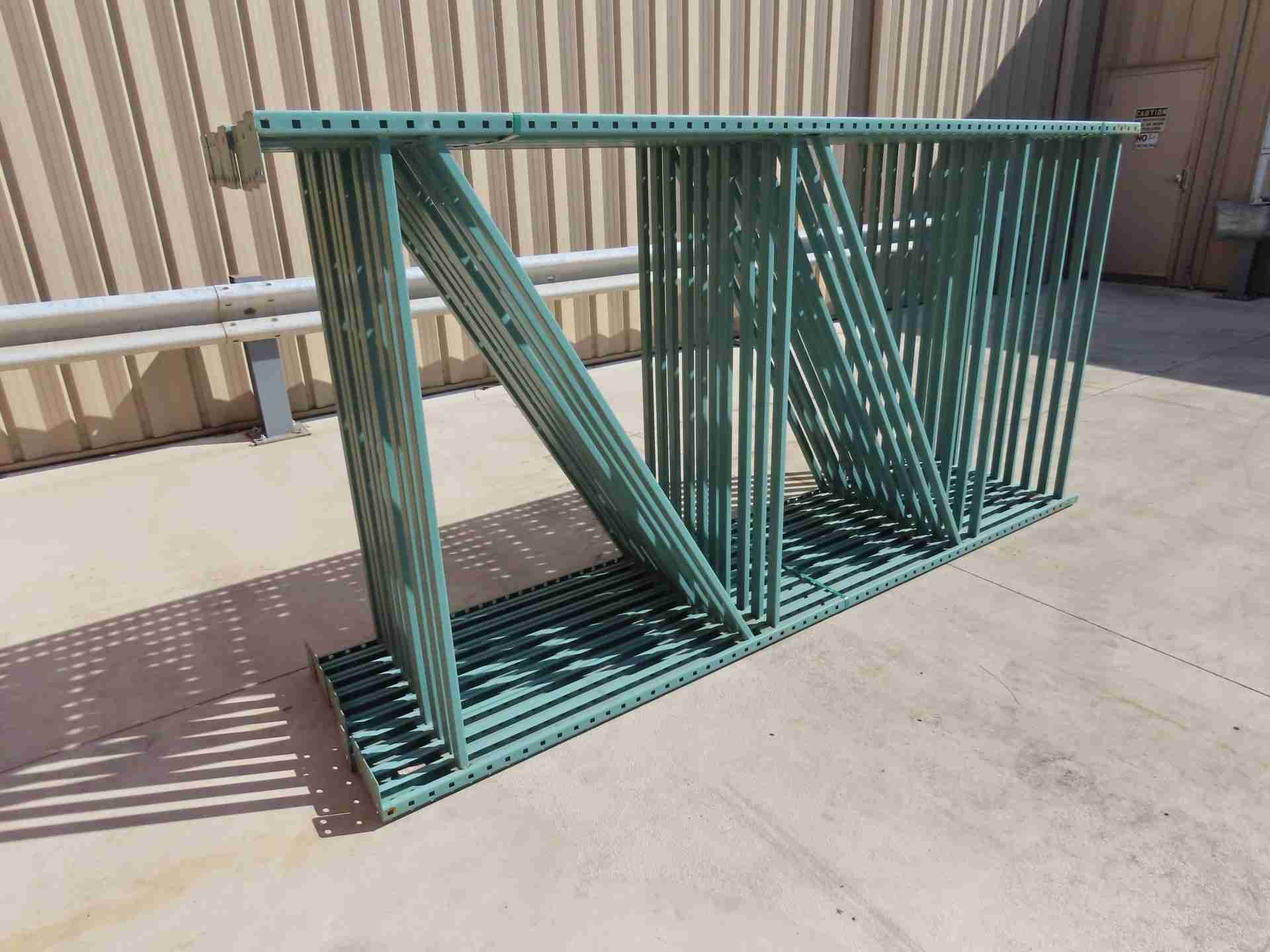
Checklist
At RackingWorld, we help guide you through selecting warehouse storage systems and racking.
Be sure to read our other related stories at RackingWorld to learn more about warehouse storage systems.
0 Comments