
Maximizing Warehouse Life With Proper Maintenance
By Tom Seest
At RackingWorld, we help guide you through selecting warehouse storage systems and racking.
Be sure to read our other related stories at RackingWorld to learn more about warehouse storage systems.
How Does Maintenance Play In Warehouse Storage Longevity?
When it comes to warehouse storage systems, particularly pallet racking, maintenance is the unsung hero of longevity. Think about it: your pallet racking is akin to the backbone of your operation. Just like a fitness regimen keeps your body strong, regular maintenance ensures your racking system remains robust and reliable. Ignoring maintenance is like skipping workouts—it may seem harmless in the short run, but eventually, it leads to a deterioration you can’t ignore.
Imagine the chaos of a collapsed pallet rack. Products tumbling to the ground, potential injuries lurking in every corner, and the looming threat of costly downtime—it’s a scenario no warehouse manager wants to face. Yet, many underestimate the importance of routine checks and upkeep, often until it’s too late. You wouldn’t drive your vehicle without regular tune-ups; your pallet racking deserves the same level of care.
Investing in a well-planned maintenance schedule is not merely wise—it’s crucial. Regular inspections can reveal wear and tear, identify potential hazards, and rectify issues before they escalate into catastrophic failures. Easy fixes today save you headaches tomorrow. Plus, a well-maintained pallet racking system can enhance your overall operational efficiency. It reduces the risk of accidents and product damage, thereby fostering a safer workplace environment and reinforcing employee confidence in their surroundings.
Let’s get relatable for a moment. Have you ever tried to assemble IKEA furniture without reading the instructions first? You might stumble through it, but would you trust it to last? Just as you’d follow those carefully laid out steps to ensure your furniture stands strong, you should apply the same meticulousness to your warehouse storage systems.
Don’t wait for a meltdown. Establish a proactive maintenance plan now—one that includes routine inspections, immediate repairs, and staff training on best practices. Create a culture of care around your pallet racking. When your team knows the importance of maintenance, it fosters a sense of responsibility and pride.
So, ask yourself: is your current approach to maintaining your pallet racking proactive or reactive? The answer could very well define the future longevity of your warehouse storage. Choose wisely, invest in maintenance, and watch your operations thrive. After all, longevity isn’t just about survival—it’s about thriving in a competitive landscape.

How Does Maintenance Play In Warehouse Storage Longevity?
How Does Maintenance Play In Warehouse Storage Longevity?
- Maintenance is essential for the longevity of pallet racking systems, acting as the backbone of warehouse operations.
- Neglecting maintenance can lead to serious issues, including structural failures and workplace injuries.
- Routine inspections help identify wear and tear, reducing the risk of catastrophic failures and enhancing operational efficiency.
- A well-maintained racking system fosters a safer workplace environment and boosts employee confidence.
- Implementing a proactive maintenance plan is crucial, including routine checks, immediate repairs, and staff training.
- Cultivating a culture of care around maintenance encourages responsibility and pride among team members.
- Your approach to maintenance can significantly impact the longevity and success of warehouse operations in a competitive landscape.

How Does Maintenance Play In Warehouse Storage Longevity?
Table Of Contents
- How Does Maintenance Play In Warehouse Storage Longevity?
- What Is The Role Of Maintenance In Warehouse Efficiency?
- How Often Should Maintenance Be Performed On Storage Systems?
- What Are The Signs Of Wear And Tear In Warehouse Storage?
- How Can Preventive Maintenance Extend Storage System Lifespan?
- What Maintenance Practices Improve Safety In Warehouses?
- How Do Environmental Factors Affect Storage Maintenance Needs?
- Conclusion
- Other Resources
- Glossary Of Terms
- Other Questions
- Checklist
What Is The Role Of Maintenance In Warehouse Efficiency?
Picture a bustling warehouse, humming with activity, where every pallet racking system is operating at peak performance. Now imagine that same facility plagued with inefficiencies due to neglected maintenance. Suddenly, that efficient ballet of supply chain logistics turns chaotic, and productivity stalls. This stark contrast underscores the pivotal role of maintenance in warehouse efficiency and overall business success.
Maintenance may not be the most glamorous aspect of warehouse operations, but it’s undeniably the lifeblood that keeps the wheels turning. At its core, maintenance is about more than just fixing what’s broken; it’s about proactively investing in the longevity and reliability of your assets. When you dedicate time and resources to properly maintaining your pallet racking and equipment, you’re essentially fortifying your warehouse against disruptions that can lead to costly downtime.
Imagine the scenario where your pallet racking system collapses due to a hidden issue that went unchecked. The immediate aftermath is not just repair costs but also potential losses from delays and disrupted supply chains. Regular maintenance helps identify and address these issues before they escalate, safeguarding your operations and ultimately your bottom line. It’s like giving your warehouse a health check-up, ensuring everything from your forklifts to your shelving systems are in tip-top shape.
Moreover, let’s consider the impact on your workforce. A well-maintained environment fosters a sense of security and boosts morale. Employees are more productive and engaged when they can trust the equipment they rely on daily. This feeling of safety translates into increased efficiency, as your team can work with confidence, focus, and a reduced risk of workplace incidents.
Additionally, let’s not forget the financial implications. Prioritizing maintenance reduces the chances of costly emergencies and extends the lifespan of your assets. Think of it as a smart investment rather than an expense. In a world where operational efficiency can make or break a company, why gamble with something as critical as your infrastructure?
Maintenance in a warehouse is not just a task—it’s a strategic approach that shapes efficiency, safety, and profitability. By committing to regular maintenance of your pallet racking and other essential systems, you’re choosing a path that leads to sustained success. So, take action today. Schedule that maintenance check, invest in training for your team, and watch as your warehouse transforms into a well-oiled machine, capable of tackling whatever challenges the future may hold.

What Is The Role Of Maintenance In Warehouse Efficiency?
What Is The Role Of Maintenance In Warehouse Efficiency?
- Maintenance is crucial for maintaining warehouse efficiency and business success.
- It’s more than just fixing broken items; it’s about investing in the longevity of assets.
- Regular maintenance prevents disruptions that can lead to costly downtime.
- A collapse of pallet racking due to negligence can result in repair costs and supply chain delays.
- A well-maintained environment boosts employee morale and productivity.
- Prioritizing maintenance reduces the likelihood of emergencies and extends asset lifespan.
- Regular maintenance is a strategic approach that enhances efficiency, safety, and profitability.

What Is The Role Of Maintenance In Warehouse Efficiency?
How Often Should Maintenance Be Performed On Storage Systems?
If you’ve invested time and money into your warehouse operations, you know that maintaining your storage systems is as crucial as the initial setup itself. Think of your pallet racking as the backbone of your business. It holds your inventory; it sustains your productivity. But just like any backbone, it requires regular care and attention to keep standing strong.
So, how often should you schedule maintenance for your pallet racking? The answer is simple: regularly and proactively! A best practice is to implement a thorough inspection at least once a year. However, what’s even more effective is to conduct these checks quarterly. Why? Because the environment in a warehouse can be unpredictable; everything from heavy loads to temperature swings can take a toll on your storage systems.
Not convinced? Let’s break it down. Regular maintenance isn’t just about compliance; it’s about safety. Considering that pallet racking can hold significant weight, ensuring that your systems are free of structural weaknesses and damages is paramount to prevent accidents. A simple inspection can identify potential issues before they escalate, safeguarding your employees and vosititors from harm—which is a win-win for all.
Additionally, think of maintenance as an investment into your operational efficiency. Performing checks and maintenance on your pallet racking can have unexpected benefits—think of reduced downtime, enhanced workflow, and even improved staff morale. When your systems are up to par, your team can focus on what really matters: getting the job done efficiently and effectively.
But the conversation doesn’t stop there. Be proactive. Create a checklist for your maintenance tasks. This can include examining the frames for any signs of wear, checking for loose bolts, and ensuring that load limits are clearly marked and adhered to. Don’t just pay lip service to safety—make it a core value within your organization.
Investing in your pallet racking maintenance not only extends the lifespan of your equipment but also fosters a culture of responsibility and safety among your staff. By committing to regular maintenance, you are not only protecting your assets but also cultivating a workplace that values excellence. Remember, the better you care for your storage systems, the better they’ll care for your inventory—and in turn, your bottom line.
Don’t wait for a problem to arise. Make maintenance a part of your routine, and watch your operations thrive!

How Often Should Maintenance Be Performed On Storage Systems?
How Often Should Maintenance Be Performed On Storage Systems?
- Regular maintenance of pallet racking is essential for sustaining productivity and safety.
- Conduct thorough inspections at least once a year, with quarterly checks for better results.
- Maintenance helps identify structural weaknesses and damages, preventing accidents and ensuring safety.
- Regular checks can lead to reduced downtime, enhanced workflow, and improved staff morale.
- Create a maintenance checklist, including tasks like inspecting frames and checking load limits.
- Investment in maintenance extends equipment lifespan and fosters a culture of safety and responsibility.
- Making maintenance routine can significantly improve operational efficiency and protect your bottom line.

How Often Should Maintenance Be Performed On Storage Systems?
What Are The Signs Of Wear And Tear In Warehouse Storage?
In the dynamic world of warehouse management, ensuring that your operational backbone—such as pallet racking—is in top condition is crucial for efficiency and safety. Just like a well-tuned engine drives a car, properly maintained storage systems propel your business forward. But how do you recognize the signs that your beloved pallet racking may be showing its age? Let’s dive in!
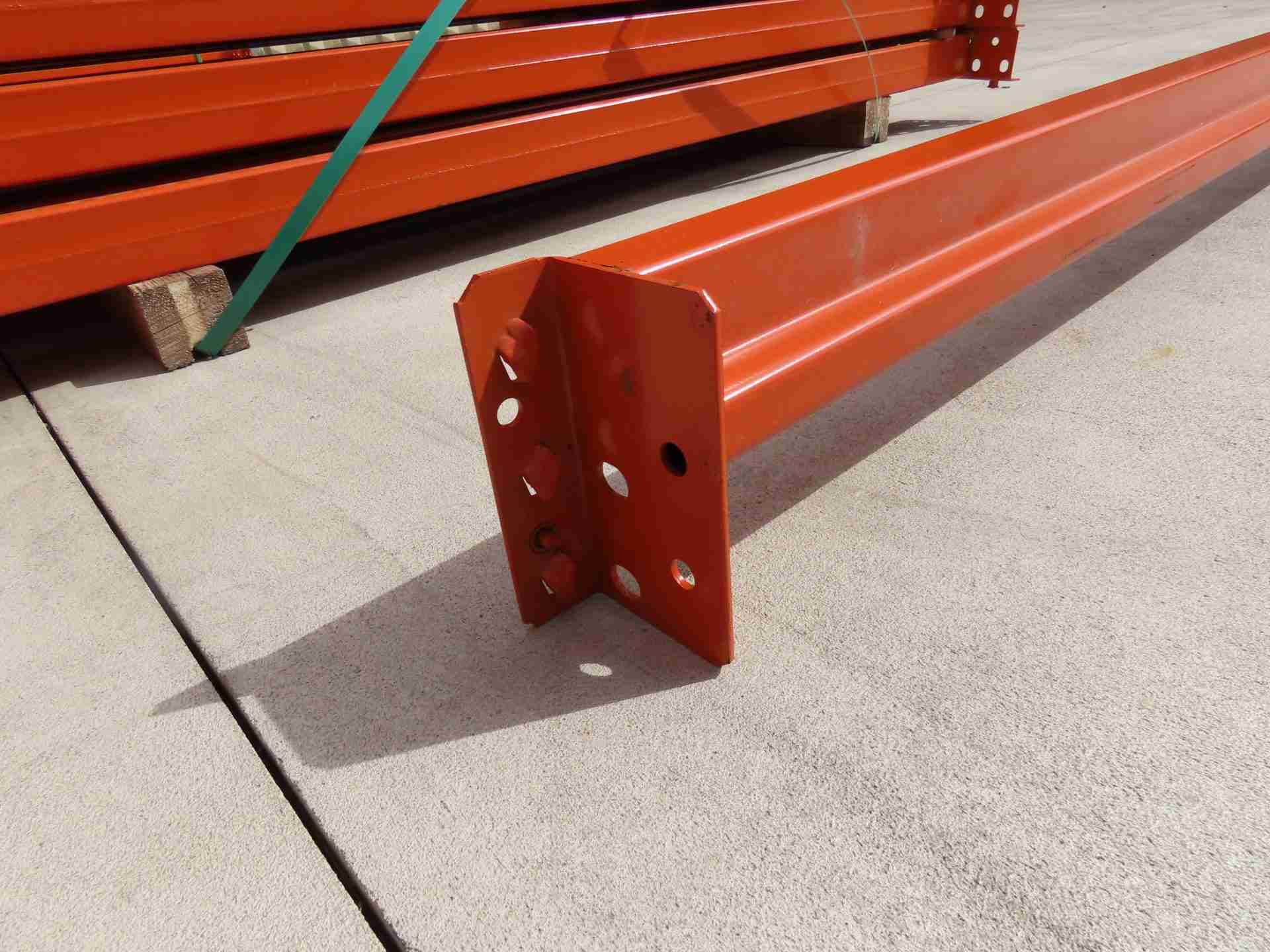
First and foremost, keep an eye on the structural integrity of your pallet racking. Are there visible bends or dents in the beams? A bent beam can spell disaster not only for your operations but also for the safety of your team. Remember, a strong foundation is vital. If you spot any deformation, it’s a red flag that demands immediate attention.
Next, consider the bolts and connectors. Worn or rusted hardware is not just an eye sore; it can greatly compromise the strength and stability of your racking system. A missing or damaged bolt could mean the difference between a secure operation and a catastrophic collapse. Regular inspections are essential, and don’t hesitate to tighten or replace any hardware that shows significant wear.
Don’t overlook the pallets themselves. Cracked, broken, or rotting pallets can put your products at risk and lead to costly accidents or product damage. Visual checks for wear and a routine cycle for replacing worn-out pallets can save you headaches down the road. You wouldn’t want to invest in high-quality inventory only to have it damaged due to improper storage conditions.
Then there’s the environmental aspect. Moisture can wreak havoc on your pallet racking over time. Signs of corrosion or rust on your racks, especially in warehouses that handle materials prone to humidity, could indicate that your racks need a protective upgrade or re-coating. Keeping your racking dry and well-ventilated goes a long way in prolonging its lifespan.
Lastly, be aware of any changes in your inventory flow. If some areas of your warehouse are becoming cluttered or products aren’t moving efficiently, it might suggest that your pallet racking system is no longer serving its purpose effectively. Adaptability in your storage system is key to maximizing productivity.
Awareness is the first step to action. By keeping a vigilant eye on these signs of wear and tear, you can maintain a safer, more efficient warehouse. Remember, taking prompt action today can save you substantial costs tomorrow! Your operation depends on it—let’s make sure it runs like the well-oiled machine it ought to be.

What Are The Signs Of Wear And Tear In Warehouse Storage?
What Are The Signs Of Wear And Tear In Warehouse Storage?
- Maintaining the structural integrity of pallet racking is crucial for operational efficiency and safety.
- Look for visible bends, dents, or deformations in beams as they are red flags indicating the need for immediate attention.
- Inspect bolts and connectors regularly for wear or rust; damaged hardware can compromise stability.
- Ensure pallets are in good condition; cracked or broken pallets can lead to product damage and costly accidents.
- Monitor environmental factors like moisture, which can cause corrosion or rust, necessitating protection or re-coating.
- Be aware of changes in inventory flow; cluttered areas may indicate that the racking system is not functioning effectively.
- Regular inspections and prompt action can maintain a safer, more efficient warehouse, ultimately saving costs.

What Are The Signs Of Wear And Tear In Warehouse Storage?
How Can Preventive Maintenance Extend Storage System Lifespan?
Picture this: your business runs smoothly, orders are fulfilled on time, and your warehouse operates like a well-oiled machine. But what if I told you that underneath that shiny efficiency lies an invisible threat? Yes, I’m talking about the silent degradation of your storage systems—specifically your pallet racking.
Now, consider your pallet racking as the backbone of your storage solution. It’s not just a bunch of metal shelves stacked high; it’s a critical investment that holds your business’s growth potential. And just like any other valuable asset, without proper care and attention, it can quickly spiral into a problem. So, here’s where preventive maintenance comes into play.
Imagine a world where your pallet racking doesn’t only last longer but also performs better. Preventive maintenance is not just a checklist; it’s a commitment to the longevity and reliability of your storage system. Regular inspections and maintenance routines can identify issues before they escalate into costly failures. Think of it—one minor repair today can save you thousands tomorrow.
By cultivating a routine of checking for wear and tear such as rust, bent beams, or loose bolts, you directly protect your investment. And let’s be clear—this isn’t just about extending the lifespan of your equipment; it’s about safeguarding your operations. A failed pallet racking system can lead to accidents, downtime, and nightmares of lost productivity. When you prioritize maintenance, you are protecting your employees and your inventory, creating an environment of safety and security that fosters trust and confidence.
Moreover, consider the cost savings. The expenses associated with emergency repairs, replacements, or worse, accidents, can break your budget. But with preventive maintenance, you can budget smartly and allocate resources toward growth rather than recovery.
In a world filled with uncertainties, don’t leave your storage systems to chance. Take proactive steps that ensure your pallet racking serves you well for years to come. It’s not just an option; it’s a necessity if you aim for sustainable growth and operational excellence.
Invest in preventive maintenance today, and witness a seamless experience that promises efficiency, safety, and peace of mind. Your future self—and your bottom line—will thank you!

How Can Preventive Maintenance Extend Storage System Lifespan?
How Can Preventive Maintenance Extend Storage System Lifespan?
- Pallet racking is the backbone of storage solutions, essential for business growth.
- Preventive maintenance is crucial for the longevity and reliability of pallet racking systems.
- Regular inspections can identify potential issues before they lead to costly failures.
- Routine checks for wear and tear protect investments and maintain operational safety.
- Emergency repairs and accidents can be costly; preventive maintenance helps save budget resources.
- Proactive maintenance ensures pallet racking performs well over time, supporting sustainable growth.
- Investing in preventive maintenance leads to improved efficiency, safety, and peace of mind for your business.

How Can Preventive Maintenance Extend Storage System Lifespan?
What Maintenance Practices Improve Safety In Warehouses?
When it comes to the safety of your warehouse, let’s get one thing straight: safety isn’t just a checkbox at the end of a to-do list. It’s a continuous commitment, interwoven into the fabric of your daily operations. One of the pivotal elements in ensuring a safe working environment is the rigorous maintenance of your pallet racking systems. These towering structures hold the weight of your inventory, but poor upkeep can lead to disastrous consequences.
Picture this: your warehouse bustling with employees, palettes of products stacked high, and everything seemingly in order. But what happens when a small issue with your pallet racking goes unnoticed? That minor dent, a loose bolt, or compromised frame can cascade into a dangerous situation faster than you can say “safety inspection.” Regular maintenance practices can block these potential hazards before they unravel into accidents.
So, what exactly do you need to keep an eye on? First and foremost, establish a routine inspection schedule. This isn’t just about checking to see if things look okay—it’s about ensuring your pallet racking is structurally sound. Utilize a detailed checklist that includes inspecting welds, checking for signs of wear and tear, and ensuring that the load capacities are adhered to at all times. Educate your team on these checks; after all, safety is everyone’s responsibility.
Next, don’t underestimate the power of training. Equip your employees with the skills and knowledge they need to recognize issues before they escalate. By fostering a culture of safety, where your team feels empowered to speak up about maintenance concerns, you’re not just cutting down risks; you’re building trust. Employees who feel trusted are healthier, happier, and more committed to their work.
And let’s not forget about organization. A cluttered warehouse is a recipe for disaster. Implement strategies to keep aisles clear and pallets organized. This not only improves efficiency but also significantly reduces the chance of accidents. The clearer the space, the safer the space.
Finally, partner with professionals for routine audits. Bringing in outside experts can provide a fresh perspective on safety and maintenance, ensuring that no stone is left unturned in your quest for a secure warehouse.
Remember, the goal isn’t just to avoid accidents; it’s to create a space where your employees feel confident and empowered. Trust, commitment, engagement—these are the hallmarks of a truly safe warehouse. Your team and your bottom line will thank you!

What Maintenance Practices Improve Safety In Warehouses?
What Maintenance Practices Improve Safety In Warehouses?
- Safety is an ongoing commitment integrated into daily warehouse operations.
- Rigorous maintenance of pallet racking systems is crucial to prevent accidents.
- Establish a routine inspection schedule to ensure the structural soundness of pallet racking.
- Utilize a detailed checklist for inspections, including welds, wear and tear, and load capacities.
- Train employees to recognize maintenance issues, fostering a culture of safety and trust.
- Maintain organization by keeping aisles clear and pallets orderly to reduce accidents.
- Partner with professionals for routine audits to enhance safety measures and oversight.

What Maintenance Practices Improve Safety In Warehouses?
How Do Environmental Factors Affect Storage Maintenance Needs?
Have you ever strolled through a warehouse and noticed how meticulously everything is organized? That’s not just a happy coincidence—every inch of that space is a carefully crafted decision influenced by various environmental factors. Understanding these factors isn’t just for warehouse managers; it’s for anyone who wants to harness the full potential of their storage solutions, including pallet racking.
Imagine this: you’ve invested in top-notch pallet racking to maximize your vertical space and keep your products organized. But have you taken the time to consider your surroundings? Temperature fluctuations, humidity levels, and even airborne contaminants can wreak havoc on your equipment and inventory. If you’re located in a humid area, for instance, the moisture in the air can promote rust, leading to potential structural issues. Similarly, extreme temperature changes can cause materials to expand and contract, which may compromise the integrity of your pallet racking over time.
Now, let’s talk about trust and confidence. You’ve spent good money on your storage systems—why not protect that investment? Just as you wouldn’t drive a car without regular maintenance checks, your storage maintenance needs should evolve based on these environmental factors. Create a regular assessment schedule that includes inspecting your pallet racking for signs of wear and tear. This proactive approach not only saves you money in the long run but also ensures that your safety and efficiency are never compromised.
Don’t forget about the role of cleaning and upkeep in this equation! Dust and debris can accumulate, affecting not only your pallet racking but also the air quality in your storage area. A clean environment not only looks better but functions better too. Trust us—your products will thank you.
So, what’s the takeaway here? The environment is more than just a backdrop; it’s an active participant in the lifecycle of your storage solutions. By recognizing how environmental factors affect your storage maintenance needs, you’re setting the stage for a seamless operation. Empower your business with the knowledge to adapt and thrive. Embrace these insights to take full control over your storage space and keep your operations running smoothly. Don’t wait for problems to emerge; act now and watch your efficiency soar. Your pallet racking—and your bottom line—will benefit immensely.

How Do Environmental Factors Affect Storage Maintenance Needs?
How Do Environmental Factors Affect Storage Maintenance Needs?
- Warehouse organization is influenced by various environmental factors that affect storage solutions, including pallet racking.
- Environmental conditions like temperature fluctuations and humidity can damage equipment and inventory, particularly in humid areas that promote rust.
- Extreme temperature changes can cause materials to expand and contract, risking the structural integrity of pallet racking.
- Regular maintenance checks are essential for storage systems to protect investments and ensure safety and efficiency.
- Routine assessments should include inspecting pallet racking for wear and tear, helping to save costs in the long run.
- Cleaning and upkeep improve air quality and functionality within the storage area, leading to better product care.
- Recognizing the impact of environmental factors on storage maintenance is crucial for seamless operations and overall business efficiency.

How Do Environmental Factors Affect Storage Maintenance Needs?
Conclusion
Conclusion: Protecting Your Warehouse’s Lifeblood Through Proactive Maintenance
In today’s fast-paced industrial landscape, the significance of proper maintenance in safeguarding your pallet racking systems cannot be overstated. Just as a well-planned training regimen strengthens our bodies, regular upkeep fortifies your warehouse’s backbone—its storage systems. The message is clear: ignoring maintenance is a risky gamble that can lead to catastrophic failures, costly downtime, and potentially dangerous workplace incidents.
By investing in a robust maintenance plan, you’re not just extending the life of your racking systems; you’re fostering an environment of efficiency and safety that can enhance your bottom line. With regular inspections, you catch small issues before they escalate into major problems, thus avoiding the chaos of a collapsed rack and the accompanying fallout. Your team deserves a safe workspace, and a healthy racking system delivers just that—boosting morale and productivity.
Consider maintenance not as an expense, but as a strategic investment that propels your operation toward long-term success. Whether it’s conducting quarterly checks or implementing a comprehensive checklist for wear and tear, taking proactive steps will ensure your pallet racking remains in optimal condition. Clean, well-organized warehouses aren’t just more efficient; they foster a culture of responsibility that resonates with your employees. They feel at ease knowing they are working in a space where safety is prioritized.
But here’s where urgency kicks in. Don’t wait until a minor issue becomes a hefty repair bill. Think of the long-term costs associated with neglecting your systems—lost productivity, compromised safety, and the chaos of emergency repairs. Instead, make maintenance a non-negotiable part of your routine. Act on this knowledge, and schedule your maintenance checks today!
For tailored solutions, expert advice, and unbeatable service, call Arrow Industrial Sales at (574) 349-6575. Don’t let your warehouse be a statistic of neglect; take charge now to ensure safety, efficiency, and longevity. Remember, in the world of warehouse management, maintenance isn’t just a task—it’s the lifeline that enables your operation to thrive amidst competition. Give your business the gift of longevity with a focus on proactive maintenance today!

Conclusion
Conclusion:
- Proper maintenance of pallet racking systems is crucial for warehouse safety and efficiency.
- Regular upkeep prevents catastrophic failures, costly downtime, and dangerous incidents.
- Investing in maintenance enhances the lifespan of racking systems and boosts operational efficiency.
- Conducting regular inspections helps identify small issues before they escalate into major problems.
- Maintenance should be viewed as a strategic investment rather than an expense to ensure long-term success.
- Delayed maintenance can result in lost productivity, compromised safety, and expensive emergency repairs.
- For expert advice and tailored solutions, contact Arrow Industrial Sales.

Conclusion
Other Resources
Other Resources
Here is a list of other resources you can review online to learn more:
- Interlake
- What is Selective Pallet Racking
- ASSP
- Interlake Mecalux
- SEMA
- Pallet Racking systems in Illinois and Great Lakes
- Material Handling Industry
- MHI
- American Society of Safety Professionals
- Used Pallet Rack for Sale in Illinois – American Surplus
Use This Prompt To Get More Resources With Your Favorite Online AI Tool: Please provide me with a list of online articles with their URLs in a bulleted list that I can read regarding How Does Maintenance Play In Warehouse Storage Longevity?

Other Resources
Glossary Terms
How Does Maintenance Play In Warehouse Storage Longevity? – Glossary Of Terms
1. Maintenance: The process of keeping equipment and facilities in good condition through regular checking, servicing, and repairs.
2. Preventive Maintenance: Scheduled maintenance activities aimed at reducing the likelihood of equipment failure and prolonging its lifespan.
3. Reactive Maintenance: Maintenance that occurs after equipment has failed or broken down, often resulting in increased downtime.
4. Inventory Management: The supervision of ordering, storing, and using a company’s inventory, essential for maintaining orderliness in storage.
5. Storage Solutions: Methods and systems employed to store inventory efficiently and safely, including shelving, pallets, and racking systems.
6. Forklift Maintenance: Regular servicing of forklifts to ensure safe and efficient operation in moving goods within the warehouse.
7. Safety Inspections: Routine checks performed to identify hazards and ensure compliance with safety regulations, vital for employee safety and equipment integrity.
8. Warehouse Layout: The physical arrangement of the warehouse, influencing workflow efficiency and maintenance access.
9. Durability: The ability of storage systems and equipment to withstand wear and continue functioning effectively over time.
10. Asset Management: The systematic process of developing, operating, maintaining, and selling assets in a way that balances costs, risks, and performance.
11. Condition Monitoring: Ongoing inspection of equipment performance to detect irregularities early and plan maintenance accordingly.
12. Cleaning Regimen: Scheduled cleaning processes for storage areas to prevent dust accumulation that could harm equipment or inventory.
13. Pallet Racking Systems: Structures used to store pallets of products that require regular maintenance for safety and efficiency.
14. Shelf Life: The length of time that stored products remain usable or saleable, impacting how maintenance is scheduled.
15. Operational Efficiency: The ability to maximize outputs while minimizing inputs, often enhanced by proper maintenance.
16. Downtime: Periods when equipment or systems are not operational due to maintenance, repairs, or failures, affecting productivity.
17. Equipment Lifecycle: The stages that equipment goes through from acquisition to disposal, guiding maintenance planning and investment.
18. Compliance Standards: Regulations and guidelines that warehouses must adhere to regarding safety, operations, and maintenance practices.
19. Environmental Controls: Systems that monitor and regulate temperature, humidity, and air quality in storage areas to preserve product quality.
20. Inventory Turnover: The rate at which inventory is sold and replaced over a period, influencing storage practices and maintenance needs.
21. Warehouse Automation: The use of technology and machinery to handle storage and retrieval tasks, which requires ongoing maintenance.
22. Duty Cycle: The frequency and intensity of usage of equipment, impacting maintenance schedules based on wear and tear.
23. Inspection Protocols: Specific procedures established to regularly examine equipment and storage areas for potential issues.
24. Cost-Benefit Analysis: Evaluating the costs of maintenance activities against the benefits gained from improved efficiency and reduced downtime.
25. Spare Parts Management: The practice of maintaining an inventory of spare parts to ensure prompt repairs and minimize equipment downtime.
26. Forklift Inspection Checklist: A list of items to examine during a forklift maintenance check, ensuring compliance with safety regulations.
27. Workflow Optimization: Streamlining processes within the warehouse to improve efficiency and ease of maintenance.
28. Damage Report: Documentation of any damages to inventory or equipment, essential for scheduling maintenance and repairs.
29. Training Programs: Educational sessions aimed at teaching staff proper handling, storage techniques, and maintenance practices.
30. Technology Integration: The adoption of software and tools to assist in planning and managing warehouse maintenance activities and tracking performance.

Glossary Of Terms
Other Questions
How Does Maintenance Play In Warehouse Storage Longevity? – Other Questions
If you wish to explore and discover more, consider looking for answers to these questions:
- What specific maintenance tasks should be included in a maintenance schedule for pallet racking?
- How can technology assist in warehouse maintenance and management?
- What are the potential costs associated with neglecting maintenance?
- Are there industry standards or regulations regarding warehouse maintenance?
- How do I train my staff effectively on maintenance best practices?
- What equipment and tools are necessary for performing warehouse maintenance?
- How do different types of pallet racking systems impact maintenance needs?
- What are the legal implications of not maintaining warehouse equipment?
- What role does weather play in the maintenance of warehouse storage systems?
- How can we assess and improve the safety culture within our warehouse?
- What signs indicate that it’s time to replace pallet racking instead of repairing it?
- How do maintenance practices differ between new and older warehouse systems?
- What impact does regular maintenance have on inventory management?
- Can outsourcing maintenance be more cost-effective than in-house maintenance?

Other Questions
Checklist
How Does Maintenance Play In Warehouse Storage Longevity? – A Checklist
Warehouse Storage Maintenance Checklist: Ensuring Longevity and Efficiency
This handy checklist is designed to help you implement effective maintenance practices for your warehouse storage systems, ensuring longevity, efficiency, and safety. Use this guide regularly to keep your pallet racking and other storage solutions in top shape!
Regular Inspection Schedule
_____ Conduct Inspections: Schedule inspections at least quarterly (or more frequently if conditions demand).
_____ Record Keeping: Maintain a log of inspections, findings, and actions taken.
Structural Integrity Checks
_____ Check for Bends/Dents: Inspect beams and frames for any visible bends or dents.
_____ Examine Bolts and Connectors: Look for rust, wear, or missing hardware that may compromise stability.
_____ Inspect Pallets: Regularly check pallets for cracks, breaks, or rotting that could jeopardize products.
Safety Practices
_____ Load Capacity Display: Ensure that load limits are clearly marked and adhered to on all racking systems.
_____ Educate Staff: Provide training on recognizing maintenance issues and stress the importance of safety.
_____ Implement Clear Aisles: Keep aisles and storage areas organized and free from clutter.
Maintenance Actions
_____ Repair Issues Promptly: Address any identified issues immediately to prevent escalation.
_____ Preventive Maintenance: Create a checklist for routine maintenance tasks (e. g. , tightening bolts, lubricating parts).
Environmental Considerations
_____ Assess Humidity and Temperature: Regularly check how environmental factors may affect your storage systems.
_____ Cleaning Protocol: Develop a routine cleaning schedule to remove dust and debris.
Employee Engagement
_____ Foster a Safety Culture: Encourage employees to report maintenance concerns and promote a culture of safety.
_____ Conduct Periodic Training: Offer refresher courses on safety and maintenance for all warehouse staff.
Professional Support
_____ Seek Expert Audits: Schedule routine audits with third-party professionals for an unbiased evaluation of safety and maintenance.
Review and Adapt
_____ Monthly Review: Hold monthly meetings to discuss maintenance practices and adjust your strategies as needed based on inspection results and environmental changes.
Feel free to print this checklist or share it with your team to maintain focus on the importance of warehouse maintenance. Regular attention to these details can significantly enhance the longevity and functionality of your warehouse storage systems!
Checklist
At RackingWorld, we help guide you through selecting warehouse storage systems and racking.
Be sure to read our other related stories at RackingWorld to learn more about warehouse storage systems.
0 Comments