
Uncover The Hidden Potential In Your Warehouse Operations
By Tom Seest
At RackingWorld, we help guide you through selecting warehouse storage systems and racking.
Be sure to read our other related stories at RackingWorld to learn more about warehouse storage systems.
How Many Lost Opportunities Haunt The Halls Of Your Warehouse?
The Hidden Costs of Missed Potential
Picture this: your warehouse is humming with activity, yet beneath the hustle, there’s a quiet but palpable tension, a whisper of lost opportunities echoing through your pallet racking. Sound familiar? You’re not alone. Many warehouse managers find themselves constantly battling inefficiencies, struggling against the barriers that prevent optimal flow and productivity. The shelves are stacked high with goods, yes, but is your layout truly maximizing the potential of those assets?
Every inch of your pallet racking could be a fertile ground for profit, but are you using it wisely? Instead of merely storing inventory, think of your warehouse as a dynamic system that needs to be fine-tuned regularly. The true cost of inefficiency often hides in plain sight. It could be that easy access to essential items is stifled by a lack of organization. Or perhaps the lack of smart racking solutions stunts your team’s ability to fulfill orders swiftly—each delay costing you time and money.
Without scrutinizing your pallet racking configurations, how will you identify those “aha” moments? Evaluate your layout not just on logistical grounds but also from a strategic perspective. Are you utilizing vertical space effectively? Are your fast-moving items easily accessible? These are not just questions; they are calls to action. Transforming the way you think about your warehouse could unlock a treasure trove of efficiency.
Moreover, a neglected warehouse can create an overwhelmingly frustrating environment, lowering morale and disengaging the workforce. Think about it: how inspired is a worker who must navigate an unnecessary maze of poorly organized shelves? When employees can swiftly locate and retrieve items, satisfaction rises, along with productivity.
It’s time to turn those haunting whispers of missed opportunities into clear, actionable strategies. Design a layout that promotes rapid retrieval and minimizes wasted motion. Invest in better pallet racking solutions that facilitate movement and airflow, making your warehouse not just a storage facility but a thriving hub of activity.
Remember, the journey to operational excellence begins with that first step of reassessing your configuration. Eliminate the lost opportunities that cling to the corners of your pallet racking and embrace a more efficient future. Your customers, your employees, and your bottom line will thank you. Take action today—what’s stopping you?

How Many Lost Opportunities Haunt The Halls Of Your Warehouse?
How Many Lost Opportunities Haunt The Halls Of Your Warehouse?
- Many warehouse managers face inefficiencies that hinder optimal flow and productivity.
- It’s crucial to evaluate the effectiveness of pallet racking layouts beyond mere storage.
- Improper organization can lead to easy access issues, costing time and money per delay.
- Utilizing vertical space and making fast-moving items easily accessible are essential for efficiency.
- A disorganized warehouse can lower employee morale and engagement, affecting productivity.
- Investing in better pallet racking solutions encourages movement and enhances operational flow.
- Reassessing warehouse configuration is vital for eliminating lost opportunities and achieving operational excellence.
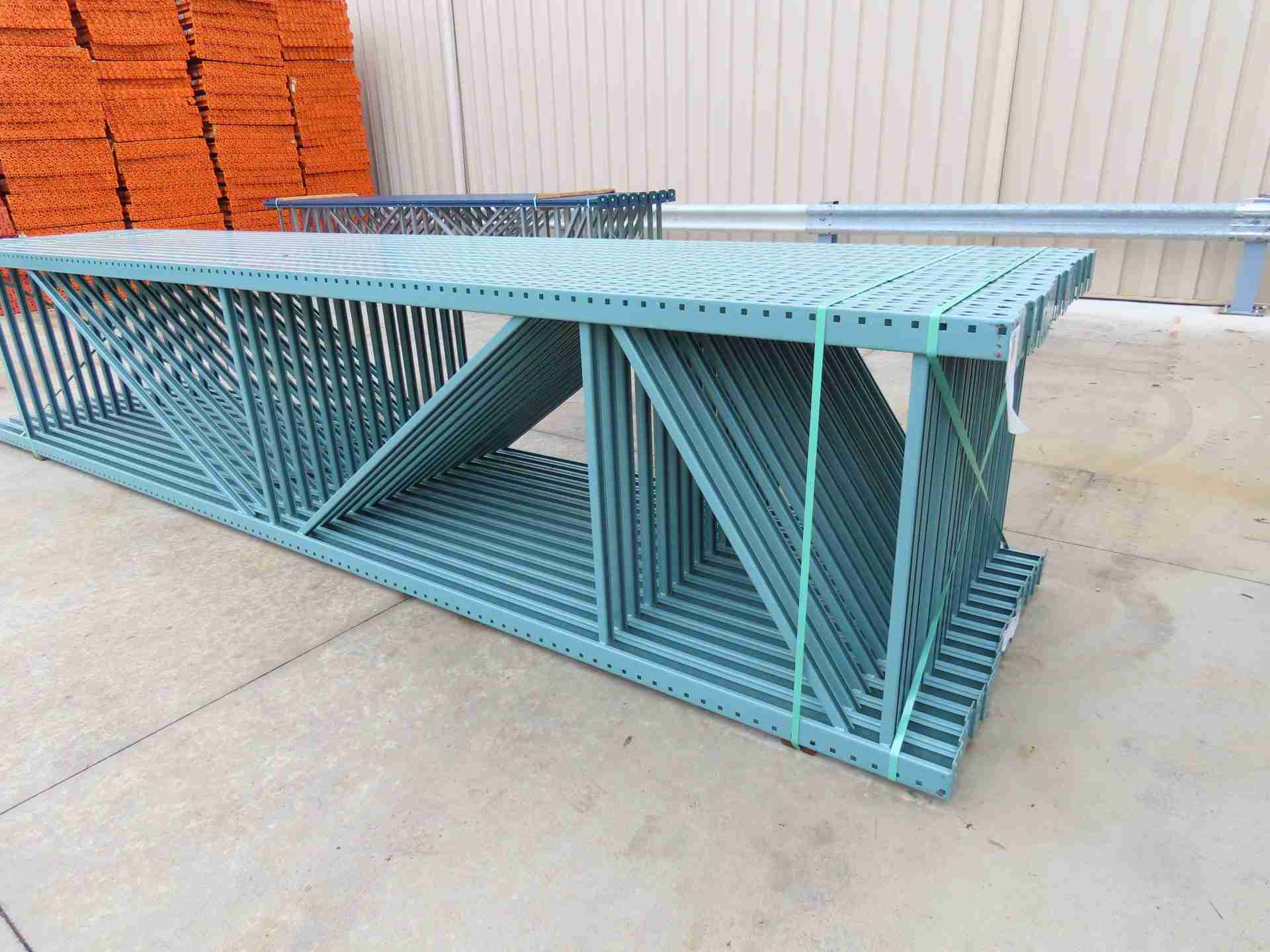
How Many Lost Opportunities Haunt The Halls Of Your Warehouse?
Table Of Contents
- How Many Lost Opportunities Haunt The Halls Of Your Warehouse?
- What Are The Common Signs Of Lost Opportunities In Warehouses?
- How Does Mismanagement Affect Warehouse Efficiency?
- What Role Does Inventory Tracking Play In Opportunity Loss?
- How Can Data Analytics Identify Lost Opportunities In Warehousing?
- What Are The Financial Implications Of Missed Opportunities?
- How Does Employee Training Impact Warehouse Productivity?
- Conclusion
- Other Resources
- Glossary Of Terms
- Other Questions
- Checklist
What Are The Common Signs Of Lost Opportunities In Warehouses?
As a warehouse manager, you juggle countless responsibilities every day, and lost opportunities can quietly slip through your fingers without you even noticing. How do you identify these inefficiencies before they cause significant damage to your bottom line? Let’s explore some common signs that may indicate you’re missing the boat.
First and foremost, take a look at your pallet racking systems. Are they disorganized or overflowing? A chaotic pallet racking setup not only wastes precious space but also leads to unnecessary picking delays. When your team spends more time searching for items than fulfilling orders, that’s a glaring sign that opportunities are slipping away. Streamlining your pallet racking system can save both time and money, allowing you to fulfill orders more promptly and keep customers happy.
Next, consider the flow of your warehouse. Is there a consistent backlog at certain points? Are some areas overly congested while others sit idly? In an effective warehouse, every square foot should serve a purpose, facilitating smooth transitions and nimble operations. If you observe bottlenecks forming, it could be a sign that your layout isn’t optimized, leading to lost opportunities in efficiency and productivity. Investing time to analyze your layout can open up a world of possibilities you didn’t know existed.
Also, don’t overlook the importance of inventory accuracy. Are your counts consistently off, leading to stockouts and overages? These inaccuracies can create chaos, alienate customers, and prompt costly order corrections. If your inventory management is akin to a game of chance, you must take this sign seriously. Implementing more robust tracking systems can dramatically reduce these errors—turning potential losses into opportunities to shine in your industry.
Lastly, employee engagement plays a pivotal role. Are your workers disengaged or expressing frustration? A lack of enthusiasm often signals deeper issues within the workflow. Invest time in listening to your team—they are on the front lines and can provide invaluable insights into what’s really happening. When employees feel heard and valued, their productivity skyrockets, and suddenly, lost opportunities transform into collaborative successes.
Don’t let lost opportunities be the silent killer of your warehouse performance. By closely monitoring these signs and taking action, you can reclaim control, enhance your operations, and set the stage for sustainable growth. You have the power to turn every missed opportunity into a doorway to success. Why wait? Embrace the change today!

What Are The Common Signs Of Lost Opportunities In Warehouses?
What Are The Common Signs Of Lost Opportunities In Warehouses?
- As a warehouse manager, lost opportunities can occur without notice.
- Disorganized or overflowing pallet racking systems waste space and cause picking delays.
- Warehouse flow issues, such as bottlenecks and congestion, indicate an unoptimized layout.
- Poor inventory accuracy leads to stockouts and overages, creating chaos and costly corrections.
- Employee engagement is crucial; disengaged workers may signal deeper workflow issues.
- Listening to employees can uncover insights that enhance productivity and operations.
- Monitoring these signs and taking corrective actions can improve warehouse performance and foster growth.
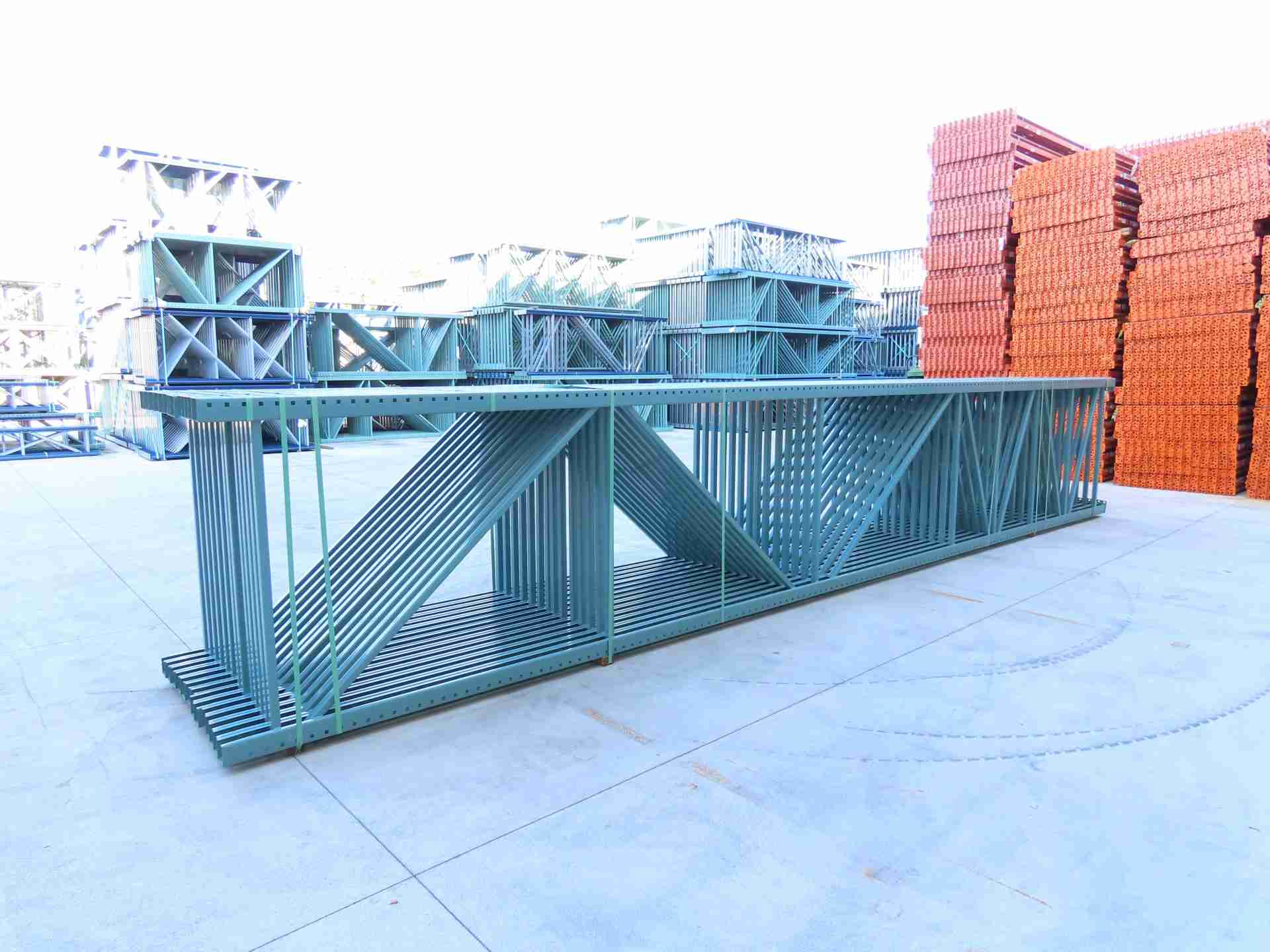
What Are The Common Signs Of Lost Opportunities In Warehouses?
How Does Mismanagement Affect Warehouse Efficiency?
Imagine walking into a warehouse that should be a well-oiled machine, only to find confusion reigning supreme. Is the layout a jigsaw puzzle with missing pieces? Are the workers overwhelmed, darting around like lost bees? If you’ve ever been in such a scenario, you know that mismanagement doesn’t just create chaos; it drains efficiency and profits faster than a leaking pallet racking system.
One of the greatest missteps in warehouse operations is neglecting the fundamentals of organization, and this starts with your pallet racking. Picture an out-of-sight, out-of-mind approach—where valuable inventory sits in chaos rather than being neatly stored and easily accessible. Without a well-structured racking system, your team spends more time searching for items rather than fulfilling orders swiftly. The result? Delayed deliveries, frustrated customers, and ultimately, a diminishing bottom line.
But let’s go deeper. Mismanagement doesn’t just stop at the physical layout—it’s a cascading effect that spreads through your entire team. When roles and responsibilities are unclear, morale dips. Employees can feel like they’re rowing a boat without direction. You might have the most sophisticated pallet racking systems, but without clear guidance on how to use them efficiently, those systems become largely irrelevant.
Integrating a solid management plan can turn things around in a flash. When everyone understands their roles and how they connect to the overall efficiency, the results are transformative. A well-coordinated effort means that your warehouse can achieve higher turnover rates, fewer errors, and enhanced employee satisfaction.
Doesn’t that sound appealing? Imagine empowering your team to take ownership and thrive in a well-structured environment. Instead of employees treading water, they’ll be sailing smoothly, turning challenges into opportunities. Trust in your management processes, and those sturdy pallet racking systems won’t just stand there; they’ll support an operational framework that gets results.
So why wait for the storm to pass? It’s time to take action. Invest in training, refine communication, and revamp your processes. Start small—whether that means completely reorganizing your pallet racking or simply holding regular team meetings to discuss roles and responsibilities. The steps you take today will pave the way for streamlined operations tomorrow, reinstating your warehouse as a beacon of efficiency. And remember, every improvement counts. Take that first step; your team—and your bottom line—will thank you.
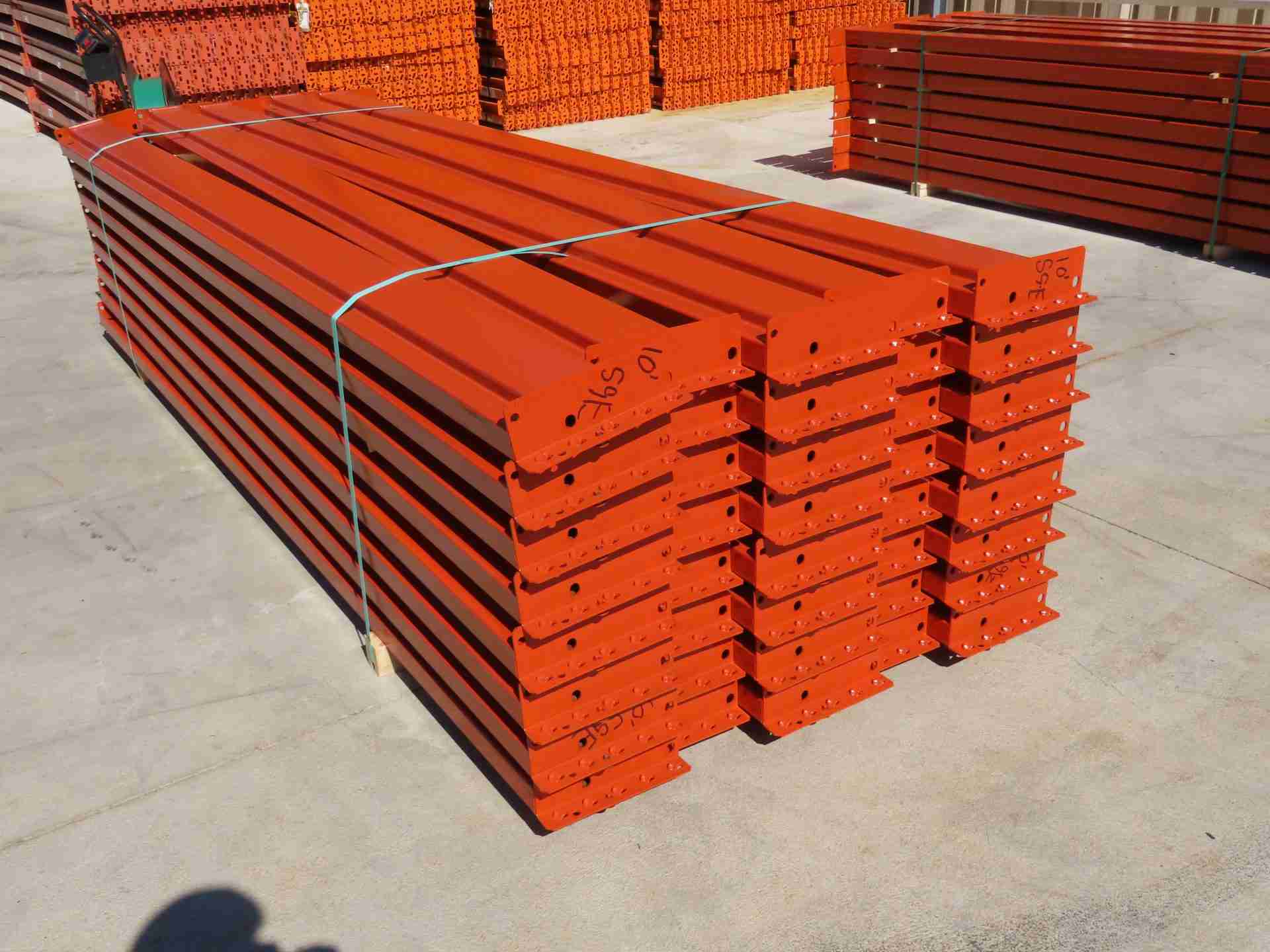
How Does Mismanagement Affect Warehouse Efficiency?
How Does Mismanagement Affect Warehouse Efficiency?
- Chaos in warehouses often leads to confusion, inefficiency, and profit loss.
- Neglecting organization, particularly in pallet racking, hampers accessibility and order fulfillment.
- Delayed deliveries and frustrated customers can result from a disorganized inventory system.
- Mismanagement creates a ripple effect, lowering morale when roles and responsibilities are unclear.
- A well-structured management plan can enhance coordination and improve warehouse efficiency.
- Empowering employees to understand their roles leads to higher turnover rates and fewer errors.
- Investing in training and communication can create a more efficient and satisfying work environment.

How Does Mismanagement Affect Warehouse Efficiency?
What Role Does Inventory Tracking Play In Opportunity Loss?
Inventory tracking is more than just a mundane task; it’s the backbone of efficient operations that can make or break your business. Imagine walking into your warehouse, the air thick with possibility, and seeing those neatly organized shelves ready to fulfill your customers’ needs. Each item in your inventory tells a story of potential sales, but if you’re not tracking that inventory diligently, you may as well be throwing away money by the pallet load.
Consider pallet racking: it stands tall as a symbol of your organization’s commitment to efficiency. But without effective inventory tracking, that racking is nothing but an elaborate backdrop for lost opportunities. You may have the latest technology and the best racking system, but if you don’t know what’s on each shelf in real-time, you’re setting yourself up for avoidable pitfalls.
When it comes to opportunity loss, the stakes are high. Missing out on a customer’s urgent order due to stock inaccuracies can lead to long-term damage—not just to your sales but to your reputation. Picture this: a client reaches out for a large order, only to be told that the items they want are out of stock. That one missed order could pivot them to a competitor who’s more prepared, leaving you in the dust, questioning each moment you underestimated the importance of your inventory tracking.
Moreover, opportunity loss doesn’t only happen when stock is unavailable. It’s lurking in the shadows of overstocking as well. Too much inventory can tie up cash and space, leading to increased costs for storage and management. Your pallet racking, designed for smooth operations, can become an obstacle when you can’t efficiently navigate your supplies.
Adopting a comprehensive inventory tracking system encourages a proactive mindset. Visibility transforms you into a customer-centric organization where meeting needs is the standard, not the exception. When you understand exactly what you have on hand, you can optimize your purchasing decisions, ensuring that you’re ready to respond to market demands swiftly.
Don’t allow opportunity loss to become the silent profit killer. Embrace the power of effective inventory tracking. Equip your team with the tools, systems, and processes needed to turn your pallet racking into a dynamic ally in your quest for growth. After all, when you stay ahead of your inventory, you don’t just track what you have—you capitalize on what could be.
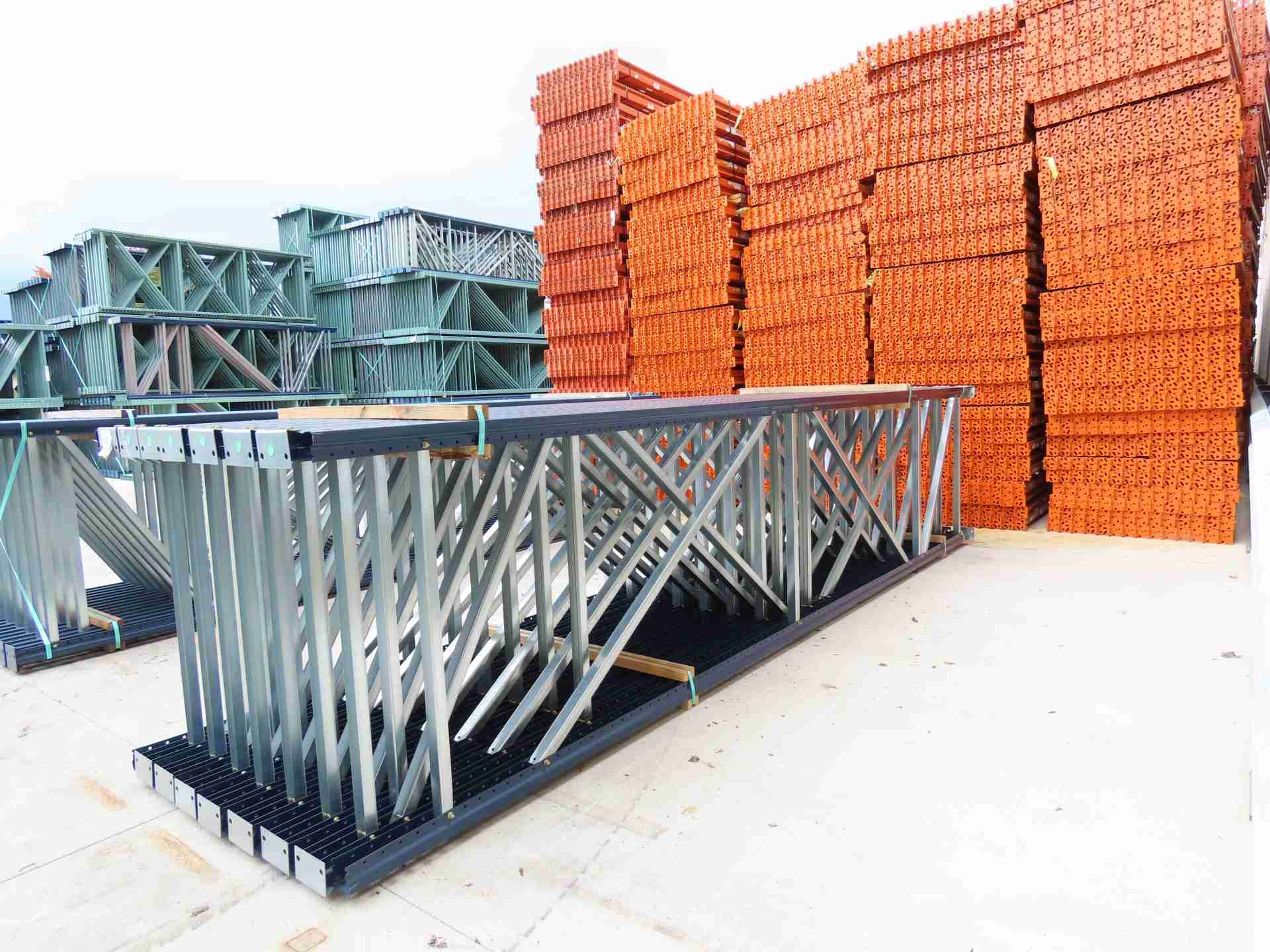
What Role Does Inventory Tracking Play In Opportunity Loss?
What Role Does Inventory Tracking Play In Opportunity Loss?
- Inventory tracking is essential for efficient operations that can significantly impact business success.
- Effective tracking ensures organized warehousing, reducing waste and potential revenue loss.
- Pallet racking symbolizes commitment to efficiency but requires accurate inventory tracking to be effective.
- Opportunity loss from stock inaccuracies can damage sales and reputation, driving customers to competitors.
- Overstocking can lead to increased costs and hinder efficient operation of warehouse space.
- A comprehensive inventory tracking system promotes a proactive, customer-centric organization.
- Investing in effective inventory tracking allows businesses to capitalize on market opportunities and growth.
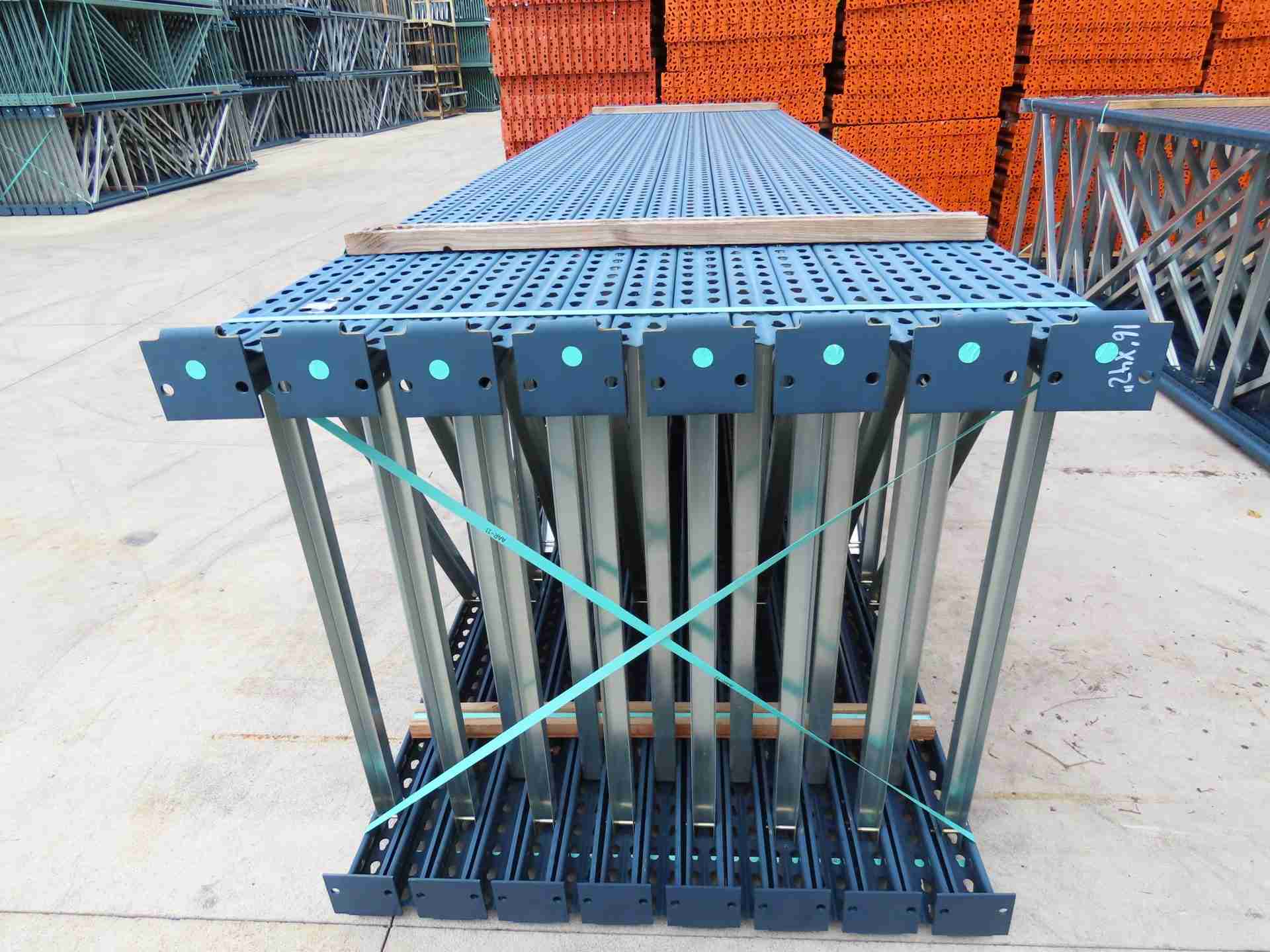
What Role Does Inventory Tracking Play In Opportunity Loss?
How Can Data Analytics Identify Lost Opportunities In Warehousing?
Imagine walking into your warehouse, and instead of seeing a chaotic maze of pallets stacked high and tightly packed, you envision a well-oiled machine, functioning efficiently and profitably. This dream can become a reality with the help of data analytics, which serves as your most powerful ally in identifying lost opportunities in warehousing.
Let’s face it—navigating the complexities of modern warehousing can feel like trying to decipher a foreign language. But what if you could transform those intimidating stacks of merchandise and Pallet Racking into actionable insights? Data analytics takes the guesswork out of the equation. It reveals patterns and trends that lie hidden within your inventory movements, allowing you to optimize layout, reduce delays, and streamline your operations.
Consider this: are those Pallet Racking systems yielding their full potential? By employing data analytics, you can uncover inefficiencies in product placement and movement. Are your most frequently picked items buried deep within a labyrinth of less popular stock? Or perhaps your high-turnover SKUs are not easily accessible? Data analytics offers clarity, enabling you to make strategic decisions that elevate your productivity and cost-efficiency.
Furthermore, let’s shed light on the underutilized power of forecasting. Accurate data analysis doesn’t just reflect past performance; it illuminates the path forward. By analyzing purchasing trends and seasonal demand fluctuations, you can better anticipate stock requirements. This savvy approach minimizes excess inventory and the associated carrying costs—no one likes tying up valuable cash in stocked goods that sit stagnant.
Have you ever found yourself in a tight spot, scrambling to fill orders because of unexpected spikes in demand? With the right data-driven insights, you could not only meet those surges—but also capitalize on them. Imagine transforming that pressure-filled situation into a seamless fulfillment experience that delights your customers and strengthens your reputation.
Ultimately, the goal is simple: harnessing the power of data analytics will empower you to reclaim lost opportunities and reinstate your competitive edge. No more playing the guessing game. Instead, it’s time to trust data to lead your decisions. By analyzing your operations through a data lens, you elevate your warehouse from ordinary to extraordinary—capturing profits you may not have even known you were missing.
So stop overlooking those crucial details, and embrace the proactive strategies that will set you apart. Let’s make lost opportunities a thing of the past!
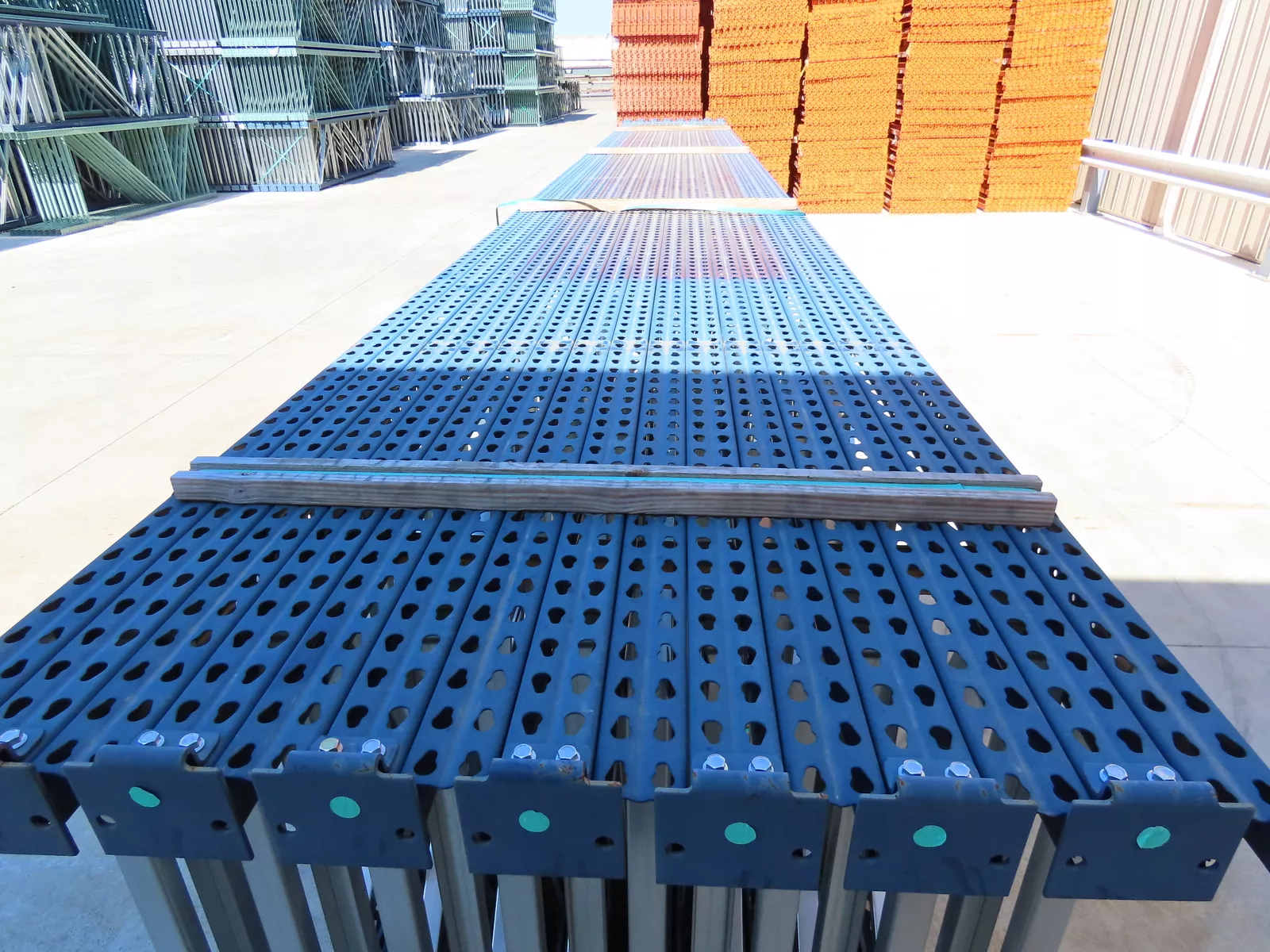
How Can Data Analytics Identify Lost Opportunities In Warehousing?
How Can Data Analytics Identify Lost Opportunities In Warehousing?
- Data analytics can transform chaotic warehousing into an efficient, profitable operation.
- It helps identify lost opportunities by uncovering hidden patterns in inventory movements.
- Optimizing pallet racking systems can improve product placement and access to high-demand items.
- Accurate forecasting minimizes excess inventory and associated carrying costs by anticipating stock needs.
- Data-driven insights enable businesses to effectively respond to unexpected spikes in demand.
- Harnessing data analytics allows businesses to reclaim lost opportunities and enhance competitiveness.
- Embracing data leads to proactive strategies that differentiate companies in the warehousing sector.
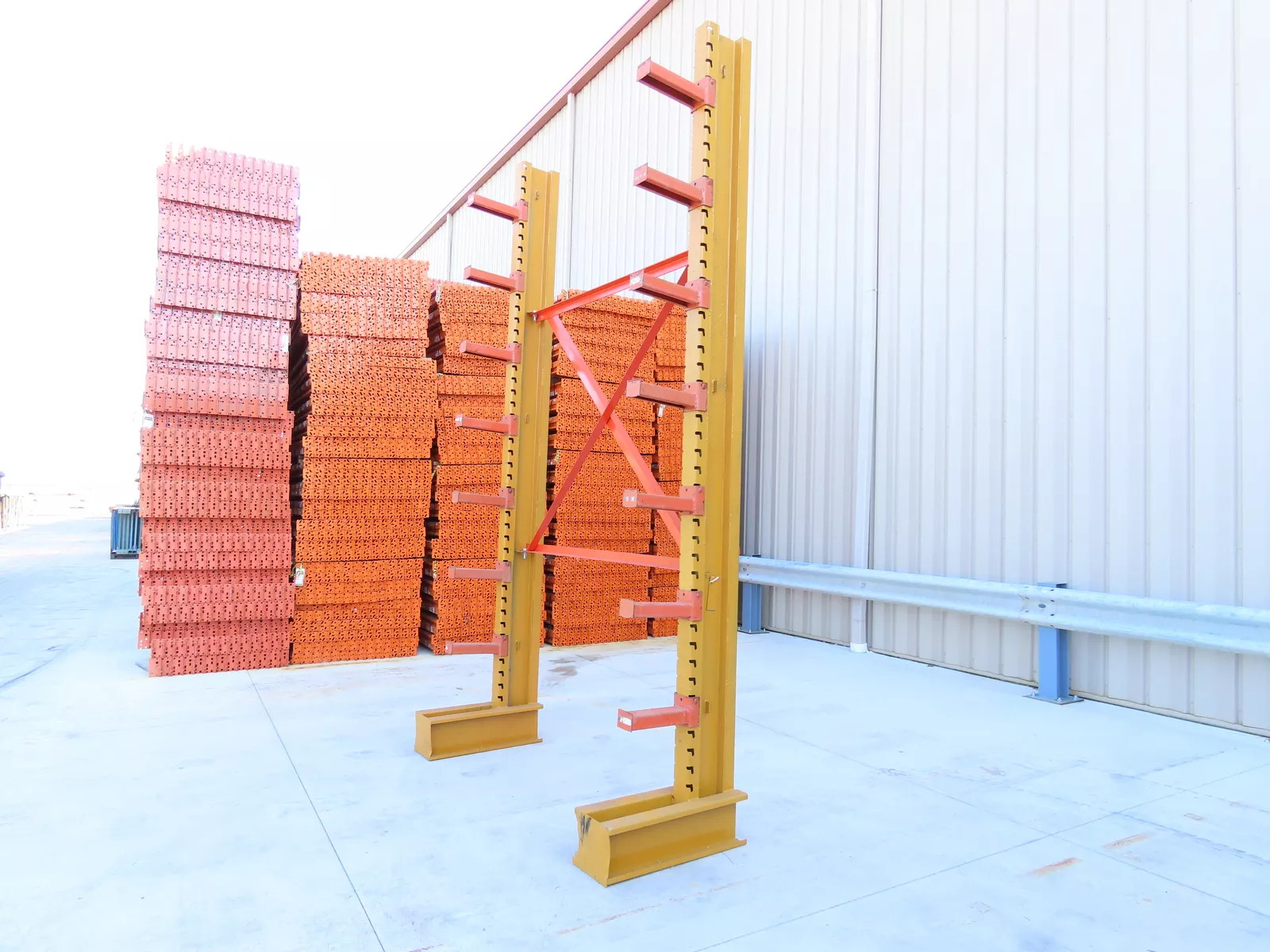
How Can Data Analytics Identify Lost Opportunities In Warehousing?
What Are The Financial Implications Of Missed Opportunities?
In today’s fast-paced business landscape, the stakes are higher than ever. Every decision—especially regarding capital investments—can significantly impact your bottom line. Think about it: every time you overlook a chance to upgrade essential systems or optimize your operations, you’re not just forfeiting potential profits; you’re taking a step backward. Some might call it a missed opportunity, but let’s dig deeper into the financial implications that can reverberate for years to come.
Imagine your warehouse space. You’ve been delaying an upgrade to your Pallet Racking solutions. While that might seem like a minor choice today, consider the long-term costs. Inefficient use of space can lead to inventory mismanagement, which in turn can create hidden costs like increased labor and even lost sales. When products aren’t stored correctly, you risk them being damaged or becoming obsolete, eating away at the profitability you tried to protect by delaying the investment.
Every missed opportunity tends to compound over time. Say you’re encountering bottlenecks in your pick-and-pack process because of outdated storage solutions. Each slowdown costs you not just time but the potential revenue lost from unhappy clients who turn to competitors—a fate all too common in our saturated market. This ripple effect doesn’t just erode your profit margins; it eats away at your brand reputation, and in business, trust is invaluable.
The financial implications of such decisions often extend beyond immediate losses. The opportunity cost—the potential gains you could have earned—can be staggering. By investing in optimal Pallet Racking, you can streamline operations, improve inventory accuracy, and reduce overhead costs. The right decision today can lead to increased productivity and profitability tomorrow, boosting your competitive edge in an ever-evolving market.
So, let’s turn this around. Don’t let hesitation dictate your financial future. Tap into new methods and invest wisely. When you recognize and act on opportunities, you don’t just avoid losses; you chart a course toward sustainable growth. Take a step—reassess your operations, explore your racking options, and discover the hidden potential that lies within your business. By embracing opportunity rather than fearing it, you’re not just safeguarding your financial health; you’re actively building a legacy of success.
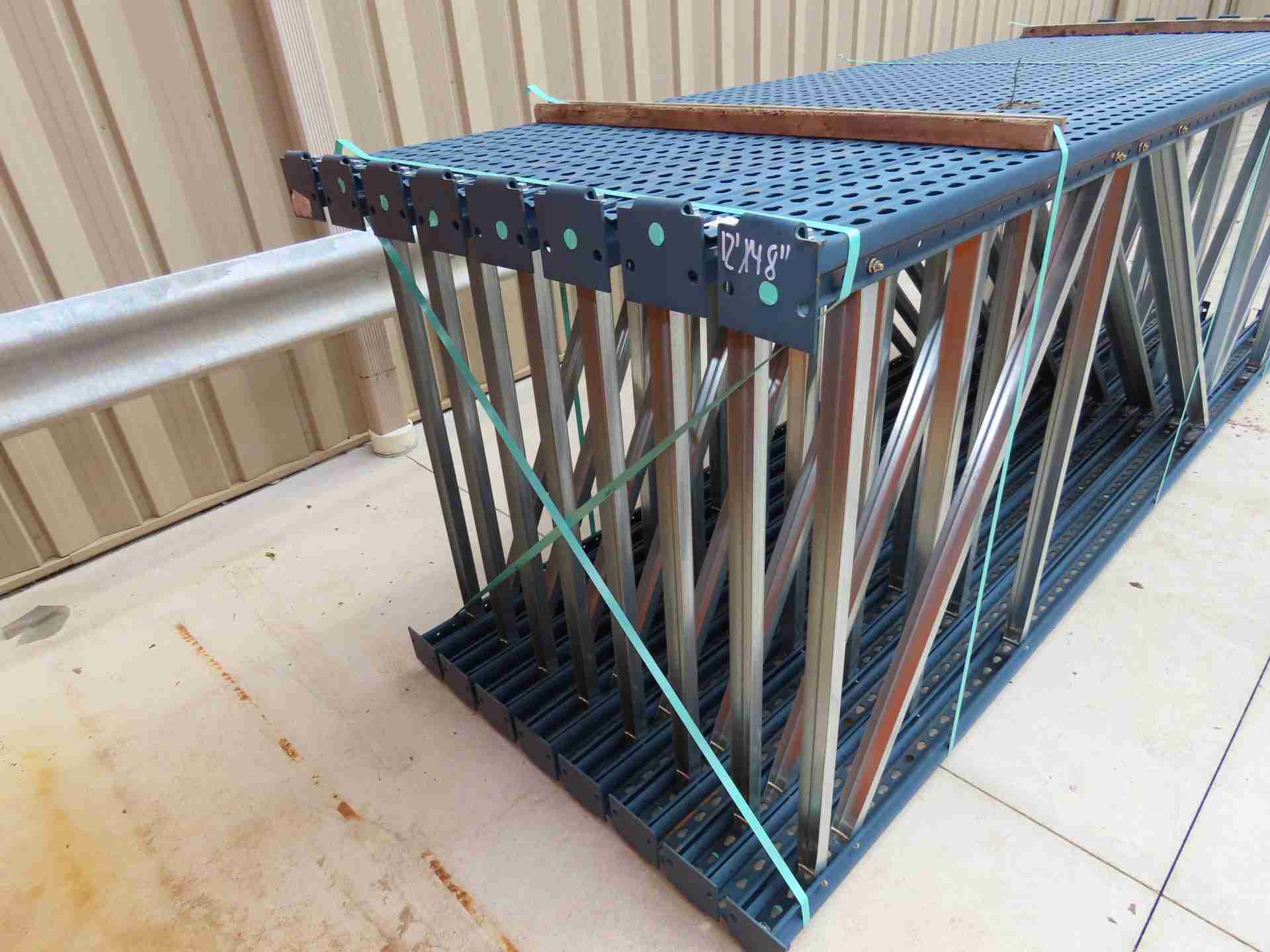
What Are The Financial Implications Of Missed Opportunities?
What Are The Financial Implications Of Missed Opportunities?
- Increased business stakes demand careful decision-making regarding capital investments.
- Overlooking system upgrades and operational optimizations can lead to lost profits and long-term repercussions.
- Delaying warehouse upgrades, like Pallet Racking, can result in inefficiencies, inventory mismanagement, and hidden costs.
- Outdated storage solutions can cause operational bottlenecks, resulting in lost revenues and damaged brand reputation.
- The opportunity cost from delayed investments can be substantial, affecting both productivity and profitability.
- Investing in optimal Pallet Racking can streamline operations and enhance inventory accuracy, improving competitive advantage.
- Actively recognizing and acting on opportunities fosters sustainable growth and builds a legacy of success.
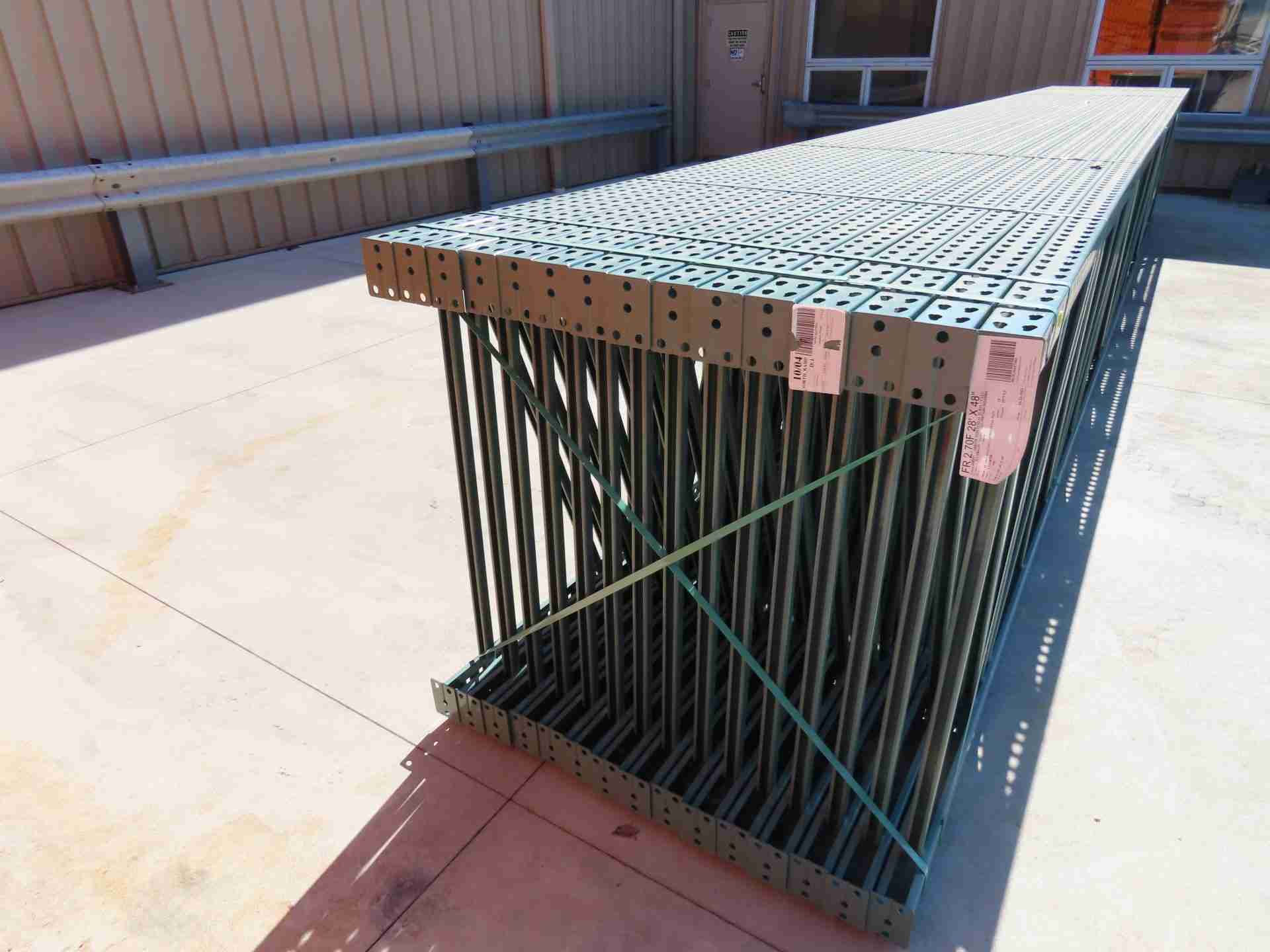
What Are The Financial Implications Of Missed Opportunities?
How Does Employee Training Impact Warehouse Productivity?
Imagine walking into a warehouse bustling with energy, where every employee knows exactly their role and seamlessly coordinates with their teammates. The heart of this operation isn’t just sophisticated machinery or well-designed pallet racking systems; it lies in something far more powerful—effective employee training.
In today’s competitive landscape, where margins can be razor-thin, the difference between a flourishing warehouse and one that struggles often boils down to the knowledge and skills of its workforce. Think about it: When employees are well-trained, they are not only more adept at using the equipment, like forklifts or pallet racking systems, but they are also empowered to solve problems and innovate on the fly. This translates directly to higher productivity levels, reduced errors, and ultimately, a healthier bottom line.
Consider a scenario where a new employee arrives on their first day. Without proper training, they may feel hesitant and unsure about navigating the warehouse or efficiently utilizing tools like pallet racking. Now, envision the opposite: equipped with comprehensive training, that same employee quickly becomes a valued member of the team—confident in their abilities and proactive in finding the smartest ways to organize stock and streamline processes.
When you invest in your employees through robust training programs, you’re not just filling positions; you’re creating a culture of performance and accountability. These programs enhance safety awareness, ensuring that your team can work confidently, reducing the risk of accidents and damaging equipment. By fostering a greater understanding of various systems and technologies, you create a work environment where employees genuinely want to contribute.
Imagine the ripple effect: A well-trained workforce leads to faster pick-and-pack times, more organized inventory through efficient pallet racking strategies, and heightened morale. When employees feel skilled and valued, they take pride in their contributions, leading to higher retention rates and less turnover.
Want to see a transformative impact on your productivity? Start by prioritizing employee training as a strategic initiative. It’s not merely an expenditure; it’s a surefire investment in your warehouse’s future success. By enhancing team capabilities today, you’ll set the stage for remarkable results tomorrow. Don’t wait for the competition to outpace you—take action now!

How Does Employee Training Impact Warehouse Productivity?
How Does Employee Training Impact Warehouse Productivity?
- Effective employee training is the cornerstone of a successful warehouse operation.
- Well-trained employees enhance productivity and reduce errors, impacting the company’s bottom line positively.
- Proper training equips new employees with the skills to navigate and utilize warehouse tools confidently.
- Investment in training fosters a culture of performance, accountability, and safety awareness.
- A well-trained workforce leads to improved inventory management and faster pick-and-pack times.
- Employees who feel skilled and valued contribute to higher retention rates and reduced turnover.
- Prioritizing employee training is a strategic investment for long-term warehouse success.
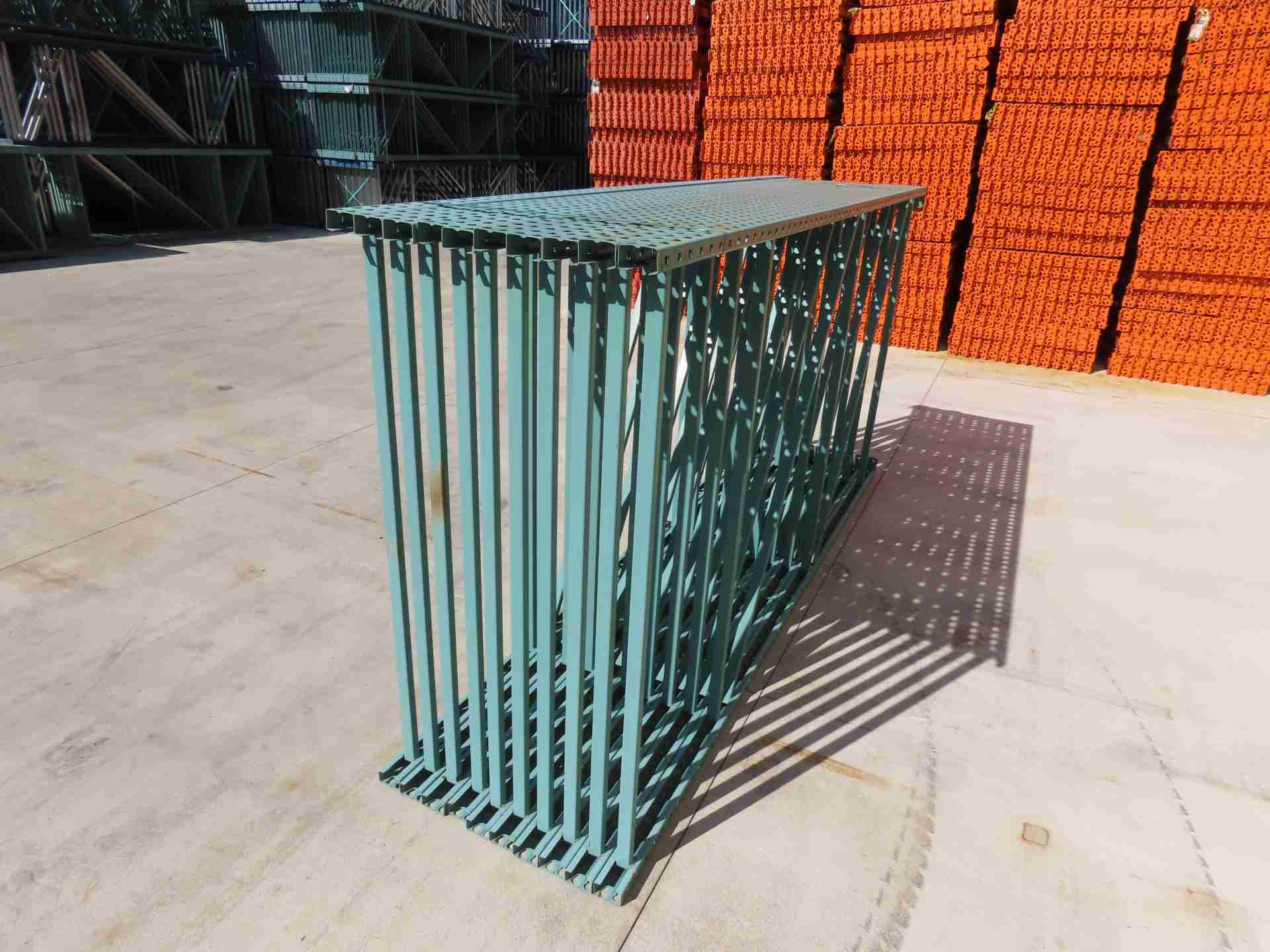
How Does Employee Training Impact Warehouse Productivity?
Conclusion
Conclusion: Unleashing the Hidden Potential of Your Warehouse
In the vibrant and fast-paced world of warehousing, lost opportunities can lurk in the shadows, silently draining your operational efficiency and financial performance. But fear not—solutions and strategies are at your fingertips, waiting to be harnessed. Arrow Industrial Sales and RackingWorld.com are your steadfast partners in transforming your warehouse from a mere storage space into a powerhouse of productivity.
Every day you wait, inefficiencies may be compounding. Disorganized pallet racking systems, bottlenecks in workflow, and inventory mismanagement can cause frustrations that ripple through your operations, leaving disengaged employees and unhappy customers in their wake. It’s time to bring the chaos to a halt! Assess your current layout with a keen eye: Are your fast-moving items readily accessible? Is your vertical space optimized? These fundamental questions are not merely theoretical; they are the gateway to actionable insights that can reshape your warehousing dynamics.
Take heart; the path to operational excellence is paved with opportunities. Data analytics stands as your ally, uncovering hidden patterns and offering forecasts that let you meet market demands with precision. Quelling the risk of stockouts or overages hinges on one key element: diligent inventory tracking. With the right systems in place, you’ll not only mitigate errors but also enhance customer satisfaction—a factor that can ultimately shift your bottom line.
The most valuable asset in your warehouse? Your team. Investing in employee training fosters a culture of competence, turning uncertainty into confidence, and creating a high-performing environment that produces results. Morale rises, turnover decreases, and productivity soars in spaces where employees feel equipped and empowered to succeed.
Act fast! Don’t let inertia stifle your growth. Reach out to Arrow Industrial Sales at (574) 349-6575 today. Our expert team is eager to guide you through strategies that can liberate your warehouse from the clutches of lost opportunities. Embrace a future where your operations are streamlined, your employees are engaged, and your customers are delighted. The time to act is now; every moment that ticks by may be a missed opportunity inching closer to your competitors. Step into the light of operational excellence and turn your warehouse into the business-generating hub it was always meant to be. Your legacy of success begins here!

Conclusion
Conclusion:
- Lost opportunities in warehousing can diminish operational efficiency and financial performance.
- Arrow Industrial Sales and RackingWorld.com offer solutions to enhance warehouse productivity.
- Disorganized systems and mismanagement create workflow bottlenecks, affecting employee engagement and customer satisfaction.
- Assess your warehouse layout to improve accessibility and optimize vertical space for fast-moving items.
- Utilize data analytics for insights into inventory management, preventing stockouts and overages.
- Investing in employee training fosters a competent and motivated workforce that boosts morale and productivity.
- Contact Arrow Industrial Sales today to begin transforming your warehouse and avoid losing ground to competitors.
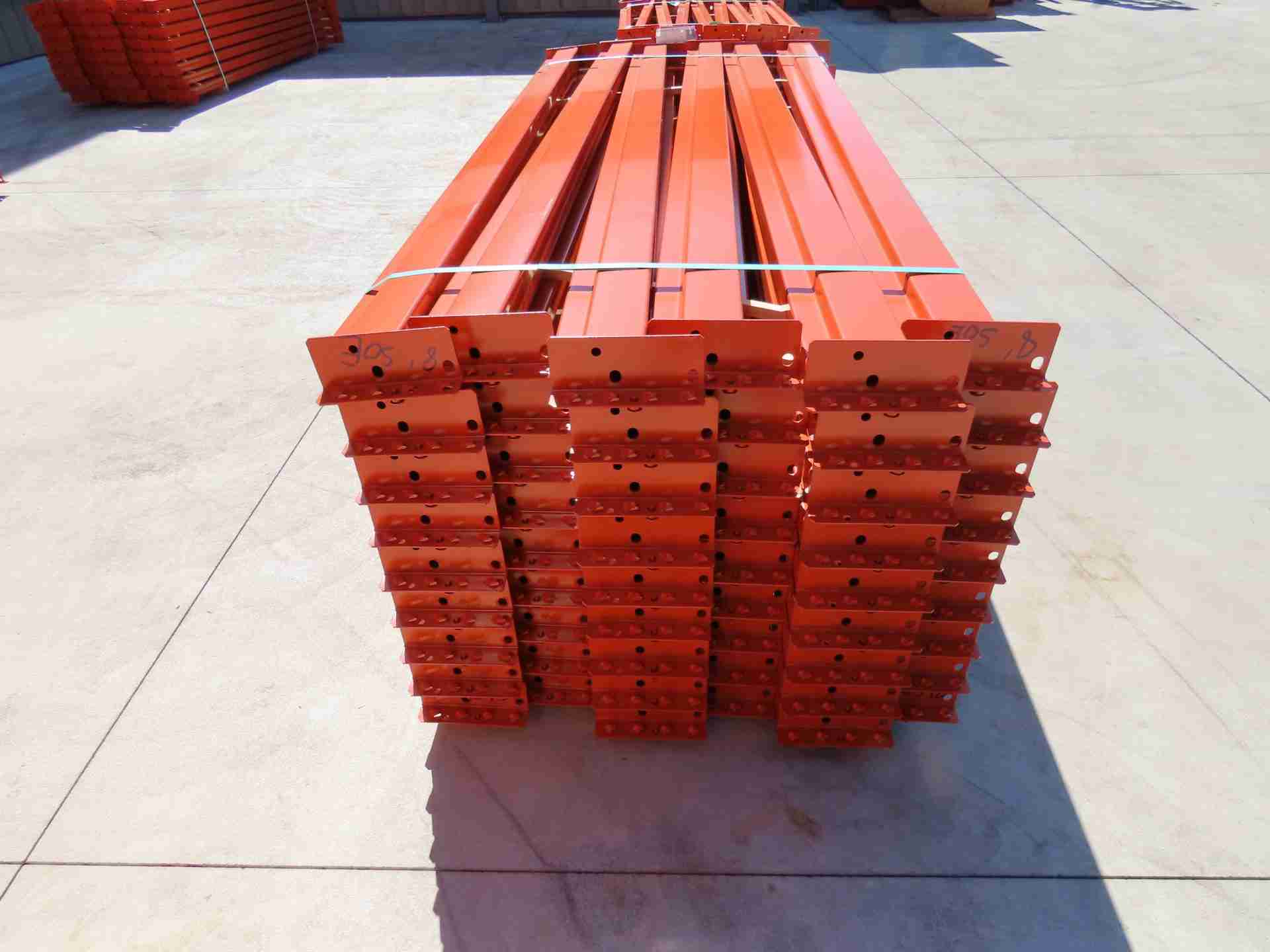
Conclusion
Other Resources

Other Resources
Here is a list of other resources you can review online to learn more:
- Overhead Lifting
- National Safety Council
- Material Handling Industry
- IIWS Inc. Rack Installation Illinois & Rack Repairs Illinois
- International Warehouse Logistics Association
- Logic Material Handling
- Interlake Mecalux
- Selective Rack – Raymond West
- What is Selective Pallet Racking
- Wolter
Use This Prompt To Get More Resources With Your Favorite Online AI Tool: Please provide me with a list of online articles with their URLs in a bulleted list that I can read regarding How Many Lost Opportunities Haunt The Halls Of Your Warehouse?
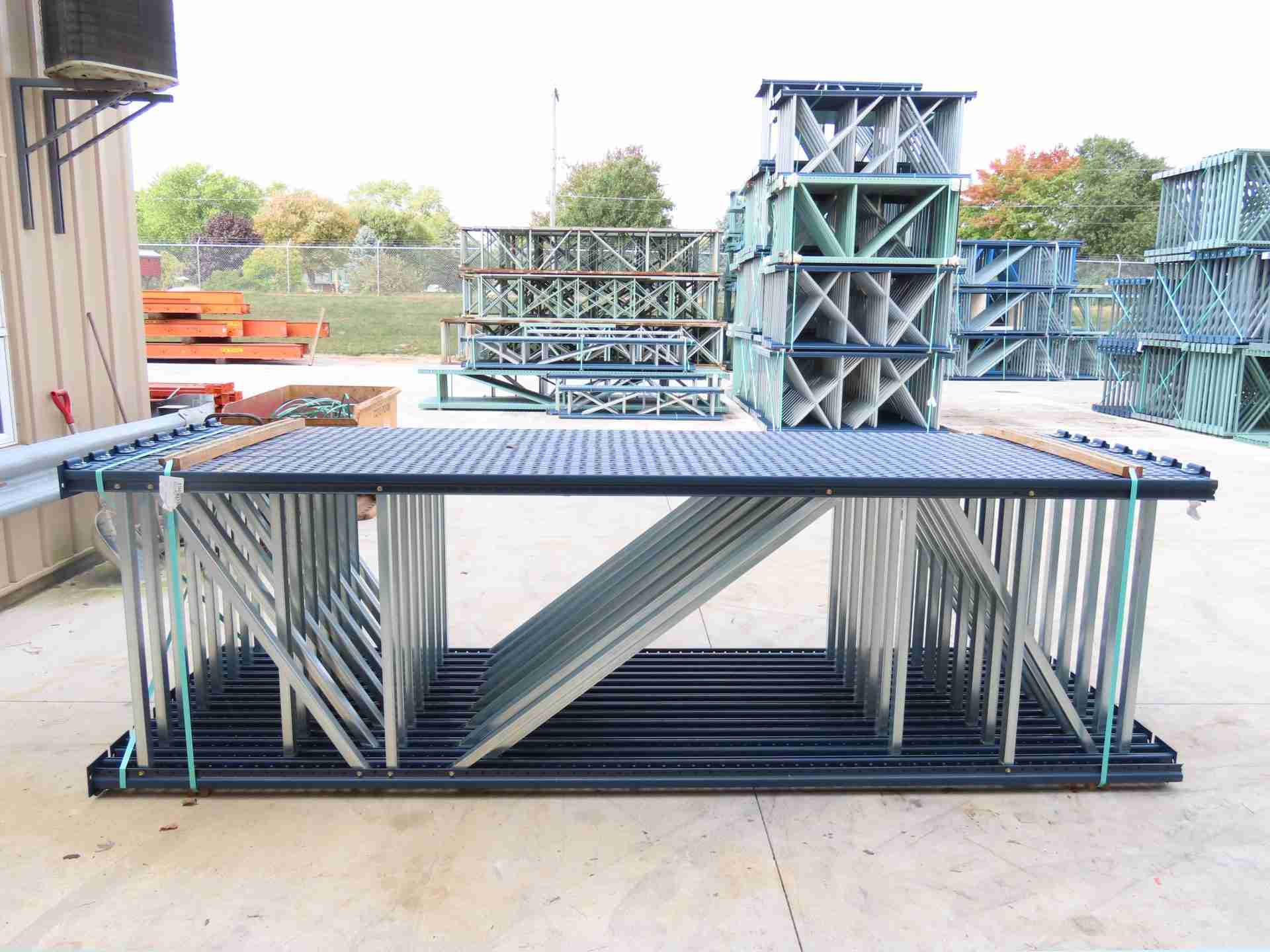
Other Resources
Glossary Terms
How Many Lost Opportunities Haunt The Halls Of Your Warehouse? – Glossary Of Terms
1. Warehouse Management: The process of overseeing and controlling the day-to-day operations of a warehouse, including inventory management, order fulfillment, and shipping.
2. Inventory Turnover: A measure of how many times inventory is sold and replaced over a period, indicating how efficiently products are managed within a warehouse.
3. Opportunity Cost: The potential benefits lost when choosing one option over another; in a warehouse context, it could relate to unsold goods or unutilized space.
4. Lean Warehousing: A method that optimizes warehouse operations by minimizing waste and enhancing efficiency through streamlined processes.
5. Stockout: A situation where an item is out of stock, potentially leading to lost sales opportunities and dissatisfied customers.
6. Overstock: Excess inventory that exceeds demand, leading to increased holding costs and potential obsolescence.
7. Demand Forecasting: The process of estimating future customer demand to ensure appropriate inventory levels are maintained, minimizing lost sales opportunities.
8. Cross-Docking: A logistics practice where incoming goods are directly transferred to outbound shipments with minimal storage time, improving efficiency.
9. Picking Efficiency: The effectiveness of order picking processes; higher efficiency reduces processing time and potential errors, leading to satisfied customers.
10. Lead Time: The total time taken from receiving an order to delivering the product; shorter lead times can enhance customer satisfaction and reduce lost opportunities.
11. Fulfillment Rate: The percentage of customer orders that are completed on time and accurately; higher fulfillment rates indicate better warehouse performance.
12. Return on Investment (ROI): A measure used to evaluate the efficiency of an investment; in warehouses, it refers to the profitability of operational improvements.
13. Safety Stock: Extra inventory kept to account for variability in demand or supply, aimed at preventing stockouts and lost sales.
14. Automation: The use of technology to perform tasks with minimal human intervention, improving accuracy and efficiency in warehouse operations.
15. Reverse Logistics: The process of handling returned products and their subsequent resale, recycling, or disposal; effective reverse logistics can reduce losses.
16. Distribution Center: A specialized warehouse designed for the centralized storage and distribution of goods to retailers, minimizing lost possibilities in shipping.
17. Warehouse Layout: The design and organization of the warehouse space, which can significantly impact operational efficiency and productivity.
18. Cycle Count: An inventory auditing method where a portion of inventory is counted on a rotating schedule; helps ensure inventory accuracy and reduce discrepancies.
19. Vendor Managed Inventory (VMI): A collaborative inventory management strategy where suppliers monitor stock levels and manage replenishment, reducing lost sales due to stockouts.
20. Stock Keeping Unit (SKU): A unique identifier for each distinct product in inventory, essential for tracking stock levels and managing sales opportunities effectively.
21. Just-in-Time (JIT): An inventory management strategy that aligns raw-material orders from suppliers directly with production schedules to minimize waste.
22. Order Accuracy: A measure of the correctness of order fulfillment; high order accuracy leads to satisfied customers and reduced costs from returns.
23. Throughput: The rate at which inventory is processed through the warehouse; increasing throughput can lead to higher sales and reduced holding costs.
24. Warehouse Optimization: The continuous exercise of improving warehouse processes, layout, and technology to increase efficiency and reduce lost opportunities.
25. Packaging Efficiency: The adequacy and effectiveness of packaging processes in protecting goods during transport and facilitating efficient handling.
26. Shelf Life: The length of time products can be stored without deterioration; monitoring shelf life minimizes wasted products and lost opportunities.
27. Staff Training: The education and development processes aimed at improving employees’ skills in warehouse operations, which can directly affect efficiency.
28. Workflow Processes: The set sequence of tasks completed in the warehouse; streamlined workflows can reduce bottlenecks and improve overall productivity.
29. Customer Satisfaction: A measurement of how products and services meet or surpass customer expectations; high satisfaction rates can prevent lost opportunities for repeat business.
30. Key Performance Indicators (KPIs): Metrics used to evaluate success in achieving objectives, particularly in areas like inventory management, order fulfillment, and customer service.
Glossary Of Terms
Other Questions
How Many Lost Opportunities Haunt The Halls Of Your Warehouse? – Other Questions
If you wish to explore and discover more, consider looking for answers to these questions:
- What are the specific benefits of optimizing pallet racking systems?
- How can I measure the efficiency of my warehouse operations?
- What are some effective strategies for reorganizing a warehouse layout?
- What technologies can assist with inventory tracking in warehouses?
- How often should warehouse layouts be reassessed for efficiency?
- What role does employee engagement play in warehouse efficiency?
- How can I implement better communication within my warehouse team?
- What are the financial metrics to watch for tracking lost opportunities?
- What are some common training programs for warehouse employees?
- What signs indicate that my inventory management needs improvement?
- How can data analytics specifically help in forecasting inventory needs?
- What best practices exist for ensuring accuracy in inventory counts?
- What types of pallet racking systems are available, and how do they differ?
- How can I involve employees in the process of improving warehouse operations?
- What are the long-term consequences of ignoring lost opportunities in warehousing?
Other Questions
Checklist
How Many Lost Opportunities Haunt The Halls Of Your Warehouse? – A Checklist
Checklist: Uncover Hidden Potential in Your Warehouse Operations
Optimize Your Warehouse Layout
_____ Evaluate Pallet Racking System: Is it organized and efficient?
_____ Maximize Vertical Space: Are you utilizing height for storage?
_____ Assess Accessibility: Are fast-moving items easy to reach?
_____ Monitor Flow: Are there bottlenecks causing delays in picking or packing?
Enhance Inventory Management
_____ Conduct Inventory Counts: Are your counts accurate to prevent stockouts and overages?
_____ Implement Robust Tracking Systems: Are you using technology to monitor inventory effectively?
_____ Review Ordering Processes: Ensure ordering procedures meet customer demand without overstocking.
Improve Employee Engagement
_____ Solicit Employee Feedback: Are you regularly asking for team insights on workflow issues?
_____ Invest in Training Programs: Are workers trained to efficiently use tools and technology?
_____ Establish Clear Roles: Is every employee aware of their responsibilities in the warehouse operations?
Leverage Data Analytics
_____ Analyze Warehouse Operations: Are you using data to identify inefficiencies in layout and inventory turnover?
_____ Forecast Demand Effectively: Are you analyzing past data to predict future needs?
_____ Monitor Performance Metrics: Are you tracking KPIs to measure improvements and setbacks?
Address Mismanagement Issues
_____ Review Management Processes: Are roles and responsibilities clearly communicated within the team?
_____ Regularly Conduct Safety Checks: Is safety prioritized in every aspect of warehouse operations?
_____ Establish Continuous Improvement Practices: Are there regular reviews to improve operational efficiency?
Financial Assessment
_____ Evaluate Cost-Benefit of Upgrades: Are you considering the long-term financial implications of not upgrading equipment?
_____ Identify Hidden Costs: Are you aware of inefficiencies like labor costs associated with poor layout?
_____ Calculate Opportunity Costs: Are you analyzing potential gains from missed opportunities?
Foster a Culture of Accountability
_____ Create Team-Based Goals: Are objectives aligned across all levels of the warehouse operations?
_____ Encourage Ownership: Are employees empowered to take initiative and improve processes?
_____ Celebrate Success: Do you recognize contributions that lead to increased efficiency and morale?
By following this checklist, you can actively identify and address lost opportunities in your warehouse operations, paving the way for enhanced efficiency and profitability.
Checklist
At RackingWorld, we help guide you through selecting warehouse storage systems and racking.
Be sure to read our other related stories at RackingWorld to learn more about warehouse storage systems.
0 Comments