
Maximizing Efficiency With The Right Pallet Racking
By Tom Seest
At RackingWorld, we help guide you through selecting warehouse storage systems and racking.
Be sure to read our other related stories at RackingWorld to learn more about warehouse storage systems.
How Can You Choose The Right Warehouse Pallet Racking for Your Needs?
Selecting the right warehouse pallet racking might seem like just another task on your to-do list, but it’s much more than that; it’s a strategic investment that can transform your operations! Imagine walking into your warehouse and seeing everything organized, accessible, and efficiently utilized. The right pallet racking system can pave the way for that reality, allowing you to maximize your space, boost productivity, and improve inventory management.
Begin by analyzing your specific needs. Every operation is unique, and you wouldn’t want a one-size-fits-all approach. Ask yourself critical questions: What items am I storing? Are they bulky or delicate? How is my current inventory changing? Knowing the answers to these can steer you towards a pallet racking solution tailored precisely to your requirements.
Next, consider the layout of your warehouse. Space optimization is key! Pallet racking systems come in various designs—selective, drive-in, and push-back to name a few. Each design serves a different purpose: selective racking allows easy access to all pallets, while drive-in racking maximizes storage space by allowing multiple pallets in a single lane. By understanding your layout and flow of operations, you can choose a system that enhances both efficiency and safety.
Think about your future growth, too! Investing in a pallet racking system isn’t just about solving today’s problems but anticipating tomorrow’s needs. Will your business expand? Will you introduce new products? Selecting a flexible racking solution can ensure that you’re not only prepared for growth but can pivot as needed in the future.
Lastly, never underestimate the importance of quality and safety. Opt for sturdy, high-quality materials that adhere to industry standards. The right pallet racking should not only support your goods but also your team’s safety. Remember, a secure work environment fosters trust and confidence, leading to better performance all around.
Choosing the right warehouse pallet racking is about starting a journey toward improved efficiency and productivity. With careful consideration of your unique needs, a strong eye on the future, and a commitment to quality, you’ll not only make a wise investment but also position your warehouse for success. Take the plunge and explore how the right pallet racking can elevate your operations—your bottom line will thank you!

How Can You Choose The Right Warehouse Pallet Racking for Your Needs?
How Can You Choose The Right Warehouse Pallet Racking for Your Needs?
- Selecting the right warehouse pallet racking is a strategic investment that can transform operations.
- Analyze specific needs based on the types of items stored and changes in inventory.
- Consider the layout of the warehouse for optimal space utilization with different racking designs.
- Plan for future growth by selecting a flexible racking system that can adapt to new products or expansions.
- Prioritize quality and safety by choosing high-quality materials that meet industry standards.
- A secure work environment fosters trust and better performance among teams.
- Investing in the right pallet racking can significantly improve efficiency and productivity in the warehouse.
How Can You Choose The Right Warehouse Pallet Racking for Your Needs?
Table Of Contents
- How Can You Choose The Right Warehouse Pallet Racking for Your Needs?
- What Types Of Pallet Racking Systems Are Available For Warehouses?
- How Do I Determine The Right Height For My Pallet Racking?
- What Load Capacity Do I Need For My Pallet Racking System?
- How Do I Assess The Space Available For Racking In My Warehouse?
- What Are The Benefits Of Selective Vs. Drive-In Racking?
- How Do Safety Standards Impact My Racking Choices?
- Conclusion
- Other Resources
- Glossary Of Terms
- Other Questions
- Checklist
What Types Of Pallet Racking Systems Are Available For Warehouses?
What Types of Pallet Racking Systems Are Available For Warehouses?
When it comes to maximizing your warehouse’s potential, selecting the ideal pallet racking system can take your operations from ordinary to extraordinary. Think about it: your warehouse is more than just a storage space; it’s the beating heart of your business. With the right pallet racking, you can transform that heart into a powerhouse of efficiency.
Let’s break down the options. First up, we have Selective Pallet Racking. This system is like the VIP section for your pallets. It offers easy access to each and every pallet, making inventory management a breeze. This means you reduce time spent searching for products, leading to faster turnarounds and happier customers.
Next in line, we have Drive-In Racking. If you’re looking to make the most of your vertical space, this is your ticket. With this high-density storage solution, you can store multiple pallets deep, allowing you to maximize space and minimize congestion in your aisleways. Less space wasted means more products ready for delivery — and isn’t that what we all want?
Have you heard of Push Back Racking? It’s designed with efficiency in mind. Here, pallets are loaded onto wheeled carts that push back as more pallets are added. This system simplifies your storage process, enhances selectivity, and allows for a first-in, first-out inventory approach. Imagine your warehouse operating like a well-oiled machine, with smooth flows and seamless processing.
For those with a flair for flexibility, consider Mobile Racking Systems. These innovative systems allow racking units to move on tracks, creating aisles as needed. Not only does this provide ultimate flexibility when storing differing products, but it also enhances safety by reducing overcrowded aisles. With mobile racking, you can adapt to business demands almost overnight.
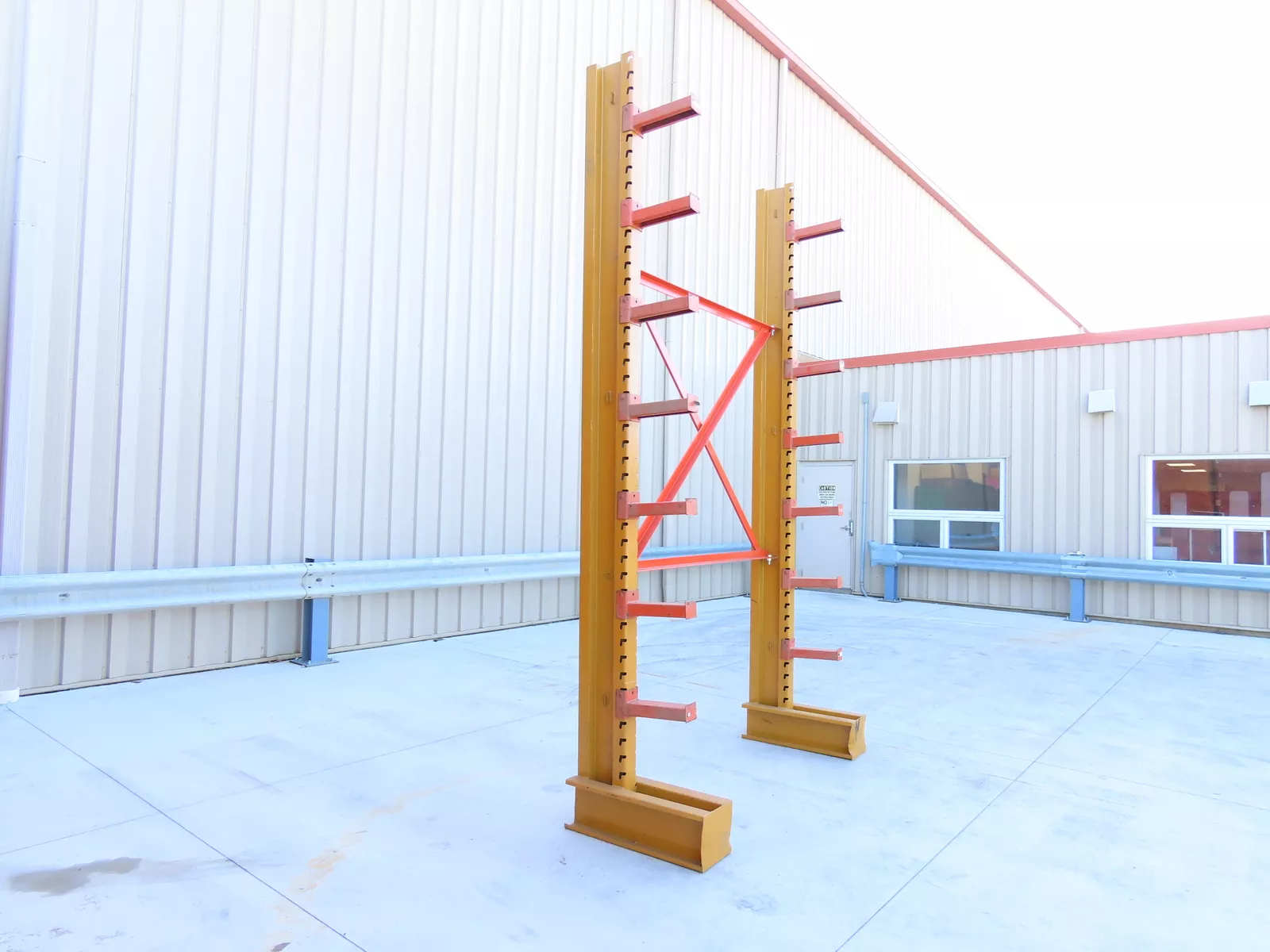
Lastly, let’s not overlook Cantilever Racking, ideal for handling oversized or oddly shaped items. This system lets you store long or bulky items without the constraints of traditional racking. Imagine gaining that extra space while maintaining easy access — it’s a game-changer!
Choosing the right pallet racking system is integral to optimizing your warehouse’s layout and functionality. Don’t just think about storage; think about efficiency, productivity, and growth. The right system can provide you with the peace of mind you need knowing your operation is set for success. Let’s create a space where every pallet plays its part in driving your business forward!
What Types Of Pallet Racking Systems Are Available For Warehouses?
What Types Of Pallet Racking Systems Are Available For Warehouses?
- Selecting the ideal pallet racking system can maximize warehouse efficiency and operations.
- Selective Pallet Racking offers easy access to pallets, improving inventory management and customer satisfaction.
- Drive-In Racking is a high-density solution that maximizes vertical space and reduces aisle congestion.
- Push Back Racking enhances efficiency with wheeled carts and a first-in, first-out inventory approach.
- Mobile Racking Systems provide flexibility by allowing racking units to move, enhancing safety and adapting to business needs.
- Cantilever Racking is perfect for oversized or oddly shaped items, providing easy access without traditional constraints.
- The right pallet racking system is crucial for optimizing warehouse layout, enhancing productivity, and supporting business growth.
What Types Of Pallet Racking Systems Are Available For Warehouses?
How Do I Determine The Right Height For My Pallet Racking?
Choosing the right height for your pallet racking is akin to selecting the perfect seat for a concert; your experience hinges on it. Imagine walking into your warehouse or storage facility, and instead of facing the chaos of disorganized goods towering precariously, you find an efficient, streamlined space where every item is at your fingertips. That’s the promise of well-considered pallet racking height.
Now, you might be asking yourself: “How can I nail down this height for my pallet racking?” Let’s delve into that. The first step is knowing your products. Assess the size and weight of the pallets you’re storing. Understanding the dimensions isn’t just an administrative task; it’s your foundation. With this knowledge in hand, you can eliminate the guesswork—no more stacking items that could collapse or become hard to retrieve.
Next, consider your equipment and personnel. Are you using a forklift or a manual pallet jack? Each piece has its own limitations when it comes to reach. Think about your team’s safety and efficiency. Too high, and your employees could be risking an injury just trying to reach the last item on a rack. The right height elevates productivity while keeping safety front and center; it instills a sense of confidence in every employee handling the racking.
Moreover, don’t forget about clearance and accessibility. Is there enough space between levels for easier picking? It’s essential to use the vertical space wisely, but practical accessibility is just as vital. If retrieval isn’t easy, you may find workers spending more time searching for items than performing their core tasks, costing your operation time and money.
Seasoned professionals will tell you to embrace flexibility in design. As your needs grow, your racking doesn’t have to become obsolete. Many modern pallet racking solutions are adjustable. This can be a game-changer for managing seasonal inventory fluctuations or fluctuating business demands.
Ultimately, the right height for your pallet racking isn’t just about storing goods; it’s about creating a productive and safe environment for your team. By investing the time to evaluate these factors, not only will you optimize your space, but you’ll also cultivate a workplace where productivity soars. Your warehouse is not just a storage area; it’s an asset that should reflect your commitment to quality, efficiency, and safety. Make the right choice today, and unlock the potential lurking within your storage space!
How Do I Determine The Right Height For My Pallet Racking?
How Do I Determine The Right Height For My Pallet Racking?
- Choosing the correct height for pallet racking is crucial for efficient warehouse organization.
- Know your products well—assess the size and weight of pallets to avoid stacking issues.
- Consider equipment limitations; ensure safe and efficient access for employees using forklifts or pallet jacks.
- Maintain adequate clearance and accessibility between levels for easy retrieval of items.
- Embrace flexibility; opt for adjustable racking systems to adapt to changing inventory needs.
- The right pallet racking height enhances productivity and creates a safe working environment.
- Investing in proper racking design reflects your commitment to quality and efficiency in operations.
How Do I Determine The Right Height For My Pallet Racking?
What Load Capacity Do I Need For My Pallet Racking System?
When it comes to your warehouse, understanding load capacity is not just a number; it’s the backbone of your operations. It’s as fundamental as the air you breathe. Picture this: your products are meticulously organized on sturdy pallet racking, but how confident are you that those racks can handle the weight safely and efficiently?
Calculating the appropriate load capacity for your pallet racking system starts with a clear vision of your inventory. Are you storing lightweight items like packaged food products or heavy equipment? The weight and dimensions of the items you intend to store will dictate the load capacity you require. It’s critical to remember that overloading your racking can lead to costly mistakes—literally putting your livelihood at risk.
Next, consider how much of your storage equipment is likely to be utilized at any given time. Are you going for high-density storage or flexibility for seasonal items? This assessment is not just good practice; it’s smart business. Tailoring your pallet racking system to your specific load requirements allows you to maximize space while minimizing potential hazards.
Now, let’s not forget about the quality of the pallet racking itself. Not all systems are created equal. Investing in higher quality materials can save you headaches and expenses in the long run. Look for racks that adhere to industry standards and regulations. Staying informed will empower you to make wise decisions that protect your inventory and enhance productivity.
Moreover, consulting with experts who understand the nuances of pallet racking is an investment worth every penny. Collaborating with knowledgeable professionals can help you navigate the complexities of load capacities and safety factors easily. They’ll guide you in choosing a system perfectly aligned with your operational needs, ensuring a seamless workflow that generates profit rather than pitfalls.
Don’t get caught off guard. Ensuring your pallet racking system has the right load capacity is a proactive measure that instills confidence in your operational integrity. You are not just selecting a storage solution; you are investing in the future of your business. Trust yourself to make the decision that keeps your products safe and your warehouse running efficiently. Take action now, and watch your productivity soar!

What Load Capacity Do I Need For My Pallet Racking System?
What Load Capacity Do I Need For My Pallet Racking System?
- Understanding load capacity is essential for safe and efficient warehouse operations.
- Calculate load capacity based on the weight and dimensions of your inventory items.
- Avoid overloading racking systems to prevent costly mistakes that risk your livelihood.
- Assess storage equipment utilization to balance high-density storage with flexibility for seasonal items.
- Invest in quality pallet racking materials that adhere to industry standards to avoid future problems.
- Consult experts to navigate load capacities and safety considerations effectively.
- Ensure proper load capacity for your racking system to enhance operational integrity and productivity.
What Load Capacity Do I Need For My Pallet Racking System?
How Do I Assess The Space Available For Racking In My Warehouse?
Assessing the space available for pallet racking in your warehouse might seem daunting, but fear not—everyone who’s walked this path had their own fears and uncertainties at first. What matters is that you’re taking this crucial step to maximize your warehouse’s potential. Imagine transforming that chaotic, cluttered space into a well-organized, highly efficient operation that breathes productivity and order!
Start by surveying your entire warehouse space. Grab a notepad and a measuring tape. Don’t underestimate the power of a simple manual inventory—walking through shows you real dimensions and helps you visualize the potential layout. Note down every nook and cranny. Pay attention to the height of your ceilings; it’s tempting to focus only on the floor, but remember, vertical space is a treasure trove waiting to be utilized. Are those ceilings soaring? If so, you’re in luck! Pallet racking systems can reach impressive heights, allowing you to maximize every inch of your warehouse.
Next, consider the flow of your operations. Think of how items come in and go out, and where your team typically moves about. Keep those pathways clear. Implementing pallet racking shouldn’t stifle the natural movement of goods; instead, it should complement it. Once you have mapped out the pathways, visualize how racking will fit into these spaces. It’s like fitting together pieces in a jigsaw puzzle—each piece must harmonize with the others to create an efficient picture.
Also, don’t overlook the importance of accessing your inventory. How easily can items be retrieved from the racking system? Design your pallet racking strategy by considering what items are frequently picked versus what’s stored long-term. The last thing you want is to create a situation where items are buried behind an avalanche of others.
Lastly, engage your team in this assessment. After all, they are on the front lines every day. Their insights can pinpoint where you need racking and how you might optimize the layout. By involving your staff, you foster a sense of ownership and collaboration that will only enhance the efficiency.
In summary, with a thoughtful approach to evaluating your warehouse space, you can confidently design a pallet racking solution that transforms your operation for the better. Trust in your planning and watch as your warehouse evolves into a model of efficiency!

How Do I Assess The Space Available For Racking In My Warehouse?
How Do I Assess The Space Available For Racking In My Warehouse?
- Assessing pallet racking space can be daunting but is crucial for maximizing warehouse potential.
- Survey your warehouse using a notepad and measuring tape to understand real dimensions and layout possibilities.
- Be mindful of vertical space; high ceilings can significantly enhance the storage capabilities of pallet racking systems.
- Consider the flow of operations and ensure pathways remain clear for efficient movement and access to goods.
- Design the racking strategy based on the frequency of item retrieval to avoid clutter and accessibility issues.
- Engage your team in the assessment process for valuable insights and to promote collaboration and ownership.
- A thoughtful evaluation will lead to an effective pallet racking solution, transforming your warehouse into a model of efficiency.
How Do I Assess The Space Available For Racking In My Warehouse?
What Are The Benefits Of Selective Vs. Drive-In Racking?
In the world of warehouse management, choosing the right Pallet Racking system can make all the difference between seamless operations and logistical nightmares. Enter selective racking and drive-in racking, two titans of the storage universe, each with unique benefits that can cater to your business’s specific needs.
Let’s start with selective racking. This system is like the Swiss Army knife of the warehousing world, giving you immediate access to your products without unnecessary hassle. Think about it: in a busy warehouse, being able to quickly locate and retrieve items means faster order fulfillment, happier customers, and ultimately, a more profitable bottom line. Selective racking is designed to maximize your storage density while maintaining flexibility. You can rearrange your layout to accommodate seasonal inventory or new products with ease. This adaptability is crucial for businesses that need to respond to market demands swiftly. With clear pick paths and direct access to every pallet, you’ll experience a boost in operational efficiency that transforms your warehouse into a well-oiled machine.
On the flip side, we have drive-in racking, which is the powerhouse option for high-volume warehousing. If your products have high turnover and you store large quantities of similar items, this is your golden ticket. Drive-in racking allows for maximum space efficiency, utilizing vertical height and deep stacking. Imagine reducing the square footage your inventory occupies while still retaining the volume you need. Less space wasted means lower overhead costs, a win-win scenario. However, keep in mind that this system is best suited for products with a limited variety, as it follows a last-in, first-out (LIFO) method.
So, which system is right for your business? It ultimately winds down to your unique storage needs and inventory characteristics. Perhaps your current layout is outdated and hinders your workflow; or your growing business is crying out for more efficient use of space. Regardless of where you find yourself, exploring the benefits of selective versus drive-in racking can position your operation for success.
When you invest thoughtfully in the right Pallet Racking solution, you’re not just optimizing your storage; you’re setting the foundation for superior customer satisfaction and business growth. Take the plunge today. Empower your warehouse with a storage system that complements your vision—because success isn’t just about the products you sell; it’s about how seamlessly you can deliver them.
What Are The Benefits Of Selective Vs. Drive-In Racking?
What Are The Benefits Of Selective Vs. Drive-In Racking?
- Choosing the right pallet racking system is crucial for effective warehouse management.
- Selective racking offers immediate access to products, boosting order fulfillment and customer satisfaction.
- This system maximizes storage density while allowing for layout adaptability, essential for responding to market demands.
- Drive-in racking is ideal for high-volume warehousing and products with high turnover, promoting maximum space efficiency.
- This method uses vertical height and deep stacking to reduce overhead costs by minimizing wasted space.
- Drive-in racking follows a last-in, first-out (LIFO) method, making it suitable for products with limited variety.
- Choosing between selective and drive-in racking depends on your specific storage needs and inventory characteristics.
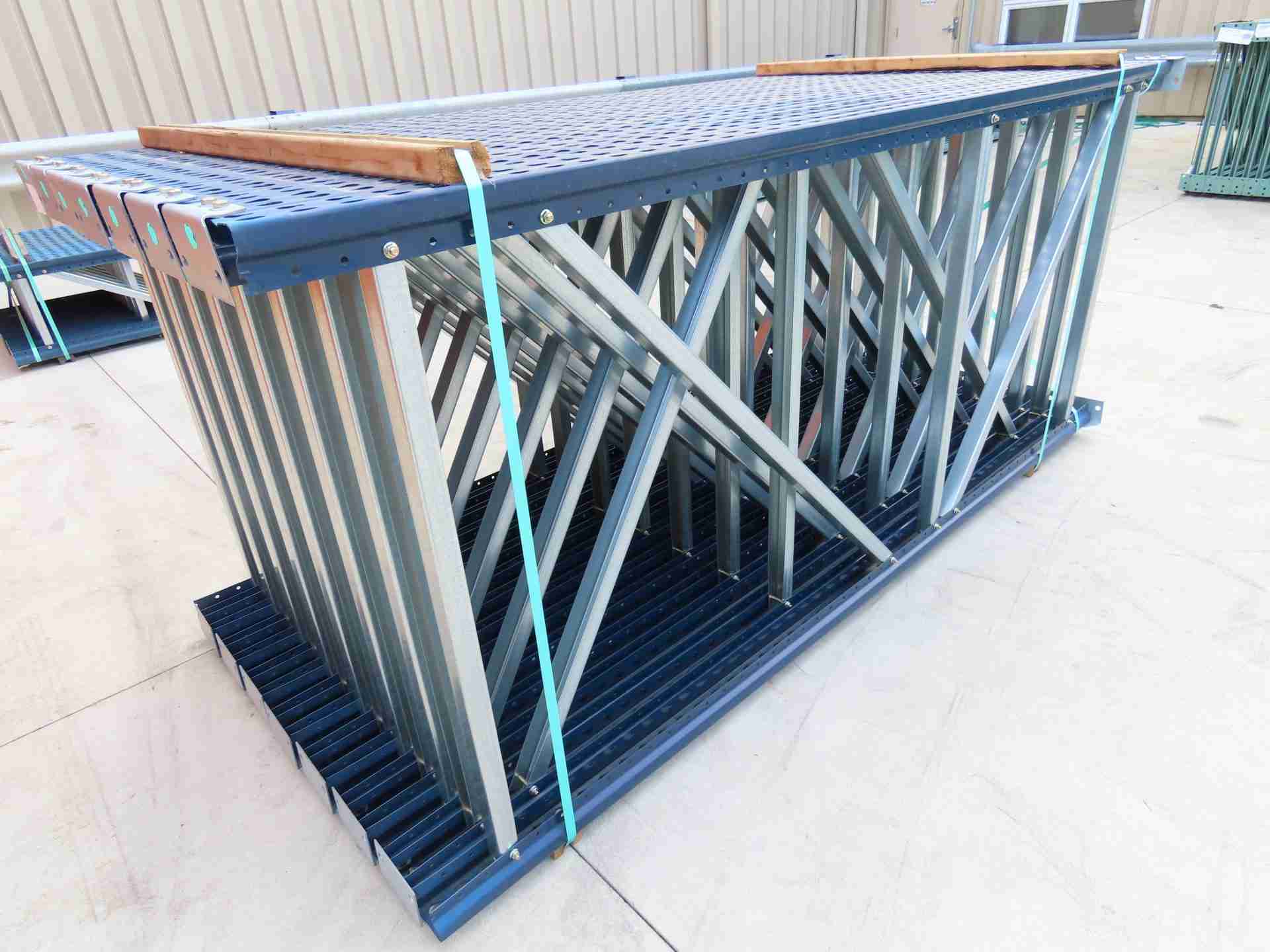
What Are The Benefits Of Selective Vs. Drive-In Racking?
How Do Safety Standards Impact My Racking Choices?
When it comes to maximizing your warehouse space while keeping your products secure, choosing the right racking system is crucial. You might be wondering, “How do safety standards really affect my pallet racking decisions?” The answer isn’t just layered in regulations; it’s woven into the very fabric of your business’s success.
Let’s face it: the safety of your employees and the security of your inventory should always be the top priority. Compliance with safety standards isn’t merely a bureaucratic hurdle—it’s a roadmap to a safer working environment. Adhering to these guidelines means you’re not just choosing a pallet racking system; you’re making a commitment to running a responsible, efficient operation. Every time one of your team members reaches for a pallet on those racks, they’re putting their trust in a system designed with safety in mind.
Imagine standing in your warehouse, observing how effectively everything flows. Pallet racking that meets safety standards means you can focus on productivity instead of potential risks. You’re ensuring that every pallet is not just stored but stored safely and securely. This kind of peace of mind ripples through your operations. Employees feel safer, reducing workplace accidents and insurance premiums could dwindle, saving you money and creating a culture of care.
But beyond the immediate benefits, think of the long-term implications. Companies that prioritize safety tend to attract top talent and secure customer loyalty. Your business isn’t just another warehouse; it’s a hub of reliability. Clients know that when they see your commitment to high safety standards in pallet racking, they can trust you to handle their products with the utmost care.
Now, consider the cost. A less expensive racking option might seem appealing, but skimping on safety features could lead to devastating consequences—financial losses from damaged goods, accidents that could lead to injury claims, and reputational harm that could last a lifetime. As the old saying goes, “You get what you pay for,” and when it comes to safety, it’s worth investing in a quality pallet racking system that exceeds safety standards.
So, as you evaluate your choices in pallet racking, remember: Your decision impacts not only your bottom line but the very essence of your company’s values. Choose wisely, choose safely, and let your racking system reflect the commitment to excellence that you uphold in every aspect of your business. Take action now; make your choice count!

How Do Safety Standards Impact My Racking Choices?
How Do Safety Standards Impact My Racking Choices?
- Choosing the right racking system is essential for maximizing warehouse space and securing products.
- Safety standards significantly influence pallet racking decisions and contribute to overall business success.
- Prioritizing employee safety and inventory security is crucial and fosters a responsible working environment.
- Compliant pallet racking systems enhance productivity and reduce risks, promoting a culture of care.
- Long-term benefits include attracting top talent, gaining customer loyalty, and building a reputation for reliability.
- Opting for inexpensive racking may lead to severe repercussions, including financial losses and reputational damage.
- Your selection of pallet racking reflects your company values; invest wisely in safety to uphold excellence.
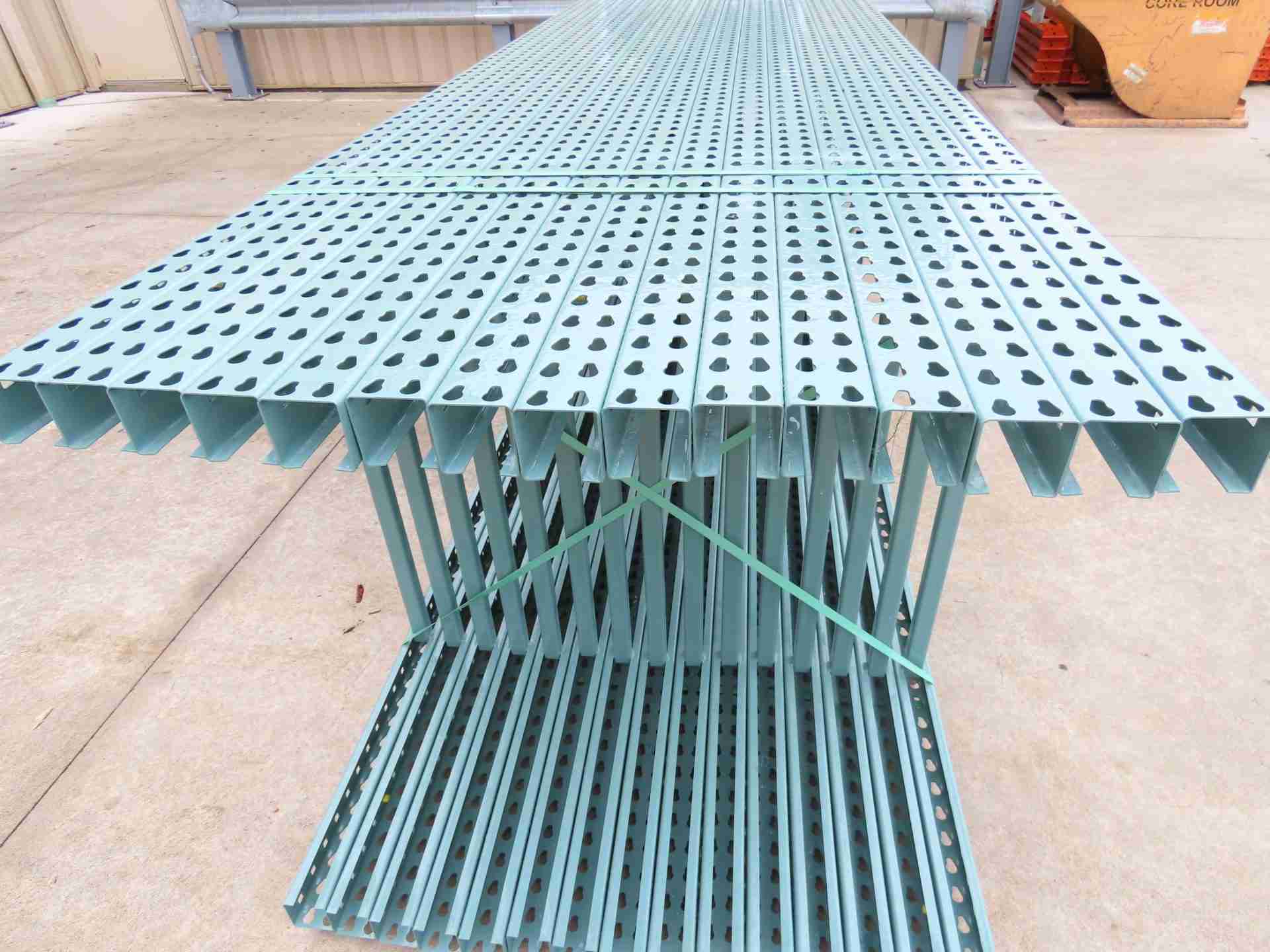
How Do Safety Standards Impact My Racking Choices?
Conclusion
Conclusion: Unleashing Your Warehouse’s Potential with the Right Pallet Racking
When it comes to streamlining your warehouse operations, selecting the right pallet racking system is not just an item on your to-do list; it’s a transformative strategy that can catapult your efficiency to new heights. Choosing a system tailored to your unique needs is paramount—imagine not just an organized space but a vibrant hub of productivity where every pallet is strategically positioned for maximum accessibility and utilization.
At Arrow Industrial Sales, we understand the complexity of this decision-making process. Whether you’re leaning toward selective racking for easy access or drive-in racking to maximize space, the key is to assess your specific storage needs. Consider factors like inventory type, space layout, anticipated growth, and safety standards to ensure your solution is not only effective today but also scalable for tomorrow.
Safety should never be an afterthought. A robust pallet racking system is grounded in quality and adherence to safety regulations, protecting both your employees and your inventory. By prioritizing safety, you foster a positive work environment, mitigate risk, and align with industry standards that elevate your operation’s reputation.
To put this into action, take time to survey your space. Measure and visualize potential layouts, considering flow and accessibility. Engage your team for insights on daily operations—they’re invaluable partners in creating an efficient system that genuinely works. Your warehouse isn’t just a storage area; it’s an asset that reflects your commitment to quality and productivity.
The clock is ticking, and the demand for efficiency in your operations has never been higher. Don’t settle for a cookie-cutter approach; invest in a racking system that caters to your specific challenges and ambitions. At Arrow Industrial Sales, we’re here to help you navigate the plethora of options available—from selective and drive-in racking to adjustable systems tailored to meet your evolving needs.
Take action today by reaching out at (574) 349-6575. Our team is equipped and eager to assist you in transforming your warehouse into a powerhouse of efficiency. Don’t miss out on the opportunity to elevate your operations and enhance your bottom line. The right pallet racking is waiting; all that’s left is for you to make that vital call. Your future success starts here!

Conclusion
Conclusion:
- Selecting the right pallet racking system is a transformative strategy to enhance warehouse efficiency.
- Tailor the system to your unique needs for an organized and productive space.
- Assess specific storage needs, including inventory type, space layout, growth potential, and safety standards.
- Prioritize safety by choosing a quality pallet racking system that adheres to regulations.
- Survey your warehouse space and engage your team for insights on optimizing daily operations.
- Invest in customizable racking options to address specific challenges and ambitions.
- Contact Arrow Industrial Sales at (574) 349-6575 to transform your warehouse into a model of efficiency.
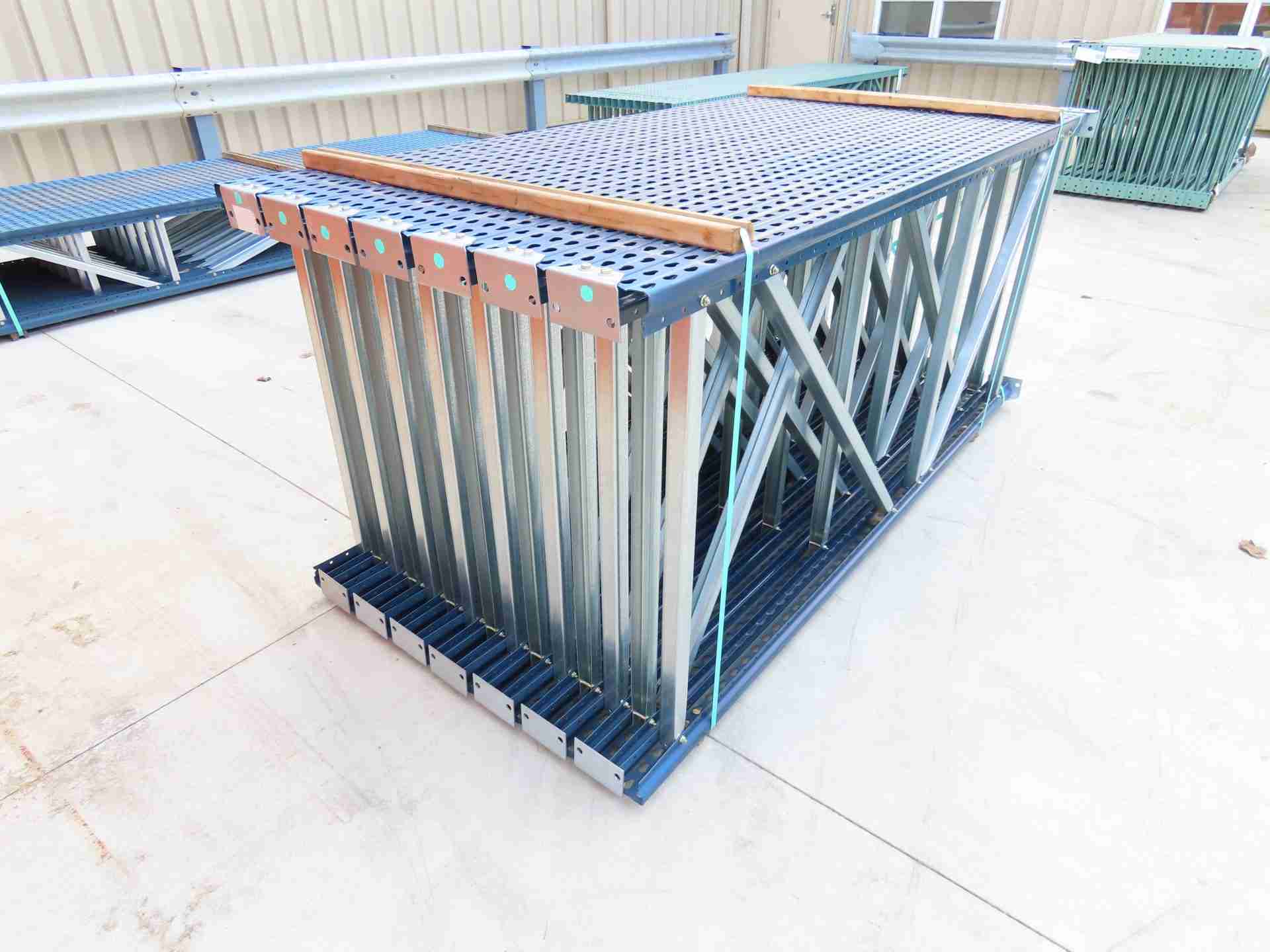
Conclusion
Other Resources
Other Resources
Here is a list of other resources you can review online to learn more:
- The Ultimate Pallet Racking Guide – Speedrack West
- Pallet Racking systems in Illinois and Great Lakes
- Racking World
- MHI
- Selective Pallet Racking Systems
- Selective Racking
- Illinois Pallet Racking – WPRP
- Teardrop Uprights
- BMH
- Logic Material Handling
Use This Prompt To Get More Resources With Your Favorite Online AI Tool: Please provide me with a list of online articles with their URLs in a bulleted list that I can read regarding How Can You Choose The Right Warehouse Pallet Racking for Your Needs?
Other Resources
Glossary Terms
How Can You Choose The Right Warehouse Pallet Racking for Your Needs? – Glossary Of Terms
1. Pallet Racking: A storage system that uses horizontal rows of pallets, supported by vertical frames, enabling efficient storage and retrieval of goods.
2. Load Capacity: The maximum weight that a pallet rack can safely support, which must be considered to prevent collapse or damage.
3. Pallet: A flat structure made of wood, plastic, or metal used to support goods during storage, handling, and transportation.
4. Forklift: A powered industrial vehicle used to lift and move materials over short distances, essential for operating pallet racking systems.
5. Selective Racking: A type of racking that allows for direct access to each pallet, enhancing inventory management and retrieval efficiency.
6. Drive-In Racking: A storage system where forklifts can drive into the rack to load or retrieve pallets, maximizing space usage in warehouses.
7. Push Back Racking: A storage solution where pallets are loaded onto carts that push back within the rack, allowing for last-in, first-out inventory rotation.
8. Gravity Flow Racking: A system that uses a slope to allow pallets to move toward the front of the rack, facilitating first-in, first-out (FIFO) inventory access.
9. Rack Optimization: The process of analyzing and modifying warehouse layouts and racking systems to maximize space, efficiency, and accessibility.
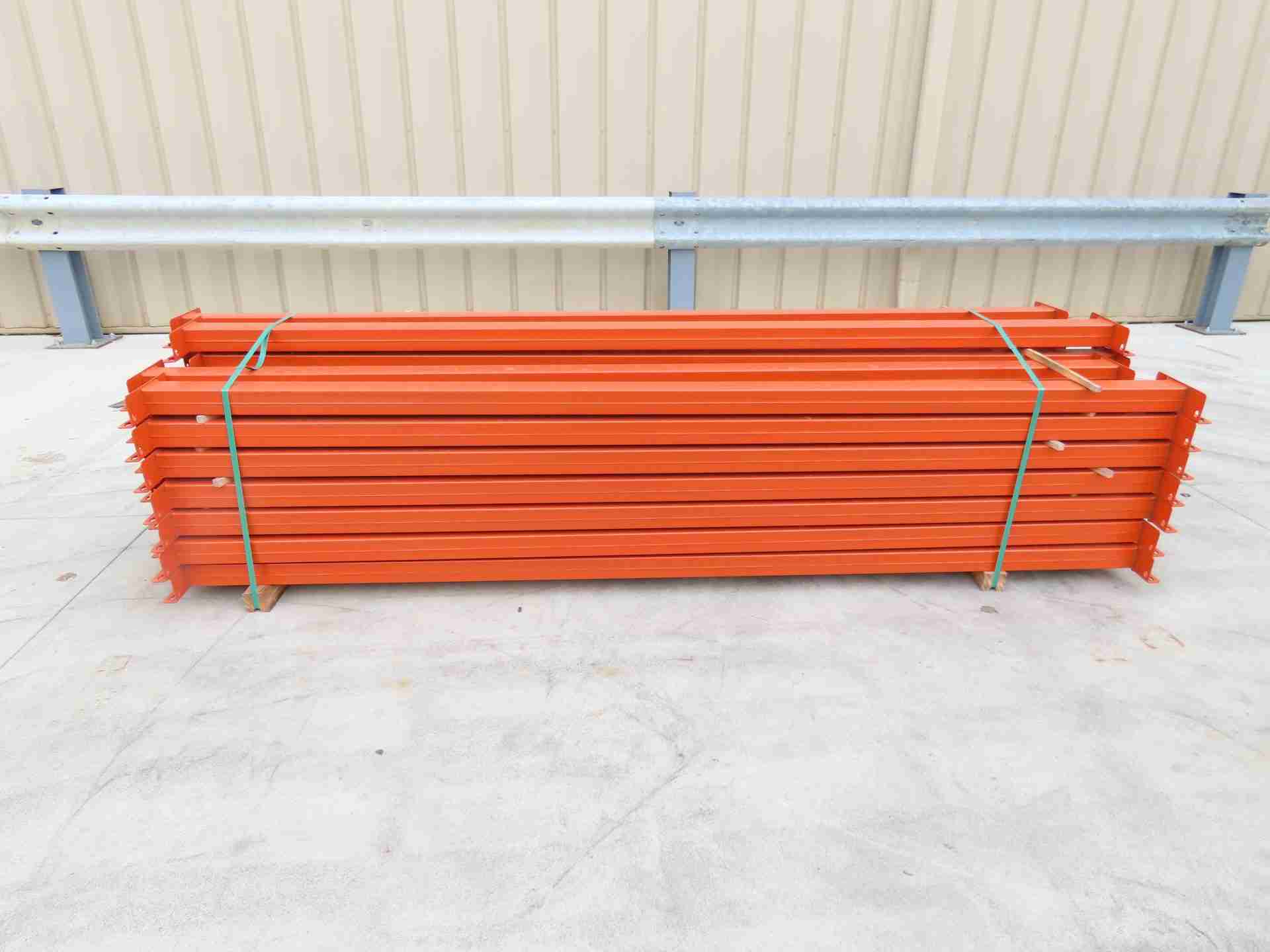
10. Beam: The horizontal component of a pallet rack that supports the load; they come in various lengths to accommodate different pallet sizes.
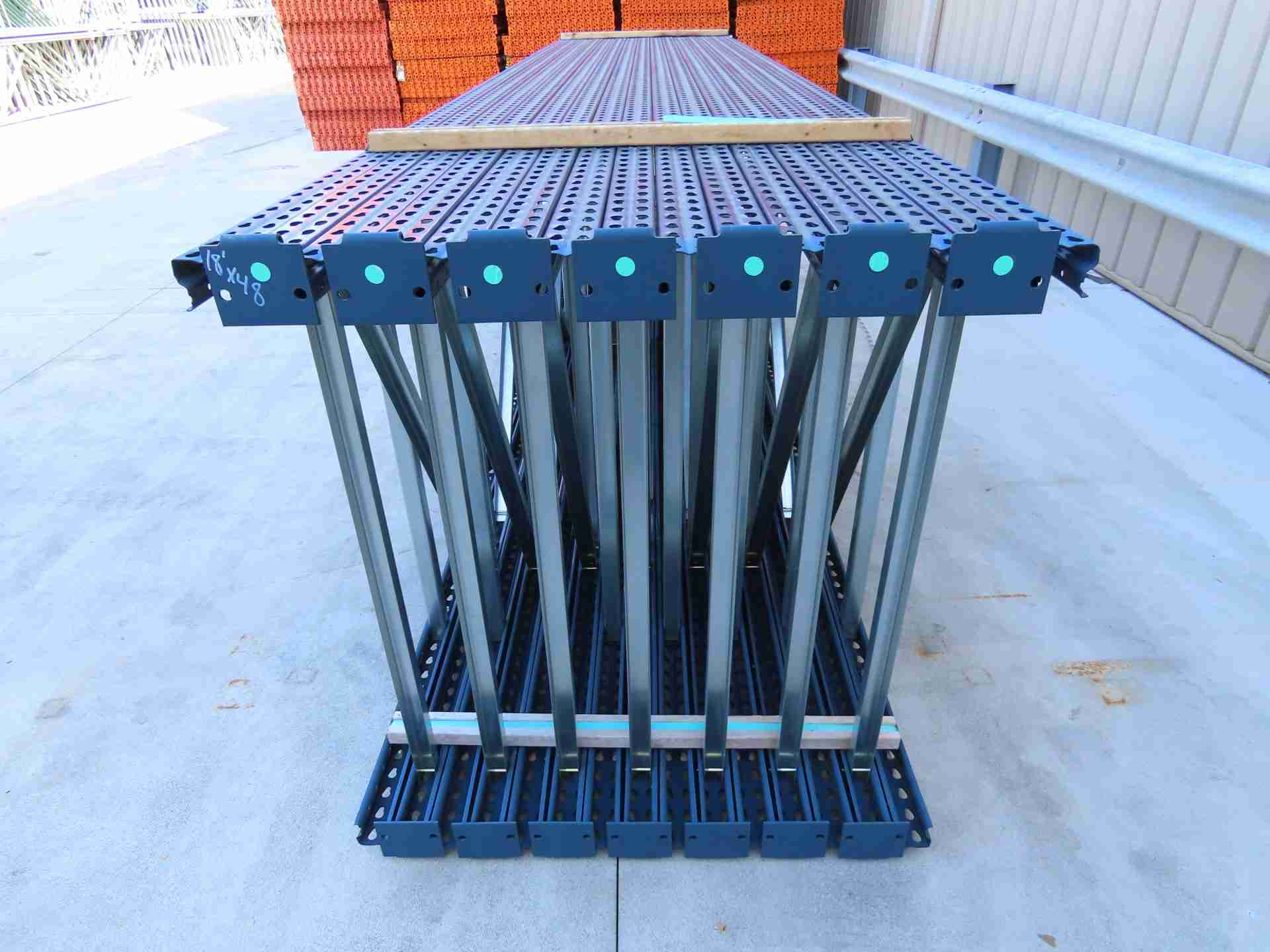
11. Column: The vertical component of a pallet rack that provides support to the beams and the entire structure.
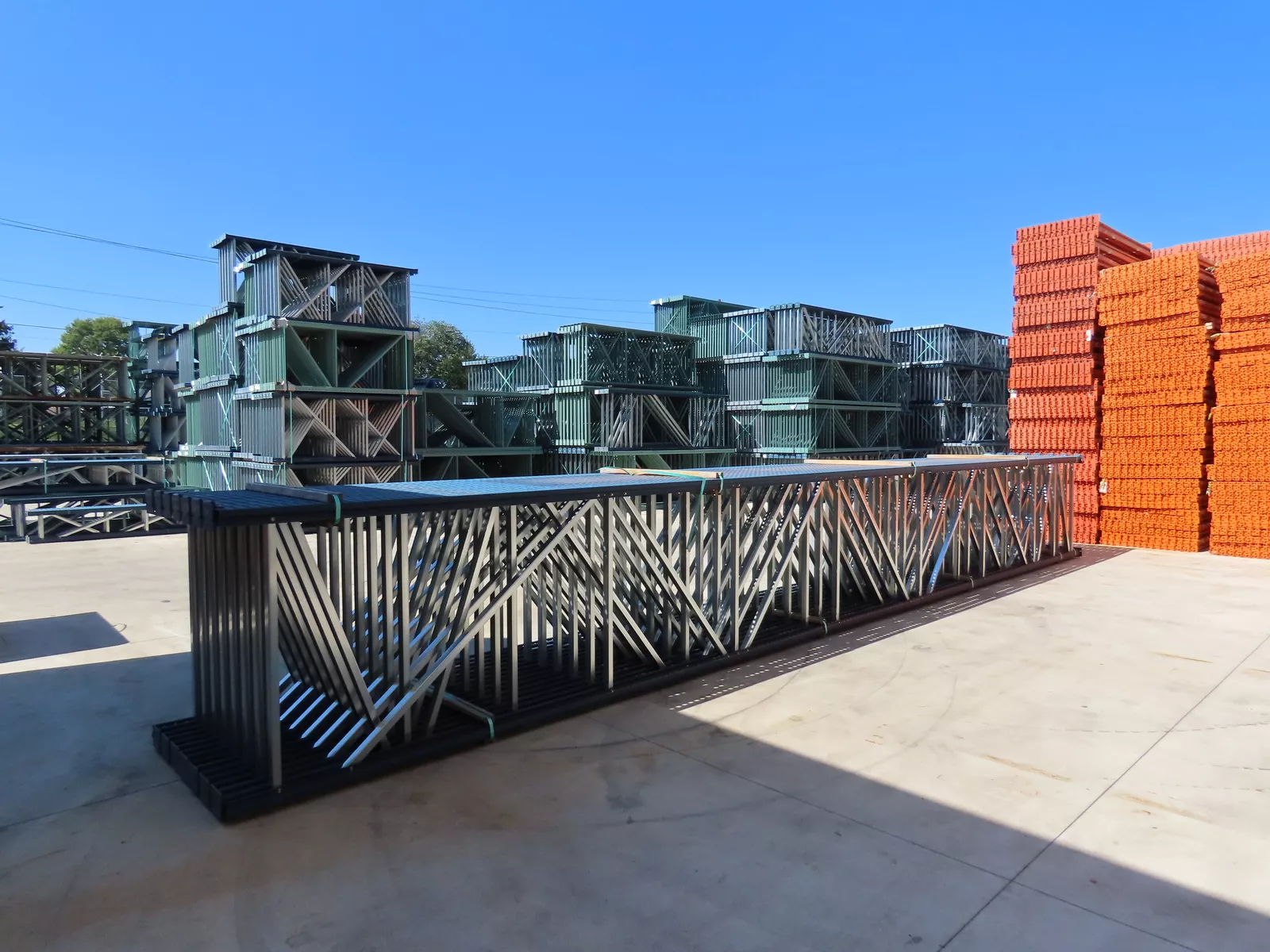
12. Cross bracing: Diagonal support structures attached to pallet racking to enhance stability and prevent swaying.
13. Pallet Height: The vertical dimension of pallets, which influences the choice of racking system and available height in the warehouse.
14. Aisle Width: The space between rows of pallet racking, which must be optimized for forklift maneuverability and picking operations.
15. SKU (Stock Keeping Unit): A unique identifier for each distinct product or item in inventory, critical for inventory management in a warehouse setting.
16. Racking Layout: The strategic arrangement of pallet racking within a warehouse to optimize accessibility, space utilization, and workflow efficiency.
17. Weight Distribution: The way weight is spread across a pallet and racking system, affecting stability and load capacity decisions.
18. Safety Standards: Regulations and guidelines to ensure that racking systems are installed and maintained securely to prevent accidents and injuries.
19. Adjustable Racking: Racking systems with height-adjustable beams to accommodate varying pallet sizes and inventory needs.
20. Mezzanine Racking: A two-tiered racking system that utilizes vertical space efficiently by adding a raised platform for additional storage.
21. Inspection: Regular checks to assess the condition and safety of pallet racking; crucial for avoiding hazards.
22. Load Bearing: Refers to components designed to support weight, including beams, columns, and overall racking systems.
23. End of Aisle Racking: Racking placed at the ends of aisles used for storing larger or more frequently picked items.
24. Inventory Control: Techniques and processes used to oversee and manage stock levels, orders, and deliveries in a warehouse.
25. Height Restrictions: Legal or operational limits on how high racking systems can be constructed, often dictated by building codes.
26. Manufacturer Specifications: Guidelines provided by the rack manufacturer detailing load limits, installation procedures, and safety requirements.
27. Implementation Plan: A strategic plan detailing how to install or upgrade pallet racking systems, including timelines and resource allocation.
28. Visibility: The ease of seeing and accessing stored items, which can be enhanced through optimal aisle width and racking design.
29. Return on Investment (ROI): A measure of the profitability of investing in a specific racking system, considering cost versus efficiency gains.
30. Customization: The ability to modify racking systems to cater to specific storage needs, including size, configuration, and layout adjustments.

Glossary Of Terms
Other Questions
How Can You Choose The Right Warehouse Pallet Racking for Your Needs? – Other Questions
If you wish to explore and discover more, consider looking for answers to these questions:
- What are the key factors to consider when selecting a pallet racking system?
- How can I determine the best pallet racking option for my specific inventory?
- What safety features should I look for in pallet racking systems?
- How can pallet racking systems improve inventory management?
- What is the difference between selective, drive-in, and push-back racking systems?
- How do I evaluate the quality of pallet racking materials?
- What are the installation requirements for different types of pallet racking?
- How can I assess the future growth needs of my warehouse when choosing racking systems?
- What are the common mistakes to avoid when selecting pallet racking?
- How often should I inspect my pallet racking systems for safety and compliance?
- What role does pallet racking play in reducing operational costs?
- How can I train my team on the proper use and safety of pallet racking?
- Are there any industry standards or certifications I should be aware of for pallet racking?
Other Questions
Checklist
How Can You Choose The Right Warehouse Pallet Racking for Your Needs? – A Checklist
Checklist: Choosing the Right Warehouse Pallet Racking for Your Needs
This checklist is designed to help you navigate the decision-making process when selecting the appropriate pallet racking system for your warehouse.
1. Analyze Your Specific Needs:
_____ Identify the types of items you will store (bulky, delicate, standard).
_____ Assess the current and anticipated changes in your inventory.
_____ Determine any seasonal fluctuations in your stock.
2. Evaluate Warehouse Layout:
_____ Measure the total floor space available.
_____ Assess the height of ceilings and make a note of any vertical space.
_____ Consider the flow of operations and existing pathways.
_____ Identify areas of high-traffic for easy access.
3. Consider Future Growth:
_____ Forecast potential company expansion or product introductions.
_____ Evaluate the flexibility of the pallet racking system for changing needs.
4. Choose the Right Racking System:
_____ Selective Racking: Needed for easy access to all pallets.
_____ Drive-In Racking: Useful for high-density storage with limited product variety.
_____ Push Back Racking: Allows for first-in, first-out (FIFO) approach in inventory.
_____ Mobile Racking Systems: Offers flexibility in aisle creation.
_____ Cantilever Racking: Required for oversized or oddly shaped items.
5. Assess Load Capacity:
_____ Determine the weight and dimensions of the pallets you’ll store.
_____ Assess how often storage equipment will be utilized.
_____ Make sure to select racks that meet industry standards for quality.
6. Evaluate Safety Standards:
_____ Research local and industry-specific safety regulations.
_____ Ensure that the racking system adheres to safety standards.
_____ Assess potential insurance benefits from improved safety compliance.
7. Engage Your Team:
_____ Involve staff members in discussions about racking needs.
_____ Gather insights from team members on workflow and accessibility issues.
8. Review Quality Standards:
_____ Opt for high-quality materials that ensure durability.
_____ Consult with industry experts to ensure you’re making informed decisions.
9. Plan for Budgeting:
_____ Set a budget for the pallet racking purchase and installation.
_____ Consider long-term savings from efficiency, safety, and quality.
10. Implementation and Review:
_____ Plan the installation process to minimize disruption.
_____ Conduct periodic reviews of your racking system to ensure it meets evolving needs.
_____ Gather employee feedback on efficiency and effectiveness post-installation.
By following this checklist, you can ensure that you make an informed decision when selecting the right warehouse pallet racking system for your operations, maximizing efficiency while keeping safety and growth in mind.
Checklist
At RackingWorld, we help guide you through selecting warehouse storage systems and racking.
Be sure to read our other related stories at RackingWorld to learn more about warehouse storage systems.
0 Comments