
Transform Your Warehouse With Proper Training
By Tom Seest
At RackingWorld, we help guide you through selecting warehouse storage systems and racking.
Be sure to read our other related stories at RackingWorld to learn more about warehouse storage systems.
Is The Lack Of Proper Training Making Your Warehouse Frustrating?
Every day, countless warehouse managers experience an uphill battle. You’ve invested in advanced technologies, sturdy pallet racking, and systems designed for efficiency, yet you find your operations plagued by slowdowns and errors. Why? The root of the problem often stems from one overlooked aspect—proper training.
Imagine walking into your warehouse and seeing your team operating like a well-oiled machine. Workers navigating the aisles with confidence, seamlessly retrieving merchandise from the pallet racking, and hitting their targets without breaking a sweat. It’s not just a dream; it’s a reality waiting to happen. But without the right training, that dream can quickly turn into a frustrating nightmare!
When employees aren’t adequately trained, everything becomes a chore. Confusion arises over inventory procedures, safety protocols are ignored, and equipment remains underutilized. The result? Chaos reigns in your warehouse, leading to missed deadlines, unhappy customers, and a bottom line that’s anything but positive. Let’s be honest—frustration mounts, and it affects morale. You end up with a team that feels defeated instead of empowered.
So, how do you turn this ship around? Start by investing in comprehensive training programs tailored to your specific operations. This isn’t just throwing information at employees; it’s about creating an engaging learning experience. Encourage questions, offer hands-on training, and incorporate real-life scenarios your team faces every day. Equip them with the knowledge they need to excel—like properly utilizing pallet racking systems and mastering inventory management software.
You want your team to feel confident, not overwhelmed. An environment of growth nurtures a culture of excellence. With proper training, you’ll see an increase in productivity and safety, turning your warehouse from a point of pain into a hub of efficiency. The investment you make today will result in happier employees and satisfied customers tomorrow.
Are you ready to transform the narrative? Don’t let the lack of training be the hidden enemy sabotaging your operations. Take action and empower your workforce. Equip them with the skills necessary to conquer challenges and embrace a future where your warehouse operates smoothly. The path to a flourishing operation begins with a single step—commit to proper training today and witness a remarkable difference in your warehouse tomorrow!
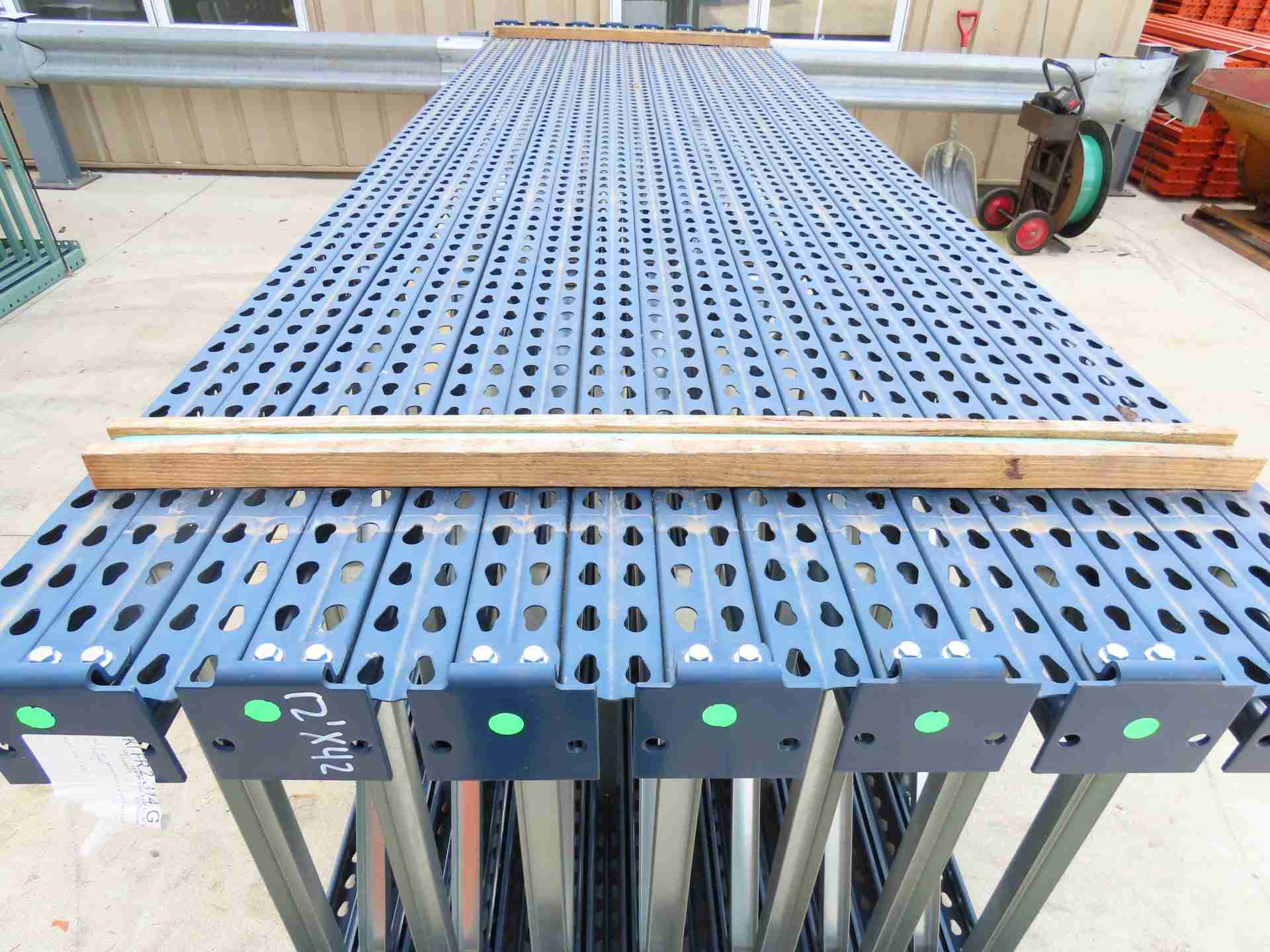
Is The Lack Of Proper Training Making Your Warehouse Frustrating?
Is The Lack Of Proper Training Making Your Warehouse Frustrating?
- Warehouse managers face challenges despite investments in technology and systems.
- Proper training is often overlooked and is key to operational success.
- A well-trained team operates efficiently and meets targets with confidence.
- Lack of training leads to confusion, safety issues, and underutilized resources.
- Comprehensive training programs should be engaging and tailored to the team’s needs.
- Investing in training enhances productivity, safety, and employee morale.
- Empowering the workforce with skills can transform warehouse operations for the better.
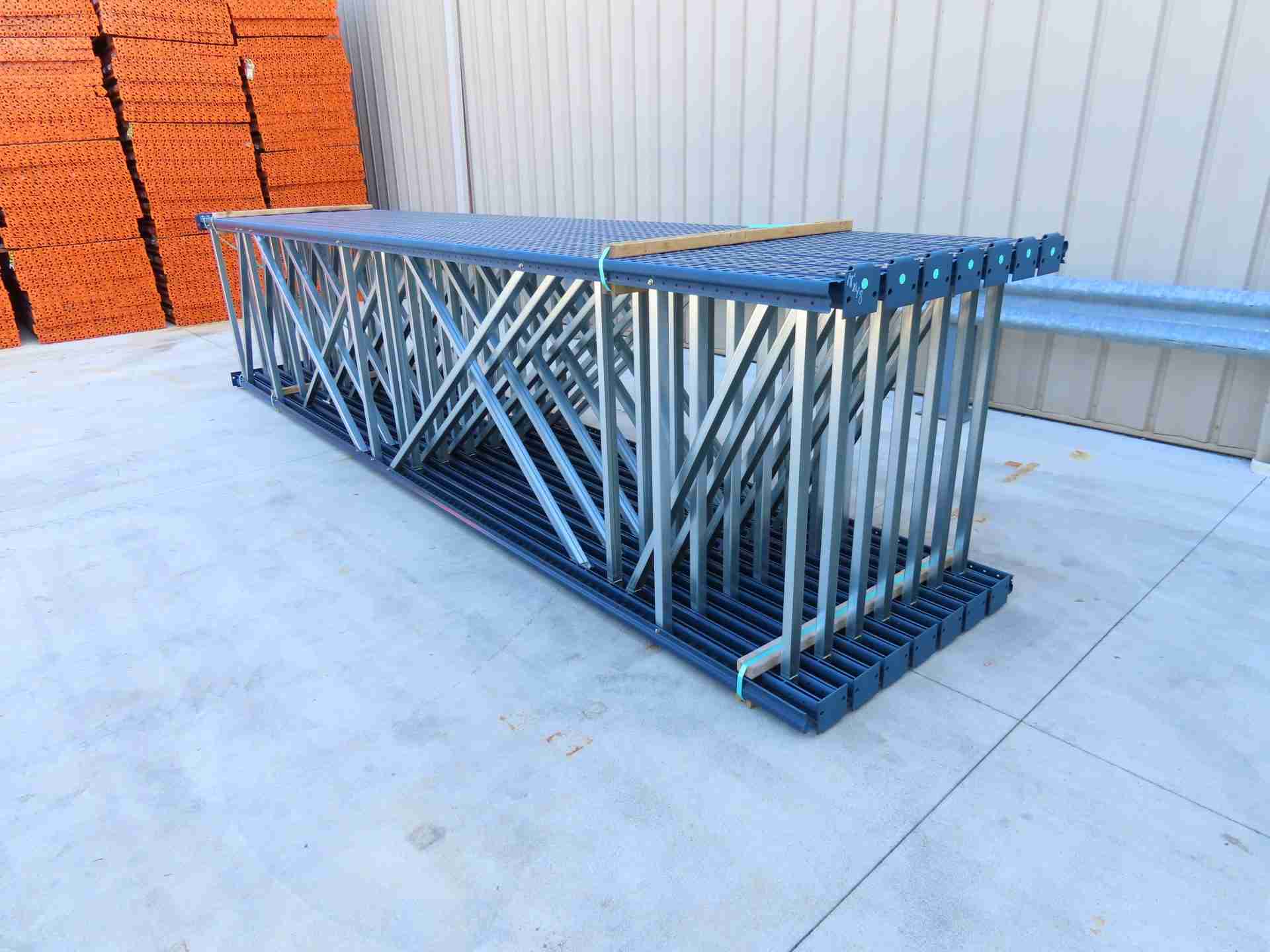
Is The Lack Of Proper Training Making Your Warehouse Frustrating?
Table Of Contents
- Is The Lack Of Proper Training Making Your Warehouse Frustrating?
- Is Your Warehouse Staff Lacking Essential Skills For Efficiency?
- How Can Proper Training Improve Warehouse Productivity?
- What Are The Signs Of Inadequate Training In A Warehouse?
- Are Employees Aware Of The Latest Warehouse Technologies?
- How Does Poor Training Impact Safety In The Warehouse?
- What Training Methods Work Best For Warehouse Teams?
- Conclusion
- Other Resources
- Glossary Of Terms
- Other Questions
- Checklist
Is Your Warehouse Staff Lacking Essential Skills For Efficiency?
When was the last time you took a good, hard look at your warehouse operations? You might think that if your pallet racking is in place and your inventory is organized, you’re doing fine. But let’s be honest—does it feel like your warehouse runs like a well-oiled machine or more like a chaotic assembly of moving parts? The truth is, even the most efficient systems can’t compensate for a team lacking in essential skills.
Imagine your warehouse staff maneuvering around those towering stacks of pallet racking with grace and confidence, each member perfectly attuned to their role. Picture them expertly handling inventory, communicating seamlessly, and responding to challenges in real-time. It’s not just a dream; it can be your reality. But first, you have to assess whether your team possesses the skills needed to elevate your operations.
The busy hum of a warehouse filled with collaborative energy speaks volumes. When your staff is proficient in essential warehouse skills—like inventory management, safety protocols, and effective communication—efficiency becomes their second nature. But if you’ve noticed confusion during peak times or frustration with basic processes, it’s time to take action.
Investing in training isn’t just an expenditure; it’s a strategic move towards unlocking untapped productivity. Consider the benefits of upskilling your team. Not only does it foster a culture of continued improvement, but it also empowers your staff to take ownership of their roles. When they feel competent and confident, you won’t just see an uptick in efficiency; you’ll witness a morale boost that can transform your entire operation.
Moreover, ensure that your facilities support those skills. Properly designed pallet racking systems can optimize workflow, but if your staff doesn’t know how to use them effectively, they miss out on that treasure trove of potential efficiency. Training isn’t merely a box to check; it’s an ongoing commitment to excellence.
So, what’s stopping you? Making an investment in your workforce today is not just about immediate results; it’s about setting the stage for long-term success. When you empower your staff with the skills they need, you’re not just improving efficiency—you’re building a foundation of trust and reliability that can set your warehouse apart from the competition. The sooner you act, the sooner you’ll reap the rewards. Embrace the opportunity to elevate your team and watch your efficiency soar!
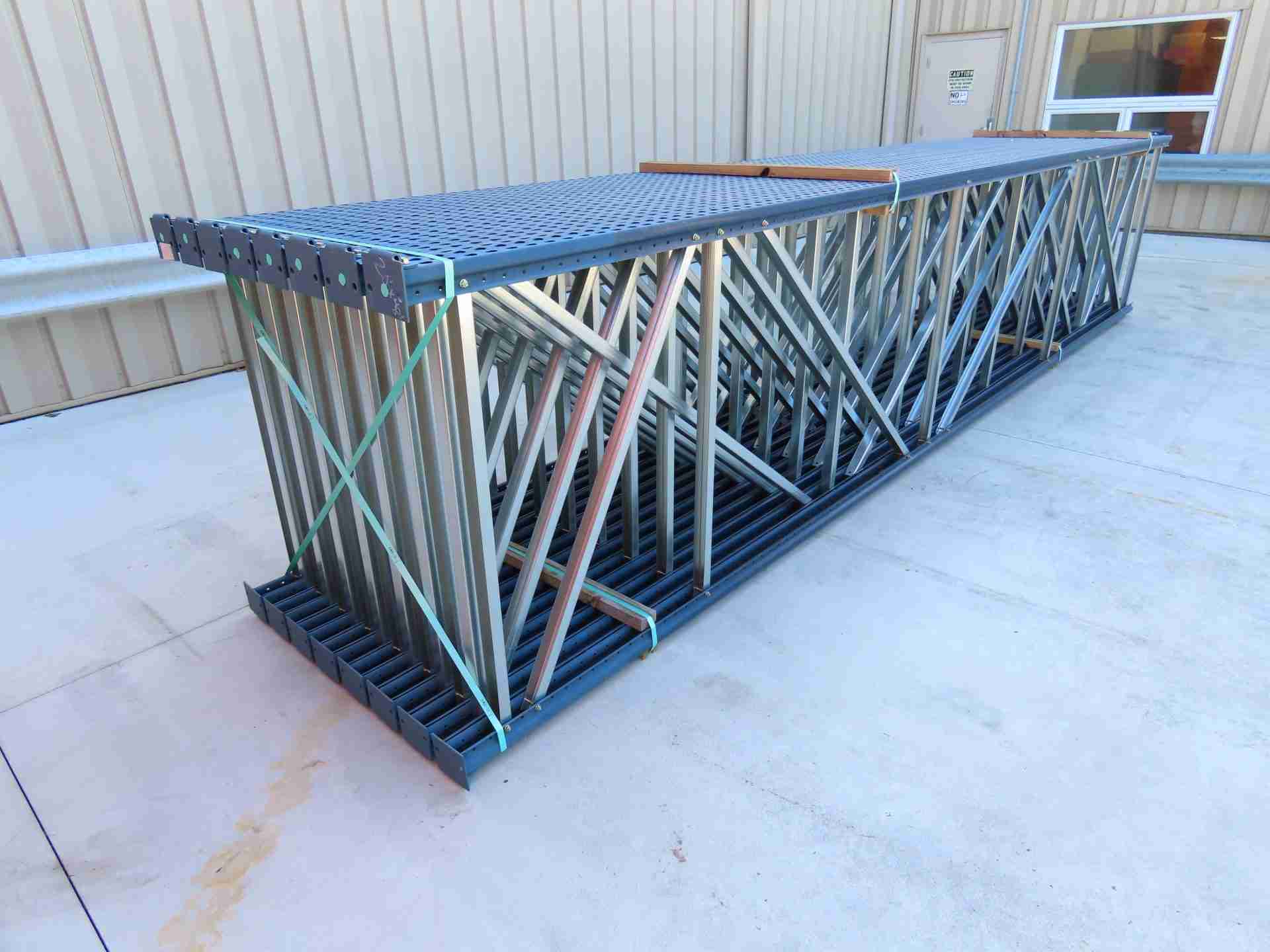
Is Your Warehouse Staff Lacking Essential Skills For Efficiency?
Is Your Warehouse Staff Lacking Essential Skills For Efficiency?
- Regularly assess warehouse operations to identify areas for improvement.
- Efficient systems require a skilled team; assess staff competencies.
- Proficient warehouse staff enhance collaboration, communication, and problem-solving.
- Upskilling team members can lead to increased productivity and improved morale.
- Training fosters a culture of continuous improvement and ownership among staff.
- Effective design of facilities and equipment is crucial for maximizing efficiency.
- Investing in staff development lays the groundwork for long-term success and competitive advantage.

Is Your Warehouse Staff Lacking Essential Skills For Efficiency?
How Can Proper Training Improve Warehouse Productivity?
How Proper Training Can Skyrocket Warehouse Productivity
Picture this: a bustling warehouse filled with the hum of activity, employees deftly navigating their tasks with confidence while the sun pours through the windows, illuminating perfectly organized pallet racking systems. This is not just a dream—this is the power of proper training. When your team is equipped with the right skills and knowledge, productivity flourishes, leading to not just operational efficiency but also a transformed workplace culture.
When your employees know how to maximize the use of pallet racking effectively, they experience a sense of ownership and pride in their roles. Have you ever walked through a warehouse where items seemed scattered and operations appeared chaotic? That’s the result of inadequate training. Conversely, a well-trained team can quickly locate items, optimally utilize space, and reduce unnecessary movements—all of which lead to faster turnovers and decreased costs. Wouldn’t you want your warehouse to be the envy of the industry, demonstrating not just capability but a commitment to excellence?
Imagine this scenario: a new hire joins your team, and instead of feeling lost and overwhelmed, they are guided through a structured training program. They learn how to handle the intricacies of pallet racking, understanding not just the “how” but also the “why” behind the systems in place. This fosters not only skill development but also a deeper connection to their role and to each other. When employees feel supported and educated, morale skyrockets, and you’ll notice a huge difference in teamwork and accountability.
But let’s not stop at mere metrics. Think about employee retention rates. Organizations that invest in training have lower turnover; when people feel competent and valued, they stick around. Isn’t it time to stop seeing training as a line item in your budget and start viewing it as an investment in the backbone of your business?
Every hour spent training is an hour invested in increasing your efficiency and profitability. Remember, in an environment where every minute and movement counts, a knowledgeable team makes all the difference. So take that leap—implement comprehensive training focused on practical skills, including the mastery of pallet racking, and watch your warehouse productivity soar to new heights. Your bottom line will thank you.
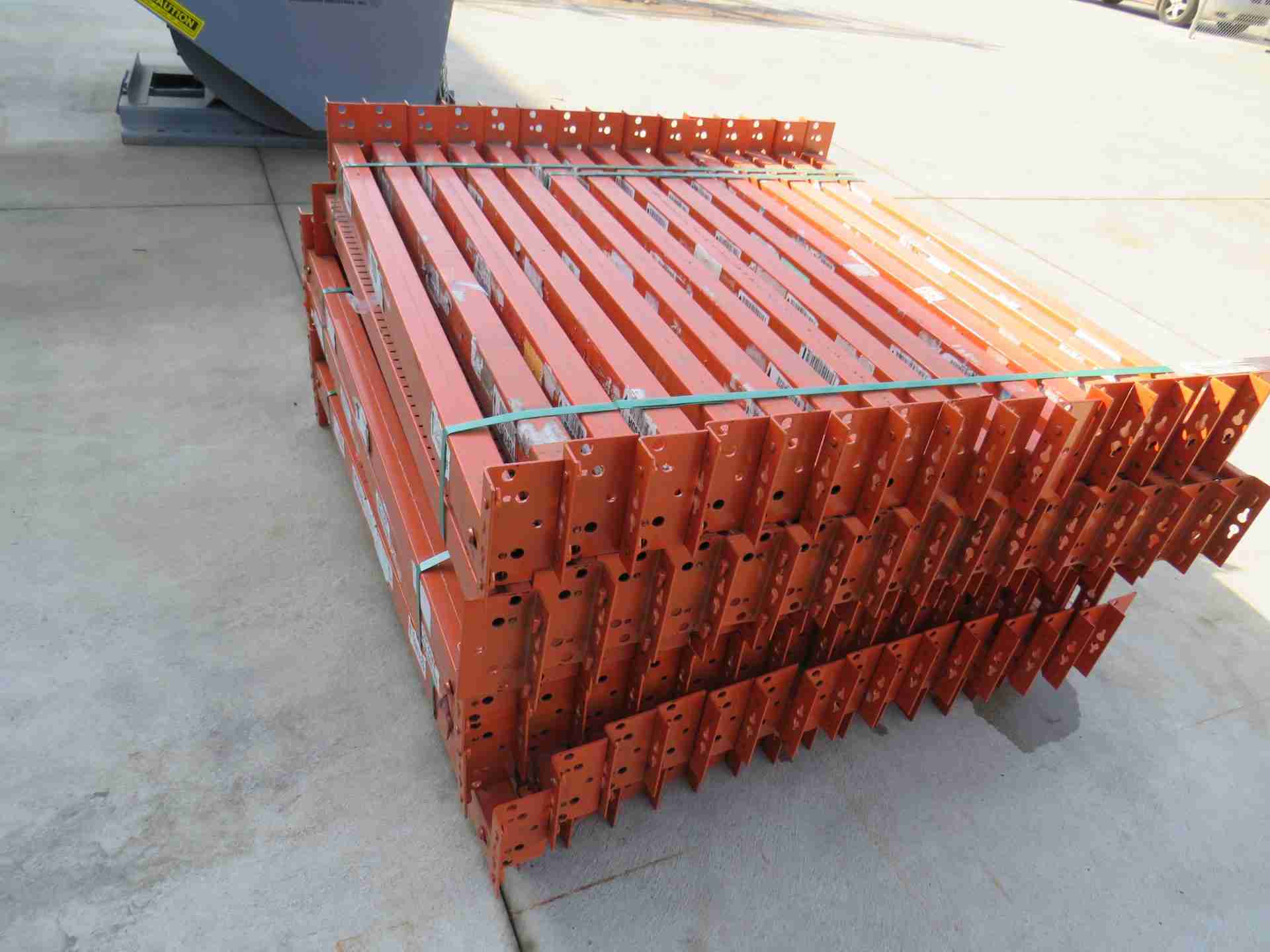
How Can Proper Training Improve Warehouse Productivity?
How Can Proper Training Improve Warehouse Productivity?
- Proper training enhances warehouse productivity and transforms workplace culture.
- Well-trained employees feel ownership and pride, significantly improving organization and efficiency.
- Effective training enables quick item location, optimal space utilization, and reduced unnecessary movements.
- A structured training program helps new hires understand both how and why processes work, boosting skill development.
- Investment in training leads to higher employee morale, teamwork, and accountability.
- Companies that prioritize training enjoy lower turnover rates as employees feel competent and valued.
- Comprehensive training in practical skills results in increased efficiency and profitability for the warehouse.
How Can Proper Training Improve Warehouse Productivity?
What Are The Signs Of Inadequate Training In A Warehouse?
In a bustling warehouse environment, every employee plays a critical role in ensuring smooth operations and maximizing efficiency. Yet, when training falls short, it can lead to serious repercussions not only for productivity but also for safety. How can you tell if your training programs are missing the mark? Here are some signs to watch out for.
First and foremost, pay attention to your pallet racking systems. If employees struggle to stack or retrieve goods without creating a chaotic mess, it might indicate inadequate training. An untrained workforce may not understand the correct safety protocols for pallet racking, which could lead to dangerous situations—like items falling or racking systems collapsing. An organized warehouse is a sign of a well-trained team confident in their roles.
Next, observe communication gaps. If workers fail to effectively communicate about inventory levels or safety concerns, that’s another red flag waving. Strong training programs emphasize the importance of clear communication, fostering a culture where teammates feel empowered to speak up. When those lines of communication falter, it’s a sure sign that your training isn’t hitting the mark.
Then there’s productivity; any substantial decline can often be traced back to insufficient training. If your team is missing deadlines or taking excessive time on simple tasks, it’s worth digging deeper. Proper training instills confidence and expertise—if employees struggle with basic functions, you might be facing a knowledge gap that needs urgent addressing.
Finally, keep an eye on employee turnover. If your warehouse has a revolving door of new hires, consider that the root cause may lie in inadequate training. When employees feel lost or ill-equipped, they’re less likely to stay. On the flip side, effective training not only enhances job satisfaction but also builds loyalty.
So, what can you do about it? Start by reassessing your training programs. Look for areas that need enhancement, invest in comprehensive training tools, and most importantly, engage your team in ongoing education. Remember, a well-trained workforce is your best asset—boosting efficiency, ensuring safety, and fostering a positive work environment.
Take action today—revolutionize your warehouse’s training approach and watch your operation thrive!

What Are The Signs Of Inadequate Training In A Warehouse?
What Are The Signs Of Inadequate Training In A Warehouse?
- Every employee in a warehouse environment is critical for smooth operations and efficiency.
- Inadequate training can lead to decreased productivity and safety hazards.
- Pallet racking difficulties indicate poor training, possibly resulting in dangerous situations.
- Poor communication about inventory and safety is a sign of ineffective training programs.
- A decline in productivity may suggest a knowledge gap due to insufficient training.
- High employee turnover can stem from inadequate training and a lack of support.
- Reassess and enhance training programs to improve efficiency, safety, and employee satisfaction.
What Are The Signs Of Inadequate Training In A Warehouse?
Are Employees Aware Of The Latest Warehouse Technologies?
In today’s fast-paced world, the warehouse landscape is transforming faster than ever before. While businesses invest heavily in cutting-edge technologies such as automated storage systems and advanced inventory tracking, the true question remains: Are your employees equipped and engaged with these developments? The reality is that no matter how impressive the technology may be—from intuitive pallet racking systems that optimize space to emerging robotics—inadequate understanding among employees can lead to missed opportunities and diminished returns.
Consider this: if you introduce a state-of-the-art pallet racking system, do your employees recognize its full potential? Are they familiar with how to utilize it effectively to streamline operations? Knowledge is power, and in the warehouse, it’s even more critical. A well-informed staff not only enhances productivity but can also elevate workplace morale. Imagine a team that feels confident navigating through innovative systems, fully aware of how each component impacts their work environment. They won’t just be employees doing their job; they’ll be empowered stakeholders in your operation’s success.
Yet, despite the significance of this knowledge, many warehouses find their teams lagging behind technological advancements. This gap can stem from a lack of proper training or a disconnect between management and ground-level operations. To cultivate a culture of innovation, businesses must prioritize comprehensive training programs that demystify these technologies. Employees need to see how these tools—like sophisticated pallet racking solutions—can make their jobs easier and more efficient.
Engaging your employees in the latest advancements is not merely a step in your operational strategy; it’s a commitment to your workforce. Show them the breakthroughs in automation and the benefits of real-time inventory management. Create workshops and hands-on training sessions. Encourage an atmosphere of curiosity where employees feel inspired to ask questions and explore these new tools without the fear of judgment.
Ultimately, fostering awareness and excitement around the latest warehouse technologies cultivates a workforce that is not only informed but also invested in your organization’s success. By involving them in the process, you build trust, instill confidence, and encourage action that drives efficiency—and when employees are well-equipped, your entire operation thrives. Embrace this opportunity to bridge the knowledge gap. The future of warehousing awaits, and it’s time to ensure your team is right there with you, ready to embrace it.

Are Employees Aware Of The Latest Warehouse Technologies?
Are Employees Aware Of The Latest Warehouse Technologies?
- The warehouse landscape is rapidly transforming due to advancements in technology.
- Employee understanding and engagement with new technologies are crucial for success.
- Effective use of tools like automated storage systems can enhance productivity and morale.
- Many warehouse teams lack the necessary training to keep pace with technological advancements.
- Comprehensive training programs are essential to help employees utilize new tools effectively.
- Creating a culture of curiosity and hands-on experience fosters better understanding and engagement.
- Involving employees in technological advancements builds trust and drives operational efficiency.
Are Employees Aware Of The Latest Warehouse Technologies?
How Does Poor Training Impact Safety In The Warehouse?
In the fast-paced world of warehouse operations, safety should never be a mere afterthought. Yet, too often, the lack of proper training transforms a bustling workplace into a precarious environment. Imagine a facility filled with towering pallet racking. Each rack, while designed to maximize space and efficiency, poses potential dangers if not utilized correctly. A slip-up here can lead to costly accidents, injuries, and even tragic outcomes.
When employees are inadequately trained, they become a risk not just to themselves but to their coworkers as well. Consider the consequences: a forklift operator unaware of load limits may attempt to haul an overloaded pallet. The result? A toppled load can create chaos. Now, add to that the treacherous wobbly stacks of boxes resting on that pallet racking, and you have a recipe for disaster. It’s as if the warehouse is a ticking time bomb, waiting for the wrong move to ignite an accident.
Furthermore, poor training can lead to misjudgments about safe operating distances and proper lifting techniques. Perhaps an employee was never taught the essentials of ensuring that aisleways are clear of obstructions. Or maybe they haven’t learned the significance of wearing personal protective equipment (PPE) while navigating around potentially hazardous setups. These oversights not only cause accidents but also lead to a toxic culture of risk that can permeate the entire workforce.
But here’s the good news: investing in comprehensive training programs sends a powerful message—it shows that you value safety, the well-being of your employees, and the integrity of your operations. When your team understands how to work around pallet racking safely, how to use equipment responsibly, and how to communicate risks effectively, the chances of accidents diminish dramatically.
Engage your staff in regular training sessions and drills, and watch as confidence grows among your workforce. Trust fosters unity, and when employees feel secure in their roles, they are more inclined to watch out for one another. Ultimately, this commitment not only preserves lives but enhances your warehouse productivity—creating a harmonious environment where safety and efficiency go hand-in-hand.
By prioritizing safety training, you’re not just averting disaster; you’re building a resilient, engaged, and empowered team ready to face any challenge. So, why wait? Take action today to create a safe and thriving warehouse that reflects your commitment to excellence.
How Does Poor Training Impact Safety In The Warehouse?
How Does Poor Training Impact Safety In The Warehouse?
- Safety in warehouse operations is critical and should not be overlooked.
- Lack of proper training can transform a busy workplace into a dangerous environment.
- Inadequately trained employees pose risks to themselves and their coworkers.
- Poor training may result in unsafe practices, such as overloading pallets or obstructed aisleways.
- Investing in comprehensive training programs demonstrates a commitment to employee safety and operational integrity.
- Regular training sessions can enhance employee confidence and foster a culture of safety.
- Prioritizing safety training leads to a more resilient and productive workforce, enhancing overall performance.

How Does Poor Training Impact Safety In The Warehouse?
What Training Methods Work Best For Warehouse Teams?
What Training Methods Work Best for Warehouse Teams?
When it comes to training warehouse teams, the goal is clear: equip your workforce with the skills and knowledge they need to operate efficiently and confidently. In an environment where every second counts, it’s essential to implement training methods that are not just effective but also engaging.
Imagine a team member confidently moving through the aisles, expertly maneuvering around the pallet racking, seamlessly picking items, and managing stock. This isn’t just a dream; it’s the reality that effective training can create. So, how do you get there?
First, embrace hands-on training. Nothing beats the power of experiential learning. Instead of dumping a pile of manuals on your team, immerse them in simulated situations where they can practice problem-solving in real time. Have them navigate the actual environment of your warehouse, including interactions with equipment, safety protocols, and, yes, the complicated layout of your pallet racking systems. This direct experience not only reinforces their learning but also builds their confidence.
Consider incorporating peer mentorship into your training strategy. Pairing seasoned employees with newcomers fosters a sense of camaraderie and trust. This collaborative approach allows new team members to learn the ropes under the guidance of someone who understands the nuances of your specific operations. The seasoned mentor’s firsthand knowledge about the best practices for handling items on pallet racking, optimizing storage space, and enhancing safety measures is invaluable.
Moreover, diversify your training methods. While in-person instruction is key, don’t overlook the power of technology. Quick e-learning modules offer team members the flexibility to learn at their own pace, ensuring they grasp essential concepts like proper navigation through pallet racking without slowing down overall productivity. Use interactive quizzes or gamified scenarios to test their knowledge, making learning fun and competitive.
Lastly, remember the importance of feedback. Regularly check in with your warehouse team to assess their comfort levels and gather their insights on the training process. Not only does this reinforce that their opinions matter, but it also helps tweak training programs to better fit your team’s needs.
When you implement these training methods, you’re not just filling a quota – you’re investing in a competent, confident, and cohesive team ready to tackle any challenge. Craft a warehouse culture where growth is continuous, and watch as productivity soars. Together, you’ll lift your operations to new heights, one pallet racking challenge at a time.
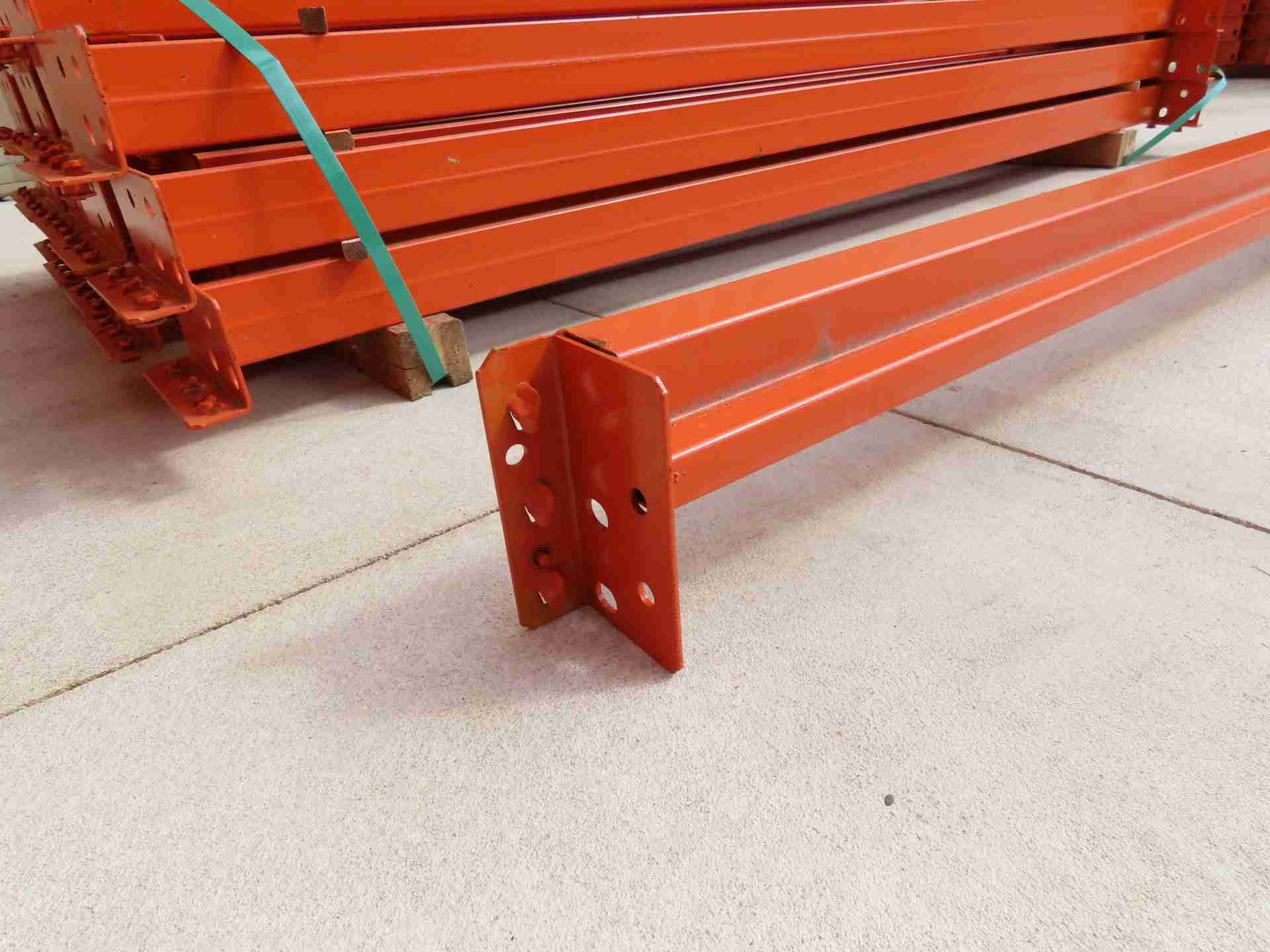
What Training Methods Work Best For Warehouse Teams?
What Training Methods Work Best For Warehouse Teams?
- Effective training for warehouse teams aims to equip the workforce with necessary skills and knowledge for efficient operations.
- Hands-on training through simulated situations enhances problem-solving skills and builds confidence.
- Peer mentorship fosters camaraderie and allows new employees to learn from experienced workers.
- Diverse training methods, including e-learning and gamified scenarios, cater to different learning preferences.
- Regular feedback from warehouse teams helps assess comfort levels and improve training programs.
- Investing in comprehensive training results in a competent and cohesive team ready for challenges.
- A culture of continuous growth leads to increased productivity in warehouse operations.
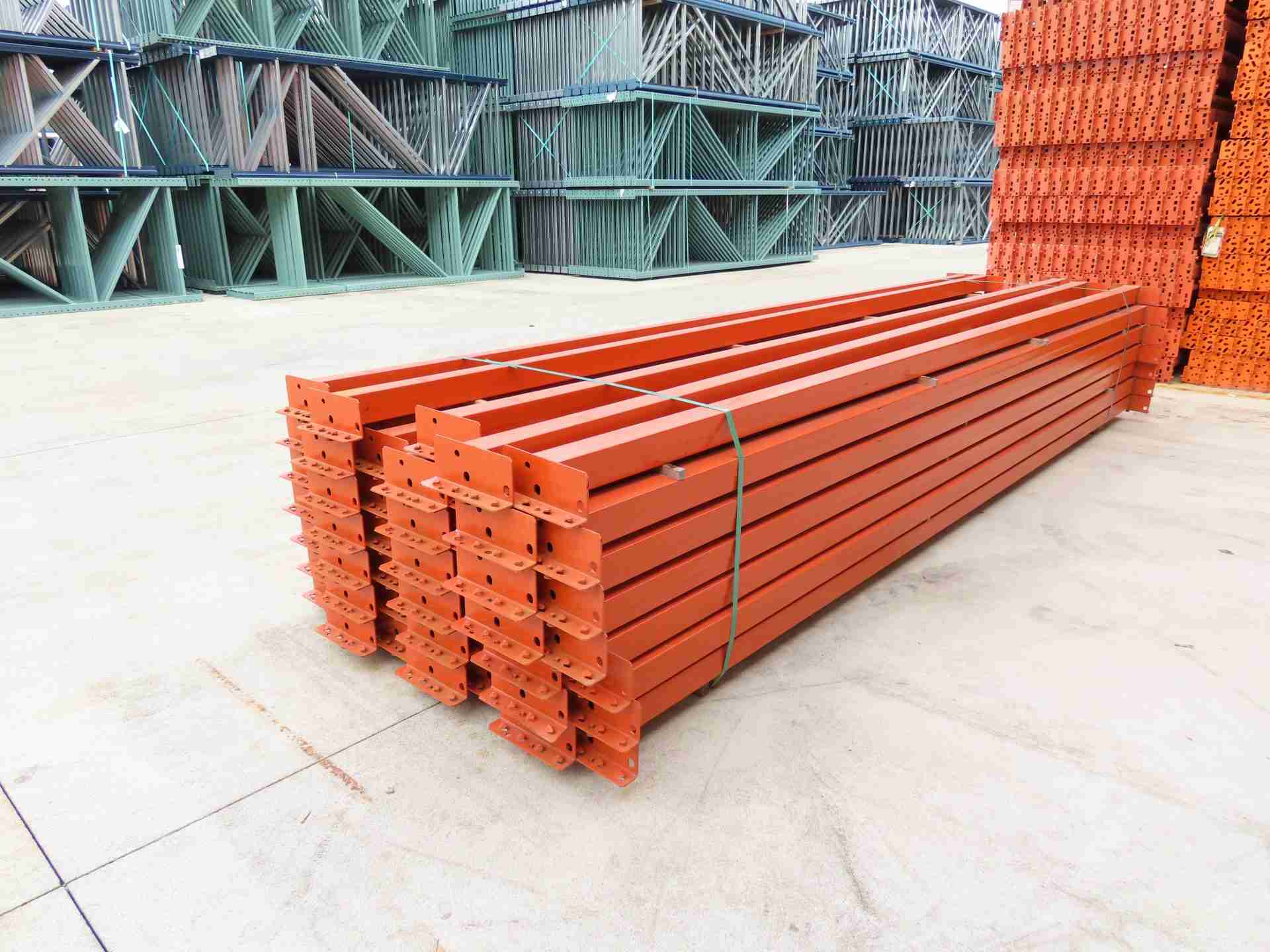
What Training Methods Work Best For Warehouse Teams?
Conclusion
Conclusion: Empower Your Warehouse Through Robust Training
At Arrow Industrial Sales, we understand that the success of your warehouse operations hinges on one crucial element—effective training. If you’ve noticed slowdowns or confusion among your team, it’s time to face a hard truth: no matter how advanced your technology or well-structured your systems, nothing beats a skilled workforce. Poorly trained employees can turn even the sleekest logistics setup into a chaos-ridden environment, affecting both productivity and safety.
Imagine transforming your warehouse from a source of frustration into a thriving hub of efficiency. With the right training, employees don’t just perform their tasks; they excel, navigating the aisles with confidence and precision. From mastering pallet racking systems to embracing cutting-edge inventory management software, comprehensive training equips your workforce with the expertise they need to optimize operations and enhance morale. This investment isn’t just about today’s performance—it’s about cultivating a culture of growth that will sustain your business’s success for years to come.
Let’s not ignore the profound impacts of inadequate training on safety. A lack of awareness about equipment protocols or safety measures can expose your team to significant hazards. By prioritizing a training regimen that emphasizes safety, you’re not merely checking a box; you’re fostering a responsible workplace that values the well-being of its employees.
In action, this means reassessing your current training methods and committing to interactive, hands-on learning that engages your staff. Consider integrating experienced mentors to guide new hires, incorporating technology for flexible learning, and regularly promoting feedback to tailor training programs to your team’s specific needs.
But why wait? The consequences of stagnation can be dire—missed opportunities, lowered employee morale, and an ineffable sense of frustration pervading your operations. Act now to empower your workforce by committing to robust training; you’ll witness a remarkable transformation in productivity, morale, and safety. Call Arrow Industrial Sales at (574) 349-6575 today, and take your first step towards a thriving warehouse operation. Remember, every moment spent in hesitation is a moment wasted— seize the future of your operations now!
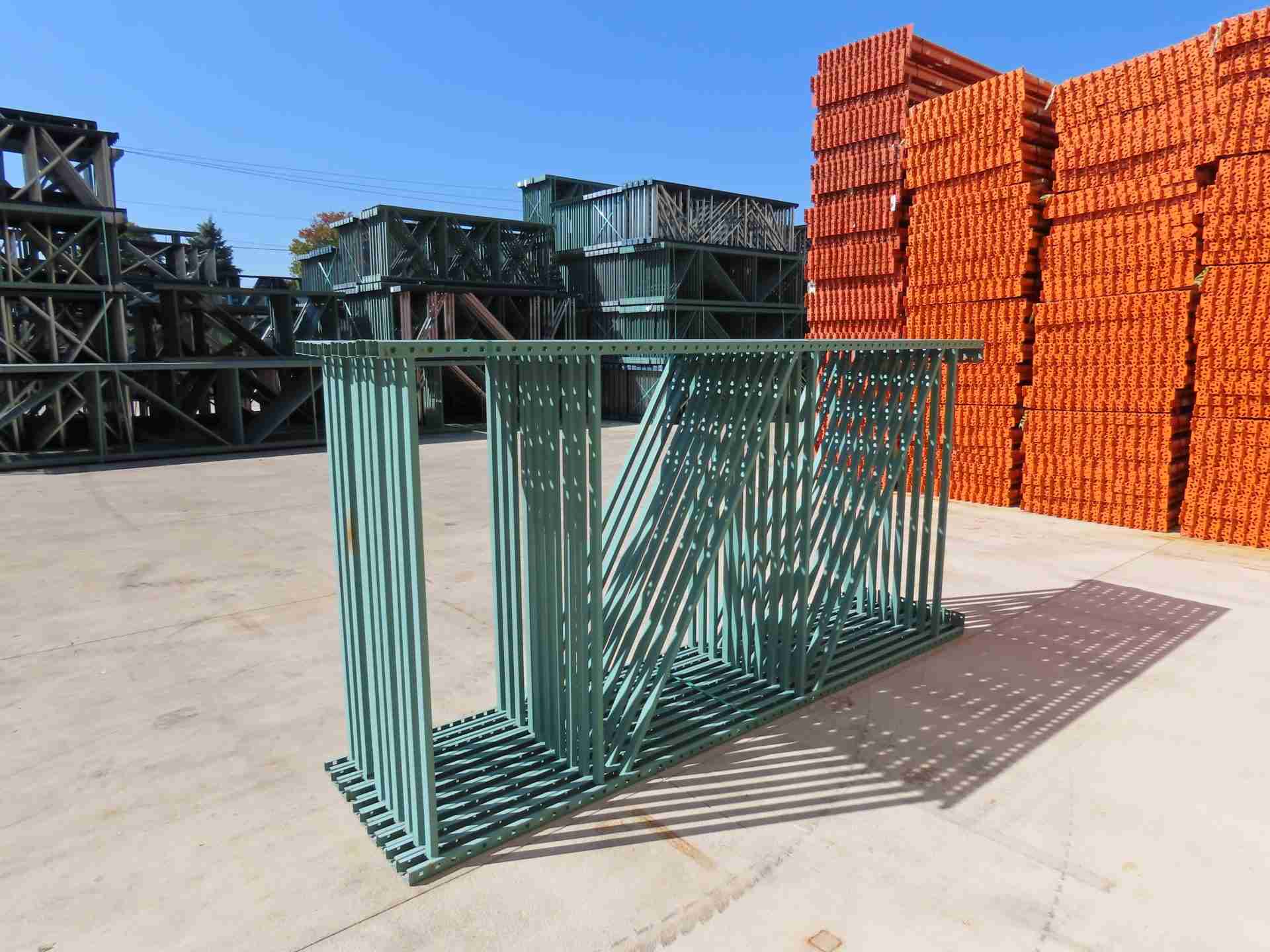
Conclusion
Conclusion:
- Effective training is essential for successful warehouse operations.
- Poorly trained employees can derail productivity and safety.
- Investing in training fosters a culture of growth and improvement.
- A comprehensive training program enhances employee confidence and efficiency.
- Prioritizing safety in training helps reduce workplace hazards.
- Implementing interactive and hands-on learning engages staff and promotes better outcomes.
- Act now to avoid stagnation and empower your workforce for a brighter future.

Conclusion
Other Resources
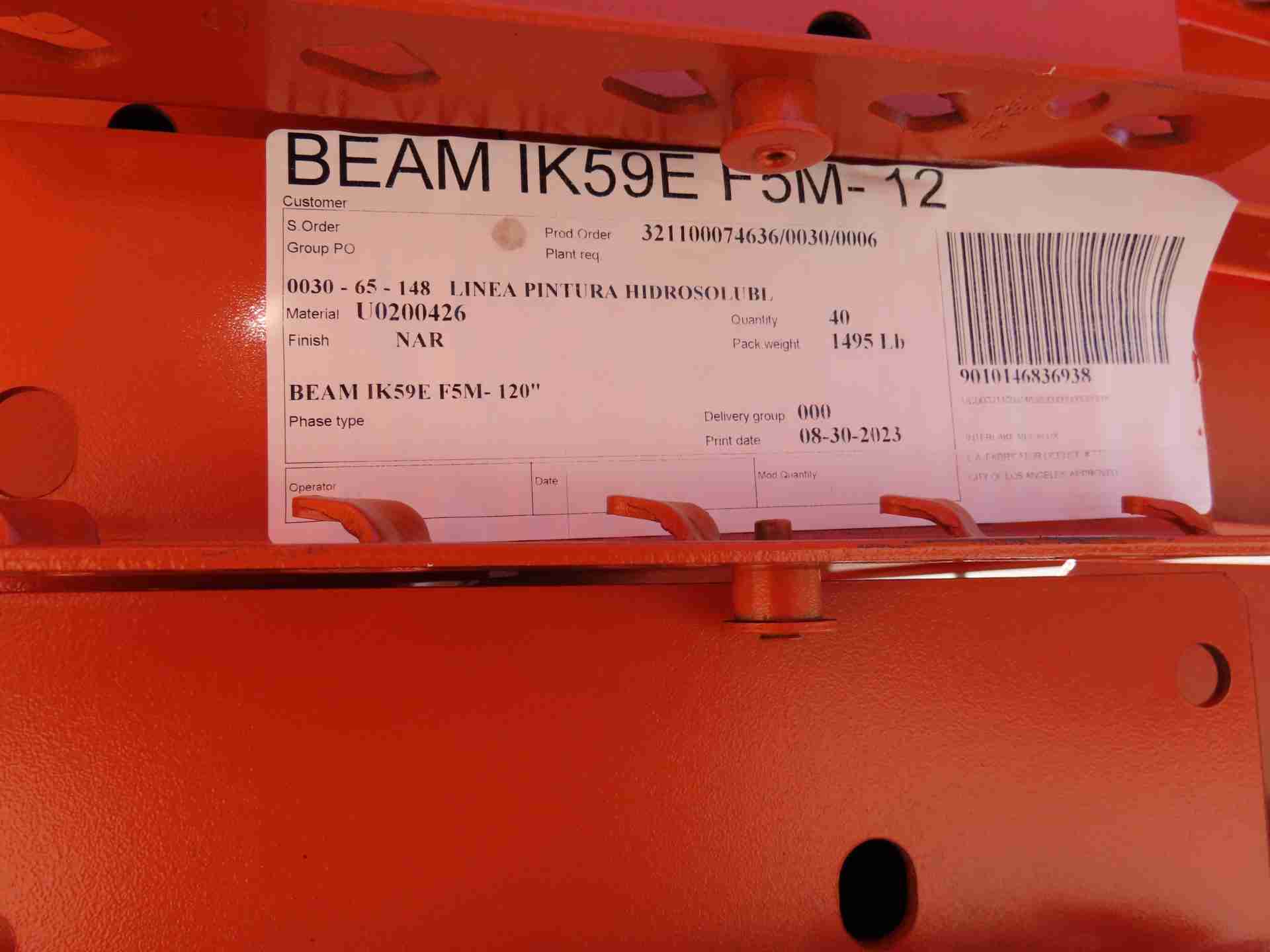
Other Resources
Here is a list of other resources you can review online to learn more:
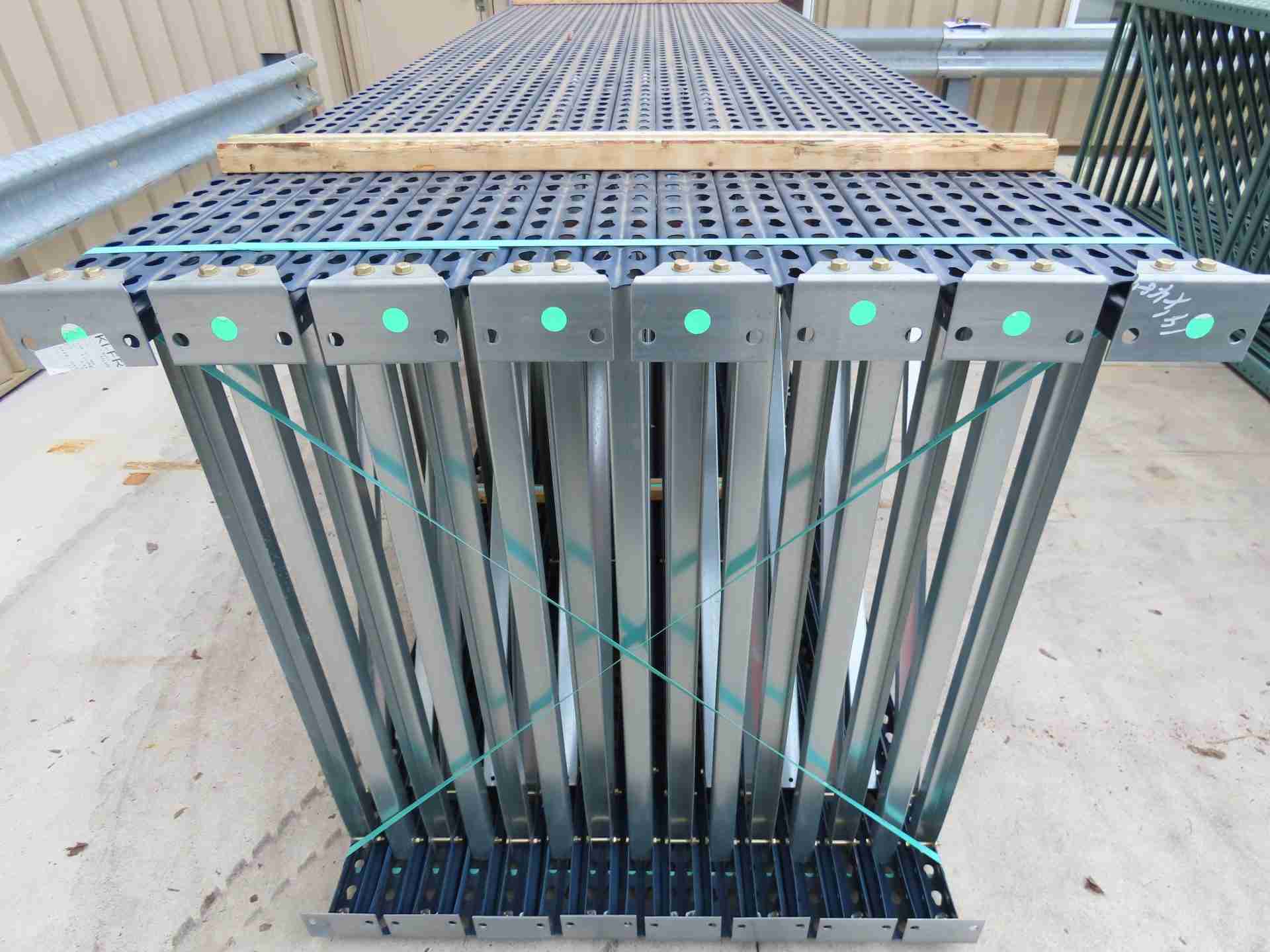
- Used Teardrop Pallet Rack – American Surplus
- CA Wire
- Illinois
- American Society of Safety Professionals
- Pallet Rack Systems – New and Used Pallet Racking and Shelving Experts
- National Safety Council
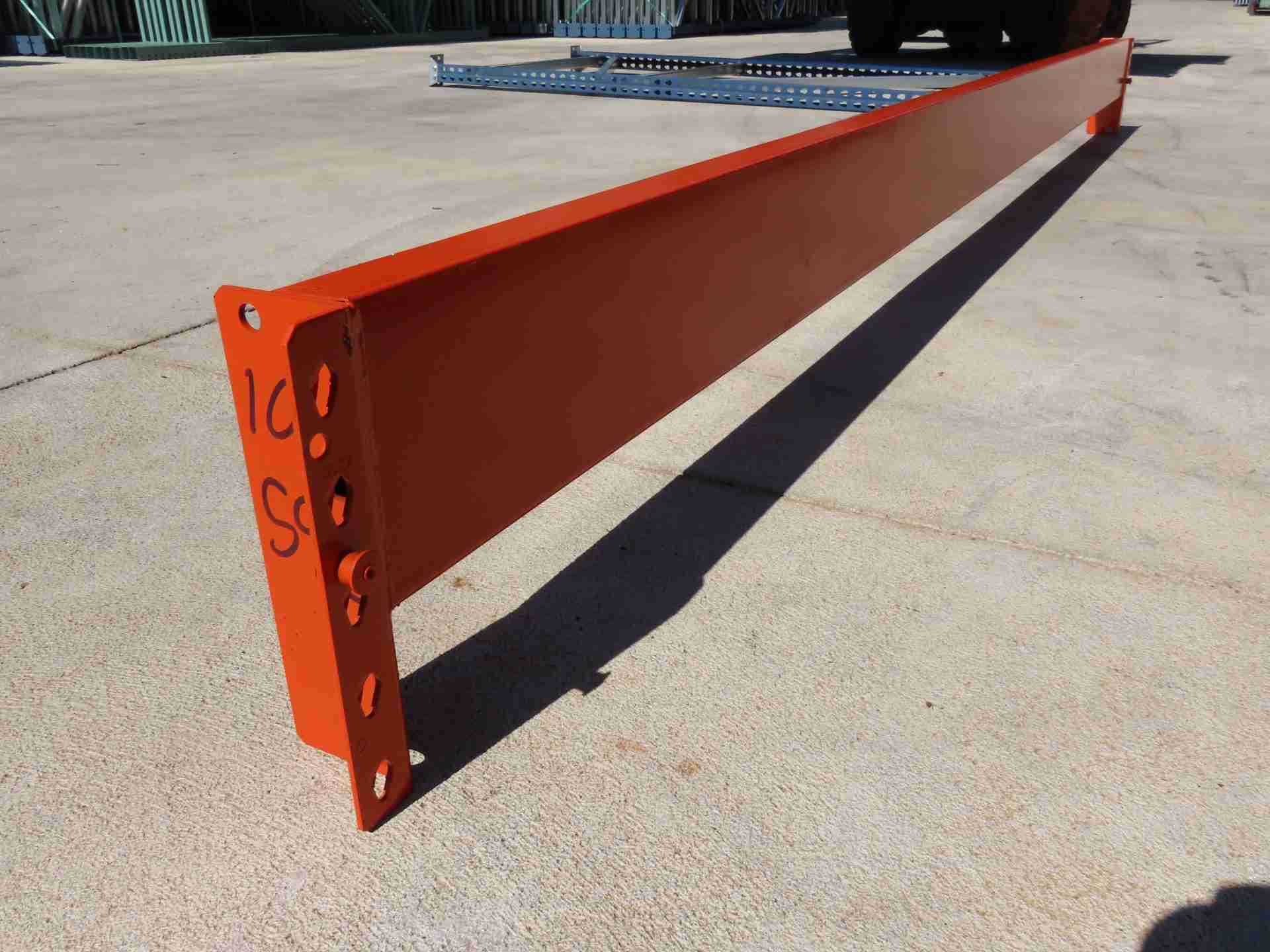
- Cantilever Rack Guide: Ordering Cantilever Racking
- Pallet Racking systems in Illinois and Great Lakes
- Warehouse Racks, Warehouse Racking in Stock – ULINE
- Cantilever Racks Chicago
Use This Prompt To Get More Resources With Your Favorite Online AI Tool: Please provide me with a list of online articles with their URLs in a bulleted list that I can read regarding Is The Lack Of Proper Training Making Your Warehouse Frustrating?
Other Resources
Glossary Terms
Is The Lack Of Proper Training Making Your Warehouse Frustrating? – Glossary Of Terms
1. Warehouse Management System (WMS): A software application designed to support and optimize warehouse functionality and distribution center management.
2. Training Program: A structured curriculum aimed at educating employees on processes, equipment, safety, and procedures specific to warehouse operations.
3. Onboarding: The process of integrating new employees into the organization, including training on warehouse standards and protocols.
4. Standard Operating Procedures (SOPs): Established guidelines or protocols that dictate how specific tasks should be performed within the warehouse.
5. Inventory Management: The oversight and control of ordering, storing, and using a company’s inventory, crucial for efficient warehouse operations.
6. Safety Training: Instruction focused on preventing accidents and ensuring the safety of employees while working in the warehouse environment.
7. Productivity: A measure of how effectively labor and resources are utilized in achieving warehouse operational goals.
8. Forklift Certification: A training program that certifies an employee to operate forklifts and other material handling equipment safely.
9. Lean Principles: Practices aimed at minimizing waste within manufacturing systems without sacrificing productivity, applicable to warehouse management.
10. Cross-Training: Training employees in multiple roles within the warehouse to increase flexibility and operational efficiency.
11. Skills Gap: The difference between the skills needed to perform a job successfully and the actual skills possessed by employees.
12. Performance Metrics: Standards used to measure efficiency and effectiveness in warehouse operations, often linked to training and staff capability.
13. Employee Engagement: The emotional commitment employees have to their organization, which can be influenced by effective training and development.
14. Material Handling: The movement, protection, storage, and control of materials and products throughout the manufacturing, warehousing, and distribution process.
15. Best Practices: Methods or techniques that have been proven to lead to desired results or outcomes within warehouse operations.
16. Operational Efficiency: The ability to deliver products and services to customers in the most cost-effective manner possible while ensuring quality.
17. Training Needs Analysis (TNA): A systematic process to determine what training is required to address performance deficits within the warehouse.
18. Continuous Improvement: Ongoing efforts to enhance products, services, or processes, often supported by employee training and feedback.
19. Compliance Training: Training focused on ensuring that employees adhere to industry rules, regulations, and standards relevant to warehouse operations.
20. FIFO (First In, First Out): An inventory management principle ensuring that the oldest inventory items are sold or used first.
21. Rapid Onboarding: An expedited training method that quickly acclimates new hires to their roles, often using technology or streamlined processes.
22. Job Queuing: The process of arranging tasks or orders in a priority sequence to ensure effective workflow in the warehouse.
23. Technology Integration: The use of new technologies within warehouse operations to enhance efficiency, often requiring specialized training.
24. Mentorship Programs: Initiatives pairing experienced employees with new hires, providing guidance and training through hands-on experience.
25. Turnover Rate: The percentage of employees who leave a warehouse over a specific period, often influenced by training and workplace environment.
26. Skill Assessment: Evaluating the skill levels of employees to implement appropriate training programs that address weaknesses.
27. Job Rotation: A practice where employees cycle through different roles to develop a well-rounded understanding of warehouse operations.
28. Workplace Culture: The environment created by employees’ interactions and organizational values, significantly impacted by training practices.
29. Inventory Accuracy: The precision with which inventory records reflect actual stock levels, crucial for effective warehouse management and training.
30. Feedback Mechanism: Systems or processes that allow employees to provide input on training effectiveness and workplace challenges, fostering improvement.
Glossary Of Terms
Other Questions
Is The Lack Of Proper Training Making Your Warehouse Frustrating? – Other Questions
If you wish to explore and discover more, consider looking for answers to these questions:
- What are the key components of a comprehensive warehouse training program?
- How can I assess the current skill levels of my warehouse staff?
- What metrics should I track to measure the effectiveness of training?
- How can I encourage ongoing learning and development in my warehouse team?
- What types of training technologies can enhance my warehouse training programs?
- How often should training be conducted in a warehouse setting?
- What role does leadership play in promoting a culture of training within the warehouse?
- How can I integrate safety training into overall warehouse training programs?
- What common mistakes should be avoided when implementing warehouse training?
- How can I tailor training to meet the specific needs of my warehouse operations?
Other Questions
Checklist
Is The Lack Of Proper Training Making Your Warehouse Frustrating? – A Checklist
Checklist: Transforming Your Warehouse with Proper Training
Assess Current Training Programs
_____ Review existing training materials and methods for comprehensiveness.
_____ Identify gaps in training that may lead to confusion or inefficiencies.
_____ Gather feedback from employees about training effectiveness.
Implement Comprehensive Training Strategies
_____ Develop tailored training programs specific to warehouse operations.
_____ Incorporate hands-on training techniques for practical learning.
_____ Ensure training on equipment usage, particularly pallet racking systems.
Foster a Culture of Continuous Improvement
_____ Encourage an open environment for questions and discussions during training.
_____ Assign peer mentors to facilitate knowledge transfer and support.
_____ Regularly update training protocols to include new technologies and practices.
Enhance Employee Engagement and Confidence
_____ Conduct training workshops that incorporate real-life scenarios.
_____ Use interactive learning tools such as e-learning modules and quizzes.
_____ Recognize and reward employees who excel in training.
Monitor and Evaluate Training Outcomes
_____ Track improvements in warehouse efficiency and employee morale.
_____ Assess safety records to see if training has led to fewer incidents.
_____ Conduct regular training refresher courses to maintain skills.
Encourage Team Ownership and Accountability
_____ Empower employees to take ownership of their roles through training.
_____ Create clear communication channels for safety concerns and inventory levels.
_____ Involve employees in the training development process to foster engagement.
Prioritize Safety and Risk Management
_____ Emphasize safety protocols as a core component of training.
_____ Conduct regular safety drills to reinforce training.
_____ Equip employees with knowledge about personal protective equipment (PPE) usage.
Plan for Future Technologies
_____ Keep employees informed about the latest warehouse technologies.
_____ Integrate training on new systems as they are implemented.
_____ Foster an innovative culture where employees feel comfortable exploring new tools.
This checklist can serve as a practical guide for warehouse managers aiming to improve operations and boost employee satisfaction through proper training.
Checklist
At RackingWorld, we help guide you through selecting warehouse storage systems and racking.
Be sure to read our other related stories at RackingWorld to learn more about warehouse storage systems.
0 Comments