
Ensuring Warehouse Safety: The Essential Purpose Of Rack Safety Pins And Beam Locks
By Tom Seest
At RackingWorld, we help guide you through selecting warehouse storage systems and racking.
Be sure to read our other related stories at RackingWorld to learn more about warehouse storage systems.
The Role Of Rack Safety Pins and Beam Locks
In the dizzying array of modern storage solutions, it’s easy to overlook the unsung heroes that hold everything together: rack safety pins and beam locks. These small yet mighty components aren’t just pieces of metal; they symbolize a commitment to safety, reliability, and order. Imagine a bustling warehouse, where the hum of machinery mixes with the satisfaction of a job well done. The last thing anyone wants to think about in that setting is what would happen if the shelving gave way. That’s where racking safety pins and beam locks come into play.
These devices work tirelessly behind the scenes, ensuring that everything remains stable, anchored securely in place. Let’s get a little emotional here. Picture the hard work that went into building a life—a small business that supports a family, a warehouse that provides jobs to the community. Understanding the importance of racking safety pins and beam locks extends beyond mere logistics; it taps into our deepest values. These components safeguard not just product, but livelihoods. That’s a heavy load to bear, and they take it on without flinching.
From a rational standpoint, the importance is glaring. Dropping a pallet loaded with inventory isn’t just costly; it can pose serious hazards. Beam locks and safety pins prevent potential accidents that could injure employees or damage costly equipment. Investing in quality means investing in peace of mind. You’re not just complying with safety regulations—you’re making a choice that prioritizes the well-being of everyone who walks into that space.
The ethical responsibility we bear as stewards of workplaces is significant. By insisting on good practices like proper racking systems, we send a clear message: we care. It’s about creating an environment where safety is more than a checkbox on a compliance form; it’s a culture permeated by trust and accountability.
Each time you secure a load with the right gear, you’re not just ensuring your operations run smoothly; you’re reinforcing a social contract with your team. You’re saying that their safety matters—because it does. When workers feel valued, inspired, and protected, they’re motivated to give their best.
The straightforward truth is this: the role of rack safety pins and beam locks goes beyond function. They are integral to fostering a culture of care, integrity, and responsibility. So next time you’re in that warehouse, take a moment to appreciate these steadfast little protectors. After all, they’re keeping more than just racks safe—they’re helping to safeguard your dreams.
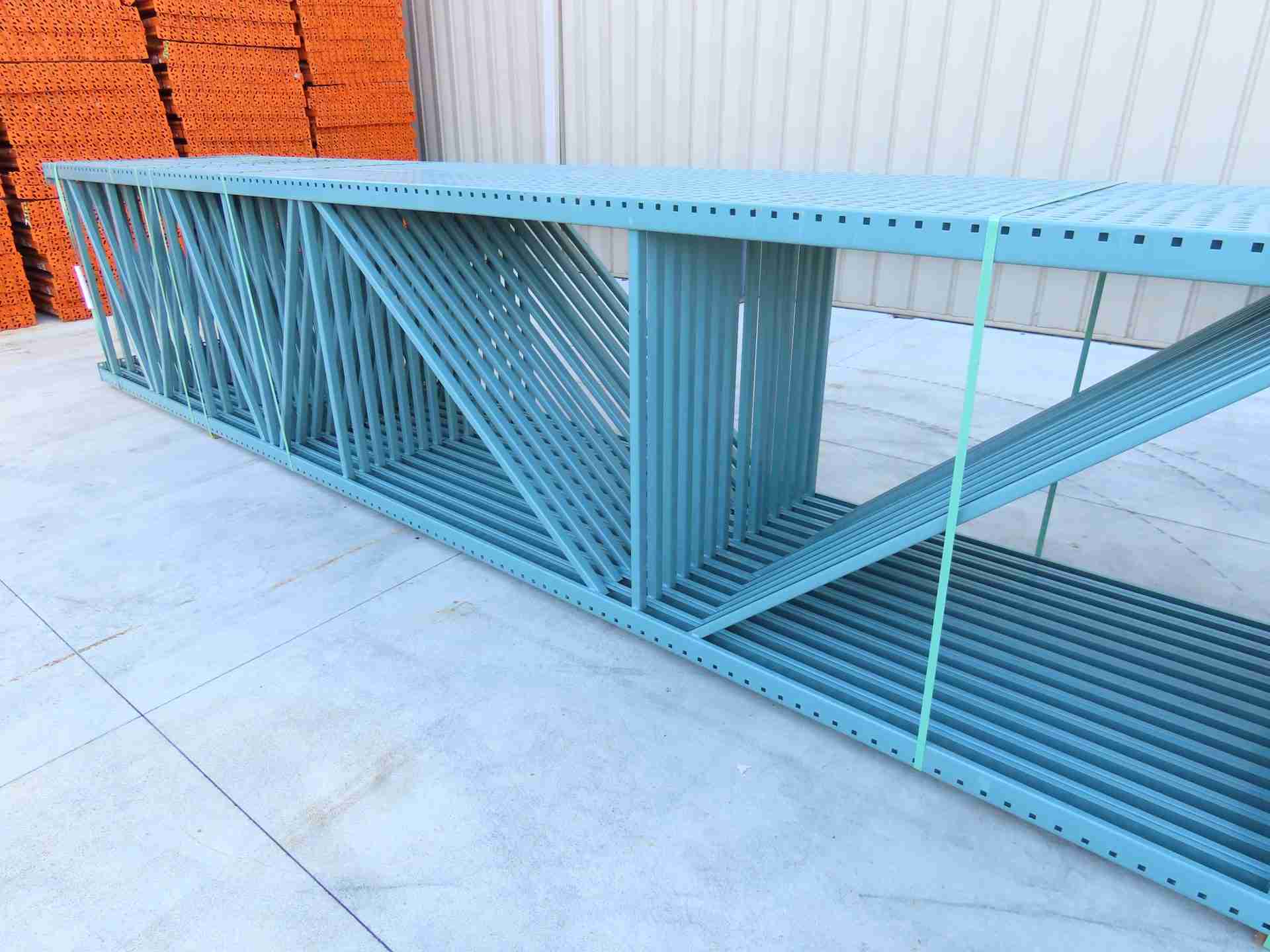
The Role Of Rack Safety Pins and Beam Locks
The Role Of Rack Safety Pins and Beam Locks
- Rack safety pins and beam locks are essential components for warehouse stability and safety.
- They symbolize a commitment to safety and reliability, supporting livelihoods and businesses.
- These devices prevent accidents that could injure employees or damage inventory.
- Investing in quality racking systems prioritizes the well-being of everyone in the workspace.
- Implementing proper safety practices fosters a culture of trust and accountability.
- Securing loads with the right gear reinforces a social contract of care for employees.
- Rack safety pins and beam locks are vital for creating an environment where workers feel valued and protected.
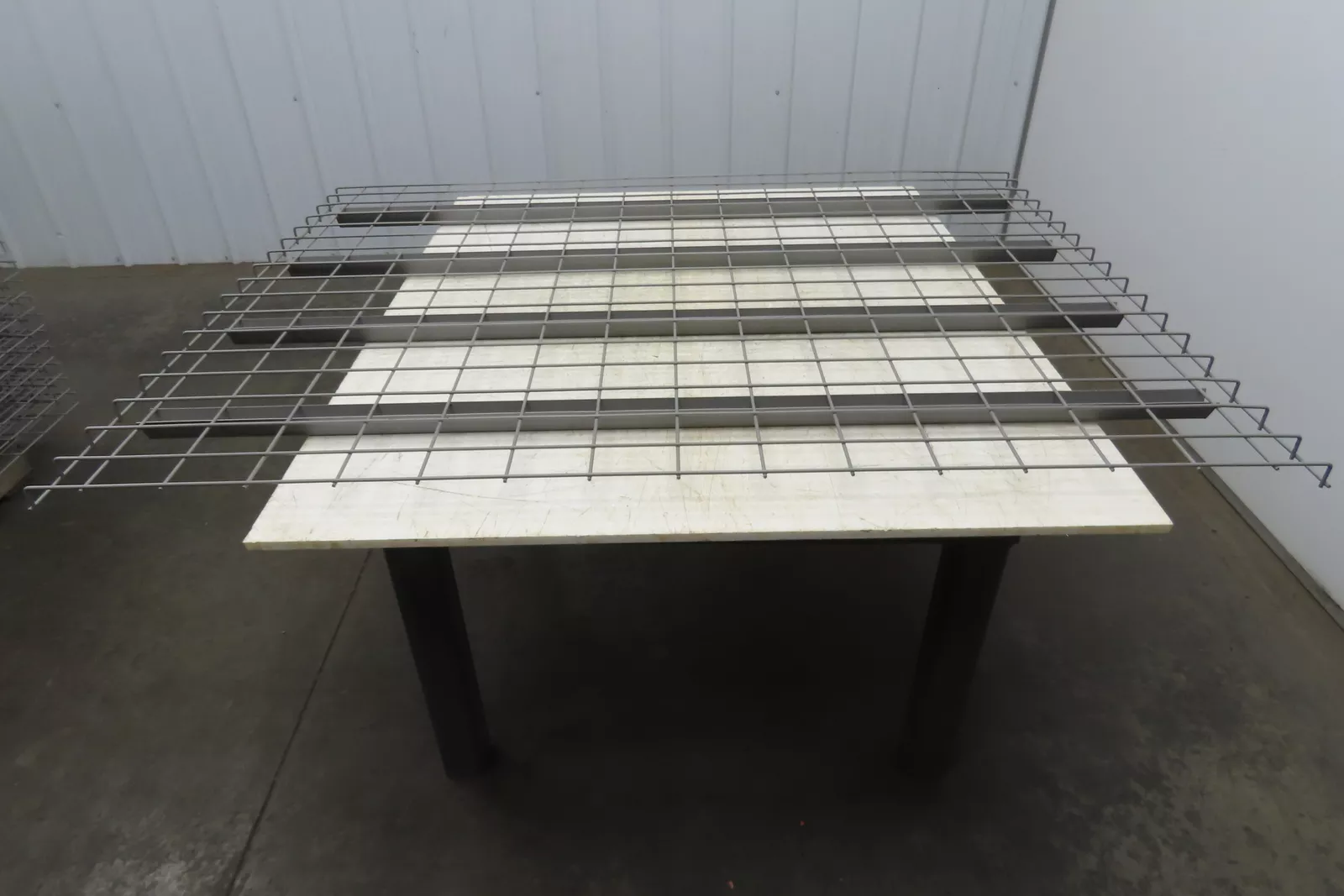
The Role Of Rack Safety Pins and Beam Locks
Table Of Contents
- The Role Of Rack Safety Pins and Beam Locks
- What Fears Do We Have About Safety In Our Workplace Environments?
- How Can We Ensure Our Teams Feel Secure While Using Storage Racks?
- Are We Prioritizing Safety Standards In Our Storage Solutions?
- How Do Stories Of Accidents Impact Our Perception Of Rack Safety?
- What Steps Can We Take to Create a Culture Of Safety In Warehouses?
- Conclusion
- Other Resources
- Glossary Of Terms
- Other Questions
- Checklist
What Fears Do We Have About Safety In Our Workplace Environments?
When we step into our workplaces, we each bring a shimmering thread of hope and a lingering shadow of fear. We hustle and bustle through our daily routines while, beneath the surface, a silent tension often simmers: the fear for our safety. This fear isn’t just a figment of our imagination; it is a palpable reality that resonates with our instincts.
Think about those moments when you’re hit with doubt while navigating around heavy racking in the warehouse or while working near machinery that hums and whirs. The “what ifs” start to creep in—what if a shelf collapses? What if I slip and fall? The worry doesn’t just sit quietly in a corner; it’s a relentless companion, gnawing at your confidence with each passing day. This isn’t paranoia; it’s our mind’s defense mechanism—one that speaks to the very core of our human experience.
It’s essential to recognize that these fears aren’t unwarranted. Statistics on workplace injuries and accidents demand our attention. They serve as harsh reminders that safety isn’t just an afterthought; it’s an obligation we owe to ourselves and to our colleagues. Ethically, there’s an unspoken contract that binds us: our right to work in a space that safeguards our well-being. We must demand action from our employers, insisting on protocols that prioritize our safety.
But let’s ground this discussion in real stories—stories of everyday heroes who faced uncomfortable situations and bravely advocated for change. Think of a fellow worker who spotted faulty equipment and reported it, instead of chalking it up to chance. That moment is transformative; it not only protects a person but also cultivates a culture of vigilance and care. When we share these narratives, we inspire one another, building a formidable community bound by a common desire for a secure workplace.
Now, imagine standing shoulder to shoulder with your teammates, each of you committed to creating an environment where safety reigns—a place where you can dive into your work, free from the gripping fear of potential accidents. This shared mission strengthens our bonds and nurtures trust. When each of us takes action, we foster an atmosphere where every voice matters, where safety isn’t just a policy but a shared responsibility.
So, let’s respect our fears—they’re there for a reason. But let’s also channel them into action, transforming apprehension into empowerment, uncertainty into unity, and fear into fortitude. After all, our workplaces should be a place of confidence, camaraderie, and safety for all.
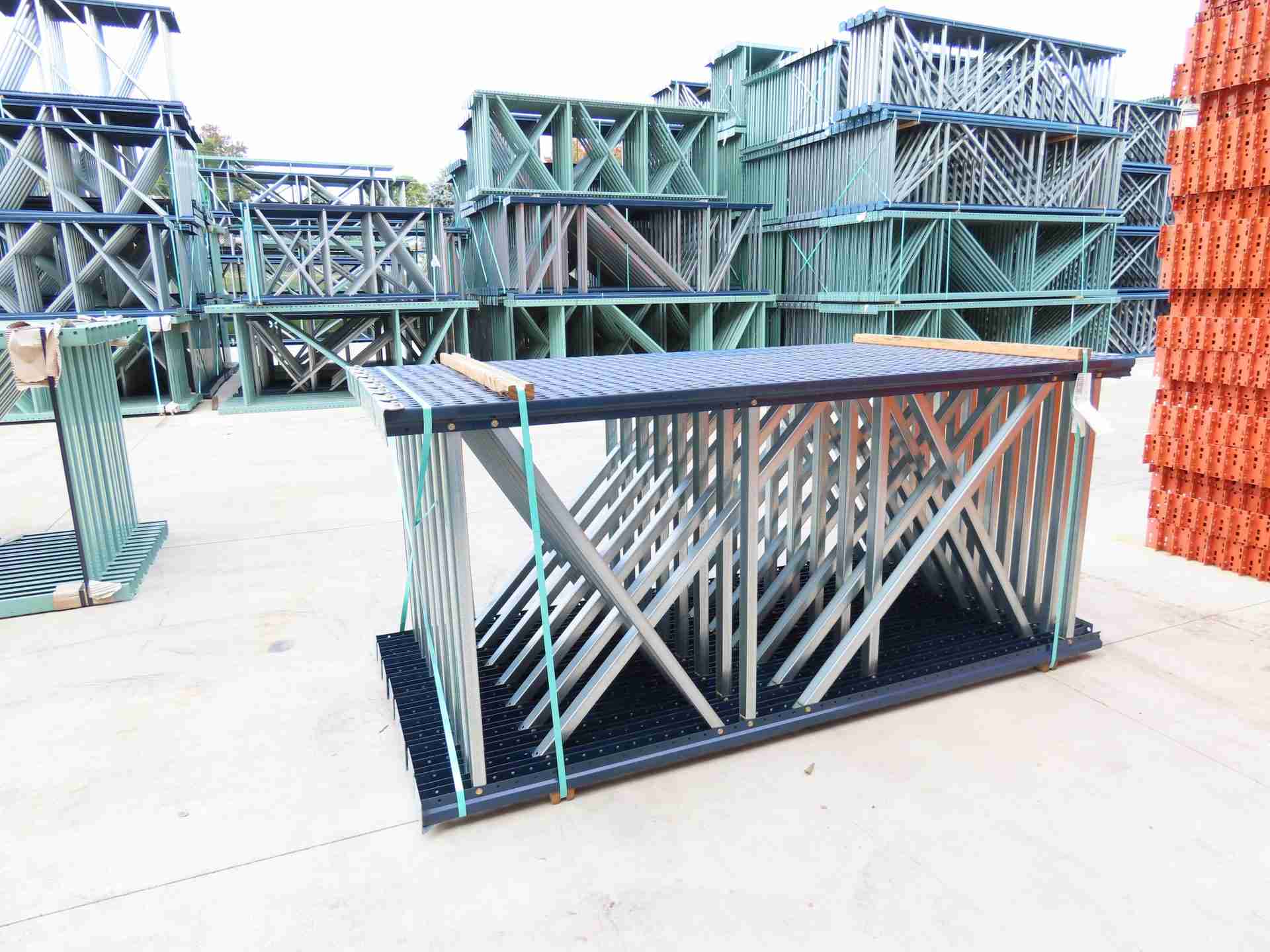
What Fears Do We Have About Safety In Our Workplace Environments?
What Fears Do We Have About Safety In Our Workplace Environments?
- Each individual brings hope and fear into the workplace, highlighting a common human experience.
- Workplace safety is a legitimate concern, rooted in our instincts and daily routines.
- Fear of accidents, such as equipment failure or slips and falls, can undermine confidence at work.
- Workplace injury statistics underscore the need for robust safety protocols and organizational accountability.
- Real-life stories of employees advocating for safety foster a culture of vigilance and care.
- Collaboration and shared responsibility among colleagues enhance safety and strengthen workplace bonds.
- By respecting and channeling our fears into proactive measures, we can create confident and secure work environments.
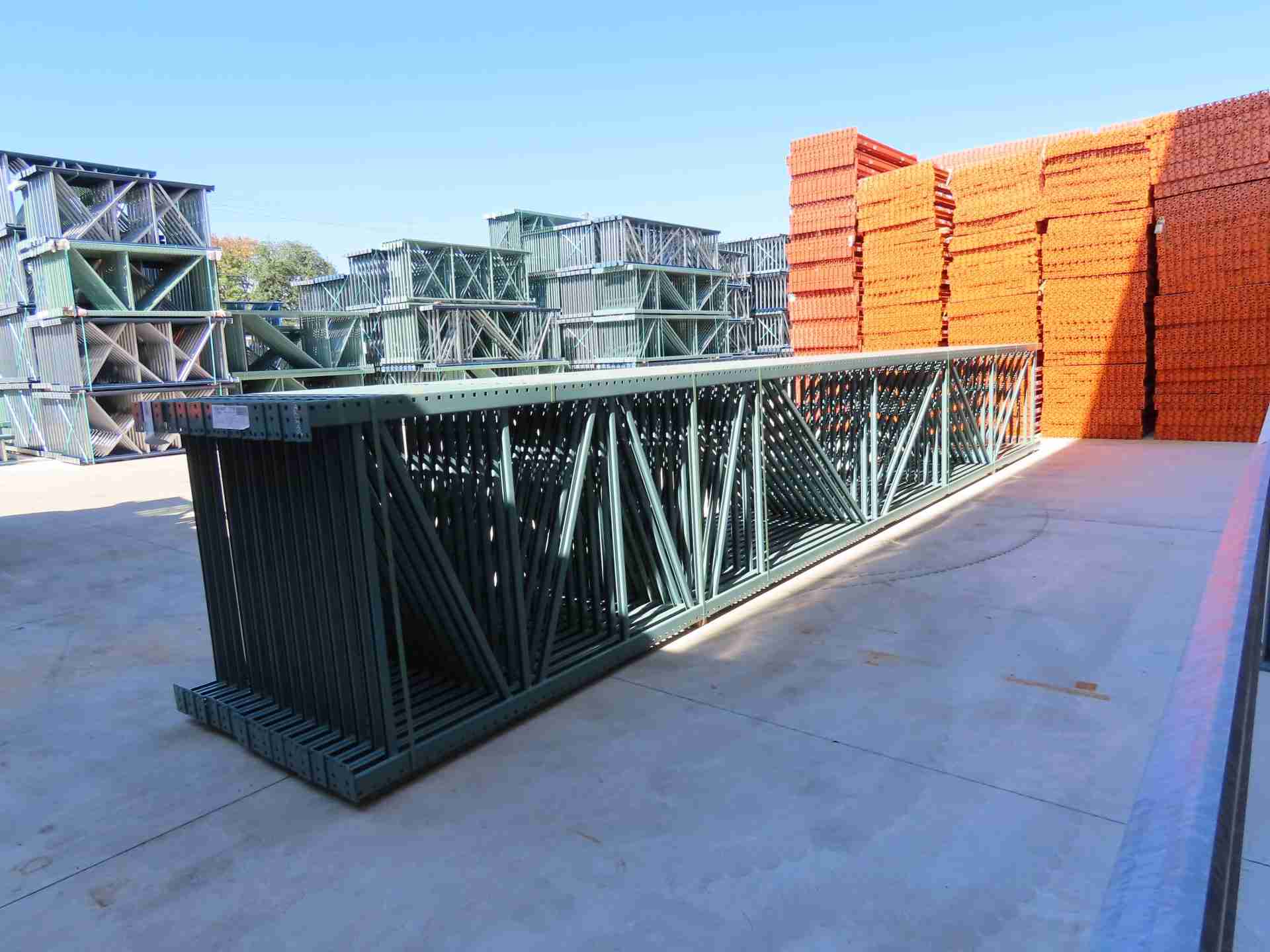
What Fears Do We Have About Safety In Our Workplace Environments?
How Can We Ensure Our Teams Feel Secure While Using Storage Racks?
When it comes to racking systems, the safety of our teams must always be the primary focus. We’re not just talking about steel and storage; we’re talking about lives, careers, and the catch in our breath when we watch a colleague reach for that top shelf. Every time a worker climbs a ladder or stacks boxes high, there’s an unspoken agreement—built on trust—that these racking systems will hold firm.
To ensure our teams feel secure while using storage racks, we need to start with education. Equip your crew with the knowledge they need to handle materials confidently. Provide training sessions that do more than skim the surface. Dive deep into the mechanics of load limits, the importance of proper stacking techniques, and the nuances that come with different racking solutions. When colleagues understand the ‘why’ behind safety practices, they begin to internalize them, turning theory into instinct.
But knowledge is just the first step. Physical inspections and regular maintenance play a pivotal role in the safety narrative. Racking systems should be tested and certified, regularly assessed for wear, and repaired as needed. This routine upkeep sends a powerful message: We care about your safety—and we back it up with action. When your team sees a commitment to their well-being, it fosters a culture of responsibility. They begin to glance up at those racks not with trepidation, but trust.
Let’s not forget the emotional aspect. We all have colleagues who are more than just coworkers; they’re friends, mentors, and part of our lives. When we invest in their safety, we speak to that unbreakable bond. Acknowledging each individual’s role in workplace safety can create a sense of belonging that goes beyond duty. A work environment that prioritizes security is an environment that nurtures morale. And high morale? That’s what drives productivity.
Finally, reinforce this culture through open communication. Facilitate conversations about safety, inviting team feedback and experiences. Encourage your workforce to share stories, both the good and the near-miss. This fosters connection and community, and it sends a clear message—our team’s well-being is the backbone of our success.
It’s simple, really: When racking is done right, everyone stands a little taller, works a little harder, and feels a little safer. Let’s hand our teams the peace of mind they deserve and ensure every storage rack is a foundation of safety—not just a structure of steel.
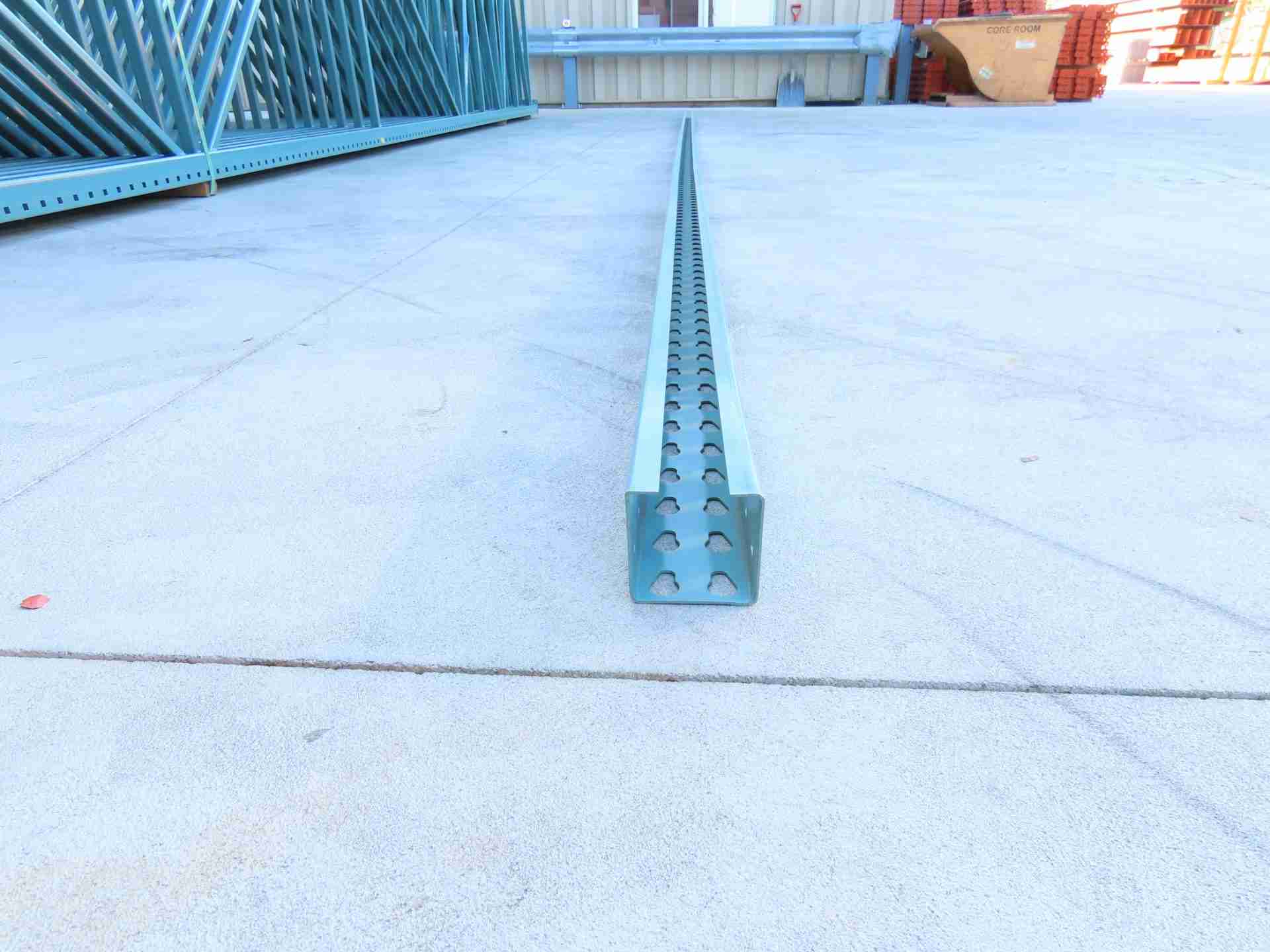
How Can We Ensure Our Teams Feel Secure While Using Storage Racks?
How Can We Ensure Our Teams Feel Secure While Using Storage Racks?
- Prioritize team safety when implementing racking systems, as it impacts lives and careers.
- Educate employees on proper material handling and racking mechanics through comprehensive training.
- Regularly inspect and maintain racking systems to ensure they are safe and reliable.
- A culture of safety encourages trust in the racking systems rather than fear.
- Investing in safety nurtures relationships among coworkers, enhancing workplace camaraderie.
- Open communication about safety practices fosters connection and community within the team.
- Properly executed racking not only enhances safety but also contributes to improved morale and productivity.
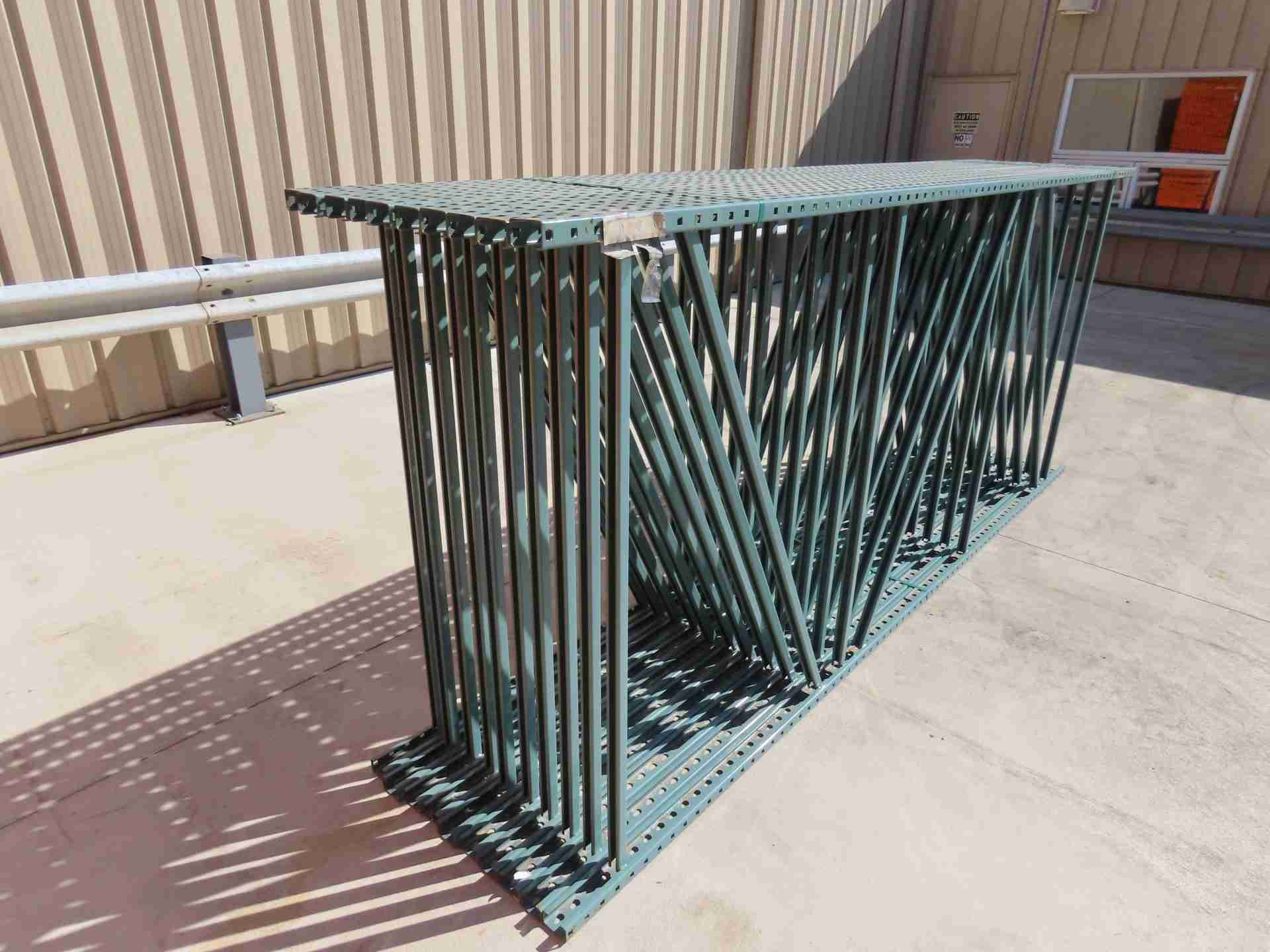
How Can We Ensure Our Teams Feel Secure While Using Storage Racks?
Are We Prioritizing Safety Standards In Our Storage Solutions?
When we think about storage solutions, our minds often drift to efficiency and space-saving designs. However, what about safety? Imagine a bustling warehouse, the hum of activity surrounding you, where every item is meticulously stored on racking systems. It’s easy to get lost in the hustle and overlook one critical element: the safety standards that keep it all together.
Picture this: a worker approaches an aisle stacked high with heavy boxes. If that racking system wasn’t up to code, if those shelves weren’t built with integrity, we could witness a disaster. It’s not just about protocols; it’s about people—friends, fathers, daughters. Behind every safety guideline is the well-being of a human being. That’s a narrative we should all embrace. When we put safety first, we’re not just preventing accidents; we’re defending lives, ensuring that people go home unharmed at the end of the day.
The heart of the matter is this: we live in a society that often prioritizes profit over people, efficiency over ethics. But isn’t it time we change that? When safety standards are written, they should echo the voices of those who risk their lives daily. It’s not enough to just comply; we must champion the highest safety standards, showing that we care about our workers. This isn’t just a moral obligation—it’s our ethical responsibility to ensure that every decision we make regarding storage solutions reflects our commitment to safety.
Let’s engage our heads for a moment. Consider the financial implications. Investing in robust racking systems that meet strict safety standards not only protects your employees but can also shield your business from costly lawsuits and insurance claims. It’s a strategic advantage and a clear message: our people matter.
Socially, we’re in a moment where accountability is paramount. We are called to rise above mere compliance, to adopt safety as a core value that resonates throughout our operations. When companies prioritize safety, they inspire others to do the same—a ripple effect that benefits us all.
So, the next time you assess your storage solutions, ask yourself: Are we truly prioritizing safety standards? It’s not just about staying within the lines; it’s about creating an environment where everyone can thrive without the shadow of danger looming overhead. Choose safety, choose human dignity, and choose a future where we all pull together for one another.
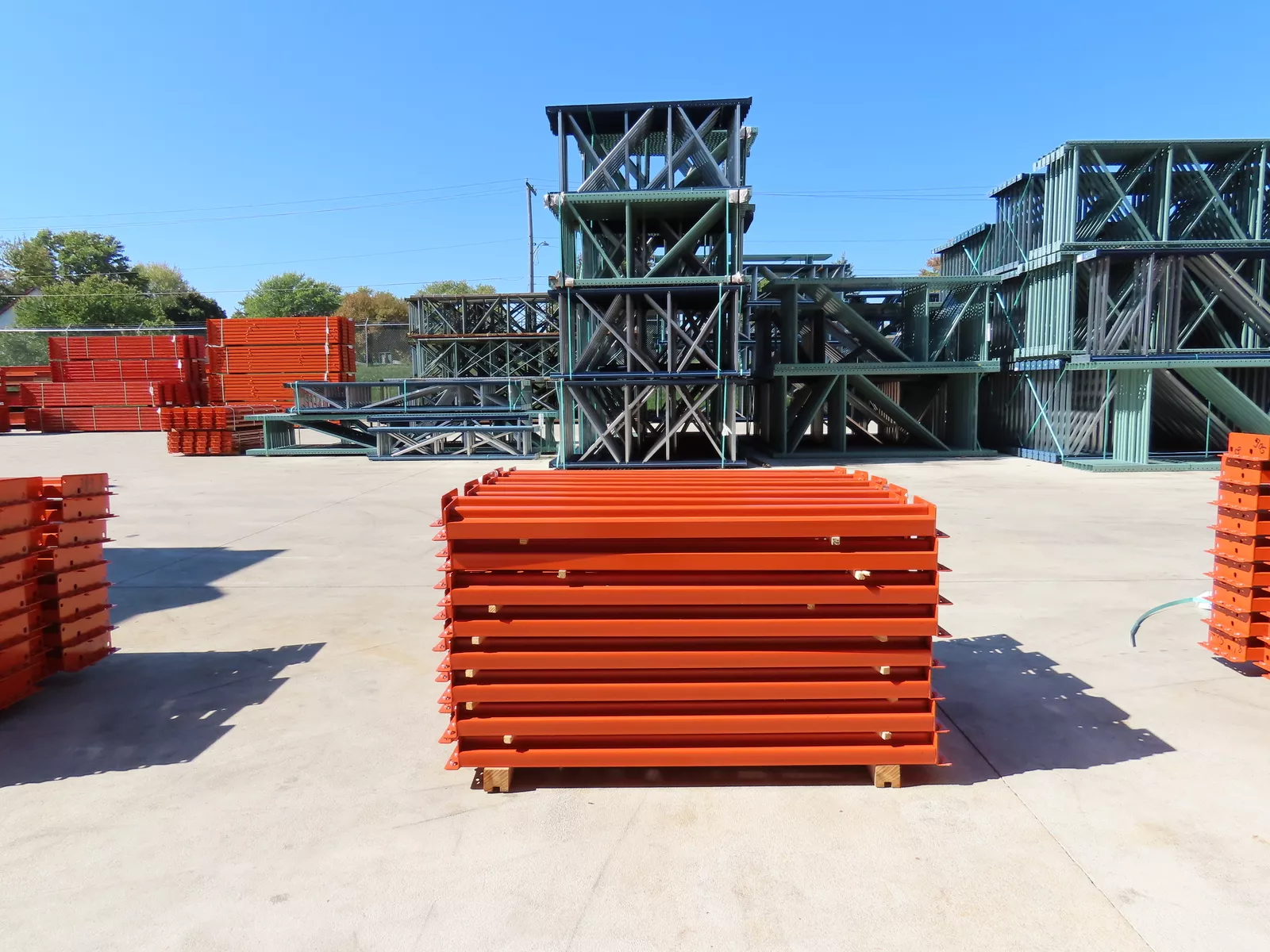
Are We Prioritizing Safety Standards In Our Storage Solutions?
Are We Prioritizing Safety Standards In Our Storage Solutions?
- Storage solutions often prioritize efficiency and space-saving designs, but safety must be a critical consideration.
- A worker’s safety is at risk if racking systems and shelves are not up to code, highlighting the human element behind safety standards.
- Putting safety first prevents accidents and protects lives, ensuring that everyone goes home unharmed.
- Societal trends often prioritize profit over people, but safety standards should reflect a commitment to worker well-being.
- Investing in robust racking systems is not only a safety measure but also protects businesses from legal and financial liabilities.
- Emphasizing safety as a core value promotes accountability and inspires similar practices across the industry.
- Evaluate storage solutions with a focus on safety to foster a thriving and secure work environment for all.
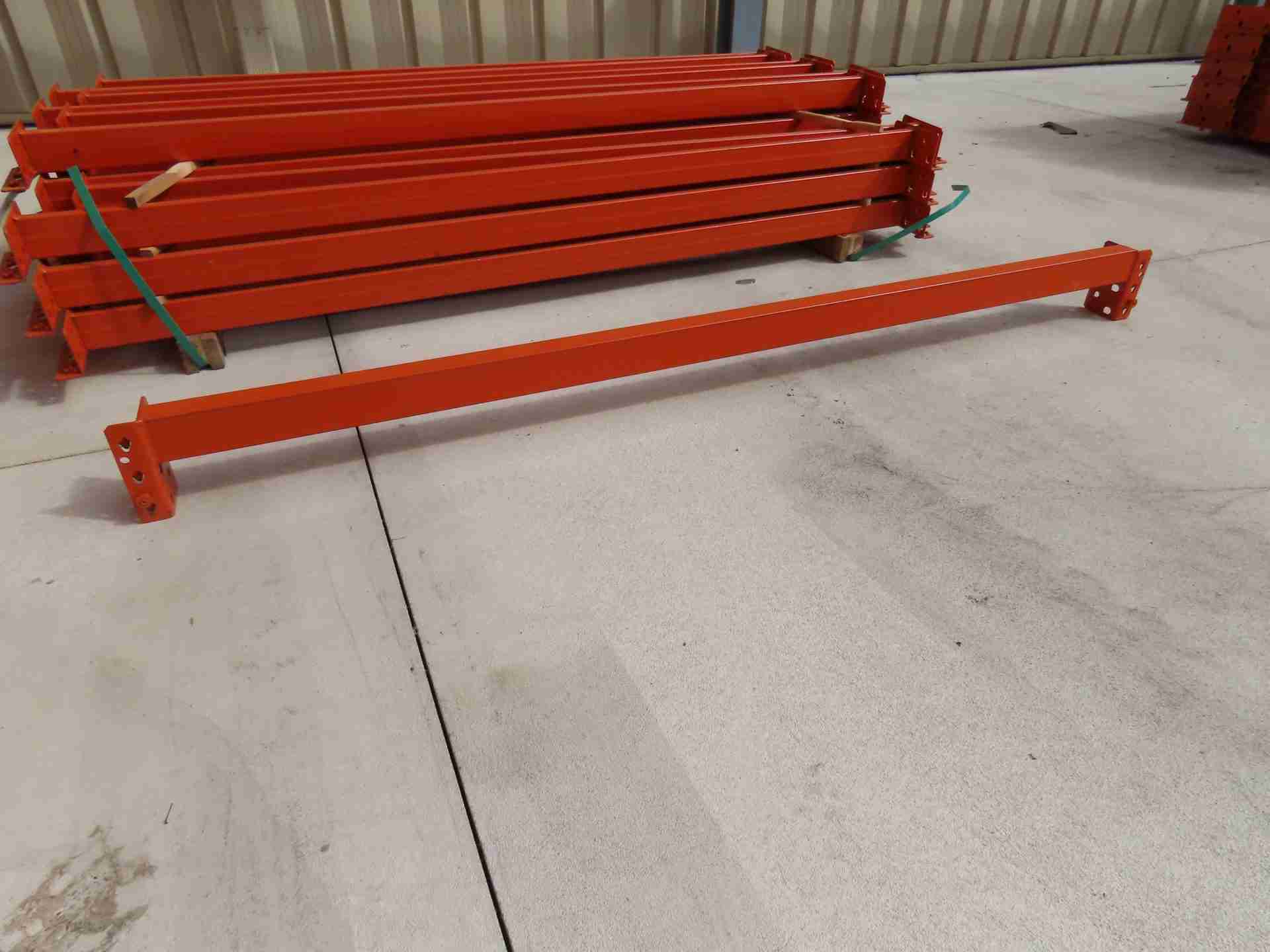
Are We Prioritizing Safety Standards In Our Storage Solutions?
How Do Stories Of Accidents Impact Our Perception Of Rack Safety?
Racking systems are the backbone of countless warehouses and storage facilities, holding our products and livelihoods in place. Yet, stories of accidents involving racking can leave a chilling impression, one that resonates deeply in our minds. Consider an employee, just trying to do their job, when a sudden failure of a racking system leads to catastrophe. It’s not just an incident; it’s a story that echoes through the halls of a workplace, sparking fear and concern among workers, managers, and families alike.
When we hear about these accidents, it isn’t just a statistic; it’s a violation of fundamental rights—the right to work safely and return home. These narratives force us to reckon with the ethical dimensions of workplace safety. They challenge us to ask tough questions: What could have been done differently? How do we prevent such tragedies from repeating? The answers are rooted in responsibility—both corporate and individual—and the tangible actions we can take to foster a culture of safety.
Just as much as our hearts break for those involved, our rational minds want solutions. We know that safety measures exist: proper training, regular inspections, and robust design can effectively mitigate risks associated with racking systems. We lean on the authority of safety regulations and expert input, translating concerns into preventive actions. The data is there, but it’s the stories that ignite passion and commitment within us to seek better alternatives.
Consider the collective anxiety that ripples through a workforce when one accident occurs. It fosters a sense of vulnerability, transforming a simple job into a high-stakes gamble. This isn’t merely about racking or machinery; it’s about lives and livelihoods. When we unify as a community, sharing experiences and lessons learned, we create a support network. A network that whispers, “You are not alone,” offering both solace and the motivation to enact change.
The real impact of these stories lives in our response. Will we become agents of change, insisting on safety protocols and collective accountability? Or will we let such incidents fade into the background, allowing complacency to silence the lessons they teach? As we weigh the emotional toll and the rational need for safety, let’s commit ourselves to act—not just to protect our workplaces, but to honor the stories of those who came before us. Together, we can create a future where racking safety is not just a goal but a guarantee.
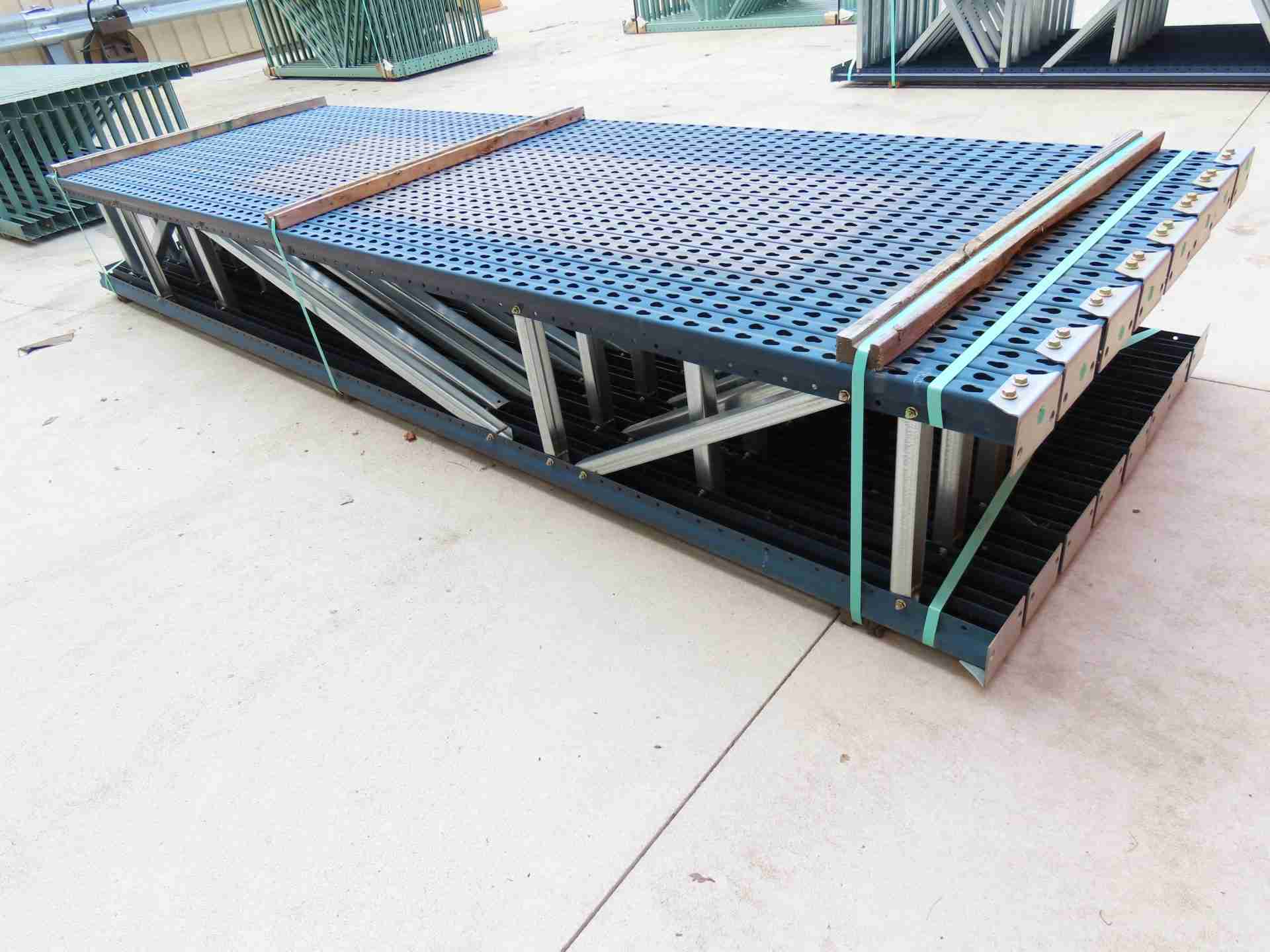
How Do Stories Of Accidents Impact Our Perception Of Rack Safety?
How Do Stories Of Accidents Impact Our Perception Of Rack Safety?
- Racking systems are essential for the functioning of warehouses and storage facilities, but accidents associated with them can create lasting fear and concern.
- Accidents are not merely statistics; they represent violations of the right to a safe workplace.
- The ethical dimensions of workplace safety challenge us to consider prevention and accountability.
- Effective safety measures such as training, inspections, and robust design can mitigate risks related to racking systems.
- Accidents can create collective anxiety within a workforce, transforming everyday jobs into high-stakes situations.
- Community support and shared experiences can empower change and reinforce the importance of safety measures.
- We must respond to incidents with action and commitment to ensure workplace safety and honor the stories of those affected.
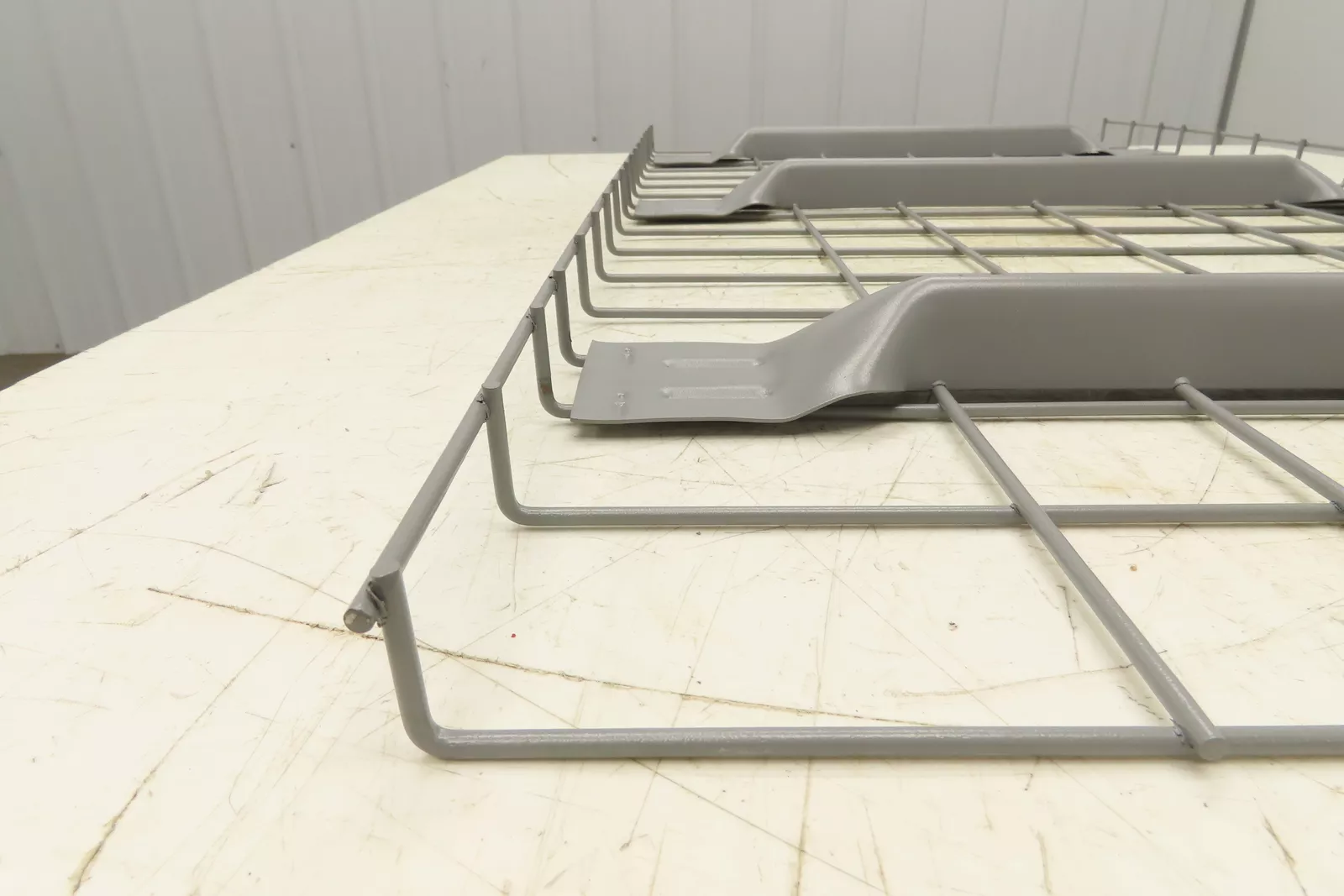
How Do Stories Of Accidents Impact Our Perception Of Rack Safety?
What Steps Can We Take to Create a Culture Of Safety In Warehouses?
When we step into a warehouse, it’s easy to become overwhelmed by the sheer scale of operations happening around us. Towering racking systems stretch to the ceiling, heavy machinery hums with purpose, and the constant flow of people adds to this intricate dance of productivity. Yet, amidst this hustle and bustle, a single truth remains paramount: safety is not just a protocol; it’s a culture that must be cultivated and nurtured.
Imagine a day where every worker feels an unwavering sense of security, not just in their own hands, but in the hands of those around them. A culture of safety begins with every single person committing to look out for one another. This isn’t just about checking off training modules or safety protocols; it’s about fostering an environment where each voice matters. When workers know they can express concerns about racking, machinery, or even their own well-being without fear of judgment, it builds trust and accountability—a bond that transforms a group of individuals into a cohesive team.
Think about the long-term implications. Embracing safety is not just a legal obligation; it’s an ethical one. Providing a safe workplace is a commitment to the individuals who pour their sweat and effort into the daily grind. It speaks volumes about a company’s values and integrity. When workers feel valued and protected, their motivation soars. The result is clearer: companies with a strong safety culture experience fewer accidents, reduced turnover, and improved morale.
And let’s not forget the stories we can weave together. Picture a warehouse team, united in their mission, sharing success stories of days without incidents. These narratives ripple through the veins of an organization, creating a legacy of safety that resonates deeply in the hearts of every employee. It’s more than just a strategy; it’s a community built on shared experiences and a collective commitment to something greater than themselves. When workplace safety becomes a shared narrative, it solidifies the responsibility we all have to each other.
As we step into this journey of building a culture of safety, we must remember: it starts with us. The small, simple actions we take—communicating, listening, acting—will not only shape our work environment but will ripple out into our lives, reminding us that a true culture of safety is forged by the hearts and hands of those committed to making it a reality. Join together, because when we prioritize safety, we choose to create a legacy that lasts.
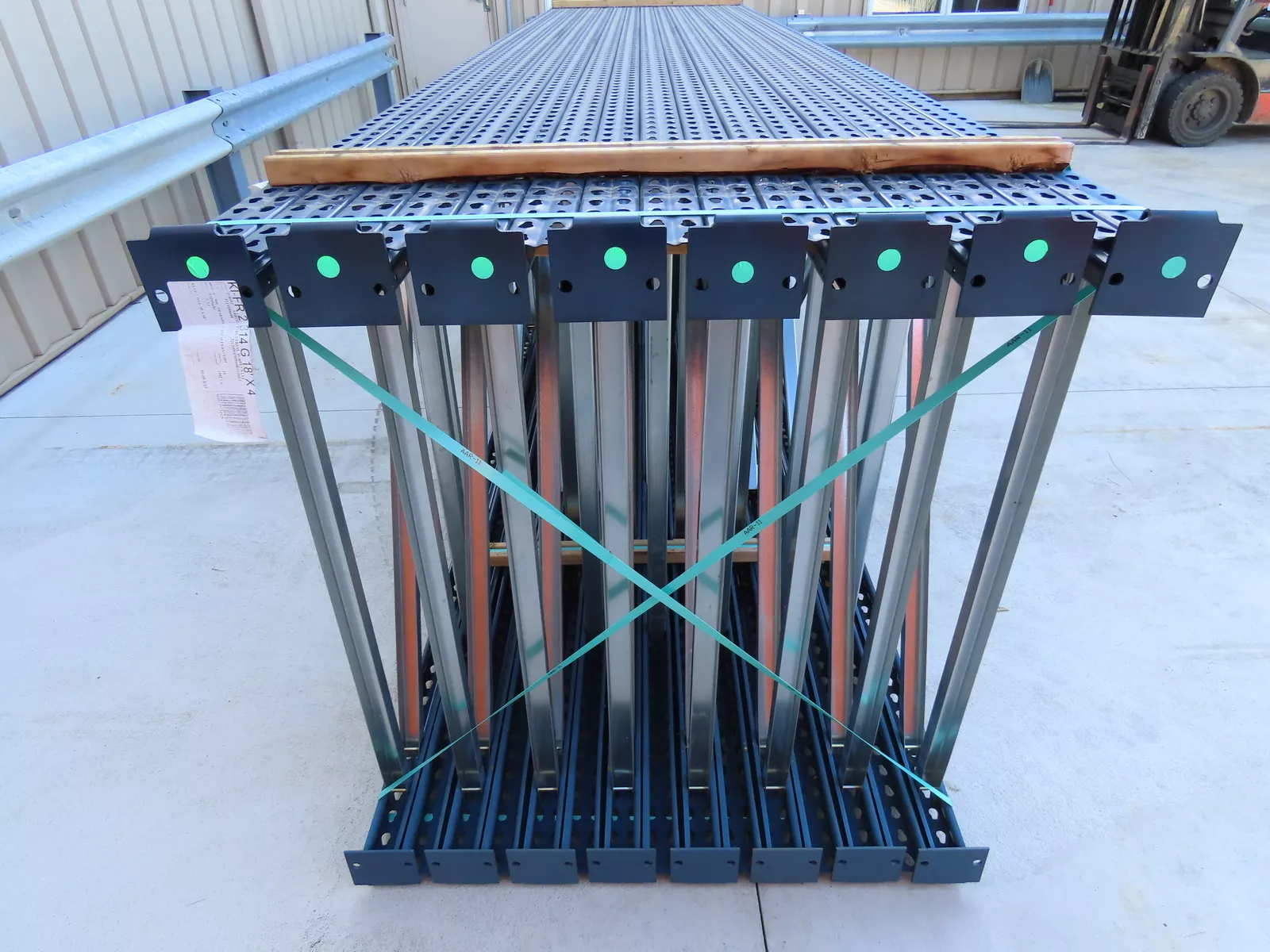
What Steps Can We Take to Create a Culture Of Safety In Warehouses?
What Steps Can We Take to Create a Culture Of Safety In Warehouses?
- Warehouses are bustling environments, characterized by towering racking systems, heavy machinery, and a flow of workers.
- Safety must be viewed as a culture to be cultivated rather than just a set of protocols.
- A culture of safety relies on individuals committing to look out for one another..
- Open communication regarding safety concerns fosters trust and accountability among workers.
- Embracing workplace safety is an ethical commitment that enhances employee value and motivation.
- A strong safety culture leads to fewer accidents, reduced turnover, and improved morale within companies.
- Building a culture of safety creates a shared narrative and responsibility among employees, contributing to a long-lasting legacy.
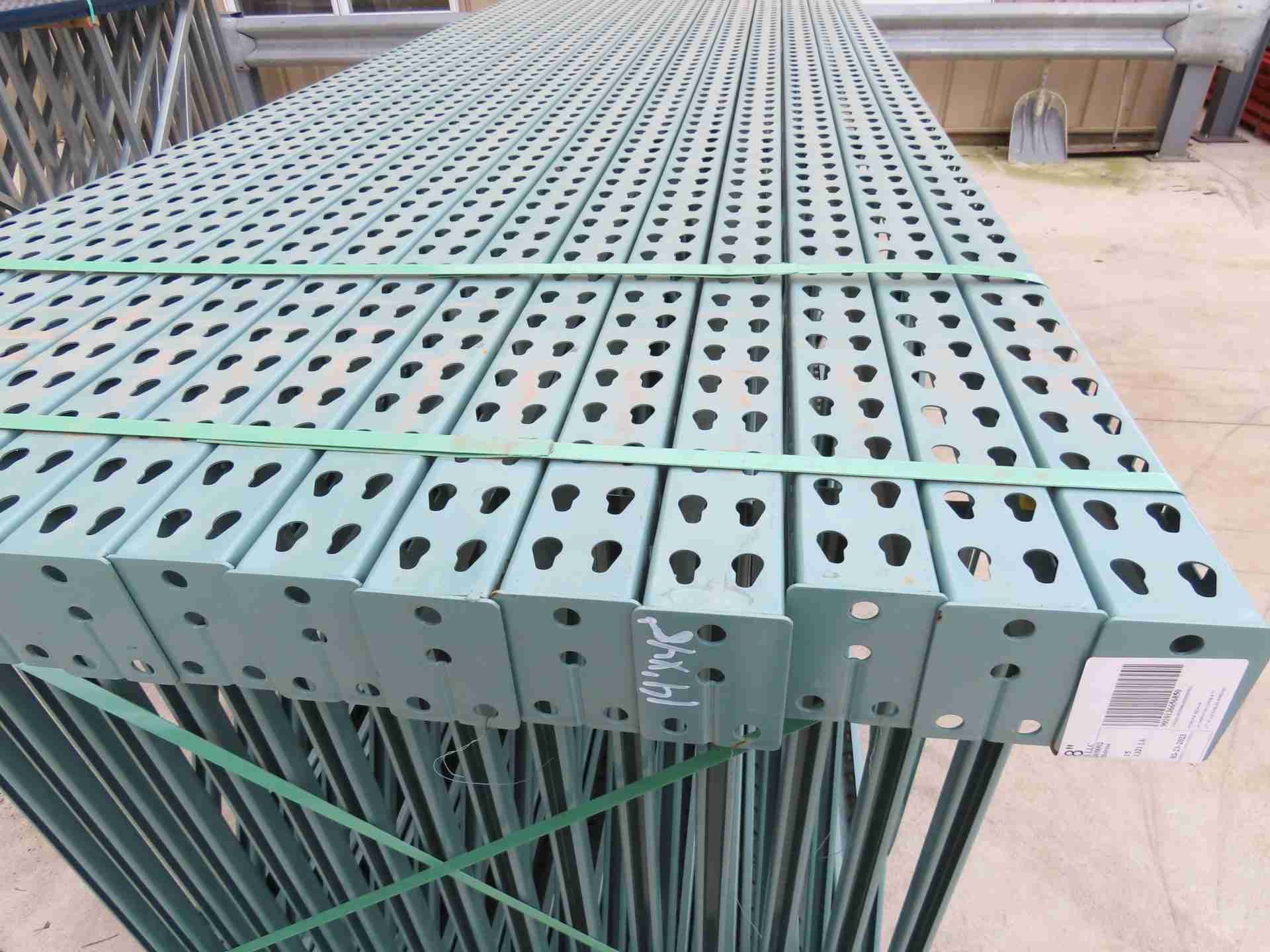
What Steps Can We Take to Create a Culture Of Safety In Warehouses?
Conclusion
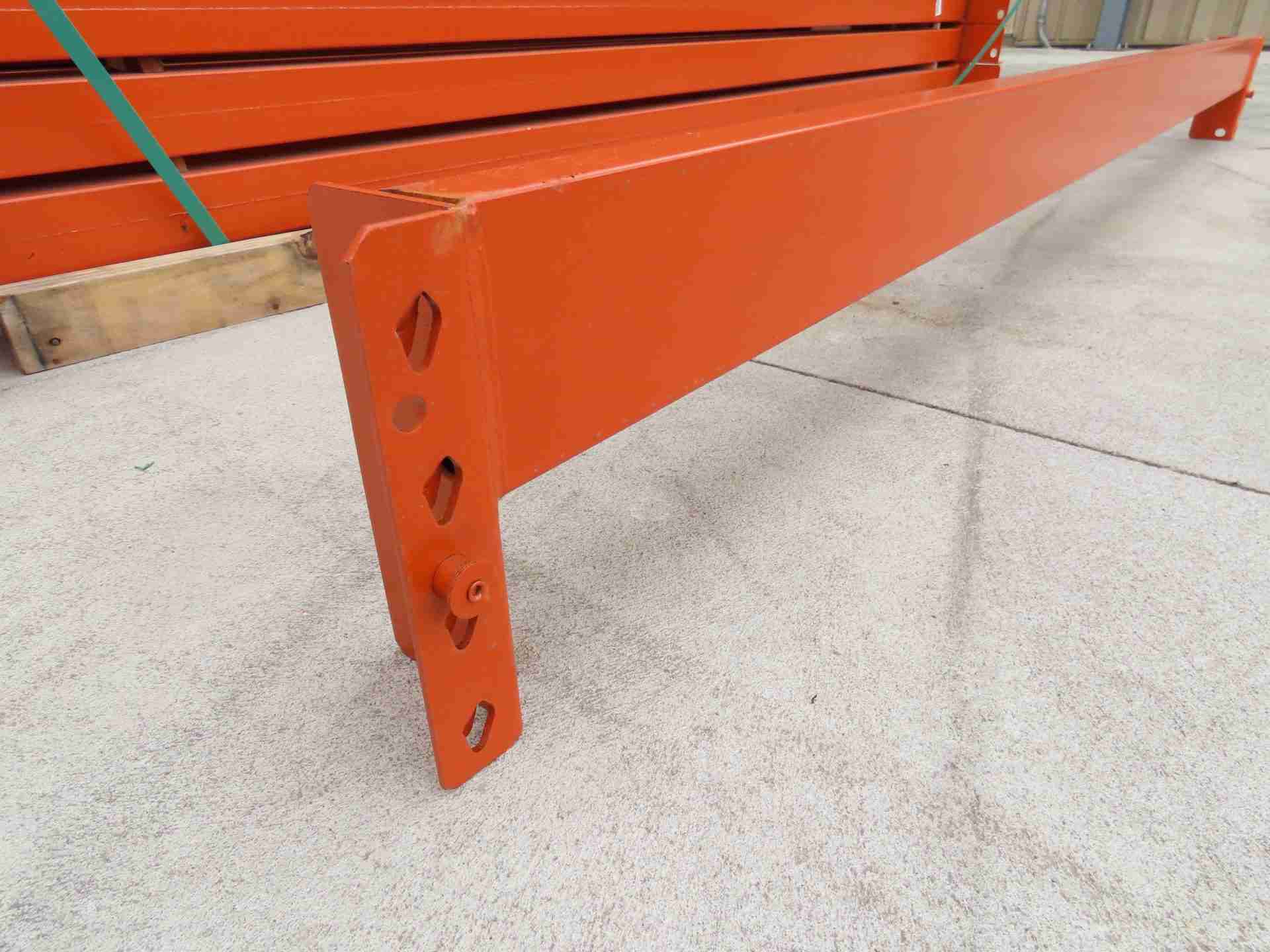
In the bustling heart of a warehouse, where steel beams tower and machines hum tirelessly, lies an essential truth: safety is not merely an obligation; it’s the backbone of a thriving workplace culture. Rack safety pins and beam locks, once overlooked, are the quiet guardians ensuring that products—and lives—remain secure. These small yet vital components embody a profound commitment to our well-being, quietly holding the weight of families and futures while we go about our daily tasks.
Reflect on the unsung heroes of our warehouses: the dedicated workers who face the ever-looming shadows of fear. In the quiet corners of our minds, the “what ifs” linger—what if a shelf gives way? This isn’t just paranoia; it’s our instinctual need for safety. The statistics on workplace injuries compel our attention, urging us to create environments that champion security alongside productivity. It’s our ethical duty to demand rigorous safety standards, transforming our workplaces into sanctuaries where every individual returns home safely at the end of the day.
Rallying around this cause, we can draw strength from stories—whether it’s a colleague who bravely speaks up about unsafe practices or a team that celebrates a milestone of incident-free days. These narratives resonate powerfully, binding us together in a mission that transcends individual fears, fostering an atmosphere of trust, accountability, and solidarity. Each story becomes a thread woven into the fabric of our work culture, building a legacy where safety truly matters.
To forge a culture of safety, we must educate and empower our teams. Knowledge transforms uncertainty into confidence. Proper training not only keeps individuals informed; it also reinforces the commitment we share to look out for one another. Inspections and maintenance affirm our dedication, while open communication channels pave the way for a collective voice—this is the heartbeat of a safe workspace.
As we champion safety standards and prioritize our teams’ well-being, we’re not just fulfilling regulatory requirements; we’re signaling a fundamental respect for every person in our charge. When safety is ingrained in our fabric, we nurture not only dedication and morale but also productivity and passion.
Let’s step into our warehouses with intention, embracing the tools, the knowledge, and the collective spirit of our teams. By committing to safety, we honor those who came before us, protect those who stand beside us, and ensure that moving forward, everyone feels valued and secure. Together, we can transform fear into empowerment and ambition into a culture of care that lasts.
Conclusion
Conclusion:
- Safety is the backbone of a thriving workplace culture in warehouses.
- Rack safety pins and beam locks are essential guardians for products and lives.
- Workers often face fears of accidents, highlighting the need for a strong safety culture.
- High statistics on workplace injuries emphasize the importance of promoting safety.
- Empowering teams through education and training helps transform uncertainty into confidence.
- Open communication and accountability create a trusted atmosphere in the workplace.
- Committing to safety not only meets regulatory requirements but also shows respect for workers’ well-being.
Conclusion
Other Resources
Other Resources
Here is a list of other resources you can review online to learn more:
- Illinois Pallet Racking – Storage Solutions
- Interlake Mecalux
- Pallet Racking systems in Illinois, Great Lakes
- Pallet Rack Systems – New and Used Pallet Racking and Shelving Experts
- Intro to Warehouse Racks & Warehouse Racking Systems – ShipBob
- Warehouse Automation
- Wolter
- Bradford Systems
- Interlake
- Mustang Material Handling
- RMI
- Storage Equipment Manufacturers Association
- Iowa Illinois Warehouse Racking
- Cantilever Rack Configuration & Installation: A Comprehensive Guide – BMH
- Used Pallet Rack for Sale in Illinois – American Surplus
- Overhead Lifting
- Rack Manufacturers Institute
- Selective Pallet Racking Systems
- Selective Rack – Raymond West
- MHI
Use This Prompt To Get More Resources With Your Favorite Online AI Tool: Please provide me with a list of online articles with their URLs in a bulleted list that I can read regarding The Role Of Rack Safety Pins and Beam Locks
Other Resources
Glossary Terms
The Role Of Rack Safety Pins and Beam Locks – Glossary Of Terms
1. Rack Safety Pins: Metal pins inserted into the frame of a rack to secure shelves or beams in place.
2. Beam Locks: Devices that hold horizontal beams securely on vertical frames, preventing accidental dislodgment.
3. Load Capacity: The maximum weight that racks, shelves, and beams can support safely.
4. Installation: The process of setting up shelving units, including securing safety pins and beam locks.
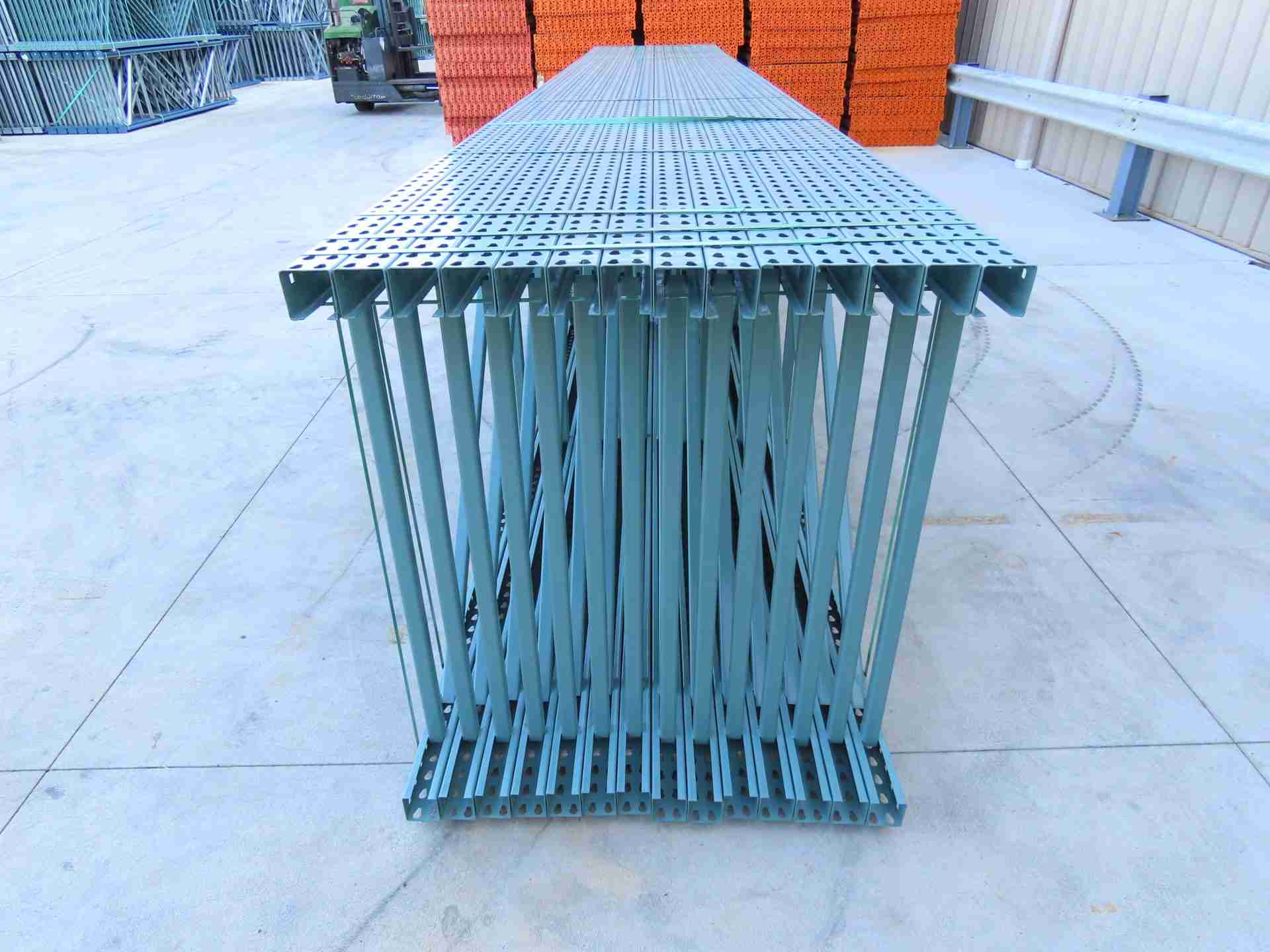
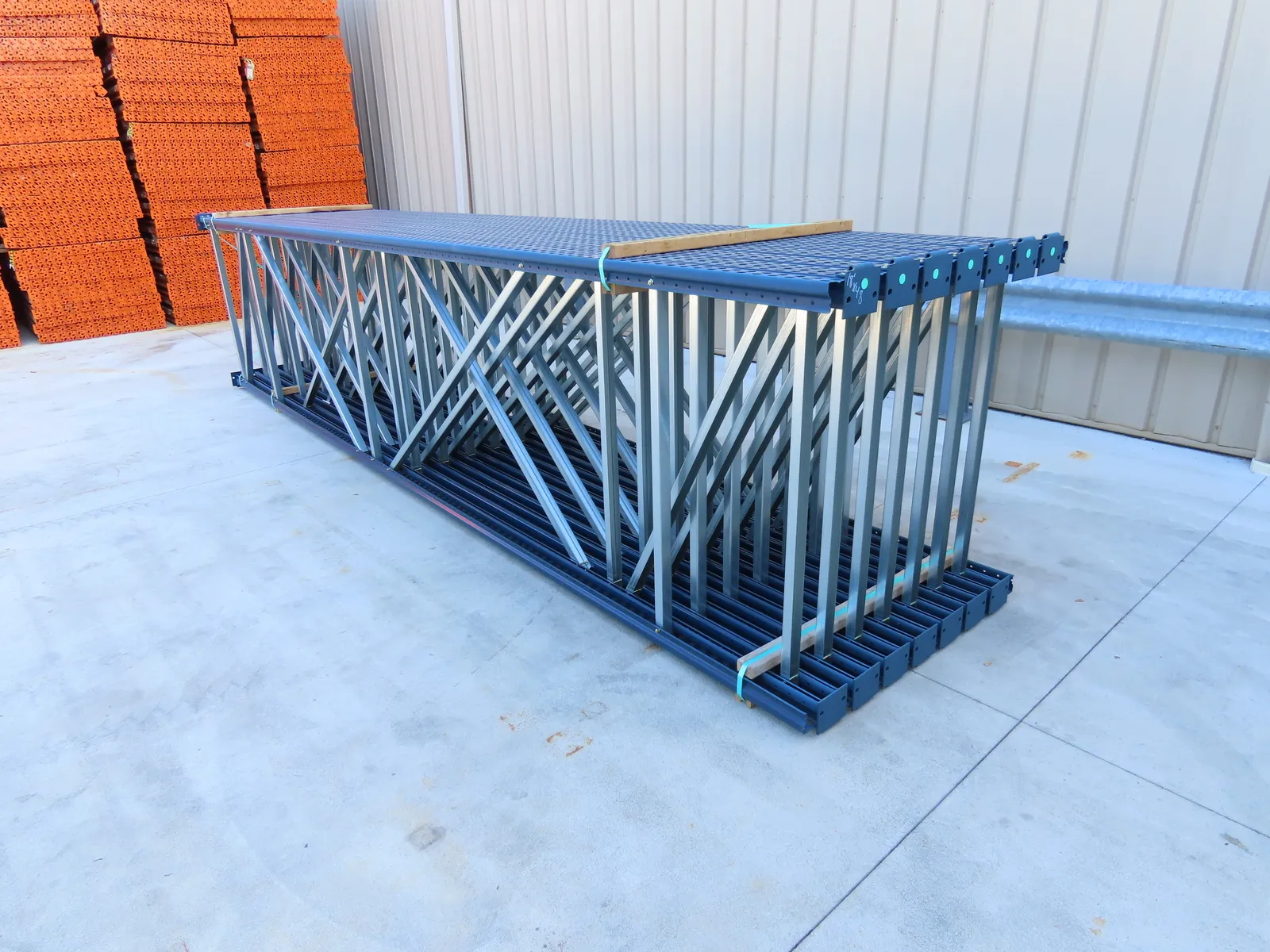
5. Vertical Frame: The standing structure of a rack that supports horizontal beams.
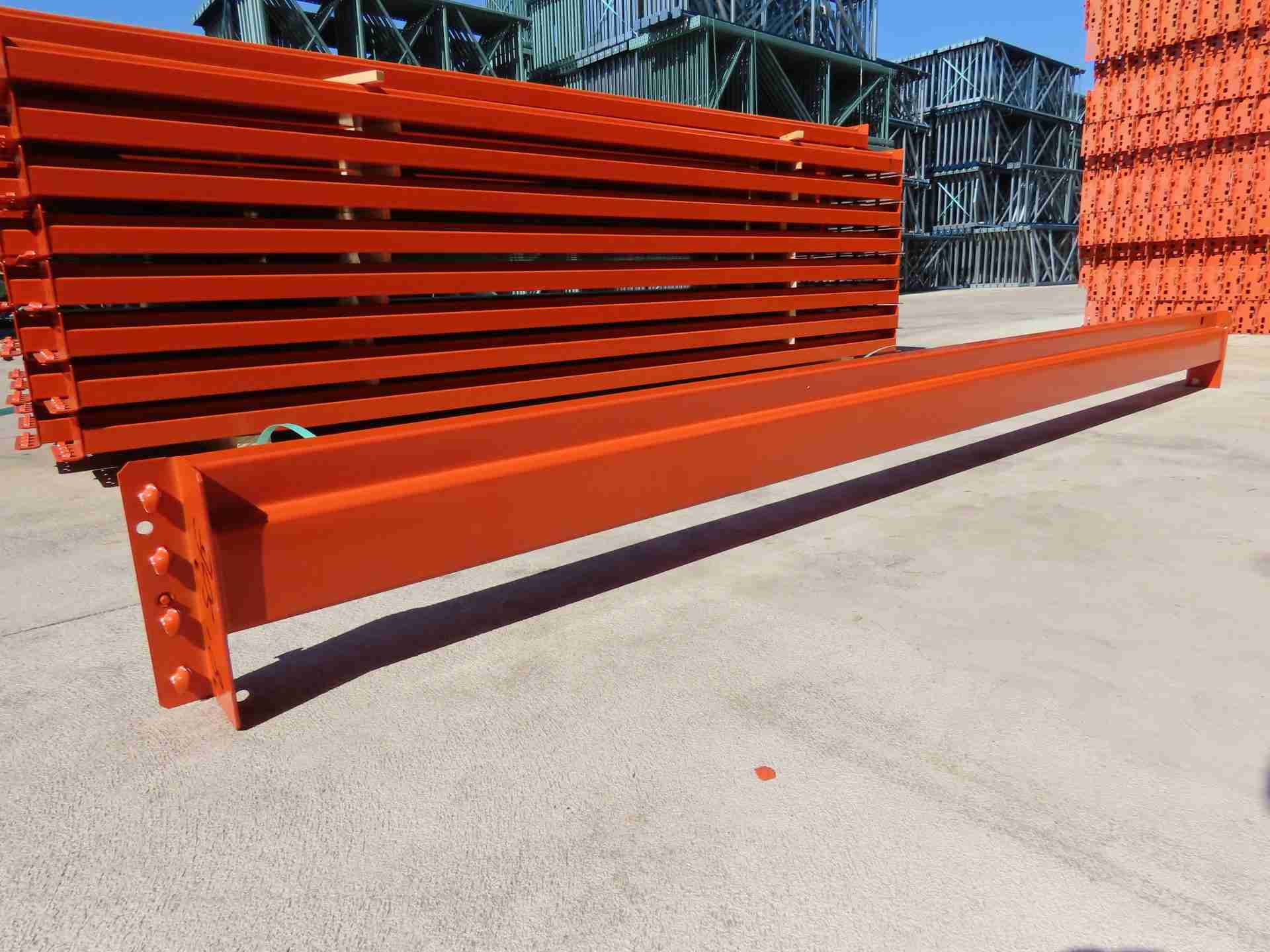
6. Horizontal Beam: A component of a rack that runs parallel to the ground, supporting loads.
7. Safety Margin: An additional factor included in load calculations to ensure safety beyond the maximum load capacity.
8. Structural Integrity: The ability of a rack system to maintain its shape and support loads without failure.
9. Deflection: The degree to which a beam bends under load, which can affect safety and functionality.
10. Material Composition: The materials (e. g. , steel, aluminum) used in constructing rack components, affecting strength and durability.
11. Inspection: The process of examining rack systems regularly for wear, damage, or failure.
12. Accidental Dislodgment: The unintended removal of a beam from its secured position, leading to potential hazards.
13. Tool-less Installation: A design feature allowing the assembly of racks without specialized tools, enhancing convenience.
14. Lifting Capacity: The ability of a rack to handle vertically lifted loads safely.
15. Assembly: The procedure of putting various rack components together to form a complete unit.
16. Safety Standards: Regulations and guidelines that dictate proper storage and shelving practices to ensure safety.
17. Weight Distribution: The manner in which weight is spread across a rack, affecting stability and safety.
18. Warehouse Management: The strategies and systems used to manage inventory and storage within a warehouse.
19. Compliance: Adherence to safety regulations and standards concerning rack and shelving installations.
20. Installation Guidelines: Recommendations detailing how to properly set up and secure rack systems.
21. Ergonomics: The study of optimizing workspaces for efficiency and safety, relevant in rack design.
22. Maintenance Protocols: Procedures to ensure racks are kept in good condition and safe for use.
23. Weight Limit Notices: Labels or indicators on racks that specify safe load limits.
24. Freestanding Racks: Racks that do not need to be anchored or secured to walls for stability.
25. Rack Stability: The ability of a rack system to maintain position without tipping or collapsing under load.
26. Overloading: Placing excessive weight on a rack beyond its rated capacity, risking failure.
27. Guardrails: Structures surrounding racks to prevent items from falling off and enhance safety.
28. Interlocking Pins: Safety pins designed to lock into place, ensuring beams remain secure during use.
29. Periodic Testing: Scheduled assessments of rack systems to check load capacity and safety features.
30. Safety Training: Instruction provided to employees on proper handling, loading, and maintenance of rack systems to prevent accidents.
Glossary Of Terms
Other Questions
The Role Of Rack Safety Pins and Beam Locks – Other Questions
If you wish to explore and discover more, consider looking for answers to these questions:
- What are rack safety pins and beam locks, and how do they function?
- What specific safety regulations apply to racking systems in warehouses?
- How can employers effectively train their staff on safety practices related to storage racks?
- What steps should be taken during regular inspections of racking systems?
- What are the financial implications of neglecting safety standards in warehouses?
- How can employees advocate for improved safety measures in their workplaces?
- What are the consequences of accidents due to faulty racking systems?
- How do personal experiences and stories about accidents shape workplace safety cultures?
- What can companies do to ensure compliance with safety standards in their storage solutions?
- How does a strong safety culture impact employee morale and productivity?
- What role does open communication play in fostering a culture of safety?
- How can team-building activities promote safety awareness in a warehouse environment?
Other Questions
Checklist
The Role Of Rack Safety Pins and Beam Locks – A Checklist
Workplace Safety Culture Checklist
Emotional Appeals
_____ Reflect on the impact of workplace safety on your team’s morale and well-being.
_____ Share personal safety stories to cultivate a sense of community and trust.
Rational Appeals
_____ Ensure regular training on load limits and proper stacking techniques.
_____ Conduct routine inspections and maintenance of racking systems.
_____ Document and analyze any incidents or near-misses to improve safety protocols.
Ethical Appeals
_____ Commit to safety as a fundamental right for all employees.
_____ Promote a culture of openness where safety concerns can be voiced without fear.
_____ Advocate for the highest safety standards in all practices and materials.
Authority Appeals
_____ Ensure that safety protocols are informed by best practices and regulations.
_____ Consult safety professionals or authorities for guidance on racking systems.
Narrative Appeals
_____ Share success stories of proactive safety measures and their positive impacts.
_____ Highlight the experiences of team members who advocated for safer practices.
Social Appeals
_____ Foster teamwork by encouraging collective responsibility for safety.
_____ Organize safety drills or workshops to enhance team cohesion around safety.
_____ Establish a recognition program for employees who contribute to safety initiatives.
Action-Oriented Steps
_____ Schedule regular safety meetings to discuss concerns and improvements.
_____ Create a feedback loop for employees to share their experiences and suggestions.
_____ Develop a mentorship program where seasoned workers can guide newer employees on safety practices.
Checklist
At RackingWorld, we help guide you through selecting warehouse storage systems and racking.
Be sure to read our other related stories at RackingWorld to learn more about warehouse storage systems.
0 Comments