
Optimizing Your Warehouse Layout For Maximum Efficiency
By Tom Seest
At RackingWorld, we help guide you through selecting warehouse storage systems and racking.
Be sure to read our other related stories at RackingWorld to learn more about warehouse storage systems.
Are Your Racks Designed for Your Forklift Fleet?
When you think about your warehouse, what images come to mind? Rows upon rows of neatly stacked boxes, the hum of machinery, and the sight of hardworking individuals maneuvering forklifts like dancers on a stage? That’s the dream, isn’t it? But here’s the kicker: Are your racking systems really designed to complement the capabilities of your forklift fleet? If not, you might as well be trying to hit a bullseye with a blindfold on.
Consider this for a moment—every time a forklift operator pulls off a delicate maneuver to place or retrieve a load, they’re placing their trust in the equipment, in the design, and ultimately in you. The right racking not only maximizes efficiency but also enhances safety. Picture a scenario where shelves are inadequately spaced or overloaded. There’s not just a risk to the cargo; there’s a very real possibility of workplace injuries that can haunt you. You wouldn’t want your team to feel like they’re navigating a minefield every time they go to work.
On the flip side, designed racking systems can streamline operations, reducing time spent searching for products and maximizing space. Each properly aligned shelf and correctly placed beam works in harmony with your forklifts, creating a ballet of logistics that can increase your bottom line. Think of the satisfaction in knowing that every inch of space is utilized and that your employees can do their jobs efficiently—and safely. Now that’s intuitive design for the modern warehouse!
But this isn’t just about numbers and efficiency; it’s about people. Your employees are your greatest asset, and creating an environment where they can thrive isn’t just good business—it’s a moral obligation. They deserve tools and systems that empower them, not hinder them. By investing in racking that works with your forklift fleet, you’re showing them that you care about their safety, productivity, and overall workplace happiness.
Let’s not forget the broader implications, either. A well-structured warehouse enhances your brand’s reputation, and nothing builds trust in a community like a business that operates transparently and responsibly. Your customers notice when products are delivered on time and in perfect condition. So, as you take stock of your operation, remember: every component counts. Investing in the right racking is an investment in your people, your profits, and your place in the market. Make it count.
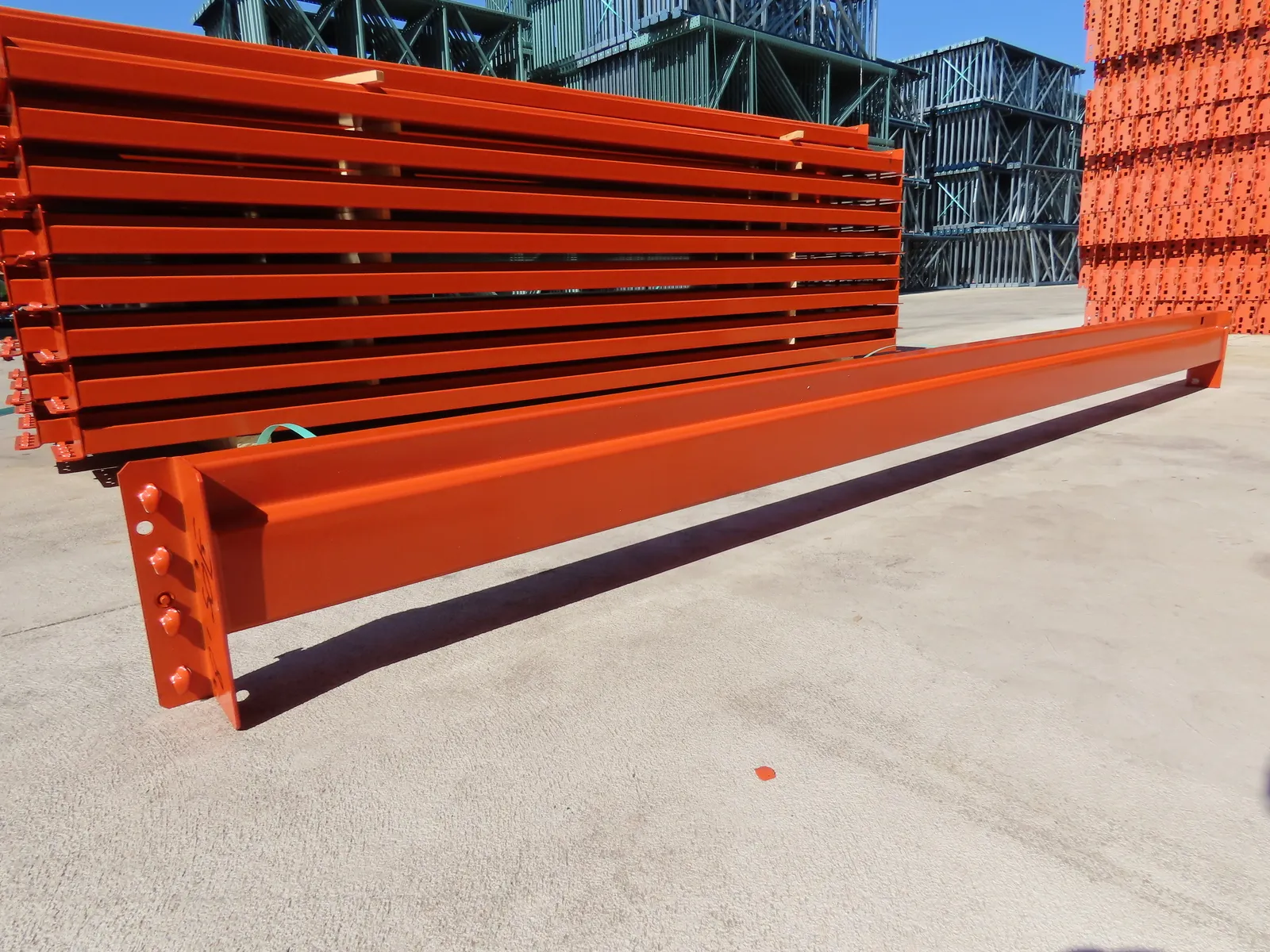
Are Your Racks Designed for Your Forklift Fleet?
Are Your Racks Designed for Your Forklift Fleet?
- A warehouse should feature well-designed racking systems that complement the capabilities of the forklift fleet.
- The right racking enhances efficiency and safety, reducing the risk of workplace injuries.
- Poorly designed racking can create hazards for employees, making the work environment unsafe.
- Properly aligned shelves and beams streamline operations, minimizing time spent searching for products.
- Investing in effective racking systems demonstrates care for employee safety and productivity.
- A well-structured warehouse improves a brand’s reputation and customer trust through reliable operations.
- Investing in racking benefits not just the bottom line but also employee satisfaction and market position.
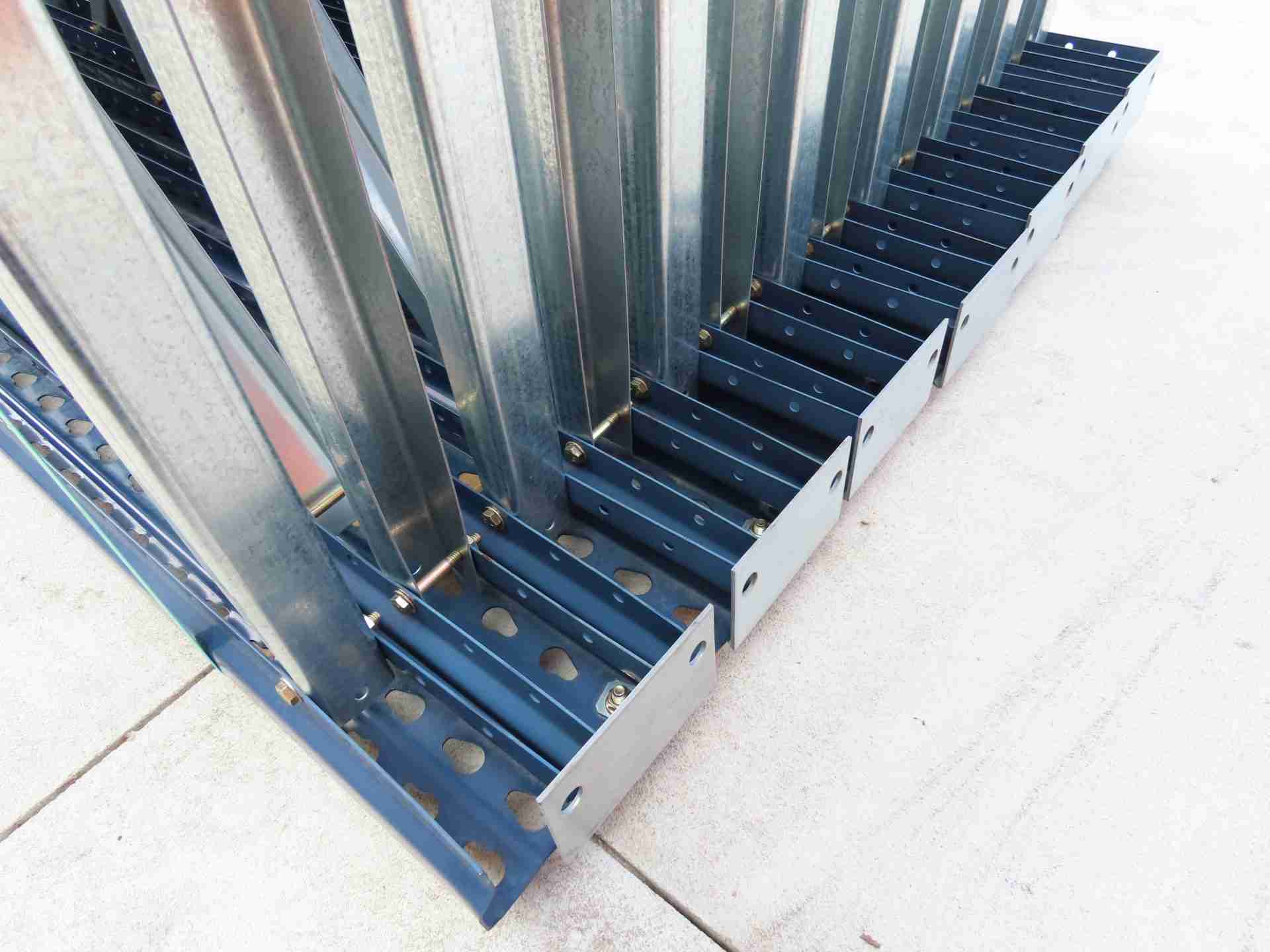
Are Your Racks Designed for Your Forklift Fleet?
Table Of Contents
- Are Your Racks Designed for Your Forklift Fleet?
- Is Your Warehouse Space Optimized for Your Forklift Operations?
- Are Your Current Racks Safe for Both Workers and Equipment?
- How Do Your Rack Designs Impact Your Operational Efficiency?
- What Are the Hidden Costs Of Improperly Designed Warehouse Racks?
- Have You Considered the Safety Standards for Your Rack Systems?
- Conclusion
- Other Resources
- Glossary Of Terms
- Other Questions
- Checklist
Is Your Warehouse Space Optimized for Your Forklift Operations?
Optimizing your warehouse space is not just a matter of numbers and measurements; it’s about creating an environment where every inch of your floor matters. Picture this: a bustling warehouse, filled with the hum of machinery and the rhythm of hard-working employees. Among them, forklifts weave through aisles, deftly maneuvering large loads with the grace of seasoned dancers. Now, imagine if that space was poorly designed. Racking systems congested and aisles too narrow could mean chaos instead of efficiency, resulting in delays, accidents, and even injuries. The heart of a successful operation beats through its flow, and that flow begins with an optimized layout.
Think about the financial implications. Every moment a forklift idles or a worker fumbles costs money. By investing in strategic racking solutions, you can improve not only productivity but also your bottom line. Consider how multiple pallet configurations can maximize vertical space while allowing for safe and easy access. The rational choice becomes clear: a well-structured warehouse isn’t just an operational necessity; it’s a smart business strategy.
Now, let’s touch on a more profound truth—your people. They’re not just cogs in the wheel; they’re the backbone of your operations. Ensuring their safety should be a non-negotiable ethical priority. A well-optimized warehouse minimizes hazards, making it a place where employees feel secure and valued. When workers know their safety is cared for, you foster loyalty and pride within your team.
We’ve all heard tales of warehouses where inefficiencies lead to tragedy—a broken foot from a toppled load, or a near-miss barely avoided. Don’t let your story be one of avoidable accidents. Embrace the potential of thoughtful design and a focus on ergonomics.
When it comes to social responsibility, consider this: an optimized warehouse doesn’t just benefit the bottom line. It serves the community too. Efficient operations can lessen the environmental impact through reduced waste and smarter logistics. The community trusts businesses that prioritize efficiency and worker welfare.
Your warehouse is more than just a storage space; it’s a living, breathing ecosystem of productivity and safety. As you reflect on whether your operations are truly optimized, remember: the heart, head, and gut of your team depend on you making the right choices today for a better tomorrow. Trust in the process. Feel the difference. Act now.
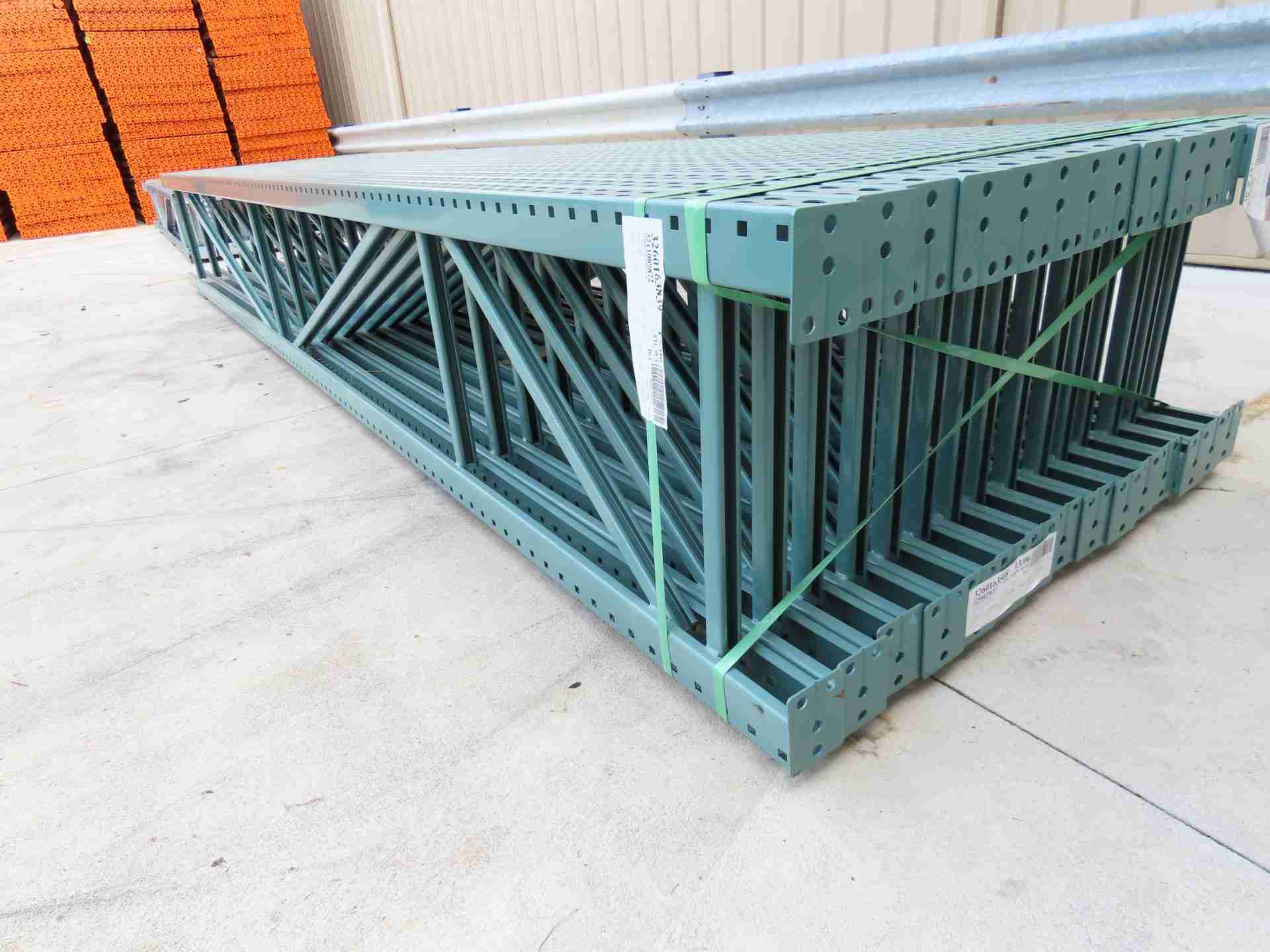
Is Your Warehouse Space Optimized for Your Forklift Operations?
Is Your Warehouse Space Optimized for Your Forklift Operations?
- Optimizing warehouse space involves creating an efficient environment where every inch of the floor is utilized effectively.
- Poorly designed warehouse layouts can lead to chaos, delays, and increased risk of accidents and injuries.
- Investing in strategic racking solutions enhances productivity and positively impacts the company’s financial bottom line.
- Using multiple pallet configurations can maximize vertical space while ensuring safe access for employees.
- Employee safety is paramount; a well-optimized warehouse minimizes hazards and promotes a culture of safety.
- Optimized warehouses contribute to social responsibility by reducing environmental impact and fostering community trust.
- Your warehouse is an ecosystem of productivity and safety; making the right choices now creates a better future.
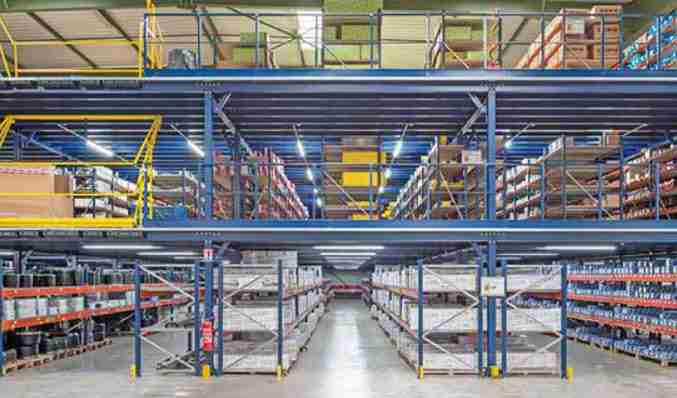
Is Your Warehouse Space Optimized for Your Forklift Operations?
Are Your Current Racks Safe for Both Workers and Equipment?
When you step into a warehouse, the hum of machinery and the rhythmic sound of workers moving about creates a pulse, a heartbeat that’s essential to the operations at hand. Racking systems are the unsung heroes in this bustling environment, silently holding up countless pounds of inventory, equipment, and sometimes, the livelihoods of those who rely on them. But have you ever stopped to consider whether your current racks are truly safe for both your workers and the equipment that depends on them?
Picture this: It’s a regular Tuesday afternoon, and employees are diligently stacking boxes on a towering racking system. Suddenly, the whole structure teeters, and a cascade of merchandise floods the floor, narrowly missing a worker. That moment of chaos could have unraveled into a catastrophe, but it doesn’t have to. Racking safety isn’t merely a corporate checkbox; it’s a matter of ethics and responsibility. Each rack is a promise to your employees that you prioritize their well-being. By ensuring these structures are reliable, you’re telling your workforce, “I’ve got your back.”
Now let’s shift gears for a moment. Think logically. Properly maintained racking systems lead to fewer accidents, reducing downtime and saving money. Damage to equipment and injuries to workers can result in costly consequences that ripple through your business in ways you might not immediately see. A sagging shelf or a loose beam isn’t just an eyesore; it’s a liability. When you choose to invest in quality racking solutions and regular inspections, you’re not just protecting your assets; you’re safeguarding your future.
This conversation isn’t merely technical; it’s very personal. Every worker on that floor deserves a safe environment. They’re not just numbers or cogs in a machine; they are people with families, aspirations, and lives outside the warehouse walls. Imagine the relief of a parent knowing they’re returning home in one piece after a day’s work—this is what rack safety provides.
Engage with your racking systems; don’t let them collect dust like forgotten relics. Regular inspections, training, and updates to safety protocols are all essential steps in this continuous journey toward a safer workspace. Stand up, take a look around, and ask: Are your racks standing strong for those who are relying on them? Because at the end of the day, it’s not just about storage; it’s about the trust we build and the lives we protect.
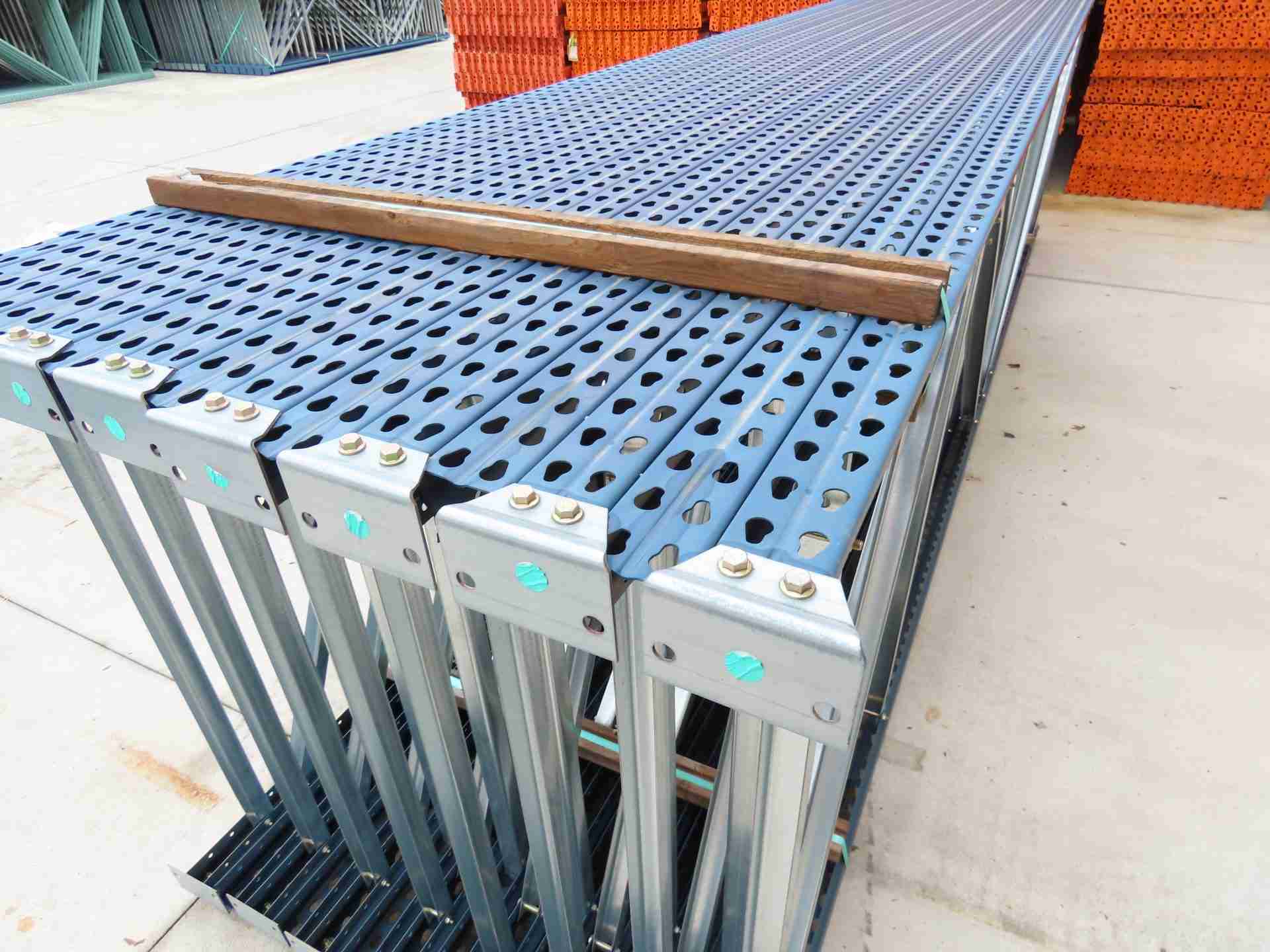
Are Your Current Racks Safe for Both Workers and Equipment?
Are Your Current Racks Safe for Both Workers and Equipment?
- The warehouse environment is characterized by the sound of machinery and active workers, creating a vital operational heartbeat.
- Racking systems play a crucial role in supporting heavy inventory and equipment, making their reliability essential for worker safety.
- Racking safety is critical not only for compliance but also as an ethical responsibility towards employees.
- Properly maintained racking systems reduce accidents, downtime, and cost-related impacts on businesses.
- Every worker deserves a safe environment, emphasizing that they are people with families and lives beyond the workplace.
- Regular inspections and updates to safety protocols are necessary for maintaining safe racking systems.
- Investing in quality racking solutions fosters trust and protects the lives of those depending on them.
Are Your Current Racks Safe for Both Workers and Equipment?
How Do Your Rack Designs Impact Your Operational Efficiency?
When you step into a warehouse, what you see tells a story. The racking systems—those steel structures holding everything from delicate electronics to hefty machinery—aren’t just fixtures; they’re the backbone of your operation. Think about it. A well-designed racking solution isn’t just about storing goods; it’s about streamlining your entire workflow, making every inch of space work as hard as you do. Picture a busy beehive. Each bee knows its place, and together they create harmony. Similarly, your racking must facilitate smooth navigation and quick access, transforming chaos into order.
Now, let’s engage the head. Consider the economic impact of your racking choices. Inefficient designs lead to long travel times for employees and frustrating inefficiencies, costing you both time and money. According to industry experts, optimizing your racking can boost operational efficiency by up to 30%. Imagine reaping the rewards of that increase! You could reinvest that money into your team, your technology, or even your community.
Moving to the gut, think about your team. Does your racking design make it easy for them to do their jobs? It’s easy to forget that every piece of equipment directly impacts morale. When workers can move freely and access materials without hassle, they feel valued and empowered, leading to greater job satisfaction and retention. That’s more than just good business; it’s the right thing to do for the people who dedicate their time to your mission.
On the ethical front, let’s not overlook safety. A poorly designed racking system can create hazards that put your team at risk. Investing thoughtfully in your racking isn’t merely a business decision; it’s a commitment to the wellbeing of your workforce and elevating industry standards.
Finally, let’s talk authority. Experts in logistics and warehouse management stress the importance of tailoring racking solutions to your unique needs. This isn’t a one-size-fits-all approach—it’s about understanding your specific operational demands and finding the right system to match.
So, let’s connect—through improved efficiency, enhanced safety, and a shared commitment to excellence. The next time you walk through your warehouse, take pride in the racking systems you’ve chosen. They are more than just shelves; they are the framework for your success, the foundation upon which you build your dreams. Embrace that vision, and let it guide you toward a brighter, more efficient future.
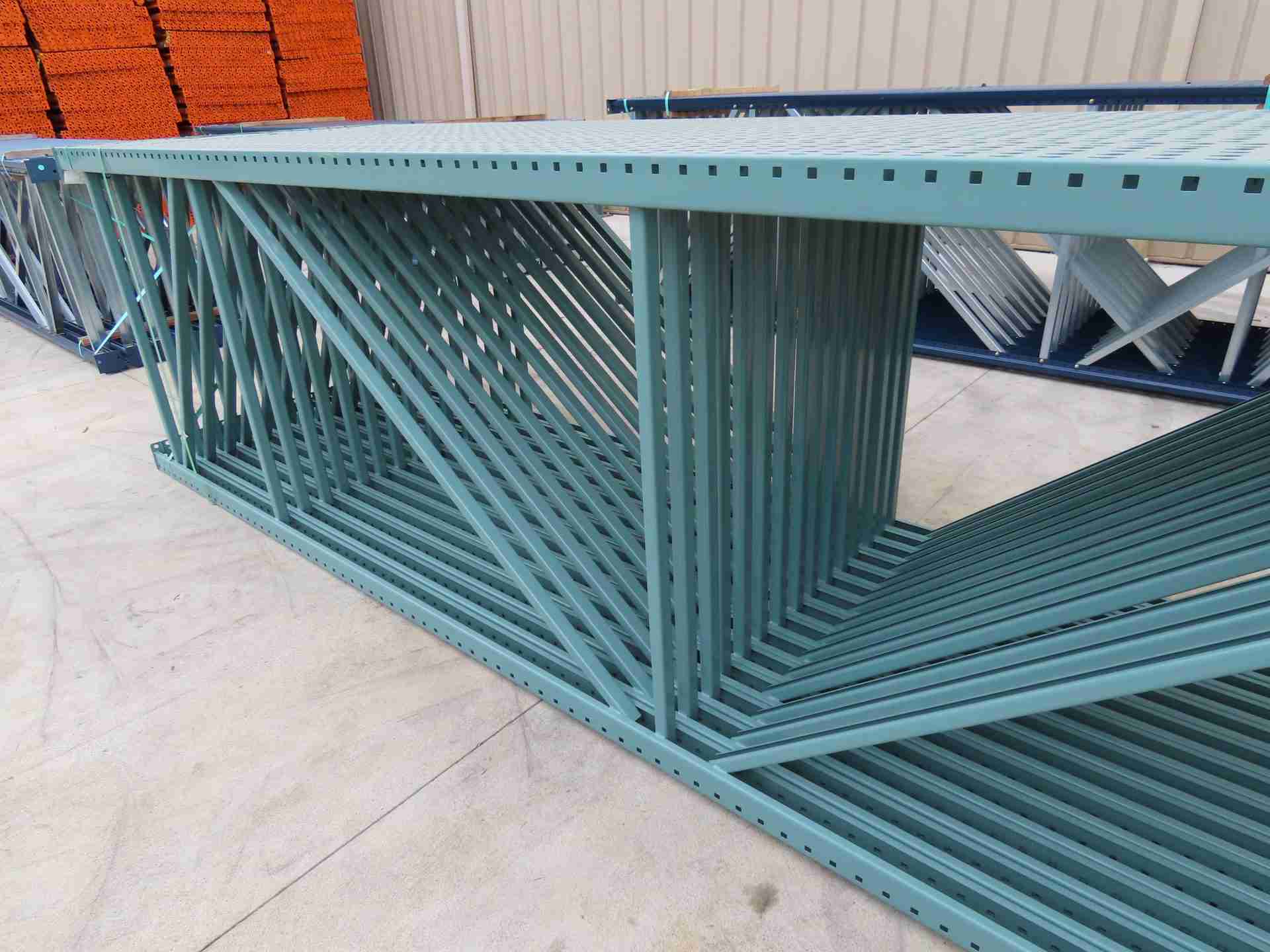
How Do Your Rack Designs Impact Your Operational Efficiency?
How Do Your Rack Designs Impact Your Operational Efficiency?
- Racking systems are essential structures in warehouses, serving as the backbone of operations.
- Well-designed racking solutions streamline workflow and optimize space utilization.
- Improper racking designs can lead to inefficiencies, increasing travel times for employees and costing time and money.
- Optimizing racking can enhance operational efficiency by up to 30%, allowing reinvestment in teams and technology.
- A user-friendly racking design boosts employee morale by facilitating movement and easy access to materials.
- Safety is a critical factor; poor racking design can pose hazards to workers and compromise their wellbeing.
- Tailoring racking solutions to specific operational needs is vital, emphasizing the importance of expert advice in logistics and warehouse management.
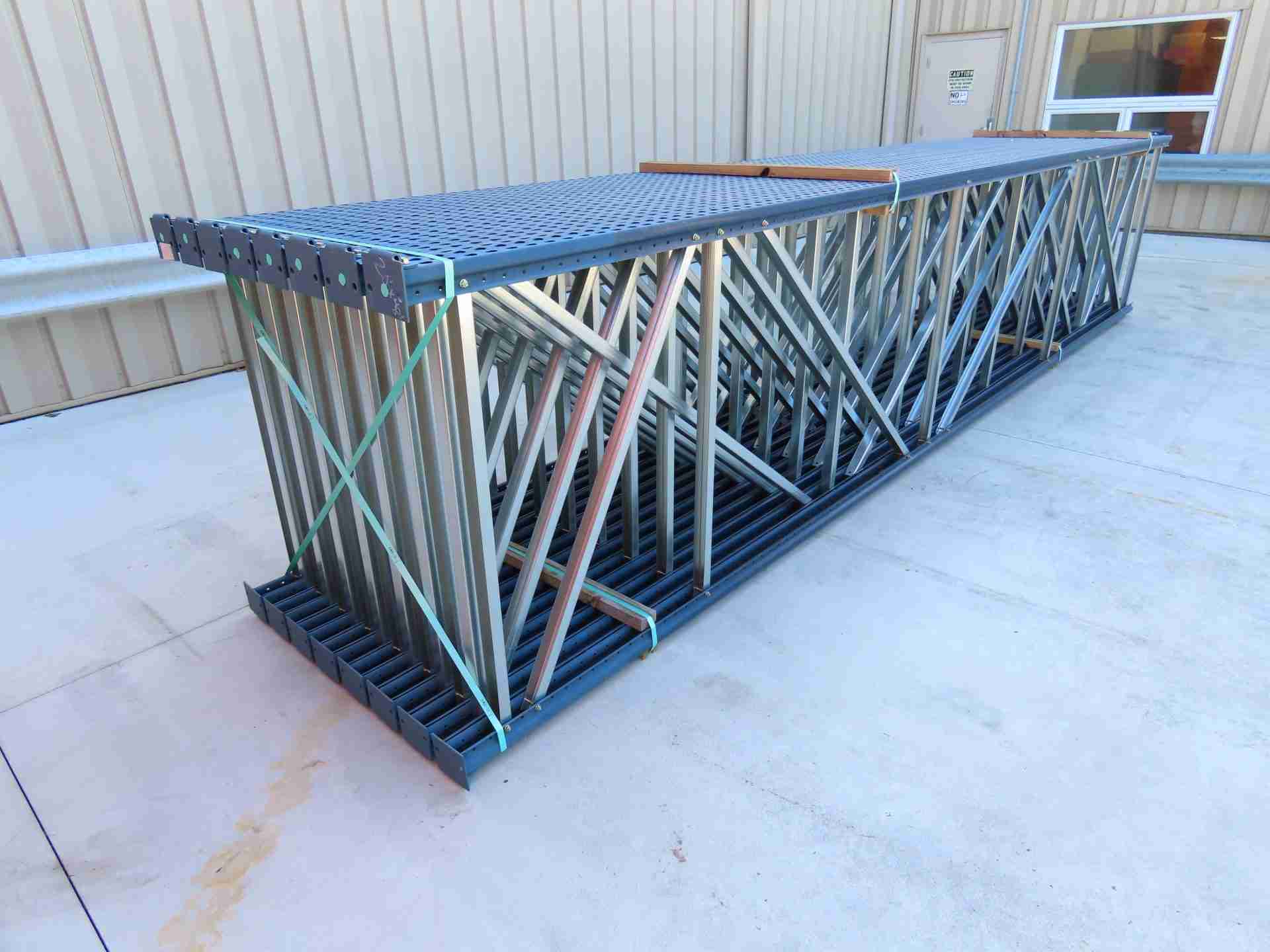
How Do Your Rack Designs Impact Your Operational Efficiency?
What Are the Hidden Costs Of Improperly Designed Warehouse Racks?
When you step into a warehouse, you might see rows and rows of racking systems, sleek and neatly organized. But behind that polished exterior lies a world of hidden costs that can have a lasting impact on the very foundation of your operations. The truth is, improperly designed warehouse racks are not just a logistical mishap; they create a domino effect that can rattle your entire business.
Think about it. Every inch of warehouse space is precious, but poorly designed racking can lead to wasted square footage. This inefficiency doesn’t just cost you money; it eats away at your potential. Inventory can become mismanaged, with items lost in the chaos, or worse, damaged beyond repair. Each broken box represents not just a financial loss, but a missed opportunity—a product that won’t find its way to a grateful customer, a revenue stream that could have fueled growth, or a perfectly good item unnecessarily consigned to oblivion.
And then there’s safety. It’s a gut-wrenching thought: a warehouse worker, just doing their job, faces injury because a racking system couldn’t handle the load. The unseen costs here are staggering—not just in terms of medical bills or compensation claims, but in the erosion of trust between management and employees. If your team doesn’t feel safe, morale plummets. Productivity takes a nosedive, and soon, even the most committed workers might feel compelled to seek opportunities elsewhere. A happy workforce is your company’s lifeblood.
From an ethical standpoint, how can we ignore the responsibility we carry for others? Treating employees with respect and ensuring their safety should be non-negotiable. When you invest in properly designed racking, you’re making a choice that aligns with a culture of care—both for your people and your bottom line.
Additionally, consider the broader community. A warehouse that operates efficiently boosts the local economy by ensuring timely deliveries and maintaining healthy supplier relationships. Every time your racking systems don’t hold up, you’re not just letting down your business; you’re letting down your customers, suppliers, and even the very community that supports you.
The unsettling truth is that behind those sleek steel frames lies more than just structure; it holds the potential for success or failure. So, as you evaluate your racking systems, remember: a little upfront investment can save you from a heap of problems down the line. Don’t just build for today; build for a trusted tomorrow.

What Are the Hidden Costs Of Improperly Designed Warehouse Racks?
What Are the Hidden Costs Of Improperly Designed Warehouse Racks?
- Warehouse racking systems may appear organized, but hidden costs can deeply affect operations.
- Poorly designed racks lead to wasted space and mismanaged inventory, harming financial potential.
- Damaged inventory results in lost revenue and missed opportunities for customer satisfaction.
- Inadequate racking can pose safety risks, leading to injuries and loss of employee trust and morale.
- A safe, happy workforce is essential for productivity and retention in a company.
- Investing in proper racking design supports ethical responsibilities towards employee safety and care.
- Efficient warehouse operations positively impact the community by ensuring timely deliveries and strong supplier relationships.
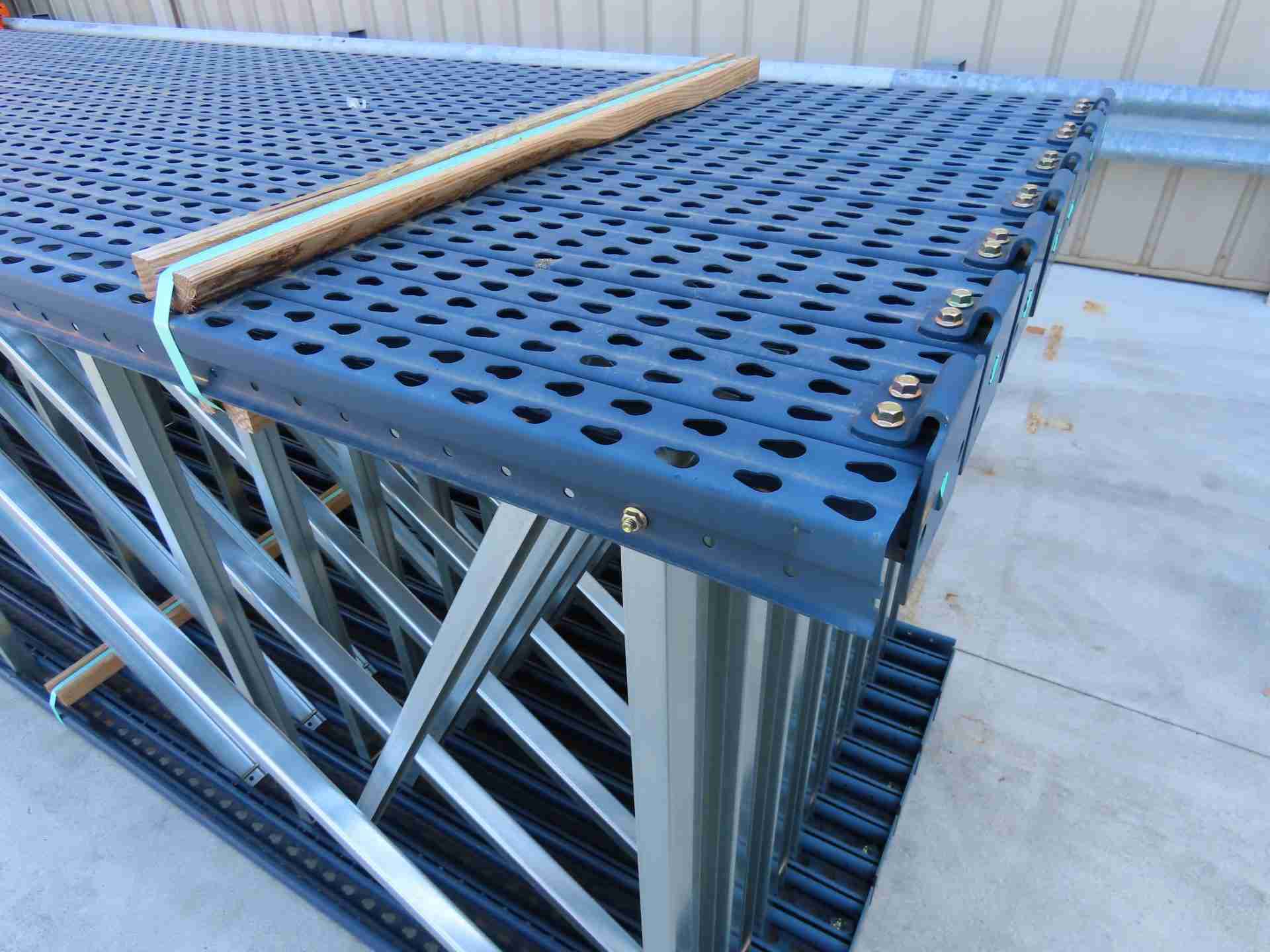
What Are the Hidden Costs Of Improperly Designed Warehouse Racks?
Have You Considered the Safety Standards for Your Rack Systems?
When it comes to racking systems, most people see shelves and storage solutions, but what lies beneath those racks often tells a different story—a story of safety, security, and sometimes, sheer negligence. Picture this: a bustling warehouse filled with confident workers. The atmosphere buzzes with productivity, but unknown to many, a grave threat lurks amidst the racking systems. It’s a silent hazard that could turn a daily routine into a nightmare in the blink of an eye.
We depend on these systems to support our daily operations, and yet, how often do we pause to consider the underlying safety standards that govern them? It’s not just about whether the shelves can hold weight; it’s about engineering integrity, rigorous testing, and compliance with established regulations. When racking systems are built with care and adhere to safety standards, it fosters an environment of trust—a confidence that every item on those shelves is not just a product, but a promise kept.
Emotionally, think about the families behind those warehouse employees. Each decision we make regarding safety doesn’t just impact profits or efficiency; it resonates deeply, affecting lives. When you invest in safe racking systems, you’re not just preventing accidents; you’re safeguarding futures. You’re sending a clear message: we value not just the work done, but the people who do it.
Rationally, consider the costs associated with a malfunctioning racking system. A collapsed shelf can lead to injuries, insurance claims, and loss of productivity—far surpassing the investment in quality safety measures. It takes a wise leader to see that preventive maintenance isn’t just a checkbox; it’s the lifeblood of operational integrity. This isn’t mere common sense—it’s a sound strategy that protects your assets and most importantly, your workforce.
Ethically, it’s our responsibility as leaders to ensure that every aspect of our workplace adheres to the highest standards. The ache of negligence should weigh heavily on our conscience, motivating us to take the right steps.
And remember, we’re part of a broader community—a network that thrives on accountability and best practices. A commitment to safety becomes not just an individual endeavor, but a collective ethos, inspiring collaboration and shared vigilance. So, as you reflect on your racking systems, let’s not settle for the bare minimum. Let’s commit to excellence, for everyone’s sake. Your choice could mean everything.
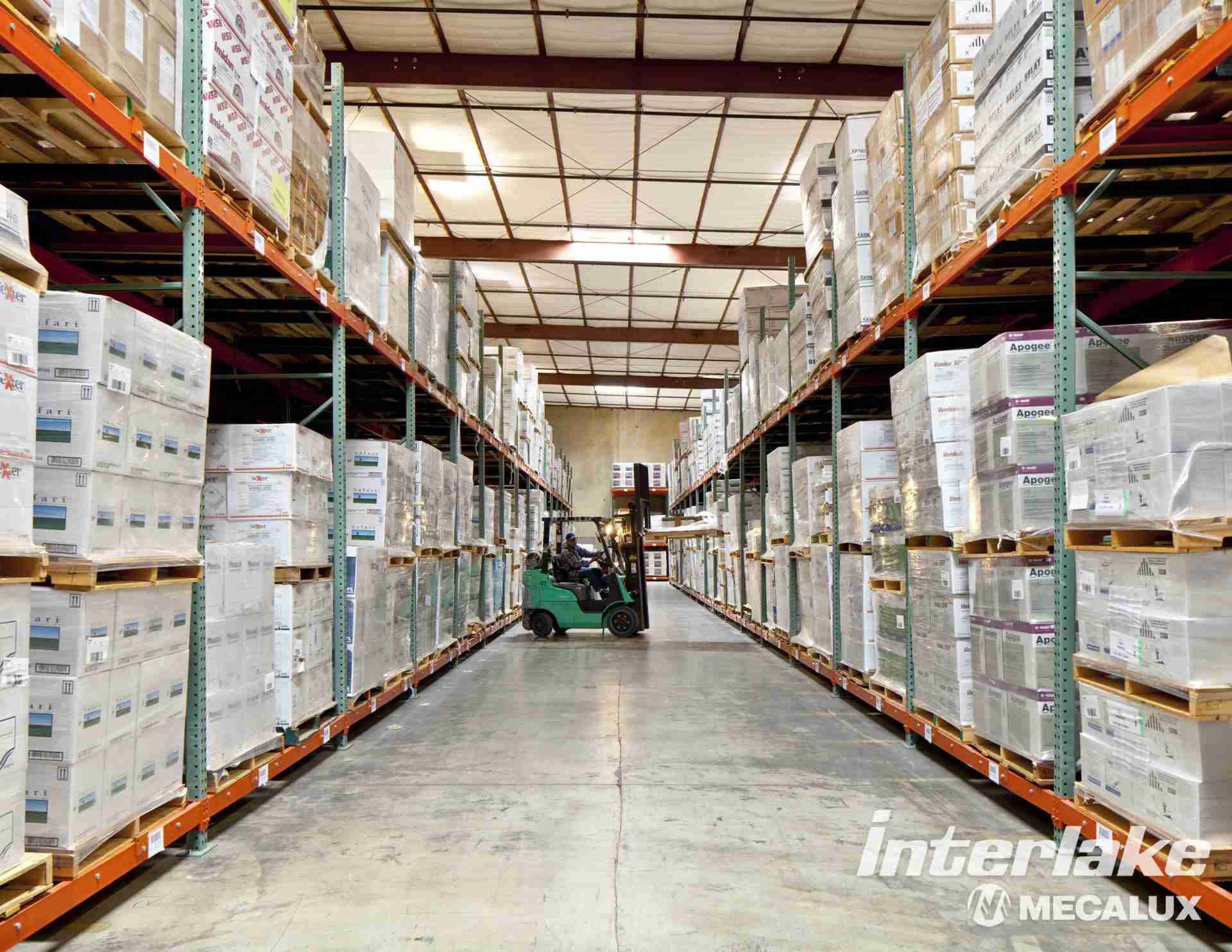
Have You Considered the Safety Standards for Your Rack Systems?
Have You Considered the Safety Standards for Your Rack Systems?
- Racking systems symbolize safety and security but can also conceal negligence.
- A thriving work environment demands attention to underlying safety standards and engineering integrity.
- Safe racking systems build trust and ensure that products are handled with care.
- Investing in safety not only prevents accidents but also protects the futures of employees and their families.
- Malfunctioning racking systems lead to costly injuries, insurance claims, and lost productivity.
- Leaders have a moral obligation to uphold the highest safety standards and prevent negligence.
- A commitment to safety is a collective responsibility that fosters collaboration and accountability.
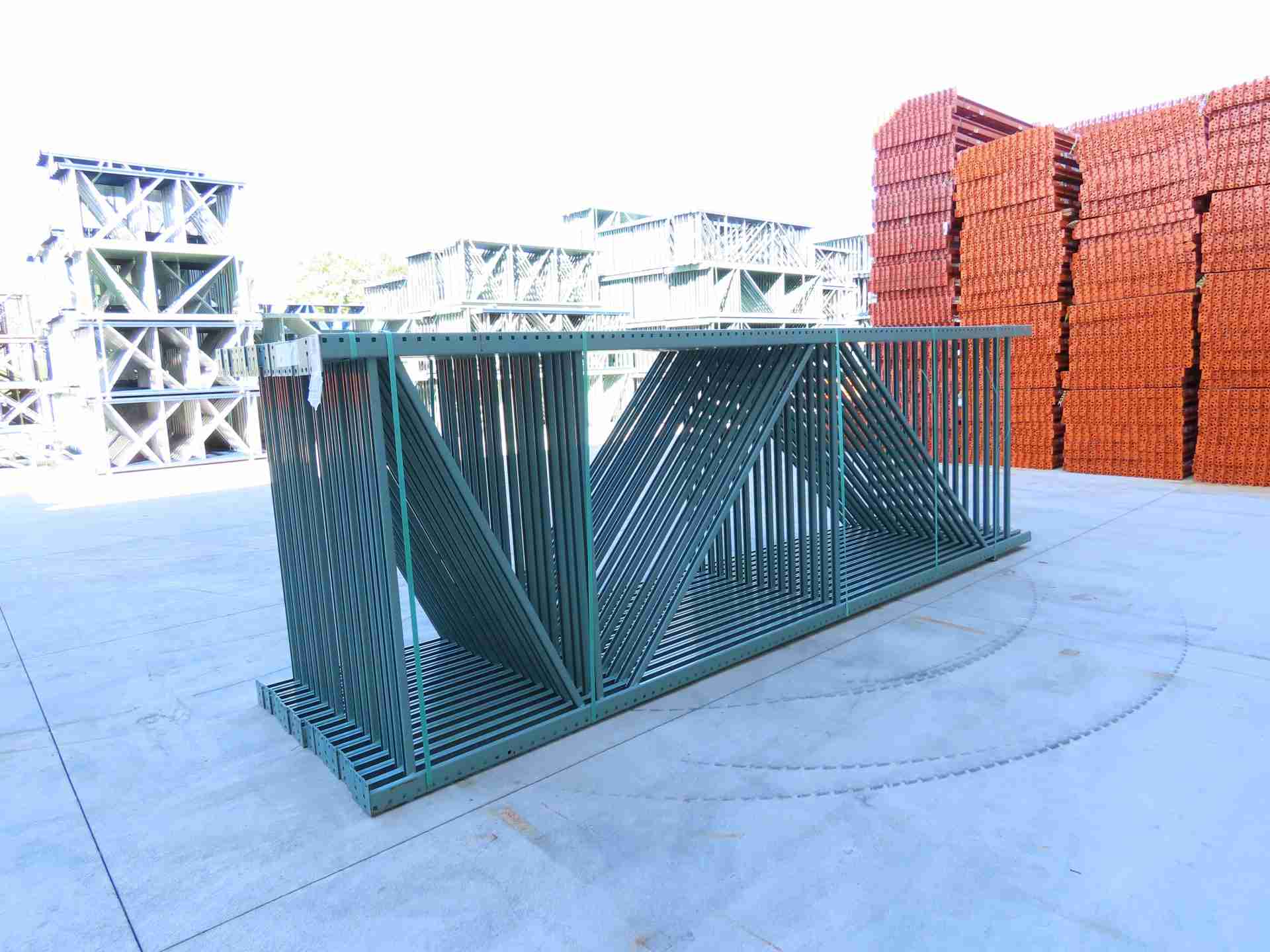
Have You Considered the Safety Standards for Your Rack Systems?
Conclusion
In the heart of every bustling warehouse lies a pulsing ecosystem where efficiency, safety, and purpose converge. Imagine a world where every box, beam, and aisle isn’t just a fixture, but a vital player in a synchronized dance of productivity. To achieve this, however, your racking systems must align impeccably with your forklift fleet. If they don’t, the harmony breaks, leading to chaos, inefficiency, and, ultimately, a costly fallout that ripples beyond the warehouse doors.
Visualize the impact of good design: a warehouse where forklifts glide effortlessly, and workers operate with the confidence that their environments are both functional and safe. Each maneuver becomes a carefully orchestrated move, eliminating the potential for accidents that haunt workplaces. When your racking systems are thoughtfully curated to fit your operation’s needs, you pursue more than profit—you affirm your commitment to the people who keep your business thriving.
Let’s get real for a moment. You may think numbers matter most, but they’re just a means to a greater end—your team. Your employees deserve a workspace that empowers them, respects their well-being, and crafts an atmosphere where safety isn’t an afterthought, but a priority. Every investment in racking is a declaration of respect and care—a promise that you value not just their contributions, but their lives outside those warehouse walls.
The implications extend further. A well-structured warehouse redefines community engagement. When you streamline operations, products move swiftly and reliably, enhancing your reputation and fostering customer loyalty. Businesses that prioritize the well-being of their workforce and the efficiency of their operations stand tall as pillars of trust in the community. They’re not merely surviving; they’re thriving.
Neglecting the importance of racking design and safety can lead to devastating consequences, both financially and ethically. Every delay, every injured worker, paints a grim picture of failure that no good leader should allow. By becoming proactive in assessing and optimizing your rack systems, you safeguard against these hidden costs while enhancing not just your bottom line, but also the lives entwined within your operational fabric.
As you contemplate your warehouse’s future, remember: every choice shapes the path ahead. Embrace the responsibility to create an optimized, safe, and efficient environment for everyone involved. It’s not just about racking; it’s about building trust, preserving lives, and securing a legacy of operational excellence for tomorrow’s challenges. Trust the process, feel the impact, and take action now.
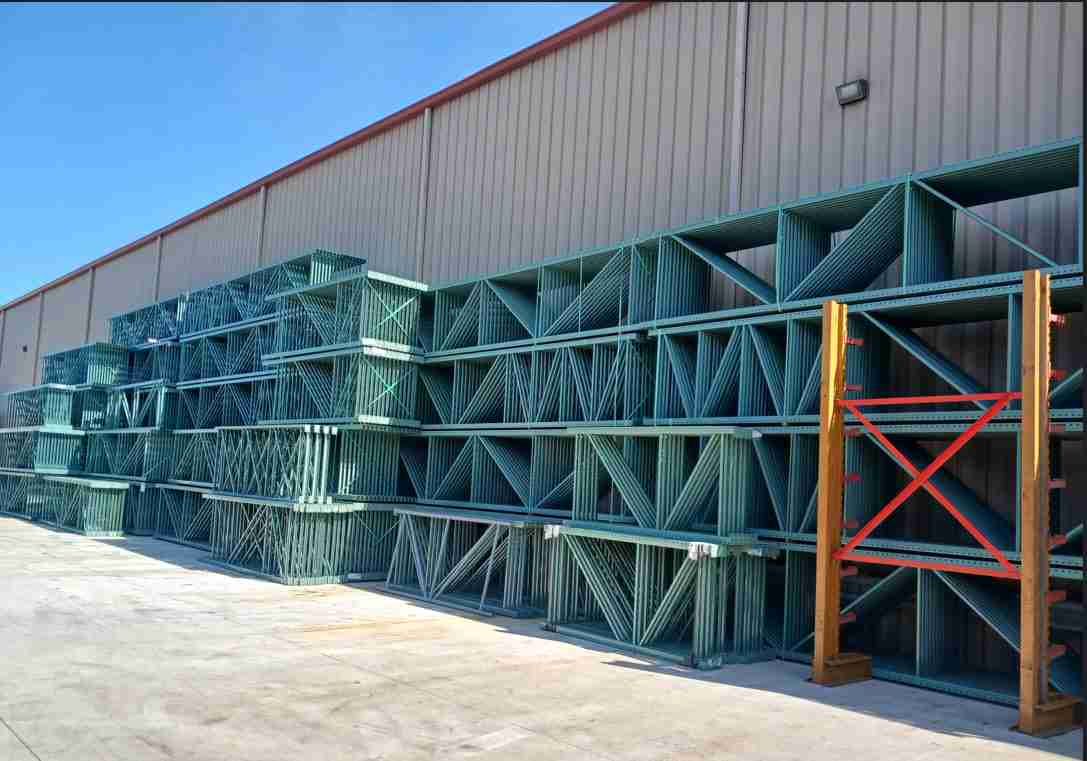
Conclusion
Conclusion:
- Efficient warehouse operations hinge on the alignment of racking systems and forklift fleets.
- Good design enables seamless movement, enhancing safety and functionality within the workspace.
- Thoughtfully curated racking systems demonstrate commitment to employee well-being and safety.
- Investing in racking design is a declaration of respect for employees and their lives outside work.
- A well-structured warehouse boosts community engagement and fosters customer loyalty through reliable operations.
- Neglecting racking design can lead to financial losses and ethical failures, impacting both employees and the business.
- Embrace the responsibility of creating a safe and efficient environment to secure a legacy of operational excellence.
Conclusion
Other Resources

Other Resources
Here is a list of other resources you can review online to learn more:
- Warehouse Storage Racks
- Teardrop Pallet Rack – Ridg-U-Rak
- Selective Rack – Raymond West
- Mustang Material Handling
- Pallet Racking systems in Illinois and Great Lakes
- Intro to Warehouse Racks & Warehouse Racking Systems – ShipBob
- Warehouse Racking Systems: Beginner’s Guide to Rack Systems
- Warehousing and Fulfillment
- CA Wire
- International Warehouse Logistics Association
- Storage Equipment Manufacturers’ Association
- Selective Pallet Racking Systems – Container Systems
- Used Teardrop Pallet Rack – American Surplus
- BMH Equipment LLC
- Cantilever Racks Chicago
- The Complete Pallet Rack Guide – Simply Rack
- NSC
- Warehousing Education and Research Council: https://www.werc.org/
- Warehouse Racking System: Powerful Guide to Optimise, 2024
- American Surplus
Use This Prompt To Get More Resources With Your Favorite Online AI Tool: Please provide me with a list of online articles with their URLs in a bulleted list that I can read regarding Are Your Racks Designed for Your Forklift Fleet?
Other Resources
Glossary Terms
Are Your Racks Designed for Your Forklift Fleet? – Glossary Of Terms
1. Rack: A framework used for storing goods in a warehouse, typically designed to hold pallets or individual items.
2. Forklift Fleet: A group of forklifts operated by a company for handling material transport within a facility.
3. Load Capacity: The maximum weight that a rack or forklift can safely support without risk of failure or damage.
4. Pallet Racking: A storage system specifically designed to hold pallets stacked with goods, facilitating easy access.
5. Aisle Width: The distance between storage racks, allowing space for fork trucks to maneuver safely.
6. Height Restrictions: Limitations on how high racks can be installed based on building codes or forklift capabilities.
7. Tubular Steel: A material often used in rack construction, known for its durability and strength.
8. Selective Racking: A type of racking system that allows quick access to any pallet without needing to move others.
9. Drive-In Racking: A system that permits forklifts to drive into the rack structure for more dense storage of pallets.
10. Push-Back Racking: A dynamic racking system that uses a series of carts allowing pallets to “push back” to accommodate more in a smaller space.
11. Cantilever Racking: A racking solution designed for storing long or bulky items that lack defined edges, such as pipes or lumber.
12. Warehouse Layout: The design of space within a warehouse, including the arrangement of racks and pathways for forklifts.
13. Safety Standards: Regulations and guidelines ensuring equipment and storage systems are safe for personnel and operation.
14. Load Beam: A horizontal component that connects vertical uprights in a rack system and supports the load placed on it.
15. Uprights: Vertical supports of a racking system, providing structural integrity to hold loads.
16. Pallet Size Compatibility: The ability of a rack system to accommodate various standard sizes of pallets.
17. Dynamic Storage: A storage method that allows for quick and efficient movement of goods in and out of the rack system.
18. Static Load: The non-moving weight that a racking system is designed to hold at any given time.
19. Operation Efficiency: The effectiveness of a warehouse layout and racking system in facilitating quick and safe handling of materials.
20. Inventory Management: The process of tracking and controlling stock levels within a warehouse to ensure adequate supply and demand balance.
21. Forklift Type: The specific model or design of a forklift, which can affect how it interacts with the racking system.
22. Ergonomics: The study of people’s efficiency in their working environment, particularly in relation to reducing physical strain during material handling.
23. Hazardous Material Storage: Specific guidelines or requirements for storing dangerous substances safely within a rack system.
24. Load Distribution: The manner in which weight is spread across a racking system, crucial for maintaining stability.
25. Height Adjustment: The ability to modify the height of racks to accommodate different sizes and types of inventory.
26. FIFO (First In, First Out): An inventory management strategy often implemented in racks where older stock is used before newer stock.
27. Inventory Turnover: A measure of how often inventory is sold and replaced over a given period, influencing rack design decisions.
28. Fire Safety Regulations: Standards and practices mandated for storage areas, particularly relevant when dealing with flammable materials.
29. Maintenance Schedule: A planned routine for inspecting and repairing racks and forklifts to ensure safe operation.
30. System Integration: The expected compatibility and interaction between the racking system and other warehouse systems, like inventory control software.
Glossary Of Terms
Other Questions
Are Your Racks Designed for Your Forklift Fleet? – Other Questions
If you wish to explore and discover more, consider looking for answers to these questions:
- What are the key factors to consider when designing racking systems for a forklift fleet?
- How can an optimal warehouse layout contribute to employee safety?
- What specific types of racking systems are best suited for different types of forklifts?
- How often should racking systems be inspected for safety and efficiency?
- What training is necessary for employees to safely operate forklifts in a warehouse?
- What are the potential safety risks associated with poorly designed racking systems?
- How does warehouse layout affect inventory management and retrieval times?
- What are the environmental impacts of efficient warehouse operations?
- How can investing in proper racking systems enhance overall operational efficiency?
- What are the legal requirements for warehouse safety and racking systems?
- How do different pallet configurations impact warehouse space utilization?
- What are the best practices for maintaining and upgrading racking systems?
- How can technology be integrated into modern warehouse racking systems?
- What are the long-term cost savings associated with properly designed racking solutions?
- How can a well-structured warehouse improve customer satisfaction?
Other Questions
Checklist
Are Your Racks Designed for Your Forklift Fleet? – A Checklist
Heart Appeals:
_____ Empower Your Team: Ensure your racking solutions promote employee safety and ease of use. Do your racks support your team’s needs?
_____ Foster a Positive Environment: Create a workspace where employees feel valued and secure. Are you investing in their well-being?
_____ Promote Community Trust: Reflect on how efficient operations contribute to the community. Are you building relationships through reliable service?
Head Appeals:
_____ Evaluate Efficiency: Analyze your current racking systems for layout optimization. How well does your space utilize vertical and horizontal areas?
_____ Understand Financial Impact: Assess the cost of inefficiencies. Are you aware of how long idle time affects your bottom line?
_____ Conduct Regular Inspections: Ensure safety standards are met. Is there a consistent maintenance schedule for your racking systems?
Gut Appeals:
_____ Prioritize Safety: Visualize potential hazards associated with current racking designs. Are your employees at risk due to unsafe structures?
_____ Invest in Quality: Reflect on the long-term benefits of investing in durable racking solutions. Are you choosing quality over cost-cutting?
_____ Align with Ethical Standards: Consider your responsibilities as a leader. Are you committed to creating a safe and responsible working environment?
Ethical Appeals:
_____ Commit to Moral Obligations: Acknowledge the impact of your decisions on employee safety and livelihood. Are you upholding ethical safety standards?
_____ Support a Culture of Care: Foster an atmosphere where safety is a shared priority. Are you encouraging openness and feedback regarding safety concerns?
Authority Appeals:
_____ Consult Industry Experts: Stay informed about racking design best practices. Are you leveraging expert opinions to guide your racking decisions?
_____ Stay Compliant: Ensure your racking systems adhere to safety regulations and standards. Are you up-to-date with the latest compliance requirements?
Narrative Appeals:
_____ Share Success Stories: Highlight instances where optimized racking has improved operations. Can you recount positive outcomes from recent changes?
_____ Address Lessons Learned: Reflect on past challenges with racking and how they were resolved. Are you documenting stories to learn from?
Social Appeals:
_____ Encourage Team Involvement: Invite employees to participate in assessing racking effectiveness. How can you foster teamwork in this process?
_____ Build a Culture of Safety: Promote safety training and awareness among all staff. Is there a collective effort to prioritize safety in the workplace?
Use this checklist to evaluate and enhance your warehouse racking systems, ensuring optimal performance and a safe working environment for your team.
Checklist
At RackingWorld, we help guide you through selecting warehouse storage systems and racking.
Be sure to read our other related stories at RackingWorld to learn more about warehouse storage systems.
0 Comments