
Maximizing Your Warehouse Space: Avoid These Costly Mistakes
By Tom Seest
At RackingWorld, we help guide you through selecting warehouse storage systems and racking.
Be sure to read our other related stories at RackingWorld to learn more about warehouse storage systems.
What Common Mistakes Are Costing You Warehouse Space?
In the competitive world of warehousing and logistics, every single square foot of space is precious. Imagine pouring your heart and soul into building a thriving business, only to watch profits slip away, unyieldingly trapped under the burdens of inefficient use of space. You may be surprised to learn that one of the biggest culprits behind wasted space is failing to utilize pallet racking effectively.
Pallet racking isn’t just a tool; it’s a strategy that, when used correctly, can revolutionize your warehouse layout. Yet, many warehouse operators make critical errors that could drastically reduce their operational efficiency and eat away at their bottom line. Are you guilty? Let’s explore the common pitfalls that could be costing you!
First off, ignoring the height of your warehouse can be a massive blunder. Many forget that vertical space can significantly enhance storage capabilities. By implementing pallet racking systems that extend up to the ceiling, you can turn that airy expanse above your head into valuable storage. Evaluate your current setup. Are you using this untapped resource, or are you letting it go to waste?
Next, consider the organization of your pallet racking system. A chaotic layout not only makes finding items a frustrating endeavor, but it can also lead to inventory mismanagement. Implement dedicated zones and systematic labeling to help your team navigate your stock seamlessly. Doing this will save time, reduce errors, and maximize uptime.
Let’s talk about a mistake many businesses often overlook: the choice of pallet racking type. Selecting the right system is crucial. Are you using selective, drive-in, or push-back pallet racking? Each type serves a different purpose, and the wrong choice could hinder efficiency. Research the specific needs of your operations to tailor the solution for maximum impact.
Lastly, neglecting to regularly audit your systems and processes can doom your warehouse functionality. Periodic assessments of pallet racking alignment, stock levels, and item turnover can reveal inefficiencies that, once addressed, can free up space and resources you didn’t even know you had.
Embracing these strategies not only instills a sense of order but also fosters trust among your team and clients. Flattening the learning curve on these common mistakes can elevate your warehouse game to levels you initially thought unattainable. Start today; reclaim your space—your profitability depends on it!

What Common Mistakes Are Costing You Warehouse Space?
What Common Mistakes Are Costing You Warehouse Space?
- Effective use of pallet racking is crucial in maximizing warehouse space and profits.
- Ignoring vertical space can lead to wasted potential; utilizing ceiling height is essential for storage.
- A chaotic pallet racking organization causes frustration and inventory mismanagement; systematic labeling helps.
- Selecting the appropriate type of pallet racking (selective, drive-in, or push-back) is vital for operational efficiency.
- Regular audits of pallet racking systems and stock levels can uncover inefficiencies and free up resources.
- Implementing these strategies fosters order and trust within teams and among clients.
- Addressing common mistakes can significantly improve warehouse operations and profitability.
What Common Mistakes Are Costing You Warehouse Space?
Table Of Contents
- What Common Mistakes Are Costing You Warehouse Space?
- What Are The Most Common Mistakes In Warehouse Space Management?
- How Can Poor Inventory Practices Waste Valuable Warehouse Space?
- Are Inefficient Picking Processes Reducing My Warehouse Efficiency?
- What Role Does Improper Layout Play In Warehouse Space Concerns?
- How Can Outdated Technology Lead To Space Management Issues?
- How Does Not Utilizing Vertical Space Impact My Warehouse Capacity?
- Conclusion
- Other Resources
- Glossary Of Terms
- Other Questions
- Checklist
What Are The Most Common Mistakes In Warehouse Space Management?
Managing warehouse space efficiently is crucial for maximizing productivity and minimizing costs. Yet, many organizations fall into the trap of poor space management, which can create bottlenecks, increase operational costs, and even lead to lost revenue. Let’s break down some of the most common mistakes in warehouse space management and inspire you towards a smarter, more effective approach.
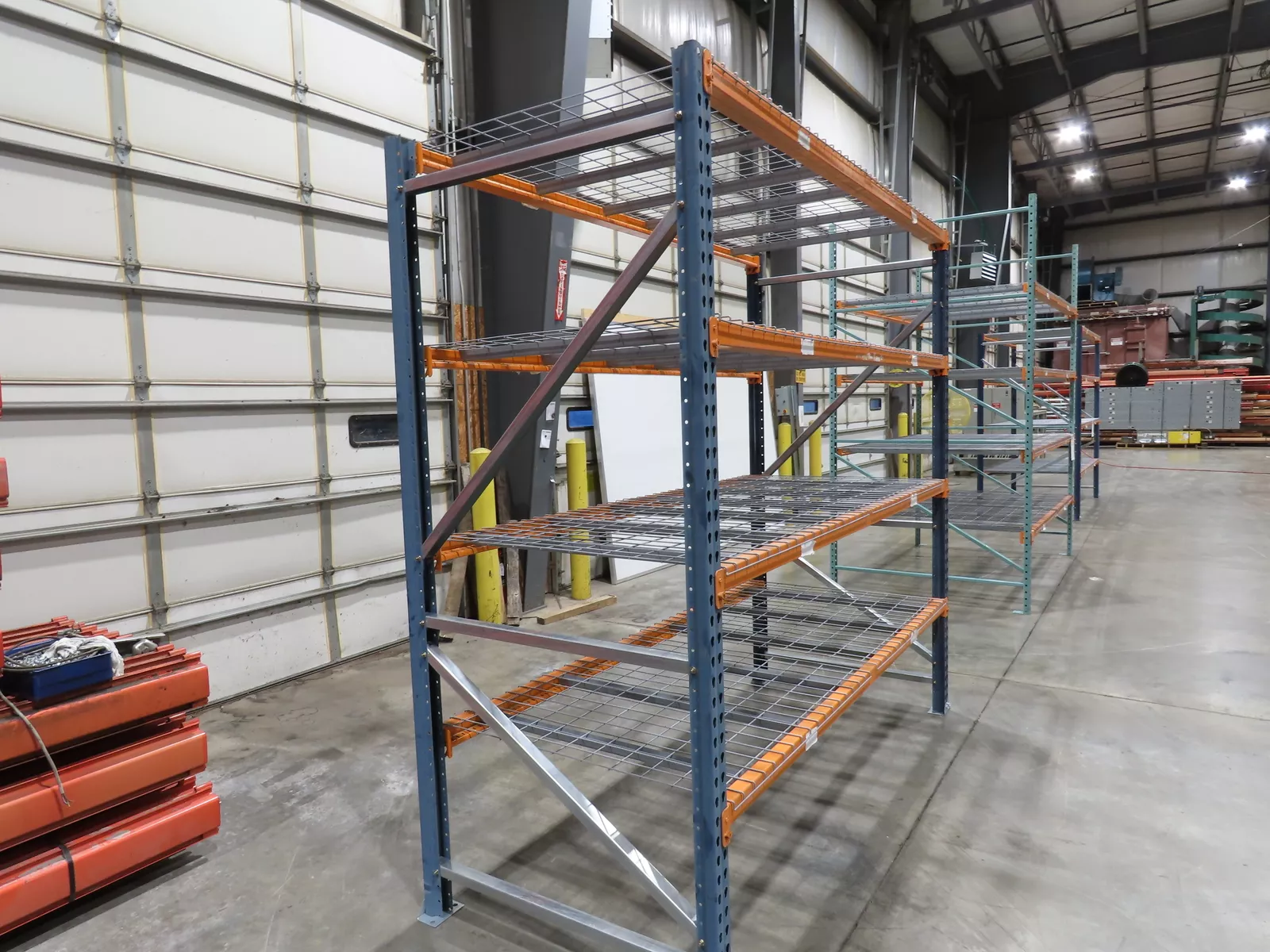
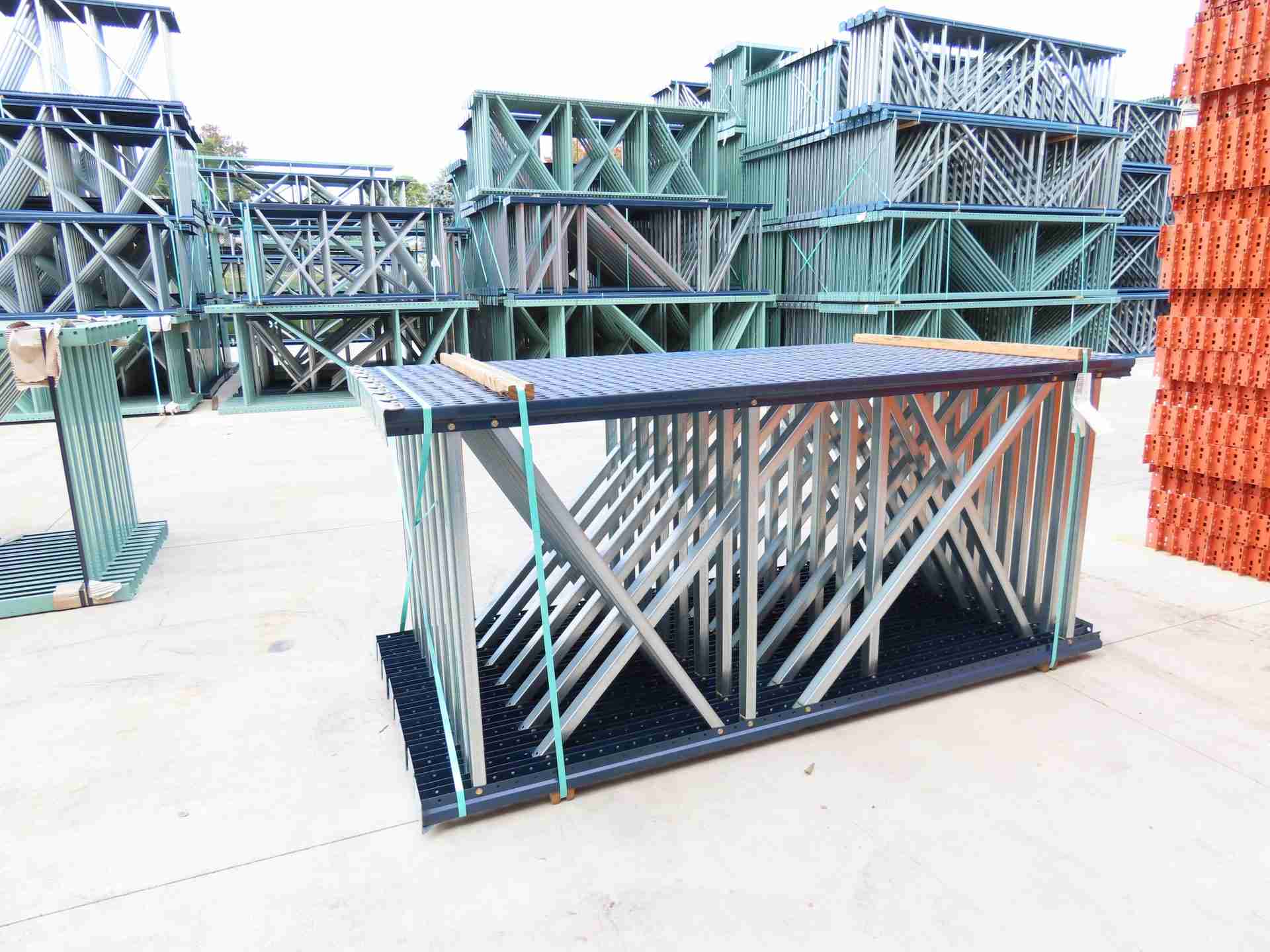
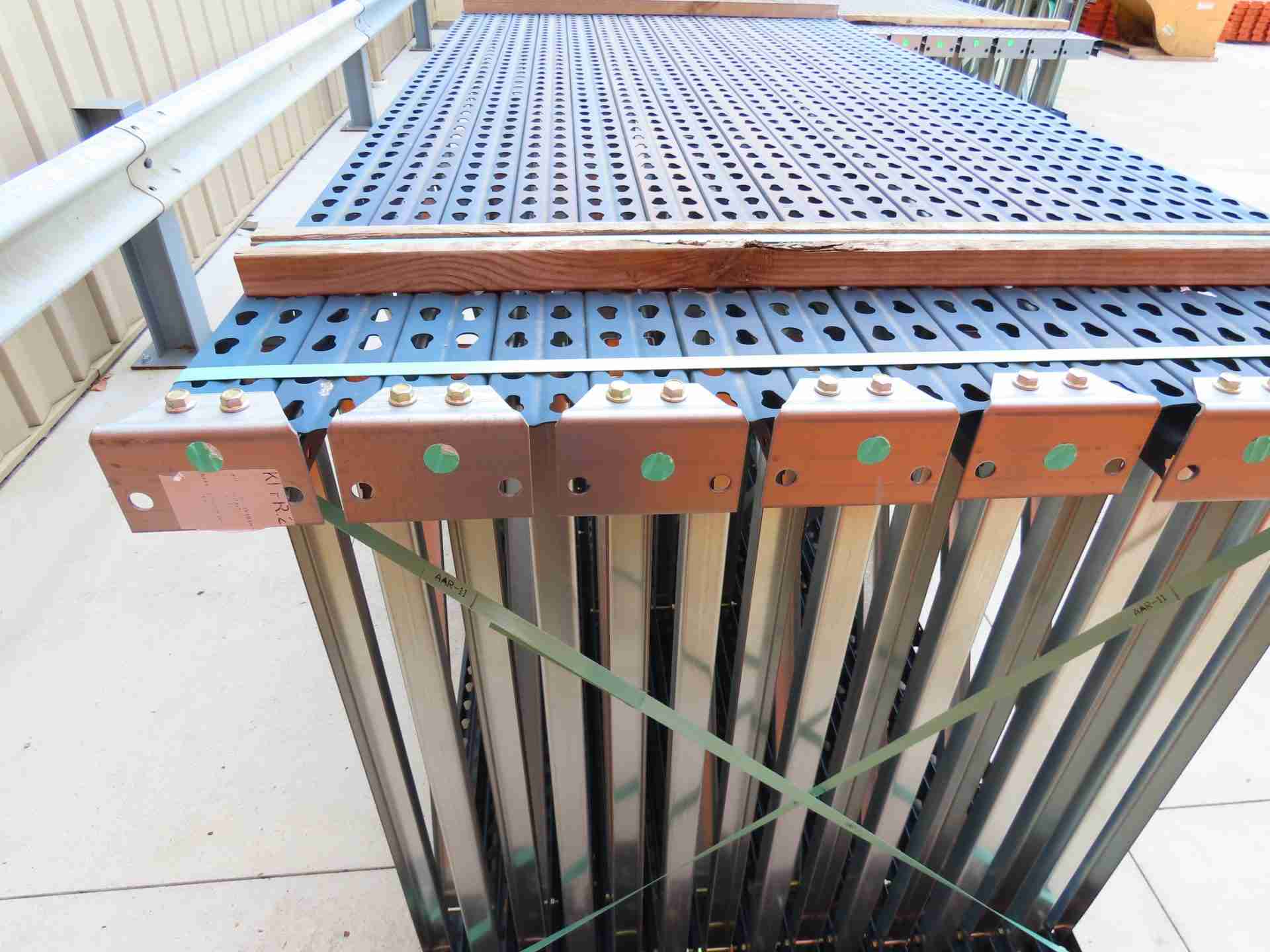
One of the primary pitfalls in warehouse space management involves inadequate use of pallet racking systems. Many warehouses operate with outdated or poorly designed racking solutions, leading to space wastage and inefficient workflows. By not investing in modern and adjustable pallet racking, businesses often miss out on the opportunity to optimize their vertical storage. Remember, the height of your warehouse is an asset—use it! A well-organized racking system can help you maximize your cube space, enabling you to store more products without expanding your footprint.
Another common mistake arises from the lack of proper inventory tracking. It’s not uncommon for warehouses to rely on manual counts or outdated systems, leading to misplaced items and inefficiencies in retrieval processes. This can create chaos, especially in peak seasons, harming not just your bottom line, but your reputation for reliability. Adopting an inventory management system can streamline operations, reduce errors, and ensure that your space is utilized to its fullest potential.
Additionally, neglecting to regularly assess and adapt warehouse layouts can be detrimental. The needs of your business can evolve rapidly. If you stick to an old layout without re-evaluating your workflow, you risk creating unnecessary physical barriers that hamper productivity. Engage your team in regular assessments of workflows; often, those on the ground have the best insights for improvement.
Finally, don’t overlook the importance of employee training. Even the best pallet racking and sophisticated inventory systems are only as effective as the people using them. Ensure your team is well-trained on the latest tools and techniques so they can navigate the layout efficiently, ultimately leading to a smoother operation.
By avoiding these common missteps and fostering a culture of continuous improvement, you can transform your warehouse from a chaotic storage facility into a well-oiled machine. Remember, investing time and resources today will pay off in dividends far beyond simple space management. Take action now to switch from seasoned mismanagement to organized success!
What Are The Most Common Mistakes In Warehouse Space Management?
What Are The Most Common Mistakes In Warehouse Space Management?
- Efficient warehouse space management is essential for maximizing productivity and minimizing costs.
- Poor space management can lead to bottlenecks, increased operational costs, and lost revenue.
- Inadequate use of pallet racking systems often results in wasted space and inefficient workflows.
- Lack of proper inventory tracking can cause misplaced items and retrieval inefficiencies, harming business operations.
- Regular assessment and adaptation of warehouse layouts are crucial to meet evolving business needs.
- Employee training is vital for effective use of pallet racking and inventory systems.
- Avoiding common missteps and fostering continuous improvement can transform warehouse operations into efficient systems.
What Are The Most Common Mistakes In Warehouse Space Management?
How Can Poor Inventory Practices Waste Valuable Warehouse Space?
Imagine walking into your warehouse and feeling that wave of frustration hit you as you navigate through a maze of misplaced pallets and cluttered aisles. You know there’s a treasure trove of potential in that space, but without the right inventory practices—well, it’s just a costly gridlock. If you’ve ever felt this way, you’re not alone.
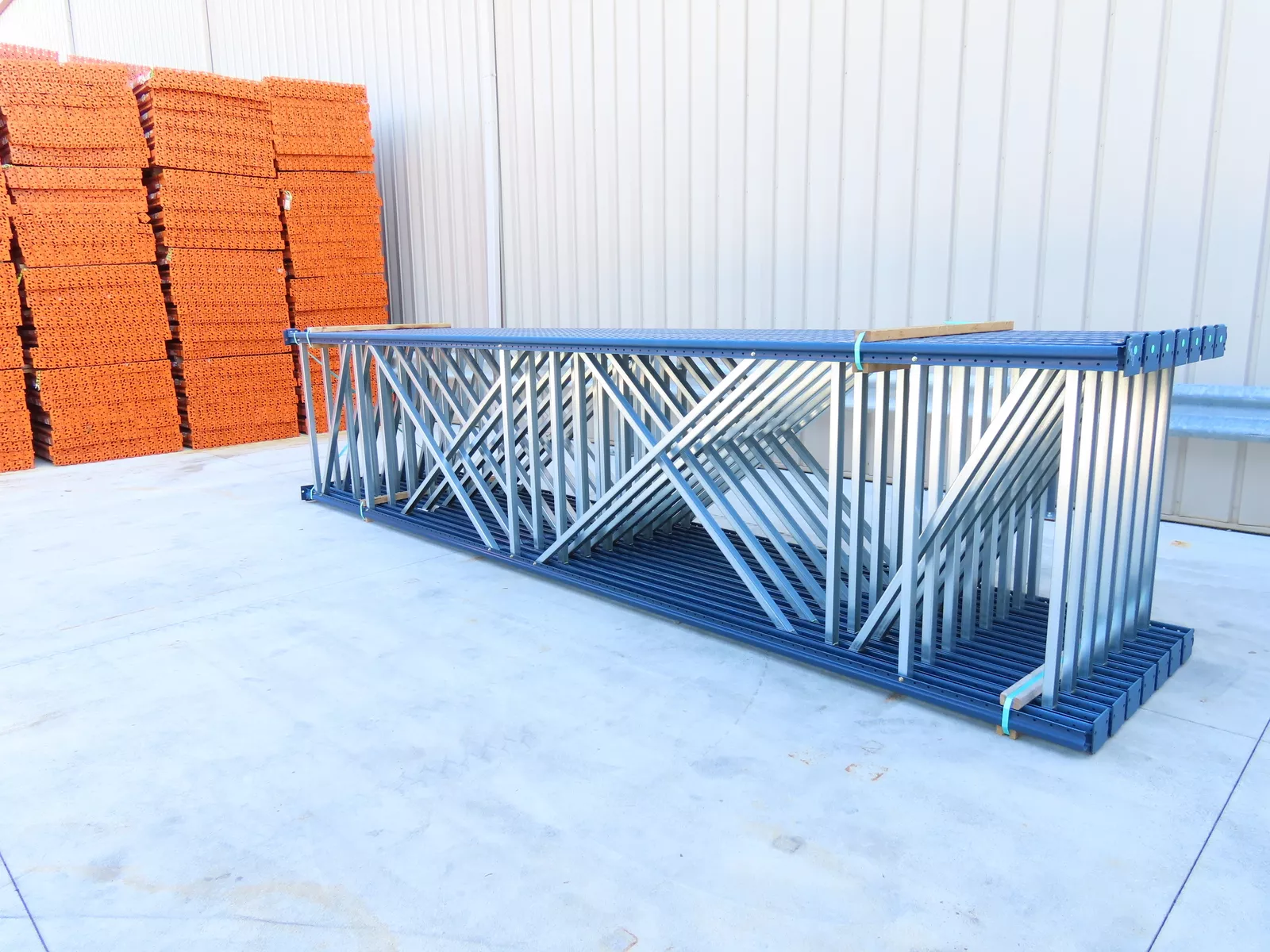
Poor inventory management can turn your warehouse into a chaotic storage unit, where pallet racking becomes a burden rather than a boon. When products are not accurately tracked, valuable real estate is wasted on items that may never sell. Those pallets stacked haphazardly can lead to a panic scramble when trying to fulfill an order, not to mention the potential for damage. And let’s be honest, damaged goods mean lost revenue. You not only have to consider immediate sales but also the long-term implications for your bottom line.
Think about how often you see products piled on top of each other, where barely-lit corners serve as a new home for forgotten stock. Every arbitrary rule about where items should go is an invitation for confusion. This is where your profits take a detour. You’re no longer maximizing that pallet racking; instead, you’re letting inefficiency steal your space and sanity.
What if, instead, you could cultivate a strategy that optimized every square foot of your warehouse? Imagine the calm in knowing precisely where each item lives, how it moves, and when it should be restocked. Pinnacle inventory practices let every pallet racking system come into its own, transforming each corner of your warehouse into a well-oiled machine that supports your business goals instead of hindering them.
Picture the relief of a streamlined, efficient operation, where products are easy to access; your team is empowered and productive, and every inch of that space is working hard for you. By embracing better practices—such as accurate labeling, regular audits, and technology integration—you not only rescue your valuable warehouse space but also inspire confidence in your operation.
The best time to take action is now. Don’t let poor inventory practices weigh you down. Start optimizing your pallet racking today, and watch as the clutter disappears and profits flow back in. Your warehouse deserves to be more than a storage unit; it’s time to transform it into a powerhouse of productivity!
How Can Poor Inventory Practices Waste Valuable Warehouse Space?
How Can Poor Inventory Practices Waste Valuable Warehouse Space?
- Poor inventory management can lead to chaotic warehouse conditions, creating frustration for employees.
- Misplaced pallets and clutter waste valuable space and may result in damage and lost revenue.
- Ignoring organization leads to inefficiencies that detract from maximizing pallet racking systems.
- Effective inventory practices can optimize warehouse space and improve operations.
- Streamlined operations can empower teams, enhance productivity, and facilitate easy access to products.
- Implementing accurate labeling, regular audits, and technology can significantly improve inventory management.
- Taking action now can transform a cluttered warehouse into a productive powerhouse.

How Can Poor Inventory Practices Waste Valuable Warehouse Space?
Are Inefficient Picking Processes Reducing My Warehouse Efficiency?
Imagine stepping into your warehouse in the morning, ready to seize the day and streamline your operations. But, instead of that invigorating rush, you’re met with chaos—a maze of pallet racking filled to the brim, a team that’s constantly scrambling, and a seemingly endless stream of customer complaints about late deliveries. Sounds stressful, doesn’t it? You’re not alone. Many warehouse managers face similar challenges, often wondering if inefficiencies in their picking processes are silently chipping away at their bottom line.
The heart of your warehouse is your picking process. It’s where inventory meets demand and, unfortunately, where slowdowns can occur. If your picking isn’t streamlined, you could be looking at delays that frustrate your staff and cost you money. Picture this: one of your pickers spends precious minutes searching for items buried behind piles of poorly organized pallet racking. That’s time they could have spent fulfilling orders or maintaining inventory accuracy. Every minute wasted not only affects morale but can lead to a chain reaction of inefficiencies—missed deadlines, unhappy customers, and lost sales.
This is where you need to be proactive. Analyze your processes critically. Are your picking routes optimized? Is your pallet racking set up in a way that promotes efficiency rather than hinders it? The ideal layout should minimize travel times and ensure that your workers can swiftly access the items they need. By rethinking your picking strategy, you’ll create a more fluid environment where orders fly off the shelves rather than sit stagnant on the floor.
Incorporating technology can also elevate your operations. Consider implementing job aids, voice picking systems, or warehouse management software that can transform the chaos into a well-oiled machine. But technology is only effective if it aligns with a thoughtful picking process. Train your team in the most efficient methods and foster a culture that prioritizes organization and teamwork.
The reality is this: Ignoring inefficient picking processes is like leaving money on the table. By taking the reins and optimizing your operations, not only do you enhance the efficiency of your warehouse, but you also raise the satisfaction levels of your customers. So, take a deep breath, gather your team, and start a conversation about how to transform your warehouse from a source of stress into a powerhouse of productivity. The results could change your business trajectory.
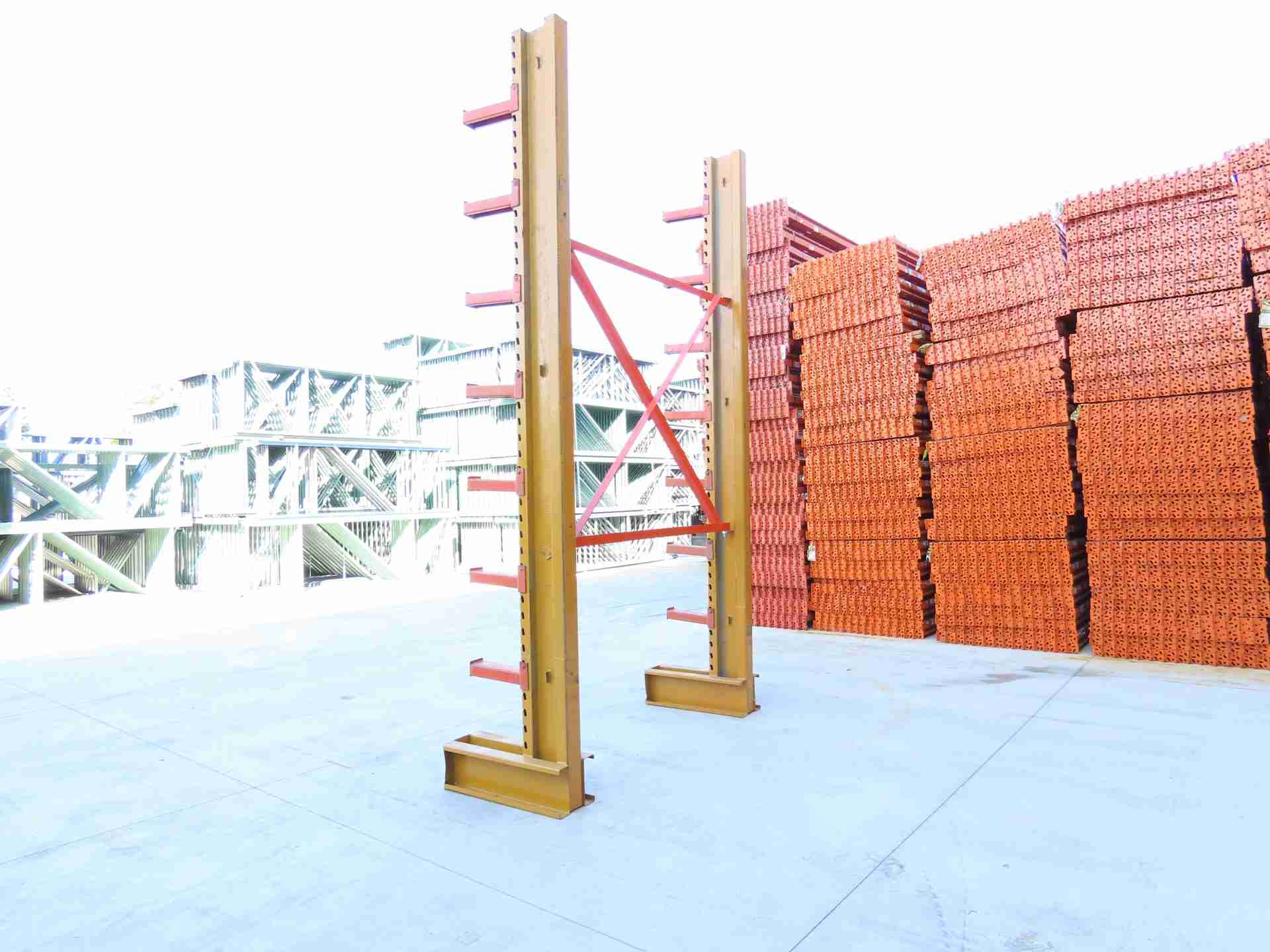
Are Inefficient Picking Processes Reducing My Warehouse Efficiency?
Are Inefficient Picking Processes Reducing My Warehouse Efficiency?
- Many warehouse managers face challenges such as chaos, disorganization, and customer complaints about late deliveries.
- The picking process is crucial for inventory management and demand fulfillment, where inefficiencies can significantly slow operations.
- Poor organization can lead to wasted time as pickers search for items, negatively affecting morale and causing broader inefficiencies.
- Analyzing and optimizing picking routes and pallet racking layout can minimize travel times and enhance operational efficiency.
- Incorporating technology like job aids, voice picking systems, and warehouse management software can streamline operations.
- Training team members in efficient methodologies and fostering a culture of organization and teamwork is essential for successful implementation.
- Addressing inefficiencies can improve warehouse productivity and boost customer satisfaction, impacting overall business performance positively.
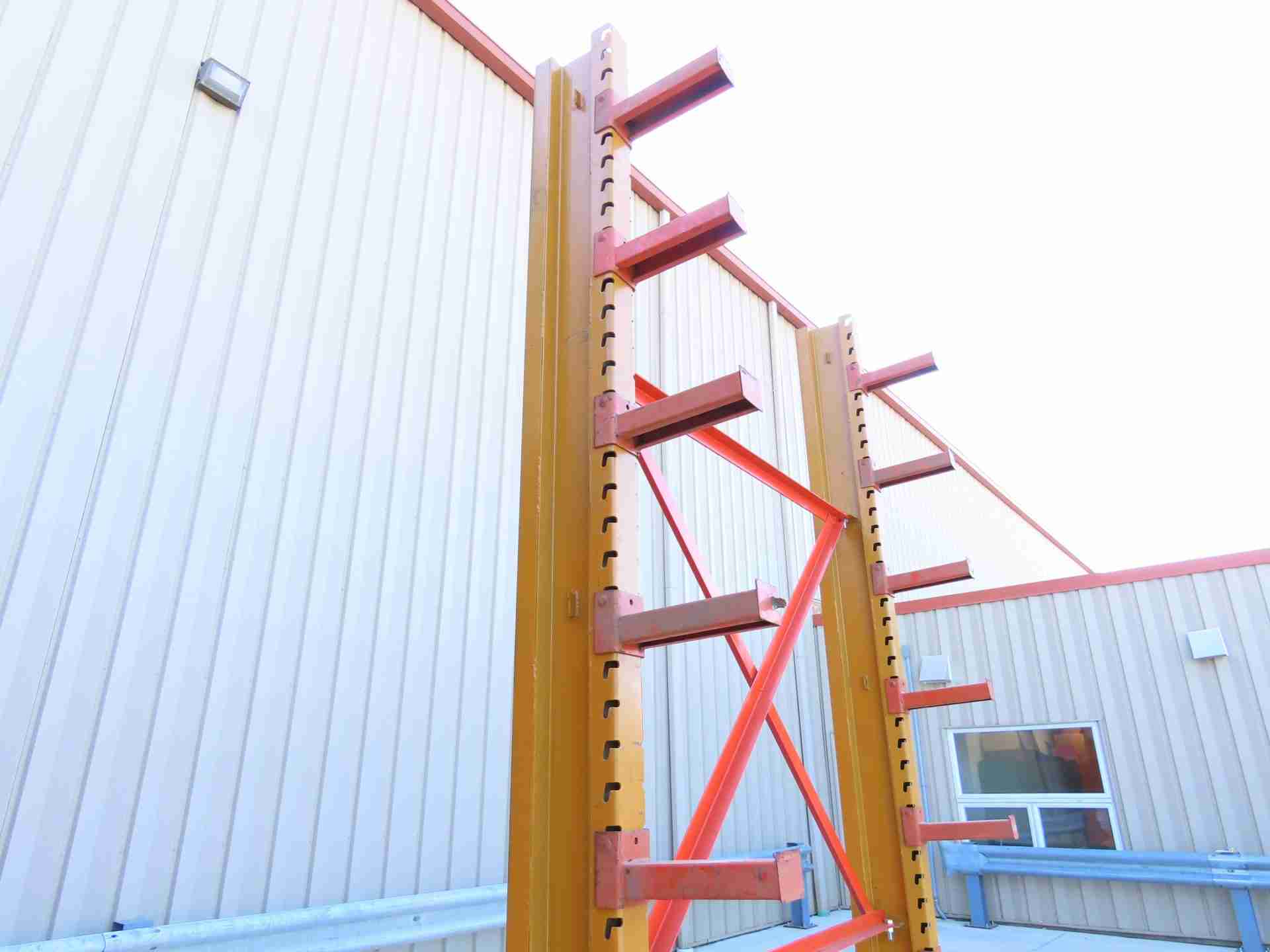
Are Inefficient Picking Processes Reducing My Warehouse Efficiency?
What Role Does Improper Layout Play In Warehouse Space Concerns?
When it comes to warehouse management, the layout of your space can make or break your operational efficiency. Imagine stepping into a warehouse that boasts endless aisles and towering stacks of products, yet you find yourself wandering like a child lost in a maze. This frustrating experience often stems from improper layout, which leads to wasted space, diminished productivity, and higher operational costs.
Consider pallet racking, a vital component in warehouse design. When pallet racking is not optimized, you not only hinder accessibility but also create bottlenecks that slow down your entire operation. An inefficient layout can lead to misplaced inventory and, before you know it, employees are spending more time searching for items than actually fulfilling orders. This scenario is not just inconvenient; it can disrupt customer satisfaction and, ultimately, your bottom line.
Think about the impact a well-organized warehouse can have. An effective layout takes into account the flow of goods, ensuring that frequently picked items are readily accessible. This doesn’t just enhance efficiency; it fosters a workplace where employees feel empowered to perform their best. Their ability to locate products swiftly translates directly into faster order processing times, which delights customers and reinforces trust in your brand.
Now, let’s address your space concerns head-on. Are you using your warehouse to its full potential? Many businesses overlook vertical space, thinking only of horizontal layout. Pallet racking not only maximizes storage but also allows for a flexible arrangement that adapts to your changing needs. If you’re not leveraging this component to its full advantage, you may be squandering precious square footage.
But don’t worry. Taking action doesn’t require a complete overhaul. Start by assessing your current layout with a fresh set of eyes. Identify areas that hinder movement and productivity. Every inch counts! By reorganizing with a focus on strategic pallet racking, you can breathe new life into your operation and create a workflow that supports growth.
Your warehouse should be a place of efficiency, not chaos. By recognizing the critical role that layout plays in your operations, you’re taking the first step toward transforming concerns into opportunities. Invest time in reevaluating your space, and you’ll build an environment that not only drives sales but fosters team morale and customer loyalty. Now is the time to act—your future depends on it!

What Role Does Improper Layout Play In Warehouse Space Concerns?
What Role Does Improper Layout Play In Warehouse Space Concerns?
- The layout of a warehouse significantly influences operational efficiency.
- Improper layout leads to wasted space, reduced productivity, and increased operational costs.
- Pallet racking is crucial for accessibility; poor optimization can create bottlenecks.
- Inefficient layouts can result in misplaced inventory, hindering order fulfillment.
- A well-organized warehouse enhances efficiency and boosts employee morale.
- Utilizing vertical space through pallet racking maximizes storage and adapts to changing needs.
- Reevaluating and reorganizing the warehouse can transform operations and improve customer satisfaction.
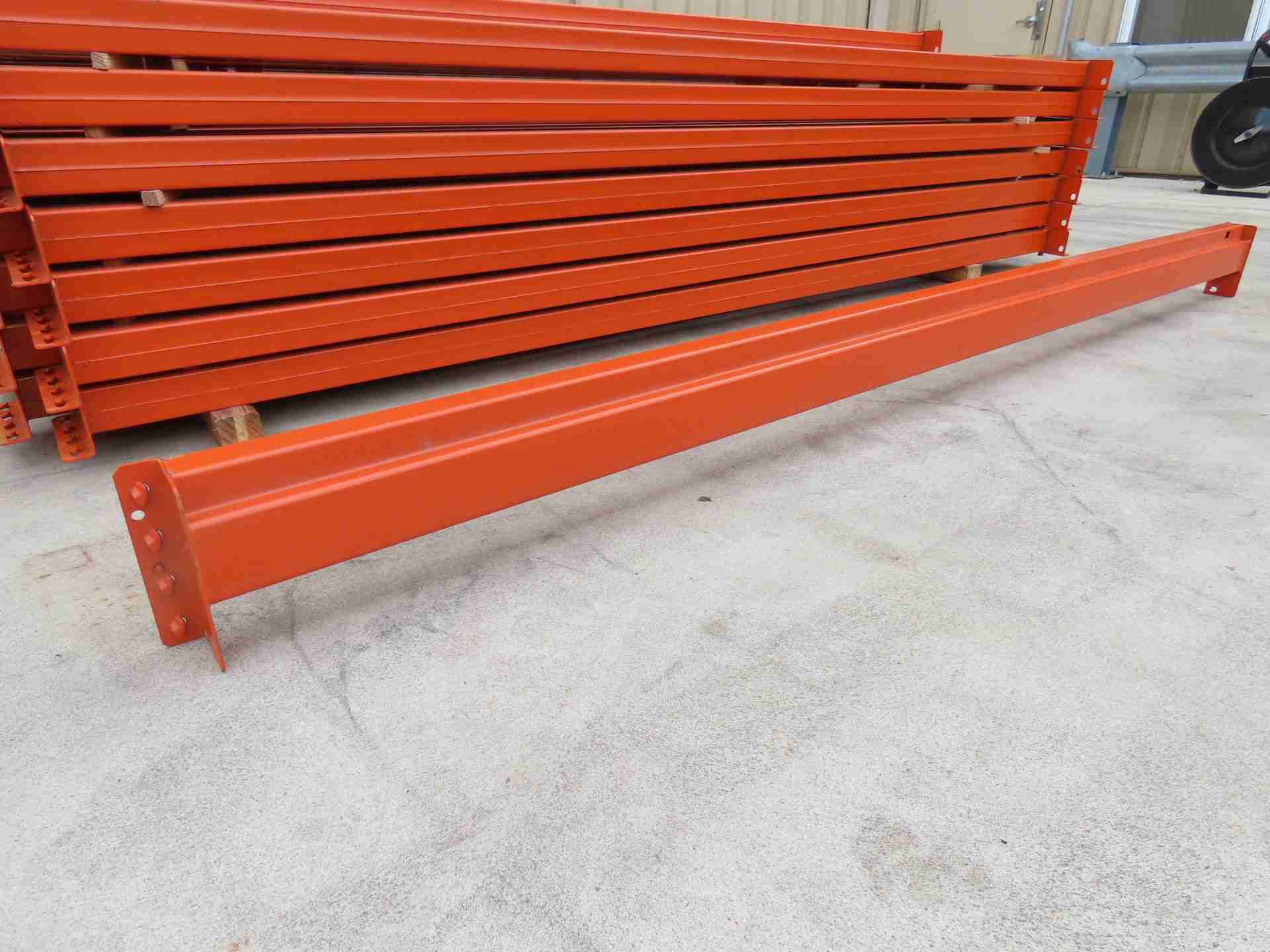
What Role Does Improper Layout Play In Warehouse Space Concerns?
How Can Outdated Technology Lead To Space Management Issues?
In the fast-paced world of logistics and inventory management, the challenge of effectively utilizing space is a persistent one. When businesses cling to outdated technology, the ramifications can be staggering—particularly when it comes to space management. Picture this: you’re trying to maximize your warehouse’s capacity, but your outdated systems can’t track inventory levels accurately. What’s the result? A tangled mess that not only costs you money but could also dampen your team’s productivity.
Consider pallet racking systems, a staple in warehouses. They’ve been designed to optimize vertical storage space, enabling businesses to store more goods without expanding physical footprints. Yet, if you’re still relying on antiquated tracking methods like pen and paper or outdated software, the efficiency of these systems is significantly compromised. You may find yourself overstocking certain areas while other valuable spaces remain underutilized—essentially a waste of precious resources.
Moreover, outdated technology often leads to inaccurate data. Imagine a scenario where you think you have enough stock of a particular item, only to discover that your records are not reflecting reality—potentially leading to stockouts or unwanted excess inventory. The imbalance could cause you to misjudge your space needs, resulting in ineffective use of pallet racking systems that could otherwise be streamlined for optimal performance.
But it doesn’t stop there. Outdated technology can stymie team collaboration, as workers are left frustrated by inefficient processes. When tools are archaic, communication becomes strained, and crucial information gets lost in the shuffle. How can your team effectively manage space when they’re wading through cobwebs of old data and systems that don’t talk to each other? This inefficiency doesn’t just hurt your bottom line—it also creates a work environment filled with disconnect and frustration.
So, what’s the solution? Investing in updated technology can transform your approach to space management. Imagine having real-time data at your fingertips, allowing for quick adjustments to inventory levels and better utilization of your pallet racking solutions. By making the switch, you’ll not only reclaim valuable space but also empower your team to work smarter, not harder. Take decisive action today, and don’t let outdated technology dictate your business’s potential. The time for an upgrade is now!
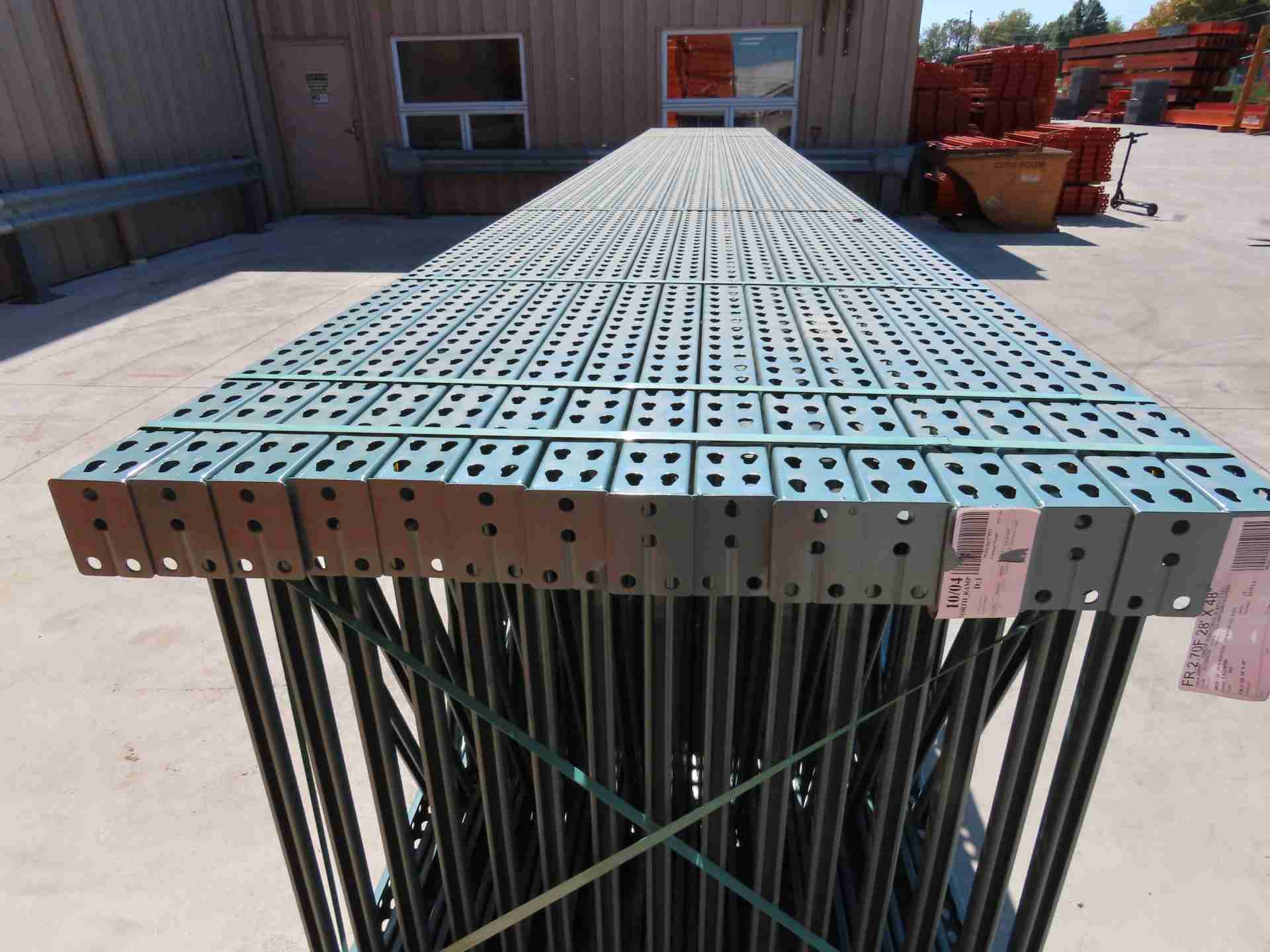
How Can Outdated Technology Lead To Space Management Issues?
How Can Outdated Technology Lead To Space Management Issues?
- Space utilization in logistics and inventory management is often hindered by outdated technology.
- Old systems can lead to inaccurate tracking of inventory levels, costing time and money.
- Pallet racking systems are integral for maximizing vertical storage but are ineffective when coupled with outdated tracking methods.
- Inaccurate data from old technology can result in stockouts and excess inventory, misjudging space needs.
- Obsolete tools create communication barriers and frustration among team members, hindering collaboration.
- Investing in updated technology can improve space management and empower teams to optimize processes.
- The urgency for an upgrade is clear to reclaim valuable space and enhance overall productivity.

How Can Outdated Technology Lead To Space Management Issues?
How Does Not Utilizing Vertical Space Impact My Warehouse Capacity?
Imagine walking through a warehouse, and instead of seeing aisles brimming with organized pallets, you’re met with clutter, inefficiency, and wasted potential. The truth is, ignoring vertical space in your warehouse is like leaving money on the table. It’s not just about fitting more products; it’s about optimizing your operations and enhancing your bottom line.
Pallet racking systems are your best allies in this battle against wasted vertical space. These towering structures can transform a chaotic floor into a well-oiled machine that utilizes every inch of room available. When you fail to harness the height of your warehouse, you’re essentially surrendering valuable square footage that could be generating revenue.
Think of it this way: every inch of vertical space left untapped is an invitation for lost sales and diminished productivity. You could be storing more inventory or increasing the speed at which orders are fulfilled. Without effective pallet racking solutions, you risk bottlenecks, longer lead times, and frustrated customers.
Now consider the human element—your warehouse team. A cluttered environment not only dampens morale but also decreases efficiency. Without clear organization provided by smart vertical utilization, your staff may find themselves scouring the floor for a single item. Enhanced pallet racking systems streamline this process, ensuring that items are easily accessible and tasks can be completed swiftly.
But let’s get realistic: the adjustment to vertical space may seem daunting. Where do you even begin? This is where expert insight becomes invaluable. By assessing your unique needs and understanding the types of pallet racking available—be it selective, drive-in, or pallet flow—you can tailor a solution that unlocks your warehouse’s full potential.
When you invest in the right pallet racking systems, you’re not just enhancing your inventory management; you’re signaling to your clients that you mean business. The confidence that comes from knowing your warehouse is maximized will resonate throughout your organization and into your customer relationships.
Take action today! Don’t let another day of inefficiency and chaos slip by. Embrace the full potential of your vertical space and watch your operations—and profits—soar. After all, working smarter, not harder, is what it’s all about. Transform the way you think about your warehouse and discover the difference it can make in your overall success.
How Does Not Utilizing Vertical Space Impact My Warehouse Capacity?
How Does Not Utilizing Vertical Space Impact My Warehouse Capacity?
- Ignoring vertical space in warehouses leads to clutter and inefficiency, resulting in lost revenue.
- Pallet racking systems optimize warehouse operations by utilizing vertical space effectively.
- Untapped vertical space can result in lost sales and decreased order fulfillment speed.
- A disorganized warehouse negatively impacts team morale and slows down efficiency.
- Investing in expert advice on pallet racking solutions can tailor the warehouse setup to specific needs.
- Maximizing vertical space enhances inventory management and positively influences customer relationships.
- Encouragement to act swiftly in improving organization and efficiency in warehouses for better profits.

How Does Not Utilizing Vertical Space Impact My Warehouse Capacity?
Conclusion
Conclusion: Transform Your Warehouse from Wasted Space to Profit Potential
In the fast-paced realm of warehousing and logistics, every square foot of space is not just a number—it’s an opportunity for growth, efficiency, and profitability. If you’ve read through the pitfalls and challenges of poor warehouse management, you’re not alone. Too many warehouse operators fall into the trap of inefficient space utilization, leading to unnecessary operational costs and lost revenue. However, the power to reclaim your space and increase productivity rests in your hands, and it could be simpler than you think.
Are you ignoring the vertical potential of your warehouse? Embracing pallet racking systems that make the most of your ceiling height could revolutionize your storage solutions and elevate your operational capabilities. Have you taken a hard look at your current layout and inventory tracking? A disorganized racking setup not only costs time and money but can also frustrate your staff and hinder workflow.
Let’s not forget the impact of outdated technology on your space management practices. Sticking to old systems will not only complicate inventory tracking but also result in wasted resources. Embracing modern technology can provide you with real-time data, enabling you to optimize your inventory and streamline processes.
However, all the knowledge in the world won’t matter without action. Start today by assessing each aspect of your warehouse operations. Ask your team for input on pain points, and explore the different types of pallet racking that can be tailored to your unique needs. The truth is, small changes can lead to significant improvements in efficiency and profitability.
This is not just about space—it’s about transforming your warehouse into a strategic asset that supports your business objectives. But don’t delay! The longer you wait, the more inefficiencies will cost you in both revenue and resources.
At Arrow Industrial Sales, we are experts in providing customized racking solutions to meet your specific needs. Call us now at (574) 349-6575 and let us help you navigate the critical steps toward reclaiming your warehouse space and boosting your bottom line. The time to act is now—don’t allow wasted space to continue stealing from your profits. Embrace the opportunity for streamlined efficiency and watch as your operational dynamics shift from chaos to clarity. Your warehouse can become a powerhouse of productivity; it’s just one call away.
Conclusion
Conclusion:
- Every square foot in a warehouse represents potential for growth, efficiency, and profitability.
- Poor warehouse management leads to inefficient space utilization, causing operational costs and revenue loss.
- Utilizing vertical space with pallet racking systems can enhance storage solutions and operational capabilities.
- An organized racking setup and effective inventory tracking are crucial to prevent time and resource wastage.
- Outdated technology complicates inventory tracking and leads to inefficient space management practices.
- Seeking team input and making small changes can significantly improve warehouse efficiency and profitability.
- Arrow Industrial Sales offers customized racking solutions to help reclaim warehouse space and boost profits.
Conclusion
Other Resources
Other Resources
Here is a list of other resources you can review online to learn more:
- Material Handling Safety
- Heavy-Duty Cantilever Storage Racks
- WERC
- What is Selective Pallet Racking
- Used Pallet Rack for Sale in Illinois – American Surplus
- Interlake Mecalux
- Teardrop Industrial Shelving Rack
- Illinois
- Illinois Pallet Racking – WPRP
- Racking World
Use This Prompt To Get More Resources With Your Favorite Online AI Tool: Please provide me with a list of online articles with their URLs in a bulleted list that I can read regarding What Common Mistakes Are Costing You Warehouse Space?
Other Resources
Glossary Terms
What Common Mistakes Are Costing You Warehouse Space? – Glossary Of Terms
1. Overstocking: Keeping more inventory than needed, leading to wasted space.
2. Underutilization: Failing to use available warehouse space efficiently, leaving areas empty.
3. Poor Layout: An ineffective arrangement of shelving and storage areas that hinders movement.
4. Inefficient Picking Processes: Ineffective methods for selecting items, which can lead to unnecessary travel time.
5. Mislabeling: Incorrect labeling practices that lead to confusion and wasted time searching for items.
6. Lack of Automation: Not employing technological solutions that can optimize storage and retrieval processes.
7. Seasonal Inventory Surplus: Excess inventory during off-peak seasons that clutters space.
8. Inflexible Racking Systems: Racking that doesn’t adapt to changing inventory types or sizes, leading to wasted area.
9. Ignoring Vertical Space: Neglecting to utilize the height of the warehouse for storage, missing out on potential area.
10. Improper Stock Rotation: Failing to move older stock first (First In, First Out) can lead to space-consuming obsolete goods.
11. Empty Pallets: Leaving unused pallets lying around takes up valuable floor space.
12. Ineffective Inventory Management: Poor tracking systems that prevent accurate assessment of stock levels and types.
13. Wasted Aisle Space: Aisles that are too wide or too narrow can squander usable space.
14. Inconsistent Packing Methods: Varied packing methods that lead to inefficient stackability and wasted space.
15. Inadequate Training: Staff not properly trained in storage best practices can lead to mistakes and inefficiencies.
16. Failure to Regularly Audit: Not performing regular checks can lead to headache-inducing disorganization and clutter.
17. Not Considering Future Growth: Designing a space without consideration for expansion can result in cramped conditions over time.
18. Lack of Standard Operating Procedures (SOPs): Absence of clear guidelines creates confusion and inefficiency in space utilization.
19. Poor Safety Practices: Safety measures that limit access to certain areas can lead to ineffective use of space.
20. Improper Climate Control: Inadequate temperature and humidity regulation can lead to product damage and unnecessary inventory costs.
21. Neglecting Maintenance: Failing to keep equipment and storage systems in good repair can lead to space wastage.
22. Limited Collaboration: Lack of communication and coordination among teams can lead to improper storage practices.
23. Overcomplicated Processes: Complex procedures can slow down operations and create unnecessary bottlenecks.
24. Absence of Technology: Not using data analytics or warehouse management systems to monitor and optimize usage of space.
25. Ignoring Historical Data: Failing to analyze past inventory trends can lead to repetitive mistakes and inefficient stocking.
26. Inflexible Workflow: Rigid processes that don’t adapt to changing demands can lead to wasted time and space.
27. Lack of Resilience Planning: Not planning for disruptions can lead to inefficient space usage during unforeseen events.
28. Not Segmenting Inventory: Mixing fast-selling and slow-moving items can lead to wasted space and inefficiency.
29. Overlooking Employee Input: Ignoring suggestions from warehouse staff who understand the nuances of space usage.
30. Poor Returns Management: Inefficient processing of returned items that can take up space and complicate workflows.
Glossary Of Terms
Other Questions
What Common Mistakes Are Costing You Warehouse Space? – Other Questions
If you wish to explore and discover more, consider looking for answers to these questions:
- What are the key benefits of using pallet racking systems?
- How can I choose the right type of pallet racking for my warehouse?
- What regular maintenance practices should I implement for pallet racking?
- How often should I conduct inventory audits in my warehouse?
- What technology solutions can improve my warehouse space management?
- What signs indicate that my warehouse layout is inefficient?
- How can I effectively train my employees on warehouse best practices?
- What strategies can I implement to enhance my picking process?
- How can I analyze and optimize my warehouse workflow?
- What impact do seasonal changes have on warehouse space management?
- How do I calculate the optimal storage capacity of my warehouse?
- What are the risks of ignoring vertical space in warehouse design?
- Can I integrate inventory management software with my existing systems?
- What common misconceptions exist about warehouse space utilization?
- How can I foster a culture of continuous improvement among my warehouse staff?
Other Questions
Checklist
What Common Mistakes Are Costing You Warehouse Space? – A Checklist
Checklist: Avoid Common Warehouse Space Management Mistakes
Assess Your Pallet Racking System
_____ Review the current pallet racking system for effectiveness.
_____ Ensure the system utilizes vertical space to its full potential.
_____ Determine if the right type of pallet racking (selective, drive-in, push-back) is being used for your specific needs.
Optimize Warehouse Layout
_____ Evaluate the current warehouse layout for efficiency.
_____ Reorganize pallet racking to minimize travel times for pickers.
_____ Ensure frequently picked items are easily accessible.
Implement Inventory Management Practices
_____ Adopt a modern inventory tracking system to reduce manual counts.
_____ Conduct regular audits of stock levels and item turnover.
_____ Use clear, systematic labeling for inventory to improve navigation.
Foster Employee Training and Engagement
_____ Provide training on new tools and inventory management practices.
_____ Engage warehouse staff in layout assessments and gather their feedback for improvements.
Regularly Review Warehouse Processes
_____ Schedule periodic assessments of pallet racking alignment and functionality.
_____ Analyze picking routes and strategies for maximizing efficiency.
_____ Establish a culture of continuous improvement where team members can suggest changes.
Upgrade Technology
_____ Evaluate current technology and update outdated systems.
_____ Implement warehouse management software for real-time data tracking.
_____ Ensure all systems communicate effectively to reduce confusion and improve collaboration.
Utilize Vertical Space Effectively
_____ Assess and maximize the use of vertical space in the warehouse.
_____ Consider flexible and adjustable pallet racking solutions to accommodate changing inventory needs.
_____ Regularly review and adapt the vertical layout as operations evolve.
Monitor and Adapt
_____ Continuously monitor space utilization and workflow.
_____ Be open to adaptations based on changing business needs or inventory patterns.
_____ Encourage team discussions on space management challenges and solutions.
By following this checklist, you can help ensure your warehouse space is optimized for efficiency, productivity, and profitability. Don’t let common mistakes cost you valuable space and resources! Start making improvements today.
Checklist
At RackingWorld, we help guide you through selecting warehouse storage systems and racking.
Be sure to read our other related stories at RackingWorld to learn more about warehouse storage systems.
0 Comments