
Navigating Chaos: How Forklift Congestion Impacts Safety And Efficiency
By Tom Seest
At RackingWorld, we help guide you through selecting warehouse storage systems and racking.
Be sure to read our other related stories at RackingWorld to learn more about warehouse storage systems.
The Physics Of Forklift Congestion
In the bustling world of warehouses and distribution centers, forklift congestion isn’t just a logistical headache; it’s a daily reality that can bring operations to a grinding halt. Picture this: sharp beeps echoing as forklifts maneuver through crowded aisles, operators sweating under the pressure of tight schedules. The physics behind this chaos stems from the interaction of racking systems, space, and the heavy machinery we depend on. It’s a game where the stakes are high and the players are well aware of the risks.
When forklifts are constantly maneuvering around each other, the delicate balance of efficiency and safety hangs in the balance. The sheer weight they carry—often several tons—turns the process of navigating narrow aisles into a tense dance. The larger the racking systems, the more potential there is for congestion, as items must be meticulously placed and retrieved. This creates a scenario where one wrong move can lead to costly accidents, damaged goods, and even injuries. The human element, deeply rooted in courage and teamwork, is put to the test.
Consider a day in the life of a warehouse worker—a job often overlooked but foundational. Each shift, they climb into their forklift with a sense of purpose, knowing their actions influence not just productivity, but the safety of their peers. Rushing through a congested space can lead to cascading problems; it’s not just about moving pallets from point A to point B. It’s about fostering an environment where people feel secure and respected.
To tackle forklift congestion, facilities must implement smart strategies. This isn’t just about rearranging the layout; it’s about respecting the physics of movement in a confined space. By analyzing traffic patterns and optimizing racking systems, operators can create smoother workflows that allow for the free flow of machines and people alike. Investing in training and technology isn’t merely an expense—it’s an investment in a safer and more efficient workplace that pays dividends in trust and morale.
Understanding the dynamics of forklift congestion invites us to think critically about our operational strategies. We have to embrace the human side of logistics; every decision we make can make our work environment safer and more efficient. In a tension-filled moment, we’re reminded that behind every piece of equipment is a person striving to do their best. It’s about time we honor that with respect and action, transforming our congested spaces into well-oiled machines.

The Physics Of Forklift Congestion
The Physics Of Forklift Congestion
- Forklift congestion poses significant operational challenges in warehouses and distribution centers.
- Heavy forklifts navigating narrow aisles creates a balance between efficiency and safety.
- Larger racking systems increase the risk of congestion, leading to potential accidents and injuries.
- Warehouse workers play a crucial role in maintaining productivity and safety in congested spaces.
- Implementing smart strategies and analyzing traffic patterns can improve warehouse workflows.
- Investing in training and technology enhances safety and workplace morale.
- Recognizing the human element in logistics is essential for creating a respectful and efficient work environment.

The Physics Of Forklift Congestion
Table Of Contents
- The Physics Of Forklift Congestion
- What Causes Forklift Congestion In Busy Warehouses?
- How Does Congestion Affect Workflow Efficiency?
- What Are the Safety Risks Of Forklift Congestion?
- Can Technology Help Reduce Forklift Congestion?
- How Do Layout Designs Influence Forklift Movement?
- What Role Does Employee Training Play In Congestion Management?
- Conclusion
- Other Resources
- Glossary Of Terms
- Other Questions
- Checklist
What Causes Forklift Congestion In Busy Warehouses?
In the hustle and bustle of a busy warehouse, the hum of machinery is often accompanied by the clatter of forks and the hustle of workers. However, congestion is an all-too-common problem that can disrupt the flow of operations, leading to frustration and inefficiencies. Understanding the root causes can help in tackling this issue head-on.
One significant factor contributing to forklift congestion is the design of racking systems. Poorly configured racking can create bottlenecks, making it harder for operators to maneuver safely and efficiently. Imagine a well-organized racking layout that allows for swift access to inventory; now compare that to a cramped setup where every turn feels like navigating a maze. It’s this kind of frustration that can wear on the nerves and impact productivity.
Moreover, the sheer volume of inventory and the nature of operations play a vital role. During peak seasons, warehouses often experience a surge in stock, leading to tighter aisles and increased foot traffic. When the demand swells, every inch matters, and the risk of forklifts being in the wrong place at the wrong time significantly rises. The instinct to rush can lead to careless mistakes, causing collisions and delays that could have been avoided with a little bit more planning.
Communication—or the lack of it—also factors heavily into congestion. A team that’s not in sync creates a ripple effect. Misunderstandings about timing or routing can lead to multiple forklifts vying for the same spot, causing gridlock. Think of it like a dance; if everyone knows the moves, it’s smooth sailing, but when someone steps on another’s toes, chaos ensues.
Then there’s the human element. Experience matters. Newer operators may lack the confidence or training to handle busy environments effectively, leading to hesitations and miscalculations. When seasoned hands pair up with greenhorns, there’s an opportunity for mentorship, allowing for the reshaping of workflows that emphasizes safety and efficiency. Fostering a culture of shared knowledge can ease the burden and alleviate congestion.
Ultimately, addressing forklift congestion isn’t just about numbers and systems; it’s about people—the workers who rely on their surroundings to do their jobs with pride and efficiency. By investing in better racking systems, enhancing communication, and supporting training, warehouses can minimize congestion, paving the way for smoother operations and a safer environment for everyone involved.

What Causes Forklift Congestion In Busy Warehouses?
What Causes Forklift Congestion In Busy Warehouses?
- Forklift congestion disrupts warehouse operations, causing frustration and inefficiencies.
- Poorly configured racking systems contribute to bottlenecks and hinder operator maneuverability.
- Peak seasons increase inventory volume, leading to tighter aisles and heightened risk of accidents.
- Lack of communication among team members can result in gridlock and operational chaos.
- Inexperienced operators may struggle in busy environments, leading to mistakes and hesitations.
- Mentorship between experienced and new operators can enhance safety and workflow efficiency.
- Investing in better systems, communication, and training can reduce congestion and improve safety.
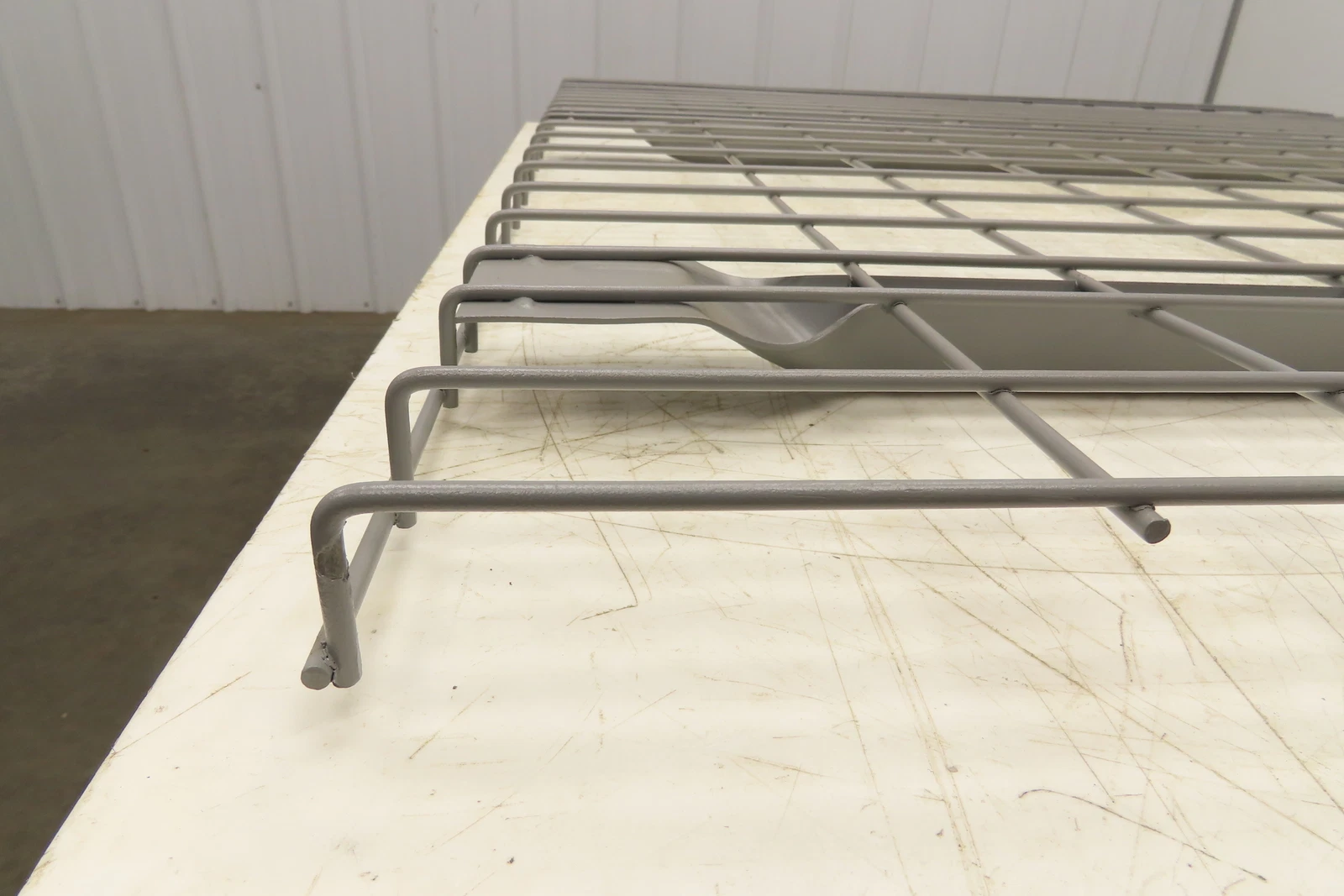
What Causes Forklift Congestion In Busy Warehouses?
How Does Congestion Affect Workflow Efficiency?
Congestion can be a silent killer of workflow efficiency, creeping into daily operations like an unexpected roadblock. Imagine a bustling warehouse, where Racking Systems are meticulously arranged to maximize storage and streamline processes. When congestion strikes, those systems, designed for efficiency, become a maze of chaos. You can see it in the eyes of the workers, their brows furrowed, frustration boiling just below the surface. The once smooth rhythm of operations hits a dissonant note, and every second wasted feels like a punch to the gut.
Rationally, it’s clear: time is money. When congestion turns aisles into bottlenecks, productivity plummets. Workers are left waiting for materials, forcing them to waste precious minutes that could be spent delivering value. Every delay echoes across the operation, impacting deadlines and diminishing the bottom line. It’s not just numbers on a spreadsheet; it’s livelihoods. A company’s success depends on smooth workflows, and congestion disrupts that flow, leaving a trail of missed opportunities.
Ethically, there’s a responsibility to create an environment where employees can thrive. When congestion reigns, morale takes a hit. Workers deserve better than to spend their days battling through clutter. They need an organized, efficient space that enables them to do their jobs well, not just manage chaos. When a team feels supported by a well-designed workflow, their dedication and engagement soar, creating a culture rooted in trust and respect.
Narratively, consider a day in the life of a worker facing congestion. They arrive early, ready to tackle the tasks ahead. But as they navigate overcrowded aisles and delayed shipments, the sense of urgency turns into a struggle. Each blocked path is not just an inconvenience; it’s a reminder of how congestion stifles their potential. Yet, when the systems are optimized, and congestion is eliminated, the transformation is palpable. The hustle turns into a harmonious dance, and that same worker can now execute their role with pride and efficiency.
Finally, socially, a well-oiled operation helps everyone. When congestion is under control, not only do workers feel better about their jobs, but the overall atmosphere shifts. Collaboration flourishes as people can easily access what they need, share ideas, and support one another. It fosters a community where everyone plays a vital role, driving the whole operation forward. Embracing strategies to reduce congestion isn’t just a managerial task; it’s a commitment to building a thriving workforce that can stand tall in the face of challenges.

How Does Congestion Affect Workflow Efficiency?
How Does Congestion Affect Workflow Efficiency?
- Congestion negatively impacts workflow efficiency, transforming organized systems into chaotic environments.
- Time wasted due to congestion leads to reduced productivity and financial losses for companies.
- Morale is affected when workers navigate through clutter, emphasizing the need for organized workspaces.
- A well-designed workflow promotes employee engagement and fosters a culture of trust and respect.
- Congestion serves as a constant reminder of potential stifled by obstacles in the workplace.
- Effective management of congestion enhances collaboration and cultivates a supportive community among workers.
- Addressing congestion is essential for building a thriving workforce capable of overcoming challenges.
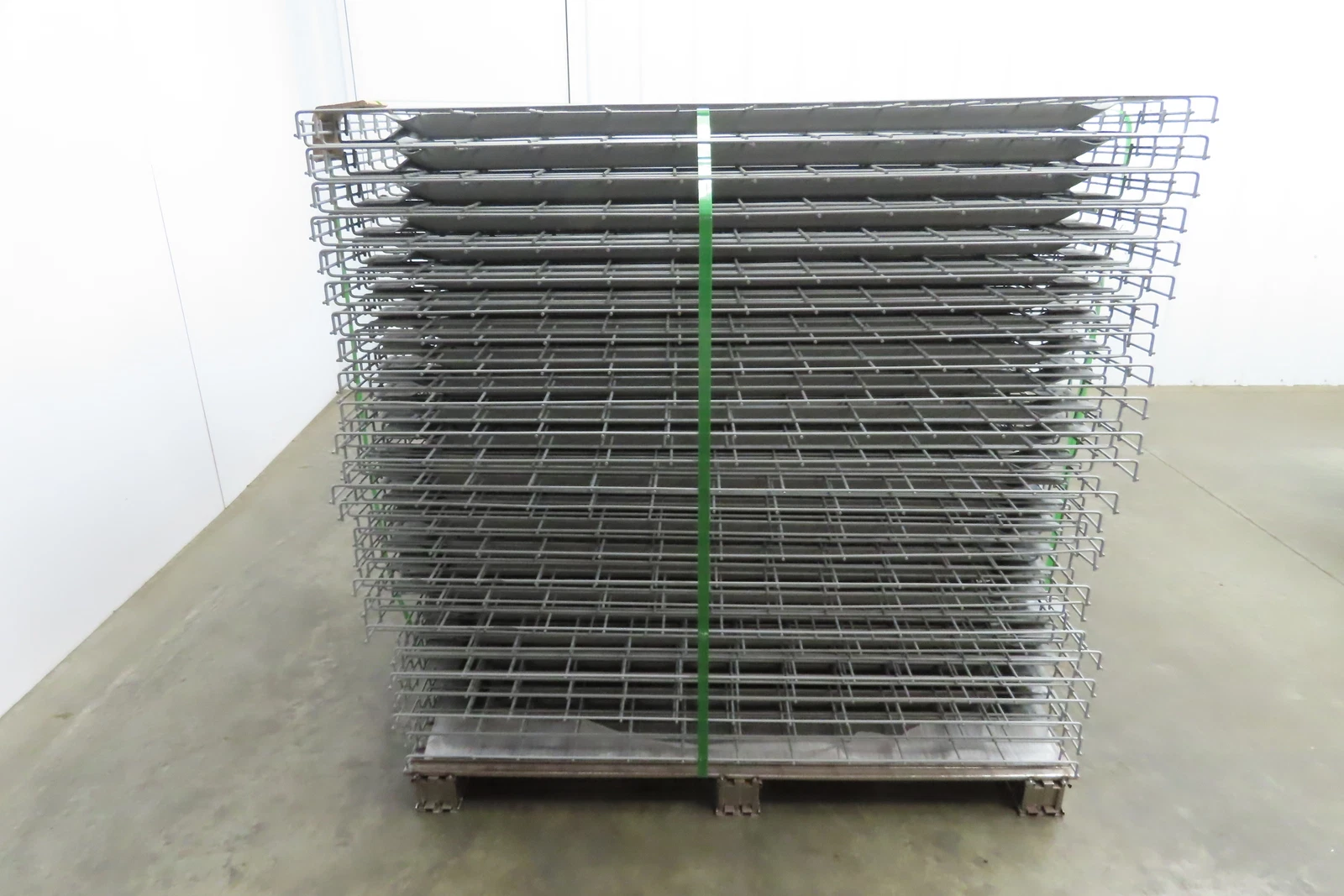
How Does Congestion Affect Workflow Efficiency?
What Are the Safety Risks Of Forklift Congestion?
When the floor space of a warehouse gets choked with the hustle and bustle of fork trucks squeezing past one another, it’s a recipe for disaster waiting to happen. Picture this: overstuffed aisles where heavy machinery tries to navigate through tight spaces and racking systems loom overhead. It’s not just a logistical headache; it’s a looming threat to everyone working on the floor.
The emotional weight of forklift congestion hits hard when you think about your coworkers. Each beeping alarm and screeching wheel can stir up anxiety. Workers should feel safe in their environment, not constantly scanning their surroundings for rogue forklifts. In a place where teamwork should thrive, congestion breeds tension and fear, undermining morale and productivity. No one wants to work in a place where they avoid eye contact, worrying that an unseen truck might come barreling around the corner.
Rationally, the numbers speak volumes. Statistics indicate that mishaps caused by forklift congestion can lead to serious injuries or fatalities. A properly organized warehouse can reduce accidents significantly. If a single accident takes place due to overcrowded conditions, it can ripple through the entire workforce, affecting not only those directly involved but casting a shadow over team dynamics. Understanding these risks should spur immediate action to improve safety measures.
Ethically, it’s the responsibility of employers to provide a safe working environment. This means maintaining clear pathways and regularly training employees about forklift operations and safety protocols. Nobody goes to work expecting an accident, yet neglecting the layout and flow of a workspace can lead to moral failures. Every injury is a stark reminder that someone’s safety is a priority that cannot be compromised.
From an authoritative standpoint, industry experts consistently push for improved warehouse design, emphasizing the need for well-planned racking systems that allow for proper forklift traffic. Educating workers about the risks of congestion can cultivate a culture of safety. It’s about empowering every worker to speak up when they see something amiss.
On a social level, fostering open communication among staff can mitigate risks. Regular meetings to discuss standard operating procedures and safety measures instill a sense of community and collaboration. Each person in that warehouse has a role, and when everyone is looking out for one another, you build a network of trust that enhances safety. When the aisles are clear, not only does it boost efficiency, but it nurtures a camaraderie that can withstand any busy day. When you reduce congestion, you’re not just organizing the layout—you’re safeguarding lives.

What Are the Safety Risks Of Forklift Congestion?
What Are the Safety Risks Of Forklift Congestion?
- Forklift congestion in warehouses creates dangerous conditions for workers.
- Emotional stress from tight spaces and noise negatively impacts worker morale and productivity.
- Statistics show that congestion can lead to serious injuries or fatalities.
- Employers are ethically responsible for maintaining safe, organized work environments.
- Proper warehouse design and employee training can significantly reduce accidents.
- Open communication and regular safety meetings foster a culture of safety and trust among staff.
- Clearing aisles enhances efficiency and safeguards lives in the workplace.
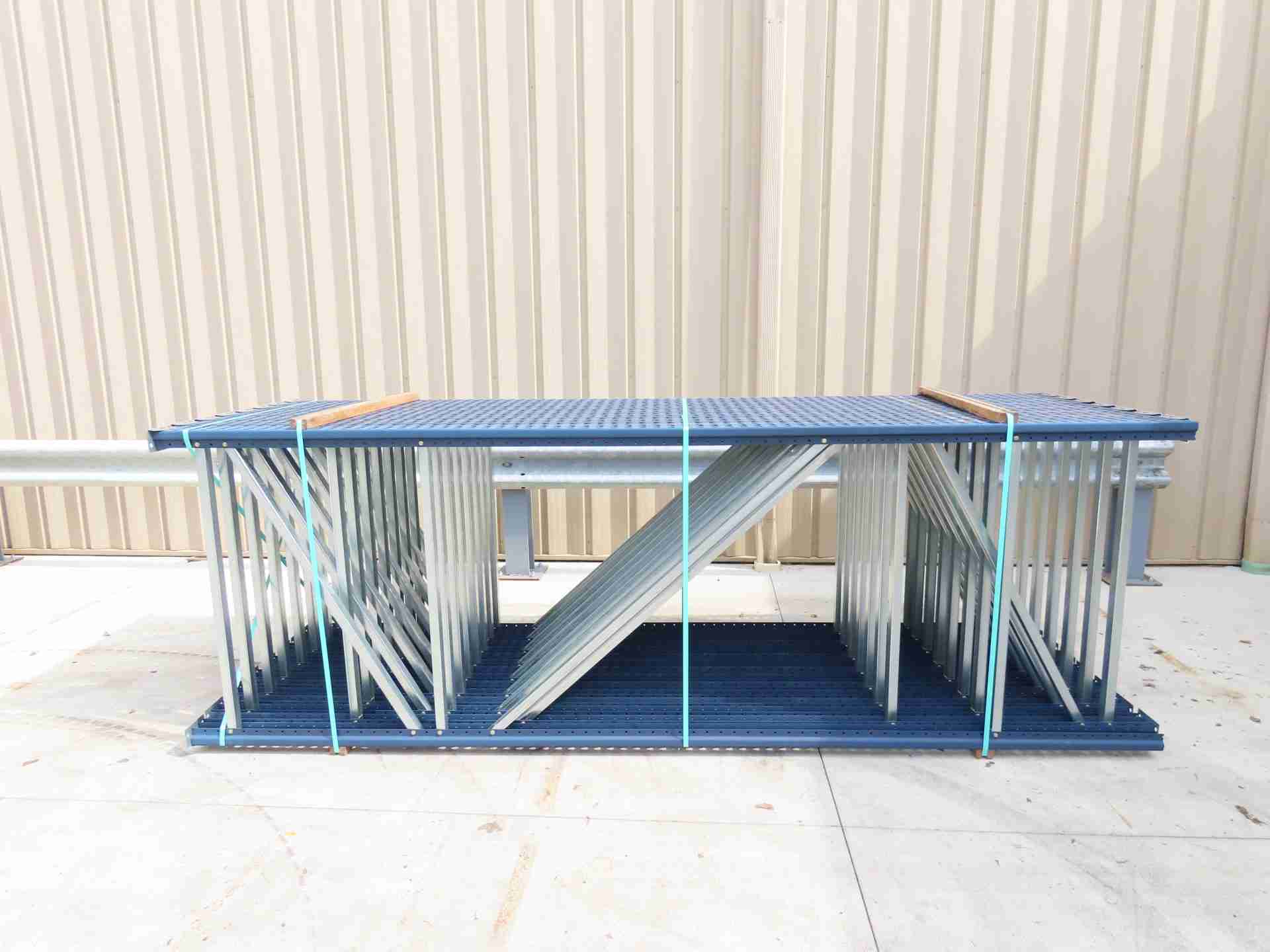
What Are the Safety Risks Of Forklift Congestion?
Can Technology Help Reduce Forklift Congestion?
In today’s busy warehouses, the sight of forklifts weaving through aisles can feel like a chaotic dance, with congestion often leading to frustration and inefficiency. But imagine a world where technology eases that chaos and streamlines operations. That’s exactly what innovative solutions are doing across the industry, sparking a transformation that not only boosts productivity but also prioritizes safety and employee well-being.
Consider the heartbeat of a warehouse: Racking Systems. They’re more than just shelves holding pallets; they are the backbone of any operation. When technology integrates with these racking systems, it creates a seamless flow, reducing congestion at critical junctures. Automated systems can optimize storage layouts and dictate the most efficient paths for forklifts. This isn’t just about improving numbers on a spreadsheet; it’s about allowing workers to focus on their tasks without the constant worry of navigating congested aisles.
This change fosters an environment where employees feel their efforts matter. When you remove the congestion that disrupts their workday, you empower them. Workers aren’t just a part of the machine; they become contributors to a smoother operation. Aiming to reduce wait times and increase efficiency, these technologies speak to the heart of the workforce—the desire to do a job well without unnecessary hurdles.
From a rational standpoint, the benefits are clear. Faster operations lead to increased capacity and throughput, which is essential in a world that demands more, quicker. Companies that invest in these technological solutions see tangible financial returns. Yet, the impact goes beyond profit margins; it’s about ensuring each employee returns home safe after a day’s work.
In an industry where safety can never be compromised, employing technologies like real-time tracking and smart scheduling becomes an ethical imperative. These tools help prevent accidents caused by congestion and inefficiencies. And when workers feel safe, their job satisfaction climbs, leading to lower turnover and a sense of community within the workplace. Everyone feels the responsibility to look out for one another, and that bond strengthens as technology fosters a safer and more organized space.
Ultimately, embracing technology to reduce forklift congestion is a collective endeavor. Everyone—from management to the workers on the ground—stands to benefit when feet and forklifts don’t get tangled in a chaotic dance. It’s not just about the machines; it’s about the people behind them, striving together for smoother operations and a better work environment. This approach sparks not only the drive for progress but also a deeper connection among all members of the team. Together, they can navigate a path toward an efficient future, ultimately shaping an unencumbered workplace.

Can Technology Help Reduce Forklift Congestion?
Can Technology Help Reduce Forklift Congestion?
- Forklift congestion in warehouses creates frustration and inefficiency.
- Innovative technologies enhance operations, boosting productivity and prioritizing safety.
- Racking systems are essential for warehouse efficiency, optimized through technology.
- Automated systems reduce congestion and help workers focus on their tasks.
- Faster operations lead to increased capacity, benefiting profitability and safety.
- Real-time tracking and smart scheduling improve worker safety and job satisfaction.
- Embracing technology fosters teamwork and creates a more organized work environment.

Can Technology Help Reduce Forklift Congestion?
How Do Layout Designs Influence Forklift Movement?
Layout designs aren’t just about making a space look neat; they are about creating a safe and efficient working environment that impacts every individual on the floor. When you think of racking systems, picture the backbone of a warehouse. They’re the skeleton that supports the operation, and how they’re arranged can make or break forklift movement. A well-planned layout means that those heavy machines glide through the aisles, loading and unloading items without a hitch, but a poorly designed space can easily turn a straightforward task into a stressful nightmare.
Imagine a warehouse where the racking systems are pushed too close together. A poorly thought-out layout can create bottlenecks, stretching a routine delivery into a lengthier ordeal. Forklift operators, who already have their hands full navigating heavy loads, find themselves wrestling with tight corners and narrow aisles. Suddenly, the job that should be manageable feels daunting, ratcheting up stress not just for them, but for everyone depending on timely deliveries. This everyday struggle fosters frustration that trickles down through the workforce. When layout designs prioritize space and movement, they promote a flow that keeps spirits high.
Think about the human element—every warehouse worker deserves to feel confident and safe during their shift. A well-designed layout isn’t just a nice-to-have; it’s an ethical responsibility. By providing ample space for forklifts to maneuver, businesses show they value employee wellbeing. It builds trust within the team and a collective sense of purpose. Their safety isn’t just an afterthought; it’s a commitment.
Moreover, a thoughtfully designed layout can boost productivity. When forklift movements are smooth and unhindered, it saves time and ultimately money. This efficiency speaks to everyone’s bottom line, from operators to supervisors. When racking systems are arranged in a logical, accessible manner, it’s as if the machine and the operator become a seamless extension of each other, moving with a grace that can only come from experience.
Every time you step into a warehouse, remember: it’s more than just a layout. It’s about connecting people, uplifting spirits, and fostering a sense of community through shared goals. Layout designs shape not just how forklifts move, but how the people operating them feel each day. It’s about creating a space where everyone can work effectively, confidently, and together.

How Do Layout Designs Influence Forklift Movement?
How Do Layout Designs Influence Forklift Movement?
- Layout designs create safe and efficient working environments, impacting every individual on the floor.
- Racking systems serve as the backbone of a warehouse, influencing forklift movement.
- A well-planned layout facilitates smooth operations while a poorly designed space creates bottlenecks and stress.
- Ample space for forklifts fosters employee well-being and builds trust within the team.
- Thoughtful design boosts productivity by streamlining forklift movements, saving time and money.
- Efficient layouts enhance the connection among workers, uplifting spirit and fostering community.
- Warehouse layouts influence how employees feel about their work, promoting effective collaboration.

How Do Layout Designs Influence Forklift Movement?
What Role Does Employee Training Play In Congestion Management?
Employee training is a cornerstone in effective congestion management, akin to having a reliable pair of hands when the machine’s gears grind to a halt. The heart of the workforce beats stronger when each member understands their role in the intricate dance of daily operations. Picture a bustling warehouse where Racking Systems line the walls: each shelf is carefully arranged, and the flow of goods depends on workers moving in sync. Without proper training, even the best systems can turn into chaos.
Imagine a new hire trying to navigate the maze of products stacked high. Without a solid foundation in procedures, the chances of mishaps multiply. Training isn’t just about reading a manual; it’s about embedding knowledge that turns anxiety into confidence. Employees become more than just cogs in the wheel; they become problem solvers. They learn how to optimize routes, manage inventory effectively, and, in turn, reduce bottlenecks that can choke productivity.
On a rational level, investing in employee training saves money in the long run. Fewer errors mean less waste, better utilization of resources, and an overall smoother operation. When workers have the skills they need, they’re not just working harder; they’re working smarter. This practical knowledge cuts down on the time spent solving avoidable issues, allowing the business to thrive and meet customer expectations consistently.
Ethically speaking, training fosters a workplace culture where employees feel valued. Providing tools for success shows that leadership cares about their growth and well-being. Workers are more likely to invest themselves into their tasks when they feel their employer invests in them. This creates a sense of loyalty and community, turning a job into a career and a workplace into a family.
With the right mix of skills and confidence, the workforce takes action. They don’t just follow instructions; they engage with the processes, set the pace, and contribute to a pleasant work environment. Passing knowledge from one experienced hand to the next creates a narrative that each worker becomes part of the legacy—a legacy of resilience where congestion is met not with frustration but with teamwork and ingenuity.
When you have a well-trained team, the ebb and flow of operations feels more like a well-rehearsed dance, where each step brings the organization closer to efficiency and success, turning potential roadblocks into stepping stones.

What Role Does Employee Training Play In Congestion Management?
What Role Does Employee Training Play In Congestion Management?
- Employee training is essential for effective congestion management in operations.
- Well-trained workers understand their roles, contributing to smoother daily operations.
- Training reduces the likelihood of errors and chaos in system processes.
- Employees become problem solvers, optimizing routes and managing inventory efficiently.
- Investing in training leads to cost savings by minimizing waste and enhancing resource utilization.
- Training fosters a culture of value and loyalty among employees, enhancing workplace relationships.
- A skilled workforce promotes teamwork and resilience, transforming challenges into opportunities for success.

What Role Does Employee Training Play In Congestion Management?
Conclusion
In the heart of bustling warehouses, forklift congestion isn’t just an inconvenience; it’s a critical issue that can halt operations and jeopardize safety. Visualize a workspace where forklifts beep and jostle for space—a scene that echoes the chaos of urban traffic. The physics of this congestion comes down to heavy machinery navigating narrow aisles, where every turn raises the stakes. The way racking systems are designed greatly influences this scenario. Poor layouts can create bottlenecks that frustrate operators and lead to accidents. Efficiency is not merely about speed; it hinges on respecting the movement physics of heavy machinery within a confined space.
The emotional toll of this congestion is palpable. Consider the daily life of a warehouse worker, who deserves a safe and respectful environment. Forklift operators are not just equipment users; they are vital team members whose actions influence the well-being of their colleagues. Rushing through congestion often results in costly mistakes, highlighting the need for thoughtful analysis of workflow. It’s essential to recognize that fostering safe environments begins with effective strategies—rearranging layouts, investing in technology, and enhancing communication can help eliminate congestion and its consequences.
While the numbers reflect that congestion can lead to lost productivity and heightened stress, the ethical implications are equally significant. Employees deserve more than just a hectic work atmosphere; they should feel secure and valued. Investing in better racking systems and communication tools isn’t simply good business—it’s a commitment to the workforce. When workers operate in a space designed with their needs in mind, morale rises, leading to a more dedicated team.
Technology also plays a crucial role in managing congestion. Innovative solutions help streamline processes, allowing for smoother navigation and reducing anxiety among workers. A well-optimized environment can turn stress into seamless operations, instilling confidence in the workforce. Moreover, training is paramount. A well-prepared team can navigate challenges, optimize routes, and drastically reduce congestion. Knowledge fosters competence, allowing employees to approach their roles with pride and skill.
Ultimately, addressing forklift congestion goes beyond merely fixing layouts or adopting new technologies. It’s about creating a culture of safety, respect, and efficiency, where teamwork flourishes and every worker’s potential is recognized. As we tackle the challenges of congestion, we not only improve operational flow but also nurture a stronger, more connected workforce ready to face any challenge that comes their way.

Conclusion
Conclusion:
- Forklift congestion in warehouses can halt operations and pose safety risks.
- Narrow aisles and poor racking layouts create bottlenecks and frustrations for operators.
- Warehouse workers deserve a safe and respectful work environment.
- Rushing through congestion can lead to costly mistakes, necessitating careful workflow analysis.
- Investing in better layouts, technology, and communication enhances safety and employee morale.
- Effective training empowers workers to navigate challenges and optimize routes, reducing congestion.
- Addressing congestion fosters a culture of safety, teamwork, and operational efficiency.

Conclusion
Other Resources

Other Resources
Here is a list of other resources you can review online to learn more:
- Pallet Rack Systems – New and Used Pallet Racking and Shelving Experts
- The Ultimate Pallet Racking Guide – Speedrack West
- RMI
- Teardrop Industrial Shelving Rack
- Mustang Material Handling
- Logic Material Handling
- Selective Racking
- CMMA
- Pallet Racks, Pallet Racking, Pallet Shelves in Stock – ULINE
- Cantilever Rack Configuration & Installation: A Comprehensive Guide – BMH
- Illinois Pallet Racking – Storage Solutions
- SEMA
- Illinois
- Used Teardrop Pallet Rack – American Surplus
- Storage Equipment Manufacturers’ Association
- Intro to Warehouse Racks & Warehouse Racking Systems – ShipBob
- Warehouse Racking Chicago, IL
- Pallet Racking systems in Illinois and Great Lakes
- American Surplus
- Interlake Mecalux
Use This Prompt To Get More Resources With Your Favorite Online AI Tool: Please provide me with a list of online articles with their URLs in a bulleted list that I can read regarding The Physics Of Forklift Congestion

Other Resources
Glossary Terms
The Physics Of Forklift Congestion – Glossary Of Terms
1. Congestion: A state in which the movement of forklifts is hindered due to high traffic in a designated area.
2. Forklift: A powered industrial truck used to lift and move materials over short distances.
3. Load Capacity: The maximum weight a forklift can safely lift and transport.
4. Maneuverability: The ease with which a forklift can move and navigate in tight spaces.
5. Productivity: The rate at which work is completed, often measured in terms of output per unit of time.
6. Traffic Flow: The pattern and efficiency of movement of forklifts within a workspace.
7. Safety Regulations: Rules and guidelines established to ensure safe operation of forklifts.
8. Aisle Width: The dimension of the space between shelves or obstacles that affects forklift navigation.
9. Layout Optimization: The design of space to improve efficiency and reduce congestion.
10. Turning Radius: The minimum area required for a forklift to make a complete turn.
11. Stacking Height: The maximum vertical level at which materials can be safely stacked.
12. Visibility: The ability of the forklift operator to see surroundings, critical for safe navigation.
13. Operating Speed: The maximum speed at which a forklift can travel safely while loaded or unloaded.
14. Blind Spots: Areas around a forklift that are not visible to the operator, increasing risk of accidents.
15. Traffic Management: Strategies implemented to control the flow of forklifts and reduce congestion.
16. Intersection: A point where multiple pathways for forklifts converge, often prone to traffic issues.
17. Dynamic Loading: The impact on forklift performance and stability when lifting and moving loads.
18. Forklift Operator: The individual trained to operate a forklift, responsible for safe handling of materials.
19. Maintenance Schedule: A regular plan for servicing forklifts to ensure optimal performance and safety.
20. Pallet Jack: A manual or electric device used to lift and move pallets, often in smaller spaces.
21. Zone Planning: The process of assigning specific areas for different activities to reduce conflict and congestion.
22. Warehouse Management System: Software used to manage inventory and streamline forklift operations.
23. Safety Training: Instruction provided to forklift operators on safe practices and regulations.
24. Congestion Metrics: Measurements used to assess the level of congestion in forklift operations.
25. Fork Positioner: An attachment that allows the operator to adjust the width between forks for varying loads.
26. Ergonomics: The study of designing equipment and tasks for operator comfort and efficiency.
27. Queuing: The process of transporting forklifts into a sequence to minimize congestion.
28. Workstation Design: Arrangement of work areas to facilitate effective forklift operation and minimize congestion.
29. Hazard Recognition: The ability to identify potential dangers in the environment that could lead to accidents.
30. Risk Assessment: The evaluation of potential risks associated with forklift operation and congestion management.
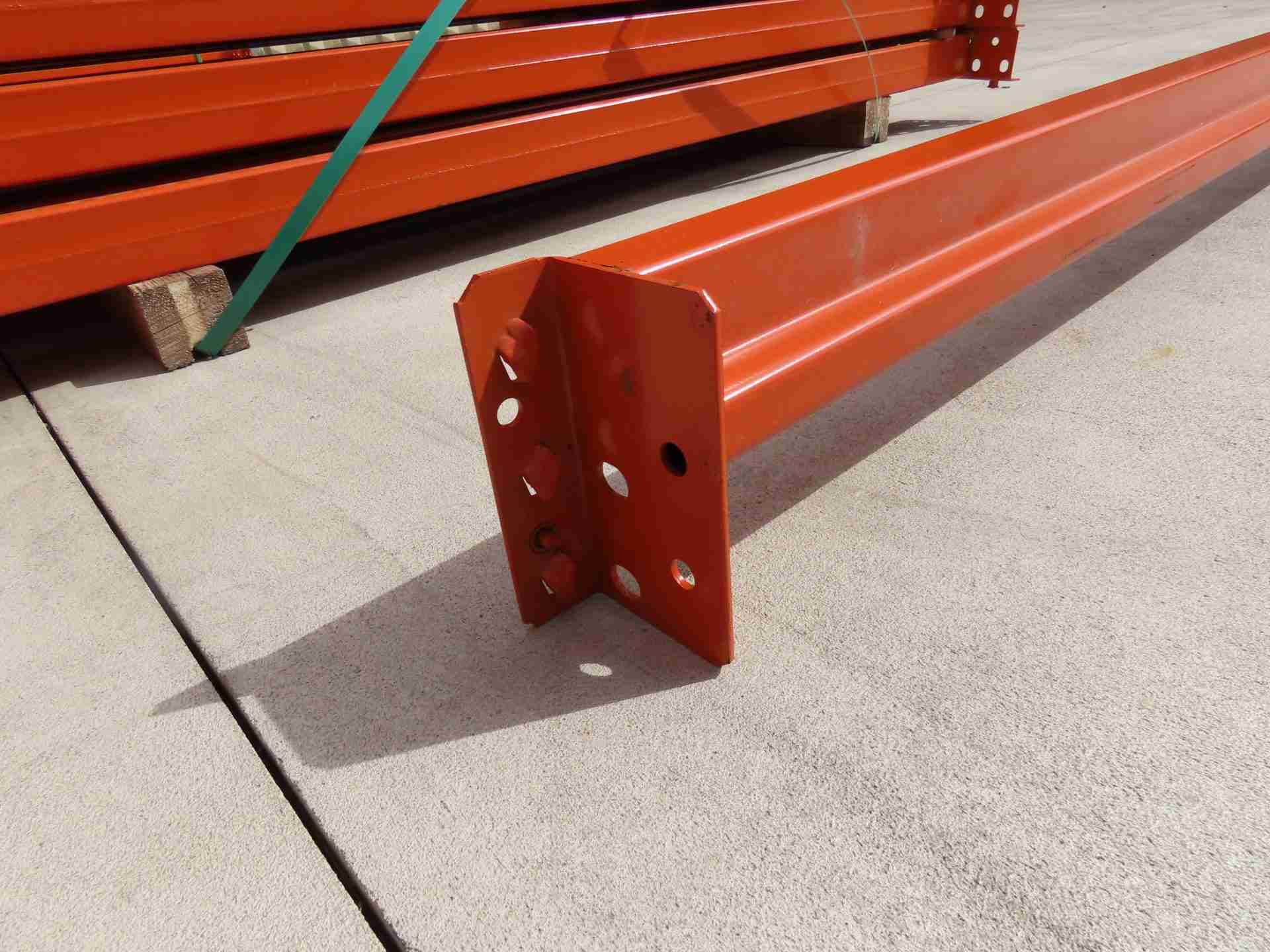
Glossary Of Terms
Other Questions
The Physics Of Forklift Congestion – Other Questions
If you wish to explore and discover more, consider looking for answers to these questions:
- What specific aisle widths are recommended for different types of forklifts and loads?
- How does a forklift’s turning radius influence aisle design and congestion?
- What are the best racking layout patterns to minimize forklift cross-traffic?
- Which traffic-flow patterns (one-way, two-way, dedicated lanes) work best in various warehouse sizes?
- How can I measure forklift congestion quantitatively (KPIs and metrics)?
- What are realistic targets for throughput improvements after congestion mitigation?
- Which technologies most effectively reduce congestion: RTLS, telematics, WMS integration, collision-avoidance, AGVs, or automation?
- What is the typical cost and expected ROI of implementing congestion-reduction technologies?
- How do you integrate congestion-management technology with existing warehouse systems and processes?
- What training topics and frequency are most effective for reducing operator-related congestion?
- How should onboarding and ongoing training differ for new versus experienced operators?
- What standard operating procedures reduce routing conflicts between forklifts?
- How do scheduling and shift patterns help prevent peak-period congestion?
- What are best practices for staging and dock scheduling to avoid loading/unloading bottlenecks?
- How should pedestrian routes be separated from forklift traffic to reduce accidents?
- What emergency and incident-response protocols should be in place for congestion-related accidents?
- How does congestion affect accident rates, injury severity, and insurance costs?
- Which regulatory standards or industry guidelines govern forklift traffic and aisle layout (eg, OSHA or local codes)?
- What simulation or modelling tools can predict congestion and test layout changes before implementation?
- How do inventory characteristics (size, SKU velocity, cube) influence congestion and layout choices?
- What are practical ways to reorganize inventory to reduce high-traffic pick paths?
- How can visual management (signage, floor markings, mirrors) improve flow and reduce conflicts?
- What are recommended maintenance practices to avoid vehicle downtime that contributes to congestion?
- How do charging and battery-change areas cause congestion and how can they be managed?
- What metrics should be tracked after changes to verify congestion reduction and safety improvements?
- How do mixed fleets (reach trucks, counterbalance, pallet jacks) affect congestion strategies?
- When should a facility consider upgrading to narrow-aisle or VNA equipment to reduce congestion?
- How can route-optimization and dynamic task allocation reduce multiple forklifts converging on one area?
- What roles do supervisors and floor marshals play in active congestion management?
- How can incentives, performance metrics, or behavioral programs promote safer, less congested operations?
- What are common pitfalls and lessons learned from other warehouses that attempted congestion fixes?
- How do layout changes impact storage density versus throughput trade-offs?
- What is the recommended process for piloting layout or technology changes with minimal disruption?
- How should incident reporting and near-miss tracking be structured to reveal congestion causes?
- What human factors (fatigue, stress, communication breakdowns) most contribute to congestion and how can they be mitigated?
- How do returns processing and temporary surges affect congestion and what contingency plans work best?
- Which external consultants, vendors, or benchmarks are useful when planning a congestion-reduction project?
- How long does it typically take to see measurable safety and efficiency gains after implementing changes?

Other Questions
Checklist
The Physics Of Forklift Congestion – A Checklist
Traffic Flow and Rules
✅______ Aisles designated one-way where feasible
✅______ Right-of-way rules posted and enforced at intersections
✅______ Speed limits set by zone and enforced
✅______ Pedestrian and forklift paths physically separated
✅______ High-traffic intersections clearly marked
✅______ Mirrors installed at blind corners
✅______ Horn use policy at intersections followed
✅______ No dead-end aisles without turnaround or staging space
✅______ Designated forklift parking and staging areas identified
Layout and Racking
✅______ Aisle widths meet forklift/load turning requirements
✅______ Cross-aisles placed to break up long travel runs
✅______ End-of-aisle buffer zones kept clear
✅______ Rack elevations labeled; maximum height and load limits posted
✅______ High-velocity SKUs slotted in high-access zones
✅______ Dedicated staging near docks and forward pick areas
✅______ Charging/fueling stations located away from pinch points
✅______ Floor condition smooth; transitions and joints maintained
✅______ Adequate lighting levels verified in aisles
Demand Shaping and Scheduling
✅______ Peak periods identified; labor/equipment scaled to demand
✅______ Dock appointments or waves balance inbound/outbound flow
✅______ Putaway, replenishment, and picking sequenced to avoid conflicts
✅______ Breaks and shift changes staggered
✅______ Task interleaving used to reduce empty travel
✅______ Clear priority rules for urgent vs. routine moves
✅______ Defined buffer capacity for inbound/outbound staging
Communication and Visual Management
✅______ Standard radio protocols and channels in use
✅______ Visual signals (beacons, status lights) at busy zones
✅______ Floor markings and signage visible and current
✅______ Daily start-of-shift traffic review conducted
✅______ Near-miss and hotspot reports captured and shared
✅______ Escalation path defined to clear gridlock quickly
Technology Aids
✅______ WMS directs optimal paths and storage locations
✅______ Telematics/RTLS used to generate congestion heatmaps
✅______ Geofenced slow zones and speed governance configured
✅______ Proximity/collision warning systems active and maintained
✅______ Pick-to-light/voice or automation reduces forklift travel
✅______ Digital dock/yard management in place
✅______ Cameras or sensors installed at blind intersections
Training and Competency
✅______ Operators certified and current on each equipment type
✅______ Site-specific training covers congestion scenarios
✅______ Mentoring/buddy system for new operators
✅______ Refresher training scheduled based on incident data
✅______ Pedestrian awareness training for all staff
✅______ SOPs for passing, yielding, and staging verified by checkrides
✅______ Post-incident coaching conducted promptly
Equipment and Housekeeping
✅______ Pre-shift forklift inspections completed and logged
✅______ Alarms, lights, brakes, and steering fully functional
✅______ Loads secured; no overhanging or unstable pallets
✅______ Aisles and endcaps free of debris and obstructions
✅______ Spill kits available; cleanup standards enforced
✅______ Battery/propane swaps done in designated areas
✅______ Blue spotlights/arc lights used in shared spaces
Safety and Emergency Readiness
✅______ Egress routes clear and marked
✅______ Evacuation and emergency stop procedures known by all
✅______ Incident response plan covers pileups and blockages
✅______ First-aid and eyewash stations accessible from aisles
✅______ Accident and near-miss data reviewed in safety meetings
✅______ PPE requirements defined for pedestrians in forklift zones
Performance and Continuous Improvement
✅______ KPIs tracked: queue time, travel time, picks per hour, dock-to-stock
✅______ Congestion heatmaps reviewed weekly; actions assigned
✅______ 5S audits sustain order and visibility
✅______ Small tests of layout/rule changes measured before scaling
✅______ Operator feedback collected and acted on
✅______ Cross-functional review with maintenance, IT, and safety monthly

Checklist
At RackingWorld, we help guide you through selecting warehouse storage systems and racking.
Be sure to read our other related stories at RackingWorld to learn more about warehouse storage systems.
0 Comments