
The Hidden Truth About Rack Damage
By Tom Seest
At RackingWorld, we help guide you through selecting warehouse storage systems and racking.
Be sure to read our other related stories at RackingWorld to learn more about warehouse storage systems.
Rack Damage Isn’t Always the Driver’s Fault
When you hear the word “racking,” what comes to mind? For many, it conjures images of heavy machinery in a bustling warehouse, deftly maneuvering skids and pallets with precision. But behind every smooth operation lies a world often overlooked: the unseen pressures and challenges that tug at the seams of our daily routines. Racking damage isn’t always the driver’s fault. In fact, the complexity of warehouse life makes it clear that far more is involved than meets the eye.
Imagine a dedicated driver, enveloped in the relentless pace of the workday. They’re not just hauling goods; they’re balancing efficiency and safety, all while adhering to a tight schedule. It isn’t as cut-and-dry as it seems. You might think the damage happened because of that driver’s slight miscalculation or, heaven forbid, a lapse in focus. But what if their path was obstructed by a haphazardly stored pallet? Or what if they were faced with an unexpected change in direction due to a malfunctioning piece of equipment? It’s easy to point fingers, yet doing so glosses over the intricate web of factors that shape every decision made behind the wheel.
Now, consider the ripple effect of that “accidental” racking damage. It might seem minor, but the truth is that it affects more than just the bottom line. It directly impacts dedicated teams of hard-working individuals striving to meet deadlines, support their families, and keep the wheels of commerce turning. When we recognize that every warehouse arises from a culture of shared responsibility, we foster a sense of camaraderie and respect among workers.
This isn’t just about mending racks; it’s about building a community where everyone pulls together. It’s not always easy, but it’s necessary. It’s time to stop vilifying the driver and start advocating for improved training, better equipment, and a robust system that prioritizes safety over speed. When we all take a step back and assess the environment holistically, we build bridges rather than walls.
So the next time you hear talk of racking damage, pause and remember the unsung stories behind it. By fostering an atmosphere of understanding and support, we can transform potential blame into collaborative solutions that lift everyone. After all, we’re all in this together, navigating the shared roads of our daily grind. Let’s lift each other up.

Rack Damage Isn’t Always the Driver’s Fault
Rack Damage Isn’t Always the Driver’s Fault
- Racking often brings to mind images of busy warehouses and heavy machinery, but there are unseen pressures involved.
- Racking damage can result from various factors, not solely the driver’s error, highlighting the complexity of warehouse operations.
- Drivers balance efficiency and safety while adhering to tight schedules, facing challenges like obstructed paths or malfunctioning equipment.
- “Accidental” racking damage affects more than the finances; it impacts hard-working teams striving to meet deadlines and support families.
- A shared culture of responsibility fosters camaraderie and respect among warehouse workers.
- Emphasis should shift from blaming drivers to advocating for better training, equipment, and safety-focused systems.
- Promoting understanding and collaboration can turn blame into solutions, creating a supportive community for all involved.

Rack Damage Isn’t Always the Driver’s Fault
Table Of Contents
- Rack Damage Isn’t Always the Driver’s Fault
- What Emotions Arise When You Discover Your Vehicle Has Rack Damage?
- How Can Understanding Rack Damage Impact Your Peace Of Mind?
- What Ethical Responsibilities Do Manufacturers Have In Vehicle Safety?
- Have You Considered How Rack Damage Can Affect Family Road Trips?
- Can Sharing Your Experience with Rack Damage Help Others Avoid It?
- Conclusion
- Other Resources
- Glossary Of Terms
- Other Questions
- Checklist
What Emotions Arise When You Discover Your Vehicle Has Rack Damage?
When you stand there, staring at your vehicle with racking damage, a wave of emotions sweeps over you, each one pulling at heartstrings and logic alike. First comes shock. You remember driving carefree just the day before, and now you’re confronted with a stark reality that feels jarring. Your vehicle, often a trusted companion on life’s adventures, now has a scar that tells an unwelcome story.
You may feel a knot in your stomach, an almost physical response to the realization that your vehicle is compromised. It’s more than just metal and rubber; it’s the vessel of your memories—those weekend getaways, late-night drives, and early-morning commutes. The prospect of racking damage transforms simple mechanics into emotional baggage. It’s as if you can hear the faint echoes of missed journeys, laughter shared, and quiet moments spent in thought.
Then, there’s the mental gymnastics that ensues. You start weighing the costs, both financial and emotional. How much will it set you back? Can you handle the hassle of repairs? This is where the rational part of your brain kicks in, prepared to dissect the situation like it’s a problem to be solved. You begin to think about warranties, insurance coverages, and mechanic recommendations. In that moment, you want an authoritative voice, someone who knows the ins and outs of automotive dilemmas—someone you can trust to guide you through the murky waters of repair estimates and timelines.
But it isn’t just about the car; it’s also about values and ethics. How do you feel about the environment? The impact of the repairs on your carbon footprint can weigh heavily on your conscience. Is it worth replacing parts for something that could have been avoided with regular maintenance? The conversation shifts from you and your vehicle to a broader dialogue about responsibility toward our resources.
You’re not alone in this predicament. There’s a community of drivers out there who’ve navigated similar waters. Sharing your story, connecting with others, and realizing that the collective experience provides comfort is vital. It turns the intimate struggle with your vehicle into a communal battle, reinforcing that we’re all in this together—focused on resilience, integrity, and moving forward. So, when you face rack damage, remember: it’s not just a hurdle; it’s an opportunity to engage with your vehicle, your community, and yourself in a whole new light.

What Emotions Arise When You Discover Your Vehicle Has Rack Damage?
What Emotions Arise When You Discover Your Vehicle Has Rack Damage?
- Initial shock upon discovering vehicle racking damage, contrasting carefree driving from the day before.
- Emotional response tied to the vehicle as a vessel of memories, highlighting personal experiences associated with it.
- Physical reaction to the realization of compromise, indicating the vehicle’s significance beyond just materials.
- Mental weighing of costs, blending emotional and financial considerations regarding repairs.
- Desire for authoritative guidance from trusted sources to navigate repair complexities and options.
- Reflection on environmental impact and responsibility, raising ethical questions surrounding repairs and maintenance.
- Realization of a shared community among drivers, providing comfort and resilience in facing vehicle-related challenges.
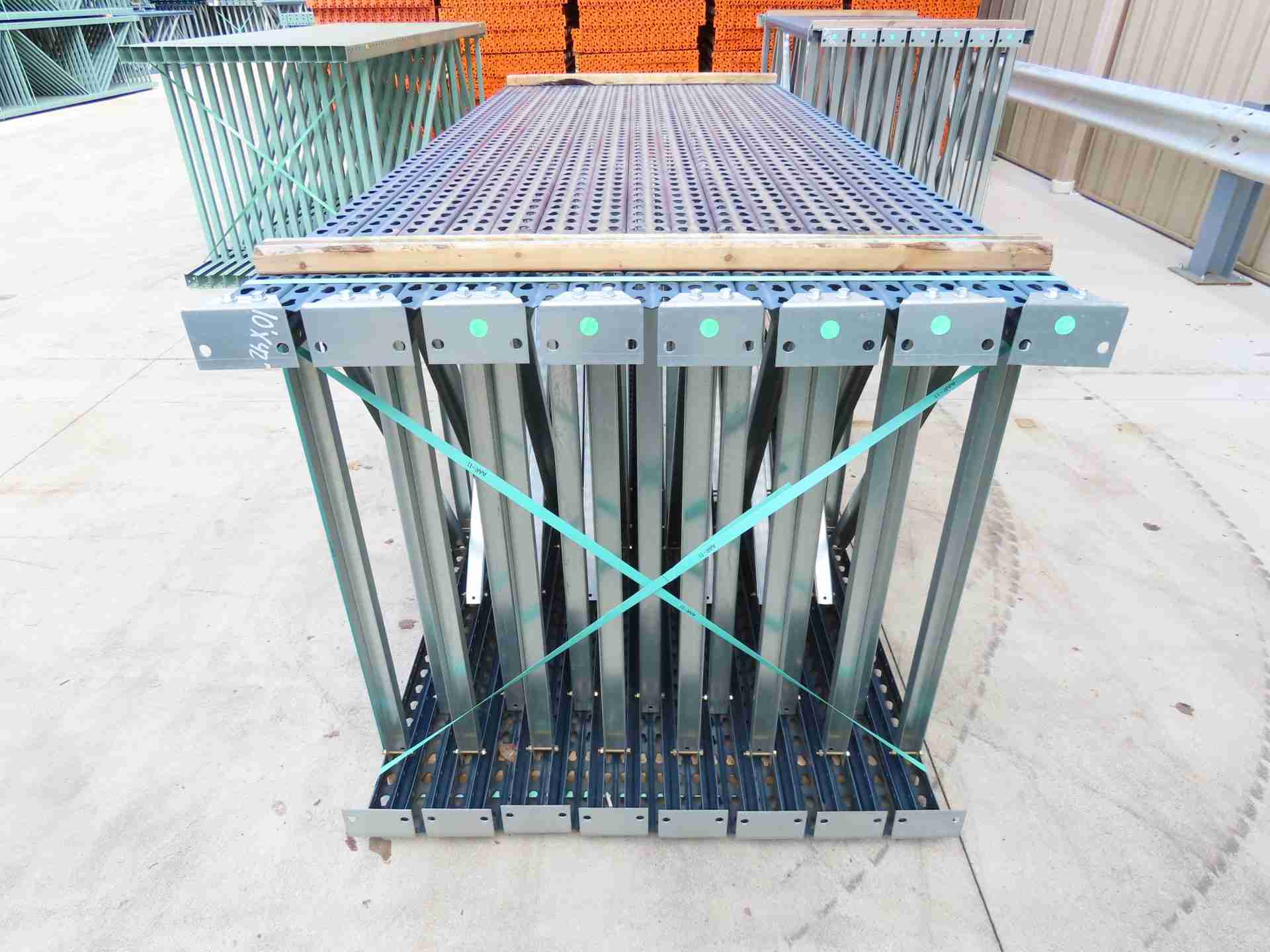
What Emotions Arise When You Discover Your Vehicle Has Rack Damage?
How Can Understanding Rack Damage Impact Your Peace Of Mind?
When it comes to the world of warehouse operations, racking often doesn’t get the attention it deserves until something goes wrong. Imagine a bustling warehouse – the hum of forklifts, the rhythm of packages moving in sync – but lurking beneath this industrious atmosphere is something that can change everything in an instant: rack damage. Just one compromised rack can create chaos, jeopardizing the integrity of the entire operation and, more importantly, the safety of those who work in that environment.
Understanding rack damage isn’t just about pieces of metal bending or partitions collapsing. It’s about people’s lives – the workers hustling day in and day out, often behind the scenes, ensuring that products reach their destinations. When a rack fails, it’s not just an inconvenience; it can lead to injury, loss, or even tragedy. By recognizing and addressing rack damage, you’re not just preventing financial losses or maintaining efficiency – you’re advocating for the very people who keep the wheels turning.
From a rational standpoint, the numbers tell a compelling story. The cost of repairing or replacing damaged racks far outweighs the expense of regular inspections and maintenance. Each year, countless companies face legal repercussions and penalties from workplace incidents linked to rack failures, which could have been avoided with simple preventive measures. So, why wait for disasters when a proactive approach ensures operational longevity and worker safety?
Ethically, there’s a responsibility we share: to look out for one another. Every manager, supervisor, and worker has a role to play in fostering a culture where safety takes precedence over convenience. Sharing insights about racking systems with peers creates a community that values collaboration, learning, and mutual respect.
At its core, acknowledging rack damage instills confidence and trust in a workspace. Workers feel valued when their safety is prioritized, and that enhances morale, productivity, and loyalty.
Let’s not forget the power of storytelling; think of the seasoned warehouse veteran who recalls countless close calls, stories that echo through the halls. They’re a reminder of the importance of diligence and vigilance.
In a world where every heartbeat matters, transforming our understanding of rack damage can lead to peace of mind, ensuring that every worker leaves their shift safe and sound, ready to tackle another day.

How Can Understanding Rack Damage Impact Your Peace Of Mind?
How Can Understanding Rack Damage Impact Your Peace Of Mind?
- Racking often goes unnoticed in warehouse operations until damage occurs, which can disrupt workflows and threaten safety.
- Rack failures pose significant risks to workers, potentially leading to injuries or tragedies in the workplace.
- Addressing rack damage proactively not only prevents financial losses but also advocates for the safety of employees.
- Regular inspections and maintenance are much more cost-effective than repairing or replacing damaged racks post-failure.
- Organizations may face legal repercussions from workplace incidents caused by rack failures, which could be preventable.
- Creating a culture of safety requires collaboration among managers, supervisors, and workers to prioritize safety over convenience.
- Prioritizing safety boosts worker morale and loyalty, transforming the workplace into a trusting and confident environment.

How Can Understanding Rack Damage Impact Your Peace Of Mind?
What Ethical Responsibilities Do Manufacturers Have In Vehicle Safety?
When we hit the open road, we never give a second thought to the incredible machines that carry us. Every car and truck we drive is a testament to human ingenuity, but it’s crucial to recognize that with this engineering marvel comes a heavy burden of ethical responsibility. Manufacturers stand at a pivotal intersection where innovation meets accountability—where their choices can mean the difference between life and death.
Imagine a family, filled with laughter and anticipation, loading up their vehicle for a weekend getaway. They trust that their car is safe, reliable, and engineered to protect them in any situation. But what happens when a basic safety feature is compromised, or a faulty part goes unnoticed? The emotional weight of these oversights can cause devastation—both in grief and in the racking realities of loss that families face. Manufacturers must understand that their commitment to safety isn’t just a box to check; it’s a promise to the people out on those roads.
From a rational perspective, ethical responsibilities in vehicle safety extend beyond mere compliance with regulations. Businesses thrive when they prioritize the well-being of their customers, garnering trust and loyalty in a world where those qualities are increasingly rare. It’s a delicate balance—a cost-benefit analysis can’t fully capture the human lives at stake. That’s where the true weight of ethical responsibility lies. Companies have the authority and expertise to implement the highest safety standards, and they should be held accountable to do so.
Now, let’s connect on a deeper level. Picture this: the founder of a car company, standing in the assembly line, watching workers pour their souls into building a vehicle. Each bolt and every inspection is a testament to their shared commitment to safety. When they take pride in their craftsmanship, they’re creating a social contract with their customers—a pact that promises to put lives before profits. Imagine the pride they’d feel knowing they played a part in saving lives.
As consumers, we have a role to play too. By demanding transparency and accountability from manufacturers, we foster a culture that prioritizes safety above all else. Together, we can inspire corporations to rise, to meet their ethical obligations, and to ensure that their innovations serve the greater good. It’s not just about getting from point A to point B; it’s about making the journey safe, secure, and full of hope for future generations.

What Ethical Responsibilities Do Manufacturers Have In Vehicle Safety?
What Ethical Responsibilities Do Manufacturers Have In Vehicle Safety?
- The machines we drive reflect human ingenuity but come with ethical responsibilities.
- Manufacturers must prioritize safety in their designs to protect families and lives.
- Failure to ensure safety can lead to devastating emotional and physical consequences.
- Ethical responsibilities extend beyond compliance; businesses gain trust by prioritizing customer well-being.
- Manufacturers have the expertise to implement high safety standards and should be held accountable.
- Carmakers and workers take pride in craftsmanship, creating a social contract with consumers for safety.
- Consumers play a role by demanding transparency, fostering a culture prioritizing safety in the industry.

What Ethical Responsibilities Do Manufacturers Have In Vehicle Safety?
Have You Considered How Rack Damage Can Affect Family Road Trips?
When you think about family road trips, what comes to mind? Is it the laughter echoing through the car, the endless “Are we there yet?” from the backseat, or the promise of adventure waiting just beyond the horizon? But let’s pause for a moment—have you considered how something as seemingly mundane as rack damage can throw a wrench in those cherubic summer plans?
Imagine this: you pack up the car full of dreams and hopes, and just as you’re about to hit the road, you notice that your roof rack is damaged. Instead of anxiety limited to checking for snacks or making sure everyone has their favorite travel pillow, now you’re wrestling with the reality that your gear might not make it safely to your vacation destination. That’s not just metal and plastic; it’s your family’s sense of security on the road—a comforting thought that their gear is strapped down tight can make all the difference.
Racking issues can lead to more than just broken equipment; they can stir a soup of panic and frustration. You might find yourself buffeted by unexpected delays, additional costs, or even dangerous driving conditions if things decide to go flying off the roof. Rationally speaking, a small piece of damage could escalate into a significant headache, ultimately robbing you of precious family time—time that should be filled with joy, not repairs.
Ethically, we owe it to our families to ensure their safety—and that includes being responsible about our vehicles. The authority lies in the hands of the driver, and that’s you. Taking a moment to inspect and maintain your rack isn’t merely a checklist item; it’s a commitment to your loved ones. You wouldn’t send them off on a bike ride without a helmet, so why risk their road trip safety with a faulty rack?
Furthermore, consider the social implications. When you arrive at your destination with everything in place, does it not enhance your family reputation? No one wants the family known for meltdowns because of a neglected roof rack. Instead, strive to be the family that arrives joyful and ready for what lies ahead.
So, before you load up the car and set off on those winding roads, take a few extra moments to check that rack. It’s a small effort for a massive payoff, ensuring you stay on course for an adventure filled with memories—and who wouldn’t want that?

Have You Considered How Rack Damage Can Affect Family Road Trips?
Have You Considered How Rack Damage Can Affect Family Road Trips?
- Family road trips evoke laughter, adventure, and anticipation.
- Rack damage can disrupt travel plans and create anxiety about gear safety.
- Issues with the roof rack can lead to delays, additional costs, and safety hazards.
- Maintaining vehicle safety is an ethical responsibility of the driver.
- Inspecting the roof rack is an important commitment to loved ones’ safety.
- A well-prepared family enhances its reputation by avoiding travel meltdowns.
- Taking time to check the rack can ensure a joyful adventure and lasting memories.

Have You Considered How Rack Damage Can Affect Family Road Trips?
Can Sharing Your Experience with Rack Damage Help Others Avoid It?
When you think about racking, it’s easy to picture the steel frames standing sturdy in a warehouse, cradling the precious goods we all rely on. But that structural integrity is a fragile thing, susceptible to the wear and tear of daily operations, neglect, or, heaven forbid, an unpredictable accident. So, how do we safeguard this crucial backbone of our supply chain? By sharing our experiences with rack damage.
Imagine a warehouse manager, fatigued and overwhelmed, facing the aftermath of a catastrophic rack failure. Cascaded products litter the floor, and the emotional toll is palpable. This shared struggle is more than just a tale of structural collapse; it’s a reminder of the human side of industry. When we speak out about the missteps that led to that incident—the overlooked inspections, the lack of training—we not only shed light on the potential pitfalls but also set the stage for meaningful change.
It’s not just emotional; it’s fiercely rational. The data speaks volumes. Industry surveys show that organizations that actively share and learn from experiences reduce incidents of rack damage by up to 30%. Sharing our stories creates a robust network of knowledge, transforming trial and error into collective wisdom. This is no mere conference-room blather; it’s a powerful call to action that invigorates our professional community and enhances safety practices across the board.
Ethically, we have a responsibility to protect each other. By discussing past mishaps, we cultivate a culture grounded in accountability and camaraderie, reminding each other that we’re not lone operators adrift in a sea of steel and concrete, but an interconnected web of professionals striving for excellence. Each story connects us, reminding us that we’re all in this together.
And let’s be real; there’s authority in shared experience. When someone steps forward and lays bare their mistakes, it resonates. It validates the challenges others face. It says, “You’re not alone; I’ve been there too.” The humanity behind these narratives fosters trust, building a community that encourages vigilance and proactive measures.
So, share your stories about rack damage—every slip-up and hard-learned lesson. Because in doing so, you don’t just protect your own inventory; you uplift an industry. Let us transform the fear of failure into a beacon of hope for safety, trust, and growth. Together, we can continue to create environments where strong racking systems protect both our products and our people.
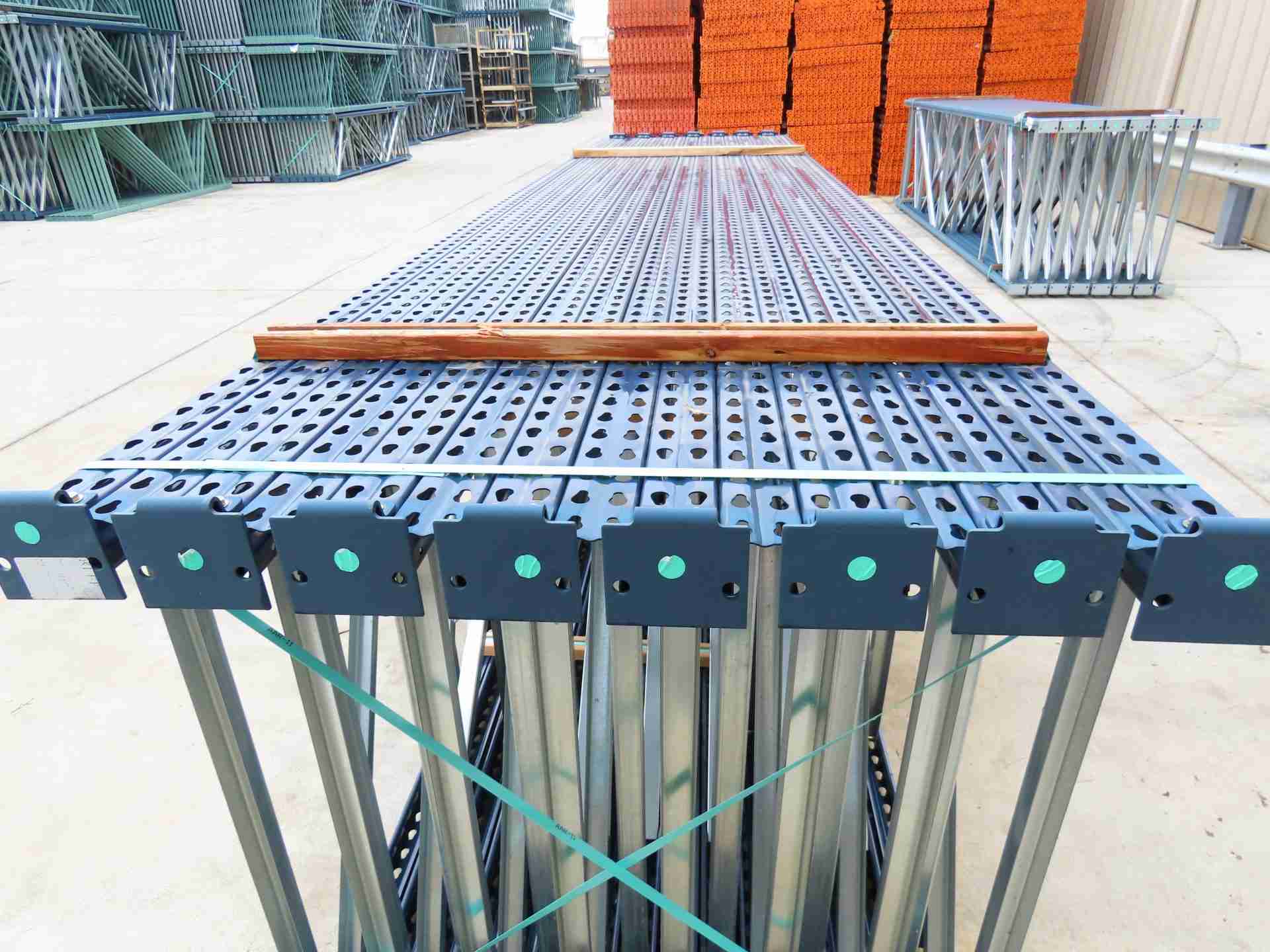
Can Sharing Your Experience with Rack Damage Help Others Avoid It?
Can Sharing Your Experience with Rack Damage Help Others Avoid It?
- Racking systems provide structural integrity that is susceptible to wear and accidents.
- Sharing experiences of rack damage helps safeguard the supply chain.
- Emotional impacts are significant in cases of catastrophic rack failure, highlighting the human aspect of industry challenges.
- Active sharing can reduce incidents of rack damage by up to 30% according to industry surveys.
- Discussing past mishaps fosters a culture of accountability and interconnectedness among professionals.
- Shared experiences build trust and validation, encouraging proactive safety measures.
- Collectively sharing stories uplifts the industry and promotes safety, trust, and growth.

Can Sharing Your Experience with Rack Damage Help Others Avoid It?
Conclusion
Rack damage represents more than just a loss on the books; it symbolizes a deeper narrative involving the hardworking individuals who keep our supply chains moving. When we think about racking, often the instinct is to blame the driver or operators in the warehouse. Yet, as we peel back the layers, it becomes evident that this issue is multifaceted, rooted in a culture of shared responsibility. Safety in warehouses is not merely the responsibility of one person but an intricate network of teams working in tandem to create smooth operations.
Take a moment to consider what happens when rack damage occurs. It’s not just an inconvenience; it reverberates through the lives of those impacted. Picture the dedicated worker whose efforts are now hampered due to unforeseen complications. They labor tirelessly, often sacrificing time with their families to ensure goods flow seamlessly. When we vilify individuals for accidents, we overlook the systemic flaws that may have contributed to those mishaps, like inadequate training or equipment failures.
This perspective invites us to shift our focus from blame to collaboration—better training, improved safety practices, and fostering an environment where individuals aren’t just cogs in a large machine but valued members of a community. Engaging in this dialogue is not just rational; it’s ethical. Every manager, supervisor, and operator shares the onus of maintaining safety. By creating and adhering to a robust set of guidelines, we prioritize the welfare of all warehouse workers, minimizing risks for everyone involved.
Furthermore, as consumers, we, too, hold a responsibility in this ecosystem. Every vehicle and product we rely on has a story behind it—crafted with care, yet imperfect. By advocating for transparency and ethical practices from manufacturers, we foster a culture that places life over profit. Recognizing the importance of these narratives allows us to build stronger communities and promotes a shared commitment to safety.
As you reflect on your experiences with rack damage, remember that each story carries with it the potential for growth and improvement. When we come together to share knowledge, support, and strategies, we empower one another to navigate challenges while ensuring every individual goes home safe at the end of the day. We’re in this together, and it’s time to lift each other up, transforming challenges into collective solutions. Let’s work together to prioritize safety, embrace responsibility, and cultivate an environment where everyone can thrive.

Conclusion
Conclusion:
- Rack damage represents a loss that highlights broader issues within supply chains, involving dedicated workers.
- The instinctive blame on drivers or warehouse operators oversimplifies a complex issue rooted in shared responsibility.
- Warehouse safety is a collective effort, necessitating collaboration among all teams for smooth operations.
- Rack damage creates real consequences for workers, impacting their ability to perform and compromising their personal lives.
- Shifting focus from blame to shared responsibility can drive better training and enhanced safety practices in warehouses.
- Consumers also play a role in promoting transparency and ethical manufacturing practices, prioritizing life over profit.
- Strengthening community through knowledge-sharing and support enables everyone to navigate safety challenges together.

Conclusion
Other Resources

Other Resources
Here is a list of other resources you can review online to learn more:
- The Complete Pallet Rack Guide – Simply Rack
- Used Teardrop Pallet Rack – American Surplus
- Warehouse Racking Systems: Beginner’s Guide to Rack Systems
- What is Selective Racking: Understanding Benefits & Options
- Warehousing and Fulfillment
- ASSP
- Warehouse Automation
- Selective Pallet Racking Systems – Container Systems
- Wolter
- Interlake Mecalux
- SEMA
- Heavy-Duty Cantilever Storage Racks
- Total Warehouse
- Cantilever Rack Guide: Ordering Cantilever Racking
- Selective Racking
- Racking World
- Chicago Pallet Racking
- Interlake Mecalux
- Rack Manufacturers Institute
Use This Prompt To Get More Resources With Your Favorite Online AI Tool: Please provide me with a list of online articles with their URLs in a bulleted list that I can read regarding Rack Damage Isn’t Always the Driver’s Fault

Other Resources
Glossary Terms
Rack Damage Isn’t Always the Driver’s Fault – Glossary Of Terms
1. Rack: A framework used to support or store items, often found in warehouses and distribution centers.
2. Damage: Physical harm that impairs the function or appearance of an item.
3. Driver: An individual operating a vehicle, responsible for its movement and safety.
4. Fault: A defect or shortcoming, often implying blame for an incident.
5. Incident: An event or occurrence, typically one that disrupts normal operations.
6. Cargo: Goods or products transported by a vehicle, often in a commercial context.
7. Collision: The act of two objects striking each other, potentially causing damage.
8. Insurance: A financial product that provides compensation for losses or damages.
9. Liability: Legal responsibility for causing damage or injury to others.
10. Safety Standards: Regulations and guidelines designed to ensure safety in operations.
11. Negligence: Failure to take proper care in doing something, leading to damage or injury.
12. Prevention: Measures taken to avoid or reduce the likelihood of accidents or damage.
13. Inspection: The act of examining equipment or structures to identify damage or safety issues.
14. Mitigation: Strategies to reduce the severity or impact of damage.
15. Maintenance: Regular upkeep performed on equipment to prevent deterioration and ensure performance.
16. Structural Integrity: The ability of a structure to withstand its intended load without failure.
17. Forklift: A powered industrial truck used to lift and move materials over short distances.
18. Pallet: A flat transport structure that supports goods, used in shipping and storage.
19. Warehouse: A large building where goods are stored before distribution.
20. Compliance: Adhering to laws, regulations, and established standards in operations.
21. Transportation: The process of moving goods or people from one place to another.
22. Handling: The way goods are moved, prepared, or processed.
23. Accident Report: Documentation of the specifics surrounding an incident that caused damage.
24. Loading Dock: An area of a warehouse where goods are loaded and unloaded from vehicles.
25. Operational Procedures: Established protocols for performing tasks to ensure efficiency and safety.
26. Third-Party: An external entity that is not directly involved in a transaction or contract but may be affected by it.
27. Training: Educational programs designed to improve skills and knowledge in safe equipment handling.
28. Risk Assessment: The process of evaluating potential hazards to minimize chance of accidents.
29. Claim: A request for compensation based on an insured loss or damage.
30. Incident Analysis: A review and examination of an event to understand causes and prevent future occurrences.

Glossary Of Terms
Other Questions
Rack Damage Isn’t Always the Driver’s Fault – Other Questions
If you wish to explore and discover more, consider looking for answers to these questions:
- What are the common causes of rack damage in warehouses?
- How can companies effectively train drivers to prevent rack damage?
- What are the costs associated with repairing or replacing damaged racks?
- What safety regulations govern the maintenance of racking systems?
- How does rack damage affect overall warehouse productivity?
- What steps should be taken if a driver is blamed for rack damage?
- What resources are available for drivers to learn about safe driving practices in warehouses?
- How can warehouse managers foster a culture of safety among workers?
- What legal implications can arise from rack damage incidents?
- How often should warehouses conduct inspections of their racking systems?
- What role can technology play in preventing rack damage?
- How can sharing experiences of rack damage lead to industry improvements?
- What are the emotional impacts on drivers who experience accidents involving rack damage?
- How should families prepare their vehicles for road trips to prevent rack damage?
- What preventative measures can be taken to maintain roof racks on vehicles?

Other Questions
Checklist
Rack Damage Isn’t Always the Driver’s Fault – A Checklist
Rack Damage Awareness Checklist
Emotional Appeals
_____ Reflect on your experiences: Think about a time you faced equipment failure. What emotions did that evoke?
_____ Consider the impact: Recognize how rack damage can affect not just the operation but also the people involved. Share your feelings about the human cost of neglect.
Rational Appeals
_____ Review safety measures: Make a list of the current safety procedures you have in place for checking racks and equipment.
_____ Analyze potential risks: Assess how a small oversight in rack integrity can lead to larger operational issues, and outline preventative steps.
Ethical Appeals
_____ Acknowledge shared responsibility: Commit to fostering a workplace culture that prioritizes safety and holds everyone accountable.
_____ Engage in preventive maintenance: Schedule regular training and inspections as an ethical responsibility toward your team and community.
Authority Appeals
_____ Consult experts: Identify trustworthy resources or consultants who can provide guidance on maintaining rack systems.
_____ Keep updated: Subscribe to industry standards and best practices to ensure your operations meet the highest safety benchmarks.
Narrative Appeals
_____ Tell your story: Document incidents of rack damage and the lessons learned. Share these narratives within your organization to promote learning.
_____ Listen to others: Encourage team members to share their experiences to cultivate a collective understanding of safety.
Social Appeals
_____ Build community connections: Engage with local businesses or professional groups to share knowledge and resources related to rack safety.
_____ Create a support network: Form a team dedicated to ongoing training and discussions about safety practices in the workplace. Encourage collaboration and communication.
This checklist serves as a guide to integrate awareness of rack damage into daily operations, ensuring a safer and more conscientious work environment.

Checklist
At RackingWorld, we help guide you through selecting warehouse storage systems and racking.
Be sure to read our other related stories at RackingWorld to learn more about warehouse storage systems.
0 Comments