
Revolutionizing Warehouse Storage: The Latest Tech Trends
By Tom Seest
At RackingWorld, we help guide you through selecting warehouse storage systems and racking.
Be sure to read our other related stories at RackingWorld to learn more about warehouse storage systems.
What Game Changing Technologies Are Redefining Warehouse Storage?
In today’s fast-paced business landscape, the effectiveness of your warehouse storage isn’t just a benefit; it’s a competitive advantage. Imagine a warehouse where efficiency reigns supreme, where every pallet racking system is optimized to streamline operations and reduce waste. This isn’t just a dream—this is the reality brought to life by game-changing technologies reshaping the industry.
First on the technological forefront is advanced pallet racking systems that adapt not just to the load, but to the dynamics of your operations. Gone are the days of static layouts—innovative designs allow for adjustable shelving heights and configurations, providing you the flexibility to rearrange as your inventory evolves. Think of it as a personal trainer for your warehouse—customized to fit your unique operational needs, helping you achieve peak performance.
But it doesn’t stop there. Automation is transforming the way we handle inventory. Automated Guided Vehicles (AGVs) and Robotics have taken the back-breaking labor out of stock management and have brought forth unparalleled accuracy and speed. Picture yourself managing thousands of items without missing a beat. With robotics, the cumbersome task of manually navigating through aisles turns into a streamlined process, where packages practically deliver themselves right to where they need to go.
Equally essential is the rise of intelligent warehouse management systems (WMS), integrating cutting-edge software with your existing operations. These systems don’t just keep track of your inventory—they anticipate trends, forecast demands, and provide actionable insights that empower your decision-making. By harnessing data, you can proactively manage stock levels, reduce excess inventory, and ensure that every inch of your pallet racking is utilized efficiently.
Moreover, let’s not underestimate the importance of real-time tracking technology such as RFID (Radio Frequency Identification). With the ability to monitor every pallet in real-time, you’re not just guessing where your items are—you know exactly where they are, improving accuracy and reducing losses.
In short, the technologies redefining warehouse storage are here to elevate your operations to new heights. Embrace advanced pallet racking systems, automation, intelligent WMS, and real-time tracking and watch as your efficiency skyrockets. It’s time to transform your warehouse into a model of modern efficiency—an investment that pays dividends for years to come. Join the revolution, and position your business for unmatched success. Your future self will thank you!
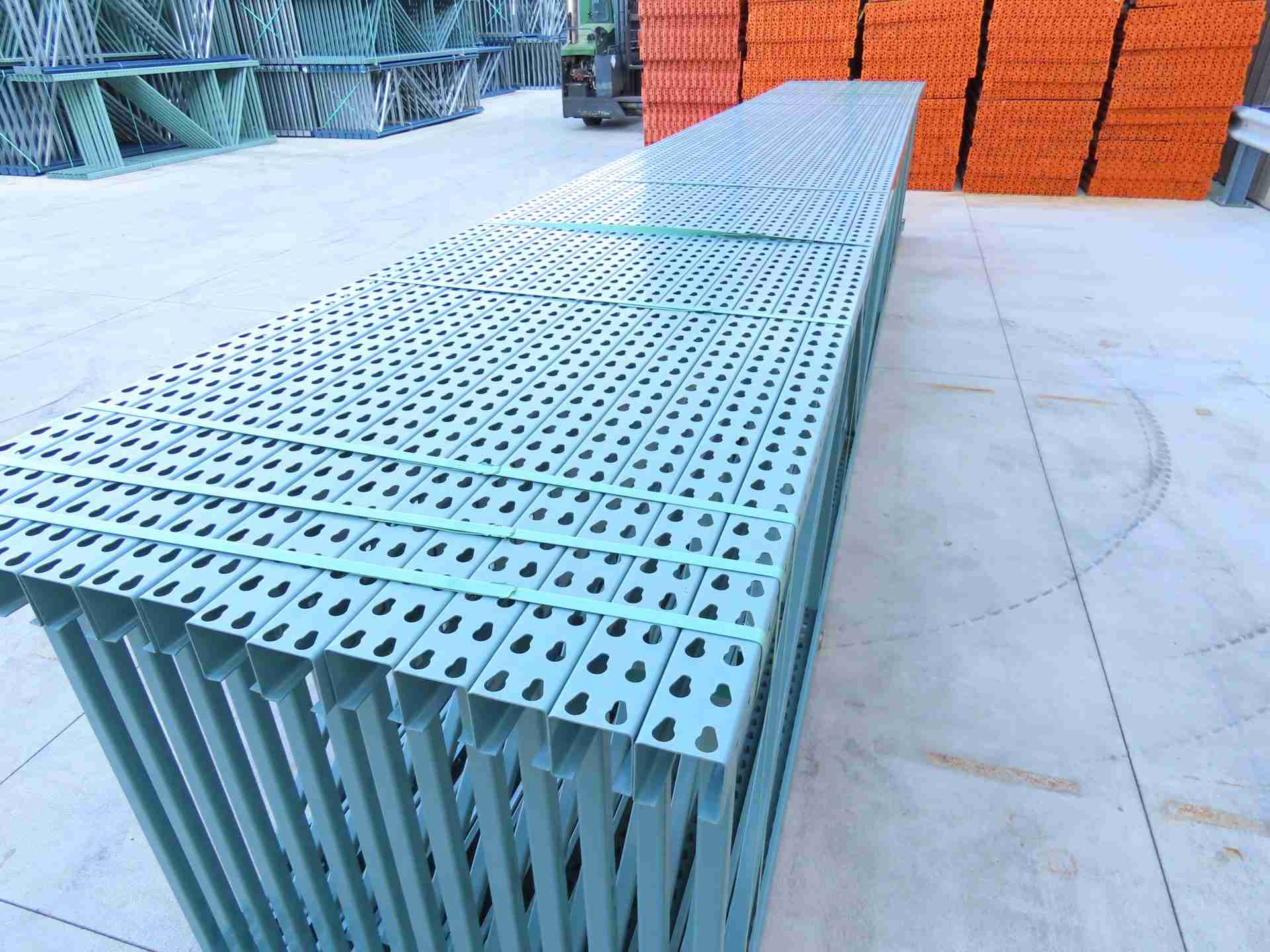
What Game Changing Technologies Are Redefining Warehouse Storage?
What Game Changing Technologies Are Redefining Warehouse Storage?
- Warehouse storage effectiveness is a competitive advantage in today’s business landscape.
- Advanced pallet racking systems provide flexibility to adapt to operational dynamics.
- Automation through AGVs and robotics enhances inventory management with speed and accuracy.
- Intelligent warehouse management systems integrate software to anticipate trends and manage stock efficiently.
- Real-time tracking technologies like RFID improve item location accuracy and reduce losses.
- The adoption of these technologies boosts operational efficiency and overall warehouse performance.
- Investing in modern warehouse solutions positions businesses for long-term success and profitability.
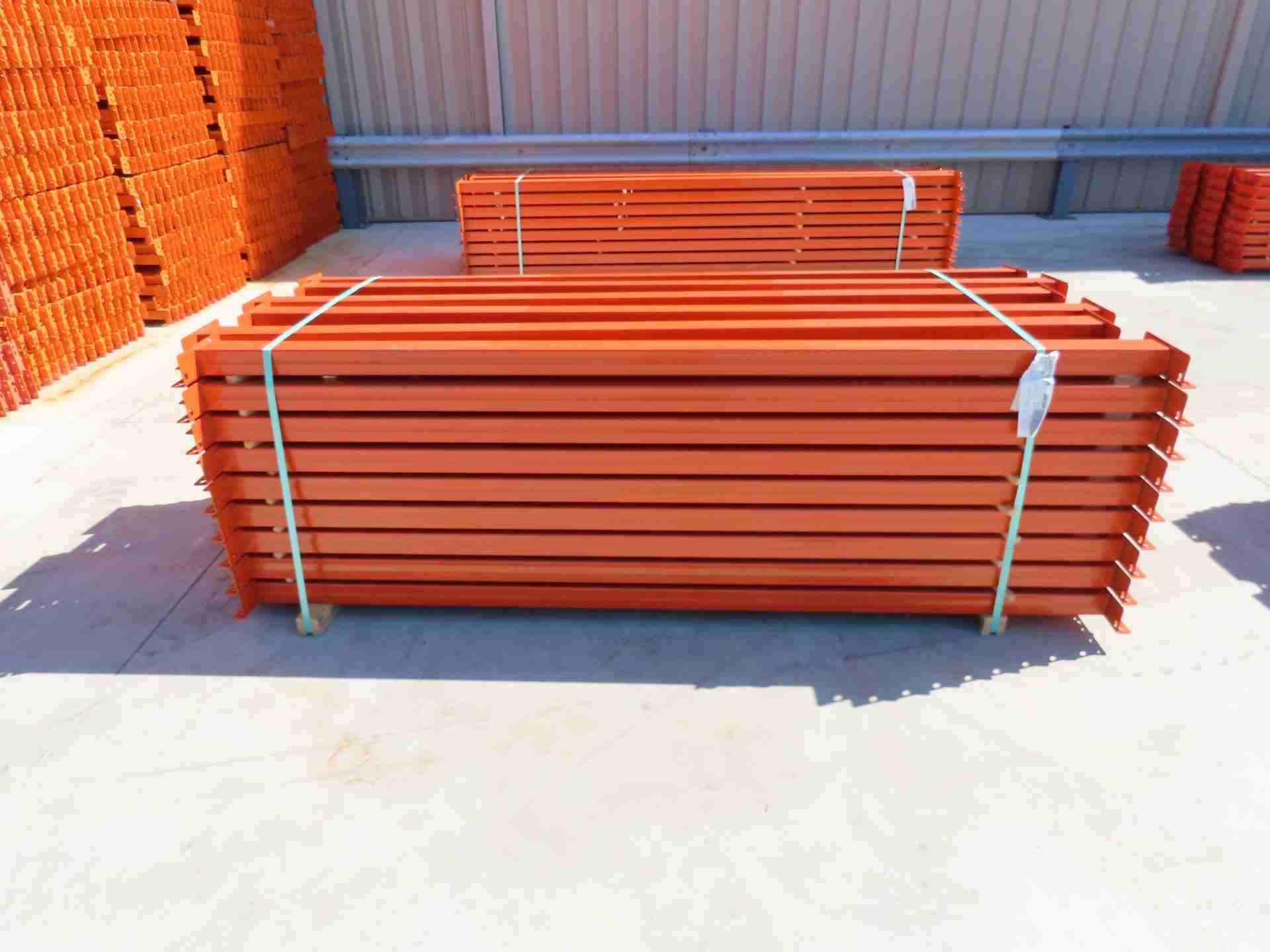
What Game Changing Technologies Are Redefining Warehouse Storage?
Table Of Contents
- What Game Changing Technologies Are Redefining Warehouse Storage?
- What Are The Key Technologies Transforming Warehouse Storage?
- How Does Automation Impact Warehouse Efficiency?
- What Role Does Ai Play In Inventory Management?
- Can Robotics Enhance Order Picking Processes In Warehouses?
- How Are Iot Devices Improving Warehouse Operations?
- What Benefits Do Automated Guided Vehicles Provide?
- Conclusion
- Other Resources
- Glossary Of Terms
- Other Questions
- Checklist
What Are The Key Technologies Transforming Warehouse Storage?
In the ever-evolving landscape of logistics and supply chain management, warehouse storage is undergoing a transformative revolution that stands to benefit businesses of all sizes. At the heart of this change is the integration of cutting-edge technologies designed to increase efficiency and reduce costs while maximizing space. One key player in this transformation is pallet racking, an ingenious system that revolutionizes the way products are organized and accessed.
Imagine walking into a bustling warehouse and being greeted by a towering grid of neatly organized pallets. This isn’t just an aesthetic choice; it’s a strategic advantage. Effective pallet racking systems create an optimized space that allows for a higher density of storage. They maximize vertical space, leading to better inventory management and, ultimately, improved operational efficiency. You want to ensure that every square foot of your warehouse is put to good use, and this technology does just that.
But let’s not stop there. The rapid advancement of automated systems is one of the most exciting trends we’re witnessing. From automated guided vehicles (AGVs) that transport goods effortlessly between locations to sophisticated warehouse management systems (WMS) that provide real-time data on inventory levels, these innovations are streamlining operations like never before. Picture your workforce freed from the drudgery of manual handling and instead empowered to focus on strategic tasks that add value to your business.
Furthermore, the rise of Internet of Things (IoT) technology is enhancing visibility and control over warehouse operations. Sensors embedded in pallet racks can provide valuable insights into stock levels and product location, ensuring your staff knows exactly where to find what they need, precisely when they need it. This not only saves time but also reduces the likelihood of costly errors, fostering a culture of reliability and trust within your logistics operations.
Now, more than ever, investing in these transformative technologies is essential for anyone looking to succeed in today’s competitive marketplace. By embracing advanced pallet racking, automation, and IoT solutions, your warehouse can become a well-oiled machine that adapts to changing demands and sculpts the future of your business.
So, take the leap! Equip your warehouse with technologies that inspire confidence in your efficiency and effectiveness. Make the smarter choice for your operations, and watch your business soar. After all, the right technology doesn’t just enhance your capabilities—it defines your success.

What Are The Key Technologies Transforming Warehouse Storage?
What Are The Key Technologies Transforming Warehouse Storage?
- Warehouse storage is evolving due to transformative technologies aimed at increasing efficiency and reducing costs.
- Pallet racking systems optimize space and enhance inventory management by maximizing vertical storage.
- Automated systems like AGVs and warehouse management systems (WMS) streamline operations and free staff from manual handling.
- The Internet of Things (IoT) technology improves visibility and control by providing real-time insights into stock levels and product locations.
- These advancements foster a culture of reliability and trust in logistics operations by minimizing costly errors.
- Investing in innovative technologies is crucial for success in a competitive marketplace.
- Embracing advanced pallet racking, automation, and IoT can transform your warehouse into a highly efficient operation.
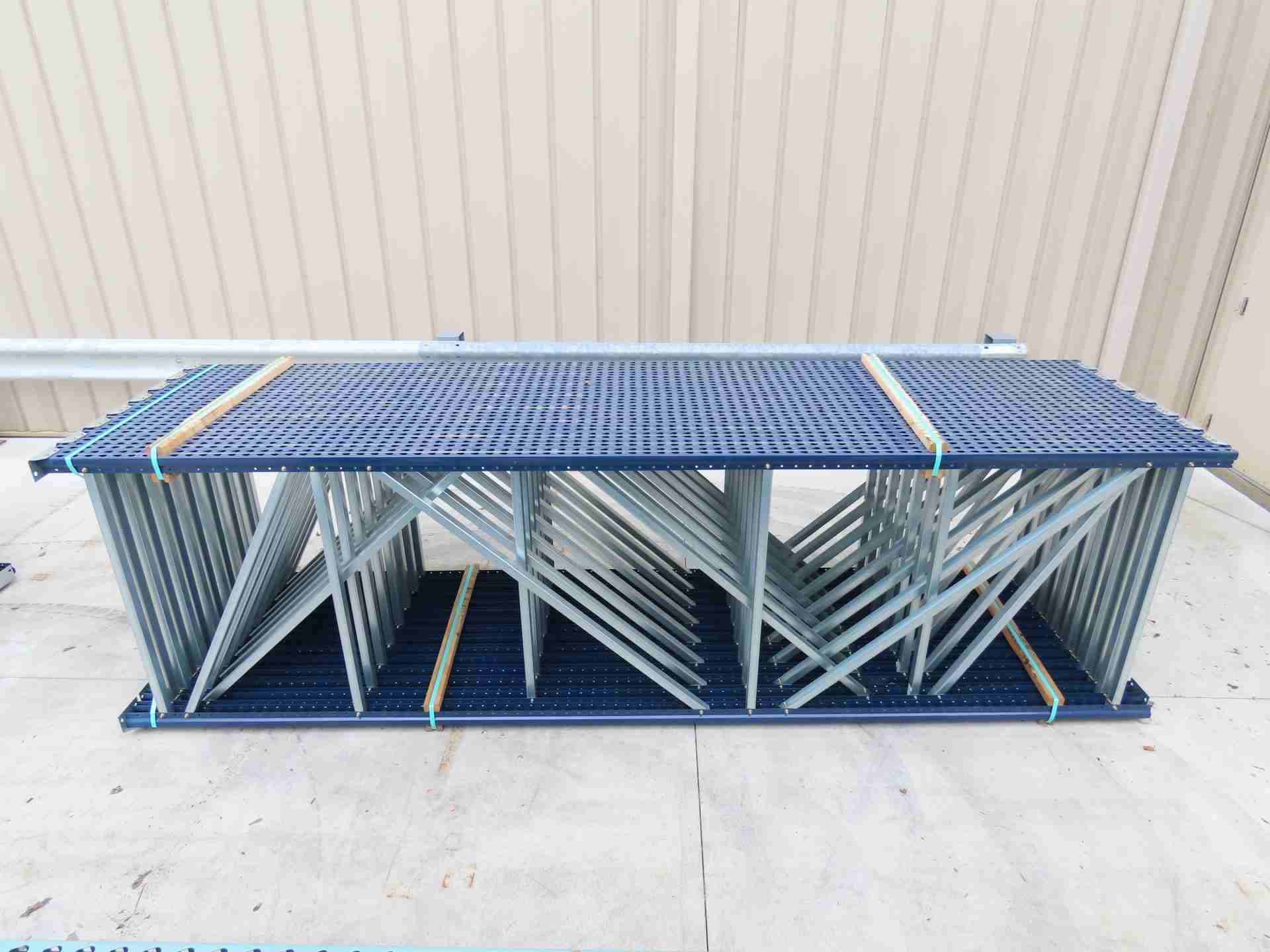
What Are The Key Technologies Transforming Warehouse Storage?
How Does Automation Impact Warehouse Efficiency?
Imagine walking into a warehouse that runs like a well-oiled machine, where every item flows seamlessly from arrival to dispatch. That vision isn’t just a dream—it’s a reality for businesses harnessing the power of automation. But what does this really mean for your operations, and how can it transform your warehouse efficiency?
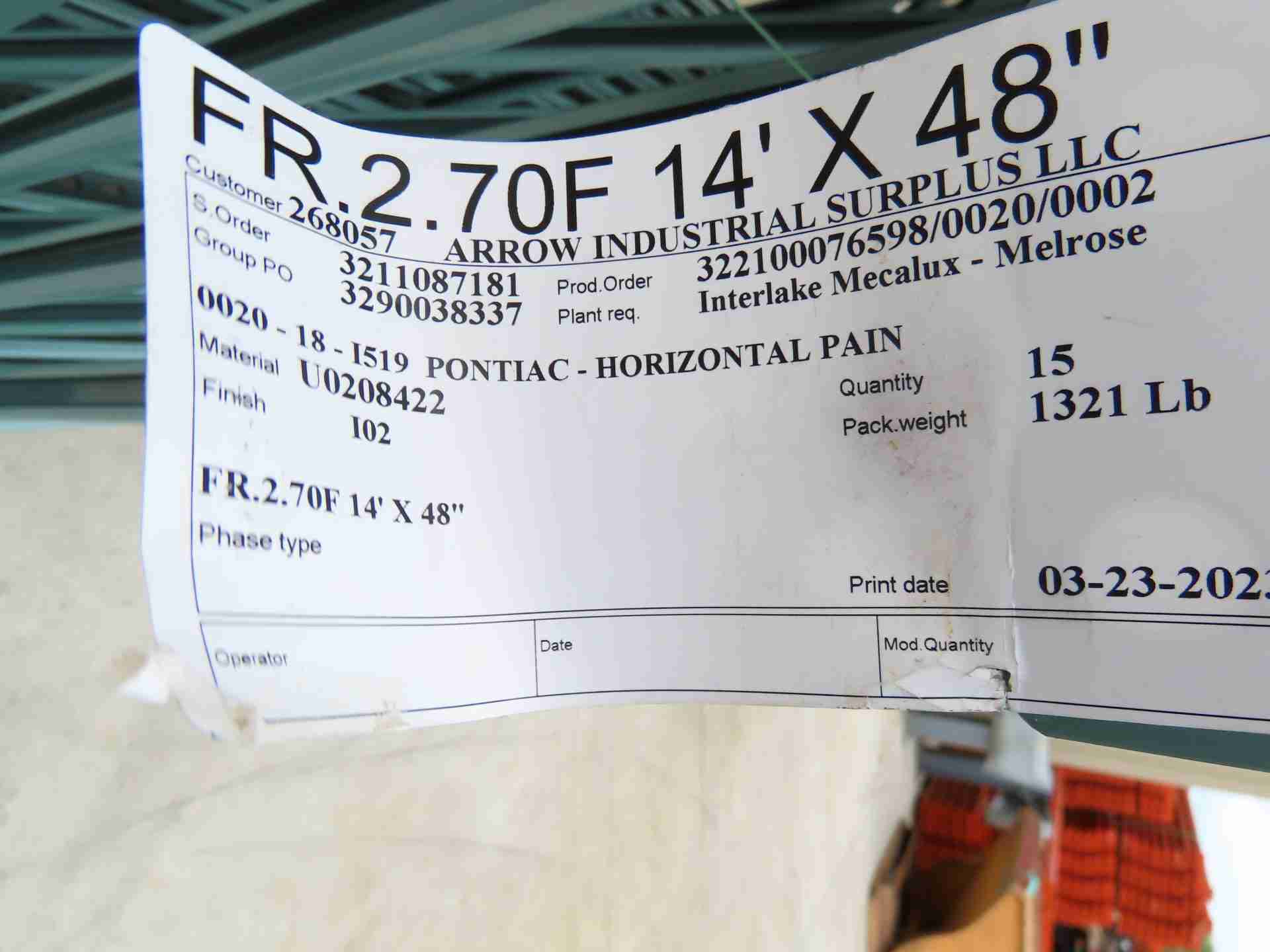
At the heart of this revolution lies the strategic use of technology, particularly in key areas like pallet racking. Traditional methods can often create bottlenecks, but with automation, every square inch of your storage space is optimized. Smart pallet racking systems leverage algorithms to determine the most efficient arrangement of goods. This means faster retrieval times, reduced labor costs, and minimal errors. In layman’s terms: your warehouse becomes a high-speed expressway, rather than a congested parking lot.
But let’s make it relatable. Picture your daily hustle. How much more effective would you be if you spent less time searching for that crucial document or your favorite pen? Automation in a warehouse operates on the same principle. By minimizing wasted time, your team can focus on adding real value rather than merely putting out fires. The result? A motivated workforce eager to drive results rather than being bogged down by repetitive tasks.
Automation doesn’t only enhance the physical layout; it also enriches the data landscape. Enhanced inventory management systems provide real-time insights into stock levels, allowing you to respond faster to customer demands. No more daunting spreadsheets or guesswork. Your decisions are backed by solid data, instilling confidence in your operations and fostering trust with your customers.
You might be thinking, “But what about the costs?” It’s a valid concern. Yet, consider this: the initial investment in automation pays off exponentially as you streamline operations, reduce errors, and cut down on labor costs. Plus, when every product is accounted for and when your output is meeting your customer’s needs, you build not only a stronger bottom line but also lasting relationships.
In a world where efficiency is the key to success, embracing automation is not just a choice; it’s a game changer. If you’re ready to take your warehouse not just to the next level but to a realm of unparalleled potential, it’s time to explore automation. The future is here, and it’s waiting for you to jump on board.
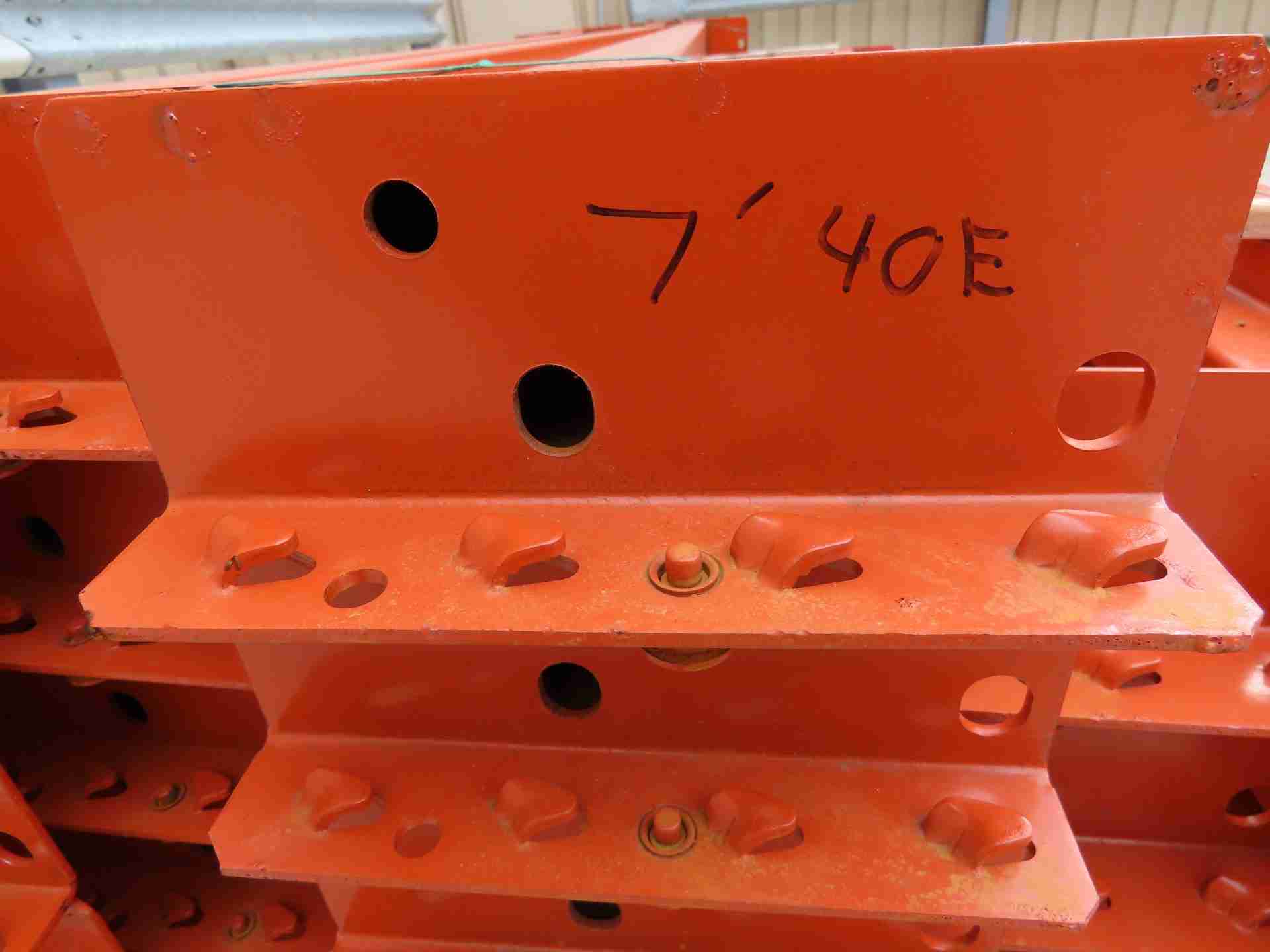
How Does Automation Impact Warehouse Efficiency?
How Does Automation Impact Warehouse Efficiency?
- Modern warehouses operate efficiently through the power of automation, enhancing workflows from arrival to dispatch.
- Automation optimizes storage space with smart pallet racking systems, reducing bottlenecks and speeding up retrieval times.
- The implementation of automation helps lower labor costs and minimizes errors in warehouse operations.
- By reducing wasted time, automation allows teams to focus on value-added tasks, improving workforce motivation.
- Enhanced inventory management provides real-time stock insights, removing the need for daunting spreadsheets and guesswork.
- While initial costs may be a concern, automation leads to significant long-term savings and improved operational efficiency.
- Embracing automation is essential for staying competitive in a fast-paced world and unlocking the full potential of warehouse operations.
How Does Automation Impact Warehouse Efficiency?
What Role Does Ai Play In Inventory Management?
What Role Does AI Play In Inventory Management?
In the bustling world of inventory management, where every decision can make or break a business, the integration of Artificial Intelligence (AI) is nothing short of a game changer. Picture the slumbering stacks of your pallet racking, waiting for the deft hands of AI to invigorate their potential. Suddenly, the once daunting task of inventory management transforms into a seamless symphony of efficiency and accuracy, allowing you to focus on what truly matters: growth and customer satisfaction.
AI technology offers a treasure trove of benefits by analyzing data patterns that humans often overlook. Imagine having an assistant who never tires, who sifts through enormous volumes of inventory data to predict demand, optimize stock levels, and minimize waste. With AI by your side, you can rest assured knowing that your products will be in the right place at the right time, ultimately driving sales and improving customer satisfaction.
Perhaps you’ve experienced sleepless nights over excess stock or, conversely, stockouts that frustrate your customers. AI stands as a solid ally, minimizing those headaches. By feeding it the right data, you empower your AI systems to forecast demand with stunning accuracy. It goes beyond simply tracking what’s moving in and out of your pallet racking; AI can tell you what will likely trend next week, next month, or even next season. This predictive capability keeps your inventory lean and responsive, and trust us, your profit margins will be mighty grateful.
Collaboration with other technologies further enhances AI’s effectiveness. For example, integrating it with warehouse management systems can streamline your processes significantly. No more guesswork or reactive approaches; with AI at your fingertips, you can maintain optimal inventory levels effortlessly, reducing both overstock and understock situations.
Adopting AI in your inventory management isn’t just a tactical maneuver; it’s a strategic investment in the future. By leveraging these sophisticated tools, you’re not just surviving in the competitive landscape; you’re thriving. Envision an operation that runs like a well-oiled machine, where every item on your pallet racking is accounted for and positioned for maximum profitability.
So, are you ready to take control of your inventory like never before? The path is clear and your resources await. Embrace AI in your inventory management today, and let your business soar beyond expectations!
What Role Does Ai Play In Inventory Management?
What Role Does Ai Play In Inventory Management?
- AI integration revolutionizes inventory management, enhancing efficiency and accuracy.
- AI analyzes data patterns to predict demand and optimize stock levels, minimizing waste.
- Helps maintain product availability, reducing excess stock and stockouts, leading to improved customer satisfaction.
- Predictive capabilities allow businesses to anticipate trends and optimize inventory responsiveness.
- Collaboration with other technologies, such as warehouse management systems, enhances AI effectiveness.
- Investing in AI is a strategic move for long-term success in a competitive landscape.
- Embracing AI offers businesses the potential for significant growth and streamlined operations.

What Role Does Ai Play In Inventory Management?
Can Robotics Enhance Order Picking Processes In Warehouses?
Imagine walking into a warehouse where every inch of space is optimized, every pallet racking system is seamlessly integrated, and orders are fulfilled in a fraction of the time it used to take. This isn’t just a vision of the future—it’s the reality that robotics can bring to your order picking processes today. In an industry where speed and accuracy hinge upon meticulous logistics, embracing robotics isn’t merely an option; it’s becoming a necessity.
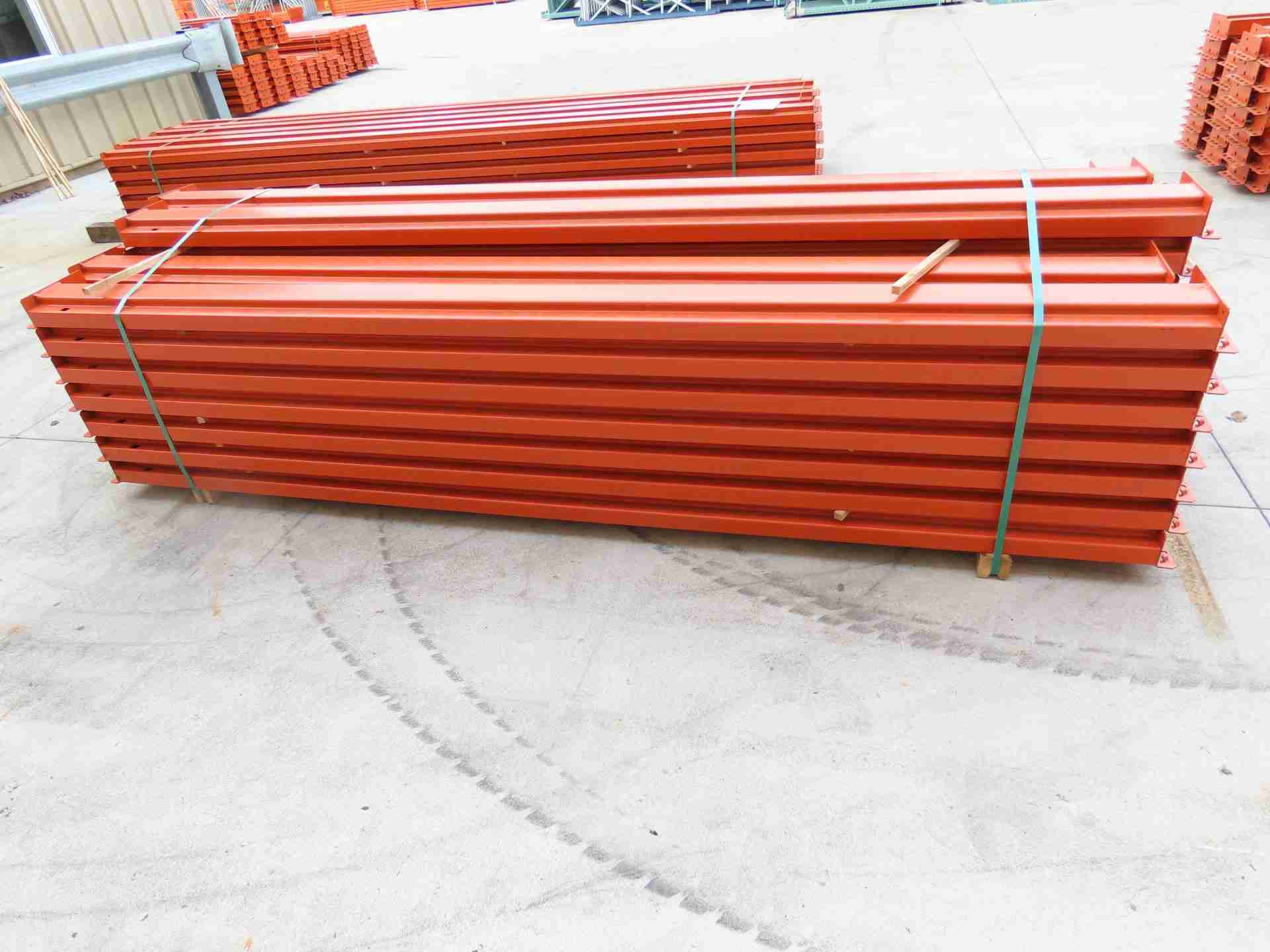
Let’s talk about those moments when everything seems to slow down. Picture your team navigating through rows of stacked goods, searching for the right item among an ocean of pallets. Frustrating, isn’t it? Now, think of robots gliding effortlessly between pallet racking systems, picking items with pinpoint accuracy and delivering them to workers at lightning speed. This synergy between human intelligence and robotic efficiency leads to a more streamlined operation that boosts morale, enhances productivity, and ultimately increases your bottom line.
“Isn’t robotics expensive?” you might wonder. It’s understandable to have concerns about the initial investment. However, consider these numbers: industry leaders have reported up to 30% reductions in order-picking times after integrating robotic systems. That’s 30% more output and potentially a similar reduction in labor costs. With a smart investment, the savings can pay for themselves in no time, transforming your overhead into a model of efficiency.
The beauty of robotics is that it doesn’t replace your workforce but elevates it—allowing your team to focus on more complex tasks, improving job satisfaction, and minimizing the physical strain associated with manual picking. For every success story out there, there are organizations like yours that have made the leap and witnessed remarkable transformations. They’ve embraced innovation, adapted, and now enjoy a distinct competitive edge.
So, are you ready to take that step? The world is moving fast, and the warehouses that refuse to evolve may find themselves left behind. Start small; test robotics in a section of your operation. Explore solutions that fit within your existing pallet racking systems, and see how adaptable and seamless the technology can be.
Investing in robotics isn’t just about keeping up; it’s about leading the charge into a new age of efficiency. Give your warehouse the upgrade it deserves and set yourself apart in a crowded marketplace. Partners in innovation are just a decision away. Let’s make it happen!
Can Robotics Enhance Order Picking Processes In Warehouses?
Can Robotics Enhance Order Picking Processes In Warehouses?
- Robotics can optimize warehouse spaces, enhancing order picking efficiency.
- Integration of robots leads to reduced time and errors in fulfilling orders.
- Robots improve workflow by swiftly navigating pallet racking systems.
- Employing robotics can result in up to 30% reductions in order-picking times.
- Robots elevate workforce capabilities, allowing teams to tackle more complex tasks.
- Organizations leveraging robotics gain a competitive edge by embracing innovation.
- Investing in robotics is essential for staying ahead in a fast-evolving industry.
Can Robotics Enhance Order Picking Processes In Warehouses?
How Are Iot Devices Improving Warehouse Operations?
How Are IoT Devices Improving Warehouse Operations?
Imagine a bustling warehouse—forklifts whizzing by, boxes being stacked and sorted with precision, all orchestrated like a well-rehearsed dance. Now, picture this efficiency multiplied exponentially through the power of IoT devices. Yes, the Internet of Things is revolutionizing the way we handle operations, and the most exciting part? It’s accessible to every warehouse, big or small.
Let’s start with the core structure—the pallet racking. Gone are the days when you had to rely solely on manual labor to track inventory and optimize space. Today’s IoT devices enable real-time monitoring of pallet racking systems. Sensors attached to your racking can provide instant feedback on which items are moving quickly, which ones are stagnating, and where there’s an opportunity to maximize space. This pivotal information allows for more informed decisions, reducing waste and increasing profitability.
And it’s not just about efficiency; it’s about peace of mind. With IoT technology, you can trust that your warehouse is not just organized but also optimized for performance. Imagine having access to live data from every corner of your operation—knowing exactly where each pallet stands, what’s on it, and how long it’s been there. You can recognize patterns and trends at a glance, automatically adjusting your operations to meet evolving demands.
Moreover, with predictive analytics powered by IoT, your warehouse can shift from a reactive to a proactive stance. Instead of waiting for shortages or excess inventory to disrupt operations, you’ll have a crystal-clear view of your supply chain’s future, allowing you to act before issues arise. This foresight not only saves time and resources but cultivates a culture of reliability and trust both within your team and with your clients.
So, when you think of warehouse operations, think beyond traditional tactics. The integration of IoT devices paves the pathway to a new era—one where innovation meets tangible results. By investing in this technology, you’re not merely upgrading equipment; you’re taking a bold leap into a more efficient, reliable, and connected future.
Don’t let your warehouse fall behind. Embrace the change. Elevate your operations. Discover the transformative impact of IoT devices today! Your journey toward an optimized warehouse begins now.
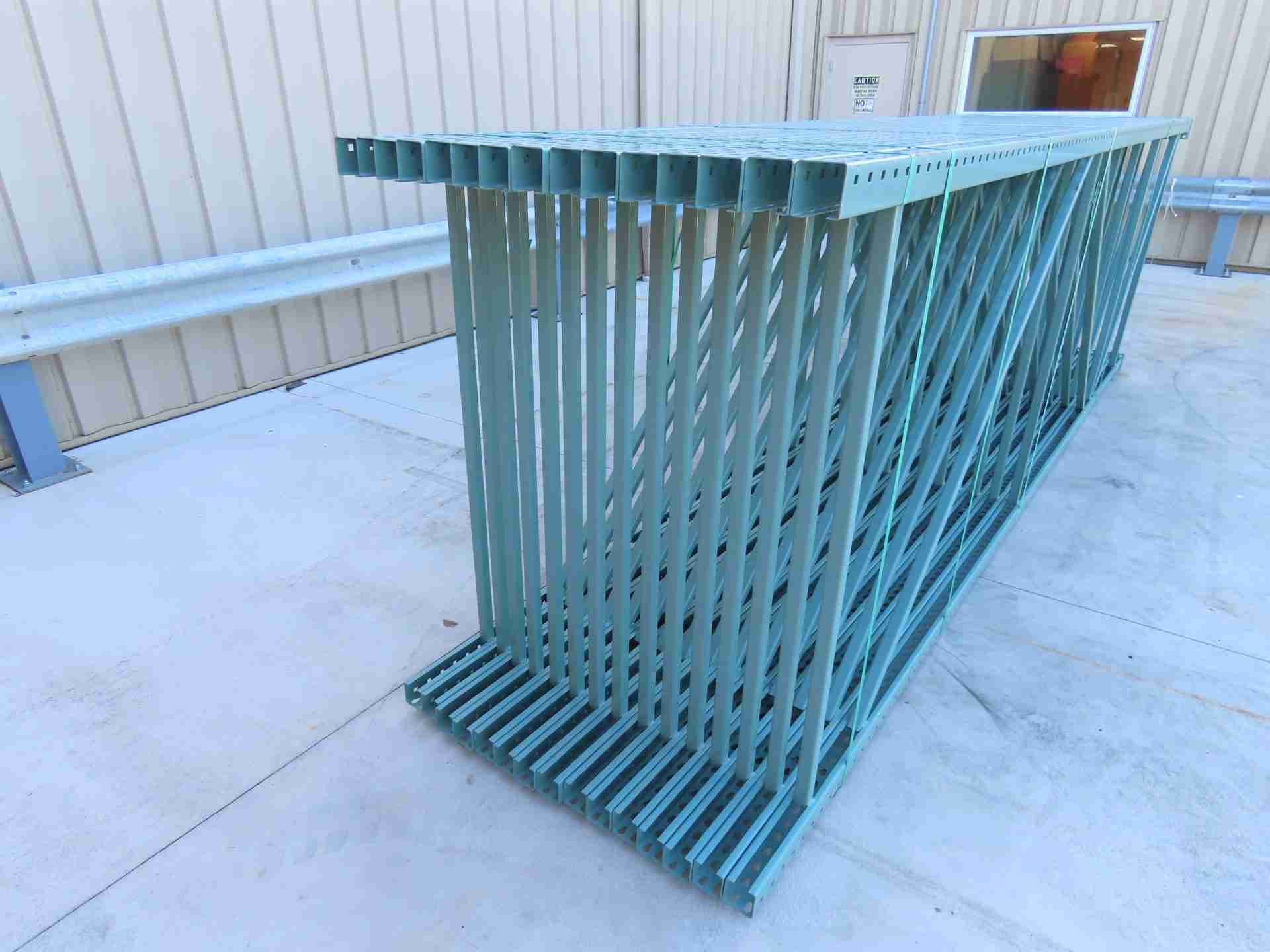
How Are Iot Devices Improving Warehouse Operations?
How Are Iot Devices Improving Warehouse Operations?
- IoT devices are revolutionizing warehouse operations, making efficiency accessible to all sizes of warehouses.
- Real-time monitoring of pallet racking systems helps track inventory and optimize space.
- Sensors provide instant feedback on item movement, enabling informed decisions to reduce waste and increase profitability.
- Access to live data allows for efficient organization and performance optimization within the warehouse.
- Predictive analytics move warehouses from reactive to proactive operations, anticipating supply chain issues before they arise.
- Integrating IoT devices represents a significant upgrade to warehouse operations, driving innovation and tangible results.
- Investing in IoT technology leads to more efficient, reliable, and connected warehouse environments.
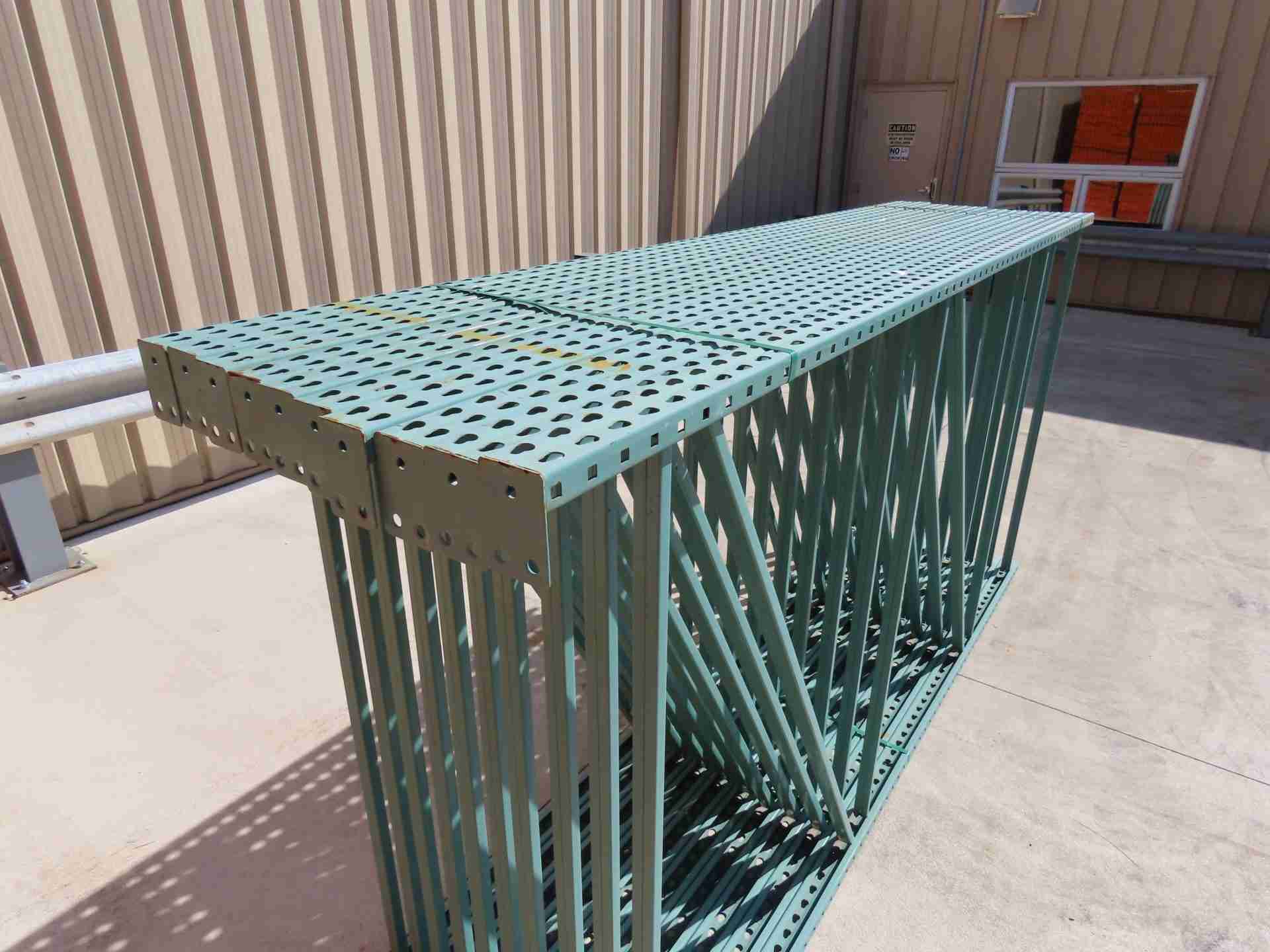
How Are Iot Devices Improving Warehouse Operations?
What Benefits Do Automated Guided Vehicles Provide?
Imagine a bustling warehouse, where the hum of activity meets the intelligent choreography of machines that work tirelessly to keep goods moving seamlessly. Enter the world of Automated Guided Vehicles (AGVs)—your ultimate partner in maximizing efficiency and streamlining operations. Why settle for less when the future of logistics is right at your fingertips?
First, let’s consider the impressive speeds and precision of AGVs. These technological marvels navigate through your facility with ease, ensuring that your pallet racking systems are utilized to their fullest potential. No more bottlenecks or delays in transportation—AGVs efficiently transport items from one end of your warehouse to the other, keeping your operations smooth and your workers focused on the tasks that truly matter.
But the benefits don’t stop at efficiency. AGVs are designed with safety in mind, reducing the risk of accidents that can occur in busy work environments. With advanced sensors and intelligent navigation systems, these vehicles help create a safer workplace, allowing your team to operate with confidence and peace of mind. Imagine the relief you’ll feel knowing that human error is minimized, and safety protocols are maintained.
Another compelling advantage is cost savings. While the initial investment in AGVs may seem daunting, think of it as a strategic decision rather than a cost. The return on investment is tangible: decreased labor costs, reduced losses from damaged goods, and improved throughput. Indeed, when it comes to the bottom line, AGVs are not just an upgrade—they are a game-changer.
Let’s not forget the flexibility AGVs bring to your operations. Whether your configuration involves high-density pallet racking or a more complex setup, these vehicles adapt to your specific needs. You can easily integrate AGVs into your existing infrastructure, making them an ideal solution for businesses looking to scale without significant disruptions.
Finally, let’s talk about the profound impact on employee morale. Automating repetitive tasks allows your workforce to engage in more meaningful, value-added activities. This results in higher job satisfaction and retention rates, creating a vibrant workplace culture that thrives on innovation.
So, are you ready to embrace the future? Implementing Automated Guided Vehicles in your operations can elevate your business to new heights of efficiency, safety, and profitability. Join the ranks of forward-thinking companies and watch as your logistics operations transform before your very eyes. It’s time to take the leap and invest in a smarter solution for a brighter tomorrow!
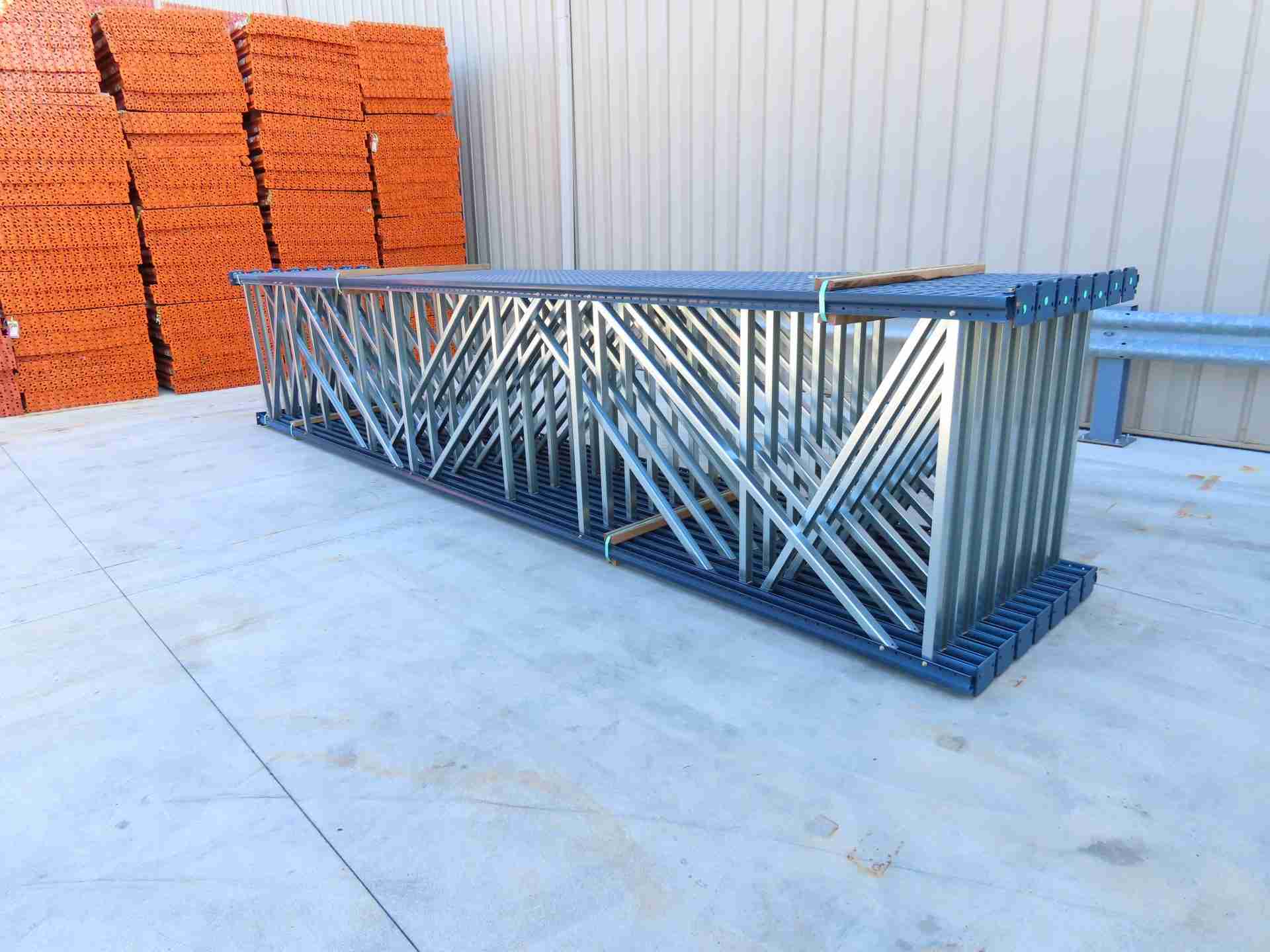
What Benefits Do Automated Guided Vehicles Provide?
What Benefits Do Automated Guided Vehicles Provide?
- Automated Guided Vehicles (AGVs) enhance efficiency and streamline warehouse operations.
- AGVs navigate quickly and precisely, eliminating bottlenecks and ensuring optimal use of pallet racking systems.
- They improve workplace safety by minimizing the risk of accidents through advanced sensors and navigation.
- AGVs represent a strategic investment that leads to cost savings, including lower labor costs and reduced damage to goods.
- These vehicles offer flexibility, easily integrating into existing warehouse configurations without major disruptions.
- Employee morale improves as AGVs automate repetitive tasks, allowing workers to engage in more meaningful activities.
- Embracing AGVs can elevate logistics operations, promoting a safer, more profitable, and innovative business environment.

What Benefits Do Automated Guided Vehicles Provide?
Conclusion
Conclusion: Transform Your Warehouse Today
As you stand on the threshold of a new era in warehouse management, remember that the effectiveness of your storage solutions is not merely a preference; it’s a pivotal competitive advantage. The transformative technologies redefining warehouse storage are not just here to improve operations; they’re revolutionizing the industry. The advent of advanced pallet racking systems, sophisticated automation, cutting-edge warehouse management software, and real-time IoT tracking are the cornerstones of this revolution.
Consider this: Every square foot of your warehouse represents an opportunity—one that can be maximized through innovations designed to fit your unique operational needs. With technologies like Automated Guided Vehicles (AGVs) and intelligent warehouse management systems, you can live the dream of a finely tuned operation where efficiency reigns, all while reducing labor costs and minimizing errors. Imagine a workspace where robots seamlessly pick orders, inventory levels are effortlessly maintained, and each pallet is precisely located with RFID technology. The potential for streamlined operations is staggering!
Your warehouse holds the power to become a beacon of efficiency, propelling your business to new heights. The strategic integration of these technologies is a proactive approach to management that goes beyond keeping up with the competition—it places your business in the vanguard of innovation. And with AI’s ability to enhance inventory management and IoT devices providing real-time operational insights, you can enjoy the peace of mind that comes from knowing your operations are not only efficient but also forward-thinking.
But time is of the essence. The businesses that hesitate in adopting these groundbreaking technologies may find themselves left behind in a rapidly evolving market. The future is not an abstract concept; it’s a choice you can make today. Call Arrow Industrial Sales at (574) 349-6575 to explore your warehouse’s potential and take the first step toward transforming your operations. Don’t let this opportunity slip through your fingers; the benefits of modernization are too significant to ignore.
Embrace this technological revolution today, and pave the way for a more efficient and profitable tomorrow. The future of your warehouse is bright—let’s make it a reality together!

Conclusion
Conclusion:
- The effectiveness of storage solutions is a crucial competitive advantage in warehouse management.
- Transformative technologies are revolutionizing the industry and improving operations.
- Advanced pallet racking, automation, warehouse management software, and IoT tracking are key components of this transformation.
- Embracing innovations like AGVs and intelligent systems enhances operational efficiency while reducing labor costs and errors.
- Integration of AI and IoT devices allows for improved inventory management and real-time insights.
- Businesses that hesitate to adopt these technologies risk falling behind in a rapidly changing market.
- Contact Arrow Industrial Sales at (574) 349-6575 to explore modernization options for your warehouse.
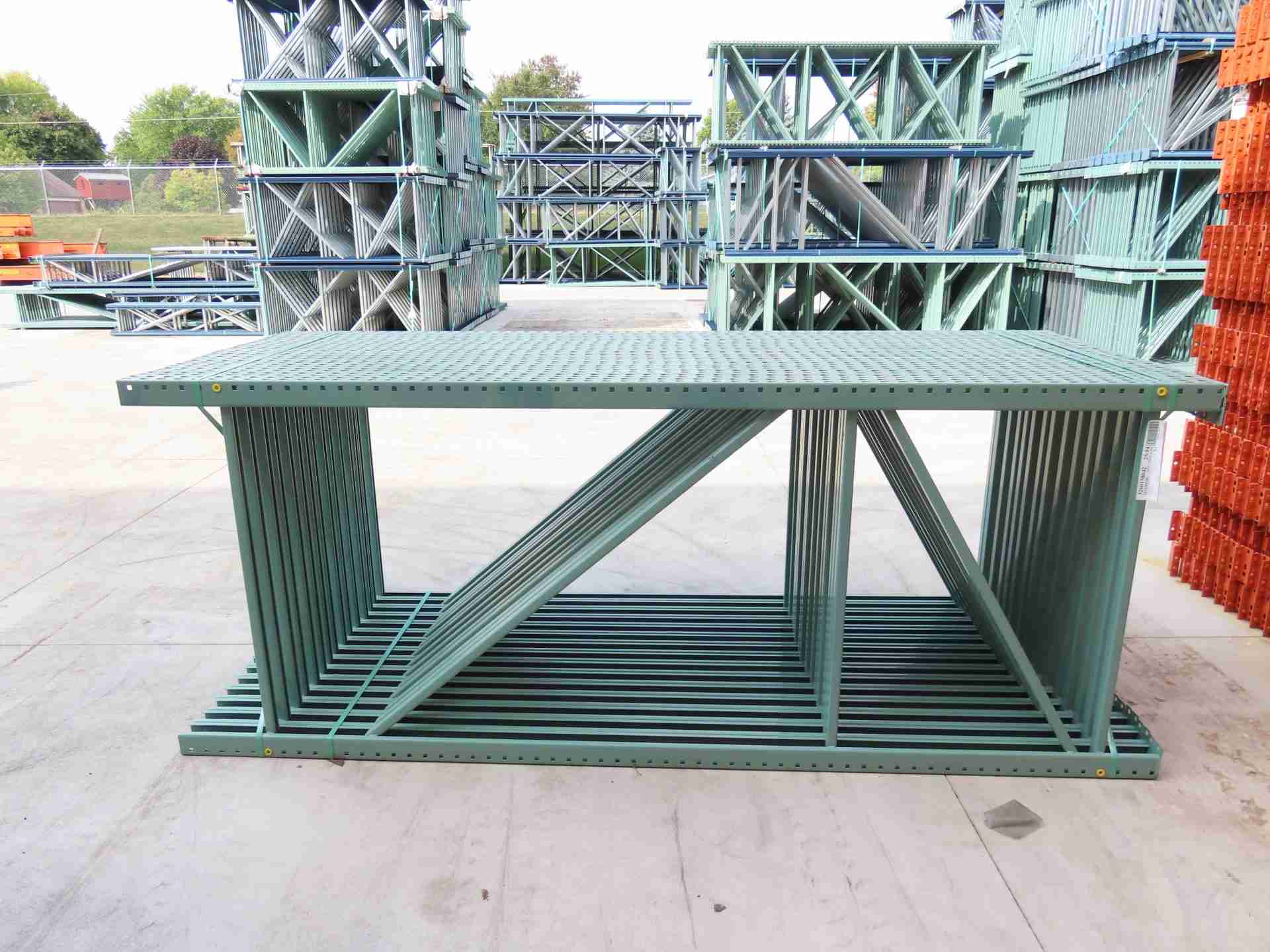
Conclusion
Other Resources
Other Resources
Here is a list of other resources you can review online to learn more:
- Rack Manufacturers Institute
- RMI
- Bradford Systems
- Storage Equipment Manufacturers’ Association
- Illinois Pallet Racking – Storage Solutions
- SEMA
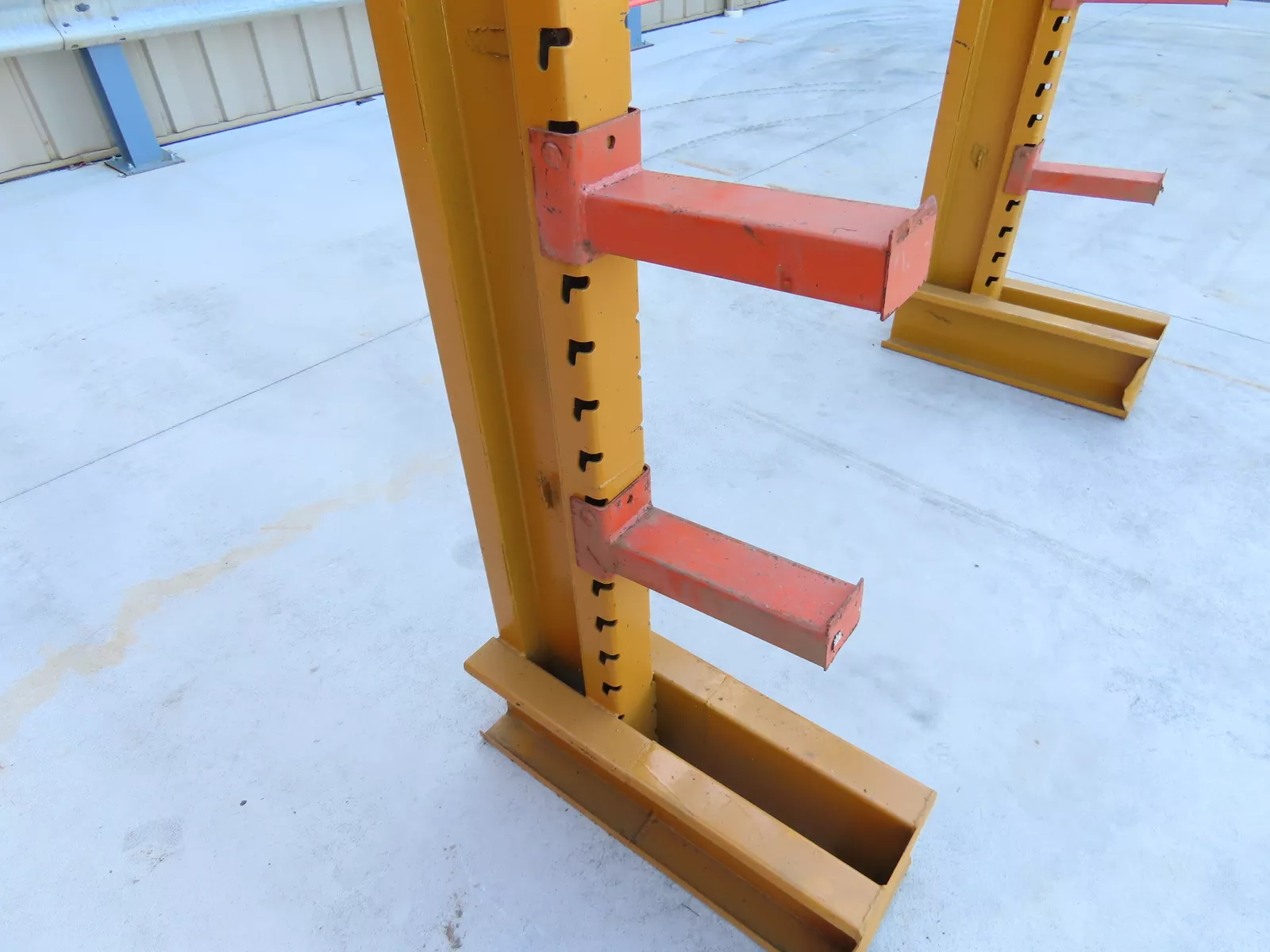
- Heavy-Duty Cantilever Storage Racks
- Chicago Pallet Racking
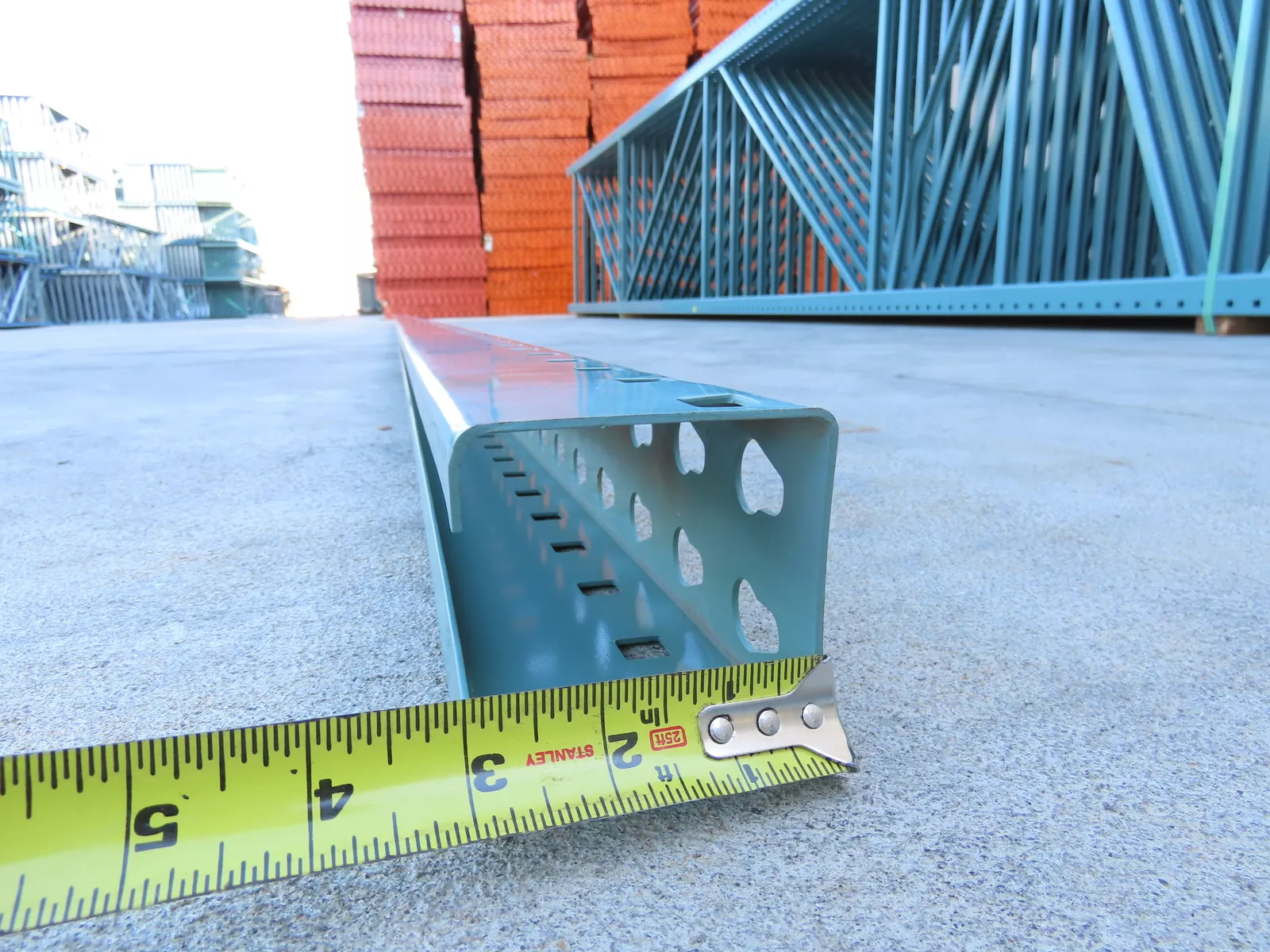
- Used Teardrop Pallet Rack – American Surplus
- American Surplus
Use This Prompt To Get More Resources With Your Favorite Online AI Tool: Please provide me with a list of online articles with their URLs in a bulleted list that I can read regarding What Game Changing Technologies Are Redefining Warehouse Storage?
Other Resources
Glossary Terms
What Game Changing Technologies Are Redefining Warehouse Storage? – Glossary Of Terms
1. Automation: The use of technology to perform tasks without human intervention, optimizing warehouse operations and reducing labor costs.
2. Robotic Process Automation (RPA): Software technology using robots to automate repetitive tasks in supply chain and warehousing processes.
3. Artificial Intelligence (AI): Simulation of human intelligence in machines to optimize inventory management, predict demand, and improve decision-making.
4. Machine Learning (ML): A subset of AI that allows systems to learn and improve from experience without explicit programming; used for predictive analytics in inventory.
5. Internet of Things (IoT): The network of interconnected devices that communicate data; used for real-time tracking of inventory and equipment in warehouses.
6. Automated Guided Vehicles (AGVs): Mobile robots that follow markers or wires in the floor to transport goods around a warehouse.
7. Drones: Unmanned aerial vehicles used for inventory checks and stock movement, allowing for faster and more accurate stock management.
8. Warehouse Management System (WMS): Software designed to support warehouse operations, including inventory management, order fulfillment, and shipping logistics.
9. Cloud Computing: On-demand availability of computing resources over the internet, enabling remote access to data and applications for warehouse management.
10. Big Data Analytics: The analysis of large data sets to reveal patterns, trends, and associations; helps in optimizing inventory and forecasting demand.
11. Barcode Scanning: The use of barcode technology to track products as they move through the warehouse, improving accuracy and speed in inventory management.
12. RFID (Radio Frequency Identification): A technology that uses radio waves to automatically identify and track tags attached to objects, enhancing inventory control.
13. Augmented Reality (AR): The integration of digital information with the user’s environment in real time, used for training and picking processes in warehouses.
14. Virtual Reality (VR): A simulated experience that can be similar or completely different from the real world, used for training simulations in warehouse settings.
15. 3D Printing: The additive manufacturing technology that creates products layer by layer, reducing the need for storage of certain types of inventory.
16. Smart Shelving: Advanced shelving systems equipped with sensors and tracking technology to monitor stock levels and optimize space usage.
17. Pick-to-Light Systems: A technology that guides warehouse staff to items to be picked using lights, improving picking accuracy and efficiency.
18. Voice Picking: A hands-free picking method where workers receive instructions via a headset, enhancing productivity and accuracy in order fulfillment.
19. Cross-Docking: A logistics practice where incoming goods are directly transferred to outgoing shipments, minimizing storage time and costs.
20. Lean Warehousing: An approach that focuses on minimizing waste and increasing efficiency in warehouse operations through continuous improvement.
21. Sustainability Technologies: Innovations aimed at reducing the environmental impact of warehousing, such as energy-efficient lighting and renewable energy sources.
22. Last-Mile Delivery Solutions: Technologies that improve the transport of goods from a warehouse to the final customer, enhancing logistics and customer satisfaction.
23. Temperature-Controlled Storage: Warehouse facilities designed to store products requiring specific temperature conditions, crucial for perishable goods.
24. Multi-Channel Fulfillment: A strategy that allows warehouses to fulfill orders from various sales channels, increasing flexibility and efficiency.
25. Kiva Systems (now Amazon Robotics): A system of autonomous mobile robots for automated shelving and order picking, revolutionizing traditional warehouse layouts.
26. Collaborative Robots (Cobots): Robots designed to work alongside humans to assist with tasks in the warehouse, enhancing productivity without replacing human workers.
27. Stock Keeping Unit (SKU): A unique identifier for each distinct product and service that can be purchased, crucial for effective inventory management.
28. Agile Warehousing: The ability of a warehouse to quickly adapt to changes in demand, utilizing technology and flexibility in operations to meet evolving needs.
29. Order Management System (OMS): A system that manages the entire order lifecycle, facilitating order processing, tracking, and fulfillment management.
30. Predictive Maintenance: The use of data analytics to predict when equipment and machinery will require maintenance, minimizing downtime and improving efficiency.

Glossary Of Terms
Other Questions
What Game Changing Technologies Are Redefining Warehouse Storage? – Other Questions
If you wish to explore and discover more, consider looking for answers to these questions:
- What are the costs associated with implementing these new warehouse technologies?
- How can small businesses benefit from these advanced warehouse technologies?
- What are the challenges faced during the integration of automation and IoT in warehouses?
- How can I choose the right warehouse management system for my business?
- What training will my staff need to adapt to these new technologies?
- Are there case studies or success stories of businesses that have successfully adopted these technologies?
- What is the future direction of warehouse technologies?
- How do these technologies impact employee jobs and responsibilities?
- What maintenance is required for automated systems and IoT devices?
- Can these technologies be customized for specific industry needs?
- What are the environmental impacts of implementing these advanced technologies?
- How do I measure the return on investment for these new technologies?
- What are the security risks associated with IoT devices in warehouses?
- How can I ensure data accuracy when implementing AI in inventory management?
Other Questions
Checklist
What Game Changing Technologies Are Redefining Warehouse Storage? – A Checklist
Checklist for Transforming Your Warehouse Storage with Game-Changing Technologies
Use this checklist as a guide to implement the latest technologies that can revolutionize your warehouse storage and boost overall efficiency.
1. Evaluate Your Current Pallet Racking System
_____ Assess the adaptability of your existing pallet racking system.
_____ Identify opportunities for vertical space maximization.
_____ Analyze the current layout for potential reconfiguration.
2. Explore Advanced Pallet Racking Solutions
_____ Research advanced racking systems that offer adjustable shelving.
_____ Consider modular designs that can evolve with inventory needs.
_____ Consult with suppliers or experts for tailored solutions.
3. Implement Automation Technologies
_____ Evaluate the potential of Automated Guided Vehicles (AGVs) for your operations.
_____ Identify processes that can be automated to enhance speed and accuracy.
_____ Assess the ROI of automation tools and robotics.
4. Invest in Intelligent Warehouse Management Systems (WMS)
_____ Research WMS solutions that integrate seamlessly with existing operations.
_____ Ensure the system can provide real-time inventory tracking and analytics.
_____ Look for features that support demand forecasting and stock level management.
5. Leverage Real-Time Tracking Technologies
_____ Explore RFID technology for accurate inventory tracking.
_____ Implement systems that offer visibility into the location and status of products.
_____ Set up alerts for low stock or discrepancies in inventory.
6. Consider Internet of Things (IoT) Integrations
_____ Evaluate the potential for IoT devices to monitor pallet locations and conditions.
_____ Implement sensors that provide data on stock movement and inventory levels.
_____ Utilize predictive analytics from IoT data to prevent shortages and overstock situations.
7. Emphasize AI in Inventory Management
_____ Research AI tools that analyze inventory data for demand prediction.
_____ Implement AI-powered systems that automate reordering processes.
_____ Integrate AI solutions with your WMS for improved inventory accuracy.
8. Analyze the Benefits of Robotics
_____ Evaluate how robotics can enhance order picking and fulfillment processes.
_____ Research potential suppliers and solutions for robotic systems.
_____ Pilot a robotics solution in a designated area of your warehouse.
9. Prioritize Employee Training and Engagement
_____ Develop a training program for staff to familiarize them with new technologies.
_____ Encourage feedback from employees on technology integration.
_____ Promote a culture of innovation and continuous improvement within your team.
10. Measure and Monitor Success
_____ Define key performance indicators (KPIs) to evaluate technology impact.
_____ Regularly review performance metrics to identify areas for further improvement.
_____ Adapt and iterate on technology solutions based on collected data and feedback.
Conclusion
By following this checklist, you can take proactive steps to modernize your warehouse operations, ensuring you’re positioned for success in a competitive marketplace. Embrace these game-changing technologies and watch your efficiency soar!
Checklist
At RackingWorld, we help guide you through selecting warehouse storage systems and racking.
Be sure to read our other related stories at RackingWorld to learn more about warehouse storage systems.
0 Comments