
Proactive Measures For Warehouse Security
By Tom Seest
At RackingWorld, we help guide you through selecting warehouse storage systems and racking.
Be sure to read our other related stories at RackingWorld to learn more about warehouse storage systems.
How Can You Secure Your Warehouse Against The Unexpected?
When you think about securing your warehouse, what comes to mind? Perhaps it’s the physical barriers like locks and alarms or maybe the technological solutions that are out there. But let’s dig deeper. What happens when an unexpected event disrupts your operations? When you’re focused on maximizing your profit margins and efficiency, the last thing you need is a disaster sending you back to square one.
First and foremost, consider the backbone of your inventory management system: your pallet racking. These essential structures are often overlooked, but they hold the key to ensuring safety and functionality in your warehouse. Think about it—when you have a sound pallet racking system, you’re not just optimizing space; you’re also reducing the risk of accidents and losses. A well-designed pallet racking system minimizes the chances of items falling, which can injure workers and damage goods.
But let’s talk about the unexpected. No one likes to think about the “what ifs,” but the truth is, they happen. Natural disasters, supply chain interruptions, or even accidents can strike when you least expect them. To proactively secure your warehouse, ensure that your pallet racking is anchored properly, regularly inspected, and meets safety standards. Implementing a rigorous maintenance schedule not only secures your assets but boosts staff morale by cultivating a safe working environment.
Now, let’s layer on the technology. Modern surveillance systems and inventory tracking technology provide an additional layer of security and can help mitigate potential disruptions. Imagine knowing in real-time when something is off—where products are stored, how they’re moving, and spotting discrepancies before they turn into significant issues.
Ultimately, fostering a culture of preparedness will empower your team, making them feel like a critical part of a robust defense strategy. Call your team together and engage them in discussions about risk assessment. Their insights are invaluable and could reveal vulnerabilities you hadn’t even considered.
Your warehouse is more than just a place to store goods; it’s an extension of your business identity. By prioritizing the security of your pallet racking and reinforcing your preparedness strategies, you aren’t just protecting your inventory; you’re fortifying your business against uncertainties. And in today’s ever-changing landscape, that peace of mind is worth its weight in gold. Don’t wait for the unexpected to knock on your door—take action now!

How Can You Secure Your Warehouse Against The Unexpected?
How Can You Secure Your Warehouse Against The Unexpected?
- Consider both physical barriers and technological solutions for warehouse security.
- Pallet racking systems are essential for safety and efficiency in inventory management.
- A well-designed pallet racking system reduces risks of accidents and product damage.
- Prepare for unexpected events like natural disasters and supply chain interruptions by ensuring proper anchoring and regular inspections of pallet racking.
- Implementing modern surveillance and inventory tracking technology enhances security and identifies issues in real-time.
- Encourage a culture of preparedness among staff through risk assessment discussions to uncover potential vulnerabilities.
- Prioritizing pallet racking security and preparedness strengthens your business identity and offers peace of mind against uncertainties.

How Can You Secure Your Warehouse Against The Unexpected?
Table Of Contents
- How Can You Secure Your Warehouse Against The Unexpected?
- What Are The Common Vulnerabilities In Warehouse Security?
- How Can Technology Enhance Warehouse Security Measures?
- What Role Does Employee Training Play In Warehouse Safety?
- How Can You Assess The Risk Of Theft In Your Warehouse?
- What Are The Best Physical Security Measures For Warehouses?
- How Can You Implement Access Control In A Warehouse?
- Conclusion
- Other Resources
- Glossary Of Terms
- Other Questions
- Checklist
What Are The Common Vulnerabilities In Warehouse Security?
When it comes to securing your warehouse, it’s crucial to recognize and address the vulnerabilities that could cost you both time and money. A single oversight can lead to massive losses, so understanding these vulnerabilities isn’t just beneficial; it’s essential.
First and foremost, let’s talk about Pallet Racking. While this vital storage system optimizes space and enhances efficiency, it can also become a weak link in your security chain. Poorly maintained or improperly configured pallet racking not only poses safety risks but can also create blind spots where theft can occur unnoticed. Consider conducting regular audits and assessments to ensure that your racking systems are up to standard.
Next on the list is access control. Many warehouses have expansive spaces where unauthorized individuals can easily slip in and out. Without a robust access control system, you might as well be leaving your doors wide open. Implementing effective measures—like keycard access or biometric scans—can significantly reduce the chances of theft and unauthorized entry.
Let’s not forget about technology. While many warehouses may rely on traditional security methods, today’s landscape demands more. Outdated surveillance systems can leave gaps in your security coverage, rendering your efforts moot. Invest in modern CCTV systems that offer real-time monitoring and analytics to keep a watchful eye on every corner of your facility.
Another overlooked area is employee training. A well-trained staff is your first line of defense against internal theft and an important element in overall security. Regular training sessions on security protocols not just protect the assets but also instill a sense of responsibility among employees. Everyone should know their role in maintaining safety and security.
Finally, don’t underestimate the importance of a clear security plan that includes all of these elements. A comprehensive strategy will weave together physical barriers, technology, and human resources for a layered approach to warehouse security. And don’t hesitate to consult with security experts who can provide tailored solutions specifically for your operation.
By acknowledging these vulnerabilities and taking proactive steps to mitigate them, you’re not just protecting your bottom line; you’re fostering a culture of security that resonates throughout your organization. Make security a priority, and watch as your peace of mind—and your profits—grow.

What Are The Common Vulnerabilities In Warehouse Security?
What Are The Common Vulnerabilities In Warehouse Security?
- Acknowledge and address vulnerabilities in warehouse security to avoid financial losses.
- Pallet Racking needs regular audits for maintenance to prevent theft-heavy blind spots.
- Implement robust access control systems (e.g., keycards, biometric scans) to deter unauthorized entry.
- Upgrade outdated surveillance systems to modern CCTV with real-time monitoring and analytics.
- Regular employee training on security protocols enhances internal theft prevention and responsibility.
- Develop a comprehensive security plan that integrates physical barriers, technology, and human resources.
- Consult security experts for tailored solutions to bolster warehouse security effectively.

What Are The Common Vulnerabilities In Warehouse Security?
How Can Technology Enhance Warehouse Security Measures?
In today’s fast-paced world, the security of your warehouse is paramount. With valuable inventory and sensitive data at stake, the question begs: how can technology serve as your vigilant guardian? Imagine walking through your serene facility, where state-of-the-art security measures effortlessly protect every inch—making you feel not just secure, but empowered.
Let’s talk about Pallet Racking systems. These frameworks, crucial for organizing your inventory, can also become a pivotal part of your security strategy. Picture RFID technology embedded within your pallet racking. This is not merely an innovation; it’s a revolution! Imagine knowing exactly where every item is at any moment, reducing the risk of theft and misplacement. By integrating RFID with intelligent warehouse management systems, you can receive real-time tracking alerts, significantly enhancing your ability to respond to any discrepancies. Customers and stakeholders will see these smart practices, fostering an image of reliability and meticulousness—qualities they can trust.
But that’s just where the magic starts. CCTV surveillance systems armed with facial recognition and motion-sensing capabilities can transform your warehouse into a fortress. No longer will you need to sit in the back office, worrying about what might be happening beyond your sight. With remote access to live feeds on your smartphone, you can monitor activity around the clock—whether you’re at home, at the office, or even on vacation. Yes, rest easy! Your warehouse is protected by technology that never sleeps.
And let’s not forget about access control systems. By leveraging biometric recognition and smart entry solutions, you can ensure that only authorized personnel wander through your sacred space. Access points can be monitored and logged, allowing you to track who enters and exits—adding an additional layer of accountability. When your employees know their activities are being monitored, the atmosphere naturally becomes more responsible and conscientious.
Incorporating technology in your security measures isn’t just an investment in peace of mind; it’s a commitment to protecting your business’s future. With the right tech-savvy approaches, you can build a culture of security, trust, and excellence. So, don’t wait! Elevate your warehouse to a new standard of safety today. Your peace of mind and your business’s integrity are worth the leap. Embrace the future, and let technology work for you!

How Can Technology Enhance Warehouse Security Measures?
How Can Technology Enhance Warehouse Security Measures?
- The security of warehouses is increasingly crucial in a fast-paced world with valuable inventory and sensitive data at stake.
- Pallet racking systems can integrate RFID technology to revolutionize inventory management and enhance security.
- Real-time tracking alerts from RFID and intelligent warehouse management systems help mitigate theft and misplacement risks.
- CCTV surveillance systems with facial recognition and motion-sensing capabilities provide 24/7 monitoring and peace of mind.
- Remote access to live feeds on smartphones allows for constant oversight, whether at home, in the office, or on vacation.
- Access control systems utilizing biometric recognition ensure that only authorized personnel have access to sensitive areas.
- Investing in technology for warehouse security fosters a culture of safety, trust, and accountability within the business.

How Can Technology Enhance Warehouse Security Measures?
What Role Does Employee Training Play In Warehouse Safety?
When navigating the bustling environment of a warehouse, the stakes are high; safety isn’t just a buzzword—it’s a necessity. Enter employee training, the silent hero that significantly impacts warehouse safety, ensuring that your team isn’t just working hard but working smart. Imagine the chaos that can ensue without the right knowledge! Proper training turns that chaos into a well-oiled machine, ready to tackle the challenges of pallet racking and beyond.
With an abundance of equipment, from forklifts to pallet racking systems, a well-trained workforce becomes your strongest asset. Employees who understand the intricacies of these systems are less likely to make errors that could lead to accidents or injuries. Think about your most revered team member: the one with the experience and knowledge; that’s the kind of confidence you want permeating the entire workforce. Knowledge isn’t just power—it’s safety. When employees are trained in how to correctly handle, store, and navigate through pallet racking and other storage systems, they diminish risks and boost operational efficiency.
Moreover, proper training fosters a culture of safety, empowering your team to be vigilant and proactive. Imagine each employee equipped with the awareness to identify hazards before they escalate. This proactive mindset not only protects lives but also protects your operations from costly slowdowns and interruptions. Statistics reveal that businesses committed to training see a marked reduction in workplace injuries, leading to increased morale and a sense of shared responsibility among the team.
But training isn’t a one-and-done scenario. It’s an ongoing journey, with regular refreshers and updates essential to adapting to new equipment, techniques, and safety standards. By investing in continuous training, you signal to your employees that their safety is a top priority—cultivating loyalty and commitment in return.
So, take a moment to evaluate your current training protocols. Are they keeping pace with your operations? By implementing robust training programs, you not only ensure safety in the workplace but also create an environment that fosters trust, confidence, and productivity. In the world of warehouse management, safety training isn’t just a line item on a budget; it’s the backbone of a thriving, efficient, and safe warehouse operation. Embrace training as a strategic investment—equip your team to handle their environment, and watch your operations flourish!

What Role Does Employee Training Play In Warehouse Safety?
What Role Does Employee Training Play In Warehouse Safety?
- Safety in warehouses is crucial, and employee training plays a key role in enhancing it.
- Proper training turns chaos into efficiency, aiding in the handling of equipment like forklifts and pallet racking systems.
- A well-trained workforce minimizes errors, reducing the risk of accidents and injuries.
- Training fosters a safety culture, empowering employees to identify and address hazards proactively.
- Statistics show that businesses prioritizing training see fewer workplace injuries and improved morale.
- Training should be ongoing, with regular refreshers to keep up with new equipment and safety standards.
- Investing in training builds employee loyalty and creates a productive, trusting work environment.

What Role Does Employee Training Play In Warehouse Safety?
How Can You Assess The Risk Of Theft In Your Warehouse?
When it comes to running a successful warehouse, the last thing you want is to encounter a theft that could tarnish your reputation and drain your resources. To proactively protect your investment, it’s essential to assess the risk of theft in a structured manner. So, how do you make sure your products on those sturdy pallet racking systems are safe and sound? Here are some steps to take that will inspire confidence and encourage action.
1. Conduct a Thorough Inventory Assessment: Start by cataloging your inventory with meticulous detail. A proper inventory system doesn’t just protect you; it acts as the first line of defense against theft. Regular counts help you identify discrepancies quickly, so any shady business can be spotted before it turns into a full-blown disaster.
2. Evaluate Your Layout: Take a good look at your warehouse layout and see how your pallet racking is set up. Is it easy to monitor? Are high-value items placed in vulnerable spots? Moving your pallet racking to create more visibility will not only enhance your operational efficiency but also deter potential thieves who prefer a less scrutinized environment.
3. Install Surveillance and Security Systems: Investing in comprehensive security measures sends a strong message. Surveillance cameras placed strategically near your pallet racking systems can help catch any suspicious activity in the act. And remember, it’s not just about having these systems; ensure they’re operational and you’ll be enhancing your security posture significantly.
4. Train Your Staff: Your employees are your first line of defense. Equip them with the knowledge and tools to recognize potential threats. Regular training sessions on security protocol create a culture of vigilance and accountability, empowering your team to act when necessary.
5. Collaborate with Local Law Enforcement: Building relationships with local law enforcement can provide you with insights into common theft techniques and help establish emergency procedures tailored to your warehouse. They can conduct security assessments and offer surveillance tips, keeping you informed of present-day risks.
Taking these steps doesn’t just defend your warehouse from theft—it builds a culture of security and trust that resonates throughout your entire operation. By actively engaging in risk assessment and making informed decisions, you can turn your warehouse into a fortress rather than a target. So, roll up your sleeves and make theft a distant memory—because your thriving business deserves nothing less!

How Can You Assess The Risk Of Theft In Your Warehouse?
How Can You Assess The Risk Of Theft In Your Warehouse?
- Conduct a thorough inventory assessment to catalog inventory meticulously and act as a first line of defense against theft.
- Evaluate your warehouse layout to improve visibility and deter potential thieves by repositioning high-value items.
- Install surveillance and security systems to catch suspicious activities and enhance overall security.
- Train your staff regularly on security protocols to create a culture of vigilance and empower them to recognize threats.
- Collaborate with local law enforcement for insights on theft techniques and establish tailored emergency procedures.
- Engage in risk assessments to make informed decisions that enhance your warehouse’s security posture.
- Foster a culture of security and trust within your operation to protect your business effectively.
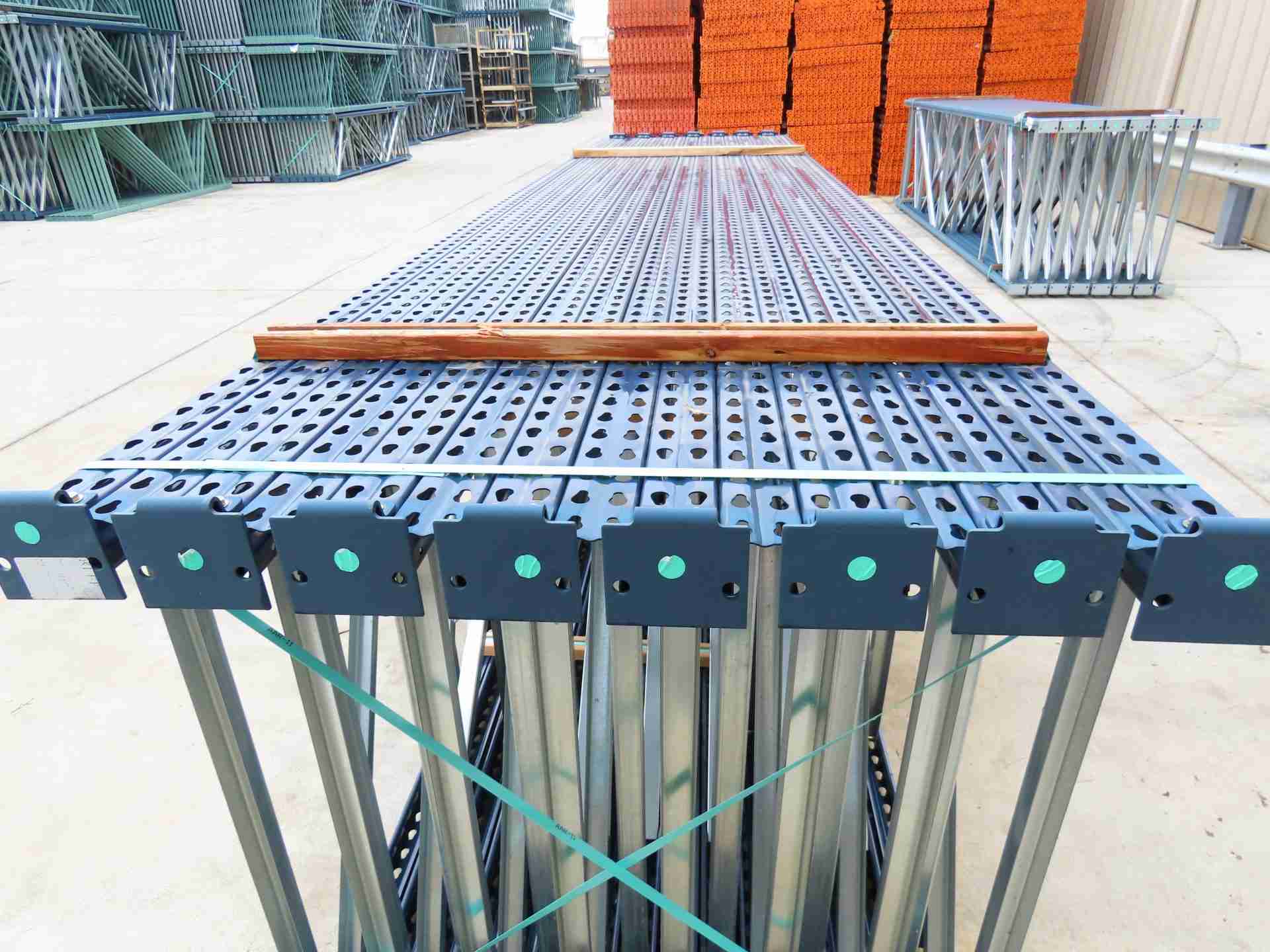
How Can You Assess The Risk Of Theft In Your Warehouse?
What Are The Best Physical Security Measures For Warehouses?
When it comes to securing your warehouse, the stakes couldn’t be higher. You’ve invested time, money, and resources into your inventory, and the last thing you want is to compromise that hard-won success. Imagine the peace of mind that comes from knowing your goods are safe, your logistics are seamless, and your team can focus on what they do best—keeping your business thriving.
Let’s talk about some compelling physical security measures that every warehouse should consider. First off, let’s not underestimate the value of Pallet Racking systems. Not only do these units help maximize storage efficiency, but when implemented thoughtfully, they can also play a strategic role in your security plan. By placing valuable items on higher racking systems that are more difficult to access, you make it less convenient for potential thieves. Meanwhile, clear visibility between the racks creates a controlled environment where you can easily monitor all activities in your warehouse.
Next, invest in top-notch surveillance systems. Cameras placed strategically throughout the facility serve as both a deterrent and a tool for accountability. A well-placed camera can capture incidents, but more importantly, its mere presence can discourage vandalism and theft. Combine this with motion sensors, and you’ll find an additional layer of protection at all entry points, giving you instant alerts on any unauthorized access.
Don’t forget about lighting. A warehouse illuminated brightly not only enhances productivity but also serves as a crucial security measure. Adequate lighting ensures that both employees and security cameras can catch every detail, making it harder for would-be intruders to operate undetected.
Additionally, consider access control systems that limit entry to authorized personnel only. This might mean key card entries, biometric scanners, or even visitor logs. Having a solid access system can create an air of professionalism while ensuring that your valuable assets are kept secure.
Lastly, maintain clear communication with local law enforcement. A solid relationship with patrol officers can result in quicker response times and proactive security check-ins. You don’t want to wait until there’s a problem to involve them!
Using effective physical security measures in your warehouse is not just a strategy; it’s an essential investment in the future of your business. By prioritizing the safety of your assets, you’re setting the stage for unhindered growth and success. Take action today and fortify your warehouse with these measures. Your business—and your peace of mind—will thank you for it.

What Are The Best Physical Security Measures For Warehouses?
What Are The Best Physical Security Measures For Warehouses?
- Securing your warehouse is crucial for protecting time, money, and resources invested in inventory.
- Pallet Racking systems can enhance storage efficiency while strategically increasing security by placing valuables out of reach.
- Surveillance systems, including cameras and motion sensors, serve as both deterrents and accountability tools against theft and vandalism.
- Proper lighting is vital for productivity and security, making it harder for intruders to act undetected.
- Access control systems, such as key cards and biometric scanners, limit entry to authorized personnel, enhancing security.
- Maintaining communication with local law enforcement ensures quicker response times and proactive security measures.
- Investing in physical security measures is crucial for business growth and peace of mind.

What Are The Best Physical Security Measures For Warehouses?
How Can You Implement Access Control In A Warehouse?
When it comes to running a successful warehouse, ensuring the security and efficiency of your operations is paramount. One of the most effective ways to achieve this is through robust access control measures. But let’s be honest: access control can sound complex and intimidating. Fear not! It’s simpler than you might think, and with a little bit of focus, you can create an environment that fosters trust while fortifying your valuable assets.
Imagine your warehouse with a comprehensive access control strategy in place. Picture your staff moving confidently around neatly organized Pallet Racking systems, knowing that only authorized personnel can access critical areas. What does this mean for you? It means fewer errors, reduced theft, and heightened morale among your team. When workers have the assurance that security is prioritized, they feel more at ease and focused on the task at hand.
Begin by identifying key areas of your warehouse that require restricted access. Is there a high-value inventory zone, or perhaps an area with sensitive equipment? These are prime spots for your access control solutions. Consider implementing a tiered system—think of it as a hierarchy where only designated staff or management can access certain zones. This not only minimizes unwanted intrusions but also cultivates a culture of accountability. When everyone knows who is allowed where, there are fewer chances for mishaps.
Next, consider technology as your ally. Modern access control systems can be incredibly user-friendly and versatile. From keycard access to biometric scanners, integrating these technologies can streamline the experience for your employees. Employees will appreciate the ease of entering secure zones while you revel in the heightened security measures these systems provide. It creates a seamless experience for all involved.
Now, let’s talk training. Access control isn’t a set-and-forget strategy; it requires consistent communication and education. Foster a culture where your team understands the importance of these protocols. When they know the “why,” they’ll respect the “how.”
Finally, don’t hesitate to assess and tweak your access control processes regularly. Engage with your staff to gather feedback and make improvements as necessary. When your team feels heard, it fosters loyalty and enhances overall performance.
Implementing access control in your warehouse is not merely about security—it’s about creating a thriving environment where confidence soars and productivity excels. Take that first step; your team and your bottom line will thank you!

How Can You Implement Access Control In A Warehouse?
How Can You Implement Access Control In A Warehouse?
- Ensuring warehouse security and efficiency is crucial for successful operations.
- Implementing access control measures can simplify operations and protect valuable assets.
- A comprehensive access control strategy fosters trust and boosts morale among staff.
- Identify key areas in the warehouse that need restricted access, such as high-value inventory zones.
- Consider using modern technology like keycards or biometric scanners to enhance security and ease of access.
- Regular training and communication about access control practices are essential for team understanding and compliance.
- Continuously assess and adapt access control processes based on staff feedback to improve performance and loyalty.

How Can You Implement Access Control In A Warehouse?
Conclusion
Conclusion: Ensuring Warehouse Security with Arrow Industrial Sales
In an era where unpredictability is the new norm, securing your warehouse against unexpected events has never been more crucial. At Arrow Industrial Sales, we understand that your warehouse isn’t just a space for storage; it’s the heartbeat of your operation. Emphasizing the importance of proactive measures, this article has underscored how a solid approach can significantly mitigate risks and safeguard your assets.
Security begins with recognizing potential vulnerabilities and implementing comprehensive strategies that span physical barriers, technology, and employee training. It all starts with the backbone of your inventory management: your pallet racking systems. An optimized racking structure not only enhances efficiency but also plays a pivotal role in preventing accidents and theft. Regular inspections and maintenance are vital. A worn or damaged pallet rack can become a liability rather than an asset. By investing in durable systems and maintaining them diligently, you not only secure your inventory but also foster a culture of safety among your staff.
Moreover, integrating advanced technology like RFID tracking and state-of-the-art CCTV systems transforms your warehouse into a fortress of security. These innovations ensure real-time oversight, enabling swift responses to any discrepancies or threats. However, technology alone isn’t sufficient; employee training is key. Your workforce must be well-versed in safety protocols, risk assessment, and operational procedures to truly fortify your defenses. Regular training not only equips your team with knowledge but instills a sense of unity and responsibility, making them your first line of defense against potential hazards.
The nuances of access control are paramount as well. Whether it’s utilizing keycard access systems or biometric scans, limiting entry to authorized personnel will significantly reduce vulnerabilities and foster an atmosphere of accountability within your organization.
Now is the time to act! Don’t wait for unforeseen events to expose the weaknesses in your security strategy. The integrity of your business and the safety of your employees depend on the proactive steps you take today. Call Arrow Industrial Sales at (574) 349-6575 to learn more about optimizing your warehouse security measures. Remember, each moment spent without a solid security plan is a moment of vulnerability. Take the necessary steps to turn your warehouse into a bastion of security and efficiency today. Your business deserves it, and so do your employees!

Conclusion
Conclusion:
- Securing warehouses is crucial in today’s unpredictable environment.
- Comprehensive strategies should include physical barriers, technology, and employee training.
- Optimized pallet racking systems enhance efficiency and prevent accidents and theft.
- Regular inspections and maintenance of racking systems are essential for safety.
- Advanced technologies like RFID tracking and CCTV improve real-time oversight and response.
- Employee training is vital for implementing safety protocols and risk assessments.
- Access control measures like keycard systems help reduce vulnerabilities and ensure accountability.

Conclusion
Other Resources

Other Resources
Here is a list of other resources you can review online to learn more:
- IIWS Inc. Rack Installation Illinois & Rack Repairs Illinois
- NSC
- Teardrop Pallet Rack – Ridg-U-Rak
- Cantilever Racking Specialists – Get the Right Racks
- What is Selective Racking: Understanding Benefits & Options
- Warehouse Racking System: Powerful Guide to Optimise, 2024
- Teardrop Pallet Rack – Ridg-U-Rak
- CMMA
- ASSP
- Intro to Warehouse Racks & Warehouse Racking Systems – ShipBob
Use This Prompt To Get More Resources With Your Favorite Online AI Tool: Please provide me with a list of online articles with their URLs in a bulleted list that I can read regarding How Can You Secure Your Warehouse Against The Unexpected?

Other Resources
Glossary Terms
How Can You Secure Your Warehouse Against The Unexpected? – Glossary Of Terms
1. Access Control: Methods and systems to restrict entry to authorized personnel only, enhancing security within the warehouse.
2. Alarm System: An electronic system designed to detect unauthorized access or emergencies, triggering alerts to alert security personnel.
3. Asset Tracking: The process of monitoring and managing warehouse assets to ensure they are accounted for and protected from loss or theft.
4. Automatic Fire Suppression: Systems such as sprinklers that activate automatically to extinguish fires, helping to prevent damage and loss.
5. Camera Surveillance: Use of video cameras placed strategically throughout a warehouse to monitor activities and deter theft or misconduct.
6. Cybersecurity: Protecting digital information and systems from cyber threats, critical for safeguarding warehouse management software and databases.
7. Emergency Plan: A documented strategy detailing response actions to unexpected situations such as fires, natural disasters, or security breaches.
8. Forklift Safety: Implementing measures to ensure safe operation of forklifts, reducing accidents and potential damage in the warehouse.
9. Inventory Management: The process of overseeing and controlling stock levels to minimize loss and ensure items are secure and accounted for.
10. Lighting: Adequate lighting in and around the warehouse to enhance visibility, deter criminal activity, and ensure a safe working environment.
11. Perimeter Security: Measures taken to secure the boundaries of the warehouse property, including fences, gates, and intrusion detection systems.
12. Personal Protective Equipment (PPE): Gear worn by employees to ensure their safety while working, reducing the risk of injury and accidents.
13. Physical Security: Protective measures that involve tangible barriers, such as locks and security personnel, to guard the warehouse against theft or vandalism.
14. Regular Audits: Scheduled checks of inventory and security measures to ensure compliance with policies and identify potential vulnerabilities.
15. Safety Training: Education programs for staff on safety protocols, emergency procedures, and use of equipment to enhance workplace safety.
16. Secure Storage: Designated areas within the warehouse specifically designed for storing valuable or sensitive items to reduce risk.
17. Security Guard Services: Hiring trained personnel to monitor and protect the warehouse premises, deterring theft and responding to incidents.
18. Surveillance Technology: Advanced tools and systems, such as motion detectors and facial recognition software, used to enhance monitoring efforts.
19. Threat Assessment: The process of identifying potential risks and vulnerabilities that could affect the safety and security of the warehouse.
20. Traffic Management: Strategies employed to control vehicle and pedestrian movement in and around the warehouse, reducing accidents and congestion.
21. Two-Factor Authentication (2FA): A security protocol requiring two forms of verification to access sensitive warehouse systems and data.
22. Visitor Management System: A system used to monitor and control access to the warehouse by tracking visitors and ensuring they comply with security protocols.
23. Weather Preparedness: Measures taken to secure the warehouse against natural disasters, including flooding, storms, or earthquakes.
24. Warehouse Automation: The use of technology to streamline operations, improving security by reducing human error and increasing efficiency.
25. Warehouse Security Audit: A comprehensive review of security measures in place within the warehouse to identify gaps and enhance protective strategies.
26. Wi-Fi Security: Implementing secure protocols for wireless networks in the warehouse to protect against unauthorized access and data breaches.
27. Workplace Safety Regulations: Laws and guidelines established to ensure a safe working environment, including safety standards specific to warehouse operations.
28. Worker Identification Badges: Identification cards issued to employees that facilitate access control and enhance security within the warehouse.
29. Zero-Tolerance Policy: A strict policy against theft, violence, or misconduct in the workplace, promoting a culture of safety and integrity.
30. Emergency Response Team: A designated group of trained personnel within the warehouse responsible for managing and responding to emergencies.

Glossary Of Terms
Other Questions
How Can You Secure Your Warehouse Against The Unexpected? – Other Questions
If you wish to explore and discover more, consider looking for answers to these questions:
- What types of natural disasters should warehouses be prepared for?
- How often should pallet racking systems be inspected and maintained?
- What are the signs of a poorly configured pallet racking system?
- What specific technologies are recommended for warehouse surveillance?
- How can I create a culture of preparedness among my warehouse team?
- What are effective strategies for conducting a risk assessment for my warehouse?
- How do I choose the right access control system for my warehouse needs?
- What are the legal implications of employee surveillance in warehouses?
- How can I effectively train employees on security protocols?
- What are the costs associated with implementing advanced security technologies?
- How can I collaborate with local law enforcement for warehouse security?
- What role does insurance play in warehouse security planning?
- What are some case studies of successful warehouse security implementations?
- How can I assess the effectiveness of my current security measures?
- What are the common misconceptions about warehouse security?

Other Questions
Checklist
How Can You Secure Your Warehouse Against The Unexpected? – A Checklist
Checklist for Securing Your Warehouse Against the Unexpected
1. Pallet Racking Safety
_____ Ensure pallet racking is anchored properly.
_____ Conduct regular inspections of pallet racking systems.
_____ Verify that pallet racking meets safety standards.
_____ Implement a rigorous maintenance schedule.
2. Technology Integration
_____ Install modern surveillance systems (CCTV) with motion sensors.
_____ Utilize inventory tracking technology (e. g. , RFID).
_____ Set up real-time alerts for inventory discrepancies.
_____ Consider biometric or keycard access systems for entry points.
3. Employee Training
_____ Conduct regular training sessions on safety protocols.
_____ Develop a clear understanding of how to operate equipment safely.
_____ Create a culture of vigilance and accountability among staff.
_____ Schedule ongoing refresher courses on security practices.
4. Risk Assessment and Theft Prevention
_____ Conduct thorough inventory assessments regularly.
_____ Evaluate warehouse layout for visibility and security vulnerabilities.
_____ Collaborate with local law enforcement for security insights.
_____ Establish clear communication channels for reporting suspicious activities.
5. Physical Security Measures
_____ Install adequate lighting throughout the warehouse.
_____ Keep valuable items in high locations within pallet racking.
_____ Maintain a secure perimeter around the warehouse.
_____ Ensure all entry and exit points are monitored.
6. Access Control Implementation
_____ Identify key areas that require restricted access.
_____ Create a tiered access control system for high-value zones.
_____ Regularly review and update access control processes.
_____ Gather employee feedback to improve access control measures.
7. Emergency Preparedness
_____ Develop and communicate a comprehensive security plan.
_____ Perform drills for emergency scenarios (fires, thefts, etc. ).
_____ Keep emergency contact information easily accessible.
Additional Tips
_____ Foster a culture of preparedness and security awareness.
_____ Conduct regular audits of both security measures and employee knowledge.
_____ Stay updated with the latest security technology advancements.
_____ Regularly review and enhance your warehouse security protocols.
By following this checklist, you can proactively secure your warehouse against unexpected events and create a safer, more efficient working environment for your team.

Checklist
At RackingWorld, we help guide you through selecting warehouse storage systems and racking.
Be sure to read our other related stories at RackingWorld to learn more about warehouse storage systems.
0 Comments