
Uncovering Key Warehouse Performance Metrics
By Tom Seest
At RackingWorld, we help guide you through selecting warehouse storage systems and racking.
Be sure to read our other related stories at RackingWorld to learn more about warehouse storage systems.
What Metrics Matter Most for Warehouse Performance Management?
In the fast-paced world of warehousing, metrics are your compass, guiding you toward efficiency and profitability. But with so many metrics at your fingertips, which ones truly matter? Let’s cut through the noise and hone in on the key performance indicators (KPIs) that will elevate your warehouse operations and inspire trust among your stakeholders, whether they’re employees, clients, or investors.
First on the list is Inventory Turnover. This metric tells you how often you sell through your inventory within a specified period. A high turnover rate means your products are flying off the shelves, which is a good sign of demand. Low turnover, on the other hand, can be a red flag, signaling excess dead stock or misplaced pallet racking that makes retrieval more of a chore than it should be.
Next, consider Order Accuracy. In the world of warehousing, sending out the wrong product can break trust with your customers faster than a missed delivery. Tracking your order accuracy can help you not only identify where the process is breaking down but also improve training and operational procedures. Get this right, and the ripple effects on customer satisfaction and repeat business are monumental.
Additionally, monitor your Pick Rate. The faster you can pick and pack items, the more efficient your operation will be. An optimized pick rate means your teams are working with purpose, thanks in part to smart warehouse layout choices, like strategically placing pallet racking in easily accessible zones. Invest time in refining this area, and your profit margins will thank you.
Another essential metric is Space Utilization. Every square foot of your warehouse represents potential income—so how well are you using it? Efficiently arranged pallet racking systems can maximize your vertical space and transform a cluttered environment into an organized haven. This means your workforce can spend less time looking for products and more time fulfilling orders.
Lastly, never underestimate the importance of Cycle Time. This trained eye on the clock will let you know how long it takes to process an order from start to finish. Streamlining this process is where you have the opportunity to shine; every minute saved can accumulate into significant savings over months and years.
By focusing on these metrics—Inventory Turnover, Order Accuracy, Pick Rate, Space Utilization, and Cycle Time—you can foster a culture of continuous improvement. Remember, each metric is a stepping stone toward not just meeting but exceeding your key performance goals. Dive in, start measuring, and watch your warehouse thrive.

What Metrics Matter Most for Warehouse Performance Management?
What Metrics Matter Most for Warehouse Performance Management?
- Metrics are crucial for guiding efficiency and profitability in warehousing.
- Key performance indicators (KPIs) to focus on include:.
- Inventory Turnover: Measures how often inventory is sold; high rates signal good demand, while low rates may indicate dead stock.
- Order Accuracy: Essential for maintaining customer trust; tracking helps improve processes and customer satisfaction.
- Pick Rate: The speed of picking and packing influences operational efficiency; optimizing layout can boost this rate.
- Space Utilization: Efficient use of warehouse space is vital for productivity; smart arrangements can reduce search time for products.
- Cycle Time: Tracks the total time to process an order; minimizing this time can lead to significant savings over time.

What Metrics Matter Most for Warehouse Performance Management?
Table Of Contents
- What Metrics Matter Most for Warehouse Performance Management?
- What Are The Key Performance Indicators For Warehouse Efficiency?
- How Can Inventory Turnover Rate Improve Warehouse Performance?
- What Role Does Order Accuracy Play In Warehouse Success?
- How Can We Measure The Impact Of Lead Time On Warehouse Operations?
- What Is The Significance Of Storage Space Utilization Metrics?
- How Do Labor Productivity Metrics Influence Warehouse Management?
- Conclusion
- Other Resources
- Glossary Of Terms
- Other Questions
- Checklist
What Are The Key Performance Indicators For Warehouse Efficiency?
When it comes to mastering warehouse efficiency, it’s not just about moving boxes faster; it’s about understanding the metrics that can truly propel your operations into the fast lane. The world of warehousing can often feel like navigating a maze, but the right Key Performance Indicators (KPIs) can illuminate the path, ensuring you’re not just surviving but thriving.
One of the first KPIs to consider is Order Picking Accuracy. An accurate picking process is fundamental for customer satisfaction and retention. If orders are frequently incorrect, it could spell disaster for your business reputation and bottom line. By tracking this metric, you can pinpoint issues, optimize workflows, and ultimately, keep your customers smiling.
Next on the list is Inventory Turnover Rate. Think of this as the lifeblood of your warehouse; the higher the turnover, the more efficient your operations. A low turnover rate can indicate overstocking or unnecessary inventory tied up in your pallet racking systems. Regularly analyzing this KPI allows for a more strategic approach to inventory management—saving space and maximizing revenue.
Don’t overlook Cycle Time! This powerful measure tracks the speed of your operations from order receipt to shipment. Reducing cycle time is key. Each second saved here can add significant value, helping you boost throughput without compromising quality.
It’s also essential to keep an eye on your Space Utilization Rate. Are you making the most out of your available square footage? Effective pallet racking can enhance your storage capabilities, but it has to be utilized properly. Monitoring how much space you actually use versus what you have at your disposal can highlight inefficiencies. Look for ways to reconfigure your layout or invest in smarter storage solutions.
Lastly, consider Labor Productivity, the heartbeat of any warehouse. By tracking metrics like units shipped per labor hour, you’ll gain insights into workforce efficiency. Investing in employee training and providing the right tools are essential here—not just for their success but for the success of your entire operation.
Remember, the goal isn’t to follow every KPI under the sun; it’s about selecting the ones that align with your strategic objectives. By focusing on these key metrics, you can turn your warehouse into a well-oiled machine, one that not only meets but exceeds your performance goals. After all, efficiency isn’t just an aspiration; it’s an expectation in today’s competitive landscape. Embrace it and watch your business soar!

What Are The Key Performance Indicators For Warehouse Efficiency?
What Are The Key Performance Indicators For Warehouse Efficiency?
- Mastering warehouse efficiency involves understanding key metrics beyond just moving items faster.
- Order Picking Accuracy is essential for customer satisfaction and retention; tracking it helps improve workflows.
- Inventory Turnover Rate indicates operational efficiency; higher rates suggest better inventory management.
- Cycle Time measures speed from order receipt to shipment; reducing it adds value and boosts throughput.
- Space Utilization Rate assesses how effectively available storage space is used, highlighting inefficiencies.
- Labor Productivity metrics, such as units shipped per labor hour, provide insights into workforce efficiency.
- Select KPIs that align with strategic objectives to create an efficient and high-performing warehouse operation.

What Are The Key Performance Indicators For Warehouse Efficiency?
How Can Inventory Turnover Rate Improve Warehouse Performance?
Imagine waking up every morning knowing that your warehouse is a well-oiled machine, running effortlessly, and maximizing every inch of space. Picture a setting where every pallet racking system has a purpose, every item is where it belongs, and your turnover rate isn’t just a number but a powerful tool driving profits. This isn’t just wishful thinking — it’s entirely possible when you understand and leverage the magic of inventory turnover rates.
Your warehouse is much more than just a storage space. It’s a dynamic hub that, when optimized, fuels your business’s growth. Inventory turnover rate measures how often inventory is sold and replaced over a specific period. A higher turnover indicates healthy demand and effective inventory management while reflecting a streamlined operation that can handle any market fluctuations.
Imagine your pallets. They’re not just stacked boxes but assets. With more efficient inventory turnover, your Pallet Racking system can accommodate new products and eliminate obsolete stock, freeing you from the burden of overstock. When you maintain a diverse yet manageable inventory, you not only satisfy customer demands quickly but also reduce costs associated with holding excess items. This means promotions and product launches can happen without hampering workflow. Your customers? They’ll appreciate faster fulfillment and a wider variety of products, fostering loyalty and encouraging repeat business.
Let’s talk numbers. A high inventory turnover rate often translates to reduced carrying costs, and let’s face it: nobody enjoys watching money rot in a stockroom. Think of it as freeing up cash that you can reinvest in your business. Whether it’s spicing up marketing efforts or hiring more staff, you’ll have more flexibility. Moreover, reducing the time products sit on your shelves diminishes the risk of obsolescence. Your warehouse can adapt to evolving consumer demands, ensuring you’re always one step ahead of your competition.
The takeaway? Keep an eye on your inventory turnover rate. It’s not just data; it’s your warehouse’s heartbeat, dictating efficiency, profitability, and reliability. When you optimize it, your entire operation flourishes. Your team becomes more motivated and engaged when they see the fruits of their labor. With every adjustment made—be it reconfiguring pallet racking or refining inventory systems—the benefits compound, elevating your warehouse from a simple storage facility to a crucial component of your success. Remember, in the world of logistics, knowledge is power, and action is everything. So, take control of your inventory today!

How Can Inventory Turnover Rate Improve Warehouse Performance?
How Can Inventory Turnover Rate Improve Warehouse Performance?
- Optimizing warehouse operations can maximize space and improve efficiency.
- Inventory turnover rate measures the frequency of inventory sold and replaced over time.
- A higher turnover rate indicates strong demand and effective inventory management.
- Efficient inventory management allows for a diverse and manageable stock, reducing holding costs.
- High turnover can lead to reduced carrying costs and increased financial flexibility for reinvestment.
- Monitoring inventory turnover keeps operations efficient, fostering customer loyalty through faster fulfillment.
- Optimizing inventory systems transforms warehouses into essential components of business success.

How Can Inventory Turnover Rate Improve Warehouse Performance?
What Role Does Order Accuracy Play In Warehouse Success?
In the bustling world of warehouse operations, order accuracy is not just a metric—it’s the lifeblood that fuels success. Imagine the frustration of a customer receiving the wrong item, or worse, nothing at all. In an age where customer loyalty is fleeting, maintaining their trust hinges on the reliability of your order fulfillment. This isn’t just about numbers on a spreadsheet; it’s about creating an experience that keeps your clients coming back.
Picture your well-organized warehouse, with rows of pallet racking towering like skyscrapers of efficiency. Each unit is meticulously labeled, and the flow of operations runs seamlessly like a well-rehearsed symphony. When order accuracy is prioritized, the benefits extend beyond mere customer satisfaction. It leads to reduced returns and fewer complaints, which translates into lower operational costs and higher profitability.
Why does order accuracy deserve your attention? Because it emerges as a powerful differentiator in a competitive marketplace. Customers today are not just looking for a good deal; they crave reliability and consistency. A single misstep in order fulfillment can shatter their perception of your business and send them flocking to a competitor. But by honing your accuracy, you not only serve your customers better, but you also bolster your brand’s reputation—an intangible asset that snowballs into future success.
As you delve deeper into the mechanics of order fulfillment, consider the role of technology and systems integration. Implementing modern warehouse management systems (WMS) alongside efficient pallet racking can streamline processes and enhance visibility. These tools empower your team to accurately pick, pack, and ship orders, drastically reducing errors. Investing in training for your staff is equally crucial; equip them with the knowledge and skills to navigate the complexities of your operations. After all, a confident team fosters a culture of accountability—a key ingredient for order accuracy.
The bottom line? Order accuracy is not just a goal; it’s an opportunity—a chance to elevate your warehouse from a simple storage space to a fortress of reliability. By prioritizing accuracy, you’re not just fulfilling orders; you’re crafting relationships built on trust. So take a step back. Analyze your processes. Engage your team. By doing so, you’ll pave the way for a warehouse that not only meets but exceeds expectations—and ultimately drives your success in an ever-evolving marketplace.

What Role Does Order Accuracy Play In Warehouse Success?
What Role Does Order Accuracy Play In Warehouse Success?
- Order accuracy is crucial for success in warehouse operations, impacting customer satisfaction and loyalty.
- Efficiently organized warehouses with clear labeling and streamlined operations enhance order fulfillment.
- High order accuracy reduces returns and complaints, leading to lower costs and higher profitability.
- In a competitive marketplace, reliability in order fulfillment sets businesses apart from competitors.
- Modern warehouse management systems (WMS) and effective training for staff are essential for minimizing errors.
- A culture of accountability among employees contributes to improved order accuracy.
- Prioritizing order accuracy helps build trust and relationships with customers, driving long-term success.

What Role Does Order Accuracy Play In Warehouse Success?
How Can We Measure The Impact Of Lead Time On Warehouse Operations?
As warehouse managers and business owners, we all grapple with one crucial question: how does lead time influence our operations? Understanding and measuring this impact is not just beneficial; it’s paramount for streamlining processes and enhancing profitability. Let’s dive into the tangible ways you can assess lead time and its implications on your warehouse performance.
First, consider the heartbeat of your operations – your pallet racking systems. These structures are not merely storage solutions; they represent the flow of goods and information throughout your warehouse. Begin by analyzing how lead time affects the efficiency of your pallet racking. Are products sitting idle because of delayed shipments? Tracking inventory turnover rates can help pinpoint bottlenecks caused by excessive lead times, giving you a clear target for improvement.
Next, utilize technology to your advantage. Implement warehouse management systems (WMS) that offer real-time data analytics. By integrating lead time measurements with your inventory levels, you can see firsthand how fluctuations in supplier performance impact overall operations. This intelligence allows you to adjust strategies proactively, ensuring that your pallet racking is optimally stocked and configured to meet customer demands.
Another effective method is to engage in regular performance reviews. Assemble your team to assess lead times against various operational metrics, such as order fulfillment rates and shipping accuracy. This collaborative approach not only promotes accountability but also fosters a sense of ownership among your employees. When everyone understands the stakes, the commitment to improving lead times will elevate your warehouse operations significantly.
But don’t stop there! Customer feedback should also play a pivotal role in your evaluation. Reach out to your clientele and ask how lead times impact their experiences. This valuable insight can shape your strategies moving forward. You’ll find that the more you listen to your customers, the better you can adjust your warehouse processes, including how you utilize pallet racking to meet demand.
Ultimately, understanding the impact of lead time is about more than just numbers; it’s about creating a culture of continuous improvement. Trust yourself—each step taken to measure and refine your lead time will enhance efficiency, reduce costs, and increase customer satisfaction. When you prioritize lead time, you’re not just optimizing your operations; you’re building a warehouse that can adapt, innovate, and thrive in today’s fast-paced market. Now is the time to take action!
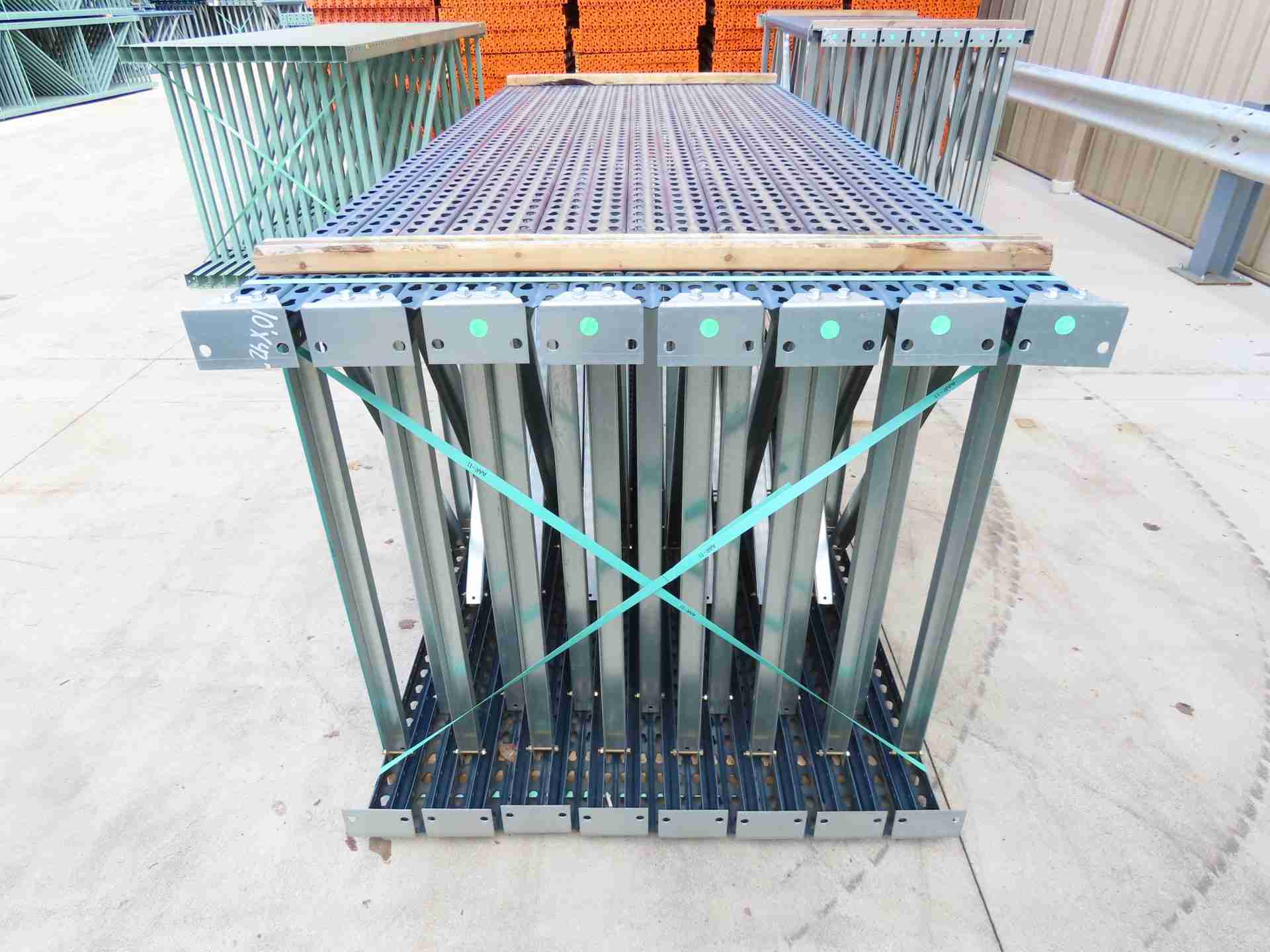
How Can We Measure The Impact Of Lead Time On Warehouse Operations?
How Can We Measure The Impact Of Lead Time On Warehouse Operations?
- Understanding lead time is crucial for warehouse operations and profitability.
- Pallet racking systems impact the flow of goods; analyze lead time effects on their efficiency.
- Track inventory turnover rates to identify bottlenecks caused by excessive lead times.
- Utilize warehouse management systems (WMS) for real-time data analytics on lead times and inventory levels.
- Conduct regular performance reviews to evaluate lead times against operational metrics.
- Gather customer feedback to understand how lead times affect their experiences and adjust strategies accordingly.
- Creating a culture of continuous improvement around lead time enhances efficiency, reduces costs, and boosts customer satisfaction.

How Can We Measure The Impact Of Lead Time On Warehouse Operations?
What Is The Significance Of Storage Space Utilization Metrics?
If you’re navigating the dynamic world of warehousing or inventory management, understanding storage space utilization metrics isn’t just a technical necessity—it’s a game changer. Imagine this: every square foot of your storage facility is a piece of gold waiting to be harvested. But are you mining it effectively? This is where the significance of these metrics shines through, transforming your approach to logistics and profitability.
Let’s break it down. Have you ever taken a moment to assess your pallet racking systems? You might have the latest and greatest equipment, but if your storage space is underutilized, it can lead to chaos—not just in your warehouse but in your bottom line. Tracking usage metrics helps you identify exactly how much of your available storage is being used. Think of it as a strategic pulse check for your operations. With the right insights, you can uncover inefficiencies that may be costing you money, time, or both.
Why does this matter? Efficient space utilization directly ties into revenue generation. When your pallet racking is optimized, you’re able to hold more inventory with less hassle, improving your ability to meet customer demands. Picture the satisfaction of a customer receiving their order promptly because your system is running like a well-oiled machine. Now that’s the kind of business reliability that fosters trust!
And it doesn’t stop there. By regularly assessing your storage utilization metrics, you develop the ability to pivot and adapt your operations to market challenges. Are seasonal products piling up or sales slowing? With insightful metrics, you can realign your storage strategy for maximum impact.
Furthermore, sharing these metrics with your team can cultivate a culture of efficiency. Not only does this encourage collaboration, but it also empowers everyone involved to take ownership of their role in the process. When employees see how their actions influence the organization’s success, they’re more likely to take initiative.
So, what’s the takeaway? Don’t underestimate the power of storage space utilization metrics. By strategically examining and improving your operations—right from your pallet racking systems to your inventory levels—you’re not just optimizing a space; you’re fueling your entire business for growth. Ready to dive in? Trust that by focusing on these metrics, you’re setting your establishment on a clear path to success. The golden opportunity lies beneath your very feet—embrace it!

What Is The Significance Of Storage Space Utilization Metrics?
What Is The Significance Of Storage Space Utilization Metrics?
- Understanding storage space utilization metrics is crucial for effective warehousing and inventory management.
- Every square foot of storage represents potential; thus, optimizing its use can significantly enhance logistics and profitability.
- Assessing pallet racking systems allows for identification of underutilization, which can impact efficiency and profits.
- Efficient space utilization is directly linked to revenue generation, helping to meet customer demands effectively.
- Regular assessment of storage metrics enables adaptability to market challenges, such as seasonal product changes.
- Sharing metrics with the team fosters a culture of efficiency and encourages employee ownership over processes.
- Optimizing storage space utilization metrics can fuel business growth and set your establishment on a clear path to success.

What Is The Significance Of Storage Space Utilization Metrics?
How Do Labor Productivity Metrics Influence Warehouse Management?
In the bustling world of warehouse management, understanding labor productivity metrics is like holding a treasure map. These metrics not only help you navigate the ebb and flow of daily operations but empower you to make decisions that drive efficiency and bottom-line results.
Imagine this: Your team is working hard, but things still seem to be lagging. Shipments are delayed, workers are frowning, and you’re scratching your head, wondering what went wrong. Enter labor productivity metrics. These powerful indicators shine a spotlight on your operations, revealing insights about everything from pick rates to packing speeds. They serve as a beacon, guiding you to identify bottlenecks and uncover the potential for improvement.
But don’t just take my word for it! Picture a well-oiled machine where every component—like your pallet racking system—zone, and layout—works seamlessly together. When productivity metrics reveal that certain picking zones are slower than others, you can take actionable steps to reorganize your pallet racking for optimal flow. This not only enhances performance but also fosters a culture of continuous improvement within your team.
Trust is essential in any successful business relationship, and when employees see that their efforts directly influence performance metrics, they become more engaged and motivated. They thrive on clarity and purpose. When you invest in understanding these labor productivity metrics, you’re not only optimizing your operations but also cultivating a workforce that feels valued and empowered.
Moreover, actionable insights derived from these metrics allow leaders to make informed decisions about staffing, training, and layout adjustments. A shift in your strategy based on data can lead to quicker turnaround times, improved inventory accuracy, and ultimately, happier customers. And let’s face it—happy customers lead to repeat business and glowing referrals!
The key is to embrace these metrics as your guiding stars. Regularly monitor performance, gather feedback, and take steps to improve every single day. Warehouse management doesn’t have to be a daunting task; it can be an invigorating challenge that propels your business forward.
Labor productivity metrics are not just numbers on a spreadsheet; they are the heartbeat of your warehouse. Harness that power, and watch as your operations transform into an efficient, cohesive unit that not only meets expectations but exceeds them! Are you ready to make your warehouse the best it can be? Let’s start today!

How Do Labor Productivity Metrics Influence Warehouse Management?
How Do Labor Productivity Metrics Influence Warehouse Management?
- Labor productivity metrics are essential for navigating daily operations in warehouse management.
- These metrics reveal insights into operations, helping to identify bottlenecks and improvement opportunities.
- Effective use of productivity metrics can lead to better organization of resources like pallet racking systems.
- Engaging employees by showing how their efforts impact performance metrics fosters motivation and clarity.
- Data-driven insights allow leaders to make informed decisions on staffing, training, and layout adjustments.
- Regular monitoring and continuous improvement can lead to enhanced turnaround times and inventory accuracy.
- Embracing these metrics turns warehouse management into a rewarding challenge that can drive business success.

How Do Labor Productivity Metrics Influence Warehouse Management?
Conclusion
Conclusion: Unlocking Warehouse Potential with Metrics That Matter
In the rapidly evolving landscape of warehouse management, understanding and leveraging critical performance metrics is no longer optional; it’s imperative. The challenges of delivering timely and accurate orders, managing inventory, and utilizing space efficiently are magnified by competition and customer expectations—making it crucial to identify which metrics will truly drive your success.
Key performance indicators (KPIs) such as Inventory Turnover, Order Accuracy, Pick Rate, Space Utilization, and Cycle Time stand out as the guiding stars on your journey to operational excellence. Each metric provides a unique insight into your warehouse processes. For instance, a high Inventory Turnover signifies robust demand and efficient inventory management, while monitoring Order Accuracy can safeguard against costly mistakes that can damage customer trust.
Equally vital is understanding how these metrics interplay with labor productivity. Streamlined processes and optimized pallet racking not only enhance efficiency but also elevate employee engagement, leading to a motivated workforce that thrives on clarity and purpose. Think of your warehouse as a well-oiled machine; when each part functions optimally, the entire operation benefits.
Now is the time to act. By embracing these metrics and implementing actionable strategies, you can transform your warehouse from a basic storage facility into a powerhouse of efficiency and reliability. Investigate your current operations, gather your team, and start analyzing the data that matters. Engaging in this process will pave the way for a culture of continuous improvement—ensuring you not only meet but exceed operational expectations.
Don’t let your warehouse become another casualty of inefficiency in a competitive landscape. With Arrow Industrial Sales, you don’t have to navigate this challenging terrain alone. Our expertise in warehouse solutions can equip you with the tools and knowledge necessary to optimize your operations. There’s no time to lose—call Arrow Industrial Sales at (574) 349-6575 today to explore how we can guide you through a transformational journey. Elevate your warehouse performance, boost your profitability, and unlock your full potential now!

Conclusion
Conclusion:
- Understanding and leveraging critical performance metrics in warehouse management is essential for success.
- Key performance indicators (KPIs) like Inventory Turnover, Order Accuracy, Pick Rate, Space Utilization, and Cycle Time are vital for operational excellence.
- High Inventory Turnover indicates strong demand and efficient inventory management.
- Monitoring Order Accuracy helps prevent costly mistakes that can undermine customer trust.
- Optimized processes and space improve labor productivity and employee engagement, creating a motivated workforce.
- Actively analyzing and implementing strategies based on these metrics fosters a culture of continuous improvement.
- Arrow Industrial Sales offers expertise in warehouse solutions to enhance operational efficiency and profitability.

Conclusion
Other Resources

Other Resources
Here is a list of other resources you can review online to learn more:
- Intro to Warehouse Racks & Warehouse Racking Systems – ShipBob
- Cantilever Racks Chicago
- SEMA
- Selective Pallet Racking Systems – Container Systems
- Warehousing and Fulfillment
- Selective Racking
- Warehouse Racks, Warehouse Racking in Stock – ULINE
- Chicago Pallet Racking
- Pallet Racking systems in Illinois and Great Lakes
Use This Prompt To Get More Resources With Your Favorite Online AI Tool: Please provide me with a list of online articles with their URLs in a bulleted list that I can read regarding What Metrics Matter Most for Warehouse Performance Management?

Other Resources
Glossary Terms
What Metrics Matter Most for Warehouse Performance Management? – Glossary Of Terms
1. Inventory Turnover
: The ratio that shows how many times inventory is sold and replaced over a specific period, indicating the efficiency of inventory management.
2. Order Accuracy
: The percentage of orders that are correctly fulfilled according to customer specifications. This metric impacts customer satisfaction and operational costs.
3. Pick Rate
: The number of items picked per hour by warehouse staff. It helps assess efficiency in the picking process.
4. Cycle Time
: The total time it takes to complete one cycle of order fulfillment, from order receipt to delivery, highlighting process efficiency.
5. Lead Time
: The duration from when an order is placed until it is delivered. Shorter lead times generally improve customer satisfaction.
6. Space Utilization
: A measurement of how effectively available storage space is used within a warehouse, often expressed as a percentage.
7. Labor Productivity
: A metric that gauges the output of the workforce in terms of orders picked, packed, and shipped per hour.
8. Backorder Rate
: The percentage of orders that cannot be fulfilled at the time of order due to stockouts. A high rate can indicate inventory management issues.
9. Shipping Accuracy
: The percentage of shipments delivered without errors, reflecting the overall accuracy and efficiency of the shipping process.
10. Return Rate
: The percentage of products returned by customers. Tracking this can help identify issues with product quality or order fulfillment.
11. Cost per Order
: The total cost incurred to process and fulfill an order, encompassing labor, shipping, and handling costs, which impacts profitability.
12. Stockout Rate
: The frequency at which products are out of stock, potentially leading to lost sales and dissatisfied customers.
13. Receiving Efficiency
: Measures the speed and accuracy of the receiving process, often quantified by the number of pallets or boxes received per hour.
14. Storage Density
: A measure of how much product is stored in a given area of the warehouse, impacting both cost and efficiency.
15. Order Cycle Time
: The time taken from order placement to order delivery, focusing on performance in fulfilling orders.
16. Perfect Order Rate
: The percentage of orders that are delivered on time, complete, and undamaged. High rates indicate effective operations.
17. Employee Turnover Rate
: The ratio of workers who leave a company to the number of employees, affecting labor costs and productivity.
18. KPI (Key Performance Indicator)
: A measurable value that demonstrates how effectively a company is achieving key business objectives.
19. Warehouse Capacity
: The maximum amount of product that can be stored within a warehouse space, influencing potential sales and inventory strategies.
20. Automation Impact Index
: A measure of the effect that automation technology has on warehouse performance, such as speed and accuracy improvements.
21. Freight Cost per Order
: The average shipping cost associated with each fulfilled order, important for maintaining profit margins.
22. Putaway Efficiency
: The speed and accuracy of placing received inventory into its designated storage location, affecting overall warehousing efficiency.
23. Picking Accuracy
: The rate at which correct items are picked for orders, essential to maintaining customer satisfaction and operational efficiency.
24. Warehouse Management System (WMS)
: Software used to optimize warehouse operations, track inventory levels, and manage workflow processes.
25. Cycle Counting
: An inventory auditing process that counts a portion of the inventory on a specified schedule, ensuring accuracy and reducing discrepancies.
26. Overstock Rate
: The measure of excess inventory held beyond demand, which can lead to increased costs and reduced cash flow.
27. Damage Rate
: The percentage of products that are damaged during storage or handling, indicating potential issues in warehouse operations.
28. Benchmarking
: The process of comparing warehouse performance metrics against industry standards or competitors to identify areas for improvement.
29. Shrinkage
: The loss of inventory due to theft, damage, or errors, highlighting the need for improved security and process management.
30. On-Time Delivery Rate
: The percentage of orders delivered by the promised date, crucial for maintaining customer satisfaction and loyalty.

Glossary Of Terms
Other Questions
What Metrics Matter Most for Warehouse Performance Management? – Other Questions
If you wish to explore and discover more, consider looking for answers to these questions:
- What are the most common challenges in measuring warehouse performance metrics?
- How can technology enhance the tracking of warehouse performance metrics?
- What best practices can warehouses follow to improve their key performance indicators?
- How often should warehouses review and adjust their performance metrics?
- What role does employee training play in achieving better warehouse performance metrics?
- How can warehouses balance efficiency with quality control in their operations?
- What are the financial implications of improving warehouse performance metrics?
- How do industry trends affect the choice of performance metrics in warehousing?
- What tools or software are recommended for measuring warehouse metrics?
- How can a warehouse create a culture of accountability around performance metrics?

Other Questions
Checklist
What Metrics Matter Most for Warehouse Performance Management? – A Checklist
Warehouse Performance Management Checklist
Maximize your warehouse efficiency by focusing on the following key metrics. Use this checklist to evaluate and improve your warehouse operations:
1. Inventory Turnover
_____ Track how often inventory is sold and replaced over a specific period.
_____ Aim for a higher turnover rate to ensure effective inventory management.
_____ Analyze turnover rates regularly to identify overstock or dead stock.
2. Order Accuracy
_____ Monitor the percentage of accurate orders fulfilled.
_____ Identify processes causing inaccuracies and implement training.
_____ Set up a system for customer feedback to improve order fulfillment reliability.
3. Pick Rate
_____ Measure the rate at which items are picked and packed.
_____ Optimize warehouse layout to enhance pick efficiency.
_____ Regularly review staff performance to identify areas for improvement.
4. Space Utilization
_____ Assess how much of your available storage space is utilized.
_____ Identify clutter or inefficient arrangements in pallet racking systems.
_____ Make adjustments to improve storage capabilities and inventory access.
5. Cycle Time
_____ Track the total time from order receipt to shipment.
_____ Aim to minimize cycle time without compromising quality.
_____ Analyze cycle times to identify bottlenecks in the process.
6. Labor Productivity
_____ Measure units shipped per labor hour to evaluate workforce efficiency.
_____ Provide training and tools to enhance employee performance.
_____ Regularly review labor performance metrics and adjust staffing strategies as needed.
7. Lead Time
_____ Monitor lead times for inbound and outbound shipments.
_____ Utilize warehouse management systems (WMS) to analyze lead time data.
_____ Engage your team in regular reviews of lead time impacts on performance.
8. Cause of Delays
_____ Identify common causes of delays in operations and order fulfillment.
_____ Establish a feedback loop for employees to report inefficiencies.
_____ Develop action plans based on feedback to enhance performance.
9. Technology Utilization
_____ Ensure integration of modern warehouse management systems for real-time analytics.
_____ Regularly update technology to streamline operations and improve accuracy.
_____ Train staff on utilizing technology effectively to enhance workflow.
10. Continuous Improvement
_____ Foster a culture of continuous improvement within your warehouse team.
_____ Set regular review meetings to discuss performance metrics and strategies.
_____ Encourage employee involvement in identifying areas for improvement.
Final Thoughts
_____ Regularly revisit and adjust your metrics as your operations evolve.
_____ Keep stakeholders informed of progress and improvements.
_____ Celebrate successes to boost morale and encourage further engagement in performance management.
By focusing on these critical metrics, you will be able to transform your warehouse operations and drive efficiency, profitability, and customer satisfaction. Start implementing these strategies today!

Checklist
At RackingWorld, we help guide you through selecting warehouse storage systems and racking.
Be sure to read our other related stories at RackingWorld to learn more about warehouse storage systems.
0 Comments