
Protecting Your Business, Employees, And Bottom Line
By Tom Seest
At RackingWorld, we help guide you through selecting warehouse storage systems and racking.
Be sure to read our other related stories at RackingWorld to learn more about warehouse storage systems.
Insurance Implications Of Unsafe Racking
When it comes to the heart of your business, racking systems play a crucial role. They hold the weight of your inventory, your employees’ safety, and ultimately, your bottom line. So, what happens when those racking systems become unsafe? It’s not just a logistical nightmare; it’s an insurance disaster waiting to happen. Picture this: a shelf buckling under the weight of heavy loads, a cascade of products crashing down, and suddenly, you’re faced with injuries, damaged goods, and lost productivity.
Racking injuries are a harsh reality that can unfold in mere moments. From a heartwarming family-run warehouse to a massive distribution hub, the consequences reverberate through communities, affecting not just the business, but the livelihoods that depend on it. An employee out with injuries can create a ripple effect, putting stress on families and potentially leading to financial hardship. When we think of safety, we should remember that it’s a collective responsibility—ensuring a safe environment is an ethical obligation to every worker who trusts you to look after their well-being.
From a rational standpoint, maintaining safety standards in racking isn’t just about compliance; it’s about protecting your assets. Insurance implications arise when unsafe practices lead to accidents. Insurers scrutinize your safety protocols and if they find inconsistencies, they might deny claims or hike premiums. Imagine investing in coverage only to find yourself unprotected when you need it the most, all because of a preventable oversight.
Employers who neglect racking safety not only face financial repercussions but also erode the trust of their employees. We all want to work in an environment where we feel safe, and when that trust is broken, morale suffers. It can create an atmosphere of fear and hesitation, hampering productivity and innovation.
Engaging a qualified racking inspector can be an empowering step. Think of it not as an expense, but as an investment in peace of mind. Enhanced safety measures can lay the foundation for a thriving operation, where employees are confident, customers are satisfied, and your business becomes a beacon of reliability in your community. Ultimately, choosing to prioritize racking safety isn’t just a business decision; it’s the heart of building an ethical, productive space where everyone can flourish.
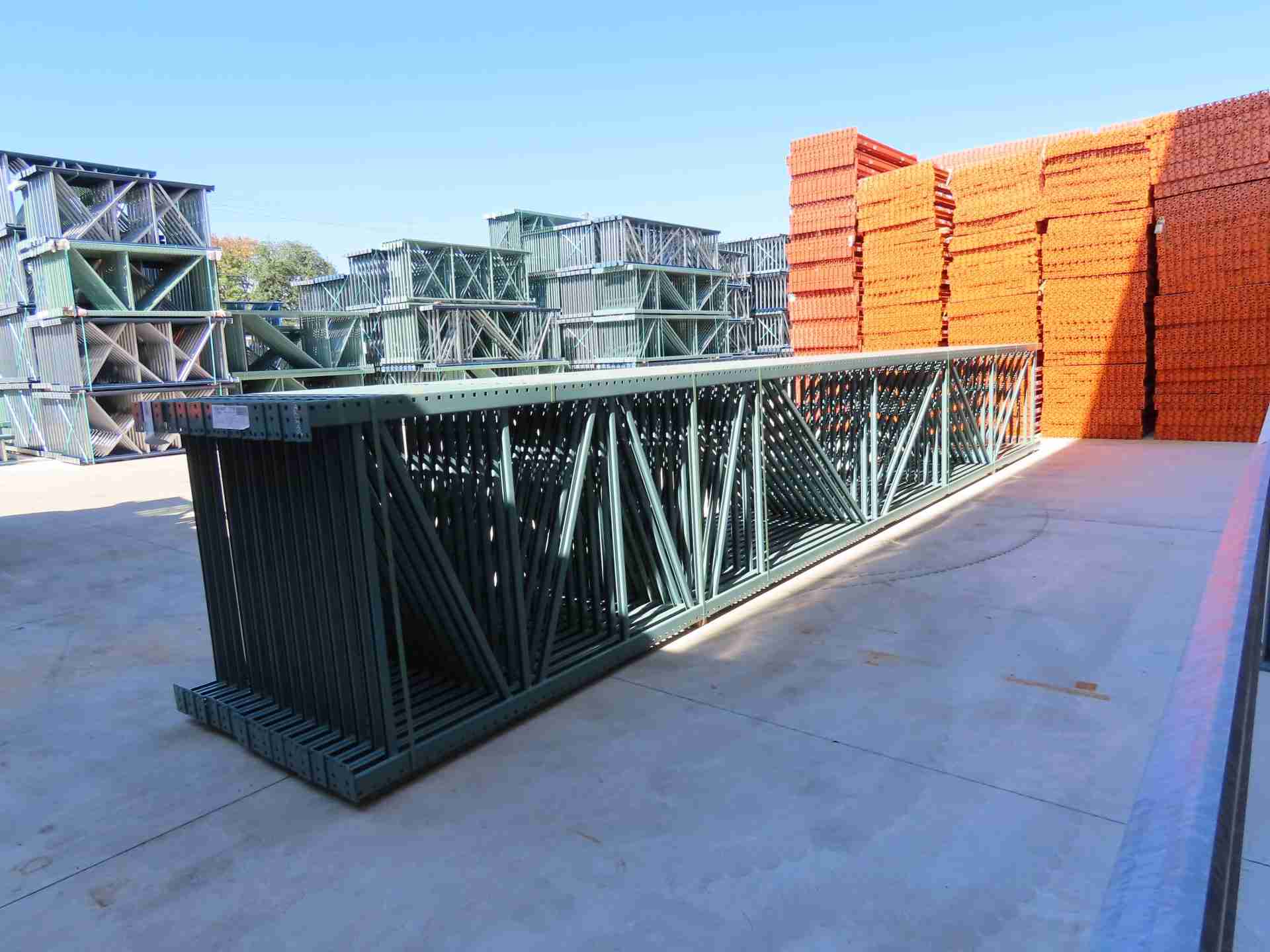
Insurance Implications Of Unsafe Racking
Insurance Implications Of Unsafe Racking
- Racking systems are essential for inventory management, employee safety, and financial health.
- Unsafe racking can lead to logistical issues and insurance problems, creating potentially dangerous situations.
- Accidents can result in injuries, damaged products, and lost productivity, affecting both businesses and communities.
- Employee injuries due to unsafe racking can cause financial hardship for families and organizations alike.
- Maintaining safety standards protects assets and ensures compliance, impacting insurance coverage and costs.
- Neglecting racking safety erodes employee trust and morale, leading to fear and reduced productivity.
- Engaging a qualified racking inspector is an investment in safety that fosters a reliable and productive work environment.

Insurance Implications Of Unsafe Racking
Table Of Contents
- Insurance Implications Of Unsafe Racking
- What Emotional Toll Can Unsafe Racking Systems Impose on Your Team?
- How Can Investing In Safe Racking Systems Save Your Business Money?
- Are You Aware Of the Legal Liabilities Tied to Unsafe Racking?
- What Role Do Industry Standards Play In Ensuring Racking Safety?
- How Do Employee Injuries From Unsafe Racking Affect Company Morale?
- Conclusion
- Other Resources
- Glossary Of Terms
- Other Questions
- Checklist
What Emotional Toll Can Unsafe Racking Systems Impose on Your Team?
When you walk into a warehouse, the steel and shelves stretching skyward might seem like mere infrastructure, but they’re more than that. They are lifelines—tools of the trade that hold the fabric of your team’s morale and success. Racking systems, when designed and maintained properly, support not just the weight of goods but also the unwavering spirit of the individuals who rely on them each day. However, when those systems are unsafe, the emotional toll can be profound.
Imagine a team member navigating the aisles, their mind focused on a looming deadline, unaware that an overworked racking system is teetering above. There’s a weight to that kind of tension, a knot in the gut that grows with every clang of metal. It’s not just about safety; it’s about peace of mind. Employees should feel empowered, not haunted by the fear of a catastrophic collapse. When the racking system is unstable, every shift becomes a gamble, every task a potential disaster. It can chip away at confidence and crush morale, affecting productivity and collaboration.
Let’s get real: the workplace is not just a collection of tasks to be completed. It’s a community where relationships flourish or flounder. If team members don’t feel safe, trust erodes. They stop communicating openly about risks, which can lead to a culture where shortcuts become the norm. The ethical obligation to keep your team safe transcends profitability—it’s about showing you care.
This isn’t just a statistic—this is a narrative that can be woven into the fabric of your team’s life. Picture a time when the team banded together to overcome a challenge, fueled by trust and confidence in each other and the systems around them. Contrast that with the anxiety that comes from a lack of oversight. Which story would you rather tell?
The authority of leadership lies not only in directing tasks but in safeguarding well-being—acknowledging that each team member is a vital piece of a larger puzzle. Invest in robust racking systems that inspire trust, knowing that every dollar spent on safety is an investment in a thriving team. Because when racking systems fail, they can become the architect of not just accidents, but a culture of fear. Let’s choose to build pathways of safety and connection instead—because a supported team is an unstoppable force.
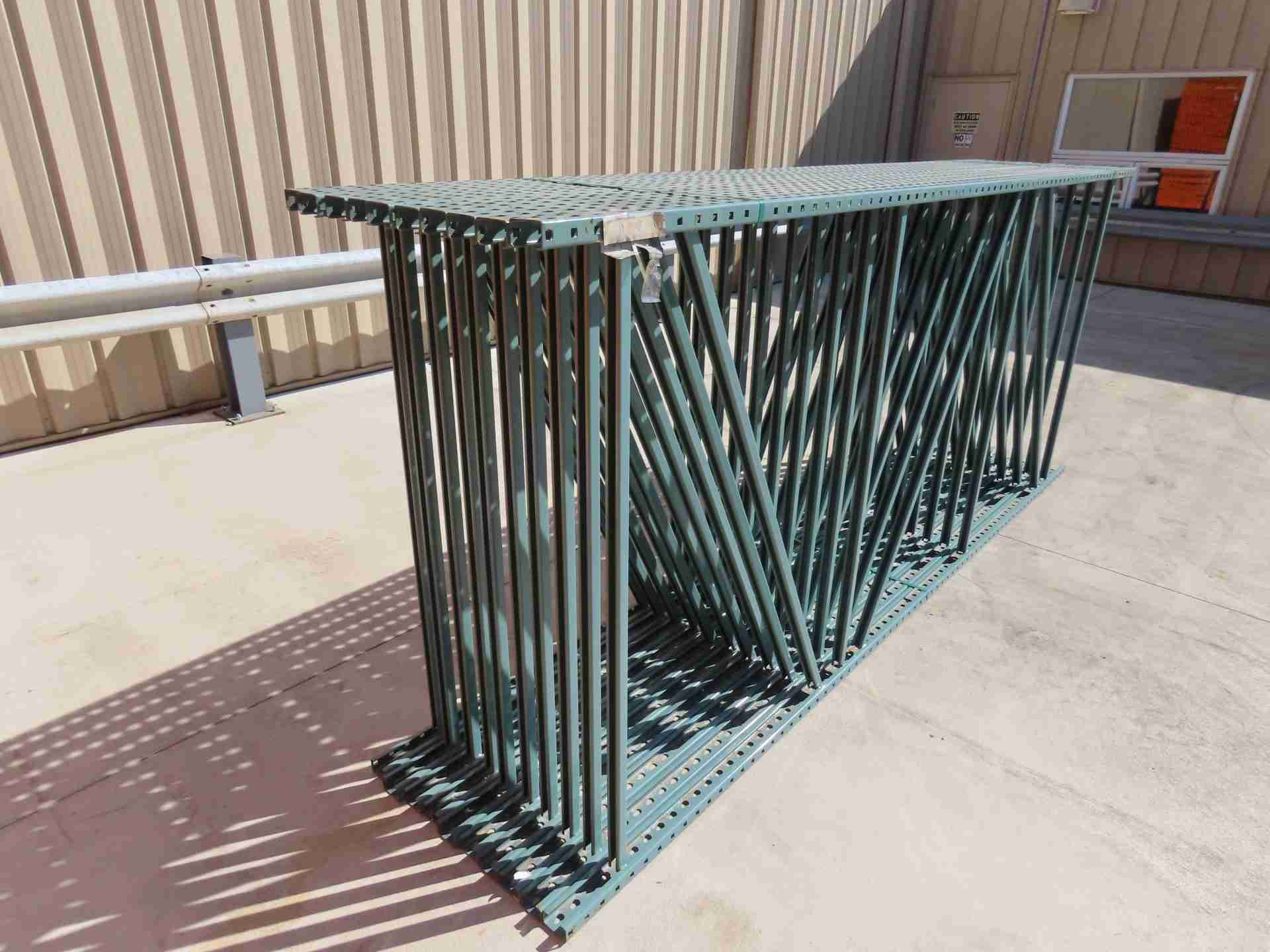
What Emotional Toll Can Unsafe Racking Systems Impose on Your Team?
What Emotional Toll Can Unsafe Racking Systems Impose on Your Team?
- Warehouse infrastructure, including racking systems, are crucial for team morale and success.
- Unsafe racking systems can cause emotional distress and fear among employees.
- Team members may feel anxiety and tension when working under unstable conditions.
- Safety concerns can erode trust, hinder communication, and foster a culture of shortcuts.
- Leadership’s responsibility includes ensuring the well-being and safety of team members.
- Investing in safe racking systems boosts team confidence and productivity.
- A supported team fosters a culture of safety, trust, and collaboration, making them an unstoppable force.
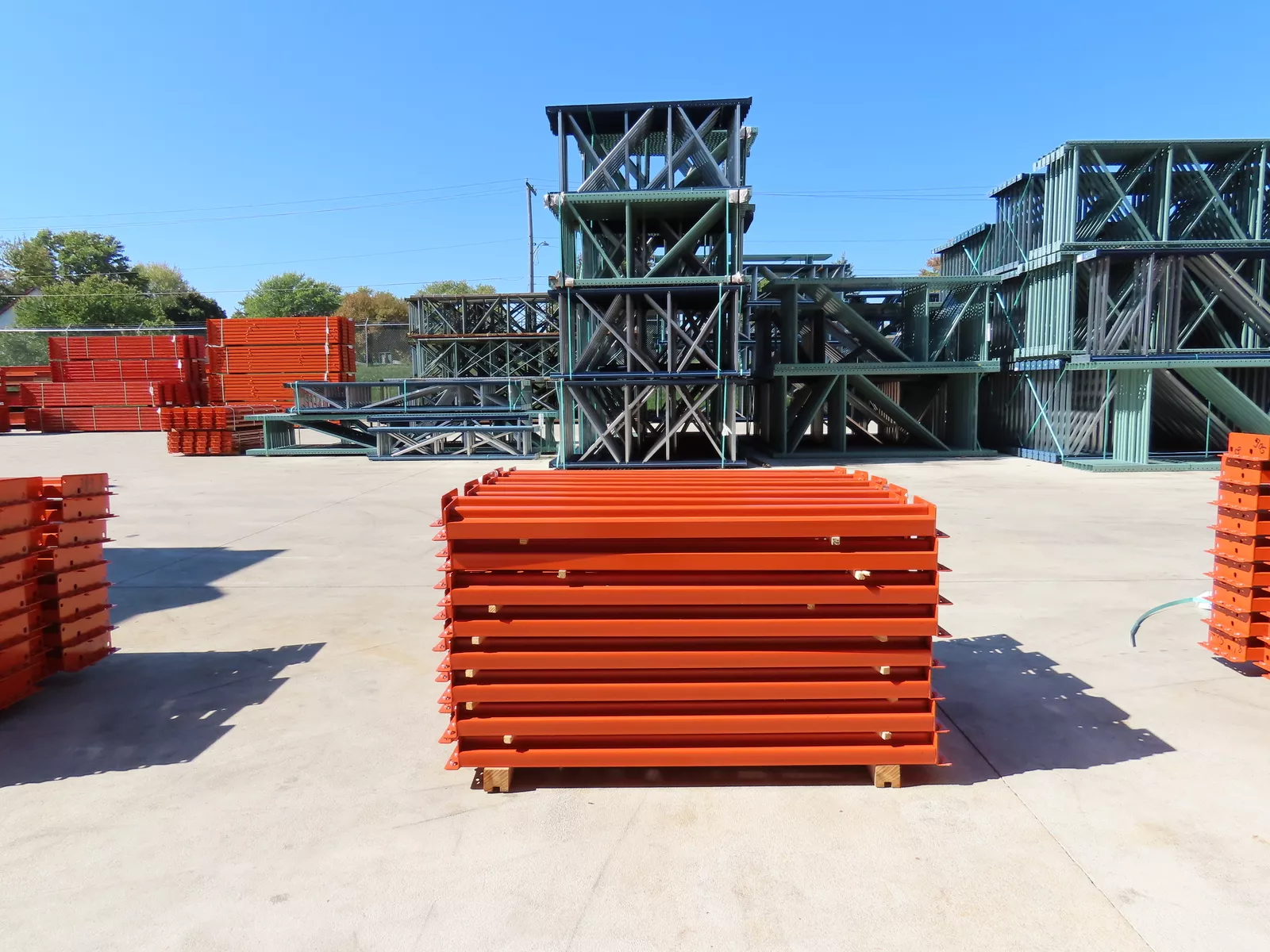
What Emotional Toll Can Unsafe Racking Systems Impose on Your Team?
How Can Investing In Safe Racking Systems Save Your Business Money?
When you think about racking, what often comes to mind? Sturdy shelves lined with boxes or pallets? Sure, but let’s dive deeper. Investing in safe racking systems is more than just a logistical choice; it’s a foundational decision that influences your business’s health and longevity. Picture your warehouse—an organized, well-functioning space where every team member knows exactly where to find what they need. That’s not just beneficial; it’s vital.
From the heart, consider the lives of your employees. So many rely on their jobs, and when racking systems are unsafe, it puts them at risk. Imagine each day, your dedicated workers navigating through aisles of precariously stacked goods, uncertain of their safety. Investing in reliable racking protects them, fostering a workplace where they can focus on their tasks without fear. This commitment to safety demonstrates that you value their well-being—a message that resonates deeply, building loyalty and enhancing morale.
Now, let’s engage your rational side. A safe racking system not only reduces the risk of accidents but also minimizes costly disruptions. Think about it: accidents lead to downtime, legal fees, and higher insurance premiums. By choosing high-quality racking, you’re investing in a solution that pays for itself over time. Budgeting isn’t just about doing the math; it’s about making choices that ensure your business stays profitable in the face of challenges.
Looking through an ethical lens, there’s a responsibility we all share. Companies that prioritize safety set industry standards, inspiring others to follow suit. You’re not just making a choice for your organization; you’re contributing to a culture where safety and diligence are valued and encouraged. It’s a ripple effect, one that can inspire a community of businesses dedicated to better practices.
Then there’s the inspiration of narratives. We’ve heard the stories of companies that made safety a core value—businesses that thrived because they made the right investments. They didn’t just build racking; they built trust with their employees and customers. That’s a legacy worth standing behind.
Finally, let’s not overlook the social aspect. When safety is prioritized, it shines a light on your organization, elevating your reputation. Customers and partners are more likely to engage with businesses that show they care—care for their people, their products, and their communities. Investing in safe racking systems isn’t just a smart decision; it’s a powerful statement about who you are and what you stand for. Embrace this journey—your employees, your business, and your community will thank you.
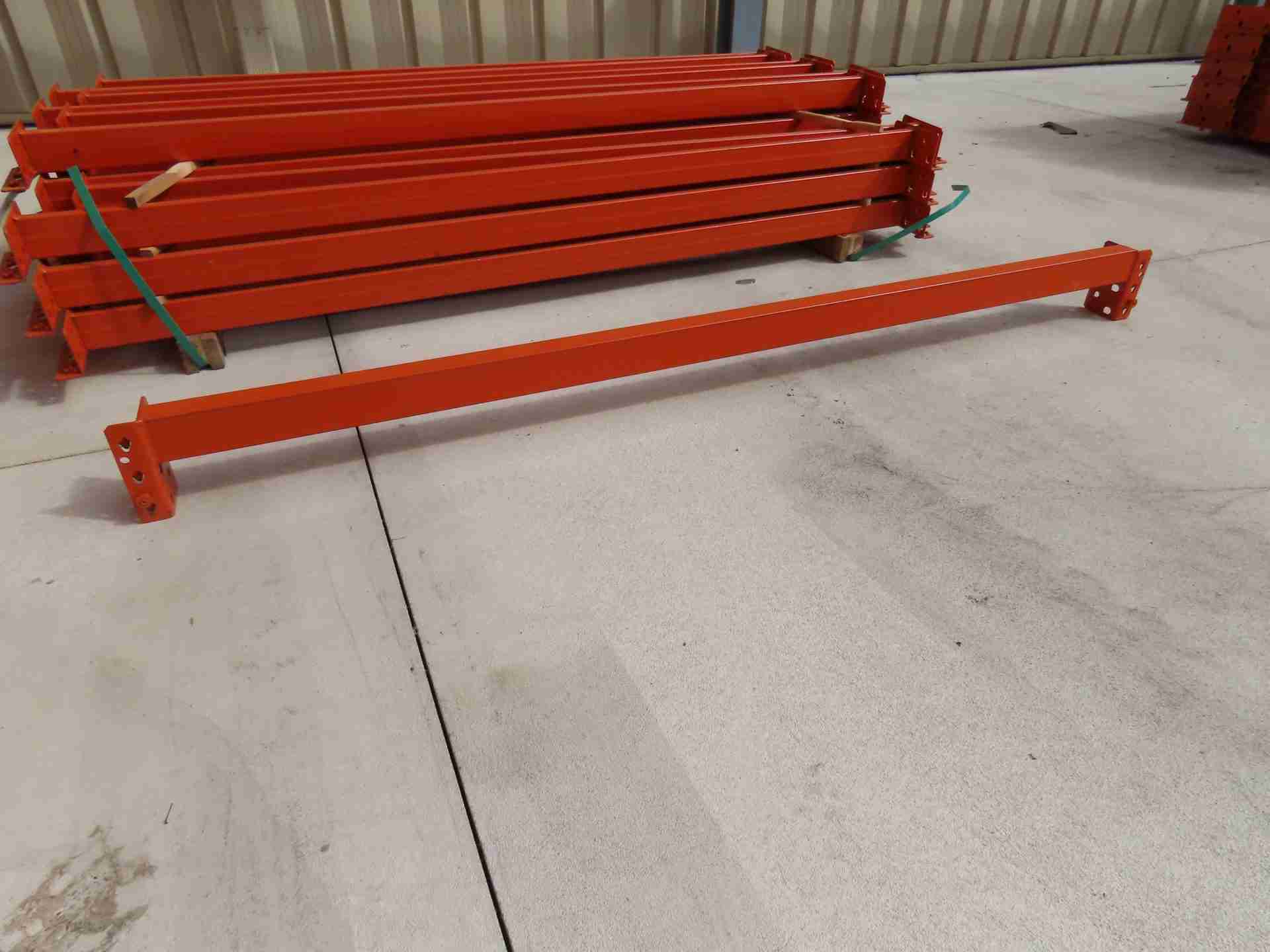
How Can Investing In Safe Racking Systems Save Your Business Money?
How Can Investing In Safe Racking Systems Save Your Business Money?
- Investing in safe racking systems is crucial for business health and longevity.
- Organized warehouses enhance operational efficiency, benefiting all team members.
- Reliable racking systems protect employees, fostering a safe work environment and building loyalty.
- Safe racking minimizes risk of accidents, reducing downtime and additional costs.
- Companies that prioritize safety can inspire industry standards and ethical practices.
- Safety-focused businesses build trust with employees and customers, enhancing their legacy.
- Investing in safety elevates organizational reputation and attracts more customer engagement.
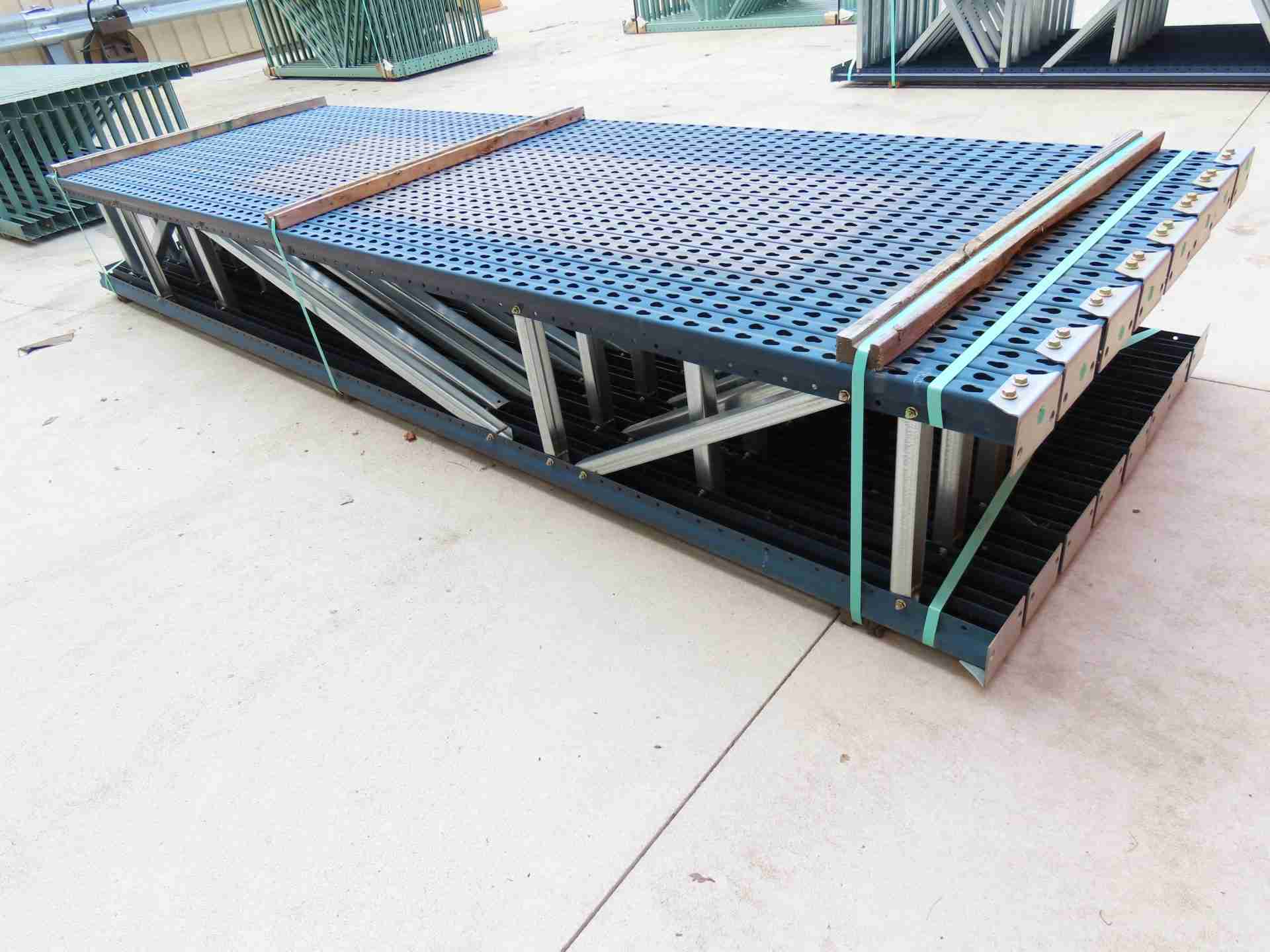
How Can Investing In Safe Racking Systems Save Your Business Money?
Are You Aware Of the Legal Liabilities Tied to Unsafe Racking?
When you think about the towering shelves of your warehouse, those sturdy beams that cradle your products, what’s the first image that comes to mind? For many, it’s efficiency and organization. But beneath that surface lies a tapestry woven with responsibility, potential hazards, and yes, legal liabilities tied to unsafe racking. This isn’t just warehouse jargon; it’s a matter of life, livelihood, and legal battles waiting to unfold.
Imagine you’re a warehouse manager, the one responsible for the safety of your team and the integrity of your operations. Every time a forklift whizzes by or a pallet is stacked high, a decision is made. Is that racking system built to handle the load? Is it compliant with industry standards? These questions aren’t just good practice; they hold the weight of accountability. When safety measures are overlooked or short-changed, the consequences can be catastrophic. Picture an employee seriously injured due to a collapse, a family shattered, and lives changed forever—all because a corner was cut on safety.
Consider the weight of your ethical obligation. Keeping your team safe isn’t just a matter of compliance; it’s about dignity. You wouldn’t want your loved ones working in an environment fraught with danger. By ensuring that every inch of your racking system meets safety regulations, you’re choosing to protect the people who contribute to your collective success. You’re fostering an environment where workers feel valued, where their safety comes first. That’s a reputation worth building and a legacy worth leaving.
And let’s not forget about the legal ramifications. The costs of negligence can be astronomical. Think lawsuits, lost productivity, and damage to your brand’s reputation. When the law comes knocking, excuses don’t pay the bills. But the right safety protocols and regular inspections can fortify your defenses and inspire trust in your leadership. Regulatory compliance isn’t just an annoying checkbox; it’s a shield against potential disaster.
The truth is, the stakes are high. But in addressing the realities of unsafe racking, you’re not only safeguarding your workforce, you’re investing in your company’s future. A robust safety culture can differentiate you in a competitive marketplace, building loyalty among your employees—and your clients. So ask yourself: Are you doing everything you can to ensure that your racking systems don’t just hold up your products, but also uphold your values? The answer could change everything.
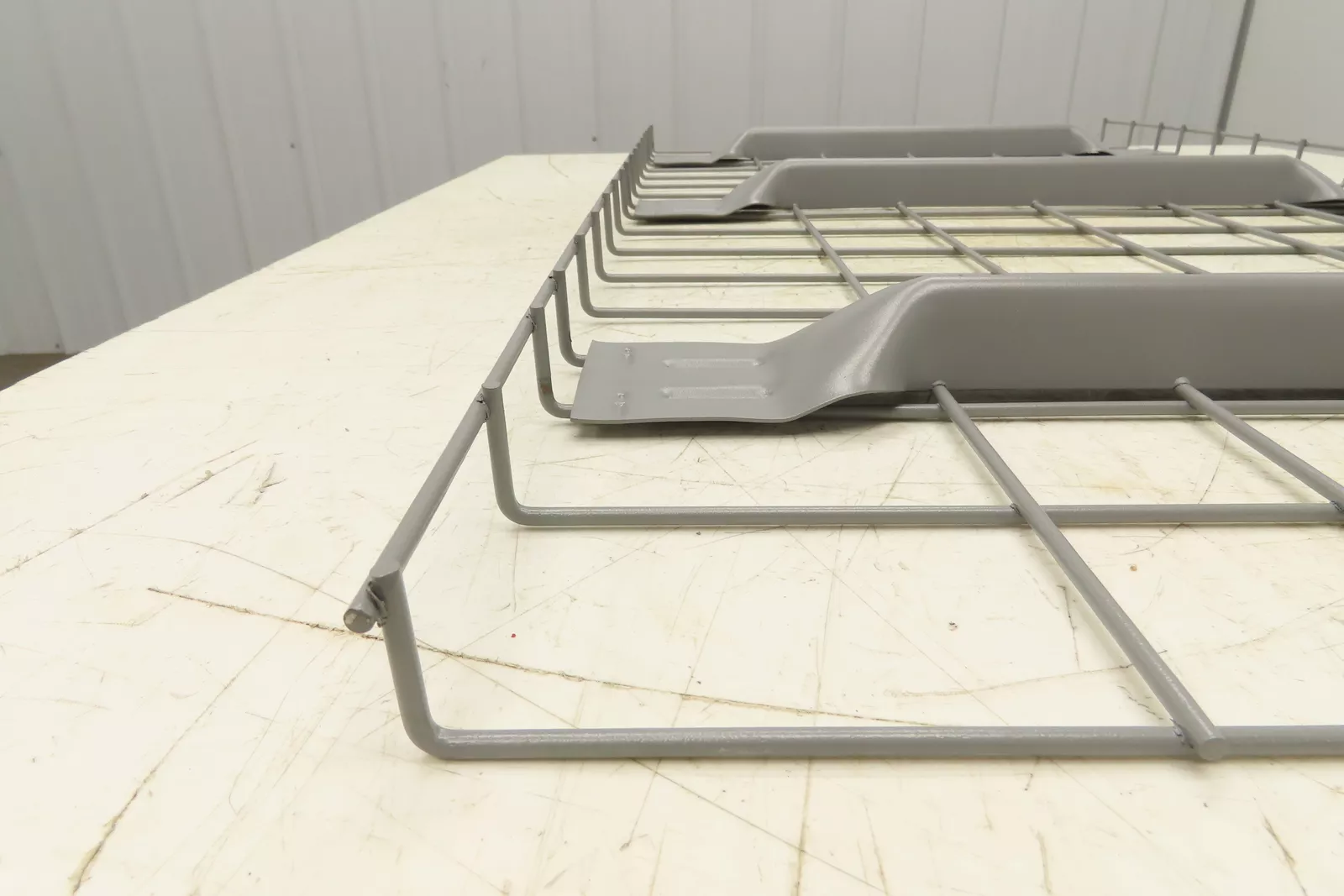
Are You Aware Of the Legal Liabilities Tied to Unsafe Racking?
Are You Aware Of the Legal Liabilities Tied to Unsafe Racking?
- Warehouse shelving embodies efficiency and organization, but also carries legal and safety risks.
- As a warehouse manager, you are responsible for team safety and operational integrity.
- Questions about racking compliance are essential for accountability and preventing catastrophic outcomes.
- Ethical obligations to ensure safety protect not only workers but also enhance company reputation.
- Negligence can lead to significant legal repercussions, including lawsuits and brand damage.
- Implementing safety protocols and inspections can safeguard against potential disasters.
- A strong safety culture enhances employee loyalty and competitive advantage in the market.
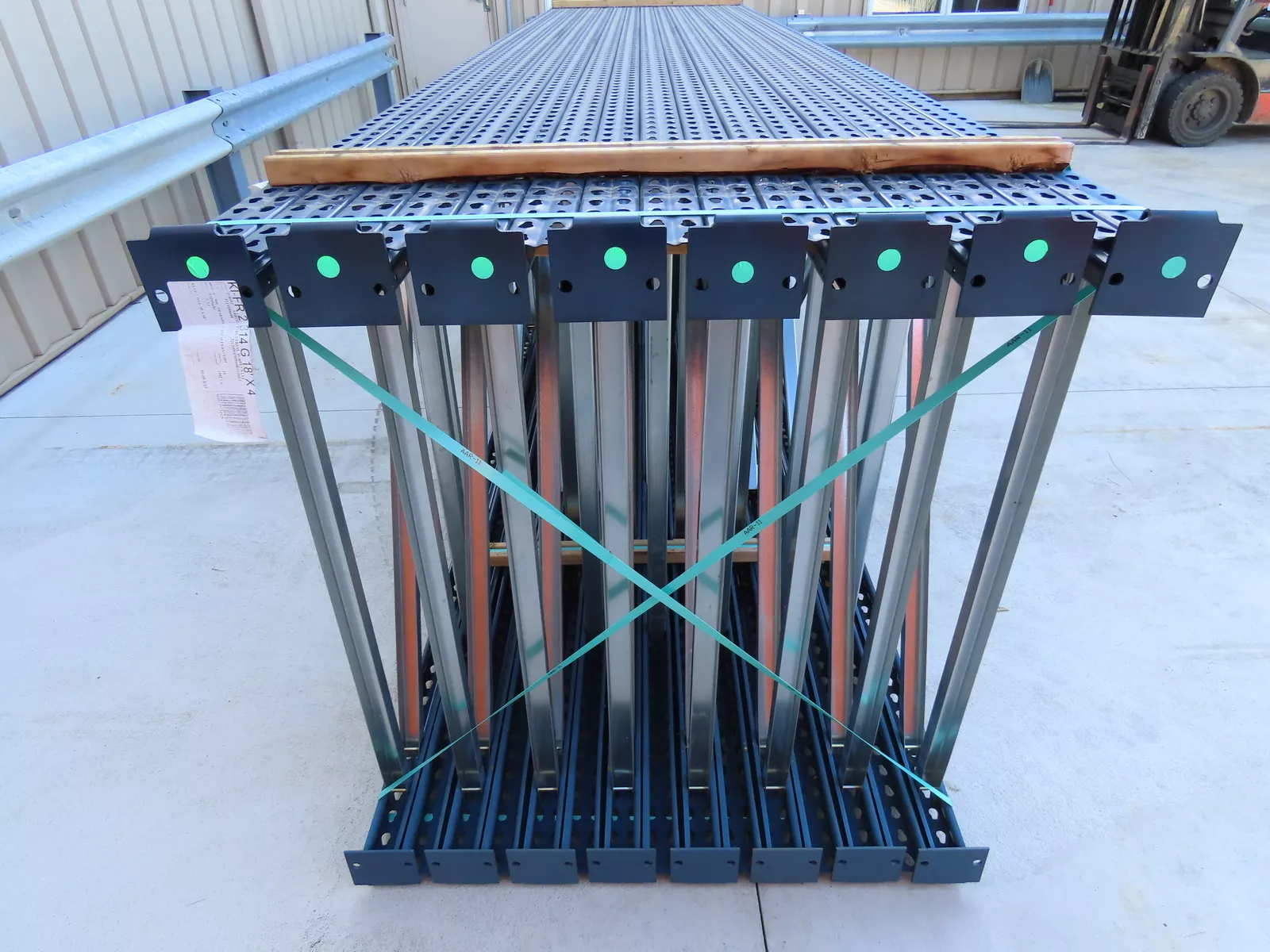
Are You Aware Of the Legal Liabilities Tied to Unsafe Racking?
What Role Do Industry Standards Play In Ensuring Racking Safety?
When you step into a warehouse, you might see rows upon rows of gleaming racking systems, towering structures designed to hold our most precious goods. They look sturdy, but behind that façade lies a complex web of regulations and standards that work tirelessly to ensure safety. What role do these industry standards play in ensuring racking safety? Let’s dive in.
At its core, racking safety isn’t just about metal and bolts; it’s about lives. Picture the warehouse worker who balances his family’s well-being on precarious pallets stacked high above. If that racking system isn’t built and maintained according to rigorous standards, it doesn’t just risk products; it risks people. The fear of a looming collapse—an accident waiting to happen—can turn a job into a daily fight for safety. Industry standards serve as a shield against those fears, assuring workers that their environment has been assessed, improved, and regulated by experts who know the stakes.
These standards don’t just sprout up overnight. They are rooted in extensive research and testing. When an organization sets a standard for racking safety, it draws from the collective expertise and tragic lessons learned from the industry. Mathematical calculations intermingle with lived experiences, providing a framework that balances safety with functionality. This makes them not just a guideline, but a lifeline, grounded in rational thought and ethical responsibility.
The emotional pull of safe working conditions resonates deeply within teams. When workers are confident that their workplace adheres to comprehensive safety standards—whether it’s the proper installation or regular inspections—they are happier and more productive. They know their employers care about their well-being and invest in safety protocols. This emotional safety nets lifts morale and fosters a culture where teamwork thrives.
Furthermore, when companies adhere to these standards, they are speaking to a broader issue of accountability. In a world where businesses are held to ethical standards, showcasing compliance with racking safety guidelines instills trust among clients and consumers alike. It’s not just a matter of protecting employees but also prioritizing community welfare, connecting the dots between workplace safety and the larger social fabric.
Industry standards in racking safety are what transform cold metal into a safe, supportive structure. They turn potential chaos into organized stability—creating a trust that not only secures a workplace but also cements the bond between employer and employee, ensuring that everyone goes home safely at the end of the day.
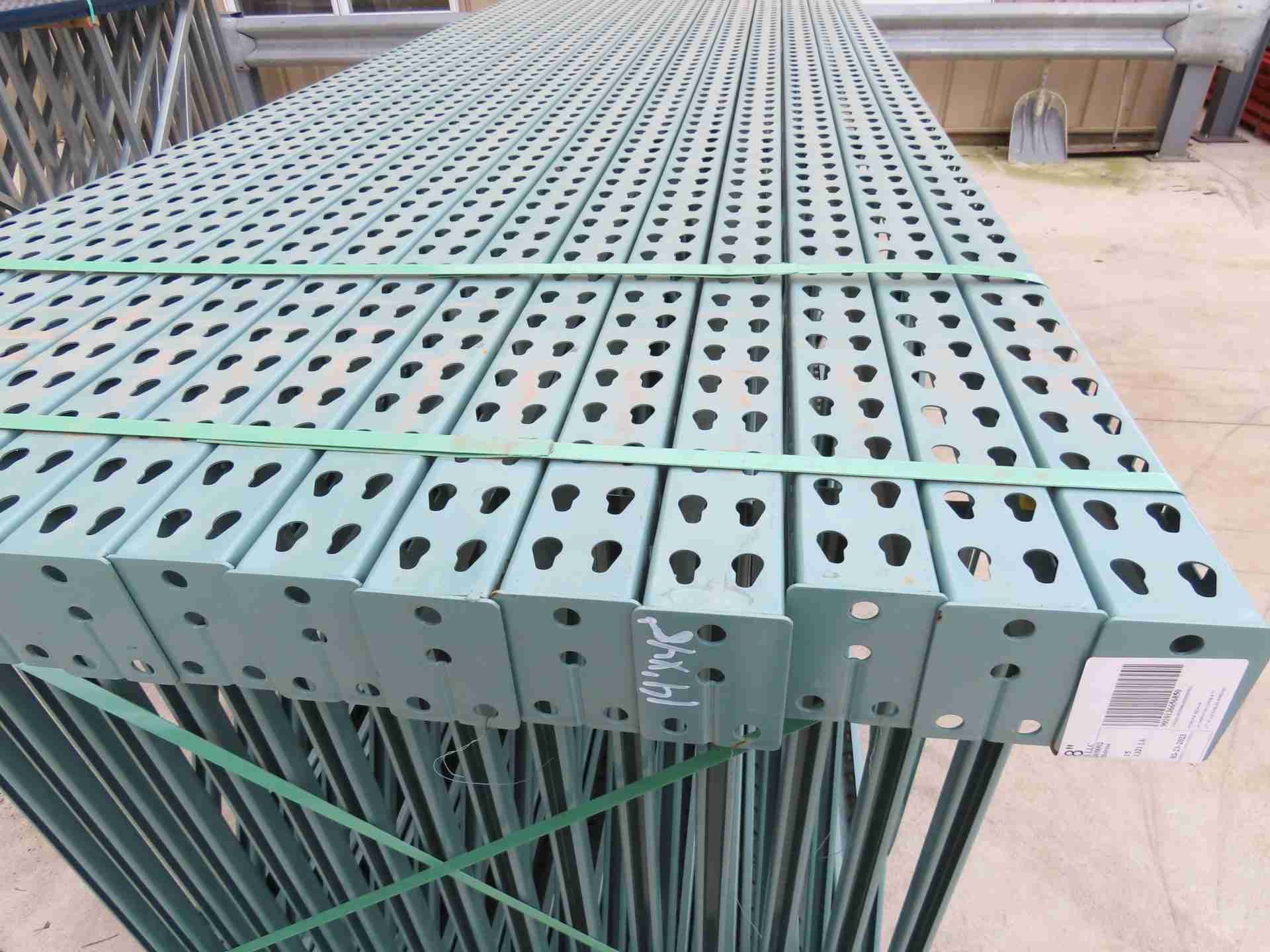
What Role Do Industry Standards Play In Ensuring Racking Safety?
What Role Do Industry Standards Play In Ensuring Racking Safety?
- Racking systems in warehouses are designed to hold valuable goods but involve complex safety regulations.
- Racking safety is crucial for the well-being of workers, preventing risks to both products and people.
- Industry standards are based on extensive research and industry expertise, providing a reliable framework for safety.
- Safe working conditions boost worker morale, productivity, and confidence in employer care for their well-being.
- Adhering to safety standards enhances accountability and fosters trust among clients and consumers.
- Compliance with racking safety guidelines connects workplace safety with broader community welfare.
- Industry standards transform racking systems into reliable structures that ensure safety and strengthen employer-employee relationships.
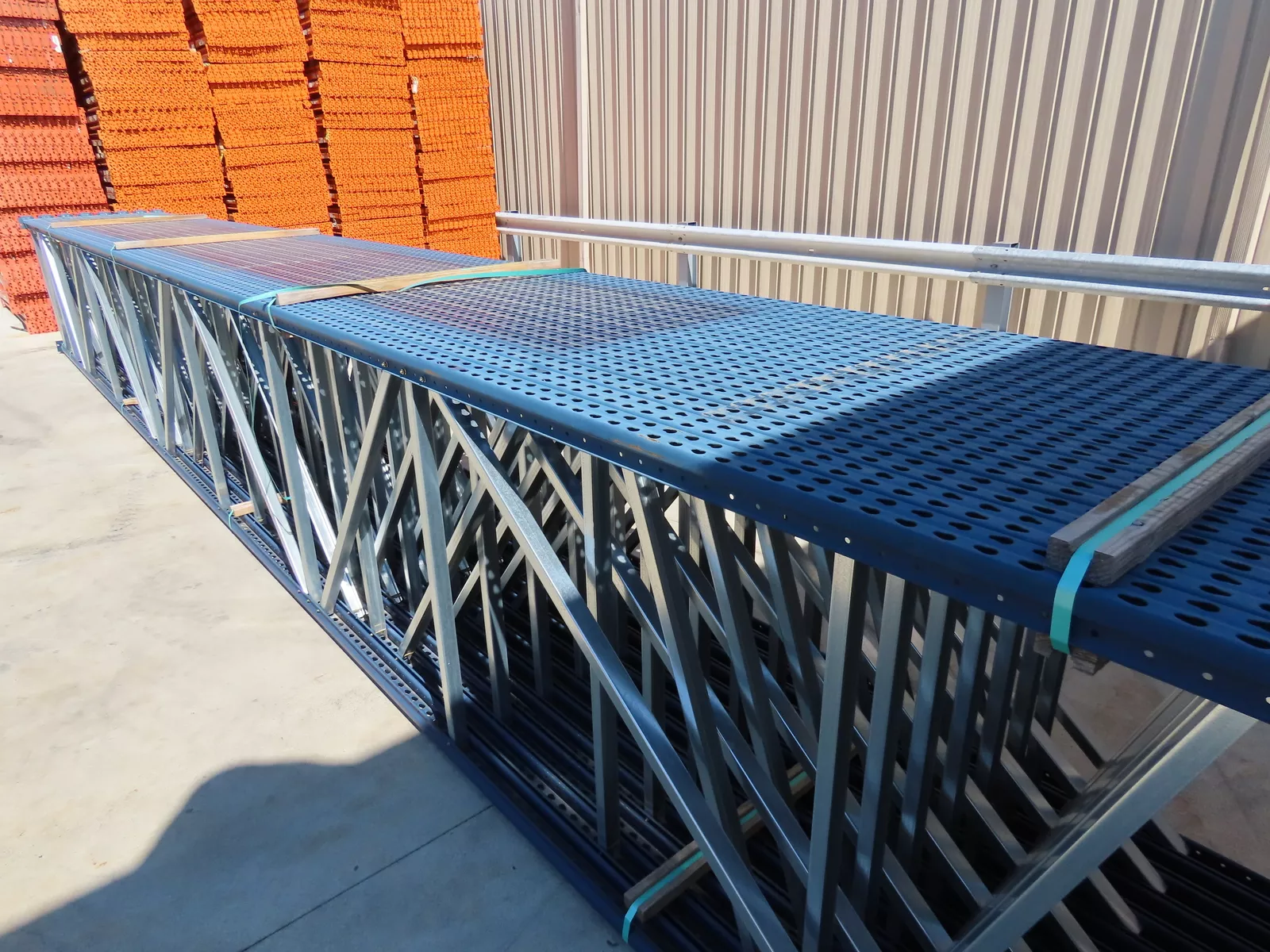
What Role Do Industry Standards Play In Ensuring Racking Safety?
How Do Employee Injuries From Unsafe Racking Affect Company Morale?
When a workplace injury occurs, particularly from unsafe racking, the ripples of that incident can spread far beyond the hospital room. We often overlook that behind every injury lies a colleague—a friend—whose absence is felt acutely by their peers. Imagine the dimmed enthusiasm in the break room, where laughter once filled the air. Employees who witness accidents carry an emotional weight, one that can sap morale and instill anxiety.
Leaning on the facts, let’s not forget that the repercussions of poor safety practices extend to the bottom line. Productivity suffers when workers are apprehensive about their environment. Their minds shift from doing their jobs with confidence to worrying about what might happen next. The rational mind knows this: a safe workplace is a productive workplace. Ignoring unsafe racking systems isn’t just reckless; it’s detrimental to operational effectiveness.
Ethically, companies have a duty to protect their employees. It’s not just about compliance with regulations; it’s about fostering a culture of care. Each worker deserves to feel safe, valued, and respected. When a company prioritizes safety, they signal to their employees that their lives matter more than profit margins. That’s the kind of message that creates loyalty and dedication.
Consider this: every time an employee sees an unsafe racking system and thinks twice before tackling their tasks, the organizational trust erodes. The narrative that unfolds is a fragile one, built on fear and uncertainty rather than teamwork and resilience. People talk; conversations ripple through lunch breaks and breakroom gossip, creating an environment where safety isn’t just a priority—it’s a serious concern.
The social fabric of a workplace thrives on connections. When employees unite for safety, they cultivate camaraderie that transcends personal responsibilities. Every safe action, every report of a potential hazard, strengthens those bonds. It stands to reason that when safety measures are robust, morale is high, fostering an atmosphere where innovation and collaboration flourish.
So, let’s act. Let’s advocate for better practices and elevate our safety game. Prioritize racking systems that protect rather than endanger. Because when we invest in the well-being of our people, we ignite a spark of pride, purpose, and a collective spirit that propels the entire organization forward. Together, we can create a workplace where everyone feels empowered and safe, laying the foundation for growth that’s sustainable in every sense.
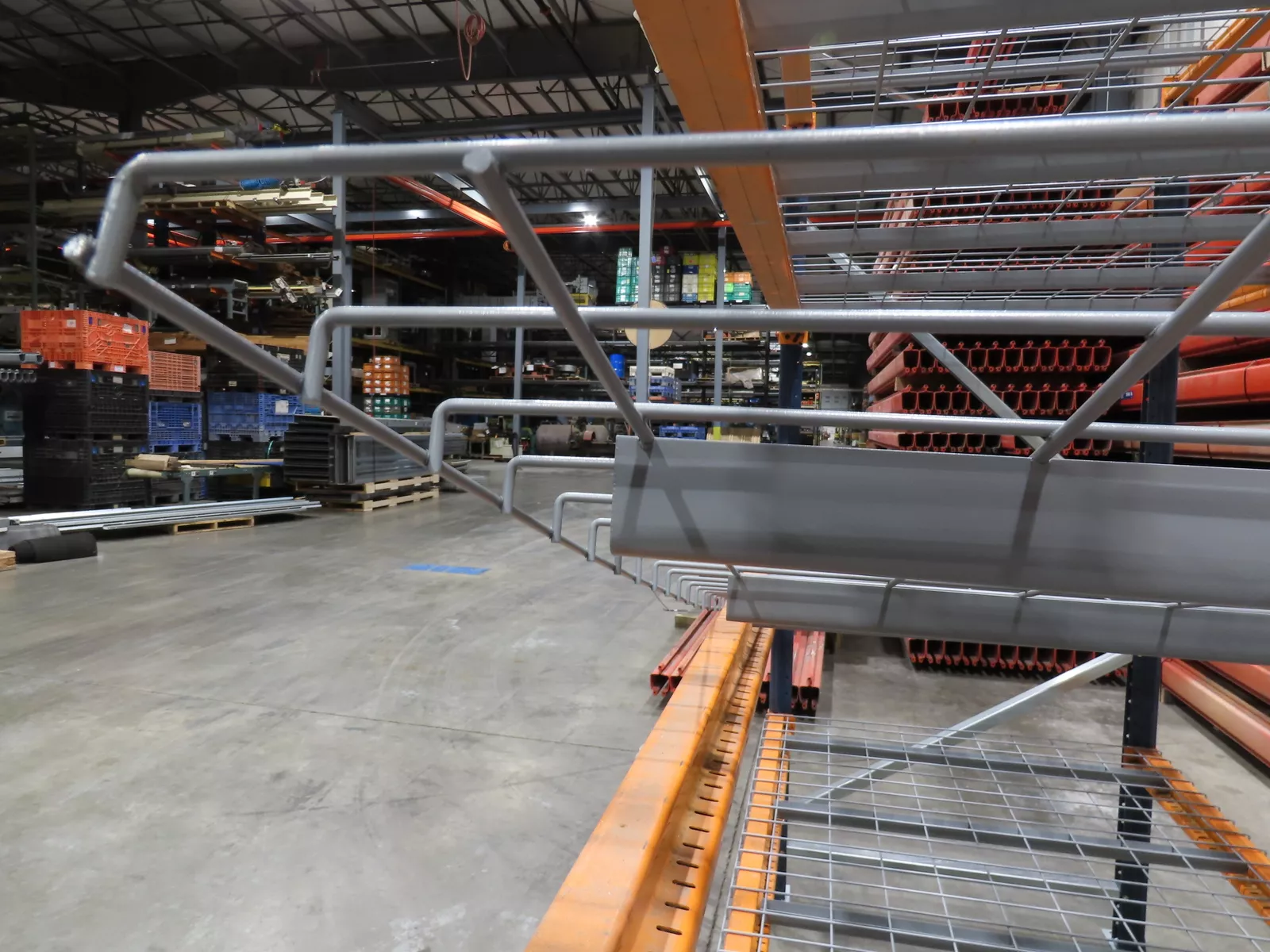
How Do Employee Injuries From Unsafe Racking Affect Company Morale?
How Do Employee Injuries From Unsafe Racking Affect Company Morale?
- Workplace injuries, especially from unsafe racking, affect not just the injured but their colleagues and overall workplace morale.
- Witnessing accidents can lead to anxiety and decreased enthusiasm among employees, impacting productivity.
- A safe workplace enhances confidence and efficiency, while neglecting safety practices hinders operational effectiveness.
- Companies have an ethical responsibility to ensure employee safety beyond mere regulatory compliance, fostering a culture of care.
- Unsafe conditions erode organizational trust, leading to fear and uncertainty rather than teamwork.
- Promoting safety fosters camaraderie and strengthens social bonds, enhancing morale and driving innovation.
- Investment in employee safety creates a positive workplace culture, empowering staff and supporting sustainable growth.
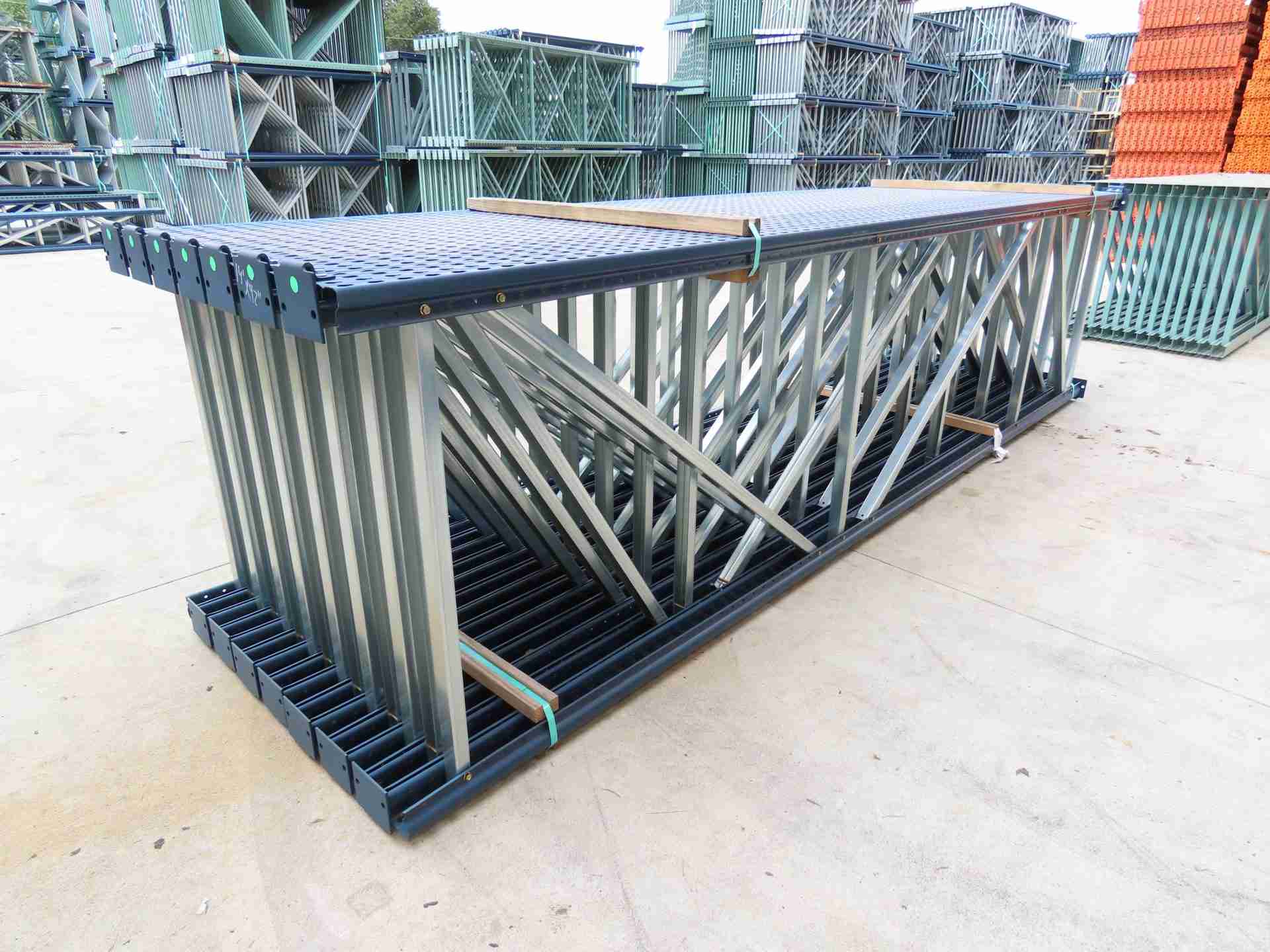
How Do Employee Injuries From Unsafe Racking Affect Company Morale?
Conclusion
Racking systems serve as the backbone of many businesses, supporting not only the physical weight of inventory but also the very fabric of their workforce’s safety and well-being. When these systems falter, it’s not merely a logistical issue; it can spiral into an insurance nightmare, inviting liabilities that threaten not just the company’s financial stability, but its ethical standing. Unsafe racking can lead to avoidable accidents, which exact a toll on morale and productivity. Picture the anxiety of employees, aware that their safety hangs by a thread due to ignored safety protocols. Such tension can erode trust, breeding an atmosphere of fear where innovation and teamwork struggle to thrive.
The stakes are high. A commitment to safety is a direct investment in the lives of employees and the overall health of the business. Each dollar spent on quality and compliant racking systems not only mitigates the risks of injuries but solidifies a culture that values human dignity over mere compliance. The ripple effect of prioritizing safety transcends the workplace; it reaches families and communities, reinforcing the ethical imperative to maintain a secure environment for all. We need to embrace this responsibility—not only to protect individuals but to inspire a wider industry movement toward better practices.
Moreover, the legal implications of neglecting safety can result in substantial financial losses—a reality that savvy business owners cannot afford to ignore. Legal battles, rising insurance premiums, and a tarnished reputation can all stem from a single overlooked safety concern. Each incident further underlines the authority a company has not just over tasks, but over the lives and trust of its employees.
Investing in robust racking systems illustrates a commitment to both safety and productivity, creating a stable environment where employees feel empowered. Workers equipped with peace of mind are apt to engage more, innovate, and contribute to a vibrant workplace culture. This can lead to enhanced morale and the unifying bonds that form when people collectively advocate for their safety and each other.
By making safety a core value, businesses send a powerful message: that they prioritize the well-being of their workers, foster loyalty, and contribute responsibly to their communities. In an ever-changing market, this commitment will carve a path to sustained success, nurturing a culture where everyone has the opportunity not just to survive but to thrive. Choose to invest in safety; the benefits far outweigh the costs, establishing a legacy that stands the test of time.
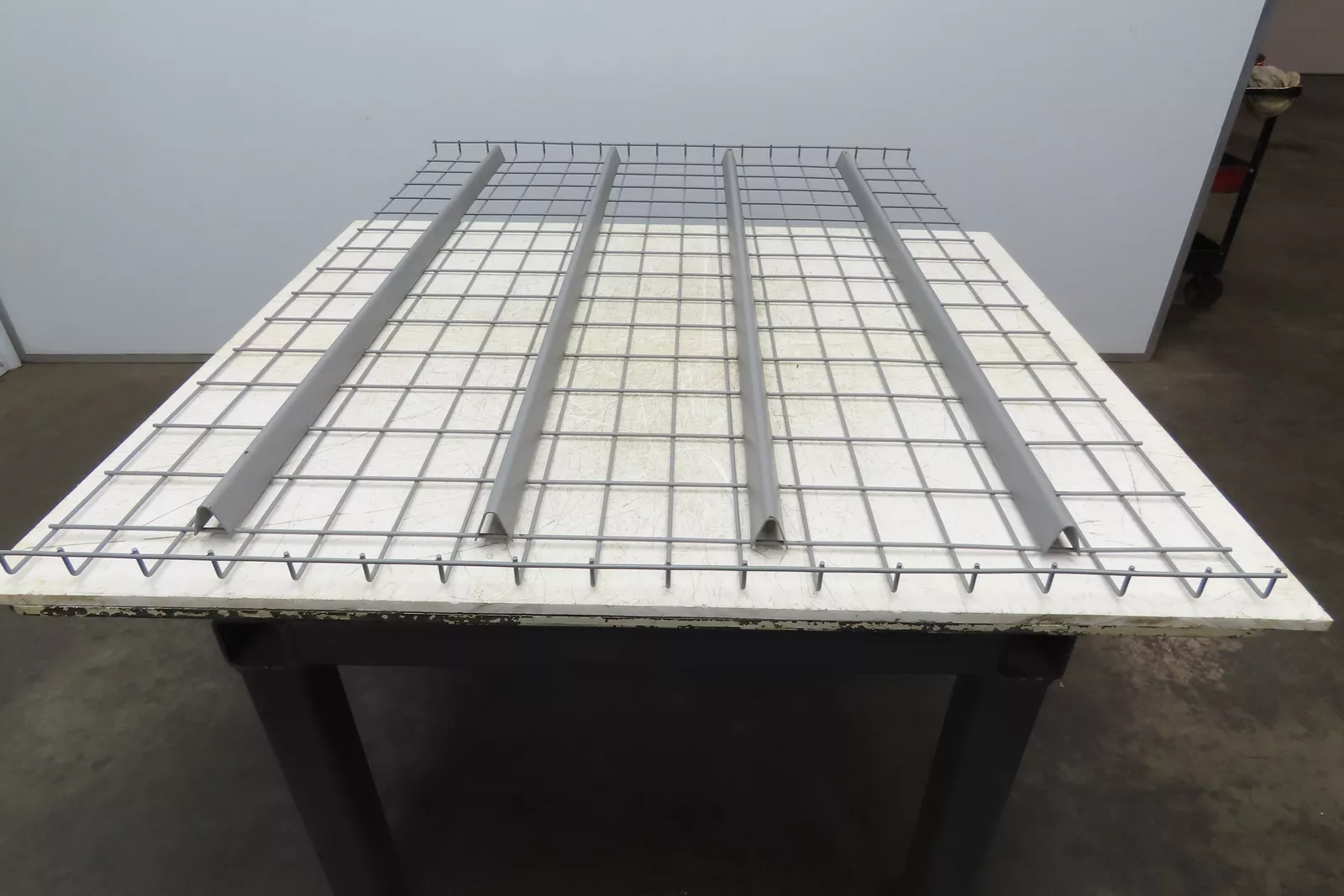
Conclusion
Conclusion:
- Racking systems are essential for supporting inventory and ensuring workforce safety.
- Failures in racking can lead to accidents, financial liabilities, and damaged company ethics.
- Unsafe environments erode employee morale and trust, hindering innovation and teamwork.
- Investing in quality racking systems prioritizes employee safety and promotes a culture of dignity.
- Neglecting safety can result in legal issues, financial loss, and tarnished reputations.
- Robust racking systems empower workers, fostering engagement and a positive workplace culture.
- A commitment to safety enhances loyalty, community responsibility, and long-term business success.
Conclusion
Other Resources
Other Resources
Here is a list of other resources you can review online to learn more:
- MHI
- Material Handling Safety
- ASSP
- Arrow Industrial Sales
- Illinois
- IIWS Inc. Rack Installation Illinois & Rack Repairs Illinois
- Teardrop Racks – Pallet Rack World
- What is Selective Racking: Understanding Benefits & Options
- Interlake
- IIWS Inc. Rack Installation Illinois & Rack Repairs Illinois
- Interlake Mecalux
- Pallet Racking 101: A Comprehensive Guide & Options Explained
- Total Warehouse
- Warehousing and Fulfillment
- The Complete Pallet Rack Guide – Simply Rack
- Teardrop Uprights
- Pallet Racking systems in Illinois, Great Lakes
- Rack Manufacturers Institute
- Bradford Systems
- Overhead Lifting
Use This Prompt To Get More Resources With Your Favorite Online AI Tool: Please provide me with a list of online articles with their URLs in a bulleted list that I can read regarding Insurance Implications Of Unsafe Racking
Other Resources
Glossary Terms
Insurance Implications Of Unsafe Racking – Glossary Of Terms
1. Racking: A storage system designed to hold goods and materials in warehouses and distribution centers, often elevated to optimize space.
2. Unsafe Racking: Racking systems that do not meet safety standards or guidelines, posing risks for injuries and damages.
3. Insurance Liability: The legal responsibility of an insurer to cover damages and injuries resulting from unsafe conditions, including defective racking.
4. Regulatory Compliance: Adherence to laws and regulations governing warehouse safety and racking systems, critical for insurance coverage.
5. Risk Assessment: The process of identifying and analyzing potential hazards associated with unsafe racking, important for insurance underwriting.
6. Coverage Exclusions: Specific conditions or circumstances not covered by an insurance policy, often related to negligence in maintaining safe racking.
7. Warehouse Safety: Practices and measures aimed at ensuring a safe working environment within a warehouse, directly linked to insurance risk.
8. Employee Training: Instruction provided to workers on safe handling and operation of racking systems, impacting liability and insurance premiums.
9. Incident Report: A documented account of workplace accidents related to racking failures, crucial for insurance claims.
10. Claims Process: The procedure whereby insured parties report incidents and seek compensation for damages related to unsafe racking.
11. Underwriting Standards: Guidelines used by insurers to evaluate risks before issuing policies, often influenced by warehouse safety practices.
12. Loss Exposure: Potential financial losses an insurer faces due to claims resulting from unsafe racking incidents.
13. Third-Party Liability: Insurance coverage for claims made by individuals not directly involved with a business, relevant in unsafe racking cases affecting outsiders.
14. Inspection Protocols: Established routines for regularly examining racking systems to ensure safety and prevent insurance claims.
15. Load Capacity: The maximum weight a racking system can safely hold, critical for compliance with safety regulations.
16. Material Handling Equipment (MHE): Tools and devices used for moving goods within a warehouse, must be compatible with racking systems to reduce risk.
17. Accident Prevention: Strategies implemented to minimize the likelihood of incidents occurring due to unsafe racking practices.
18. Safety Guidelines: Recommendations issued by regulatory bodies or organizations that outline safe practices for racking usage.
19. Risk Mitigation: Steps taken to reduce the impact of identified risks, including maintaining safe racking and improving warehouse protocols.
20. Business Interruption Insurance: Coverage that protects against losses due to operational downtime caused by accidents related to racking failures.
21. Loss Control: Efforts taken to prevent policyholders from experiencing financial losses, influenced by the safe design of racking systems.
22. Insurance Premiums: The cost of insurance coverage, which can be affected by the safety of racking systems in place.
23. Hazard Identification: The process of recognizing potential dangers in the workplace, including those arising from improper racking configurations.
24. Shelving Systems: A type of racking used for organizing goods in a warehouse, which must meet safety standards to avoid insurance issues.
25. Operational Risk: The potential for financial loss stemming from inadequate or failed internal processes, including unsafe racking usage.
26. Workplace Ergonomics: The science of designing tasks and workspaces to fit human capabilities, important for safe racking operation.
27. Risk Management: The systematic approach of identifying, assessing, and mitigating risks associated with warehouse operations, including racking.
28. Inventory Control: Methods and processes used to manage stocks effectively, ensuring safety practices are in place to prevent racking accidents.
29. Safety Audits: Comprehensive evaluations of workplace practices and infrastructures to ensure compliance with safety regulations, including racking systems.
30. Liability Coverage: Insurance that protects a business from claims resulting from injuries or damages linked to unsafe racking environments.
Glossary Of Terms
Other Questions
Insurance Implications Of Unsafe Racking – Other Questions
If you wish to explore and discover more, consider looking for answers to these questions:
- What are the most common causes of racking system failures?
- How can companies ensure compliance with safety regulations related to racking?
- What specific training should employees receive regarding racking safety?
- What are the signs that a racking system may be unsafe?
- How often should racking systems be inspected and maintained?
- What types of insurance coverage are essential for businesses with racking systems?
- How can companies effectively communicate the importance of racking safety to employees?
- What are the long-term benefits of investing in safe racking systems?
- How do workplace accidents from unsafe racking impact a company’s reputation?
- What are the potential financial costs associated with unsafe racking practices?
- Are there industry-specific standards for racking systems that businesses need to follow?
- How can businesses create a culture of safety among their employees?
- What role do employees play in maintaining racking safety?
- What resources are available for businesses to improve their racking safety practices?
- How can businesses recover from an incident related to unsafe racking?
Other Questions
Checklist
Insurance Implications Of Unsafe Racking – A Checklist
Checklist: Ensuring Safe Racking Systems for Your Business
Heart
_____ Reflect on the emotional well-being of your employees. Are your racking systems instilling confidence or fear?
_____ Consider the impact of workplace safety on community relationships. How would a safety incident affect your team’s morale and community standing?
_____ Emphasize your ethical responsibility to care for your employees. Are you prioritizing their safety as a core value?
Head
_____ Review your current racking systems for compliance with industry safety standards. Are they built to handle the load?
_____ Evaluate the potential financial repercussions of unsafe racking. Have you calculated possible costs from accidents, legal fees, or lost productivity?
_____ Assess your insurance coverage. Are you aware of the implications of unsafe practices on your claims and premiums?
Gut
_____ Trust your instincts. If something feels off about your racking systems, prioritize inspections and enhancements.
_____ Connect with employees. Are there open dialogues regarding safety? Are workers comfortable voicing their concerns?
_____ Investigate the consequences of ignoring safety measures. How would an injury change the workplace atmosphere and culture?
Emotional Appeal
_____ Share stories of how safety has positively impacted team morale and productivity. Create a narrative that showcases your commitment to their well-being.
Rational Appeal
_____ Compile data demonstrating how safe racking systems reduce costs associated with accidents and insurance claims.
Ethical Appeal
_____ Foster a safety-first culture. Regularly communicate that prioritizing safety is a moral obligation to every employee.
Authority Appeal
_____ Engage a qualified racking inspector. Ensure that professional expertise guides your safety protocols and practices.
Narrative Appeal
_____ Create and share success stories of companies that made safety a priority. Highlight how this decision has led to growth and trust within their teams.
Social Appeal
_____ Build a reputation for safety within your industry. Ensure your commitment to safety resonates with clients, partners, and the community.
Remember, investing in safe racking systems is not just about compliance; it’s about protecting lives and fostering a thriving workplace culture.

Checklist
At RackingWorld, we help guide you through selecting warehouse storage systems and racking.
Be sure to read our other related stories at RackingWorld to learn more about warehouse storage systems.
0 Comments