
Unlocking Growth: Overcoming Warehouse Storage Limitations
By Tom Seest
At RackingWorld, we help guide you through selecting warehouse storage systems and racking.
Be sure to read our other related stories at RackingWorld to learn more about warehouse storage systems.
Is The Scarcity Of Warehouse Storage Holding You Back From Success?
Picture this: your business is ready to scale, orders are pouring in, and your products are in demand. But there’s a nagging issue lurking in the background—your warehouse storage is nearing capacity. The crates of inventory are stacked sky-high, and you’re left scrambling to find an optimal solution. Sound familiar? You’re not alone in this struggle. Many entrepreneurs face this critical juncture where growth is stifled by a lack of adequate warehouse space.
In the world of logistics, the right storage solution is everything. Enter pallet racking—an ingenious system that can not only maximize vertical space in your warehouse but also streamline your operations. Imagine transforming your chaotic storage space into a well-organized, efficient layout. This isn’t just about aesthetics; it’s about reclaiming control of your business and positioning yourself to seize new opportunities.
You may be thinking, “Can a simple storage system really make such a difference?” Absolutely! The moment you systematize your storage processes, you free up vital space and energy that can be redirected towards customer service, marketing, and ultimately, growth. It’s a domino effect: improved organization leads to faster order fulfillment, which leads to happier customers, repeat business, and glowing referrals.
Let’s get real. The difference between a stagnating business and a thriving one often comes down to one simple question: Are you prepared? By investing in smart storage solutions like pallet racking, you take proactive steps towards removing barriers that hold you back from hitting your targets. It’s about trusting the systems you implement and instilling confidence within your team. Additionally, having an organized warehouse dramatically reduces the risks associated with misplaced items and inefficient workflows.
As you contemplate the future, consider what effective warehouse solutions could mean for you. You have the potential to unlock new revenue streams, increase efficiency, and ultimately elevate your brand. Don’t let storage scarcity define your journey. The path to success is clutter-free, and with the right storage strategy in place, you can focus on driving your vision forward.
Take action today! Invest in pallet racking or similar systems that suit your needs, and watch as your business blossoms into its full potential. It’s time to shed the weight of disorganization and step into a streamlined future where success isn’t just a goal—it’s your reality.
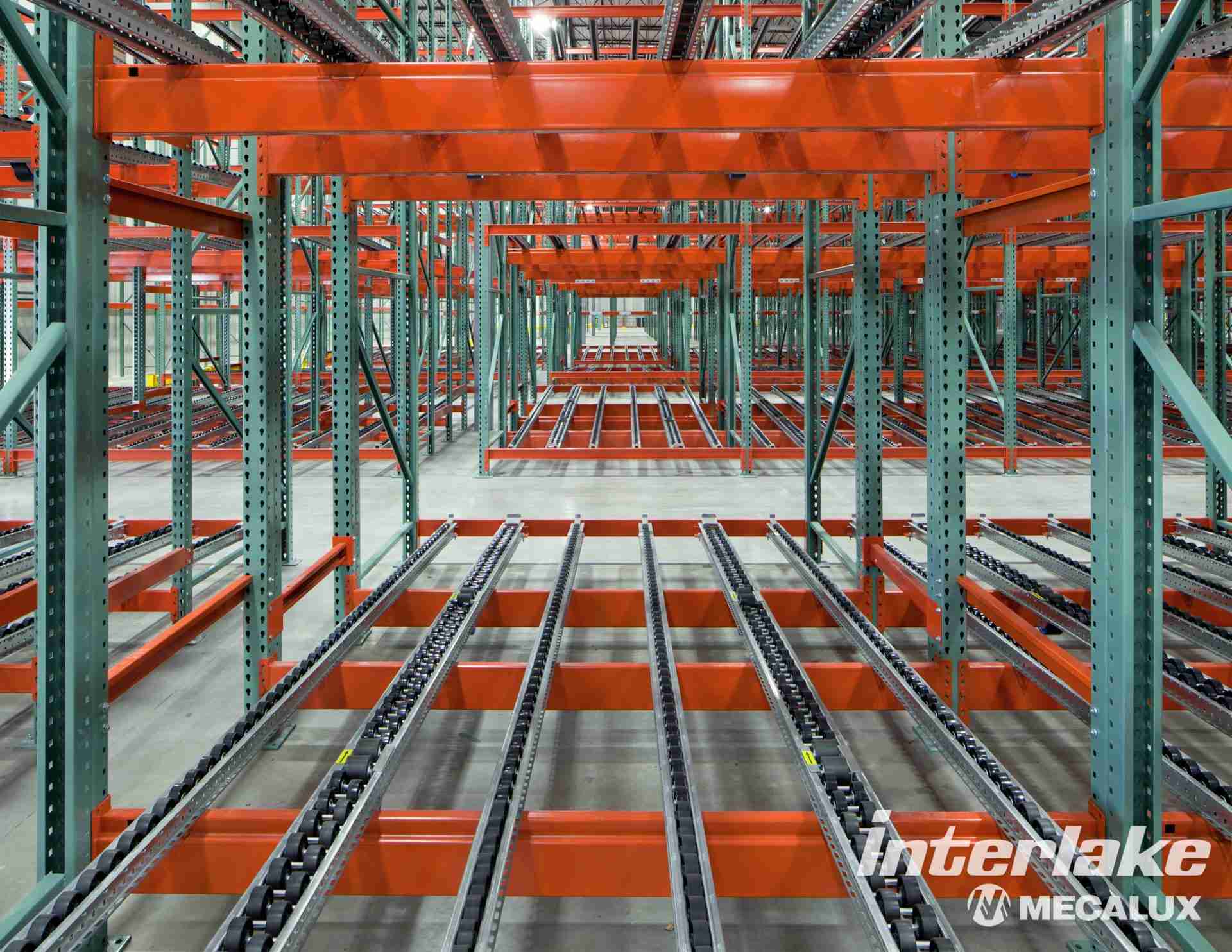
Is The Scarcity Of Warehouse Storage Holding You Back From Success?
Is The Scarcity Of Warehouse Storage Holding You Back From Success?
- Many businesses face challenges due to insufficient warehouse storage as they scale.
- Pallet racking is an effective storage solution that maximizes vertical space and streamlines operations.
- Organizing storage can enhance efficiency and reclaim control, allowing for seizing new opportunities.
- Improved organization leads to faster order fulfillment, happier customers, and increased repeat business.
- Investing in smart storage solutions removes barriers to success and instills confidence in teams.
- Effective warehouse solutions can unlock new revenue streams and elevate brand value.
- Taking action by investing in systems like pallet racking can help businesses achieve full potential.
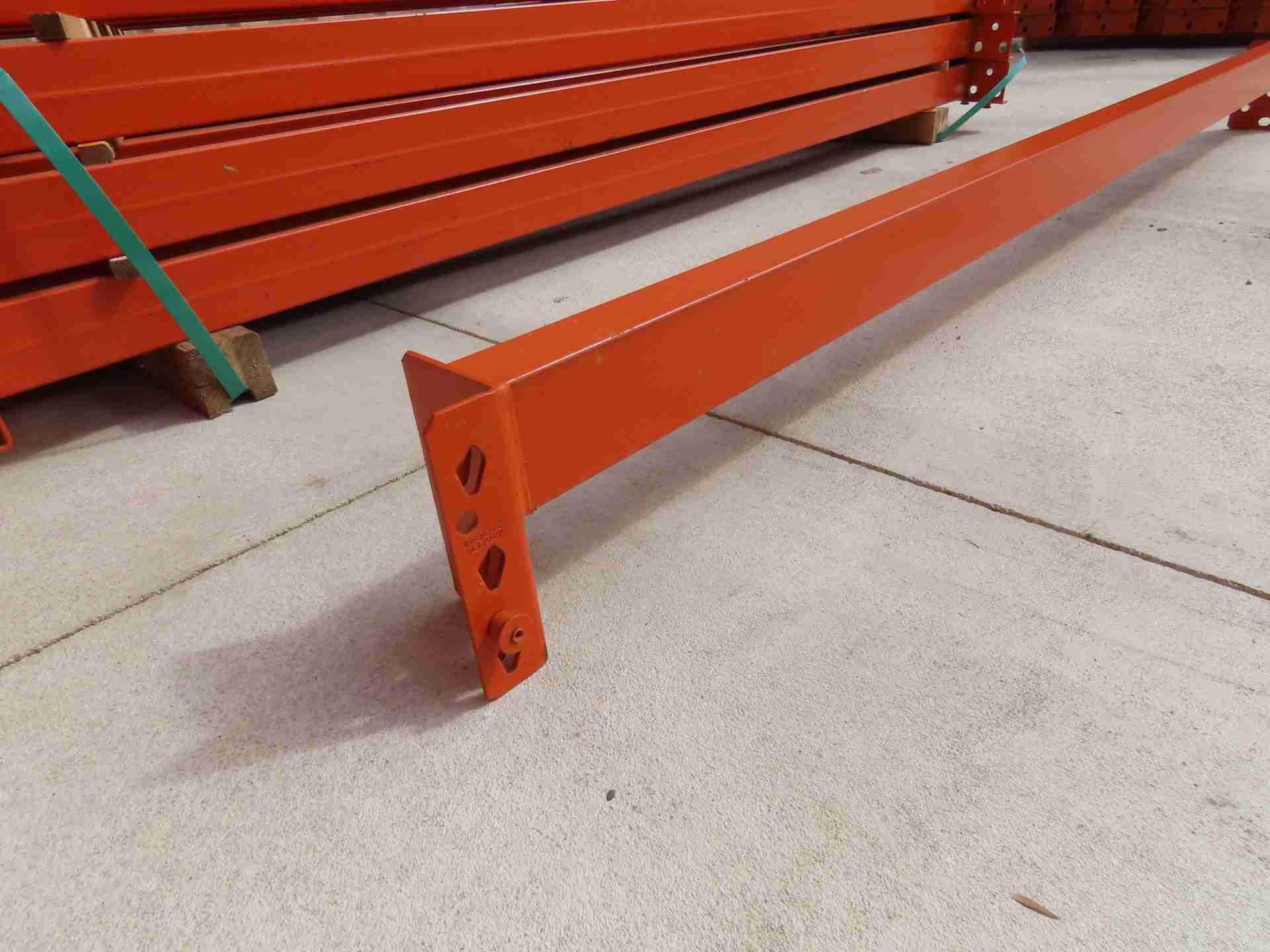
Is The Scarcity Of Warehouse Storage Holding You Back From Success?
Table Of Contents
- Is The Scarcity Of Warehouse Storage Holding You Back From Success?
- What Are The Key Factors Contributing To Warehouse Scarcity?
- How Does Warehouse Scarcity Impact Business Operations?
- What Industries Are Most Affected By Warehouse Shortages?
- How Can Businesses Assess Their Storage Space Needs?
- What Innovative Solutions Can Alleviate Warehouse Constraints?
- How Do Rising Rental Costs Affect Warehouse Availability?
- Conclusion
- Other Resources
- Glossary Of Terms
- Other Questions
- Checklist
What Are The Key Factors Contributing To Warehouse Scarcity?
In today’s fast-paced business climate, the scarcity of warehouse space is a pressing issue that impacts industries far and wide. If you’ve been in the logistics game for any length of time, you know this reality all too well. But what exactly is driving this phenomenon? Let’s pull back the curtain and explore the key factors that play a pivotal role in warehouse scarcity — and how understanding them can empower your business strategy.
First and foremost, e-commerce is surging like never before. With consumers expecting rapid delivery times and convenience at their fingertips, warehousing is becoming the backbone of online retail. Every time a shopper clicks “buy now,” a ripple effect occurs, pushing manufacturers and distributors to stockpile inventory closer to urban centers, which inevitably drives up demand for warehouse space. As demand increases, competition also intensifies, making it harder for business owners like yourself to secure the facilities you need to thrive.
Another crucial factor is the evolution of storage solutions. Gone are the days when simple shelves were sufficient. Today’s warehouses are sophisticated environments featuring cutting-edge storage technologies like pallet racking systems. These aren’t just efficient — they’re essential for maximizing space and optimizing operations. As businesses recognize the need to adopt innovative storage mechanisms, they’re subsequently flooding the market with demand for specialized warehouse facilities, further tightening availability. If you’re not rethinking your storage strategy, you risk being left behind, not only in terms of space but also in operational efficiency.
Location, too, plays an integral role. Urbanization trends are reshaping how and where businesses operate. As cities grow, the land becomes scarce, and warehouse space in prime locations becomes a prized asset. This urban land pressure translates into a scarcity of available warehouses within major markets, making your strategic decisions more critical than ever. Whether it’s finding a location that boosts your distribution speed or tapping into suburban markets, discerning where to plant your flag can have exponential effects on your operations.
Finally, the impact of supply chain disruptions cannot be ignored. The pandemic showcased just how vulnerable supply chains can be, forcing businesses to rethink their storage capabilities. The push for redundancy and resilience in logistics has made leasing or buying warehouse space more competitive than ever before.
In navigating the complexities of warehouse scarcity, a proactive approach is your best ally. By understanding these dynamics and adjusting your strategies accordingly, you can position your business not just to survive, but to thrive in this challenging landscape. The time to act is now — let’s turn scarcity into opportunity.
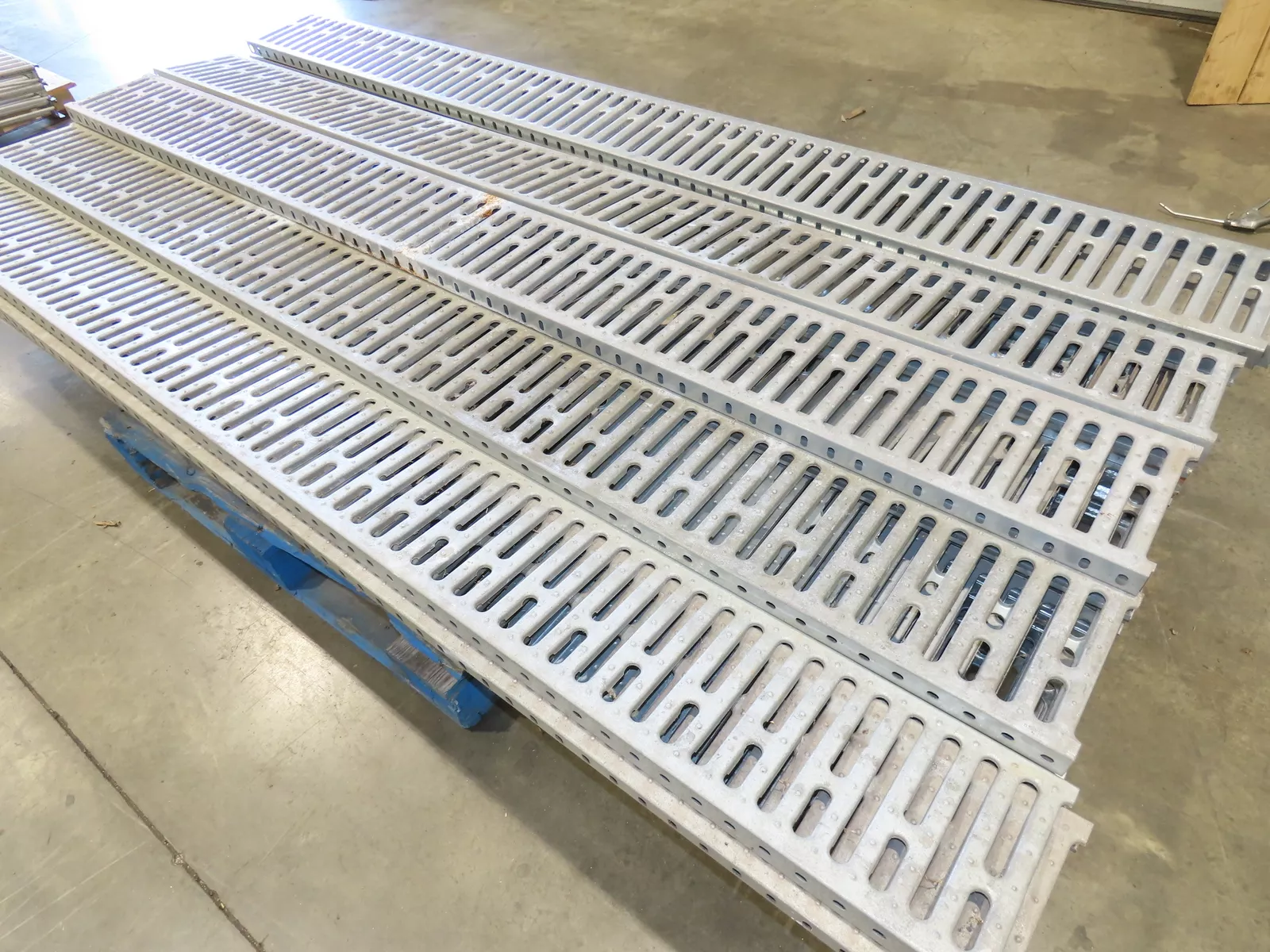
What Are The Key Factors Contributing To Warehouse Scarcity?
What Are The Key Factors Contributing To Warehouse Scarcity?
- Warehouse space scarcity is a critical issue affecting numerous industries in today’s fast-paced business climate.
- The surge in e-commerce drives demand for warehouse space as consumers expect rapid delivery and convenience.
- Innovative storage solutions, such as advanced pallet racking systems, are crucial for maximizing warehouse efficiency.
- The evolution of storage technologies increases competition for specialized warehouse facilities, tightening availability.
- Urbanization trends lead to land scarcity, making prime warehouse locations essential for business operations.
- Supply chain disruptions from the pandemic have heightened the competitiveness of securing warehouse space.
- Adopting a proactive strategy can help businesses navigate warehouse scarcity and turn challenges into opportunities.
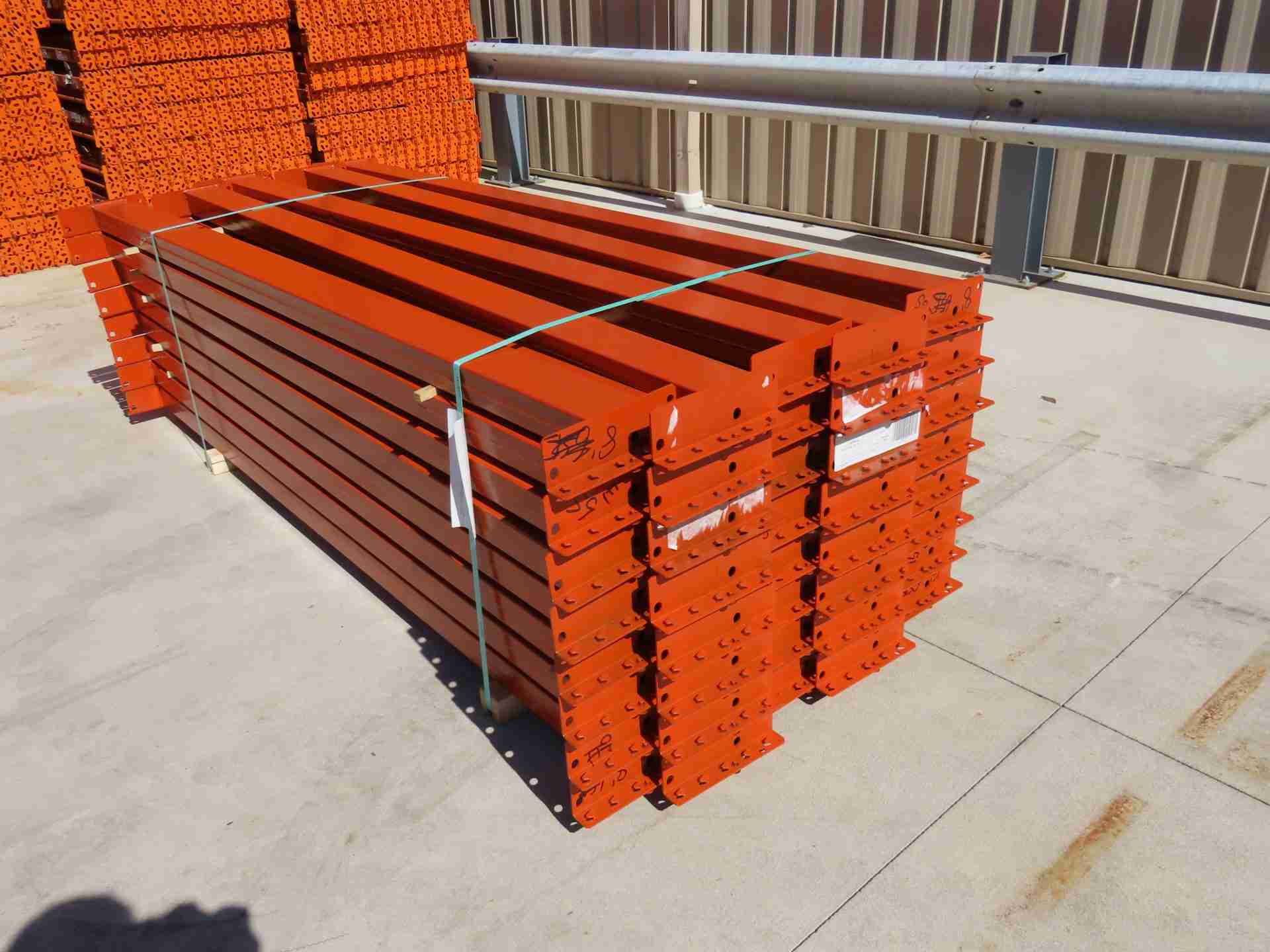
What Are The Key Factors Contributing To Warehouse Scarcity?
How Does Warehouse Scarcity Impact Business Operations?
In today’s fast-paced world, businesses thrive on efficiency and reliability. Yet, as warehouse space becomes increasingly scarce, many companies find themselves navigating uncharted waters. The impact of this scarcity is not merely a logistical challenge; it reverberates through every facet of business operations, forcing companies to rethink their strategies and embrace innovation.
Picture this scenario: a business relying on a robust supply chain to deliver products quickly finds itself squeezed for space. Prolonged delays, misplaced inventory, and inefficient pallet racking setups become the norm rather than the exception. All of these challenges can erode your hard-earned reputation and ultimately lead to lost sales. But understand this: scarcity doesn’t have to be a roadblock—instead, it can be a catalyst for growth.
When warehouses are at a premium, you have a prime opportunity to reassess your operations. Is your current pallet racking system optimized for maximum efficiency? If it’s not, now’s the time to invest in smarter layouts and better storage solutions. With the right configuration, you can reclaim lost space and streamline your processes, all while instilling confidence in your customers that their orders will be fulfilled accurately and timeliness.
Moreover, scarcity encourages businesses to embrace technologies that enhance inventory management. Robust tracking systems and automation can alleviate the pain points associated with limited space, allowing for seamless scalability. By making the necessary upgrades, you can turn a burden into a competitive advantage, proving that your business is adaptable and forward-thinking.
Think of your warehouse as the backbone of your operations. When it’s strained, your entire business feels the repercussions. But when you actively address the challenges posed by scarcity, you show your clients that you are a proactive leader. You’re not just reacting to the constraints—you’re anticipating them and taking action.
In a marketplace where trust is paramount, demonstrating such transparency and agility will not only strengthen your relationships but also inspire confidence. Your clients will feel assured that you are dealing with the challenges effectively, positioning you as a reliable partner.
So, don’t let warehouse scarcity paralyze your operations—turn it into a launching pad for improvement and growth. Take decisive action now, and watch as your business thrives in even the most challenging conditions.
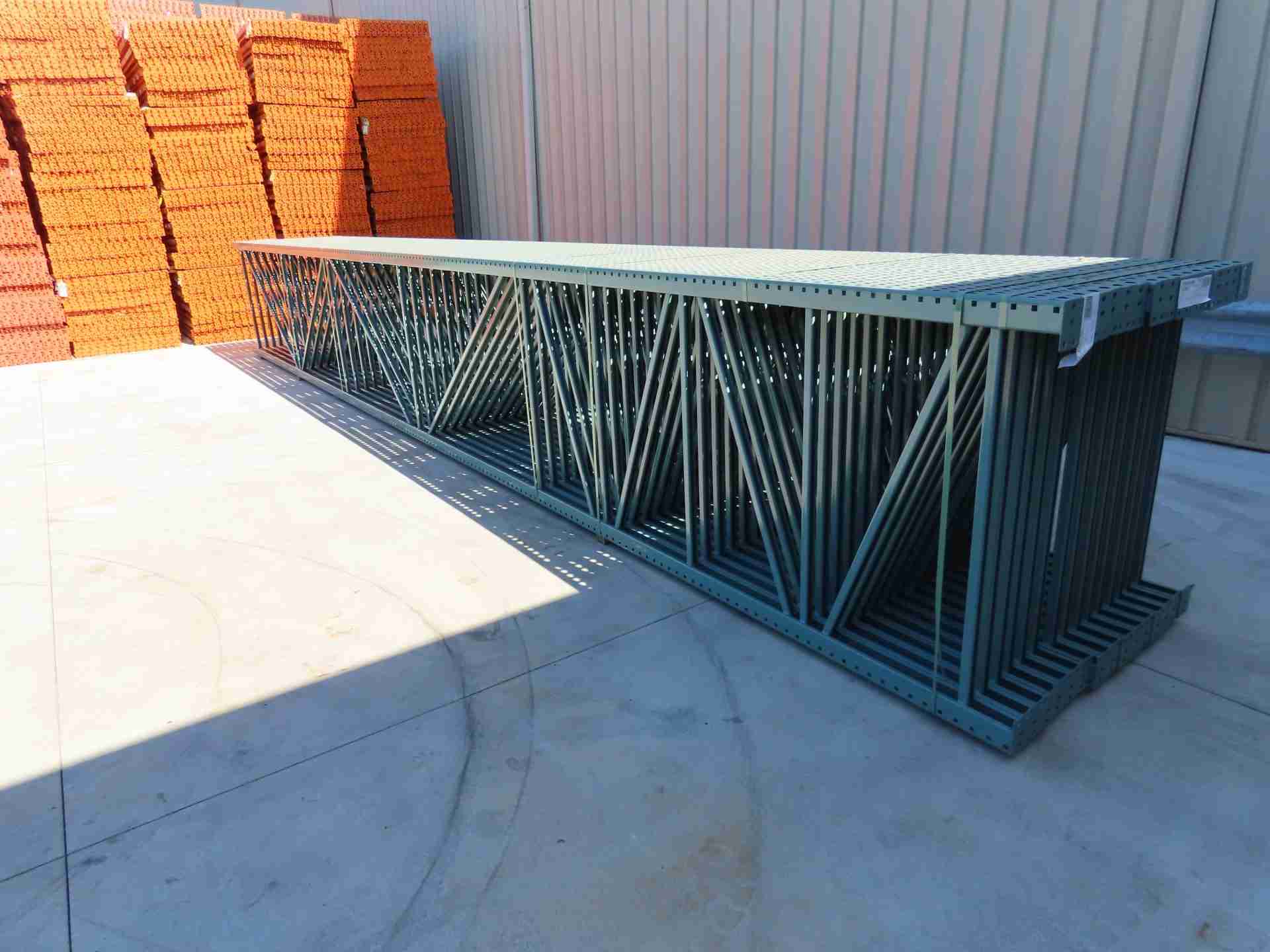
How Does Warehouse Scarcity Impact Business Operations?
How Does Warehouse Scarcity Impact Business Operations?
- Businesses today prioritize efficiency and reliability, facing challenges due to scarce warehouse space.
- Warehouse space scarcity impacts all aspects of operations, prompting companies to innovate and adapt their strategies.
- Common issues from space constraints include delays, misplaced inventory, and inefficient pallet racking.
- Scarcity should be viewed as an opportunity to optimize operations and improve storage solutions.
- Implementing advanced inventory management technologies and automation can mitigate challenges posed by limited space.
- A proactive approach to addressing warehouse challenges enhances client confidence and solidifies business relationships.
- Rather than allowing scarcity to hinder growth, companies should leverage it as a catalyst for operational improvement.

How Does Warehouse Scarcity Impact Business Operations?
What Industries Are Most Affected By Warehouse Shortages?
As we navigate the tumultuous waters of today’s economy, the tremors from warehouse shortages ripple across a variety of sectors, each feeling the strain in unique ways. If you’re a business owner or a decision-maker in logistics, understanding these impacts isn’t just an academic exercise—it’s crucial for your bottom line.
First and foremost, the retail industry is in the crosshairs. E-commerce demand has skyrocketed—everyone wants their purchases delivered yesterday! However, without an adequate supply of warehouse space, retailers can’t keep the shelves stocked or fulfill orders promptly. The result? Frustrated customers and lost sales. This reality is especially stark when you consider the role of pallet racking systems, which are essential for maximizing storage efficiency in tight spaces. When they’re in short supply or improperly designed due to space constraints, inventory management can quickly turn chaotic.
Manufacturing isn’t far behind. With supply chains already strained, the lack of warehouse space means that manufacturers struggle to store raw materials and finished goods. This bottleneck can lead to production delays and, worse, missed opportunities with clients. Think about it: one late delivery can tarnish your reputation for years. Smart investment in warehouse management, including effective pallet racking solutions, can be a game-changer, ensuring that materials are not only stored efficiently but also easily accessible when needed.
Furthermore, the food and beverage industry faces its own set of challenges. With perishables requiring specific storage conditions, warehouse shortages can hinder the ability to maintain effective distribution channels. Imagine a warehouse overflowing with inventory, but inadequate shelving means spoilage rises. Tracking and managing perishable goods becomes a logistic nightmare without the proper systems in place.
Lastly, healthcare and pharmaceuticals are sectors that cannot afford disruption. Timely delivery of medical supplies and medications is a matter of life and death. Warehouse shortages jeopardize this vital service. Efficient pallet racking not only ensures proper organization but also vital access to inventory when every second counts.
In essence, warehouse shortages create a domino effect across industries. Whether you’re in retail, manufacturing, food and beverage, or healthcare, your operations are interlinked in this web of logistics. Recognizing the significance of the right infrastructure—like effective pallet racking—could be the difference between thriving and merely surviving. Embrace solutions that allow you to navigate these challenges confidently. The stakes are high, but so are the rewards. Your business and your customers depend on it!
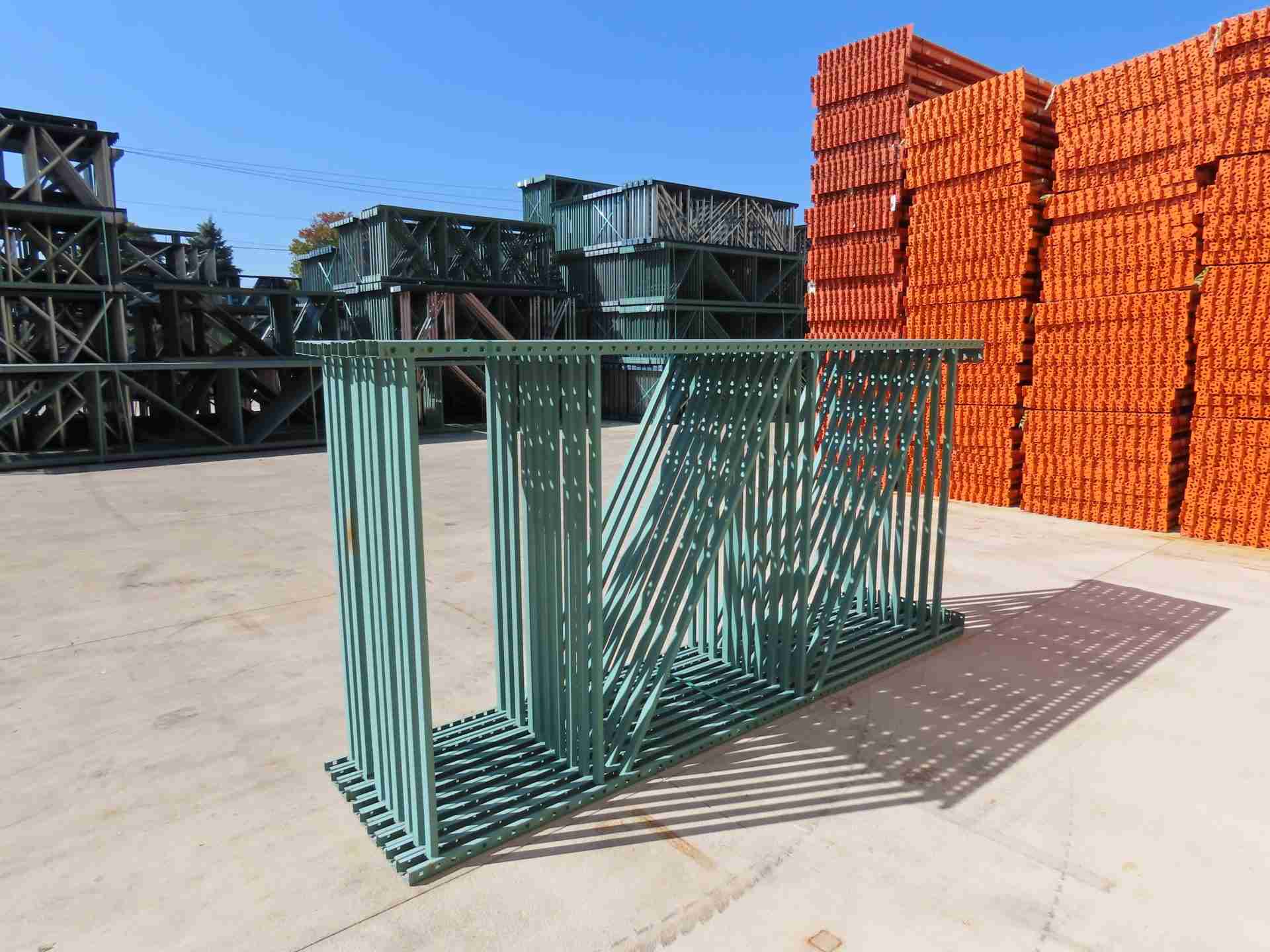
What Industries Are Most Affected By Warehouse Shortages?
What Industries Are Most Affected By Warehouse Shortages?
- Warehouse shortages have widespread impacts across various sectors, affecting businesses significantly.
- The retail industry is particularly challenged due to increased e-commerce demand and inadequate warehouse space.
- Pallet racking systems are essential for maximizing storage efficiency; shortages or poor designs can lead to chaotic inventory management.
- Manufacturers face production delays and missed opportunities due to limited storage for raw materials and finished goods.
- The food and beverage sector struggles with the storage of perishables, raising concerns about spoilage and distribution efficiency.
- Healthcare and pharmaceuticals are critically impacted, as timely delivery of supplies is essential for patient care.
- Investing in effective warehouse management and infrastructure can help businesses thrive amid these challenges.
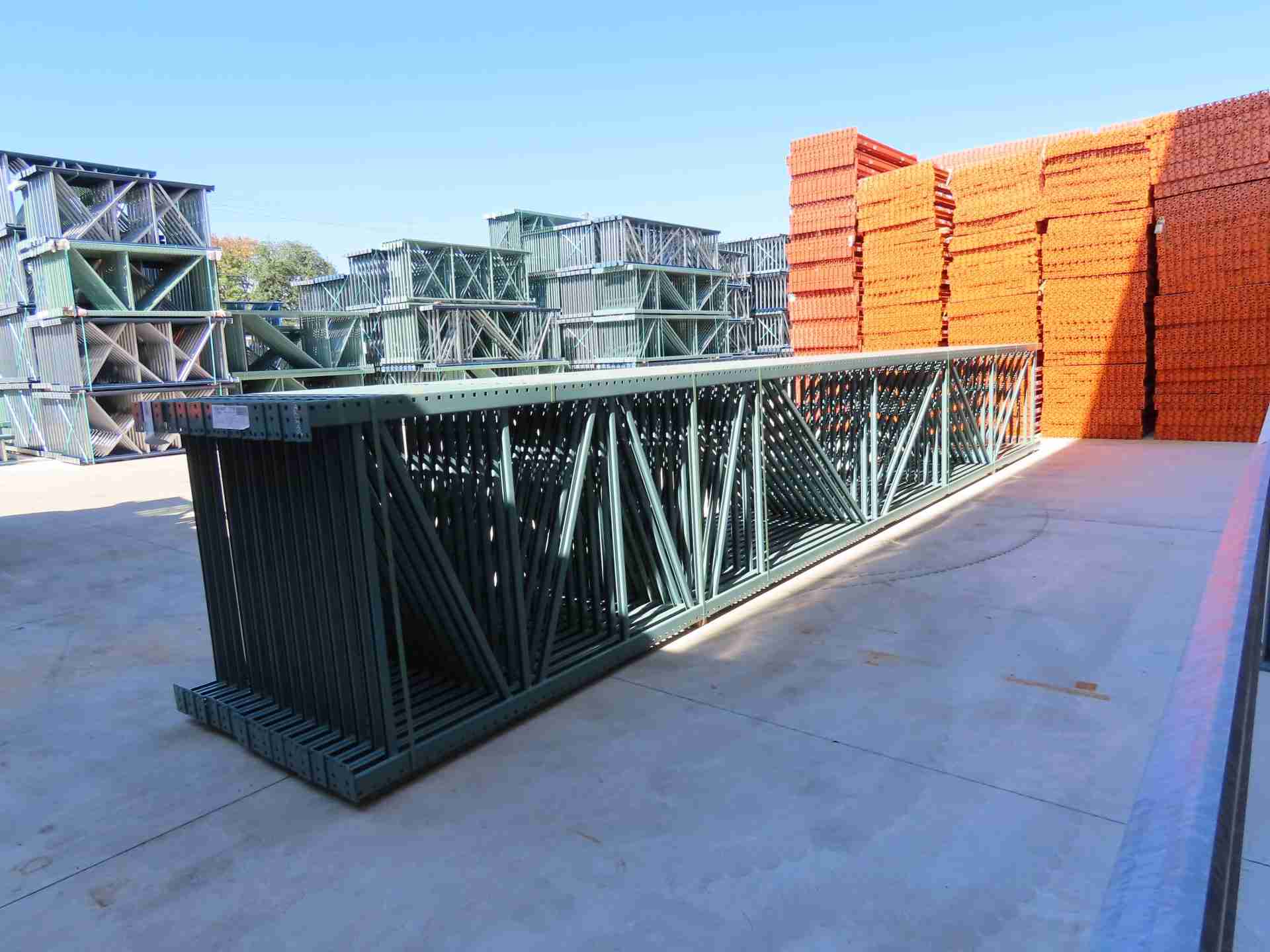
What Industries Are Most Affected By Warehouse Shortages?
How Can Businesses Assess Their Storage Space Needs?
In a world where every square foot matters, understanding your storage space needs is not merely an operational task—it’s a strategic imperative. The right storage solution can streamline your operations, boost productivity, and enhance your bottom line. So, where do you begin? Let’s break it down in a way that you can relate to and trust.
First and foremost, take stock of what you currently have. Walk through your existing space and visualize everything stored within those walls. Ask yourself, “Are my products efficiently housed, or am I sitting on a cluttered mess?” This self-assessment will help identify areas where inefficiencies lurk and clutter reigns supreme. Remember, a clear, organized space fosters a clear, organized mindset.
Next, evaluate your inventory. Yes, your merchandise might be beautifully arranged on the shelves, but is it optimized for easy access and efficient rotation? This is where innovative solutions, such as Pallet Racking, come into play. Whether you’re dealing with seasonal spikes in inventory or everyday sales, this flexible system can maximize your vertical space and make your stock easily navigable. Identify your most frequently accessed items and ensure they are front and center, making them as visible as your best marketing efforts.
But let’s not stop there. Picture how your business might grow in the coming years. Will your current setup be able to accommodate an influx of stock? Embrace the potential for expansion. Envision various scenarios—seasonal peaks, new product lines, or even a new store. Planning for growth means being proactive and reevaluating your needs regularly to stay one step ahead of the competition.
Finally, don’t hesitate to seek expert advice. Storage consultants can provide insights tailored to your specific business model. They can help you design a layout that not only meets your current needs but anticipates your future ones. You wouldn’t hire a novice to manage your marketing strategy, so why settle for anything less when it comes to your storage solutions?
Assessing your storage space needs is a journey, not a destination. By taking inventory, optimizing current setups like Pallet Racking, and planning for growth, you can craft a storage strategy that supports your business vision. Trust the process, engage with seasoned experts, and watch as your operations flourish in ways you didn’t think possible. Let’s transform your space into the powerhouse it was always meant to be!
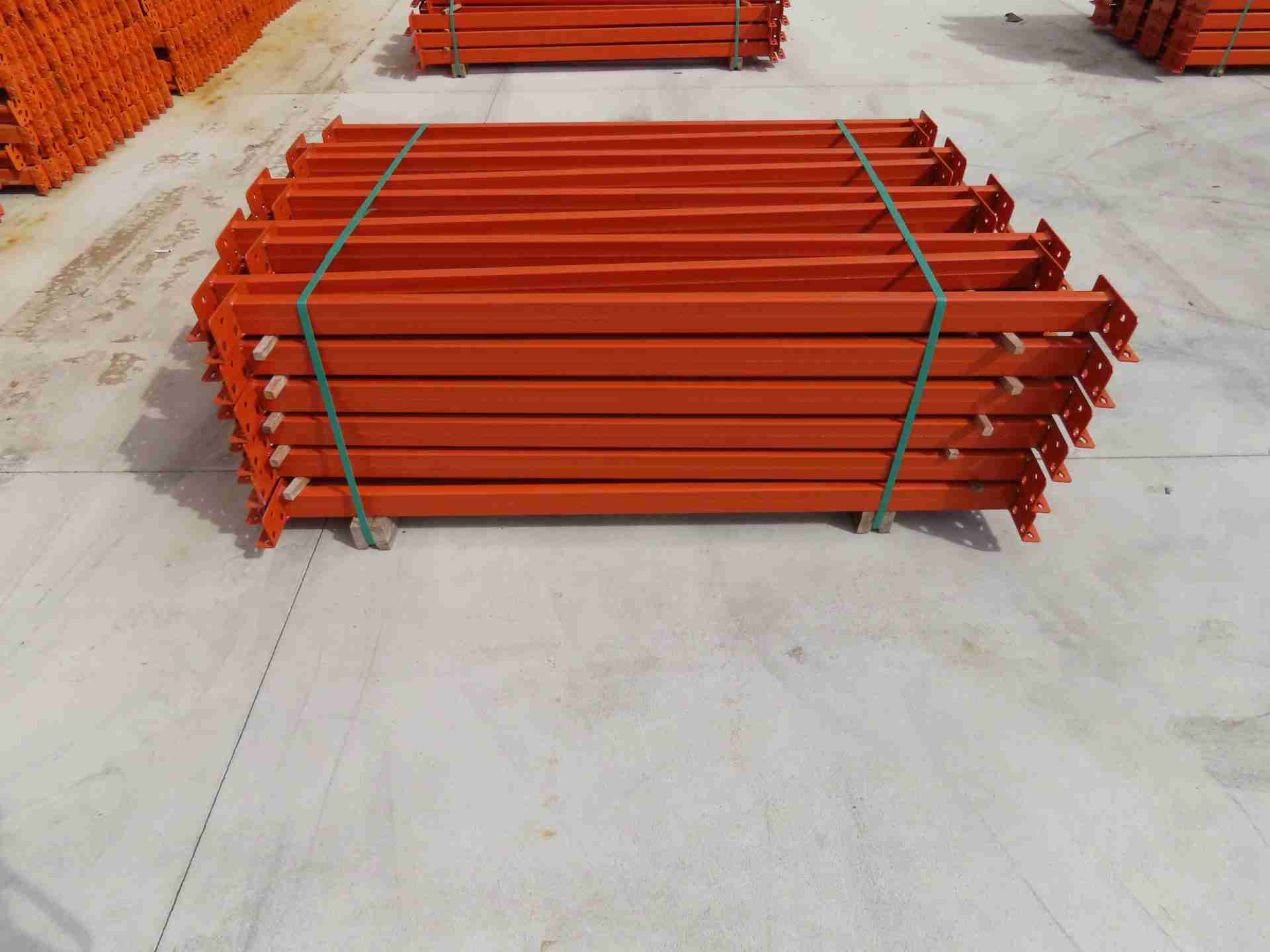
How Can Businesses Assess Their Storage Space Needs?
How Can Businesses Assess Their Storage Space Needs?
- Understanding storage space needs is crucial for operational efficiency and strategic planning.
- Conduct a self-assessment of your current storage setup to identify inefficiencies and clutter.
- Evaluate merchandise organization to ensure optimal access and inventory rotation.
- Utilize innovative solutions like Pallet Racking to maximize vertical space and accessibility.
- Plan for future growth by envisioning scenarios that may require expanded storage capabilities.
- Consult with storage experts for tailored advice and effective layout designs.
- Engage in a continual process of assessing and optimizing storage strategies to support your business vision.
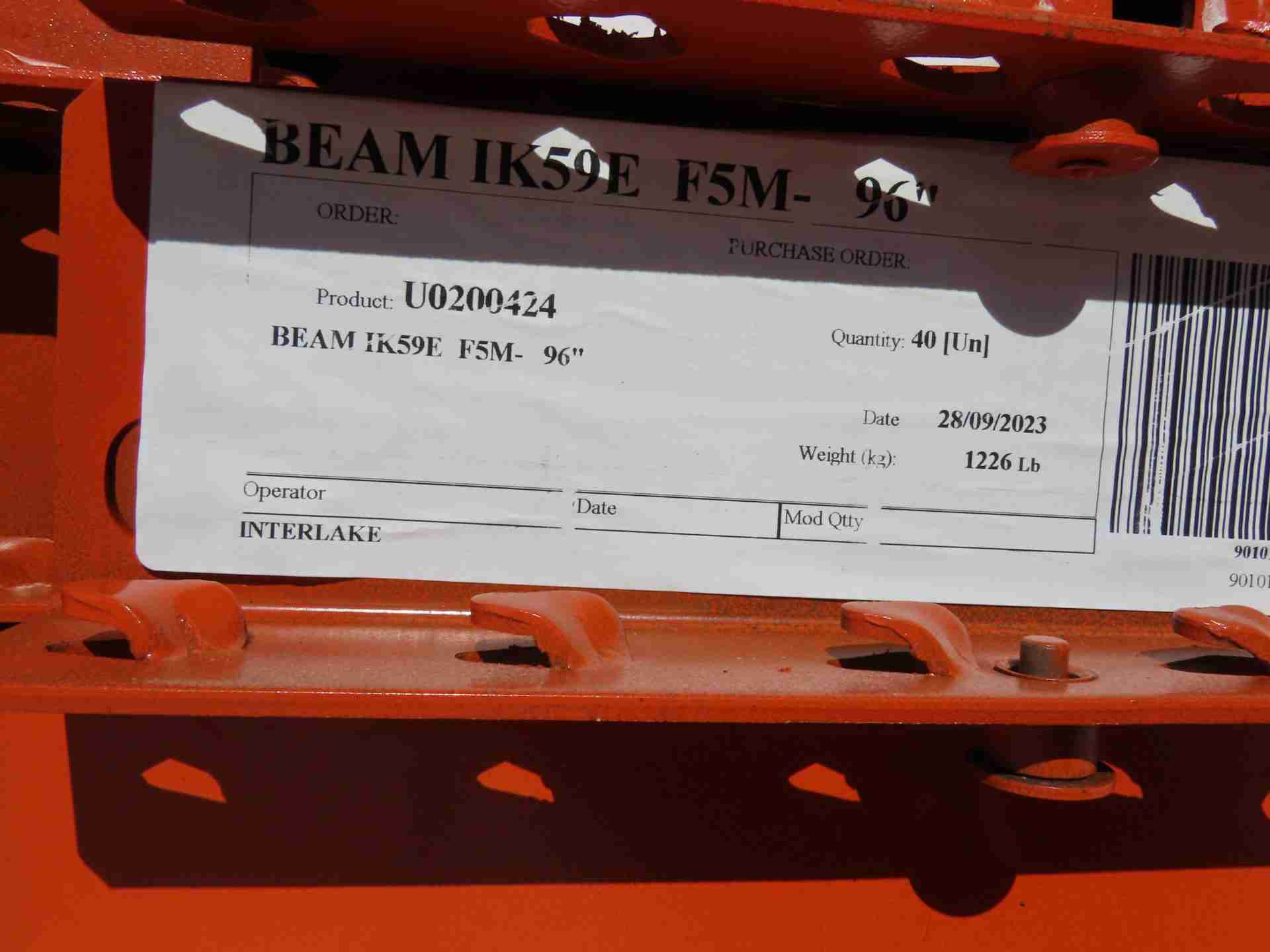
How Can Businesses Assess Their Storage Space Needs?
What Innovative Solutions Can Alleviate Warehouse Constraints?
In today’s fast-paced business environment, warehouse constraints can feel like a stone around your neck—holding you back from achieving the growth and efficiency you desire. But fear not! When you embrace innovative solutions, you can transform these challenges into opportunities for optimization. Let’s explore how you can take your warehouse operations to the next level, notably with the strategic use of pallet racking.
Imagine entering a warehouse that feels cluttered and disorganized. Products are haphazardly stored, making it difficult to find what you need when you need it. This chaos not only hampers your staff’s productivity but also creates a negative experience for your customers. Now, picture a streamlined, organized space where every square foot is utilized wisely. By investing in innovative pallet racking systems, you can maximize vertical space, improve inventory accessibility, and create a workflow that flows like a well-choreographed dance.
Pallet racking isn’t just about stacking goods. It’s about creating a sustainable solution that addresses your unique logistical challenges. Modern pallet racking systems can be tailored to your specific needs, allowing you to adapt as your business evolves. Whether you’re dealing with varying product sizes or anticipating seasonal fluctuations, adjustable and modular racking can transform your storage capacity and efficiency.
A well-designed pallet racking framework not only enhances your operational efficiency but also strengthens trust among your customers. When your warehouse runs like a finely-tuned machine, orders are processed accurately and delivered promptly. This reliability cultivates confidence in your brand, turning first-time buyers into loyal customers.
Moreover, implementing innovative pallet racking can significantly reduce labor costs. Staff can move more quickly and with less strain, leading to higher morale and productivity. You’ll find your team is not just working harder, but smarter. This shift can invigorate your workplace culture, inspiring collaboration and innovation among your employees.
So, what are you waiting for? Don’t let warehouse constraints weigh you down. Invest in innovative solutions like pallet racking and watch your logistic woes transform into streamlined successes. It’s time to empower your warehouse operations, elevate your business, and foster a brand your customers can count on. Make the change today, and take the first step towards an organized, efficient, and successful future.

What Innovative Solutions Can Alleviate Warehouse Constraints?
What Innovative Solutions Can Alleviate Warehouse Constraints?
- Warehouse constraints hinder growth and efficiency in today’s business environment.
- Innovative solutions, such as pallet racking systems, can optimize warehouse operations.
- A cluttered warehouse negatively impacts staff productivity and customer experience.
- Modern pallet racking maximizes vertical space and improves inventory accessibility.
- Customizable racking systems adapt to unique logistical challenges and business growth.
- Efficient pallet racking enhances order accuracy and fosters customer trust and loyalty.
- Investing in pallet racking reduces labor costs and boosts staff morale and productivity.
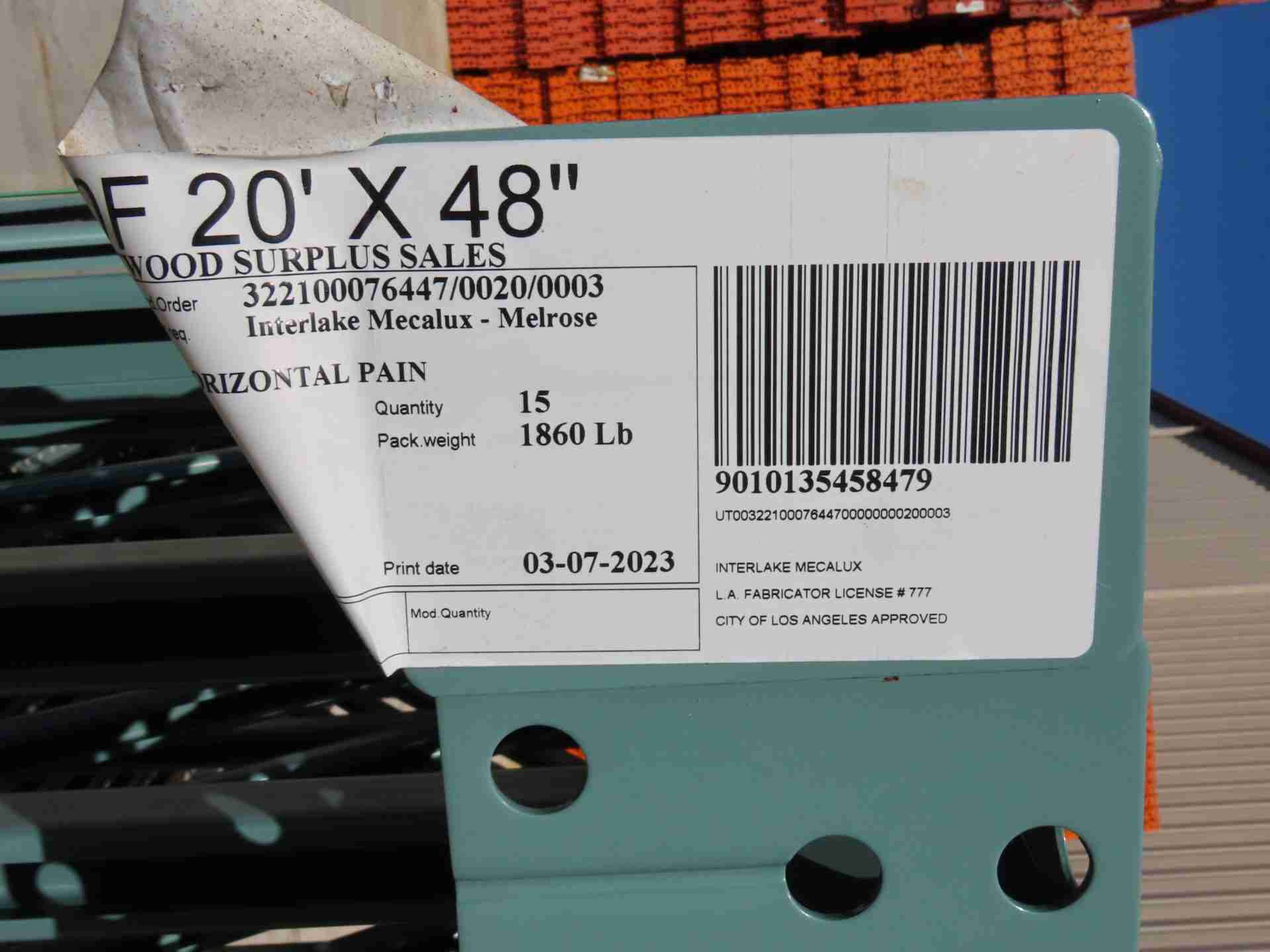
What Innovative Solutions Can Alleviate Warehouse Constraints?
How Do Rising Rental Costs Affect Warehouse Availability?
As the winds of change continue to blow through the world of logistics and distribution, it’s no secret that rising rental costs are creating a ripple effect across the entire warehousing landscape. Picture this: a bustling warehouse, filled with meticulously organized pallet racking systems that hold a mountain of products just waiting to be shipped to eager customers. Now, imagine that same warehouse burdened by spiraling rental expenses. The pressure isn’t just on the owners; it’s on everyone who depends on that space to ensure their business thrives.
With costs climbing higher, many warehouse operators find themselves at a crossroads. Should they continue pouring funds into maintaining expensive rental agreements, or is it time to rethink their entire approach? As these decisions loom, the availability of warehouse space becomes increasingly uncertain. If rates are too steep, some may choose to exit the rental market altogether, leaving a vacuum that can disrupt supply chains and create shortages in the very systems we rely on.
For those of us in the game, it’s vital to stay ahead of these trends. Supply chains that once seemed resilient are under threat, and it’s here where savvy business owners can seize opportunities. Understanding the dynamics of rental costs not only positions you favorably in the marketplace, but it also inspires confidence among your clients. Imagine being that trusted resource who can pivot and provide solutions, whether it’s optimizing your current pallet racking systems to maximize space or identifying alternative facilities that offer better rates without sacrificing quality.
Let’s be real—this is about more than just numbers on a balance sheet; it’s about collaborating with professionals who know the ins and outs of warehouse management. Building robust partnerships will be the bedrock for navigating these turbulent waters. You aren’t just any operator; you’re a key player who can lead the charge in maintaining operational efficiency even as costs rise.
So, what can you do today? Begin by assessing your current layout, diving deep into how each inch of your warehouse is utilized. Remember, each pallet racking system, each square foot, counts. Invest your time into strategic planning, fostering relationships with industry experts, and staying informed about market trends. Consciously adapting to these rising challenges will not only secure your position but also elevate your business to new heights. The future of warehousing awaits; are you ready to step up?
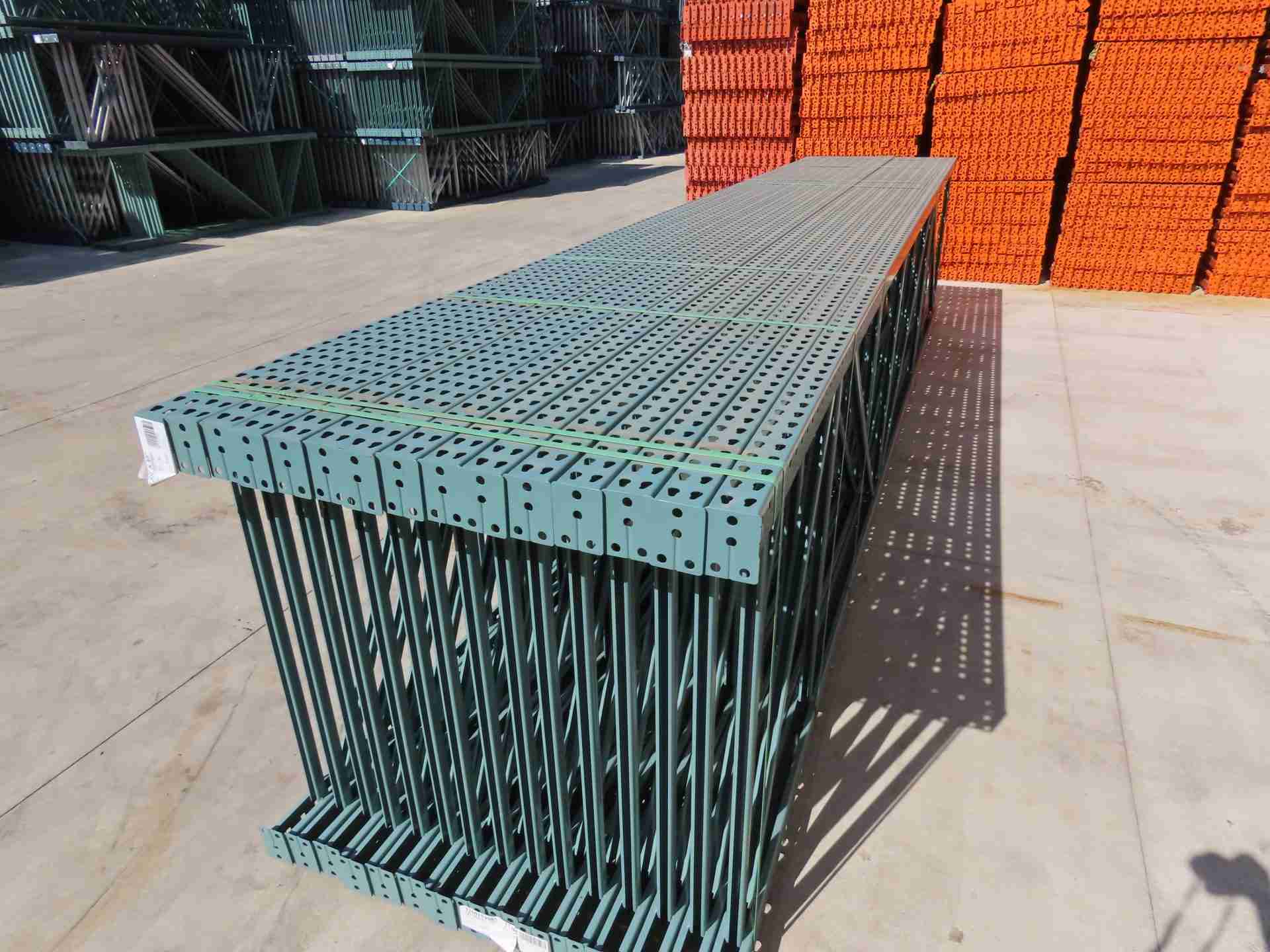
How Do Rising Rental Costs Affect Warehouse Availability?
How Do Rising Rental Costs Affect Warehouse Availability?
- Rising rental costs are significantly affecting the logistics and warehousing industry.
- Warehouse operators are faced with tough decisions about maintaining costly rental agreements.
- High rental rates may drive some operators out of the market, disrupting supply chains.
- Understanding rental cost dynamics can lead to strategic advantages in the marketplace.
- Building strong partnerships and collaborating with warehouse management professionals is essential.
- Assessing warehouse layouts and optimizing space utilization are critical steps for efficiency.
- Proactively adapting to market challenges can elevate businesses and enhance operational resilience.
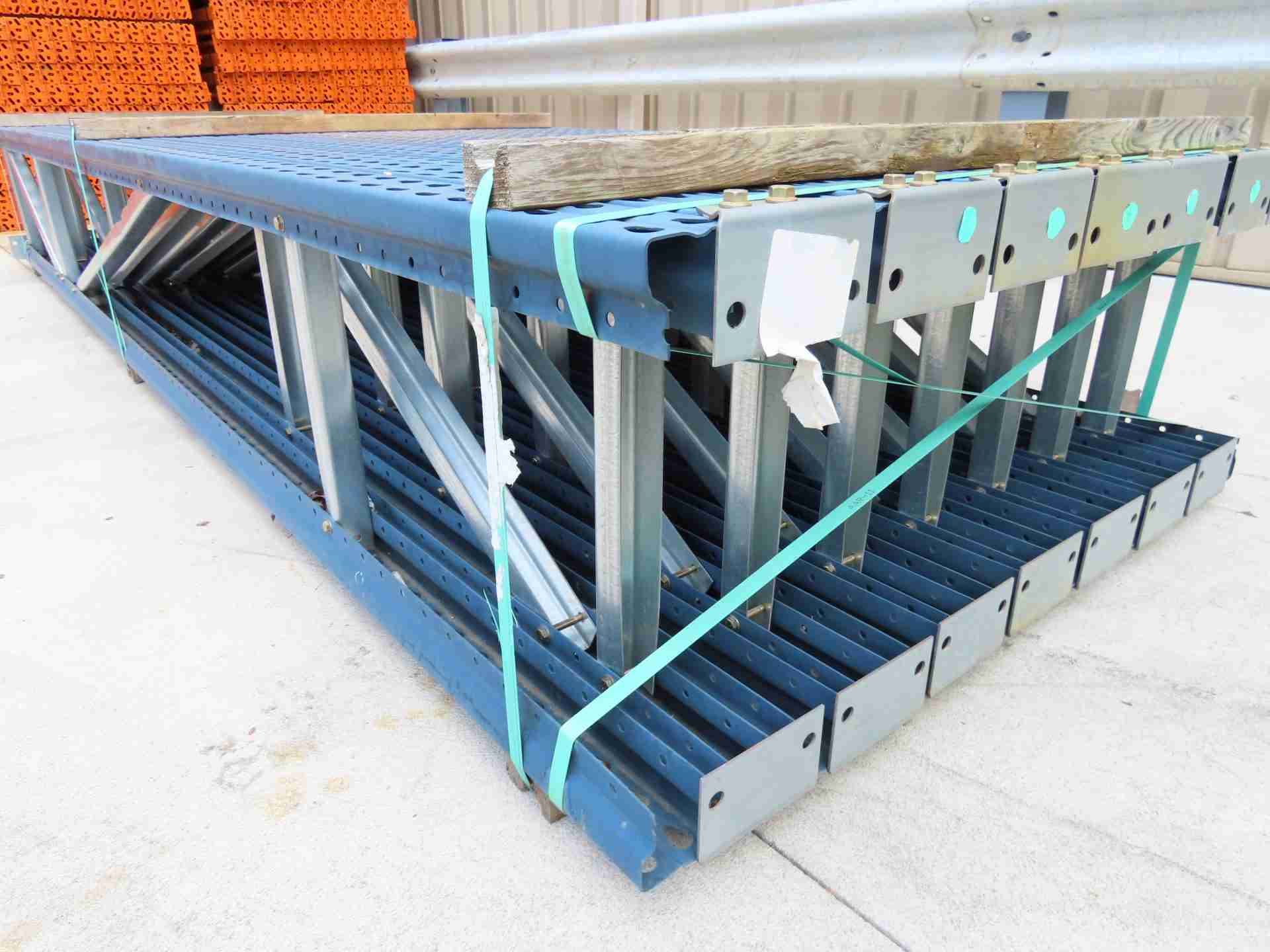
How Do Rising Rental Costs Affect Warehouse Availability?
Conclusion
Conclusion: Seize the Opportunity Amid Warehouse Scarcity
In today’s high-stakes business environment, the scarcity of warehouse storage can serve as both a significant burden and a unique opportunity. As we explored, understanding and tackling this complex issue is not just about solving a logistical challenge; it’s about paving the way for growth, efficiency, and long-term success. If you find yourself grappling with overflowing inventory, inefficiencies, and the looming threat of stagnation, know that you’re not alone. Many businesses face the same agonizing crossroads—a saturated warehouse that threatens to stifle potential. But therein lies the key: releasing yourself from the shackles of disorganization.
By investing in innovative storage solutions like pallet racking systems, you can reclaim vital space while maximizing operational efficiency. Imagine a streamlined environment where every square foot is employed wisely, orders are fulfilled seamlessly, and customer satisfaction soars. The benefits go beyond aesthetics—they can exponentially elevate your bottom line. The transition isn’t just a necessity; it’s an empowered choice that positions your company to not only meet rising demands but also exceed them.
But don’t wait to take action—time is of the essence. The burgeoning demand for efficient storage space is tightening, and today’s decisive steps can determine your tomorrow’s success. As industries ranging from retail and manufacturing to healthcare grapple with their own storage constraints, lagging behind can result in lost opportunities and revenues. Therefore, act now to assess your current storage needs and explore tailored solutions that maximize your operations.
We’re at the precipice of change, and your pathway to success begins with smart investments in strategic solutions. Don’t let uncertainty define your journey. Take deliberate, actionable steps towards transforming your warehousing challenges into a robust competitive advantage.
Contact Arrow Industrial Sales at (574) 349-6575 today to learn more about how pallet racking and other storage solutions can unlock your business’s potential. The time is now—don’t let the scarcity of warehouse space hold you back any longer. Let’s turn these challenges into stepping stones and accelerate your journey toward unparalleled growth and achievement. Your thriving future awaits!
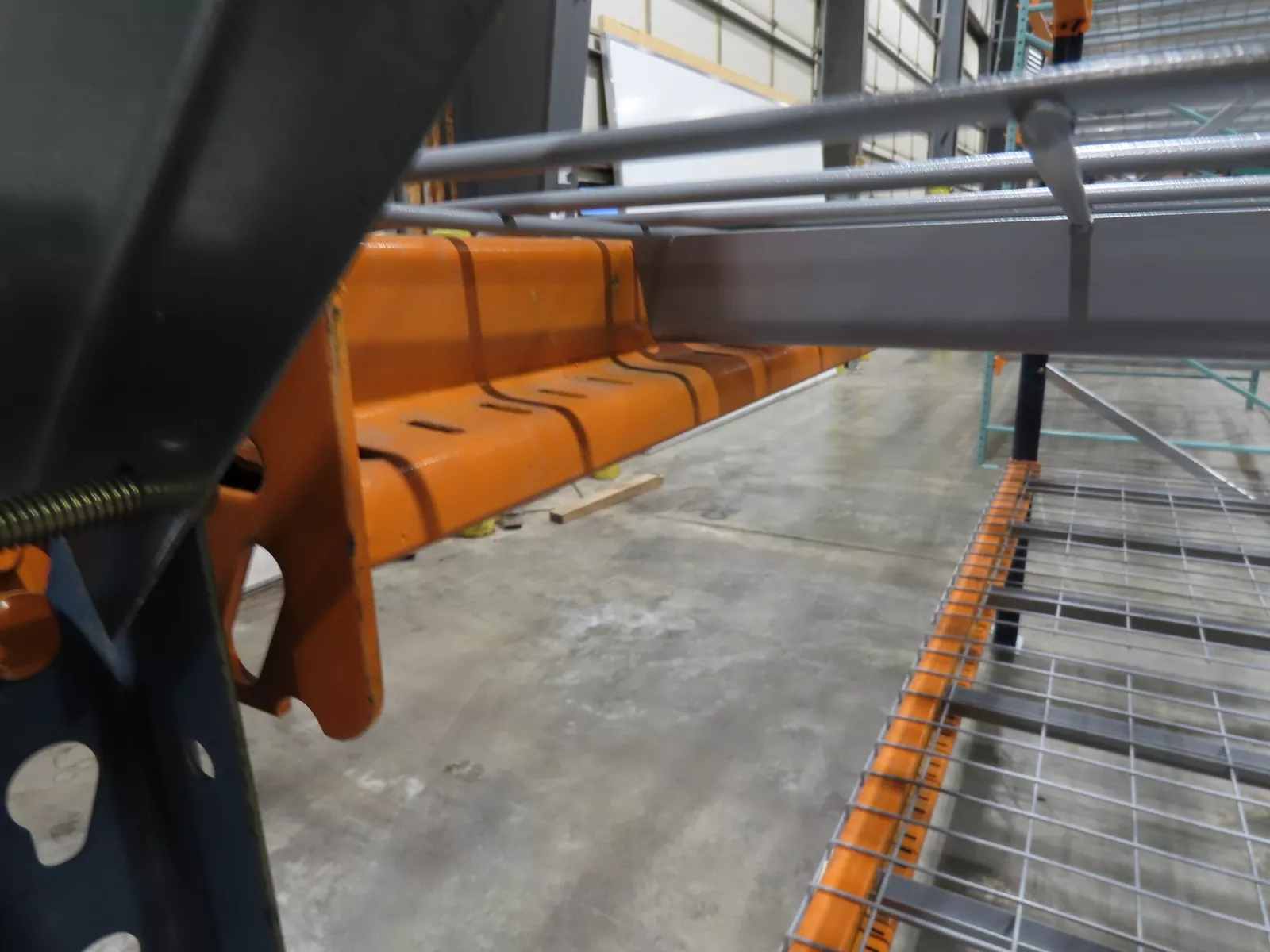
Conclusion
Conclusion:
- The scarcity of warehouse storage presents both challenges and opportunities for businesses.
- Addressing warehousing issues is key for growth, efficiency, and long-term success.
- Investing in innovative storage solutions, such as pallet racking systems, can reclaim vital space and improve operational efficiency.
- A streamlined environment enhances fulfillment processes and boosts customer satisfaction.
- Taking immediate action is crucial due to increasing demand for efficient storage solutions.
- Businesses should assess current storage needs and explore tailored solutions to maximize operations.
- Contact Arrow Industrial Sales to learn about transforming warehousing challenges into competitive advantages.
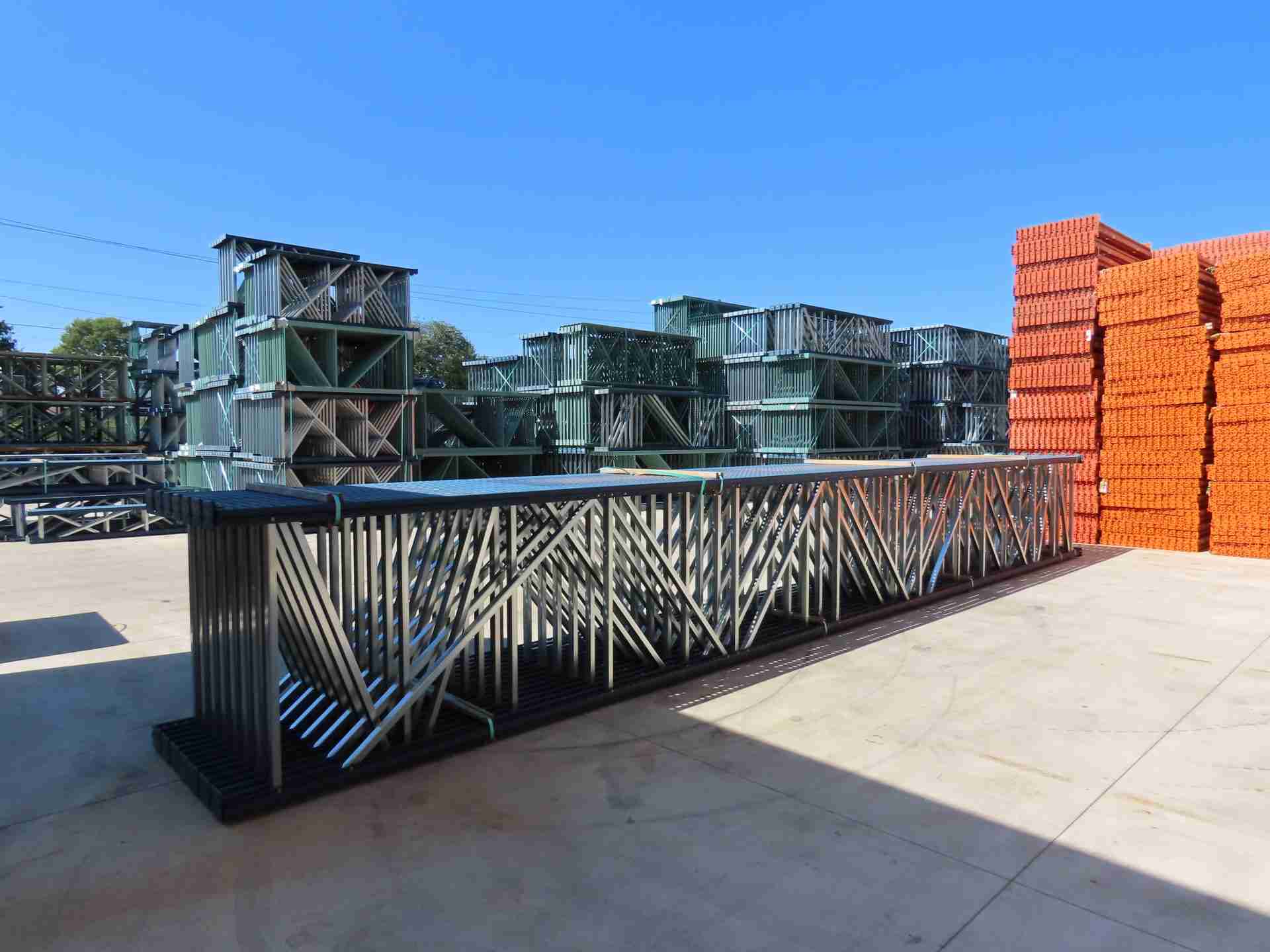
Conclusion
Other Resources
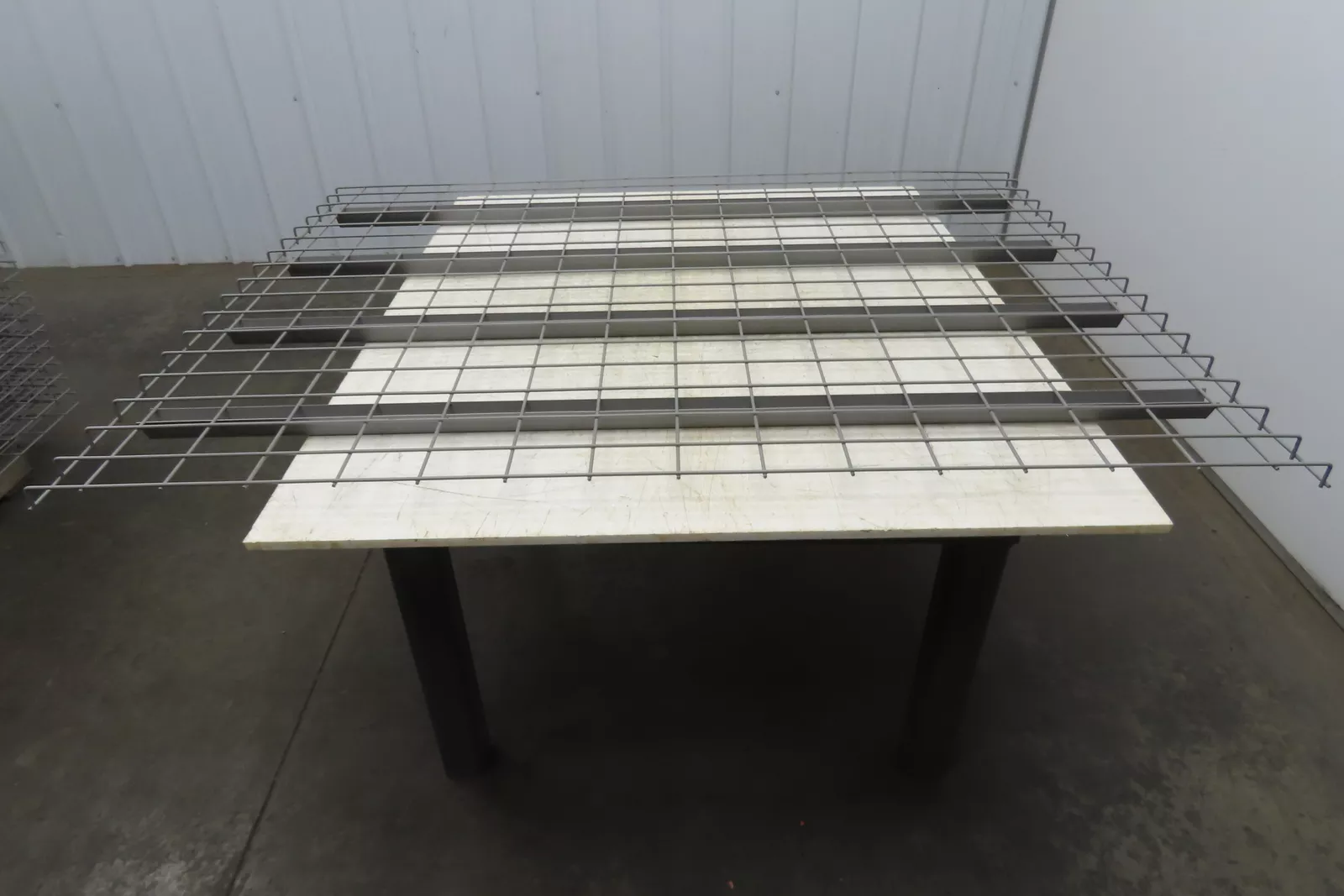
Other Resources
Here is a list of other resources you can review online to learn more:
- Pallet Racking systems in Illinois and Great Lakes
- Warehousing Education and Research Council: https://www.werc.org/
- Selective Pallet Racking Systems
- Pallet Racking 101: A Comprehensive Guide & Options Explained
- Racking World
- IWLA
- International Warehouse Logistics Association
- Teardrop Industrial Shelving Rack
- Warehouse Storage Racks
- Rack Manufacturers Institute
Use This Prompt To Get More Resources With Your Favorite Online AI Tool: Please provide me with a list of online articles with their URLs in a bulleted list that I can read regarding Is The Scarcity Of Warehouse Storage Holding You Back From Success?
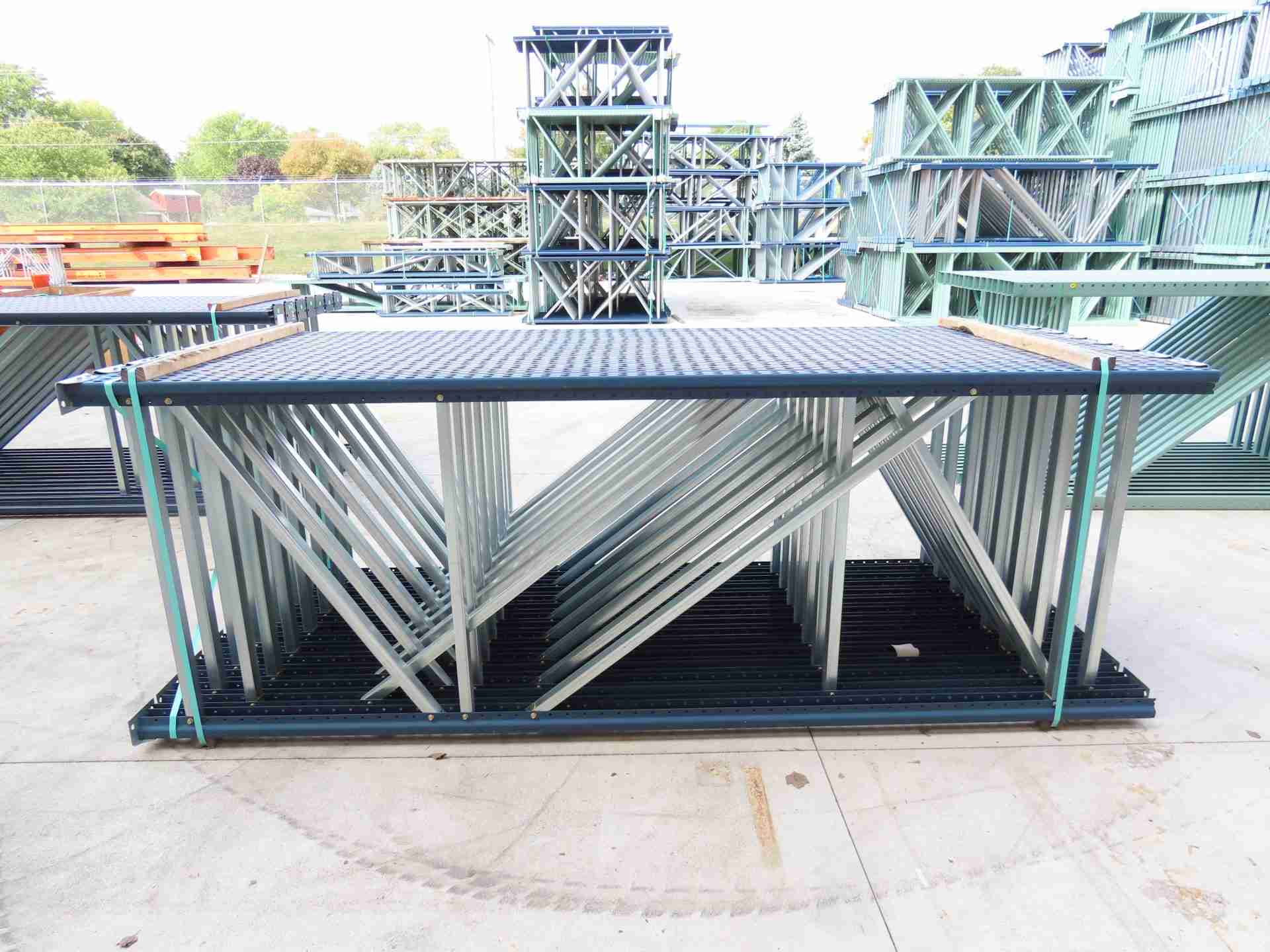
Other Resources
Glossary Terms
Is The Scarcity Of Warehouse Storage Holding You Back From Success? – Glossary Of Terms
1. Warehouse: A large building where goods are stored before distribution to retailers or customers.
2. Storage Capacity: The maximum amount of goods that can be stored in a warehouse at any given time.
3. Scarcity: The state of being in short supply; in this context, it refers to limited warehouse space.
4. Logistics: The management of the flow of goods between the point of origin and the point of consumption.
5. Inventory Management: The supervision of non-capitalized assets, or inventory, and stock items to ensure optimal levels.
6. Overstocking: The scenario where a warehouse has more inventory than it can efficiently store or manage.
7. Understocking: When a warehouse fails to maintain sufficient inventory levels, resulting in product shortages.
8. Supply Chain: The entire system of production, processing, and distribution of goods from origin to end consumer.
9. Lead Time: The time taken from the initiation of a process to its completion, including delivery.
10. Picking and Packing: The process of selecting products from inventory and preparing them for shipment.
11. Distribution Network: The interconnected system of warehouses and transportation used to store and distribute goods.
12. Fulfillment Center: A specialized type of warehouse focused on fulfilling online orders for retail and e-commerce.
13. Cross-Docking: A logistics practice where products are directly transferred from inbound to outbound shipping with minimal storage time.
14. Dynamic Storage: A flexible storage system that adjusts space allocation based on real-time inventory needs.
15. Barcoding: A method of encoding data in a visual format (barcode) to facilitate inventory tracking and management.
16. Warehouse Management System (WMS): A software application that helps manage warehouse operations like inventory tracking and order fulfillment.
17. Palletization: The act of placing products onto a pallet for efficient storage and transportation.
18. Docking Bay: The area in a warehouse designed for loading and unloading goods from trucks or shipping containers.
19. Real Estate Costs: The expenses associated with leasing or owning warehouse space, which can impact overall operational budgets.
20. Space Optimization: The process of maximizing the efficiency of storage space through layout planning and storage techniques.
21. Product Returns: Goods that are sent back to the warehouse for various reasons, impacting available storage space.
22. Seasonal Demand: Fluctuations in product demand that correspond with specific times of the year, affecting inventory levels.
23. Storage Solutions: Various methods and systems used to store goods efficiently, such as shelving, racking, and bins.
24. Capacity Planning: The process of determining the necessary warehouse space and resources required to meet expected demand.
25. Cold Storage: Warehouses specifically designed to store perishable goods at controlled temperatures.
26. Automation: The use of technology to perform tasks without human intervention, often to improve efficiency in warehouse operations.
27. E-commerce: Buying and selling goods online, which has heightened the demand for efficient warehouse storage solutions.
28. Just-in-Time (JIT): An inventory strategy that aims to reduce waste by receiving goods only as they are needed in production.
29. Third-Party Logistics (3PL): A service provider that manages a company’s logistics, including warehousing and transportation.
30. Scalability: The capability of a warehouse or storage system to handle growth in demand without sacrificing efficiency.
Glossary Of Terms
Other Questions
Is The Scarcity Of Warehouse Storage Holding You Back From Success? – Other Questions
If you wish to explore and discover more, consider looking for answers to these questions:
- What are the different types of pallet racking systems available?
- How can I determine the best storage solution for my business?
- What are the cost implications of investing in new storage solutions?
- How can technology, like automation, impact warehouse efficiency?
- What are the risks of not addressing warehouse scarcity?
- How do I choose the right location for my warehouse operations?
- What strategies can businesses use to negotiate rental costs?
- How often should businesses reassess their storage space needs?
- What are some common mistakes to avoid when organizing a warehouse?
- How can small businesses compete for warehouse space with larger companies?
- What factors should I consider when planning for future expansion?
- How does the current economic climate affect warehouse availability?
- What role do third-party logistics providers play in addressing warehouse constraints?
- How can businesses measure the efficiency of their warehouse operations?
- What are the environmental considerations when managing warehouse space?
Other Questions
Checklist
Is The Scarcity Of Warehouse Storage Holding You Back From Success? – A Checklist
Checklist for Overcoming Warehouse Storage Limitations
Title: Unlock Your Growth Potential: A Practical Checklist for Addressing Warehouse Storage Challenges
1. Assess Your Current Warehouse Space
_____ Conduct a walkthrough of your storage area to evaluate organization and efficiency.
_____ Document areas of clutter or inefficiency that may contribute to storage issues.
2. Analyze Inventory Management
_____ Review inventory levels and turnover rates.
_____ Identify frequently accessed items for optimal placement.
_____ Evaluate if your current storage configuration supports easy access and rotation.
3. Consider Growth and Scalability
_____ Project future storage needs based on anticipated growth, seasonal peaks, or new product lines.
_____ Develop a flexible storage strategy that can accommodate expansion.
4. Explore Innovative Storage Solutions
_____ Investigate potential investments in pallet racking systems tailored to your specific requirements.
_____ Look into adjustable and modular racking systems for versatile storage capabilities.
5. Enhance Warehouse Operations
_____ Implement technology for better inventory tracking and management.
_____ Optimize workflow layouts to promote efficiency and reduce clutter.
_____ Assess and improve safety protocols to minimize workplace risks.
6. Evaluate Rental Costs and Location Strategy
_____ Research current rental costs and market conditions for warehouse space.
_____ Consider alternative locations to balance cost, accessibility, and demand.
_____ Engage in strategic planning to negotiate favorable lease terms.
7. Collaborate with Experts
_____ Seek consultations with warehouse management professionals for tailored advice.
_____ Network with industry peers to share insights on best practices and solutions.
8. Prioritize Customer Fulfillment
_____ Regularly review customer feedback on delivery times and order accuracy.
_____ Develop strategies to ensure that improvements in storage lead to enhanced customer satisfaction.
9. Create an Implementation Plan
_____ Outline specific steps and timelines for addressing storage limitations.
_____ Assign responsibilities to team members for execution.
10. Monitor and Adapt
_____ Establish KPIs to measure the efficiency of your warehouse operations.
_____ Stay informed about industry trends to proactively address emerging challenges and opportunities.
By following this checklist, you can effectively navigate warehouse storage limitations and unlock growth potential for your business.

Checklist
At RackingWorld, we help guide you through selecting warehouse storage systems and racking.
Be sure to read our other related stories at RackingWorld to learn more about warehouse storage systems.
0 Comments